
Canadian shoppers have become experts at spotting obvious price hikes, but the quieter pressures are harder to catch. A smaller box, a members-only discount, a checkout fee, or a “value” bundle can all make a basket feel reasonable until the receipt says otherwise. Across groceries, household basics, online orders, and everyday retail, the squeeze often hides in the details rather than the sticker price. Here are 16 ways Canadian shoppers are losing buying power without always realizing how it happens.
Shrinking Packages That Keep the Same Shelf Price

Shrinkflation has become one of the most frustrating quiet price increases in Canadian stores. A bag of chips looks familiar, a box of crackers still fits the same pantry shelf, and the price tag may not move much. The difference appears only when the weight drops from 500 grams to 450 grams, or a package that once held 12 servings now holds 10. For shoppers moving quickly through a grocery run, that change is easy to miss.
Statistics Canada found that nearly three in ten eligible grocery items tracked in the Consumer Price Index experienced shrinkflation from 2021 to 2023. That means many Canadians may have been paying the same or more while taking home less. The problem feels especially sneaky because it avoids the emotional reaction caused by a visible price jump. A family buying the same cereal every week may not notice the box has changed until it runs out faster.
Unit Prices That Are Harder to Compare Than They Should Be

A sale sign can make one package look cheaper, but the real test is often the price per 100 grams, per litre, or per roll. Many Canadian shoppers try to compare unit prices, only to face small shelf labels, inconsistent measurements, or missing information. One detergent may show a price per wash, another per litre, and a third only the total price. That makes quick comparison harder than it needs to be.
The Competition Bureau has warned that comparing grocery prices across package sizes and stores is difficult, even for informed shoppers. Its grocery market study recommended accessible, harmonized unit pricing rules to help consumers make better choices. Without clear unit pricing, a “family size” item can appear economical while costing more per unit than a smaller package. The squeeze happens when shoppers think they are choosing value, but the math quietly says otherwise.
Loyalty Prices That Turn Regular Prices Into Penalties

Loyalty programs can deliver genuine savings, but they also change the meaning of a shelf price. A product may be $3.99 with a card and $5.49 without one, making the non-member price feel less like the real price and more like a penalty. Shoppers who forget a card, avoid data-sharing, or shop at a store only occasionally can end up paying more for the same item at the same checkout.
The Competition Bureau has noted that loyalty programs are an important driver of grocery choice in Canada. That influence matters because shoppers may start choosing stores based on points or personalized offers rather than the full basket cost. A points bonus on snacks or cosmetics can feel rewarding, even if staples elsewhere are cheaper. Over time, the program trains shoppers to chase deals inside one system rather than compare across stores.
Grocery Prices Rising Faster Than Many Other Costs

Many shoppers feel that grocery bills have moved from annoying to alarming, and the numbers support that feeling. The Bank of Canada reported that since 2022, grocery prices rose by about 22%, compared with about 13% for other consumer prices on average. That gap matters because groceries are not an optional expense. Households can delay a furniture purchase, but they still need milk, bread, produce, and protein.
The squeeze becomes harder to notice because grocery inflation arrives item by item. A dollar more for coffee, 80 cents more for eggs, and a smaller discount on chicken may not seem dramatic on their own. Together, they reshape the weekly budget. A shopper who once treated a $150 cart as normal may slowly accept $190 as the new baseline. The pain feels gradual, but the cumulative change is significant.
“Sale” Tags That Reward Stockpiling More Than Saving
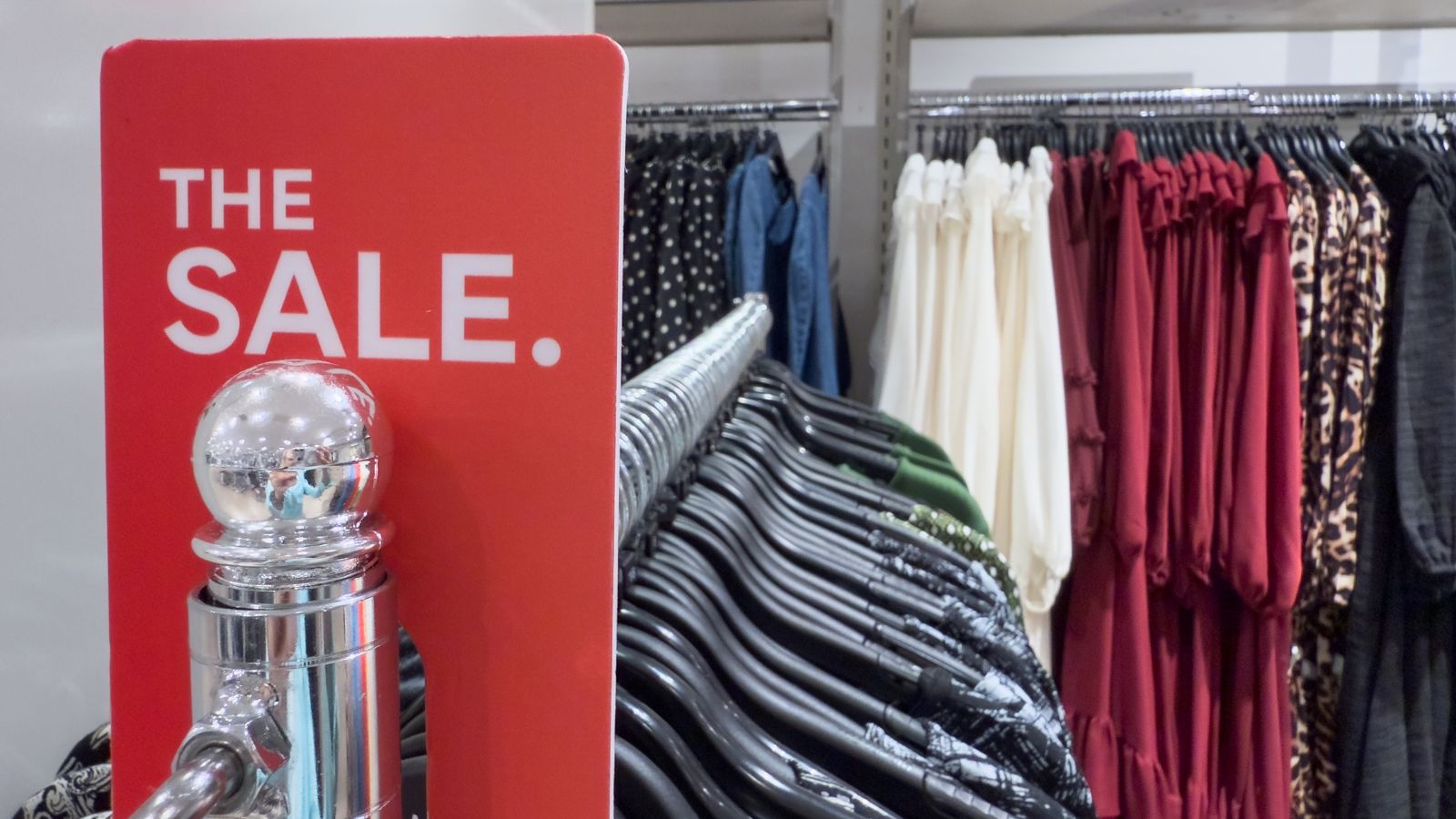
Canadians have learned to shop flyers, but sale cycles can pressure households into buying more than they planned. A “limit 6” deal, a two-for price, or a weekend-only promotion can create urgency, especially when the item has climbed in price over the past few years. The risk is that shoppers spend more upfront to avoid missing out, even when the pantry already has enough.
This pressure is sharper for families with limited cash flow. Stocking up can be smart when the price is genuinely low and storage is available, but it is not always practical. A household may buy three jars of pasta sauce because the sale looks good, then cut back on fresh produce later in the week. Retailers know promotions draw attention, but the shopper still carries the burden of deciding whether a discount solves a need or simply moves spending forward.
Online Grocery Convenience Fees That Blend Into the Total
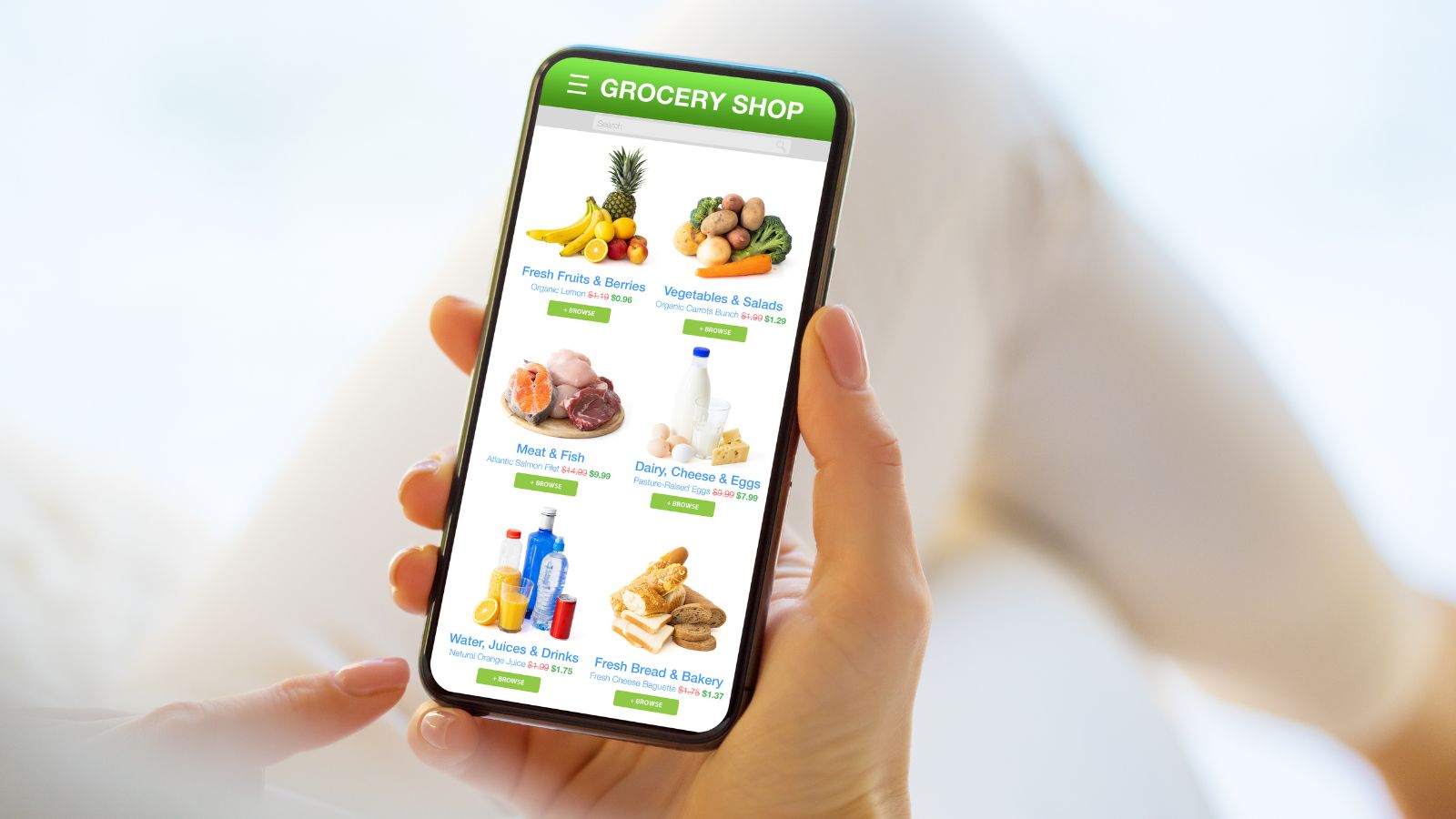
Online grocery shopping can save time, reduce impulse purchases, and help households plan meals. It can also add costs that feel small until they repeat. Delivery fees, service charges, bag fees, substitutions, and tips can quietly turn a competitive basket into an expensive one. Because the final total appears at checkout, shoppers may focus on the convenience rather than separating product prices from added charges.
Statistics Canada data show that retail e-commerce has become a meaningful part of Canadian retail trade, and the Competition Bureau has noted that more Canadians are buying groceries online. The pressure is not just the delivery fee itself. It is the loss of in-store comparison, clearance-bin discoveries, and quick swaps when a favourite item is overpriced. A shopper may save an hour, but the convenience premium can become a recurring household expense.
Checkout Scanning Errors That Go Unchallenged
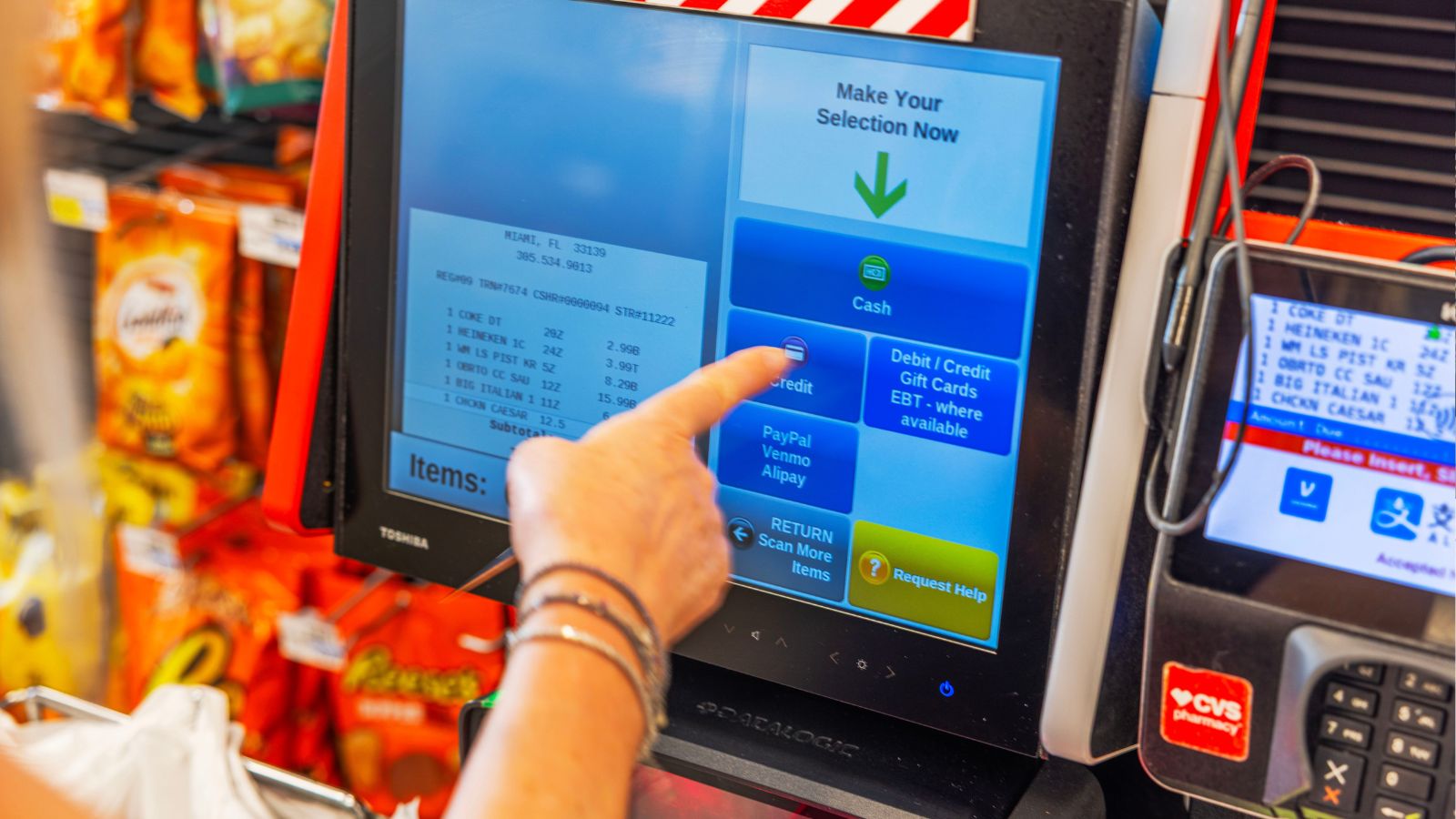
A shelf tag says $2.49, the receipt says $3.29, and the shopper may not notice until getting home. Even when the difference is small, repeated errors can add up. Many people are rushed at checkout, distracted by bagging, or reluctant to hold up the line. That creates room for incorrect prices to slip through, especially during flyer changes, clearance markdowns, or multi-buy promotions.
Canada has a Scanner Price Accuracy Code used by thousands of participating stores, and Québec has its own regulated scanner accuracy rules. In many participating stores, a qualifying overcharge can mean the item is free if it is under $10, or $10 off if it is more expensive. Yet many shoppers either do not know the code exists or assume it applies to every situation. The result is a quiet squeeze hidden in plain sight on the receipt.
Multi-Buy Deals That Punish Smaller Households

“Buy two and save” deals are common in grocery aisles, but they do not help every shopper equally. A family of five may use both items easily, while a single person, senior, student, or couple may not need the extra quantity. When the best price requires buying more, shoppers with smaller households either pay the higher single-unit price or risk waste.
The effect is especially clear with perishables. A two-pack of salad kits, bakery items, or yogurt tubs may seem like a bargain until one expires before it is eaten. The math on the shelf does not always reflect the reality at home. A shopper may technically save $1 per item, then throw out half the second package. In that case, the promotion shifts the cost from the store to the household’s fridge.
Private-Label Swaps That Are Not Always Equal

Store brands can be a strong way to save, and many Canadian shoppers now rely on them for pantry basics. The squeeze appears when the cheaper item is not a true substitute. A lower-priced paper towel may use more sheets per spill. A bargain frozen meal may contain smaller portions. A private-label sauce may require extra seasoning or additional ingredients to satisfy a family meal.
Retailers have leaned heavily into value messaging as shoppers become more cautious, especially through discount banners and lower-priced alternatives. The key issue is not whether private-label goods are good or bad; many are excellent. The problem is automatic trust in the cheaper shelf price. A product that costs 20% less but runs out 30% faster is not a win. Canadian shoppers increasingly need to compare performance, portion size, and ingredients alongside price.
Credit Card Costs That Are Built Into Retail Prices
Most shoppers do not see card-processing costs on a receipt, but those costs are part of the retail system. Merchants pay fees to accept credit cards, and those costs can influence prices, surcharges, or minimum-purchase rules. Rewards cards make the issue more complicated because the points feel like a benefit to the cardholder, while the cost is handled behind the scenes by merchants and, ultimately, the pricing environment.
The federal government announced reductions to credit card interchange fees for many small businesses, estimating that eligible merchants would save about $1 billion over five years. That shows the fees are large enough to matter. For shoppers, the squeeze is subtle because the cost is rarely labelled as a “card fee” at a big retailer. Instead, it can be folded into everyday prices paid by everyone, including people using debit or cash.
Household Basics That Escape Grocery-Budget Tracking

Many shoppers carefully track food prices but overlook the non-food items that land in the same cart. Laundry detergent, toilet paper, toothpaste, garbage bags, dish soap, and pet supplies can turn a grocery trip into a much larger household expense. Because they are purchased alongside food, they often get blamed on “groceries,” making it harder to identify what is actually rising.
These items are also vulnerable to package-size changes and confusing comparisons. A paper towel pack may advertise more rolls, but each roll may contain fewer sheets. A detergent bottle may promise concentrated cleaning, but the cap measurement encourages using more than needed. The squeeze becomes visible only when households separate food from household supplies and compare unit costs carefully. Without that step, a $40 increase in the cart can feel mysterious.
Fresh Food Waste That Makes “Healthy Choices” More Expensive
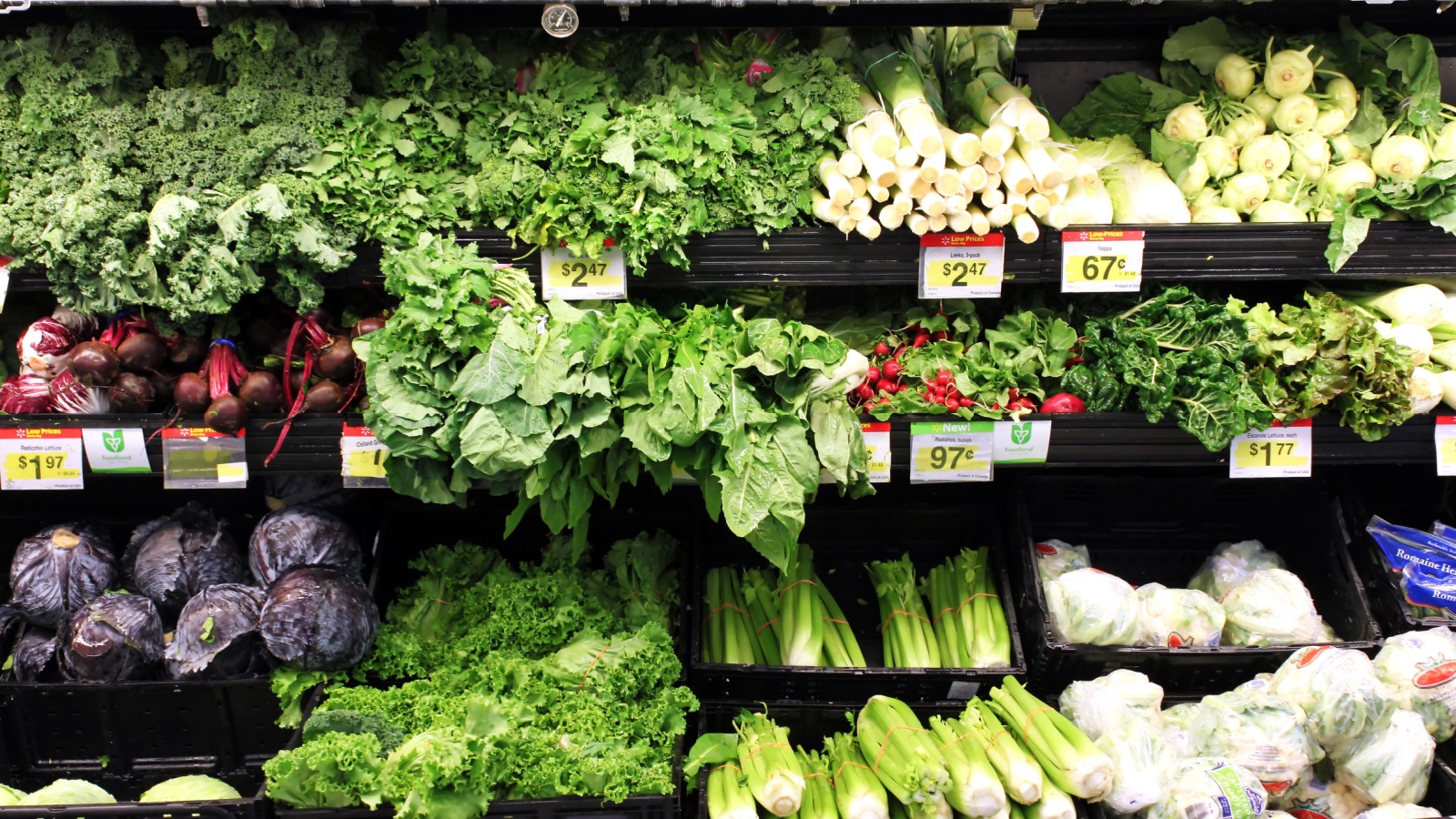
Fresh produce, meat, dairy, and prepared foods are essential to a balanced diet, but they are also the easiest items to lose money on. A bag of spinach wilts, berries spoil faster than expected, or a family pack of chicken sits too long in the fridge. The price paid at the store is only part of the cost. The real cost depends on how much actually gets eaten.
This matters because food affordability is already under pressure in Canada. Public health researchers have reported high levels of household food insecurity, with financial constraints affecting many Canadians’ access to adequate food. When fresh food spoils, the loss feels personal and frustrating. A household trying to cook more at home may still feel squeezed if meal plans change, schedules get busy, or bulk buying exceeds what the fridge can handle.
Rural and Remote Shoppers Facing Fewer Choices

Location plays a major role in how much power shoppers have. In dense urban areas, a household may compare a discount grocer, warehouse club, ethnic market, pharmacy, and online option within a short drive. In rural and remote communities, the choice may be one main store, a long drive, or delivery options with limited availability. Less competition can mean fewer chances to avoid high prices.
The Competition Bureau has found that proximity matters in Canadian grocery shopping and that urban consumers tend to have more options than those in rural and remote areas. That difference quietly squeezes households that cannot easily shop around. A shopper may know prices are better in a larger town, but fuel, time, weather, and work schedules can erase the savings. In those communities, convenience is not a luxury; it is often the only practical option.
“Affordable” Meal Shortcuts That Cost More Per Serving
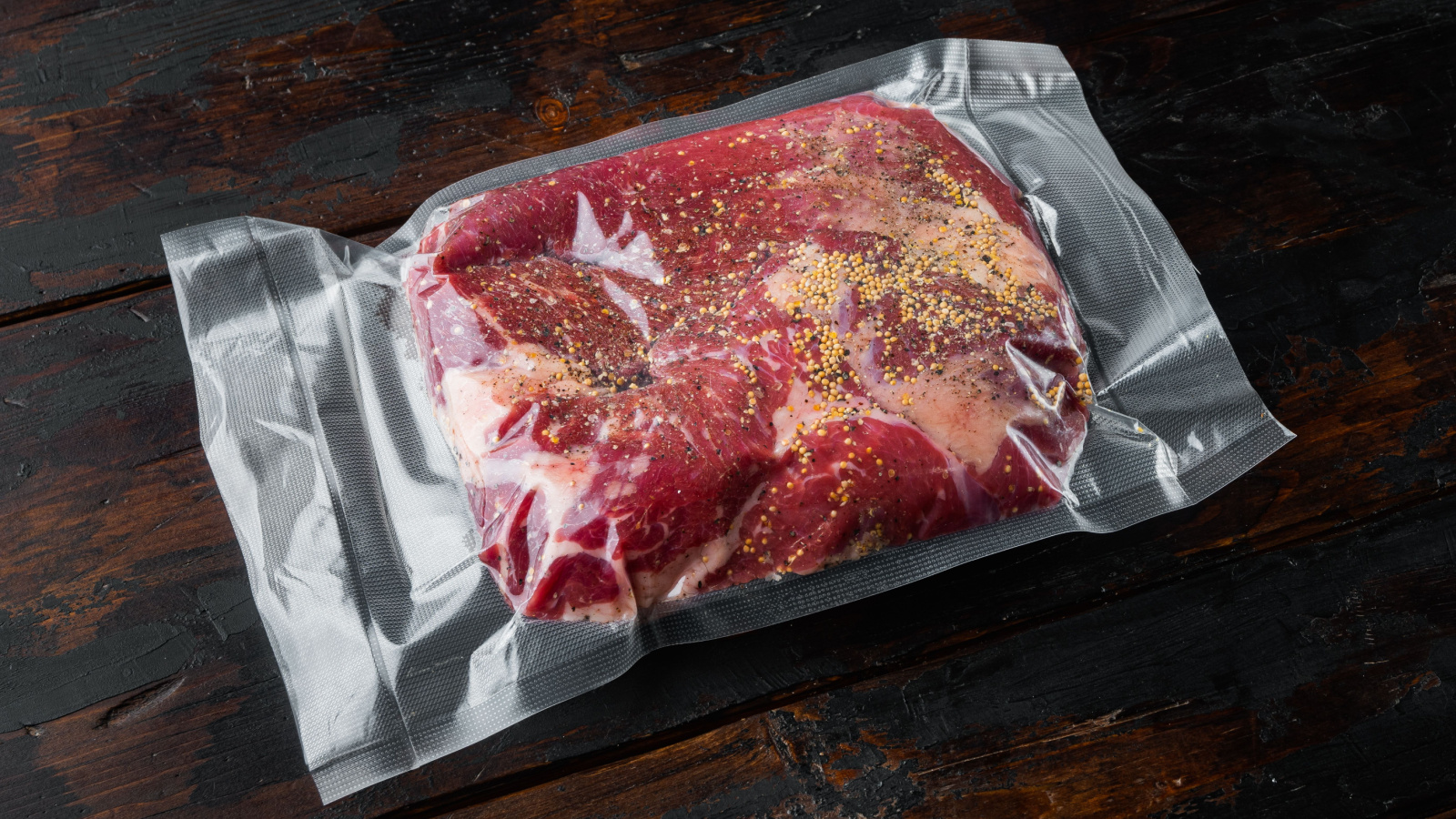
Ready-to-cook kits, pre-cut vegetables, seasoned meats, and single-serve snacks can make busy weeks easier. They can also make a household believe it is saving money compared with takeout while still paying a large premium over basic ingredients. A tray of pre-cut fruit may cost several times more per kilogram than whole fruit, while a prepared pasta meal may be cheaper than restaurant food but much more expensive than cooking from scratch.
The pressure is not simply laziness or poor planning. Many Canadians are balancing long commutes, shift work, childcare, and rising living costs. Convenience has real value. The squeeze happens when retailers position shortcuts as budget-friendly without making the trade-off clear. A shopper may be avoiding a $45 takeout order, but a $22 convenience-heavy grocery meal can still stretch the budget if it becomes a routine.
Buy Now, Pay Later Making Small Purchases Feel Smaller

Installment payment options make larger purchases feel manageable, but they can also soften the psychological impact of spending. Splitting a $160 appliance, pair of shoes, or school-supply order into four payments can make the decision feel less serious. The total cost has not changed, but the pain of paying has been delayed and divided.
Research on buy now, pay later has found that installment options can increase spending after adoption, and consumer finance researchers have raised concerns about financially vulnerable users relying on these products. In Canada, the same behavioural risk applies even when the exact market data differs by provider. The squeeze is not always interest; it may be overextension. Several small payment plans can collide with rent, groceries, phone bills, and credit card payments in the same month.
The Emotional Fatigue of Constant Price Checking

One of the least visible costs is mental. Canadian shoppers are now expected to track flyers, compare apps, calculate unit prices, monitor loyalty points, check receipts, avoid waste, and decide whether bulk buying is truly worth it. Each habit can save money, but together they create decision fatigue. A tired shopper may eventually stop comparing and simply buy what is closest, fastest, or familiar.
That fatigue benefits systems that are complicated. When prices, package sizes, points, and promotions shift constantly, even careful consumers miss things. The squeeze is not always one dramatic overcharge; it is the steady transfer of attention from retailers to households. A shopper who has already worked all day may not have the energy to audit every gram, fee, and offer. In that environment, clarity becomes a form of consumer protection, not just a convenience.
19 Things Canadians Don’t Realize the CRA Can See About Their Online Income

Earning money online feels simple and informal for many Canadians. Freelancing, selling products, and digital services often start as side projects. The problem appears at tax time. Many people underestimate how much information the CRA can access. Online platforms, banks, and payment processors create detailed records automatically. These records do not disappear once money hits an account. Small gaps in reporting add up quickly.
Here are 19 things Canadians don’t realize the CRA can see about their online income.
