Canadian grocery trips have started to feel different: fewer obvious bargains, smaller packages, more conditions attached to discounts, and checkout totals that seem to climb even when carts look ordinary. The pressure is not only about higher shelf prices. It is also about how products are packaged, promoted, displayed, and sold.
These 19 grocery store changes help explain why many Canadians feel they are paying more for less. Some are tied to inflation and supply costs, while others reflect retail strategy, technology, competition, and changing shopper behaviour.
Smaller Packages Sitting in the Same Shelf Space
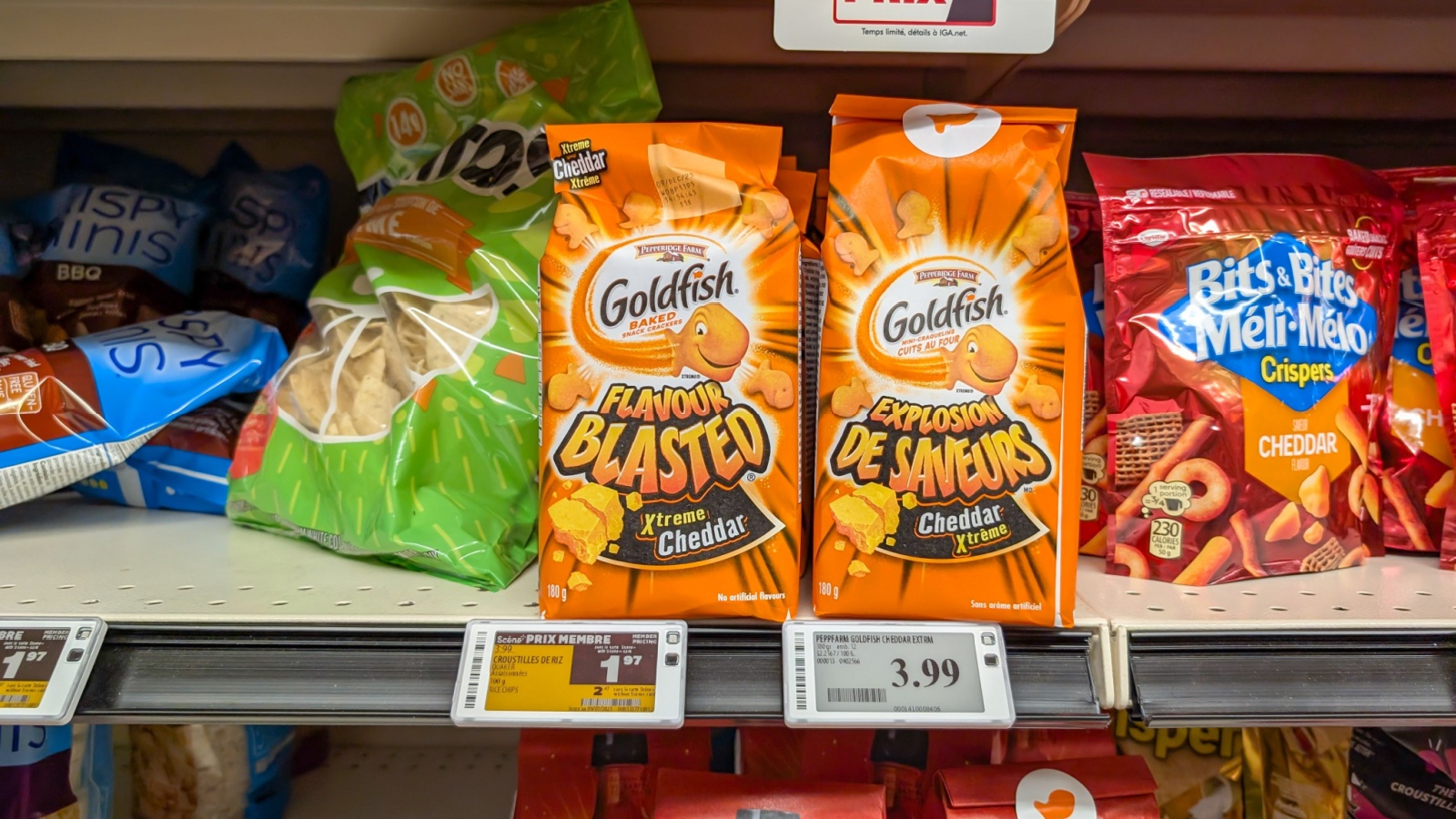
Shrinkflation has become one of the most visible reasons grocery shopping feels less fair. A box of crackers, a tub of yogurt, or a bag of frozen fruit may look familiar at first glance, but the weight printed on the package tells a different story. When the package keeps its shape and the price barely changes, the smaller quantity can be easy to miss during a rushed shop.
For Canadian households, this change is especially frustrating because it turns a normal routine into detective work. A family that once bought one box of granola bars for the school week may suddenly need a second box sooner than expected. The shelf price may not look shocking, but the cost per serving rises. That is why package size changes can feel more irritating than a straightforward price increase.
“Family Size” Labels That Do Not Always Feel Generous
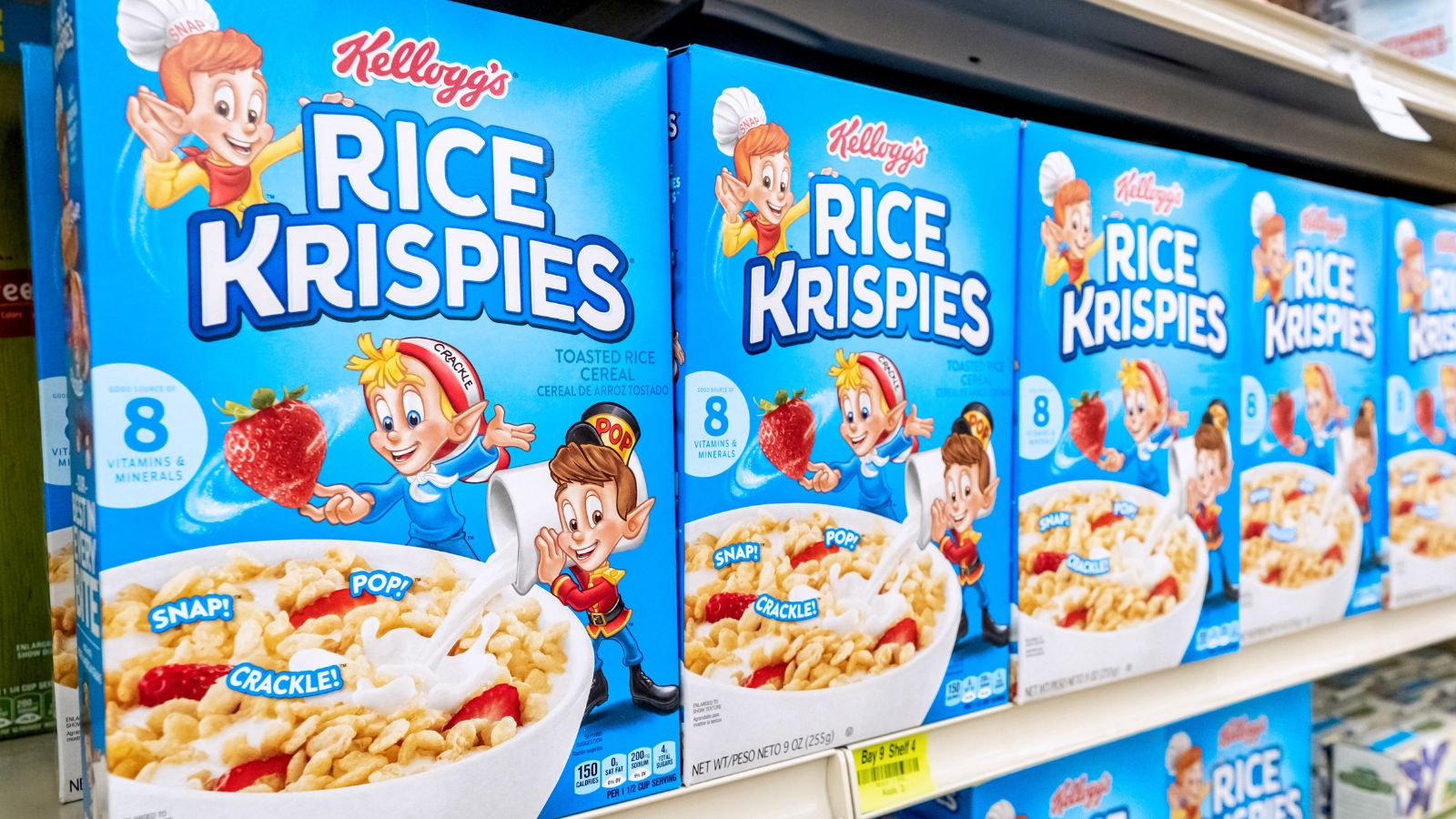
Labels such as “family size,” “club pack,” and “value pack” once signalled an obvious deal. Increasingly, shoppers are learning that bigger packaging does not automatically mean better value. Some larger formats still offer savings, but others rely on the assumption that customers will not compare the unit price closely enough to notice a weak discount.
This matters in Canada because families often shop with limited time and limited patience, especially during evening or weekend rushes. A large cereal box may feel like the practical choice, but the per-100-gram price can sometimes be close to, or even higher than, a smaller package on sale. The change is subtle: stores are not removing value packs, but shoppers must work harder to prove that the value is actually there.
More Member-Only Prices on Everyday Staples
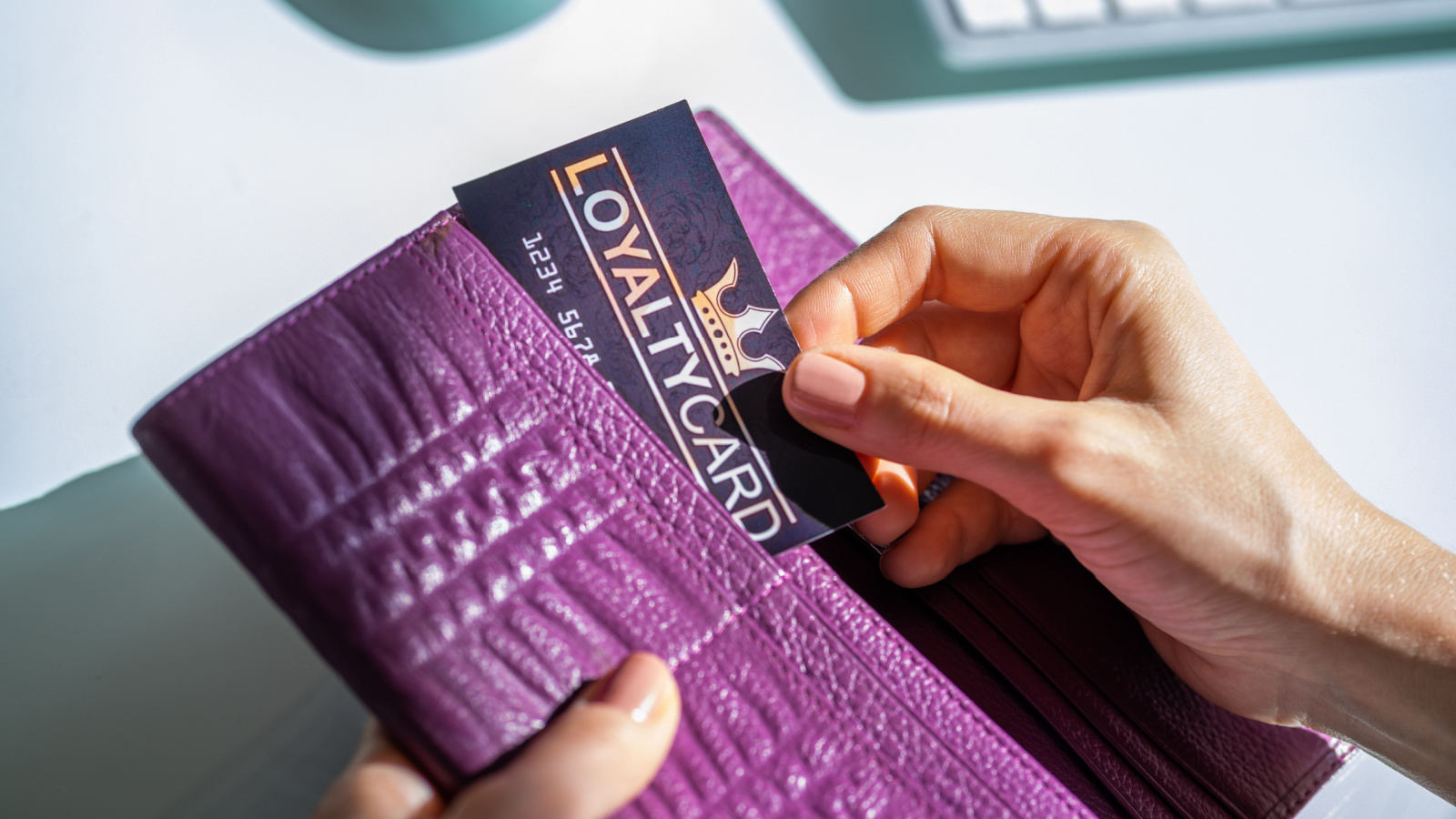
Loyalty programs are no longer just about collecting points for a future reward. In many grocery aisles, the best price on milk alternatives, frozen meals, coffee, snacks, or household basics may be locked behind a membership scan. The shelf tag can show two prices, with the lower one reserved for customers using the store’s app or rewards card.
This creates a sense that the regular price has become a penalty. A shopper who forgets a card, avoids apps, or buys from a chain only occasionally may pay more for the same basket. For budget-conscious Canadians, that can feel like the store is turning ordinary savings into a gatekeeping system. The deal still exists, but only for people willing to trade data, attention, and loyalty for it.
Flyer Deals That Sell Out Before the Weekend
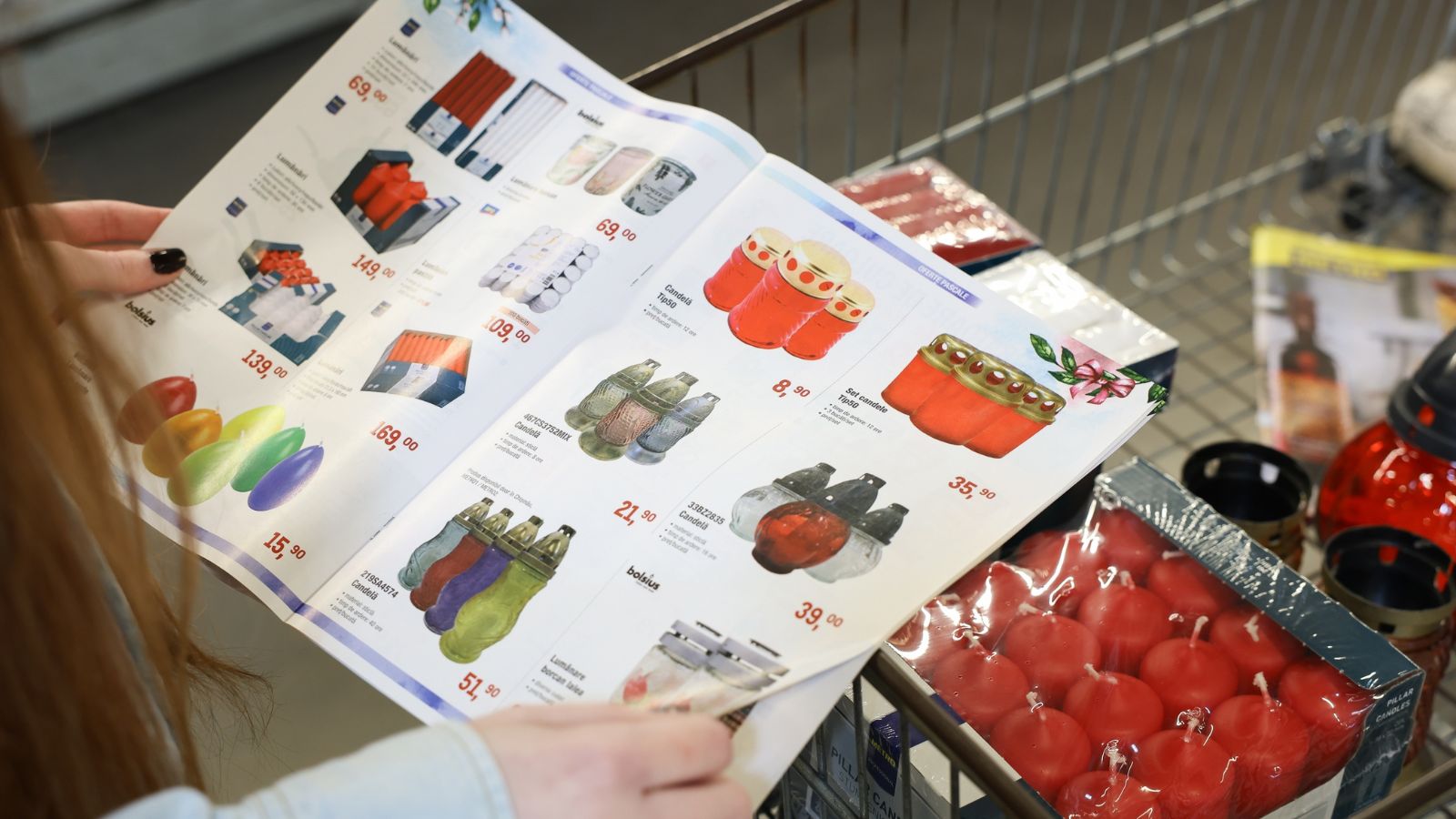
Weekly flyers still draw shoppers into stores, but the most attractive promotions can disappear quickly. A discounted roast, berries, butter, or coffee may be advertised prominently, only for shelves to be empty by Saturday afternoon. Stores may offer rain checks in some cases, but not every shopper has the time or energy to return later.
The result is a frustrating gap between the advertised grocery bill and the real one. A household may plan meals around a deal, arrive at the store, then substitute a higher-priced product because dinner still has to happen. This change makes promotions feel less reliable. Even when the flyer is technically accurate, limited availability can leave shoppers feeling as though the best prices were never realistically within reach.
Fewer Deep Discounts on Basic Pantry Items

Many Canadians remember when staples such as pasta, canned tomatoes, flour, peanut butter, and cereal rotated through aggressive sales often enough to stock up. Those deals still appear, but they can feel less dramatic or less frequent. A sale price that once felt like a bargain may now resemble what the regular price used to be.
This shift changes household planning. Stock-up shopping depends on predictable lows, and when those lows rise, the pantry stops feeling like a buffer against inflation. A shopper might still see bright red sale tags, but the emotional reaction is different. Instead of excitement, there is calculation: whether the discount is meaningful, whether the package is smaller, and whether buying extra still makes sense.
Private-Label Products Taking Over More Shelf Space
Store brands have improved in quality and variety, and many Canadians now buy them without hesitation. That can be helpful when national brands become expensive. But the growing dominance of private labels can also make shoppers feel boxed in, especially when familiar brands lose shelf space or become available only in fewer flavours and sizes.
Retailers benefit because private-label products can strengthen loyalty and give stores more control over pricing and margins. For shoppers, the change cuts both ways. A lower-cost store brand can soften the bill, but fewer alternatives can reduce the ability to compare. When the store brand becomes the default choice rather than the budget choice, the aisle can feel less competitive than it used to.
Multi-Buy Deals That Reward Bigger Spending
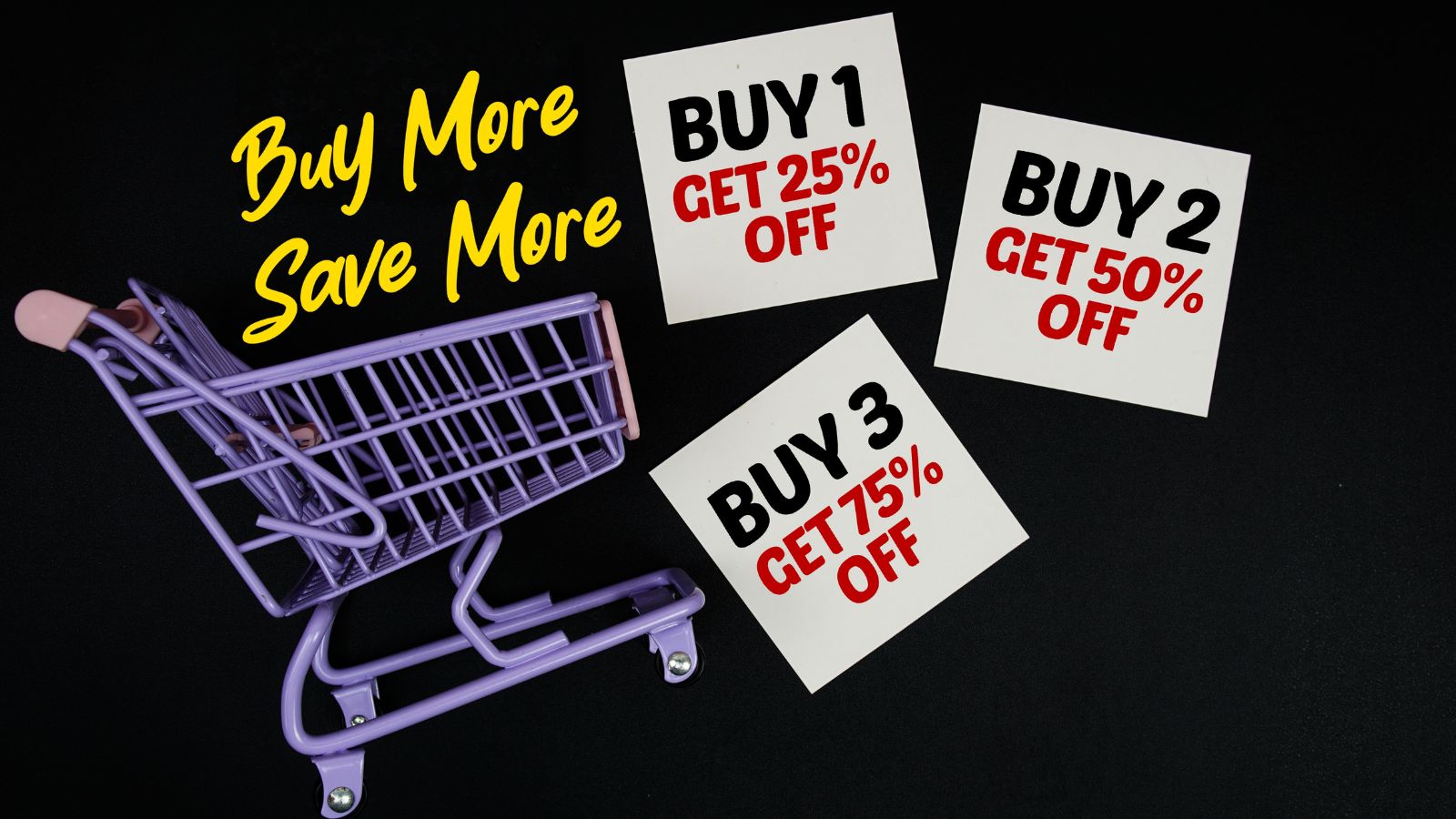
Promotions like “buy two for $7” or “three for $10” can be useful for large households, but they often push shoppers to buy more than planned. In some stores, buying just one item may mean paying a noticeably higher price. That can turn a simple purchase into a spending decision: accept the worse price or buy extra to unlock the deal.
For Canadians living alone, seniors, students, or small households, these offers can feel especially unfair. A person may not need three salad kits before they expire or two large jars of sauce in a tiny apartment kitchen. The advertised deal looks generous, but it rewards storage space, cash flow, and larger households. For everyone else, it can make the shelf price feel less honest.
Unit Prices That Are Harder to Compare Quickly

Unit pricing is supposed to help shoppers compare value across different package sizes and brands. In practice, it can be difficult to use when labels switch between grams, kilograms, millilitres, litres, sheets, pods, or servings. A shopper comparing coffee, detergent, or cheese may need to do mental math in the aisle while other people are reaching around the cart.
This is one reason grocery shopping feels more mentally tiring. The real price is no longer just the number in large print. It is the small-print unit cost, the package size, the sale condition, the loyalty requirement, and sometimes the online price as well. When comparison becomes too complicated, shoppers may default to habit, and habit can be expensive.
Prepared Foods Expanding Near the Entrance
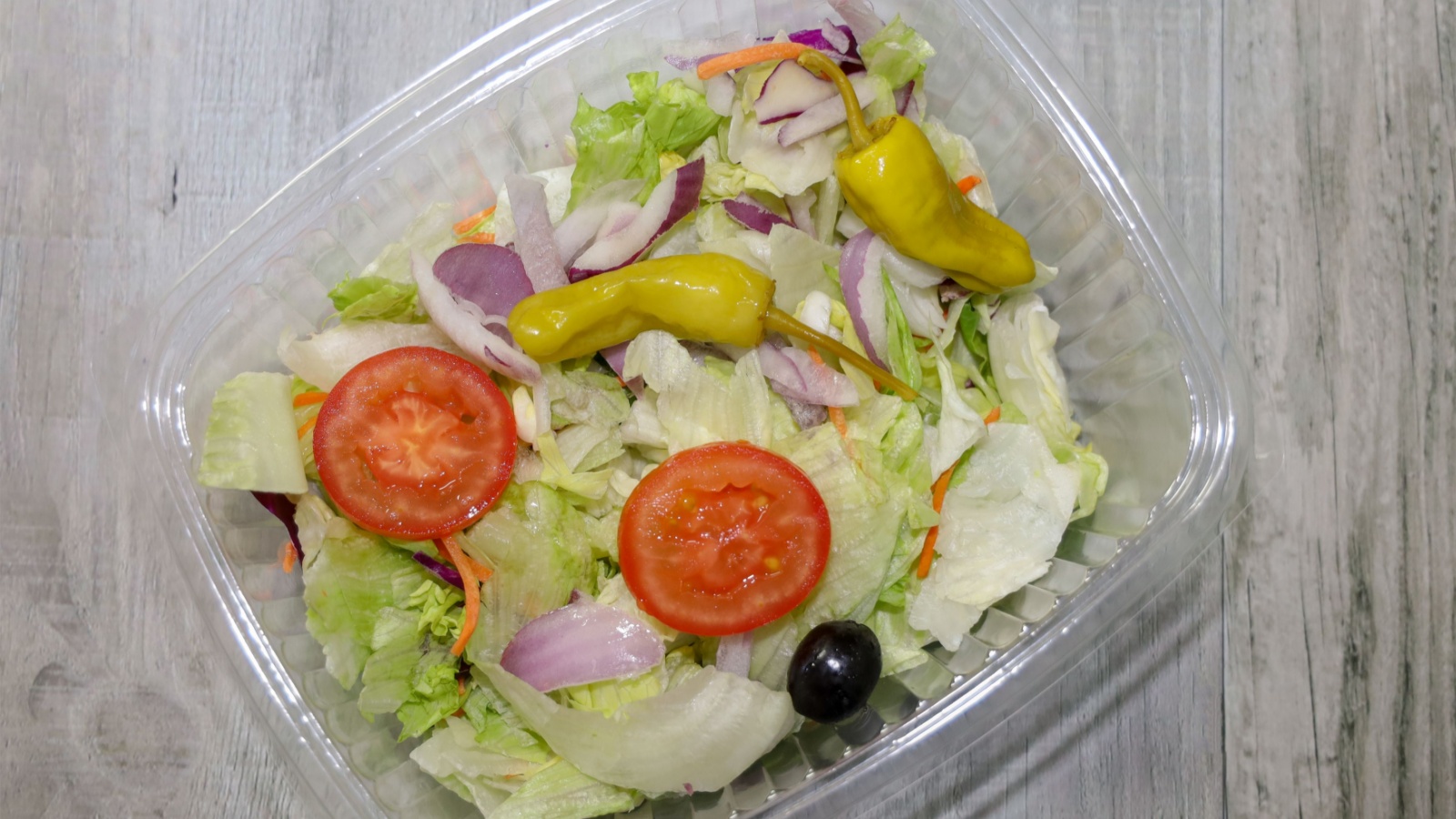
Many stores now put more emphasis on ready-to-eat meals, hot counters, sushi trays, salad bowls, cut fruit, and heat-and-serve dinners. These products solve a real problem for busy households, especially when commuting, childcare, or shift work leaves little time to cook. The convenience is real, but so is the markup compared with raw ingredients.
The change affects perception because prepared food makes grocery stores feel more like quick-service restaurants. A rotisserie chicken may still be a bargain, but a full basket of prepared sides, bottled drinks, and desserts can climb fast. The store is still selling food for home, yet the pricing often reflects labour, packaging, refrigeration, and convenience. Shoppers leave with fewer ingredients and a higher bill.
Produce Sold in Fixed Packs Instead of Loose Bins
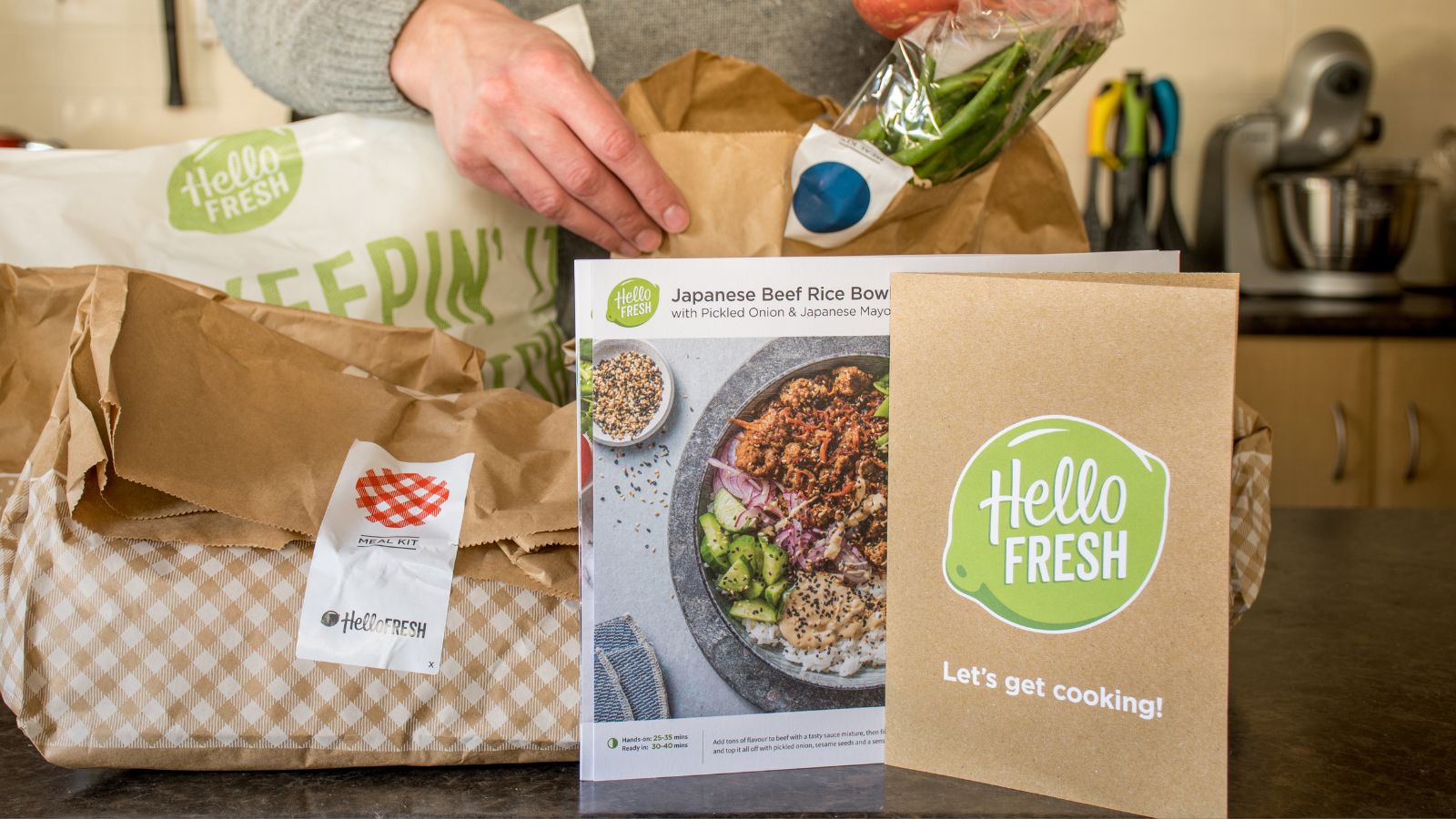
Pre-packed produce can reduce handling and speed up checkout, but it also removes flexibility. A shopper who needs two onions may have to buy a three-pound bag. Someone who wants one pepper for a recipe may find a multi-colour pack instead. This can make the cart fuller without making the household better supplied.
The bigger issue is waste. If a portion of the bag spoils before it is used, the effective price of the produce rises. Canadian shoppers already deal with seasonal swings in fruit and vegetable prices, especially for imported items. When stores lean heavily on fixed packs, households pay not only for the food they eat, but also for the food they never meant to buy.
Premium Versions Replacing Basic Options
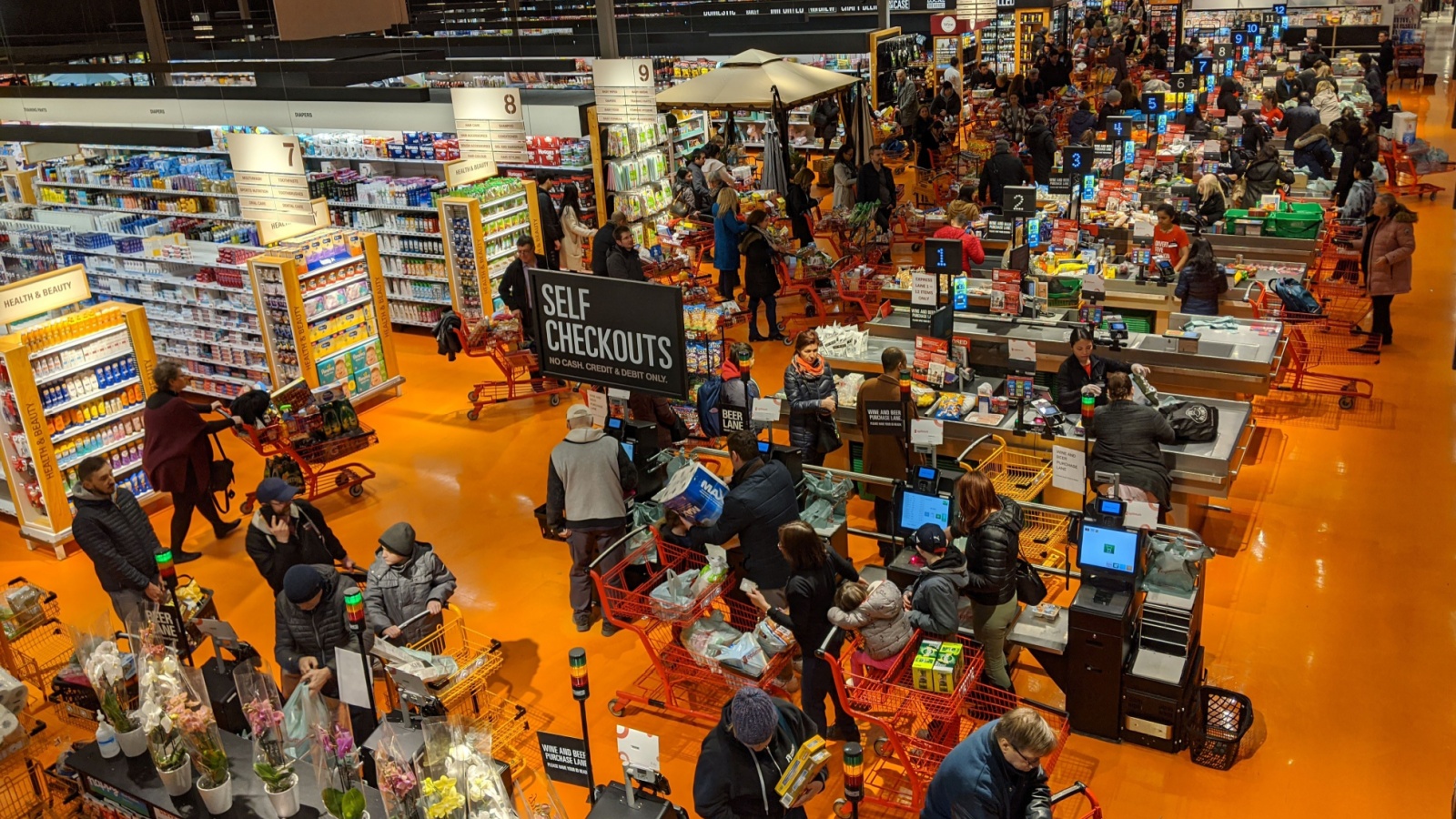
Aisles that once offered a simple low-cost version of a product now often feature premium, organic, high-protein, gluten-free, artisanal, or specialty alternatives. These products serve real needs and preferences, but they can also crowd out cheaper basics. The shelf may look more abundant while the truly affordable choices become harder to find.
This is particularly noticeable in categories such as bread, yogurt, snacks, frozen meals, sauces, and breakfast foods. A shopper looking for plain oatmeal or basic pasta sauce may be surrounded by upgraded versions with upgraded prices. The change does not always feel like inflation in the traditional sense. It feels like the affordable floor has quietly moved higher.
More Self-Checkout, Fewer Staffed Lanes
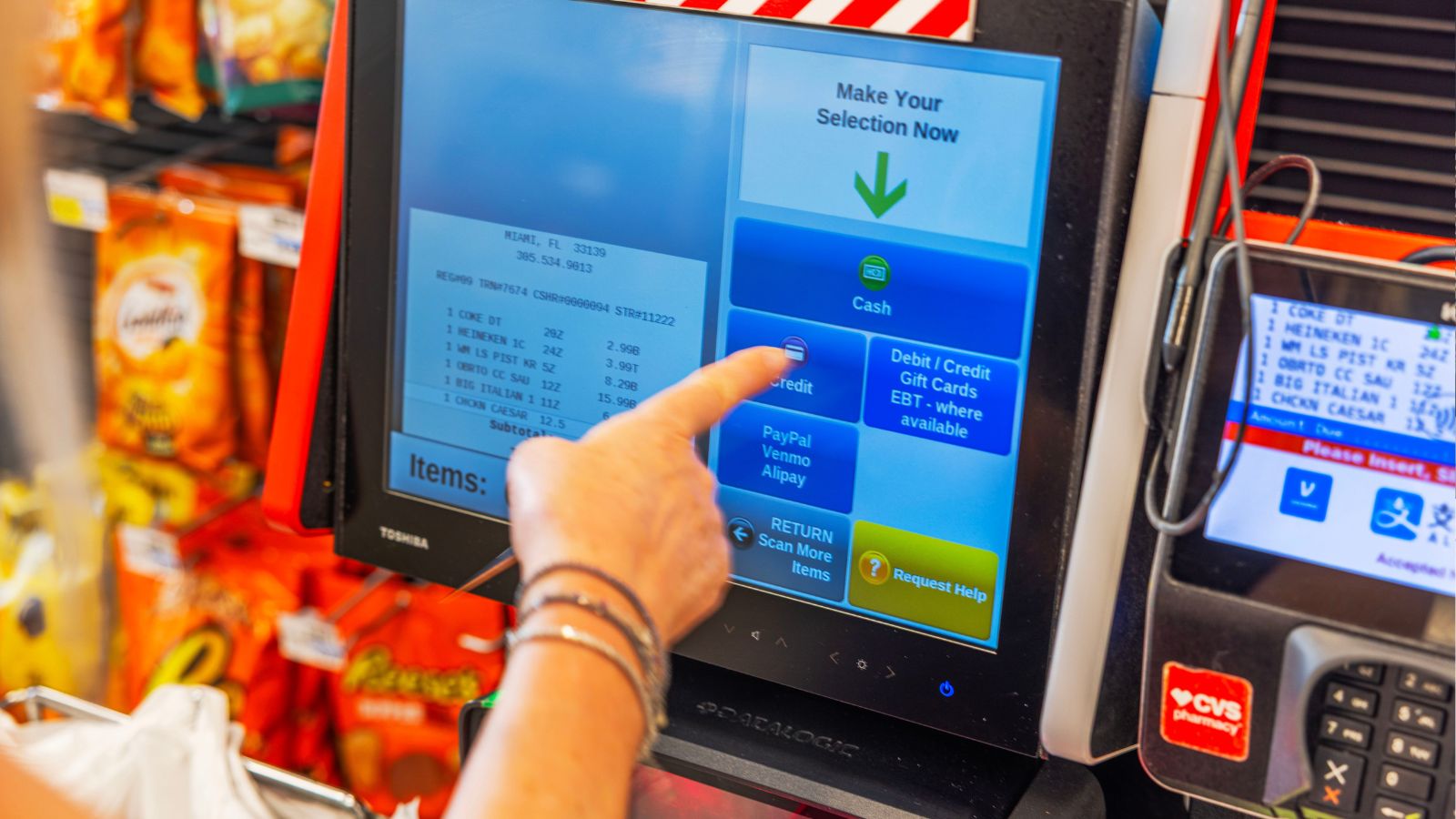
Self-checkout can be quick for small baskets, but it can also shift work onto customers. Scanning produce codes, managing coupons, correcting bagging errors, and waiting for assistance can make the experience feel less like service and more like unpaid labour. When grocery bills are high, that trade-off becomes more noticeable.
For larger shops, the frustration grows. A parent with a full cart, reusable bags, and restless children may not see self-checkout as convenience. If staffed lanes are limited, the shopper either waits longer or does more of the work. Stores may gain efficiency, but customers can feel they are paying higher prices while receiving less help. That feeling matters almost as much as the price itself.
Digital Shelf Tags Changing the Feel of Pricing
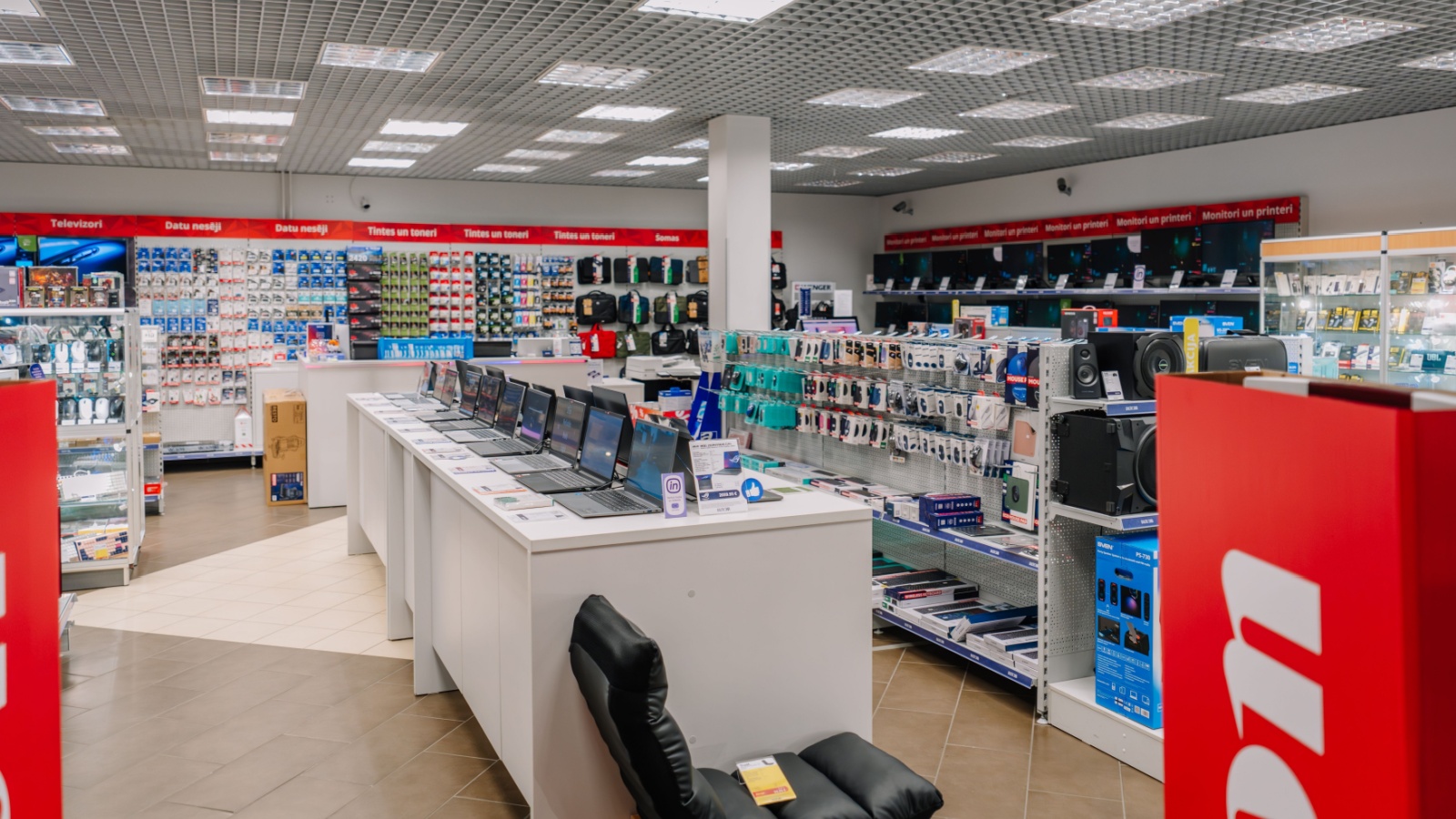
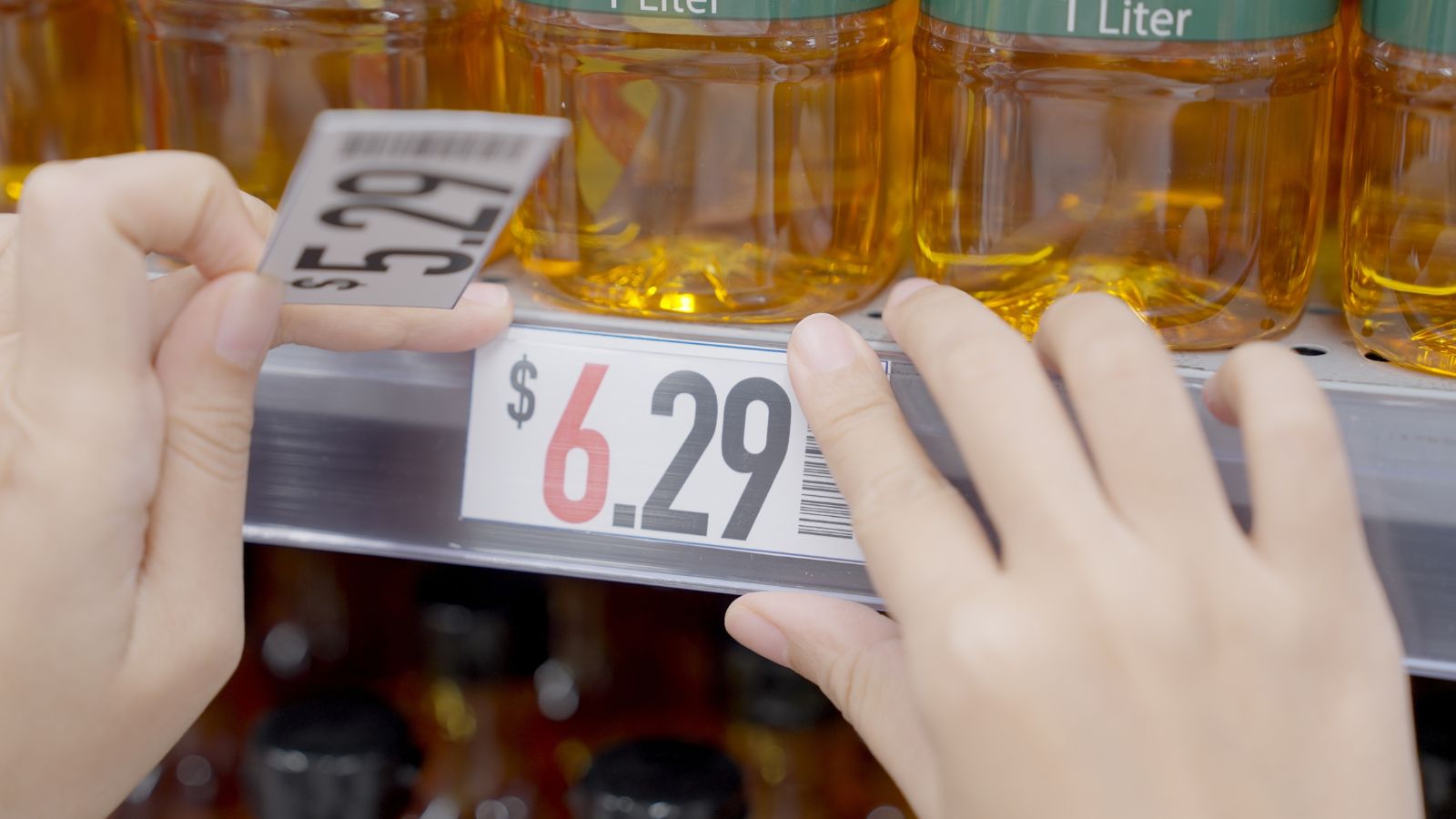
Digital shelf labels allow retailers to update prices faster and reduce the labour needed to replace paper tags. They can also improve accuracy when used well. Still, many shoppers feel uneasy when prices appear more changeable. Even if a store is not changing prices by the hour, the technology can make the shelf feel less stable.
The concern is psychological as much as practical. Canadians are used to checking flyers, comparing tags, and trusting that a price will hold long enough to make a decision. Digital labels can make the store feel more like an online marketplace, where prices may shift quickly. In a period of grocery anxiety, that possibility can make shoppers more suspicious of whether today’s price is truly fair.
More Imported Items Affected by Currency and Weather

Canada relies heavily on imported food in several categories, especially during colder months. Fresh produce, coffee, cocoa, seafood, nuts, and some packaged ingredients are exposed to global weather events, currency shifts, shipping costs, and trade disruptions. When those costs rise, shoppers see it in places that feel especially personal: morning coffee, lunchbox fruit, or a favourite chocolate treat.
This makes grocery inflation feel unpredictable. One week berries are reasonable, the next week they look like a luxury. A household may not follow global crop reports or exchange rates, but the checkout total reflects them anyway. The change is not always caused by the grocery store alone, yet it shapes how Canadians experience the store.
“Local” and “Canadian” Labels Carrying Higher Expectations
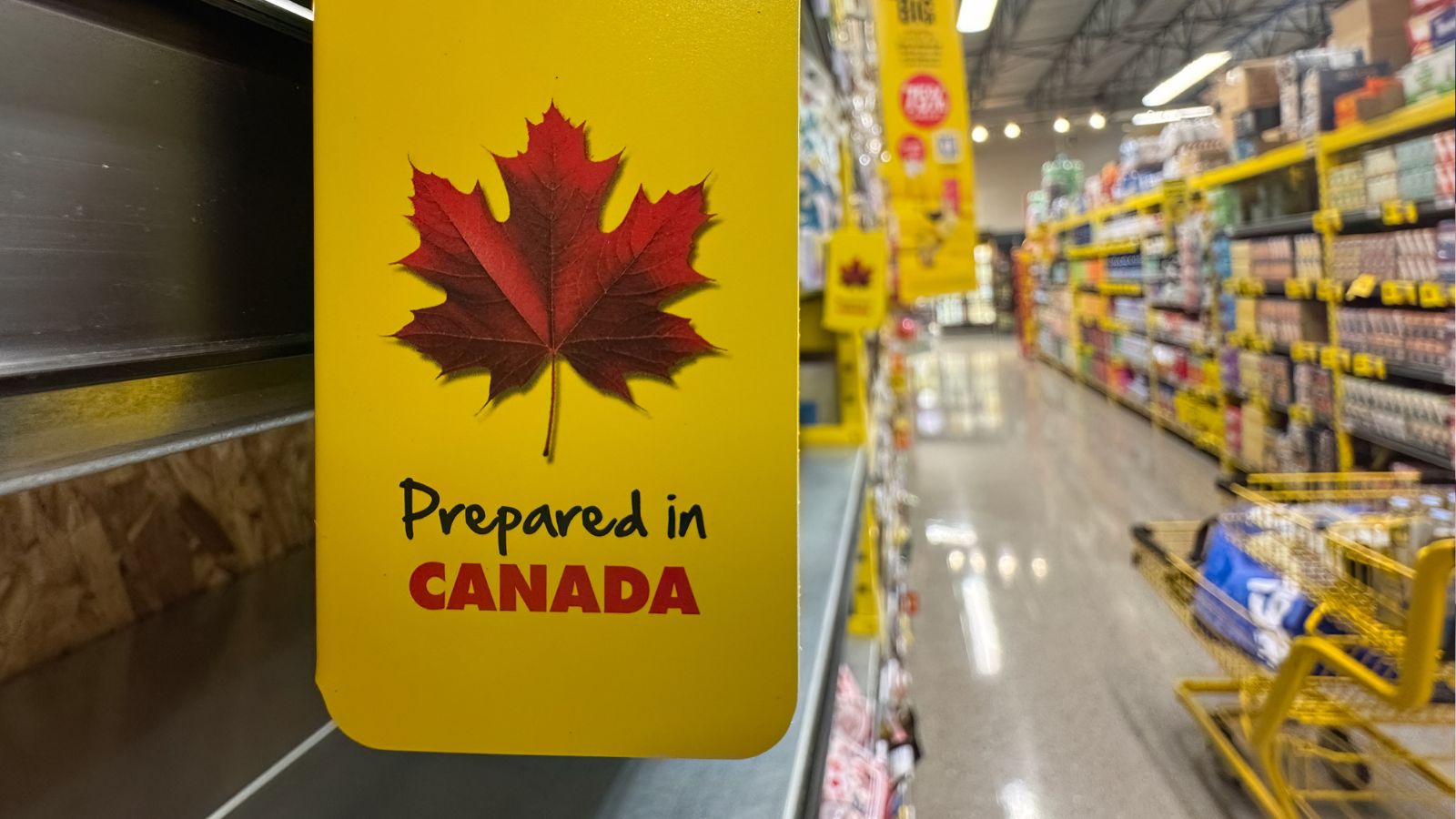
Many shoppers are paying closer attention to where food comes from. Canadian-grown, locally produced, or clearly labelled domestic products can feel more trustworthy, especially during trade disputes or supply uncertainty. Stores know this, and they increasingly highlight origin labels, local supplier displays, and patriotic branding.
The challenge is that local does not always mean cheaper. Domestic products can cost more because of labour, seasonality, smaller production runs, or transportation within Canada. Shoppers may want to support Canadian producers but still feel squeezed when the local option carries a premium. The label creates emotional value, but the receipt still has to fit the household budget.
Checkout Totals Rising Despite Careful Shopping
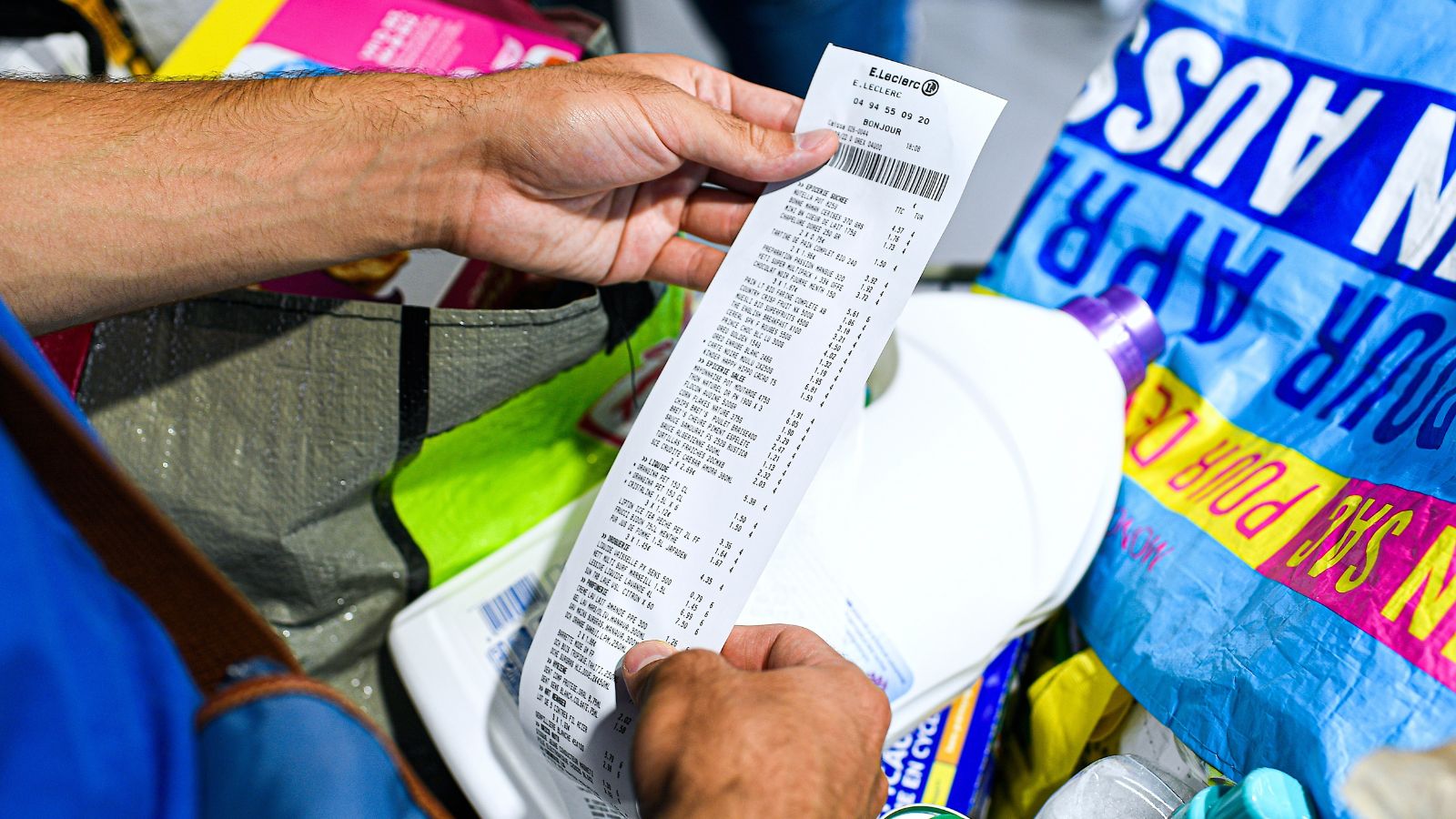
One of the most discouraging changes is that careful habits do not always produce the savings they once did. Shoppers may compare flyers, switch brands, buy fewer treats, choose store labels, and still leave with a total that feels too high. That sense of doing everything “right” and still losing ground is central to grocery fatigue.
The effect is cumulative. A dollar more for eggs, fifty cents more for pasta, a smaller bag of chips, and a loyalty-only discount missed at checkout may not seem dramatic individually. Together, they change the emotional meaning of a grocery trip. The cart looks ordinary, but the total feels like a warning sign.
Fewer Independent Alternatives in Some Communities
Competition shapes grocery prices, but not every Canadian community has the same choices. In some neighbourhoods, shoppers can compare discount banners, ethnic grocers, warehouse clubs, farmers’ markets, and independent stores. In others, one or two chains dominate the realistic options, especially for people without a car.
When alternatives are limited, shoppers have less power to respond to high prices. They may dislike a store’s prices, but switching may require extra travel, transit fare, fuel, or time. This makes grocery affordability a local issue, not just a national one. A city with many banners can still contain neighbourhoods where practical competition feels thin.
Online Grocery Fees and Markups Becoming Normal
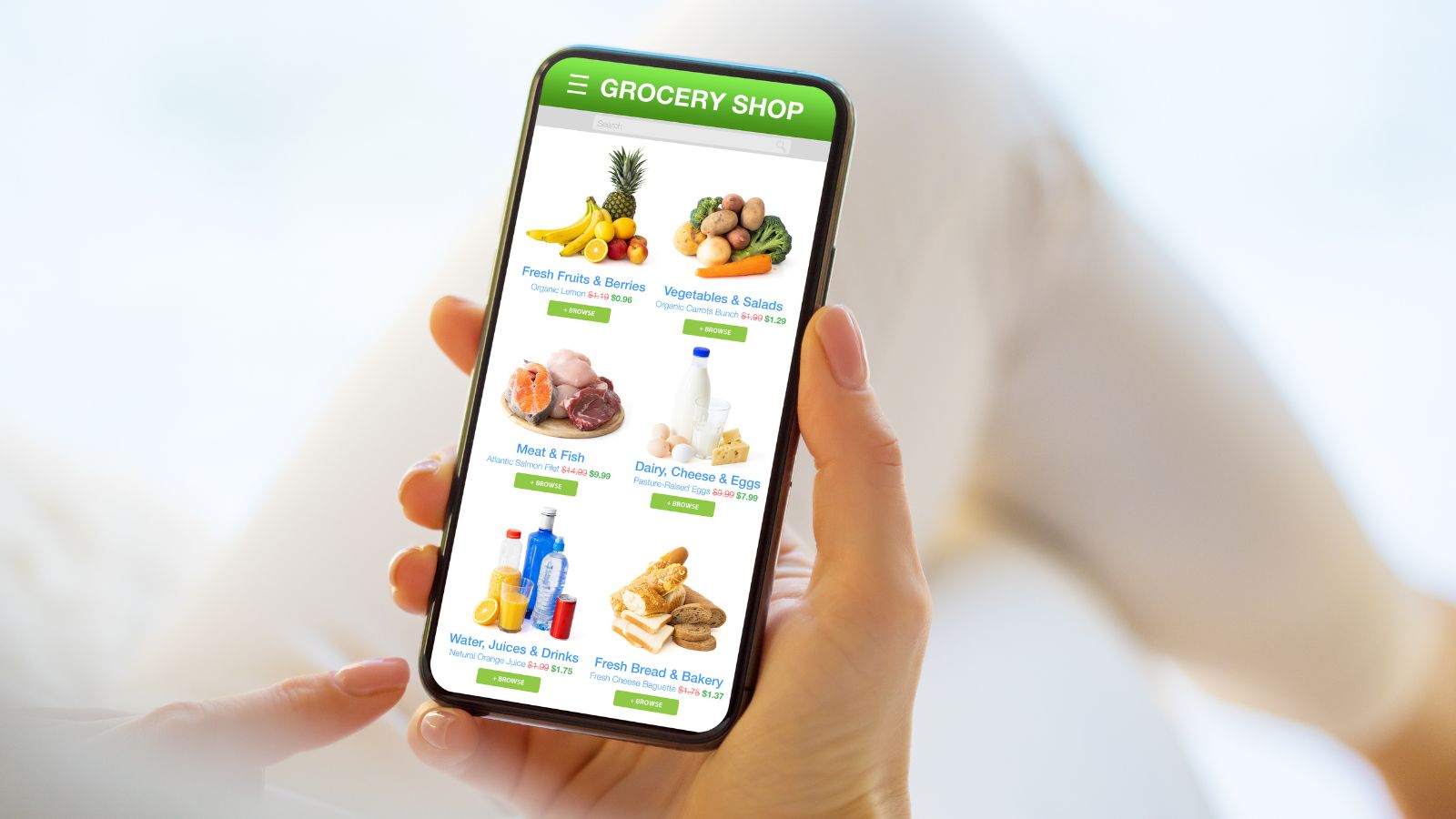
Online grocery shopping grew because it saves time and helps people manage busy lives, mobility challenges, or childcare needs. But delivery fees, service charges, substitutions, minimum order thresholds, and sometimes different item prices can make the final bill harder to predict. The convenience can be valuable while still making groceries feel more expensive.
The emotional difference is that online carts hide some of the usual signals. A shopper does not physically feel the cart filling up or notice package sizes as easily. Substitutions can also replace a planned deal with a pricier alternative. For households that rely on delivery, online grocery is not simply a luxury; it can be a necessity with extra costs attached.
Discounts That Depend on Apps, Coupons, and Timing

Grocery savings increasingly require digital effort. The best deal may involve loading an offer in an app, scanning a loyalty card, clipping a digital coupon, buying during a short promo window, or matching a flyer across banners. Shoppers who are comfortable with apps can benefit, but the system can exclude people who are less tech-savvy or simply too busy.
This changes the meaning of affordability. Instead of one visible shelf price for everyone, savings become something to manage. A customer can stand in the aisle wondering whether a better offer is hidden in an account, an email, or a weekly points event. That uncertainty makes grocery shopping feel less transparent, even when the discounts are real.
19 Things Canadians Don’t Realize the CRA Can See About Their Online Income

Earning money online feels simple and informal for many Canadians. Freelancing, selling products, and digital services often start as side projects. The problem appears at tax time. Many people underestimate how much information the CRA can access. Online platforms, banks, and payment processors create detailed records automatically. These records do not disappear once money hits an account. Small gaps in reporting add up quickly.
Here are 19 things Canadians don’t realize the CRA can see about their online income.
