Canadian shoppers have become skilled at stretching a dollar, but 2026 is shaping up to reward careful habits and punish careless ones. Grocery inflation, payment fees, online shopping risks, loyalty changes, return rules, and shifting retail practices are all making small decisions feel bigger at checkout.
These 17 Canadian shopping mistakes show how everyday choices can quietly become more expensive. Some involve groceries and household basics; others involve digital deals, cross-border orders, returns, payment methods, and “sale” prices that are not always as generous as they look. The common thread is simple: in a tighter retail environment, the costliest purchases are often the ones made on autopilot.
Ignoring Unit Prices at the Grocery Store
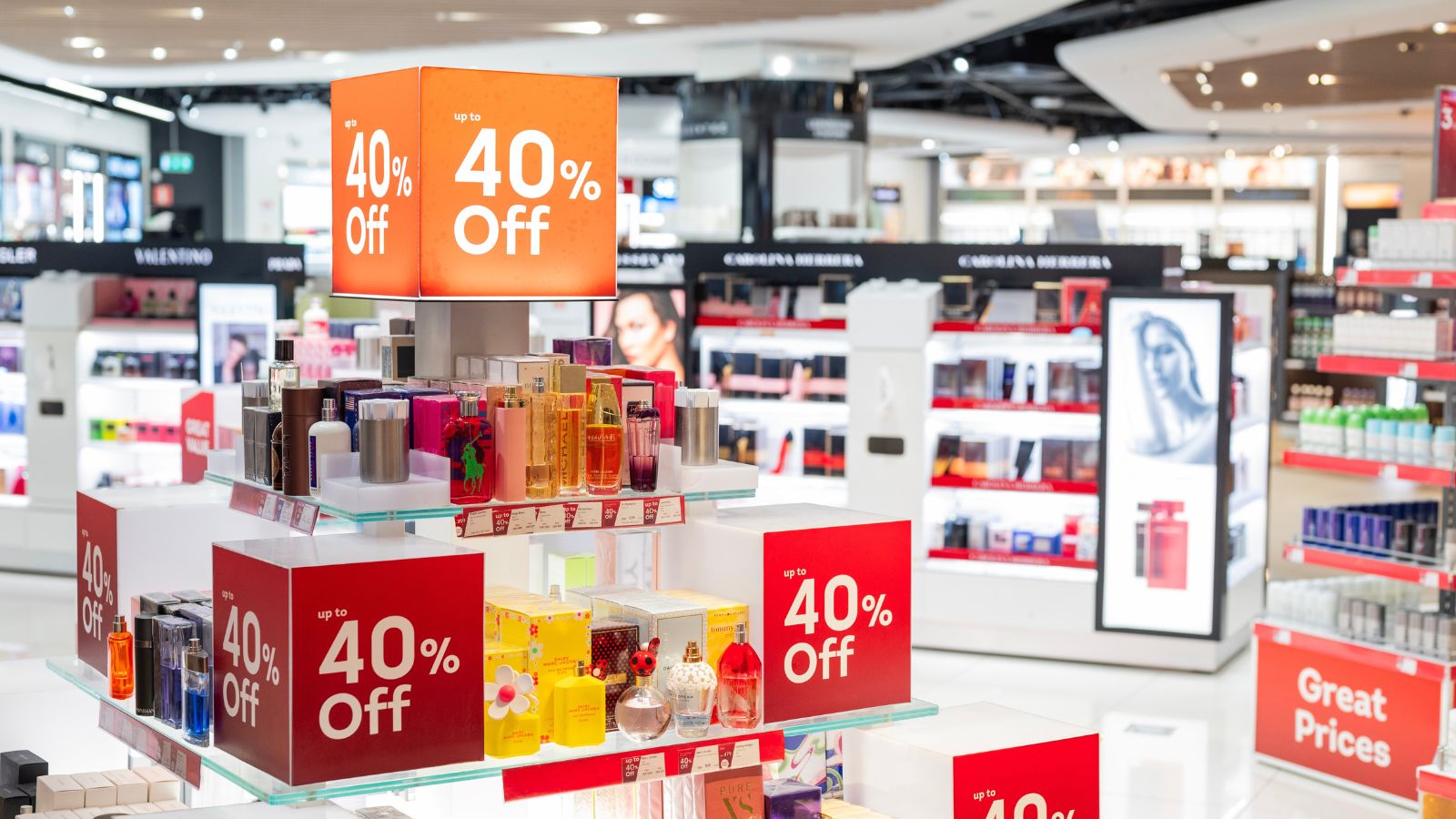
A sale tag can make a product look like the smartest choice in the aisle, but the shelf price rarely tells the whole story. A smaller box of cereal, a family-size bottle of detergent, and a multi-pack of snacks may all use different package sizes, which makes direct comparison harder. Unit pricing — the cost per gram, litre, roll, or serving — is often the clearest way to know whether a deal is real. In 2026, that matters because store-bought food prices have continued rising, and shoppers who compare only sticker prices may end up paying more for less product.
The mistake becomes especially expensive when households buy repeat staples without checking whether the package changed. A parent grabbing the usual cheese, yogurt, or granola bars may not notice that the price stayed similar while the amount inside shrank. Canada’s grocery competition discussions have also highlighted unit pricing as a way to help consumers compare value more easily. For families shopping under pressure, the difference between “cheaper today” and “cheaper per serving” can add up over dozens of weekly purchases.
Assuming Every “Sale” Is a Real Discount
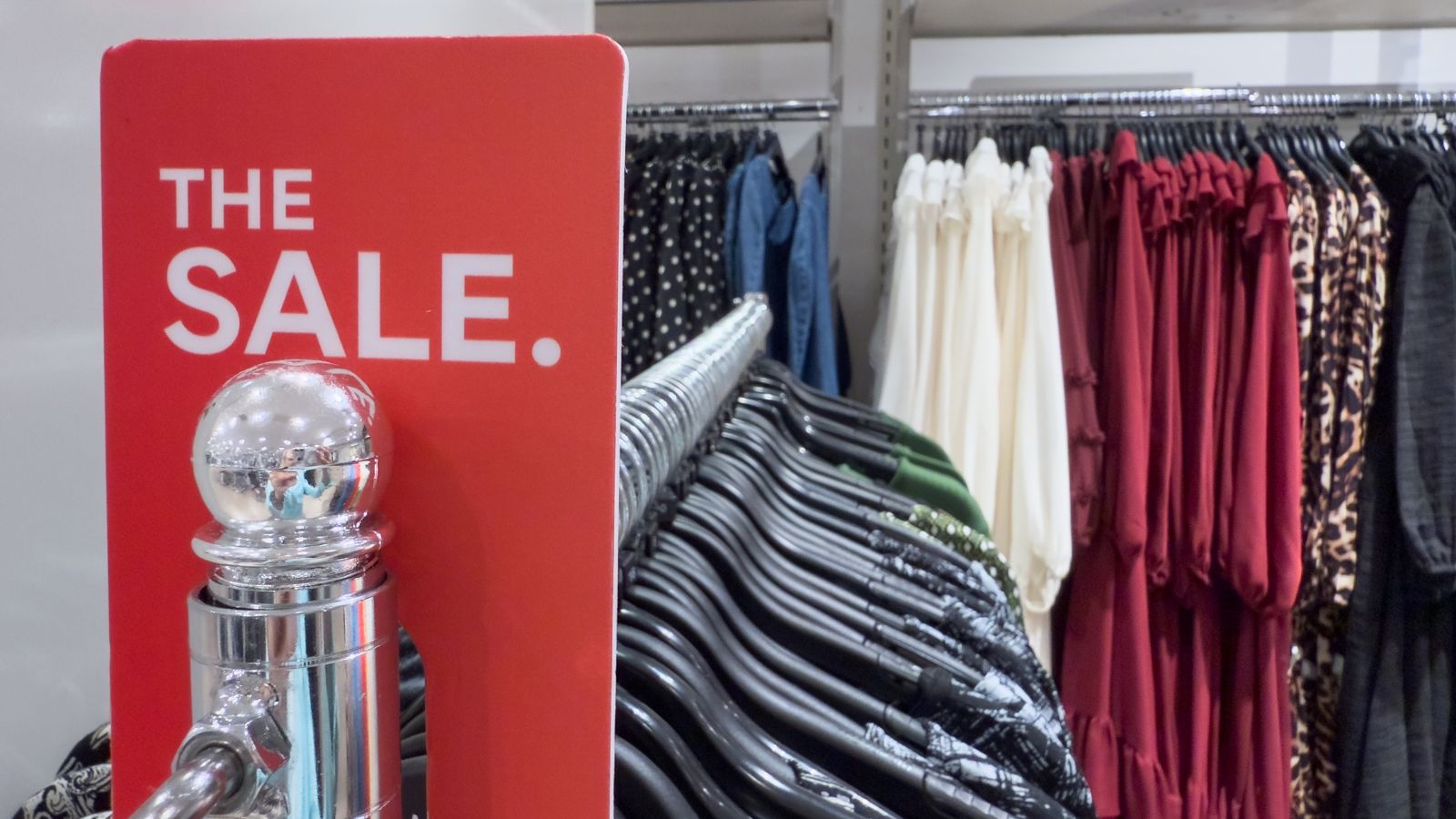
A bright red discount sticker still has power. It creates urgency, shortens the decision-making process, and makes a shopper feel like waiting would be foolish. The problem is that not every advertised discount reflects a meaningful reduction from a genuine regular price. Canadian competition rules specifically address misleading ordinary selling price claims, because a “was $100, now $60” sign can be deceptive if the item was not truly sold at the higher price in a proper way.
This mistake becomes more costly when shoppers treat every limited-time offer as proof of savings. A winter coat, appliance, or small kitchen gadget may appear discounted every few weeks under different banners: clearance, weekend sale, loyalty event, or flash deal. The practical habit is to compare prices across retailers and track familiar items over time. In 2026, with more automated pricing and frequent online promotions, the emotional pull of a sale may be stronger than the actual savings.
Forgetting to Check the Final Checkout Total

Online shopping often starts with a clean, attractive price and ends with a more complicated bill. Shipping, handling, platform fees, service fees, eco fees, payment surcharges, and taxes can appear late in the checkout process. Canadian competition authorities describe drip pricing as advertising a price that consumers cannot actually obtain because mandatory charges are added later. That makes the first price feel more affordable than the real total.
The mistake is especially common when shoppers compare only product prices across tabs. A household item listed for $42 on one site may beat a $48 competitor until shipping, marketplace fees, or return costs are included. Food delivery, ticketing, travel-related purchases, and online marketplaces are areas where final prices can shift quickly. In 2026, the safest comparison is the last number before payment, not the first number on the product page. A deal is only a deal after every unavoidable charge is visible.
Paying With a Card Without Watching for Surcharges
Card payments are convenient, fast, and often tied to rewards points, but they are not always cost-neutral. In Canada, some merchants can add surcharges, service fees, or convenience fees when customers use certain payment cards, provided disclosure rules are followed. A shopper focused on earning points may not notice that a small surcharge cancels out the value of the reward. On a large purchase, that small percentage can become a meaningful added cost.
This can surprise people at independent retailers, service businesses, online checkouts, or smaller merchants trying to manage payment processing costs. A 1.5% or 2% card fee on a $1,200 appliance, for example, is not pocket change. The mistake is assuming rewards always win. In 2026, shoppers may need to compare payment methods the way they compare prices: debit, cash, e-transfer, store financing, and credit cards can all produce different final costs depending on the merchant and transaction.
Using Buy Now, Pay Later for Everyday Purchases
Buy now, pay later can feel harmless when the installment amount looks small. A $160 purchase becomes four payments of $40, which feels easier than paying the full total upfront. The danger is that several small plans can overlap and blur the true monthly cost of shopping. A clothing order, a beauty restock, a pair of shoes, and a home item can all create separate payment schedules that arrive after the excitement of the purchase is gone.
This mistake becomes more expensive when shoppers use installment plans for routine spending rather than planned, necessary purchases. Missed payments, overdraft pressure, refund delays, and poor budget visibility can turn “interest-free” into stressful. Financial consumer guidance often warns that payment products should be understood before use, especially when fees or consequences may apply. In 2026, the real question is not whether the payment is affordable today, but whether it still fits when groceries, rent, utilities, and other bills land later.
Buying Online From Unknown Sellers Without Checking Safety
Online marketplaces make it easy to find cheaper versions of almost anything: cosmetics, supplements, chargers, toys, small appliances, baby products, and fitness gear. The lower price can be tempting, especially when Canadian shoppers are trying to offset inflation. The mistake is assuming that a professional-looking listing means the product is authorized, safe, or compliant with Canadian rules. Health Canada has warned that health products sold online may look legitimate while being unauthorized or potentially dangerous.
The financial risk is not only the wasted money. A counterfeit charger can damage electronics, an unsafe toy can be recalled, and an unauthorized skin product can create health problems. Returns may also be difficult if the seller disappears, ships from outside Canada, or uses vague contact information. In 2026, shoppers may save more by checking seller history, recall databases, Canadian authorization details, and product labels before buying. The cheapest listing can become the most expensive one if it fails, harms, or cannot be returned.
Overlooking Return Policies Before Buying
Many shoppers assume returns are a right, but in much of Canada, return and exchange policies depend heavily on the retailer unless the product is defective or consumer protection rules apply. That means final-sale language, restocking fees, return windows, and online return shipping costs matter. A rushed purchase can become expensive when the item does not fit, arrives late, looks different than expected, or cannot be brought back without a fee.
This mistake is common with clothing, furniture, electronics, seasonal items, and marketplace purchases. A shopper may buy three sizes online planning to return two, only to discover that return shipping is deducted or that discounted items are final sale. Even in-store purchases can be restrictive if the policy is posted clearly. In 2026, the smarter habit is to read the return terms before checkout, especially for sale items and bulky goods. A slightly higher price from a retailer with easier returns may be cheaper than a bargain that cannot be undone.
Treating Loyalty Points Like Cash Without Reading the Rules
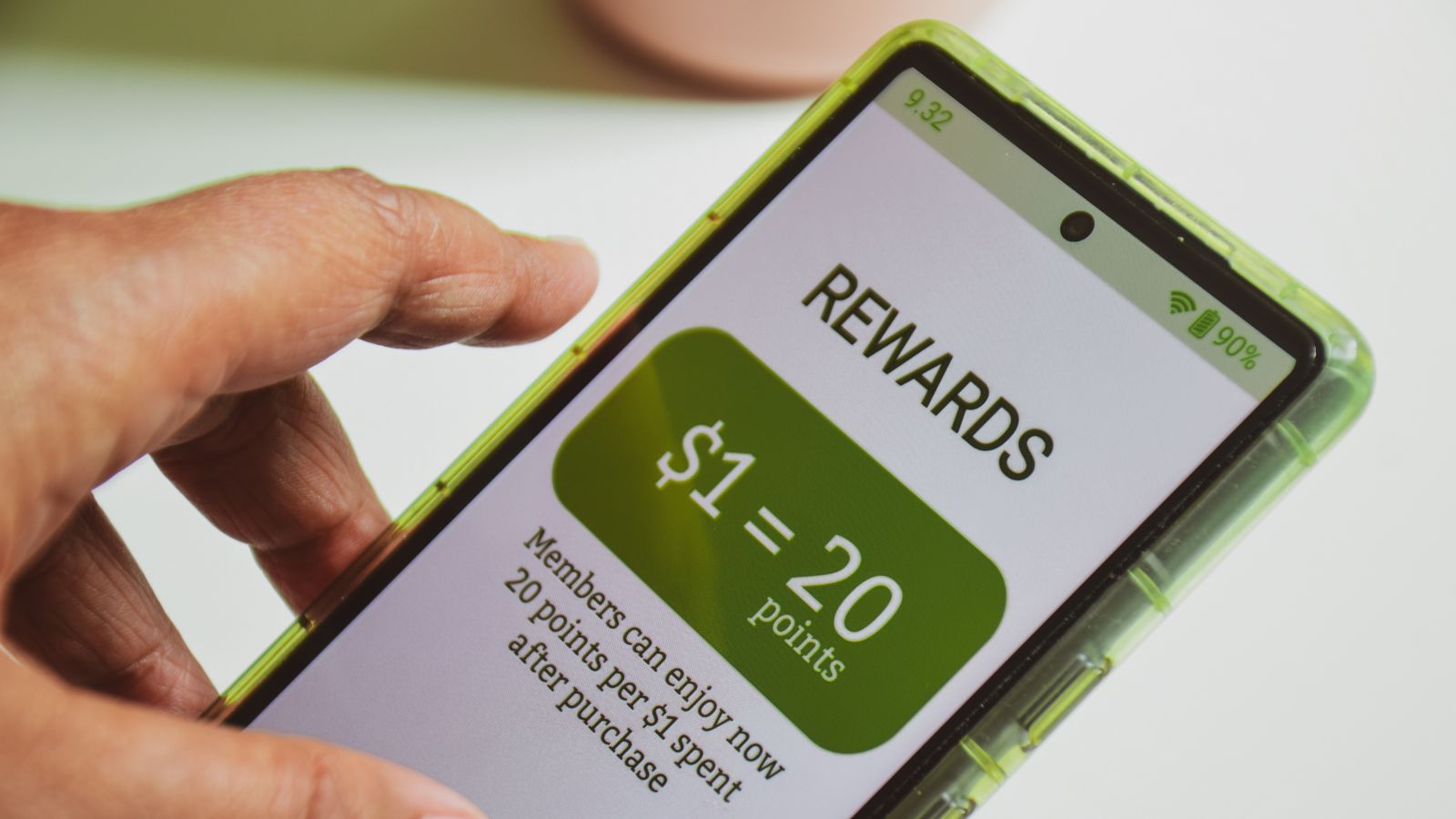
Loyalty programs can stretch a budget, but they are not the same as money in a bank account. Points can be devalued, redemption thresholds can change, personalized offers can encourage extra spending, and promotional points may expire under different conditions. A shopper chasing a points event may spend more than planned to reach a bonus that is worth less than the extra items in the cart.
The mistake grows when loyalty apps become the main reason for choosing a store. A grocery run meant to redeem a targeted offer can turn into a larger basket of brand-name items, prepared foods, or non-essential household goods. Gift-card and loyalty-related rewards can also have different rules from standard purchased gift cards. In 2026, Canadians should treat points as a discount tool, not a shopping strategy. The best loyalty offer is one attached to something already needed at a price that still makes sense without the points.
Letting Reusable Bag Fees Pile Up
A forgotten bag used to be a minor annoyance. In many places, it is now a small recurring charge. Canada’s federal single-use plastics rules prohibit the sale of several single-use plastic items, including certain checkout bags, and some provinces or municipalities have additional bag rules. In British Columbia, for example, businesses must charge for new paper and reusable shopping bags under provincial rules. The fee is small once, but frequent forgetfulness turns it into a quiet household expense.
The bigger issue is clutter and waste. Many shoppers now have a pile of reusable bags at home but still buy another one at the store because none made it into the car, stroller, backpack, or work tote. A $2 reusable bag purchased repeatedly can erase savings from comparison shopping. In 2026, the simple fix is logistical: keep bags where shopping decisions happen. The cheapest bag is usually the one already owned.
Buying Imported Deals Without Estimating Duties and Taxes

Cross-border shopping can look cheaper at first glance, especially when a U.S. or international website advertises a lower product price. The mistake is forgetting that currency conversion, duties, taxes, brokerage fees, and shipping can change the final cost dramatically. Canadian rules for personal exemptions and imported goods depend on factors such as travel time, product origin, and shipment type. A bargain can lose its advantage when the package arrives with extra charges.
This is especially risky for clothing, footwear, cosmetics, electronics accessories, and specialty household goods. A shopper may see a $70 item online, convert the price roughly in their head, and miss the courier’s additional fees. Returns can be even worse if the seller does not cover international shipping or duties are difficult to recover. In 2026, imported purchases deserve a full landed-cost estimate. The local price may look higher, but it may include fewer surprises.
Stocking Up Without Checking Storage Life
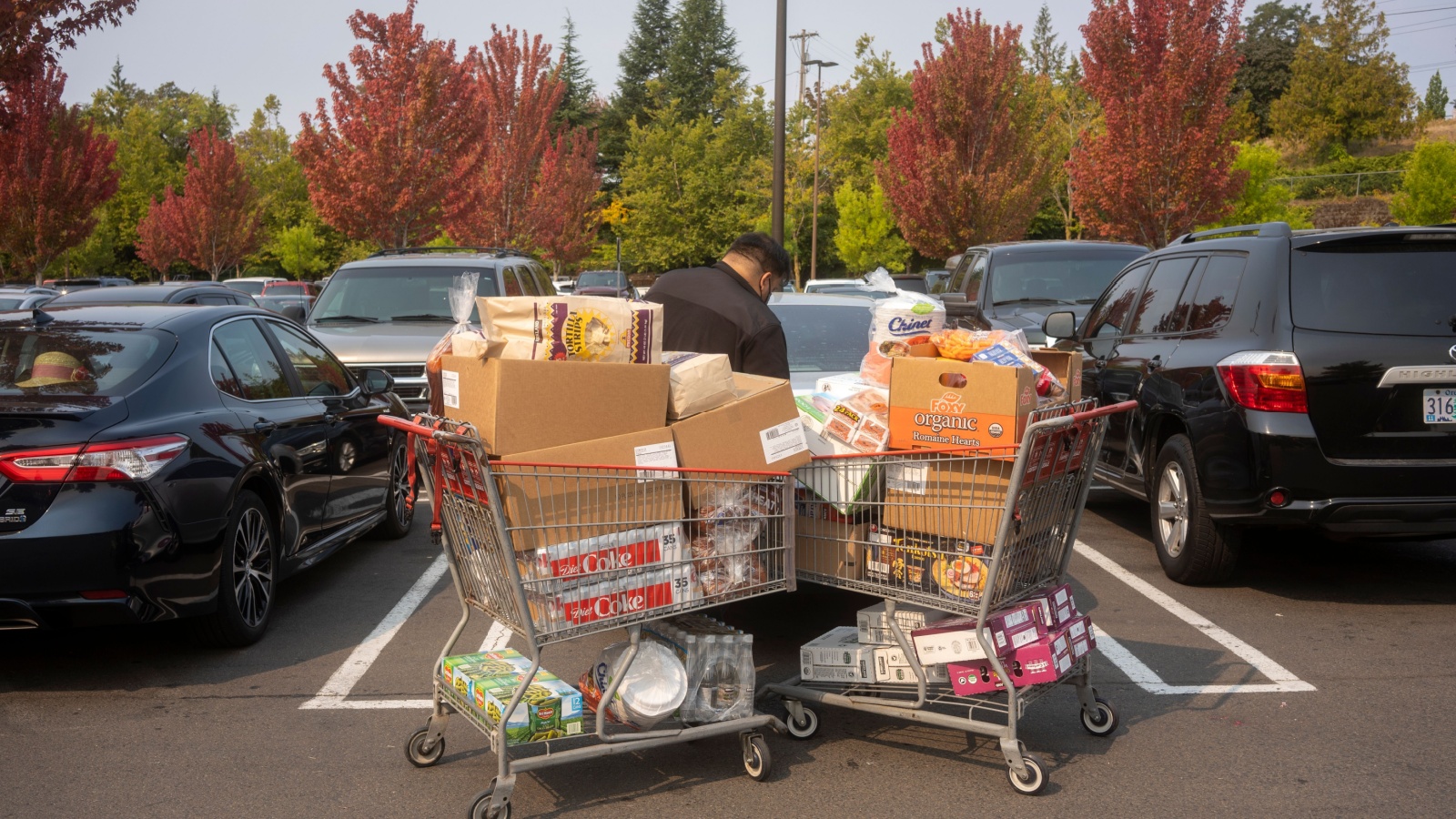
Bulk buying can save money, but only when the household can use the product before it expires, spoils, breaks down, or becomes unwanted. Food price pressure makes large packs tempting, especially at warehouse clubs and discount grocers. The mistake is treating every bulk purchase as disciplined shopping. A giant tub of spinach, oversized condiment, or multi-pack of specialty snacks is not cheaper if half ends up in the compost or trash.
The same applies to cleaning products, batteries, cosmetics, and over-the-counter items. Products can lose effectiveness, dry out, leak, or sit unused because preferences change. In 2026, when food costs remain a major pressure point, waste is more expensive than it used to be. A useful rule is to calculate savings only on the portion likely to be used. Bulk shopping works best for predictable staples, not aspirational meal plans or items bought because the warehouse price feels impressive.
Shopping Without a Price Memory
Many people know when something “feels expensive,” but fewer remember the normal price of their most-purchased items. Without a price memory, shoppers are more vulnerable to weak promotions, package changes, and impulse substitutions. A family that regularly buys coffee, eggs, pasta sauce, pet food, laundry detergent, and school snacks can benefit from knowing the usual low price for each item. That turns shopping from guesswork into pattern recognition.
This mistake becomes more costly as prices move unevenly across categories. Statistics Canada’s food data shows that grocery inflation can vary widely by product group, so a familiar item may jump while another stays relatively stable. A basic note in a phone can help: item, size, regular price, good sale price, and store. In 2026, shoppers do not need to track everything. They only need to track the repeated purchases that shape the monthly bill.
Assuming Discount Stores Are Always Cheapest

Discount banners can be valuable, but the store format does not guarantee the best price on every item. A discount grocer may beat competitors on private-label pantry goods while charging more for certain produce, household products, or small convenience packs. A dollar store may look cheaper until the unit price reveals a smaller size. A warehouse club may offer strong value only if the household uses the quantity and avoids impulse extras.
This mistake is expensive because it replaces comparison with identity. Shoppers tell themselves they are “being frugal” simply by entering a discount store. Retail trends show that Canadian grocers and major chains are investing heavily in value formats because households are price-sensitive, but value still varies by item. In 2026, the best approach is mixed-channel shopping: buy the right items from the right stores, rather than assuming one banner wins every category.
Forgetting That Convenience Has a Price

Delivery, curbside pickup, express shipping, prepared meals, pre-cut produce, and small-format urban stores all solve real problems. They save time, reduce stress, and help busy households get through the week. The mistake is using convenience by default rather than by choice. A few service fees, markups, tips, substitutions, and delivery minimums can quietly turn an ordinary basket into a premium one.
This is especially true when shopping apps make reordering effortless. The same basket can cost more through a delivery platform than in store, and substitutions may replace sale items with regular-priced alternatives. For a senior without transportation or a parent with a sick child, the extra cost may be worth it. In 2026, the expensive mistake is not using convenience; it is forgetting to budget for it. Convenience should be reserved for moments when time saved is genuinely worth the added cost.
Buying Gift Cards Without Checking Restrictions
Gift cards can be practical, but they are not all equal. Most standard retail gift cards in Canada do not expire, but promotional, charitable, loyalty-related, or financial-institution-issued cards may have different rules depending on the province or territory. The mistake is treating every card like cash. Restrictions on where it can be used, whether it works online, what happens during bankruptcy, and whether fees apply can all affect value.
The risk increases when shoppers buy discounted cards from third-party sources or choose cards for restaurants, mall groups, gaming platforms, or specialty retailers without reading the terms. A $100 card is only worth $100 if it can be used easily and safely. In 2026, shoppers should avoid buying cards that lock recipients into unstable retailers, narrow redemption channels, or unclear expiry terms. A gift card should reduce friction, not create a future customer-service problem.
Ignoring Recalls and Product Alerts

Many shoppers only hear about recalls when the story is large enough to make headlines. Smaller recalls for toys, appliances, electronics, children’s products, food items, cosmetics, or health products can pass unnoticed. The mistake is assuming that a product is safe because it was sold by a familiar retailer. In reality, recalls can happen after purchase, and online marketplace products can add another layer of uncertainty.
This can become financially expensive if the product damages property, stops working, or must be replaced quickly. It can also carry safety consequences that matter more than money. Health Canada and federal recall systems provide product alerts, and checking them is especially useful for second-hand baby gear, small appliances, batteries, chargers, and children’s items. In 2026, bargain hunting should include safety checks. A low price loses its appeal when the product has a known hazard attached to it.
Waiting Too Long to Replace Essentials

Delaying a purchase can be smart when prices are inflated, but waiting too long can backfire. Shoes worn past support, tires stretched beyond safe tread, a failing appliance, or a winter coat bought during the first cold snap can all become more expensive because the purchase becomes urgent. Urgency weakens comparison shopping and often forces people into whatever is available nearby.
This mistake is common with seasonal goods. Snow brushes, boots, heaters, fans, school supplies, and holiday items often cost more or offer fewer choices when demand peaks. Retailers plan around seasonal cycles, and shoppers who buy only when discomfort hits may miss lower prices or better selection. In 2026, the better habit is planned replacement: note items that are close to wearing out, watch prices before the season changes, and buy when selection is broad. Avoiding panic is one of the simplest ways to avoid overpaying.
19 Things Canadians Don’t Realize the CRA Can See About Their Online Income

Earning money online feels simple and informal for many Canadians. Freelancing, selling products, and digital services often start as side projects. The problem appears at tax time. Many people underestimate how much information the CRA can access. Online platforms, banks, and payment processors create detailed records automatically. These records do not disappear once money hits an account. Small gaps in reporting add up quickly.
Here are 19 things Canadians don’t realize the CRA can see about their online income.
