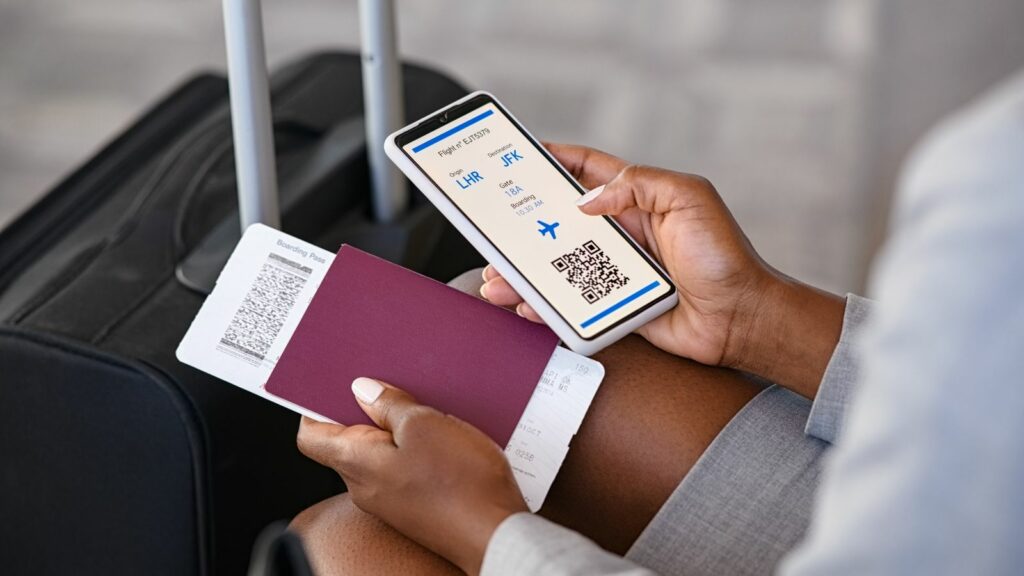
A missing document, a damaged suitcase, or a sudden flight change can turn an ordinary airport day into a costly mess. For Canadian travellers, a few well-timed photos can make it easier to prove ownership, confirm details, file claims, and recover faster when plans go sideways. The goal is not to replace original documents or official records, but to create a practical backup that can be reached quickly when stress is high and Wi-Fi is unreliable.
These 15 things are worth photographing before leaving for the airport because they capture the details most often needed during check-in, security screening, border processing, insurance claims, baggage reports, and emergency situations abroad.
Passport Photo Page
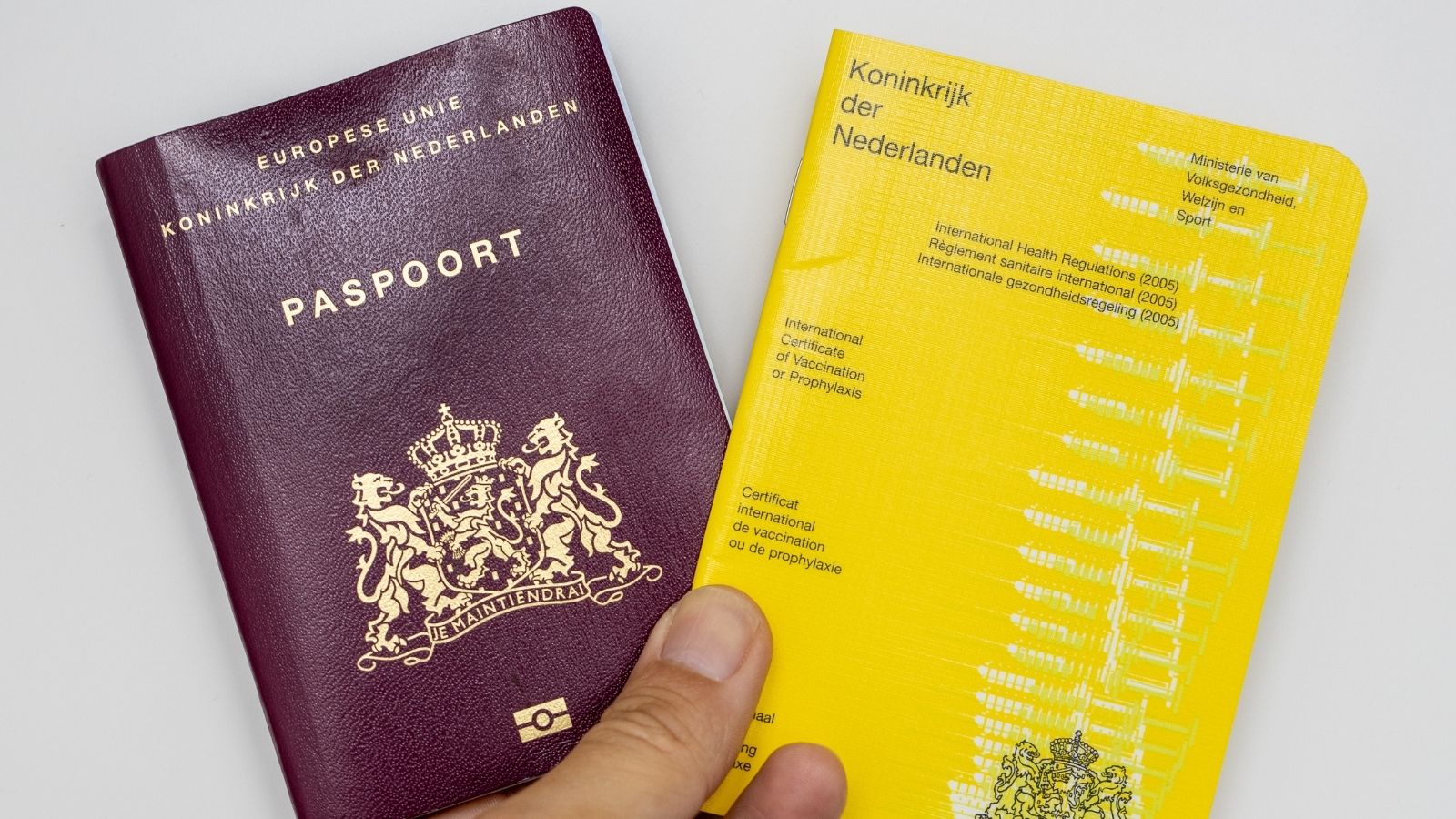
A clear photo of the passport identification page can be one of the most useful backups a Canadian traveller carries. It shows the document number, full legal name, nationality, date of birth, and expiry date, all of which may be needed if the passport is lost, stolen, damaged, or locked inside misplaced luggage. Government guidance recommends taking a picture of the passport photo page and also leaving a photocopy with someone trusted before travelling.
This photo should not be treated casually. It belongs in a secure, password-protected location rather than an open camera roll shared across multiple devices. A traveller who realizes at a hotel desk that a passport has gone missing may not be able to board a flight with only a photo, but the image can speed up conversations with airlines, police, consular officials, or travel insurers. It is a small habit that can reduce confusion at exactly the wrong moment.
Visa, eTA, or Entry Approval
Travellers often focus on the passport and forget that entry permission can be just as important. A visa, electronic travel authorization, residency permit, or entry approval email may be requested by airline staff before boarding, especially when the destination country holds the airline responsible for transporting inadmissible passengers. A screenshot or photo of the approval page can help when the confirmation email is buried, deleted, or unavailable offline.
This is especially useful for trips with multiple countries or long layovers. A Canadian flying through one country on the way to another may need separate transit documentation, even if the final destination has different rules. Photographing the approval number, applicant name, validity dates, and destination details can prevent frantic searching at the counter. It also helps catch small errors early, such as a misspelled name or an expiry date that ends before the return flight.
Flight Itinerary and Booking Reference

A photo or screenshot of the full itinerary is more useful than relying only on an airline app. Airline apps can sign users out, lose connectivity, or update during an airport rush. The booking reference, ticket number, flight numbers, departure times, connection airports, and passenger names are all details that may be needed at check-in, during a cancellation, or when speaking with a gate agent.
This becomes especially important when flights are rebooked after a disruption. A traveller who can show the original schedule has a clearer record of what changed and when. For trips involving separate tickets, package bookings, or codeshare partners, photographing the itinerary can also clarify which airline operates each segment. A family returning from March break, for example, may have four passengers on one booking but different seat assignments or meal requests attached to each name.
Boarding Passes
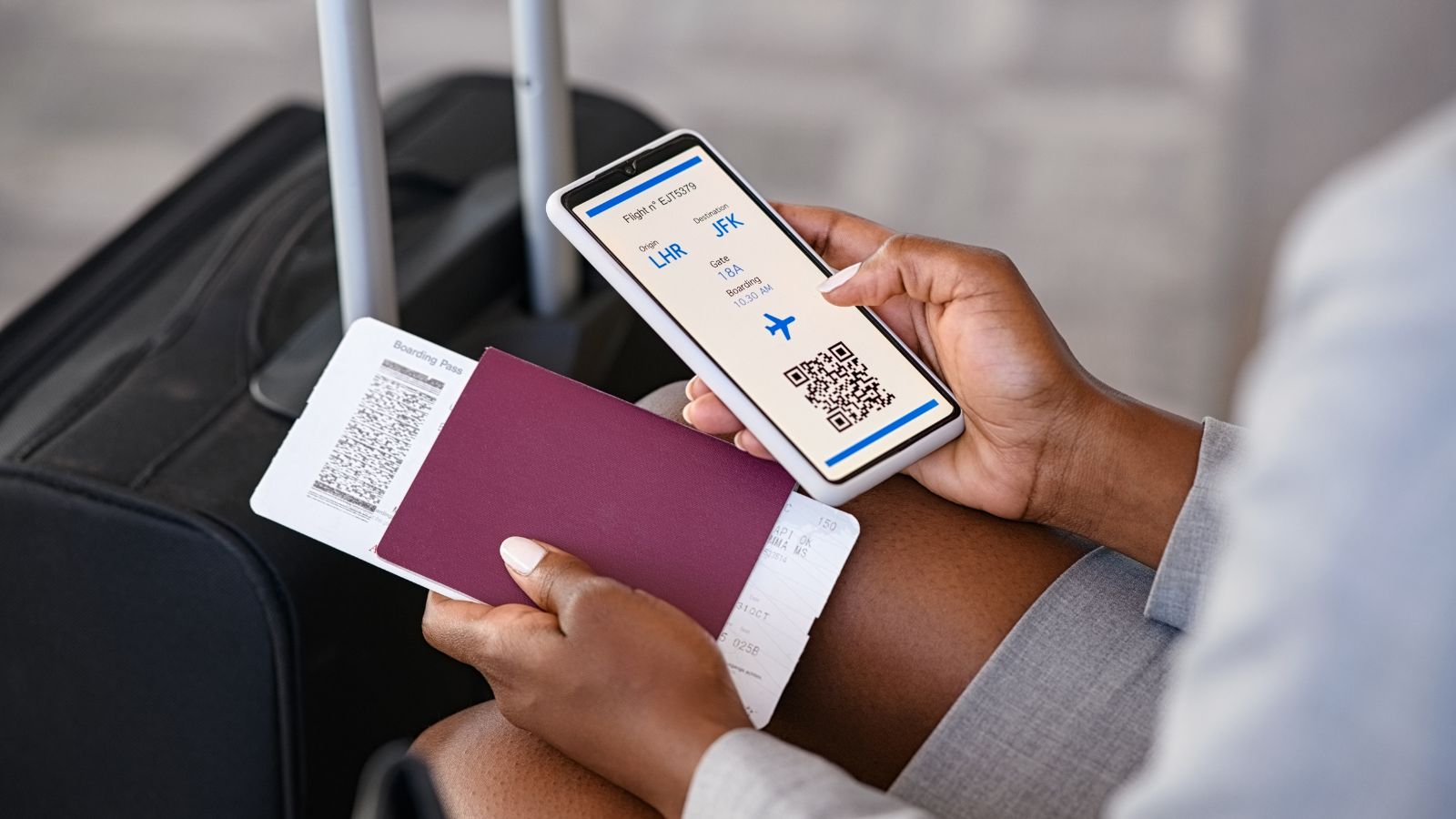
Boarding passes are often discarded once a traveller reaches the plane, but photographing them before the trip starts can be surprisingly useful. They show the passenger name, flight number, date, gate, boarding group, seat assignment, and sometimes the ticket sequence or frequent flyer number. If a later claim requires proof that the passenger checked in or boarded, the image can support the paper trail.
This matters during flight delays, missed connections, baggage issues, and loyalty program disputes. Some compensation or insurance claims ask for evidence of travel, and a boarding pass photo can fill gaps when email confirmations are incomplete. It can also help when a gate-checked carry-on disappears, because the boarding pass ties the passenger to the exact flight. The best version is a screenshot saved before airport Wi-Fi becomes crowded or unreliable.
Checked Luggage From Multiple Angles
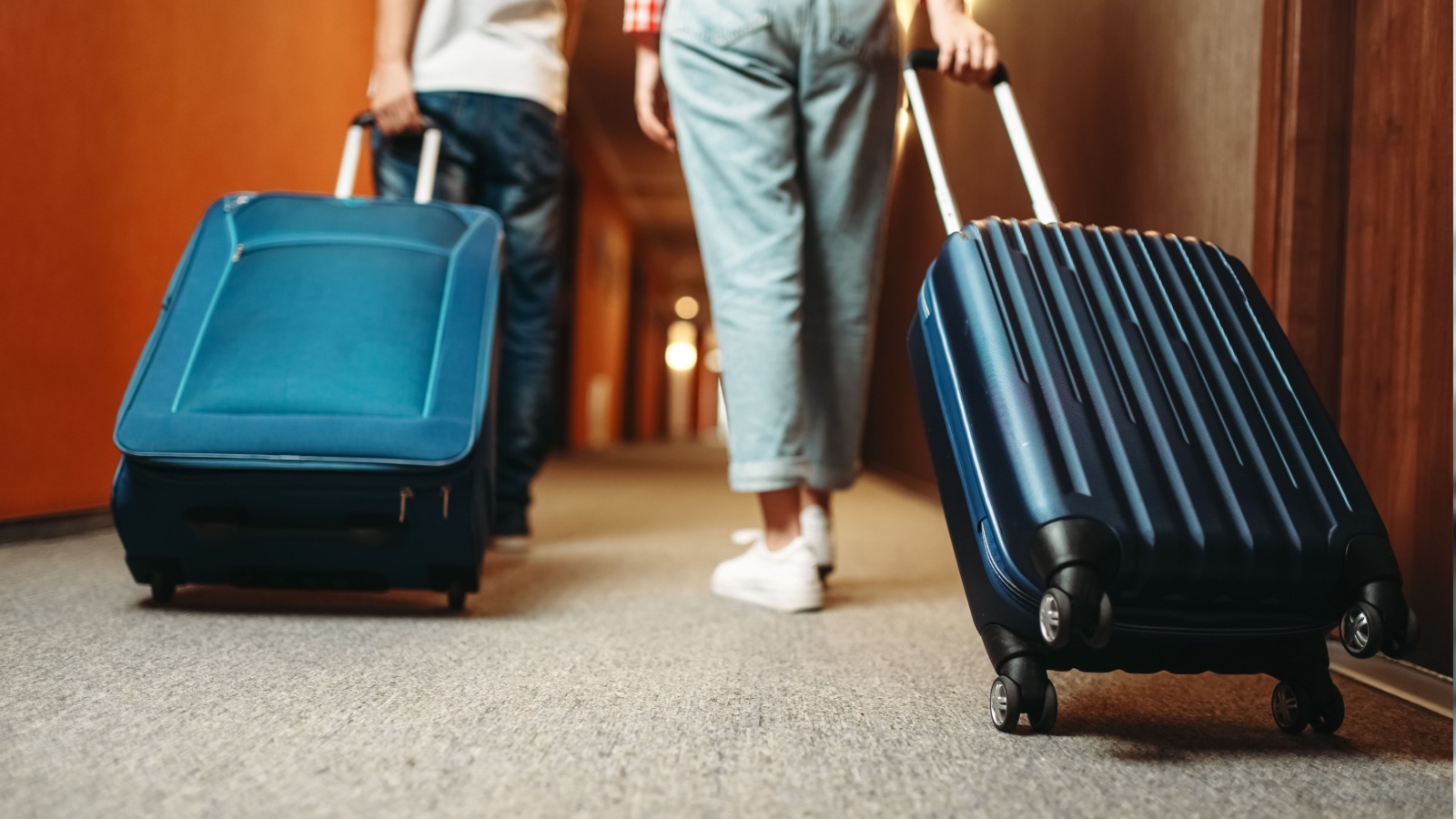
A suitcase is easier to describe when there are photos showing its colour, size, brand, wheels, handle, zippers, and any unusual marks. Airport baggage reports often ask for identifying features, and generic descriptions such as “black roller bag” are not very helpful when thousands of bags look similar. A few photos from the front, back, side, and top can make a delayed or lost baggage report more precise.
This is also useful for damage claims. A traveller who photographs a suitcase before check-in can better show whether a cracked shell, torn seam, missing wheel, or broken handle happened during transport. The image does not guarantee reimbursement, but it strengthens the timeline. A brightly coloured ribbon or luggage tag should also be visible in one shot, because those small identifiers can help baggage staff distinguish one ordinary suitcase from another.
Baggage Tag and Claim Stub
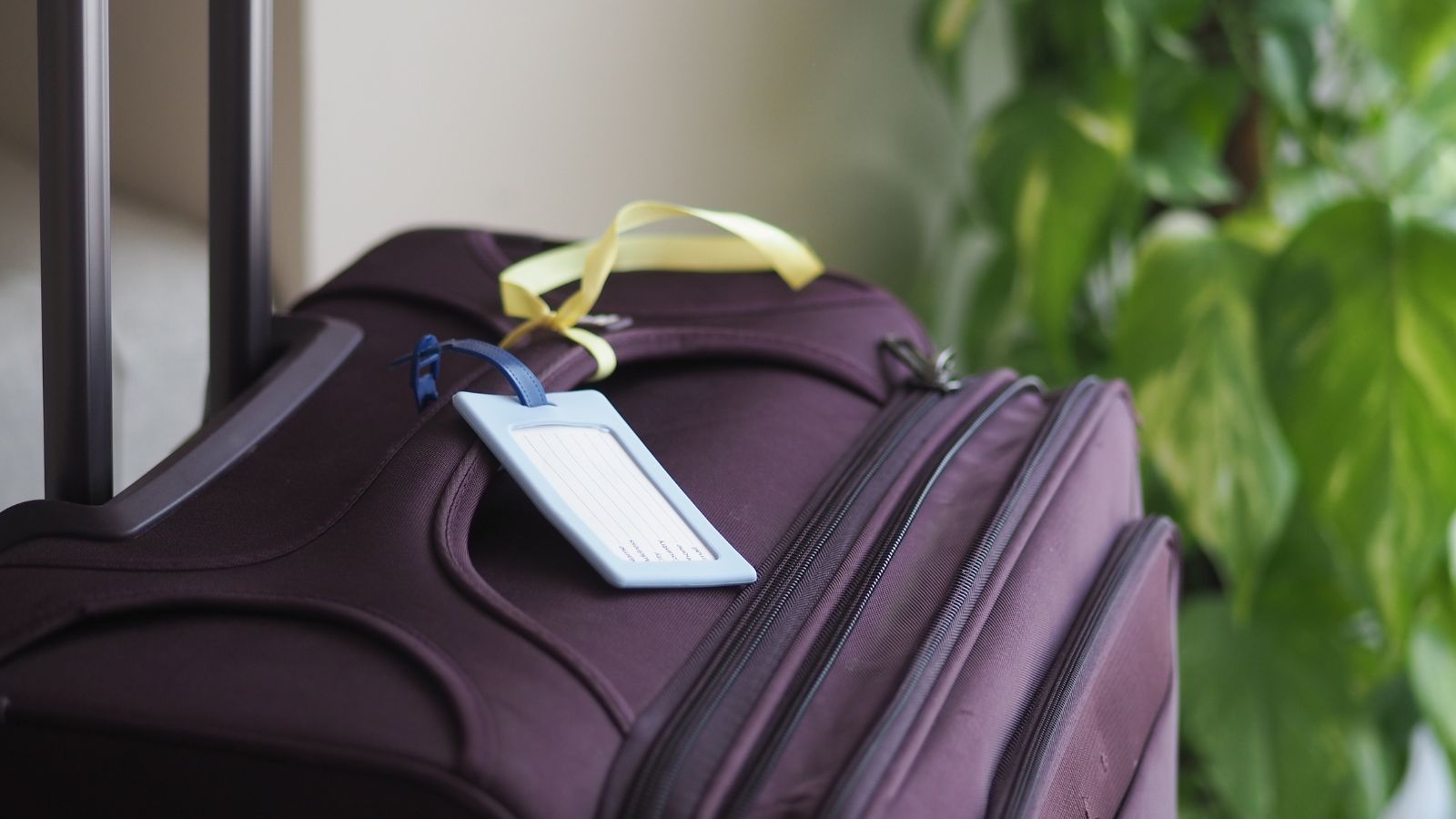
The baggage tag attached at check-in deserves its own photo before the suitcase disappears behind the belt. The printed tag usually includes a barcode, destination airport, routing, passenger name or record reference, and baggage tag number. The claim stub handed to the traveller is easy to misplace, especially when passports, phones, snacks, and children’s documents are being juggled at the same time.
A photo of both the attached tag and the claim stub can help if baggage is delayed, damaged, or routed incorrectly. Canadian air passenger rules set deadlines for baggage claims, and airlines often require the baggage tag number when opening a report. This image can save time at the baggage service desk after a long flight. It can also reveal a routing mistake before departure if the airport code printed on the tag does not match the intended destination.
Contents of Checked Bags
Before zipping a suitcase shut, travellers should photograph the contents in layers. The goal is not to document every sock, but to capture valuable or necessary items such as shoes, outerwear, toiletries, formal clothing, specialty gear, and travel accessories. If a bag is delayed, damaged, or lost, the photos can help reconstruct what was inside and support a reasonable claim.
This is particularly helpful when travelling for weddings, cruises, ski trips, or business events, where replacement costs can rise quickly. A photo showing winter boots, a suit, medication-free toiletries, or children’s clothing gives a more concrete record than memory alone. It also helps identify what must be replaced immediately versus what can wait. Receipts are still stronger evidence, but photos can make a claim more credible and organized.
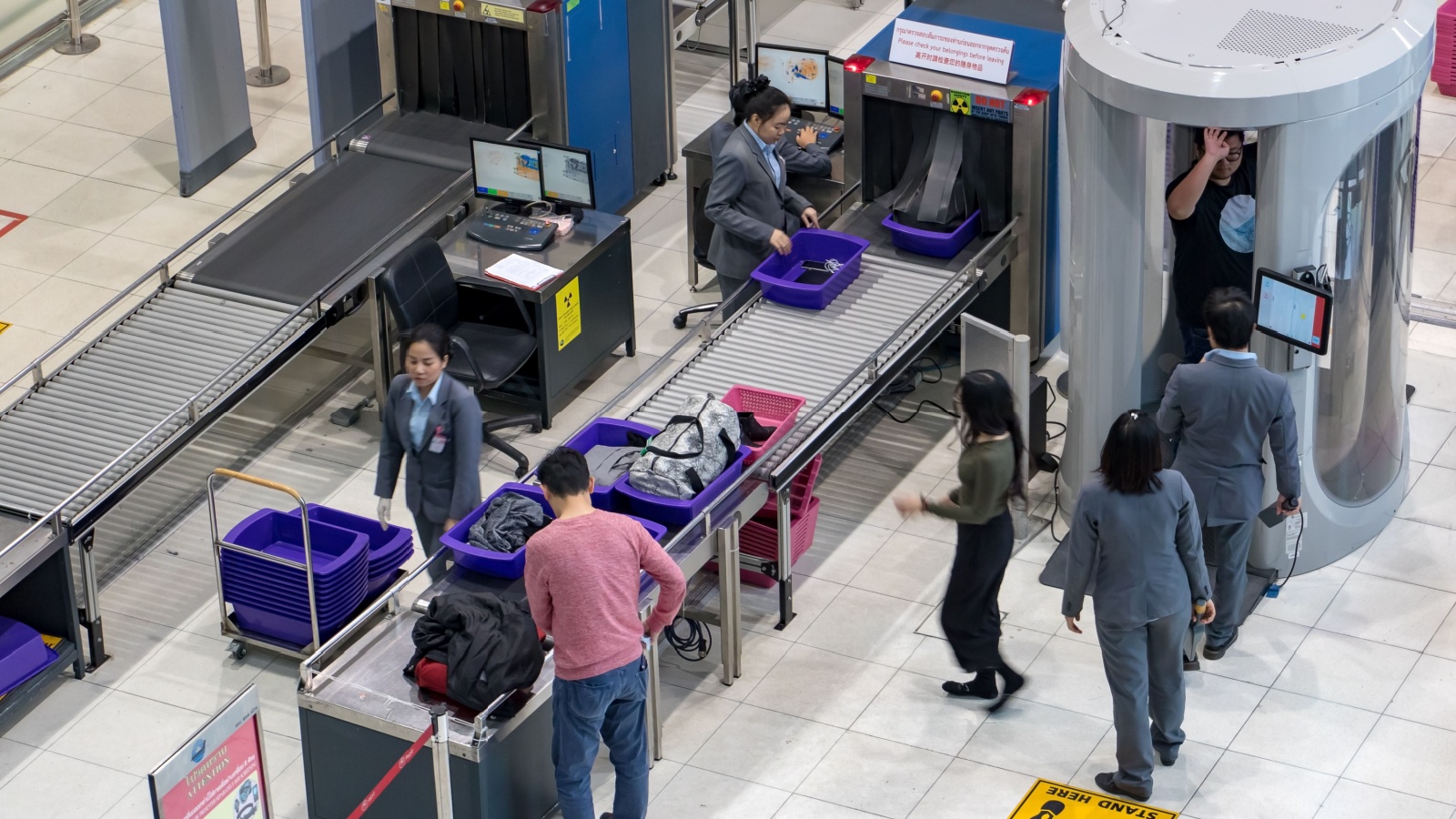
Carry-On Contents Before Security
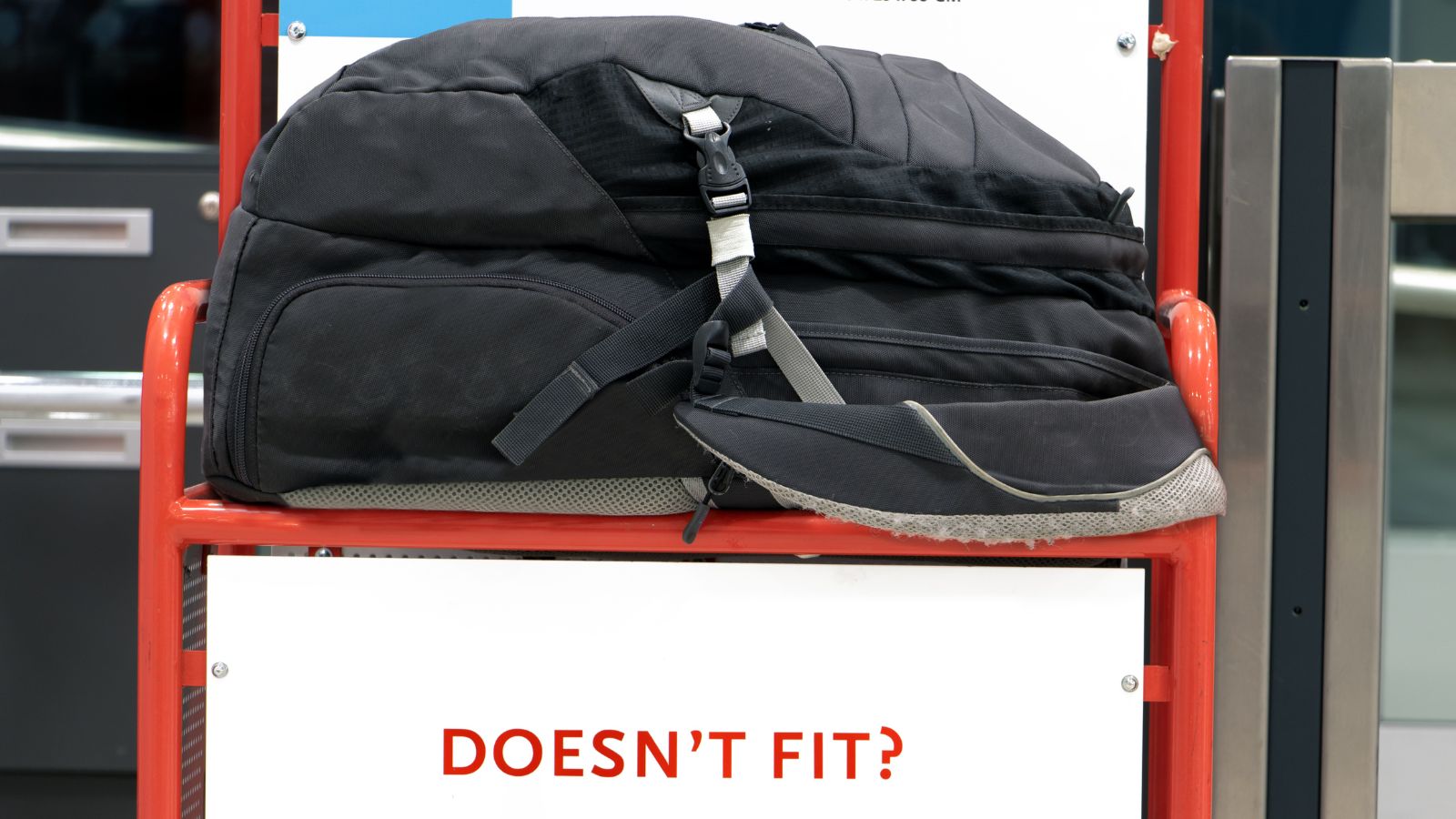
Carry-on bags often hold the items travellers most need if things go wrong: medication, chargers, glasses, travel documents, keys, wallets, and electronics. A quick photo before leaving home can help confirm what was packed and where it was placed. It can also be useful if security screening requires items to be removed quickly and repacked under pressure.
For Canadian airport screening, medications, medically required items, liquids, gels, electronics, and batteries may be handled under specific rules. A traveller who photographed the inside of a carry-on may notice immediately if a laptop sleeve, prescription pouch, or charging case is missing after screening. This habit is especially valuable for people travelling with children, seniors, or medical equipment, where a forgotten item can affect the whole trip rather than merely cause inconvenience.
Prescription Medication Labels

Medication photos should show the original labelled container, patient name, dosage, prescribing information, and drug name if visible. Canadian guidance warns that medications can be inspected by border officials in other countries or upon entry into Canada, and travellers are advised to keep medications in original, labelled containers. CATSA also recommends keeping medication accessible for screening.
This can matter even for common prescriptions. A drug that is ordinary in Canada may be restricted or treated differently elsewhere. A photo of the label is not a substitute for the actual prescription, a doctor’s note, or destination-specific permission, but it can help during a medical appointment, insurance call, or customs discussion. For travellers managing chronic conditions, photographing both the medication and the prescription list creates a practical backup if a bottle is lost or a refill is needed abroad.
Travel Insurance Card and Policy Summary
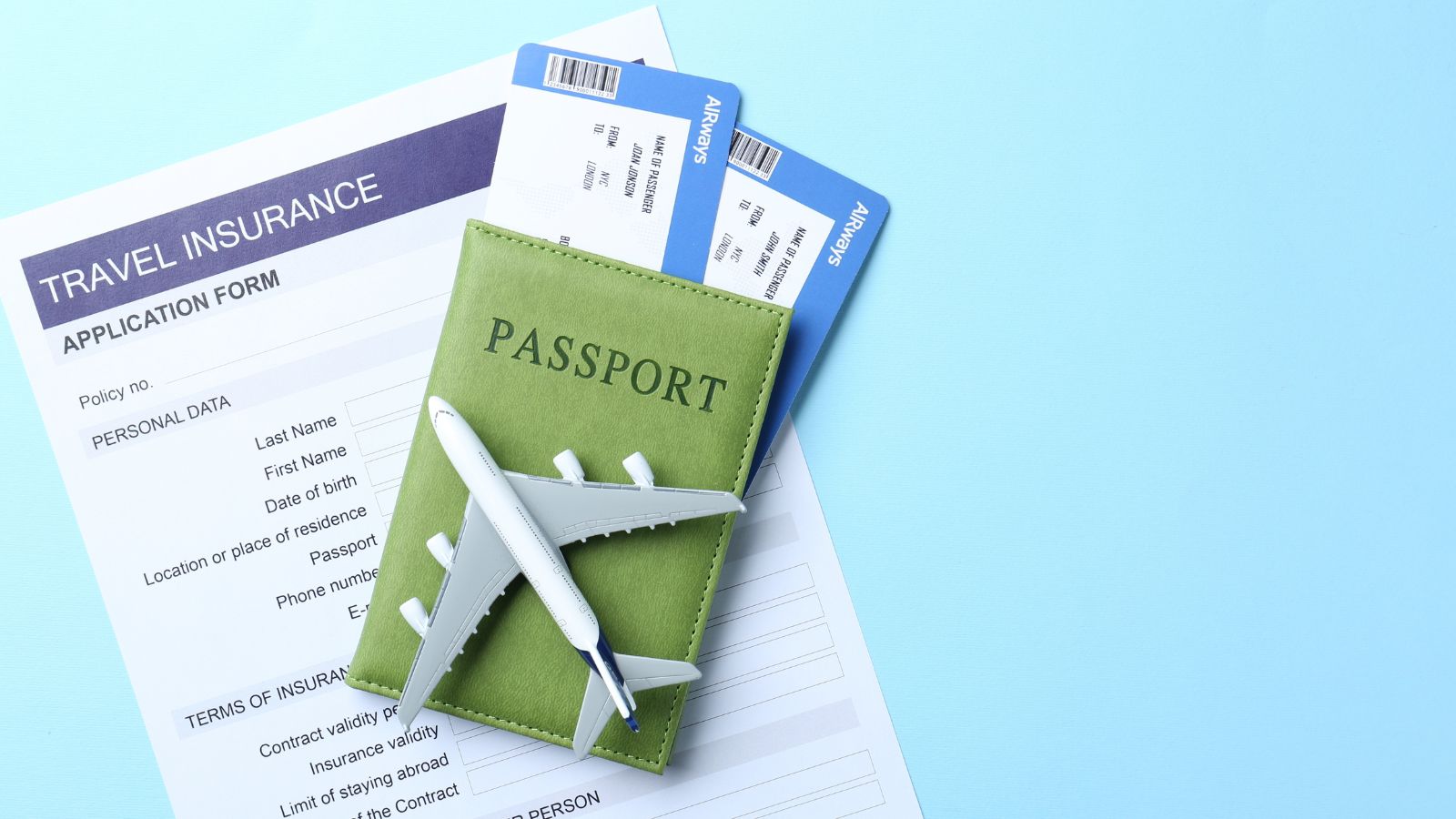
A travel insurance policy is most useful when the traveller can quickly find the emergency phone number, policy number, coverage dates, and insurer name. Photographing the wallet card, policy summary, and claim instructions before departure can prevent a scramble during a medical emergency or trip disruption. Government travel information notes that travel insurance policies are separate from federal travel advisories, so travellers should understand their own coverage before leaving.
This photo can be especially valuable when another person needs to help. If a spouse, parent, friend, or tour leader has access to the policy image, they can call the insurer while the traveller is dealing with treatment, a cancelled flight, or lost baggage. Many policies also require prompt contact before certain expenses are approved. Having the information visible offline can make a stressful call faster and more accurate.
Receipts for Expensive Travel Items
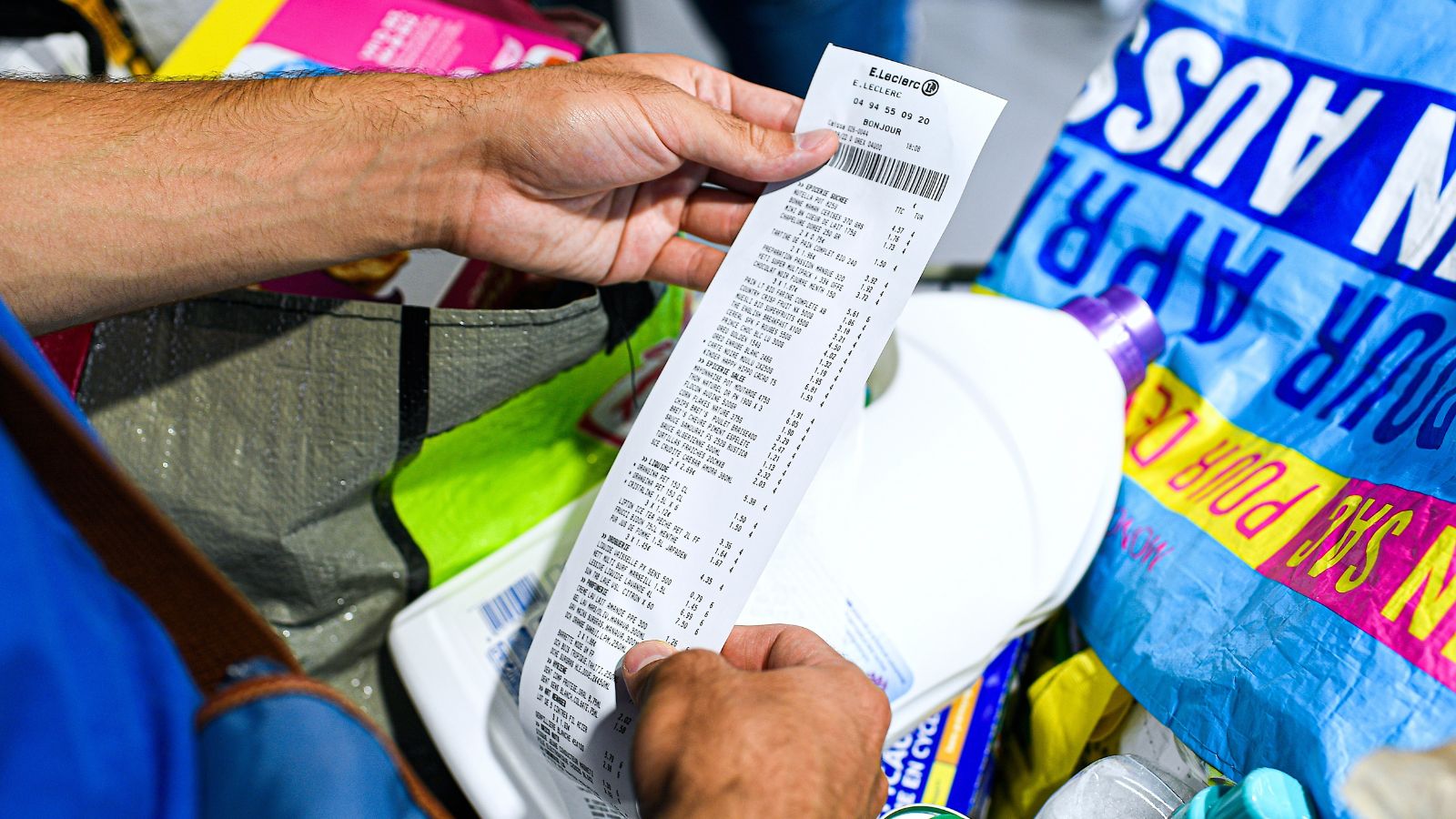
Receipts for luggage, electronics, cameras, formal clothing, mobility aids, or specialty equipment should be photographed before the trip. If an item is damaged, stolen, or lost, receipts can help establish value. Airline and insurance claims often become harder when travellers can describe an item but cannot show when it was bought or what it cost.
The most useful receipt photos include the date, retailer, item description, amount paid, and payment method if relevant. A traveller bringing a new stroller, noise-cancelling headphones, ski goggles, or a laptop may not want to carry a folder of paper receipts, but digital images can support a claim later. It is also wise to photograph serial numbers for electronics separately, because receipts do not always show enough identifying detail.
Electronics and Serial Numbers

Phones, laptops, tablets, cameras, headphones, e-readers, and portable game consoles should be photographed along with their serial numbers when possible. A plain image of the device helps show its condition before travel, while the serial number helps identify it if it is lost or stolen. For expensive electronics, this can support police reports, insurance claims, or warranty questions.
Battery-powered electronics also come with packing considerations. Canadian airport guidance and aviation safety information emphasize that power banks and many lithium battery items belong in carry-on baggage rather than checked luggage. Photographing electronics and chargers before packing can remind travellers where everything is stored and reduce the chance of leaving a power bank in a checked suitcase. It is a simple visual inventory for items that are easy to forget but expensive to replace.
Credit Cards, Bank Cards, and Emergency Numbers
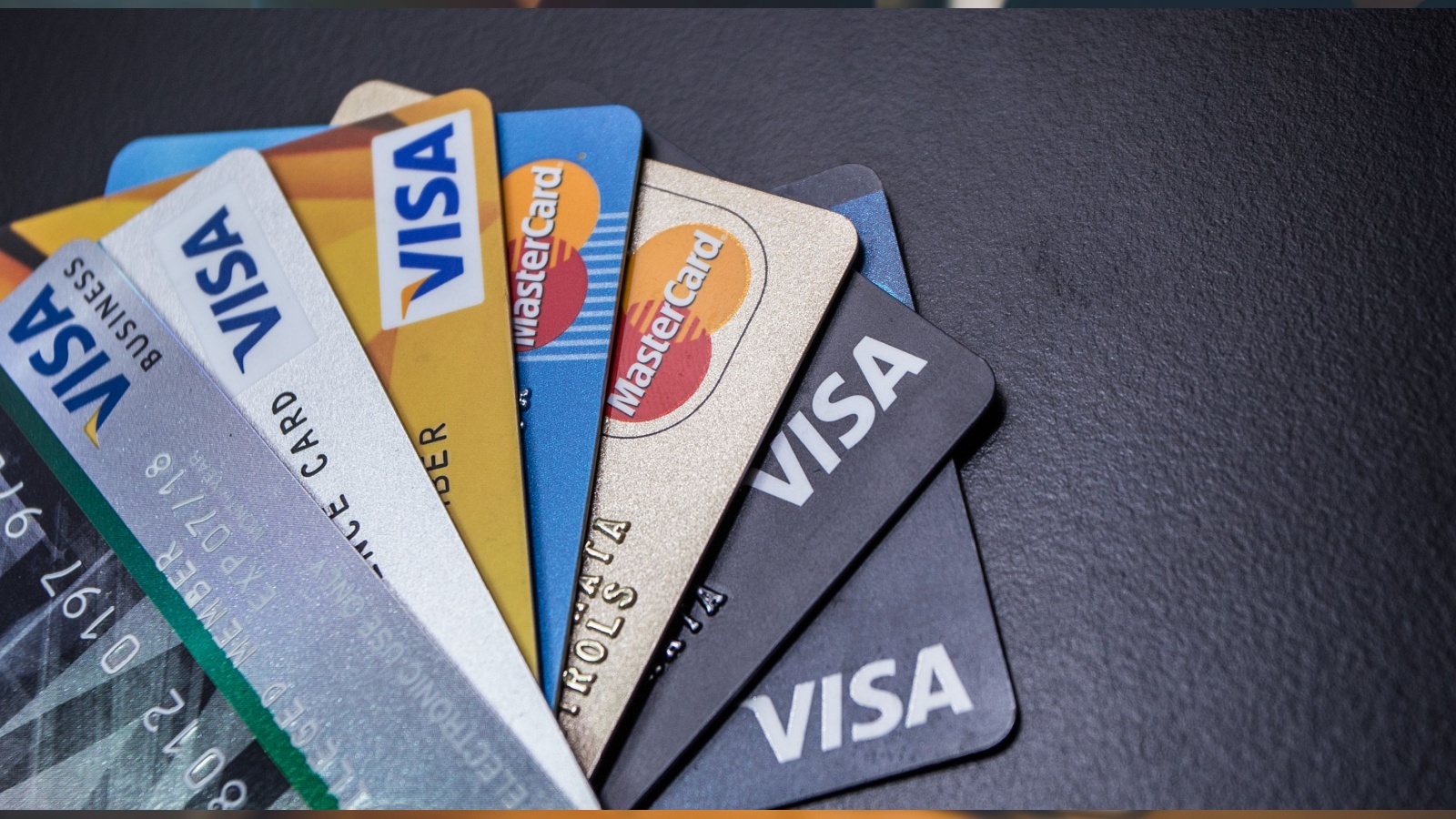
Travellers should not store full, unsecured images of every card in an ordinary photo gallery, but secure records of card issuer names and emergency contact numbers can be very useful. A card can be frozen faster if the traveller has the correct phone number and enough identifying information to explain what happened. The safest approach is to avoid exposing full card numbers in casual screenshots and to store sensitive images only in a protected folder or password manager.
This preparation is useful when a wallet is stolen, an ATM keeps a card, or a fraud alert blocks a purchase. A Canadian traveller landing overseas late at night may not have easy access to a branch, and calling the number on the back of the missing card is impossible. A secure photo of the card’s customer service side, with unnecessary digits obscured, can make the response quicker without creating an avoidable privacy risk.
Child Travel Consent Documents
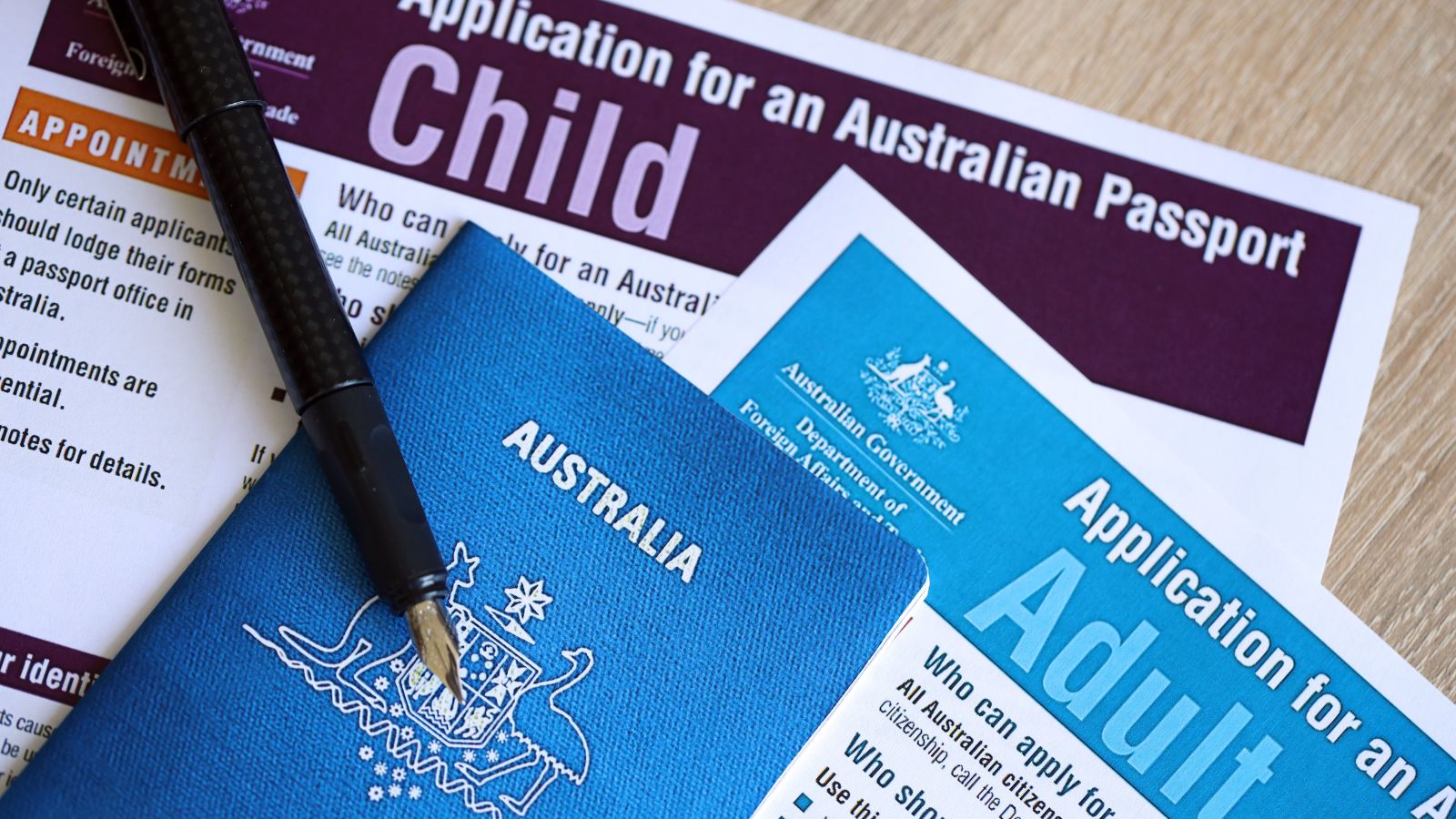
Families travelling with children should photograph consent letters, custody documents, and any supporting identification before heading to the airport. Canadian guidance recommends that children travelling outside Canada without one or both parents or legal guardians carry a signed consent letter. In separated or divorced families, custody documents may also be relevant depending on the situation.
These documents can be requested at borders or airline counters because officials may need to confirm that a child has permission to travel. A photo is not a replacement for the signed original, but it is a useful backup if papers are misplaced inside a backpack or handed to another adult in the group. For school trips, sports tournaments, and visits with relatives, photographing these documents helps keep the adult responsible for travel organized under pressure.
Pet Travel Documents
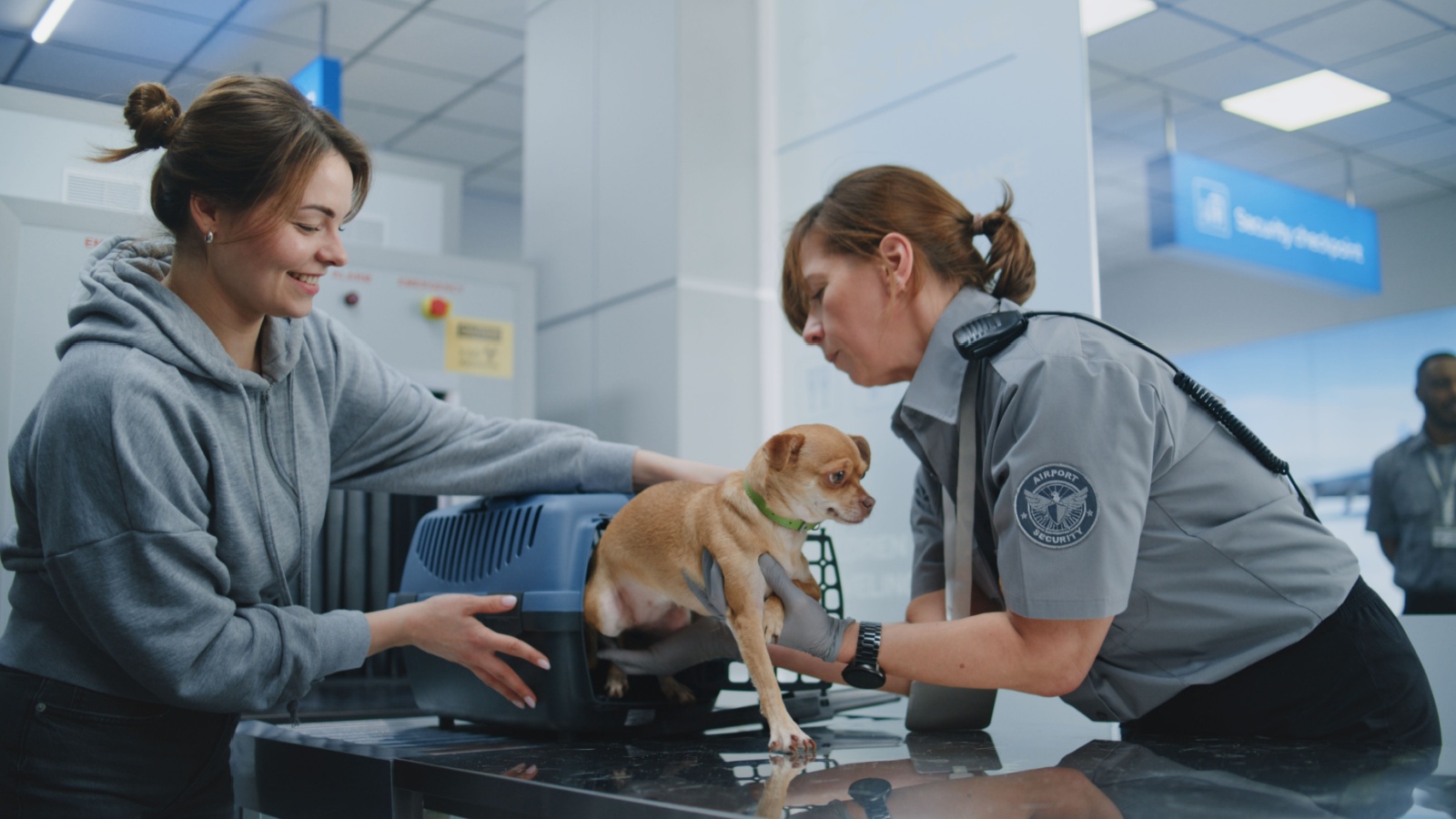
Travellers flying with a pet should photograph vaccination records, health certificates, import permits, airline approvals, crate labels, and microchip information before departure. Canadian food inspection guidance notes that pet travel requirements may include health certificates, vaccinations, testing, or medications, and destination countries can set their own entry rules. Airlines may also have separate requirements for carriers and check-in timing.
A pet document problem can be emotionally difficult because the traveller is not just managing luggage or paperwork. A missing rabies certificate, wrong date, or incomplete approval can delay or disrupt the animal’s travel. Photos help owners quickly compare what the airline, veterinarian, and destination authority requested. They can also help if a printed document is damaged by rain, misplaced during check-in, or packed into a bag that is no longer accessible.
19 Things Canadians Don’t Realize the CRA Can See About Their Online Income

Earning money online feels simple and informal for many Canadians. Freelancing, selling products, and digital services often start as side projects. The problem appears at tax time. Many people underestimate how much information the CRA can access. Online platforms, banks, and payment processors create detailed records automatically. These records do not disappear once money hits an account. Small gaps in reporting add up quickly.
Here are 19 things Canadians don’t realize the CRA can see about their online income.
