
Everyday spending in Canada has developed a strange new rhythm: items that once felt routine now require a second look, a smaller size, or a reason to justify the splurge. The shift has not happened all at once. It has arrived through higher grocery bills, fuel swings, bigger service charges, and household basics that no longer feel basic.
Here are 22 everyday Canadian purchases that have quietly moved from automatic buys to small luxuries. Some are still necessary, but necessity has not stopped them from feeling expensive. Others remain affordable in theory, yet the total cost has changed how Canadians plan meals, errands, birthdays, commutes, and ordinary weekends.
Coffee and Café Drinks

A coffee run used to be the smallest kind of treat: a few dollars, a warm cup, and a moment before work. Now it can feel like a line item. Imported coffee is exposed to global harvest conditions, shipping costs, currency swings, and roasting expenses, which means even a basic latte can reflect forces far beyond the counter. For commuters in Toronto, Vancouver, Calgary, or Halifax, the price jump feels especially noticeable when a once-casual habit becomes a weekly total that rivals a grocery staple.
The shift is not only about cafés. Bags of roasted coffee, pods, creamers, and specialty drinks have all made the home version more expensive too. Many households still buy coffee, but they treat it differently: fewer drive-through stops, more loyalty points, smaller sizes, or a return to drip machines. The purchase remains ordinary, yet the feeling around it has changed. Coffee has become less of a background habit and more of a small indulgence that requires choosing.
Fresh Beef
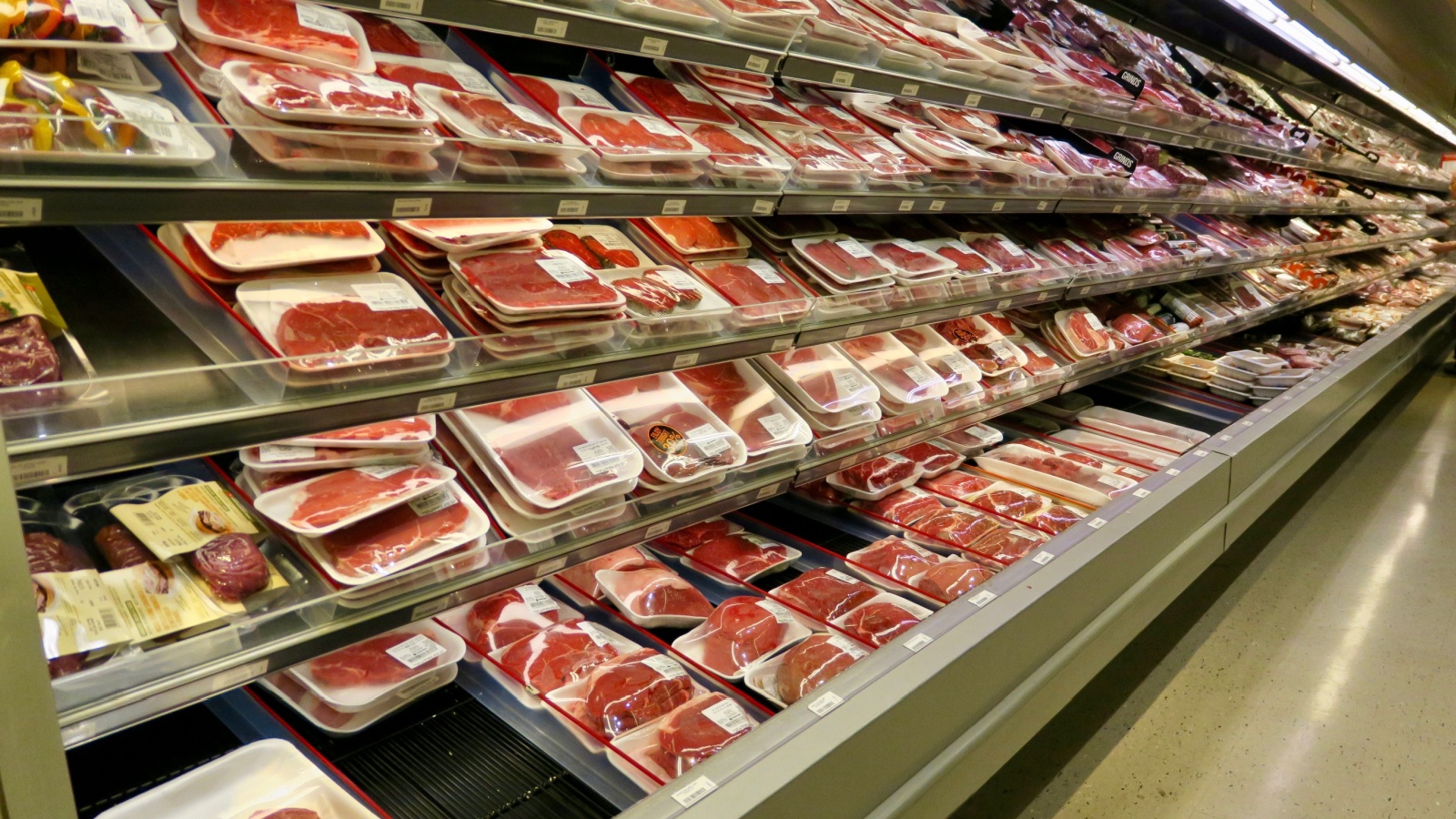
For many Canadian families, beef has moved from weeknight default to planned purchase. Ground beef, roasts, steaks, and stewing cuts once anchored simple meals, especially in colder months when chili, shepherd’s pie, and slow-cooker dinners stretched across several days. Recent price pressure has made those meals feel less automatic. Shoppers who once grabbed a family pack without thinking now compare cuts, wait for markdown stickers, or replace beef with chicken, beans, lentils, or frozen meatballs.
The emotional shift is important. Beef has long carried a sense of abundance at the dinner table, whether in summer burgers or Sunday roasts. When prices climb, families do not simply change recipes; they change rituals. A steak dinner becomes more like a birthday meal. A roast becomes something bought only when the flyer cooperates. Even modest beef purchases can feel luxurious because they compete with rent, gas, school lunches, and every other bill in the cart.
Fresh Vegetables
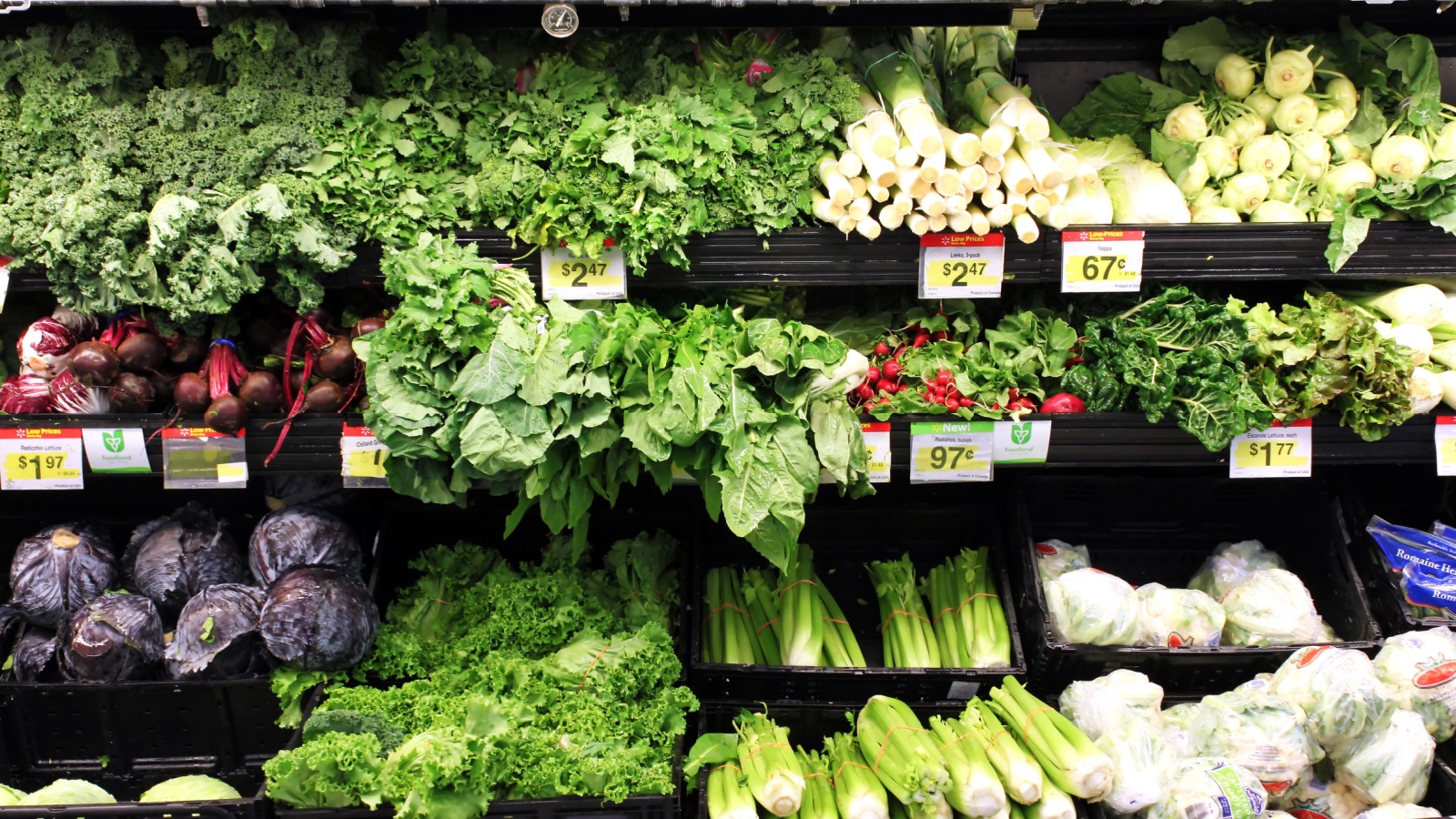
Fresh vegetables are still essential, but the sticker shock can make them feel oddly premium. Cucumbers, peppers, celery, lettuce, cauliflower, and tomatoes are exposed to weather conditions, greenhouse costs, transport distances, and exchange-rate pressure when imported. In winter and early spring, many Canadians see the biggest gap between what a healthy meal should include and what the produce section seems to allow. A salad that once felt economical can suddenly cost more than a boxed meal.
This is where affordability starts affecting nutrition. A parent may still want crisp vegetables for lunches, but wilt risk matters when prices are high. A single forgotten pepper in the crisper can feel like wasted money. That leads many households toward frozen vegetables, canned tomatoes, carrots, cabbage, or whatever is on special. None of those choices are wrong, but the change reveals how fresh produce has become a purchase people protect, ration, and plan around.
Butter and Dairy Staples

Butter has become one of the clearest symbols of grocery-bill frustration. It is not flashy, and it does not feel optional in households that bake, cook, or pack school snacks. Yet a pound of butter can now make people pause. Families that once kept an extra block in the freezer may wait for sale cycles, switch between butter and margarine, or reserve butter for baking while using cheaper spreads for toast.
Dairy staples carry a similar tension. Milk, cheese, yogurt, cream, and sour cream are deeply woven into Canadian kitchens, from lunchbox yogurt tubes to casseroles and coffee. When these items rise, the impact spreads across dozens of meals. Cheese boards and premium yogurts may feel obviously indulgent, but even ordinary cheddar can start to feel expensive when it disappears quickly. The luxury feeling comes from the mismatch between how basic dairy seems and how carefully people now buy it.
Eggs

Eggs are still one of the most useful foods in the kitchen, but they no longer always feel like the budget hero they once were. They can turn into breakfast, dinner, baking, sandwiches, fried rice, or a quick protein boost. That versatility is exactly why price increases get noticed. A family that uses a dozen eggs in a few days feels the difference quickly, especially when school lunches, weekend pancakes, and meal prep all pull from the same carton.
For many Canadians, eggs now sit in a strange middle ground. They are still cheaper than many meats, but they are no longer invisible in the budget. Shoppers compare sizes, look for store brands, and think twice about free-range or specialty cartons. A brunch that once felt inexpensive can suddenly become a bigger spend when bacon, bread, butter, coffee, and fruit are added. The carton remains ordinary, but the total meal feels elevated.
Bread and Bakery Items

Bread has always been one of those purchases people expect to be simple. A loaf for sandwiches, buns for dinner, bagels for breakfast, maybe a treat from the bakery case. But the bakery aisle has become a place where small increases pile up fast. Packaged bread, tortillas, English muffins, croissants, muffins, and artisan loaves each seem manageable alone, but a weekly basket can make basic carbohydrates feel surprisingly expensive.
The biggest change is in how Canadians define “worth it.” A fresh bakery loaf may still taste better, but it has to compete with discount bread, bulk packs, and freezer planning. Families may freeze half a loaf, skip bakery treats, or switch from individually wrapped snacks to homemade options. The old habit of tossing in buns “just in case” now feels risky if they go stale. Bread remains a staple, yet waste has become too expensive to ignore.
Takeout and Fast Food

Takeout once served as the affordable escape valve for busy nights. It was not always cheap, but it felt cheaper than a full restaurant visit and easier than cooking after work. Today, delivery fees, higher menu prices, service charges, tips, and taxes can turn a basic order into a serious expense. Even fast food has lost some of its old bargain identity, especially when a family meal includes drinks, sides, and upgrades.
That has changed the psychology of convenience. Canadians still buy takeout, but more often as a planned treat than an exhausted reflex. Some pick up instead of ordering delivery. Others split entrées, skip drinks, use coupons, or reserve restaurant food for payday weekends. The meal may still arrive in a paper bag, but the receipt can feel closer to a special occasion. Convenience has become one of the clearest everyday luxuries.
School Lunch Snacks
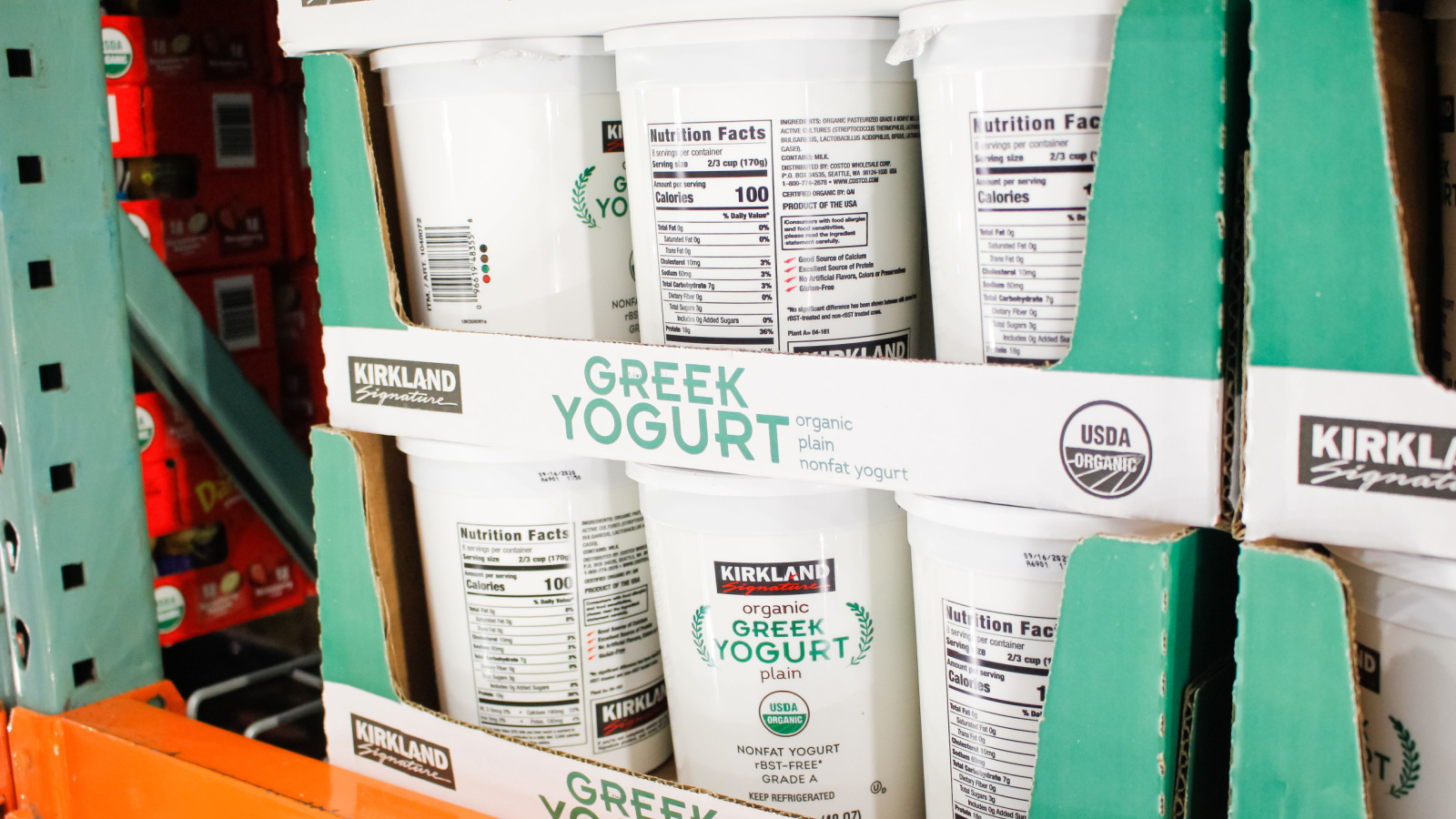
School lunches reveal inflation in miniature. Granola bars, cheese strings, yogurt cups, fruit pouches, crackers, juice boxes, deli meat, berries, and nut-free snacks all look harmless on their own. The trouble is repetition. A household buying enough for multiple children can watch a cart fill with individually packaged items that vanish in a week. What once felt like basic lunchbox maintenance now feels like managing a small supply chain.
Parents often respond by becoming more strategic. They buy bulk crackers instead of single packs, cut cheese from blocks, portion homemade muffins, or save pricier snacks for field trips and sports days. But time is part of the cost too. Convenience packaging is expensive because it solves a real morning problem. When families pay more for it, they are not just buying food; they are buying five minutes before the bus. That small convenience now carries luxury pricing.
Gasoline
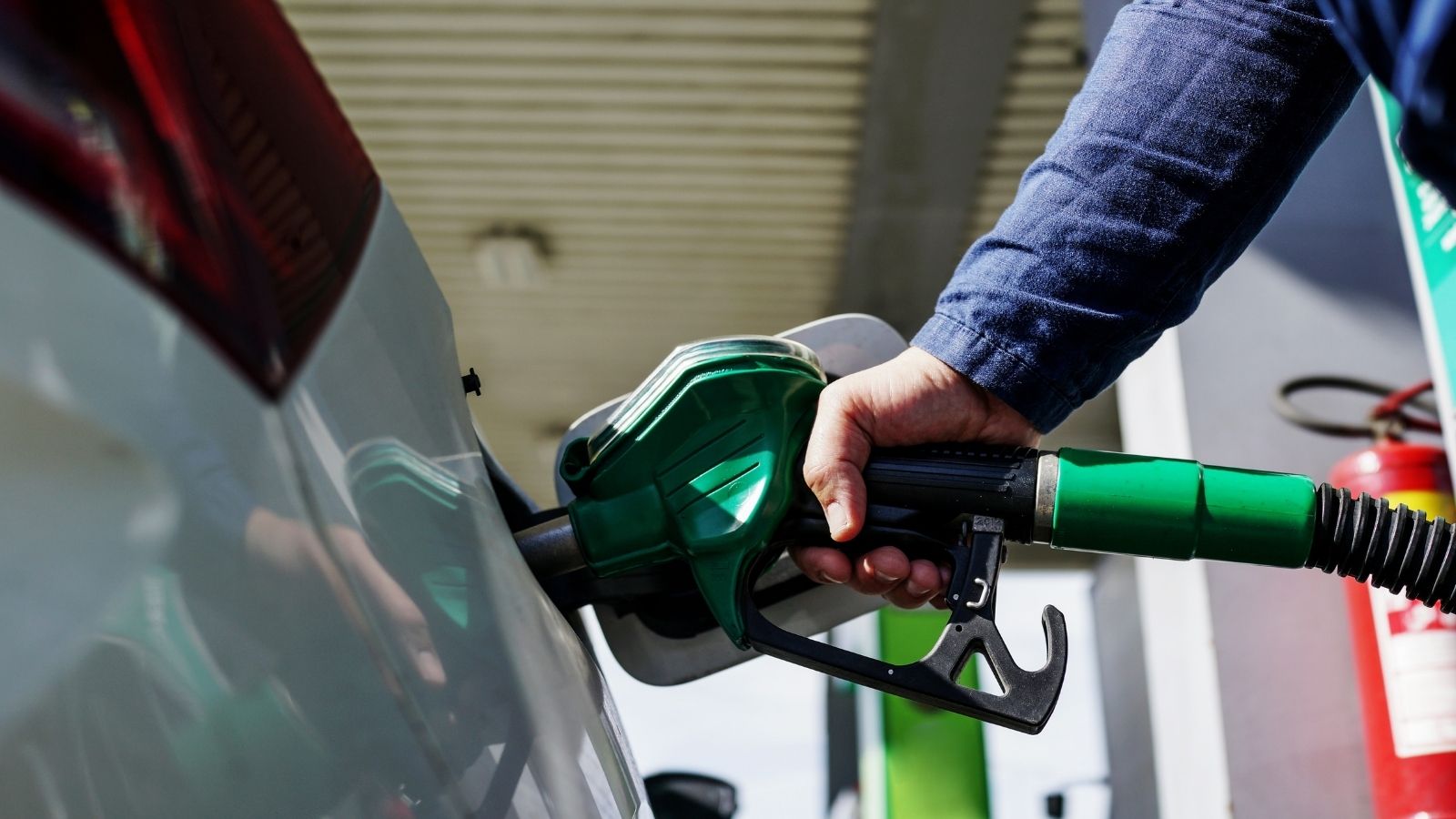
Gasoline is one of the most unavoidable purchases for many Canadians, especially outside dense urban centres. A tank of fuel can determine whether errands are combined, weekend drives are shortened, or visits to relatives are delayed. Price swings are especially frustrating because households cannot always reduce driving quickly. Work, school, medical appointments, hockey practice, and grocery trips still have to happen, even when the pump total climbs.
The luxury feeling comes from how ordinary driving used to feel. A quick trip across town now gets mentally priced. Some families compare gas stations, use loyalty apps, or delay filling up until prices dip. Others reduce spontaneous outings, especially in suburbs and rural areas where transit options are limited. Fuel is not a luxury in the traditional sense, but the freedom to drive without calculating the cost increasingly feels like one.
Car Insurance

Car insurance is not a product most people enjoy buying, but it has become a major affordability pressure. Premiums reflect claims costs, repair complexity, theft patterns, weather-related damage, legal expenses, and regional risk. Newer vehicles with sensors, cameras, and advanced safety systems can be expensive to repair after even minor collisions. That means the monthly or annual premium can feel disconnected from a driver’s personal habits.
For many Canadians, the luxury is not insurance itself; it is the ability to absorb the premium without rearranging other expenses. A clean driving record does not always prevent increases, and shopping around takes time. Families may raise deductibles, reduce optional coverage on older vehicles, or delay adding a second car. The purchase is mandatory in practice for drivers, yet the bill increasingly feels like the price of staying mobile.
Tires and Basic Vehicle Repairs

A set of tires used to feel like an occasional maintenance cost. Now it can feel like a financial event. Winter tires, all-season replacements, rotations, storage fees, alignments, brake work, oil changes, batteries, and diagnostic charges all arrive in a world where vehicle parts and labour have become more expensive. Canadian weather adds pressure because skipping maintenance can quickly become a safety issue.
The result is a quiet form of budget anxiety. A driver may know the tires are worn but still hope they last one more season. A small dashboard warning light can feel expensive before the mechanic even opens the hood. For households that rely on one vehicle for work or caregiving, repairs are not optional. What has changed is the sense that basic maintenance now competes with vacation savings, grocery money, and emergency funds.
Rent

Rent is not a small purchase, but it is an everyday one because it shapes every other expense. In many Canadian cities, monthly rent has become the defining household cost. Even modest apartments can absorb a large share of income, leaving less room for food, transportation, savings, and leisure. For renters who move, the jump between an old lease and a current market listing can be startling.
The luxury element appears in ordinary expectations. A spare bedroom, in-suite laundry, a short commute, a pet-friendly building, or a unit near transit can feel like premium features rather than normal comforts. Some households stay longer in unsuitable units because moving is too expensive. Others accept longer commutes or smaller spaces. Rent has turned basic shelter choices into trade-offs that feel far more exclusive than they once did.
Home Insurance and Utilities

Home insurance and utilities rarely generate excitement, but they increasingly shape whether a household feels financially secure. Insurance premiums can reflect rebuilding costs, severe weather risk, claims history, and regional conditions. Utilities are affected by energy prices, weather, household size, appliance efficiency, and provincial systems. Together, they can make simply keeping a home warm, powered, insured, and functional feel more expensive than expected.
These costs are especially frustrating because they are hard to celebrate and hard to skip. A family may cut restaurant meals or delay a clothing purchase, but heat, electricity, water, and insurance remain essential. The luxury feeling comes from stability itself: a comfortable indoor temperature, predictable bills, and peace of mind after a storm. In many households, those used to feel like background conditions. Now they are watched closely.
Cellphone Plans

Canadian cellphone service has improved in some ways, and price indexes have shown declines in certain telecom categories, but many households still experience mobile service as a major recurring bill. The reason is simple: phones are not just phones anymore. They carry work messages, banking apps, transit passes, school communication, maps, medical reminders, and family logistics. Cutting service is not realistic for most people.
The luxury feeling often comes from the total package. A financed device, data plan, roaming add-on, protection plan, taxes, and multiple family lines can turn a basic utility into a large monthly commitment. Some Canadians keep older phones longer, downgrade data, avoid roaming, or switch providers during promotions. The category may be more competitive than before, but the modern need to stay connected has made a reliable mobile setup feel essential and expensive at once.
Internet Service

Home internet moved from convenience to necessity years ago, but the monthly bill still feels heavy for many Canadians. Remote work, streaming, homework, telehealth, online banking, job applications, gaming, and smart-home devices all depend on a stable connection. A household can theoretically choose a cheaper plan, yet speed, data, reliability, and regional availability often limit real choices.
The pandemic era made clear that internet access is not just entertainment. A slow connection can affect school performance, work calls, and access to services. That makes the bill harder to cut even when budgets tighten. Some families negotiate promotions, switch providers, or bundle services to lower the price. Still, the ability to have fast, reliable home internet without worrying about overages or outages increasingly feels like a modern comfort with luxury edges.
Streaming Subscriptions

Streaming was once marketed as the cheaper alternative to cable. For a while, it felt that way. One or two services provided plenty of entertainment, and the monthly cost seemed manageable. Now, content is split across more platforms, ad-free tiers cost more, password-sharing rules have changed, and live sports often require separate subscriptions. The result is subscription creep: several small charges that quietly add up.
Canadians have responded by rotating platforms, accepting ads, sharing fewer services, or returning to free library and broadcast options. The purchase still feels casual because each subscription is relatively small, but the combined monthly total can resemble an old cable bill. Entertainment has not disappeared, but friction has returned. Choosing what to keep and what to cancel has become a regular household conversation.
Concerts, Movies, and Live Events

A night out has always cost money, but entertainment now often feels premium before anyone buys popcorn or parking. Concert tickets can include dynamic pricing, service fees, venue charges, and resale markups. Movie outings add premium screens, snacks, online booking fees, and transportation. Sports and theatre events can become expensive quickly, especially for families or groups.
The emotional impact is clear: spontaneous entertainment has become less spontaneous. A parent may think twice before taking children to a movie. A couple may skip a concert unless it is a favourite artist. Friends may meet at home instead of paying for tickets, drinks, and rides. These are not necessities, but they matter because shared experiences help people feel connected. When ordinary fun becomes expensive, daily life can feel smaller.
Domestic Air Travel

Flying within Canada can feel like a luxury even when the trip is practical. The country’s geography makes air travel necessary for family visits, work, medical appointments, university moves, and holidays. Yet base fares are only part of the bill. Seat selection, checked bags, carry-on rules, airport food, taxis, parking, and schedule changes can turn a short domestic trip into a major expense.
The frustration is strongest when there is no easy substitute. Driving from Toronto to Vancouver is not realistic for a long weekend. Visiting family across provinces may require months of planning. Many Canadians watch fare calendars, travel midweek, pack lighter, or skip trips altogether. Air travel still carries the glamour of escape, but for many households it has become a carefully budgeted necessity rather than a casual option.
Hotel Stays

A hotel room used to be the simple part of a trip: book, arrive, sleep, leave. Now the final cost can include higher nightly rates, taxes, parking, resort or destination fees in some markets, breakfast costs, and seasonal spikes. Even domestic weekend getaways can become expensive when accommodation rises alongside fuel, meals, and attractions.
This matters because hotels are tied to more than vacations. Families book rooms for weddings, funerals, youth sports, medical appointments, and university visits. When a basic room feels expensive, people shorten trips, share rooms, stay farther from city centres, or rely on relatives. A clean, convenient hotel near the event used to feel practical. Increasingly, it feels like a comfort that must be justified.
Pet Food and Veterinary Care

Pets are family members in many Canadian households, but their everyday costs have become harder to ignore. Food, litter, grooming, flea treatments, vaccines, dental cleanings, emergency visits, and medication can add up quickly. Premium pet food and specialized diets can be especially expensive, but even basic care is subject to higher labour, rent, supply, and medical equipment costs.
The emotional pressure is different from other purchases. People may skip a personal treat, but they hesitate to compromise on an animal’s health. A surprise vet bill can derail a month’s budget, and preventive care can feel costly even when it avoids bigger problems later. Pet ownership has always required responsibility, but the financial threshold for doing it comfortably has moved higher. The everyday joy remains; the cost feels more like a luxury commitment.
Personal Care Basics

Shampoo, deodorant, toothpaste, razors, menstrual products, sunscreen, soap, moisturizer, haircuts, and basic grooming services are not glamorous purchases. They are part of staying healthy, presentable, and comfortable. Yet the personal-care aisle can produce sticker shock because many items are bought repeatedly and often cannot be postponed for long. A single product increase may not matter, but a basket of basics can.
The luxury feeling appears when people start rationing normal care. They stretch salon visits, switch razor brands, buy larger bottles only on sale, or choose store-brand toothpaste and soap. None of that is unusual, but it shows how deeply price pressure reaches into private routines. Personal care is not vanity when it affects work, school, dignity, and confidence. That is why rising costs in this category feel so personal.
Dental Care and Prescriptions

Dental visits and prescriptions occupy a difficult space: they are health-related, but coverage varies widely. A person with strong workplace benefits may experience manageable co-pays, while someone without insurance can face large bills for cleanings, fillings, exams, dentures, antibiotics, or recurring medication. Public programs are expanding in some areas, yet gaps, eligibility rules, provider participation, and out-of-pocket costs still matter.
For many Canadians, the luxury is timely care. People may delay dental work until pain forces action, split prescriptions, ask about generics, or postpone follow-up appointments. These choices can carry long-term consequences. A routine cleaning or refill should not feel indulgent, but it can when the household budget is already stretched. Health purchases become especially stressful because delaying them may make the eventual bill larger.
19 Things Canadians Don’t Realize the CRA Can See About Their Online Income

Earning money online feels simple and informal for many Canadians. Freelancing, selling products, and digital services often start as side projects. The problem appears at tax time. Many people underestimate how much information the CRA can access. Online platforms, banks, and payment processors create detailed records automatically. These records do not disappear once money hits an account. Small gaps in reporting add up quickly.
Here are 19 things Canadians don’t realize the CRA can see about their online income.
