
Canadian shoppers have watched familiar retail names shrink, relocate, restructure, or vanish from malls altogether. That makes even dependable brands feel less permanent than they once did, especially when usual shopping routines depend on a nearby store, a favourite shelf, or a trusted seasonal staple.
These 20 Canadian brands reflect different levels of concern: some have already lost physical stores, some are rebuilding after restructuring, and others remain strong but face changing consumer habits, tighter wallets, private-label competition, or pressure from online shopping. None should be treated as guaranteed to disappear, but each shows why shoppers are paying closer attention.
Hudson’s Bay
Hudson’s Bay is the clearest example of why shoppers no longer assume a famous Canadian name will stay in its usual place forever. For generations, the Bay was not just a department store but a mall anchor, a downtown landmark, and a place where people bought everything from work clothes to towels to the striped blanket that became a national symbol. When the chain entered creditor protection and moved through liquidation, the worry stopped being abstract.
The brand itself did not simply evaporate; its intellectual property, including the stripes and related trademarks, was sold to Canadian Tire. That gives the name a possible second life on products, but it changes what shoppers can expect. A Bay blanket on a shelf is not the same as a full department store with beauty counters, bedding floors, and holiday windows. For many Canadians, the concern is not only whether the name survives, but whether the familiar retail experience does.
Zellers
Zellers still has an unusual emotional pull in Canada because many shoppers remember it as the place for discount basics, cafeteria memories, and back-to-school errands. The banner disappeared as a national store network years ago, then resurfaced in a smaller format through Hudson’s Bay’s attempts to revive nostalgic retail. That revival gave some shoppers hope that the name could become more than a memory, especially during a period when affordable shopping mattered more than ever.
The challenge is that Zellers has become a brand with complicated ownership and uncertain everyday visibility rather than the reliable discount chain many people remember. When a retailer survives mainly as a trademark, pop-up concept, or limited in-store section, shoppers have reason to wonder how often they will actually encounter it. The brand’s future depends less on nostalgia and more on whether a new owner can make the assortment, pricing, and store presence feel useful again.
MEC
MEC has long occupied a special place for Canadian hikers, campers, paddlers, and cyclists. It was once strongly associated with co-op membership, practical gear, knowledgeable staff, and a distinctly Canadian outdoor identity. Its shift away from the old co-operative model still bothers some longtime customers, and reports that the business was being put up for sale again added to the sense that the brand’s future could look very different from its past.
That does not mean MEC is gone. The brand continues to operate, and outdoor recreation remains a meaningful category in Canada. Still, the worry comes from what can change when ownership, supplier relationships, and store strategy are unsettled. Shoppers who once expected MEC shelves to carry deep technical choices may notice more cautious assortments, fewer niche items, or different pricing. For loyal customers, the question is whether MEC remains the default outdoor stop or becomes another smaller retail name fighting for space.
Indigo
Indigo is one of the few major bookstore names many Canadians can still find in malls and power centres. Its stores became more than bookshops, with toys, home goods, stationery, gifts, café areas, and seasonal tables. That mix helped the company compete in a world where many readers buy online or borrow digitally. It also made Indigo feel like a safe browsing space in neighbourhoods where independent bookstores may be scarce.
Concern comes from the pressures facing physical bookselling and discretionary retail. Indigo has dealt with sales challenges, leadership changes, and the broader difficulty of making large-format stores profitable when foot traffic is uneven. Shoppers may still see busy holiday lineups, but one strong season does not remove the risks of high rent, inventory costs, and online competition. If Indigo reduces store sizes or changes assortments, Canadians could lose one of the few remaining places where book discovery still happens in person.
Frank And Oak
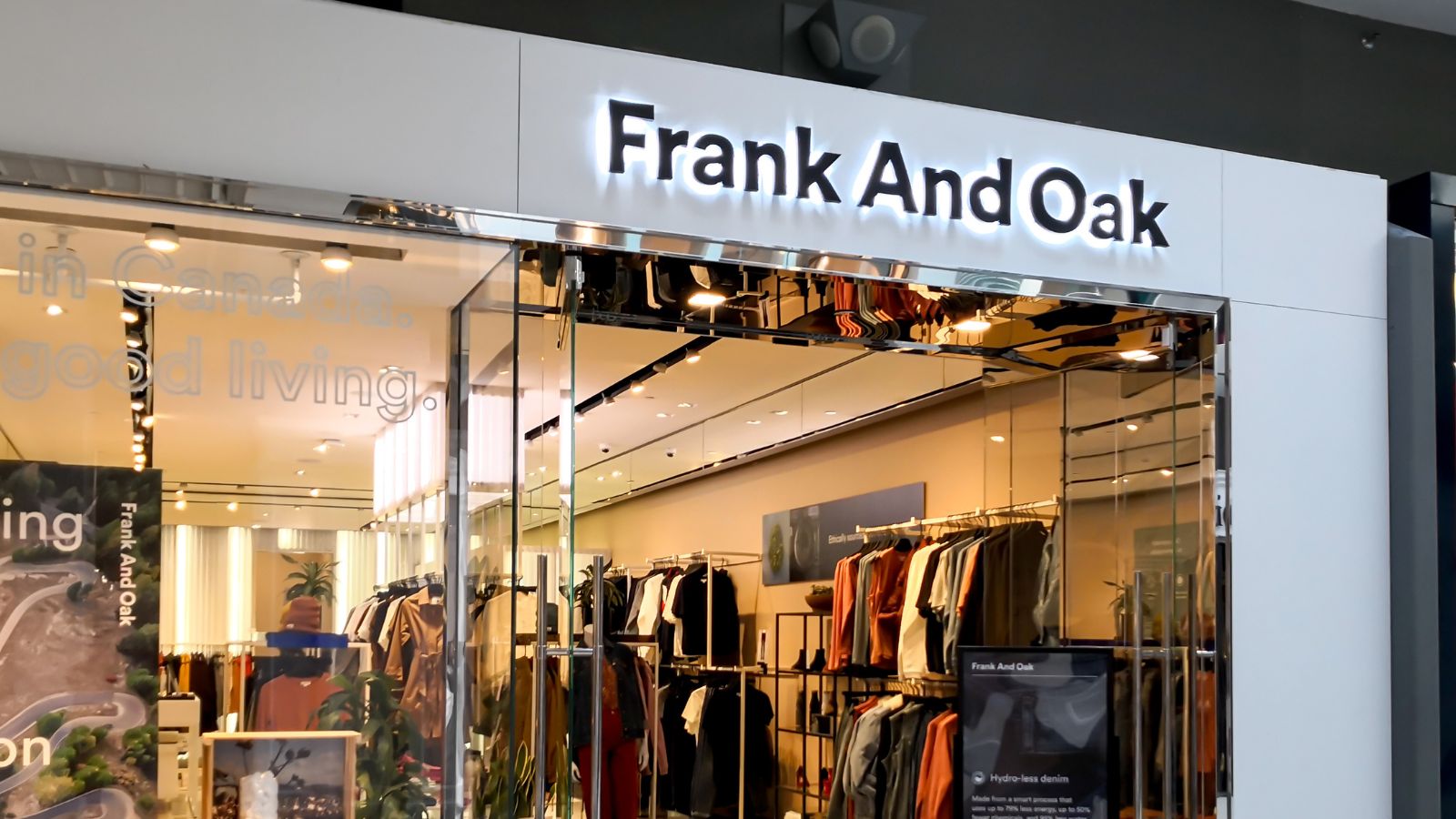
Frank And Oak built a strong reputation as a Montreal-born fashion brand with clean basics, sustainability language, and a polished online-first identity. For a while, its stores felt like proof that a Canadian digital brand could successfully move into physical retail. Shoppers who liked the brand often associated it with minimalist workwear, casual jackets, and clothes that seemed more thoughtful than typical fast fashion.
The concern grew sharply after the company entered another insolvency process and announced the closure of its remaining Canadian stores. Even if the brand continues through a new partner, the disappearance of physical locations changes how shoppers experience it. A shirt that once could be tried on during a lunch break may become an online gamble. For customers, that raises practical worries about fit, returns, fabric feel, and whether the brand’s original identity can survive without the stores that helped make it tangible.
DAVIDsTEA
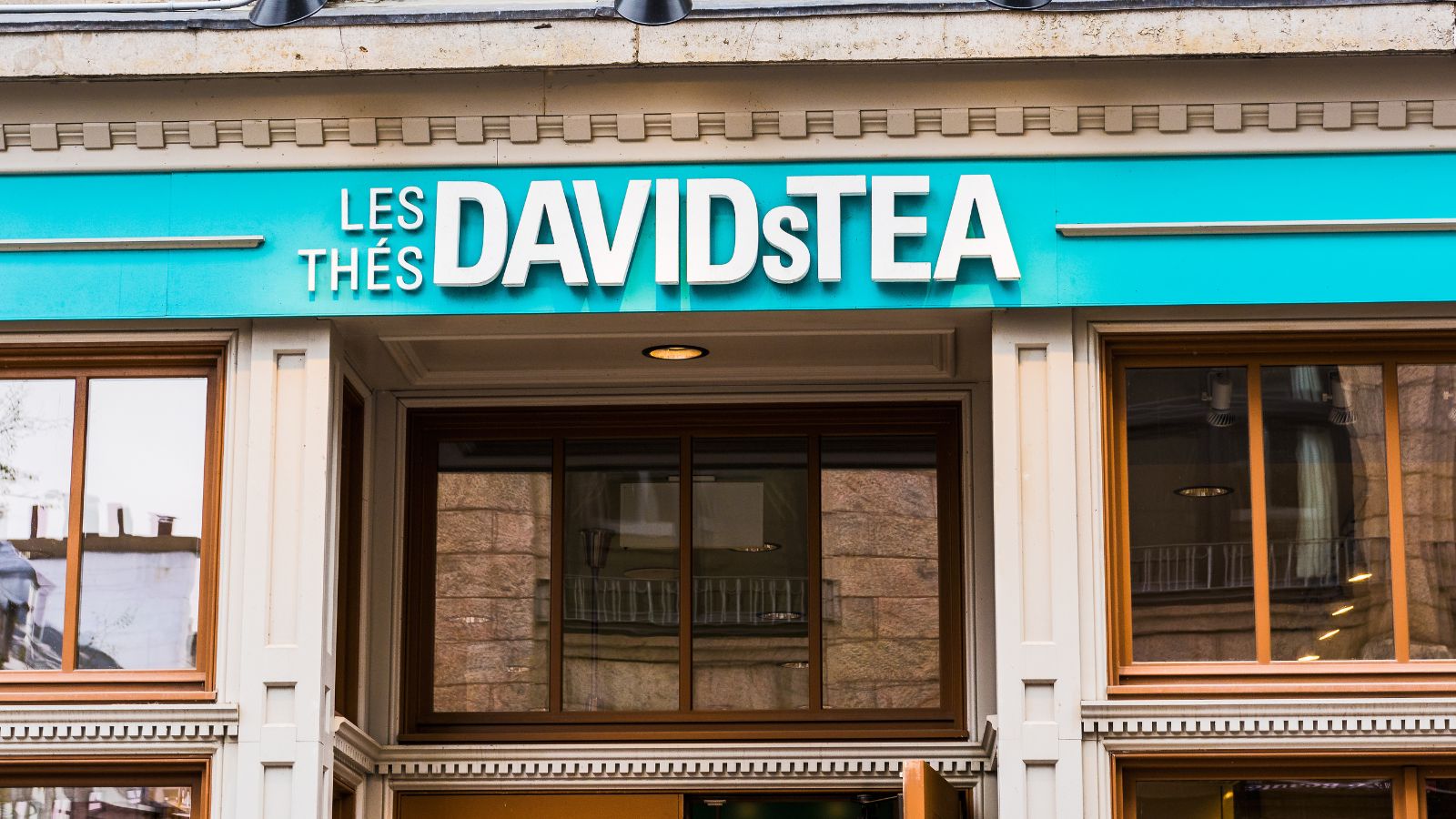
DAVIDsTEA was once a bright mall fixture, with colourful tins, seasonal blends, sample cups, and staff who could turn loose-leaf tea into a small ritual. Its rapid expansion made it feel like a Canadian specialty success story. For shoppers who wanted birthday gifts, holiday stocking stuffers, or caffeine-free evening blends, the stores were easy to find and fun to browse.
The brand’s later restructuring changed that routine. DAVIDsTEA closed many stores and leaned harder into e-commerce and wholesale distribution, including grocery and pharmacy channels. That strategy can keep products available, but it reduces the sense of discovery that made the stores memorable. A grocery shelf with boxed tea cannot fully replace smelling canisters or asking about steeping times. Shoppers may still buy the brand, but they have reason to worry that its usual presence will be narrower, more seasonal, and less personal than before.
Le Château
Le Château once had a very clear role in Canadian shopping culture: dresses for parties, suits for events, shoes for nights out, and affordable looks for people who wanted something sharper than basics. Its mall stores were especially familiar to shoppers preparing for weddings, proms, interviews, and holiday parties. When the original chain entered creditor protection and closed its stores, it felt like another sign that Canadian mall fashion had changed permanently.
The brand later returned under new ownership, including online availability and shop-in-shop placements. That comeback matters, but it is not the same as the old network of dedicated Le Château stores. Shoppers worried about the brand are really worried about access and identity. Formalwear is highly fit-dependent, and people often want to try it on before an event. If Le Château remains limited to select locations or a narrower assortment, its name may survive while its old role becomes harder to recognize.
Reitmans

Reitmans has been part of Canadian apparel shopping for decades, especially for women looking for office basics, denim, knits, and practical seasonal clothing. Its strength has often been familiarity rather than flash. In many communities, Reitmans filled the space between discount fashion and more expensive specialty boutiques, making it a dependable stop for shoppers who wanted clothes that worked for everyday life.
The worry comes from the company’s restructuring history and the broader challenges of mid-market apparel. Reitmans emerged from creditor protection, but it also closed banners such as Addition Elle and Thyme Maternity during that process. That reminds shoppers that even long-running chains can survive by becoming smaller and more focused. The Reitmans name remains active, but customers may wonder whether future store counts, sizes, or assortments will keep serving the same communities, especially as workwear habits and mall traffic continue to shift.
Laura
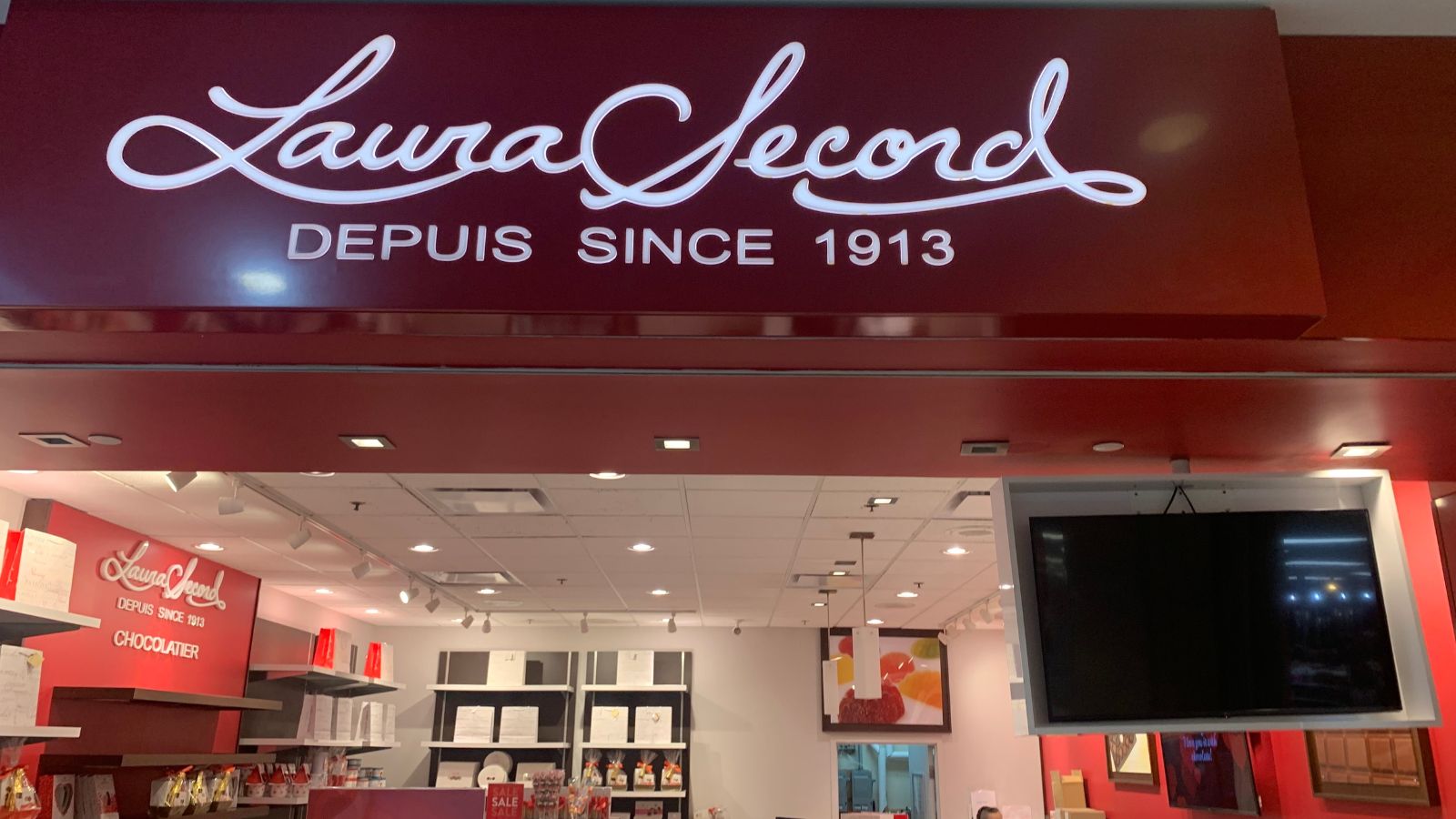
Laura has long served a shopper who is often underserved by trend-heavy fashion chains: women looking for polished workwear, occasion pieces, petites, plus sizes, and more classic silhouettes. Its stores have been especially valuable in suburban malls where customers want in-person service and dependable sizing. For some shoppers, Laura is less about browsing for novelty and more about solving a practical wardrobe problem.
The company’s past restructuring makes its place in the market feel more fragile, even though the brand has continued operating. Mid-priced women’s apparel is a difficult category because shoppers are squeezed between cheaper fast-fashion options and higher-end specialty stores. Laura’s loyal customer base is an advantage, but loyalty does not erase rent, inventory, and traffic pressures. If stores were reduced further, the loss would be felt most by shoppers who rely on fit, tailoring advice, and size ranges that are harder to judge online.
ALDO
ALDO is one of Canada’s best-known fashion footwear names, with roots in Montreal and a global retail footprint. For many shoppers, it has been the default stop for dress shoes, handbags, sandals, boots, and occasion footwear that looks current without luxury pricing. Because shoes are so fit-sensitive, the presence of physical stores has always mattered to the brand’s appeal.
The company completed a restructuring after the pandemic period, and that history still shapes how shoppers view its stability. Footwear is a tough category because consumers can delay purchases, buy cheaper alternatives online, or shift toward sneakers and comfort brands. ALDO still has recognition and international reach, but the worry is about how many convenient stores remain and whether assortments become more limited. A brand can be alive globally while feeling less present in the local mall where customers used to count on it.
Roots
Roots is not in the same distress category as several names on this list. Recent results have shown sales growth and improved profitability, which suggests a healthier position than worried shoppers might assume. Still, Roots appears here because it is a heritage Canadian brand in a category where consumer habits can change quickly. Its sweatpants, leather goods, cabin-style apparel, and maple-leaf identity are familiar, but familiarity alone does not guarantee permanent shelf space.
The concern is more about long-term relevance than immediate disappearance. Roots has to balance nostalgia with newness, especially as younger shoppers compare it with athleisure, streetwear, resale, and lower-priced basics. If prices feel high or styles feel too tied to past eras, casual shoppers may visit less often. Its strong brand story gives it protection, but the pressure is real: Canadian shoppers want heritage, but they also want value, comfort, and designs that feel current.
Canada Goose
Canada Goose remains one of Canada’s most internationally recognized apparel brands, and it is not disappearing from the luxury conversation. Its parkas are still symbols of cold-weather performance and status, and the company has invested heavily in direct-to-consumer retail. However, shoppers who used to see Canada Goose mainly through department stores and premium multi-brand retailers may notice a shift in where and how the brand appears.
The concern is tied to luxury spending patterns and wholesale exposure. When a brand focuses more on its own stores and online channels, it can become less visible in the usual places where shoppers once compared winter coats. At the same time, expensive outerwear faces pressure when consumers delay big-ticket purchases or look at resale. Canada Goose may remain powerful, but its everyday accessibility could change, especially for shoppers who relied on traditional retailers rather than flagship boutiques.
Lululemon

Lululemon is a Canadian success story with enormous global reach, so concern about it disappearing outright would be exaggerated. The brand still has a major store network, strong recognition, and an international growth engine. For many Canadians, its leggings, belt bags, running gear, and technical apparel remain part of everyday wardrobes. The worry is not that Lululemon vanishes tomorrow, but that the brand’s familiar dominance may soften.
Recent reports about slower North American demand, product criticism, leadership changes, and tariff pressure show that even premium activewear is not immune to consumer caution. Shoppers who once saw Lululemon as nearly untouchable may now notice more markdowns, more competition, or less excitement around new products. If the brand responds by changing store layouts, editing assortments, or raising prices selectively, loyal customers could feel that the usual Lululemon experience is shifting under their feet.
Herschel Supply Co.

Herschel Supply Co. became a recognizable Canadian design name through backpacks, duffels, wallets, and travel accessories with clean styling. Its products often appear in luggage shops, fashion retailers, online marketplaces, and department-style stores. For students, commuters, and travellers, Herschel became one of those brands that felt easy to find when a backpack was needed quickly.
The worry around Herschel is less about a public crisis and more about category pressure. Bags and travel goods face competition from private-label luggage, direct-to-consumer brands, premium outdoor names, and cheaper online alternatives. When department stores close or reduce assortments, accessory brands can lose important discovery space. Herschel’s own direct channels help, but many shoppers first meet the brand through another retailer. If those usual shelves shrink, the brand may still be healthy while feeling less visible in everyday Canadian shopping routines.
Kit and Ace
Kit and Ace arrived with a strong Canadian fashion pedigree and a promise of elevated technical clothing for daily life. Its early expansion was ambitious, with showrooms and international locations that suggested another Vancouver-born apparel success might be forming. The brand’s later pullback, layoffs, and closure of international stores made shoppers more cautious about assuming it would become a permanent mall or high-street fixture.
Today, the concern is about scale and visibility. A smaller brand can survive with fewer stores and a tighter online model, but that also means many shoppers stop encountering it casually. Kit and Ace’s products often need to be felt to be understood, because fabric, stretch, and fit are central to the pitch. Without broad physical access, it risks becoming a brand remembered by early adopters rather than discovered by new shoppers browsing their usual retail routes.
SSENSE
SSENSE is not a typical mall brand, but it has become one of Canada’s most influential fashion retail names. Based in Montreal, it helped connect shoppers with luxury, streetwear, and emerging designers through a digital-first model. For younger fashion consumers, SSENSE often functioned as a discovery engine, making niche labels feel reachable even when local stores did not carry them.
The concern became more serious when the company entered creditor protection and moved through a court-supervised restructuring process. Reports described debt, tariff pressure, delayed payments, and luxury-market challenges. Even if the company continues, shoppers may worry about changes in inventory depth, shipping confidence, designer relationships, and customer service. SSENSE matters because its disappearance or downsizing would not just remove one retailer; it could reduce Canadian access to a wide ecosystem of independent and international fashion brands.
Holt Renfrew
Holt Renfrew is one of the last major Canadian luxury department store names still operating. Its history reaches back to the 19th century, and its stores have long been associated with designer fashion, beauty, personal shopping, and high-touch service. After the losses of Nordstrom Canada and Hudson’s Bay, Holt feels even more important to shoppers who still value premium department-store retail.
That visibility also creates anxiety. Luxury department stores depend on affluent customers, tourism, strong vendor relationships, and expensive real estate. Holt Renfrew has a much smaller footprint than mass retailers, which can make each location feel significant. The brand continues to operate, but shoppers may worry because the category around it has changed so dramatically. If luxury spending weakens or global brands prioritize their own boutiques, Holt’s usual role as a curated Canadian luxury destination could become harder to maintain.
Simons
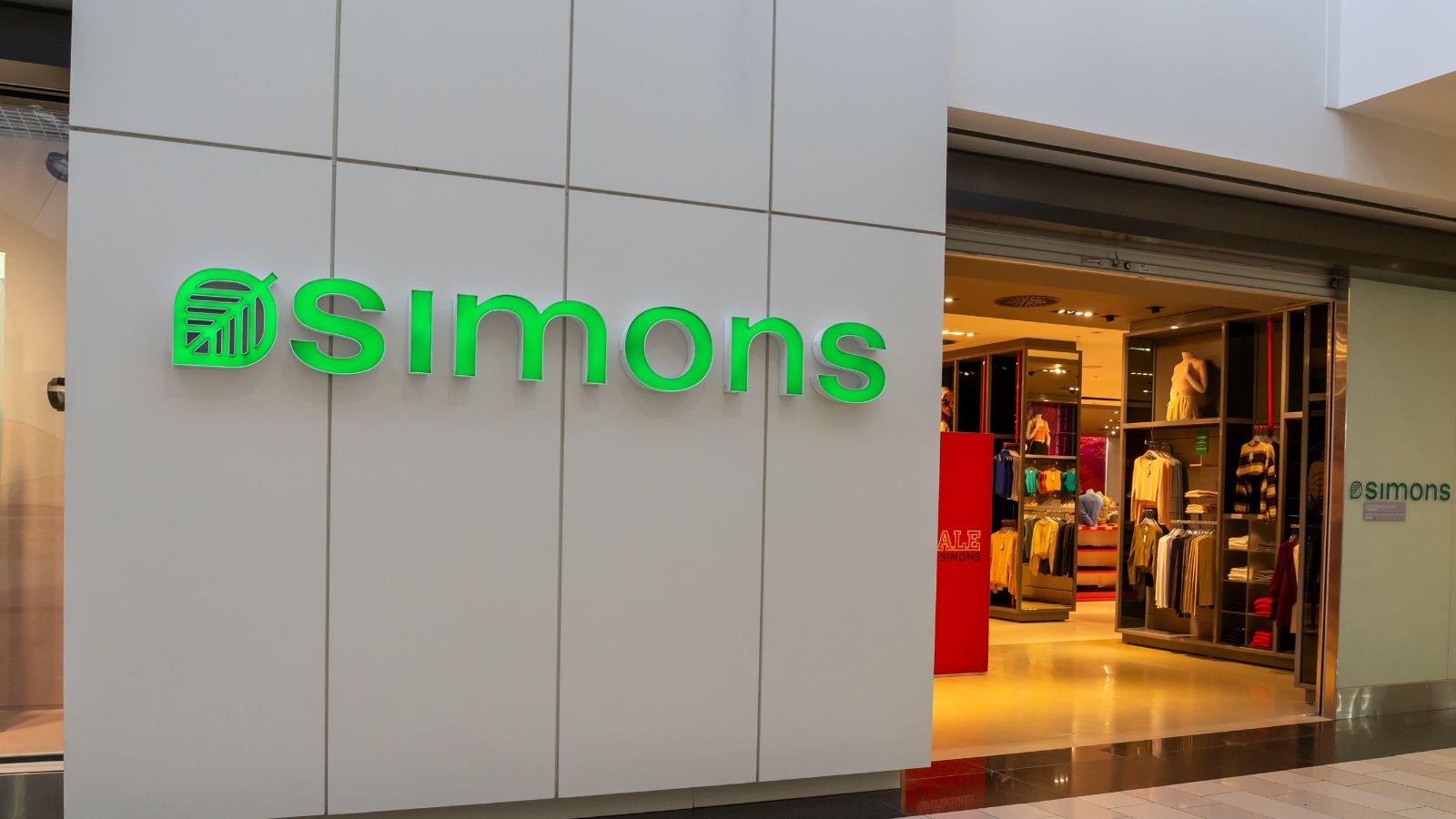
Simons is one of the more hopeful names in Canadian retail, which makes its inclusion different. The Quebec-based department store has expanded into major markets, including Toronto, and invested heavily in new locations. At a time when other department stores have closed, Simons has shown confidence in physical retail, distinctive design, private labels, Canadian designers, and curated shopping experiences.
Still, shoppers are understandably watchful because department stores have been fragile in Canada. Simons is expanding into spaces once occupied by failed or exited retailers, which is both an opportunity and a reminder of risk. Large stores require steady traffic, disciplined merchandising, and strong local loyalty. If Simons succeeds, it could preserve the department-store experience for a new generation. If the format proves too costly, Canadians may worry that even the strongest remaining examples of the model are not immune.
Helly Hansen at Canadian Tire, SportChek, and Mark’s

Helly Hansen is Norwegian-founded rather than Canadian-born, but its recent ownership story matters to Canadian shoppers because Canadian Tire owned it for years and sold it while keeping supply arrangements. Many Canadians encountered the brand through Canadian Tire, SportChek, Mark’s, and workwear or outdoor sections. That made it feel embedded in Canadian retail routines, especially for outerwear, rain gear, base layers, and work apparel.
The concern is about what happens when ownership changes. A sale does not automatically mean products vanish; in this case, Canadian Tire planned to keep selling Helly Hansen through a supply agreement. But shoppers may still wonder whether prices, assortment, availability, or promotions will shift over time. When a familiar brand moves from being owned in-house to being supplied by another company, the shelf can look the same at first while the long-term strategy changes behind the scenes.
Kotn
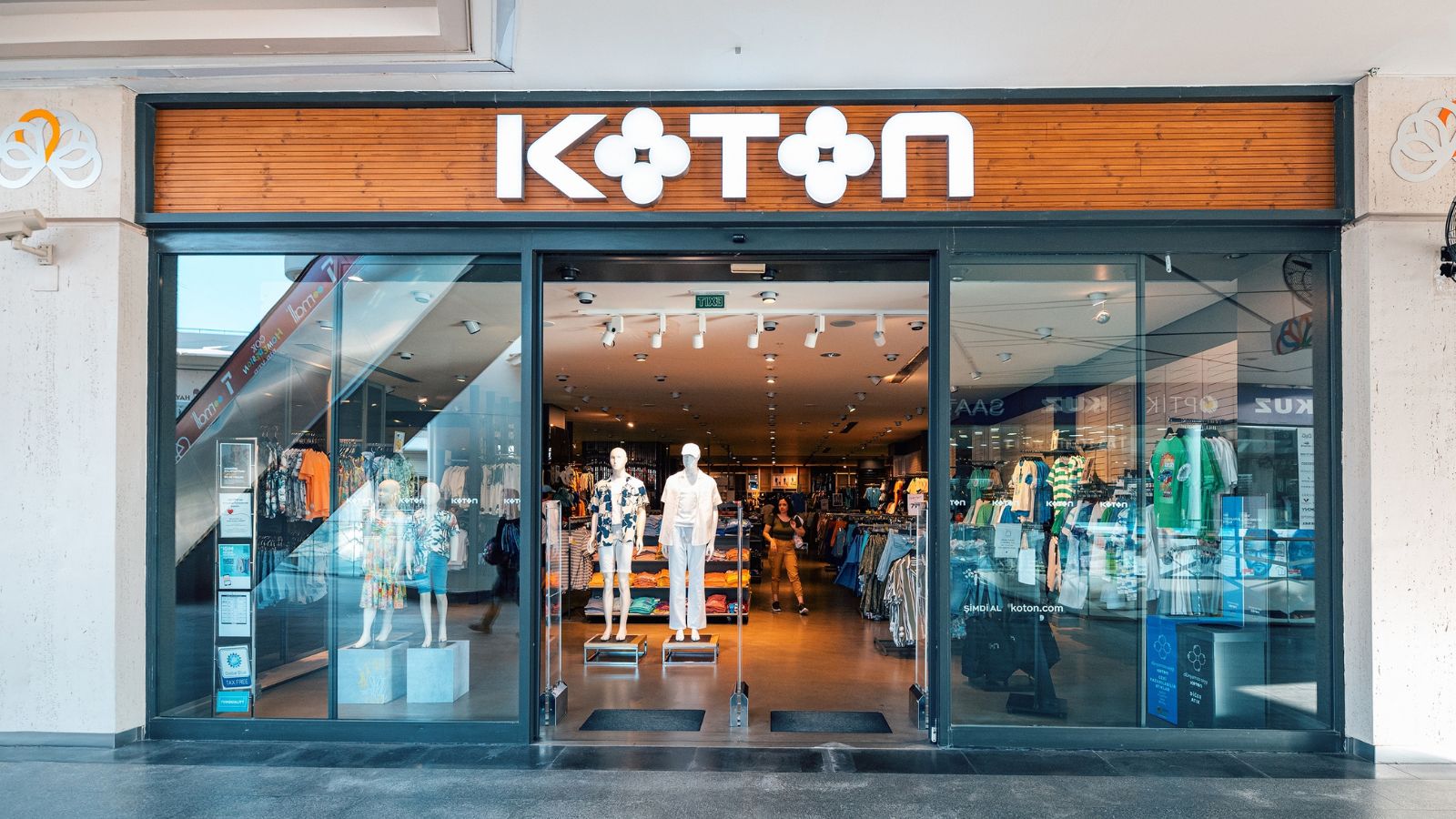
Kotn represents a newer kind of Canadian brand: smaller, values-driven, and built around basics, sustainability claims, and a cleaner supply-chain story. It appeals to shoppers who want plain T-shirts, cotton staples, and clothing that feels less disposable than fast fashion. Its stores in cities such as Toronto, Montreal, and Vancouver help make the brand feel tangible rather than just another online basics label.
The worry is that values-led apparel brands often operate in a difficult middle zone. They are usually more expensive than mass basics but less established than global premium labels. That means shoppers may admire the mission but buy less frequently when household budgets tighten. Kotn’s limited store footprint also means it could disappear from many shoppers’ routines without actually failing. If consumers cut back on discretionary clothing or choose cheaper basics, brands like Kotn must prove that quality and ethics are worth repeat purchases.
19 Things Canadians Don’t Realize the CRA Can See About Their Online Income

Earning money online feels simple and informal for many Canadians. Freelancing, selling products, and digital services often start as side projects. The problem appears at tax time. Many people underestimate how much information the CRA can access. Online platforms, banks, and payment processors create detailed records automatically. These records do not disappear once money hits an account. Small gaps in reporting add up quickly.
Here are 19 things Canadians don’t realize the CRA can see about their online income.
