
Retirement in Canada once looked easier to describe: finish work around 65, collect a pension, downsize if necessary, and stretch savings through a quieter final chapter. That picture has changed. Longer lives, higher housing costs, shifting pensions, expensive care needs, and later-life work have made retirement feel less like a fixed destination and more like a moving plan.
Here are 16 reasons retirement in Canada looks different than it did 10 years ago, from the cost of keeping a roof overhead to the way older adults now balance work, family, benefits, technology, and long-term health decisions.
Housing Costs Follow Retirees Much Further

A decade ago, many retirement plans assumed the mortgage would be gone and housing would become a stable expense. That assumption is less reliable now. Home prices, condo fees, property taxes, maintenance, and insurance have all made shelter harder to treat as a solved problem. For renters, retirement can feel even more exposed because rent does not stop rising when employment income does.
This changes everyday decisions. A retired couple in the Greater Toronto Area may own a home worth far more than expected, yet still feel squeezed by repairs and taxes. Another retiree may want to move to a smaller town, only to find limited rental supply or fewer medical services nearby. Housing has become less of a backdrop to retirement and more of a central financial risk.
More Seniors Are Still Working

Retirement no longer always begins with a clean break from work. More Canadians over 65 are remaining employed or looking for work, whether for income, structure, social connection, or a gradual transition. Some enjoy consulting a few days a week; others pick up retail, driving, bookkeeping, or seasonal roles because savings have not stretched as hoped.
The difference is visible in ordinary places. Grocery stores, municipal offices, and small businesses increasingly rely on older workers who bring experience and flexibility. For some, this is empowering. For others, it reflects pressure. The phrase “retired” may now mean working less, changing industries, or earning enough to delay drawing down investments rather than fully leaving the labour force.
Retirement Is Becoming More Gradual Than Final

The old retirement party followed by a permanent exit is less common than it used to be. Many Canadians now move through stages: full-time work, part-time work, contract projects, caregiving, a return to work, and then another step back. This makes retirement planning more complicated but also more flexible.
A former teacher might tutor online, a tradesperson might keep a short client list, and a manager might return for temporary project work after discovering that full retirement felt too abrupt. The financial side matters too. Earning even modest income in the early retirement years can reduce withdrawals from RRSPs, TFSAs, or non-registered investments, which may help portfolios last longer during uncertain markets.
Public Pension Decisions Carry More Weight

Canada Pension Plan and Old Age Security decisions have become more strategic. Canadians can still start CPP as early as 60 or delay it to 70, and OAS can also be deferred for a higher monthly payment. With longer lifespans and uneven personal savings, the timing of these benefits can strongly affect retirement security.
This is a major shift from treating public pensions as automatic at 65. A healthy worker with family longevity may consider delaying benefits, while someone with health concerns or little savings may need income sooner. The CPP enhancement also means younger workers may eventually receive larger benefits after a full career of enhanced contributions, but today’s retirees face a mixed landscape depending on age, work history, and contribution levels.
Longer Lives Change the Math

Living longer is good news, but it stretches retirement budgets. A Canadian who retires at 65 may need to plan for 20 years or more, and many couples must prepare for the possibility that one spouse lives well into their 90s. That changes withdrawal rates, housing choices, insurance decisions, and the need for later-life care.
The human side is just as important. A retiree may spend the first years travelling and helping with grandchildren, then later face mobility needs, home adaptations, or assisted living. Ten years ago, many plans still focused heavily on the early retirement dream. Now, a more realistic plan must account for the active years, the slower years, and the expensive care years that may arrive much later.
Inflation Has Made “Enough” Harder to Define

Retirement planning depends on assumptions, and inflation has shaken many of them. Food, shelter, utilities, insurance, transportation, and services have all forced Canadians to rethink what a comfortable monthly income actually buys. Even when pensions are indexed, many personal savings withdrawals are not automatically adjusted in the same way.
This can turn small gaps into lasting pressure. A retiree who budgeted carefully in 2016 may find that groceries, condo fees, and vehicle repairs now consume a much larger share of income. The emotional impact matters too. Retirees often become more cautious after seeing prices jump quickly, which can make them delay travel, avoid home repairs, or worry about spending even when they have saved responsibly.
Workplace Pension Security Is Less Even

Canada still has many strong pension plans, especially in the public sector, but access is uneven. Workers with defined benefit pensions often know roughly what income to expect. Many private-sector workers, self-employed Canadians, and contract workers rely more heavily on RRSPs, TFSAs, group RRSPs, defined contribution plans, or personal investments.
That shift changes who carries the risk. With a defined contribution plan, market returns, fees, contribution levels, and withdrawal decisions matter much more. Two neighbours can retire at the same age with similar careers but very different income security because one had a guaranteed pension and the other had savings exposed to market swings. Retirement has become more individualized, and that makes planning both more important and more stressful.
Personal Savings Have to Do More Work
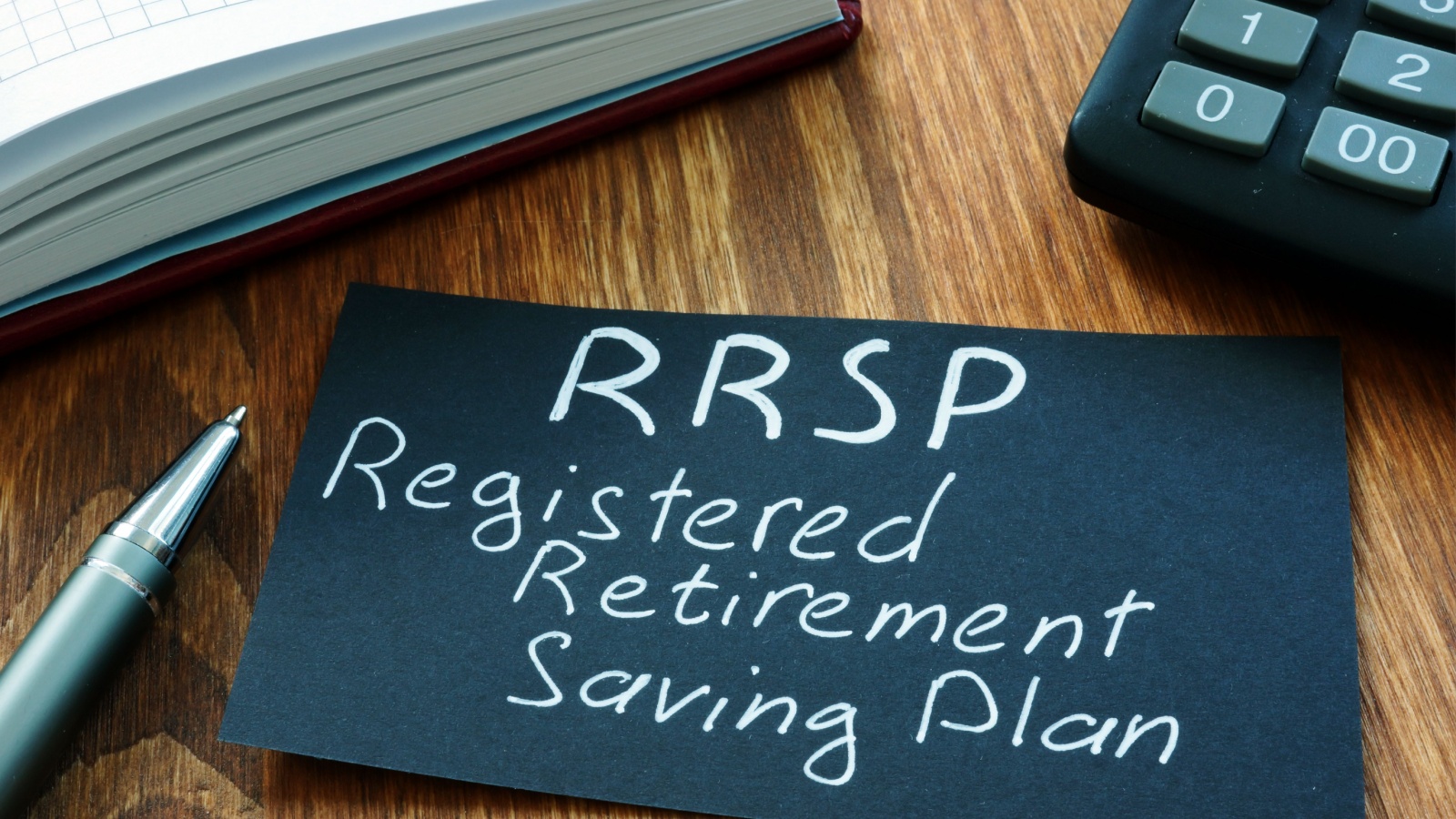
RRSPs, TFSAs, non-registered accounts, and home equity now carry more responsibility in retirement plans. That sounds empowering, but it also demands more financial literacy. Retirees must decide how much to withdraw, which account to use first, how to manage taxes, and how to avoid selling investments at the wrong time.
This is where retirement feels different from a decade ago. Many Canadians are no longer just saving for retirement; they are managing retirement like a long-running household business. A poor sequence of market returns, a major roof repair, or helping an adult child with rent can affect the plan. The more retirement depends on personal accounts, the more each decision can shape the years ahead.
Health Costs Are Harder to Ignore

Canada’s public health system covers many essential services, but retirement still brings out-of-pocket costs. Dental care, vision care, mobility aids, prescriptions not fully covered by a provincial plan, physiotherapy, home modifications, and private support can add up. For retirees leaving employer health benefits, the change can be surprisingly expensive.
A retired office worker may discover that replacing eyeglasses, paying for hearing aids, and covering dental work can rival a small vacation budget. Chronic conditions also become more common with age, and coordinating appointments, transportation, and medications can take both money and time. Retirement planning now has to include health spending as a recurring category, not just an emergency fund footnote.
Aging at Home Requires More Planning
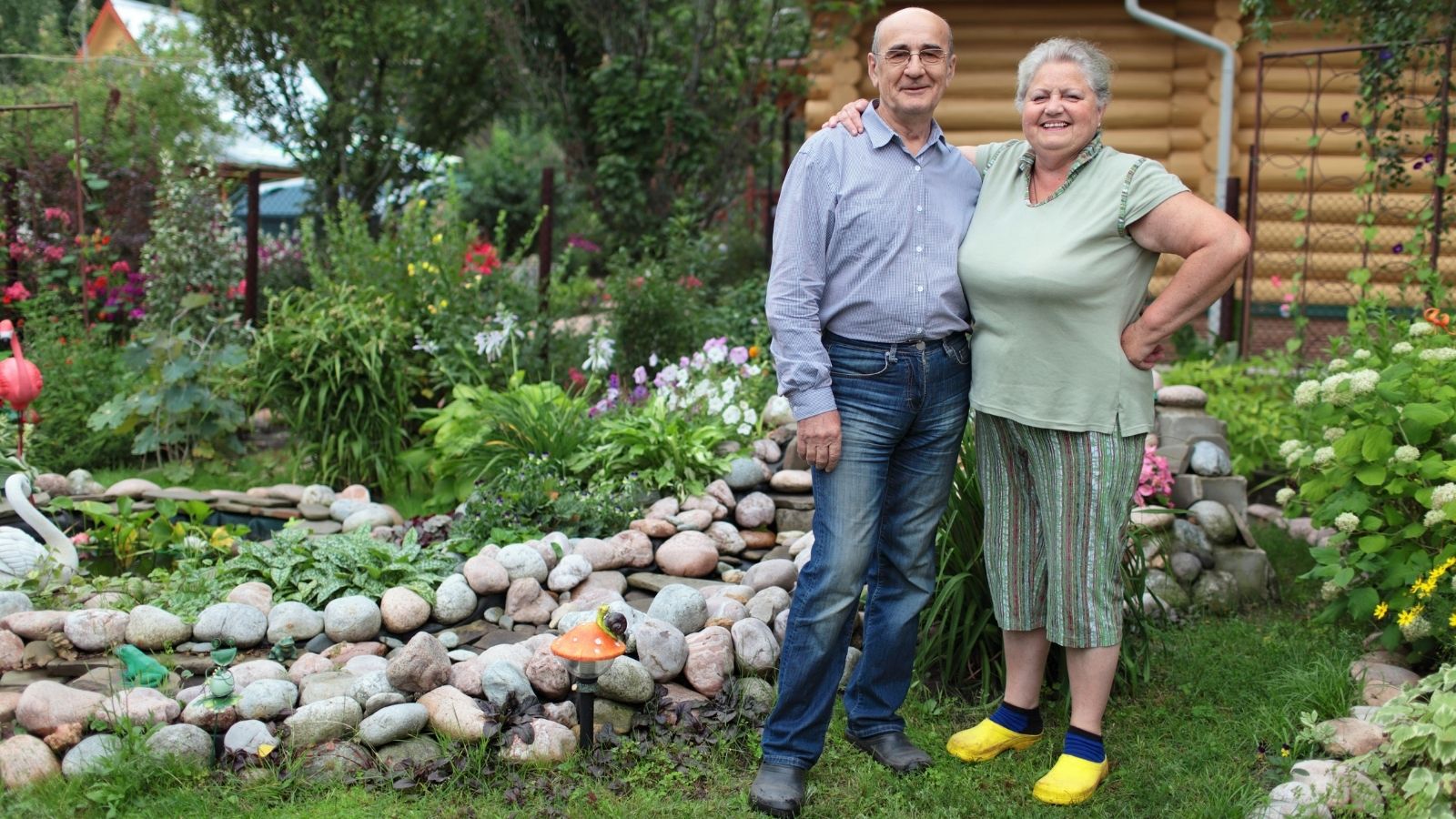
Many Canadians want to remain at home as long as possible, but aging in place is not free. Safer bathrooms, stair railings, snow removal, meal support, transportation, home care, and family help can become necessary over time. The house that felt perfect at 62 may feel demanding at 82.
This has changed the retirement conversation. Downsizing is not just about saving money; it can be about avoiding stairs, being near a hospital, or choosing a community with transit and services. A bungalow in a smaller city may make more sense than a large suburban house, but moving away from friends and doctors has its own cost. Aging at home now requires practical planning, not just personal preference.
Family Finances Are More Interconnected

Retirement used to be imagined as a time when parents were largely done supporting children financially. Today, high housing costs, student debt, delayed home ownership, and unstable work can keep family money flowing across generations for longer. Some retirees help adult children with rent, childcare, tuition, or a down payment while also caring for aging parents or a spouse.
This creates a quiet squeeze. A grandparent may want to help with daycare so adult children can work, but that time and money may reduce retirement flexibility. Another retiree may delay downsizing because an adult child has moved back home. Retirement is no longer only about one household’s savings; it often sits inside a wider family budget shaped by several generations.
Debt Is Less Likely to Disappear Before Retirement

The old goal was simple: retire debt-free. Many Canadians still aim for that, but higher housing costs, later mortgages, lines of credit, car loans, and credit-card balances make it harder. Even a manageable payment can feel different once employment income stops.
Debt changes retirement psychology. A retiree with a mortgage renewal, vehicle loan, or home-equity line of credit may feel less free to reduce work or travel. Interest rates also matter more when income is fixed. Carrying debt into retirement does not automatically mean financial trouble, especially if assets are strong, but it narrows options and makes cash flow planning more important than it was for many earlier retirees.
Digital Tools Now Shape Retirement Life

Retirement administration has moved online. Banking, government benefit applications, tax slips, investment dashboards, pharmacy records, travel bookings, and even medical appointments increasingly depend on digital access. That can make life easier for tech-comfortable retirees, but it can frustrate those who prefer paper, phone service, or in-person help.
The change shows up in small moments. A retiree may need to download a tax form, update direct deposit, compare GIC rates, or book a specialist appointment through a portal. These tasks can save time, but they also require passwords, devices, two-factor authentication, and scam awareness. Retirement now includes a digital management burden that barely existed in the same way 10 years ago.
Fraud Risk Has Become a Retirement Threat

Older Canadians have always been targeted by scams, but the tactics have become more convincing. Fraudsters now use texts, spoofed phone numbers, fake banking alerts, romance schemes, investment pitches, and impersonation scams that can look professional. For retirees managing life savings, one bad transfer can cause damage that is hard to recover from.
This adds a new layer to retirement planning: protection. Families increasingly discuss trusted contacts, transaction limits, password managers, credit monitoring, and rules for verifying urgent requests. A fake call from a “grandchild,” bank, courier, or government office can pressure someone to act quickly. The safest retirement plan now includes not only income and spending, but also safeguards around accounts, communication, and decision-making.
Tax Timing Matters More

Retirement income often comes from several places: CPP, OAS, workplace pensions, RRIF withdrawals, TFSAs, non-registered investments, part-time work, and sometimes rental income. The order and timing can affect taxes, benefit clawbacks, and cash flow. That makes retirement less about one monthly pension and more about coordinating several income streams.
For example, converting RRSP savings to a RRIF brings required withdrawals, while TFSA withdrawals do not create taxable income. A retiree who works part time while drawing CPP, OAS, and RRIF income may face a very different tax bill than expected. The rules are manageable, but they reward planning. Ten years ago, many households could rely more heavily on simpler pension income; today, tax coordination is a bigger part of retirement security.
Retirement Lifestyles Are Less One-Size-Fits-All

Retirement in Canada now looks far more varied. Some people travel, volunteer, and help with grandchildren. Others continue working, share a home with adult children, move provinces, rent by choice, or build a low-cost life around community activities. The traditional image of a mortgage-free couple with a predictable pension no longer captures the range of experiences.
This variety is not all negative. More retirees are designing flexible lives that match their health, values, and finances. But it also means comparison can be misleading. One household may feel secure on modest income because housing is paid off and family is nearby, while another needs far more because rent, care, and debt are ongoing. Retirement has become more personal, more complex, and less predictable than it was 10 years ago.
19 Things Canadians Don’t Realize the CRA Can See About Their Online Income

Earning money online feels simple and informal for many Canadians. Freelancing, selling products, and digital services often start as side projects. The problem appears at tax time. Many people underestimate how much information the CRA can access. Online platforms, banks, and payment processors create detailed records automatically. These records do not disappear once money hits an account. Small gaps in reporting add up quickly.
Here are 19 things Canadians don’t realize the CRA can see about their online income.
