
Payday can feel surprisingly brief in Canada. A deposit lands, a few automatic payments clear, groceries get restocked, fuel or transit gets covered, and the amount left over already looks smaller than expected. The squeeze is not always caused by one dramatic bill. More often, it comes from ordinary costs rising at different speeds while paycheques arrive on the same familiar schedule.
These 21 everyday expenses and financial pressure points help explain why so many Canadians feel their income disappears before the month has properly settled in. Some are obvious, like rent and groceries. Others are quieter, like subscription renewals, bank fees, insurance adjustments, and payroll deductions that make gross pay look far more generous than take-home pay.
Payroll Deductions That Shrink the Paycheque Before It Arrives

The first surprise often happens before any spending begins. A posted salary can look comfortable on paper, but the deposited amount tells a more complicated story. Income tax, Canada Pension Plan contributions, Employment Insurance premiums, workplace pension payments, union dues, health benefits, and charitable payroll deductions can all reduce take-home pay before rent or groceries enter the picture. For employees paid biweekly, the difference between gross pay and net pay can feel especially sharp after a raise, because the raise may be partly absorbed by higher deductions.
In 2026, the CPP earnings ceiling rose to $74,600, and the employee contribution rate remained 5.95% up to that ceiling. EI also has its own annual maximum insurable earnings and premium rate. These programs fund important benefits, but they still affect day-to-day cash flow. A worker seeing a few thousand dollars in annual gross pay growth may notice much less in each deposit than expected, especially if benefit premiums or pension contributions rise at the same time.
Rent That Keeps Taking the First Big Bite

Rent is usually the largest fixed cost for tenants, and it often claims the paycheque before anything else has a chance. Even when advertised rents cool in some cities, many households are still paying much more than they did a few years earlier. A renter who moved during a tight market may be locked into a much higher monthly baseline than a neighbour who stayed in the same unit for years.
Shelter remains Canada’s biggest household spending category, and rent has become one of the expenses most capable of reshaping an entire budget. A $150 rent increase may sound manageable in isolation, but it can erase a phone plan, a week of lunches, or the amount someone hoped to save. For families, the pressure multiplies when rent competes with child care, commuting, and grocery bills. The result is a paycheque that feels spoken for long before flexible spending begins.
Mortgage Renewals That Reset Household Math
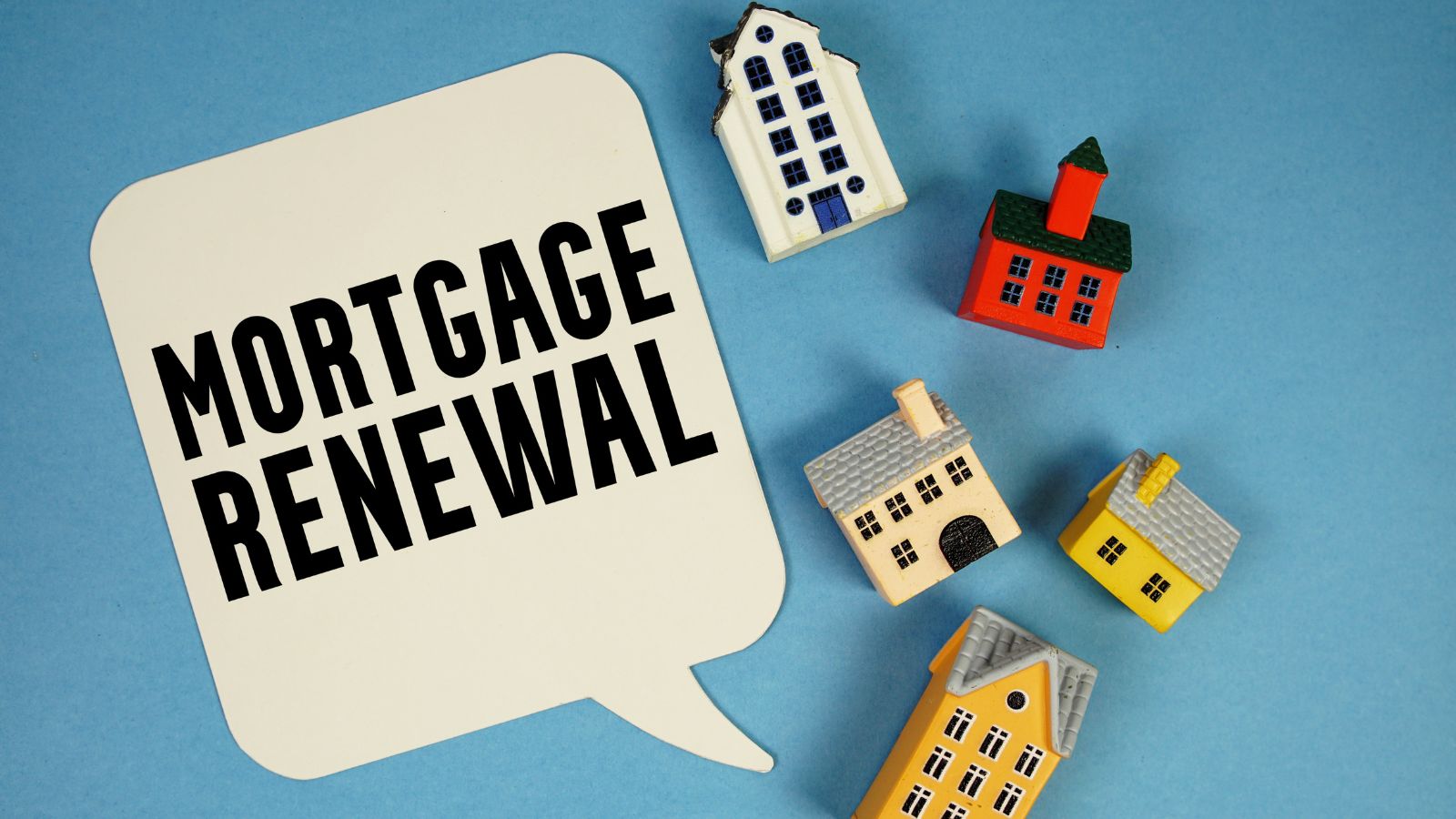
Homeowners can feel the same disappearing-paycheque effect when a mortgage renews at a higher rate. Canada’s mortgage structure means many borrowers renew every few years rather than locking into one rate for decades. When interest rates rise, the payment shock can arrive suddenly, even for households that bought responsibly at the time. A family that was once comfortable may find that hundreds of extra dollars now go toward the same home.
The hardest part is that higher mortgage payments do not feel like a lifestyle upgrade. There is no new car in the driveway or renovated kitchen to show for the extra money. It is simply the price of keeping the same roof overhead. Even when rates begin moving lower, many renewals still reflect the higher borrowing environment of recent years. That makes mortgage payments one of the most powerful reasons a paycheque can feel smaller without any obvious change in daily habits.
Grocery Runs That No Longer Feel Routine

Groceries have become one of the most visible sources of paycheque anxiety because the bill arrives repeatedly and publicly. Shoppers see the changes in real time: a smaller basket, fewer name brands, more comparison between store flyers, and a final total that still feels too high. Even households that cook at home to save money can feel discouraged when basic items such as produce, dairy, bread, meat, and pantry staples absorb more of the weekly budget.
Food price forecasts for 2026 pointed to continued increases, with an average Canadian family of four potentially spending thousands more annually than many households remember from the pre-inflation period. The emotional effect matters too. Groceries are not a rare purchase that can be delayed indefinitely. When the cost of ordinary meals rises, people feel it in every routine: school lunches, quick dinners after work, and Sunday restocking trips that no longer feel predictable.
Gasoline Prices That Change the Week’s Plan
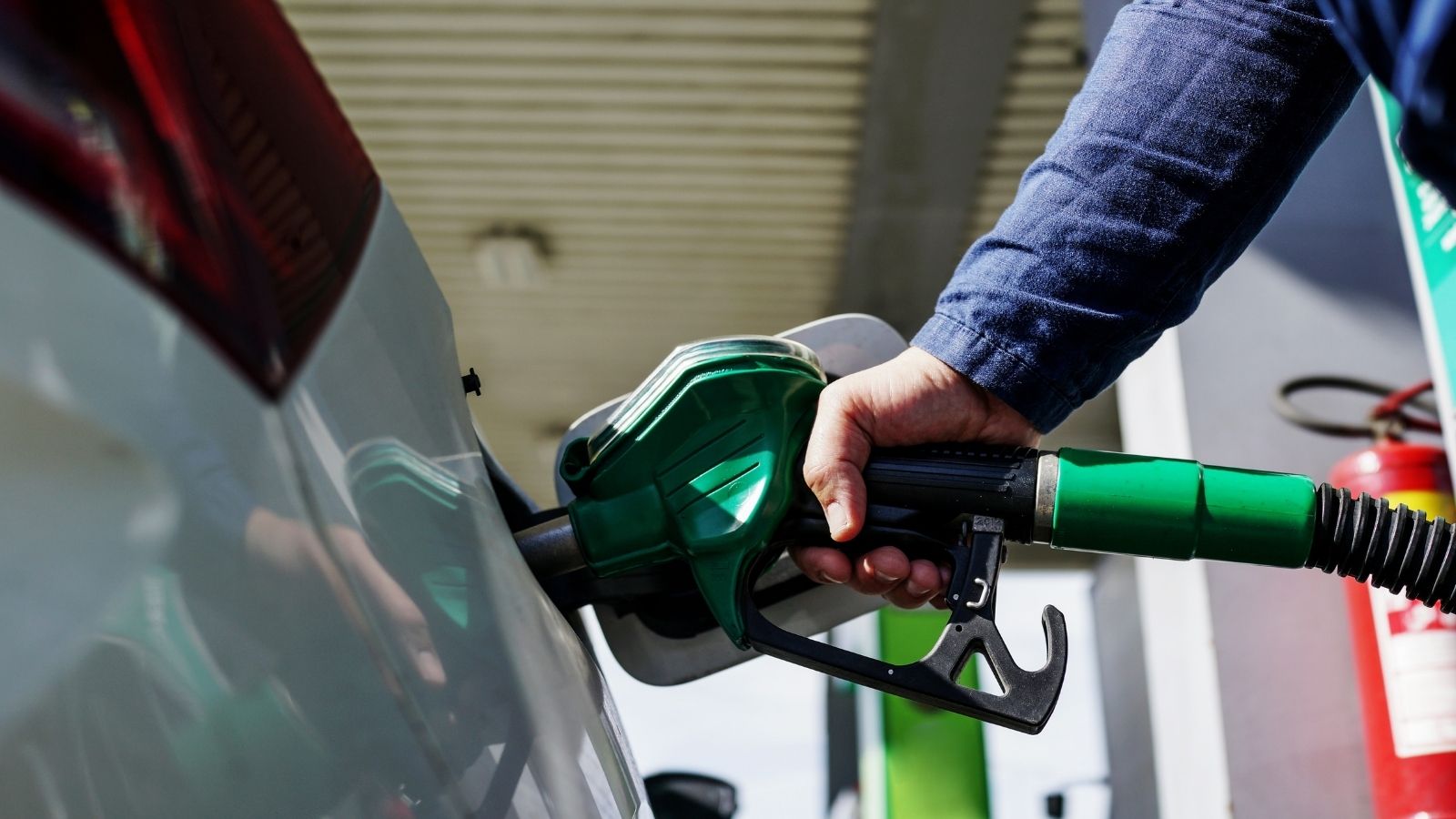
For drivers, gasoline is one of the most frustrating costs because it changes quickly and can be difficult to avoid. A household may budget based on one price, then watch the pump jump the next week. Commuters, tradespeople, parents driving to activities, and rural residents often cannot simply skip driving when prices rise. Even hybrid work has limits when offices, client sites, schools, medical appointments, and grocery stores are spread out.
Recent inflation readings showed transportation costs being pushed higher by gasoline volatility. That matters because fuel is not only a direct expense; it can also affect delivery costs, service calls, and the price of goods moved across long distances. A $20 increase per fill-up may not sound catastrophic, but for a two-car household filling up multiple times a month, it becomes a quiet drain. It also makes people think twice about weekend trips, errands, and spontaneous visits.
Car Insurance That Climbs Without Feeling Optional

Car insurance has a way of turning into a background cost until renewal arrives. Then the new premium appears, often with little sense of control. Drivers may have clean records and still face higher payments because of broader claims costs, vehicle repair costs, theft risk, regional pricing, weather damage, or inflation in replacement parts. In provinces where commuting by car is hard to avoid, insurance feels less like a choice and more like a permission slip for daily life.
The impact is especially sharp for households with new drivers, financed vehicles, long commutes, or older cars that still require full coverage. A premium increase of $25 or $40 a month can vanish inside the budget until several other services rise too. Then it becomes part of a larger pattern: every “small” fixed cost moves up, while the paycheque does not adjust at the same speed. Insurance rarely provides a satisfying sense of value, because the best-case scenario is never needing to use it.
Repairs, Tires, and Maintenance That Arrive in Clusters

Vehicle maintenance rarely spreads itself politely across the calendar. A driver may plan for an oil change, then find out the brakes are due, the battery is weak, and winter tires are nearing the end of their life. In Canada, seasonal driving adds another layer. Tire swaps, winter tire storage, rust protection, wiper blades, washer fluid, and cold-weather battery issues can all turn ordinary car ownership into a series of surprise withdrawals.
The problem is not just the cost of one repair. It is the timing. A $900 repair in the same month as insurance renewal or holiday spending can wipe out savings progress. Many Canadians rely on vehicles for work, school, caregiving, or basic errands, so delaying repairs is not always safe or practical. When maintenance cannot wait, the paycheque suddenly becomes a repair fund, and every other category has to make room.
Utility Bills That Make Weather Expensive

Heating, cooling, electricity, water, and natural gas bills make the weather part of the household budget. A cold snap, heat wave, larger household, older windows, or inefficient appliances can make utilities climb without any obvious change in behaviour. Canadians living in detached homes may feel this most dramatically, but renters can feel it too when utilities are not included or when rent increases reflect higher building operating costs.
Energy costs can also be unpredictable because they are shaped by supply, regulation, delivery charges, and taxes, not just the amount used. Many households try to respond by lowering thermostats, sealing drafts, using off-peak electricity when available, or delaying laundry and dishwasher cycles. Those habits help, but they do not eliminate the baseline cost of keeping a home livable. The result is a monthly bill that feels partly controllable and partly unavoidable.
Internet and Cellphone Plans That Became Household Essentials

A generation ago, internet and mobile service might have felt optional or premium. Now they are basic infrastructure for work, banking, school communication, health appointments, navigation, and family coordination. That makes telecom bills especially irritating. A household may be paying for multiple mobile lines, home internet, device financing, roaming add-ons, cloud storage, and streaming bundles linked to the same digital life.
Canadian telecom spending can be hard to compare because advertised prices often depend on promotions, contract timing, device subsidies, and bundle discounts. The monthly charge may look reasonable at signup, then rise when a credit expires. A parent adding a teen’s first phone line may think of it as a safety tool, but the total family bill can jump quickly. When connectivity is necessary, cutting the bill requires effort rather than simply cancelling the service.
Subscriptions That Renew Quietly in the Background
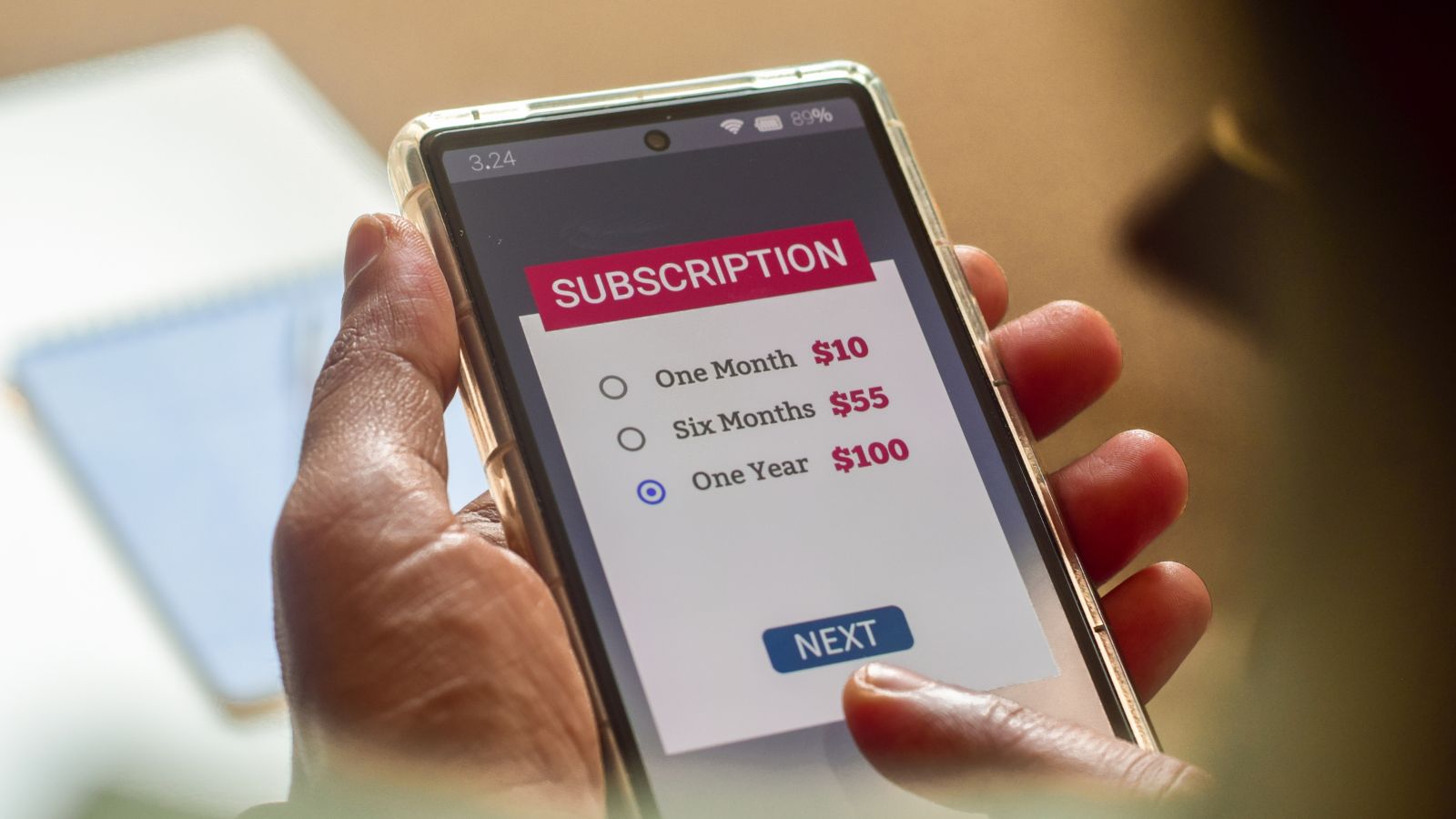
Streaming platforms, music services, cloud storage, meal kits, fitness apps, news memberships, gaming passes, security software, and delivery memberships can all feel inexpensive on their own. The trouble is that they renew quietly and often on different dates. One charge lands on the 3rd, another on the 11th, another after a free trial ends, and another through an app store account nobody checks closely. By the time the month ends, the total may be larger than expected.
Subscriptions are powerful because they turn occasional spending into fixed spending. A household might cancel cable but slowly rebuild the same cost across several platforms. The psychology is subtle: $8.99 or $14.99 feels too small to worry about, but ten small services can rival a utility bill. These charges also tend to survive budget cuts because each one has a reason attached: one for kids, one for work, one for storage, one for entertainment, one for convenience.
Takeout, Coffee, and Convenience Meals That Fill the Gaps

Food away from home often enters the budget as a time-management tool rather than a luxury. A coffee between meetings, a sandwich on a commute, pizza after a late shift, or delivery during a packed family evening can feel entirely reasonable. The issue is frequency. When workdays are long and groceries are expensive, convenience meals can become the bridge between exhaustion and dinner, even for people trying to be careful.
Restaurant and prepared-food costs have carried their own inflation pressures, including wages, rent, ingredients, delivery fees, and app commissions. A family ordering delivery may see the food subtotal, service fee, delivery fee, tip, and taxes combine into a surprisingly high total. The human side is easy to understand: people are not always buying indulgence; they are buying relief. But relief purchased repeatedly can make a paycheque disappear in small, forgettable transactions.
Debt Interest That Turns Yesterday’s Spending Into Today’s Bill

Credit card interest, lines of credit, personal loans, buy-now-pay-later balances, and car loans can make past expenses compete with current needs. This is one of the most discouraging ways a paycheque disappears because the money is not buying anything new. It is servicing decisions already made, sometimes under pressure. A dental bill, car repair, move, job loss, or emergency trip can turn into months of repayment.
High interest rates make the effect more severe. Credit card balances are especially costly when they are carried month to month, because minimum payments can create the illusion of progress while interest absorbs much of the payment. Once debt service becomes a fixed monthly category, it reduces flexibility everywhere else. Groceries, rent, and utilities still need to be paid, but now the first portion of income goes toward keeping accounts current rather than moving ahead.
Bank Fees, Overdraft Charges, and Account Minimums

Bank fees are rarely the largest expense, but they are among the most annoying because they often appear when money is already tight. Monthly account fees, e-transfer limits, overdraft interest, non-sufficient-funds charges, ATM fees, replacement card charges, and premium account packages can quietly chip away at balances. Some accounts waive fees only when a minimum balance is maintained, which is not much help for households that need every dollar active.
The emotional sting comes from paying to access one’s own money. A person may be charged because a bill cleared one day before payday or because a small automatic payment hit an old account. Even a single overdraft incident can trigger a chain reaction if the balance stays negative. These costs are easy to overlook during better months, but during a tight stretch they can become the difference between staying on track and falling behind.
Child Care Costs That Shape Career Decisions

For families with young children, child care is not just another monthly bill. It can determine work schedules, career choices, commute patterns, and whether a second income feels worth it after fees. Canada’s child care affordability programs have lowered costs for many families, but the actual amount still varies by province, provider, availability, age of child, and whether care is full-time or part-time. Even reduced fees can be significant when stacked against rent, food, and transportation.
There is also the problem of access. A lower advertised fee does not help much if a family cannot find a space near home or work. Parents may pay for interim arrangements, extended hours, camps, before-and-after-school care, or backup care when a child is sick. The paycheque impact becomes more than one invoice. It includes missed hours, deposits, wait-list decisions, and the constant coordination required to keep work and caregiving from colliding.
Kids’ Activities, School Costs, and Growing-Up Expenses

Children have a way of turning ordinary months into expensive ones. Shoes are outgrown, field trip forms come home, sports registration opens, birthday invitations arrive, and school fundraisers appear just when the grocery bill is already high. None of these costs may seem unreasonable individually. A pair of skates, a winter jacket, a backpack, or a swimming lesson can all feel like normal parts of childhood. Together, they can overwhelm the “miscellaneous” category.
Canadian families often try to balance opportunity with affordability. A parent may skip new clothes for themselves so a child can stay in hockey, dance, tutoring, coding camp, or music lessons. The pressure is emotional as well as financial because many expenses are tied to inclusion. Nobody wants a child to be the only one without a costume, team hoodie, or lunch money for a class outing. That makes these costs difficult to cut cleanly.
Health, Dental, and Prescription Gaps

Canada’s public health system covers many essential medical services, but not every health-related cost disappears. Dental care, prescription drugs, physiotherapy, mental health support, vision care, medical devices, private rooms, and certain specialists can still involve out-of-pocket spending or employer benefit limits. A household with coverage may still face co-pays, deductibles, annual maximums, or services only partly reimbursed.
The paycheque effect is often uneven. One month may be normal, and the next may include glasses for a child, a dental crown, therapy appointments, or medication renewals. People may delay care because the cost is inconvenient, but delay can sometimes make the eventual bill larger. Health expenses also feel harder to resent because they are tied to well-being, pain, mobility, and dignity. That makes them unavoidable in a different way than entertainment or shopping.
Pet Costs That Feel Like Family Costs

Pets bring companionship, routine, and comfort, but they also bring a financial rhythm of food, litter, grooming, vaccinations, medication, licensing, boarding, and emergency care. A dog or cat adopted during a calmer financial period may become much more expensive as food and veterinary costs rise. The expense is often underestimated because the regular costs seem manageable until an emergency appears.
A single vet visit can turn into diagnostic tests, medication, follow-up appointments, or specialized food. Pet insurance can help, but it adds another monthly premium and may not cover everything. Many Canadians treat pets as family members, so the decision is not purely mathematical. When a pet is sick, people often rearrange the budget before considering cheaper choices. That emotional commitment can be beautiful, but it also explains why pet costs can consume money that was intended for savings.
Property Taxes, Condo Fees, and Home Upkeep

Owning a home does not end with the mortgage payment. Property taxes, condo fees, home insurance, maintenance, repairs, utilities, and special assessments all compete for the same paycheque. Condo owners may feel this through monthly fee increases tied to insurance, labour, reserve-fund requirements, elevator repairs, or building-envelope work. Detached-home owners may face sudden costs for roofs, furnaces, plumbing, appliances, snow removal, or tree trimming.
These expenses are difficult because they are partly predictable and partly not. A homeowner may budget for property taxes but still be surprised by a broken water heater. A condo owner may accept a monthly fee, then receive notice of a special assessment. Homeownership can build long-term security, but month to month it can also feel like managing a small infrastructure project. The paycheque goes not only toward living in the home, but keeping the home functional.
Transit Passes, Parking, and Commuting Costs

People often think of commuting as time lost, but it is also money lost. Transit passes, parking, tolls, rideshares, bike maintenance, fuel, car wear, and occasional taxis all turn work into an expense. Even a worker who does not drive may spend a meaningful amount each month getting to the job that produces the paycheque in the first place. Hybrid schedules can complicate the math because fewer office days do not always eliminate fixed commuting costs.
Parking is especially punishing in dense urban areas. A downtown worker may pay daily parking when transit is impractical, while a suburban worker may need a car because routes are limited or transfers are too slow. Bad weather, late shifts, caregiving pickups, and safety concerns can push people toward more expensive options. The result is a frustrating loop: earning income requires mobility, but mobility absorbs income before it can become savings.
Clothing, Personal Care, and “Looking Employable”

Some expenses are not luxuries even when they appear in discretionary categories. Work clothes, shoes, haircuts, grooming, laundry, dry cleaning, skincare, uniforms, and basic personal-care products can all be part of staying presentable, professional, or comfortable. A server may need non-slip shoes, an office worker may need business-casual clothing, and a tradesperson may need durable workwear that wears out quickly.
These costs are easy to underestimate because they do not always recur monthly. Instead, they arrive in bursts: a winter coat, replacement boots, a wedding outfit, interview clothes, or a bulk restock of toiletries. Inflation in everyday goods makes the restock feel heavier than it used to. People can stretch purchases for a while, but eventually worn shoes, empty shampoo bottles, and outdated work clothes create a bill that feels both ordinary and unavoidable.
Social Obligations That Add Up Quietly

Birthdays, weddings, baby showers, graduations, retirement parties, office collections, holiday gatherings, and family visits all carry social costs. Gifts, cards, gas, outfits, potluck dishes, restaurant meals, and travel can turn relationships into a recurring budget category. Few people want to describe these moments as financial burdens, because they are tied to care, celebration, and belonging. Still, the money has to come from somewhere.
The challenge is that social spending is often irregular and emotionally loaded. Declining an invitation may save money but create guilt or awkwardness. Attending may mean using a credit card or skipping a savings contribution. Canadians with family spread across provinces can feel this even more sharply when visits require flights, hotels, or long drives. A paycheque can disappear not because someone is careless, but because maintaining relationships has real costs.
Small Fees That Hide Inside Bigger Purchases

Modern bills are full of small extras: delivery fees, service charges, convenience fees, baggage fees, booking fees, processing fees, recycling fees, activation fees, administrative charges, and tips prompted by payment screens. These costs can feel minor at the moment, but they change the final price. A $35 meal becomes $52. A cheap flight becomes less cheap after baggage and seat selection. A phone plan gets an activation charge. A concert ticket gains a service fee before checkout.
The frustration comes from the gap between the advertised price and the amount actually paid. Consumers may feel they made a reasonable choice, only to see the total climb at the last step. These fees are especially damaging because they make budgeting harder. When every transaction has a little extra attached, the paycheque leaks through places that are easy to miss and difficult to remember later.
Inflation That Raises the Baseline of Everything
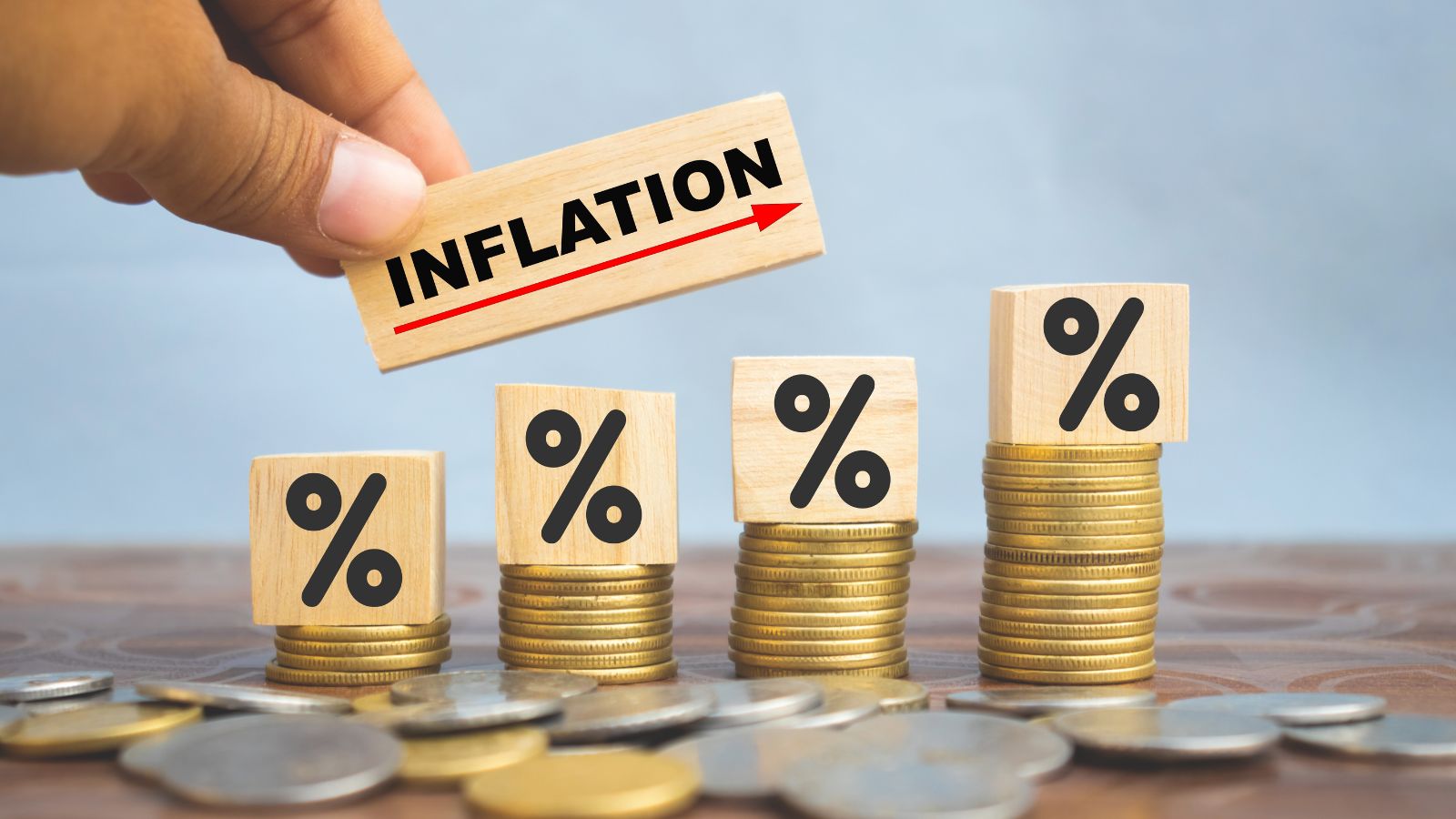
The broadest reason paycheques feel smaller is that the baseline cost of everyday life has moved up. Shelter, food, transportation, energy, services, and household operations do not all rise at the same pace, but enough categories have increased to make old budgets feel outdated. A household may still be earning more than it did several years ago, yet feel less secure because the essentials now demand a larger share of income.
This is why Canadians often wonder where the money went even when they did not make one reckless purchase. The paycheque is being divided among higher fixed costs, more expensive basics, and financial obligations that renew automatically. The answer is rarely one villain. It is the combined effect of rent, groceries, insurance, debt, fuel, fees, and small conveniences that turn income into outflow before the next payday arrives.
22 Things Canadians Do to Their Cars in Spring That Mechanics Hate

Spring brings relief to many Canadian drivers after months of snow, freezing temperatures, and icy roads that put serious strain on vehicles. As temperatures rise across the country, drivers begin washing cars, switching tires, and preparing vehicles for warmer weather and upcoming road trips. However, mechanics across Canada notice the same mistakes every spring when drivers attempt to recover from winter damage. Road salt, potholes, and harsh winter driving conditions often leave vehicles with hidden problems that drivers ignore. Some spring habits even create new mechanical issues that could have been avoided with proper maintenance. Here are 22 things Canadians do to their cars in spring that mechanics hate.
