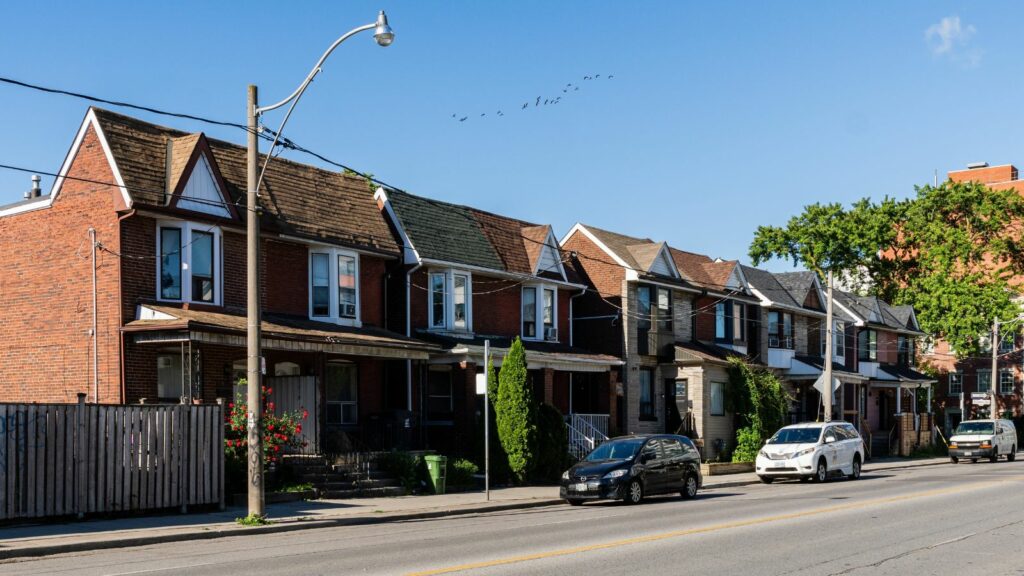
Canadian neighbourhoods rarely become unaffordable overnight. The shift usually starts quietly: a familiar bakery closes, a rental listing jumps by hundreds of dollars, or longtime residents begin calculating whether they can still stay near work, school, and family. Across Canada, housing pressure has become one of the clearest signs that a community’s everyday balance is changing.
These 17 red flags show how rising costs can move from the real estate page into daily life. Together, they point to a neighbourhood where local wages, local businesses, and local routines may no longer be keeping pace with the price of simply belonging there.
Rent Jumps Far Beyond Local Paycheques
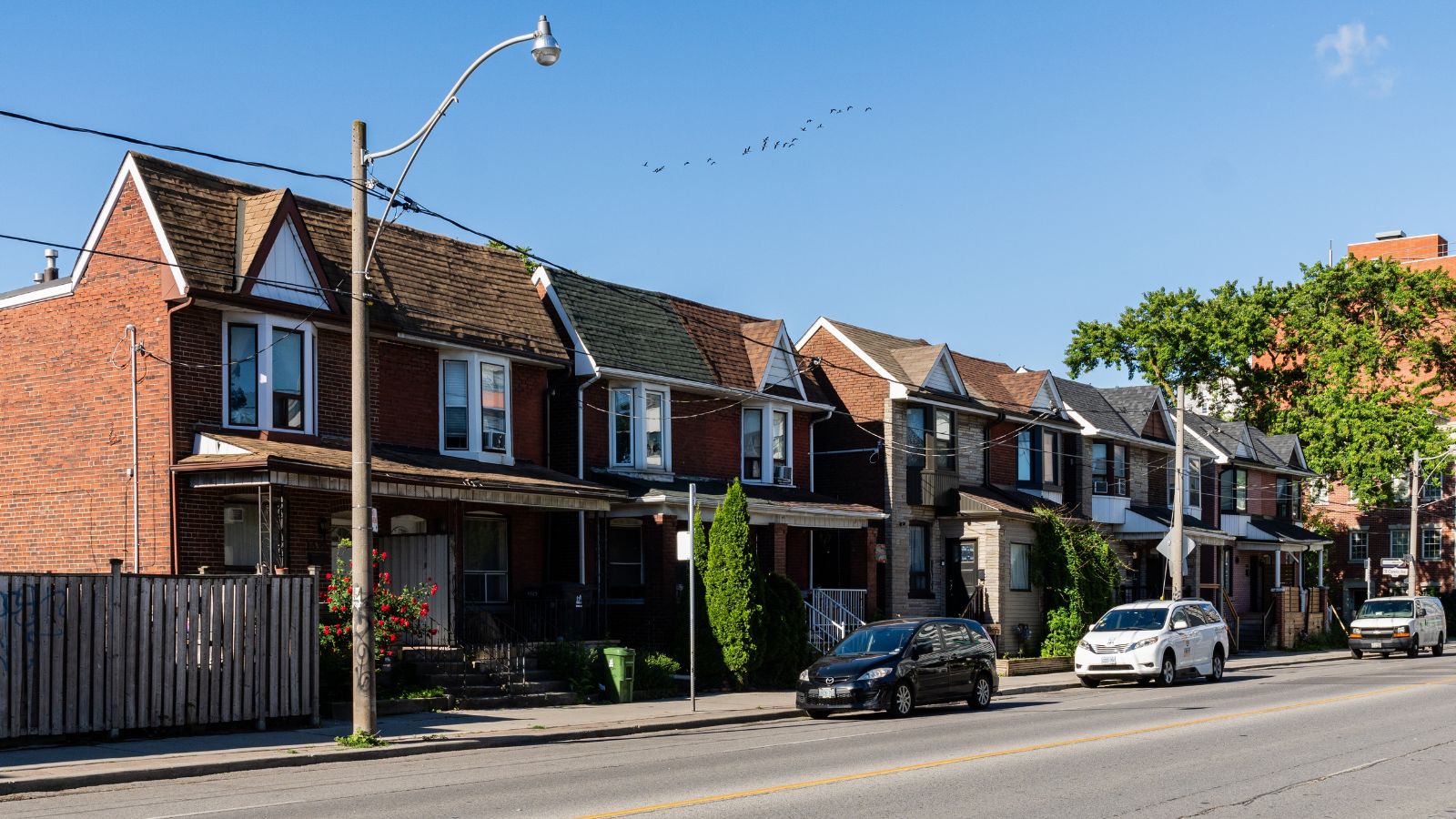
One of the clearest warning signs is rent climbing faster than the wages earned by people who already live nearby. When a one-bedroom apartment starts absorbing the kind of income once needed for a family-sized unit, the neighbourhood’s rental market is no longer serving its existing community. This becomes especially visible when service workers, students, seniors, and single-income households are pushed into shared housing or longer commutes.
Canada’s rental market has shown how quickly this pressure can build. Recent renters often pay much more than longtime tenants because market rents reset when units turn over. In practice, that means two neighbours in similar apartments can face very different costs simply because one moved recently. When local cafés, clinics, and child-care centres cannot hire staff who can afford to live nearby, rent is no longer just a household issue. It becomes a neighbourhood stability problem.
“For Lease” Signs Replace Everyday Shops

A neighbourhood becoming too expensive often loses the businesses that made it useful to locals in the first place. The first signs may be subtle: a hardware store becomes a boutique, a diner becomes a wine bar, or a family-run grocer disappears after a lease renewal. Commercial rent pressures can change the street before residential turnover is obvious.
Small businesses usually operate on thinner margins than national chains, so even modest rent increases can force difficult choices. A longtime barber or convenience store may not be able to raise prices enough to cover a new lease without losing customers. The result is a main street that looks more polished but serves fewer everyday needs. When storefronts increasingly cater to visitors, investors, or high-income newcomers, local residents may find themselves travelling farther for affordable groceries, repairs, prescriptions, or basic services.
Home Prices Disconnect From Local Incomes
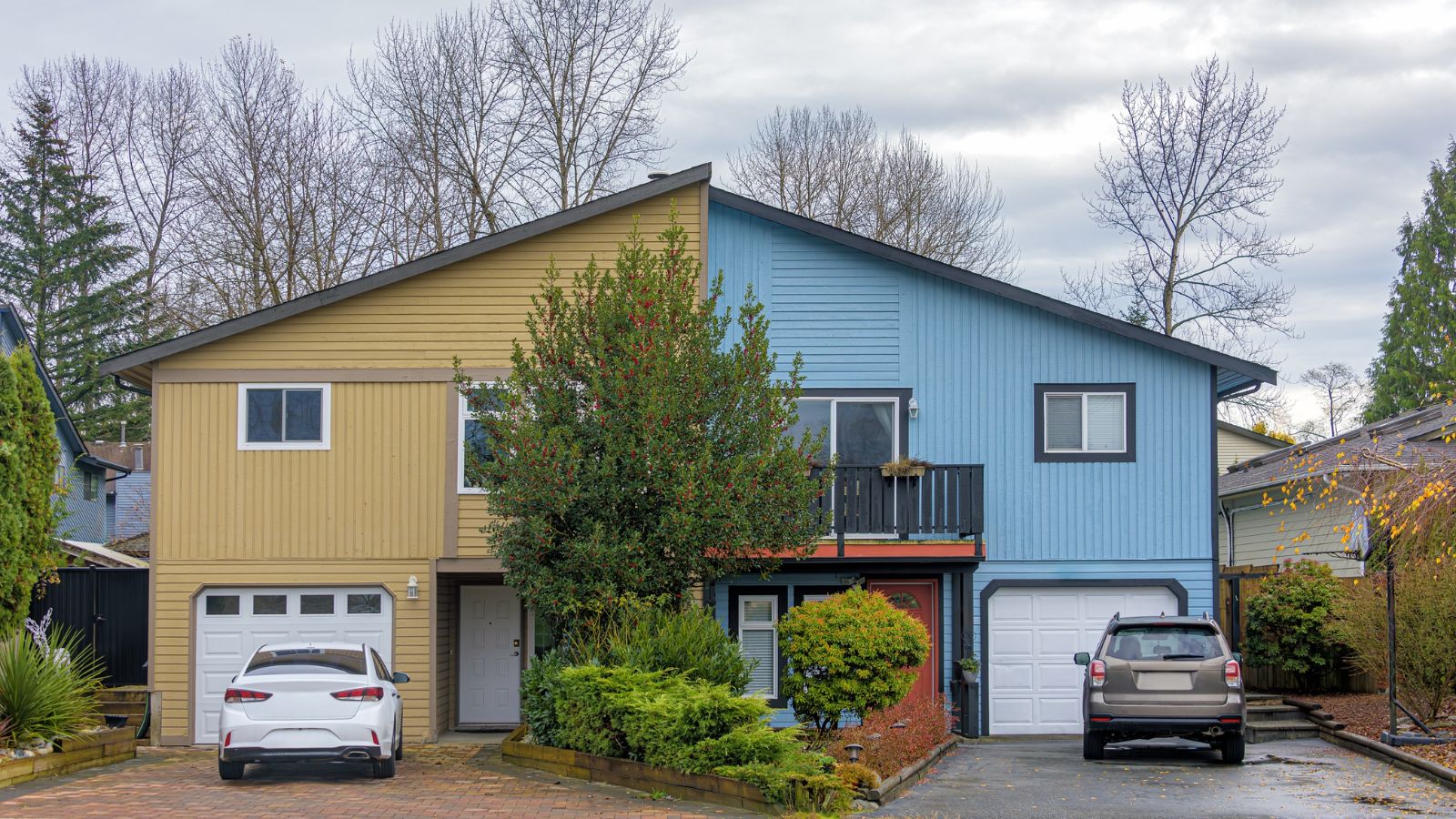
A neighbourhood has crossed a serious affordability line when home prices no longer make sense beside local earnings. This does not only affect first-time buyers. It changes who can move within the area, who can separate after a divorce, who can downsize nearby, and whether adult children can remain close to aging parents. The market begins selecting residents by wealth rather than connection.
National housing data shows that affordability remains strained even when prices cool or interest rates ease. A falling benchmark price can still be unaffordable if the starting point is high and borrowing costs remain heavy. In many Canadian cities, households earning ordinary salaries can qualify for far less home than local listings demand. When neighbourhood conversations shift from “when will we buy?” to “we could never buy here now,” the community is already changing.
Renovations Start Looking Like Replacements

Fresh paint, repaired porches, and better insulation can improve a neighbourhood. The red flag appears when ordinary maintenance turns into a pattern of luxury conversions, tear-downs, and major additions aimed at buyers far above the local income range. A block of modest homes can quickly become a showcase of glass extensions, basement suites, and high-end finishes priced for a different market.
This can raise nearby assessments and reshape expectations for every property on the street. Homeowners who are asset-rich but cash-light may feel pressure from higher taxes, insurance, and maintenance standards. Renters may face displacement if older homes are sold, renovated, and relisted at higher rents. The visual improvement can hide a social cost: the same houses remain standing, but the people who made the neighbourhood familiar may no longer be able to stay.
Local Workers Start Commuting In From Farther Away
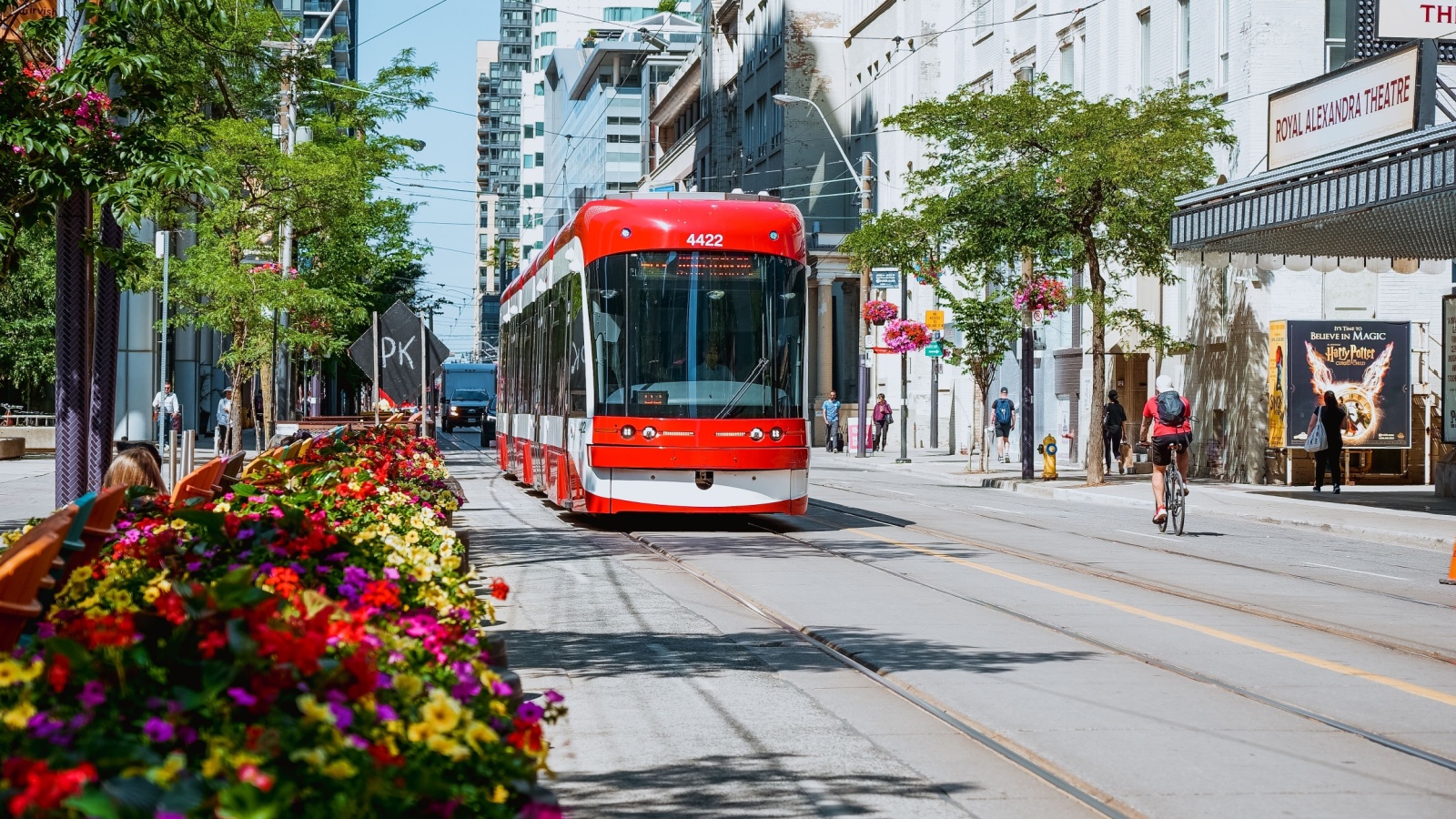
When a neighbourhood becomes too expensive for locals, the people who keep it running often live somewhere else. Restaurant staff, early childhood educators, cleaners, personal support workers, retail employees, and tradespeople may begin commuting from distant suburbs or smaller towns. The area still depends on their labour, but its housing market no longer makes room for them.
This is one of the most human signs of affordability strain. A daycare worker may care for children in a postal code where she could never rent a one-bedroom apartment. A cook may close a restaurant at midnight, then spend an hour or more getting home. Long commutes increase transportation costs, reduce family time, and make staffing harder for employers. When essential workers are priced out, a neighbourhood can look prosperous while becoming less functional.
Vacancy Rates Stay Tight Even During Slow Markets

Some residents assume prices will ease when sales slow or headlines turn gloomy. But a neighbourhood can remain unaffordable if rental vacancies stay low. Tight vacancy means renters have fewer choices, landlords have more pricing power, and people may accept unsuitable units just to stay close to work, transit, or school. A softer ownership market does not automatically create affordable rental options.
Canada’s rental market has shown that vacancy rates matter deeply for local stability. Even when new apartments are built, they may arrive at rents above what existing residents can pay. A neighbourhood with few available rentals can become a pressure cooker, especially for people leaving relationships, newcomers, students, seniors, or families needing more space. If every viewing draws a lineup and applicants feel pressured to bid above asking, the market is signalling scarcity, not balance.
Affordable Units Quietly Disappear

The loss of affordability is not always dramatic. Sometimes it happens one unit at a time. A basement apartment is converted to short-term use. A low-rent duplex is sold and renovated. A small walk-up building is replaced by condos. A rent-controlled tenant moves out, and the unit returns at a much higher market price. Over several years, the neighbourhood’s affordable stock shrinks without a single defining event.
This is especially important because older rental buildings often provide naturally affordable housing without formal subsidy. Once those units are upgraded, demolished, or repositioned, replacement homes may be far more expensive. New supply can help, but it does not automatically replace the price point that was lost. When affordable units disappear faster than comparable ones are created, local residents may technically have more buildings around them while having fewer places they can actually afford.
Property Taxes and Carrying Costs Start Squeezing Longtime Owners

Rising home values can look like good news for owners, but they can create pressure for people with fixed or modest incomes. Property taxes, insurance, utilities, condo fees, and repair costs can rise even when the mortgage is paid off. For seniors, widowed homeowners, and families already stretched, the home may become valuable on paper but increasingly difficult to carry.
Canadian municipalities rely heavily on property taxes and development-related revenues to fund services and infrastructure. When neighbourhood values rise sharply, owners can feel the cost in annual bills, reassessments, and expectations for upkeep. The pressure is not limited to luxury buyers. A retired couple in a once-working-class area may face the same rising local costs as newer, wealthier households. When longtime owners begin selling not because they want to leave but because staying has become too expensive, affordability has shifted from rent trouble to community loss.
New Builds Target Investors More Than Residents
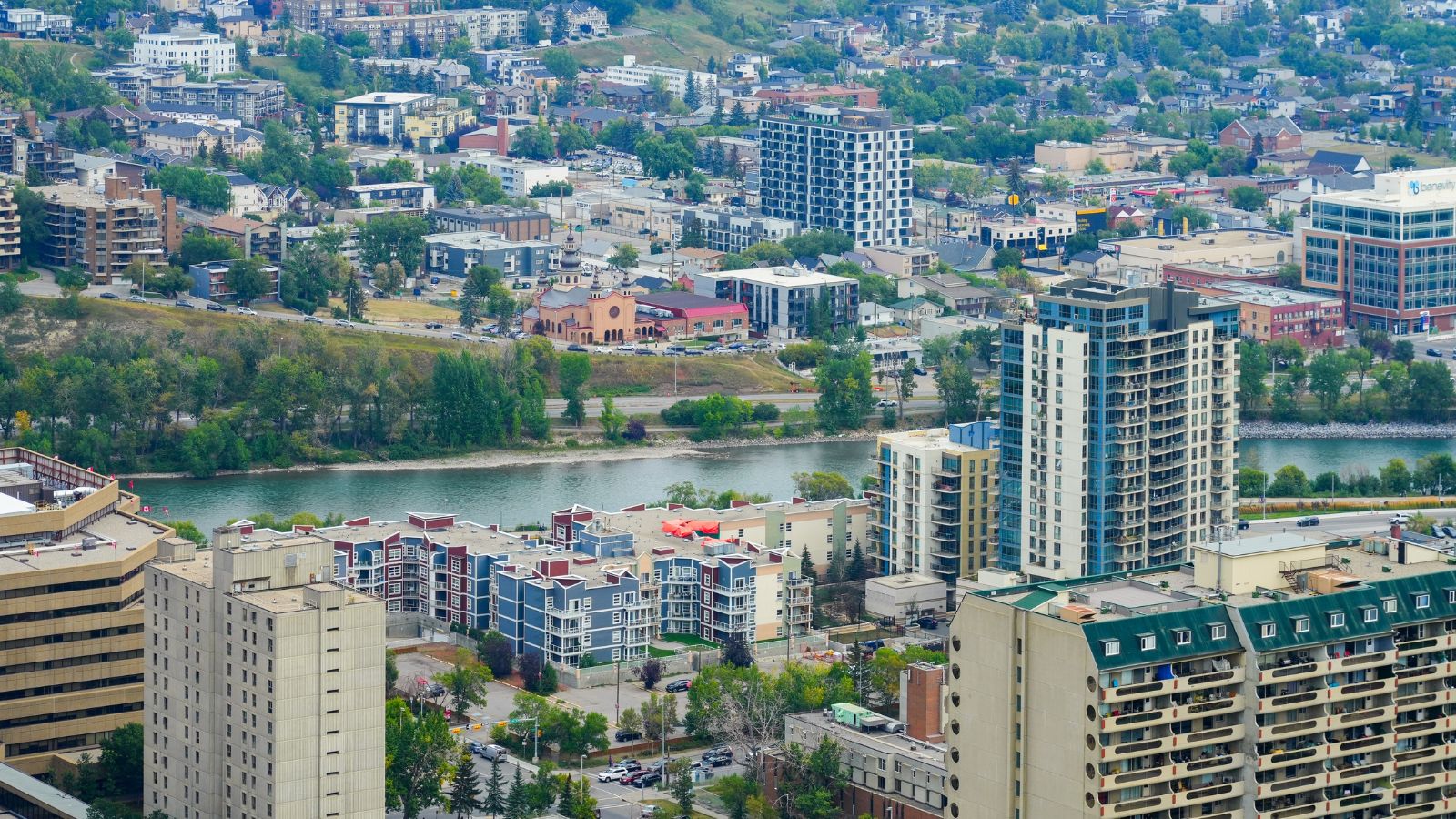
A neighbourhood may be adding housing and still becoming less accessible. The red flag is not construction itself; it is the kind of housing being built. If most new units are small, expensive, heavily marketed to investors, or designed as short-term holdings, they may do little for families, moderate-income workers, or seniors seeking stable homes.
Studio-heavy projects and luxury-branded condos can change the local population even when they increase the number of doors. A community needs housing that matches real household needs: two- and three-bedroom rentals, accessible units, co-ops, purpose-built rentals, and ownership options below the top of the market. When new developments advertise lifestyle, skyline views, and investment potential more than livability, locals may read the signal clearly. The future being built nearby may not include them.
Families Begin Leaving Schools and Child-Care Networks

Neighbourhood affordability is closely tied to family stability. When rent or mortgage costs rise too far, families may move away from schools, child-care providers, grandparents, doctors, and after-school routines. The change may show up in declining enrolment at local schools, longer wait-lists in cheaper nearby areas, or more parents commuting children back to old neighbourhoods to preserve continuity.
This kind of displacement is expensive emotionally as well as financially. A child may lose classmates, a parent may lose informal babysitting help, and a family may trade a short walk to school for a long drive. Even families that stay may feel the pressure if child-care fees, activity costs, and housing payments collide. A neighbourhood is becoming too expensive for locals when raising children there begins to feel like a luxury rather than an ordinary stage of life.
Food Banks and Mutual Aid Become More Visible

Another red flag appears when visible prosperity rises alongside visible need. A neighbourhood may gain higher-end restaurants, specialty stores, and luxury rentals while local food banks, community fridges, and church pantries see greater demand. That contrast can be jarring, but it is increasingly common in areas where housing costs leave less room for groceries, transit, medication, and school supplies.
Food insecurity is often tied to shelter costs because rent and mortgage payments are usually non-negotiable. When households spend too much on housing, food becomes one of the few flexible parts of the budget. A working parent may skip fresh produce, a senior may delay prescriptions, or a student may rely on donated meals while living near expensive cafés. The presence of community support is valuable, but rising dependence on it can signal that local incomes no longer cover local life.
Short-Term Rentals Eat Into Long-Term Housing

A neighbourhood with many short-term rentals can feel busy while becoming less livable for residents. Suitcases replace school backpacks in apartment hallways. Familiar neighbours disappear. Units that once housed local workers or students become weekend accommodations. In tourist-friendly parts of Canadian cities, this can tighten the long-term rental market and reduce the sense of community continuity.
Short-term rentals are not the only cause of housing pressure, but in tight markets, even a small shift in supply can matter. The concern is strongest where entire homes or apartments are removed from long-term use. Local businesses may benefit from visitors, yet the trade-off can be painful if staff cannot find housing nearby. When buildings begin to feel more like informal hotels than homes, locals may be competing not just with other residents, but with tourism revenue.
Transit Improvements Trigger Speculation Before Service Arrives
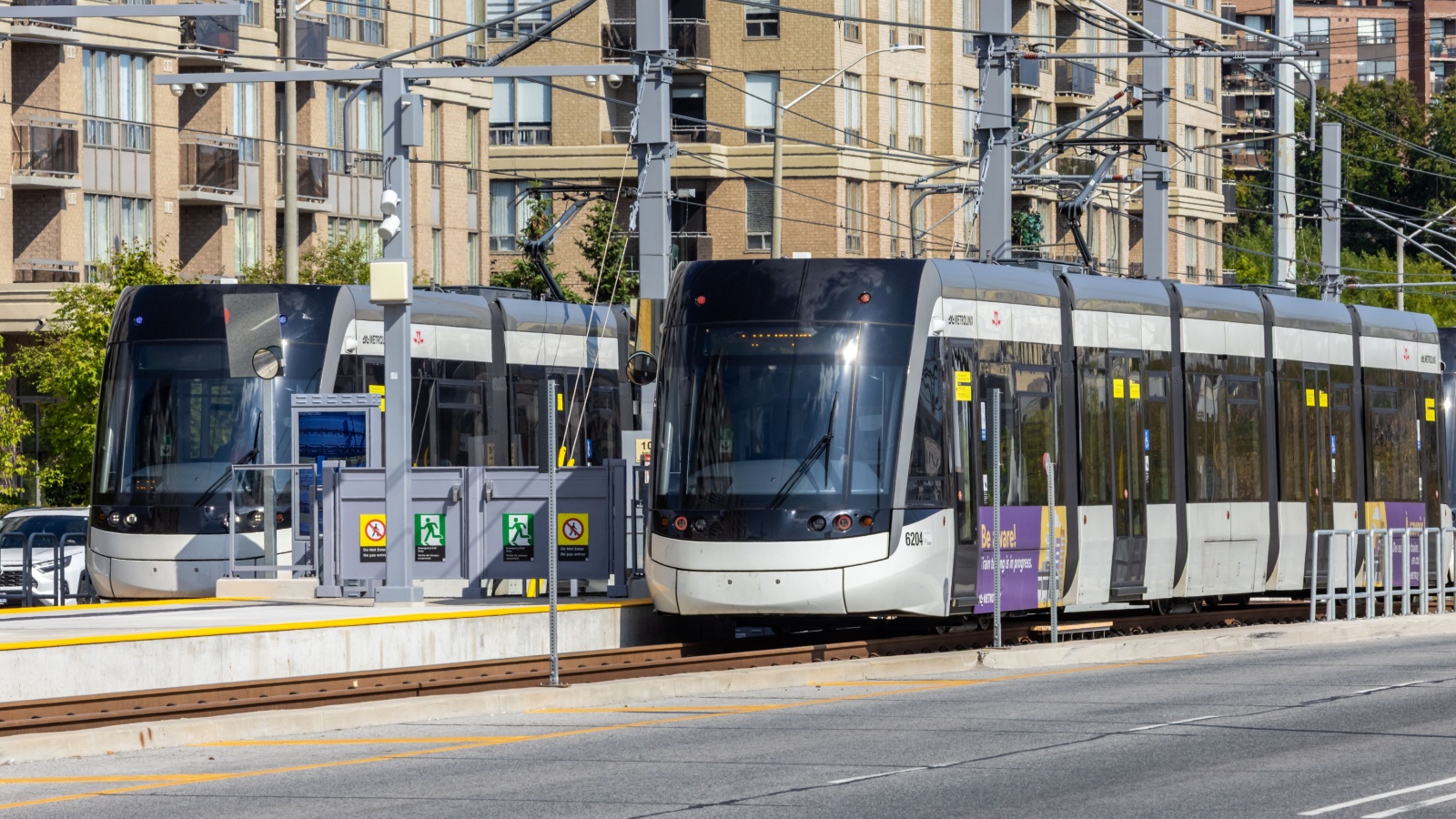
Better transit should make neighbourhoods more connected and fair. The problem begins when land prices and rents jump long before residents benefit from the service. A planned station, bus rapid transit line, or upgraded commuter connection can attract investors who buy early and price in future convenience. Locals may then face higher costs while still waiting through years of construction.
Transit-oriented growth can be positive when paired with affordable housing, tenant protection, and family-sized units. Without those safeguards, improved access can become a signal for speculation. A renter may hear about a new line and soon after receive notice of a sale or renovation. A small landlord may cash out to a developer. A storefront may become more expensive because foot traffic is expected to rise. The neighbourhood gains mobility on paper, but affordability may leave before the first train or bus arrives.
Everyday Services Become Premium Experiences

A neighbourhood is becoming too expensive when ordinary errands start feeling curated for wealthier customers. The corner grocer becomes a specialty market. The laundromat gives way to a fitness studio. The affordable pharmacy is replaced by a wellness boutique. These changes may look attractive, but they can make daily life more costly and less practical for residents on regular incomes.
The issue is not that nice cafés or specialty shops exist. The warning sign is imbalance. When every new business assumes customers have disposable income, locals may lose access to low-cost meals, basic clothing, repair shops, discount groceries, and affordable gathering places. A senior who once walked to buy staples may need a bus ride. A student may find that the cheapest meal nearby is no longer cheap. The neighbourhood may become more stylish while becoming less useful.
Roommates Become the Default for Adults Who Used to Live Alone

Shared housing can be a normal choice for students and young adults. It becomes a red flag when full-time workers, separated parents, and older renters need roommates simply to remain in the neighbourhood. If a single person earning a stable income cannot afford a modest apartment, the local housing ladder has lost several rungs.
This shift can be especially hard to see because it hides behind occupied units. A three-bedroom apartment may still be full, but instead of one family, it houses unrelated adults splitting costs. A basement once rented by a couple may now hold multiple people paying by the room. Crowding can create stress, privacy issues, and instability if one roommate leaves. When living alone becomes rare except for high earners, affordability has moved from uncomfortable to exclusionary.
Listings Start Marketing the Neighbourhood Instead of the Home

Real estate language can reveal a lot. When listings emphasize “steps to cafés,” “future growth corridor,” “investor opportunity,” or “rare chance to enter the area,” the neighbourhood itself has become the product. The home may be small, aging, or ordinary, but the price reflects expected appreciation and lifestyle branding rather than local utility.
This kind of marketing often appears before residents fully feel the change. Agents and developers may highlight nearby transit, parks, galleries, restaurants, or “up-and-coming” status to attract buyers with more capital than local households. The result is a feedback loop: attention raises expectations, expectations raise prices, and prices attract more speculative attention. Locals may suddenly see their familiar streets described as a hot district, even as the features being sold were built by the community already living there.
Longtime Residents Start Talking About Leaving “Before It Gets Worse”

Perhaps the most telling red flag is conversational. When neighbours who once planned to stay begin discussing exit strategies, the shift has become personal. A renter may worry about the next renewal. A homeowner may consider selling before taxes and repairs climb further. A shop owner may quietly search for a cheaper storefront. These conversations often happen before official data captures the change.
This kind of uncertainty weakens social ties. People hesitate to volunteer, join local boards, plant gardens, or build relationships if they are unsure they can remain. The neighbourhood may still look stable from the outside, but its emotional foundation is thinning. Affordability is not only about prices; it is about whether people can imagine a future in the place they helped create. When that confidence disappears, the cost of staying has become more than financial.
19 Things Canadians Don’t Realize the CRA Can See About Their Online Income

Earning money online feels simple and informal for many Canadians. Freelancing, selling products, and digital services often start as side projects. The problem appears at tax time. Many people underestimate how much information the CRA can access. Online platforms, banks, and payment processors create detailed records automatically. These records do not disappear once money hits an account. Small gaps in reporting add up quickly.
Here are 19 things Canadians don’t realize the CRA can see about their online income.
