
Canada’s affordability problem no longer sits neatly inside household budgets. It is shaping where people live, how they eat, when they start families, how often they socialize, and what they quietly give up to stay afloat. Rising costs have moved from a monthly math problem into a daily decision-making force.
These 19 signs show how affordability pressures are becoming lifestyle pressures across Canada, especially as housing, food, transportation, debt, and basic services claim more of ordinary income. The issue is not just that things cost more. It is that many Canadians are redesigning normal life around costs that used to feel manageable.
Rent Is Turning Into a Reason People Stay Put

Rent used to be one of the more flexible parts of life: a person could move closer to work, try a new city, or upgrade when family needs changed. That flexibility is shrinking. Recent rental data shows that people who move often face much higher shelter costs than long-term tenants, creating a quiet penalty for mobility. A renter may know that a smaller apartment, a better job, or a safer neighbourhood exists, yet still avoid moving because the new lease would reset the household budget at today’s prices.
This changes lifestyle in ways that are easy to overlook. A young worker may turn down a better opportunity in another city because the pay bump disappears into rent. A family may stay in a cramped place longer than planned because a two-bedroom upgrade is financially unrealistic. Housing becomes less about preference and more about avoiding disruption.
Grocery Shopping Has Become a Strategy Session

For many households, grocery shopping now feels less like a routine errand and more like a weekly exercise in damage control. Canada’s Food Price Report projected that a typical family of four would spend more than $16,800 on food in 2025, with another increase expected in 2026. Even when inflation cools, prices do not usually return to old levels, so families keep adapting around a permanently higher baseline.
The lifestyle shift shows up in small rituals: comparing flyers, switching stores, buying more private-label products, stretching leftovers, and planning meals around discounts rather than cravings. A parent may skip berries one week, trade fresh fish for canned tuna, or buy less meat without calling it a sacrifice. Over time, food choices become less about taste and more about protecting the rest of the month.
Food Banks Are No Longer Seen as a Last Resort Only

Food banks were once widely imagined as emergency support for people with no income. That picture no longer matches the reality facing many communities. Food Banks Canada reported that a growing share of food bank clients list employment as their main source of income, and national food bank use has risen sharply since 2019. That means a job is no longer always enough to keep food insecurity outside the door.
This is where affordability becomes a lifestyle problem rather than a temporary squeeze. Someone can work full time, pack lunches, avoid takeout, and still need help before payday. The emotional cost is heavy, too. People may skip social meals, decline invitations, or hide financial stress from friends because hunger and embarrassment often travel together.
Housing Costs Are Reshaping Family Timelines

Affordability pressure has begun to affect major life decisions, including whether people feel ready to have children. Canada’s fertility rate has fallen to historically low levels, and while family planning is influenced by many personal and social factors, housing costs are part of the wider environment. A couple living in a one-bedroom rental may not need a perfect financial picture to start a family, but they often need enough space, stability, and confidence to imagine one.
The result is a lifestyle marked by postponement. Weddings get smaller, children arrive later, or plans remain theoretical because rent, childcare, groceries, and debt already stretch the household. In many cities, the question is not simply whether people want a family. It is whether the cost structure around family life feels survivable.
Commuting Choices Are Being Made Around Rent

As central neighbourhoods become harder to afford, more Canadians face a trade-off between lower housing costs and longer commutes. The cheaper home may be farther from work, school, health care, and family support. That can turn affordability into a time problem: money saved on rent may be paid back through fuel, transit fares, parking, and hours spent travelling.
This affects daily life deeply. A worker who leaves before sunrise and returns after dinner has less time to cook, exercise, rest, or help children with homework. A lower monthly rent may look responsible on paper, yet the hidden cost can be exhaustion. When housing affordability pushes people farther out, lifestyle becomes a calculation between space, time, and sanity.
Debt Is Filling the Gap Between Income and Normal Life

Canadian households continue to carry high debt relative to disposable income, with recent data showing families owing roughly $1.75 for every dollar of disposable income. That kind of debt load changes the role of credit. It is no longer only for major purchases or emergencies; in many households, it becomes the bridge between paycheques and ordinary life.
The lifestyle consequences are subtle at first. A credit card covers groceries before payday. A line of credit pays for car repairs. Buy-now-pay-later breaks one bill into smaller pieces. Each choice may feel reasonable alone, but together they create a background hum of obligation. People may appear to maintain their usual lifestyle while quietly financing more of it.
Social Life Is Becoming More Price-Sensitive

Affordability problems often show up in social calendars before they show up in public conversations. Restaurant meals, concerts, weekend trips, children’s birthday parties, and even coffee meetups can become harder to justify. When basic costs rise, optional spending is the first area many people trim, but that trimming can also reduce connection.
The human effect is easy to miss. A friend may say they are busy instead of admitting that dinner downtown is too expensive. A family may stop hosting because groceries and utilities already feel heavy. A young adult may skip weddings, birthdays, or group trips to avoid the combined cost of travel, clothes, gifts, and meals. Affordability then becomes a quiet force of isolation.
Homeownership Is Turning Into a Psychological Divide

For decades, homeownership was treated as a normal milestone in Canadian life. That expectation is weakening as prices, mortgage rates, down payments, insurance, taxes, and maintenance costs make ownership feel remote for many younger adults. Even when home prices soften in some markets, the monthly cost of borrowing can keep the door only partly open.
This divide changes lifestyle and identity. Renters may delay decorating, avoid buying furniture that fits only one space, or feel unable to settle because renewal terms remain uncertain. Owners, meanwhile, may feel trapped by higher mortgage payments or expensive repairs. Housing status becomes more than a financial category; it shapes how permanent life feels.
People Are Cutting Back on Health and Wellness Extras

Canada’s public health system covers many essential services, but not every health-related cost disappears. Dental care, vision care, physiotherapy, mental health support, prescriptions, gym memberships, and healthier food options can still create pressure, especially for people without strong workplace benefits. When budgets tighten, these supports often get delayed.
That delay can turn affordability into a wellness problem. A person may stretch glasses longer than they should, postpone therapy, cancel a fitness class, or ignore a dental issue until it becomes urgent. The lifestyle shift is not always dramatic, but it compounds. Health maintenance becomes something people do only when there is room in the budget, not when the need first appears.
Financial Stress Is Becoming a Daily Mood

Statistics Canada reported that nearly half of Canadians said rising prices were greatly affecting their ability to meet day-to-day expenses in spring 2024. Among lower-income households, financial stress was even more intense. This matters because affordability does not only affect bank accounts. It affects sleep, patience, relationships, and the ability to make long-term plans.
The lifestyle change is visible in ordinary moments. People check banking apps more often, delay opening bills, avoid conversations about money, or feel guilty after small purchases. A coffee, a child’s field trip fee, or a tank of gas can trigger calculation instead of comfort. When everyday life requires constant financial monitoring, stress becomes part of the routine.
Vacations Are Becoming Shorter, Closer, or Disappearing

Travel has always been discretionary, but it also plays a role in rest, family bonding, and emotional reset. With airfare, hotels, restaurant meals, gas, insurance, and attraction costs all competing with household essentials, many Canadians are rethinking vacations. A week away may become a long weekend. A flight may become a road trip. A hotel stay may become visiting relatives.
The lifestyle change is not just about missing leisure. It is about the shrinking margin for recovery. Families that once counted on an annual trip may now choose home repairs, debt repayment, or back-to-school costs instead. Even local outings can feel expensive when parking, snacks, and admission fees add up. Rest becomes another line item that must justify itself.
Subscriptions Are Being Audited Like Utilities

Streaming services, cloud storage, meal kits, fitness apps, delivery memberships, software, and children’s gaming subscriptions once felt small enough to ignore. As household budgets tighten, these recurring charges are being examined more closely. The problem is not one monthly fee; it is the stack of automatic payments quietly renewing in the background.
This creates a different kind of lifestyle management. Households rotate streaming services, cancel convenience apps, share accounts where allowed, or return to free entertainment options. A $9.99 charge that once felt harmless now competes with milk, transit, or school supplies. The digital lifestyle remains, but it becomes more deliberately rationed.
Car Ownership Is Feeling Less Optional but More Expensive

In many Canadian communities, a car is not a luxury. It is how people get to work, school, medical appointments, and groceries. Yet vehicle prices, insurance, fuel, financing, maintenance, parking, and winter tires can make ownership feel like a second rent payment. Even used vehicles have become a more complicated affordability decision than many households expected.
This forces lifestyle trade-offs. A family may keep an aging car longer, delay repairs, reduce outings, or choose housing based on parking and commute costs. In smaller cities and suburban areas, giving up a vehicle may not be realistic. That means people cut elsewhere to keep transportation running. Mobility becomes essential, but increasingly expensive to maintain.
Young Adults Are Living Longer in Transitional Arrangements

Rising housing and living costs have made independence harder to launch. More young adults may stay with parents, share rentals with multiple roommates, or cycle through temporary arrangements longer than previous generations expected. This can be practical and financially wise, but it also changes the emotional timeline of adulthood.
The lifestyle effect is complicated. Living at home can help someone save, but it may also delay privacy, partnership plans, or relocation for work. Roommates can make rent possible but reduce stability. A person may feel technically employed and responsible while still unable to build a fully independent life. Affordability turns adulthood into a slower, more negotiated process.
Families Are Spending More Time Managing Deals

Couponing, price matching, loyalty points, cashback apps, used marketplaces, and seasonal buying have become normal tools for many households. There is nothing wrong with smart shopping, and Canadians have long looked for value. The change is that deal management is becoming a necessity rather than a hobby.
This lifestyle requires time and attention. A parent may visit three stores to save on groceries, wait for points events before buying basics, or track price histories before replacing a household item. The savings can matter, but the mental load is real. Affordability creates unpaid administrative work: planning, comparing, delaying, and negotiating almost every purchase.
Emergency Funds Are Getting Drained by Ordinary Repairs

An emergency fund is meant to handle unexpected shocks, but many households are using savings for expenses that are increasingly routine: rent increases, car repairs, dental bills, appliance replacement, winter heating, school costs, or insurance hikes. When the cost of normal life rises, emergencies arrive faster than savings can rebuild.
This changes how secure life feels. A broken furnace, vet bill, or missed shift can become a financial cliff rather than an inconvenience. People may avoid replacing worn tires, delay fixing a leaky roof, or hope a laptop lasts one more semester. The lifestyle problem is not only the expense itself; it is living with less room for things to go wrong.
Work Decisions Are Becoming More About Benefits Than Ambition

As costs rise, job choices become less about passion or growth and more about stability, benefits, location, and predictable income. A role with dental coverage, pension contributions, remote-work flexibility, or reliable hours may outweigh a more exciting opportunity. For many households, the best job is the one that reduces financial exposure.
This can reshape careers over time. A worker may stay in a job they have outgrown because the commute is cheaper or the benefits cover children’s prescriptions. Another may avoid freelance work because variable income feels too risky. Affordability narrows the space for experimentation. Career decisions become less about possibility and more about protection.
Community Participation Is Getting More Expensive

Local sports, arts programs, school trips, recreation centres, festivals, clubs, and volunteer activities often come with fees, equipment, transportation, or time costs. When families are financially stretched, these activities can be reduced before anyone calls it a major lifestyle change. Yet they are part of how people build community.
The impact is especially noticeable for children and seniors. A child may skip hockey because registration and equipment are too costly. An older adult may attend fewer community events because transit, parking, or admission adds up. When participation depends more heavily on disposable income, affordability can weaken social belonging. Community life becomes less open than it appears.
People Are Redefining What “Middle Class” Feels Like
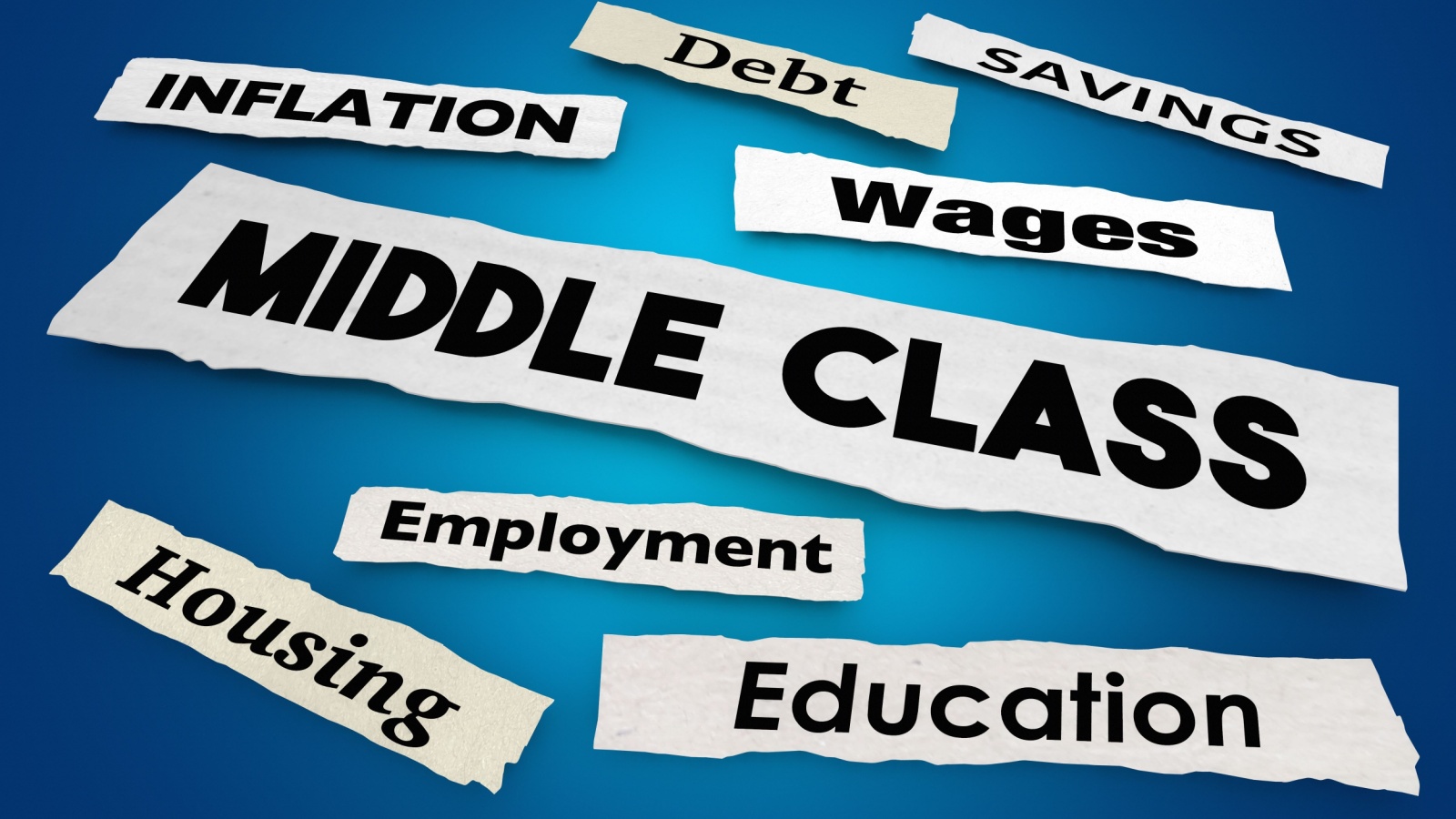
One of the clearest signs that affordability has become a lifestyle problem is the way middle-income households describe their lives. Many still have jobs, homes, cars, and occasional treats, yet the sense of comfort has faded. The budget works only if nothing unexpected happens, and progress can feel slower even with steady effort.
This creates a quiet identity shift. People who once felt financially stable may now feel one bill away from stress. They may earn more than they did years ago but feel less free because housing, food, insurance, and debt absorb the gains. The middle-class lifestyle has not disappeared, but for many Canadians it feels more conditional, more cautious, and far less automatic.
19 Things Canadians Don’t Realize the CRA Can See About Their Online Income

Earning money online feels simple and informal for many Canadians. Freelancing, selling products, and digital services often start as side projects. The problem appears at tax time. Many people underestimate how much information the CRA can access. Online platforms, banks, and payment processors create detailed records automatically. These records do not disappear once money hits an account. Small gaps in reporting add up quickly.
Here are 19 things Canadians don’t realize the CRA can see about their online income.
