
For generations, many parts of Canadian life felt dependable enough to fade into the background: a home within reach, a doctor nearby, clean air in summer, stable work and public systems that usually functioned without much thought. Those expectations have not disappeared, but they increasingly feel conditional—shaped by geography, income, climate, staffing, technology and the capacity of institutions to keep up.
These 18 things capture the quiet shift from confidence to caution. None is entirely gone, and Canada still retains strong public institutions and considerable resilience. Yet each now carries a question that once seemed less urgent: will it still be there, affordable and reliable, when a household or community needs it most?
Homeownership That Feels Reachable

Homeownership was never effortless, especially in the country’s most expensive cities, but it long functioned as a broadly understood middle-class milestone. A household saved a down payment, qualified for a mortgage and gradually converted monthly housing costs into equity. That pathway now feels uncertain for many younger adults and newcomers. Prices, borrowing costs and construction constraints have separated local incomes from local real estate values, while the size of the required down payment can rise faster than a renter’s savings.
The scale of the supply challenge shows why the old expectation feels fragile. Canada Mortgage and Housing Corporation estimated in 2025 that housing starts would need to nearly double to roughly 430,000 to 480,000 units annually through 2035 to meet projected demand and improve affordability. That is not simply a Toronto or Vancouver story. Fast-growing communities in Alberta, Atlantic Canada and smaller Ontario centres have also experienced pressure. A couple with solid jobs may still be financially responsible, yet watch the ownership threshold move away each year—a distinctly modern form of insecurity.
Rent That Leaves Room for a Life

Renting once offered flexibility: a manageable home without the repair bills, mortgage commitment or large down payment. It still does for some households, but many tenants now treat each renewal, move or landlord notice as a financial risk. The problem is not only the monthly amount. It is the fear that leaving an older unit could mean re-entering the market at a dramatically higher price, making mobility for work, family or safety much harder.
The national purpose-built rental vacancy rate rose from 2.2 percent in 2024 to 3.1 percent in 2025, an encouraging sign that new supply and softer demand were easing some pressure. Yet CMHC also reported that average rents increased 7.2 percent in 2025. That combination matters: more units may be available, but affordability can remain strained. In some large markets, landlords began offering incentives such as free months, while long-term tenants still faced a wide gap between existing and advertised rents. The result is a rental system that can look looser statistically while still feeling precarious at the kitchen table.
A Family Doctor Who Knows the Patient

A regular family doctor once represented continuity more than convenience. The physician knew which medication had failed, why a symptom mattered and when a normally stoic patient sounded worried. That relationship reduced the need to retell a medical history at every visit and made preventive care easier to organize. Today, many Canadians rely on walk-in clinics, virtual appointments or emergency departments because they cannot attach to a consistent primary-care provider.
Statistics Canada reported that 82.8 percent of Canadian adults had a regular health-care provider in 2023, down from roughly 85 percent in the preceding years. The gap was wider for some groups: in 2024, only 69 percent of immigrants who had been in Canada for 10 years or less reported regular-provider access. Those percentages translate into millions of people improvising care. A parent may spend the morning refreshing an online booking page; a senior may postpone a medication review; a worker may use an emergency room for a problem better handled in a clinic. Universal coverage feels less secure when the front door to routine care is difficult to find.
Emergency Care Without an All-Day Wait

Emergency departments remain a crucial safety net, and triage correctly gives the sickest patients priority. What feels fragile is the assumption that arriving at a hospital guarantees timely assessment and a bed when admission is required. Overcrowded waiting rooms are not merely inconvenient. They often reflect pressure throughout the system: limited primary care, delayed specialist access, staffing shortages, unavailable long-term-care placements and hospital beds occupied by patients who cannot safely be discharged.
Canadian Institute for Health Information data recorded more than 16.1 million unscheduled emergency visits in 2024–2025. Half of patients waited just under two hours for an initial physician assessment, while one in 10 waited more than six hours. For admitted patients, nine out of 10 visits were completed within 48.5 hours, and 7.7 percent of emergency patients left before seeing a physician. Behind each statistic is a tense human calculation—whether chest discomfort can wait, whether a child’s fever is worsening, or whether an older relative can manage another night in a hallway. The system still saves lives daily, but its buffer feels thinner.
A Grocery Cart That Feels Ordinary

The weekly grocery trip used to involve choices about brands, treats and meal plans. Increasingly, it involves arithmetic in every aisle. Meat is replaced, fruit is rationed, and a familiar product goes back on the shelf after its new price registers. Households with comfortable incomes may absorb the change by cutting restaurant visits or switching stores, but lower-income families often have fewer substitutions left. Food becomes the flexible part of a budget dominated by rent, utilities and transportation.
Statistics Canada estimated that 9.8 million people, or 24 percent of Canadians, lived in households experiencing some form of food insecurity in 2024. The rate eased slightly from 2023 but remained strikingly high. Price pressure also persisted: food purchased from stores was 4.3 percent more expensive in May 2026 than a year earlier. These figures explain why food banks report clients who are employed and why school breakfast programs matter beyond traditionally vulnerable neighbourhoods. Canada is an agricultural and food-exporting country, yet the ordinary confidence that a full cart will fit the household budget now feels much less universal.
A Budget Able to Absorb One Bad Month

A stable household budget once included some room for error: a car repair, a dental bill or a short interruption in work. For many families, that margin has narrowed. High housing costs and accumulated debt mean one unexpected expense can trigger a sequence of compromises—carrying a credit-card balance, delaying maintenance, borrowing from relatives or missing a savings contribution. Financial fragility is not always visible from income alone; a household can earn well and still have little accessible cash after fixed payments.
The Bank of Canada reported that household debt equalled about 173 percent of disposable income in its 2025 Financial Stability Report, down from 179 percent but still elevated. It also estimated that roughly 60 percent of outstanding mortgages would renew in 2025 or 2026, with many borrowers facing higher payments than in December 2024. Most mortgage holders have managed the increases, which is important context, yet the adjustment has often required tighter spending. The old expectation that responsible budgeting guarantees breathing room feels weaker when interest rates, insurance, groceries and shelter costs can all move at once.
A Permanent Job That Actually Feels Permanent

A permanent position traditionally offered more than a paycheque. It supported long-term decisions: signing a lease, starting a family, financing a vehicle or planning retirement. Modern employment still provides that stability for many Canadians, but restructuring, contract work, automation and economic uncertainty have made job titles feel less reassuring. Even workers with good performance reviews may wonder whether a reorganization, acquisition or downturn will erase a role that seemed secure six months earlier.
Statistics Canada found that 73.6 percent of employees felt secure in their jobs in November 2025, down 4.1 percentage points from November 2023. The difference between employment types was even sharper in April 2025: 22.8 percent of temporary employees believed they might lose their job within six months, compared with 5.8 percent of permanent employees. Those figures shape everyday behaviour. A contract worker may delay moving out of a shared apartment, while a permanent employee quietly builds a larger emergency fund after watching colleagues laid off. Employment remains the foundation of household security, but confidence in its durability is no longer automatic.
Retirement Security Beyond Personal Savings

The traditional retirement bargain combined public benefits, workplace pensions, personal savings and, for many homeowners, a paid-off house. That mix still supports millions of Canadians, but it is becoming less consistent across generations and sectors. Workers who change employers frequently, spend years in contract roles or enter the housing market late may reach midlife without the pension or home equity their parents considered normal. The responsibility shifts toward individual investment decisions, often while current living costs compete for every available dollar.
Only 37.7 percent of paid workers were covered by a registered pension plan in 2023, according to Statistics Canada. Defined-benefit coverage—where retirement income is calculated using a formula—covered 25.7 percent of paid workers. That leaves most workers depending more heavily on the Canada Pension Plan or Quebec Pension Plan, Old Age Security, workplace savings programs and personal accounts. A nurse or public servant may still have a predictable pension, while a retail manager or self-employed tradesperson must estimate how long savings will last. Retirement has not vanished, but the dependable map for reaching it has become uneven.
Child Care That Is Available, Not Just Affordable

Lower child-care fees have changed family finances for the better in many provinces, yet affordability solves only part of the problem. A subsidized space has little value when no space is available near home or work. Parents routinely join multiple waitlists during pregnancy, coordinate grandparents across town or accept care that does not match their hours. The fragile element is not simply cost; it is the assumption that returning to work after parental leave will be logistically possible.
In 2025, 58 percent of Canadian children aged five and younger were in child care, while the average monthly cost of full-time centre-based care fell to $435 from $663 in 2022. At the same time, half of parents using care reported difficulty finding it, up from 46 percent in 2023. Among children not in care, 31 percent were on a waitlist. The contrast captures the policy challenge: families can celebrate a lower bill and still lack a place. A delayed opening in a toddler room can force one parent to extend leave, reduce hours or abandon a job offer, turning a service shortage into a career decision.
Home Insurance That Still Feels Routine

Home insurance used to feel like a predictable line on the mortgage statement—important, but rarely questioned until a claim occurred. Extreme weather has changed that relationship. Homeowners now study flood exclusions, sewer-backup endorsements, wildfire risk and rebuilding limits with greater urgency. In high-risk locations, the question is no longer only how much coverage costs, but whether the policy protects against the event most likely to damage the property.
Statistics Canada reported that homeowners’ home and mortgage insurance premiums increased 45 percent between December 2019 and December 2025, more than double the 21 percent rise in the all-items Consumer Price Index. Catastrophic insured claims reached about $8.6 billion in 2024, driven by events including the Calgary hailstorm, the Jasper wildfire and major flooding in Quebec and Ontario. Those losses do not mean every premium will rise equally, and insurers continue to pay billions in claims. Still, a family buying near a river, forest edge or hail corridor must now consider hazards that earlier generations often treated as remote. Protection itself has become another affordability question.
Summer Air That Is Safe to Breathe

Canadian summer once carried a dependable set of images: open windows, outdoor sports, cottage weekends and long evenings on patios. Wildfire smoke has complicated that picture across enormous distances. Communities far from flames can experience hazy skies, cancelled practices and public-health warnings because smoke travels hundreds or thousands of kilometres. Parents now check the Air Quality Health Index before sending children outside, much as they once checked only the temperature or chance of rain.
The 2023 wildfire season made the shift impossible to ignore. More than 6,800 fires burned over 14.6 million hectares, the largest area recorded in Canada’s modern fire statistics. Health Canada states that there is no known safe level of exposure to some wildfire-smoke pollutants and links smoke exposure with increased respiratory health-care use. Its research estimates up to 240 premature deaths annually from short-term exposure and up to 2,500 from long-term exposure over the studied period. The fragility is psychological as well as physical: a clear blue sky can no longer be assumed simply because the nearest fire is hundreds of kilometres away.
Seasons That Behave Like Seasons
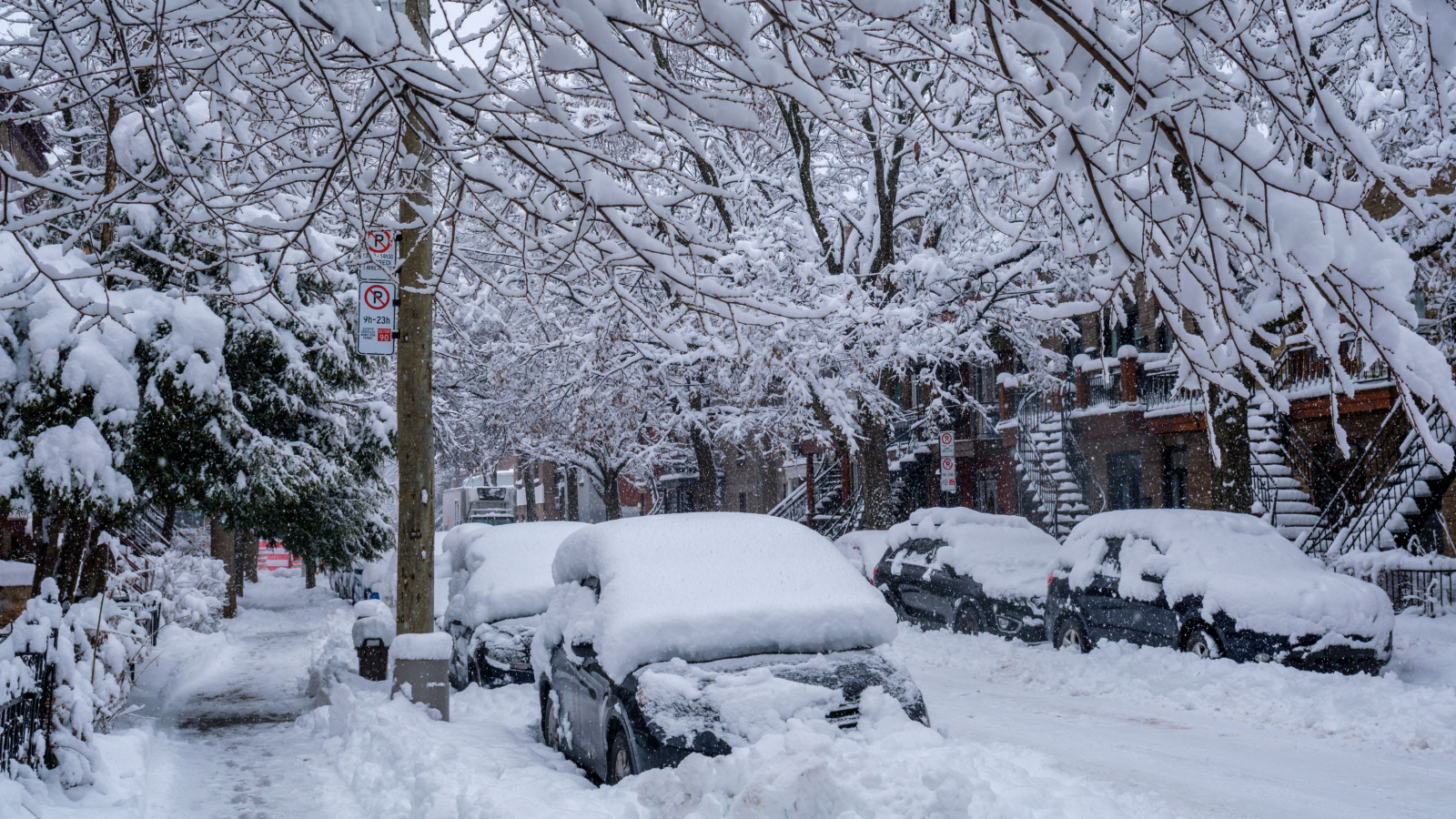
Canada’s identity is deeply tied to predictable seasonal rhythms: snow that stays, spring runoff, frozen lakes, autumn colour and summers warm enough for crops without becoming dangerous. Those rhythms have always varied, but climate change is shifting averages and increasing extremes. A winter festival may struggle with unsafe ice, a farmer may face drought followed by intense rain, and a northern community may see roads built on frozen ground open for a shorter season.
Canada’s annual average temperature has risen at roughly twice the global rate, with northern Canada warming at about three times the global average. Federal climate assessments also project more frequent extreme heat, changing precipitation and continued loss of snow, glaciers, sea ice and permafrost. These are national findings, but their effects are local and personal. A family that once stored skates by the back door may now wait for municipal ice updates; a homeowner may manage both spring flooding and summer water restrictions in the same year. The calendar remains familiar, yet the conditions attached to each month feel increasingly negotiable.
Safe Drinking Water in Every Community

Turning on a tap and expecting safe water is one of the clearest symbols of a functioning country. Most Canadians can do so without hesitation, but that confidence has never been equally shared. Long-term drinking-water advisories in First Nations communities expose a profound gap between national expectations and lived reality. Even outside those communities, major water-main failures and contamination notices remind residents that treatment plants, pipes, trained operators and monitoring systems require constant investment.
As of June 4, 2026, Indigenous Services Canada listed 38 active long-term drinking-water advisories on public systems on reserve in 36 communities, affecting roughly 5,457 homes and 334 community buildings. The department also reported that 156 long-term advisories had been lifted since 2015 and that billions had been committed to water infrastructure—real progress that should not be overlooked. Yet an advisory lasting more than a year changes daily life: families boil water, haul jugs and question whether bathing or cooking is safe. Clean water is often described as basic infrastructure; its absence reveals how fragile “basic” can be.
Electricity That Stays On Through Extremes

Electricity is so integrated into modern life that a long outage disables far more than lights. Heating systems, elevators, payment terminals, cellular charging, medical devices, well pumps and remote work can all fail together. Canada’s grids are generally reliable, but severe weather, aging infrastructure and rising demand create moments when that reliability feels conditional. A household may own candles and a battery pack, yet still be unprepared for days without heat during a winter storm.
Federal grid-resilience work identifies severe weather as a leading cause of power outages and fuel-supply disruption. The strain became vivid in January 2024, when extreme cold pushed Alberta and British Columbia to record electricity demand. Alberta issued its first emergency alert asking residents to conserve power to avoid rotating outages; immediate public response helped stabilize the system. That episode was ultimately a success, not a collapse, but it showed how close the margin can become. As homes adopt electric heating and vehicles while heat waves and storms intensify, Canadians increasingly recognize that dependable power depends on planning, interconnections, maintenance and collective action—not merely the flip of a switch.
Public Transit That Can Be Counted On
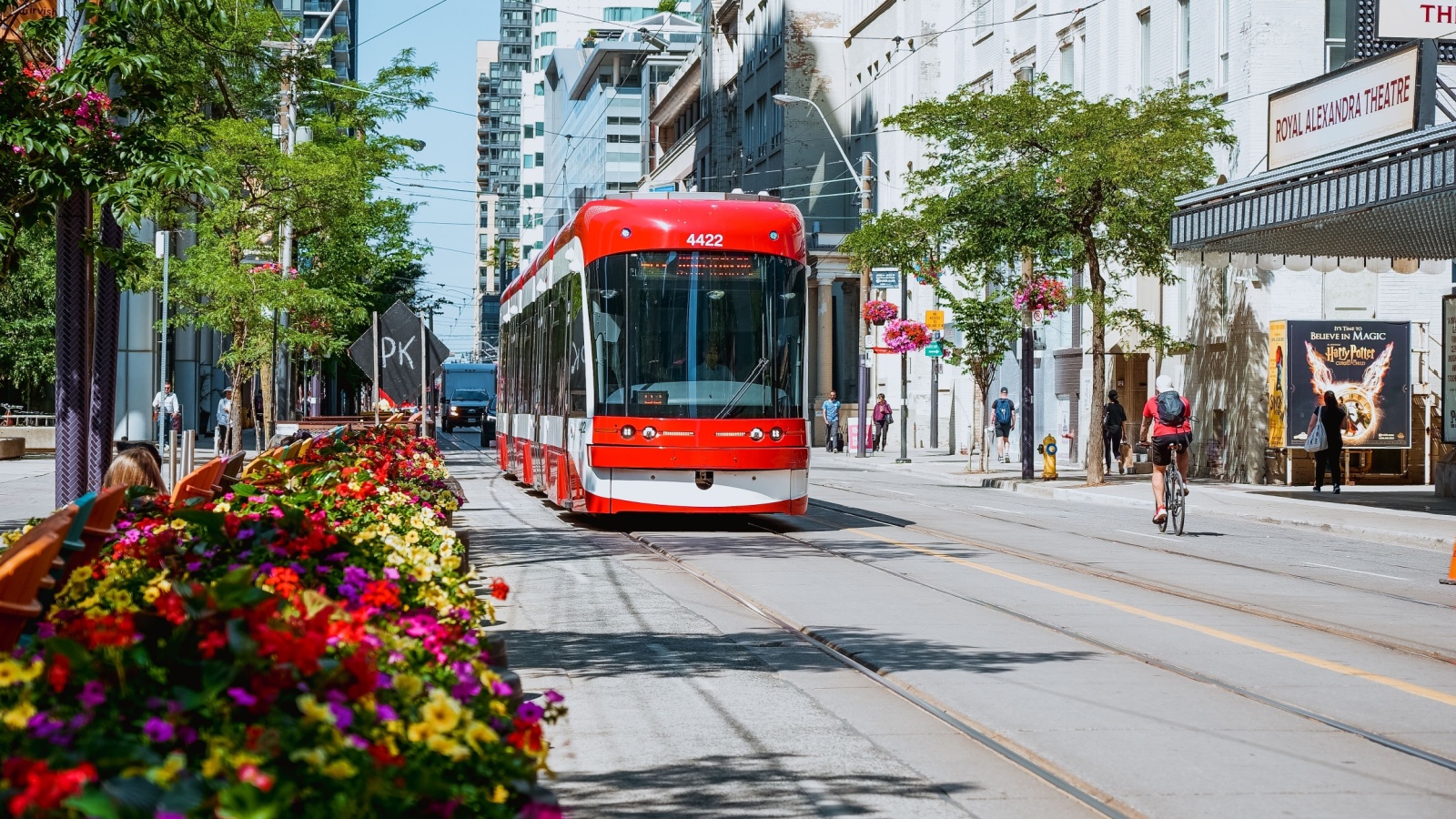
Reliable transit turns a city into a network of reachable jobs, schools, clinics and neighbourhoods. When service is frequent, riders do not need elaborate backup plans. When buses are delayed, routes are cut or connections become unpredictable, the burden falls hardest on people without cars and workers whose shifts cannot move. The fragile part is not simply ridership; it is the confidence that the scheduled bus will arrive early enough to make the next connection.
Canada’s urban transit agencies provided about 1.55 billion passenger trips in 2025, a 2.4 percent decline from 2024 and the first annual decrease since the pandemic. At the same time, governments committed major long-term capital funding, including approximately $25 billion over 10 years through the Canada Public Transit Fund. Capital investment can replace vehicles and build lines, but daily reliability also depends on operators, maintenance and operating budgets. In Metro Vancouver, a projected operating shortfall prompted warnings in 2024 about potentially severe service reductions. For riders, the lesson was simple: a transit map can look permanent while the frequency behind it remains financially vulnerable.
Local News That Keeps Watch

Local journalism once provided a shared record of community life: council decisions, school-board debates, court cases, business openings, road closures and obituaries. It was rarely glamorous, but it placed trained reporters in rooms where public money and authority were being exercised. As outlets close or shrink, residents may still receive endless information online while knowing less about what happened at city hall that morning.
The Local News Research Project at Toronto Metropolitan University counted 603 local news outlets closed in 388 Canadian communities between 2008 and October 1, 2025, while 264 new outlets launched and survived over the same period. New digital publications have filled important gaps, but not always at the scale or stability of what disappeared. A municipal meeting can now pass with no reporter present, leaving residents dependent on official summaries, social-media posts or volunteer accounts. The loss is felt when controversy erupts and no one has followed the issue for years. Local news increasingly feels less like a permanent civic utility and more like a service communities must actively sustain.
Digital Connections That Do Not Suddenly Fail

Phones and internet connections evolved from conveniences into essential infrastructure. They carry work meetings, banking, school assignments, emergency alerts, medical appointments and payments. That concentration creates efficiency, but it also creates cascading failure. When one network goes down, the disruption can spread into 9-1-1 access, retail transactions and institutional services. Even when systems remain online, cybercrime and malicious attacks make users question whether their data and accounts are truly secure.
The July 2022 Rogers outage demonstrated the scale of that dependence: an independent assessment commissioned by the CRTC found that more than 12 million customers lost wireless or wireline service, while payment systems and critical services were also affected. The Canadian Centre for Cyber Security now describes Canada as entering a new era of persistent cyber vulnerability, highlighting fraud, scams, ransomware and threats to critical infrastructure. A single configuration error or compromised system can therefore affect daily life far beyond one device. Canadians still expect connectivity on demand, but many now keep cash, backup authentication methods or a second network option because digital resilience can no longer be assumed.
Shared Confidence in Institutions and Facts
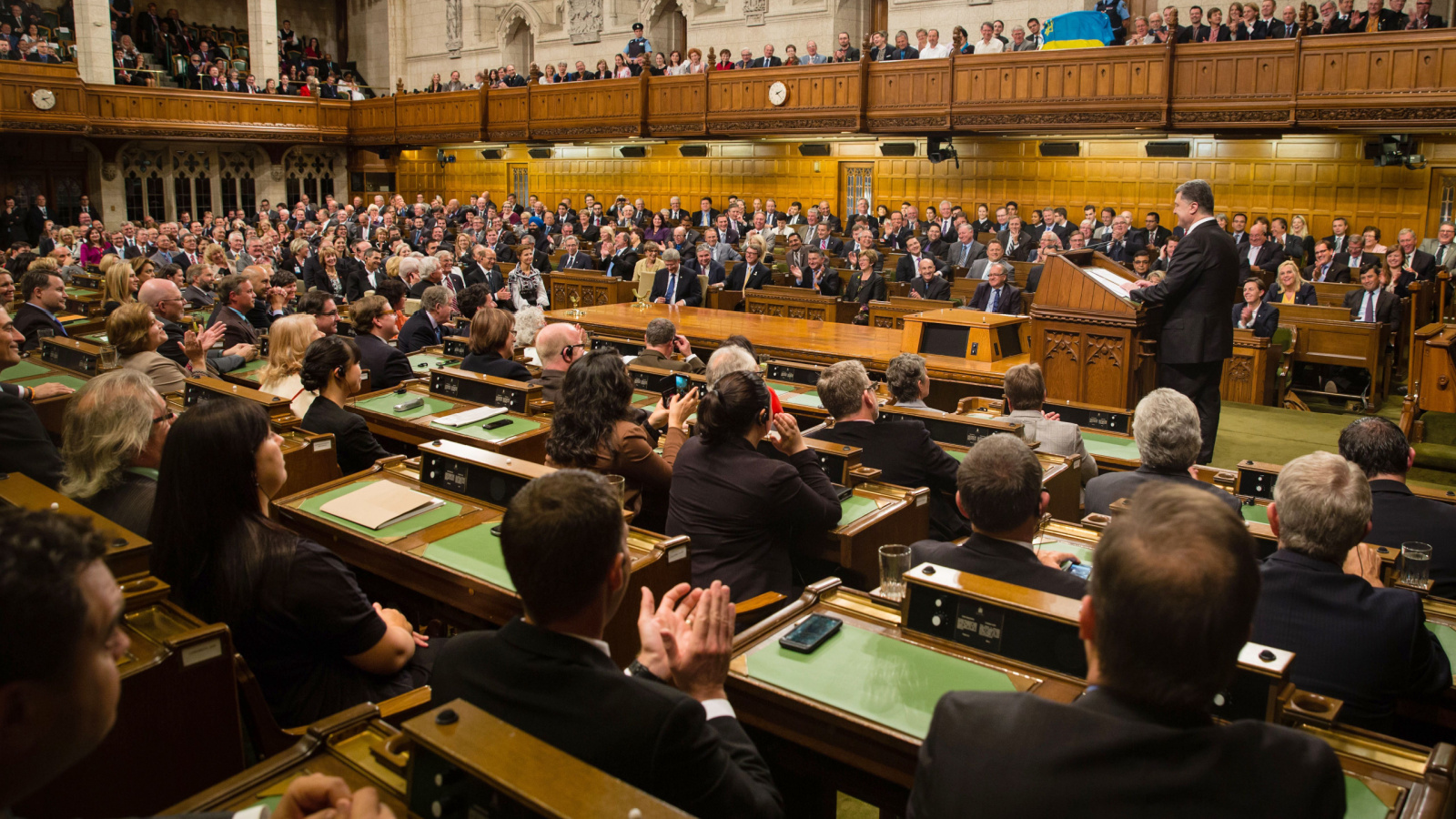
A country functions partly through shared confidence: that courts are fair, public agencies are competent, schools are credible and factual claims can be tested against trusted evidence. Canadians have never agreed on everything, nor should they. What feels more fragile is the common information base that allows disagreement to remain productive. Algorithmic feeds, misinformation and declining local coverage make it easier for citizens to inhabit entirely different versions of the same event.
Statistics Canada found that in the fourth quarter of 2024, 63.4 percent of Canadians reported high confidence in police, 48.2 percent in the justice system, 45 percent in schools, 36.2 percent in Canadian media and 28.3 percent in Federal Parliament. Separate research found that 59 percent were very or extremely concerned about online misinformation in 2023, while 43 percent said distinguishing true from false information had become harder than three years earlier. These numbers do not prove institutional collapse; confidence varies by institution and population. They do show a thinner reserve of trust. When emergencies or difficult reforms require collective action, that reserve matters as much as physical infrastructure.
19 Things Canadians Don’t Realize the CRA Can See About Their Online Income

Earning money online feels simple and informal for many Canadians. Freelancing, selling products, and digital services often start as side projects. The problem appears at tax time. Many people underestimate how much information the CRA can access. Online platforms, banks, and payment processors create detailed records automatically. These records do not disappear once money hits an account. Small gaps in reporting add up quickly.
Here are 19 things Canadians don’t realize the CRA can see about their online income.
