
Canada’s affordability map has changed faster than many long-held assumptions about it. Places once discussed as practical alternatives to Toronto and Vancouver can still cost less, but that comparison increasingly hides how sharply local housing expenses have moved. Renters in several traditionally lower-cost markets are paying considerably more, affordable units remain unusually scarce, and new construction often arrives at prices well above older housing stock.
These 16 Canadian cities illustrate how the meaning of “good value” is shifting. Some are already seeing softer asking rents or higher vacancies in 2026, so this is not a ranking of Canada’s most expensive places. Rather, these are markets where the old bargain narrative is becoming harder to reconcile with what local households now encounter.
Halifax, Nova Scotia

Halifax may be the clearest example of a city whose affordability reputation has struggled to keep up with its housing market. CMHC put the average rent for a two-bedroom purpose-built apartment at $1,826 in 2025, after a 6.7% same-sample increase. Even more revealing was the difference created when tenants moved: CMHC found that a two-bedroom unit was repriced an average of 23% higher when a new tenant took over, compared with roughly 4% growth for sitting tenants. That helps explain why households with older leases can experience a completely different Halifax from newcomers searching today.
There are signs of relief, but not necessarily a return to bargain territory. Halifax’s purpose-built vacancy rate rose to 2.7%, and additional construction has created more choice. Yet CMHC said affordable units remained scarce and identified Halifax as one of the markets where affordability for existing tenants deteriorated most significantly in recent years. Rentals.ca and Urbanation reported an average asking rent of $2,365 across listed Halifax properties in July 2026, up 4.8% year over year. Halifax can still compare favourably with some larger Canadian cities, but the old assumption that moving east automatically produces cheap housing is increasingly outdated.
Moncton, New Brunswick

Moncton remains less expensive than many major Canadian markets, which is precisely why its changing numbers matter. CMHC reported an average 2025 purpose-built rent of $1,164 for a one-bedroom apartment and $1,453 for a two-bedroom. For two-bedroom units in buildings included in both survey years, rents increased 4.7%. The overall purpose-built vacancy rate was 3.9%, suggesting renters had more options than in extremely tight markets. Still, a monthly housing bill approaching $1,500 before utilities, transportation and other expenses looks very different from the image many households associate with a smaller Atlantic Canadian city.
The local context also matters. Moncton’s metropolitan population reached 196,143 in 2025 according to Statistics Canada figures reported through CMHC, following years in which population growth helped transform the housing market. Migration slowed substantially in 2025, and construction remained active, which could moderate future pressure. That is good news for renters. But it also underscores the distinction at the heart of Moncton’s changing value proposition: a market can become better balanced without reversing the price reset that already occurred. Someone arriving from a much more expensive province may still see a deal; a long-time resident comparing today’s rent with earlier local expectations may see something quite different.
St. John’s, Newfoundland and Labrador

St. John’s still posts rental figures that look modest beside Vancouver, Toronto or Halifax, yet the pace of change is difficult to ignore. CMHC reported an average purpose-built rent of $1,086 for a one-bedroom apartment in 2025 and $1,361 for a two-bedroom. The same-sample increase for two-bedroom units was 7.6%, while one-bedroom rents increased 6.2%. Those are sizeable annual movements in a city where lower housing costs have historically been a major part of the financial case for living there.
Availability was also relatively tight. CMHC measured the overall purpose-built apartment vacancy rate at 2%, with two-bedroom vacancies at only 1.7%. The picture is not one of universally unaffordable housing; St. John’s remains less costly than many Canadian metros. The more relevant issue is how quickly the distance between St. John’s and higher-cost markets can shrink when local rents rise faster than households expect. A renter paying $1,361 may reasonably view that as attractive after leaving a $2,500 market. For residents earning Newfoundland and Labrador wages, however, the comparison with Toronto is less important than the increasing share of a local paycheque required to secure the same type of apartment.
Quebec City, Quebec

Quebec City continues to rank among Canada’s less expensive large rental markets, but its recent rent growth makes the traditional bargain label less comfortable. CMHC reported a 2025 average purpose-built two-bedroom rent of $1,277 and a vacancy rate of 2.4%. Those headline numbers look favourable nationally. Underneath them, however, CMHC found that rent growth reached a record 6.4% in 2025. Apartments changing tenants recorded an even sharper 10% increase, while only 13% of renter households moved during the year, described by CMHC as a historic low.
The shortage is concentrated where affordability matters most. Newly constructed apartments had vacancy rates approaching 6%, while units renting below the market median had vacancies of roughly 1%. That produces a familiar modern housing problem: plenty of cranes and new apartments do not automatically mean plenty of inexpensive apartments. Rentals.ca and Urbanation still ranked Quebec City among the country’s more affordable large markets in July 2026, at an average asking rent of $1,518. That relative advantage is real. What is fading is the assumption that Quebec City’s affordability is static. A city can remain cheaper than its peers while simultaneously becoming considerably more expensive for its own residents.
Montreal, Quebec

Montreal’s old value proposition was never simply that housing was cheap. It was that a major cultural and economic centre could offer rents that looked surprisingly low beside Toronto and Vancouver. That gap still exists in many neighbourhoods, but CMHC’s 2025 numbers show why the comparison is becoming less reassuring. The average purpose-built two-bedroom rent reached $1,346 after rising 7.2%. CMHC explicitly found that rent growth outpaced income growth, worsening affordability despite a rental market that was otherwise becoming less tight.
Turnover tells an even stronger story. The average rent on a two-bedroom apartment leased to a new tenant climbed from $1,407 in 2024 to $1,644 in 2025. Affordable units remained scarcer than higher-priced properties even as new construction pushed the overall vacancy rate to 2.9%. By mid-2026, asking rents were showing more stability and some decline, reflecting greater competition among landlords. That should help households entering the market. It does not erase the cumulative increase in housing costs that changed Montreal’s starting point. The city’s relative affordability remains one of its advantages, but “cheaper than Toronto” is increasingly different from “cheap enough to feel easy.”
Gatineau, Quebec
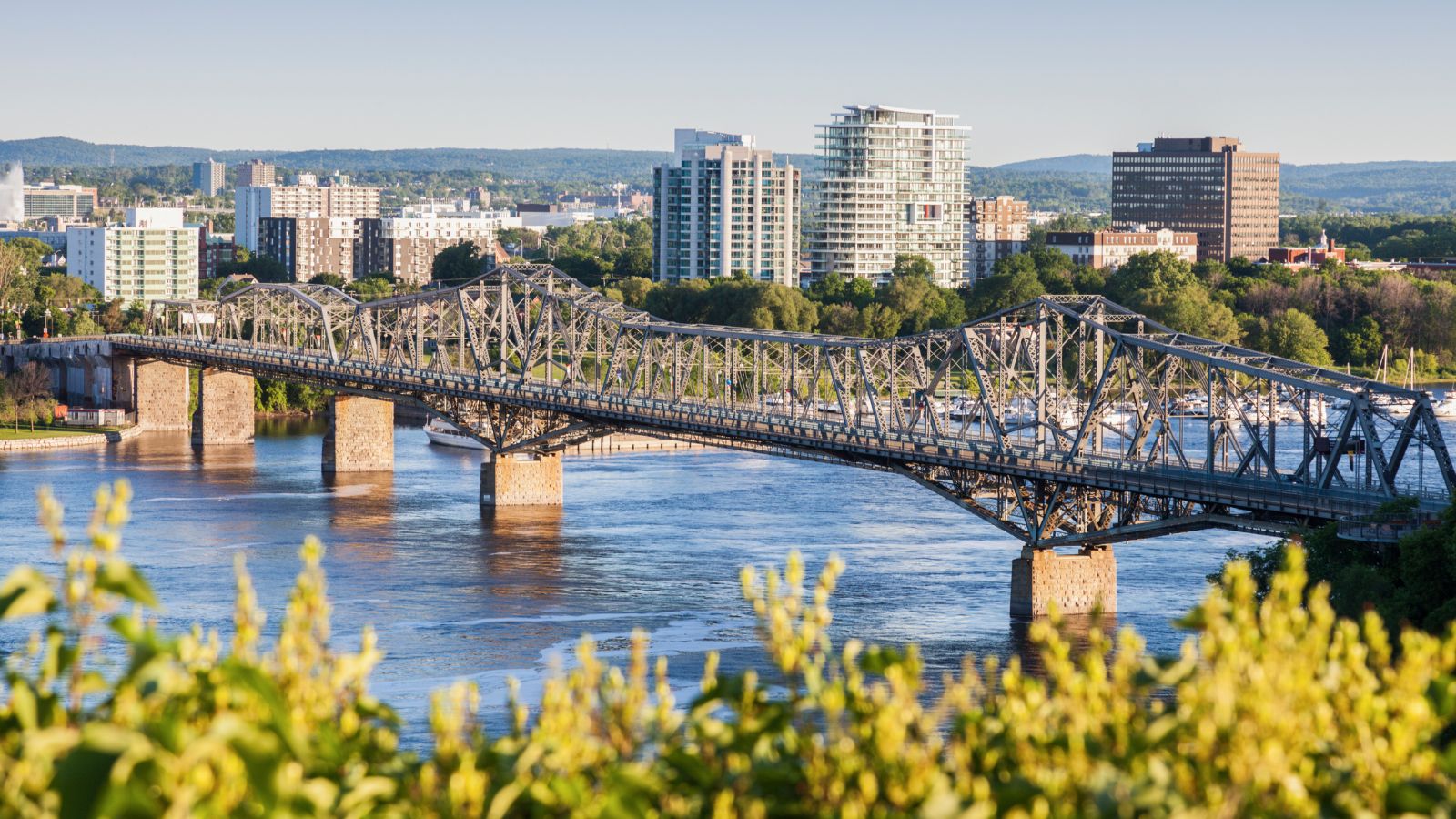
Gatineau has long benefited from one of Canada’s most obvious geographic value comparisons: living across the river from Ottawa could provide access to the same employment region with lower housing costs. That advantage has not disappeared, but it has become less dramatic. CMHC reported an average purpose-built two-bedroom rent of $1,460 in 2025, up 4.7%. The rental vacancy rate increased to 3.8%, yet rents continued climbing even as supply expanded and demand softened.
Much of the contradiction comes from what was actually being built. New rental apartments had a vacancy rate of about 10%—nearly three times Gatineau’s overall rate—because much of the additional supply was concentrated in more expensive units. CMHC simultaneously reported that lower-cost housing remained scarce. That means visible construction can create negotiating power at the upper end without doing nearly as much for a household searching for the least expensive acceptable apartment. Gatineau still offers savings compared with many Ottawa options, but households increasingly have to calculate the difference carefully instead of assuming that crossing the provincial boundary automatically delivers a major housing bargain. The value remains; the size of that value is less certain.
Ottawa, Ontario

Ottawa occupies an unusual place in Canada’s affordability conversation. It has never been a genuinely cheap city, but stable public-sector employment and prices below Toronto historically made the capital look comparatively sensible. Housing costs have weakened that calculation. CMHC reported a 2025 average purpose-built two-bedroom rent of $1,926, up 3.4%, while two-bedroom rental condominiums averaged $2,503. The rental market itself became somewhat easier, with the overall purpose-built vacancy rate rising to 3%.
Unfortunately, the extra vacancies were concentrated largely in expensive housing. Units built since 2015 had a 6.7% vacancy rate, more than twice the metropolitan average, while apartments in the lowest rent quartile had vacancy rates below 1%. CMHC concluded that affordability continued to decline because rent increases were outpacing wage gains. Vacant apartments were about 13% more expensive than occupied ones, with the gap reaching 17% for units with two or more bedrooms. That creates a strange situation in which Ottawa can simultaneously have more apartments sitting empty and very little meaningful relief for households shopping at the lower end of the market.
Hamilton, Ontario
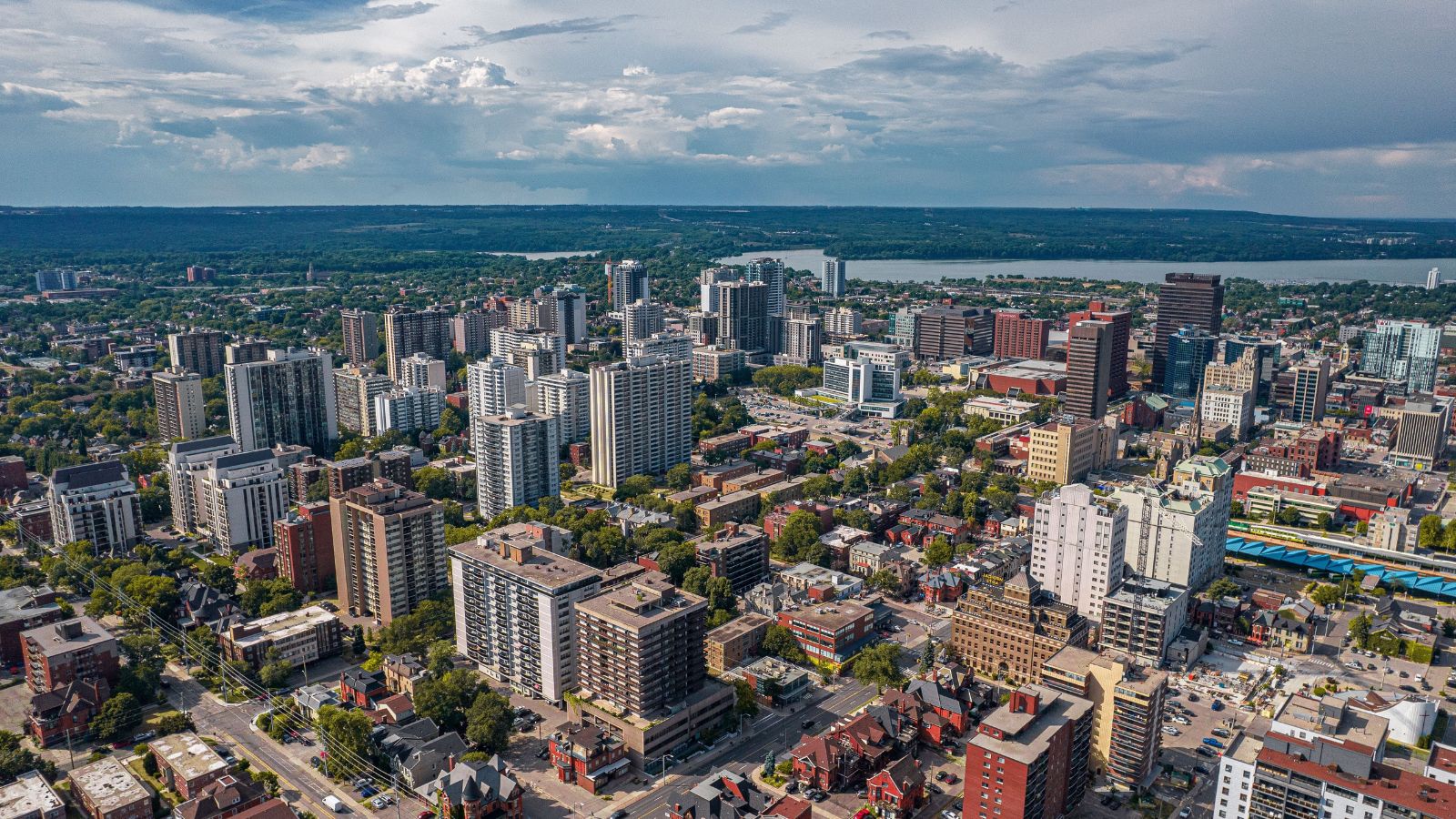
Hamilton became one of the most visible alternatives for households priced out of Toronto, particularly when commuting into the Greater Toronto Area seemed worth the trade-off for cheaper housing. That calculation is considerably less straightforward today. CMHC placed the average 2025 purpose-built two-bedroom rent at $1,656. Rental condominiums were far more expensive, averaging $2,831 for two bedrooms. Although traditional apartment rent growth slowed to 1.6%, these are no longer the kinds of numbers that automatically make Hamilton feel like a low-cost substitute for the GTA.
Interestingly, tenants gained more negotiating room during 2025. Hamilton’s purpose-built vacancy rate reached 3.6%, its highest level since the pandemic, while student demand weakened and condominium rental supply increased. There were also 1,337 purpose-built rental apartments under construction in the third quarter of 2025, close to a record level for the city. More supply could help stabilize future costs. Still, the bargain reputation was built during an era when moving west from Toronto could create an obvious housing discount. With two-bedroom condominium rents nearing $3,000, location, commute costs and housing type now matter too much for that old assumption to work automatically.
Kitchener, Ontario
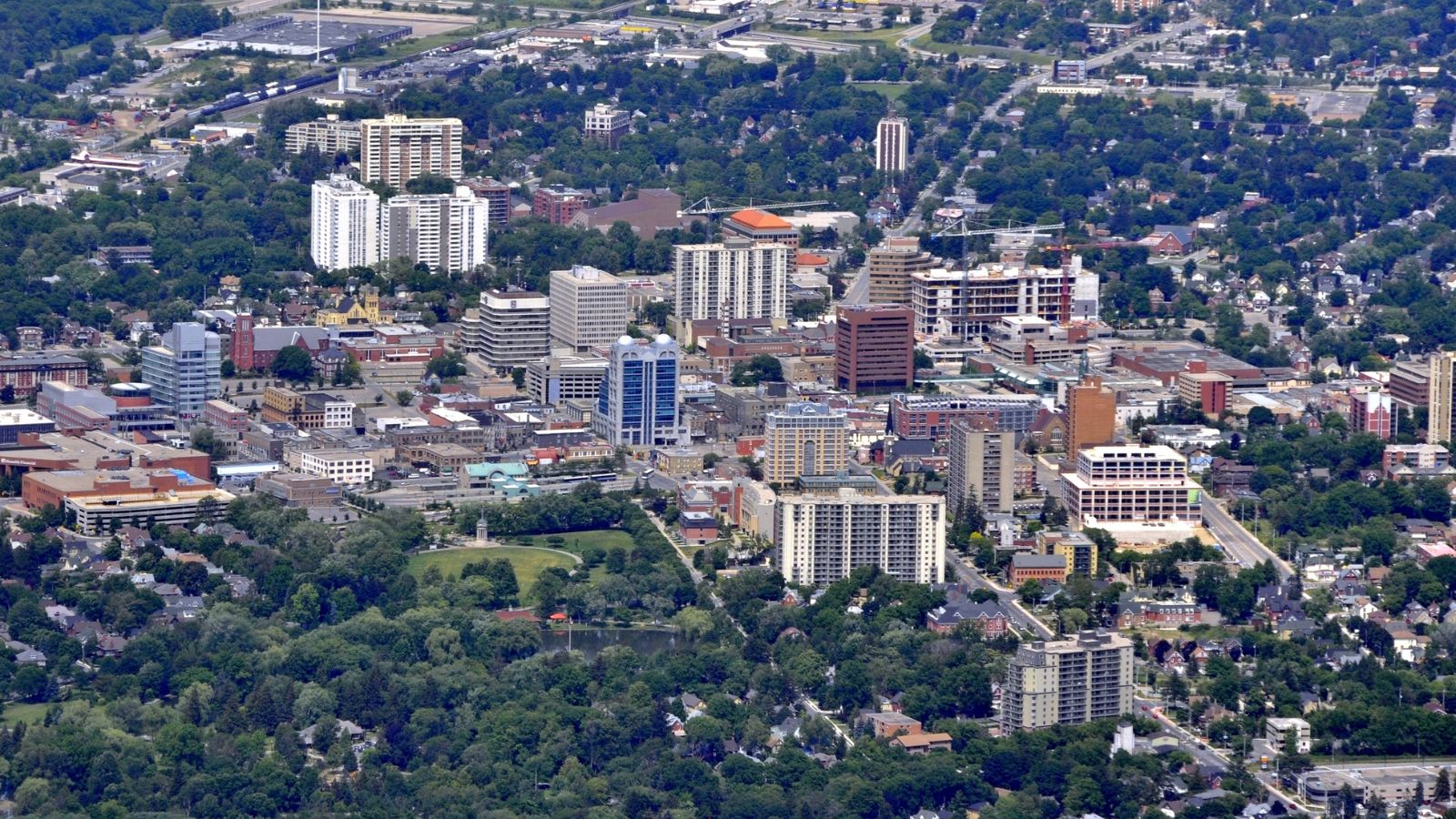
Kitchener and the wider Waterloo Region became magnets for technology workers, students and Toronto-area households seeking more space for less money. The area’s housing market eventually absorbed much of that demand. CMHC’s Kitchener–Cambridge–Waterloo data put the average 2025 purpose-built two-bedroom rent at $1,832, with rents up 3.3%. Two-bedroom rental condominiums averaged $2,197. Those figures make the region less obviously inexpensive than its earlier reputation suggests, particularly for households whose earnings are not tied to its highest-paying technology jobs.
The irony is that renters now have considerably more choice overall. The purpose-built vacancy rate remained at 4.1% in 2025, a multi-decade high, while new apartment supply grew 2.8%. Yet CMHC found that most newly added units were not affordable to lower-income renters. Vacancy among the least expensive apartments remained below 1%. Landlords in some higher-end buildings were offering incentives such as one or two months of free rent, demonstrating how uneven the market has become. A household able to afford a new apartment may negotiate a deal; someone searching at the bottom of the market can still face intense competition.
London, Ontario
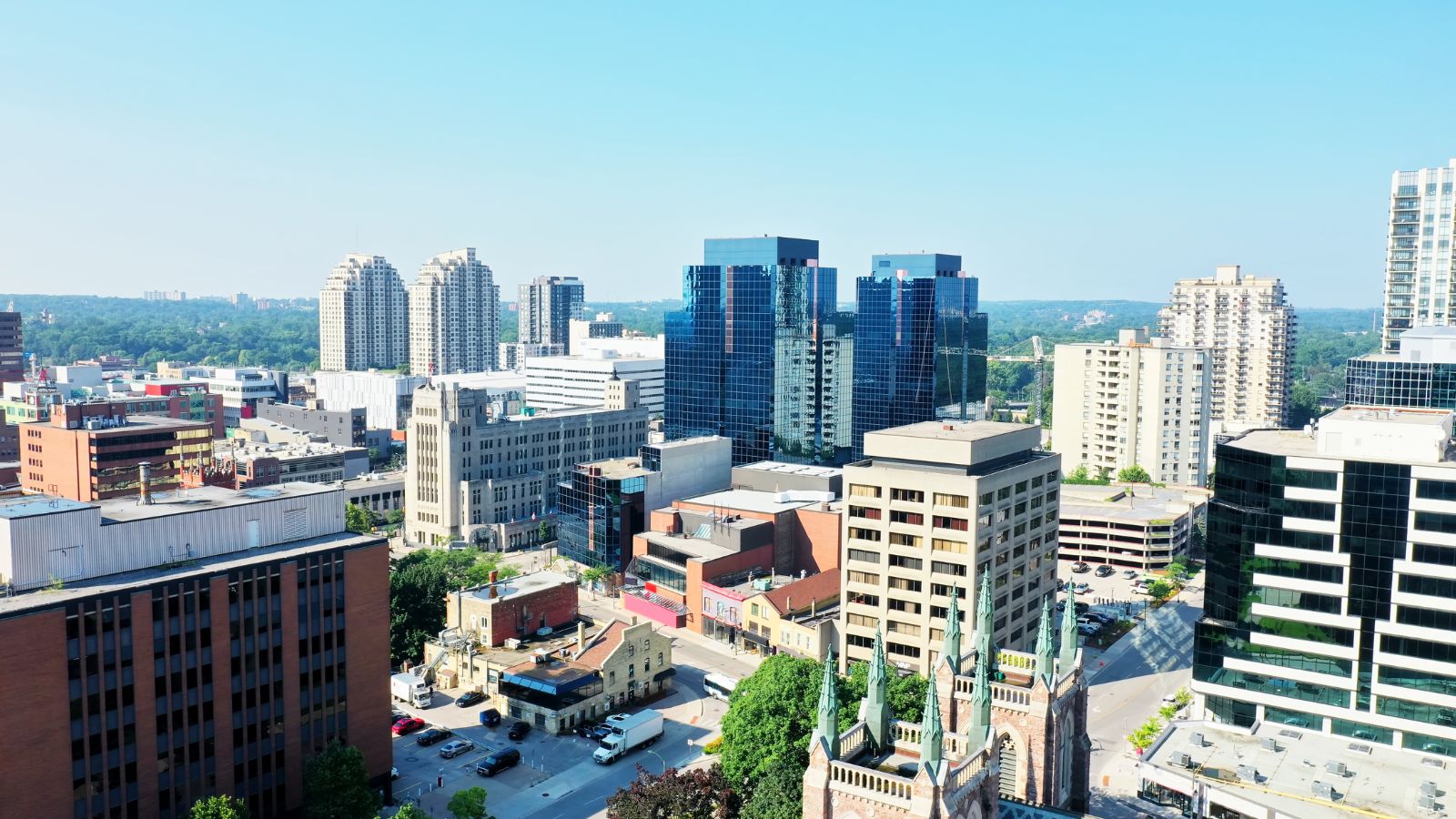
London was once an obvious answer for households wanting a sizable Ontario city without Toronto-area housing costs. It remains cheaper than Toronto, but its rental prices now require much more of a local budget. CMHC reported a 2025 average purpose-built two-bedroom rent of $1,651, up 4.1%. Rental condominiums averaged $2,132 for two bedrooms. These numbers arrived even as the city’s rental market became substantially less competitive for landlords.
London’s purpose-built vacancy rate reached 4% in 2025, its highest level since 2010. Rental construction was also unusually strong: 2,585 purpose-built apartments were completed between January and September 2025, surpassing the previous record established only a year earlier. Weaker international-student demand helped create additional vacancies, and rents on units changing tenants actually edged down. Those developments could eventually provide meaningful relief. However, CMHC noted that lower-priced available housing still represented a smaller share of supply than the metropolitan average. The result captures the broader affordability shift perfectly: the market is softer, renters have more leverage, and yet the baseline monthly cost is still far higher than the old “London is cheap” shorthand implies.
Windsor, Ontario
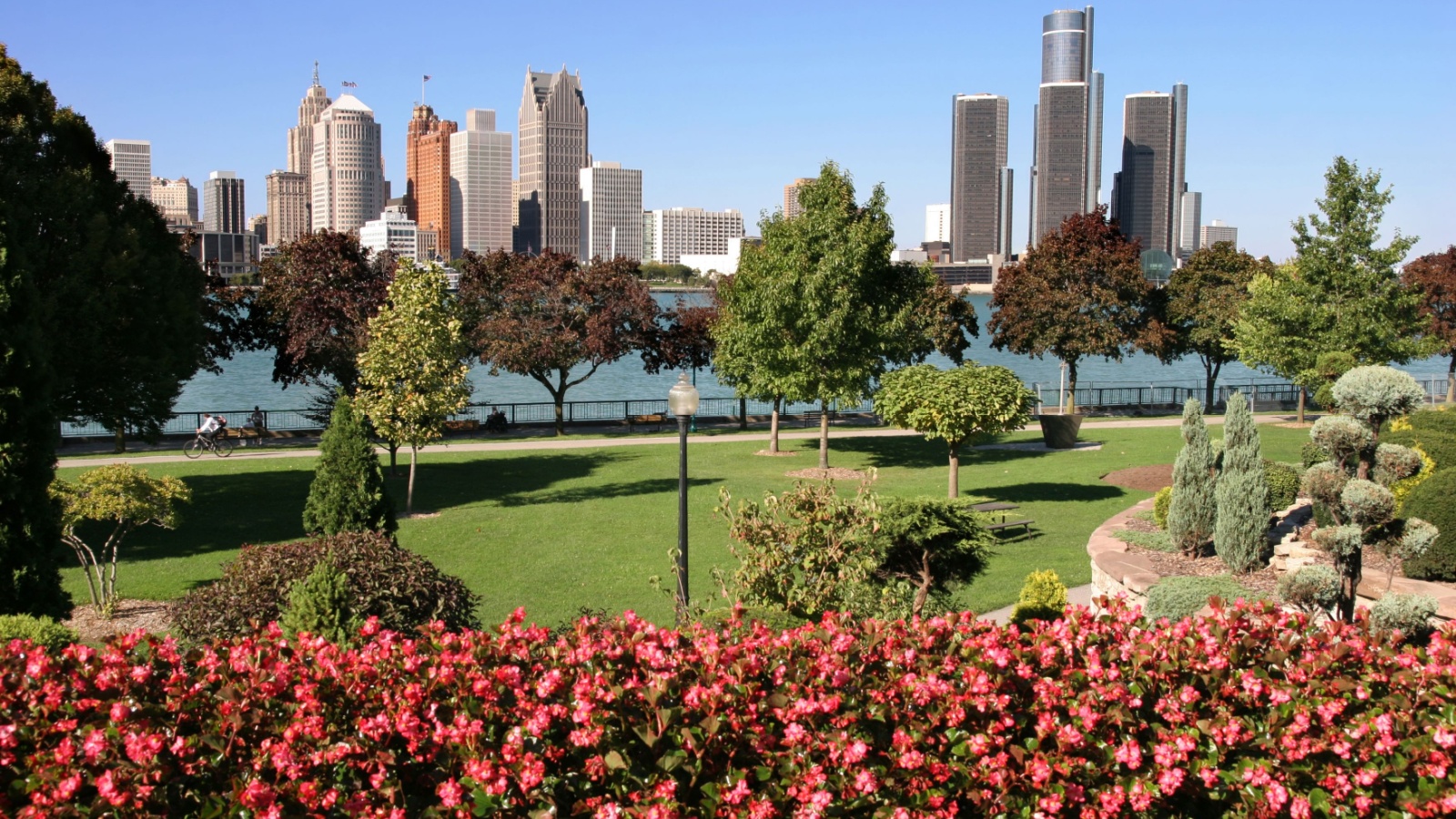
Windsor’s housing pitch has traditionally been easy to understand: a major border city, extensive manufacturing employment and real estate prices well below much of southern Ontario. It remains one of Ontario’s lower-cost larger markets, but its housing advantage has narrowed. CMHC reported an average purpose-built two-bedroom rent of $1,454 in 2025, up 3.6%, while the overall apartment vacancy rate stood at 3.7%. The rental stock itself expanded 3.6% during the year.
Those figures are especially noteworthy because demand was not booming. Windsor faced weaker international migration, fewer international students and substantial economic uncertainty in manufacturing. CMHC reported an unemployment rate of 10.1% in October 2025, the highest among Canada’s metropolitan areas at the time. Normally, a combination of softer employment and increased housing supply might be expected to produce obvious bargains. Instead, turnover rents were largely unchanged while the overall rent level remained elevated compared with Windsor’s earlier low-cost identity. Windsor can still deliver better housing value than many communities closer to Toronto, but the economic trade-off deserves more scrutiny when local wages and employment conditions are considered alongside rent.
Winnipeg, Manitoba

Winnipeg still deserves to be called relatively affordable by large-city Canadian standards. The problem is that “relative” is doing more work than it once did. CMHC reported an average purpose-built two-bedroom rent of $1,571 in 2025, up 1.9%. The vacancy rate rose to 2.8% as new supply outpaced slower-growing demand, helping bring rent growth under better control. In fact, wage growth exceeded rent growth that year, providing renters with some genuine improvement.
Homeownership tells another part of the story. The Winnipeg Regional Real Estate Board reported that the average detached home sold for $483,910 in June 2026. That was 2% above the previous June and 8% higher than the five-year average. The board described it as the highest June average price on record, while the first-half average of $477,169 was 4% higher than in 2025. None of those numbers puts Winnipeg in Toronto or Vancouver territory. They do, however, change expectations. A nearly half-million-dollar detached-home market combined with two-bedroom rents above $1,500 does not resemble the ultra-low-cost image that outsiders sometimes still attach to the city.
Regina, Saskatchewan

Regina remains one of Canada’s cheapest larger rental markets in absolute terms. Rentals.ca and Urbanation placed its average asking rent at roughly $1,403 in July 2026. But looking only at the national ranking misses the direction of travel. CMHC reported that a two-bedroom purpose-built apartment averaged $1,473 in 2025, after a 4.2% same-sample increase. More importantly, CMHC found that rent increases were still above Regina’s 10-year average and were outpacing wage gains, leaving affordability strained.
Vacancy also remained relatively tight for a prairie market accustomed to periodically abundant rental supply. The purpose-built rate held at 2.7%, below its 10-year average, and larger family units were particularly competitive: vacancy for apartments with three or more bedrooms fell from 3.9% to 1.4%. Saskatchewan provides useful longer-term context. Rentals.ca reported that provincial apartment and condominium rents were 25.7% higher over three years, the largest increase among provinces in its July 2026 dataset. Regina is still inexpensive compared with Canada’s costliest cities, but the pace of that provincial rent reset explains why longtime residents may feel the bargain disappearing faster than national comparisons suggest.
Saskatoon, Saskatchewan

Saskatoon presents much the same paradox as Regina, but with slightly higher purpose-built housing costs. CMHC reported an average two-bedroom rent of $1,548 in 2025, up 5.2%. The overall vacancy rate rose from 2% to 3.3%, yet remained below its 10-year average. Rental supply increased by 4%, and landlords—particularly at the higher end—began using incentives more frequently. On the surface, those conditions sound like the beginnings of an affordability recovery.
The lower end tells a different story. CMHC found that demand for affordable apartments remained strong and vacancy was lowest among cheaper units. Rent growth continued to exceed wage growth, meaning the typical improvement in rental availability did not necessarily translate into stronger purchasing power. Moving also carried a price: units that turned over to new tenants rented for an average of 7% more than comparable units that did not. Rentals.ca still ranked Saskatoon among Canada’s more affordable large rental markets in July 2026, with an average asking rent around $1,402 across its listings. That national standing matters, but so does Saskatchewan’s 25.7% three-year provincial rent increase. Saskatoon remains comparatively inexpensive; it simply is not the same bargain it was.
Calgary, Alberta

Calgary shows why a city can experience falling asking rents and still belong on a list about fading value. CMHC reported an average purpose-built two-bedroom rent of $1,914 in 2025. The average turnover rent had been $1,486 in 2022; by 2025 it was $1,836. Much of the big affordability adjustment therefore happened before the current period of softer conditions. In 2025, same-sample two-bedroom rent growth was statistically flat as landlords competed harder for tenants.
Supply has arrived aggressively. Calgary’s purpose-built rental stock grew 11% in 2025, the fastest pace in decades, while the vacancy rate held at 5%. Rentals.ca reported Calgary asking rents down 4.5% year over year by July 2026. That is real relief for new renters. Yet CMHC’s June 2026 analysis found that affordability for existing tenants had deteriorated particularly sharply in Calgary over recent years, with its rent-to-income measure approaching levels seen in Toronto. The lesson is not that Calgary is becoming unaffordable every month. It is that the city’s old discount was substantially repriced before the market finally cooled. Today’s incentives soften the landing without rebuilding yesterday’s cost structure.
Edmonton, Alberta

Edmonton arguably retains the strongest big-city value case on this list, which makes its inclusion useful rather than contradictory. CMHC reported a 2025 average purpose-built two-bedroom rent of $1,603, up 3.5%, considerably below Calgary and most large Ontario markets. Vacancy increased to 3.8%, construction remained strong, and landlords offered discounts or incentives in some newly completed properties. By July 2026, Rentals.ca reported Edmonton asking rents down 3.6% from a year earlier.
But the longer comparison shows how much Edmonton’s baseline moved first. CMHC’s average turnover rent for a two-bedroom apartment increased from $1,297 in 2022 to $1,600 in 2025. Newer apartments were significantly more expensive still: CMHC calculated an average two-bedroom rent of $2,182 for newer stock in Edmonton’s core compared with $1,660 across all core apartments. Encouragingly, Edmonton was one of the few key markets where CMHC found affordability for existing tenants improving by early 2026, thanks to additional supply and wage growth. That makes Edmonton less a story of a worsening crisis than of a bargain being partially restored after several years of rapid repricing.
19 Things Canadians Don’t Realize the CRA Can See About Their Online Income

Earning money online feels simple and informal for many Canadians. Freelancing, selling products, and digital services often start as side projects. The problem appears at tax time. Many people underestimate how much information the CRA can access. Online platforms, banks, and payment processors create detailed records automatically. These records do not disappear once money hits an account. Small gaps in reporting add up quickly.
Here are 19 things Canadians don’t realize the CRA can see about their online income.
