
Healthcare waiting is no longer simply time spent in a queue. It can become a variable in work, travel, caregiving, retirement, housing and family decisions. In 2024, 36% of Canadians who had an initial specialist consultation waited at least three months, and 83% of that group said the wait affected their lives. At the same time, access pressures extend across primary care, diagnostic imaging, elective surgery, mental-health services and home care.
These 18 ways show how uncertain or delayed healthcare access can push households to build more flexibility, backup arrangements and financial breathing room into everyday decisions, sometimes long before an appointment or treatment date is known.
Calendars Are Becoming More Provisional
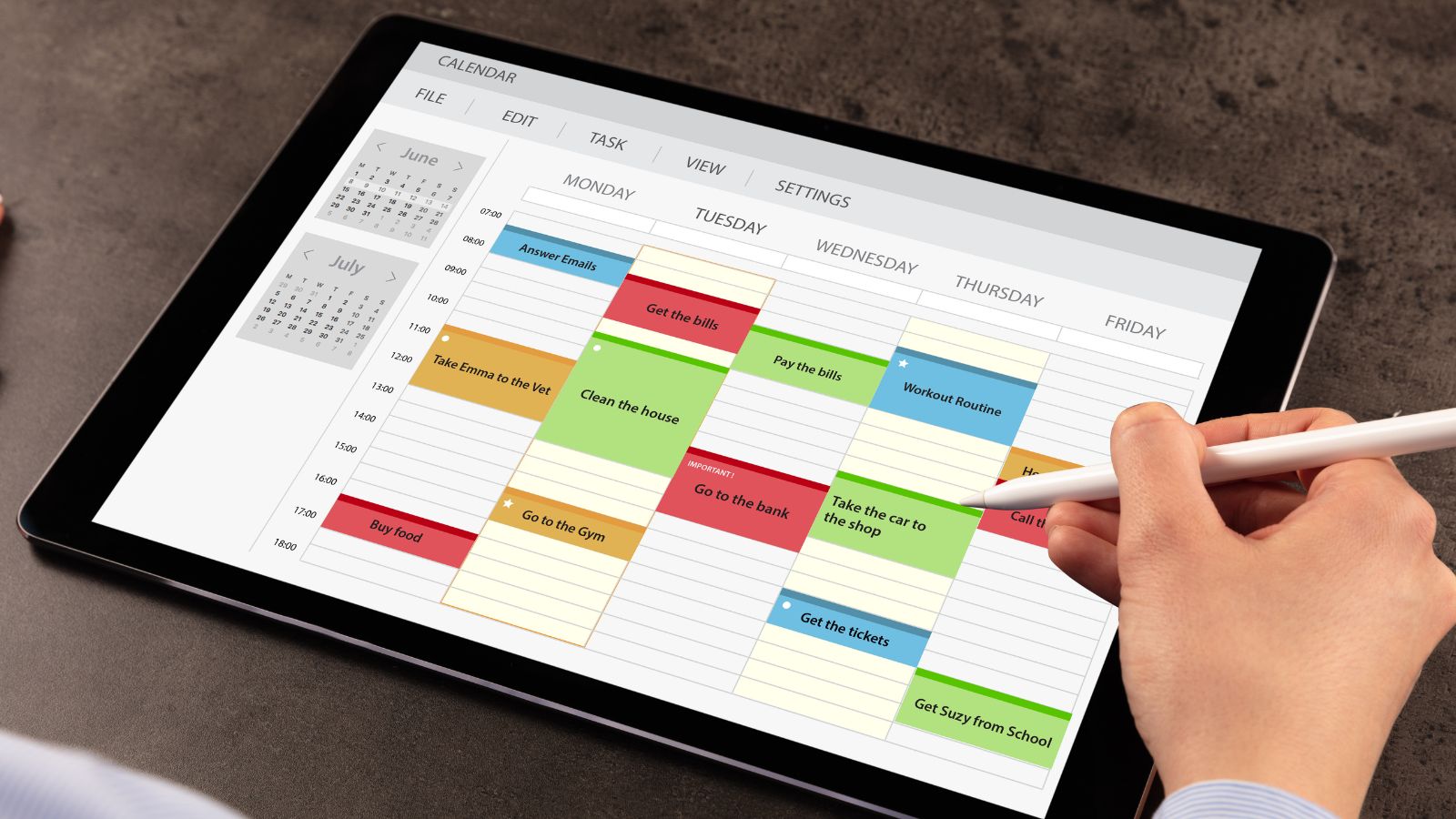
Healthcare waits increasingly turn firm plans into placeholders. In 2024, 36% of Canadians who had an initial specialist consultation waited three months or longer. Among people in that longest-wait group, 83% said the delay affected their lives. That makes an appointment date more than a medical detail: it can determine when someone travels, accepts a project, schedules a family event or commits to a purchase.
For households living with that uncertainty, calendars often need built-in escape routes. A couple may avoid non-refundable travel while waiting for a surgical call, while a parent may keep help available in case an appointment appears on short notice. The change is important. Instead of planning around known dates, people may plan around the possibility that healthcare could claim a day, week or recovery period. That uncertainty can also make simple commitments feel riskier, especially when cancellation fees or fixed dates are involved as well.
Vacation and Sick Days Are Becoming Healthcare Reserves

Waiting for care can change how workers think about vacation days, sick leave and even overtime. A 2026 peer-reviewed Canadian study discussing surgical delays cited a 2023 estimate that patients lost $2,871 annually in wages and productivity because of delays. The cost is not necessarily a hospital bill; it can arrive as missed shifts, reduced hours, repeated appointments or a recovery date that remains difficult to predict.
That uncertainty encourages some households to preserve paid time off rather than spend it freely. A tradesperson awaiting a procedure may hesitate to book a long summer trip. An office worker may keep vacation days untouched in case diagnostic appointments cluster together. For people without paid leave, the calculation can be harsher: every medical visit may compete directly with income. Healthcare waiting therefore becomes part of employment planning, not merely a question of patience. Even routine follow-ups can consume leave unexpectedly too.
Mobility Plans May Revolve Around Joint-Replacement Queues

Joint-replacement queues can reshape plans months before surgery. In 2024, 68% of hip replacements and 61% of knee replacements were completed within the national 26-week benchmark. Both rates remained below 2019 levels even though procedure volumes had risen. For someone whose mobility is limited, that gap between referral and treatment can affect commuting, exercise, caregiving duties and decisions about whether a home remains practical.
A person waiting for a knee replacement may postpone a walking-heavy vacation, ask for modified duties at work or rely more on a partner for groceries and errands. Families can also delay renovations, moves or other projects that depend on physical capacity. The important shift is that recovery planning starts before a surgery date exists. People are not only arranging life around an operation; they are arranging life around the uncertain period leading up to it. This is especially significant when pain already limits daily independence.
Major Decisions May Wait for an MRI or CT Result

Diagnostic imaging can become the gatekeeper for everything that comes next. Canada’s radiology association reported in 2026 that, in many provinces, one in 10 patients waited substantially longer than 100 days for an MRI or 66 days for a CT scan. Demand has climbed sharply: between 2006 and 2023, annual MRI volumes more than doubled, while CT volumes rose by about 90%. Those scans often determine whether treatment, referral or surgery can proceed.
When a diagnosis depends on imaging, long-range planning can feel premature. Someone with persistent back pain may delay booking an active holiday until an MRI clarifies what is safe. A family may keep transportation and child-care options flexible for a scan offered at an inconvenient hour or distant site. The practical burden is not simply the waiting period itself. It is the chain of decisions that cannot be confidently made until the scan produces an answer clearly.
Cancer Care Can Put the Whole Household on a Flexible Schedule

Cancer care shows why even relatively short delays can carry enormous emotional weight. National data indicate that median waits for most cancer surgeries were one to five days longer in 2024 than in 2019. Radiation treatment is often faster: in 2025, half of patients started within 13 days of being ready for treatment and 90% within 22 days, against a 28-day benchmark. Yet each interval can still dominate a household’s calendar.
Families often organize transportation, work coverage and caregiving before treatment begins, because the schedule may involve repeated visits rather than one appointment. A spouse may delay travel; an adult child may arrange remote work; grandparents may step in for school runs. These choices reflect more than anxiety. Cancer treatment can require rapid coordination once dates are confirmed, so keeping plans flexible beforehand becomes a practical way to preserve options when the healthcare timetable finally becomes clear. Flexibility becomes preparedness.
Routine Health Problems Need More Time Built Into the Week

Primary care delays are changing the amount of time people reserve for ordinary health problems. In 2024, 17% of Canadian adults did not have a regular healthcare provider. Among adults generally, 74% said they could not get a same- or next-day appointment with a doctor or nurse, and 77% said getting care during evenings, weekends or holidays was not easy. A minor issue can therefore become a scheduling problem before it becomes a medical one.
Instead of assuming a quick clinic visit, households may build backup routes into the week: a virtual appointment, a walk-in clinic, a pharmacist consultation or, when symptoms cannot wait, an emergency department. Parents may avoid booking meetings too tightly around a sick child, while hourly workers may need extra time to locate care before a shift. The result is more contingency planning for health needs that once might have been handled through a family practice.
Young Adults May Factor Healthcare Into School and Job Moves

Younger adults face a particularly unstable primary-care landscape. In 2024, about 73% of Canadians aged 18 to 34 had a regular healthcare provider, compared with 91% of those aged 65 and older. National reporting also identified moving for school or work as one reason people lost a regular provider. That means a new job, degree or city can carry an added healthcare question: how difficult will it be to establish care again?
For a healthy 25-year-old, that may seem secondary until prescriptions, referrals or chronic symptoms require continuity. Someone considering a move can reasonably add clinic availability, pharmacy access and local walk-in options to the same checklist as rent and commuting. The shift is especially relevant for people taking regular medications or managing recurring conditions. Relocation no longer affects only where care happens; it can affect how quickly a person gets back into a dependable care pathway. Planning reduces disruption.
Mental-Health Plans Increasingly Need a Bridge Period

Mental-health waits can force people to plan for a period when support is needed but not yet available. Recent national data found that about two in five people with a mental disorder reported unmet needs. Among adults who received ongoing community mental-health counselling, half began within roughly a month, while one in 10 waited four months or longer. Young adults were especially affected, with 52% reporting unmet needs.
That gap can lead families to create a bridge rather than wait for one ideal service. A student may combine campus supports, virtual counselling and help from family while waiting for longer-term therapy. An employee may reduce commitments during a difficult period instead of assuming care will start immediately. None of those measures replaces appropriate treatment, but the planning reality is clear: when access is uncertain, people often need short-term supports, flexible routines and backup contacts before care begins. Waiting needs managing.
Postpartum Support Is Becoming More Deliberately Planned

The months after childbirth already involve constant scheduling, and healthcare access can add another layer. Statistics Canada found that 13% of mothers and birthing parents who gave birth in 2024 reported an unmet healthcare need. Among those with unmet needs, 54% cited long waits as a reason. People without a regular provider were nearly twice as likely to report unmet needs as those who had one, 22% versus 12%.
That can change how families organize the postpartum period. A partner may extend leave, relatives may stay nearby longer, or parents may keep transportation available for unexpected appointments. Mental-health planning matters too: nearly half of respondents reported emotional or mental-health challenges, and one in five of that group had an unmet mental-healthcare need. In practice, families may treat postpartum support as a network of contingencies rather than assume one provider will be immediately available for concerns. Backup support aids recovery planning.
A Patient’s Wait Can Become the Family’s Schedule

Healthcare waits do not affect only the patient. They also create scheduling work for relatives and friends who provide unpaid care. Statistics Canada reported that in 2022, 23% of women and 19% of men provided unpaid care to adults with long-term conditions or disabilities. Among caregivers, women were more likely than men to coordinate appointments, 48% versus 37%, and women reported a median of 10 caregiving hours per week compared with six for men.
Those hours can alter family calendars in easily underestimated ways. An adult child may keep one weekday flexible for a parent’s specialist call. Siblings may divide transportation, medication pickup and paperwork. A spouse may decline overtime because an appointment could be moved with little warning. Longer or uncertain waits can stretch those arrangements over months, turning caregiving from an occasional favour into an ongoing planning responsibility shared across a household. The wait becomes the family timetable.
Aging at Home May Require Temporary Backup Arrangements

For people trying to remain at home, the wait for home-care services can influence how long relatives need to fill the gap. In 2024–25, half of people receiving publicly funded home care waited only a few days for their first service, but one in 10 waited about a month. That distribution matters because many older Canadians prefer to remain in their homes and communities rather than move into institutional care.
A few extra weeks can change the practical plan. Families may temporarily reduce work hours, hire private help, rearrange sleeping spaces or rotate visits among relatives while formal support is pending. Someone recovering from hospital care may need meal preparation or assistance with bathing before regular services begin. The uncertainty also complicates decisions about whether aging in place is sustainable. Home care is therefore not just a service date; it can become a variable in housing and family-care planning.
Rural Healthcare Can Turn an Appointment Into a Trip

In rural and remote Canada, the wait for care can include the time required to reach it. CIHI found that 9.1% of hospital admissions involved high or very high travel burden, representing more than 250,000 hospitalizations annually. The burden was far greater outside urban centres: 27.9% of rural and remote admissions fell into those categories, compared with 4.4% of urban admissions. More than 30,000 patients travelled at least 500 kilometres.
That turns a medical appointment into a travel plan. A specialist visit may require fuel, lodging, meals and a companion who also misses work. Families in northern communities may coordinate flights or wait for suitable transport, while rural patients may bundle appointments into one trip when possible. The calendar impact is therefore measured in days, not hours. Where someone lives can determine how much life must be reorganized around every episode of care as well.
Healthcare Continuity Is Becoming Part of Moving Decisions

Healthcare access is becoming a practical part of relocation planning. National data show a large age gap in attachment to regular primary care, and people can lose a provider when they move for work or school. That means a relocation that improves housing costs or employment prospects may also reset the process of finding a family doctor or nurse practitioner, obtaining referrals and transferring ongoing care.
For households managing diabetes, pregnancy, recurring prescriptions or specialist follow-up, the medical side of a move can require as much preparation as the physical move itself. People may request prescription renewals before leaving, ask how records will transfer, identify nearby clinics and research after-hours options in advance. The broader lesson is not that Canadians should avoid moving. It is that healthcare continuity has become another location-dependent resource, one that can affect the timing and risk of life changes. That makes advance planning more important.
An Emergency Visit May Require an All-Day Backup Plan

Emergency departments require planning for a potentially long day or night. In 2024–25, half of Canadian emergency patients waited under two hours for an initial physician assessment, while one in 10 waited more than six hours. For patients who were admitted, half waited less than five hours for an inpatient bed after the decision to admit, but one in 10 waited more than 36 hours. About 7.7% left before seeing a physician.
Those numbers change how families prepare for urgent care. A parent may need backup child care; an older adult may bring medications and a phone charger; a companion may expect to miss a shift. None of that should delay emergency care when it is needed. It simply reflects the reality that an emergency visit can consume more time than the trip. The hospital bag now includes a plan for everyone waiting outside the treatment room too.
Waiting Periods Are Becoming More Active

Some Canadians are filling waiting periods with more self-management. A 2026 Statistics Canada study of adults aged 45 and older found that 27.8% reported difficulty accessing specialist care in 2024. Among people dealing with access problems, many sought alternatives: middle-aged adults were more likely than older adults to use over-the-counter medicines, search the internet for health information, seek another professional or location, or ask family and friends for advice.
That does not mean self-treatment should replace care. It does show how access problems reshape the steps people take between appointments. Someone waiting for a dermatology visit may photograph changes over time; another person may ask a pharmacist about symptom relief while a referral is pending. People may also keep notes, track medications or prepare questions so a delayed consultation is more productive. Waiting becomes an active period of information gathering rather than empty time. Preparation can preserve appointment time.
Digital Records Are Becoming Part of Waiting-List Preparation

Digital access is becoming part of the strategy for navigating fragmented care. In 2025, 69% of Canadians could access at least one type of electronic health information, although only 13% could access all measured core components. About 32% used digital tools to help understand or manage their health. Electronic records, portals and virtual services can make it easier to keep results and instructions available when care happens across several providers.
That matters when appointments are spread over months. A patient who can see a test result may arrive at a specialist visit with dates, medication lists and previous findings organized. Families helping an older relative can keep documents together rather than reconstruct the history from memory. Digital tools cannot create a specialist appointment or shorten every queue, and access remains uneven. Still, they can reduce some friction around waiting by helping people stay ready when the next opening finally appears.
Some Indigenous Patients Must Plan Around Additional Barriers

For many Indigenous patients, planning for care can include navigating barriers beyond the appointment queue itself. Statistics Canada reported in 2024 that more than one-quarter of Indigenous people waited two weeks or longer for non-urgent primary care. Separate national findings showed that 24% of First Nations people living off reserve, 23% of Inuit and 18% of Métis who used healthcare reported unfair treatment, racism or discrimination in the previous year.
Those experiences can add time, advocacy and emotional labour to an already difficult care journey. Some families may travel farther to reach a trusted provider, bring a relative for support or prepare to explain past concerns. Experiences differ widely across communities and individuals, so no single pattern describes Indigenous healthcare access in Canada. The data nevertheless show why “waiting” cannot be measured only by a clock: the pathway to safe, respectful care may itself require planning. Trust shapes care decisions.
Medical Contingency Funds May Matter More

Healthcare waiting can become a budgeting issue even when the medical service itself is publicly insured. Travel, parking, meals, child care, unpaid leave and temporary private support can accompany delayed or distant care. CIHI has specifically identified travel costs, time costs and lost opportunities as burdens for patients who must travel for hospital services. Canada also has a private health sector: private sources accounted for 28.8% of total health spending in 2022.
For households, the response may be to keep a medical contingency fund. The money might cover a hotel near a specialist centre, a train ticket, child care or a few unpaid days after a procedure. These expenses are not inevitable, and private spending cannot be attributed to wait times alone. But unpredictable access makes financial flexibility valuable. A healthcare buffer can become part of the same category as emergency savings or home repairs.
16 Costco Canada Habits That Could Be Costing Shoppers More Than They Save

The Executive Membership can feel like an obvious upgrade because the 2% annual reward sounds straightforward. For households that spend heavily at Costco Canada, the extra fee may be easy to justify. But the habit becomes costly when shoppers upgrade first and calculate later. A Gold Star Membership costs less, while Executive costs more and only pays off if eligible annual spending is high enough to offset the difference.
16 Costco Canada Habits That Could Be Costing Shoppers More Than They Save
