
Childhood memories are often built around ordinary pleasures: joining a team, going to camp, learning an instrument, seeing a movie, taking a family trip or celebrating a birthday with friends. Increasingly, however, many of those moments arrive with costs that extend well beyond the initial ticket or registration fee. Equipment, transportation, meals, accommodation, uniforms and add-ons can turn a modest activity into a significant household expense.
Canadian families are already managing broader affordability pressures, and child-related spending can be particularly difficult to trim when it involves traditions, friendships or opportunities parents want their children to experience. These 21 childhood experiences show how activities once treated as routine can now require much more budgeting, comparison shopping and compromise.
Playing Organized Team Sports

Joining a local soccer, baseball, basketball or volleyball team has long been one of the classic markers of childhood. The registration fee, however, is rarely the whole bill. Families may also need uniforms, footwear, protective equipment and transportation to practices. Competitive programs add tournament fees, hotel stays and meals on the road. When several children play simultaneously, even relatively affordable sports can become a major recurring household expense.
Cost has also been linked to who gets to participate. Statistics Canada has historically found substantially higher organized-sport participation among children from higher-income households, highlighting a barrier that existed well before the latest cost-of-living pressures. More recently, Canadian parents interviewed by MoneySense described annual extracurricular bills reaching thousands of dollars, particularly when competition and travel were involved. For families trying to preserve the simple experience of playing on a team, house leagues, used equipment exchanges and community recreation programs increasingly serve as financial necessities rather than merely cheaper alternatives.
Growing Up Playing Hockey

Few Canadian childhood experiences come with as many associated purchases as hockey. Registration and ice time are only the beginning. Skates, sticks, helmets, pads, bags and jerseys need to be purchased, maintained and eventually replaced as children grow. Families playing competitive hockey can face additional tournament entry costs, private training, team clothing and weekends in hotels. Even driving several times a week to arenas creates an expense that is easy to underestimate at registration time.
Hockey Canada acknowledges that costs differ significantly by association, age and playing level and identifies registration, equipment, tournaments, insurance, arena expenses and travel among the typical financial considerations. The Hockey Canada Foundation’s Assist Fund now provides qualifying players with registration subsidies of up to $500, illustrating how affordability has become part of the sport’s participation challenge. For many parents, the difficult moment comes when a child wants to move beyond recreational hockey. Saying yes may mean committing not just to another season, but to an entire calendar of expenses.
Taking Swimming Lessons

Learning to swim occupies an unusual place in family spending because it is both recreation and a potentially life-saving skill. Parents may therefore be reluctant to eliminate lessons when budgets tighten. Costs can accumulate over multiple instructional levels, especially when children repeat classes, move into advanced programs or attend private facilities because public programs are full. Goggles, swimsuits and transportation may be relatively small expenses individually, but several sessions per year can make swimming another regular budget category.
The Lifesaving Society considers basic survival swimming important enough to advocate affordable training for all children up to its Canadian Swim to Survive standard. Municipal governments also recognize the accessibility issue. Toronto, for example, offers free leisure swimming at municipal pools and provides recreation subsidies that can be applied to instructional swimming and other programs. Those alternatives matter because affordable access can determine whether a child develops confidence around water or whether lessons become something a family repeatedly postpones until finances improve.
Spending a Week at Day Camp
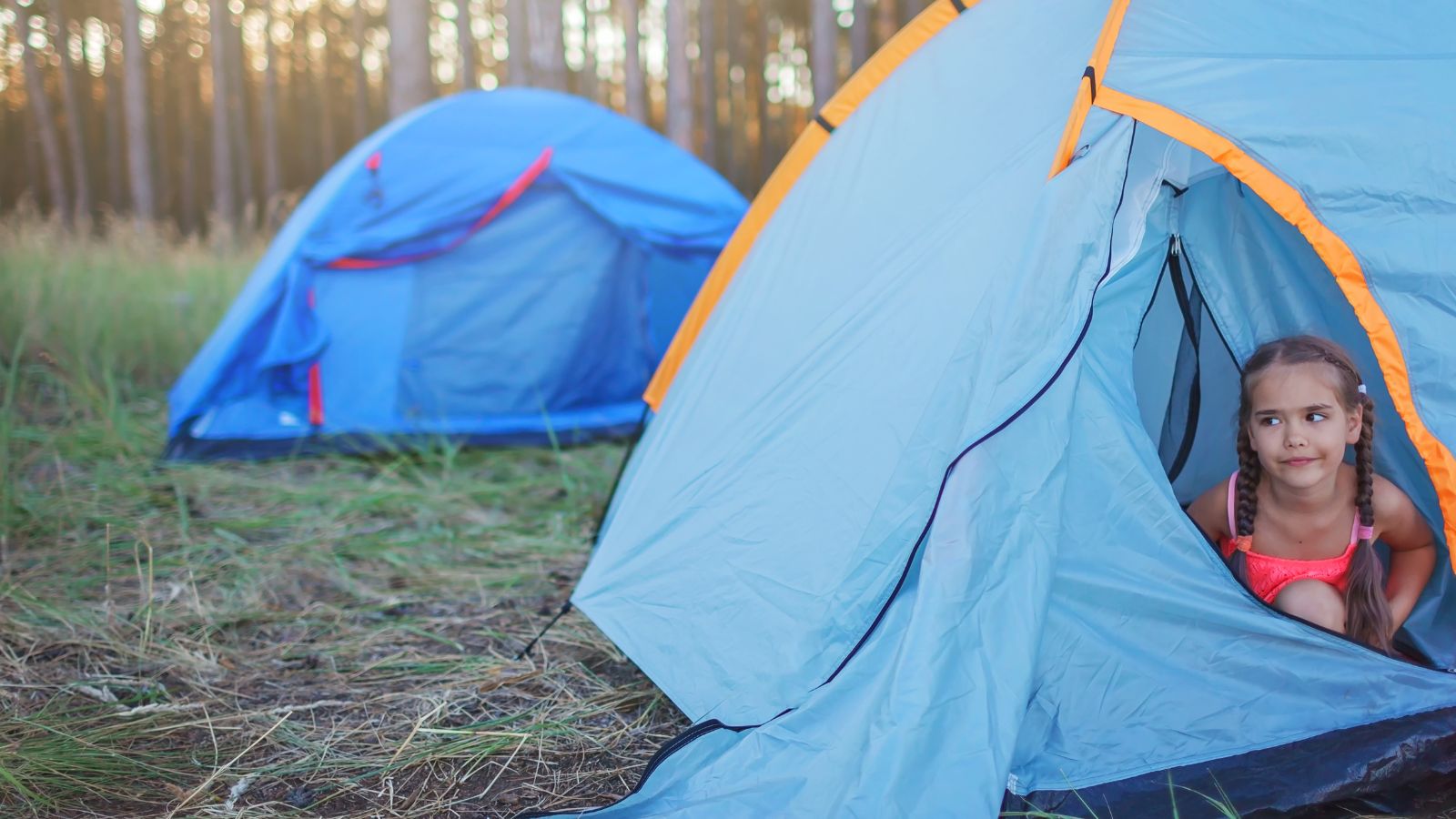
Summer day camp once offered many children a straightforward week of crafts, games, swimming and new friendships. Today, parents can find themselves comparing camp fees with the same attention they give other major household expenses. Specialized programs in science, sports, animals or the arts often cost more than basic municipal recreation camps, and extended care can be another charge for parents whose working hours do not match the standard camp day.
A current Canadian example illustrates the numbers. Toronto Zoo’s 2026 Zoo Camp costs $450 for a non-member child for one week, while optional before-and-after care costs another $90. That means several weeks can quickly become a four-figure summer expense. Camp also plays a practical child-care role: Statistics Canada reported that 61% of school-aged children using child care arrangements during the summer were in care, compared with 35% during the school year. For many households, therefore, camp is simultaneously an experience children anticipate and a logistical expense parents cannot easily avoid.
Going Away to Overnight Camp
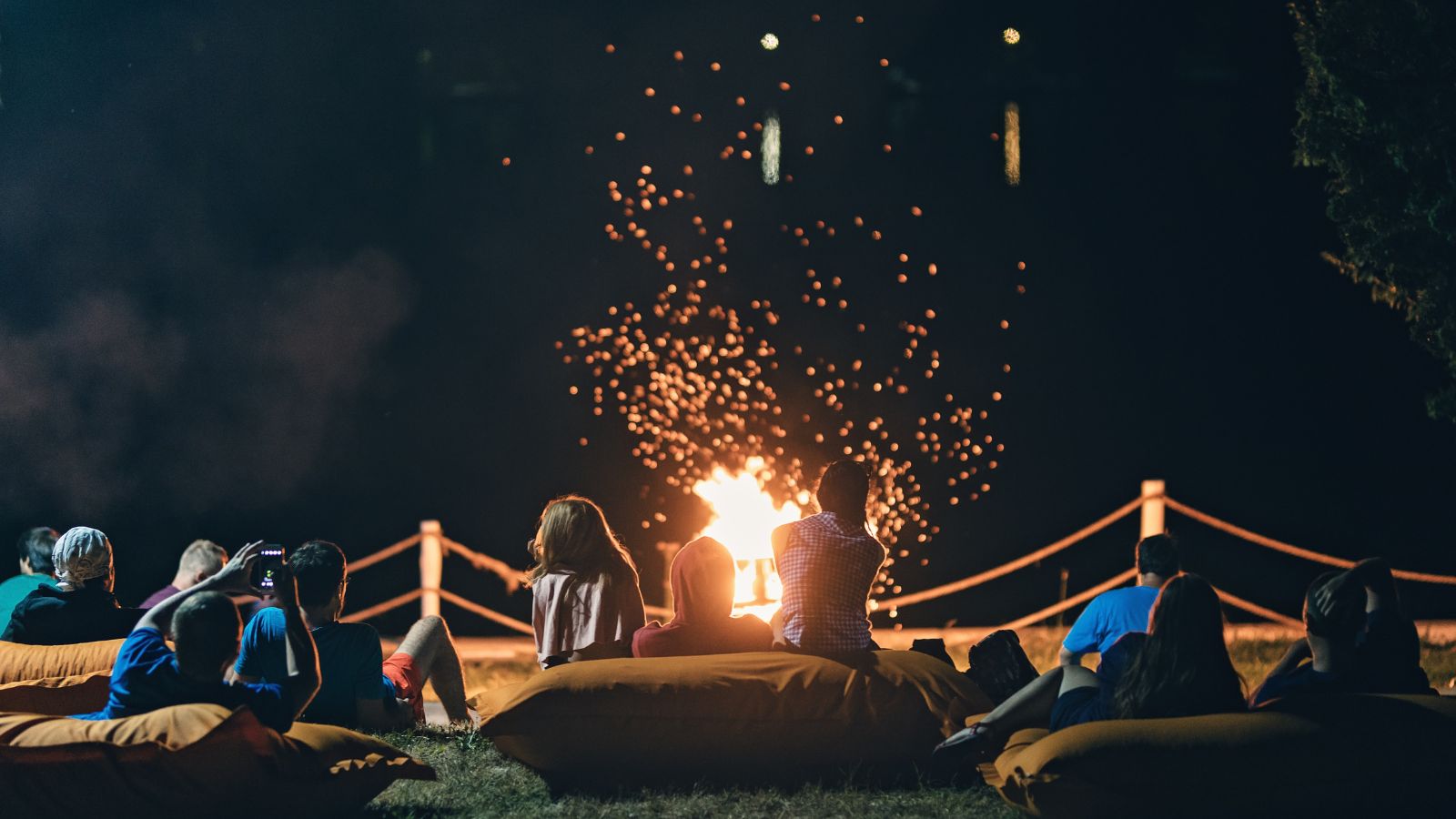
Sleepaway camp carries a special place in Canadian childhood mythology: cabin friendships, campfires, paddling, swimming and the first extended stretch away from home. It can also represent one of the largest discretionary childhood expenses a family faces in a single payment. Unlike a day activity, the fee must cover accommodation, meals, staffing, facilities and programming. Transportation, sleeping bags and other gear may still need to be purchased separately depending on the program.
Current YMCA Camp Pine Crest prices demonstrate the scale. For summer 2026, a one-week overnight program is listed at $1,580, while a two-week session costs $2,900. Shorter introductory options cost less, but sending two siblings for a full week can still require more than $3,000 before any incidental expenses. Camp organizations frequently offer financial assistance or promotional discounts, yet families must often decide months before summer whether the experience fits the budget. For children who return year after year, that decision can carry an emotional cost as well as a financial one.
Learning to Play a Musical Instrument
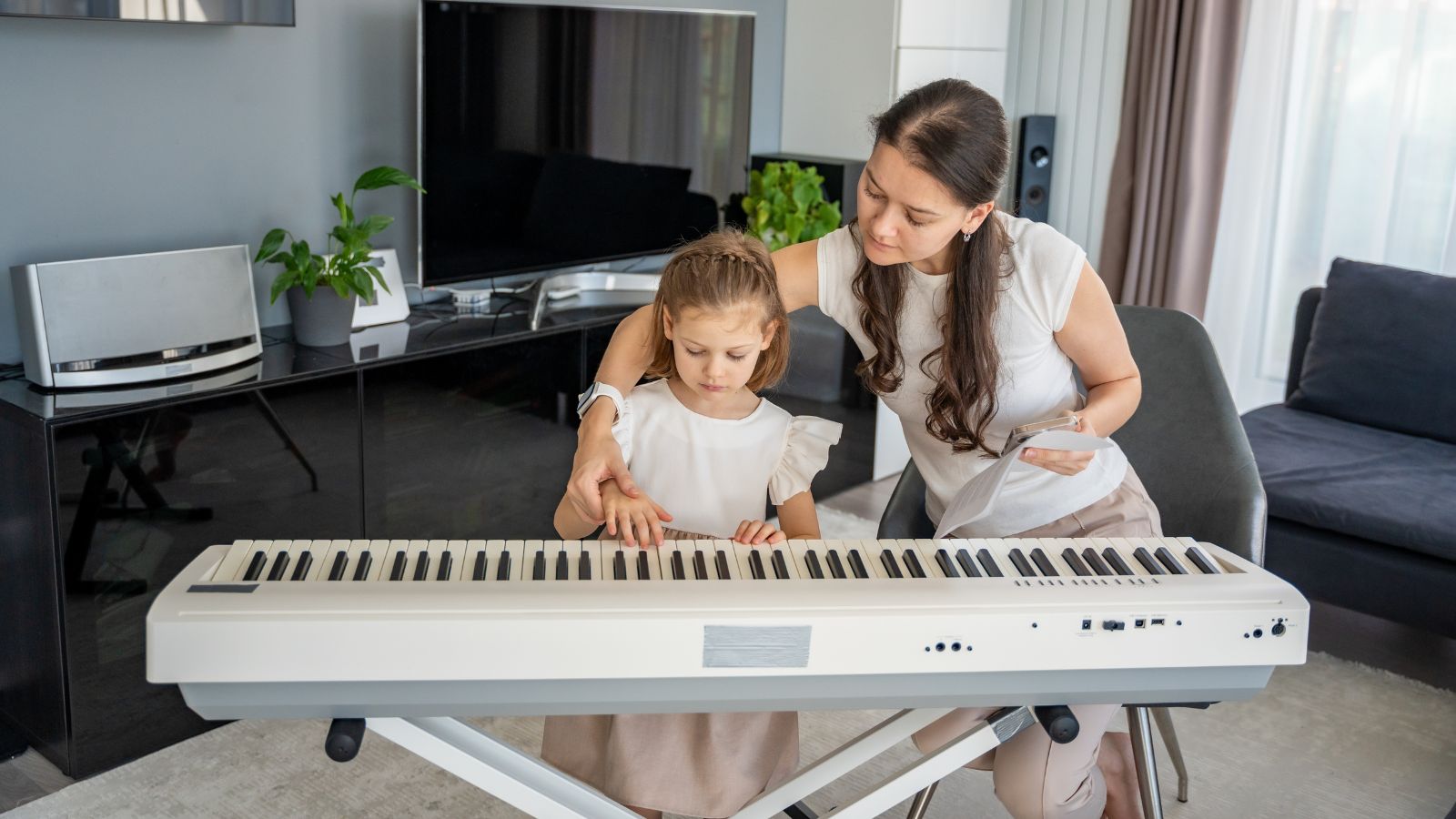
The first piano lesson or rented violin can seem manageable. The expense becomes clearer over years of instruction. Weekly lessons, books, examinations, recital costs, instrument purchases or rentals and repairs can all become part of the routine. A child who develops genuine enthusiasm creates a particularly difficult budgeting dilemma: progress usually depends on continuing instruction, so cutting the expense can feel very different from cancelling a one-time outing.
Formal programs show how quickly the commitment grows. The Royal Conservatory’s 2026–27 Smart Start program for two-year-olds lists tuition of $895 for weekly classes across the school year. Costs for private instruction vary considerably by teacher and instrument. MoneySense also reported a Toronto parent paying $150 per month for cello lessons plus $500 annually to rent the instrument. Free or subsidized initiatives exist—the Royal Conservatory operates a tuition-free Oscar Peterson Program for eligible young musicians—but access is limited. For many families, music remains a valued experience that must be deliberately protected in the monthly budget.
Staying in Dance as the Classes Get Serious

Dance often begins innocently: one weekly class, a pair of shoes and perhaps a recital at the end of the year. As children grow more committed, the financial structure can change dramatically. Multiple weekly classes, competition fees, costumes, choreography, travel and specialized footwear can turn a recreational activity into an expense comparable with major organized sports. Parents can also face social pressure when teammates are attending every competition or enrolling in additional training.
Canadian families interviewed by MoneySense provide striking examples. One Ontario mother reported spending $731 per month on classes for her daughters, with thousands more going toward competitions, costumes and travel. Other parents cited competitive-dance totals of roughly $6,000 to $10,000 per year. Those examples are not national averages and costs vary enormously between recreational and competitive studios, but they illustrate how rapidly participation can escalate. The hardest decisions frequently occur after children have formed friendships and become invested in performing, making financial cutbacks feel like withdrawing from a community rather than simply cancelling an activity.
Joining Theatre, Art and Other Creative Programs
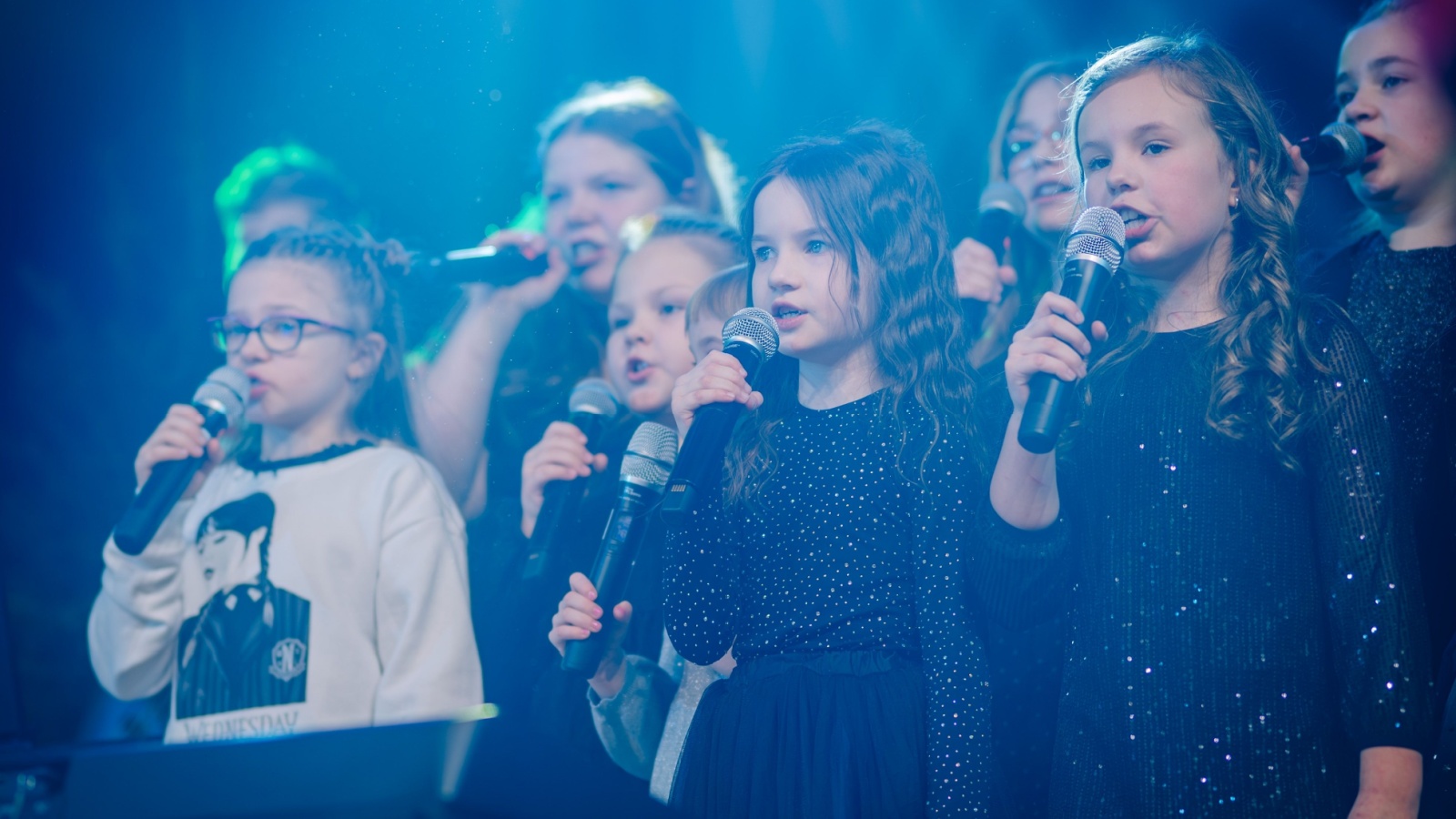
Creative extracurriculars are sometimes treated as the inexpensive alternative to competitive sport, but that assumption does not always hold. Theatre schools, art programs, choir, filmmaking classes and other structured activities can require term fees, supplies, costumes or performance charges. A child taking several sessions throughout the school year can create a significant annual expense even when no single payment seems overwhelming.
MoneySense documented one Ontario family paying $1,375 per year for each of two children taking theatre lessons, while another family reported more than $1,400 annually for student theatre alongside other music programs. Municipal recreation departments and community organizations can provide lower-cost alternatives, and Toronto specifically promotes subsidized recreation access for eligible families. The trade-off can be availability, scheduling or program specialization. For parents, the tension is familiar: a child may have finally discovered the activity that makes them eager to practise and perform, just as the household realizes that enthusiasm comes with another recurring bill that must compete with groceries, housing and other essentials.
Throwing a Birthday Party With Friends

Children’s birthdays can become surprisingly complicated financial events. A home celebration still requires food, cake, decorations and perhaps entertainment. Moving the party to a trampoline park, play centre, bowling alley or other venue introduces package pricing, minimum guest counts and add-ons. Gifts for classmates’ birthdays create a related cost throughout the year, making birthday spending much bigger than the family’s own celebrations alone might suggest.
Canadian Scholarship Trust has estimated that many popular children’s party venues charge roughly $350 to $500 for a celebration. By the time invitations, extra food, decorations or goodie bags are added, the bill can climb further. Yet birthdays carry emotional weight. Parents often want children to experience being surrounded by friends, particularly when elaborate celebrations have become visible through classmates and social media. As a result, families increasingly improvise: community-room rentals, park picnics, homemade cakes and smaller guest lists can preserve the ritual without turning a two-hour celebration into a financial hangover.
Going Out for a Family Restaurant Meal

Eating out once represented an uncomplicated childhood treat—the Friday-night pizza, diner breakfast or meal after a tournament. For a family of four or five, however, restaurant spending multiplies quickly. Several entrées, children’s meals, beverages, tax and gratuity can turn an ordinary dinner into a meaningful expense, particularly when it follows another paid activity such as a movie, sporting event or road trip.
Statistics Canada reported that prices for food purchased from restaurants increased an average of 2.6% in 2025 after rising 3.6% in 2024. That came after several earlier years of broader food-price increases, meaning families are comparing current menu totals with much lower prices still fresh in memory. The result is not necessarily that restaurant meals disappear completely. Instead, families may order takeout, skip drinks and desserts, use loyalty offers or reserve sit-down dinners for birthdays and other milestones. A childhood experience that once felt spontaneous increasingly becomes something planned around the rest of the month’s spending.
Seeing a Movie on the Big Screen

Going to the movies is still one of the simplest ways to create an occasion around a rainy afternoon or a long school break. Yet a cinema visit involves more than admission. Online booking charges may apply, while popcorn, drinks and premium formats can increase the final amount considerably. When several children are attending, parents may find that the cost no longer feels proportionate to a couple of hours of entertainment.
The industry itself offers evidence of demand for lower-priced family options. Cineplex’s Family Favourites program currently offers selected family films for $3.99 per ticket when purchased under its lowest-fee option, with online prices varying depending on membership status and booking charges. That provides families with an inexpensive route back into theatres, but only for designated films and times. The popularity of discount days and family programming reflects the broader compromise occurring in household entertainment: the cinema experience remains desirable, yet families increasingly choose the date, film and ticket offer around the price rather than deciding spontaneously to see whatever is playing.
Spending a Summer Day at an Amusement Park

For many Canadian children, a trip to a major amusement park is meant to be a highlight of summer. Admission, however, is only the starting point. Parking, food, drinks, games, souvenirs and optional line-skipping products can substantially increase the amount spent during a full day. Large families face the simplest mathematical problem of all: nearly every extra charge gets multiplied several times.
Canada’s Wonderland currently advertises regular park tickets starting around $45, with processing fees and applicable taxes potentially added. Its birthday package is listed at $62.99 per person and requires at least eight paid packages, illustrating how quickly a group experience can reach several hundred dollars. Season passes can offer better value for repeat visitors, but they require a larger commitment upfront. Families increasingly manage the experience by packing carefully where rules permit, watching for promotions and limiting add-ons. The roller coasters may be the attraction, but budgeting has become part of the planning long before anyone reaches the gate.
Making the Annual Zoo or Aquarium Visit

A zoo, aquarium or major science attraction combines entertainment and learning in a way that parents often consider worthwhile. Still, a family visit can become expensive when admission is multiplied across adults and children and then combined with parking, food, rentals and souvenir requests. For families who once made these outings casually several times a year, memberships are increasingly evaluated as financial calculations rather than simply loyalty purchases.
Toronto Zoo’s current membership structure gives a useful example. Its listed family memberships run into the hundreds of dollars, with a family membership for one named adult and up to four children listed at $314.16 at the highest tier and a dual-family option at $371.68. The zoo also offers less expensive membership tiers. Day admission varies by date, making advance planning important. Museums and attractions across Canada frequently offer free days, library passes or discounted family programs, but those opportunities can be limited. The result is a childhood outing that remains accessible, though families may need significantly more strategy to keep repeat visits affordable.
Learning to Ski or Snowboard
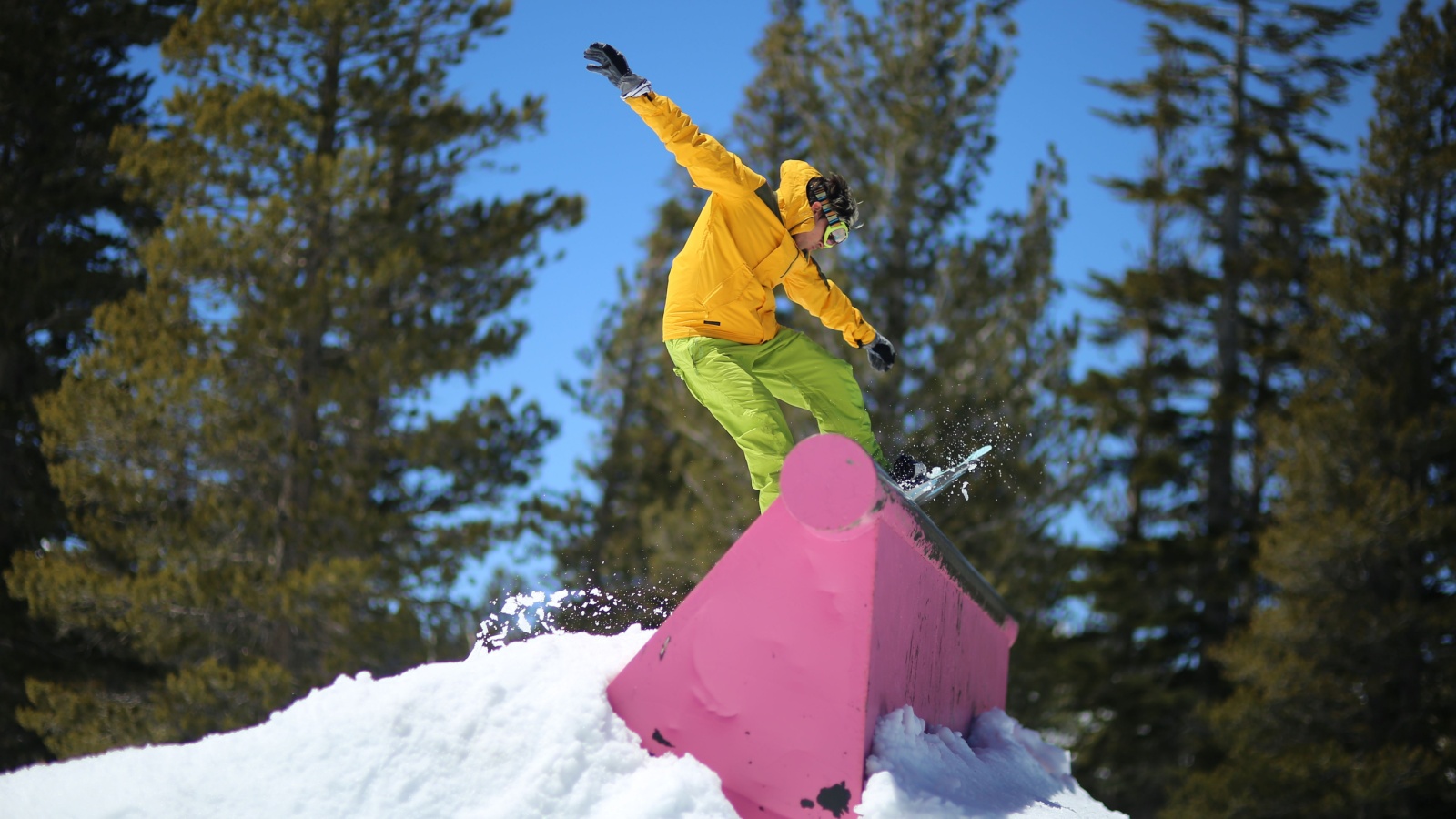
Ski days produce vivid childhood memories, but alpine sports have one of the steepest entry costs among common winter activities. Lift tickets are only one component. Families may require skis or snowboards, boots, helmets, winter clothing, lessons, equipment rentals, food and transportation. Children also outgrow expensive gear quickly, making second-hand sales and seasonal rentals particularly important for parents trying to keep them on the slopes.
At Blue Mountain in Ontario, listed 2025–26 peak online day-ticket prices started at $91 for youth and $100 for adults, while walk-up peak prices reached $121 and $134 respectively. Even before rentals or meals, a parent taking two children for a day can therefore face several hundred dollars in lift access. Other Canadian resorts vary widely, and local hills can be much cheaper. Still, the economics help explain why families increasingly seek night skiing, multi-ticket products, equipment swaps and early-purchase deals. Skiing remains quintessentially Canadian for many households, but regular participation can require almost as much planning as a short vacation.
Taking a Family Vacation

The annual family vacation is among the most treasured childhood experiences—and one of the easiest to postpone when household finances tighten. A trip bundles several large expenses together: transportation, accommodation, restaurant meals, attractions and time away from work. Families travelling during March Break, Christmas or summer school holidays also have less flexibility to chase the cheapest dates because millions of other households want similar travel windows.
Recent Canadian inflation data underline the problem. In June 2026, Statistics Canada reported travel-tour prices 6.8% higher than a year earlier, traveller accommodation up 10.1% and air transportation up 9.6%. Individual trip prices vary enormously, but simultaneous increases across several travel categories can make a previously manageable holiday difficult to reproduce on the same budget. Families respond by shortening trips, staying with relatives, travelling closer to home or choosing accommodations with kitchens. The experience survives, but the definition of a “family vacation” may increasingly shift from a full week away to a carefully planned long weekend.
Camping Under the Stars
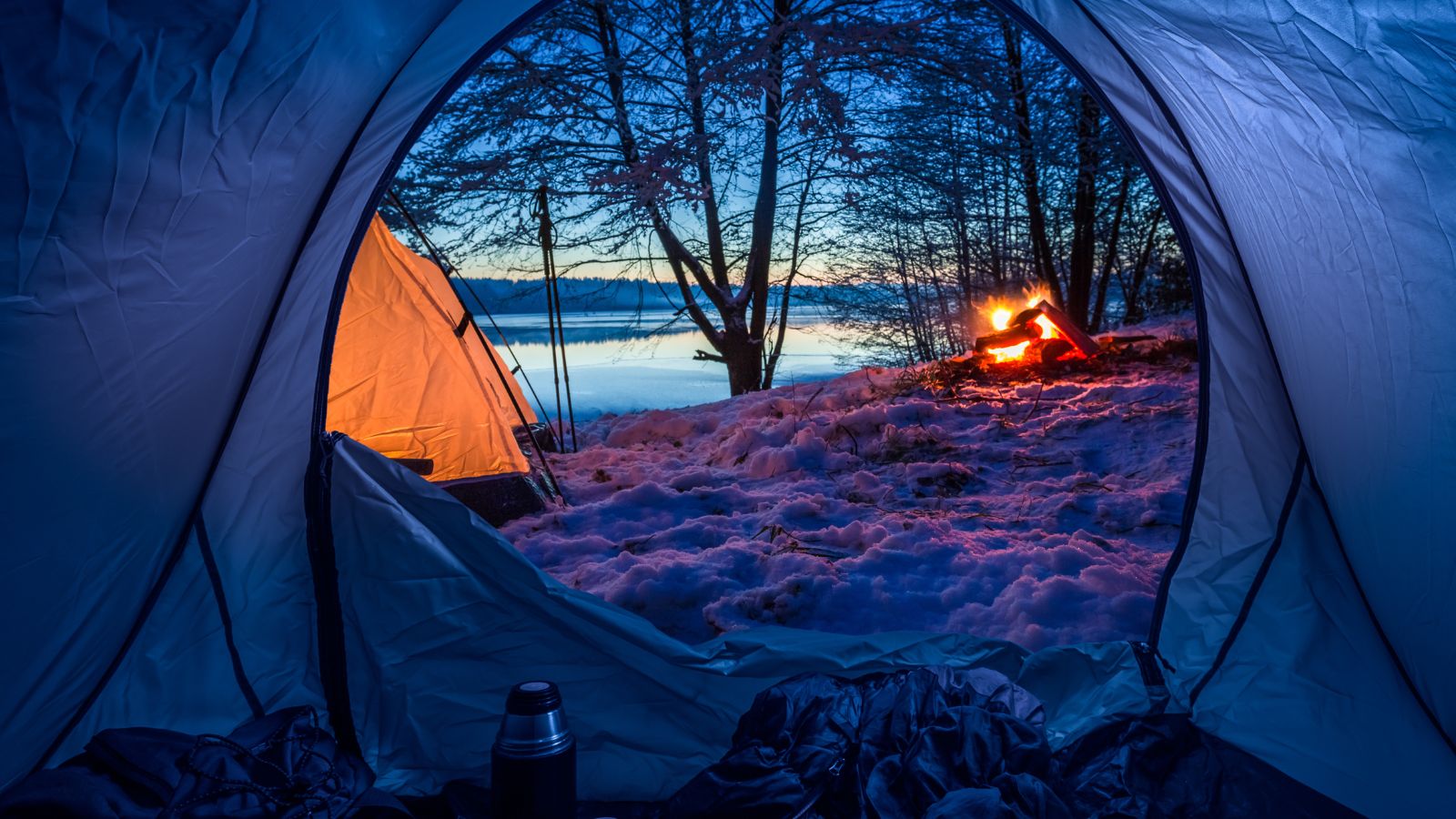
Camping is often imagined as the affordable family vacation: a tent, a campfire and a few days outdoors. In reality, first-time campers may need tents, sleeping bags, cooking equipment, coolers and appropriate clothing before paying campsite fees or fuel. Even established campers face groceries, firewood, transportation and reservation costs. A long drive to a favourite provincial or national park can make the supposedly inexpensive getaway more costly than expected.
Governments are explicitly using discounts to make outdoor travel easier to afford. Parks Canada’s 2026 Canada Strong Pass program provides free admission to Parks Canada locations and a 25% reduction on camping and overnight-stay fees between June 19 and September 7. Such programs can make a noticeable difference, especially for families taking several trips. Camping also has one financial advantage many other childhood activities lack: durable equipment can be reused for years or purchased second-hand. The experience can remain relatively economical, but reaching that low-cost stage often requires an upfront investment that not every household can comfortably make.
Going on School Field Trips
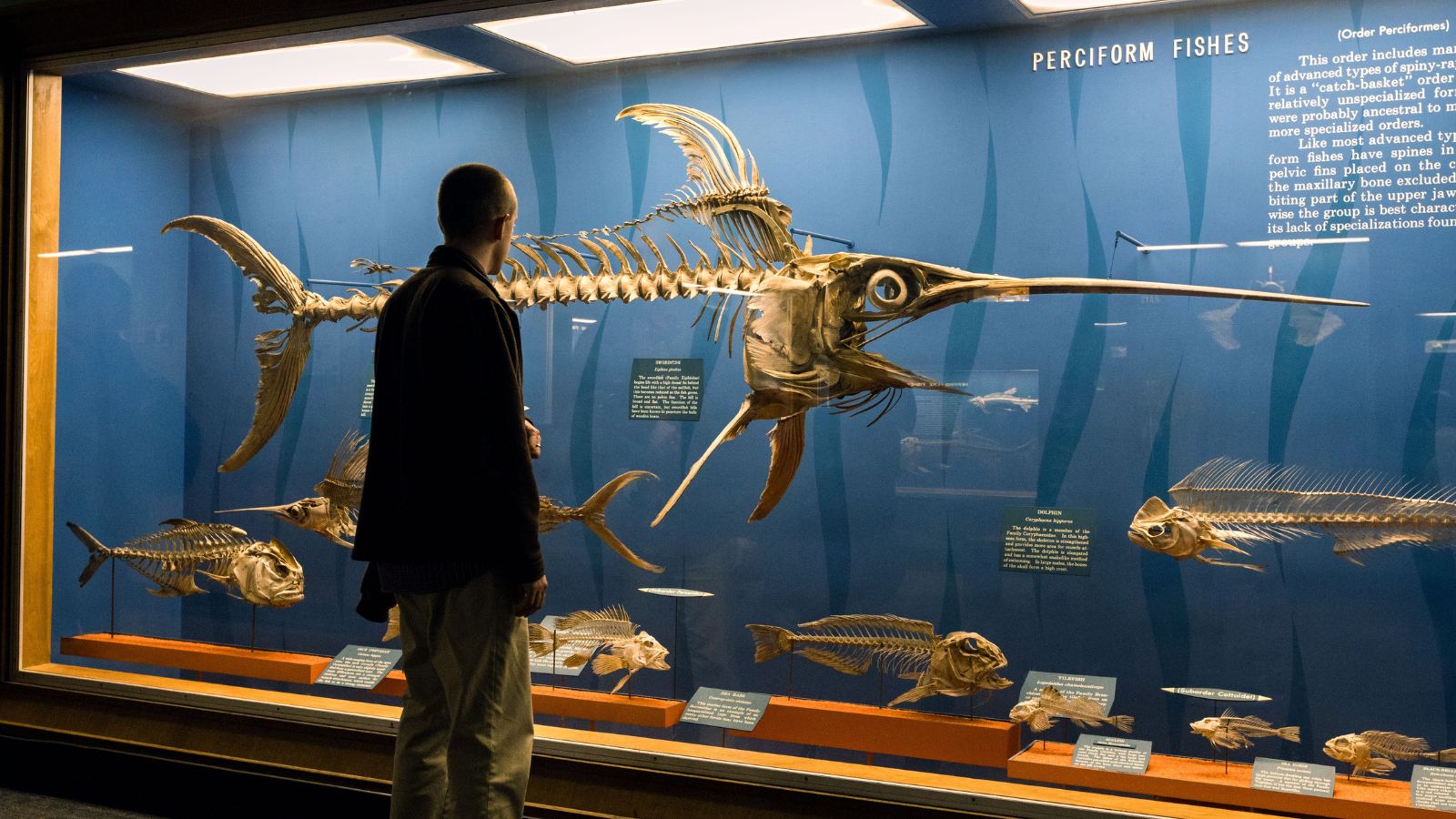
Field trips are memorable because they temporarily turn the world outside school into the classroom. Museums, theatres, conservation areas and historic sites can make lessons tangible in ways textbooks cannot. The challenge is transportation, admission and specialized programming. Even relatively small charges can be difficult when several children bring home permission forms within the same month, particularly alongside school lunches, sports and other educational expenses.
Governments have acknowledged the affordability concern. British Columbia added $20 million to its Student and Family Affordability Fund in 2024, specifically allowing schools to help families with costs including class trips, supplies and school activities. Ontario generally prohibits charges for activities required as part of the regular day-school program, although optional experiences may be treated differently. Such policies matter because participation should not depend on whether a family can produce extra money on short notice. When assistance is available discreetly, children can board the bus with classmates without the household’s financial situation becoming part of the experience.
Joining Guides, Scouts or Another Youth Club

Community youth organizations can offer an impressive amount of childhood experience for one membership: camping, crafts, outdoor skills, volunteering, badges and lasting friendships. Compared with many specialized extracurriculars, the basic registration fee can appear modest. The full cost, however, may also involve uniforms, excursions, camps, equipment, fundraising commitments and transportation throughout the year.
Girl Guides of Canada says membership fees currently vary by region, typically ranging from about $125 to $205. The organization notes that uniforms and additional activities can create further expenses and offers fee subsidies during registration. That places youth clubs in an important middle ground. They remain considerably less expensive than many competitive sports or private lessons, yet even a few hundred dollars can be difficult for a family managing multiple children and activities. Their continued affordability often depends on volunteer labour, community facilities and financial-assistance programs—supports that help preserve the traditional experience of belonging to a local troop or unit.
Watching a Professional Sports Game in Person
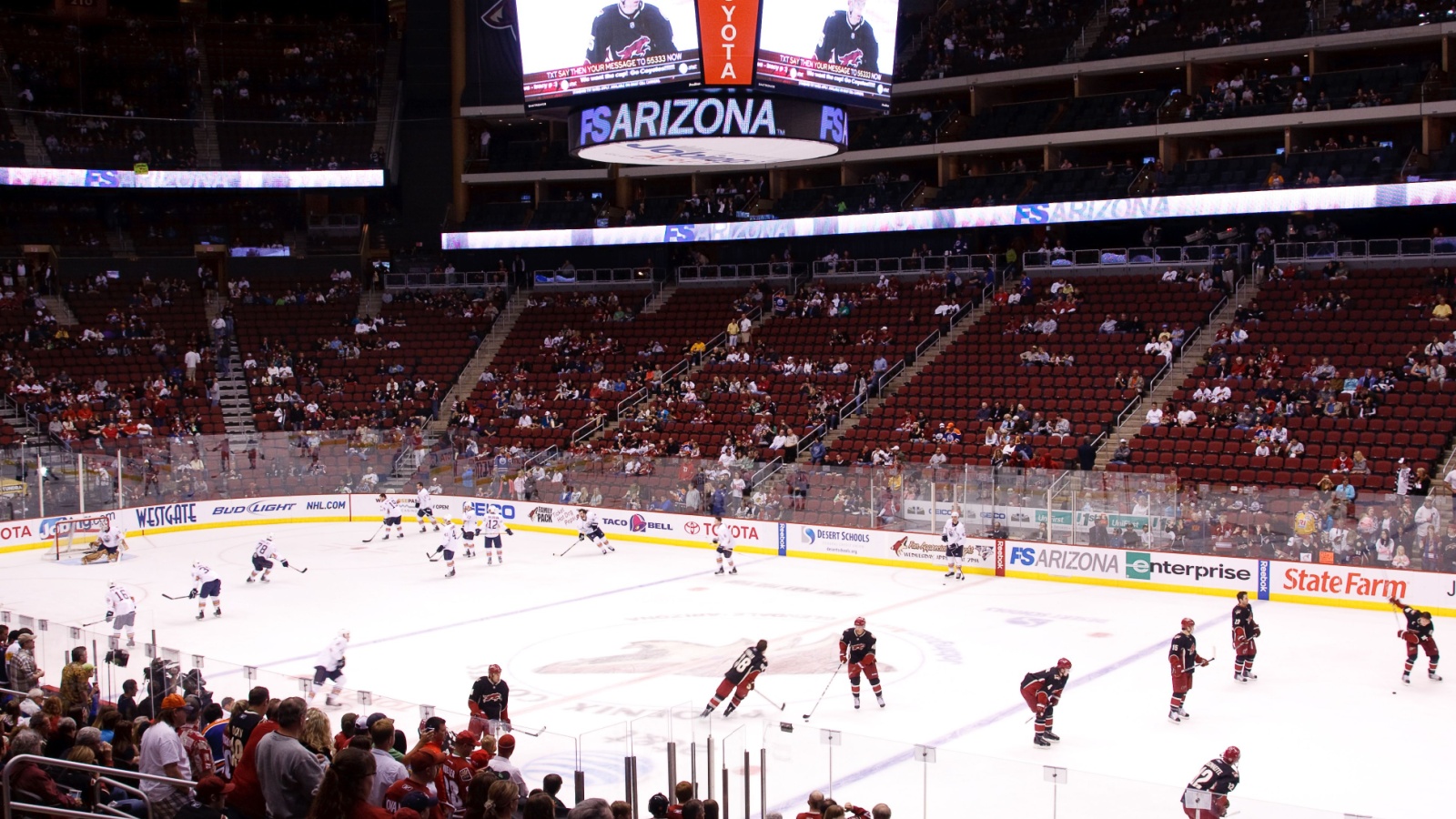
A child’s first NHL game can become a lifelong memory: walking into a huge arena, seeing the ice under the lights and hearing thousands of fans react at once. The economics make that experience harder to repeat regularly. Tickets are multiplied across the family, followed by transportation or parking, food and perhaps a souvenir. High-demand teams and marquee games can push prices considerably beyond ordinary entertainment spending.
Ticketmaster, the NHL’s official ticket-exchange partner, says an average NHL ticket can cost roughly $100 to $150, with substantial variation by city, opponent, seat and date. For a family of four, admission alone can therefore reach several hundred dollars before anything is purchased inside the arena. Families looking for the live-sports atmosphere increasingly turn to junior hockey, minor-league baseball, university games or Canadian Football League promotions. Those alternatives can provide much of the same childhood excitement—crowds, mascots and a shared hometown team—without requiring a major-event budget every time.
Taking a Family Road Trip

The family road trip has traditionally been the flexible alternative to flying: pack the car, choose a destination and stop wherever something looks interesting. The apparent simplicity can hide several costs. Fuel, vehicle insurance and maintenance, restaurant stops, parking and occasional hotel nights all affect the total. Longer drives also encourage spending that rarely appears in the initial plan, from convenience-store snacks to admission at roadside attractions.
Transportation costs have remained volatile. Statistics Canada reported gasoline prices rising 28.6% year over year in April 2026, demonstrating how quickly the economics of a driving holiday can change even though prices later move in either direction. Passenger-vehicle insurance premiums were also running about 6% higher year over year in June. Families can reduce the impact by packing meals, sharing accommodation or visiting destinations closer to home, but distance has acquired a more visible price tag. The classic question—“How far should the family drive this summer?”—is increasingly answered with a calculator as well as a map.
Flying to Visit Grandparents and Extended Family

Not every childhood trip is a vacation in the conventional sense. For families spread across Canada, flying may be the only practical way for children to spend time with grandparents, cousins and relatives. Canada’s enormous geography means Toronto-to-Calgary, Vancouver-to-Winnipeg or Halifax-to-Edmonton visits cannot simply be replaced with an afternoon drive. When airfare rises, maintaining those relationships can become a substantial family expense.
Statistics Canada reported that air-transportation prices were 9.6% higher year over year in June 2026, accelerating from a 7.4% increase in May. Multiplying airfare across two parents and several children can change the economics of a family reunion quickly, particularly during school holidays when travel dates are less flexible. Parents may respond by visiting less often, sending an older child alone, using loyalty points or asking relatives to alternate who travels each year. The financial calculation is uncomfortable because the thing being reduced is not simply tourism. It is time together—and childhood has only so many summers in which those visits can happen.
16 Costco Canada Habits That Could Be Costing Shoppers More Than They Save

The Executive Membership can feel like an obvious upgrade because the 2% annual reward sounds straightforward. For households that spend heavily at Costco Canada, the extra fee may be easy to justify. But the habit becomes costly when shoppers upgrade first and calculate later. A Gold Star Membership costs less, while Executive costs more and only pays off if eligible annual spending is high enough to offset the difference.
16 Costco Canada Habits That Could Be Costing Shoppers More Than They Save
