
For many Canadian families, signing a child up for an activity is no longer a simple question of interest, talent, or available time. The price on the registration page can be only the beginning. Equipment, transportation, tournaments, costumes, camps, private instruction, and scheduling demands can turn one weekly activity into a surprisingly large household commitment.
The pressure matters because organized activities can offer children exercise, friendships, confidence, structure, and a sense of belonging. Yet affordability has become a recognized barrier across Canadian sport and recreation. These 16 ways kids’ activities became a bigger family budget decision show why parents increasingly have to calculate the full season—not merely the advertised fee—before saying yes.
Registration Fees Became Only the Starting Point

Registration used to feel like the main number families needed to know. Increasingly, it functions more like an admission price to a much longer list of expenses. Canada’s Future of Sport Commission reported that 58% of parents in a 2023 Jumpstart study said recreational sport fees were rising, while 44% said they could not afford to register their children in organized sport. A newer Jumpstart finding cited by the commission found 32% of parents experiencing stress over affordability.
That changes the psychology of registration. A $300 or $500 program may look manageable until a family realizes the payment covers only league access, classes or scheduled practices. Equipment, transportation and other requirements arrive afterward. The federal commission noted that nearly six in ten parents use at least one strategy to manage sport costs, including reducing other spending, borrowing or taking on additional work. The activity decision can therefore affect groceries, entertainment, savings and other parts of the household budget.
Equipment Can Turn a Modest Activity Into an Expensive One

Some activities require little more than comfortable clothing. Others come with a shopping list before the first practice even begins. Skates, helmets, sticks, protective equipment, cleats, racquets, gloves and specialized footwear can make the difference between an affordable registration and a costly season. Children also grow quickly, meaning gear that worked last winter may no longer fit by the time a new season starts.
The scale of financial-assistance programs illustrates how significant equipment costs can become. KidSport provides grants generally ranging from $250 to $500 to help with registration and equipment, and federal reporting says the organization assisted 48,145 children in 2024. Hockey Canada similarly encourages families worried about affordability to consider used equipment, equipment-swap programs and financial assistance. Those options help, but they also reveal the larger issue: equipment is not an incidental purchase for many families. It has become part of the calculation parents make before committing to an activity in the first place.
Tournaments Can Transform a Local Sport Into a Travel Budget

A child may technically belong to a community team, yet the season can quickly extend far beyond the neighbourhood. Weekend tournaments bring gasoline, hotel rooms, meals, parking and sometimes admission costs for accompanying family members. A single away weekend may be manageable. Several scattered throughout a season can significantly change the annual cost.
Canadian Heritage’s national review of sport identified travel as one of the major financial barriers faced by participants. For athletes pursuing higher levels, the commission specifically highlighted the combined expense of training, travel, equipment and coaching. That means the cost difference between recreational and competitive participation can be far larger than the difference between their registration fees suggests. A family looking at a team offer increasingly needs to ask where competitions will take place, how often overnight stays are expected and whether siblings will also travel. The calendar itself has effectively become part of the price tag.
The Weekly Drive Has Become Part of the Activity Fee

Tournament travel is obvious because families can see the hotel reservation. Routine transportation is easier to underestimate. A 20-minute trip to practice becomes 40 minutes of driving each session, multiplied by two or three practices a week and an entire season. Add school pickups, traffic, parking and another child’s schedule, and transportation becomes an ongoing household expense rather than an occasional inconvenience.
Canada’s Future of Sport Commission explicitly identifies transportation costs as a participation barrier, particularly in northern and remote communities. Earlier Statistics Canada work likewise found that longer distances can restrict children’s sport opportunities in rural areas. Even where fuel prices fluctuate, kilometres still mean vehicle use, maintenance and parental time. Families living close to a rink, pool, studio or recreation centre therefore have an economic advantage that is rarely displayed on a program’s fee page. Two children enrolled in equally priced activities can create very different household costs simply because one program is nearby and the other requires repeated cross-town driving.
Limited Facility Space Can Push Families Toward Costlier Options
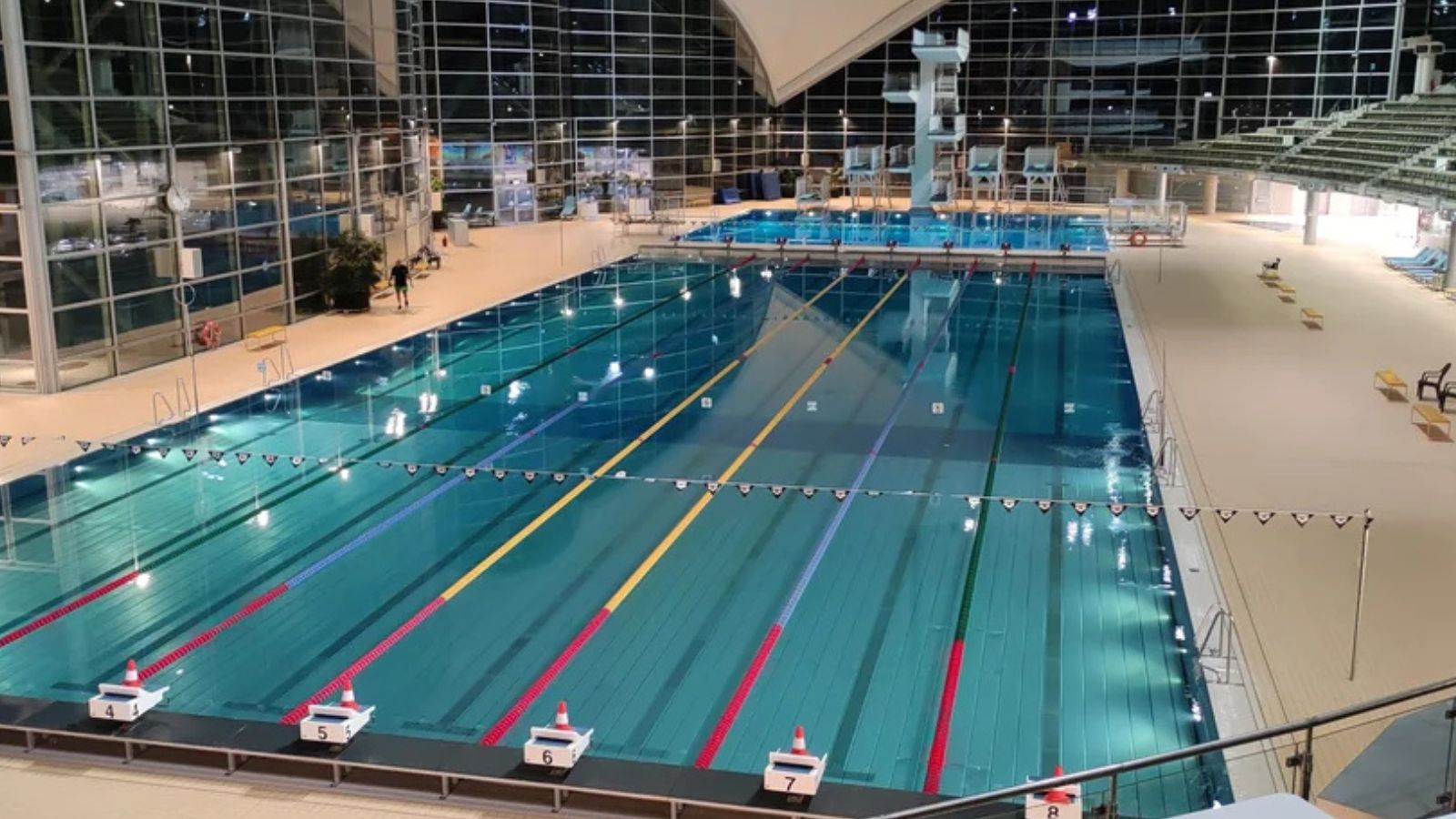
Canada has an enormous network of arenas, pools, recreation centres, playing fields and other public facilities, but access is uneven. Statistics Canada estimated that publicly owned culture, recreation and sport facilities had a replacement value of $154.1 billion in 2022. At the same time, Canada’s Future of Sport Commission identified insufficient sport facilities as one of the persistent barriers affecting participation.
When affordable public space is limited, families can face awkward practice times, waiting lists or pressure to use more expensive private alternatives. Ice-dependent activities illustrate the problem clearly: there are only so many desirable rink hours available after school and before bedtime. Similar pressures can occur with pools, gymnasiums and specialized training spaces. Facility operating costs also matter to the organizations renting them. Federal consultations have heard concerns about rising expenses for facilities, equipment, insurance and staffing. Those pressures can eventually appear in program fees, meaning families may indirectly pay for infrastructure challenges they never see.
Private Coaching Has Become Part of the Competitive Arms Race
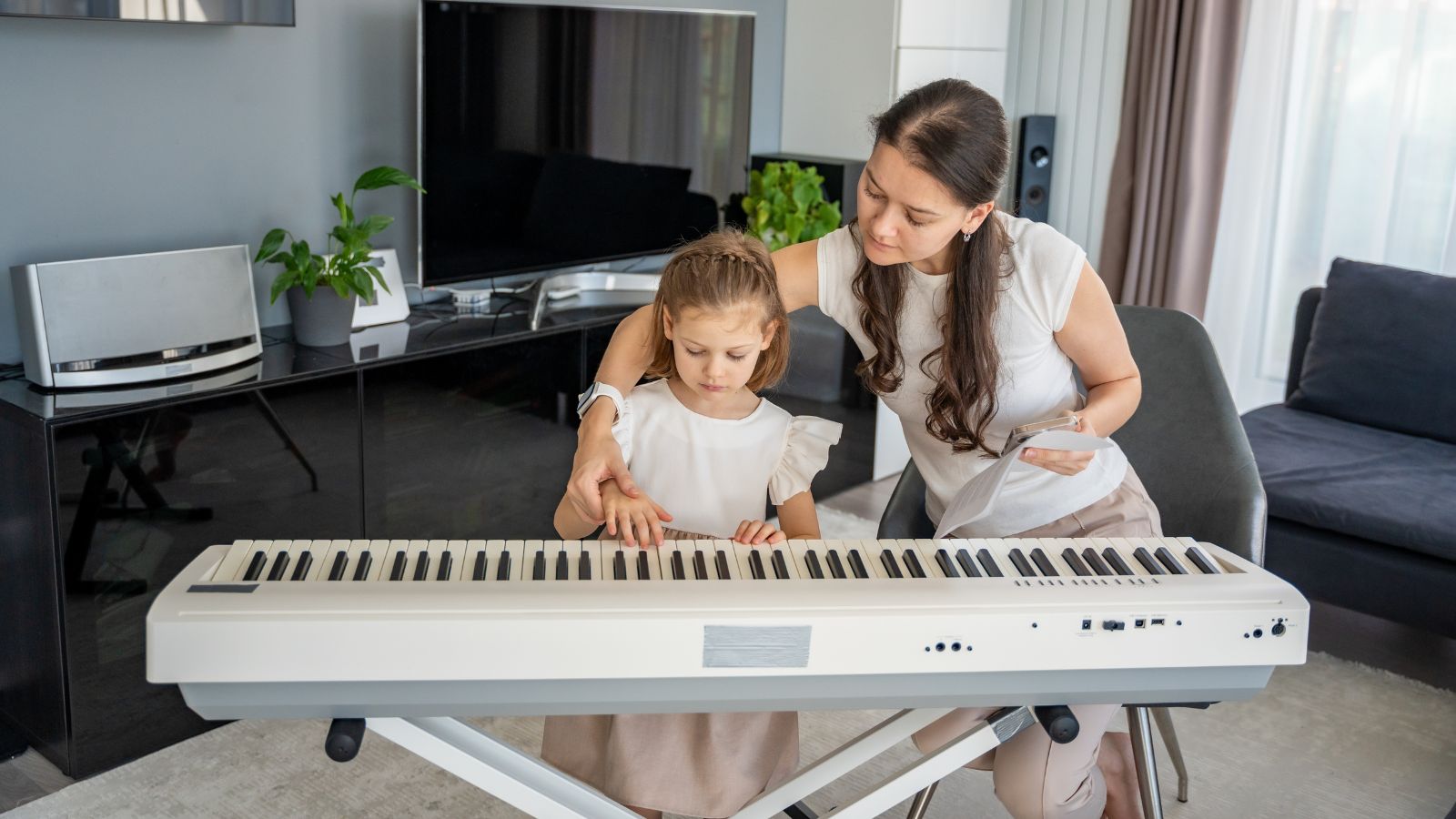
A weekly team practice or group lesson may no longer feel sufficient once a child enters a more competitive environment. Families can encounter optional skating sessions, pitching instruction, personal training, private music lessons, specialized clinics or small-group coaching. None may technically be mandatory, but parents can worry that declining them could leave a motivated child behind peers receiving additional instruction.
That concern becomes especially powerful when advancement depends on evaluations, tryouts or selection. Canada’s Future of Sport Commission identified coaching, along with training, equipment and travel, as a significant financial pressure for athletes pursuing higher levels. Its work also found that financial constraints are a major obstacle within Canadian high-performance sport. Private instruction can therefore create a widening difference between the official cost of joining and the practical cost of keeping pace. What begins as an extracurricular activity may gradually resemble a development program, with families deciding how much additional money they are prepared to spend on improvement rather than simple participation.
Costumes, Uniforms and Performance Fees Arrive After Registration

Arts activities demonstrate that hidden extras are not limited to competitive sports. Dance, theatre and music programs may require specific clothing, shoes, costumes, examination fees, performance expenses or tickets. These charges can arrive months after tuition was paid, when the household has already committed emotionally and financially to the season.
Current Canadian studio pricing provides a useful illustration. One dance centre’s 2025–26 schedule listed a school-age class with separate annual registration and costume charges, while its intensive programs ran into several thousand dollars for the year. Another Canadian studio listed costume fees ranging from roughly $90 to $150 and an additional recital charge. Provincial tax programs also recognize that children’s artistic and recreational activities create meaningful expenses; Nova Scotia, for example, allows eligible families to claim qualifying sports and arts registration costs. For parents, the important budgeting lesson is that advertised tuition may not represent the final price of getting a child onto the stage.
Summer Camps Now Double as Child Care Decisions

Summer camps occupy an unusual place in family finances because they can be both enrichment and essential supervision. For working parents, a week of science camp, swimming, art or soccer may fill hours when school is closed. That makes the decision less optional than a typical extracurricular activity, particularly when families need coverage for much of July and August.
Canada’s tax rules acknowledge this overlap. The Canada Revenue Agency allows qualifying child-care claims for day camps and day sports schools when their primary purpose is caring for children. At the same time, ordinary recreational lessons generally do not qualify simply because a child attends them. Families therefore have to distinguish between enrichment spending and eligible child care. The challenge becomes greater when camps cover only part of a workday or operate for isolated weeks. Parents may end up assembling several programs, grandparents, vacation days and other care arrangements. The real summer budget is consequently not just camp tuition—it is the cost of covering the entire school break.
After-School Scheduling Can Determine Which Activities Are Affordable

For school-age children, the cheapest activity is not always the least expensive option for the household. A class beginning at 4 p.m. may require a parent to leave work early. A program beginning at 6 p.m. might require after-school care first. Transportation between school, child care and the activity can add another layer of coordination and expense.
Statistics Canada reported in 2026 that location was the most important consideration for 67% of parents choosing the main child-care arrangement for children aged six to 12. Earlier national data found that 41% of school-attending children aged four to 12 used some form of before- or after-school care in spring 2022. Those numbers help explain why scheduling has become a financial variable. Canada’s broader affordable-child-care expansion has reduced costs for many younger children, but family circumstances and eligibility differ. An activity that fits naturally around existing care can be realistic; one that requires extra pickups, babysitting or reduced working hours may be unaffordable even if its registration fee looks reasonable.
Competitive Streams Can Create a Completely Different Price Tier
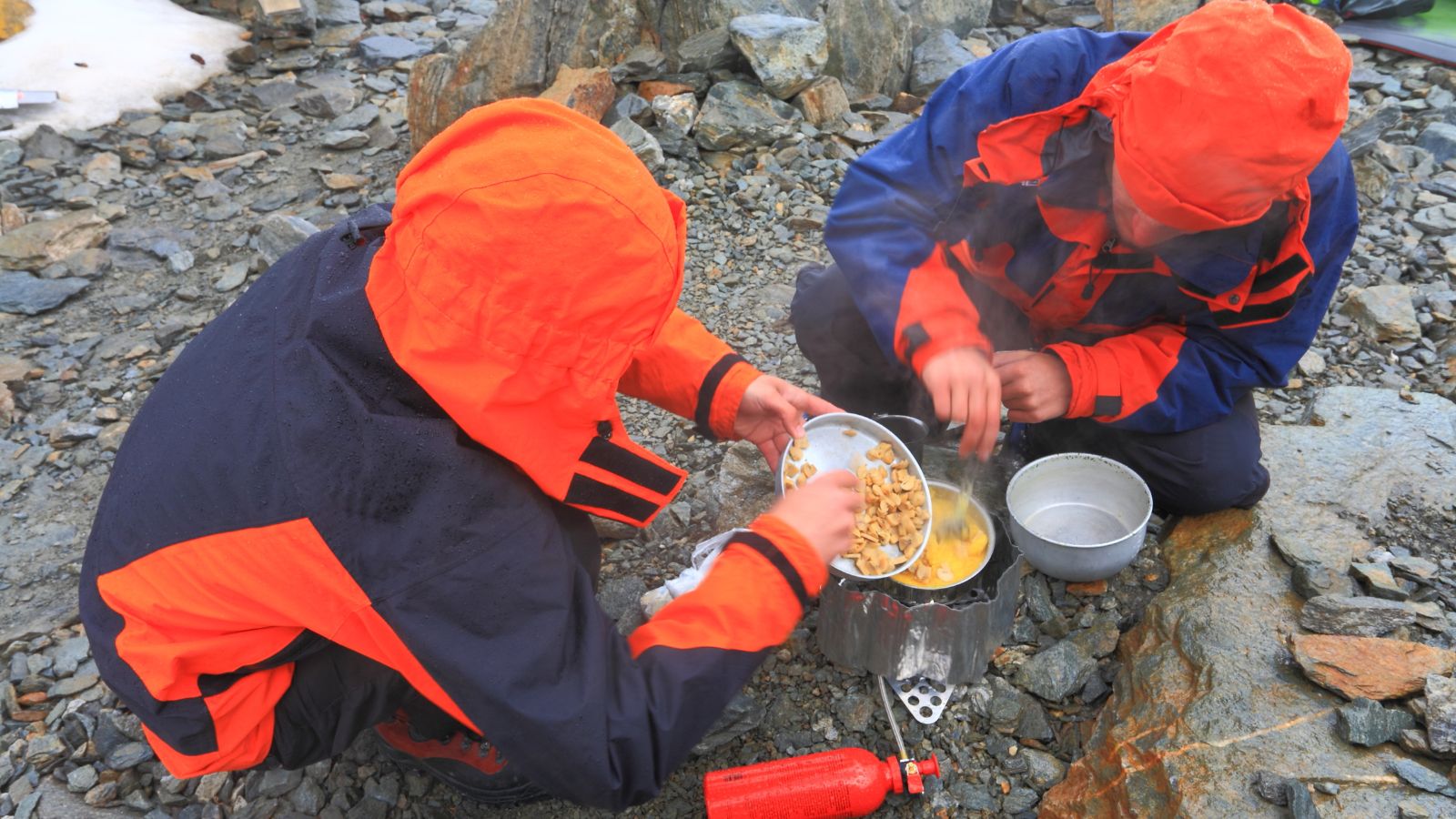
Many activities now offer a clear progression: recreational, development, select, rep, competitive or elite. Moving upward can be exciting for a child, but the financial jump can be substantial. More practices can mean greater facility costs. More competitions mean additional travel. Specialized coaching, camps and equipment may enter the picture. The choice is no longer simply whether a child participates, but at what level the family can realistically sustain participation.
Canada’s Future of Sport Commission found that high-performance athletes face significant financial barriers related to training, travel, equipment and coaching. The commission also cited an example of a private high-performance secondary-school program near Toronto costing almost $30,000 annually when boarding and associated expenses were included. Most families will never encounter a bill remotely that large, but the example illustrates how dramatically sport costs can change as development becomes more intensive. A successful tryout can therefore produce both pride and a difficult kitchen-table discussion about what advancement will require from the entire household.
Costs Multiply Quickly When More Than One Child Participates

Family budgeting changes completely when two or three children are involved. Registration fees are repeated, but so are shoes, uniforms, equipment, transportation and weekend commitments. Even relatively affordable programs can become significant when several children participate simultaneously or when one child plays multiple sports during the year.
Canadian financial-assistance programs are commonly structured on a per-child basis, reflecting how participation costs recur across siblings. Jumpstart’s Individual Child Grant, for example, provides eligible assistance of up to $300 per child in 2026, subject to local availability and program rules. KidSport’s reach also demonstrates the breadth of need: federal reporting says it supported more than 48,000 children in 2024 through its network of local and provincial chapters. For a household, the difficult calculation may therefore be about fairness as much as affordability. Parents may hesitate to devote most of the activity budget to one child’s competitive program when siblings also want swimming, dance, music or community sports.
Volunteer and Fundraising Requirements Carry a Value Too

Community programs often depend on volunteers to keep fees from climbing even higher. Parents coach, manage teams, staff tournaments, run concession stands, organize fundraisers and sit on boards. That contribution has enormous value: federal sport reporting estimates that more than one-quarter of Canadian adults volunteer in sport-related roles, with sport and recreation volunteers contributing an average of about 105 hours annually.
For families, however, time is not free. Some associations formalize expectations through volunteer commitments or bonds. One Canadian hockey club, for example, lists family volunteer bonds worth hundreds of dollars, refundable or avoidable when required service is completed. Such systems can be entirely understandable for volunteer-run organizations, yet they create another decision for busy households. A parent working shifts, holding two jobs or caring for younger children may find the required hours difficult to provide. The family’s effective choice can become either donating time, paying an additional charge or deciding that the program no longer fits its circumstances.
Year-Round Specialization Keeps the Meter Running

Traditional seasonal activities once created natural pauses. A child might play soccer in summer, skate in winter and spend the shoulder seasons doing something else. Increasingly competitive pathways can encourage athletes to stay connected to one sport through off-season clinics, development camps, strength programs and specialized training. That turns an activity from a three- or four-month expense into something closer to an annual commitment.
Canada’s Future of Sport Commission has raised this issue directly. Its 2026 final report said an excessive focus on children’s competitive sport and early specialization has contributed to the growth of private, expensive programs, further reducing affordability. Financial consequences are only one concern, but they are immediate for families. Instead of paying one registration bill, parents may face a sequence of spring development, summer camp, fall league and winter training costs. The family’s budget must then compete with a subtle fear: taking a season off may feel financially sensible, but parents can worry that a committed child will fall behind.
Adaptive Activities Can Require Resources Other Families Never Face

For children with disabilities, simply finding an appropriate program can involve extra expense. Specialized equipment, adapted facilities, transportation, personal support and coaches with relevant expertise may all be needed. Those requirements can make an otherwise ordinary recreational opportunity materially more expensive.
Sport Canada’s policy work has long recognized this imbalance. Federal guidance states that sport training for persons with disabilities can cost more because of specialized equipment, transportation and support such as guides or interpreters. ParaSport Ontario likewise identifies program and equipment costs as barriers and operates equipment-rental and funding initiatives designed to reduce them. The organization’s Play to Podium efforts have distributed substantial amounts of adapted equipment over time, illustrating the value—and expense—of specialized gear. For parents, the budget issue is therefore intertwined with availability. A cheaper generic program is not necessarily a substitute if it cannot accommodate the child safely or meaningfully, leaving some families with far fewer genuinely workable choices.
Geography Can Decide How Much Participation Really Costs
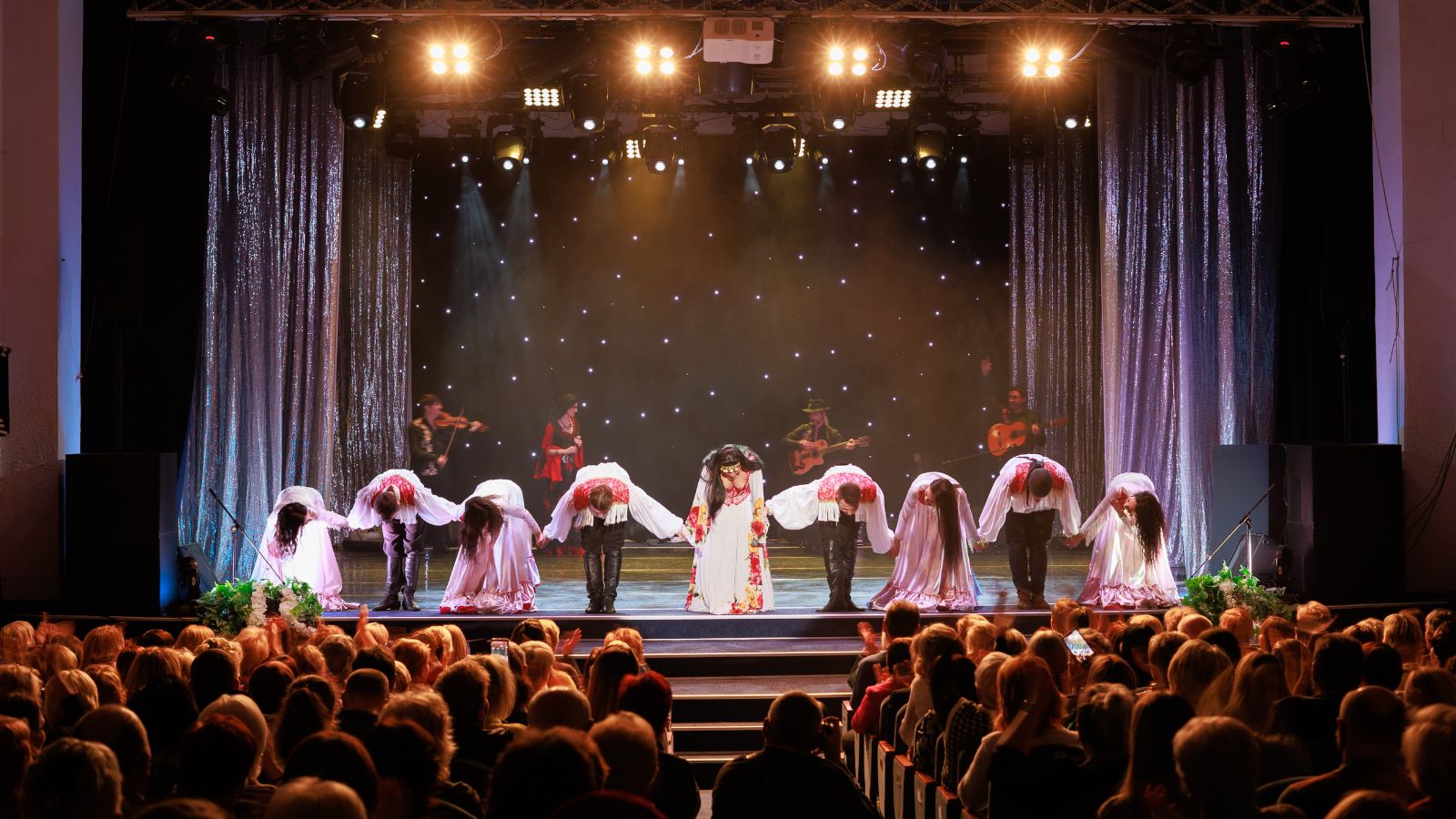
Canadian families do not encounter the same activity market everywhere. A city may offer several soccer clubs, pools and dance studios within a short drive. A rural or northern community may have only one program—or require families to travel to another community entirely. That geographic difference can turn the same interest into a very different financial commitment.
Statistics Canada has found that walking access to sports and recreation facilities is generally much lower in rural areas. Canada’s Future of Sport Commission similarly identifies limited access and high travel costs as distinctive challenges for rural and remote communities, while specifically noting transportation expenses as a barrier in northern Canada. Distance also affects child care: Statistics Canada has reported that rural families may face longer trips to available care and greater transportation difficulties. As a result, a child’s passion for swimming, gymnastics or competitive hockey can require not merely a registration payment but hours on the road. Postal code becomes an invisible part of the activity budget.
Families Increasingly Need Grants and Tax Relief to Make the Numbers Work

One sign that children’s activities have become a serious budget issue is the number of programs designed specifically to reduce their cost. Jumpstart’s 2026 Individual Child Grant can contribute up to $300 per eligible child, while KidSport and community organizations provide additional assistance. Governments also use tax policy in some provinces to help families offset qualifying expenses.
The details vary considerably. Saskatchewan doubled its Active Families Benefit beginning with the 2025 tax year, offering qualifying families up to $300 per child and $400 for a child eligible for the federal Disability Tax Credit. Nova Scotia allows a qualifying amount of up to $500 per child for its children’s sports and arts credit, while Prince Edward Island’s 2025 children’s wellness tax credit allowed eligible expenses of up to $1,000 per child. These measures can make participation more achievable, but families still have to pay attention to eligibility and timing. The growing need for assistance reinforces how thoroughly children’s activities have entered household financial planning.
16 Costco Canada Habits That Could Be Costing Shoppers More Than They Save

The Executive Membership can feel like an obvious upgrade because the 2% annual reward sounds straightforward. For households that spend heavily at Costco Canada, the extra fee may be easy to justify. But the habit becomes costly when shoppers upgrade first and calculate later. A Gold Star Membership costs less, while Executive costs more and only pays off if eligible annual spending is high enough to offset the difference.
16 Costco Canada Habits That Could Be Costing Shoppers More Than They Save
