
Family traditions often survive because they feel too important to put a price on. Yet when groceries, travel, recreation, restaurant meals and everyday household costs remain elevated, even deeply familiar routines can start getting rewritten. The change does not necessarily mean families are celebrating less. More often, the spending around those celebrations is becoming smaller, more deliberate or shared among more people.
Across Canada, recent consumer and household-spending data point to continued caution around discretionary purchases, while parents report particular pressure from child-related expenses. These 22 family traditions Canadians are changing because life got pricier show how holidays, vacations, birthdays, school routines and ordinary weekends can keep their emotional meaning even when the old version no longer fits the budget.
Buying a Gift for Every Relative

The classic holiday gift exchange can become surprisingly expensive once siblings, spouses, cousins, grandparents and adult children are all included. A family gathering of 12 adults does not require especially extravagant presents before hundreds of dollars disappear. That helps explain why arrangements such as Secret Santa, gifts only for children or firm spending limits are increasingly attractive. The tradition remains, but the assumption that everyone must buy something for everyone else becomes negotiable.
Cost-conscious behaviour is clearly visible in Canadian holiday shopping. Deloitte’s 2025 research found that 78% of Canadians planned to seek out the best deals, while one in five expected to start shopping in October. Almost one-quarter of holiday budgets were expected to be spent around Black Friday. For families, that mindset can turn gifting into a more organized exercise: fewer names, earlier purchases and clearer limits rather than a frantic collection of last-minute presents.
Filling Stockings With Endless Little Extras

Stockings used to be the inexpensive part of Christmas morning. A few chocolates, toiletries, socks, toys and small novelty items did not seem significant beside the main presents. The problem is that a dozen supposedly minor purchases can now rival the cost of a larger gift. Families are consequently finding ways to make stockings useful rather than overflowing, particularly when several children or grandchildren are involved.
The broader holiday numbers reinforce that shift toward selectivity. Deloitte found spending intentions for gifts and experiences rose only modestly in 2025, while other discretionary holiday categories were expected to fall 8%. That creates room for a different kind of stocking: favourite snacks rather than premium novelty candy, everyday toiletries instead of beauty splurges, or one small item paired with practical necessities. Children still wake up to something waiting by the fireplace, but the expectation that every centimetre must be filled is easier to question when every small purchase carries a real cost.
Putting on an Oversized Holiday Feast

A Canadian holiday table has traditionally been a place where abundance matters. Extra appetizers, multiple side dishes, several desserts and enough food for days of leftovers can feel inseparable from Thanksgiving, Christmas or another major family gathering. Yet abundance is harder to treat casually when the ordinary weekly grocery bill is already consuming more household income. Hosts increasingly have reason to reduce the menu, ask guests to contribute dishes or plan more carefully around portions.
Canadian households spent an average of $12,046 on food in 2023, 16.9% more than in 2021. Grocery inflation has also remained persistent: food purchased from stores was 3.9% more expensive in June 2026 than a year earlier. A potluck therefore becomes more than a convenience. One household can provide the turkey or roast, another brings vegetables, someone else handles dessert, and the cost of maintaining the gathering is spread across the people enjoying it.
Baking Enough Holiday Treats for Everyone
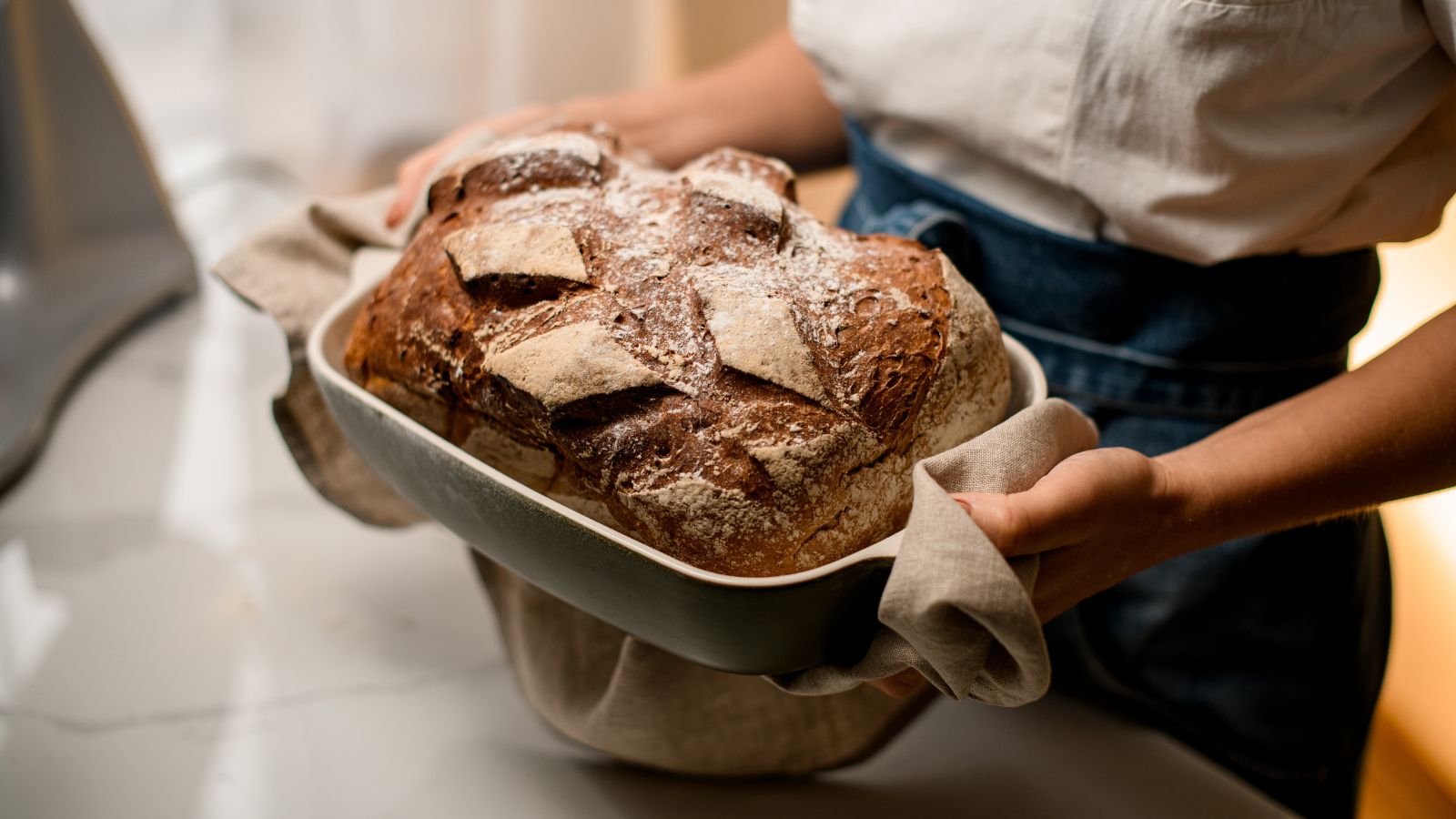
Holiday baking has its own economy. Butter, eggs, flour, chocolate, nuts, decorative toppings and packaging multiply quickly when cookies or squares are being distributed to neighbours, teachers, relatives and coworkers. The ritual may still matter enormously, but the era of producing five or six varieties simply because that is what the family always did becomes harder to defend when baking ingredients have experienced substantial price increases.
Statistics Canada found that average household spending on bakery products reached $861 in 2023, up 23.4% from 2021. Spending on ready-to-eat pastry climbed nearly 50%, while spending on bread was up 31%. Homemade baking is not identical to those purchases, but the figures illustrate the broader increase surrounding flour-based foods. A common response is to keep one signature family recipe, make smaller batches or organize a cookie exchange. The grandmother’s shortbread may survive unchanged even if the mountain of other treats surrounding it gets considerably smaller.
Renting a Venue for Every Child’s Birthday

Indoor playgrounds, trampoline parks, bowling centres and entertainment venues removed a great deal of work from children’s birthday parties. Parents could book a package, invite classmates and let someone else handle much of the setup and cleanup. The convenience remains appealing, but venue charges, food, decorations, gifts and activity fees can turn a few hours of celebration into one of the larger discretionary expenses of the month.
Canadian household spending on recreation averaged $5,231 in 2023, up 23.9% from 2021. Statistics Canada’s household-spending framework specifically includes party-planning services for events such as children’s birthdays within recreational and leisure services. The budget-conscious version of the birthday tradition is often smaller rather than absent: a home party with pizza and cake, a park picnic, two close friends instead of an entire class, or one memorable activity without all the add-ons. Children still get their special day; parents simply stop treating the commercial party package as mandatory.
Taking the Whole Family Out for Birthday Dinner

For many households, birthdays have traditionally meant picking a favourite restaurant and bringing the immediate or extended family together around a table. With four people the cost can be manageable. Add grandparents, siblings, drinks, appetizers, dessert, taxes and tips, and a celebration for eight or 10 becomes a noticeably larger commitment. Families are increasingly able to justify reserving restaurant dinners for milestone birthdays while handling ordinary birthdays at home.
Average Canadian household spending on food purchased from restaurants reached $3,351 in 2023. Restaurant prices then rose another 2.6% on an annual-average basis in 2025. That does not make dining out disappear, but it changes the mathematics of treating the entire family. Some households now cook the birthday person’s requested meal at home, order one favourite takeout dish or go out for lunch instead of dinner. The ritual of gathering and singing over a cake survives. What changes is the assumption that a restaurant bill must accompany it.
Keeping a Weekly Family Restaurant Night

The Friday-night pizza place, Sunday brunch or weekly Chinese takeout order can become a family institution precisely because nobody has to plan it. Children know what is coming, parents get a break from cooking and the routine creates a dependable moment together. Repetition, however, is what makes the expense significant. A meal that feels reasonable once can become hundreds of dollars when repeated four or five times every month.
Recent Bank of Canada consumer research provides unusually direct evidence of this pressure. In 2026, consumers continued to report that high prices were restricting spending, and respondents described cutting back on dining out and other discretionary habits. Some families are protecting the ritual by changing the format: supermarket pizza and a movie at home, homemade pancakes on Sunday, or restaurant night twice a month instead of every week. The important part turns out to be the predictability and togetherness, not necessarily who cooked the meal.
Taking One Big Summer Vacation Every Year
The two-week family vacation has long represented the reward at the end of a Canadian winter and school year. Flights, hotels, rental cars, attractions and restaurant meals, however, turn a family of four into an expensive travelling unit. When households are already protecting grocery and housing budgets, the annual assumption that everyone will take a major trip becomes easier to replace with shorter breaks, nearby destinations or one significant trip every few years.
A TD study released in May 2026 found that 35% of Canadians planned to spend less during the summer. Among people planning to travel, 61% said they were actively reducing travel costs. Some were shortening trips or choosing less expensive alternatives rather than eliminating vacations completely. That distinction matters. Three nights at a lake, a weekend in Quebec City or several day trips can still produce the photographs and stories families associate with summer while removing thousands of dollars in airfare, accommodation and restaurant costs.
Making the United States the Default Family Getaway

Generations of Canadian families have treated destinations such as Florida, California, New York or nearby American border cities almost as extensions of domestic travel. That habit has been disrupted by a combination of household cost pressure and the wider Canada-U.S. trade environment. When travel dollars are being scrutinized anyway, crossing the border no longer receives an automatic place in the family calendar.
Bank of Canada research in 2025 found that more than half of consumers planned to reduce spending on U.S. goods and vacations in the United States amid the trade conflict, while roughly one-third intended to spend more on vacations within Canada. By summer 2026, TD found that 76% of Canadians planning to travel expected to stay within Canada, including 55% exploring their own province. For families already concerned about costs, replacing an American getaway with a closer trip can reduce logistical complexity while turning domestic destinations into the new recurring tradition.
Driving for Hours Every Long Weekend

Packing the vehicle on Friday afternoon and heading for a campground, relatives’ house or lakeside destination is one of Canada’s classic long-weekend routines. Driving has traditionally looked cheaper than flying, especially for a family. But fuel is only one component. Meals on the road, parking, accommodation, attraction tickets and the wear associated with long distances make frequent weekend escapes more expensive than the initial tank of gasoline suggests.
In TD’s 2026 summer research, 44% of Canadians said fuel and aviation costs were influencing their travel decisions. Among Canadians cutting summer spending, 40% identified higher transportation costs as an important factor. The Bank of Canada also found households worried about inflation were more likely to drive less. That creates a new long-weekend pattern: one substantial road trip rather than several, visiting relatives who live closer, choosing provincial parks within a shorter radius or discovering places that once seemed too ordinary simply because they were nearby.
Renting a Cottage for the Entire Clan

A week at the cottage carries enormous nostalgic weight in Canada. For families without property of their own, however, recreating that experience means paying for a rental during one of the country’s highest-demand travel periods. Add groceries for a large group, gasoline, watercraft rentals, restaurant stops and activities for children, and the relaxed week by the lake can require a surprisingly serious budget.
Domestic travel spending illustrates how quickly those components accumulate. Canadians spent $20.3 billion on visits within Canada in the second quarter of 2025, 13.5% more than a year earlier. Food and beverage spending on those trips rose 20.4%, transportation spending increased 11.1% and recreation and entertainment spending jumped 23.6%. Families therefore have strong incentives to modify the cottage ritual by shortening the stay, splitting a rental among siblings, bringing meals from home or choosing a campground. The lake remains; the private waterfront rental may not.
Holding Family Reunions Far From Home

Large families can be scattered from Halifax to Vancouver, with relatives sometimes living outside the country as well. That makes the old-fashioned reunion — everyone travelling to one destination for several days — a significant transportation and accommodation project. As household budgets tighten, the location itself becomes part of the negotiation. The fairest halfway point may not be the most affordable place to gather.
Canadian travel behaviour suggests families are increasingly comfortable looking closer to home. TD found that 76% of summer travellers in 2026 intended to stay within Canada, and 55% expected to explore their own province. Statistics Canada also recorded millions of additional domestic visits to friends and relatives during the second quarter of 2025 compared with a year earlier. A reunion can therefore become a rotating local event: one branch hosts this year, distant relatives join by video if necessary, and the next in-person gathering moves elsewhere. Connection remains the objective rather than equal travel expenditure every year.
Putting Children in Several Sports at Once

Hockey in winter, soccer in spring, baseball in summer and perhaps swimming lessons in between once looked like a full and healthy childhood calendar. For parents, however, the real cost is much more than registration. Equipment, uniforms, tournament travel, hotels, team fundraising, private instruction and meals away from home can create expenses that continue almost every weekend.
Evidence of the pressure is substantial. Recent Canadian estimates cited in reporting on youth sports have placed the average cost of a child’s primary sport well above $1,000 annually, while hockey can cost several thousand dollars depending on the age and level of competition. Separately, 72% of parents in a 2025 RBC poll said the increase in child-related expenses had surprised them. Families can respond by asking children to choose one main sport, favouring community leagues over travel teams or reusing equipment. Participation survives, but the year-round competitive schedule is no longer treated as the only path.
Booking Camp for Every School Break

Summer camp, March Break programs and holiday camps solve two family problems simultaneously: children get structured activities while working parents get coverage during school closures. That practicality can make camps feel less like optional recreation and more like part of the annual household calendar. Yet each additional week requires another registration payment, and specialty programs involving sports, technology or the arts can add equipment and transportation costs as well.
RBC’s 2025 research on Canadian parents specifically identified seasonal camps among the child-related extras that can be underestimated when families set their budgets. Overall, 60% of parents said their household budget had never felt so stretched, while 72% were surprised by increases in child-related expenses. As a result, the camp tradition can become more selective: one favourite week instead of an entire summer schedule, alternating camp with grandparents, neighbourhood play or family vacation time. The goal becomes covering the weeks that matter most rather than filling every school-free day with a paid program.
Scheduling Music, Dance and Lessons All Week
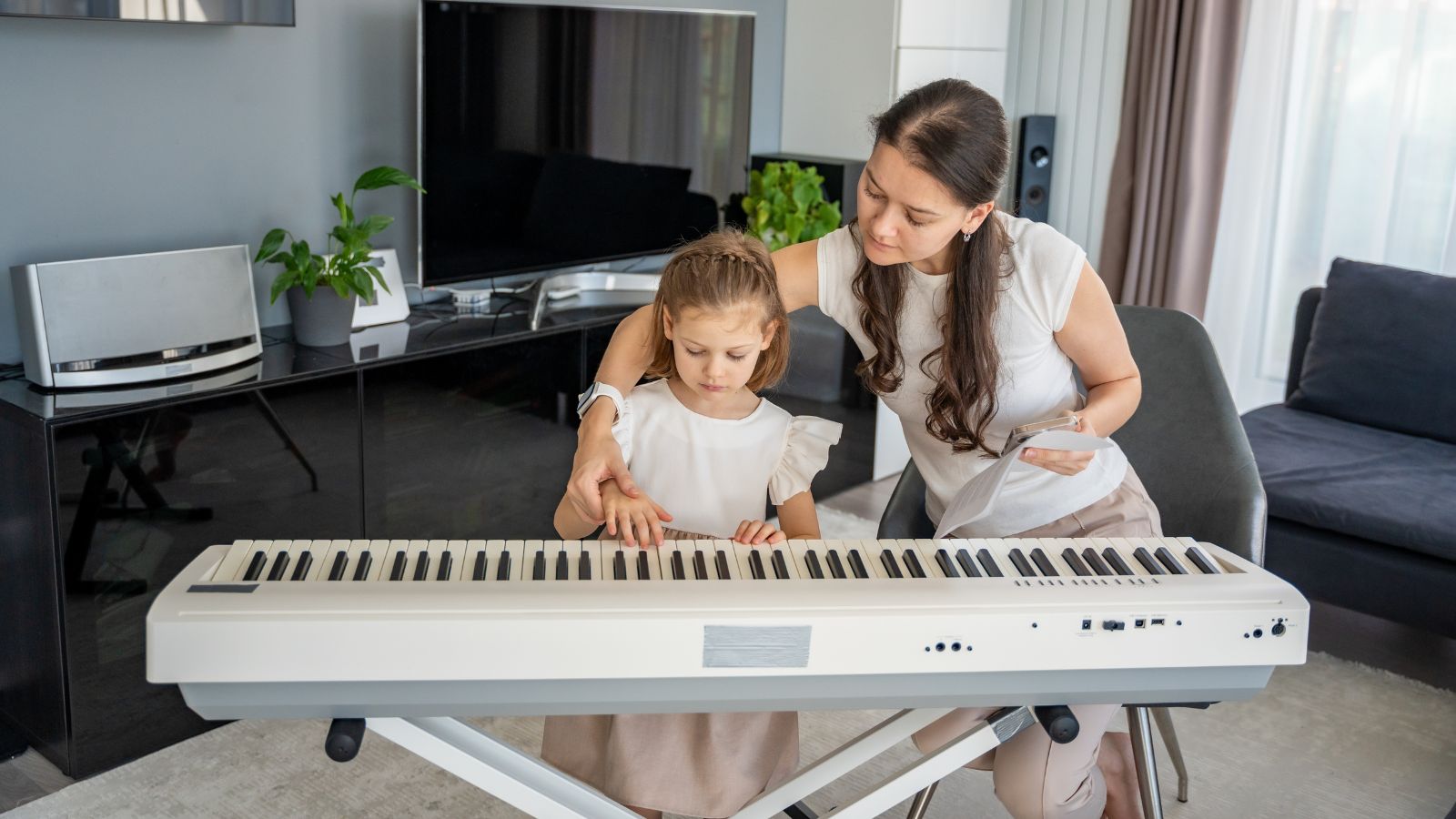
A piano lesson on Monday, dance on Wednesday and art or language classes on Saturday can create the kind of childhood many parents hope to provide. Individually, each activity may seem manageable. Together they bring tuition, uniforms, costumes, instruments, recital fees, transportation and the occasional competition or examination. The financial pressure is accompanied by a calendar that leaves parents driving from one paid activity to another.
Statistics Canada explicitly tracks household spending on personal-interest instruction such as music, dance, language and other lessons, reflecting how established these expenses are in family budgets. RBC’s 2025 research, meanwhile, identified extracurricular activities among the costs putting pressure on Canadian parents. One adaptation is to let each child choose a priority activity for the year rather than automatically renewing everything. Families may also use school programs, community centres or group lessons. The tradition of encouraging children’s interests continues, but doing everything simultaneously becomes less realistic.
Turning Movie Night Into a Theatre Outing

Going to the cinema once required little more thought than choosing the film. For a family, the outing now has several layers: tickets, premium formats, online booking fees in some cases, snacks, drinks, parking and perhaps dinner beforehand. A regular family movie night can therefore migrate from the theatre to the living room without disappearing from the household routine.
Canadian households spent an average of $5,231 on recreation in 2023, an increase of 23.9% from 2021. Statistics Canada’s household-spending categories specifically include admission to movie theatres alongside other entertainment. Meanwhile, the Bank of Canada’s 2026 consumer research found high prices were continuing to constrain discretionary spending. Families have an obvious substitute already inside the home: a streaming movie, microwave popcorn, blankets and permission to stay up late. The experience is less cinematic, but children may remember the repeated ritual as clearly as they remember which screen it happened on.
Making Every Weekend a Paid Family Outing

Zoos, fairs, water parks, museums, amusement parks and sporting events create memorable family days, but several of them in one month can compete directly with more important household spending. Admission is rarely the only charge. Parking, food, souvenirs and transportation can turn a relatively simple Saturday into a triple-digit purchase for a larger family.
Statistics Canada’s household-spending framework includes amusement parks, water parks, provincial parks, museums, zoos, fairs and other attractions within recreational expenses. In 2023, overall recreation spending averaged $5,231 per household. By summer 2026, TD found 36% of Canadians cutting back were using lower-cost options such as do-it-yourself alternatives or second-hand purchases. That mindset translates naturally to family time: free community festivals, beaches, hiking trails, library programs and backyard activities can take the place of admission-based entertainment. Instead of paying for something every Saturday, one bigger outing becomes an event worth anticipating.
Replacing the Entire Back-to-School Wardrobe

For many families, September traditionally meant new shoes, several outfits, a jacket and perhaps a backpack whether the old ones were completely worn out or not. Back-to-school shopping became part necessity and part seasonal reset. When parents are trying to control spending, replacing clothes simply because the calendar changed is much easier to challenge.
A 2025 Mydoh study of 1,000 Canadian parents found that 81% experienced stress around back-to-school shopping. Forty per cent said they overspent because they did not want to disappoint their children. Clothing prices also continued to move: Statistics Canada reported clothing and footwear prices were 2% higher year over year in April 2026. The alternative is straightforward but culturally significant — inventory first, shop second. Jeans that still fit remain in circulation, siblings pass down coats, and only genuinely missing sizes make the list. A new school year no longer automatically requires a new closet.
Buying All-New School Supplies Each September

Fresh pencil crayons, untouched notebooks and a new pencil case have long carried the emotional feeling of starting over. Yet drawers in many homes already contain partly used notebooks, rulers, binders and enough pens to supply a small office. Cost pressure is turning the annual school-supply ritual from a complete replacement exercise into a household inventory check.
The Mydoh research found one in three parents frequently spent beyond their intended back-to-school amount because they had not established a budget beforehand. It also found that 60% believed their children understood basic financial realities before shopping, although those limits could quickly fade once the family entered a store. That makes reusing supplies a practical money lesson as well as a cost-saving move. Families can clean last year’s lunch bag, sharpen existing pencils and replace only what the school actually requires. The first day still arrives with anticipation, just without every item being factory-new.
Hosting the Giant Backyard Barbecue

The summer barbecue can expand almost without anyone noticing. Burgers become burgers and steaks; one salad becomes four; drinks fill multiple coolers; dessert appears; and hosts buy enough food to make absolutely certain nothing runs out. Hospitality is important in many families, but the grocery aisle increasingly gives hosts a reason to rethink what generosity has to look like.
Food purchased from stores was 3.9% more expensive in June 2026 than a year earlier. Earlier household-spending data showed Canadians spent an average of $1,544 on meat alone in 2023, alongside more than $1,000 each on dairy and eggs, fruit and nuts, and vegetables. A family barbecue therefore lends itself naturally to shared hosting. Guests can bring salads, desserts or drinks, while the host handles the grill. Fewer premium cuts and more seasonal foods can preserve the feast without placing its entire cost on the household with the largest backyard.
Buying New Decorations for Every Season

Halloween bins, Christmas displays, Easter décor and themed Thanksgiving table settings can gradually turn decorating into a recurring retail habit rather than an occasional purchase. Seasonal merchandise is designed to look different every year, encouraging households to add one more wreath, inflatable figure or set of matching ornaments even when storage rooms are already full.
Canadian holiday shoppers have become notably value-conscious. Deloitte reported that 78% planned to seek the best deals in 2025, while spending intentions in discretionary holiday categories outside gifts and experiences were expected to decline 8%. That environment encourages a return to something earlier generations already practised: reuse. The same ornaments come out each December, children make decorations, and damaged pieces are replaced individually rather than by buying a new coordinated theme. Traditions may actually become more recognizable in the process because the decorations acquire family history instead of being refreshed whenever retail trends change.
Bringing Home Souvenirs for Everyone
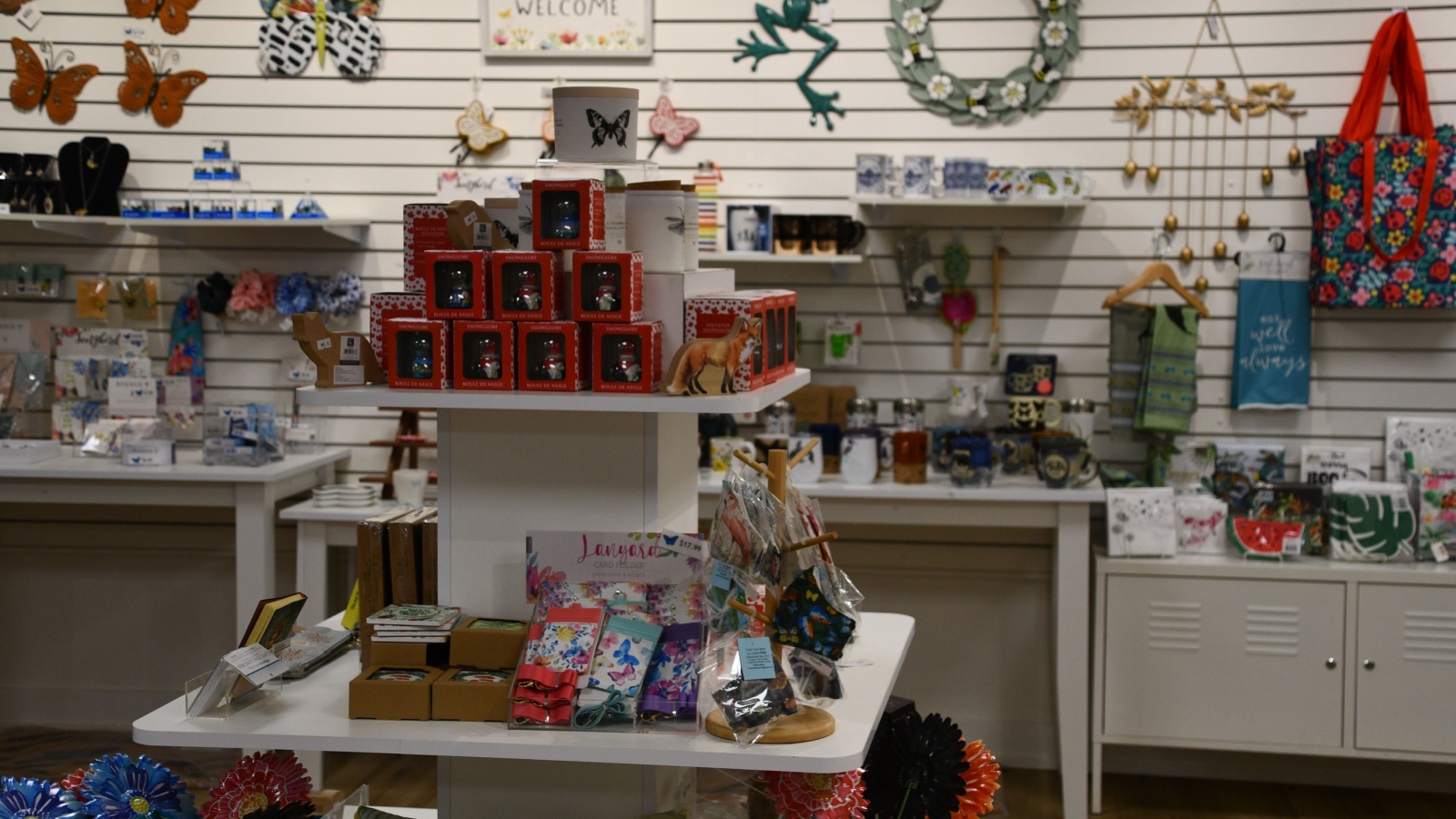
The vacation souvenir once had a simple rule: something should come home for grandparents, cousins, neighbours or anyone who had been missed while the family was away. Add gifts for several people plus purchases for the travellers themselves, and the final day of a trip can become another significant shopping occasion just when the vacation budget is already exhausted.
Statistics Canada reported that Canadian travellers spent about $1.2 billion in the second quarter of 2025 on categories including gifts, souvenirs and other miscellaneous purchases, 25.2% more than a year earlier. That does not mean families are abandoning souvenirs, but it shows how meaningful this portion of travel spending can become in aggregate. A more restrained tradition might involve one ornament for the family Christmas tree, postcards for relatives or a single locally made item rather than a bag of individual gifts. The object still marks the trip; it simply stops becoming a separate shopping list.
16 Costco Canada Habits That Could Be Costing Shoppers More Than They Save

The Executive Membership can feel like an obvious upgrade because the 2% annual reward sounds straightforward. For households that spend heavily at Costco Canada, the extra fee may be easy to justify. But the habit becomes costly when shoppers upgrade first and calculate later. A Gold Star Membership costs less, while Executive costs more and only pays off if eligible annual spending is high enough to offset the difference.
16 Costco Canada Habits That Could Be Costing Shoppers More Than They Save
