Buying used often feels like a hunt for reassuring signals: low kilometres, one owner, a clean history report or a familiar badge on the grille. The problem is that many of those shortcuts reveal only part of a vehicle’s story. Canadian winters, road salt, financing costs, incomplete maintenance records and increasingly complex vehicle technology can all complicate what appears to be a straightforward bargain.
These 16 used vehicle assumptions Canadians should stop trusting show why condition, history, documentation, inspection and total ownership cost deserve more attention than any single comforting detail. A promising used vehicle can still be a smart purchase, but the strongest deals tend to survive scrutiny rather than depend on assumptions.
Lower Mileage Automatically Means a Better Vehicle
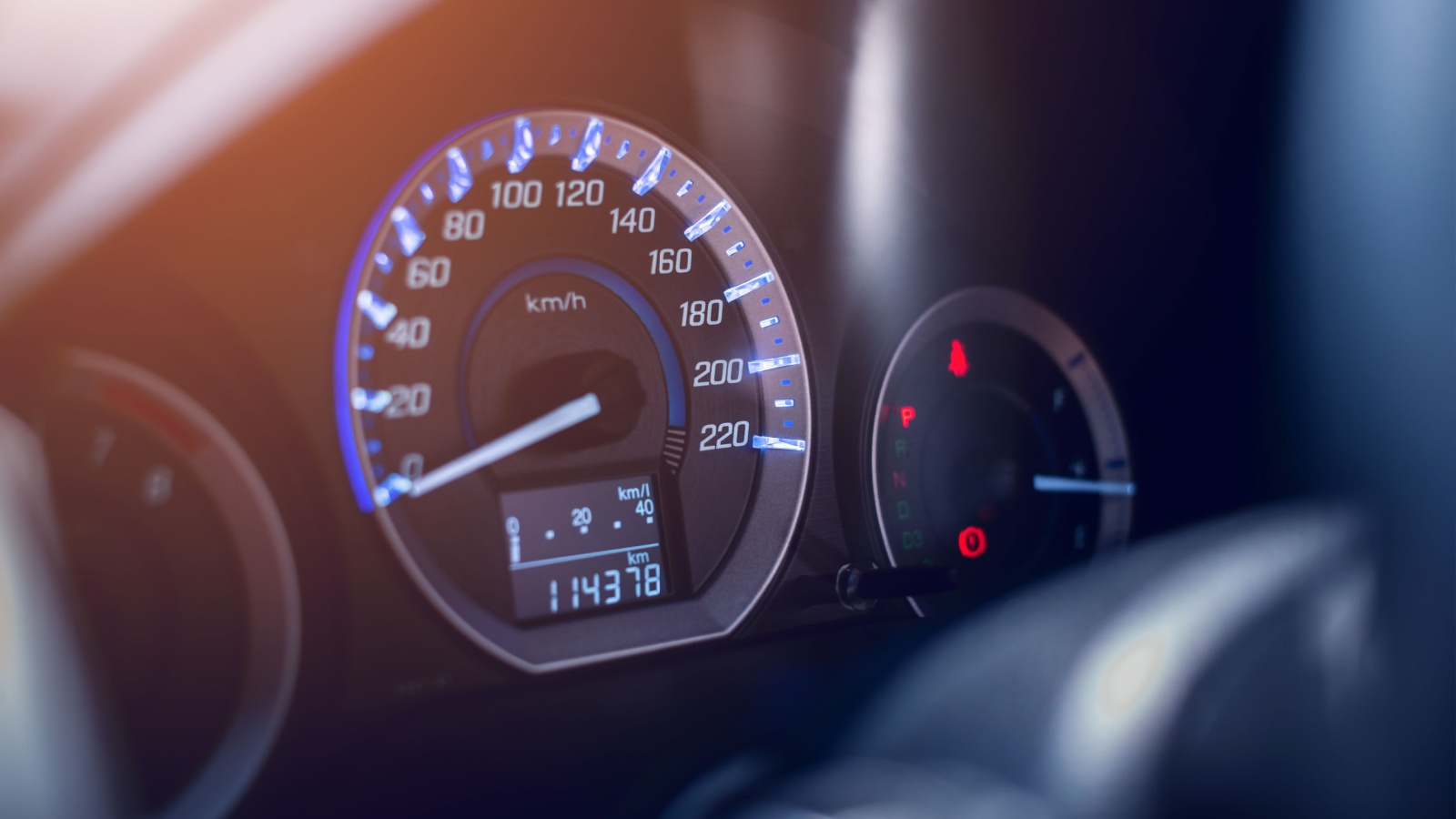
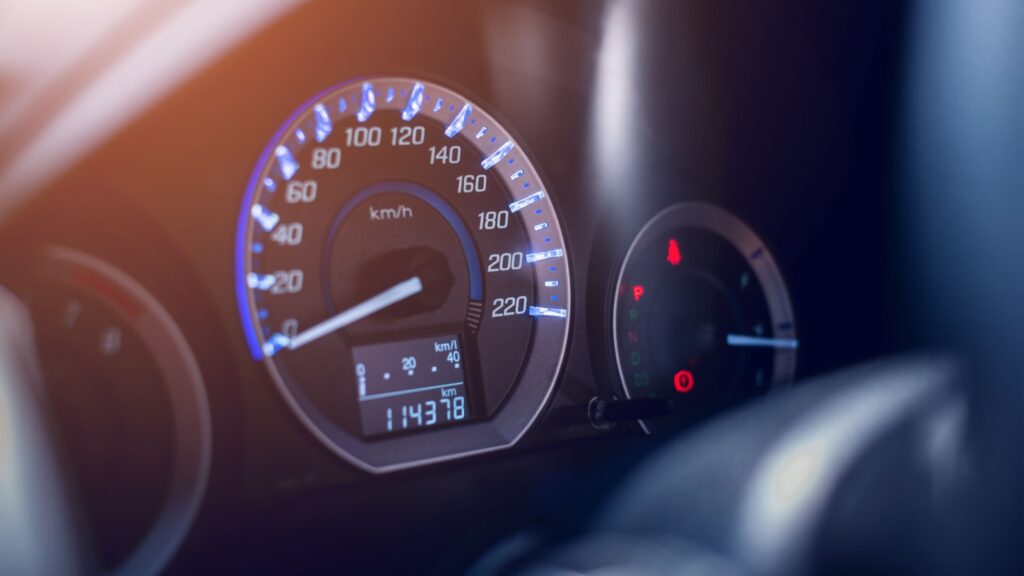
Kilometres matter, but an odometer reading is not a complete measure of a vehicle’s health. A moderately higher-mileage car that received regular oil changes, fluid service and timely repairs may be a more sensible purchase than a low-mileage example that spent years making short trips or sitting unused. The Automobile Protection Association specifically identifies unusually low mileage combined with heavy wear on pedals, seats or the steering wheel as a reason to investigate further. Mileage should make sense when compared with the vehicle’s age, appearance and documented history.
The pattern of those kilometres matters as well. Highway driving generally creates a different kind of wear than years of stop-and-go commuting, repeated cold starts and short winter trips. Buyers should compare odometer entries with service records and vehicle-history information rather than treating one dashboard number as proof of quality. A genuinely low-mileage vehicle can command a premium, but the premium only makes sense when its mechanical condition supports the story being told.
A One-Owner Vehicle Must Have Been Better Cared For

“One owner” sounds reassuring because it suggests continuity, but continuity can describe excellent maintenance or years of neglect. A single owner could have followed every scheduled service interval, or that person could have postponed repairs until selling became easier than fixing the vehicle. Multiple ownership is not automatically bad either. A three-owner vehicle with detailed invoices and consistent servicing may offer more transparency than a one-owner vehicle accompanied by little more than a set of keys.
Canadian vehicle-history data reinforces the need for a wider view. CARFAX Canada has reported that recent used-car buyers place particularly high importance on mileage, current condition, accident information and maintenance history, while ownership count is only one part of that evaluation. Ontario regulator OMVIC similarly advises shoppers to consider how a vehicle was used, maintained and repaired alongside the number of former owners. Ownership count is useful context, but it should start questions rather than settle them.
“No Reported Accidents” Means the Vehicle Has Never Been Damaged

A clean-looking history report can create more confidence than it deserves. CARFAX Canada explicitly explains that its “No Reported Accidents” designation means no damage records for that VIN were reported to CARFAX Canada. It does not amount to a guarantee that the vehicle has never been damaged. History reports depend on information supplied by participating sources, and some incidents, repairs or older records may never reach the database.
That distinction matters with privately repaired damage, minor collisions paid out of pocket or information that reaches a reporting service long after an event occurred. A buyer therefore should not use a clean history report as a substitute for examining paint consistency, panel alignment, underbody condition and structural areas. CARFAX itself recommends combining its report with a test drive and inspection by a qualified mechanic or technician. A report is extremely useful for discovering known history, but “nothing reported” and “nothing happened” are not identical statements.
Certified Pre-Owned Means Practically the Same Thing as New

Manufacturer-backed certified pre-owned programs can provide worthwhile benefits, but the word “certified” does not erase a vehicle’s past. Toyota Canada, for example, says its certified used vehicles undergo a 160-point inspection and currently include benefits such as minimum powertrain coverage and roadside assistance. Programs differ substantially by manufacturer, however, so the inspection procedure, warranty length, deductible, eligibility rules and exchange privileges should be examined rather than assumed.
The Automobile Protection Association also cautions buyers against treating certification as proof that an independent party has given a car a perfect bill of health. Its guidance notes that dealer inspections are performed under manufacturer programs and that oversight of individual inspection quality can be limited. Certification can therefore add value without eliminating the usefulness of independent due diligence. A CPO vehicle with transparent records, strong warranty terms and an independent inspection may be compelling. The badge alone should not be mistaken for a guarantee against previous damage, wear or future repair expenses.
Buying From a Dealer Automatically Means the Vehicle Is Mechanically Safe

A regulated dealership generally offers consumer protections that a private transaction may not, but dealer status does not magically transform every used vehicle into a mechanically perfect one. Ontario provides a useful example: consumers purchasing from OMVIC-registered dealers receive protections under provincial motor-vehicle legislation that are unavailable in ordinary private transactions. Dealers also face disclosure requirements relating to important aspects of a vehicle’s history and condition.
Those protections still do not eliminate the need to inspect the actual vehicle being purchased. Ontario rules even permit dealers to sell vehicles “as-is” when the required disclosure is made. OMVIC states that a safety standards certificate indicates that a vehicle met specified basic safety standards on the inspection date; it is not a broad guarantee of long-term mechanical condition. Provincial rules vary across Canada, but the principle travels well: buying from a properly registered dealer can improve legal protection, while an independent mechanical evaluation addresses an entirely different question—whether the particular vehicle is a good one.
A Newer Model Year Is Always the Smarter Choice

Moving one or two model years newer can add features, newer technology and potentially more remaining warranty, but the model-year number alone says surprisingly little about which used vehicle is the better purchase. A well-proven older version of a model may have a known repair history and mature mechanical design, while an extensively redesigned newer version can introduce unfamiliar components. The APA, for example, has highlighted cases where newly redesigned vehicles use powertrains whose long-term reliability is not yet as established as the components they replaced.
Safety history deserves a separate check. Transport Canada maintains recall information going back decades and specifically advises used-vehicle buyers to investigate whether recalls apply to a vehicle before purchase. That means comparing specific VINs, maintenance, condition, repair history and outstanding campaigns rather than merely choosing the newest year that fits the budget. Newer can certainly be better, but a younger vehicle with unresolved problems is not automatically preferable to an older example that has been thoroughly maintained and properly repaired.
An Extended Warranty Makes a Questionable Used Car a Safe Bet

An extended warranty can reduce uncertainty around certain repair bills, but it should not be used to justify buying a vehicle that already raises concerns. The Automobile Protection Association notes that warranty coverage varies considerably. Some contracts cover a broad range of systems, while others apply mainly to specified components and may have deductibles, kilometre limits, claim limits or maintenance requirements. Normal wear items can also sit outside coverage.
More importantly, the existence of a warranty does not necessarily mean an independent inspector has examined the vehicle. The APA specifically warns against assuming warranty eligibility proves a car is in excellent condition, noting that used vehicles are commonly certified through dealers rather than inspected independently by warranty companies. Maintenance records matter after purchase too because negligence, abuse and normal wear are common reasons claims can be rejected. A strong warranty can complement a strong vehicle. It is much less effective as camouflage for oil leaks, suspicious noises, incomplete records or unresolved mechanical problems that were visible before signing.
AWD Means Winter Tires Are Unnecessary

All-wheel drive is attractive in a Canadian winter because it can improve the ability to get moving when traction is poor. What it cannot do is repeal the physics involved in braking and cornering. CAA guidance stresses that AWD and four-wheel-drive systems help propel a vehicle, but they do not necessarily provide the same advantage when stopping or turning on slippery roads. Those are exactly the situations in which tire grip becomes crucial.
CAA says dedicated winter tires can deliver substantially more traction than conventional all-season tires because their rubber compounds, tread designs and siping are engineered for cold, snowy and icy conditions. That means a used SUV advertised proudly with AWD should still have its tires examined for type, age, tread depth and condition. Four driven wheels paired with worn or unsuitable rubber can create misplaced confidence. For Canadian buyers, a front-wheel-drive car wearing four high-quality winter tires may sometimes be better prepared for stopping and turning than an AWD vehicle riding on tires poorly suited to the season.
Rust Is Mostly a Cosmetic Problem
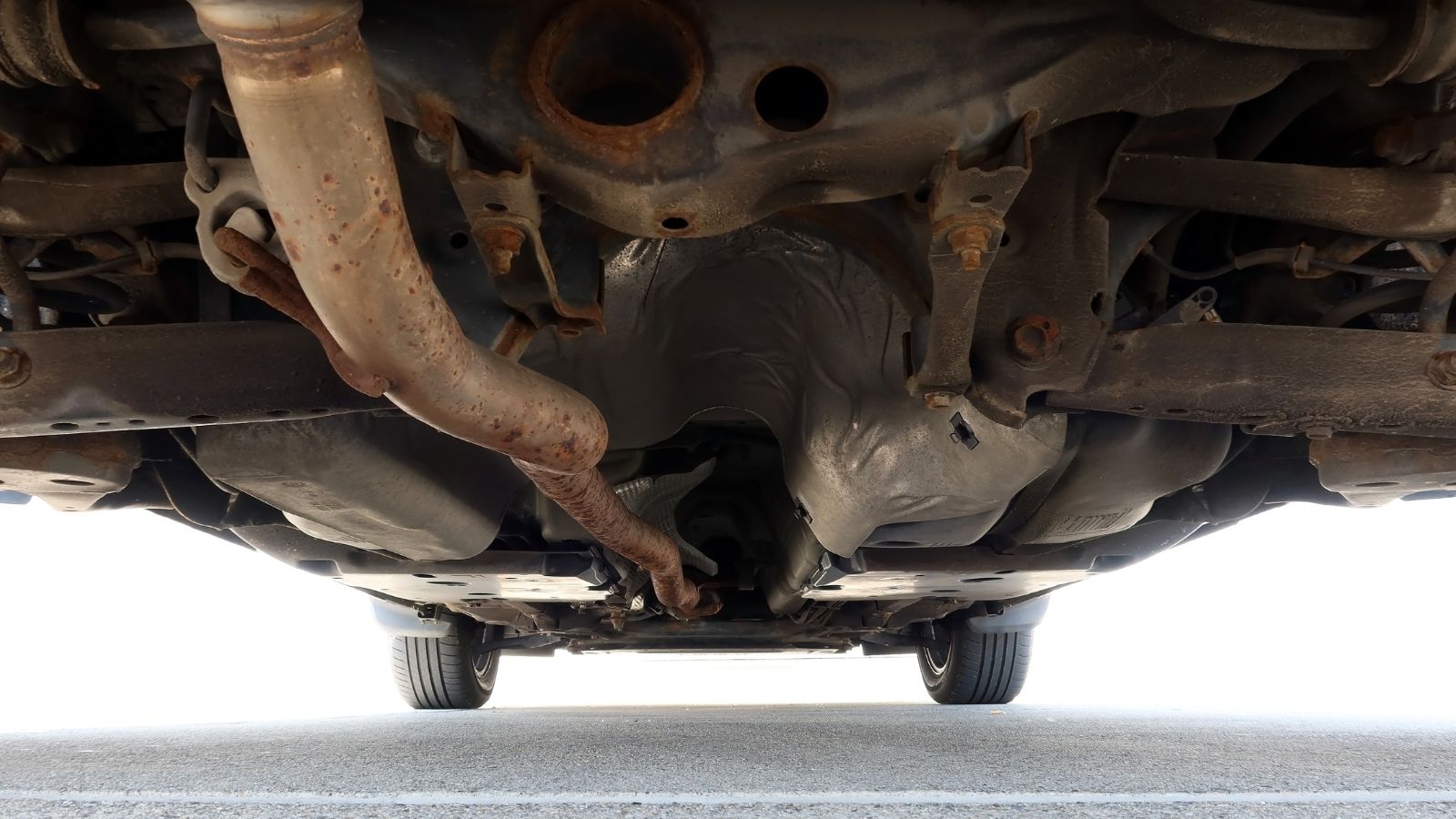
A bubbling wheel arch or rusty rocker panel may look like a simple appearance issue, but corrosion deserves considerably more respect in a country where many vehicles spend winters exposed to moisture and road salt. Surface rust on a replaceable body panel is one thing; corrosion affecting structural sections, brake or fuel lines, mounting points and the underbody can change the economic and safety calculation entirely.
CAA Atlantic warns that serious rust and corrosion can compromise structural integrity and leave a vehicle unsafe or uneconomical to repair. That makes an underbody inspection particularly important when buying an older Canadian vehicle, including trucks and SUVs whose tall ride height can make the body look healthy while hiding deterioration underneath. Buyers should distinguish between minor cosmetic oxidation and advanced structural corrosion instead of treating every patch of rust the same way. The latter can require expensive fabrication or component replacement. A bargain price loses much of its appeal when corrosion has already consumed the parts that keep major components securely attached to the vehicle.
Service Records Are Nice to Have, but Not Particularly Important
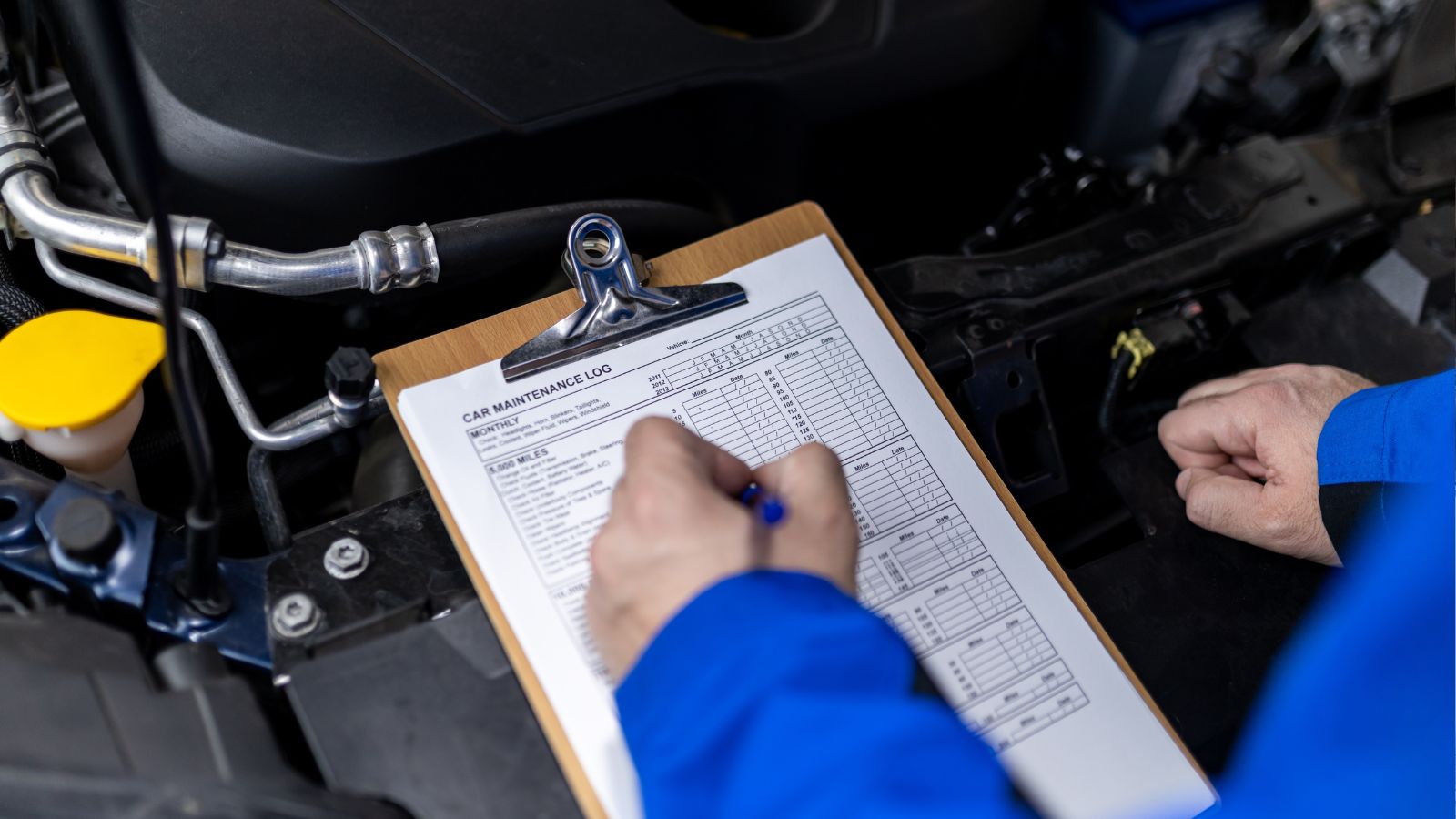
A thick folder of maintenance invoices may not look as exciting as a polished exterior, yet it can be one of the most useful things that comes with a used vehicle. Service records help show whether oil changes, inspections, fluid replacements, brake work and other maintenance occurred at reasonable intervals. CARFAX Canada recommends asking sellers for maintenance records and says available service-history data can help buyers understand how a vehicle was maintained.
There is another reason to request the paperwork directly: an empty service-history section on a vehicle-history report does not necessarily mean that no maintenance occurred. CARFAX Canada explains that it does not receive service information from every facility, so owners may have legitimate records that never appeared in the database. The reverse concern also matters—a shiny vehicle with virtually no documentation leaves more unanswered questions. Receipts cannot guarantee future reliability, but they can turn vague claims such as “always serviced” into something verifiable. In used-car shopping, documentation often tells a more meaningful story than showroom-level detailing.
No Dashboard Warning Lights Means Everything Is Fine

A dashboard free of warning symbols is preferable to one glowing like a Christmas tree, but it is not a mechanical inspection report. Warning systems monitor particular electronic inputs and conditions. They cannot tell a buyer that every suspension joint is tight, every fluid is fresh, every wheel bearing is quiet or that an intermittent problem will not appear after a longer drive. CAA notes that individual dashboard lights can indicate conditions ranging from relatively minor faults to potentially serious engine, braking, charging or cooling-system problems.
The more dangerous assumption is the reverse: that silence from the dashboard proves nothing needs attention. Used-car inspections exist precisely because many problems require physical examination, road testing or diagnostic evaluation. Worn brakes can make noise before generating an electronic warning. Fluid seepage may be visible underneath before any sensor reacts. Suspension wear can reveal itself on rough pavement. A clean instrument cluster is one positive observation, not a substitute for checking what is happening underneath the vehicle, behind the wheels and inside its mechanical systems.
A Rebuilt Vehicle Is Basically a Clean-Title Vehicle With a Better Price
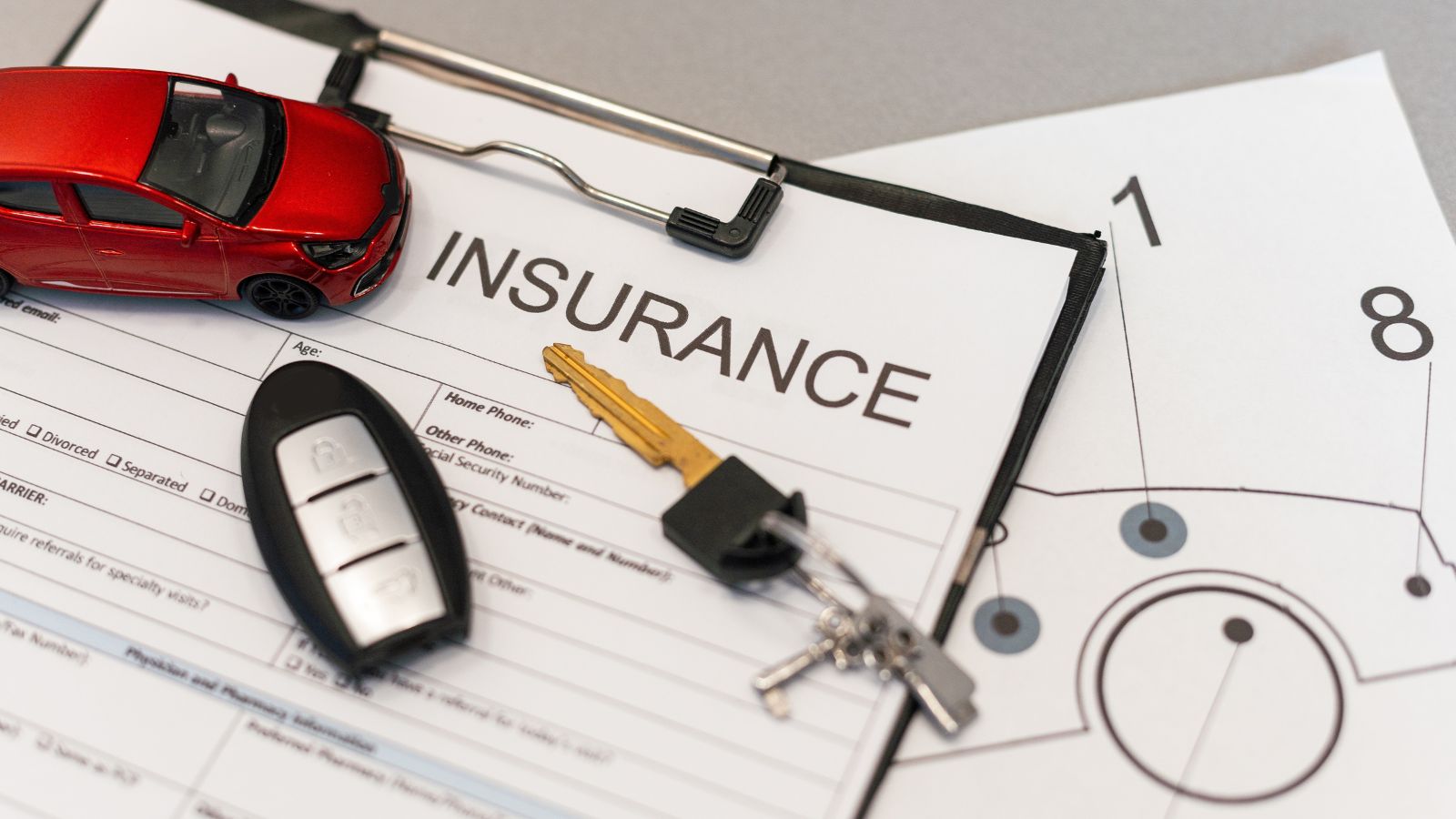
A vehicle carrying rebuilt history may have been legally returned to the road, but its history is materially different from that of a vehicle that was never branded salvage. The distinction is important enough that Ontario requires registered dealers to disclose whether a vehicle has been classified as irreparable, salvage or rebuilt. OMVIC also lists failure to disclose certain branding information among circumstances that can give buyers cancellation rights under provincial rules.
That does not mean every rebuilt vehicle should automatically be rejected. It means the lower purchase price must be weighed against what happened to the vehicle, who repaired it, whether documentation exists and how the history could affect insurance, financing, resale value or future repairs. Transport Canada also notes that salvage vehicles can face additional rules in some import and registration situations. Buyers considering one should verify provincial requirements and obtain a particularly thorough structural inspection. “Rebuilt” is not merely an unusual line on paperwork; it represents a major part of the vehicle’s history that deserves to be priced and investigated accordingly.
Mileage Tells Buyers Everything They Need to Know About a Used EV Battery
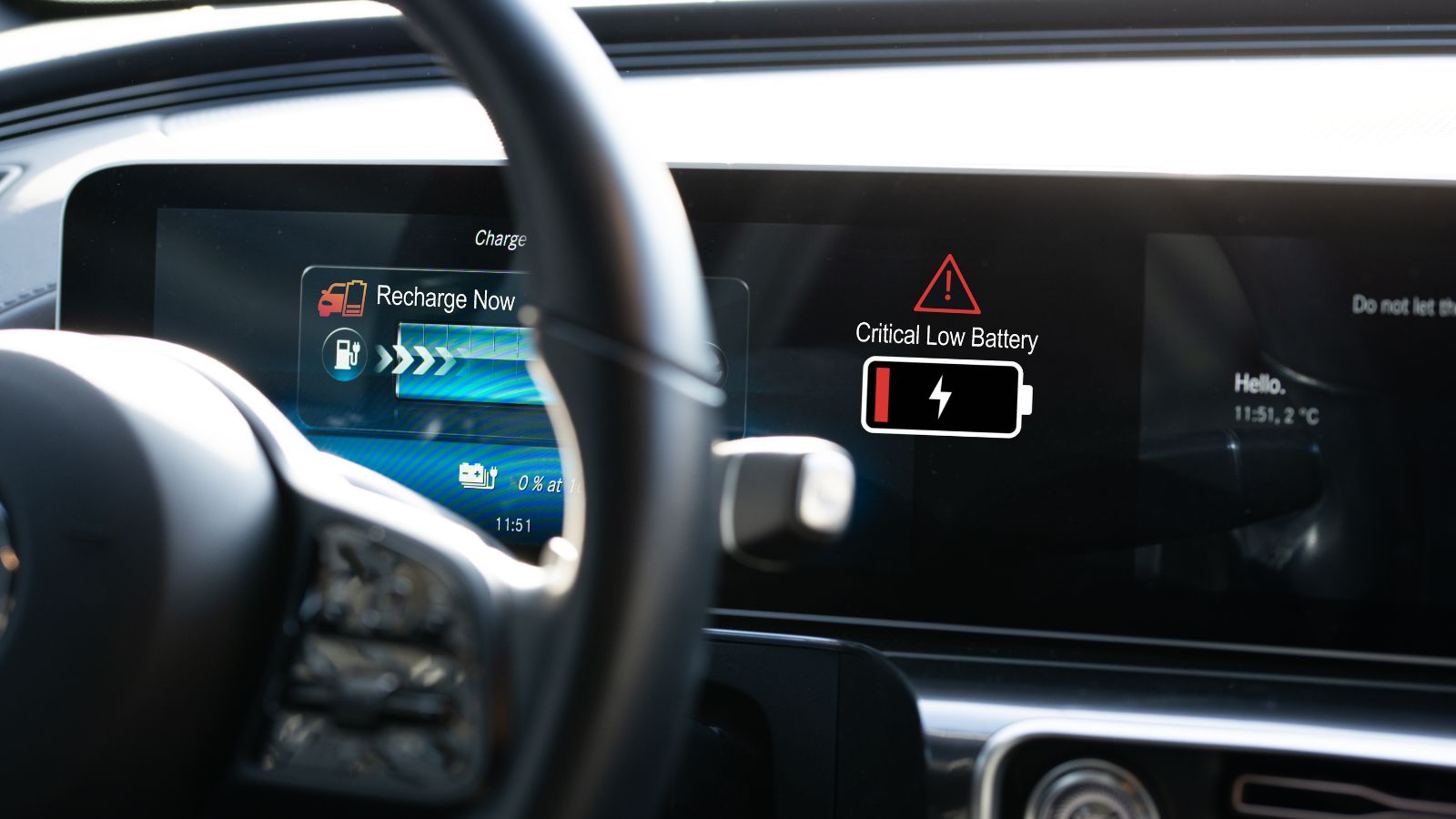
Applying gasoline-car thinking directly to an electric vehicle can be misleading. Kilometres still matter, but EV battery condition depends on more than distance travelled. Battery chemistry, age, temperature exposure, thermal management and charging behaviour can all influence degradation. A low-mileage EV that has spent years under stressful battery conditions is not automatically healthier than a higher-mileage vehicle with a gentler operating history.
Large-scale fleet data illustrates why state of health deserves attention. Canadian telematics company Geotab reported in its 2026 analysis of more than 22,000 EVs that battery degradation averaged about 2.3% per year across the dataset. It also found higher degradation among vehicles relying heavily on high-power DC fast charging compared with lower-power charging groups, while climate had an additional effect. Those are fleet averages rather than predictions for a specific car, which is precisely the point. A used-EV buyer should look for battery-health information, remaining battery warranty and realistic full-charge range instead of assuming the odometer can summarize the battery’s condition by itself.
The Lowest Monthly Payment Is the Best Deal

A manageable payment is important, but focusing on the monthly number alone can disguise how much a vehicle actually costs. Extending a loan over more years can make an expensive used vehicle look affordable without reducing its purchase price. The Financial Consumer Agency of Canada has repeatedly warned consumers about the risks of extended-term auto financing and advises borrowers to consider the shortest loan term they can reasonably afford.
The mathematics is straightforward: stretching repayment can reduce each monthly instalment while increasing the period during which interest is charged. The result may be a larger total borrowing cost and a longer window in which the borrower owes more than the vehicle is worth. That can become particularly painful if the vehicle needs replacement before the loan ends or if it is traded while negative equity remains. A useful comparison therefore includes the selling price, down payment, APR, loan term, total interest and total amount paid. “Only $X every two weeks” is a budget figure, not a complete price.
The Advertised Price Is the Only Number Buyers Need to Check

Online listings make vehicle comparison easy, but the asking price still needs context. Taxes, registration, financing costs and optional products can change the eventual amount leaving a household’s budget. Rules also vary by province. In Ontario, for example, OMVIC requires dealer advertisements to use all-in pricing: mandatory fees and charges the dealer intends to collect must generally be included in the advertised vehicle price, with HST and licensing permitted as additions.
That protection is useful precisely because unexpected fees can materially alter an apparent bargain. OMVIC says administration charges, freight and other required dealer costs cannot simply appear later if they should have been included under all-in pricing rules. Optional products such as additional warranties can still increase the transaction amount when voluntarily selected. Canadians outside Ontario should check their own provincial or territorial consumer rules rather than assuming identical requirements nationwide. Either way, comparing vehicles using only the bold number in an advertisement misses financing, tax and ownership costs that determine what the purchase actually costs.
A Good Test Drive Makes a Pre-Purchase Inspection Unnecessary

A test drive can expose steering vibrations, strange noises, poor braking, transmission hesitation or other obvious problems, but most buyers cannot inspect a chassis, identify subtle collision repairs or evaluate components hidden beneath a vehicle in a parking lot. That is why independent inspection remains one of the most consistent recommendations from Canadian consumer organizations. OMVIC advises used-car shoppers to have a trusted mechanic examine the vehicle, particularly when manufacturer warranty coverage has expired.
The Automobile Protection Association goes even further, describing a pre-purchase inspection as one of the most effective ways to avoid buying a problem vehicle or paying too much for one that needs substantial maintenance. Its guidance says a thorough inspection can take roughly 45 minutes to two hours depending on the vehicle and should include body and chassis examination, a road test and a written report. A pleasant 20-minute drive is useful evidence. A trained technician with a lift, diagnostic equipment and no financial stake in the sale can provide a much deeper second opinion.
16 Costco Canada Habits That Could Be Costing Shoppers More Than They Save
The Executive Membership can feel like an obvious upgrade because the 2% annual reward sounds straightforward. For households that spend heavily at Costco Canada, the extra fee may be easy to justify. But the habit becomes costly when shoppers upgrade first and calculate later. A Gold Star Membership costs less, while Executive costs more and only pays off if eligible annual spending is high enough to offset the difference.
16 Costco Canada Habits That Could Be Costing Shoppers More Than They Save
