
SUV shopping has become far more complicated than choosing between small, midsize and three-row models. Canadian buyers now face gasoline, hybrid, plug-in hybrid and fully electric powertrains, increasingly sophisticated safety technology, long financing terms and ownership costs that can vary dramatically between two vehicles with similar sticker prices.
The right choice also depends heavily on Canadian realities: winter traction, fuel costs, insurance, theft exposure, towing needs, charging access and how well a vehicle actually fits family life. These 22 things Canadian drivers should know before buying their next SUV focus on the details that can matter long after the excitement of a test drive has faded.
The Sticker Price Is Only the Beginning

An SUV that fits comfortably within a monthly payment can still become expensive once the rest of the ownership budget is added. Fuel or electricity, insurance, scheduled maintenance, repairs, winter tires, registration, parking and borrowing costs all deserve consideration before a purchase. The Government of Canada’s consumer guidance specifically recommends looking beyond the vehicle price and including expenses such as maintenance, insurance, fuel and parking. Those costs can turn two similarly priced SUVs into very different financial commitments.
That distinction matters especially when moving into a larger vehicle. More expensive tires, additional drivetrain components and higher fuel use can quietly widen the gap between the purchase price and the amount ultimately spent. A buyer comparing a C$45,000 SUV with a C$48,000 alternative therefore should not assume the cheaper model will necessarily cost less over five years. A realistic calculation using expected annual kilometres, an insurance quote and maintenance requirements provides a much better picture than the showroom payment alone.
Compare Fuel Consumption by the Exact Powertrain and Trim
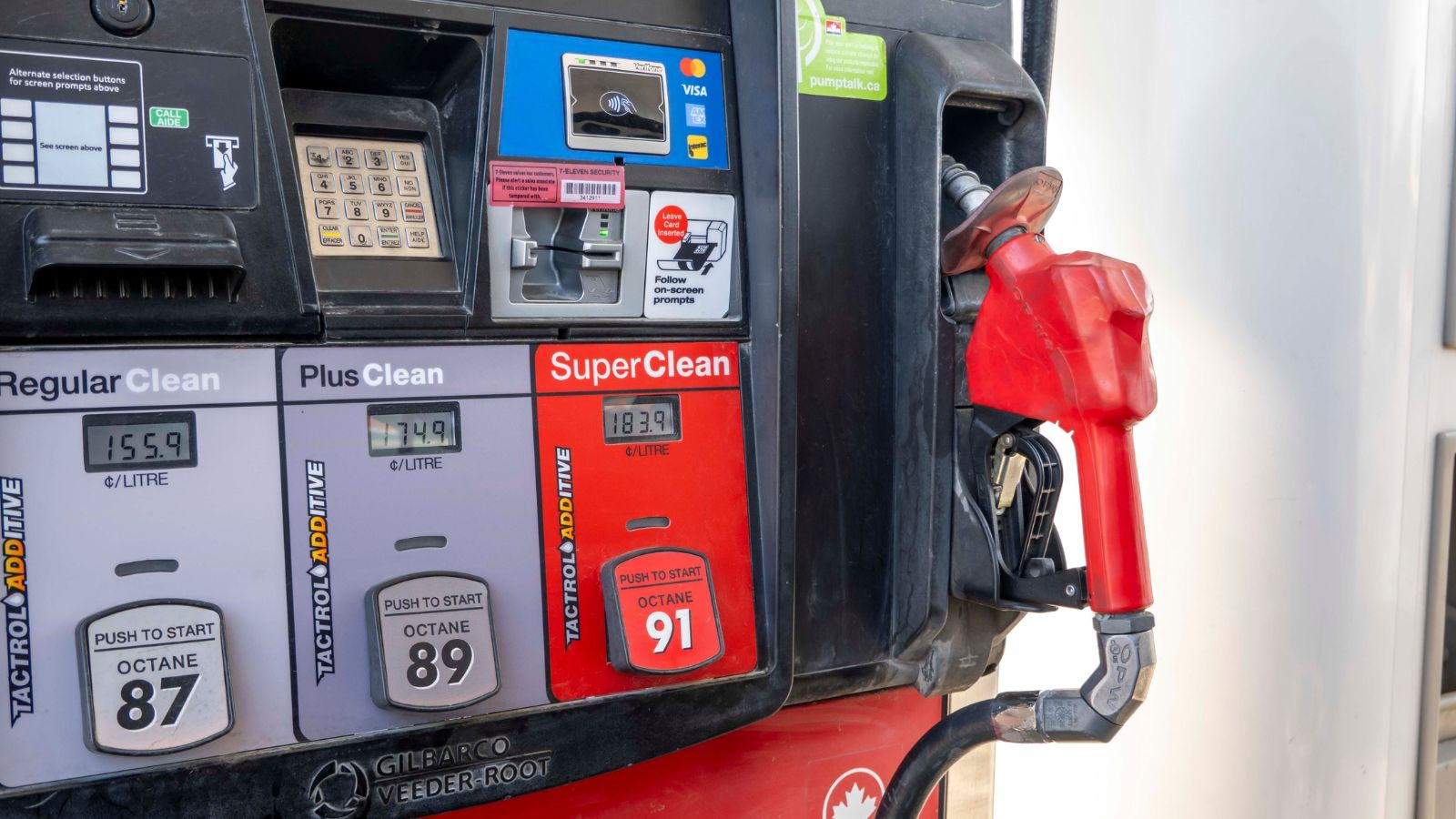
Fuel economy can change noticeably within a single SUV nameplate. A model may be sold with front-wheel drive, all-wheel drive, several gasoline engines, a conventional hybrid and perhaps a plug-in hybrid, each carrying its own official consumption rating. Natural Resources Canada publishes model-specific information in its annual Fuel Consumption Guide, with combined ratings based on 55 percent city and 45 percent highway driving. That makes it possible to compare vehicles using the same standardized methodology instead of relying on advertising language.
Drivers should look up the exact configuration they intend to buy rather than assuming every version of an SUV performs similarly. Larger engines, different transmissions and four-wheel-drive hardware can affect consumption. The impact compounds over years of commuting. Even a difference of one litre per 100 kilometres represents 200 litres of fuel over 20,000 kilometres. For households keeping a vehicle for seven or eight years, small efficiency differences can therefore become meaningful ownership costs, particularly when fuel prices rise.
All-Wheel Drive Does Not Replace Winter Tires
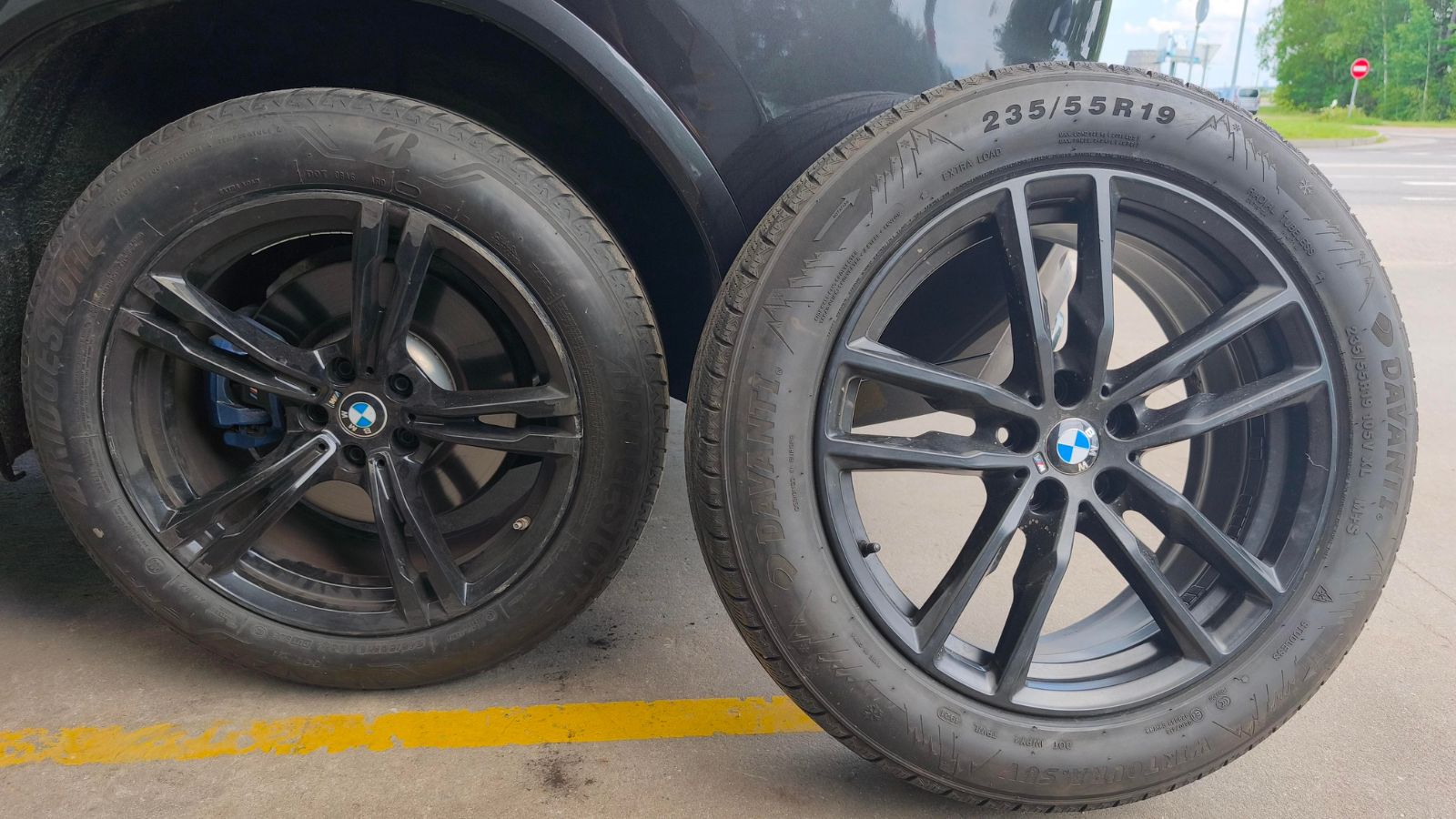
All-wheel drive is attractive in a Canadian climate because it can improve the ability to get moving on a slippery surface. What it cannot do is create additional tire grip when the vehicle needs to stop. Transport Canada recommends winter tires on all four wheels for cold, snowy and icy conditions and advises choosing tires carrying the three-peak mountain snowflake symbol. In government testing, a vehicle equipped with winter tires on every wheel needed up to nine metres less distance to stop than a mixed winter and all-season configuration.
That distinction is easy to overlook during SUV shopping because AWD is often presented as the centrepiece of a vehicle’s winter capability. A driver may spend thousands of dollars moving to an AWD trim while leaving little room in the budget for four quality winter tires and suitable wheels. Canadian buyers should price the complete winter setup before signing. The better question is not simply whether an SUV sends power to four wheels, but whether the household can equip and maintain it properly for the conditions in which it will actually operate.
Bigger Does Not Automatically Mean Better
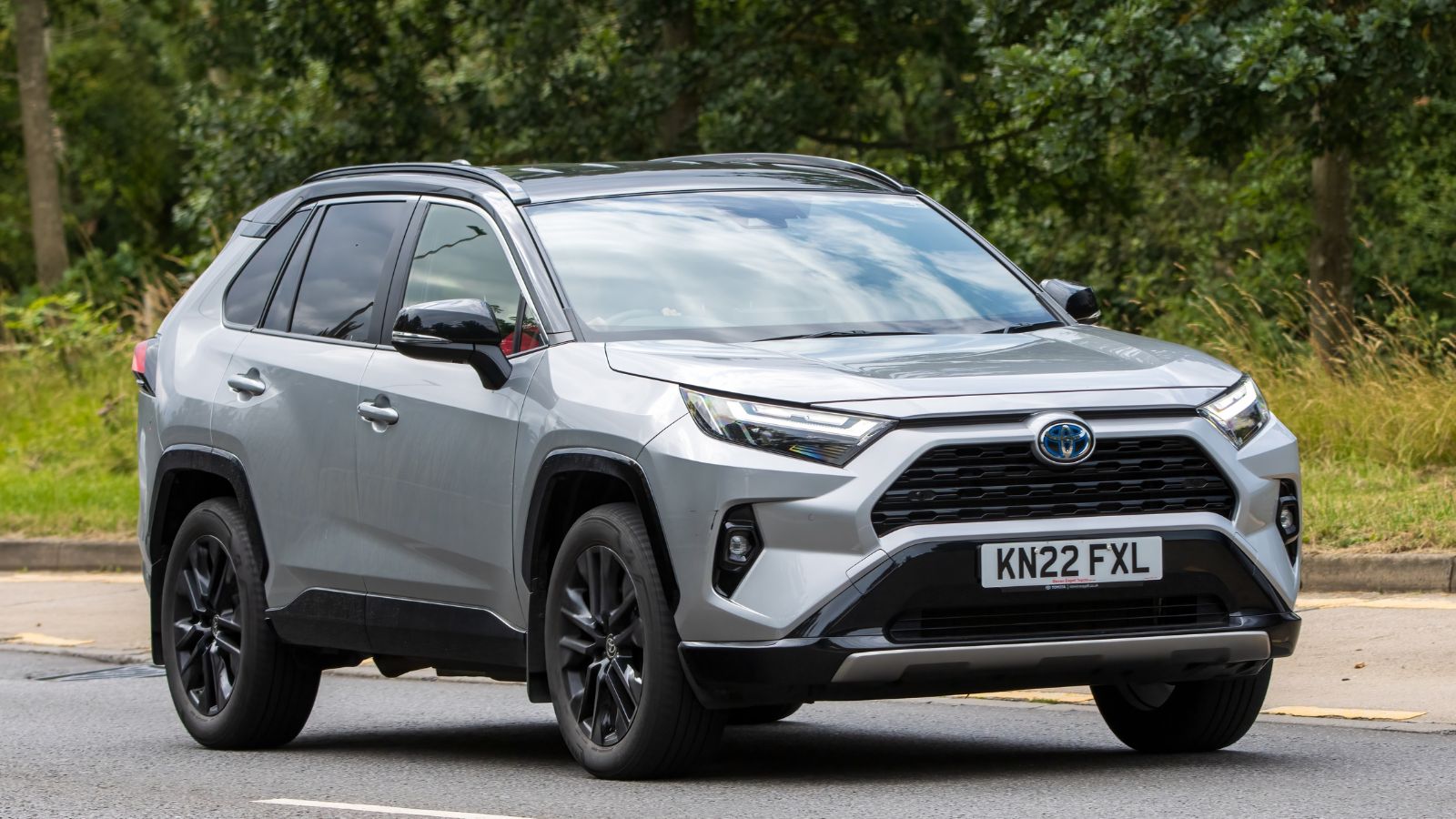
SUVs are often associated with a commanding seating position, but greater height can bring trade-offs. Transport Canada notes that roll-stability-control systems are particularly relevant to vehicles with a high centre of gravity during extreme cornering or evasive manoeuvres. Modern electronic stability technology has greatly improved vehicle behaviour, yet size and height still affect how an SUV feels when changing direction, entering a tight garage or navigating a crowded urban street.
Visibility also deserves close attention. Research from the Insurance Institute for Highway Safety has linked larger driver-side blind zones with greater pedestrian collision risk during left turns. Separate IIHS research has found that taller, more vertical front ends present greater danger to pedestrians than lower, more sloped vehicle fronts. None of that means a large SUV is inherently the wrong choice. It does mean that buyers should evaluate sightlines from the driver’s seat rather than assuming height always improves visibility. A smaller, easier-to-place SUV may prove more comfortable in daily use than the largest model the budget allows.
A Third Row Does Not Guarantee Comfortable Seven-Passenger Travel
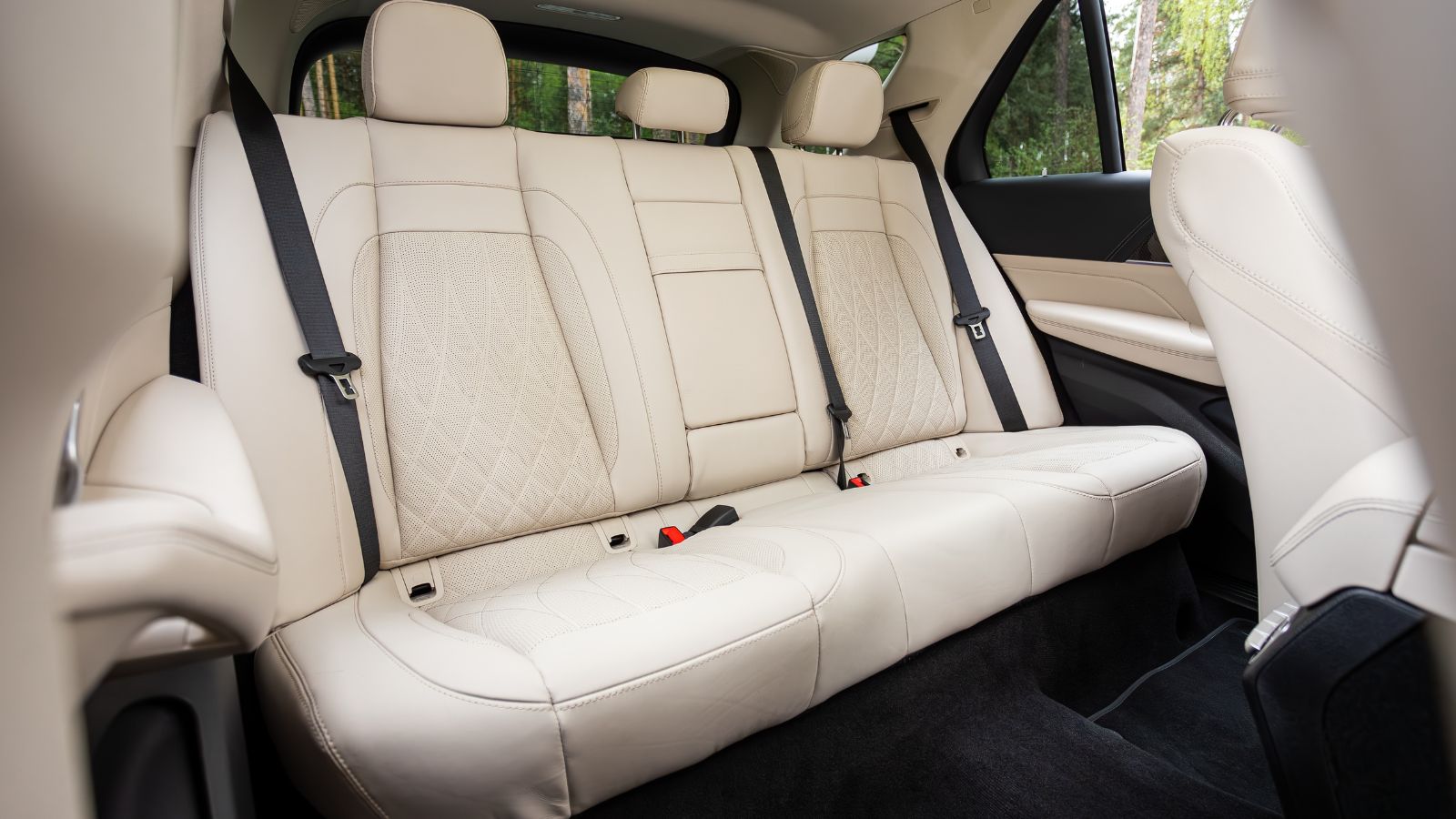
The phrase “three-row SUV” can create an impression of minivan-like passenger capacity, but the usefulness of that third row varies enormously. Legroom, headroom, seat height and access can turn one model’s rearmost seats into practical accommodation for adults while limiting another largely to children or short trips. The space also has to work with whatever child restraints a family actually uses. Transport Canada emphasizes choosing child seats according to the child’s height and weight and following both the restraint and vehicle instructions during installation.
Families should therefore bring real-world requirements to the dealership. A rear-facing child seat can consume far more fore-aft room than expected. A grandparent may struggle with a narrow passage to the third row, while teenagers may discover that advertised seating capacity does not translate into comfortable highway travel. Buyers who regularly carry six or seven people should test every seating position before deciding. The number printed in the brochure is only a starting point; how easily those passengers can enter, sit and remain comfortable is what determines whether the layout works.
Published Cargo Volume Does Not Tell the Whole Story
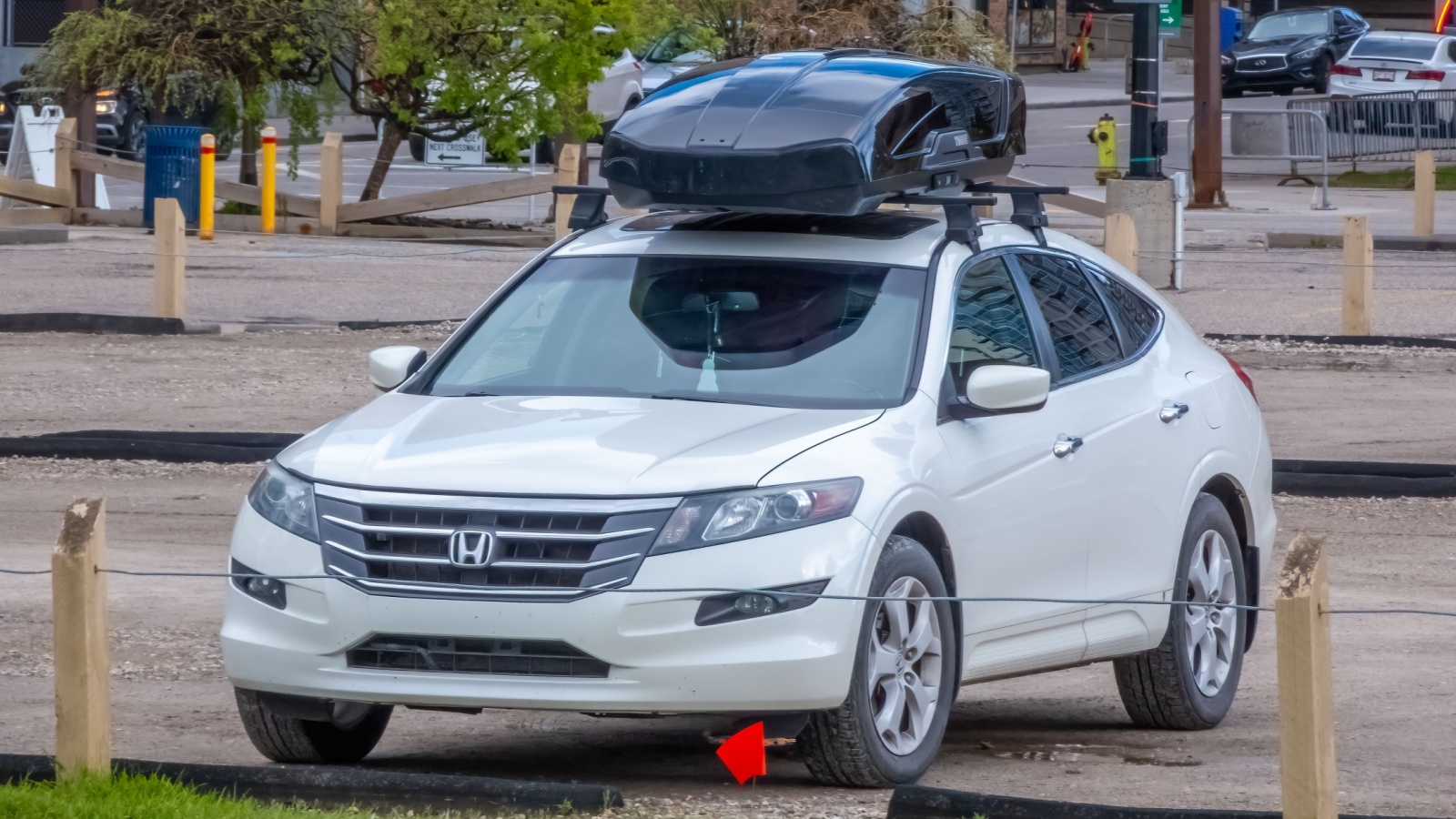
Cargo specifications look wonderfully precise, but litres or cubic feet do not reveal whether an SUV’s storage area is actually useful. Wheel-well intrusions, a sloping roof, a high load floor and sharply angled seatbacks can make a nominally large cargo bay awkward for strollers, hockey bags, suitcases or a large dog crate. Consumer Reports uses its own physical measurement method for SUVs because standardized manufacturer figures do not necessarily capture the amount of usable rectangular space available in everyday loading.
The practical solution is refreshingly low-tech: bring the equipment the vehicle will regularly carry. Families can test a stroller, camping bins or hockey gear. Drivers who transport pets can measure crate height, while cyclists should check whether bicycles fit without removing more components than expected. The position of the second row matters too. Some SUVs produce impressive maximum cargo numbers only when nearly every passenger seat is folded. An SUV that offers slightly fewer advertised litres but a wider opening and squarer floor may prove considerably more useful every week.
Maximum Towing Capacity Usually Applies Only to the Right Configuration
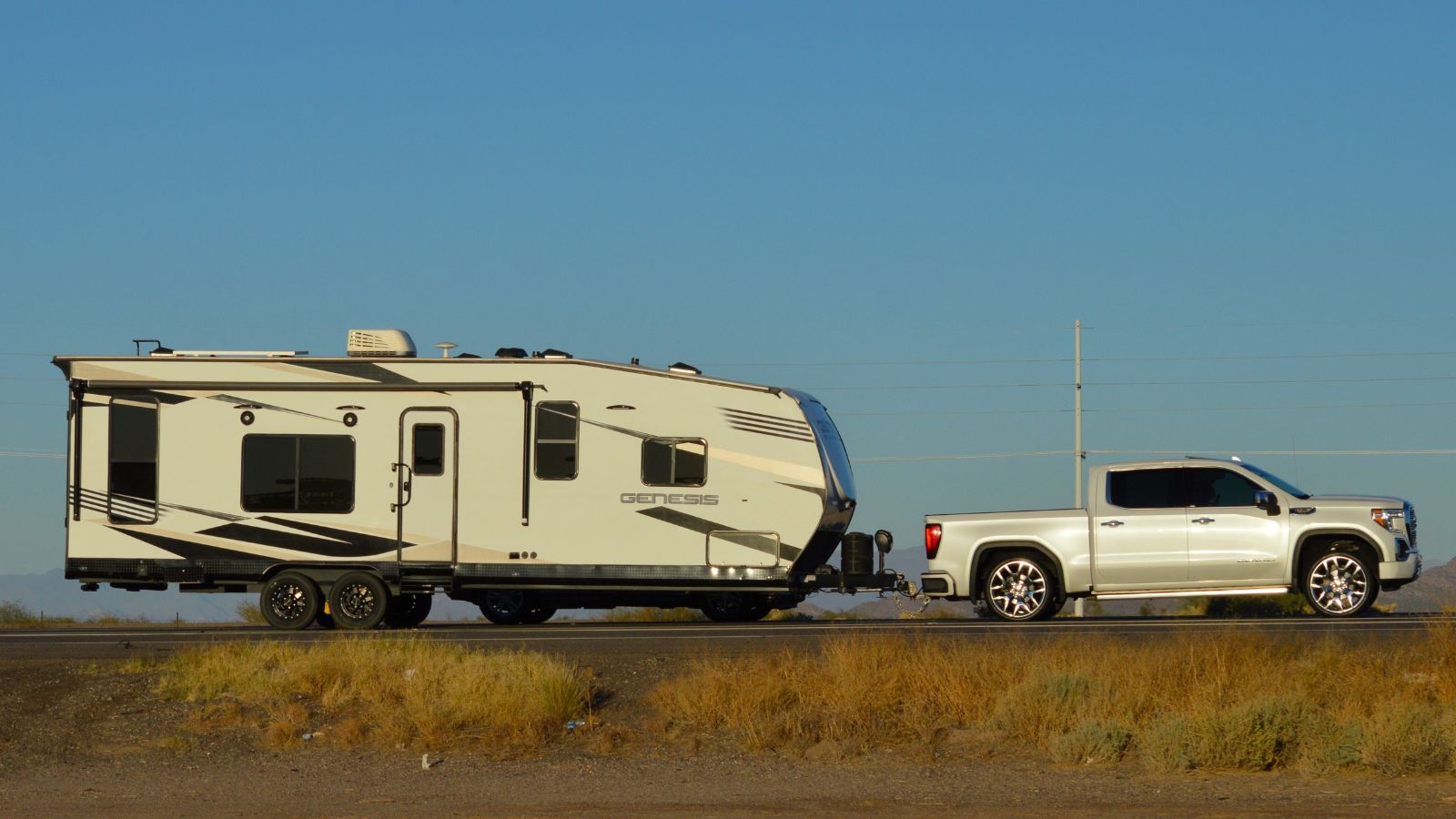
A headline such as “tows up to 5,000 pounds” should trigger another question: which version? Towing ratings can depend on engine, drivetrain, axle ratio, cooling hardware, factory tow packages and even wheel or trim choices. Ford’s Canadian towing guidance, for example, distinguishes between gross vehicle weight, gross vehicle weight rating and maximum towing capacity, while individual SUV models can carry different ratings depending on equipment.
That makes the VIN-specific or configuration-specific rating far more important than the largest figure used in advertising. Buyers planning to tow a camper, boat or utility trailer should determine the trailer’s realistic loaded weight, not simply its empty weight. Water, propane, batteries, camping gear and supplies can add hundreds of kilograms. A household that purchases an SUV because its theoretical maximum barely exceeds the trailer’s dry weight may discover that the real combination leaves little margin. When towing is an important part of the purchase, the trailer should help determine the SUV configuration rather than being treated as an afterthought.
Payload Can Become the Limit Before Towing Capacity Does
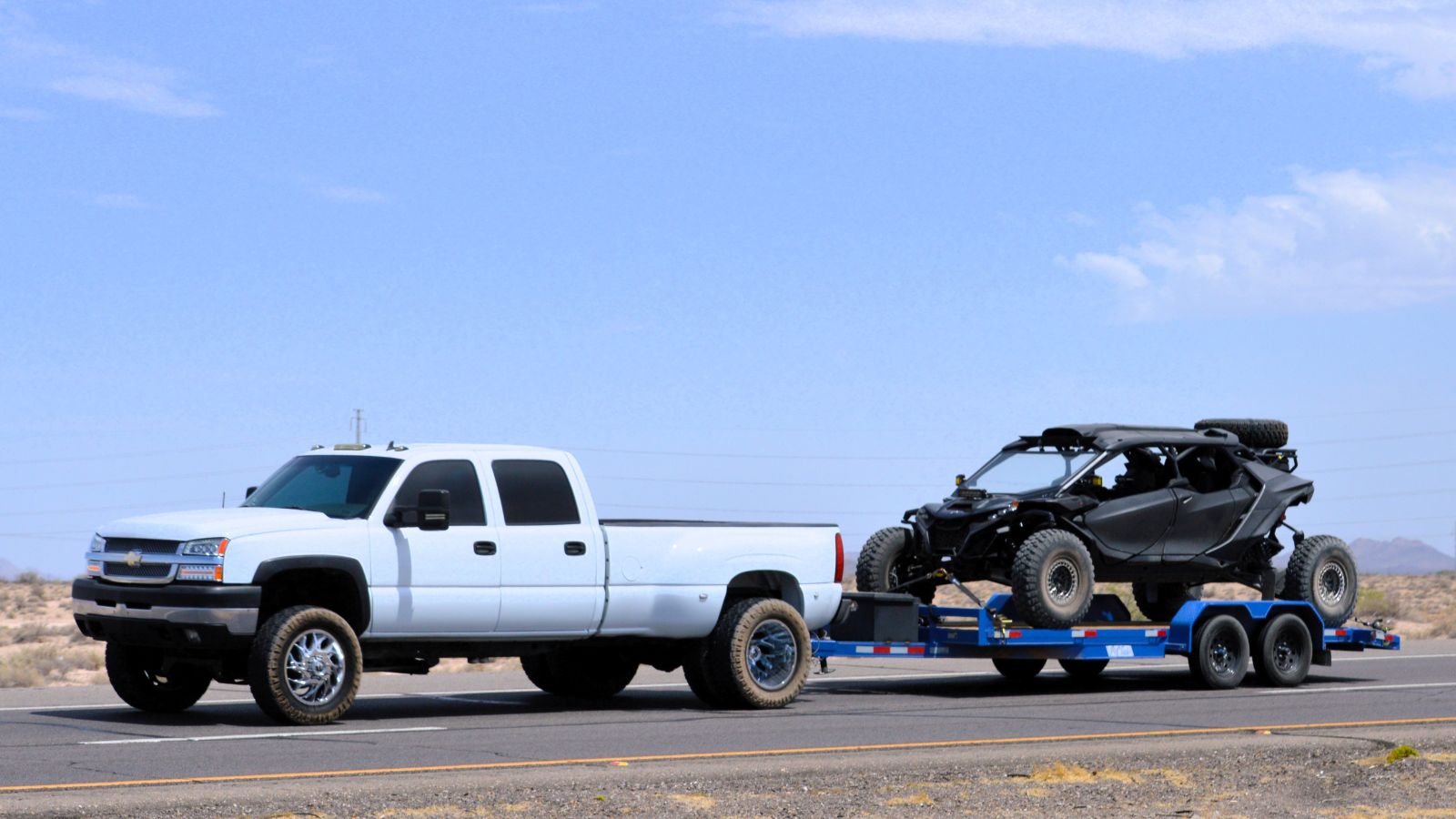
Towing capacity receives most of the marketing attention, but payload can be the number that actually ends a towing plan. Payload represents how much weight the vehicle can carry, including passengers, luggage, accessories and the downward load imposed by a trailer on the hitch. Ford explicitly notes that trailer tongue weight counts toward cargo weight. Toyota likewise distinguishes towing capacity from payload and directs owners to the load-carrying information on the vehicle’s door-jamb label.
Consider a family loading four adults, luggage, a cooler and camping equipment into an SUV while attaching a substantial travel trailer. The vehicle may remain below its maximum advertised towing figure but approach its payload or rear-axle limit surprisingly quickly. Adding roof gear, running boards or other accessories can narrow the margin further. Buyers with serious towing plans should inspect the actual vehicle’s certification labels and calculate passenger, cargo and tongue loads together. The biggest towing number in a brochure is not permission to ignore the other weight limits engineered into the SUV.
Large Wheels Can Create a Large Replacement-Tire Bill
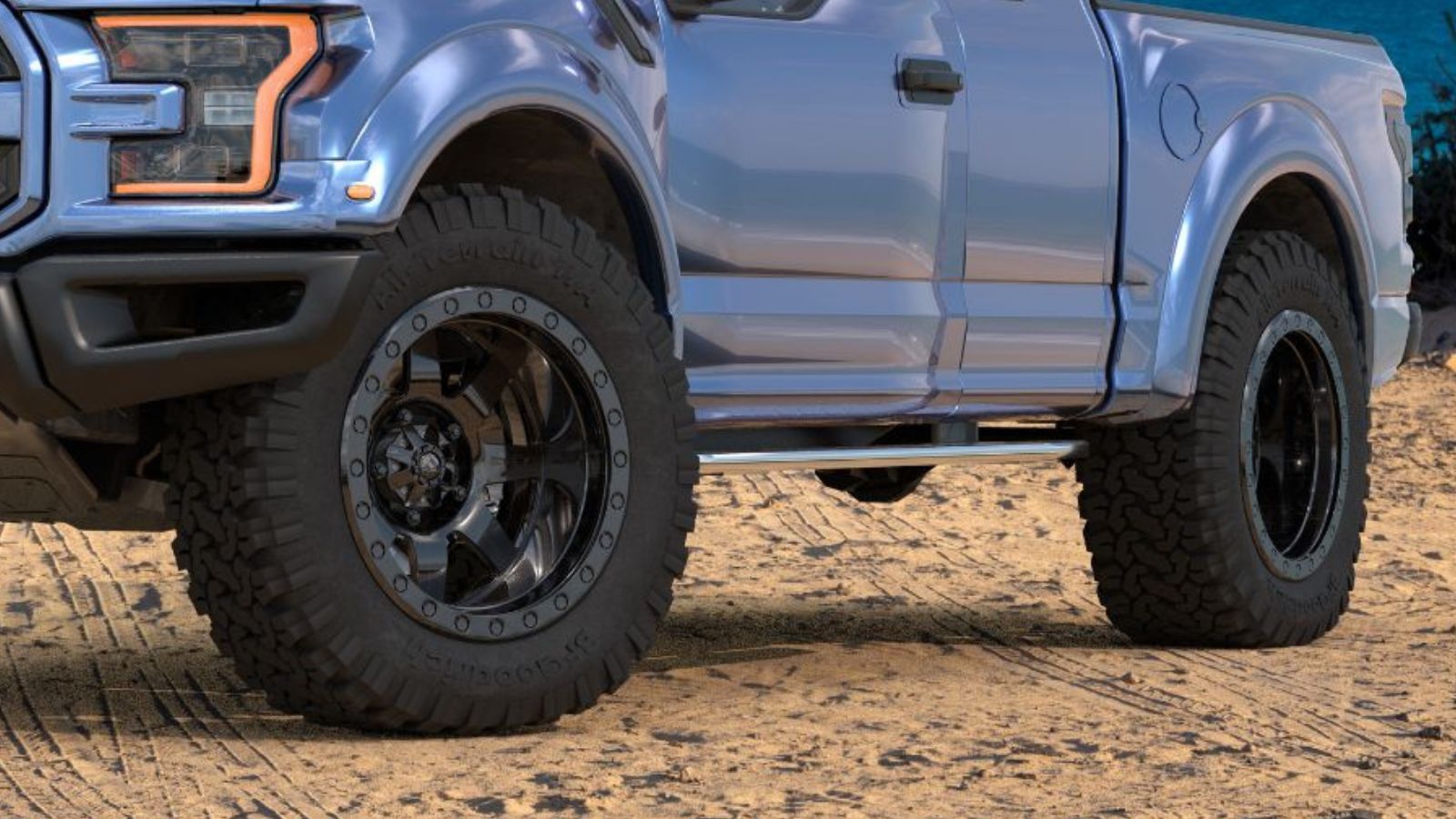
Twenty- and 21-inch wheels can give an SUV dramatic showroom presence, but wheel size should be treated as an ownership decision rather than purely a styling decision. Larger rims are commonly paired with wider, lower-profile tires, and replacement choices can differ significantly in price and availability from those for smaller wheels. Canadian buyers also need to think about a second set of winter tires. Suddenly, the wheel upgrade that looked attractive at delivery may influence the cost of eight tires rather than four.
Transport Canada advises that replacement tires match the vehicle’s required size, load capacity and speed rating and recommends using the same type of tire at all wheel positions. The agency also notes that under-inflation affects performance, while Natural Resources Canada says running tires 56 kilopascals, or 8 psi, below specification can increase fuel consumption by as much as 4 percent. Before choosing an appearance package, buyers should price suitable summer or all-season replacements and a complete winter setup in that exact size. Smaller factory wheels can sometimes be the more practical Canadian choice.
Get an Insurance Quote Before Buying, Not After

Two SUVs with nearly identical purchase prices can produce noticeably different insurance premiums. The Insurance Bureau of Canada says vehicle make, model, year, value and potential repair costs can all affect premiums. Insurers also consider factors specific to the driver and location, but the vehicle itself remains part of the equation. New technology adds another wrinkle because radar sensors, cameras, adaptive headlights and other components can make seemingly modest collision repairs more complex.
A pre-purchase insurance quote is therefore one of the easiest ways to expose a hidden ownership cost. Buyers comparing three finalists can provide each vehicle’s exact trim or VIN to an insurer and ask for equivalent coverage. A difference of C$60 per month becomes C$3,600 over five years before any future premium changes are considered. The most expensive SUV to insure may still be the preferred vehicle, but at least the decision is informed. Discovering the premium only after the contract is signed removes the opportunity to compare that cost against competing models.
Theft Risk Is Now Part of the SUV-Buying Equation

Vehicle theft has become impossible for many Canadian SUV shoppers to ignore. Équité Association’s most recent national list placed the Toyota RAV4 at the top of Canada’s most-stolen-vehicle rankings for 2024, and the organization said auto-theft losses continued to exceed C$1 billion annually. It has also highlighted newer SUVs as attractive targets for organized theft networks. The point is not that a particular popular SUV should automatically be avoided, but that theft exposure deserves to be researched before purchase.
Insurance consequences can follow. The Insurance Bureau of Canada says theft frequency for a make, model and year can influence premiums, along with repair costs and other claims experience. Drivers considering a frequently stolen SUV can ask insurers whether additional security measures are required or rewarded and whether the model materially affects the quote. Parking circumstances matter too: a vehicle stored nightly in a garage faces a different practical situation from one left on a driveway or city street. Theft risk has become another ownership variable alongside fuel economy and maintenance.
A Lower Monthly Payment Can Hide a More Expensive Loan

Stretching a vehicle loan across more years can make an expensive SUV appear manageable, but monthly affordability and total affordability are not the same thing. The Financial Consumer Agency of Canada advises shoppers to consider the total cost of financing rather than focusing only on the payment or interest rate. Longer terms keep borrowers paying interest for more time and can leave the loan balance high while the vehicle continues to depreciate.
The difference is especially important when buyers trade vehicles frequently. A household may be offered a seven- or eight-year loan and assume the lower payment creates breathing room. If the SUV is replaced after four years, however, a substantial loan balance may remain. That amount can interfere with the next purchase or be rolled into another loan. A useful dealership question is therefore simple: “How much will this vehicle cost in total by the final payment?” Buyers can then compare financing offers using the same down payment, amount financed and term rather than allowing the monthly figure to dominate the conversation.
Negative Equity Can Follow the Driver Into the Next SUV

Vehicles depreciate, and loans do not always shrink at the same speed. The Financial Consumer Agency of Canada describes negative equity as the situation in which a vehicle is worth less than the outstanding loan balance. Its consumer guidance gives an illustrative example in which a new vehicle may be worth 25 percent less after the first year and warns that long-term financing can make negative-equity periods last longer. Actual resale values vary widely by vehicle and market conditions, but the underlying risk is straightforward.
This becomes painful when circumstances change. A family that needs a larger vehicle after a new child arrives, or a commuter who wants a more efficient SUV after moving farther from work, may discover that selling the current vehicle does not generate enough money to clear the loan. The difference still has to be paid. Buyers can reduce that exposure by considering a larger down payment, a shorter term and a vehicle price that does not depend on stretching financing to the limit. Future flexibility has financial value too.
Safety Ratings Should Be Checked for the Exact Model Year

SUVs are not interchangeable simply because they are large. Independent crash and crash-avoidance testing can reveal meaningful differences between models and even between model years. For 2026, the Insurance Institute for Highway Safety requires strong performance in multiple crash tests, acceptable or good headlights and effective pedestrian front-crash prevention for its Top Safety Pick awards. Its stricter Top Safety Pick+ standard also demands stronger crash-avoidance results.
Rear-seat protection is particularly relevant for families. IIHS tightened its award requirements in recent years after testing showed that good protection for a driver did not necessarily mean equally strong protection for passengers in the second row. Buyers should therefore look beyond a general reputation such as “this brand is safe” and inspect current results for the specific SUV and model year under consideration. A redesign can improve performance, while a test protocol can expose weaknesses not captured by an older award. Safety shopping works best when crashworthiness, rear-passenger protection, headlights and collision-avoidance systems are considered together.
Driver-Assistance Features Are Helpers, Not Chauffeurs

Adaptive cruise control, lane keeping, blind-spot monitoring and automatic emergency braking can make a modern SUV feel remarkably sophisticated. Transport Canada groups these functions under advanced driver-assistance systems and emphasizes that they are designed to help the driver, not replace one. The agency warns that performance can be affected by poor visibility and weather, conditions Canadian motorists encounter routinely through snow, road spray, freezing rain and dirty sensors.
Names can also be misleading because similar-sounding systems may behave differently between brands. One SUV may merely warn when it approaches a lane marking, while another can apply steering input. Blind-spot intervention and automatic braking capabilities likewise vary. A proper test drive should therefore include a demonstration of what the technology actually does, how it communicates warnings and how easily the driver can understand its controls. Buyers should also ask which features are standard on the chosen trim. A safety system praised in a review may belong to an optional package that is not installed on the vehicle sitting in the showroom.
Check the VIN for Outstanding Recalls Before Taking Delivery
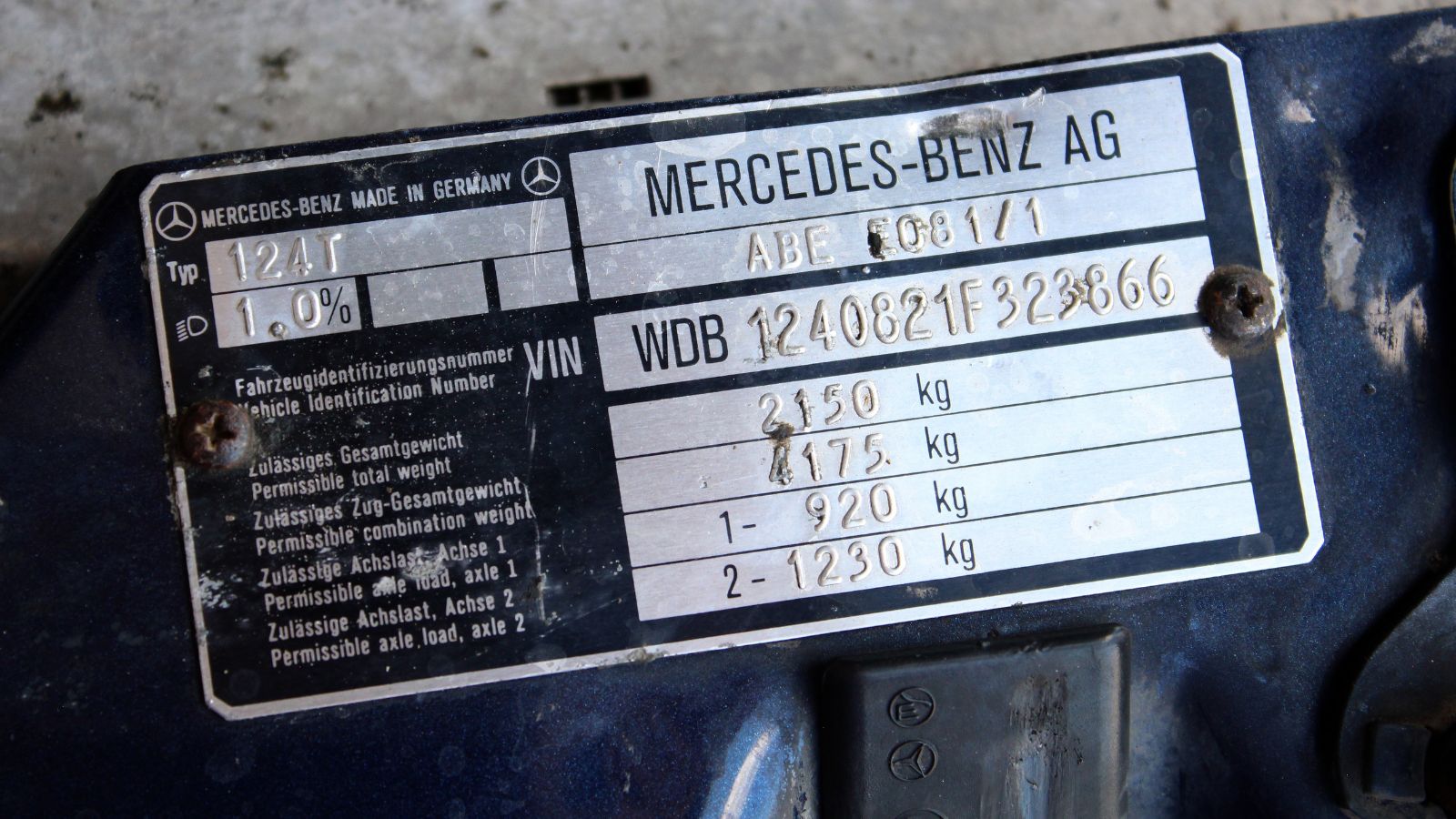
Recalls are not limited to old or neglected vehicles. Newer SUVs can be affected by safety campaigns involving software, airbags, electrical equipment, braking systems or other components. Transport Canada maintains a national motor-vehicle safety recall database covering recalls issued in Canada from 1970 onward and recommends using manufacturer VIN tools where available. For a used SUV, the VIN is particularly valuable because it can identify whether recall work remains outstanding.
The check takes little time compared with the size of the purchase. Transport Canada specifically advises prospective used-vehicle buyers that a dealer can consult the manufacturer’s VIN-based system and determine whether outstanding repairs exist. If they do, the buyer can request completion before taking possession. Drivers should also register their contact information with the manufacturer after purchasing a used vehicle so future safety notices reach the correct owner. A clean inspection and attractive service history are valuable, but neither automatically proves that every safety campaign has been completed.
The Best Powertrain Depends on How the SUV Will Actually Be Used
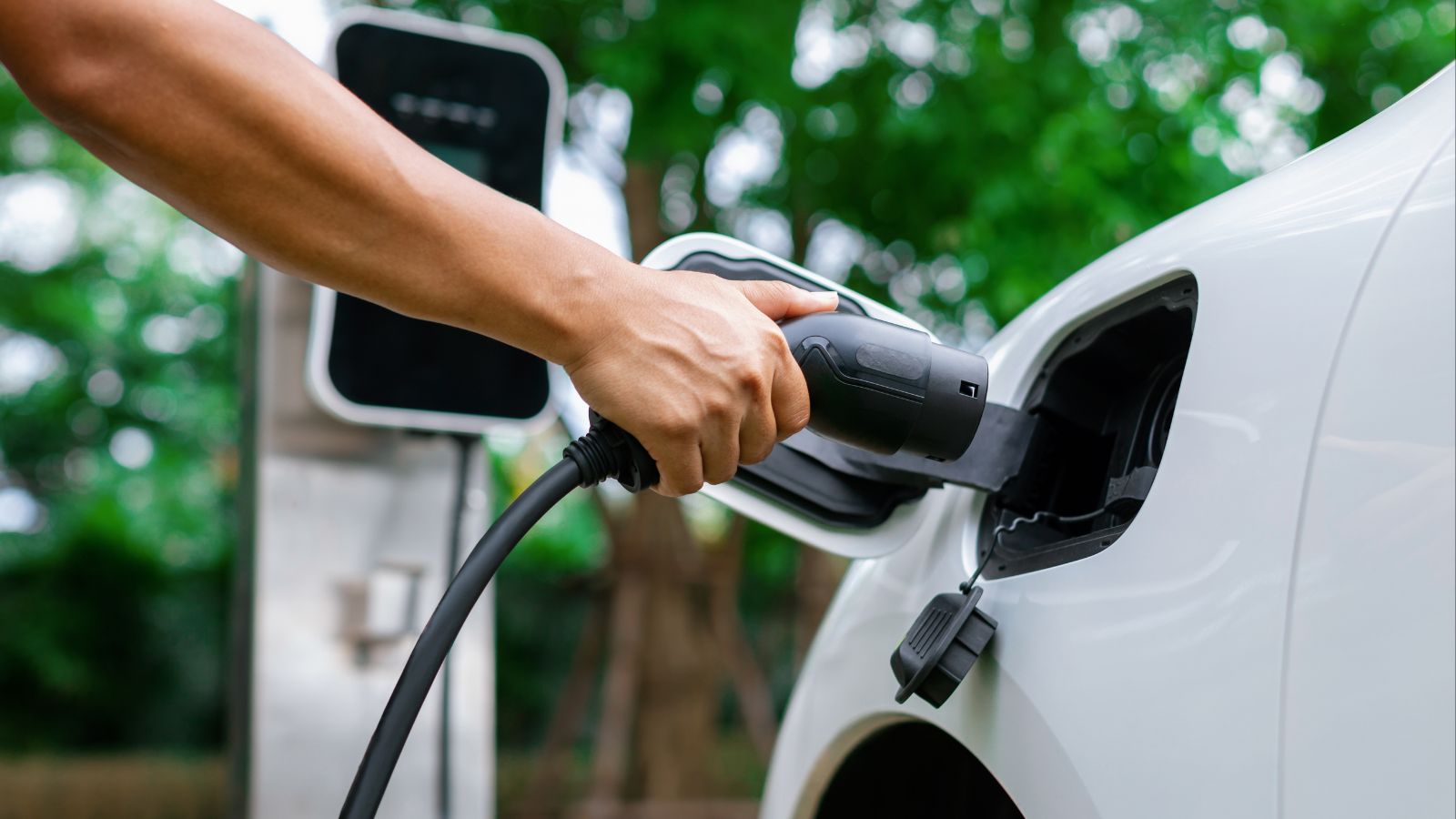
Gasoline, conventional hybrid, plug-in hybrid and battery-electric SUVs can all make sense in Canada, but for different driving patterns. A conventional hybrid can reduce fuel consumption without requiring a charging routine. A plug-in hybrid adds the ability to cover some trips on externally supplied electricity while retaining an internal-combustion engine. A battery-electric SUV eliminates gasoline use entirely but places greater importance on charging access and trip planning.
The right answer becomes clearer when annual kilometres and trip types are examined. A household driving mostly short urban trips may exploit electrification very differently from one routinely covering hundreds of kilometres between rural communities. Natural Resources Canada provides standardized fuel-consumption and energy-use information specifically to help buyers compare these technologies. Purchase price should therefore be weighed against expected energy spending rather than viewed in isolation. An efficient powertrain can produce savings for years, but paying substantially more for a technology that does not fit the household’s usage pattern can erase some of the financial benefit.
Federal EV Incentives Have Changed, So Old Information Can Be Costly
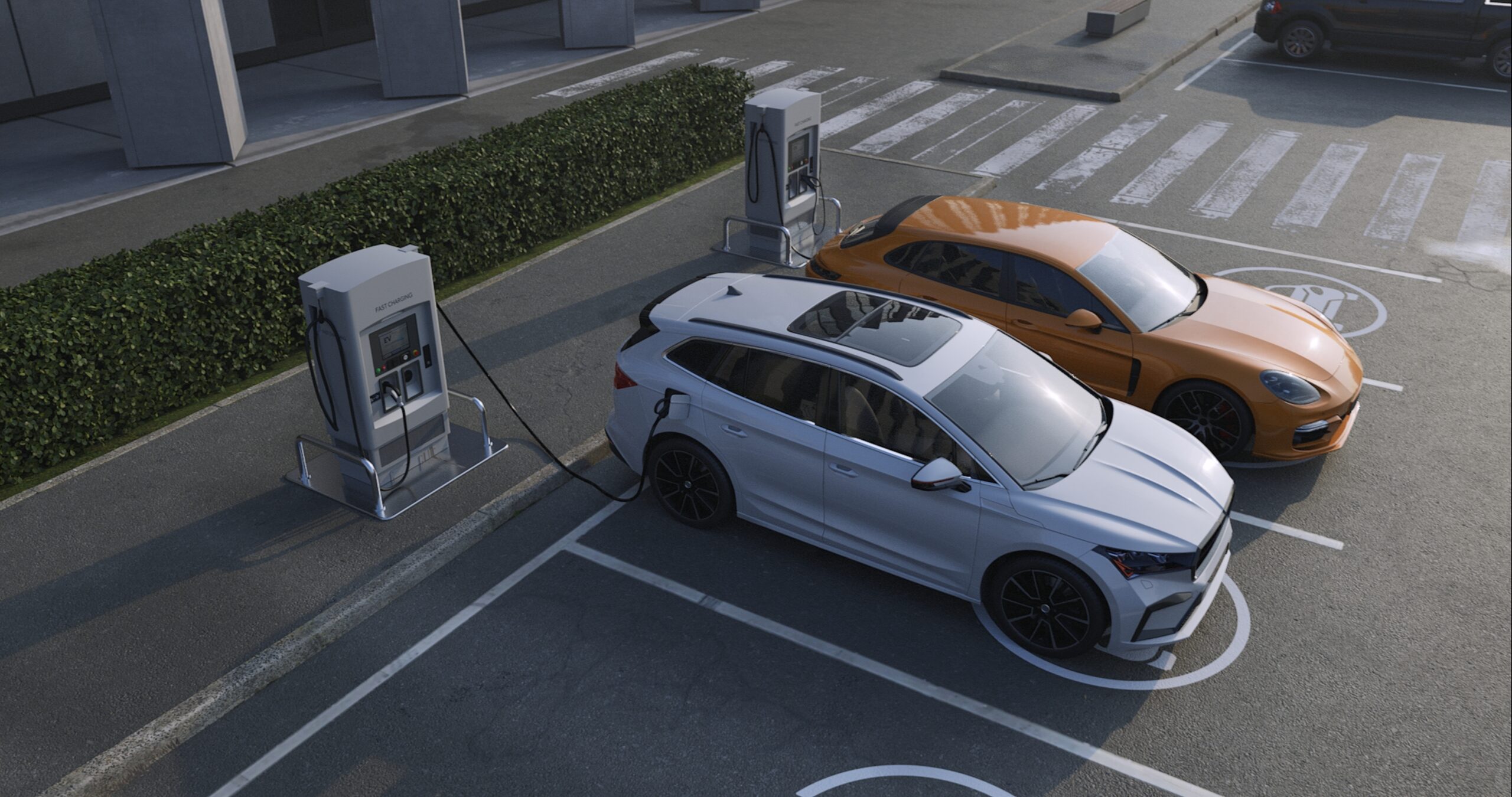
Canadian EV incentives have gone through major changes, which makes outdated dealership conversations and old online advice risky. The former federal iZEV program closed in 2025. In 2026, the federal government introduced the Electric Vehicle Affordability Program, or EVAP. For eligible transactions in 2026, battery-electric and hydrogen fuel-cell vehicles can receive up to C$5,000, while eligible plug-in hybrids can receive up to C$2,500. The incentive levels are scheduled to decline in later years.
Eligibility details matter just as much as the headline amount. Transport Canada says the program applies to eligible new vehicles, with rules concerning transaction value, country of manufacture or applicable free-trade relationships, lease length and dealership processing. For many imported vehicles, the final transaction value must be C$50,000 or less, while Canadian-made EVs are treated differently under the price-cap rules. Buyers should verify the exact vehicle and transaction immediately before signing instead of assuming a model qualifies because another trim or an older purchase once did.
Electric SUV Range Should Be Judged in Winter, Not Just in Ideal Weather
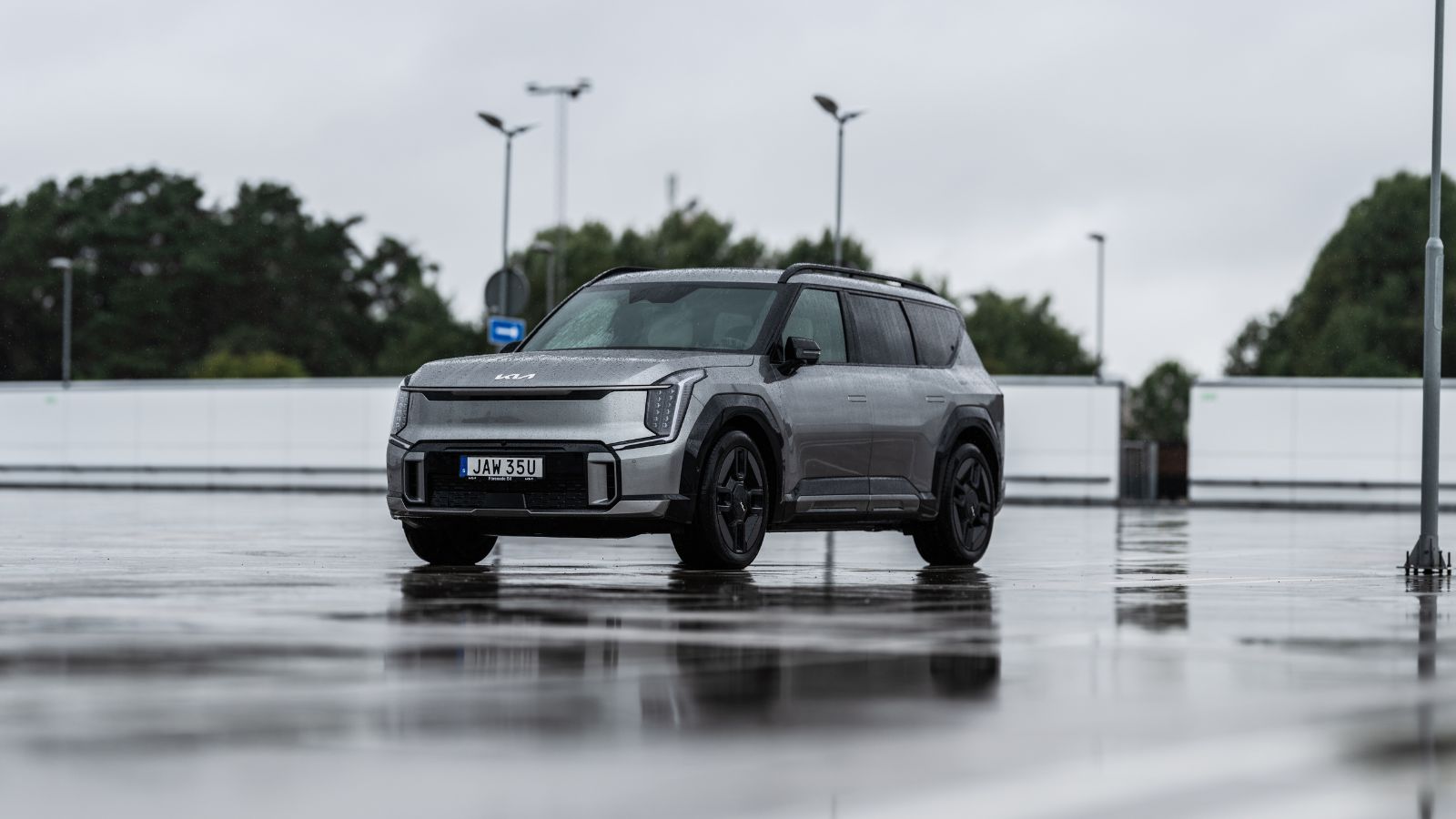
The advertised range of an electric SUV is an important benchmark, but Canadian drivers should build winter conditions into their calculations. Natural Resources Canada says electric vehicles can lose roughly 25 to 30 percent of range in extreme cold. Energy is needed to warm the battery and cabin, and winter driving conditions can further alter consumption. An SUV that easily covers a household’s summer routine may therefore offer a noticeably smaller buffer in January.
That does not make EV ownership impractical; it makes route and charging analysis important. A driver with dependable home charging and a 60-kilometre daily commute faces a very different situation from someone making regular 400-kilometre winter trips. Buyers should investigate where charging exists on recurring routes, whether workplace charging is available and how much electrical work home installation might require. Natural Resources Canada notes that charger-installation cost depends partly on the home’s existing electrical capacity. The best electric SUV is therefore not simply the one with the biggest battery, but the one whose winter range and charging needs fit real life.
A Plug-In Hybrid Works Best When Someone Actually Plugs It In
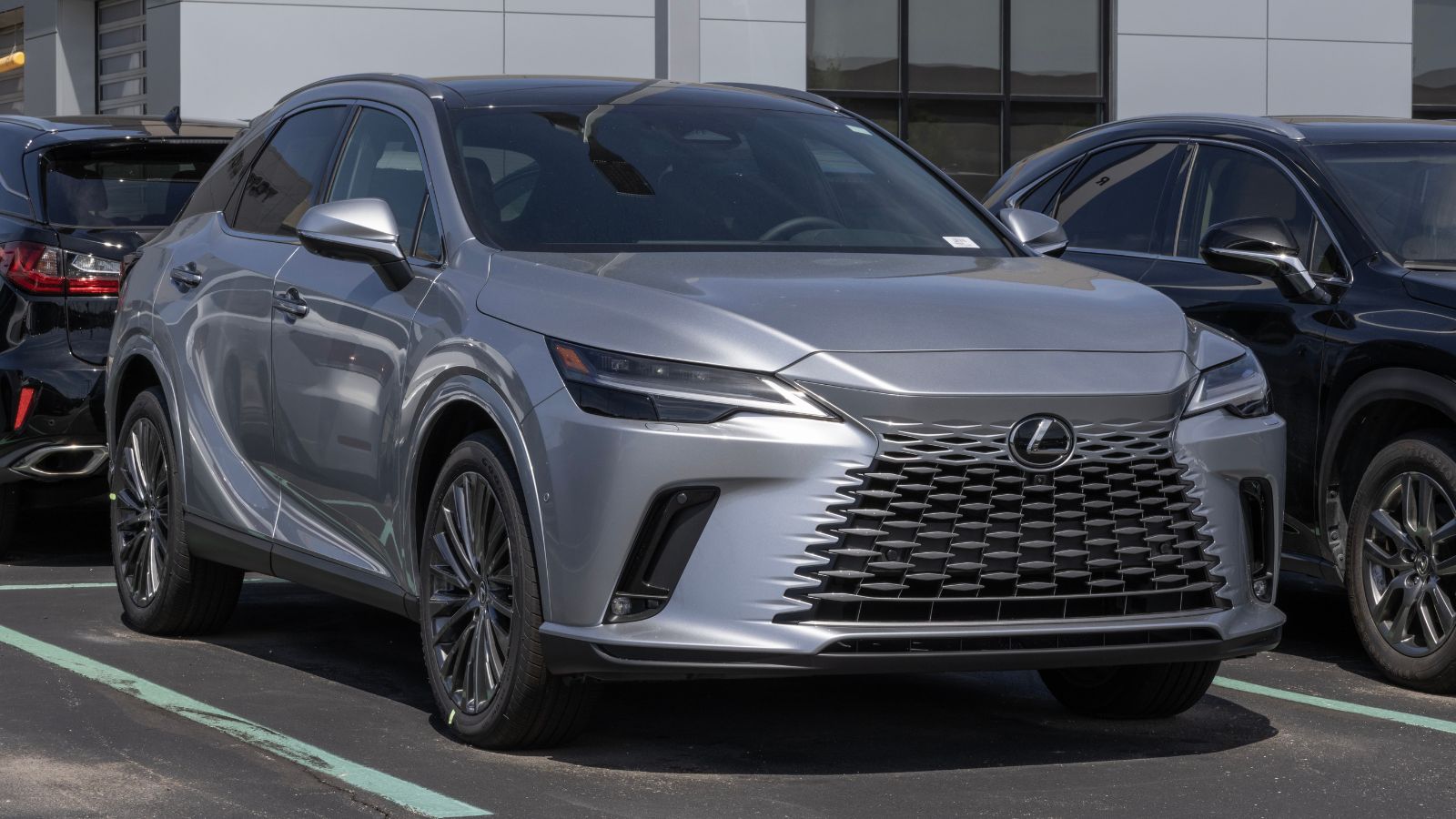
Plug-in hybrid SUVs can offer an appealing middle ground because they can drive using electricity for shorter trips while retaining a gasoline engine for longer journeys. There is one obvious requirement, however: the plug needs to be used. Natural Resources Canada says PHEVs do not have to be plugged in to operate, but they achieve better fuel efficiency and greater driving range when regularly charged. That makes charging behaviour central to whether the additional hardware delivers its intended benefit.
A household with a driveway, garage or reliable workplace charger may be able to begin most mornings with a full battery and complete a large share of routine kilometres electrically. An apartment resident without predictable charging may end up carrying a battery and electric drive system while relying much more heavily on gasoline. Prospective owners should compare both the electric-mode and gasoline-operation ratings rather than focusing on the most flattering consumption figure. Before paying a premium for a PHEV, it is worth answering one practical question: where, how often and how conveniently will this SUV be charged?
Find Out What Happens When a Tire Goes Flat
A spare tire should never be assumed simply because an SUV looks rugged. Consumer Reports notes that many newer vehicles are sold without a conventional spare and instead provide sealant and an electric air compressor; some use run-flat tires. Those solutions can save space and weight, but they do not provide the same response to every type of tire damage. A major sidewall cut, for example, is a very different roadside problem from a small puncture that a sealant kit may temporarily address.
This question matters in Canada because a flat tire can occur far from a convenient service centre. Buyers who routinely drive remote highways, cottage roads or long distances between communities may place much greater value on a full-size or temporary spare than an urban commuter does. Open the cargo floor during the dealership visit and identify exactly what equipment is supplied. If the SUV uses an inflator kit, find out whether the sealant expires and what replacement costs. Roadside-assistance coverage is useful, but understanding the vehicle’s own equipment can prevent an unpleasant surprise on a cold shoulder hundreds of kilometres from home.
The Final Test Should Recreate Everyday Canadian Life

A polished 20-minute dealership drive can prove that an SUV accelerates, brakes and feels comfortable. It cannot automatically show whether the vehicle fits into a garage, accommodates a rear-facing child seat, carries hockey equipment, provides acceptable visibility in a parking structure or leaves enough cargo room when all passengers are aboard. Independent testers such as Consumer Reports perform physical cargo measurements precisely because real usable space can differ from what specification sheets suggest.
The strongest final comparison therefore recreates ordinary life as closely as possible. Drivers can test the turning circle in a tight lot, reverse using both mirrors and cameras, sit in every row and check sightlines around thick roof pillars. Families can install their actual child seats where permitted and load frequently carried equipment. For an EV or PHEV, they can locate the charging port and consider where the cable would run at home during winter. An SUV is usually purchased for practicality. The model that performs best in these mundane tests may ultimately be a better choice than the one that creates the strongest first impression.
16 Costco Canada Habits That Could Be Costing Shoppers More Than They Save

The Executive Membership can feel like an obvious upgrade because the 2% annual reward sounds straightforward. For households that spend heavily at Costco Canada, the extra fee may be easy to justify. But the habit becomes costly when shoppers upgrade first and calculate later. A Gold Star Membership costs less, while Executive costs more and only pays off if eligible annual spending is high enough to offset the difference.
16 Costco Canada Habits That Could Be Costing Shoppers More Than They Save
