Winter has always carried a price tag in Canada, but the bill is becoming harder to predict. Higher insurance premiums, costly vehicle upkeep, volatile energy needs and more complicated weather are turning ordinary cold-season preparation into a larger financial exercise. At the same time, warmer average conditions do not necessarily mean easier winters: freeze-thaw cycles, heavy wet snow, flooding and abrupt cold snaps can create expensive problems of their own.
These 19 ways Canadian winters are becoming more expensive to manage show how the pressure reaches far beyond the thermostat. Some costs are rising directly through inflation, while others come from greater maintenance demands, weather damage, disrupted transportation and the growing need to prepare homes, vehicles and communities for conditions that are less predictable than they once were.
Heating a Home Still Consumes a Serious Share of the Winter Budget
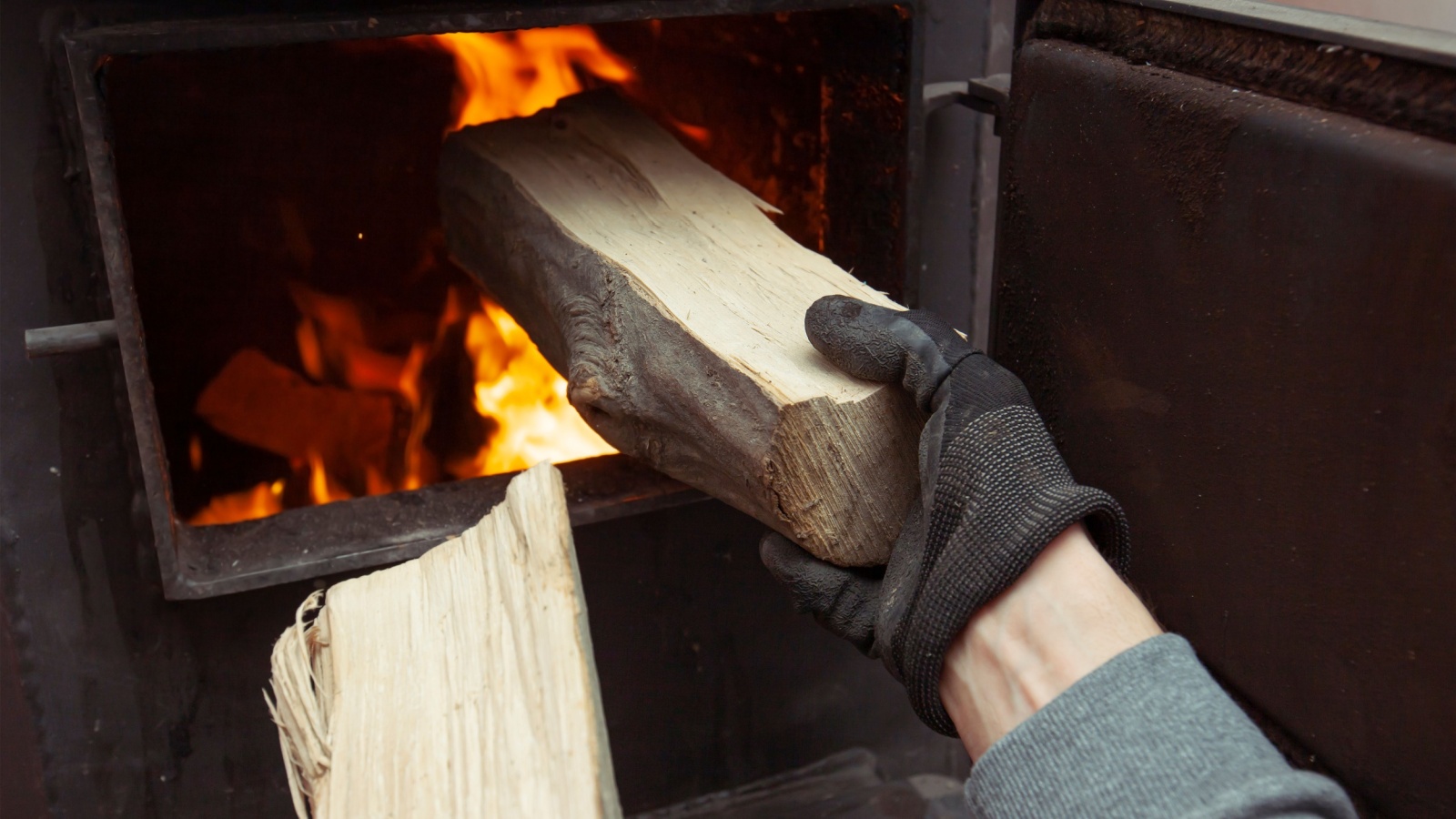
The furnace remains one of winter’s biggest household cost centres. Statistics Canada reported that electricity prices were 1.8% higher year over year in September 2025, while fuel oil and other fuels were up 8.0%. Heating and cooling equipment prices had also increased 5.1% year over year in July 2025. Those movements do not affect every province equally, but they illustrate how both the energy used to heat a home and the machinery that provides that heat can become more expensive at the same time.
Housing type matters enormously. Statistics Canada found that single-detached households consumed an average 108.7 gigajoules of energy in 2021, compared with 85.4 gigajoules across all dwelling types. That helps explain why a cold stretch can feel much more expensive to a family in an older detached house than to someone in a compact apartment. Even modest increases in electricity, fuel or furnace maintenance become significant when they are multiplied across an entire heating season.
Home Insurance Is Becoming a Much Bigger Winter-Preparedness Expense

Canadian homeowners are entering winter with substantially more expensive insurance than they did only a few years ago. Statistics Canada found that homeowners’ home and mortgage insurance premiums rose 45.0% between December 2019 and December 2025, more than twice the 21.0% increase in the all-items Consumer Price Index. Winter storms are not responsible for that increase by themselves; insurers are dealing with losses from floods, hail, wildfire and other severe weather throughout the year. The result, however, is a much higher baseline cost for protecting a home before winter even begins.
Weather claims help explain the pressure. Catastrophic claims reached $8.6 billion in 2024, the highest annual amount in the Statistics Canada analysis, and every year from 2020 through 2025 ranked among the 10 costliest years since tracking began in 1983. For households, insurance has therefore become another form of climate adaptation: premiums, deductibles and optional water-damage coverage increasingly belong in the winter budget alongside heating and snow removal.
Snow Clearing Can Turn Into a Repeated Labour and Equipment Bill
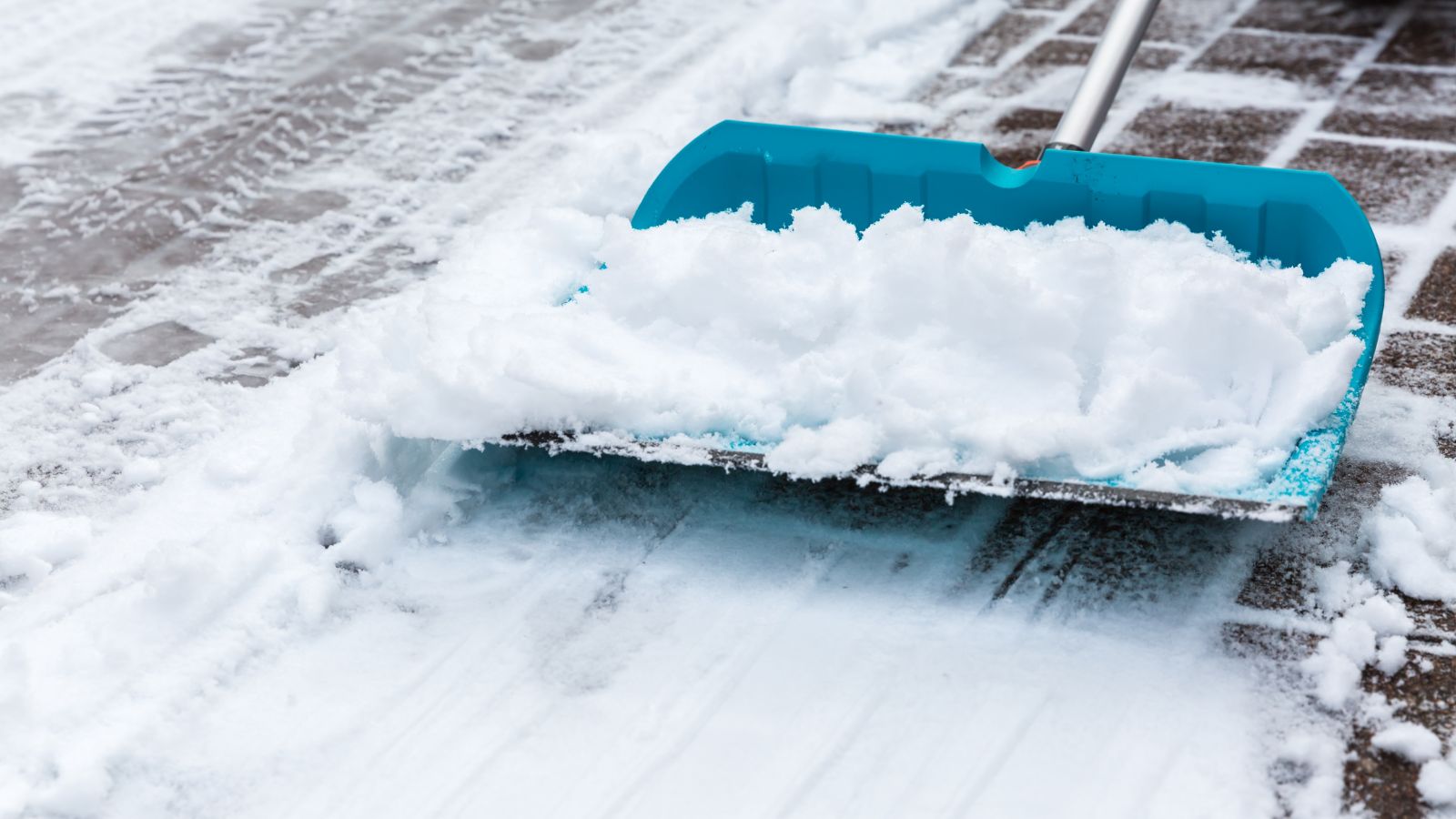
A few snowfalls are manageable. A winter filled with repeated events is different. Toronto’s 2025–26 season provides a striking example: the city recorded 42 snow events compared with 28 the previous season and 221 winter-maintenance activations compared with 145. Two major January storms produced more than 90 centimetres of snow within 10 days, eventually requiring the removal of roughly 538,000 tonnes of accumulated snow. Although conditions vary dramatically across Canada, the numbers show how quickly clearing requirements multiply when storms arrive close together.
Households experience the same problem on a smaller scale. Salt, shovels, snowblowers, fuel, repairs and contracted clearing all become recurring rather than one-time expenses. Toronto, for example, requires residents to clear certain sidewalks after smaller snowfalls and private driveways, stairs and walkways within prescribed periods. For an older homeowner or a family with limited time, paying someone else may be the practical option. Winter becomes expensive not merely because snow falls, but because every additional event demands another round of labour, equipment and materials.
4. Winter Tires Add Another Seasonal Cost of Owning a Vehicle
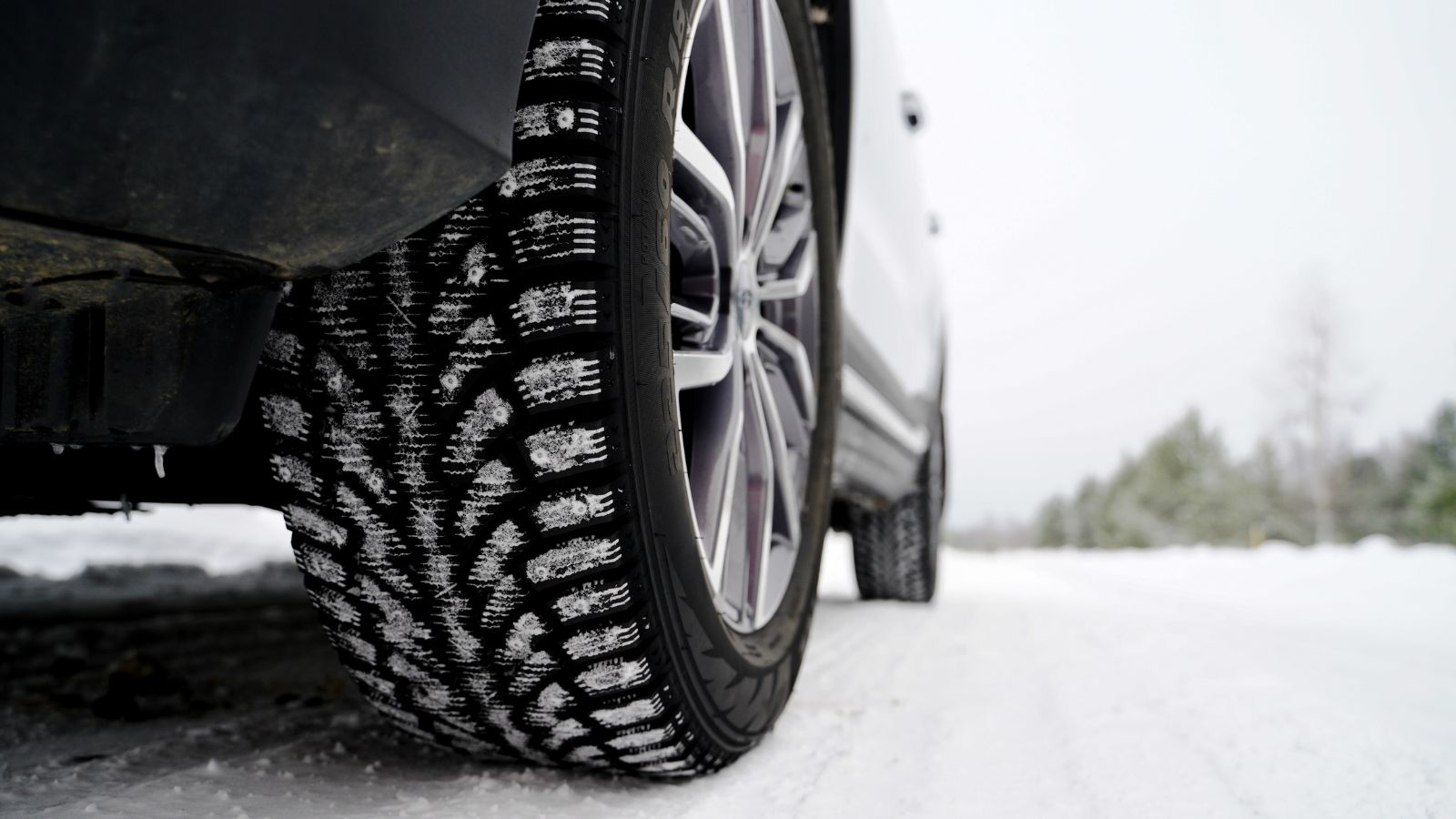
Winter tires are one of those expenses Canadians may dislike paying but often value once roads become icy. Their rubber compounds, tread patterns and siping are specifically engineered for cold conditions, snow and ice. CAA says properly designed winter tires can substantially improve traction and braking, with some testing showing stopping-distance improvements of up to 40% compared with less suitable tires under winter conditions. That makes them a safety purchase rather than an optional cosmetic upgrade for many drivers.
The financial commitment extends beyond buying four tires. There can be installation charges twice a year, off-season storage fees, replacement of worn sets and sometimes a second set of wheels. CAA notes that installation alone means the decision can involve at least several hundred dollars. Meanwhile, Statistics Canada recorded continued increases in passenger-vehicle parts and maintenance categories during the broader inflationary period. A household operating two vehicles can therefore face a surprisingly large seasonal bill before either car has travelled a kilometre through snow.
Auto Insurance and Repair Costs Make Winter Mishaps More Painful

A minor winter collision can now lead into a much more expensive repair system. Statistics Canada reported that passenger-vehicle insurance premiums increased 23.9% from December 2019 to December 2025, outpacing overall inflation. The agency points to higher vehicle prices, more expensive parts and repair work, theft and elevated claims expenses as important contributors. Modern vehicles also contain sensors, cameras and driver-assistance hardware that can turn what appears to be modest bumper damage into a complicated repair.
Winter creates plenty of opportunities for those costs to surface. Icy intersections, snowbanks that narrow streets, hidden curbs and poor visibility all increase the consequences of small driving mistakes. Insurance protects against major losses, but there may still be deductibles, rental-car expenses, time without a vehicle and future premium implications depending on the circumstances. For Canadian families already paying more to insure vehicles, preventing a winter accident has acquired an even greater financial value. The expensive part is no longer simply fixing bent metal; it is interacting with an entire repair and insurance system whose underlying costs have risen.
Gasoline Vehicles Often Burn More Fuel in Winter
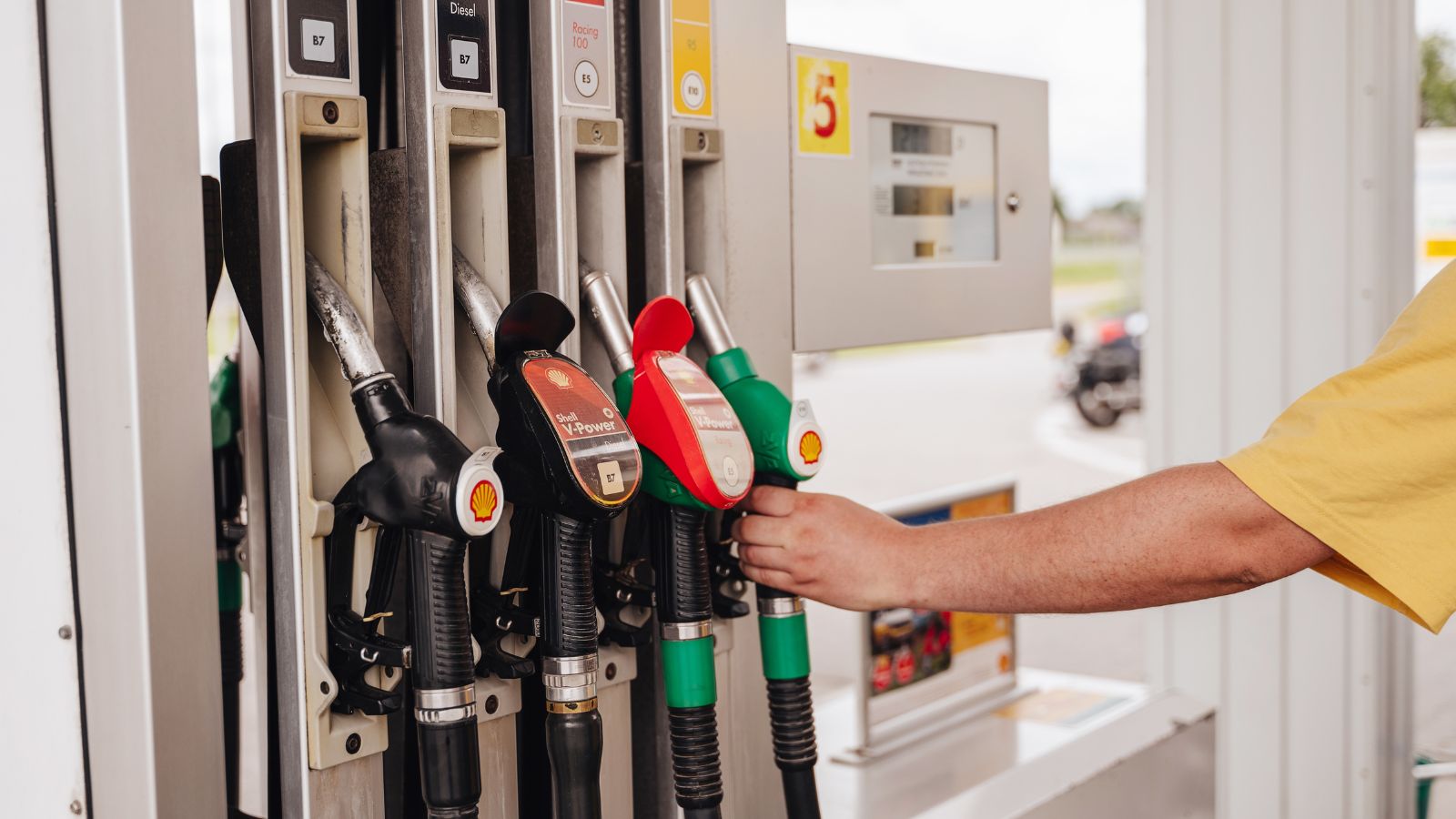
Cold-weather driving quietly reduces fuel efficiency. Natural Resources Canada says poor winter road conditions alone can increase fuel consumption by roughly 7% to 35%, depending on conditions. Engines take longer to reach efficient operating temperatures, tires face greater rolling resistance, winter gasoline formulations differ, and snow or slush forces vehicles to work harder. Defrosting, heating and unnecessary idling add still more consumption.
For someone with a long commute, the difference can accumulate for months. Consider a household that makes the same trips in January as it does in June: the distance has not changed, yet the amount of fuel required may rise simply because the vehicle and roadway are colder. Natural Resources Canada also advises against prolonged warm-up idling, noting that driving gently is generally a more effective way to bring a modern vehicle to operating temperature. Winter fuel costs therefore have two parts—the price at the pump and the number of litres required. Even when gasoline prices are stable, colder operating conditions can make the same routine more expensive.
Electric Vehicles Face Their Own Cold-Weather Energy Penalty
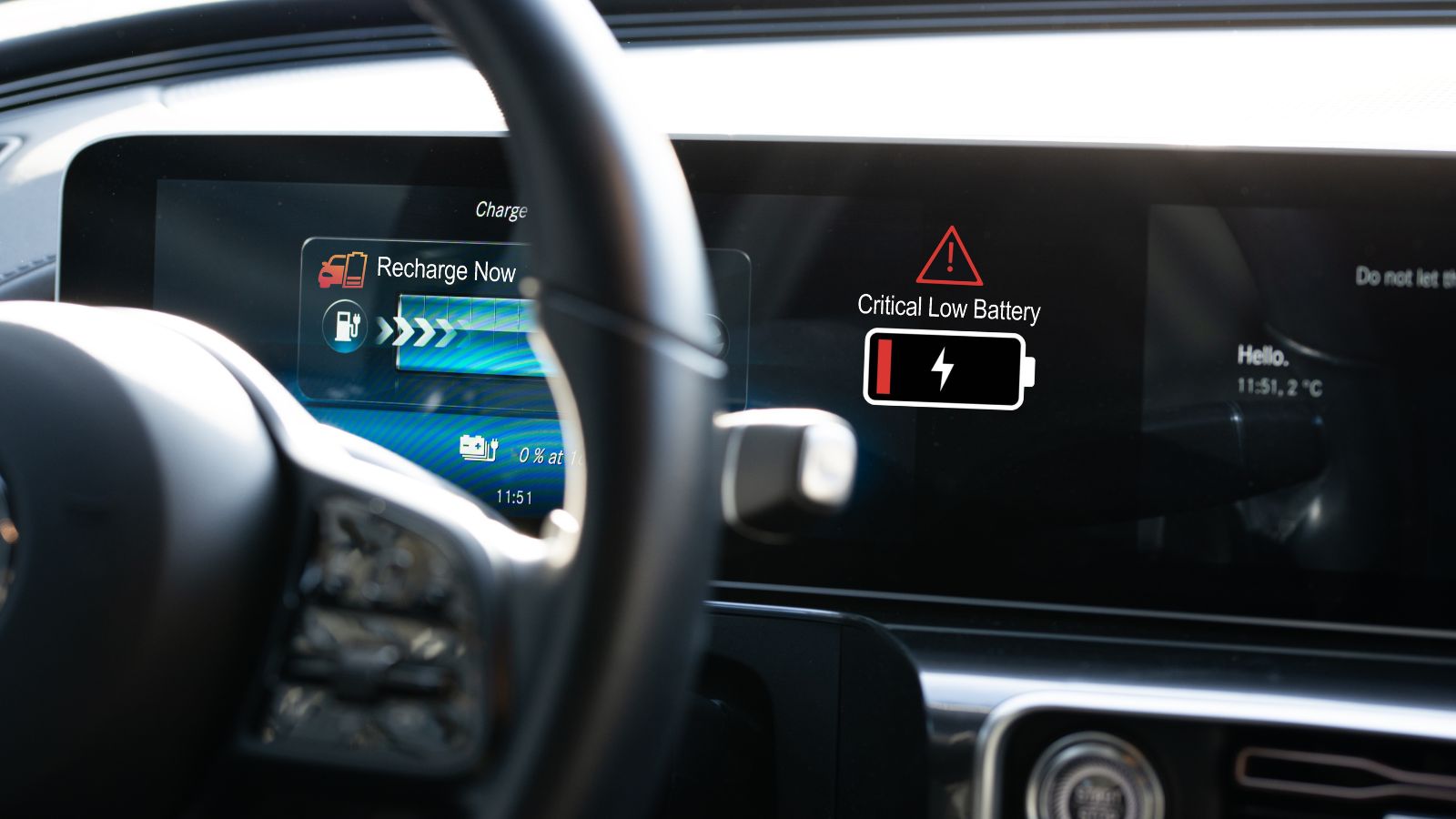
Electric vehicles avoid gasoline, but winter does not leave them untouched. Natural Resources Canada says average EV battery range can fall by about 29% at -18°C. Earlier controlled testing by Transport Canada demonstrated the underlying effect clearly: range dropped about 20% at -7°C compared with 20°C, while heavy cabin-heating use reduced it further. In extremely cold testing around -18°C to -20°C, maximum cabin heating produced much larger losses in the vehicles studied.
Current EVs can perform substantially better than older models used in some of those tests, thanks to improved batteries, heat pumps and thermal management. The physical challenge remains, however: energy used to warm the battery and cabin is energy that cannot propel the vehicle. For drivers without home charging, that can mean more frequent public charging stops. For those who charge at home, winter can increase electricity consumption. The extra cost may still be lower than fuelling a comparable gasoline vehicle, but Canadian EV ownership requires a different kind of winter budgeting centred on range, charging and energy use.
Freeze-Thaw Cycles Can Turn Roads Into a Vehicle-Repair Hazard
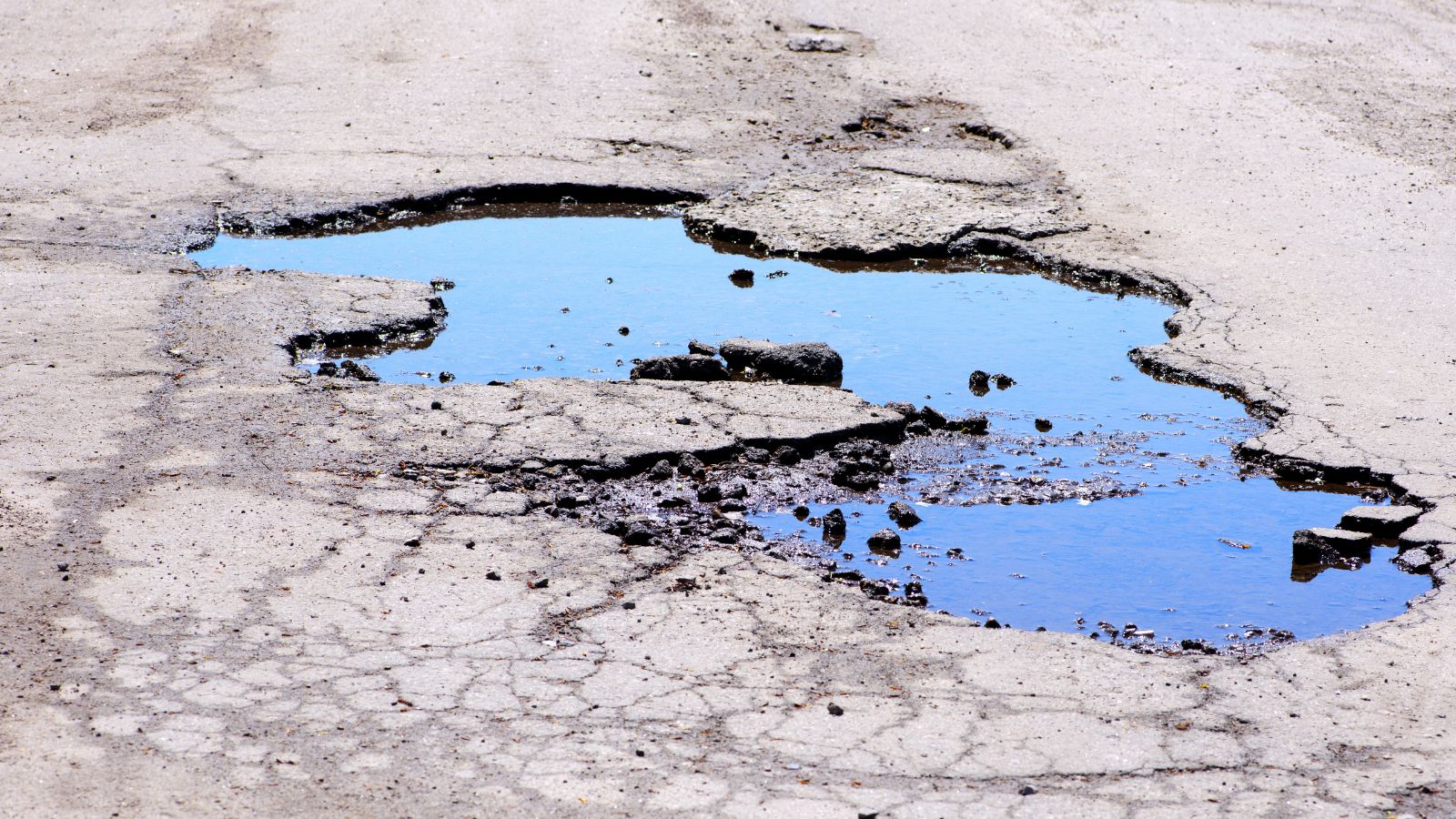
A warmer winter is not automatically a gentler winter. Roads can suffer badly when temperatures repeatedly move above and below freezing. Water works into pavement cracks, freezes, thaws and moves again, gradually weakening the surface. Canadian climate-adaptation research identifies freeze-thaw cycling as a threat to pavement, while recent National Research Council work notes that warmer conditions in some northern regions may increase freeze-thaw activity and contribute to frost heaves and potholes.
That deterioration eventually reaches household budgets. A deep pothole can damage a tire, bend a wheel, knock an alignment out of specification or harm suspension components. Even when the driver escapes with no immediate breakdown, repeated impacts accelerate wear. Municipalities simultaneously face higher inspection and rehabilitation requirements. It is an example of why the economics of winter are becoming complicated: fewer extremely cold days do not necessarily mean less damage. In places where temperatures hover around the freezing mark more often, the repeated transition between liquid water and ice can create a different and potentially costly maintenance problem.
Mid-Winter Thaws Bring Basement Flooding Into the Cold-Season Budget
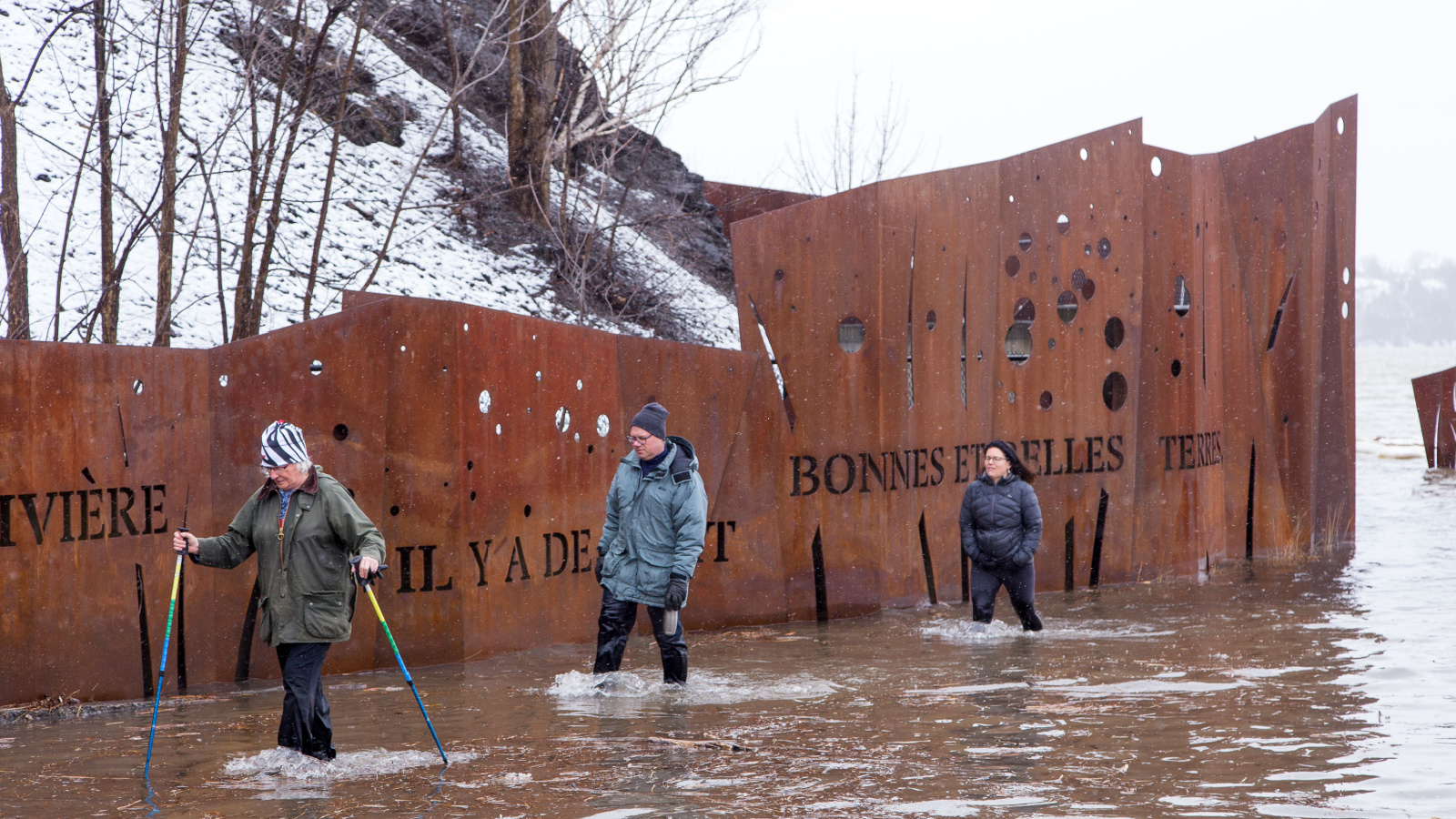
Flooding is no longer only a spring concern. Warm spells can arrive while substantial snow remains on the ground, sending meltwater toward foundations, storm drains and sewer systems. Insurance Bureau of Canada regularly warns homeowners about mid-winter and end-of-winter thaws because rapid snowmelt can contribute to basement water damage, sewer backup and overland flooding. A house that remains perfectly comfortable upstairs can suddenly require pumps, cleanup crews and damaged-property replacement downstairs.
Insurance details make the financial risk more complicated. IBC notes that sewer-backup losses usually require specific optional coverage, while overland flood damage generally requires its own coverage as well. Coverage can also be limited in some high-risk locations. That creates a second expense beyond repairing damage: homeowners may pay additional premiums for broader protection, install sump pumps or battery backups, improve drainage, extend downspouts or add backwater valves. As winter temperatures fluctuate more dramatically, water management becomes part of winterizing a home rather than something left until April.
Ice Dams Can Turn a Snowy Roof Into an Expensive Water Problem
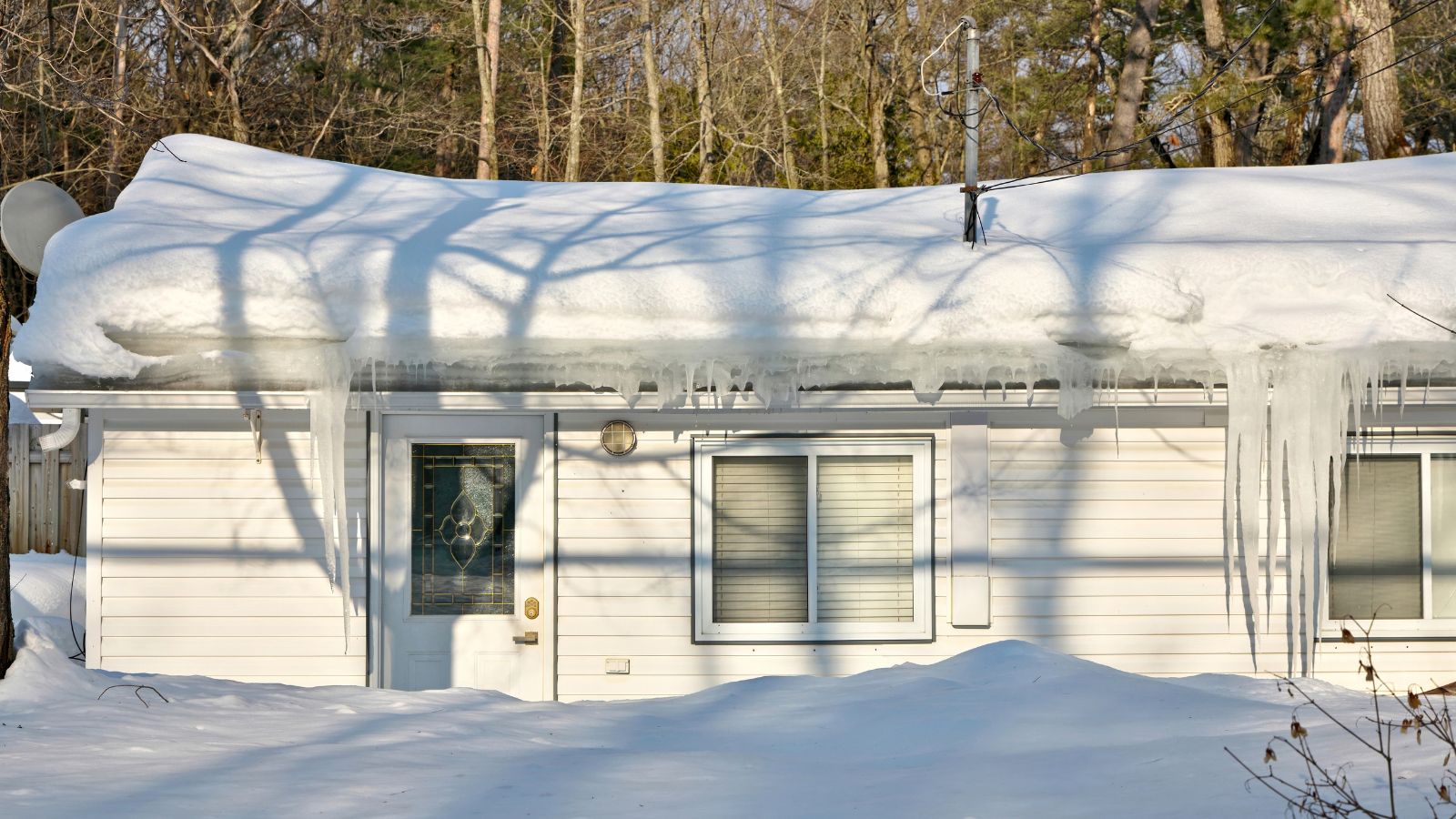
Snow sitting on a roof looks harmless until heat escaping from the house begins melting the underside. That water can run toward colder roof edges, freeze again and form an ice dam. Additional meltwater then has nowhere to drain and may work its way beneath shingles and into an attic, ceiling or wall. Repeated temperature swings can make the process especially troublesome, combining snow accumulation, daytime melting and overnight freezing.
Insurance Bureau of Canada cautions that coverage for ice-dam damage varies by policy. Some resulting sudden water damage may be covered, while maintenance-related or recurring problems may not be, and basic policies can differ substantially from broader coverage. Avoiding the problem can involve attic insulation, air sealing, ventilation, roof inspection and professional snow removal when accumulation becomes excessive. Those measures all cost money, yet neglect can cost far more. A household may discover that what appeared to be a simple patch of roof ice has led to wet insulation, stained drywall and mould remediation—turning ordinary winter weather into a significant home-maintenance bill.
Frozen Pipes Make Heating Failures More Financially Dangerous
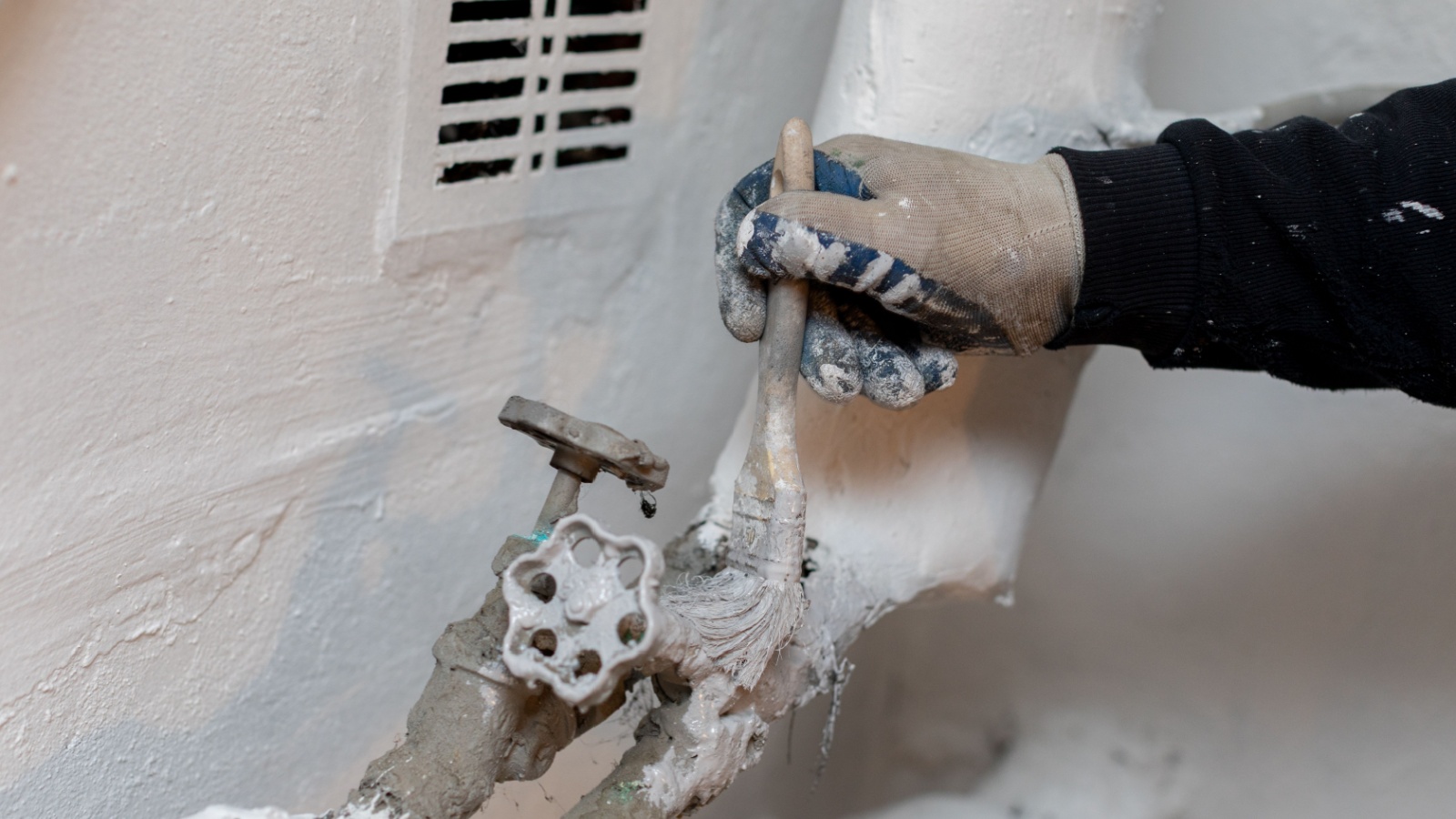
A furnace breakdown on a cold night is stressful enough. If indoor temperatures fall far enough for plumbing to freeze, one equipment problem can become a major water-loss claim. Insurance Bureau of Canada says standard home policies generally cover resulting damage from frozen or burst pipes when pipes are in heated areas and reasonable steps have been taken to maintain heat. The broken furnace or heat pump itself, however, is normally considered a maintenance issue rather than an insured loss.
The scale of cold-related claims can be substantial. A severe western Canadian deep freeze previously produced more than $180 million in insured damage, illustrating how quickly burst pipes and other cold-weather losses can spread across a region. Homeowners travelling during heating season also need to pay attention to policy conditions, because insurers may require regular home checks or other precautions. The practical result is another winter contingency fund: furnace servicing, emergency calls, pipe insulation and backup heating are comparatively small expenses until the alternative becomes water pouring through a ceiling.
Power-Outage Preparedness Is Becoming Its Own Household Expense
Heavy snow and ice can create a winter emergency even when a home itself is undamaged. Environment and Climate Change Canada reported that a November 2025 burst of heavy, wet snow in Quebec knocked out electricity to nearly 400,000 customers, mostly around Montréal, while numerous schools were forced to close. Storms that load trees and power lines with wet snow or ice can leave households without heat, refrigeration, internet access and charging for extended periods.
That vulnerability encourages spending on items that once seemed optional: portable power stations, generators, battery backups, flashlights, extra fuel, emergency food and alternative heat sources. Government emergency guidance recommends preparing in advance for outages and emphasizes safe use of backup equipment, particularly because generators and combustion appliances can create carbon-monoxide hazards. None of these preparations guarantees that the lights will stay on. They simply make the household more resilient when they do not. In that sense, modern winter budgeting increasingly includes paying for redundancy—equipment that may sit unused for most of the year but becomes invaluable during a multi-day outage.
Grocery Inflation Makes the Winter Pantry More Expensive to Refill

Winter arrives while Canadian food bills are already elevated. Statistics Canada reported that prices for food purchased from stores were 3.9% higher year over year in June 2026. That was slower than May’s 4.3% increase, but June marked the 17th consecutive month in which grocery inflation exceeded the overall Consumer Price Index. Winter does not cause all of that inflation, of course, but households enter the cold season from a much higher price base than they did several years ago.
Storms can make that pressure more noticeable. Bad roads delay deliveries, remote communities face especially complicated logistics, and households preparing for severe weather often keep more shelf-stable food on hand. A power outage can then create the opposite problem by putting refrigerated and frozen food at risk. The financial effect is rarely one spectacular winter bill. It is dozens of ordinary purchases—produce, meat, milk, pantry goods and emergency supplies—costing a little more at a time when heating, transportation and holiday expenses are competing for the same household income.
Outfitting a Family for Cold Weather Is a Recurring Expense

A winter coat can last for years. Children’s boots rarely have that luxury. Families routinely face replacement cycles for coats, snow pants, mittens, hats, thermal layers and waterproof footwear as children grow or gear wears out. Statistics Canada’s clothing and footwear index was 1.5% higher year over year in June 2026. The increase was modest compared with some insurance or food categories, but it arrives on top of a household expense that is unavoidable in much of the country.
The scale is easier to understand from household spending data. Statistics Canada previously estimated that the average household spent $2,303 on clothing and accessories in 2021, across all seasons. Winter-specific gear represents only part of that total, yet it tends to require higher-performance materials and multiple pieces per person. A family with three growing children may replace several sets of boots, gloves and outerwear in one season. Second-hand shops and hand-me-downs can soften the impact, but winter clothing remains one of those costs that repeatedly returns just as other seasonal bills begin climbing.
Making a Home Cheaper to Heat Often Requires Spending First
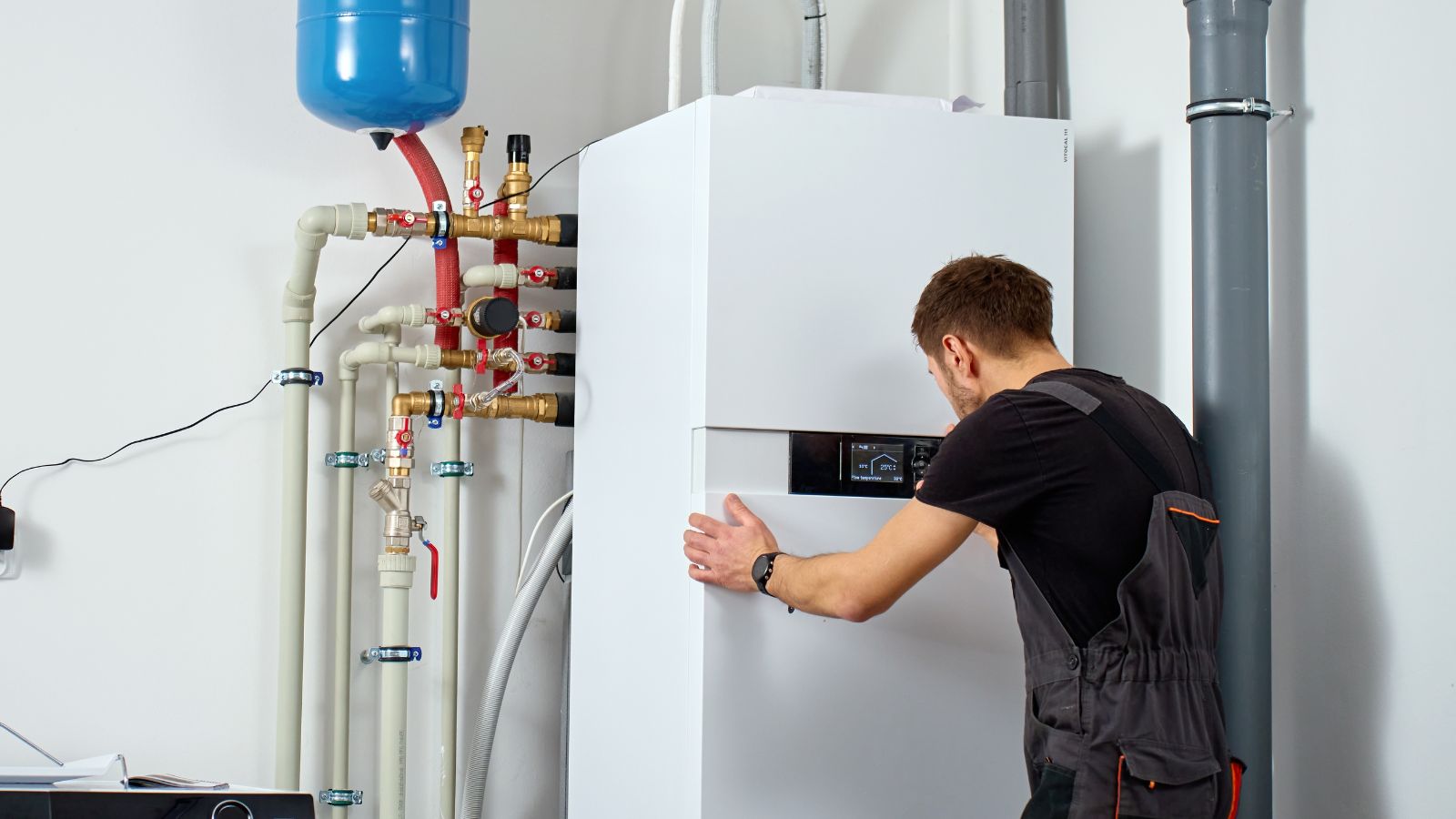
The obvious response to expensive heating is improving efficiency, but insulation, windows, air sealing and heat pumps require capital before they produce savings. Data from the federal Canada Greener Homes Grant illustrate how much demand there has been for such upgrades. By February 2026, more than 406,000 households had completed retrofits and received a grant under the now-closed program, with an average grant of $4,436. Heat pumps were the most common major upgrade, with 229,000 installed through the program.
Natural Resources Canada estimated that participating Greener Homes households saved an average $386 per year on energy costs. That demonstrates the potential payoff, but also the basic winter affordability problem: reducing future bills may require a homeowner to finance thousands of dollars in improvements today. Other federal and provincial programs continue to target particular households and heating systems, but eligibility varies. For families outside available programs, preparing an older home for increasingly unpredictable winter conditions can become a major renovation decision rather than a simple weatherproofing project.
Snow Days Can Create Childcare and Lost-Work Costs
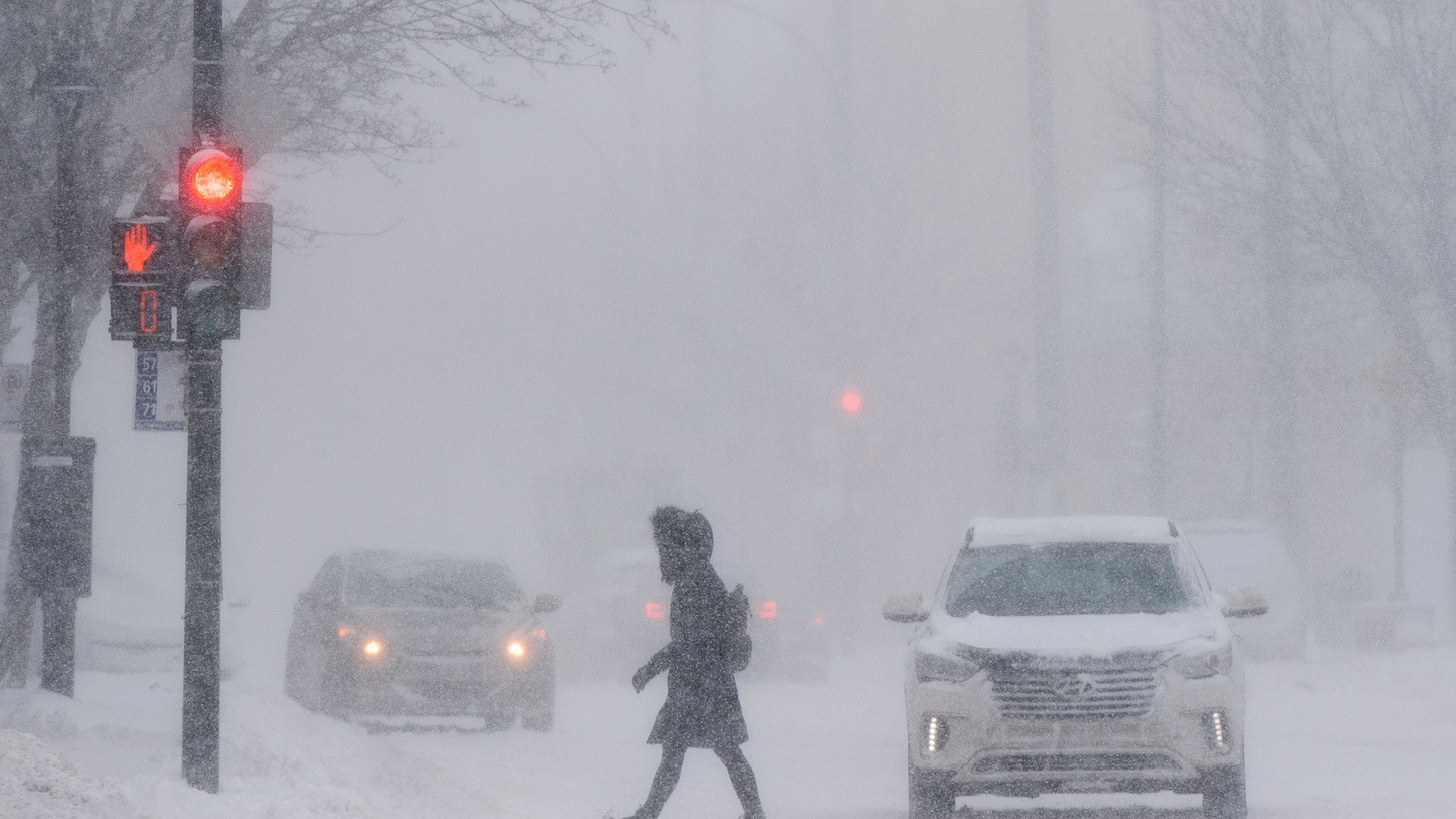
A school closure sounds simple until parents have to reorganize an entire working day. Heavy snow in southern Ontario during early 2026 closed schools across several major boards and also disrupted universities, roads and air travel. Quebec’s heavy wet snow event in November 2025 similarly forced numerous schools to close while hundreds of thousands of electricity customers lost power. These disruptions do not come with one standardized price tag, but households often absorb their cost directly.
A parent who cannot work remotely may lose hours, use vacation time or arrange emergency childcare. A worker paid hourly can face an even more direct income loss. Someone whose commute depends on unreliable roads or transit may have to pay for a taxi, parking or another transportation option. Families with children old enough to stay home independently may avoid childcare costs but still deal with meals, connectivity and supervision issues. As winter storms disrupt schools, workplaces and transport simultaneously, weather increasingly creates an economic problem built around time—not simply snow depth.
Skiing and Other Organized Winter Recreation Can Demand a Serious Budget
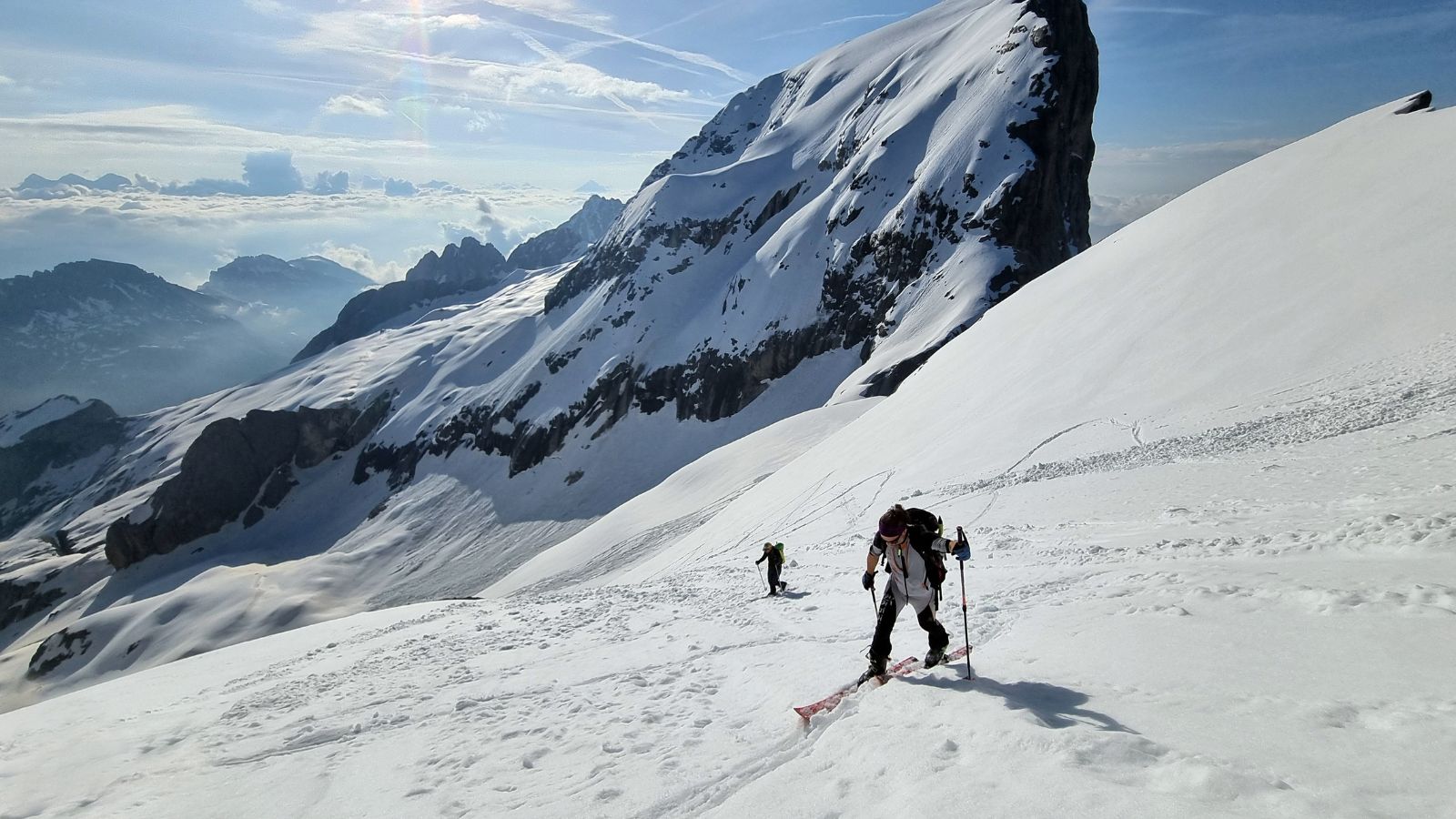
Winter recreation is another area where Canadians can encounter substantial costs. For the 2026–27 season, Whistler Blackcomb listed its unlimited season pass at $1,579 Canadian, while multi-day products still run into hundreds of dollars. Resort pricing strategies increasingly encourage skiers to commit and buy early, with major operators advertising sizable savings for advance purchases compared with window prices. That can make an occasional spontaneous ski day considerably less economical than it once appeared.
The industry is also managing a changing climate. Warmer and less reliable snow conditions increase the importance of snowmaking at many resorts, requiring pumps, water systems, electricity and specialized equipment. Modern snowmaking has become much more efficient, yet researchers and operators still describe energy use and narrowing cold-weather production windows as important challenges. Not every outdoor winter activity needs an expensive lift pass, of course—skating, sledding and local trails can remain inexpensive. But families that treat downhill skiing or snowboarding as a regular part of winter increasingly have to plan for passes, rentals, equipment, transport, meals and accommodation well ahead of the season.
Shorter Winter-Road Seasons Raise the Cost of Supplying Remote Communities

For many northern and remote communities, winter itself creates a transportation network. Frozen lakes, rivers and land routes allow heavy goods such as building materials and fuel to move by truck rather than aircraft. National Research Council research warns that warming is progressively shortening the operating windows of these roads. When the ice forms later or becomes unreliable earlier, the inexpensive shipping window shrinks and communities can become more dependent on costly air transportation.
The federal government has already increased funding in response. In 2024, Indigenous Services Canada announced an additional $20 million over four years for winter roads serving Ontario First Nations, supplementing existing annual funding. The department said shorter road seasons were contributing to shortages of food, fuel and medical supplies and increasing reliance on air transport. Those pressures make winter affordability a profoundly regional issue. In southern cities, a mild winter can reduce shovelling. In remote northern communities, the same warming trend can weaken a critical supply route and make everyday necessities more expensive to deliver.
Municipal Winter Costs Eventually Reach Households Too
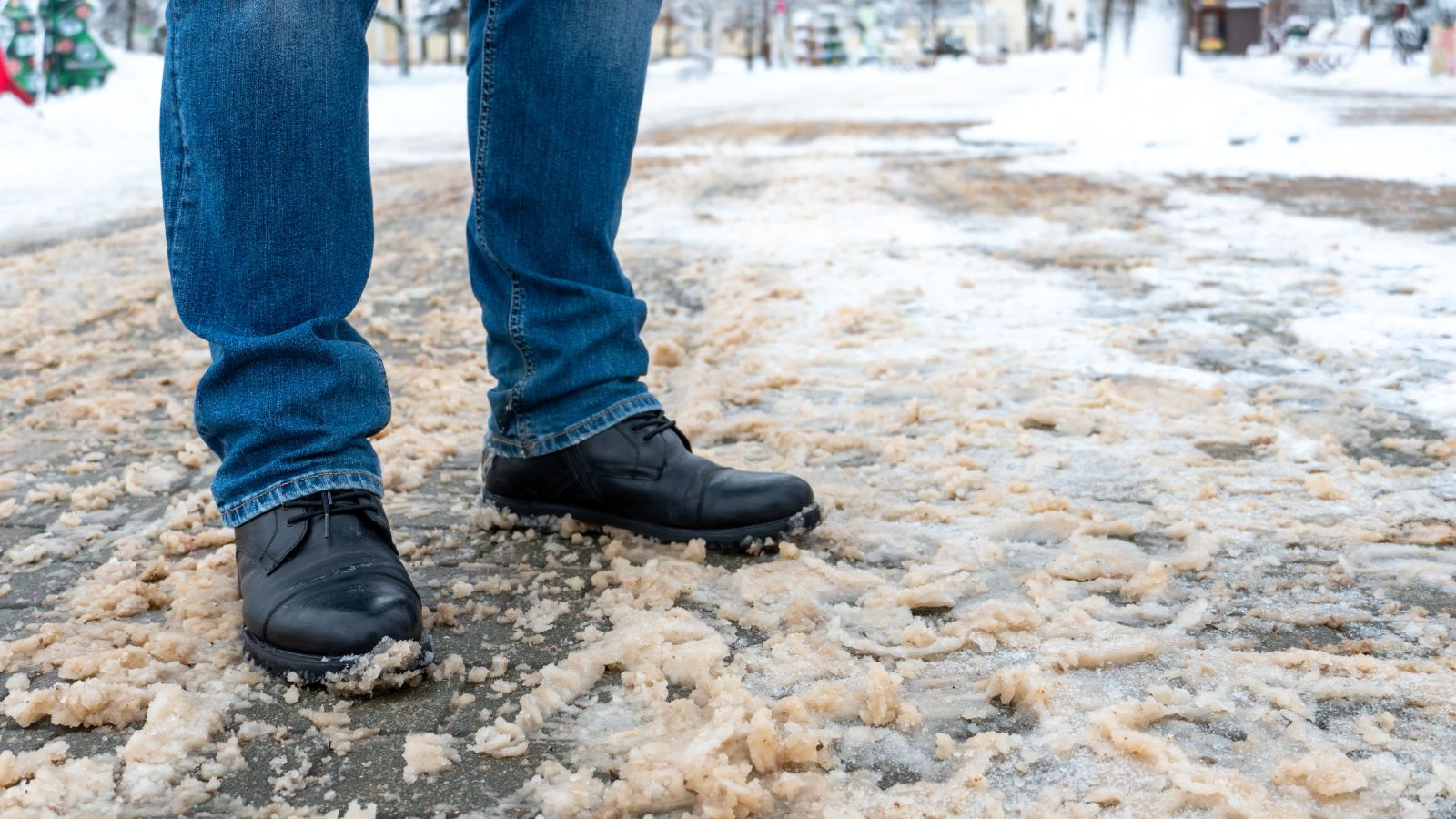
Some winter expenses arrive indirectly through municipal budgets. Snow clearing, road salt, pothole repairs, stormwater systems, sewer upgrades and climate-resilience projects are paid collectively rather than at a household checkout. Toronto’s 2025 winter-maintenance budget alone was approximately $160 million, covering contracts, salt, staffing and mechanical sidewalk clearing. Larger or more complicated seasons require additional activations, equipment hours and labour.
The broader infrastructure problem is even bigger. Statistics Canada’s 2026 analysis of extreme weather noted research estimating that every dollar of insured losses can be accompanied by two to four dollars of uninsured costs, including damage to public infrastructure and costs ultimately borne by households through mechanisms such as property taxes. The agency also pointed to aging water and sewer systems as an additional source of municipal pressure. That means the winter bill is not limited to heat, tires and insurance. Part of it is embedded in the cost of maintaining cities that must keep roads passable, drainage functioning and public infrastructure resilient as weather becomes more demanding and unpredictable.
16 Costco Canada Habits That Could Be Costing Shoppers More Than They Save
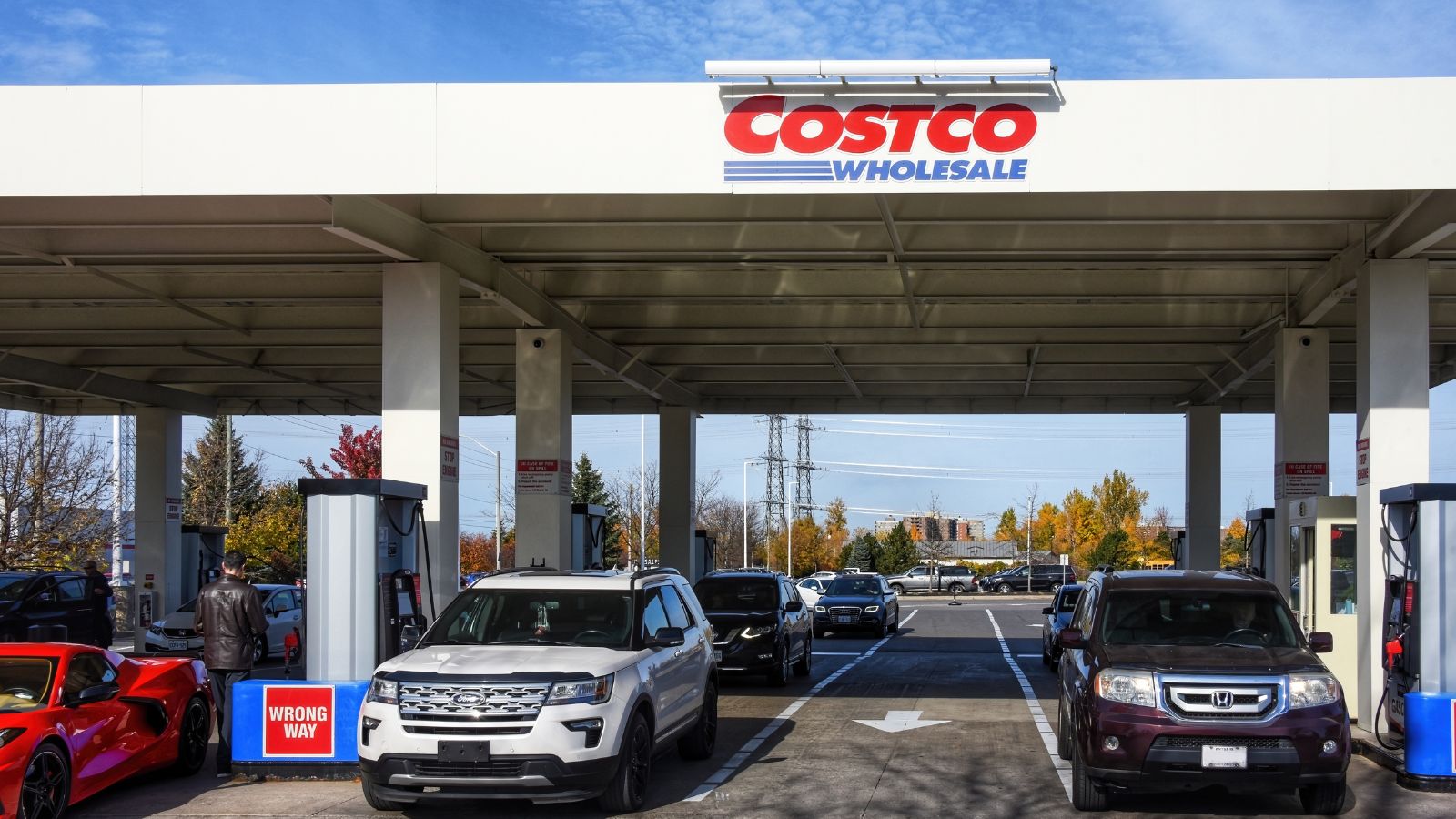
The Executive Membership can feel like an obvious upgrade because the 2% annual reward sounds straightforward. For households that spend heavily at Costco Canada, the extra fee may be easy to justify. But the habit becomes costly when shoppers upgrade first and calculate later. A Gold Star Membership costs less, while Executive costs more and only pays off if eligible annual spending is high enough to offset the difference.
16 Costco Canada Habits That Could Be Costing Shoppers More Than They Save
