
The first hard freeze of the season can turn an ordinary car interior into a surprisingly hostile storage space. Electronics can stop working properly, batteries can struggle, liquids can expand, and certain medications or baby products may no longer meet their recommended storage conditions. The trouble is easy to overlook because many of these items spend months tucked into consoles, trunks, backpacks, and grocery bags.
Before overnight temperatures begin regularly falling below freezing, a quick cleanout can prevent damaged belongings, messy leaks, and potentially expensive replacements. These 19 things Canadians should get out of their cars before temperatures drop range from phones and medications to canned drinks, paint, adhesives, and musical instruments.
Smartphones

A smartphone forgotten in the centre console may look perfectly normal the next morning, but extreme cold can push the device outside the conditions its manufacturer intended. Apple, for example, specifies an operating range of 0°C to 35°C for iPhones and recommends storage between -20°C and 45°C. Those figures matter in Canada, where overnight temperatures in many regions can fall below -20°C during winter. When a phone becomes excessively cold, battery performance can temporarily decline and certain features may stop functioning normally.
Another concern comes when the frozen phone is carried directly into a warm, humid house. Manufacturers caution against dramatic temperature and humidity changes, partly because electronics are designed for non-condensing conditions. The safer habit is simply to stop treating the car as permanent phone storage once winter approaches. Bringing the device indoors also keeps it available during an emergency rather than leaving a cold, potentially depleted phone sitting uselessly in the driveway.
Tablets and E-Readers

Tablets and e-readers often end up forgotten in seat-back pockets after road trips, school runs, or long commutes. That may be harmless in mild weather, but manufacturers commonly set temperature limits for these devices. Amazon specifically tells owners not to expose Kindle devices to extreme heat or cold and even gives leaving one in a vehicle trunk during sub-zero conditions as an example of what should be avoided. Its listed operating range for some Kindle models begins at 0°C.
Tablets face similar limitations. Apple lists an operating range of 0°C to 35°C for iPads, meaning a tablet that has spent a January night at -20°C should not be expected to operate normally the instant it is switched on. Cold can temporarily reduce battery performance and affect device behaviour. Families that routinely leave entertainment devices in the car may therefore benefit from making them part of the nightly unload. A forgotten paperback tolerates a Canadian cold snap much better than the electronics replacing it.
Laptops

A laptop bag in the trunk can seem like a convenient way to avoid carrying another item into the house, especially after a long workday. Winter changes that calculation. Apple lists operating temperatures of 10°C to 35°C for current MacBook models, although the permitted storage range extends considerably lower. A machine that has spent hours below its operating range therefore needs time to return to an appropriate temperature before being powered up and used.
Humidity is another reason to be cautious. Laptop specifications typically assume non-condensing conditions, while moving cold equipment rapidly into warm indoor air can create a significant temperature change. The simplest solution is prevention: take the computer inside rather than repeatedly exposing it to freezing nights. That also avoids leaving valuable equipment unattended in a vehicle. Canadians who commute with laptops may find it useful to treat the computer bag like a wallet or house keys—something that automatically comes through the door rather than spending the night in the trunk.
Handheld Gaming Consoles

Portable gaming systems are especially easy to forget because children may leave them under seats or tucked into door pockets after a trip. Nintendo specifies an operating temperature of roughly 5°C to 35°C for the Nintendo Switch family and recommends charging within the same 5°C-to-35°C range. That is far warmer than the inside of a parked vehicle during a typical Canadian winter night.
A console retrieved from a freezing car should therefore not be plugged into a charger immediately simply because its battery is low. Allowing the device to warm naturally indoors before operation or charging is the more sensible approach. Better still, portable electronics can be removed from the vehicle before the freeze happens. Beyond protecting the battery and electronics, bringing the system inside prevents an expensive device from being forgotten for days at a time while temperatures repeatedly rise and fall. The colder the forecast becomes, the less suitable the car is as an electronics cupboard.
Power Banks and Portable Chargers
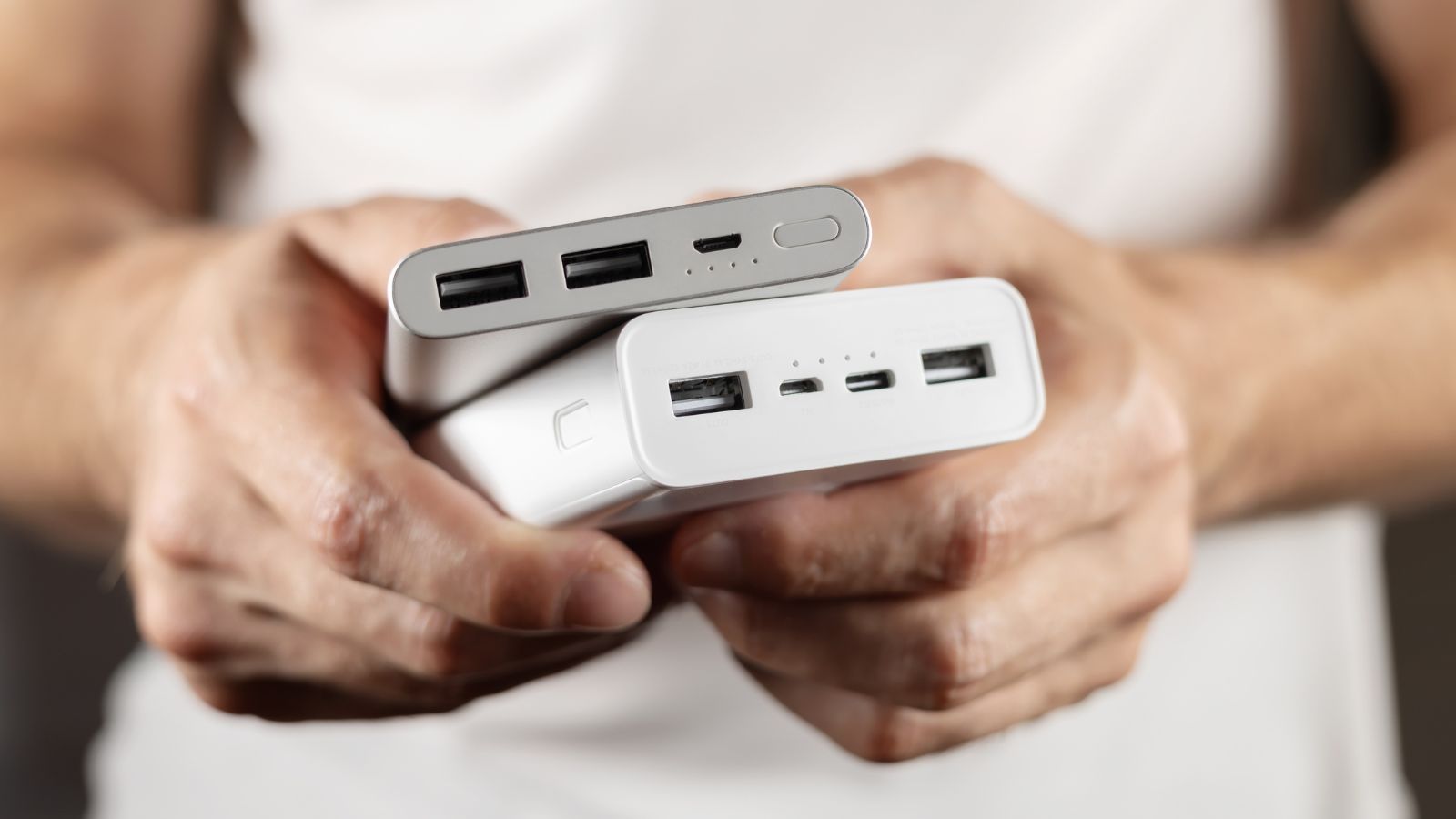
Power banks are often deliberately kept in vehicles as emergency charging backups, which makes them one of the easiest cold-sensitive items to overlook. Their lithium-ion cells do not perform the same way at every temperature. Anker, for example, lists an optimized operating range beginning at 0°C for many portable chargers and gives a recommended one-month storage range that bottoms out around -10°C. Some models even enter low-temperature protection mode when the internal battery becomes too cold.
This does not mean a frozen power bank will automatically become dangerous or permanently useless. It does mean that a glovebox may be a poor long-term storage location during a Canadian deep freeze, particularly when temperatures drop below the manufacturer’s specified range. A power bank brought indoors should be allowed to return to an acceptable charging temperature before it is plugged in. Drivers who want emergency power in winter can carry a charger when travelling while bringing it back indoors afterward, rather than leaving lithium-ion cells in a freezing vehicle for weeks.
Hearing Aids and Charging Cases

Hearing aids are tiny pieces of sophisticated electronics, and some models contain rechargeable batteries that respond poorly to prolonged temperature extremes. Phonak documentation for certain rechargeable hearing aids permits a broad transport and storage range but recommends substantially milder conditions for routine storage. Another Phonak guide notes that prolonged storage below 10°C or above 30°C may negatively affect battery performance.
That makes the overnight car an unnecessary gamble for devices that can be both essential and expensive. Hearing-aid charging cases may contain batteries of their own, creating another component that benefits from normal indoor conditions. A person who removes hearing aids before driving home or keeps a backup pair in a vehicle should make sure they are not forgotten when freezing weather arrives. The same principle applies to spare hearing-aid batteries: room-temperature, dry storage is generally preferable. Winter emergency supplies belong in the car, but personal medical electronics are usually better carried with the person who depends on them.
Contact Lenses

A box of spare contact lenses in the glove compartment may appear to be a clever emergency backup, but some soft contact-lens materials are specifically labelled against freezing. Bausch + Lomb’s Canadian instructions, for example, warn that certain hydrogel lens materials should not be frozen, although the company also notes that another material in its range can tolerate lower temperatures. That distinction is important because it demonstrates why one blanket rule cannot safely be applied to every lens product.
The practical approach is to read the manufacturer’s storage instructions and avoid using the car as a permanent supply cabinet. A Canadian vehicle can spend hours well below 0°C, far outside ordinary indoor storage conditions. Someone who needs emergency lenses can keep a spare pair in a work bag, purse, or other item that travels indoors instead. Contact lenses are medical devices placed directly on the eye, so assumptions about whether a frozen package is still suitable are not worth making. When freezing exposure occurs, the product instructions or an eye-care professional should guide the decision.
Prescription Medications

The glovebox may seem like a convenient place for occasional medications, but Health Canada stresses that drugs should be stored and transported according to the conditions stated on their labels. Temperature is considered one of the most important environmental controls affecting drug quality. Many products are designed for controlled room-temperature storage, while others have specific refrigerated or other temperature requirements.
Cold exposure does not automatically destroy every tablet or capsule, and brief temperature excursions can sometimes be acceptable when stability data support them. That is precisely why broad assumptions are risky. Solutions, suspensions, injectables, and other formulations may respond differently to freezing conditions. Canadians who discover medication that has spent a winter night in the vehicle should check the label and, when necessary, ask a pharmacist whether the product remains usable. Routine medications are easier to protect by bringing them inside in the first place. The car may function as temporary transportation, but it is not a temperature-controlled medicine cabinet.
Epinephrine Auto-Injectors
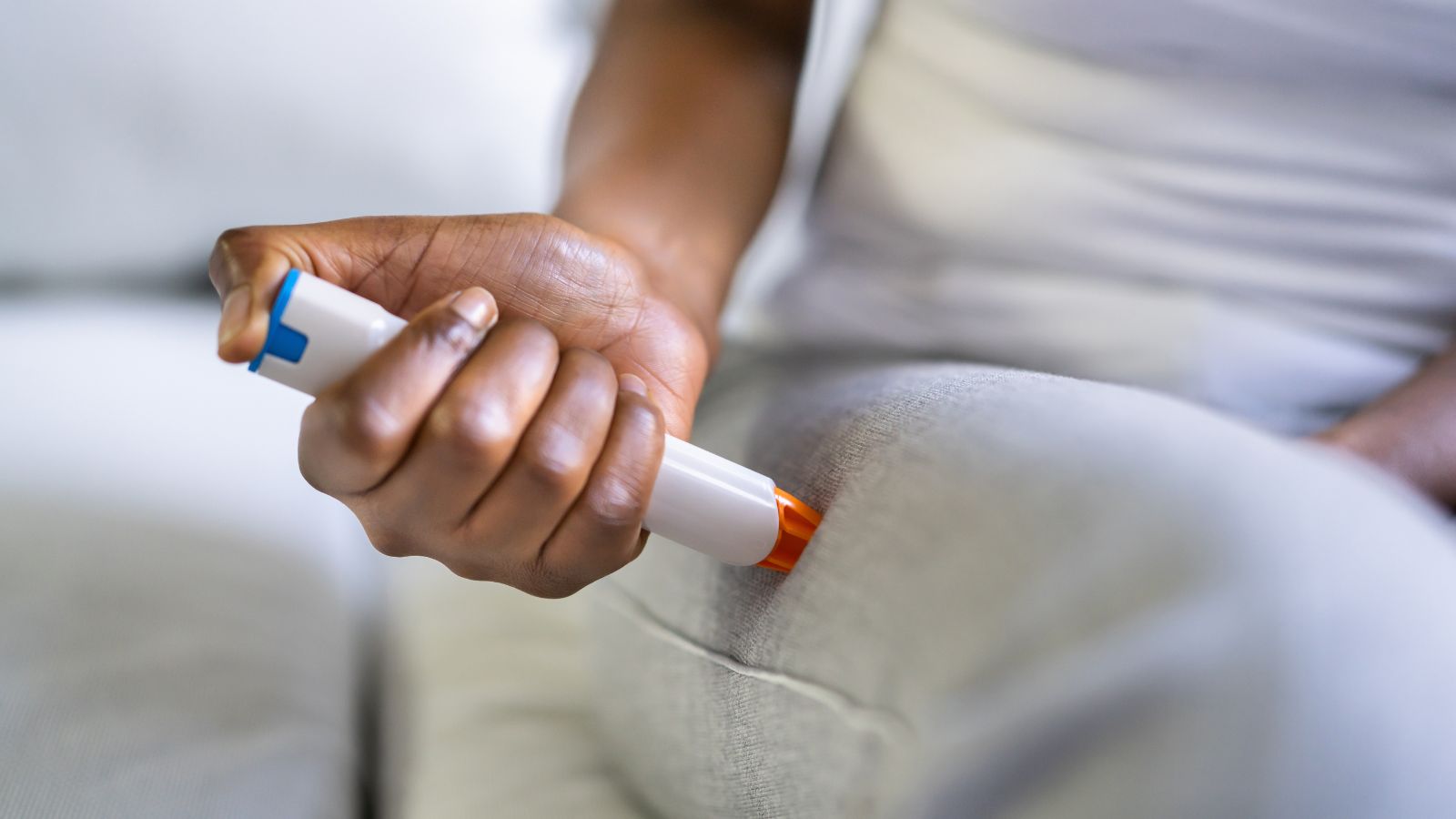
An epinephrine auto-injector needs to work when it is needed most, making proper storage particularly important. Canadian EpiPen guidance recommends keeping the device at room temperature between 15°C and 30°C. The manufacturer specifically says it should not be refrigerated or frozen and advises against keeping an EpiPen in a vehicle during extremely hot or cold weather.
That warning makes an auto-injector different from an ordinary object that merely becomes inconvenient when chilled. It is emergency medication intended for treatment of a severe allergic reaction. Keeping one permanently in a freezing car can expose it to temperatures far outside its recommended range while also putting it somewhere inaccessible whenever the vehicle is not nearby. A better routine is to keep the auto-injector with the person who may need it, using an appropriate carrying method during winter. Anyone concerned that an EpiPen has been frozen or exposed to inappropriate temperatures should follow the product instructions and seek advice from a pharmacist or healthcare professional.
Insulin

Insulin deserves particular attention before winter because freezing can make the product unsuitable for use. Diabetes Canada advises that insulin which has been frozen should be discarded. Canadian insulin product information also includes explicit warnings against using preparations that have frozen. That makes leaving insulin in a parked car during a sub-zero night more than an inconvenience.
Winter travel therefore requires a balance: insulin may need protection from excessive heat, but that does not mean freezing is safe. It should be carried and stored according to the instructions for the specific insulin product. Someone who discovers insulin that may have frozen should not rely on appearance alone to decide whether it remains effective. Instead, the manufacturer’s guidance or advice from a pharmacist or diabetes-care professional should determine the next step. For everyday driving, the easiest prevention is straightforward—do not leave insulin behind when exiting the vehicle. In a Canadian cold snap, the passenger compartment can quickly become an uncontrolled freezer.
Liquid Infant Formula

Parents often accumulate emergency baby supplies in the vehicle, and unopened formula can easily remain in a diaper bag for days. Liquid formula, however, should be kept within the storage conditions specified by its manufacturer. Health Canada notes that infant-formula labels may include instructions such as “do not freeze” when applicable, and Canadian information for some ready-to-feed and concentrated products specifically warns against freezing or extreme temperatures.
This matters because infant formula is a carefully formulated food for a particularly vulnerable population. Freezing and thawing can affect the physical stability of certain products, while opened or prepared formula has much stricter refrigeration and time limits. Powdered formula is a different product and should be handled according to its own label rather than treated identically. Before winter arrives, parents can remove forgotten bottles, cans, and ready-to-feed containers from the vehicle and keep them under normal recommended storage conditions. An emergency diaper bag is useful, but its contents still need a seasonal review when the weather changes.
Canned Soft Drinks

A forgotten case of pop in the trunk can create one of winter’s messiest surprises. Most soft drinks are largely water, and water behaves unusually when it freezes. The U.S. Geological Survey notes that ice is roughly 9% less dense than liquid water, reflecting the expansion that occurs during freezing. Inside a sealed container with little spare room, that expansion can place significant stress on the packaging.
Carbonated drinks add another complication because dissolved carbon dioxide and freezing behaviour affect internal pressure. University physics explanations describe how freezing soda can cause cans to bulge and potentially rupture. The exact freezing temperature varies because sugar and other dissolved ingredients lower the freezing point below 0°C, but a Canadian overnight low can easily become cold enough. Removing cans before sustained sub-zero weather saves the trouble of cleaning sticky frozen liquid from carpeting, spare-tire wells, and upholstery. The few seconds required to carry the drinks inside are preferable to discovering a split can beneath the rear seat.
Full Glass Bottles and Jars

A tightly filled glass bottle creates a particularly unforgiving combination when its contents can freeze. Water expands as it becomes ice, and rigid glass offers much less room for that expansion than a flexible plastic container. The result can be a cracked bottle, a damaged seal, or a slow leak that becomes obvious only after the vehicle warms up again.
The risk applies most clearly to water-rich liquids stored in containers without enough expansion space. Beverage manufacturers themselves sometimes warn that freezing can make containers crack or leak. The composition of the liquid matters—sugar, alcohol, salt, and other dissolved substances can lower its freezing point—so not every bottle will freeze at exactly 0°C. Still, leaving full glass drink bottles, jars, or similar containers in a car through a Canadian cold snap provides little benefit. Removing them also avoids having to search carpet and storage compartments for broken glass after thawing. If a container has frozen and cracked, it should be handled cautiously rather than simply opened and used.
Canned Foods

Shelf-stable food is frequently added to vehicles as part of an emergency kit, but ordinary canned goods are not automatically suited to uncontrolled freezing. The U.S. Department of Agriculture specifically warns that canned foods accidentally left in cars or other sub-zero locations can present problems. Food expands as it freezes, sometimes causing cans to swell or damaging their seams.
A swollen can is especially troublesome because swelling can also be associated with microbial spoilage, making its cause difficult to determine simply by looking at it. USDA guidance says cans with burst or damaged seams should be discarded and provides careful instructions for dealing with intact cans that have frozen. For Canadian winter preparedness, purpose-built emergency foods that are rated for expected storage conditions may be a better choice than leaving random pantry cans in the trunk for months. At minimum, the food portion of a vehicle emergency kit deserves a seasonal check instead of being forgotten from one winter to the next.
Shell Eggs

A grocery stop followed by an overnight forgotten bag can turn a carton of eggs into an unpleasant discovery. USDA guidance says shell eggs should not be frozen. If an egg accidentally freezes and its shell cracks during the process, it should be discarded because cracks can provide a route for contamination.
Even uncracked frozen eggs can change noticeably. Freezing can make the yolk thick and syrupy, reducing its usefulness in recipes because it no longer blends in the same way as a fresh yolk. The lesson is particularly relevant during Canadian shoulder seasons, when an afternoon may seem mild but overnight temperatures suddenly fall below freezing. Groceries left in the trunk are easy to forget after unloading larger items. A quick final check can prevent waste, particularly when food has been sitting in a vehicle whose interior temperature closely follows the outdoor cold. A car is not a substitute refrigerator or freezer simply because winter has arrived.
Latex Paint

Renovation leftovers have a habit of lingering in trunks and cargo areas long after the trip home from the hardware store. Latex paint should not be among them once freezing nights begin. Sherwin-Williams advises against storing paint where freezing temperatures are possible and states that freeze-thaw cycles can ruin latex paint.
The problem is rooted in the paint’s water-based formulation. Freezing can disrupt the emulsion that keeps its ingredients uniformly distributed, leaving the product lumpy, separated, or otherwise unsuitable for producing the finish it was designed to create. A half-used can forgotten in a Canadian vehicle can therefore turn an expensive home-improvement product into waste. Paint should instead be stored according to the manufacturer’s directions in a location where temperatures remain within the recommended range. Anyone finding a can that has already frozen should consult the product manufacturer before deciding it can simply be stirred back to normal, because formulations and freeze-thaw tolerances differ.
Wood Glue and Water-Based Adhesives
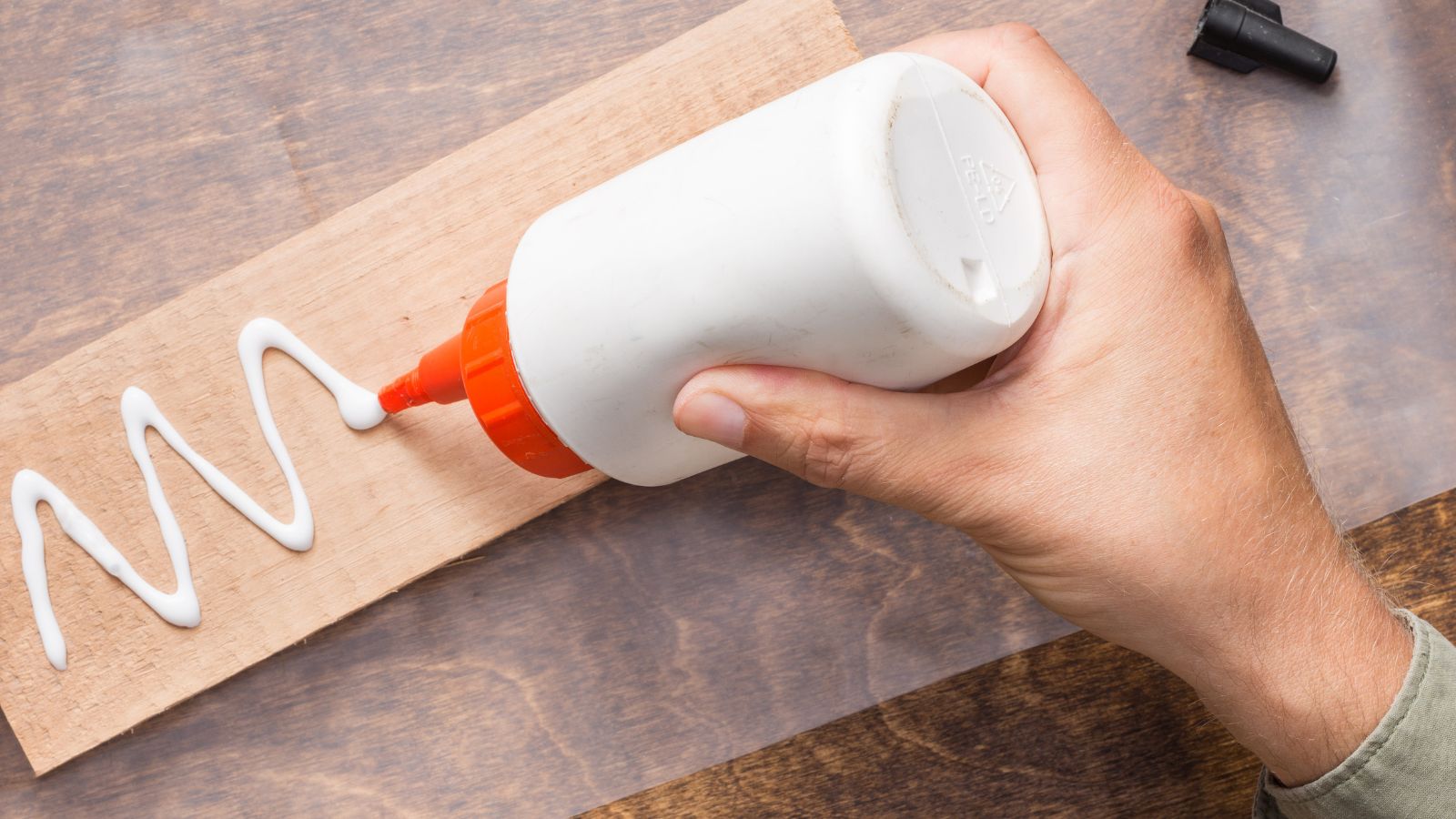
DIY supplies deserve the same winter cleanout as paint. Many wood glues and water-based adhesives carry storage warnings related to freezing. Titebond, for example, labels several products “keep from freezing,” while one of its Speed Set products is specifically listed as not stable through freeze-thaw exposure. Other formulations may merely thicken and recover after agitation, which again shows why product-specific instructions matter.
That variation means the safest storage plan is not to gamble on whatever bottle happens to be rolling around the trunk. Adhesives depend on carefully engineered chemistry to spread, wet surfaces, cure, and develop the expected bond strength. Repeated exposure to temperatures outside their recommended range can compromise that behaviour or at least make the product difficult to use. Canadians who keep a toolbox in the vehicle can leave the durable hand tools there while taking liquid glues and similar products inside before the first sustained freeze. A $10 bottle is inexpensive compared with a failed repair caused by unreliable adhesive.
Summer Washer Fluid and Liquid Car-Care Products
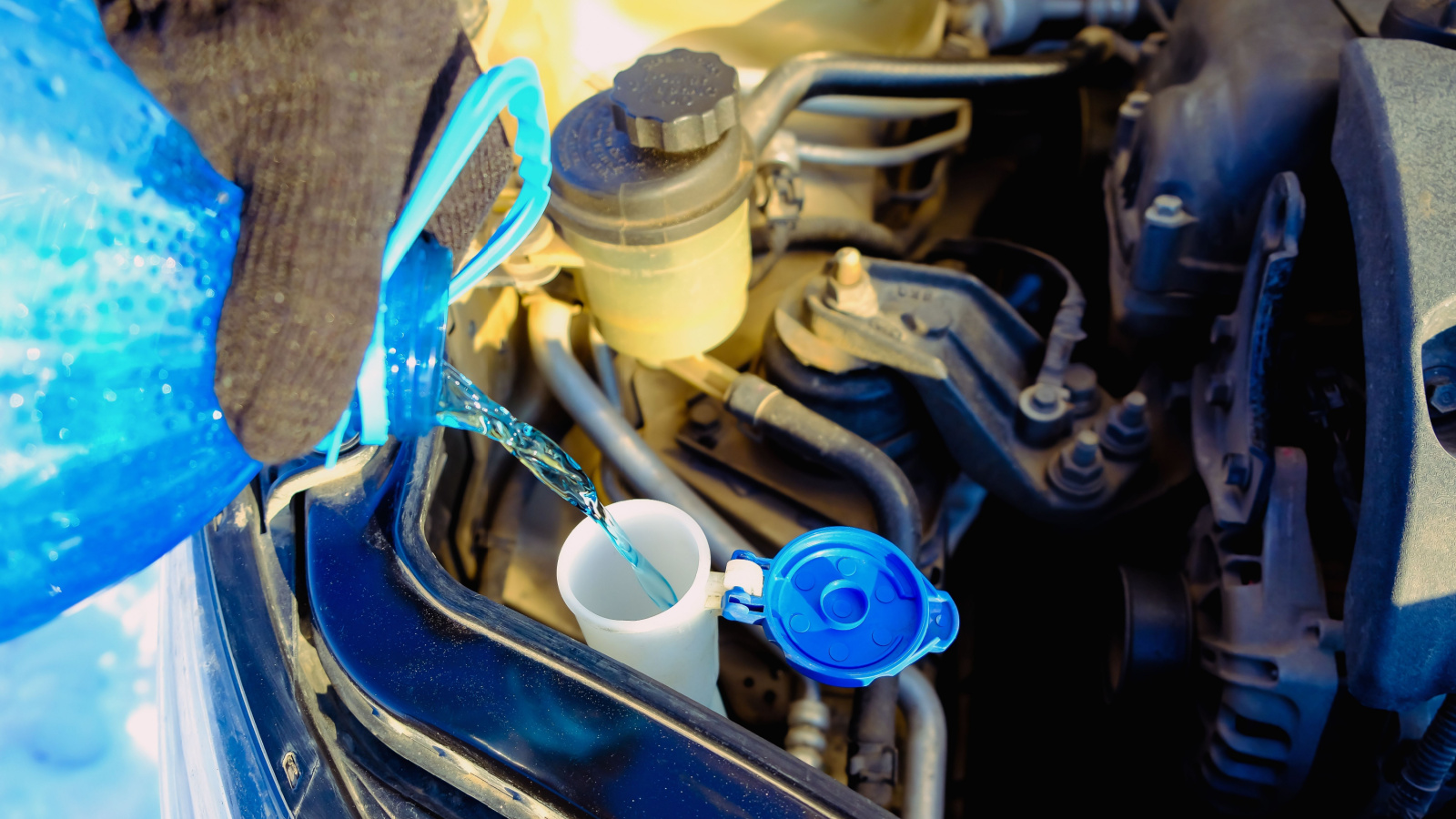
Not every bottle with a picture of a car on the label is formulated for a Canadian winter. Rain-X notes that standard or summer windshield-washer fluids can freeze in lines and reservoirs, while winter formulations contain freeze protection intended for lower temperatures. That means leftover summer-grade washer fluid sitting in the trunk—or still filling the reservoir—deserves attention before freezing weather arrives.
Detailing products can also have cold-storage restrictions. Labels for various liquid waxes, washes, and polishes instruct users to protect them from freezing, including products from established automotive-care manufacturers. Water-based emulsions can separate or otherwise change after freezing, potentially compromising performance. Drivers should therefore inspect bottles rather than assuming all car-care chemicals belong permanently in the car. Properly rated winter washer fluid obviously needs to remain available for cold-weather driving; the items to remove are summer formulations and detailing liquids whose labels warn against freezing. Autumn is an ideal time to clear those out while switching the vehicle itself to winter-ready fluids.
Guitars and Other Wooden Instruments

Few forgotten items react to temperature changes as dramatically as a good wooden instrument. Taylor Guitars warns that freezing conditions can severely damage guitars and specifically recommends avoiding leaving one in a vehicle on very cold days. The company says extreme cold can contribute to wood cracks, weakened glue joints, and damage to electronic components.
The transition back indoors can be just as important. Taylor advises allowing an extremely cold guitar to warm gradually in its case rather than placing it beside a heater or fireplace. Rapid temperature swings can also cause certain finishes to develop fine cracks. Similar caution makes sense for other valuable wooden string instruments whose construction involves carefully dried wood, glue joints, finishes, and tightly controlled geometry. A guitar may survive one forgotten cold night without visible damage, but repeated exposure is an unnecessary risk. Once autumn nights turn frosty, instruments belong inside a stable environment rather than sitting in a trunk waiting for the next rehearsal.
16 Costco Canada Habits That Could Be Costing Shoppers More Than They Save

The Executive Membership can feel like an obvious upgrade because the 2% annual reward sounds straightforward. For households that spend heavily at Costco Canada, the extra fee may be easy to justify. But the habit becomes costly when shoppers upgrade first and calculate later. A Gold Star Membership costs less, while Executive costs more and only pays off if eligible annual spending is high enough to offset the difference.
16 Costco Canada Habits That Could Be Costing Shoppers More Than They Save
