A long-discussed mining project in Alaska’s Brooks Range has moved from planning into a more consequential regulatory phase. The U.S. Army Corps of Engineers has formally begun the environmental review of the Arctic copper-zinc-lead-gold-silver project, operated by Ambler Metals, the 50/50 joint venture between Vancouver-based Trilogy Metals and South32.
The Corps’ Notice of Intent starts preparation of an Environmental Impact Statement under the National Environmental Policy Act and opens the project to public scoping. Trilogy trades on both the Toronto Stock Exchange and NYSE American under TMQ, giving the development particular relevance to Canadian investors. The milestone does not approve construction, but it puts the proposed mine onto a publicly tracked permitting path that currently stretches into 2028.
The Army Corps review moves Arctic into a new phase
The immediate development is procedural, but it is an important one. The Army Corps posted a Notice of Intent for the Arctic Mine Development Project with a public-notice date of September 18, 2026, and Trilogy announced the milestone on September 21. The notice begins preparation of a full Environmental Impact Statement, or EIS, examining the proposed mine and reasonable alternatives. The Corps is leading the federal review because the development would affect waters and wetlands regulated through Section 404 of the Clean Water Act.
That distinction matters for anyone watching the project from the investment side. Starting an EIS is not the same as receiving a mine permit, and the federal Permitting Dashboard explicitly warns that inclusion in the FAST-41 process creates no presumption that a project will ultimately be approved. Ambler Metals submitted its Section 404 application on April 20, 2026. The new notice means regulators are now moving into the detailed environmental-review stage rather than merely processing an application.
Arctic is much more than a conventional copper deposit
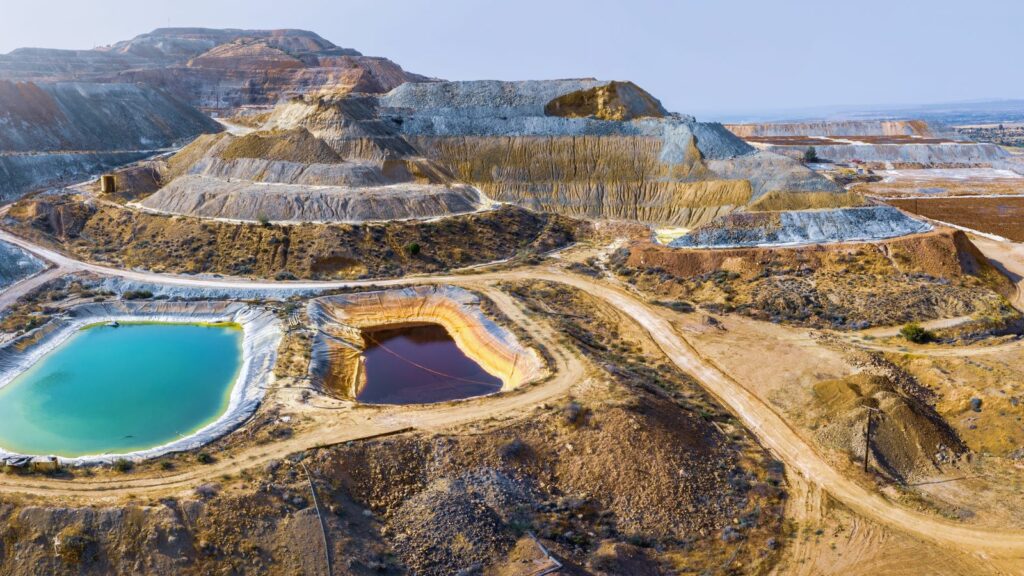
The proposed development sits in the Ambler Mining District of northwestern Alaska and is designed as an open-pit operation producing several metals rather than copper alone. Current Army Corps materials describe a plant capable of processing roughly 11,000 short tons, or 10,000 tonnes, of ore each day. Copper, zinc and lead concentrates would be the principal products, while gold and silver would also be recovered. Construction is currently described as taking approximately three years, followed by an anticipated operating period of about 13 years.
The scale becomes clearer deeper in the technical numbers. Trilogy’s latest annual regulatory filing reports 46.7 million tonnes of probable mineral reserves on a 100% project basis, averaging 2.11% copper, 2.90% zinc and 0.56% lead, alongside gold and silver. Trilogy’s attributable interest is half of those reserves because it owns 50% of Ambler Metals. The proposed pit plan also involves roughly 340 million tonnes of waste, illustrating why water, waste-rock, tailings and reclamation planning will feature prominently in the federal review.
The permitting calendar now stretches to September 2028
Arctic entered the federal FAST-41 program in May 2026, bringing the project onto a coordinated and publicly visible permitting timetable. The current federal dashboard identifies the Army Corps as the lead agency and lists the overall environmental-review and permitting process as “in progress.” Remaining federal, state and local decisions are being coordinated under the timetable rather than moving through completely separate schedules, although the target dates can still change as the review develops.
The schedule is unusually specific for a mine that has not yet received its principal authorizations. The current target calls for a draft Environmental Impact Statement in October 2027, a final EIS in August 2028 and an Army Corps Record of Decision by September 15, 2028. The Corps is targeting September 22, 2028 for its final decision on the Section 404 permit, while the broader Permitting Dashboard shows November 26, 2028 as the estimated completion date for environmental review and permitting. Those dates provide visibility, not certainty; unresolved environmental findings or other regulatory requirements can still alter the timetable.
Public comments will help determine what the EIS studies
For communities near the project, the most immediate part of the process is not a construction decision but the scoping period. The Corps is accepting comments from September 18 through November 2, 2026. The agency has identified potential subjects ranging from fisheries and aquatic resources to permafrost stability, geochemistry, wetlands, groundwater, water treatment, wildlife, cultural resources, subsistence and regional socioeconomic effects. Those submissions can influence which issues and alternatives receive detailed treatment in the Environmental Impact Statement.
The agency also plans meetings in communities close to the proposed mine. Current plans include sessions in Shungnak on October 6, Ambler on October 7 and Kobuk on October 8, followed by a Fairbanks meeting and a virtual session later in October. Federally recognized Tribes can separately request government-to-government consultation. That local component is significant because the nearby Upper Kobuk communities are small and subsistence activities remain an important part of life in the region, making the effects of water, wildlife and transportation decisions more immediate than they might appear on a mining-company presentation.
The mine would leave a substantial physical footprint
The Army Corps’ current project description gives regulators a considerable list of environmental questions to examine. The proposal has an estimated total disturbance footprint of approximately 1,727 acres, including the mine area and construction or improvement of access roads. Fill placement is expected to permanently affect roughly 120.7 acres of wetlands and other waters, including about 110.6 acres of wetlands. That direct aquatic impact is one of the principal reasons a Section 404 permit is required.
Waste and water management will therefore be central to the EIS. Plans call for an engineered tailings management facility near the headwaters of Subarctic Creek, a waste-rock facility and extensive water-management infrastructure. Contact water from the open pit, waste rock, tailings and mine facilities would be collected and treated before discharge to meet Alaska standards. The current design says tailings storage would be sized to accommodate mine water and a flood volume equal to 1.5 times the probable 100-year maximum flood event. The EIS will test assumptions behind those proposed protections rather than simply accepting the design as presented.
The economics explain why the project has attracted attention
Arctic’s grade and multi-metal output have long been the core of its investment case. Trilogy’s 2023 feasibility study projected average annual payable production of approximately 149 million pounds of copper and 173 million pounds of zinc over the proposed mine life, along with lead, gold and silver. The same study estimated initial capital spending at approximately US$1.18 billion and projected an after-tax net present value of roughly US$1.1 billion at an 8% discount rate, with an after-tax internal rate of return of 22.8%.
Those numbers require context. They are feasibility-study projections rather than current operating results, because Arctic is not producing metal. Trilogy’s regulatory filings say the capital estimate uses Q3/Q4 2022 U.S.-dollar cost inputs and carries an estimated accuracy range of about plus or minus 15%. Commodity prices, construction costs, financing terms, permitting conditions and the eventual cost of transportation could all materially change the economics before a construction decision. Even so, a 46.7-million-tonne probable reserve containing five payable metals gives the project a scale that helps explain the sustained interest from South32, federal agencies and capital markets.
The Ambler Road remains crucial to the mine’s logistics
Arctic is remote enough that mine development cannot be separated from the transportation question. The project’s current logistics plan would move metal concentrates by truck to Fairbanks, then transfer them to rail for shipment to Anchorage, where they could be loaded onto vessels bound for smelters or refineries. Making that system work depends heavily on the proposed Ambler Access Project, a roughly 211-mile controlled industrial road linking the mining district to the Dalton Highway.
Federal and state agencies issued or reissued important right-of-way authorizations for the road in 2025. The National Park Service says approximately 26 miles of the proposed route would cross National Park Service lands and that its right-of-way permit was issued on October 21, 2025. Alaska describes the road as private industrial infrastructure rather than an ordinary public highway. The mine’s own feasibility assumptions include road toll and maintenance expenses, underscoring that access is not merely a regional infrastructure debate; it is embedded directly in the proposed mine’s operating model and projected costs.
Washington’s investment adds strategic importance without guaranteeing approval
The project has also acquired a direct connection to Washington’s critical-minerals strategy. On September 11, Trilogy said a US$35.6-million strategic U.S. government equity investment had closed, leaving the government with an approximately 10% direct ownership position in Trilogy. Proceeds associated with the transaction are being directed toward exploration and development of the Upper Kobuk Mineral Projects, which include both Arctic and the nearby Bornite copper-cobalt deposit.
That investment comes as copper has formally joined the U.S. critical-minerals list. The U.S. Geological Survey’s final 2025 list contains 60 minerals and added copper, lead and silver among ten new entries. Copper’s inclusion reflects its importance to wiring, electricity infrastructure and industrial supply chains. Still, government ownership should not be confused with regulatory approval. Trilogy’s own SEC disclosure expressly says the investment does not obligate a U.S. government entity to provide permits, approvals, additional financing or other support. The Army Corps must therefore conduct its environmental review and reach its permitting decision through the applicable regulatory process.
What happens during the next two years may matter more than the announcement
The Notice of Intent gives Arctic a defined federal process, but several consequential steps remain. Regulators must take public and Tribal input, assess alternatives, evaluate effects on wetlands, fisheries, water, wildlife, permafrost and subsistence resources, and publish a draft EIS for further review. State of Alaska and Northwest Arctic Borough decisions also remain part of the wider permitting picture. A positive federal Record of Decision would still need to be followed by the applicable authorizations before construction could proceed.
For Trilogy and South32, the milestone nevertheless changes the project’s status in a practical way. Arctic is no longer waiting for its environmental review to begin; that review is underway against a published timetable. For nearby communities, it begins the period when specific concerns can be formally entered into the federal record. And for Canadian investors watching TMQ, the next milestones will offer increasingly concrete evidence about whether Arctic’s geological promise, infrastructure plan and environmental requirements can ultimately be reconciled into a permitted and financeable mine.
