After nearly seven decades of proposals, studies, and stalled construction efforts, one of Canada’s most ambitious northern infrastructure projects is moving closer to becoming a reality. Prime Minister Mark Carney has committed the federal government to fully funding construction of the 800-kilometre Mackenzie Valley Highway, a project intended to transform transportation across the Northwest Territories.
Announced in Yellowknife on November 27, 2026, the decision designates the highway as a project of national interest, bringing new federal coordination, funding commitments, and construction oversight.
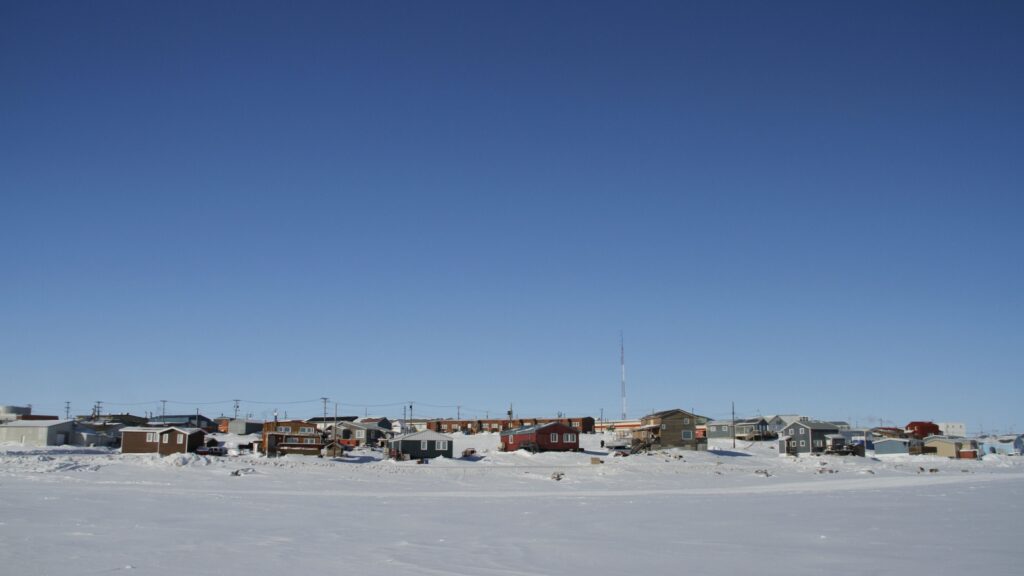
For communities that have spent generations depending on seasonal roads, aircraft, and river transportation, the project represents more than a highway. It offers the possibility of greater economic independence, reliable access to essential services, and a stronger Canadian presence in the Arctic.
A Northern Highway Nearly 70 Years in the Making
The Mackenzie Valley Highway has been discussed since the late 1950s, when northern transportation corridors were identified as essential to Canada’s economic development. The idea gained momentum during the 1970s, when the federal government began extending road infrastructure northward. However, construction eventually stopped, leaving significant sections of the proposed corridor unfinished. The project subsequently experienced decades of planning, environmental studies, financial uncertainty, and changing political priorities.
Carney’s November 27 announcement represents a significant departure from that history. By designating the highway as a project of national interest under the Building Canada Act, Ottawa is attempting to provide the federal coordination and financial certainty that earlier proposals lacked. The decision does not eliminate environmental assessments or Indigenous consultation requirements, but it establishes a clearer pathway toward construction. For residents who have watched generations of politicians discuss a permanent northern road, the significance lies in whether this commitment finally translates into kilometres of usable highway.
An 800-Kilometre Road Connecting Remote Northern Communities
The proposed highway would stretch approximately 800 kilometres from Wrigley, where the existing Highway 1 ends, to the Dempster Highway south of Inuvik. Following the Mackenzie River corridor, the two-lane gravel road would pass near Tulita, Norman Wells, and Fort Good Hope. These communities currently lack permanent road connections to the national highway network and depend on winter roads, aircraft, and river barges for transportation and essential supplies.
The federal government estimates that more than 10,000 residents across 12 communities could benefit from improved transportation access. Approximately 1,900 people in the Sahtu region would gain an all-season road connection for the first time. For families, that could mean greater freedom to visit relatives, access services, and transport goods without waiting for favourable seasonal conditions. The highway would also connect northern communities more directly with southern Canada’s transportation network, potentially strengthening regional businesses and making everyday travel more predictable.
Travel Between Yellowknife and Inuvik Could Become 15 Hours Shorter
One of the project’s most significant practical benefits is the proposed reduction in travel time between Yellowknife and Inuvik. According to federal government estimates, the highway would shorten the existing road journey by approximately 1,300 kilometres, reducing driving time from about 38 hours to roughly 23 hours. The distance between Edmonton and Inuvik would also decrease by an estimated 900 kilometres, creating a more direct connection between northern communities and major southern supply centres.
Those savings could matter considerably for transportation companies, families, and public services operating in the Northwest Territories. Shorter routes generally reduce fuel consumption, vehicle wear, and the time drivers spend transporting goods. They could also improve access to medical appointments and other essential services, although emergency travel would still depend on weather and road conditions. The government’s estimates are projections rather than guaranteed travel times, but the proposed corridor could fundamentally change how residents and businesses move between northern communities.
Federal Government Commits Billions to Complete the Highway
Financing has repeatedly complicated the Mackenzie Valley Highway’s development, making Ottawa’s latest commitment particularly important. Budget 2026 proposes $3.1 billion in direct federal financing over five years, covering construction and certain maintenance costs. The government had previously announced $405 million through the Arctic Infrastructure Fund in September 2026 to support engineering, planning, and early construction activities. Federal authorities are now committing to fund construction from beginning to end rather than relying exclusively on smaller investments spread across multiple decades.
The financial challenge remains substantial. Canada’s Major Projects Office lists an estimated capital cost of $4.2 billion for the highway’s northern and southern sections, highlighting the scale of the undertaking. The different funding figures represent distinct budget commitments and project-cost estimates, rather than a single finalized construction invoice. Actual expenditures will depend on detailed engineering, procurement, environmental requirements, and construction conditions. Nevertheless, a full federal funding commitment gives planners greater certainty and could help prevent the financial interruptions that have historically delayed northern infrastructure projects.
Indigenous Governments Will Have a Central Role in Planning and Construction
Indigenous participation is a fundamental part of the highway’s development. On November 25, 2026, Sahtu Secretariat Incorporated, the Gwich’in Tribal Council, Pehdzéh Kı̨́ First Nation, the Government of the Northwest Territories, and Ottawa signed a Leadership Governance Understanding. The agreement establishes a collaborative approach to project planning, decision-making, and implementation, with Indigenous governments participating in leadership rather than simply responding to decisions made elsewhere.
The arrangement also carries significant responsibilities. Indigenous communities along the proposed route have longstanding relationships with the land, rivers, wildlife, and traditional harvesting areas that construction could affect. Leaders have emphasized that economic development must proceed alongside the protection of Aboriginal and Treaty rights, environmental safeguards, and the pursuit of free, prior, and informed consent. Participation could also create opportunities for Indigenous-owned businesses, local contractors, and workers. However, the governance agreement should not be confused with final regulatory approval or universal community consent. Continued consultation will remain essential throughout the project’s development.
Construction Could Begin in 2027, With Completion Targeted for 2032
Although Ottawa has elevated the highway’s national importance, the complete route is not yet approved for construction. The Mackenzie Valley Environmental Impact Review Board must finish its assessment before full-scale work can begin. Federal project officials indicate that this process could be completed before the end of 2027, with the completed highway targeted to enter service in 2032. These dates remain dependent on regulatory decisions, engineering progress, and construction readiness.
Some preparatory work is already advancing. The Northwest Territories government reports that resurfacing work along Highway 1 toward Wrigley has begun, while other planned improvements include the Oscar Creek Bridge relocation and Christina Creek realignment. Early work on the Great Bear River Bridge near Tulita is targeted for 2027, subject to applicable approvals. The new project will also require substantial bridge construction, road foundations, and supporting infrastructure across remote terrain. Meeting the proposed schedule will require careful coordination between contractors, Indigenous governments, territorial authorities, and federal agencies, particularly given the limited construction windows in the North.
Highway Construction Could Create 3,000 Jobs at Its Peak
The federal government estimates that approximately 3,000 workers could be directly employed during peak construction of the Mackenzie Valley Highway. That would represent a major employment opportunity in a region where large infrastructure projects can provide valuable work for local contractors, equipment operators, construction crews, and skilled tradespeople. Beyond the immediate construction period, the highway could support long-term employment in road maintenance, snow removal, repairs, and transportation services.
Local participation will be especially important in determining how widely these economic benefits are shared. Previous highway-related work offers an example: construction of the Prohibition Creek Access Road employed 95 people at its peak, including 61 Sahtu residents, and provided nearly 2,600 hours of training. The larger project could expand opportunities for Indigenous businesses and northern workers, provided training programs and procurement arrangements are established early. Improved highway access may also support tourism operators, accommodation providers, and small retailers, creating economic activity that continues after construction crews leave.
More Reliable Deliveries Could Help Reduce Northern Living Costs
For families in remote northern communities, transportation expenses affect far more than the cost of travelling. Food, household products, fuel, medicine, and building supplies must often be delivered by aircraft, river barge, or seasonal winter roads. These complicated supply chains can increase freight expenses and limit when deliveries can arrive. A permanent highway could make it easier for retailers and suppliers to transport products throughout the year, reducing dependence on expensive emergency shipments and short seasonal delivery windows.
Housing construction could also benefit. Bringing lumber, insulation, heating equipment, and heavy machinery into isolated communities is a significant logistical challenge, particularly when materials must arrive before winter roads close. More predictable transportation could help contractors organize projects and reduce delays. However, lower shipping expenses would not automatically guarantee lower prices at local stores. Retail competition, fuel costs, operating expenses, and the extent to which businesses pass savings along would all influence the final benefit to households. The strongest economic improvement would come from making essential goods consistently available at more manageable costs.
Arctic Sovereignty Becomes a Major Reason for Building the Road
The Mackenzie Valley Highway is increasingly being treated as strategic infrastructure rather than simply a transportation improvement. Canada’s federal government has identified Arctic security as a growing national priority, particularly as climate change and international competition increase the region’s importance. A permanent route connecting more of the Northwest Territories would improve the movement of personnel, vehicles, equipment, and supplies across an area where transportation has historically depended heavily on aircraft and seasonal infrastructure.
The project could also support operations associated with the North American Aerospace Defense Command, known as NORAD. Yellowknife and Inuvik both host forward operating locations included in Canada’s separate $32 billion northern military infrastructure investment. Better road access could help support construction, equipment deliveries, and future maintenance associated with those facilities. Importantly, the highway is designed to serve both civilian and security needs, rather than functioning exclusively as a military corridor. Its strategic value comes partly from enabling Canada to maintain a more reliable presence in its northern territory while improving essential infrastructure for the people who live there.
Climate Change Is Making Northern Road Construction More Urgent
Climate change is placing growing pressure on the transportation systems that northern communities have relied on for generations. Winter roads require sufficiently cold temperatures to freeze the ground, rivers, and lakes, allowing heavy vehicles to deliver supplies safely. Canada’s Changing Climate Report 2026 identifies winter-road networks as particularly vulnerable to warming temperatures and changing ice conditions. Shorter or unpredictable operating seasons can make it more difficult for communities to receive essential deliveries and for businesses to plan shipments.
However, building a permanent highway across northern terrain presents its own challenges. Thawing permafrost can destabilize road foundations, while erosion, flooding, and changing drainage patterns can damage infrastructure. Engineers must account for these conditions when designing the Mackenzie Valley Highway, particularly because the road is expected to operate for decades. Construction materials, bridge designs, drainage systems, and ongoing maintenance will all influence its durability. The highway could reduce dependence on winter roads, but long-term reliability will require substantial investment in climate-resilient engineering and maintenance.
Environmental Protection and Community Safety Remain Important Challenges
The proposed corridor crosses an environmentally sensitive region containing rivers, wetlands, forests, wildlife habitats, and areas used for traditional Indigenous activities. Construction could affect wildlife movement, vegetation, water quality, and access to harvesting locations. Previous community consultations have already influenced route planning. For example, territorial officials adjusted study areas to provide greater flexibility around a moose pasture identified by Pehdzéh Kı̨́ First Nation and to move a possible alignment farther from Bear Rock, a culturally significant location near Tulita.
Community concerns extend beyond environmental protection. Residents have also raised questions about increased traffic, access to hunting areas, substance misuse, public safety, and pressure on local services after permanent road connections are established. The Northwest Territories government is developing a Community Readiness Strategy to address potential social impacts alongside economic opportunities. These issues illustrate why environmental assessment and consultation remain essential, even after the project receives national-interest designation. A successful highway must improve transportation without undermining the health, safety, cultural practices, and environmental priorities of the communities it is intended to serve.
The Highway Is Part of Canada’s Larger Northern Infrastructure Strategy
Carney’s highway announcement is connected to a broader federal effort to strengthen transportation, economic development, and security across Canada’s North. On November 27, Ottawa also announced more than $120 million to advance the Arctic Economic and Security Corridor, a proposed 400-kilometre all-season road extending from Yellowknife to the Nunavut border. Led by the Tłı̨chǫ Government and Yellowknives Dene First Nation in partnership with the territorial government, that project is intended to become ready for construction by 2029.
The corridor could eventually connect with the proposed Grays Bay Road and Port development, creating an overland connection to a deepwater Arctic Ocean port. Together, these projects could support mineral development, regional trade, civilian transportation, and Canada’s northern defence operations. However, they remain separate initiatives with different funding commitments and regulatory requirements. The Mackenzie Valley Highway is now further advanced politically, but its ultimate success will depend on delivering the promised road safely, responsibly, and within a manageable budget. After almost 70 years of planning, the lasting measure of success will be whether northern residents finally receive the reliable transportation connections they have sought for generations.
