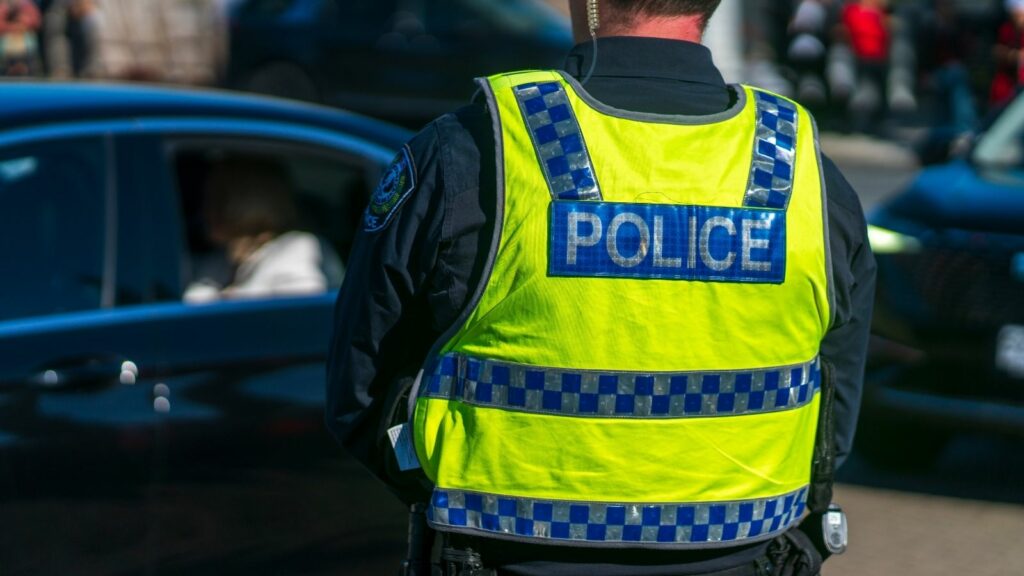
A months-long misconduct investigation involving Montreal police has taken a significant turn, with two former officers now facing criminal charges over alleged wrongdoing connected to a police station in Montréal-Nord.
On November 21, 2026, Quebec prosecutors confirmed that the former officers had been arrested and would face charges of assault, criminal harassment and breach of trust. Both were released pending future court appearances.
The arrests follow the dismissal of seven Montreal police officers earlier in November amid investigations into alleged racism, discrimination and other misconduct. The developments have intensified questions about police accountability, the treatment of vulnerable communities and whether public confidence can be restored.
The allegations against the two accused have not been proven in court, and both remain presumed innocent.
From Internal Complaints to Criminal Charges
The November 21 arrests represent a major development in an investigation that began with concerns raised from within the Montreal police service itself. Quebec’s Director of Criminal and Penal Prosecutions (DPCP) announced the charges after reviewing an investigative report submitted by the Service de police de la Ville de Montréal (SPVM). Prosecutors confirmed that the case involves incidents associated with Neighbourhood Police Station 39 in Montréal-Nord, which has been at the centre of allegations concerning discriminatory and racist conduct. The two former officers were arrested under warrants authorized following the prosecutorial review. They were subsequently released on promises to appear before the Court of Québec in Montreal at a later date. The authorities have not publicly confirmed a specific court appearance date or released detailed descriptions of the incidents underlying each charge.
The three categories of criminal charges carry different legal implications. Assault concerns the alleged unlawful application of force, while criminal harassment involves conduct that meets specific legal requirements relating to harassment and concerns about personal safety. Breach of trust is particularly significant when public officials are accused because it concerns the responsibilities associated with holding public office. Section 122 of Canada’s Criminal Code addresses breaches of trust committed by public officers in connection with their duties. However, the announcement of these charges does not establish that either former officer committed the alleged offences. Prosecutors must still present evidence capable of proving the relevant allegations in court. The DPCP has declined to disclose further information while proceedings are underway, citing the importance of protecting the judicial process. That restriction also means the public cannot reliably determine which specific incidents reported during the broader misconduct investigation form the basis of the criminal case.
The investigation’s origins date to March 2026, when Montreal police management received internal reports concerning allegedly unacceptable conduct by members of a team assigned to Station 39. The complaints were considered serious enough to prompt an investigation by the police service’s professional standards personnel. By June 12, police management had suspended two officers, transferred three others to administrative duties and relocated the remaining members of the affected team. The operation involved a 16-member patrol unit whose activities had come under scrutiny. A third Station 39 officer was suspended on June 18, followed by another suspension on August 19. The police service also reported separate misconduct concerns involving Station 21 in downtown Montreal. On September 28, the SPVM announced that its principal investigative file involving alleged discriminatory and racist actions at Station 39 had been forwarded to provincial prosecutors for consideration.
The controversy became more serious as allegations described in media reports reached the public. Among the most disturbing were claims that officers had cut hair from racialized residents and retained it as trophies. Separate allegations involving downtown officers included the mistreatment of people experiencing homelessness. These claims generated anger and concern, but the publicly available information does not establish that every reported incident occurred as described or that the two accused officers were responsible for those particular acts. On November 2, Montreal police Chief Fady Dagher announced the administrative dismissal of seven officers: five from Station 39 and two from Station 21. He described the decision as an exceptional step reflecting the seriousness of the accumulated evidence and the loss of confidence in the officers concerned. Unlike criminal convictions, administrative dismissals are employment decisions and can proceed independently of criminal prosecutions. The November 21 arrests therefore mark a new stage in the process rather than the conclusion of the broader misconduct investigation.
Public Trust, Community Concerns and the Next Stage of Accountability
The criminal charges have renewed attention to the relationship between Montreal police and the communities they serve, particularly residents of Montréal-Nord. The neighbourhood has been central to longstanding discussions about racial profiling and the treatment of young people during police encounters. Following the November 21 announcement, local reporting documented mixed reactions among residents. Some welcomed the criminal proceedings as evidence that allegations against police officers were being taken seriously. Others questioned whether prosecuting two individuals would be enough to change daily policing practices. In interviews published by Le Journal de Montréal and TVA Nouvelles, residents described concerns about frequent police stops, unequal treatment and the difficulty of trusting institutions responsible for public safety. Approximately 20 residents interviewed for the report requested anonymity because they feared possible repercussions. Their accounts illustrate why the scandal cannot be understood entirely through employment decisions and criminal charges.
Community organizations have also emphasized the importance of changes that reach beyond the officers directly implicated. Slim Hammami, a coordinator with Café-Jeunesse Multiculturel in Montréal-Nord, said that young people supported by his organization continue to experience police interventions that raise concerns about discrimination. His comments reflect a wider debate over how policing practices affect residents who may already feel vulnerable during encounters with authorities. Academic research provides additional context. An independent study released in 2023 found that, using 2021 data, Indigenous residents were approximately six times as likely to be subjected to police stops as white residents, while Black residents were 3.5 times as likely and Arab residents 2.5 times as likely. These historical findings are not evidence against the two accused officers. They nevertheless demonstrate why the latest allegations have resonated beyond the immediate investigation.
Researchers have continued to examine these disparities. In June 2026, academics affiliated with Université TÉLUQ, Université du Québec à Montréal, McGill University and Université de Montréal published findings identifying persistent racial inequalities in police stops and weaknesses in the transparency and accountability mechanisms used to address them. The researchers concluded that existing institutional responses had not adequately resolved the underlying problems. Montreal police have previously acknowledged the presence of systemic racism and introduced measures intended to improve police-stop practices, including a policy implemented in 2021 and additional training initiatives. Dagher has also emphasized that most officers perform their duties professionally and that employees who report misconduct deserve institutional support. In a November 3 interview with CityNews, the police chief explained that the dismissals were necessary not only to respond to public concerns but also to demonstrate to officers who had reported wrongdoing that management would act on credible allegations.
Montreal Mayor Soraya Martinez Ferrada responded to the arrests by emphasizing that residents’ confidence in their police service is essential. She thanked officers who had spoken out against alleged misconduct and stressed that the justice system must now be allowed to proceed. Her response highlights an important feature of the investigation: the initial concerns came from police employees rather than solely from complaints outside the organization. Internal reporting can be particularly important when alleged wrongdoing involves people who possess considerable authority over members of the public. However, meaningful accountability also depends on whether employees believe they can report misconduct without retaliation and whether complaints are investigated thoroughly. The handling of those concerns can influence the willingness of both police personnel and residents to report future incidents.
Several accountability processes remain relevant as the criminal proceedings advance. Montreal police confirmed on November 21 that additional related criminal investigations were still being handled by its Professional Standards Division. The police service said these investigations were proceeding under the supervision of an independent observer appointed by the Quebec government. That oversight is distinct from having an entirely outside organization conduct every investigative step. Quebec also maintains a separate police ethics system through which eligible individuals can lodge complaints about alleged misconduct by officers. The independent Police Ethics Commissioner generally allows complaints within one year of an incident or the complainant becoming aware of it, subject to certain exceptions. These channels operate alongside criminal investigations and employment procedures, each addressing different questions about professional conduct and legal responsibility.
The next major milestone will be the former officers’ appearance before the Court of Québec, although no date has been publicly announced. The court process will determine whether prosecutors can establish the charges beyond a reasonable doubt. The other five officers dismissed on November 2 should not be assumed to be facing criminal prosecution merely because they were part of the same administrative action. Likewise, unresolved allegations involving other officers and stations should not be treated as proven facts or automatically connected to the charges announced on November 21. For the SPVM, the challenge extends beyond the eventual court outcome. The force must demonstrate that investigations are conducted fairly, that misconduct is addressed when established and that legitimate concerns about discrimination are not dismissed. For Montreal residents, particularly those who have questioned their treatment during police encounters, the lasting measure of progress will be whether accountability produces visible improvements in everyday policing. The criminal case may answer specific legal questions, but restoring confidence will require sustained attention long after the initial arrests.
