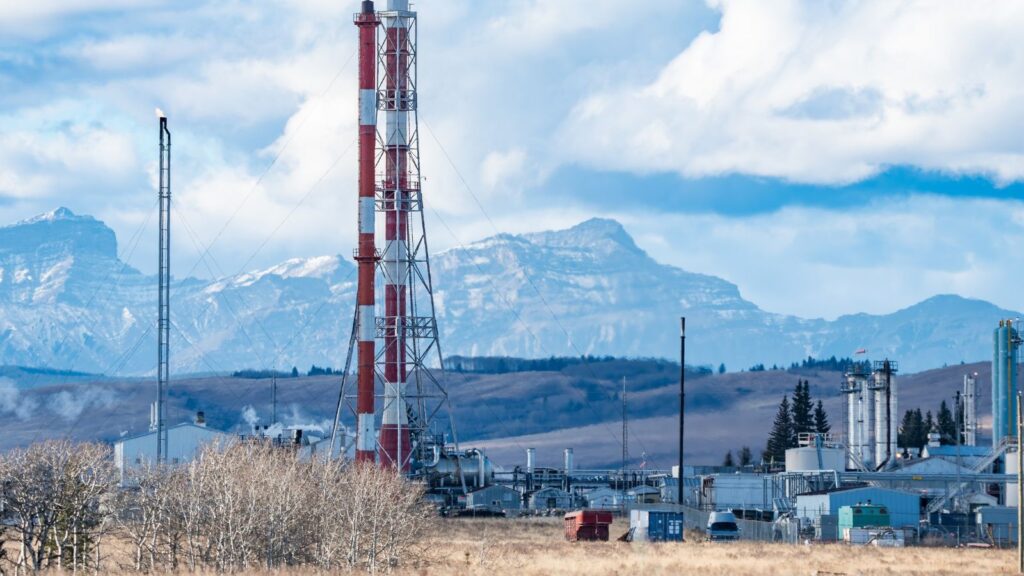
Barnwell Industries is preparing to hand control of its Canadian oil and natural gas business to an Alberta-incorporated buyer, marking another major change for a U.S. company that has spent much of the past year reshaping its portfolio. The Houston-based company has agreed to sell the business to 2798913 Alberta Ltd. for a base purchase price of C$9 million, subject to adjustments.
The headline value does not mean Barnwell will simply receive a C$9-million cheque. The arrangement combines C$4 million in cash with a 5% royalty interest valued at C$5 million, allowing Barnwell to retain exposure to future drilling. The deal also transfers future restoration and abandonment responsibilities to the buyer. For Barnwell, it represents both an asset sale and another step toward becoming a smaller, financially simpler company searching for its next major strategic move.
The C$9 Million Deal Has Been Signed, but It Has Not Closed Yet
Barnwell entered into the definitive share purchase and sale agreement on October 5, 2026, and publicly announced it the next morning. The purchaser is identified as 2798913 Alberta Ltd., an Alberta corporation. That distinction matters because the transaction remains conditional rather than completed. Barnwell still owns and operates through its Canadian structure until the closing requirements are met. The company’s board has recommended the transaction to shareholders, but approval from holders of a majority of Barnwell’s outstanding common shares is required before the deal can proceed.
The structure is more complicated than a straightforward asset sale. Before closing, Barnwell Canada and Octavian Oil are expected to be combined into an Alberta corporation called Barnwell of Canada, Limited. Certain assets, including excess cash and near-cash holdings, would remain with Barnwell rather than transferring to the buyer. The purchaser would then acquire the shares of the reorganized Canadian company and receive an associated intercompany promissory note. The agreement sets January 18, 2027, as the outside date for completing the transaction.
Only C$4 Million of the Headline Price Is Cash
The C$9-million base purchase price is divided into two very different pieces. Barnwell is due C$4 million in cash consideration, while the remaining C$5 million of stated value comes from a 5% gross overriding royalty. The final price can also move higher or lower depending on working capital and indebtedness at closing. A C$1-million deposit has already been placed in escrow by the purchaser and would be credited toward the amount payable when the transaction closes.
That structure makes the headline valuation worth examining carefully. Barnwell is monetizing its Canadian operating business without completely surrendering its economic interest in what happens next. Rather than demanding the entire purchase price upfront, it is accepting an ongoing royalty tied to future development. At the same time, Barnwell is removing the day-to-day responsibilities associated with owning and operating the underlying Canadian business. That combination could be particularly attractive for a relatively small public company trying to free capital and management attention for other opportunities while still maintaining some upside if new wells are successfully drilled.
Alberta’s Twining Field Has Been the Centre of Barnwell’s Canadian Business
The most important part of Barnwell’s Canadian portfolio has been the Twining field in Alberta. In its fiscal 2025 annual report, the company said Twining accounted for approximately 86% of its production that year. Barnwell originally acquired the assets in August 2018 and later expanded its position by acquiring additional partner interests. Some properties have been operated directly by Barnwell, while others have been operated by Pine Cliff Energy. The company described many of its operated oil wells as having annual decline rates below 15%, an attribute that can help reduce the amount of new investment required simply to maintain production.
Barnwell has also invested in horizontal development at Twining. By the end of fiscal 2025, it had participated in 12 gross horizontal development wells, equivalent to 5.6 net wells based on its ownership interests. Three were wholly owned and operated by Barnwell. In March 2026, while considering strategic alternatives, the company said its Twining interests were generating roughly 950 barrels of oil equivalent per day. Those figures help explain why Barnwell chose a deal structure that preserves exposure to future drilling rather than simply selling the properties for cash and walking away completely.
The 5% Royalty Could Keep Paying Barnwell After the Sale
The royalty component is arguably the most unusual and strategically important part of the transaction. After closing, a newly formed Barnwell subsidiary would hold a 5% gross overriding royalty on the Canadian business’s interest in future wells drilled across the applicable lands. Unlike an operating ownership interest, a royalty gives Barnwell economic exposure without requiring it to continue funding the business in the same way an operator or working-interest partner normally would.
There is another layer to the arrangement. An affiliate of the buyer will have the right to purchase the royalty from Barnwell for C$5 million at any time after closing. Any royalty payments Barnwell receives before that option is exercised would not reduce the C$5-million purchase price. In practical terms, Barnwell could receive royalty income for a period and then still collect the full option price if the buyer later decides to eliminate the royalty. Neither outcome is guaranteed. Royalty payments depend on future drilling and production, while exercising the purchase option is entirely at the buyer affiliate’s discretion. The C$5-million valuation therefore should not be treated as guaranteed cash available on closing day.
The Buyer Is Also Taking On Future Closure Responsibilities
Oil and gas properties come with obligations that extend well beyond their productive lives. Wells eventually need to be abandoned, facilities dismantled and affected land restored. Barnwell’s agreement calls for the buyer to assume the Canadian business’s future site restoration and abandonment obligations at closing, subject to the indemnification provisions contained in the purchase agreement. For Barnwell, transferring those responsibilities is an important part of the economics of the deal even though it does not appear in the C$9-million headline price.
The scale of retirement obligations on Barnwell’s books illustrates why that matters. At June 30, 2026, Barnwell reported a consolidated long-term asset retirement obligation of approximately US$7.3 million, along with roughly US$513,000 classified as current. Those figures cover Barnwell’s consolidated obligations and should not be read as the precise liability being transferred in this transaction. Still, they demonstrate that reclamation and abandonment costs are material considerations for the company. Selling an operating business while moving its future closure responsibilities to the purchaser can reduce both financial exposure and administrative complexity, supporting Barnwell’s broader effort to simplify its balance sheet and operating structure.
Barnwell’s Canadian Operations Were Still Producing Meaningful Volumes
The sale is not occurring because Barnwell’s operations had stopped producing. During the quarter ended June 30, 2026, the company reported total oil and natural gas production of approximately 82,000 barrels of oil equivalent, up from 75,000 BOE in the immediately preceding quarter. Barnwell reported quarterly revenue of about US$3.38 million and a net loss attributable to shareholders of US$440,000, an improvement from a US$1.15-million loss in the previous quarter. Adjusted EBITDA, a non-GAAP measure, improved to positive US$425,000 from negative US$369,000.
Barnwell also ended that quarter debt-free with approximately US$4.47 million in cash and cash equivalents and US$3.07 million in working capital. Those numbers provide useful context for the decision to sell. Management is not presenting the deal as an emergency disposal by a heavily indebted company. Instead, it has characterized the Canadian business as too small relative to the scale it ultimately wants for the public company. Selling the operating assets turns a producing but comparatively modest business into cash, a royalty interest and fewer ongoing obligations, potentially giving management more freedom to pursue a larger acquisition or business combination.
The Canadian Sale Has Been in the Works Since March
The October agreement follows months of openly signalled strategic planning. In March 2026, Barnwell disclosed that it had hired an independent financial adviser to evaluate alternatives for its Canadian oil and gas business. Those alternatives specifically included a possible sale. At the time, the company said it had begun soliciting and evaluating indications of interest from potential counterparties, while cautioning that there was no guarantee a transaction would result.
Just days later, Barnwell drew attention to the performance of its Alberta properties as energy prices strengthened. Management highlighted the approximately 950 BOE per day then being produced from its Twining interests and argued that the assets offered meaningful exposure to North American commodity markets. The messaging was notable: Barnwell was promoting the value of the properties at the same time it was testing the market for buyers. Roughly seven months later, the company reached its agreement with 2798913 Alberta Ltd. The sequence suggests the sale is the result of a deliberate strategic review rather than a sudden withdrawal from Canada caused by one quarter of operating results or an unexpected liquidity problem.
The Deal Is Part of a Much Bigger Barnwell Restructuring
The Canadian transaction is only one part of a rapid simplification of Barnwell. In September 2026, the company completed the sale of its remaining Hawaii development interests. That deal carried a gross purchase price of approximately US$1.77 million and produced roughly US$1.7 million in total cash receipts for Barnwell after taking account of its net proceeds and related pre-closing distributions. The transaction effectively ended Barnwell’s involvement in its remaining known Hawaii real-estate-related interests, apart from administrative wind-up work.
Barnwell has also moved to terminate its defined benefit pension plan. As of September 30, the plan held approximately US$12.8 million in assets against an estimated termination liability of US$7.3 million. Barnwell also reported an approximately US$1.8-million supplemental executive retirement obligation, leaving an estimated US$3.7-million surplus before administrative costs, taxes and other potential adjustments. Any ultimate surplus reversion remains dependent on satisfying participant obligations and completing the termination process. Together with the Canadian sale, these moves show a company deliberately converting legacy assets and obligations into a simpler capital base that management says can be redirected toward larger strategic opportunities.
Shareholders and Regulators Still Stand Between Signing and Closing
Several major conditions remain before the Canadian business officially changes hands. Barnwell shareholders representing a majority of outstanding common shares must approve the sale. The pre-closing corporate reorganization must also be completed, required governmental approvals obtained and other customary legal and contractual conditions satisfied. Once those conditions are met or waived, closing is scheduled to occur within five business days, subject to the January 18, 2027 outside date.
The agreement also includes protections for both parties if circumstances change. Barnwell generally cannot actively solicit competing bids, although its board can consider certain unsolicited proposals before shareholder approval. If a superior proposal emerges and the required procedures are followed, Barnwell can terminate the existing agreement, but doing so can trigger a C$500,000 break fee and return of the buyer’s deposit. Similar financial consequences can apply if shareholder approval is not obtained. Those provisions make the signed agreement meaningful, but they also underline why the transaction should still be described as a proposed sale rather than an already completed change of ownership.
The Alberta Buyer’s Plans Remain One of the Biggest Unknowns
Barnwell’s filing identifies the purchaser as 2798913 Alberta Ltd., but it does not name a consumer-facing operating brand, identify the company’s beneficial owners or provide a detailed development program for the properties. That leaves an important part of the story unresolved. The economics of Barnwell’s retained royalty will ultimately depend heavily on what the new owner does with the acreage, how much capital it commits to drilling and how productive future wells prove to be.
What is clearer is Barnwell’s direction. Management has described the Canadian operation as a subscale business and said it wants to put the company’s capital and public listing to work on opportunities with substantially greater scale. The Canadian agreement would provide immediate cash, shed future operating and restoration responsibilities and retain a financial link to potential new drilling. Whether that becomes the final chapter of Barnwell’s Canadian oil and gas history will depend on shareholder approval and closing. Whether the C$9-million transaction eventually proves more valuable than its headline number will depend on what happens in Alberta long after the sale itself is completed.
