
Crossing the Canadian border with everyday purchases may seem straightforward, but certain items can attract additional scrutiny even when they appear harmless. The Canada Border Services Agency evaluates goods based on origin, accuracy of declarations, biosecurity risks, and duty compliance. Many travellers unintentionally trigger inspections by carrying items that fall into regulated or restricted categories. Here are 11 border purchases that look harmless but can trigger extra inspection.
Fresh Fruits and Vegetables

Fresh fruits and vegetables are one of the most common items that trigger additional inspection at the Canadian border, even when travellers are carrying small quantities for personal consumption. The concern is not the value of the product but the potential risk of introducing pests, bacteria, or plant diseases that could impact Canadian agriculture. Many Canadians assume that store-bought or packaged produce is safe to bring across, especially if it looks clean and commercially prepared. However, regulations apply regardless of packaging, origin, or quantity. Border officers often ask detailed questions about where the produce was purchased, how it was stored, and whether it was grown domestically or imported. Even items like apples, herbs, or salad mixes can be confiscated if they do not meet entry requirements.
Meat and Dairy Products

Meat and dairy products frequently require additional inspection at the Canadian border due to strict biosecurity and food safety regulations. Even small amounts of cheese, cooked meat, or packaged dairy items can raise concerns depending on their origin and ingredients. Many Canadians believe that commercially sealed products are automatically allowed, but this is not always the case. Border officers assess items based on country of origin, processing standards, and potential disease risks. This often involves checking labels, verifying contents, and asking travellers about how the products were obtained. Certain items may be permitted in limited quantities, while others are restricted entirely.
Alcohol Beyond Personal Exemptions
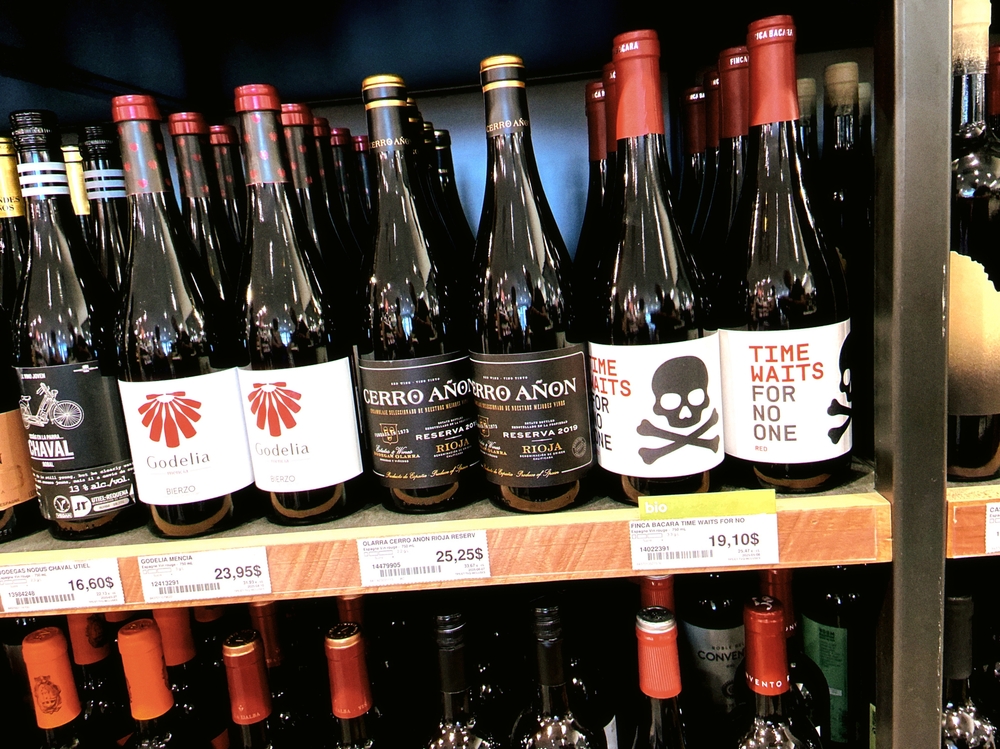
Alcohol is one of the most commonly declared items at the Canadian border, but exceeding personal exemption limits can quickly lead to additional inspection and administrative processing. Canadians are allowed to bring back a set quantity of alcohol depending on how long they have been outside the country, but anything beyond that must be declared and is subject to duties and taxes. Many travellers assume that slightly exceeding the limit is not a significant issue, but border officers must carefully assess any excess. This often involves calculating duties, verifying quantities, and asking questions about the purpose of the purchase. Larger quantities may raise concerns about resale rather than personal use, which can complicate the process further.
Prescription Medications Purchased Abroad

Prescription medications purchased outside Canada can trigger a detailed inspection, particularly when quantities are unclear or documentation is incomplete. Canadians often assume that medications obtained legally in another country can be brought back without issue, but border officers must ensure that they comply with Canadian regulations. This includes verifying that the medication is for personal use, checking dosage quantities, and confirming that it is not a controlled or restricted substance. Officers may request to see prescriptions, the original packaging, or supporting documentation explaining the purpose of the medication. Without this information, items may be confiscated or delayed during inspection. Large quantities or unfamiliar medications are more likely to attract attention.
High-Value Electronics
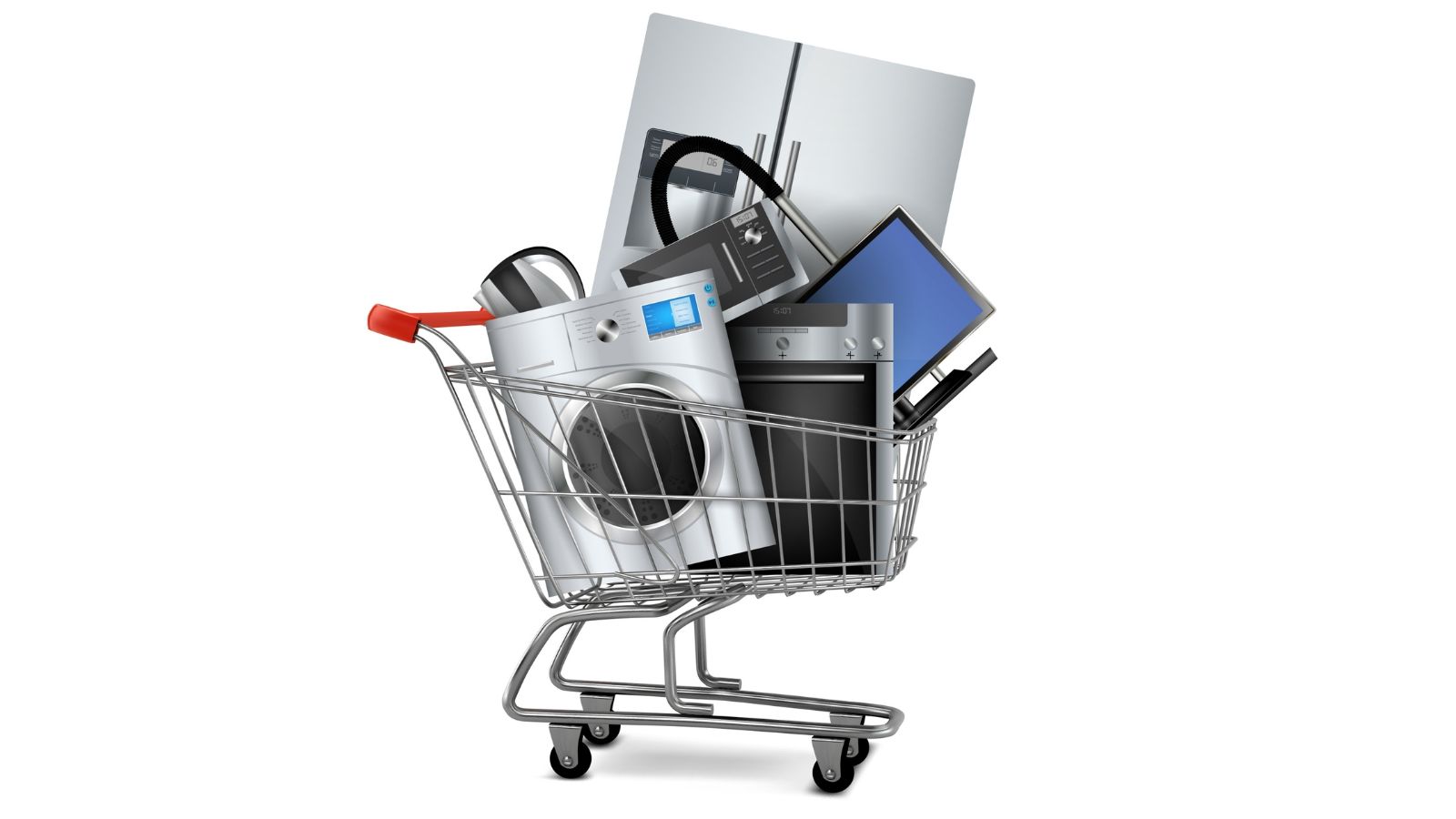
High-value electronics such as laptops, cameras, and smartphones often attract additional inspection, especially when they appear new or recently purchased. Border officers are responsible for determining whether these items were acquired abroad and whether duties or taxes apply. Canadians returning with new electronics may be asked to provide receipts or proof of ownership to confirm whether the items were previously owned or purchased during the trip. Without documentation, officers may estimate value or apply duties based on available information. This can lead to longer inspection times and additional costs. Even personal devices can raise questions if they appear unused or remain in their original packaging.
Designer Clothing and Luxury Goods

Designer clothing and luxury goods frequently trigger extra inspection due to their high value and potential duty implications. Canadians returning with new or expensive items may be required to declare them and provide proof of purchase. Border officers assess whether the items exceed personal exemption limits and whether duties or taxes apply. In some cases, officers may also examine items to verify authenticity, especially if the declared value seems inconsistent with the brand. Travellers who fail to declare luxury goods risk fines, confiscation, and increased scrutiny on future trips. Even items intended for personal use are subject to these rules. Canadians often underestimate how closely high-value purchases are monitored, particularly when multiple items are involved.
Large Quantities of Packaged Snacks or Groceries
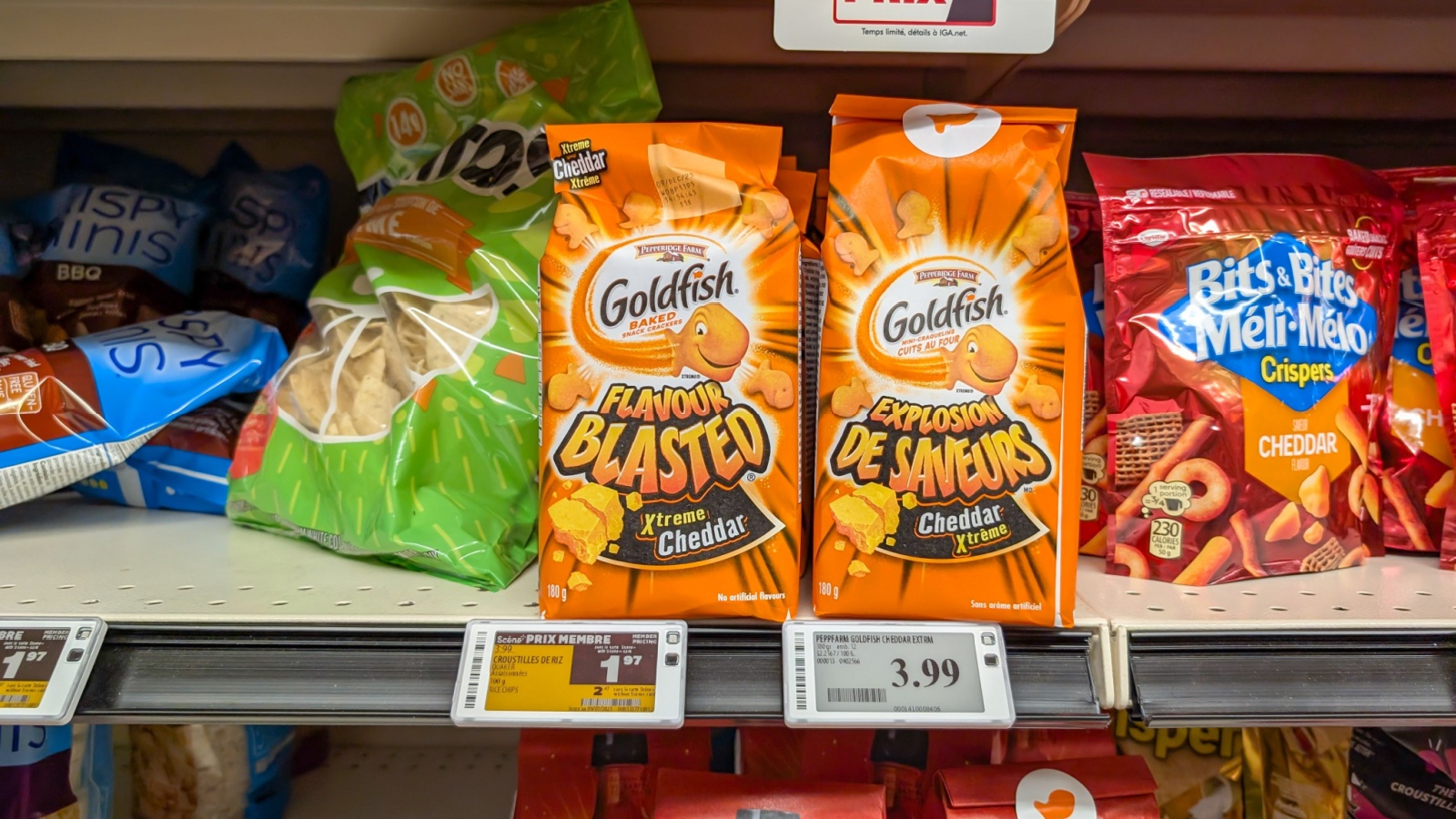
Many Canadians assume that packaged foods such as chips, chocolates, and pantry items are automatically permitted. However, quantity plays a significant role in how border officers assess these purchases. Large volumes may raise questions about whether the goods are intended for personal use or resale, which affects their classification. Officers may also review ingredient lists to determine if the items contain restricted components such as meat, dairy, or certain additives. Even sealed packaging does not guarantee exemption from inspection, as regulations focus on the contents rather than the presentation. Travellers who fail to declare food items may face fines or confiscation, even if the products are commonly available in Canada.
Plants, Seeds, and Gardening Supplies

Plants, seeds, and even small gardening supplies can trigger strict inspection due to biosecurity concerns at the Canadian border. These items are regulated to prevent the introduction of invasive species, pests, and plant diseases that could harm agriculture and ecosystems. Regulations apply regardless of size or packaging. Border officers may closely inspect items, request documentation, and verify compliance with import requirements. Some items may require permits, while others may be prohibited entirely. Soil attached to plants can also raise additional concerns, as it may contain contaminants.
Firewood and Wood Products
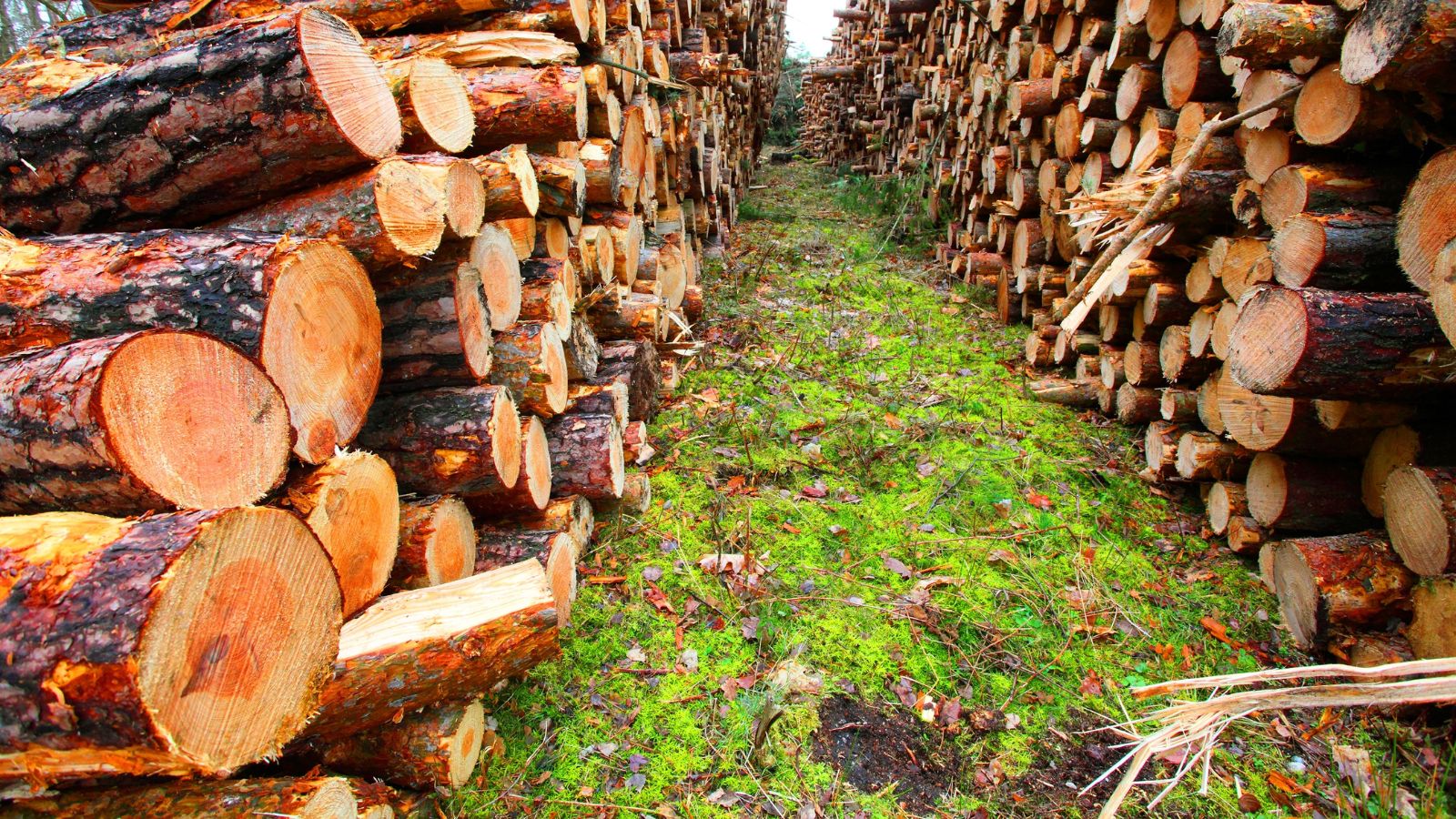
Firewood and untreated wood products are frequently flagged at the Canadian border due to the risk of transporting pests and invasive insects. Even small quantities can pose environmental threats, which is why strict regulations apply. Canadians may not realize that bringing back firewood from another region or country is often restricted or prohibited. Border officers may inspect wood products to determine origin, treatment, and potential contamination. Items such as decorative wood, carvings, or untreated lumber can also attract attention. The concern is not the item itself but what it may carry, including insects or larvae that could harm forests.
Cash and Monetary Instruments Over Limits

Carrying cash or monetary instruments above certain thresholds can trigger additional inspection, even when properly declared. Canadians are required to declare amounts over the specified limit, and failure to do so can result in serious penalties. Border officers may ask detailed questions about the source, purpose, and intended use of the funds. This process is part of broader efforts to prevent money laundering and financial crimes. Travellers who carry large amounts without clear documentation may face delays or further investigation. Even when declared, officers may verify details before allowing entry. Canadians often underestimate how closely financial declarations are monitored.
Online Purchases Shipped to Pickup Locations

Online purchases shipped to border pickup locations can also trigger additional inspection when brought into Canada. Canadians often use these services to access lower prices or products not available domestically. While the items themselves may be legal, they are subject to the same declaration and duty rules as any other purchase. Border officers may ask for receipts, verify value, and assess whether duties apply. Large quantities or high-value items can lead to more detailed inspection. Some travellers underestimate the need to declare these purchases, assuming that personal pickup exempts them from the requirement.
19 Things Canadians Don’t Realize the CRA Can See About Their Online Income

Earning money online feels simple and informal for many Canadians. Freelancing, selling products, and digital services often start as side projects. The problem appears at tax time. Many people underestimate how much information the CRA can access. Online platforms, banks, and payment processors create detailed records automatically. These records do not disappear once money hits an account. Small gaps in reporting add up quickly.
Here are 19 things Canadians don’t realize the CRA can see about their online income.
