
Small fees rarely feel urgent on their own, but in Canadian household budgets they have a way of becoming permanent background noise. A few dollars at a bank machine, a forgotten monthly add-on, a card fee that no longer earns its keep, or a travel charge paid out of habit can quietly drain money that could be used elsewhere.
These 11 fees are still landing on statements, receipts, and travel bookings even though many Canadians can reduce, avoid, cancel, or challenge them. The key is knowing which charges are optional, which ones depend on eligibility, and which ones are simply the result of choosing the most expensive default.
Monthly Chequing Account Fees

Monthly chequing fees can feel unavoidable because they arrive quietly and predictably. Many Canadians simply keep the same account they opened years ago, even if their banking habits have changed. A $16 monthly package may have made sense when branch visits and paper cheques were common, but it can be excessive for someone who mainly uses direct deposit, debit, e-transfer, and mobile banking.
Canada’s federal banking rules and public commitments make cheaper options widely available. All Canadians are eligible for low-cost accounts at participating banks, and some groups, including youth, students, seniors receiving the Guaranteed Income Supplement, and Registered Disability Savings Plan beneficiaries, may qualify for no-cost accounts. Low-cost accounts must include basic services and cannot require a minimum balance. For a household paying $15 to $30 a month across multiple accounts, switching can turn an invisible fee into immediate savings.
Out-of-Network ATM Fees
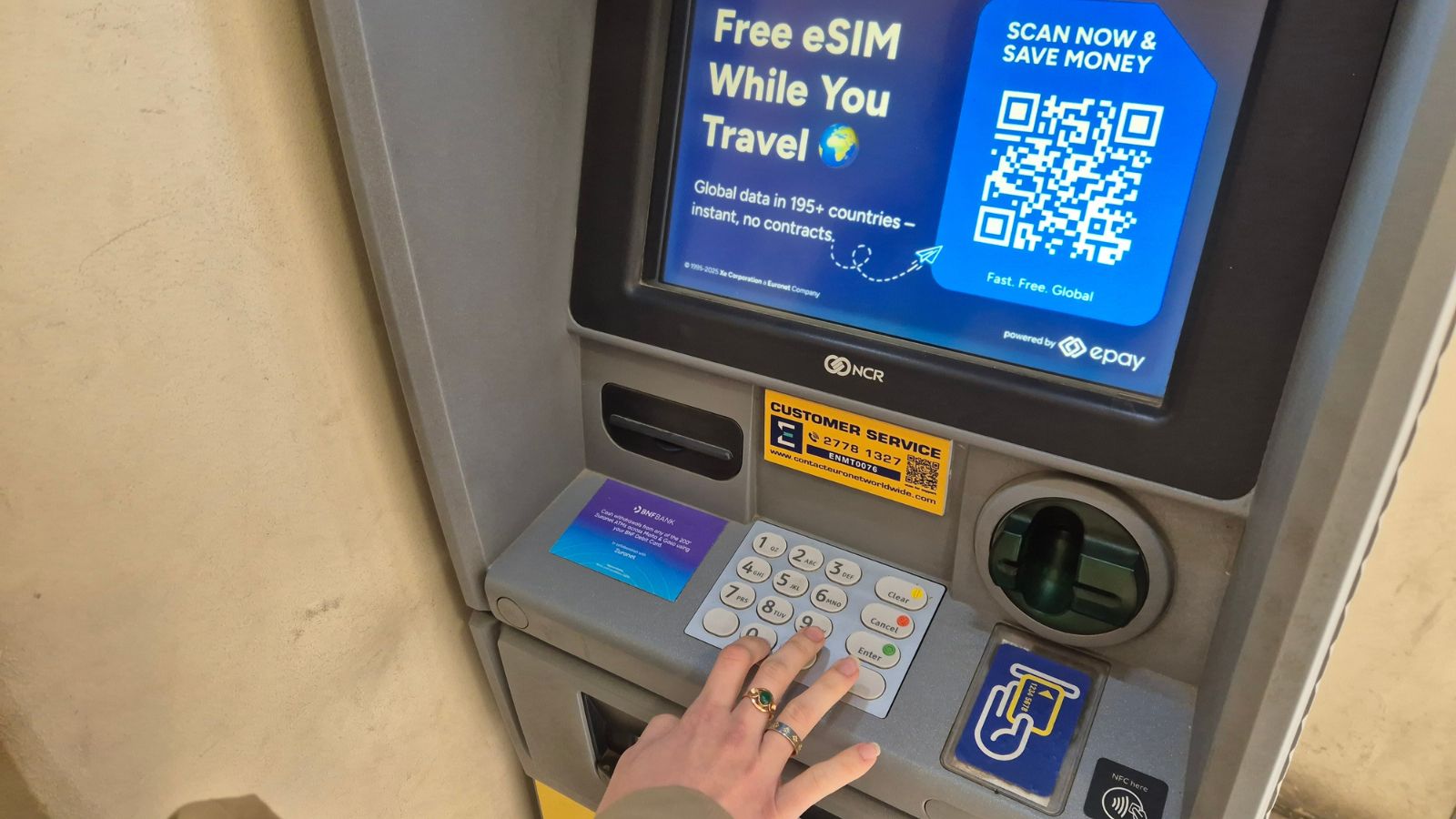
A quick cash withdrawal at the wrong machine can trigger more than one charge. There may be a regular account fee, a network access fee, and a convenience fee from another bank or private ATM operator. The Financial Consumer Agency of Canada shows that using another institution’s ATM or a private operator can push the total cost of one withdrawal as high as $9 in some situations.
This fee is easy to overlook because it often happens during rushed moments: a night out, a farmers’ market, a cab fare, or a small cash-only purchase. Canadians do not have to keep paying it out of habit. Using one’s own bank machines, choosing accounts that include ATM access, withdrawing less often but in larger planned amounts, or using credit union networks such as THE EXCHANGE where available can reduce the cost. The money saved may seem minor, but weekly ATM fees can rival a streaming subscription by year-end.
NSF and Overdraft Fees

Non-sufficient fund and overdraft charges are among the most frustrating fees because they usually appear when money is already tight. An automatic bill, rent payment, insurance withdrawal, or subscription renewal can bounce when an account balance is short. Historically, NSF fees at major banks often cost far more than the missed payment itself, turning a small cash-flow mistake into a larger problem.
The landscape is changing. As of March 12, 2026, federally regulated banks in Canada are subject to a $10 cap on NSF fees, a major reduction from the higher charges many customers previously faced. Still, Canadians do not have to treat these fees as inevitable. Low-balance alerts, moving automatic payments to just after payday, keeping a small buffer account, or choosing accounts and fintech services that decline transactions rather than penalize them can help. Overdraft protection can also carry its own fees and interest, so it should be reviewed rather than assumed helpful.
Credit Card Annual Fees
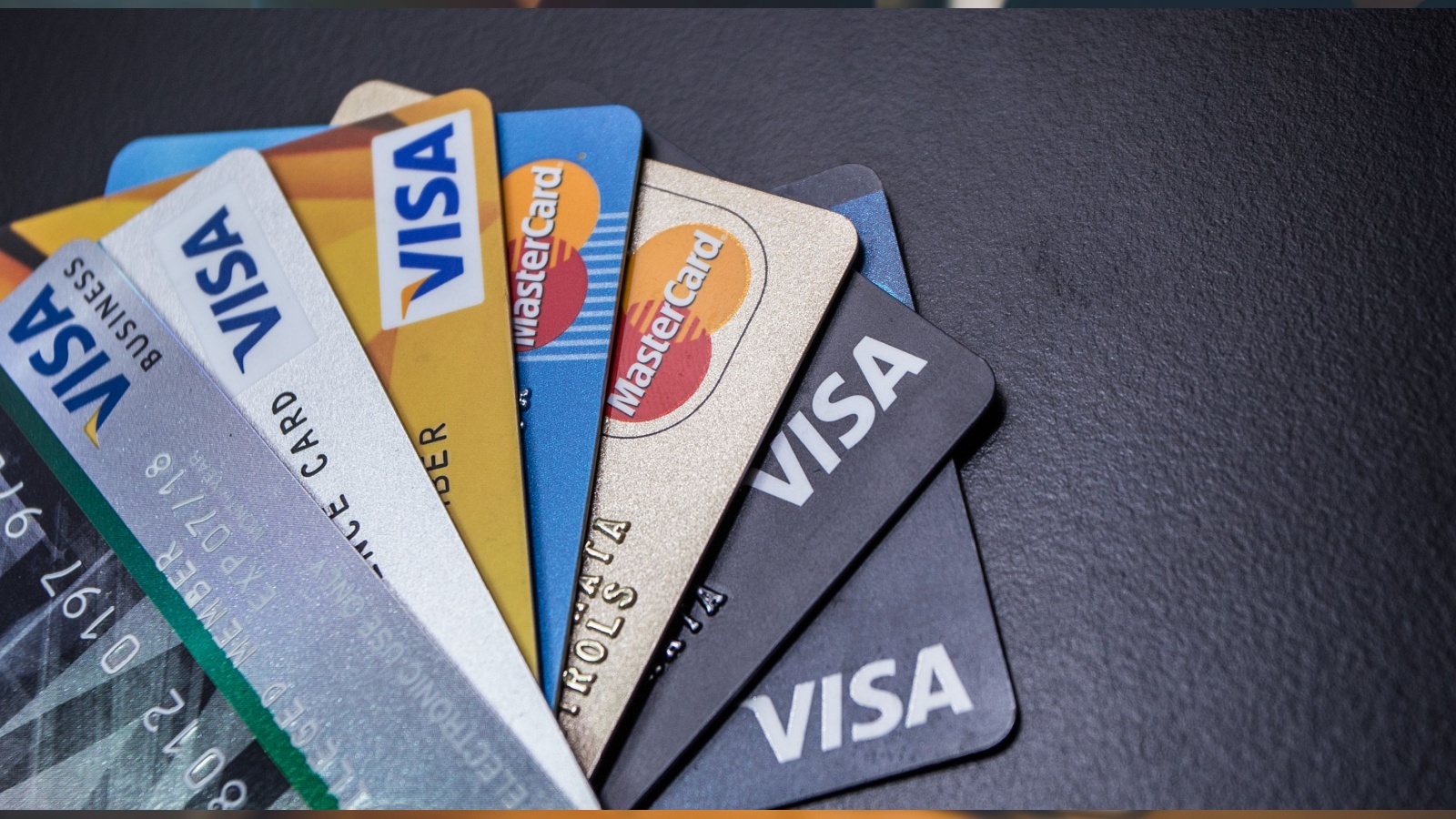
A premium credit card can be worthwhile when the rewards, insurance, lounge access, or travel credits are actually used. The problem starts when the annual fee becomes a loyalty tax. A card opened for a welcome bonus, a long-ago travel routine, or a once-useful rewards program may continue charging $99, $139, or more each year even after the benefits no longer match the household’s spending.
Canadians do not have to pay an annual fee just to maintain credit access or earn basic rewards. The Financial Consumer Agency of Canada advises consumers to compare whether a card’s rewards and benefits are worth the annual cost, noting that no-fee cards may offer similar rewards or benefits. A practical test is simple: add up the rewards actually redeemed last year, subtract the fee, and ignore theoretical perks that went unused. If the math is weak, downgrading to a no-fee card can preserve account history while stopping the yearly charge.
Foreign Transaction Fees

Foreign transaction fees are not limited to vacations. They can appear on online shopping, software subscriptions, hotel bookings, digital services, and purchases from foreign merchants even when the buyer never leaves Canada. Many Canadian credit cards apply a currency conversion charge on top of the exchange rate, and that extra percentage can make routine cross-border spending more expensive than expected.
The fee often hides inside the final posted amount, which is why it survives unnoticed. A $200 purchase in U.S. dollars or euros may not look alarming until repeated across travel, apps, cloud tools, and international retailers. Canadians who frequently buy in foreign currencies can avoid or reduce this cost by using a no-foreign-transaction-fee card, paying in the local currency rather than accepting dynamic currency conversion, or choosing Canadian-dollar billing when the total price is transparent. For occasional travellers, even one hotel stay can justify checking card terms before departure.
Cellphone Unlocking Fees

Some Canadians still remember paying carriers or third-party shops to unlock a phone before switching providers or using another SIM card. That fee should no longer be treated as normal. Under the CRTC’s Wireless Code, devices provided by wireless service providers must be sold unlocked, and if a device is or becomes locked, the provider must unlock it or provide the means to unlock it on request at no charge.
This matters when an older phone is being passed to a teenager, sold privately, used with a discount carrier, or taken abroad with a local SIM. Paying a mall kiosk or online unlocking service may be unnecessary and risky if the original carrier can handle the request. The key is to contact the provider directly with the device information. A phone that has been sitting in a drawer may still have resale value, but only if it can move freely between networks without an avoidable unlocking bill attached.
Paper Bill Fees for Eligible Telecom Customers

Paper bills became less common as telecom companies pushed customers toward online accounts. For many households, that shift works fine. But for others, especially seniors, people with disabilities, or customers without reliable internet or mobile data access, paper billing can be essential for tracking charges, disputing errors, and managing payments. Some people continue paying or avoiding paper statements because they assume the fee is unavoidable.
CRTC rules require phone and internet service providers to provide paper bills at no charge to eligible customers who request them. Eligibility includes being 65 or older, self-identifying as a person with a disability, lacking home internet, or lacking mobile data and free access to an online billing portal. This is not about nostalgia for envelopes; it is about access and accountability. Anyone who qualifies should ask the provider directly and keep notes of the request, especially if billing confusion has already caused late fees or missed disputes.
Credit Card Balance Insurance Premiums

Credit card balance insurance is often sold as protection against job loss, disability, illness, or death. It may sound reassuring during a card application or branch conversation, but it is optional and can quietly add premiums to a monthly statement. Some customers do not notice the charge until they review a bill line by line and see insurance premiums tied to the outstanding balance.
Canadians do not have to keep this coverage if it no longer fits their needs. The Financial Consumer Agency of Canada explains that most institutions offer a review period, often called a free-look or trial period, during which the policy can be cancelled and premiums refunded. After that period, cancellation is still generally possible, though the process depends on the insurer and policy terms. Before paying month after month, cardholders should compare the coverage against workplace benefits, emergency savings, life insurance, disability coverage, and exclusions that may limit claims.
Payment Surcharges and Convenience Fees

Some merchants add a surcharge, service fee, or convenience fee when customers pay by card, especially online or through certain payment channels. These charges are legal in some circumstances, but they are not the same as a tax and they are not always unavoidable. The Financial Consumer Agency of Canada distinguishes between surcharges, service and convenience fees, and discounts, and it emphasizes that merchants must disclose such fees.
For consumers, the practical move is to pause before accepting the default checkout path. A utility, ticket seller, school payment portal, or small business may charge extra for credit card use while offering debit, bill payment, pre-authorized debit, e-transfer, or in-person payment at lower cost. For merchants, card surcharges are tied to payment-network rules and disclosure requirements. For shoppers, the important point is simpler: when the fee is visible before payment, switching the method can often erase it immediately.
Drip-Priced Checkout Fees

Drip pricing happens when a low advertised price grows during checkout through mandatory or hard-to-avoid charges. Canadians see this pattern in travel bookings, event tickets, food delivery, short-term accommodations, and some online services. The first price creates the feeling of a bargain; the final screen tells a different story. Even when a fee is disclosed late, the customer may feel too invested to start over.
Canada’s consumer authorities have treated hidden or misleading fees as a serious concern. The Office of Consumer Affairs points consumers to Competition Bureau guidance on drip pricing and notes that complaints can be submitted when hidden fees appear misleading. Canadians do not have to reward this pricing model automatically. Comparing the final all-in price, abandoning checkouts that add unexplained mandatory fees, buying directly when platforms add service charges, and reporting suspected drip pricing can push back. The advertised price is only useful when it resembles the amount actually paid.
High-Cost Investment Fund Fees

Investment fees do not always appear as a line-item bill. Mutual fund management expense ratios, trailing commissions, and other embedded costs can reduce returns before the investor sees performance numbers. That makes them easy to ignore. A fund can feel “free” because no invoice arrives, even though the cost is built into the product and compounds over time.
Canadians do not have to stay in high-fee products without understanding the trade-off. Securities regulators and investor education groups explain that fund fees vary by product and can include management fees, operating expenses, and trailing commissions. Lower-cost index funds, ETFs, fee-based advice, robo-advisors, or direct investing may be suitable for some investors, depending on knowledge, goals, and need for advice. The right question is not whether every fee is bad; it is whether the investor is receiving value for the cost. Over decades, even a small annual fee difference can become a major gap.
Family Seat Selection Fees on Flights

Parents sometimes pay seat selection fees because they fear being separated from young children on a flight. In Canada, that fear should be handled carefully because air passenger rules already require airlines to take steps to seat children under 14 near a parent, guardian, or tutor at no extra cost. The required proximity depends on the child’s age: children under five should be adjacent, ages five to 11 should be in the same row and close by, and ages 12 to 13 should be no more than one row away.
This does not mean families can choose any preferred seat for free, and fees may still apply for extra-legroom or upgraded seating. But paying simply to ensure a child is seated near an accompanying adult may be unnecessary on covered flights. Families should make sure the booking clearly identifies the child traveller, check seat assignments early, and contact the airline before check-in if the arrangement does not meet the rule.
19 Things Canadians Don’t Realize the CRA Can See About Their Online Income

Earning money online feels simple and informal for many Canadians. Freelancing, selling products, and digital services often start as side projects. The problem appears at tax time. Many people underestimate how much information the CRA can access. Online platforms, banks, and payment processors create detailed records automatically. These records do not disappear once money hits an account. Small gaps in reporting add up quickly.
Here are 19 things Canadians don’t realize the CRA can see about their online income.
