Airport extras can look harmless when a trip is almost booked: a checked bag here, a seat assignment there, a flexible fare upgrade that feels sensible in the moment. Yet airline policies have become more layered, especially for Canadian travellers comparing low base fares with add-ons that may or may not be necessary.
These 14 airline policies are worth rechecking before paying extra. Some fees buy real convenience, while others overlap with protections, fare rules, or services already built into Canadian air travel regulations. A careful second look can prevent a cheap-looking fare from turning into a surprisingly expensive trip.
Checked Bag Fees That Change by Fare, Route, and Timing
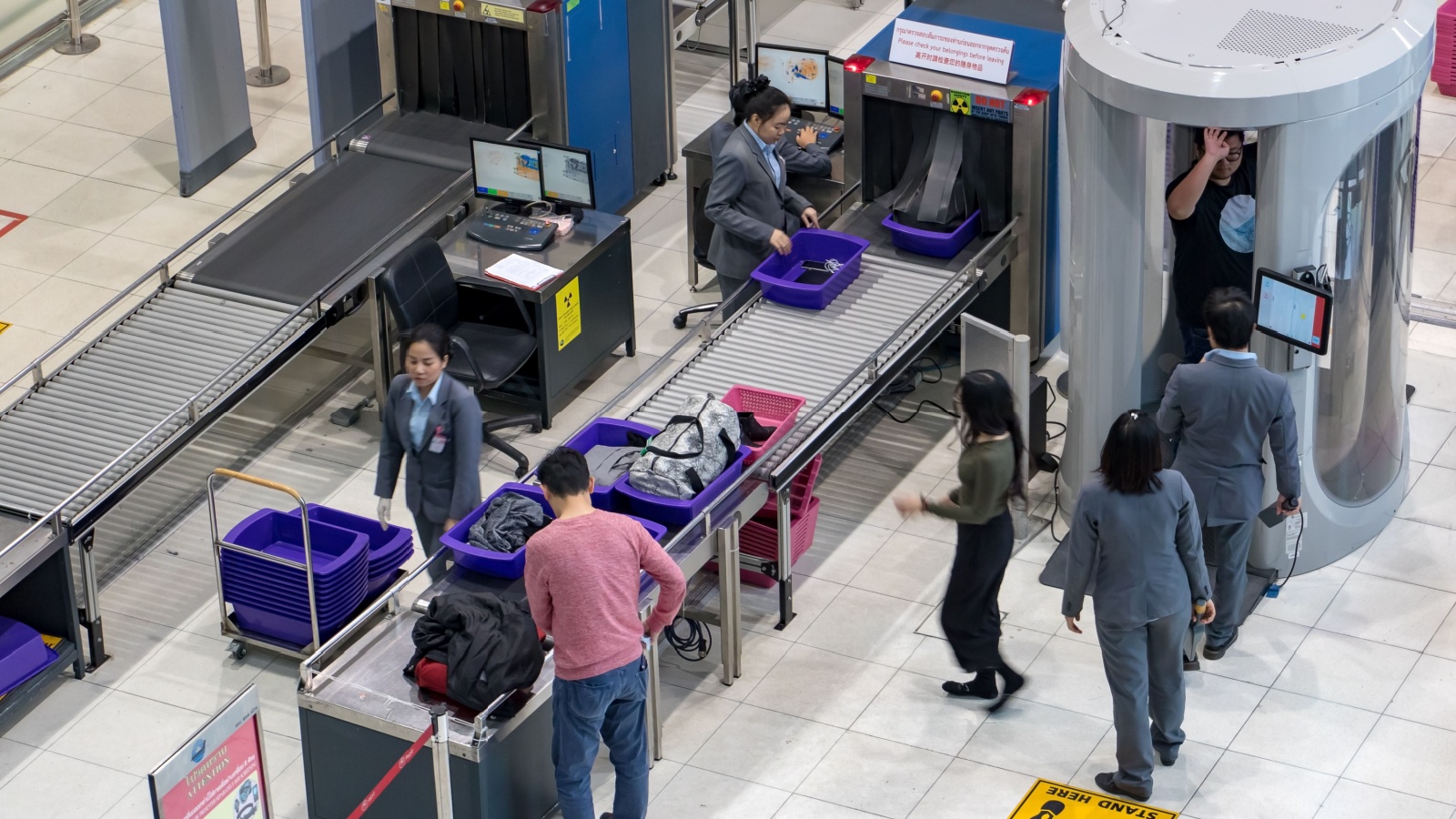
Checked baggage is one of the easiest extras to misjudge because the advertised fare rarely tells the whole story. A traveller booking a short domestic hop may assume one bag is a simple add-on, only to find that the fee changes by fare class, destination, and whether the bag is prepaid, added during check-in, or handled at the airport. Air Canada updated checked bag rules for many Economy Basic, Standard, and Flex fares purchased from April 13, 2026, while WestJet’s fees also vary by fare type and payment stage.
That timing matters. A family heading from Calgary to Toronto with two suitcases can face a different total depending on whether bags are added during booking or at the counter. The policy to recheck is not just “does this fare include a bag?” but “what will this bag cost at every stage?” Paying early can be cheaper, but upgrading to a fare that includes baggage may occasionally make more sense than stacking add-ons one by one.
Carry-On Rules on the Cheapest Fares
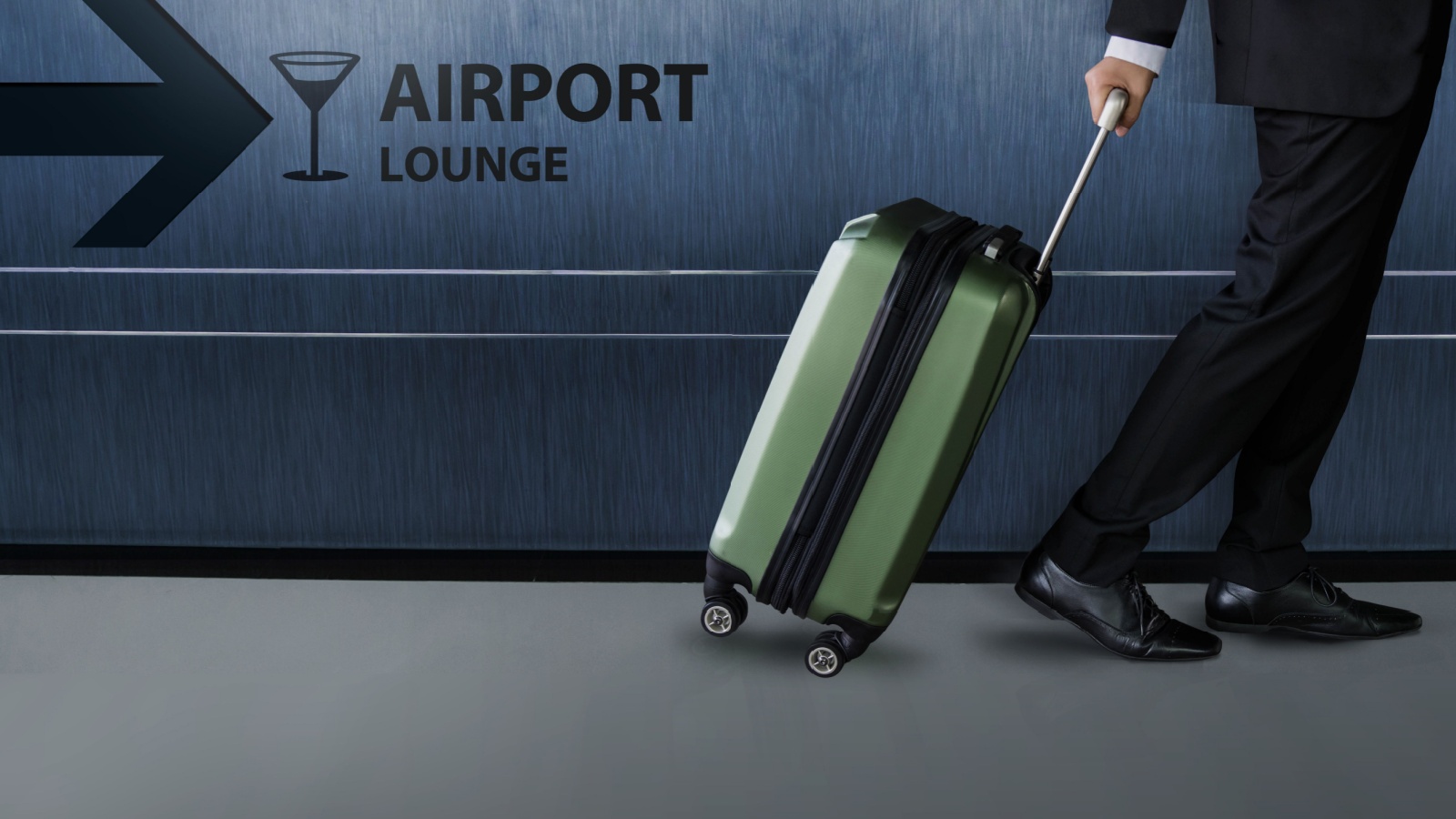
Carry-on baggage has become less automatic on the lowest fares. Some travellers still picture a small suitcase rolling onto the plane as part of the basic ticket, but certain ultra-low or basic-style fares now restrict what can be brought into the cabin. Air Canada has specific Economy Basic carry-on rules for selected North American routes, and WestJet’s UltraBasic fare has its own limits that can make a low fare less flexible than it first appears.
This is where comparison shopping can get tricky. A weekend traveller may think skipping a checked bag saves money, then discover the fare does not allow a standard carry-on in the expected way. A personal item may still be permitted, but it must fit under the seat and hold far less. Before paying extra for priority boarding, seat selection, or a bag, it helps to confirm whether the ticket already limits overhead-bin access.
Seat Selection Fees Versus Free Family Seating Rules
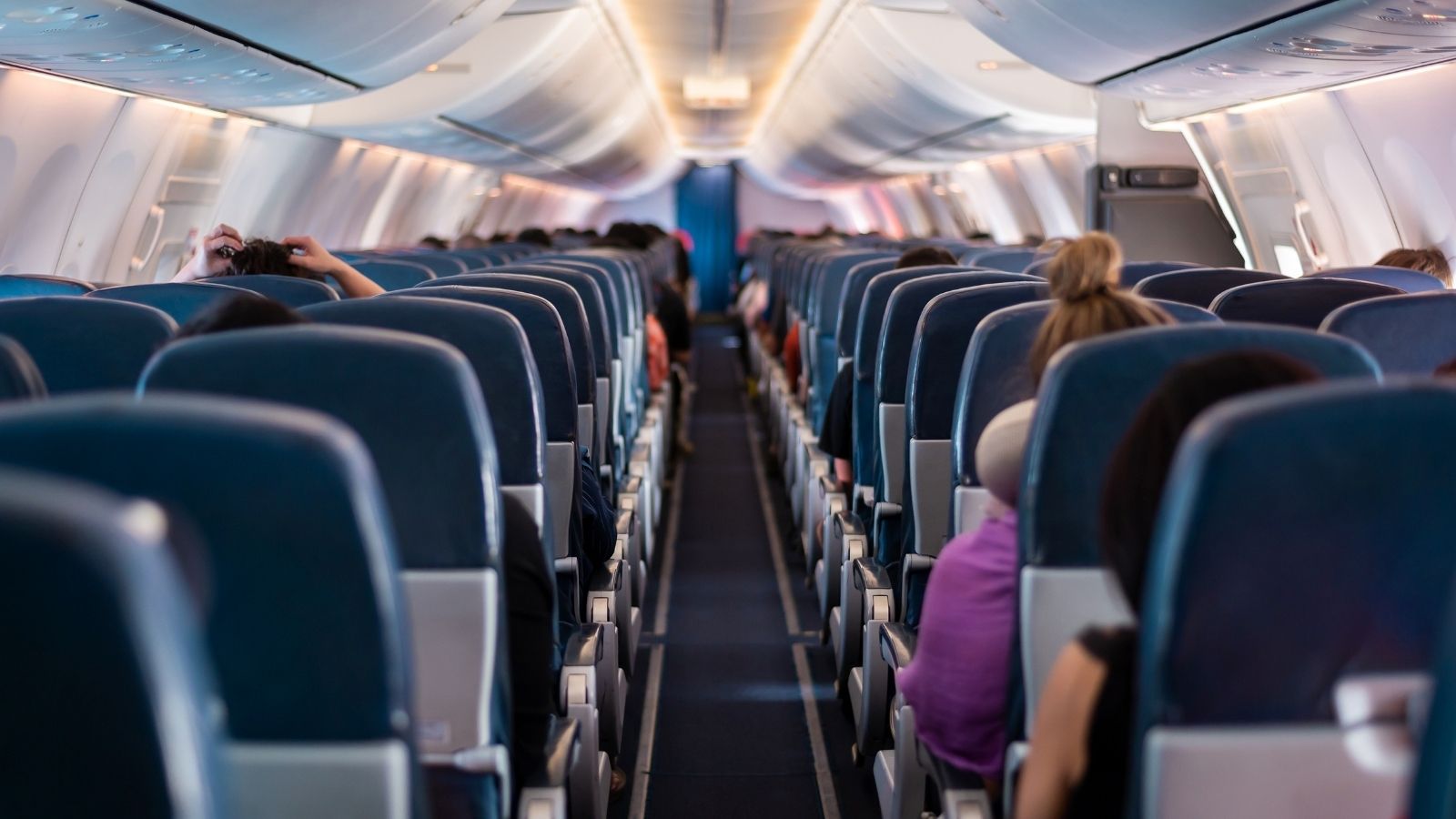
Seat selection fees often appear at the emotional point of booking, when travellers worry about being separated. For adults travelling together, paying for specific seats may be the only way to lock in preferred rows, extra legroom, or a window-and-aisle setup. But families with children should recheck the rules before assuming every seat assignment requires a fee.
Canadian air passenger rules require airlines to take steps, at no extra cost, to seat children under 14 near a parent, guardian, or tutor. The required distance depends on age: younger children must be closer than older children. That does not necessarily mean families get to choose ideal seats for free, and preferred seats may still cost more. But a parent flying with a seven-year-old should not immediately treat paid seat selection as the only path to basic proximity.
Cancellation Rules Inside the 24-Hour Window
The first 24 hours after booking can be more valuable than many travellers realize. Air Canada states that a flight cancelled within 24 hours of purchase can be refunded to the original form of payment. WestJet also has rules around changes and cancellations within the first 24 hours, with later changes depending heavily on fare type. That makes the booking confirmation email worth reading before panic-buying flexibility.
Consider a traveller who books late at night, then notices the next morning that the return date is wrong. If the mistake is caught quickly, the 24-hour policy may solve the problem without paying for a premium fare upfront. This does not mean every ticket remains flexible forever, and close-in departures may have special conditions. Still, before buying a costly flexible fare solely out of fear, the short cancellation window deserves a careful look.
Change Fees That Depend on Fare Class

Changing a flight is not one single policy. It is a grid of fare classes, routes, timing, and whether the new flight costs more. Air Canada lists Economy Basic as highly restrictive, while higher economy fare classes may allow changes with lower or no change fees. WestJet similarly treats UltraBasic more restrictively than higher fares, especially after the initial booking window.
This matters for travellers who are not completely sure about dates. A student waiting on an exam schedule or a worker coordinating vacation approval may see a low fare and assume a change can be handled later. The fare difference alone can be expensive, even before any change fee. Before paying extra for flexibility, compare the specific rules: sometimes a slightly higher fare is worthwhile, while other times travel insurance or waiting to book may be the more rational choice.
Refunds After Airline-Caused Delays or Cancellations
When a flight is disrupted, many travellers focus on whether the airline offers a voucher, a rebooking, or a refund. Canada’s Air Passenger Protection Regulations set out obligations for delays, cancellations, denied boarding, and refunds, including situations where cancellations or long delays are outside the airline’s control. The rules are technical, but they are important because they may affect whether paying extra for certain protections is necessary.
A traveller whose connecting flight collapses during a storm may be told the situation is outside the airline’s control, but refund rules can still apply in certain long-delay or cancellation circumstances. This does not turn every delay into compensation, and eligibility depends on the cause and timing. Still, before paying extra for “peace of mind” add-ons, it is worth knowing what Canadian rules already require airlines to provide.
Denied Boarding Compensation and Rebooking Rights
Oversold flights are rare enough that many travellers never think about them until boarding becomes chaotic. Under Canadian rules, denied boarding can trigger obligations around communication, rebooking, standards of treatment, refunds, and compensation. Large-airline denied boarding compensation can rise based on how late the passenger arrives at the destination, which is why accepting the first airport offer without understanding the rules can be costly.
Imagine a traveller at Vancouver International Airport being asked to volunteer for a later flight in exchange for a voucher. Volunteering is different from being involuntarily denied boarding, and the paperwork can matter. Before paying extra for priority services because of fear of being bumped, it is more useful to understand boarding rights, fare conditions, and how the airline handles oversold flights. The most expensive choice is often made under pressure.
Lost, Damaged, or Delayed Baggage Coverage
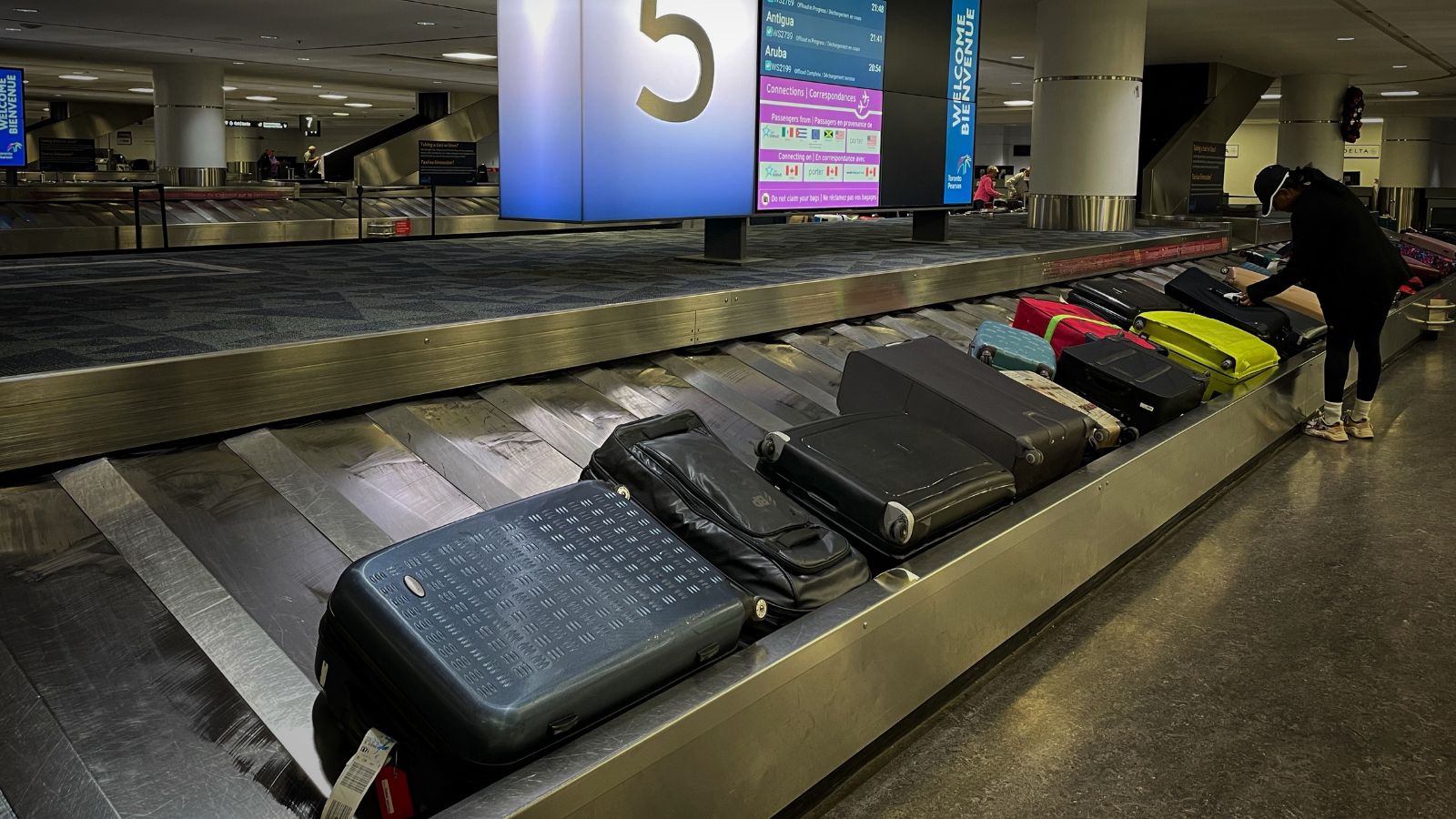
Baggage problems can make extra protection feel tempting at checkout. Canadian rules and airline tariffs already address lost, damaged, and delayed baggage, including liability limits tied to Special Drawing Rights in many cases. Air Canada’s tariff notes liability limits for baggage and says fees paid to check baggage may be refunded if the bag is delayed, damaged, or lost.
That does not mean baggage coverage is unlimited or effortless. Travellers usually need to report problems quickly, keep receipts, and understand the difference between delayed essentials and long-term loss. A skier travelling with gear or a family bringing formalwear for a wedding may still want insurance beyond airline liability. But before paying twice for similar coverage, the existing baggage policy should be checked against the value of what is packed.
Pet-in-Cabin Fees and Aircraft Restrictions
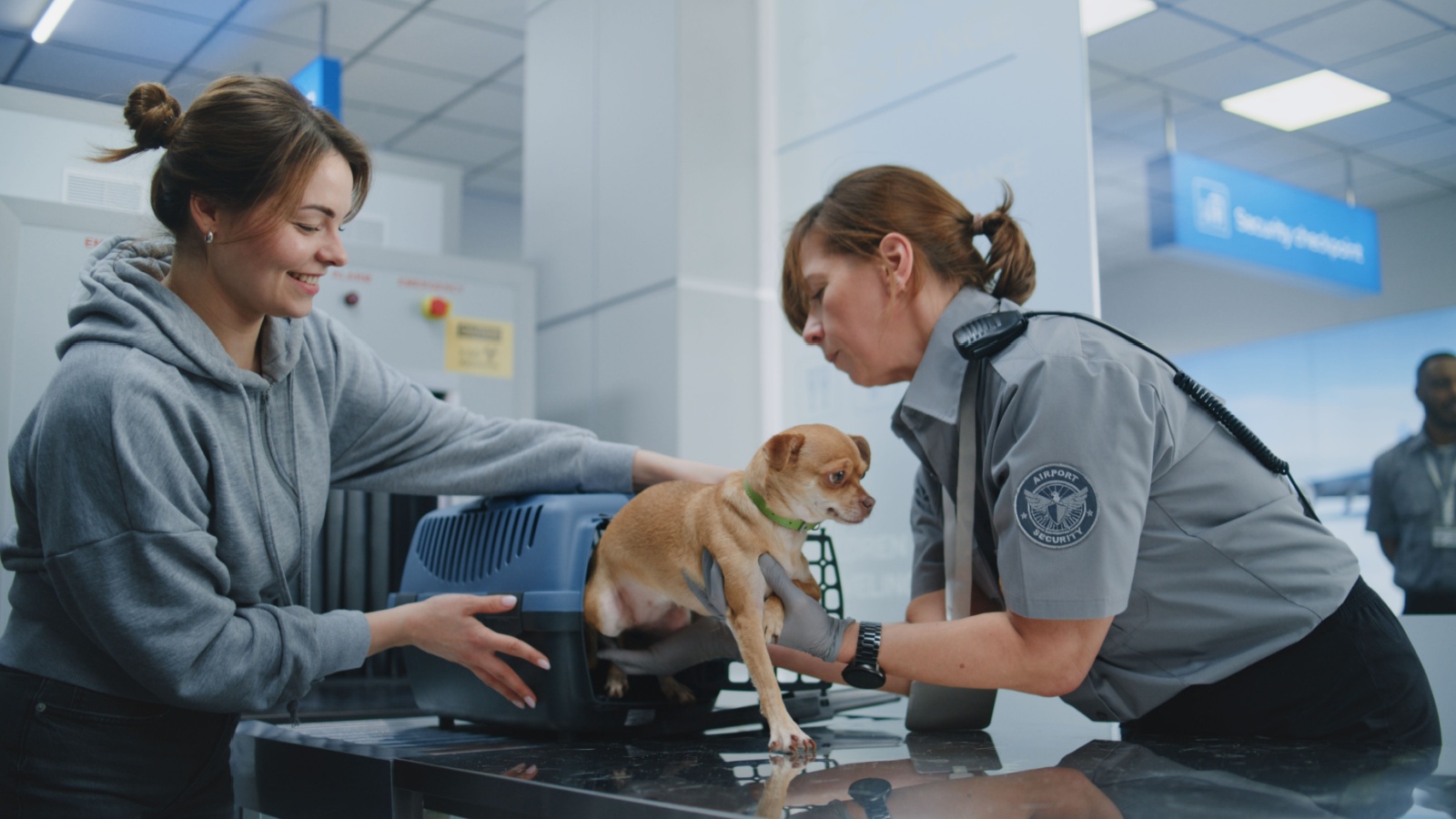
Pet travel is not simply a matter of paying a fee. Airlines limit the number of pets, the type of animal, the carrier dimensions, and sometimes the aircraft or cabin where pets can travel. Air Canada allows only one cat or small dog in the cabin per passenger in most cases and requires travellers with pets to check in with an agent rather than using standard online or kiosk check-in. WestJet also requires pet arrangements to fit its own kennel and availability rules.
For a traveller flying from Halifax to Edmonton with a small dog, the fee is only one part of the decision. The carrier must fit under the seat, space can be limited, and international destinations may impose entry rules beyond the airline’s own policy. Paying for a pet booking before checking aircraft restrictions can create a stressful airport surprise. This is one policy where calling ahead can be cheaper than guessing.
Musical Instrument Rules Before Buying an Extra Seat

Musicians often face a confusing choice: try to carry an instrument on, check it, or buy an extra seat. Canadian regulations require airlines to have policies for transporting musical instruments and to accept them as checked or carry-on baggage unless tariff limits or safety rules prevent it. The rules also recognize that aircraft changes can affect cabin stowage space.
A guitarist flying to a festival in Winnipeg may assume the only safe option is buying a second seat, but that may not always be necessary. At the same time, showing up with a full-size case and no plan can lead to gate-side stress. The key is to check size limits, aircraft type, and the airline’s instrument policy before paying extra. For valuable instruments, a hard case, documentation, and insurance may matter more than a last-minute add-on.
Liquids, Gels, and Duty-Free Packing Rules
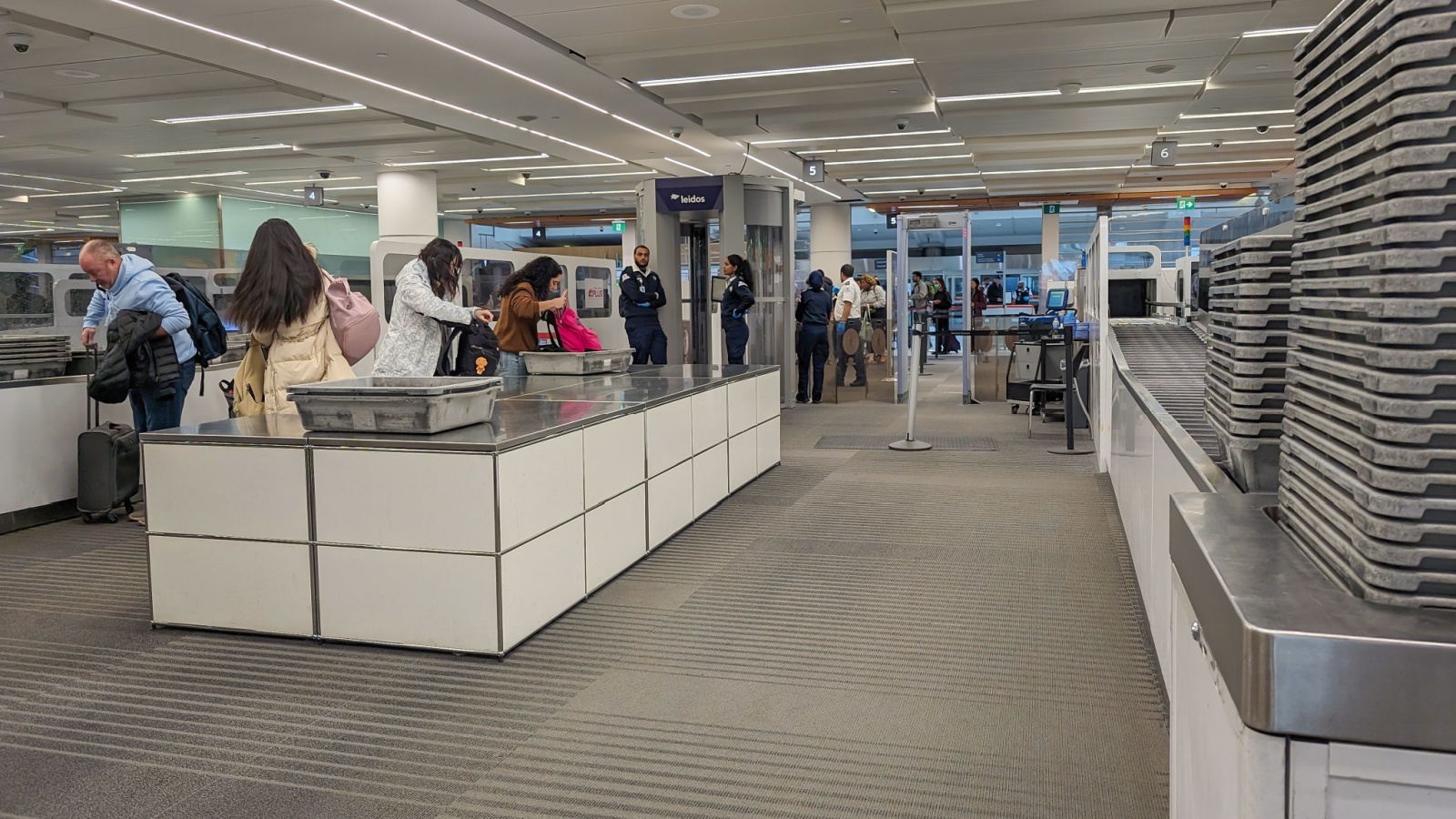
Security rules can turn an innocent purchase into a surrendered item. For flights departing from Canada, CATSA’s carry-on rules require liquids, aerosols, and gels to be in containers of 100 millilitres or less and packed in a clear, resealable one-litre bag. Larger containers generally belong in checked baggage unless a specific exemption applies.
This matters before paying for carry-on-only travel. A traveller returning from a long weekend with full-size sunscreen, maple syrup, or skincare products may end up needing checked baggage after all. Duty-free items can also depend on security-sealed packaging and onward connections. The cheapest fare may not be cheapest if the packing plan does not match screening rules. Before paying extra at the airport, travellers should check what must be packed, checked, or left at home.
Sports Equipment Fees and Packing Conditions
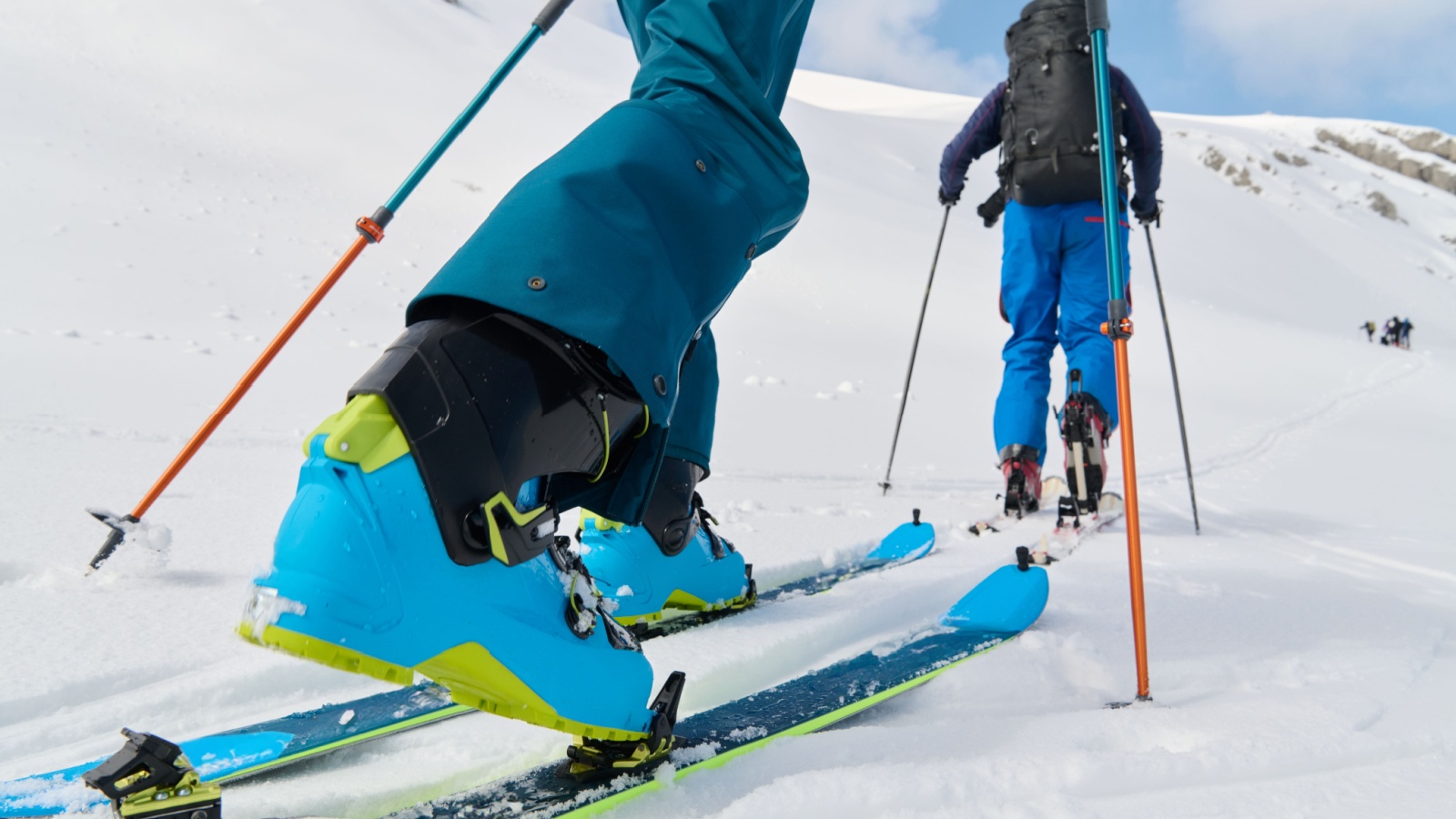
Sports equipment often looks like baggage until the fine print appears. Airlines may accept skis, golf clubs, bicycles, fishing gear, or hockey equipment, but size limits, packing rules, waivers, and fees can differ by item. Air Canada’s special-items rules, for example, separate equipment types and note that sports equipment bags and cases should be used only for sports equipment rather than mixed with clothing and personal items.
A hockey parent flying to a tournament may think one large gear bag solves everything, then run into weight, oversize, or content restrictions. A cyclist may face packaging rules that require more planning than a standard suitcase. Before paying for a checked bag, travellers should confirm whether the item is treated as regular baggage, special equipment, oversize baggage, or something requiring advance registration.
Airport Check-In Fees and Last-Minute Add-Ons
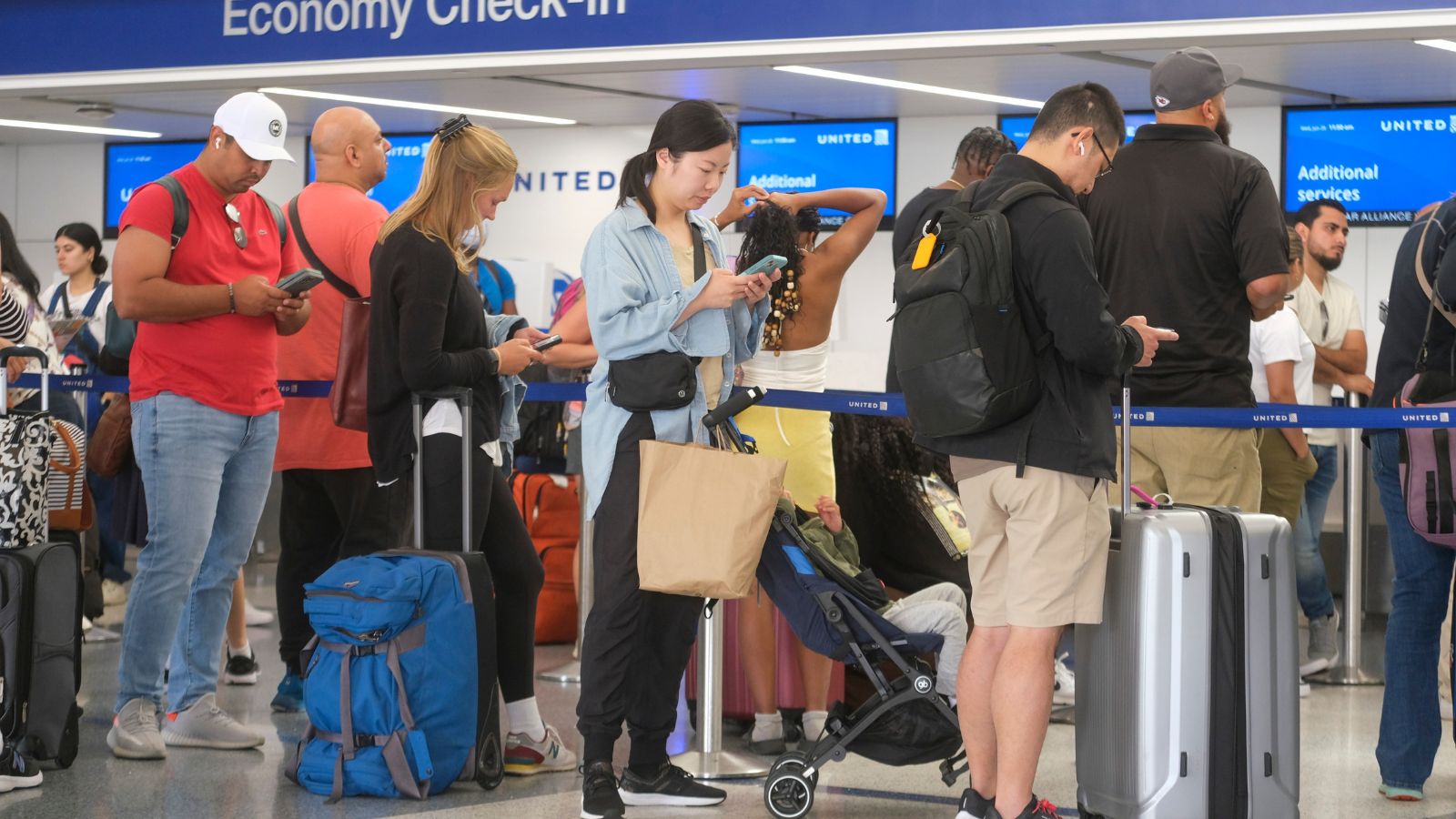
Some airline fees rise when handled late. WestJet’s baggage fee structure shows different costs depending on whether bags are prepaid, added at self-serve check-in, or paid for at the airport. Air Canada also distinguishes between standard baggage payments and higher fees for certain bags that must be checked at the gate under specific Economy Basic rules.
The practical lesson is simple: the airport is often the most expensive place to solve a packing mistake. A traveller who assumes “I’ll deal with it when I get there” may pay more and spend extra time in line. This policy deserves a recheck the night before departure, especially for families, groups, or anyone travelling with gifts. Paying early can reduce cost, but only after confirming the fare, route, and bag allowance.
Optional Refundable Add-Ons, Credits, and Vouchers
Not every paid extra is refundable in the same way as the ticket. Seat fees, bag fees, cancellation products, and other add-ons may have separate rules. WestJet’s help materials note that seat fees are not refundable in some situations, including within 24 hours of departure or for seats purchased at check-in, while refunds may apply differently if the airline cancels the flight and the traveller does not fly the rebooked option.
This is where travellers often feel caught. A paid seat, a checked bag, and a cancellation add-on may each follow different refund logic. A business traveller may value certainty enough to pay, while a leisure traveller may be better off choosing a fare class with clearer flexibility. Before clicking “add,” the important question is not just what the extra costs today, but what happens if the trip changes tomorrow.
19 Things Canadians Don’t Realize the CRA Can See About Their Online Income

Earning money online feels simple and informal for many Canadians. Freelancing, selling products, and digital services often start as side projects. The problem appears at tax time. Many people underestimate how much information the CRA can access. Online platforms, banks, and payment processors create detailed records automatically. These records do not disappear once money hits an account. Small gaps in reporting add up quickly.
Here are 19 things Canadians don’t realize the CRA can see about their online income.
