
Canadians have become unusually skilled at reading grocery shelves, pharmacy aisles, and household labels for the tiny changes that make everyday products feel less generous than they used to be. A familiar package may still fit in the same cupboard, but the net weight, serving count, ingredient mix, or usable life can tell a different story.
These 16 Canadian products reflect a wider affordability frustration: prices that keep climbing while value feels harder to find. Some changes come from global commodity costs, transportation, packaging, labour, and currency pressure. Others show up in quieter ways, from smaller bags to thinner rolls and fewer portions per box.
Coffee
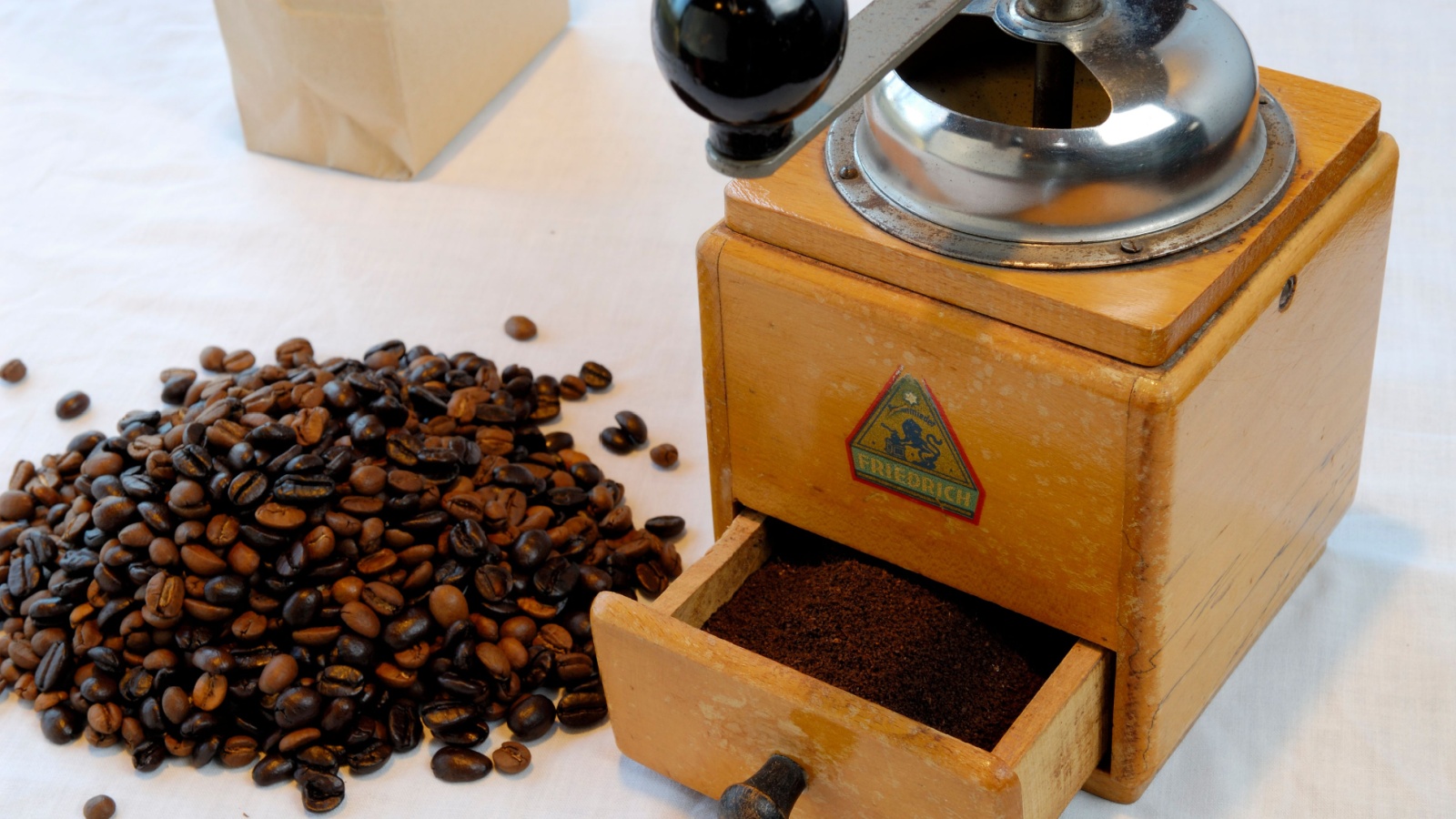
Coffee has become one of the clearest examples of sticker shock meeting smaller household routines. A canister or bag that once felt like a dependable pantry staple now often requires a second look at the weight, roast type, and sale cycle. Even when a brand keeps the package visually familiar, the cost per 100 grams can move sharply enough to change buying habits.
The pressure is not just imagined. Coffee prices in Canada rose steeply in 2025, with weather and global supply issues affecting coffee-growing regions. For households that brew daily, the increase is especially noticeable because the product disappears quickly. A family that once bought coffee automatically may now compare house brands, bulk bags, loyalty offers, and smaller “premium” formats before deciding what still feels worth the price.
Chocolate Bars and Candy

Chocolate bars, boxed chocolates, and candy multipacks often look like small treats, but they have become easy places for shoppers to notice less value. A bar can be reshaped, a multipack can lose a piece, or a holiday box can feel lighter while still occupying the same shelf space. The change is subtle because the purchase is usually emotional rather than mathematical.
Cocoa prices have faced major pressure from poor growing conditions in key producing regions, and Canadian confectionery prices have reflected some of that strain. For consumers, the result can feel like a double hit: higher shelf prices and less generous portions. A parent buying Halloween candy or a commuter grabbing a checkout snack may not measure grams every time, but the feeling of paying more for a smaller indulgence tends to linger.
Potato Chips and Snack Bags
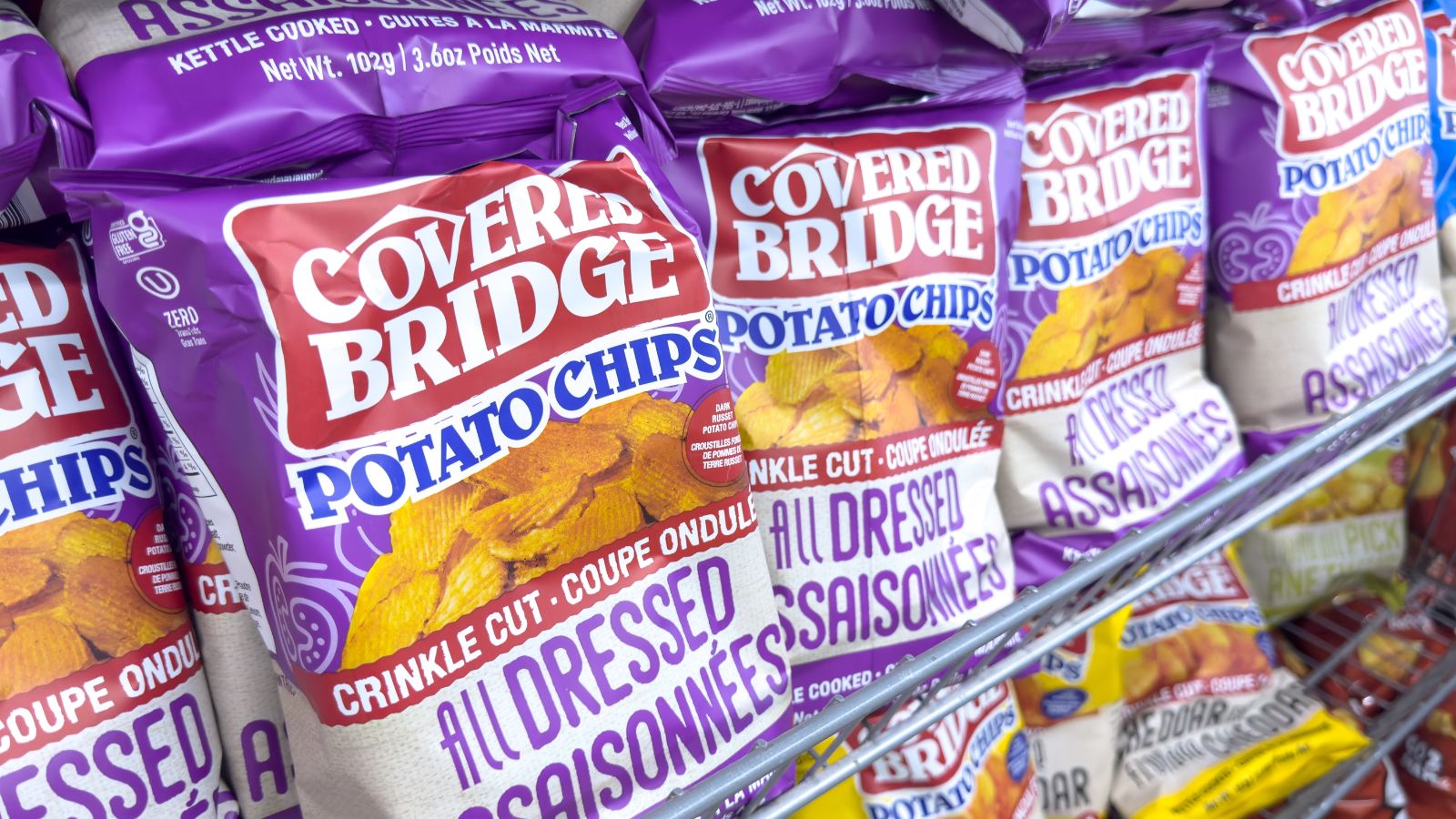
Snack bags are practically built for shrinkflation complaints because the bag can stay tall while the contents quietly become lighter. Potato chips, pretzels, popcorn, and flavoured snacks already contain air space to protect fragile pieces, so a smaller fill can be hard to judge without reading the label. The price, however, is much easier to notice.
For Canadian households, snack foods are often tied to routines: school lunches, hockey nights, road trips, and weekend gatherings. When a family-size bag stops feeling family-sized, shoppers begin questioning whether the sale price is really a deal. The best clue is usually the unit price, not the front-of-package claim. A bright “party size” label may still hide fewer grams than older shoppers remember from the same brand.
Breakfast Cereal

Breakfast cereal has long depended on big boxes and familiar mascots, which makes package changes feel more personal when value slips. A box can remain the same height while becoming narrower, or the inner bag can contain fewer servings than expected. For families, that can mean the box that once lasted a school week now disappears before Friday.
Cereal also sits at the intersection of grain prices, packaging costs, sugar concerns, and brand loyalty. Many Canadian shoppers grew up with specific cereals and still buy them out of habit, which gives manufacturers room to make quiet format changes. The smarter comparison is servings per box and price per 100 grams. Without that check, a familiar box may cost more while delivering fewer bowls.
Bread, Bagels, and Wraps

Bread products are more complicated than they appear because “less” can show up in several ways. A loaf may have fewer slices, thinner slices, smaller pieces, or a higher price for the same size. Bagels and wraps can shrink just enough that sandwiches feel less filling, while the package still looks broadly familiar in the cart.
Canadian bakery prices have been pressured by wheat, energy, labour, and transportation costs. For shoppers, the irritation comes from how essential these items are. Bread is not a luxury purchase; it anchors lunches, breakfasts, and quick dinners. A household may only notice the change when school sandwiches require extra filling or a pack of wraps no longer covers the week’s planned meals.
Beef Packages
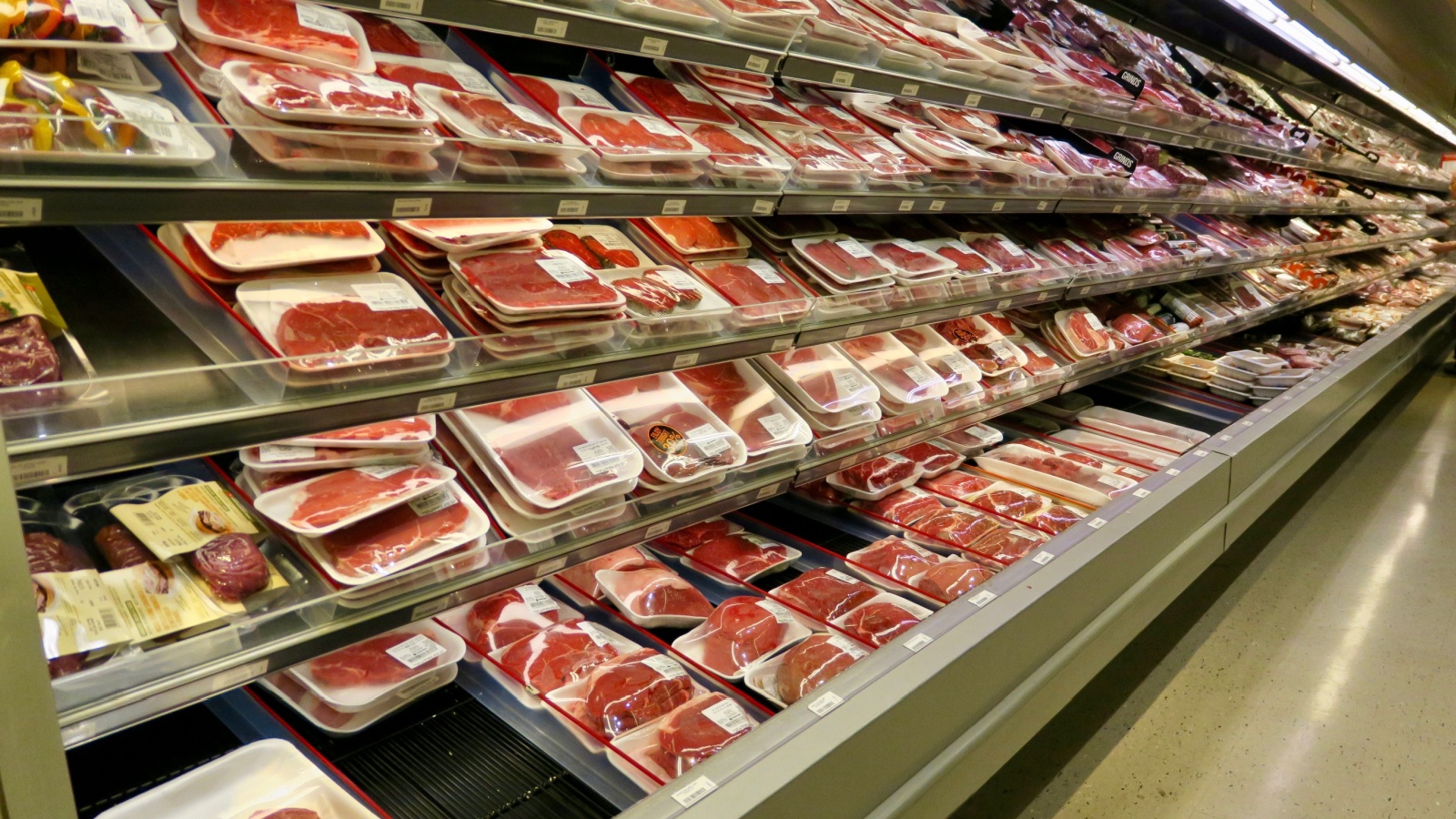
Beef is one of the products where higher prices are visible immediately. Smaller packages can still cross the $20 mark, and a family dinner built around steaks, roasts, or ground beef can become noticeably more expensive. Even when the tray looks normal, the weight label may reveal fewer grams than the old mental benchmark.
Canadian beef prices have been affected by supply conditions, cattle herd size, feed costs, and demand. Many shoppers now stretch beef differently, using smaller portions in pasta sauces, tacos, stir-fries, and casseroles. The product may not literally shrink in a branded package the way snacks do, but the value feels smaller when the same grocery budget buys less protein than it did a few years ago.
Bacon and Deli Meat

Bacon and deli meat create a different kind of value frustration because package sizes can be difficult to compare. A pack may look thick from the front but contain fewer grams, thinner slices, or more spacing between pieces. Deli meat tubs and resealable packs can also appear convenient while carrying a high price per kilogram.
These products are vulnerable to meat price inflation, processing costs, and packaging expenses. The human impact is simple: the lunch meat that once covered several school or work lunches may run out earlier. Shoppers often respond by buying larger club packs, switching to store brands, or replacing deli meat with eggs, leftovers, or canned fish. The category still sells convenience, but convenience feels less generous when the package empties quickly.
Cheese Blocks and Slices

Cheese is another product where small format changes can affect everyday meals. Blocks may look similar while weighing less, shredded cheese bags can cost more per gram, and sliced cheese packages may contain fewer slices than shoppers assume. Since cheese is used in lunches, pasta, casseroles, and snacks, the loss of value shows up quickly.
Dairy pricing in Canada is shaped by regulated systems, production costs, processing, and retail margins. That does not make the checkout shock easier for families trying to manage weekly meals. A recipe calling for two cups of shredded cheese may now use a larger share of the package. Many shoppers compensate by grating blocks themselves, watching unit prices, or waiting for multi-buy promotions that actually beat the regular per-gram price.
Yogurt Multipacks

Yogurt multipacks are masters of looking stable while changing in ways that matter. Cups can become smaller, the number of servings can change, or “snack size” formats can replace more filling portions. For parents packing lunches, that difference becomes obvious when a child is still hungry or the box runs out sooner than expected.
Yogurt also carries a health halo, which can distract from value checks. Protein claims, fruit imagery, and probiotic language may make a package feel premium, but the price per 100 grams still tells the practical story. In Canada, where dairy and grocery prices have remained a household concern, shoppers increasingly compare tub yogurt against multipacks. The larger tub may be less convenient, but it often restores some of the value lost to smaller single servings.
Ice Cream and Frozen Desserts
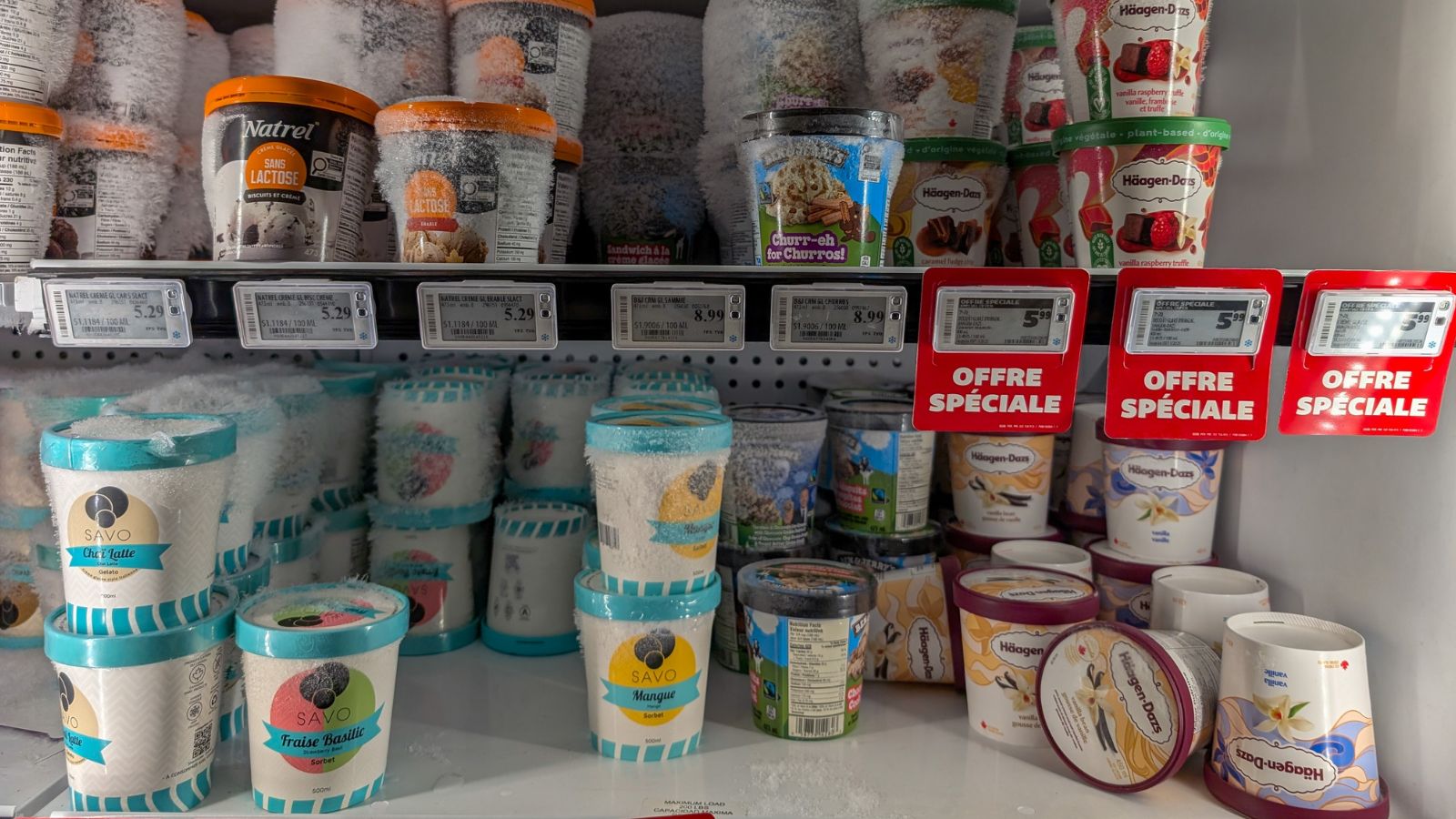
Ice cream is a classic case of packages that feel familiar until the litre count is checked. Containers that once looked like a standard treat for the freezer can become smaller, while premium claims, airier textures, or “frozen dessert” labels complicate the comparison. The product may still look indulgent, but the scoop count can tell a leaner story.
Canadian shoppers also have to watch the wording. Some products are ice cream, while others are frozen desserts with different ingredient profiles. That does not automatically mean poor quality, but it does mean shoppers may be paying premium prices for something that no longer matches their expectation. When a tub disappears after fewer bowls, the issue is not just price inflation; it is the feeling that a familiar comfort food has become less substantial.
Orange Juice and Fruit Drinks

Orange juice has become a painful breakfast purchase because global orange supplies have faced disease, weather, and production challenges. In stores, that pressure can appear as higher prices, smaller cartons, more blends, or more shelf space for fruit beverages that are not the same as 100% juice. The carton may still show oranges, but the label deserves attention.
For Canadian households, juice is often bought out of habit for breakfasts, lunches, and weekend brunches. The value question is whether the product is pure juice, from concentrate, a blend, or a drink with added sugar and flavouring. A lower sticker price can be misleading if it buys less juice or a diluted product. Reading the ingredient list has become as important as reading the price tag.
Frozen Meals and Pizza
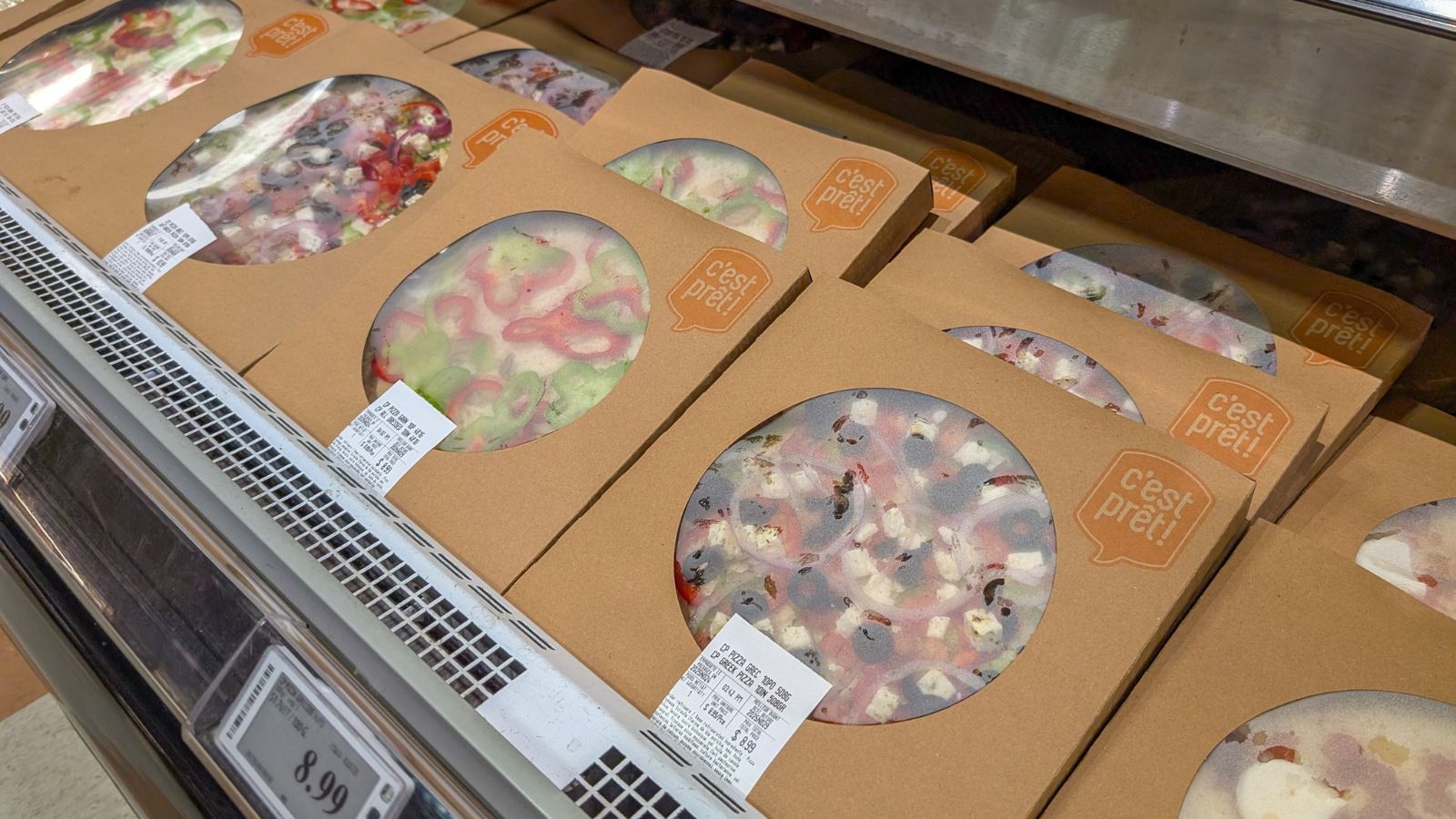
Frozen meals and pizzas sell convenience, but many shoppers have noticed that convenience can feel smaller. A frozen entrée may have fewer pieces of chicken, less sauce, or a portion size that feels closer to a snack than dinner. Frozen pizzas can look similar in the box while the toppings appear thinner once baked.
These products are affected by many input costs at once: grains, cheese, meat, vegetables, energy, freezing, packaging, and transport. That makes them easy candidates for both price increases and subtle reformulation. The disappointment is strongest on busy nights when families rely on frozen food to fill a gap. If one pizza no longer feeds the same number of people, the real cost of dinner rises because another side dish or second box is needed.
Canned Soup and Pantry Staples
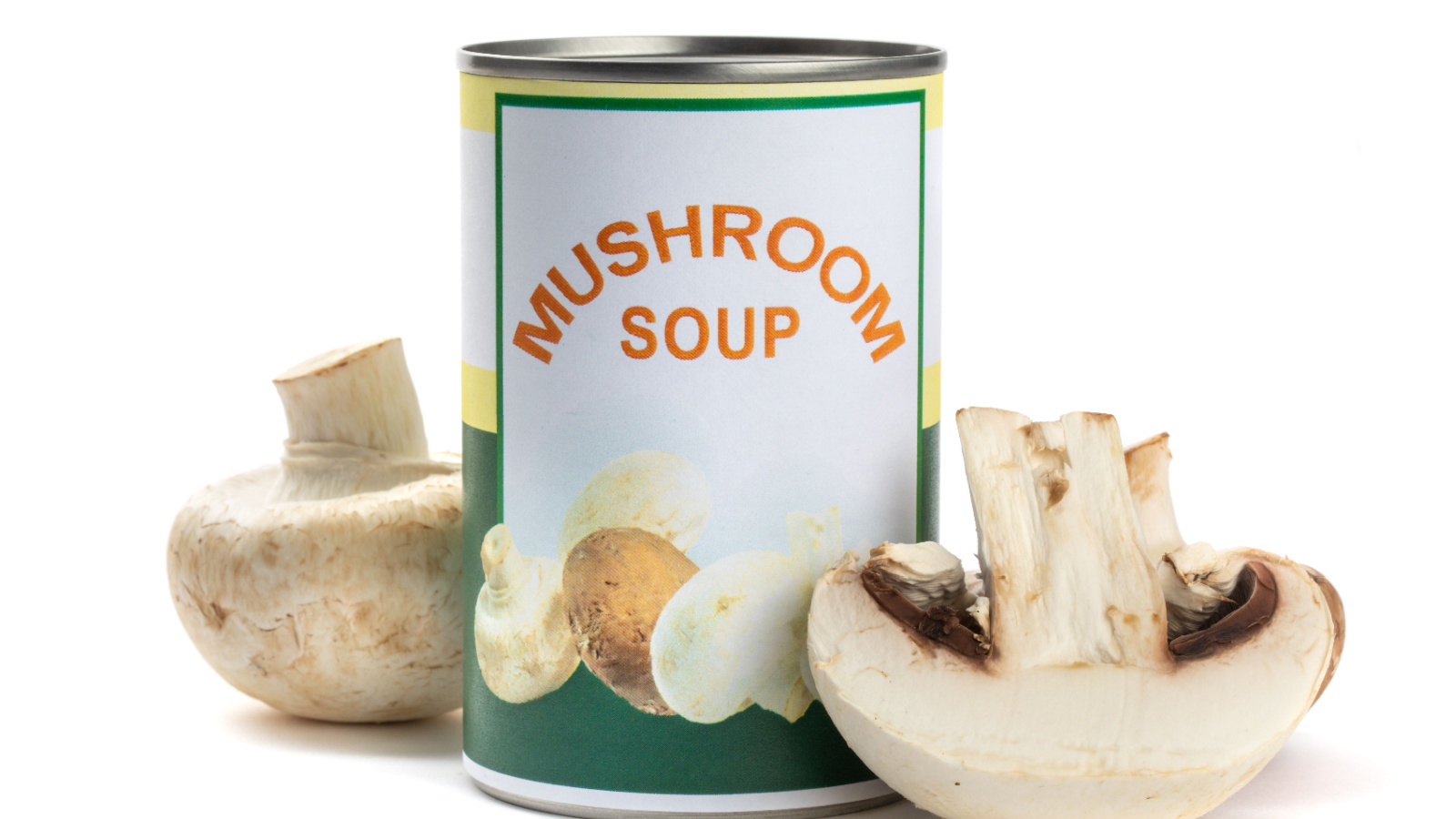
Canned soup, sauces, beans, and other pantry staples have historically been the safety net of Canadian kitchens. When these items become more expensive or less filling, the change hits budget planning directly. A can may still look affordable compared with fresh food, but the serving size, sodium level, and thickness can change the value equation.
The frustration often appears during simple meals. A soup that once stretched with toast for two people may now feel thin unless rice, noodles, or extra vegetables are added. For shoppers on fixed incomes, pantry inflation matters because these products are supposed to provide stability. Unit pricing helps, but so does comparing store brands, larger cans, and dry alternatives such as lentils, pasta, and beans.
Toilet Paper and Paper Towels
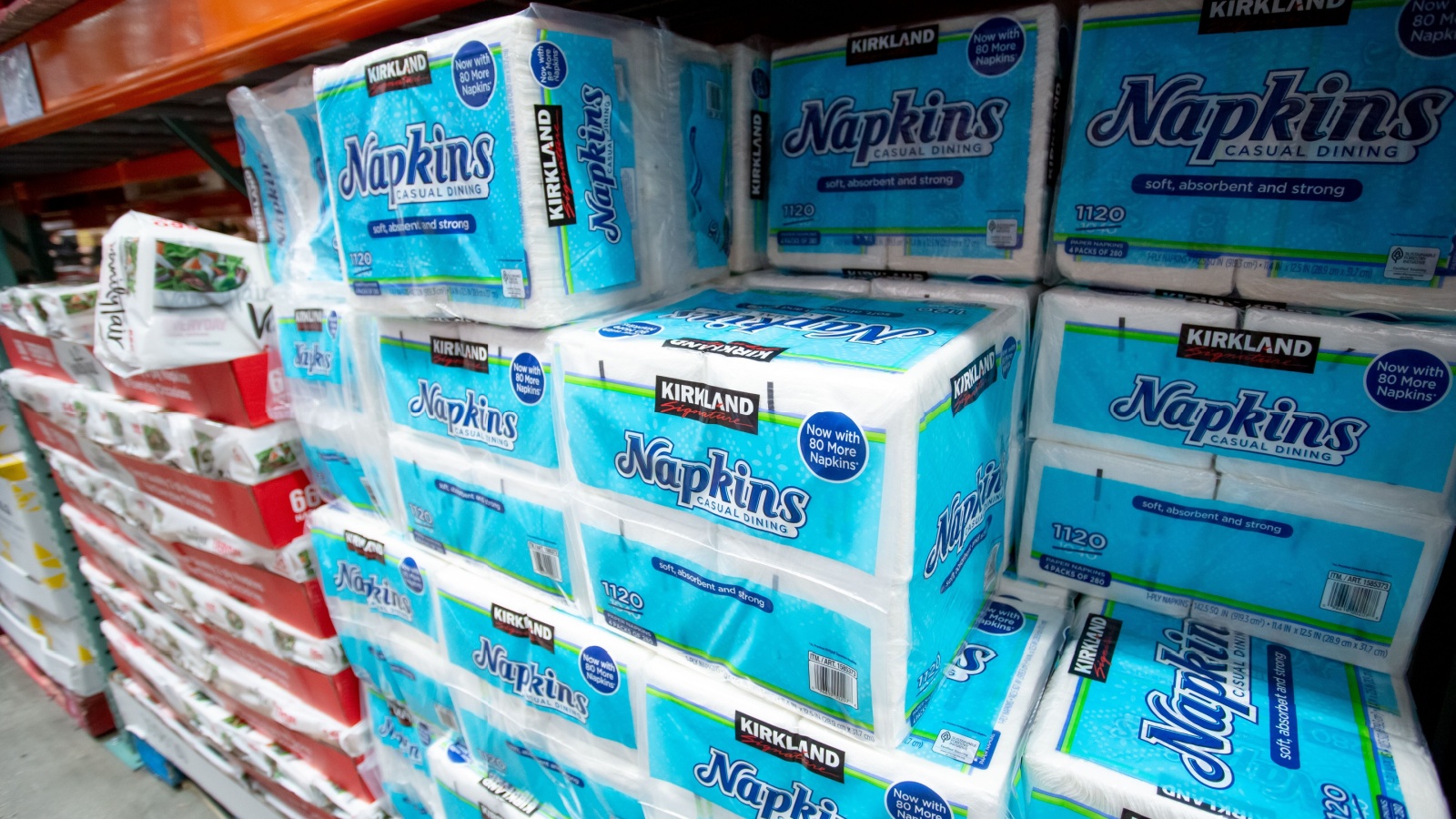
Toilet paper and paper towels may be the most confusing products in the store. Rolls can be narrower, sheets can be smaller, ply counts can vary, and “mega” or “double” roll claims can make direct comparisons nearly impossible. A package may look enormous while delivering less usable paper than expected.
This category causes strong reactions because it is unavoidable and difficult to substitute. Households usually discover the value drop only after the roll runs out faster or paper towels tear too easily. The best comparison is not the number of rolls but the total sheet count, square metres, and price per unit. Without that, shoppers can pay more for packaging language rather than actual household usefulness.
Laundry Detergent and Cleaning Products

Laundry detergent and cleaning products can offer less in ways that are not immediately visible. A bottle may become smaller, the cap may suggest using more than necessary, or a “concentrated” formula may make load counts harder to judge. Cleaning sprays can also vary in volume, nozzle quality, and refill value.
For Canadian households, these products are tied to unavoidable routines: laundry, kitchens, bathrooms, pets, children, and winter mess. The shelf price may not reveal the true cost if the number of loads drops or the product requires repeat applications. A detergent claiming 64 loads is only a bargain if the dosage works in real machines with real laundry. Measuring carefully and comparing cost per load can expose whether the product is actually offering less.
Pet Food
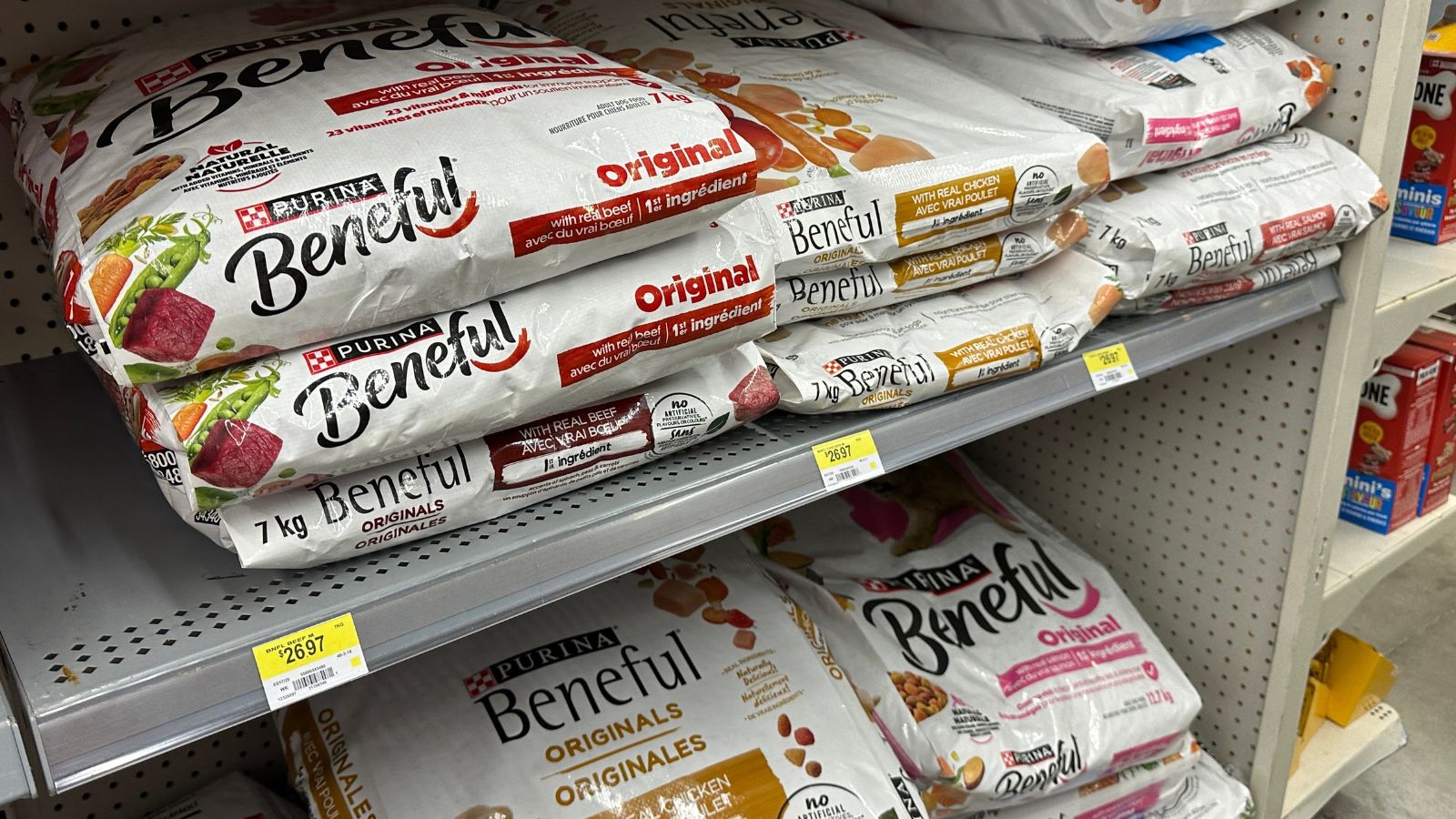
Pet food has become a major source of household sticker shock because owners often hesitate to switch brands quickly. Bags may become smaller, cans may change texture, and premium formulas can climb in price while still being framed as the healthier choice. For families with large dogs or multiple cats, the difference can be substantial.
The emotional side matters. People may cut back on their own treats before changing a pet’s food, especially if an animal has allergies or digestive issues. That loyalty gives the category unusual pricing power. The practical response is to compare cost per kilogram, watch feeding guidelines, and check whether a “new formula” has changed key ingredients. A pet food bag that looks familiar may not deliver the same number of meals it once did.
19 Things Canadians Don’t Realize the CRA Can See About Their Online Income

Earning money online feels simple and informal for many Canadians. Freelancing, selling products, and digital services often start as side projects. The problem appears at tax time. Many people underestimate how much information the CRA can access. Online platforms, banks, and payment processors create detailed records automatically. These records do not disappear once money hits an account. Small gaps in reporting add up quickly.
Here are 19 things Canadians don’t realize the CRA can see about their online income.
