Checkout used to be the simple part of shopping: scan the items, pay the total, leave with the receipt. In 2026, many Canadians are noticing that the last few seconds at the register can shape the final bill more than expected. From digital coupons and loyalty-only prices to payment prompts, receipt checks, and add-on fees, checkout has become a place where retailers manage costs, collect data, reduce theft, and encourage extra spending.
These 16 checkout tricks are not all deceptive or illegal. Some are standard retail practices, while others sit in a grey zone that shoppers increasingly question. The common thread is that the posted price, the final total, and the emotional pressure at payment do not always feel as straightforward as they once did.
Loyalty Prices That Make the Shelf Price Feel Incomplete
More major retailers now display two prices: one for everyone and a lower one for loyalty members. The lower number often gets the bigger visual treatment, while the regular price sits nearby in smaller print. For Canadians already juggling grocery costs, the effect can be subtle but powerful. A product may appear cheaper at first glance, only for the checkout screen to reveal that the discount depends on scanning a card, opening an app, or being enrolled in a rewards program.
The frustration comes from the feeling that the “real” price is no longer available to every shopper. Loyalty programs can offer useful savings, but they also encourage customers to trade purchasing data for lower prices. A parent rushing through a grocery run may not notice until checkout that a cereal deal, pharmacy discount, or household item price only applies after membership identification is entered correctly.
Digital Coupons That Must Be Activated Before Paying
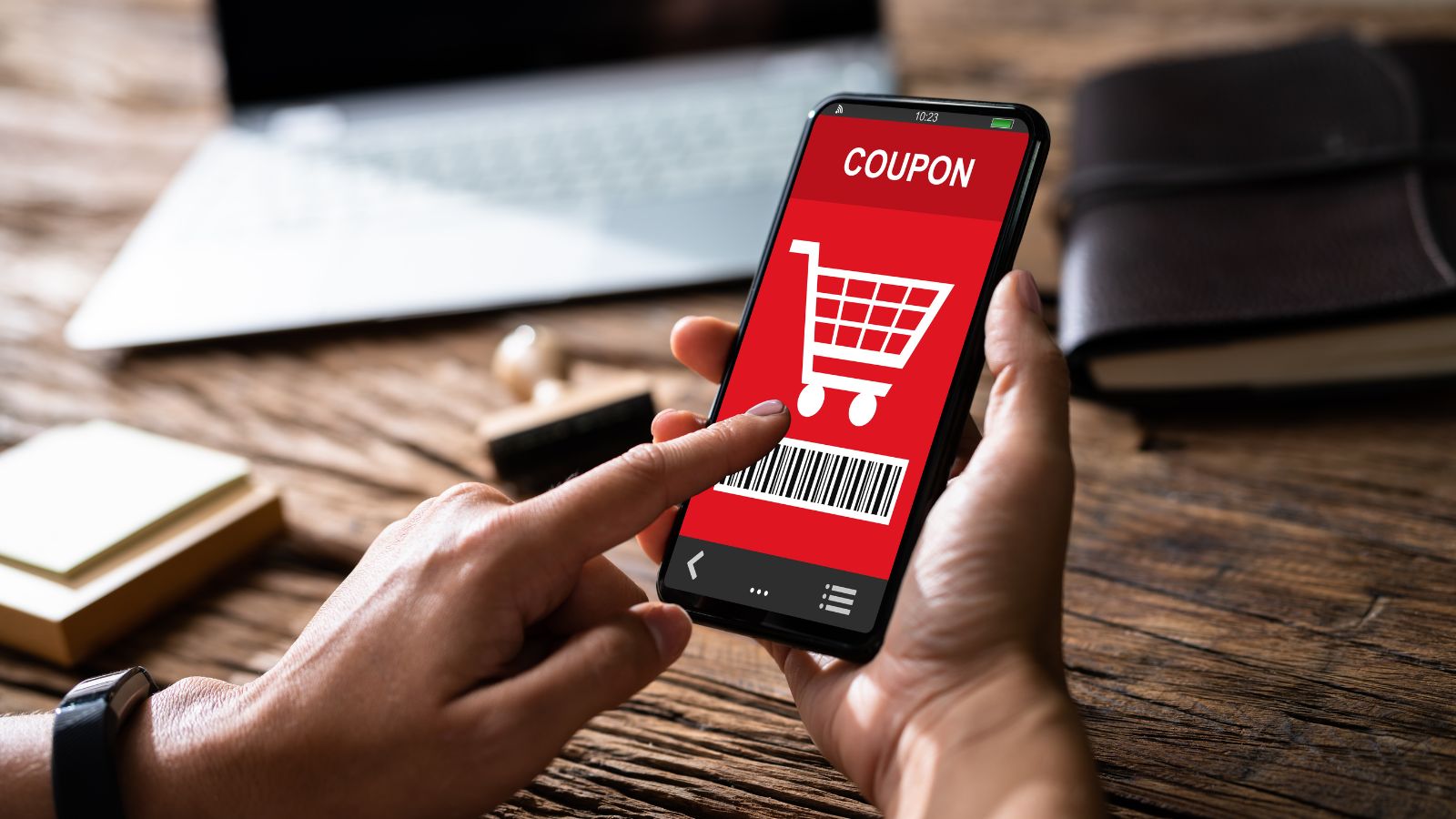
Digital coupons have become a familiar part of grocery and big-box shopping, but many deals now require more than simply buying the advertised item. Shoppers may need to open an app, load an offer, clip a coupon digitally, or connect it to a loyalty account before reaching the till. If that step is missed, the lower price may not appear, even when the item was promoted in a flyer or app.
This creates a checkout experience where the burden shifts to the customer. The deal exists, but only for those who know the sequence. Seniors, busy parents, newcomers, and shoppers with limited mobile data may be more likely to miss out. A $2 discount on detergent or a multi-buy snack offer can disappear at the register because it was not activated in advance, making checkout feel less like payment and more like a test of app fluency.
Multibuy Deals That Quietly Raise the Cost of Buying Less
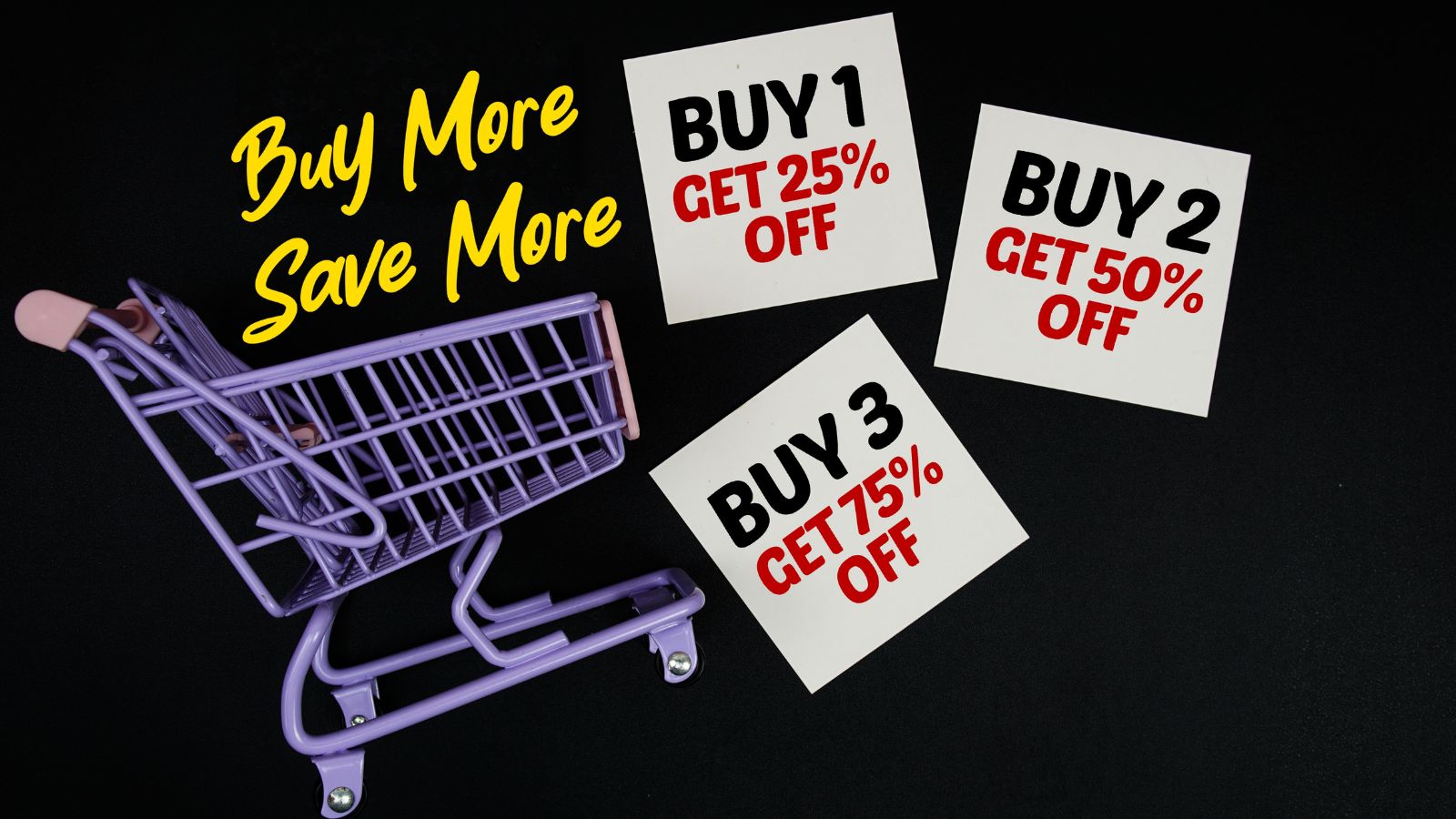
“Buy two,” “three for,” and “mix and match” promotions remain common at supermarkets and discount stores. The issue arises when the shelf sign makes the grouped price look like the main deal, while the single-unit price is less obvious. At checkout, shoppers who only needed one item may discover that the unit rings through at a higher price than expected. The promotion was technically accurate, but the mental math happened too late.
Retailers favour multibuy deals because they increase basket size and move inventory. For households trying to reduce waste or avoid overstocking, however, the structure can be expensive. A shopper who buys three jars of sauce to unlock a lower price may save per unit but spend more overall. The checkout trick is not the discount itself; it is the way the deal nudges customers toward buying more than they planned.
Round-Up Donation Prompts at the Worst Possible Moment

Checkout charity asks customers to donate a small amount, often by rounding up the total or adding a fixed donation. The request usually appears when a cashier is waiting or when a payment terminal is asking for a decision. Many Canadians support charitable causes, but the timing can make the prompt feel awkward. Saying no in public, even to a small request, can create a moment of social pressure.
The practice works because checkout is fast, emotional, and hard to evaluate. A 73-cent round-up seems minor, but repeated prompts across grocery stores, pharmacies, pet stores, and big-box retailers can add up. Some shoppers also wonder whether donating through a retailer gives the company reputational benefit while the customer supplies the money. The result is not necessarily anger at charity, but fatigue with being asked to make moral decisions while paying for essentials.
Tip Screens Expanding Beyond Traditional Service

Tip prompts used to be most closely associated with restaurants, bars, taxis, and personal services. Now payment terminals can ask for tips in cafés, quick-service counters, bakeries, food courts, takeout shops, and even some settings where the interaction is brief. The suggested percentages can start higher than expected, and the “no tip” option may require an extra tap or be placed less prominently.
This matters because the prompt changes the emotional tone of checkout. A customer buying a coffee or picking up a pre-packaged item may feel judged by the machine, the employee, or the people behind them. Inflation has already raised menu prices, which means percentage-based tips rise automatically. For many Canadians, the irritation is not about rewarding good service; it is about being prompted for extra money in situations that once involved a simple purchase.
Add-On Protection Plans for Items That May Not Need Them

Electronics, appliances, toys, small kitchen devices, and even inexpensive gadgets often trigger warranty or protection-plan offers at checkout. The offer may sound reassuring: accidental damage coverage, extended replacement, or extra peace of mind. But the timing gives shoppers little room to compare the plan against the manufacturer’s warranty, credit-card protections, store return policy, or the actual replacement cost of the item.
The trick is the emotional framing. After choosing a product, customers are asked whether they want to protect it, which can make declining feel risky or careless. A $12 plan on a $49 item may not sound large, yet it significantly increases the purchase price. For lower-cost products, the better value may simply be keeping the receipt, understanding the return window, and checking whether existing coverage already applies.
Credit Card Surcharges and Payment Fees at the End
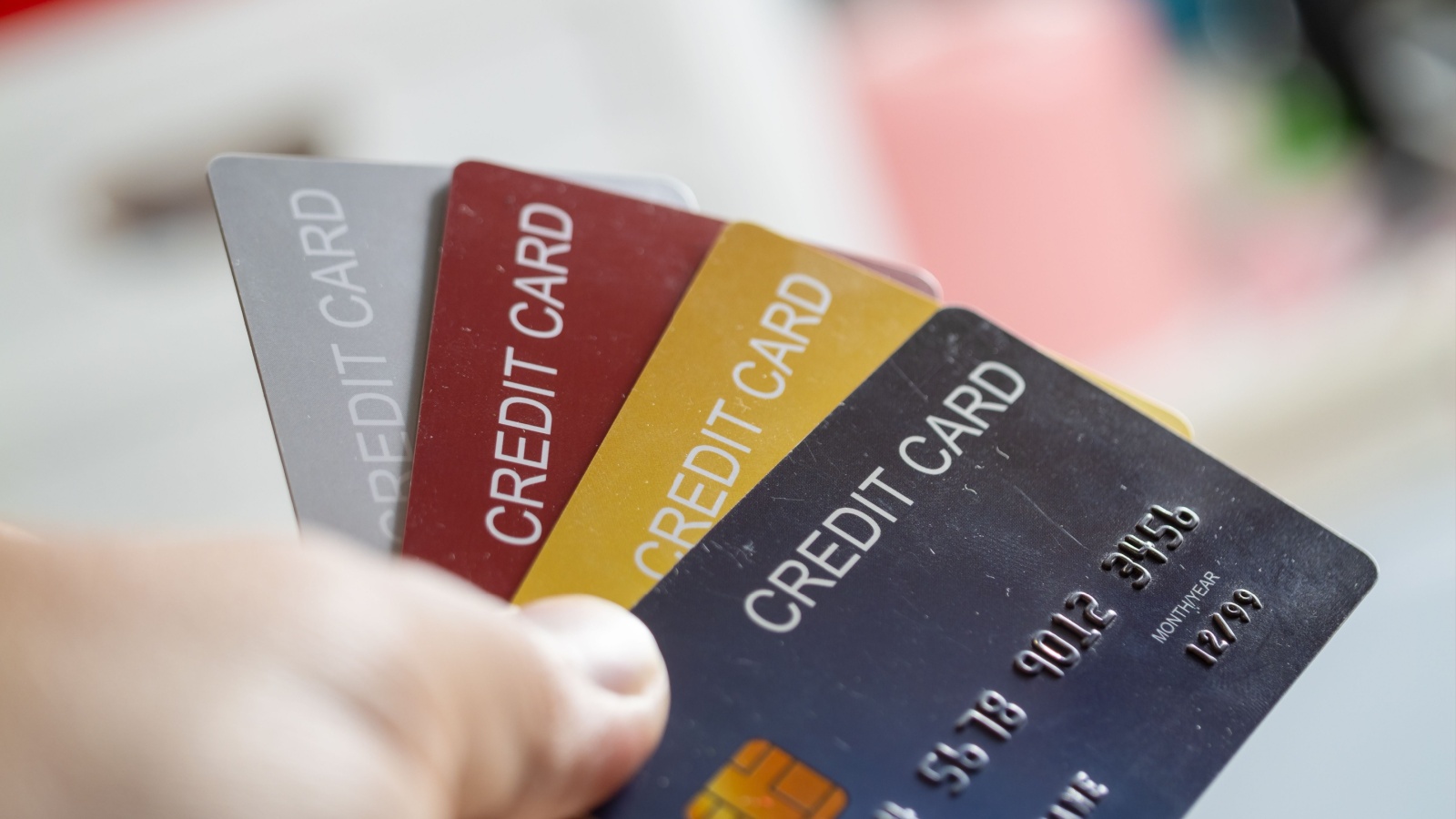
Some Canadian merchants can apply credit card surcharges under card-network rules, provided they follow disclosure requirements. Even when permitted, these fees can surprise shoppers who expected the shelf price to be the real price before tax. A small percentage charge at checkout may feel especially irritating when cards are the default payment method for many households and online purchases.
The issue becomes more noticeable when the surcharge appears late in the transaction. A customer may compare prices between stores, choose the cheaper option, and only see the extra payment cost after tapping through the checkout flow. For retailers, card acceptance fees are a real business expense. For shoppers, the concern is transparency. If paying by credit card changes the total, many expect that information to be visible before the final payment screen.
Self-Checkout Layouts That Encourage Missed Savings
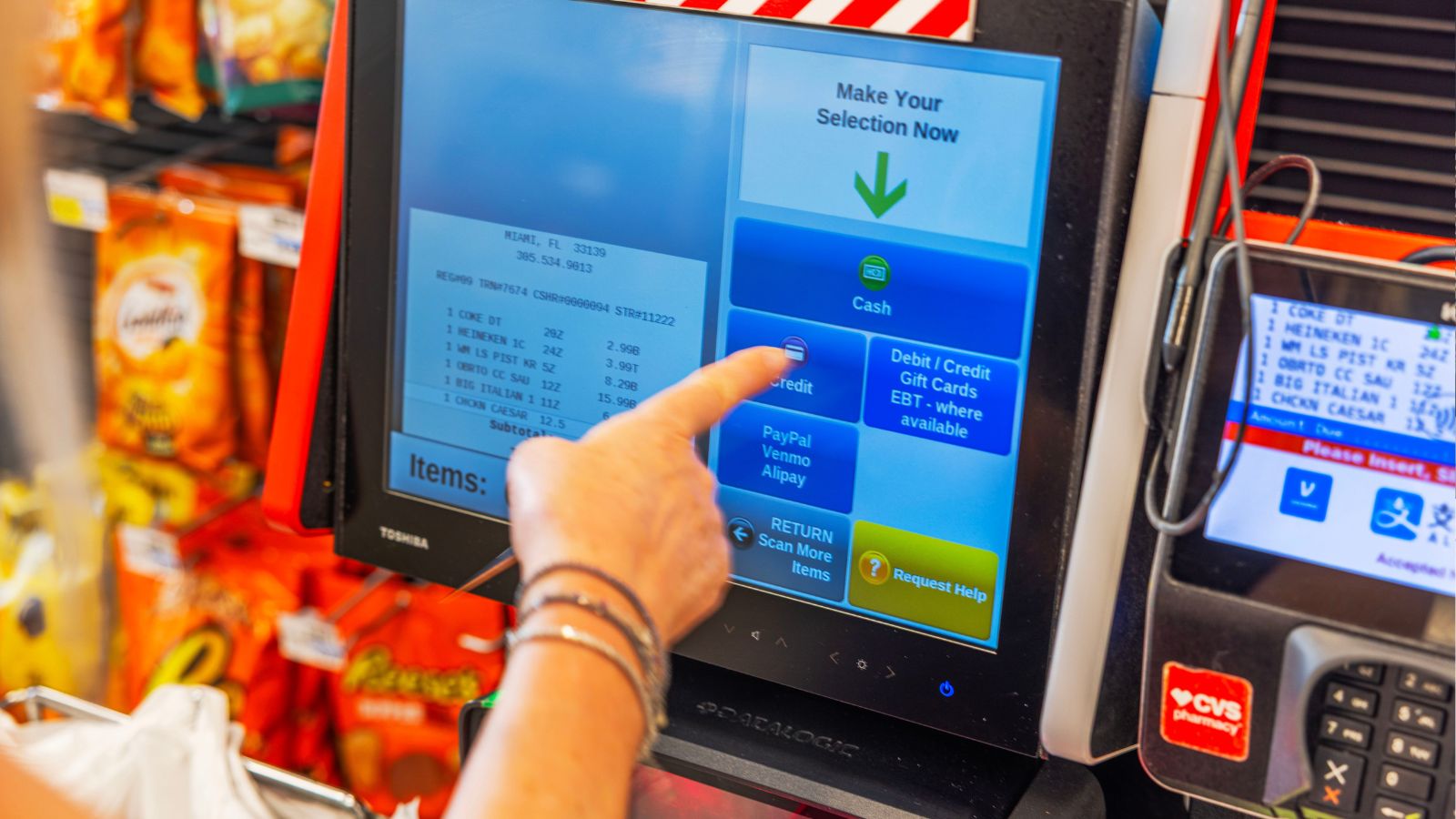
Self-checkout can be convenient, but it also gives shoppers more responsibility. Customers must scan items, enter produce codes, apply loyalty accounts, confirm coupons, approve substitutions, and watch for price differences. When a discount fails to apply, the shopper may not notice until the receipt prints. Unlike a cashier-led lane, there may be no automatic reminder that an offer requires a card, coupon, or quantity threshold.
The layout can also make intervention feel inconvenient. If a price looks wrong, shoppers may need to pause the transaction, flag an attendant, wait for approval, or cancel an item. During a busy evening rush, many simply accept the total. Retailers benefit from faster throughput and lower labour needs, but shoppers increasingly recognize that the convenience of self-checkout comes with more responsibility for catching errors.
Receipt Checks That Make Leaving Feel Like Another Step
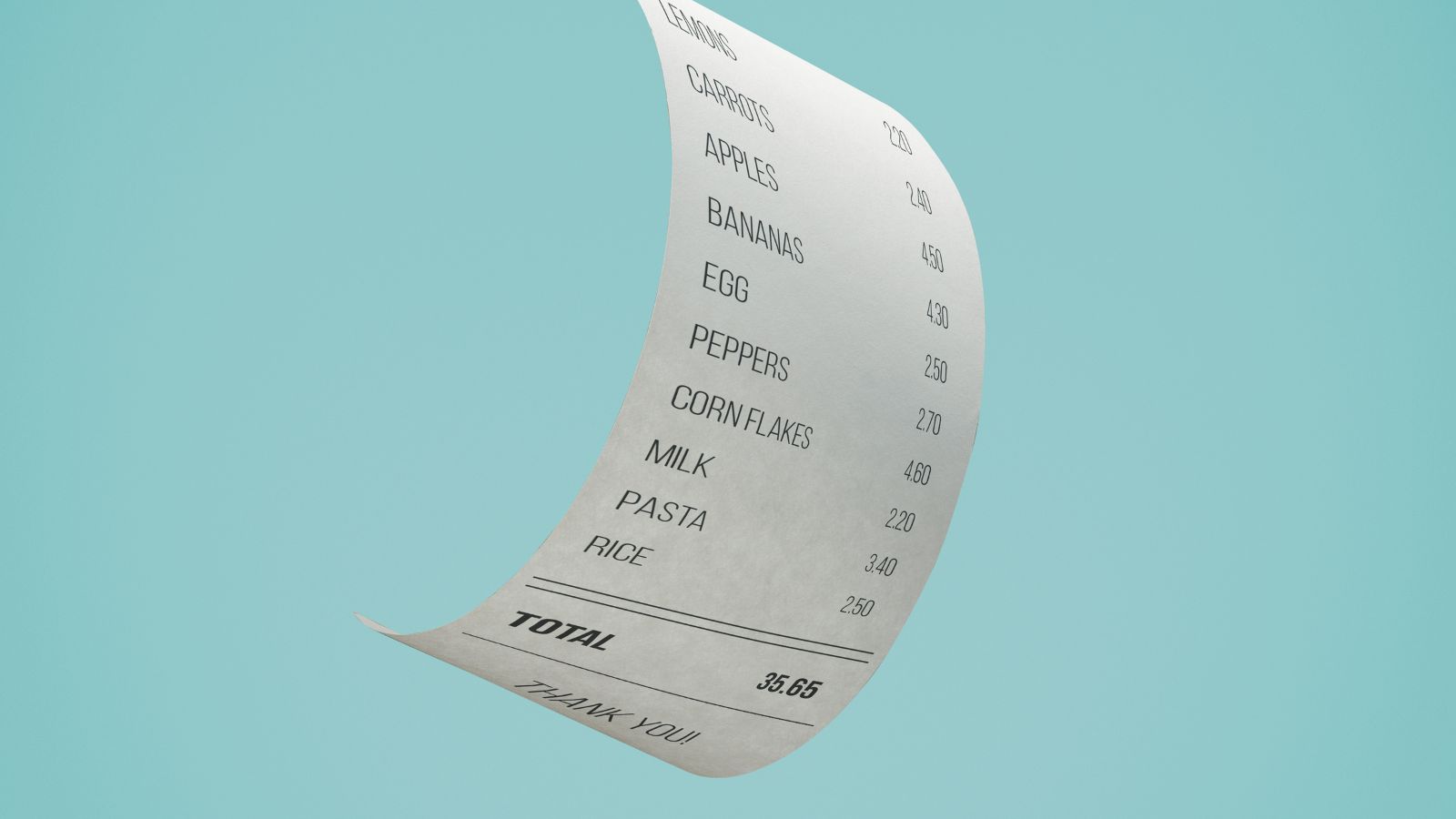
Receipt checks have become more visible at some stores, especially near self-checkout exits and warehouse-style retailers. The stated purpose is usually loss prevention, and retailers are under pressure to reduce theft and scanning errors. Still, the experience can feel jarring after a customer has already paid. Instead of leaving freely, the shopper is asked to prove that the purchase was legitimate.
The reaction depends heavily on context. At membership clubs, receipt checks are widely expected because members agree to store policies. At ordinary retail exits, shoppers may see the practice as more intrusive, particularly if it is applied inconsistently or creates a bottleneck. A family with a full cart may understand the security rationale while still feeling that checkout now ends with suspicion rather than service.
Scanner Price Errors Hidden in a Long Receipt
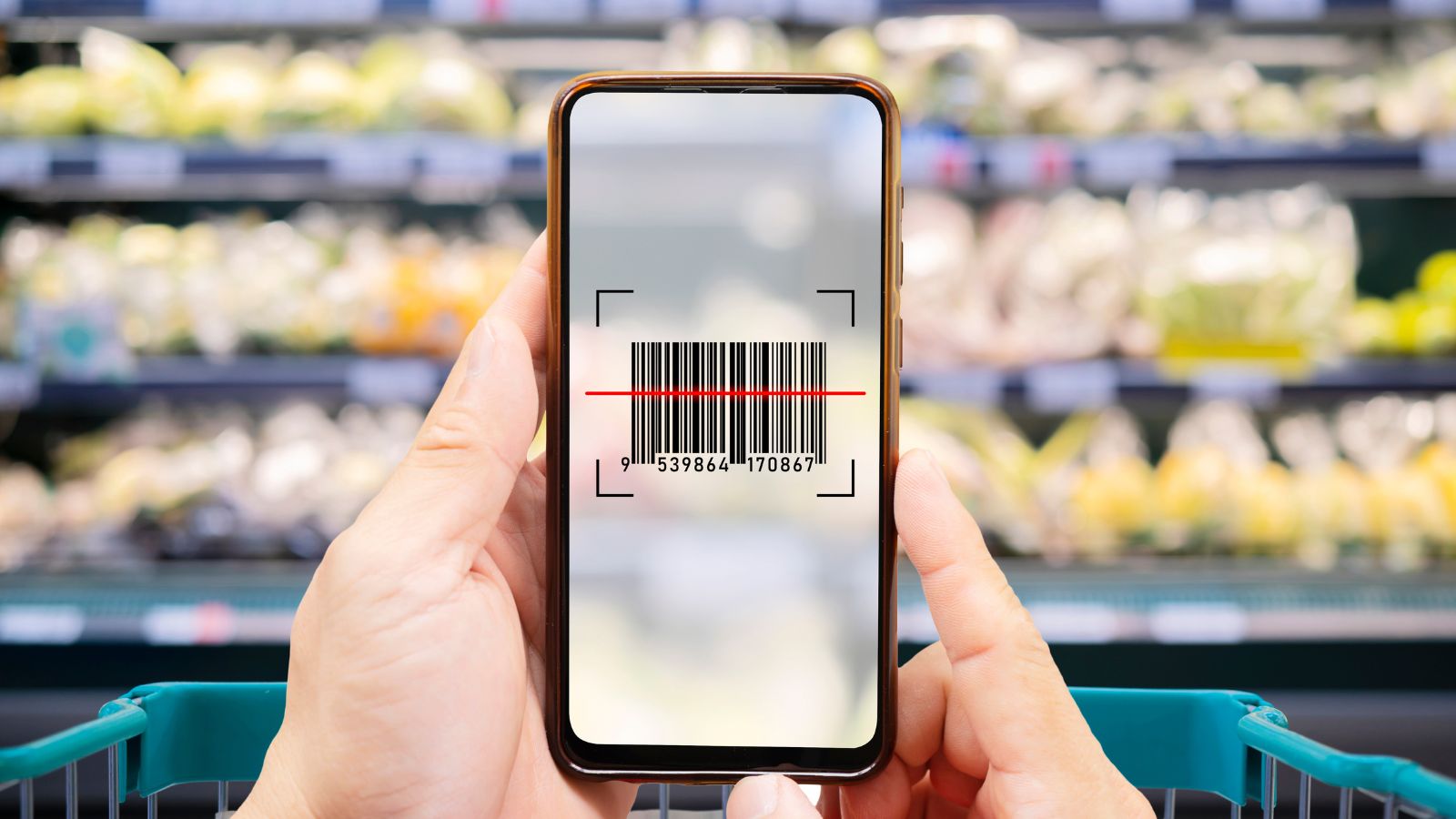
Price scanning errors are not new, but they are easier to miss when receipts are long, digital, or checked only after leaving the store. A shelf tag may show one price while the register scans another. The difference can be small, such as 30 cents on yogurt, or larger when sale tags have expired but remain on display. In Canada, scanner price accuracy has been important enough to generate a voluntary code supported by major retail organizations.
The checkout trick is not always intentional. It can come from outdated shelf labels, system delays, or promotion setup errors. But the burden often falls on shoppers to catch the difference. A cart with 45 items makes careful checking difficult, especially when children are waiting or the line is moving. Canadians who know the scanner accuracy rules may be better positioned to challenge mistakes before leaving.
“Limited Time” Checkout Offers That Create Urgency

Many online and app-based checkouts now include final-step promotions: add one more item for free shipping, unlock a discount with a bigger cart, claim a limited-time offer, or accept a bundle before it disappears. The psychology is straightforward. After a shopper has already chosen items and entered payment details, abandoning the cart feels less appealing, and adding one more product feels easier.
The extra item may be useful, but the urgency can blur judgment. A household ordering household basics may add batteries, snacks, or beauty products simply to cross a threshold. The final total rises, even if the shopper feels they “saved” on shipping or earned a bonus. This tactic is effective because checkout sits at the point where effort has already been invested and the purchase feels nearly complete.
Default Substitutions and Upgrades in Online Orders
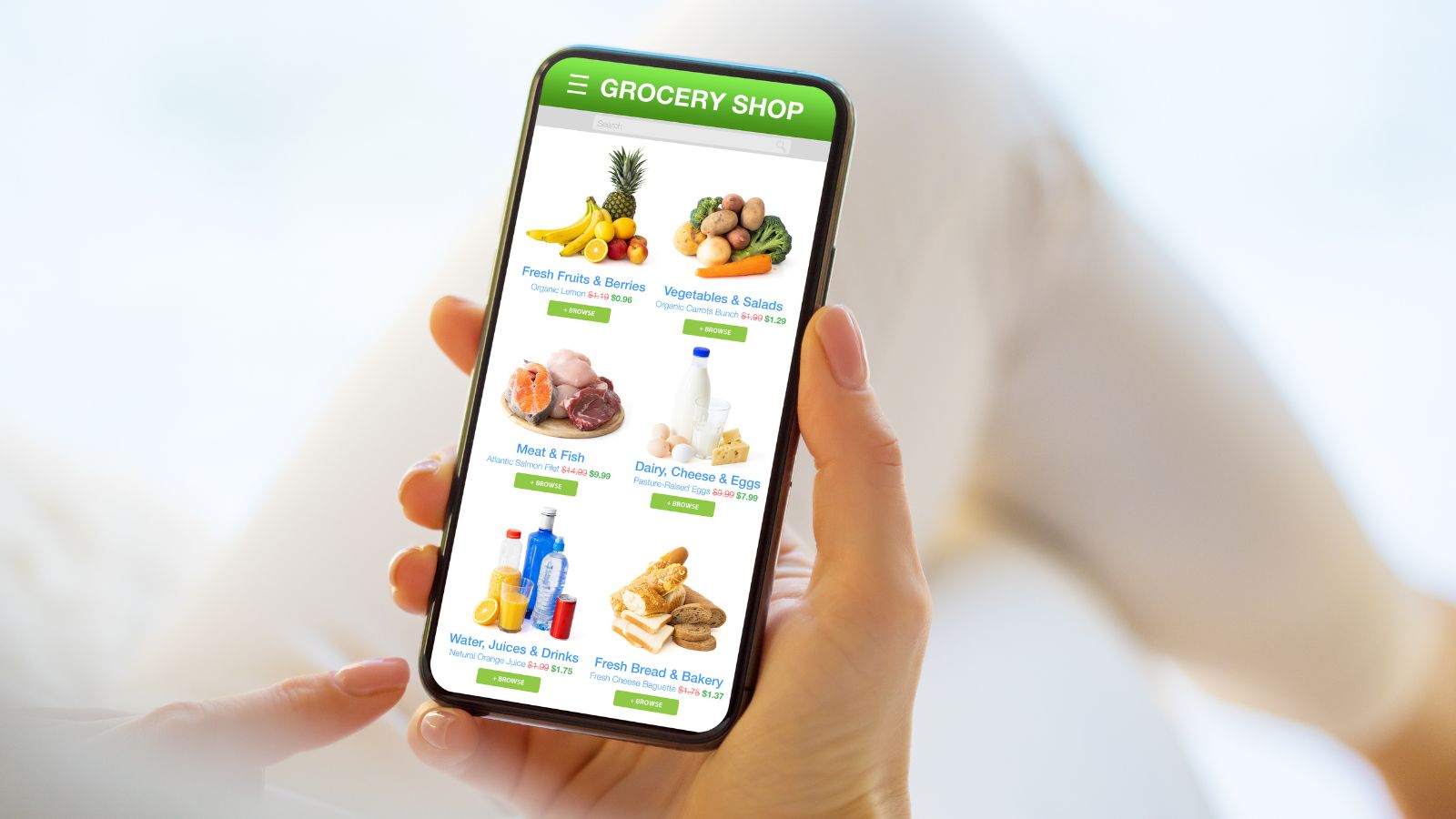
Online grocery and retail orders often involve substitutions when an item is out of stock. In some cases, customers can choose whether replacements are allowed. In others, the default setting may permit substitutions unless the shopper changes it. That can lead to a higher-priced brand, a larger size, or a slightly different product arriving with the order. The surprise may only become clear when the final receipt is reviewed.
Substitutions can be helpful when they prevent a missing dinner ingredient or household essential. The problem is control. A shopper who selected the cheapest pasta sauce or a sale-priced laundry detergent may not want a premium replacement. In a high-cost grocery environment, even a few substitutions can change the bill. Canadians using pickup or delivery increasingly need to check substitution settings as carefully as they check prices.
Bag Fees and Packaging Charges That Add Up Quietly

Reusable bag policies and single-use plastic restrictions have changed checkout habits across Canada. Many shoppers now bring bags from home, but forgotten bags can still add a charge at the till. Paper bags, reusable bags, insulated totes, and delivery packaging may each carry a fee depending on the retailer and order type. The individual cost is usually small, which is why it can slip by unnoticed.
Over time, the charge becomes more than symbolic. A shopper who forgets bags twice a week or uses frequent grocery delivery may spend far more on packaging than expected. Retailers may present these charges as environmental or operational necessities, and in many cases they are connected to broader waste-reduction policies. Still, the checkout lesson is simple: the final total can rise from items that were never part of the shopping list.
App-Only Receipts That Make Returns Harder

Digital receipts can be convenient, but they also push shoppers toward apps, email accounts, and loyalty profiles. Some retailers encourage paperless receipts by default, while others ask for an email address at checkout. The benefit is easy storage, but the downside appears later when a return, warranty claim, or price adjustment requires proof of purchase. A receipt buried in an app can be harder to find than a paper slip in a drawer.
This is especially frustrating when multiple household members shop under different accounts. One person may buy an item, another may try to return it, and the receipt may sit behind a login or loyalty profile. Retailers gain cleaner customer data and lower paper use, but shoppers lose some independence. A practical habit is to screenshot important receipts or forward them to a shared household email before the return window becomes urgent.
Checkout Screens That Emphasize Monthly Payments
For higher-priced items such as furniture, electronics, appliances, and mattresses, checkout screens often highlight financing, installment plans, or “pay later” options. The monthly amount can look manageable compared with the full price. A $1,200 purchase may feel less intimidating when framed as a series of smaller payments, especially when the approval process is fast and integrated into checkout.
The risk is that the payment structure changes how shoppers judge affordability. Fees, interest, missed-payment penalties, and multiple overlapping installment plans can make the real cost harder to track. Financing can be useful for planned purchases, but it becomes more questionable when offered on impulse items or upgrades. Canadians noticing these prompts are often reacting to the same concern: checkout is increasingly designed to make the bigger number feel smaller.
Personalized Offers Based on Shopping History

Loyalty apps and retail accounts allow stores to tailor offers based on past purchases. A shopper who often buys pet food may receive a targeted discount on treats; someone who buys baby products may see diaper offers. These promotions can be useful, but they also make pricing feel less universal. Two people standing in the same aisle may not have access to the same deal at checkout.
Personalized pricing and algorithmic offers raise broader questions about fairness, transparency, and competition. Even when retailers are only customizing coupons rather than changing base prices, the experience can feel opaque. Shoppers may wonder whether they are being rewarded for loyalty or nudged to keep buying the same brands. The trick is that the checkout price can depend not only on the product, but also on the profile attached to the shopper.
Final Totals That Arrive Too Late in the Buying Journey
The most familiar checkout frustration is still the simplest: the final price appears only after taxes, fees, deposits, bag charges, delivery costs, service charges, and payment choices are added. In physical stores, this may happen at the register. Online, it may happen after the customer has created an account, entered an address, selected shipping, and moved close to payment. By then, walking away feels like wasted effort.
Canadian regulators have paid growing attention to drip pricing and hidden-fee practices, especially where mandatory charges make advertised prices unattainable. Retailers are not always doing something unlawful when totals rise at checkout; taxes, deposits, shipping, and optional add-ons can be legitimate. But shoppers are noticing the pattern. The more the real total is delayed, the less trustworthy the advertised price feels.
19 Things Canadians Don’t Realize the CRA Can See About Their Online Income

Earning money online feels simple and informal for many Canadians. Freelancing, selling products, and digital services often start as side projects. The problem appears at tax time. Many people underestimate how much information the CRA can access. Online platforms, banks, and payment processors create detailed records automatically. These records do not disappear once money hits an account. Small gaps in reporting add up quickly.
Here are 19 things Canadians don’t realize the CRA can see about their online income.
