The old middle-class script in Canada used to come with familiar rituals: a restaurant meal after payday, a fresh phone before the old one truly died, a summer trip, a second vehicle, a few subscriptions, and quiet confidence that small upgrades were part of normal life. That rhythm has changed. Rising shelter costs, grocery pressure, debt payments, and cautious consumer expectations have made many households more selective without turning every decision into a public declaration.
Across these 17 habits, the shift is less about dramatic sacrifice and more about subtle editing. Canadians are not always saying they are cutting back. They are simply ordering less, waiting longer, repairing more, sharing costs, and letting certain middle-class customs fade into “maybe later.”
Restaurant Nights That Used to Feel Routine
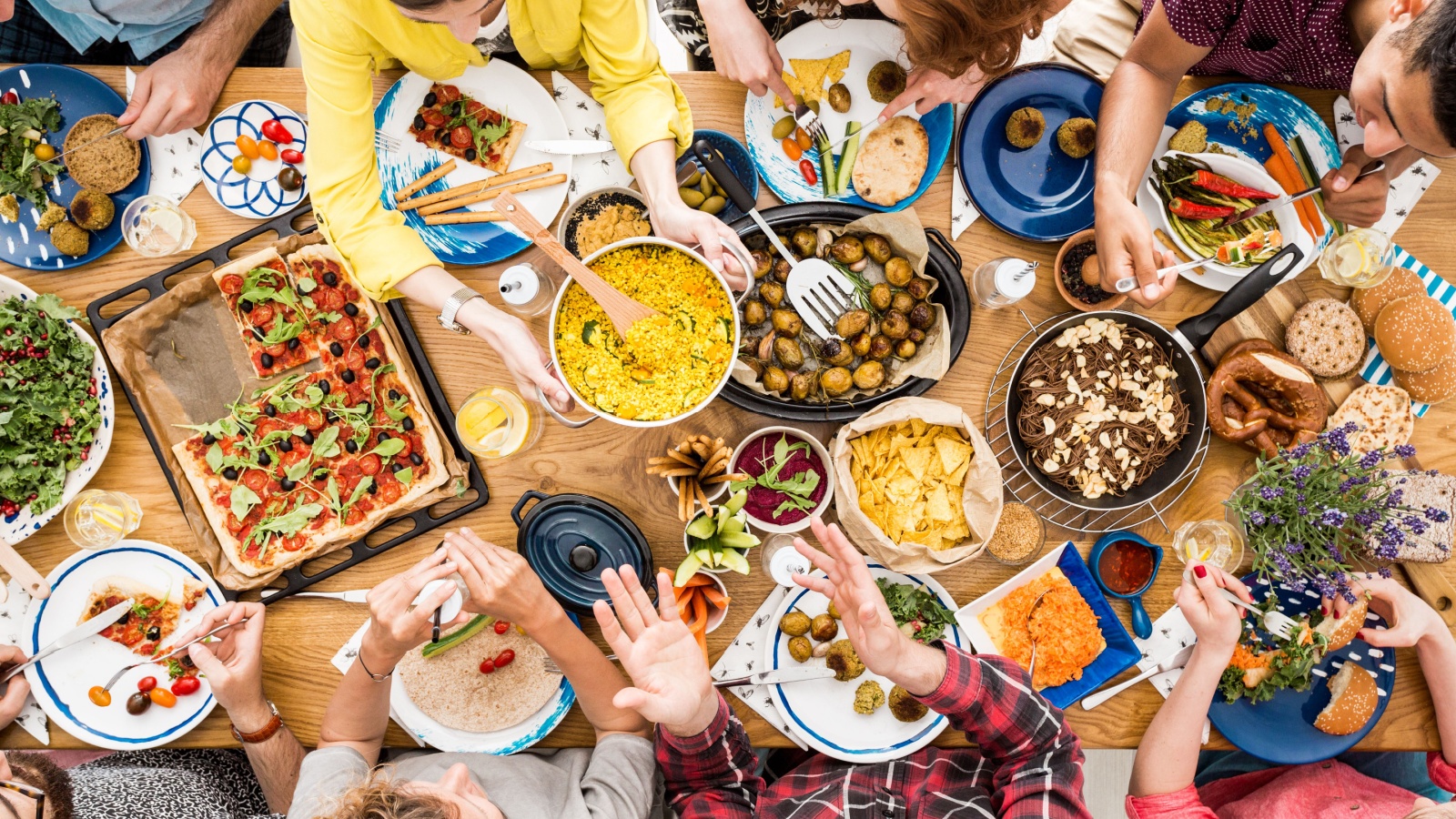
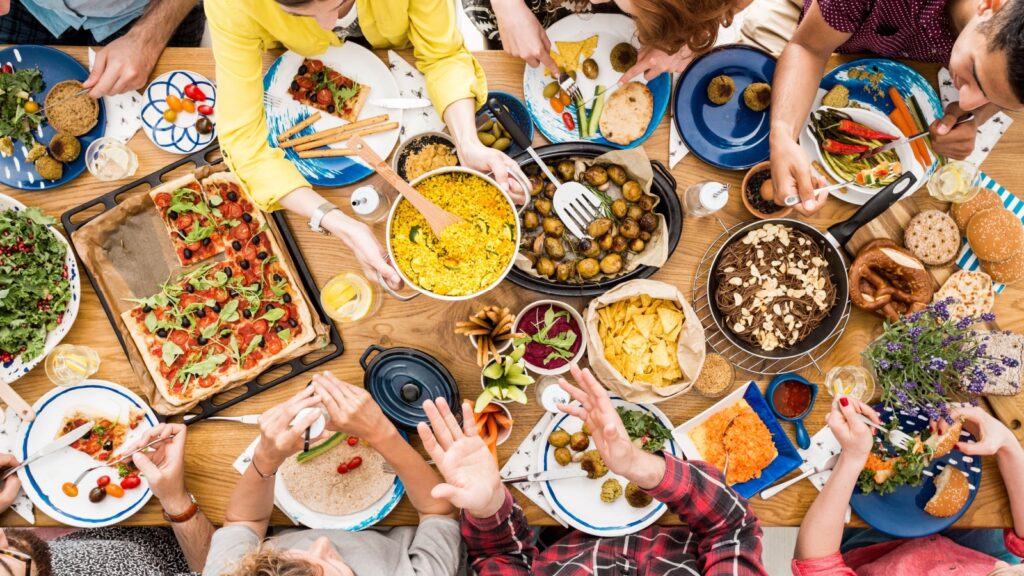
For many middle-class households, restaurant meals once worked like social punctuation: Friday dinner, Sunday brunch, a birthday lunch, or takeout after a long commute. That habit is becoming less automatic. Food service sales may still look strong in dollar terms, but higher menu prices mean families can spend more while going out less often or choosing less expensive places.
The quiet change shows up in smaller decisions. A couple may still meet friends, but choose coffee instead of dinner. Parents may celebrate a child’s report card with grocery-store sushi rather than a chain restaurant bill. The experience is not disappearing; it is being rationed. Dining out now has to feel worth the receipt, especially when groceries, rent, mortgages, and transportation are already claiming a larger share of monthly income.
Food Delivery as an Emergency Option
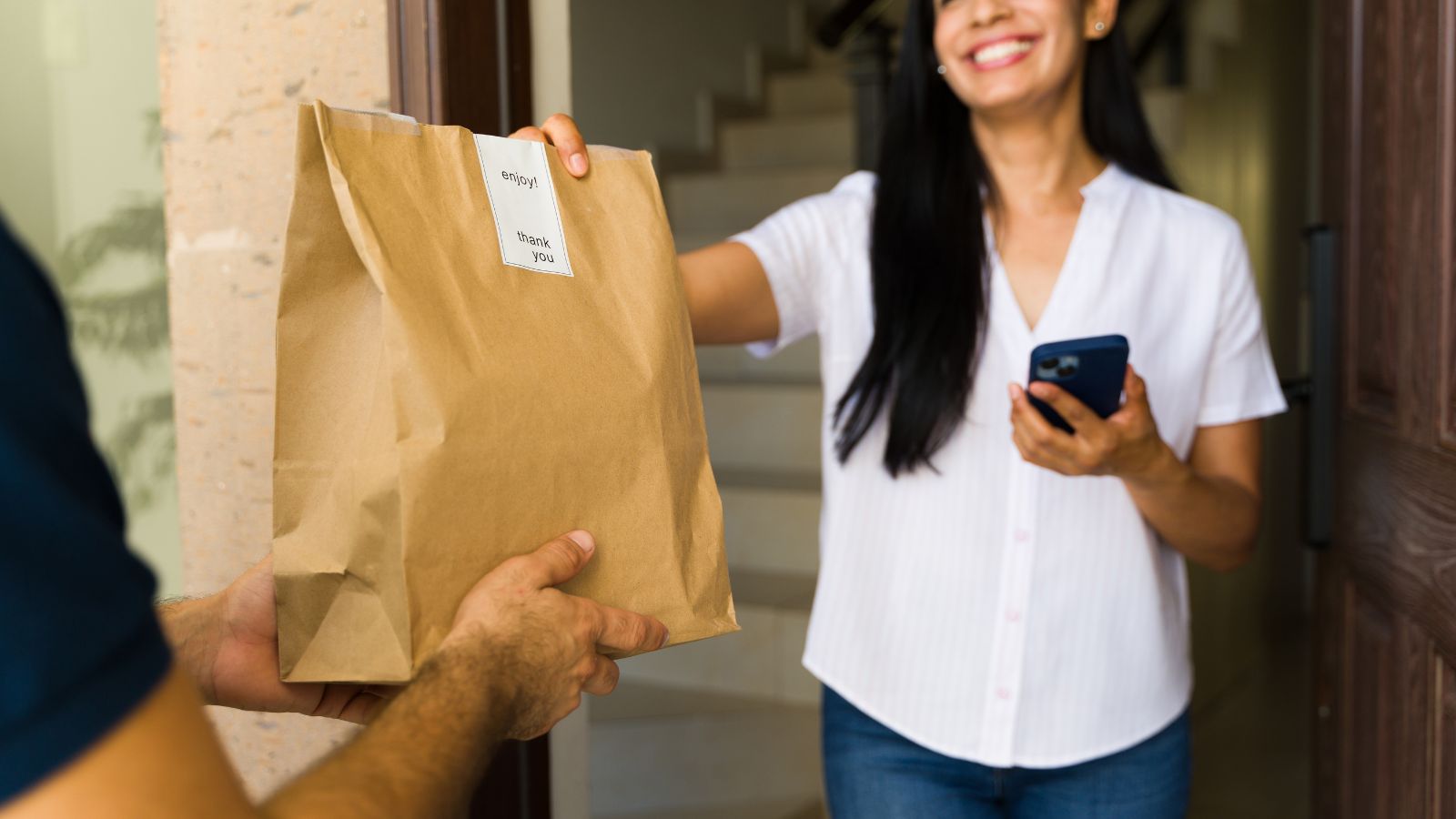
Delivery apps made restaurant meals feel effortless, but the full cost has become harder to ignore. Menu markups, service fees, delivery charges, taxes, and tips can turn a modest order into something closer to a utility bill. Many Canadians are not deleting the apps with a grand announcement; they are simply opening them less often.
The replacement is usually practical rather than glamorous. Freezer meals, rotisserie chicken, leftovers, meal prep, and “breakfast for dinner” are filling the gap. In many households, delivery has moved from routine convenience to bad-weather backup, illness support, or a once-in-a-while treat. The habit changed because the math became too obvious. A family order that once felt like a harmless time-saver now competes with gas, school expenses, and the next grocery run.
Buying the Brand Without Checking the Unit Price
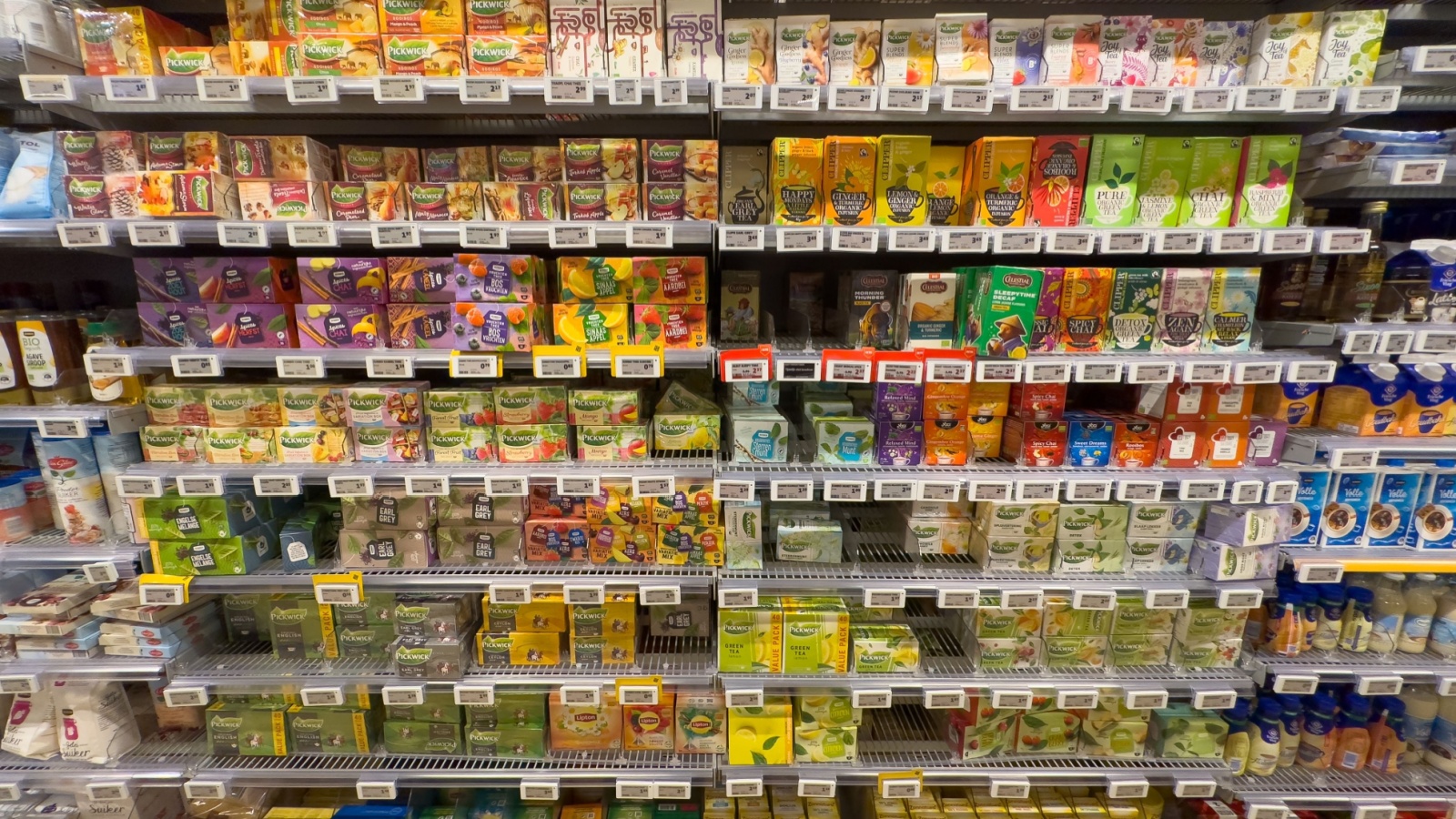
Middle-class shopping used to include a quiet kind of loyalty: the same cereal, the same coffee, the same detergent, the same cheese. That loyalty is weakening as more shoppers compare sizes, private-label options, and price-per-100-grams labels. Grocery inflation trained households to look beyond the sale sticker and ask whether the package itself got smaller.
The new habit is less sentimental. A parent who once insisted on a specific snack brand may switch after noticing the store brand disappears from lunch boxes just as quickly. A household may rotate between grocers, discount banners, warehouse clubs, or loyalty offers rather than stick with one familiar cart. The shift does not always feel like deprivation. Sometimes it feels like refusing to pay a premium for packaging, nostalgia, or a brand name that no longer fits the budget.
Annual Vacations That Happen by Default

The yearly getaway has become one of the easiest habits to postpone quietly. Flights, hotels, meals, rental cars, travel insurance, exchange rates, and attraction fees can add up quickly, especially for families travelling during school breaks. Even when travel remains important, the automatic assumption that every year needs a major trip has weakened.
Many households are substituting shorter drives, camping, visiting relatives, off-season bookings, or staying within Canada. Some are skipping U.S. trips because the exchange rate and cross-border costs make the final bill feel unpredictable. The language around it is often gentle: “This year is busy,” “We’ll do something local,” or “Maybe next summer.” Behind those phrases is a real budget adjustment. Travel has not lost its emotional pull, but it now has to clear a higher financial bar.
Replacing Phones Before They Actually Fail

The old upgrade cycle made a new phone feel almost normal every couple of years. Better cameras, faster screens, and carrier promotions encouraged people to treat devices as lifestyle signals. Now, more Canadians are holding on longer, replacing batteries, buying refurbished models, or waiting until a device becomes genuinely frustrating.
Telecom costs play a role, but so does fatigue. Many upgrades no longer feel dramatic enough to justify another monthly payment. A phone that still texts, maps, banks, streams, and takes decent photos is harder to abandon when groceries and housing have become more expensive. The quiet middle-class adjustment is practical: fewer people are chasing the newest model just because it exists. The device stays in the case, the case gets replaced, and the household moves on.
Keeping Every Streaming Subscription Active
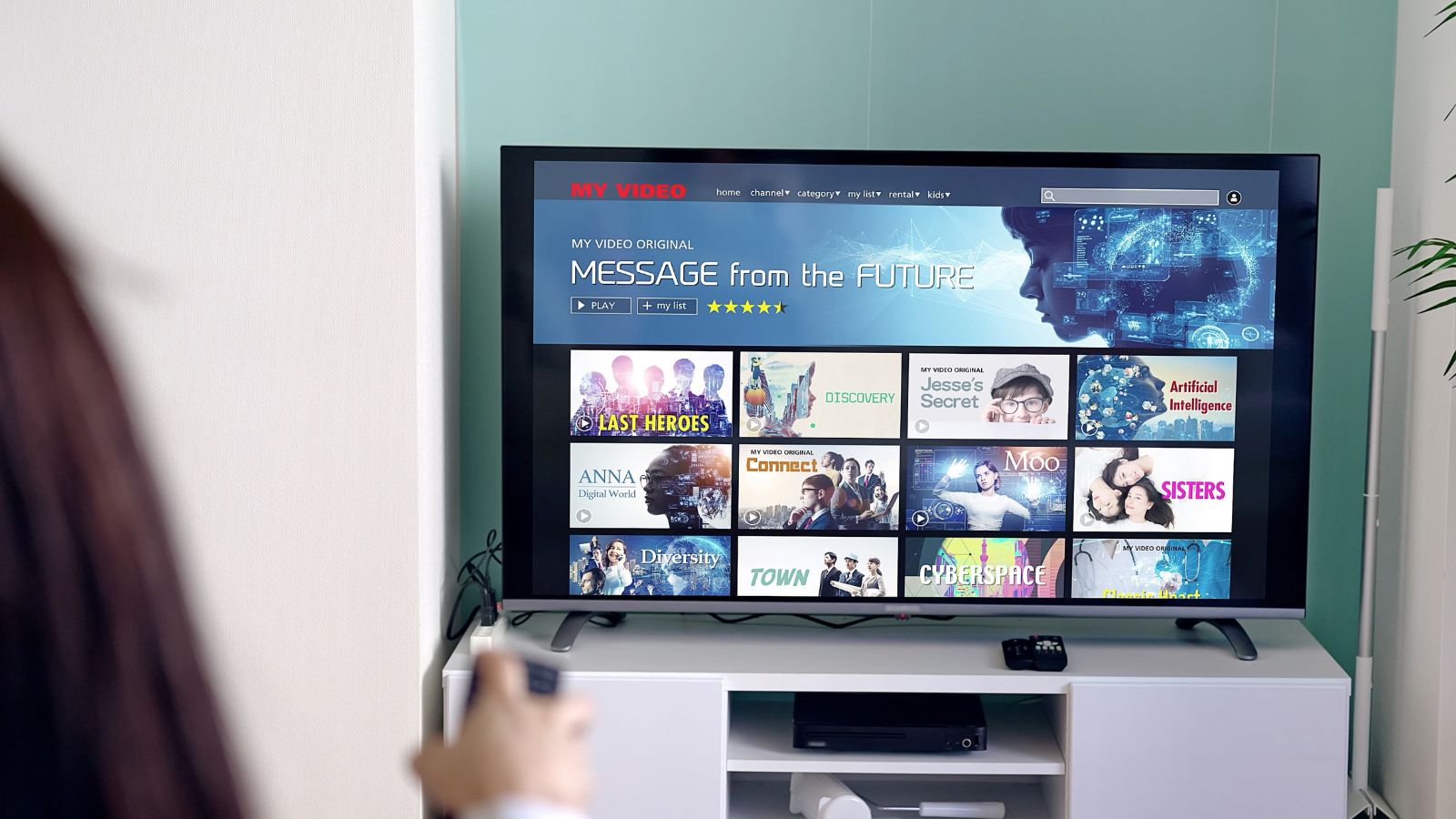
Streaming was supposed to be the cheaper, simpler alternative to cable. For a while, it felt that way. Then the subscriptions multiplied: one for prestige shows, one for kids, one for sports, one bundled with shipping, one for music, one for cloud storage, and another that everyone forgot to cancel. The total became harder to defend.
Canadians are increasingly treating subscriptions like rotating memberships rather than permanent utilities. A family might keep one service for a month, finish a series, then cancel before trying another. Ad-supported tiers, password rules, and price increases have also made people more alert. The old habit was keeping everything “just in case.” The new habit is asking whether anyone has watched it lately. Entertainment remains important, but the subscription pile is being trimmed with sharper scissors.
Owning a Second Vehicle Just Because It Seems Normal

In many suburbs and smaller communities, two vehicles once felt like the default badge of adulthood. Separate commutes, kids’ activities, errands, winter weather, and limited transit made it seem unavoidable. But with insurance, maintenance, fuel, financing, parking, repairs, and depreciation rising, the second vehicle is being questioned more seriously.
Some households are stretching one vehicle further through carpooling, remote work days, transit, biking, walking, car-sharing, or careful scheduling. It can be inconvenient, but the savings are too large to ignore. The shift is especially noticeable when one car sits unused most of the week. Instead of proudly announcing a lifestyle change, families simply delay replacing the older vehicle. The second set of keys stays on the hook a little longer, and eventually the household realizes it may not need them.
Renovating for Looks Instead of Necessity

The pandemic years made home improvement feel almost compulsory. Kitchens, decks, basements, offices, and backyards became symbols of comfort and control. That energy has cooled. Higher borrowing costs, labour shortages, material prices, and general uncertainty have made cosmetic renovations easier to delay.
The new middle-class approach is more defensive. Leaky roofs, unsafe steps, inefficient furnaces, and broken appliances still get attention, but “dream kitchen” plans are more likely to become phased projects or smaller fixes. Cabinet paint replaces cabinet replacement. A new faucet stands in for a full bathroom refresh. Homeowners are not necessarily giving up on improving their space; they are separating maintenance from aesthetics. The question has shifted from “Would this look better?” to “Does this need to happen now?”
Buying Everything New
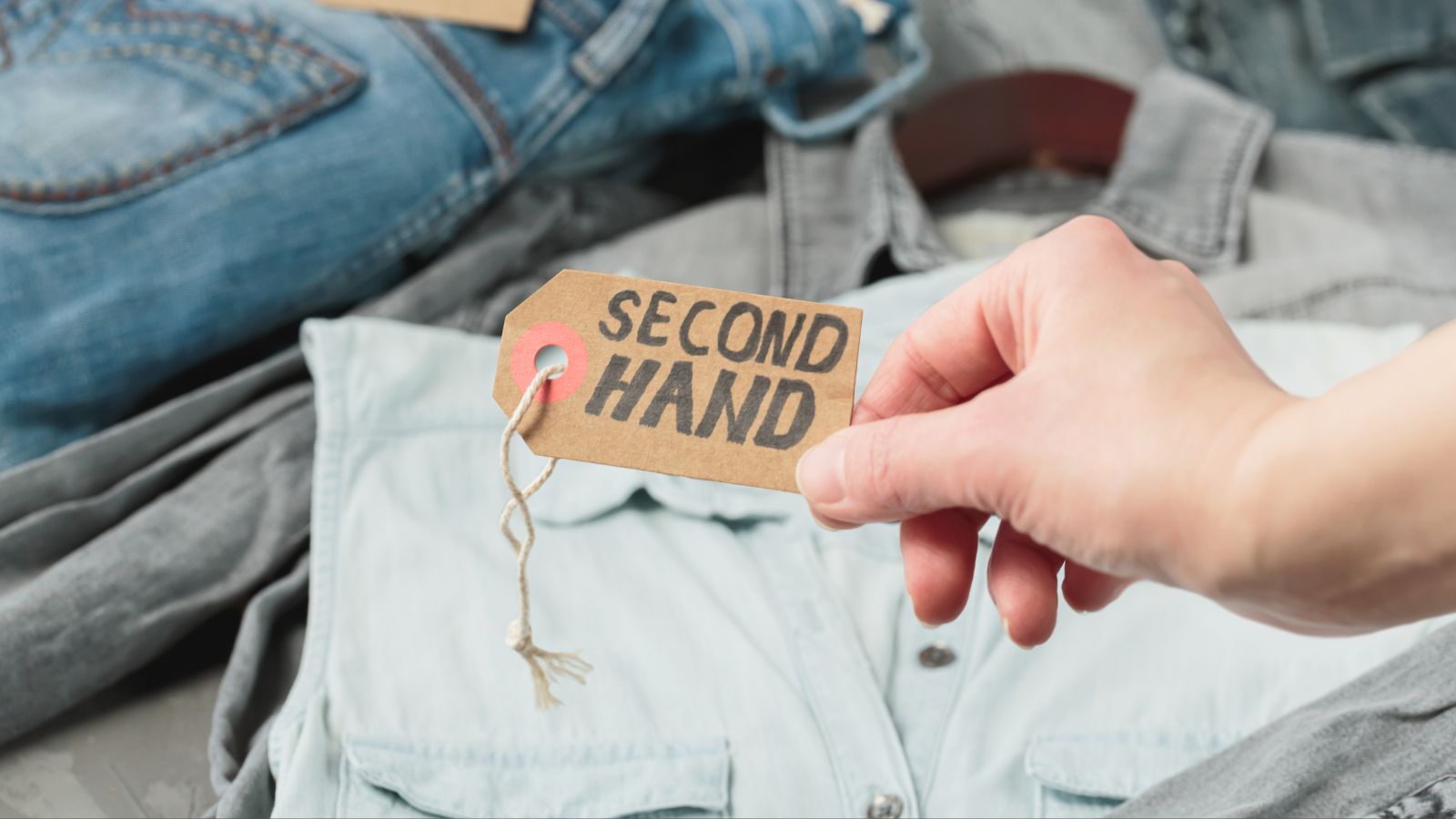
Second-hand shopping has moved from necessity to strategy. Clothing, children’s gear, furniture, sports equipment, books, tools, and small appliances are increasingly common finds on resale platforms, thrift stores, community groups, and neighbourhood swaps. For middle-class Canadians, buying used no longer carries the same stigma it once did.
The appeal is not only price. It is also speed, sustainability, and the satisfaction of avoiding retail markups. A barely used snowsuit, a solid wood table, or a bike outgrown by another child can feel like a smarter purchase than a compromise. Parents especially know how quickly children move through sizes, hobbies, and gear. The quiet habit being dropped is the assumption that new automatically means better. In many homes, “used but good” has become the preferred category.
Paying for Fitness That Does Not Fit the Schedule

Gym memberships, boutique classes, and specialty fitness studios can be motivating, but they are also easy to underuse. When household budgets tighten, recurring fees that rely on optimism become vulnerable. Many Canadians are not declaring an end to fitness spending; they are simply cancelling the membership they barely used.
The replacement varies. Some people walk more, follow online workouts, use condo gyms, lift second-hand weights at home, or join community recreation programs. Others keep one paid activity and drop the extras. The change reflects a broader move away from aspirational spending. A membership once represented the person someone hoped to be three evenings a week. Now the question is more concrete: Was it actually used last month? If the answer is no, the cancellation becomes easier.
Overbuilding Kids’ Birthdays and Activities

Children’s birthdays and extracurriculars have become expensive territory. Party rooms, themed cakes, loot bags, indoor playgrounds, sports fees, uniforms, equipment, tournaments, lessons, and camps can turn ordinary family life into a sequence of payments. Many parents are quietly simplifying without making it a moral statement.
Backyard parties, shared celebrations, homemade cakes, fewer loot bags, one activity per season, used sports gear, and community programs are becoming more attractive. The goal is not to make childhood smaller; it is to make it less financially performative. A child often remembers who showed up more than how much the party cost. Middle-class parents are increasingly realizing that the pressure to keep up with other families can be more expensive than the activity itself.
Hosting Like Every Gathering Needs a Full Spread

Canadians still like gathering around food, but the old expectation that one household should provide everything is fading. A casual dinner can become expensive quickly when meat, cheese, drinks, desserts, paper goods, and special diets are added to the cart. Hosting has become less about abundance and more about sharing the load.
Potlucks, snack nights, soup dinners, brunch at home, and “bring what you drink” invitations are becoming normal again. The change often makes gatherings easier, not worse. Guests understand grocery costs because they are facing them too. A host who once felt pressure to produce a magazine-style table may now serve chili, bread, and one dessert without apology. The middle-class habit being dropped is the quiet belief that hospitality must be expensive to be generous.
Browsing the Mall as a Weekend Activity

For decades, mall browsing was entertainment as much as shopping. People went for a coffee, wandered stores, tried on clothes, bought small things, and came home with bags that were not strictly planned. That habit is losing ground as discretionary spending faces more scrutiny and online comparison has changed how people buy.
The shift is subtle. Families still visit malls, but more often with a purpose: shoes for school, a winter coat, a phone repair, a return, or a specific gift. Random browsing has become riskier because every impulse purchase competes with higher fixed costs. Some shoppers are moving to outlets, thrift stores, discount retailers, or online carts that sit unpurchased for days. The old pleasure of buying “just because” has not vanished, but it is less casual than it used to be.
Replacing Furniture Before It Is Truly Worn Out
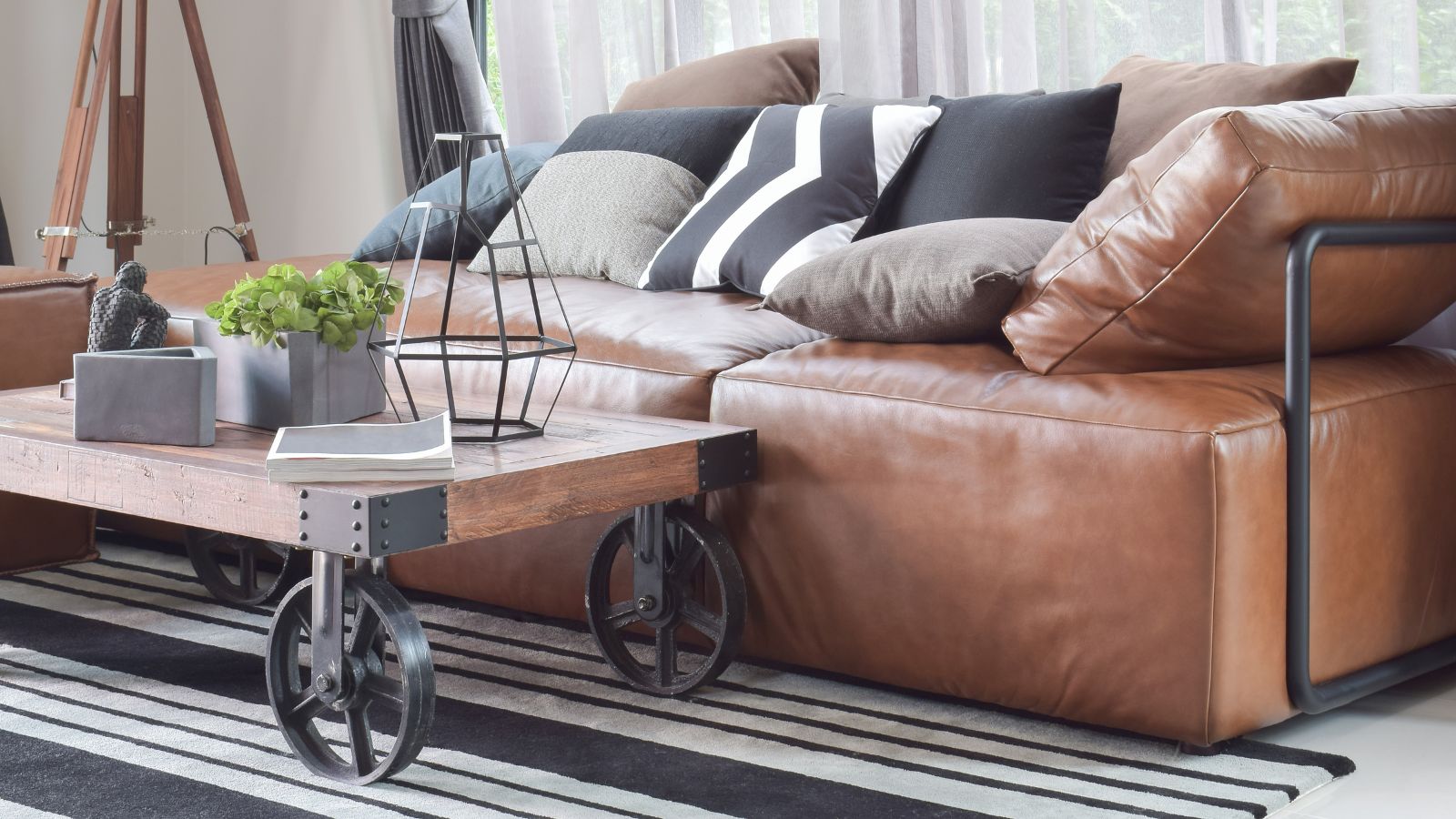
A new sofa, mattress, dining set, or patio set once felt like a normal upgrade after a move, renovation, or change in taste. Now, more households are stretching the life of what they already own. Slipcovers, repairs, marketplace finds, reupholstery, and rearranging rooms are replacing automatic trips to furniture stores.
This is partly about price, but also about uncertainty. Large purchases feel heavier when interest rates, rents, mortgages, and job security are on people’s minds. A scratched table can be lived with. A dated bedroom set can wait. Even when families can afford replacements, they may prefer to keep cash available for emergencies. The middle-class habit being dropped is not comfort itself; it is the idea that every life stage needs a fresh set of matching furniture.
Tipping Everywhere Without Thinking
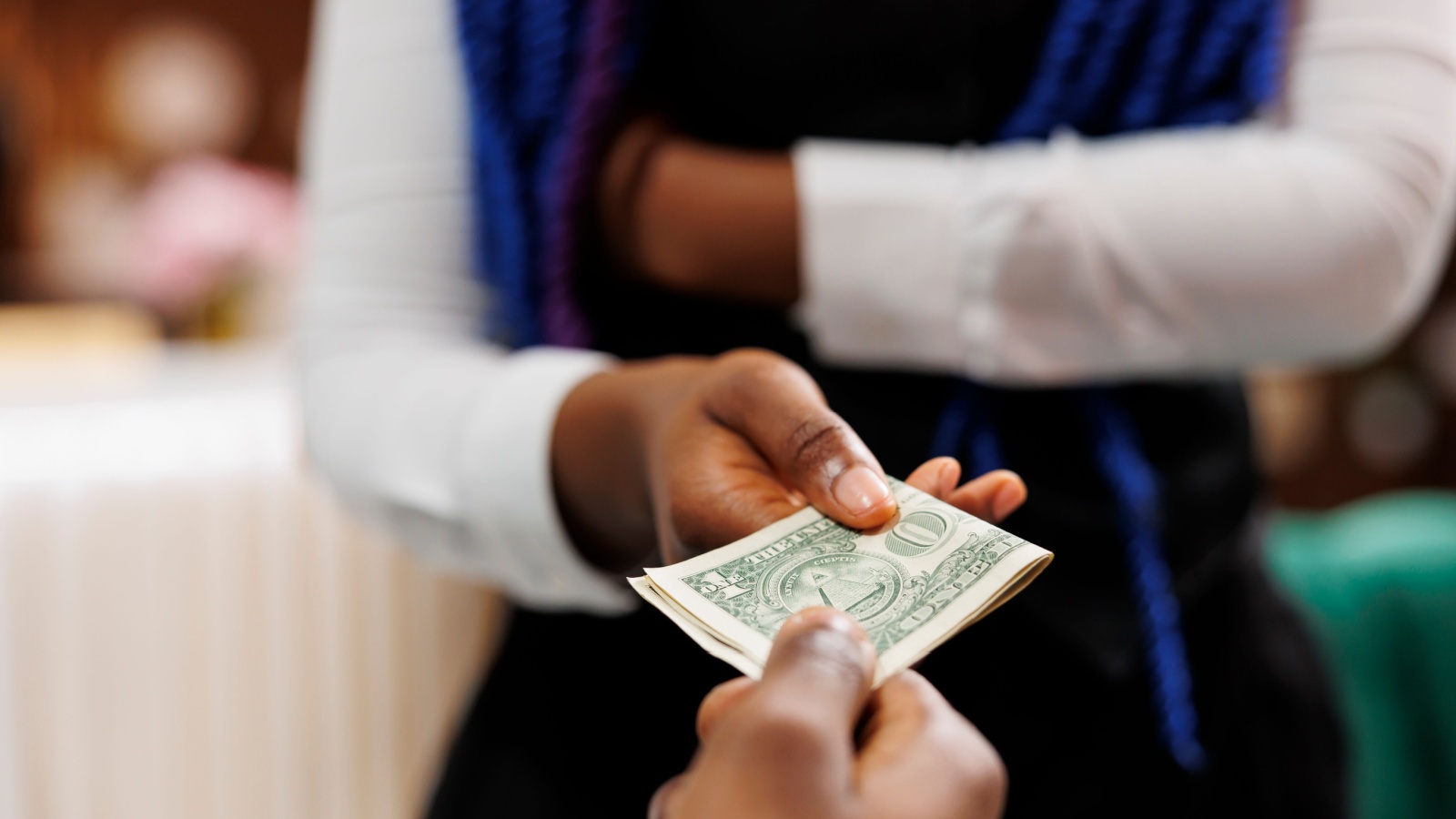
Tipping in Canada has expanded beyond traditional table service into counters, tablets, takeout, cafes, delivery, salons, and other everyday transactions. Many customers still tip, but the automatic reflex is weakening. The moment a screen suggests 18, 20, or 25 percent for a quick purchase, people are pausing.
This does not mean Canadians have stopped caring about service workers. It means more households are setting personal rules. They may tip generously for sit-down meals, haircuts, or delivery in bad weather, while choosing smaller amounts or no tip for counter service. The habit being dropped is guilt-driven tapping. In an environment where prices are already higher, consumers are paying closer attention to what is optional, what is expected, and what fits their own financial reality.
Buying Status Items to Signal Stability

Middle-class life has long included small signals of arrival: the nicer coat, the upgraded vehicle trim, the premium appliance, the latest device, the brand-name bag, or the bigger holiday gift. Those purchases still exist, but more Canadians are becoming selective about which signals matter. Quiet financial security is starting to outrank visible proof.
The change is easiest to see in conversations that never happen. Someone keeps the older car instead of explaining why. A family chooses a smaller holiday gift exchange. A professional wears the same winter coat another year. These choices may look ordinary from the outside, but they reflect a deeper reprioritization. When debt servicing and shelter costs absorb more income, the desire to appear comfortable loses some of its power. Stability becomes less about display and more about breathing room.
Treating Upward Mobility as a Straight Line
A bigger home, bigger vehicle, bigger vacation, bigger celebration, and bigger lifestyle once formed a familiar middle-class ladder. More Canadians are stepping off that ladder quietly. Not because ambition disappeared, but because the old sequence has become harder to finance and less convincing as a measure of success.
The new pattern is uneven and personal. Some households stay in smaller homes longer. Others rent by choice or necessity, delay cottage dreams, avoid major loans, or prioritize savings over upgrades. Life still moves forward, but not always in the visible ways previous generations expected. The habit being dropped is the assumption that progress must look larger from the outside. For many Canadians, progress now means fewer obligations, more flexibility, and the ability to absorb the next bill without panic.
22 Things Canadians Do to Their Cars in Spring That Mechanics Hate

Spring brings relief to many Canadian drivers after months of snow, freezing temperatures, and icy roads that put serious strain on vehicles. As temperatures rise across the country, drivers begin washing cars, switching tires, and preparing vehicles for warmer weather and upcoming road trips. However, mechanics across Canada notice the same mistakes every spring when drivers attempt to recover from winter damage. Road salt, potholes, and harsh winter driving conditions often leave vehicles with hidden problems that drivers ignore. Some spring habits even create new mechanical issues that could have been avoided with proper maintenance. Here are 22 things Canadians do to their cars in spring that mechanics hate.
