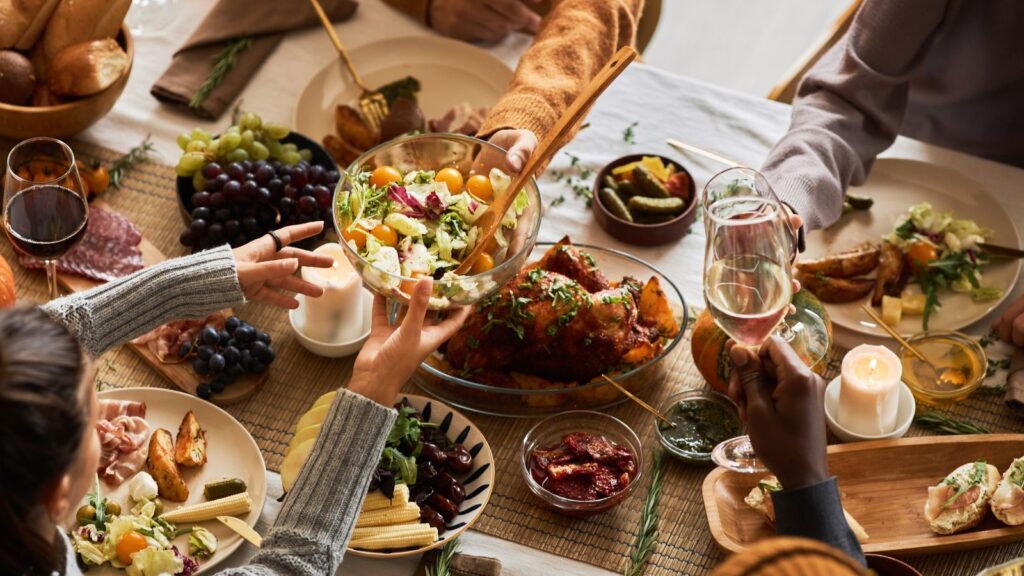
Canadian Thanksgiving still arrives on the second Monday of October, and turkey, stuffing and pumpkin pie remain familiar sights. Yet the holiday taking shape around those traditions looks increasingly different from the one many families remember. Demographic change, smaller households, rising food costs, new dietary expectations and shifting ideas about family are all influencing what happens around the table.
The transformation is not happening uniformly, and many long-established customs remain strong. Instead, old and new versions of Thanksgiving are increasingly existing side by side. These 17 signs show how wider changes in Canadian life are gradually turning Thanksgiving into a more flexible, diverse and complicated holiday.
Smaller Tables Are Becoming More Normal

The enormous Thanksgiving table packed with several generations of relatives is hardly disappearing, but it no longer reflects the way a large share of Canadians live. In the 2021 Census, 29.3% of Canadian households consisted of just one person, making one-person households the country’s most common household type. The average private household contained only about 2.4 people. Those numbers create a very different starting point for holiday planning than the large nuclear-family households often associated with traditional Thanksgiving imagery.
That does not necessarily mean Canadians are celebrating alone. A person living solo may travel to relatives, invite neighbours or join friends elsewhere. What changes is the assumption that a Thanksgiving gathering automatically begins with a large household under one roof. Smaller turkeys, half-sized recipes and intimate dinners make more practical sense in that environment. For many Canadians, Thanksgiving can now mean four people around a condo table rather than 14 people squeezed into a suburban dining room.
The Menu Is Becoming More Multicultural
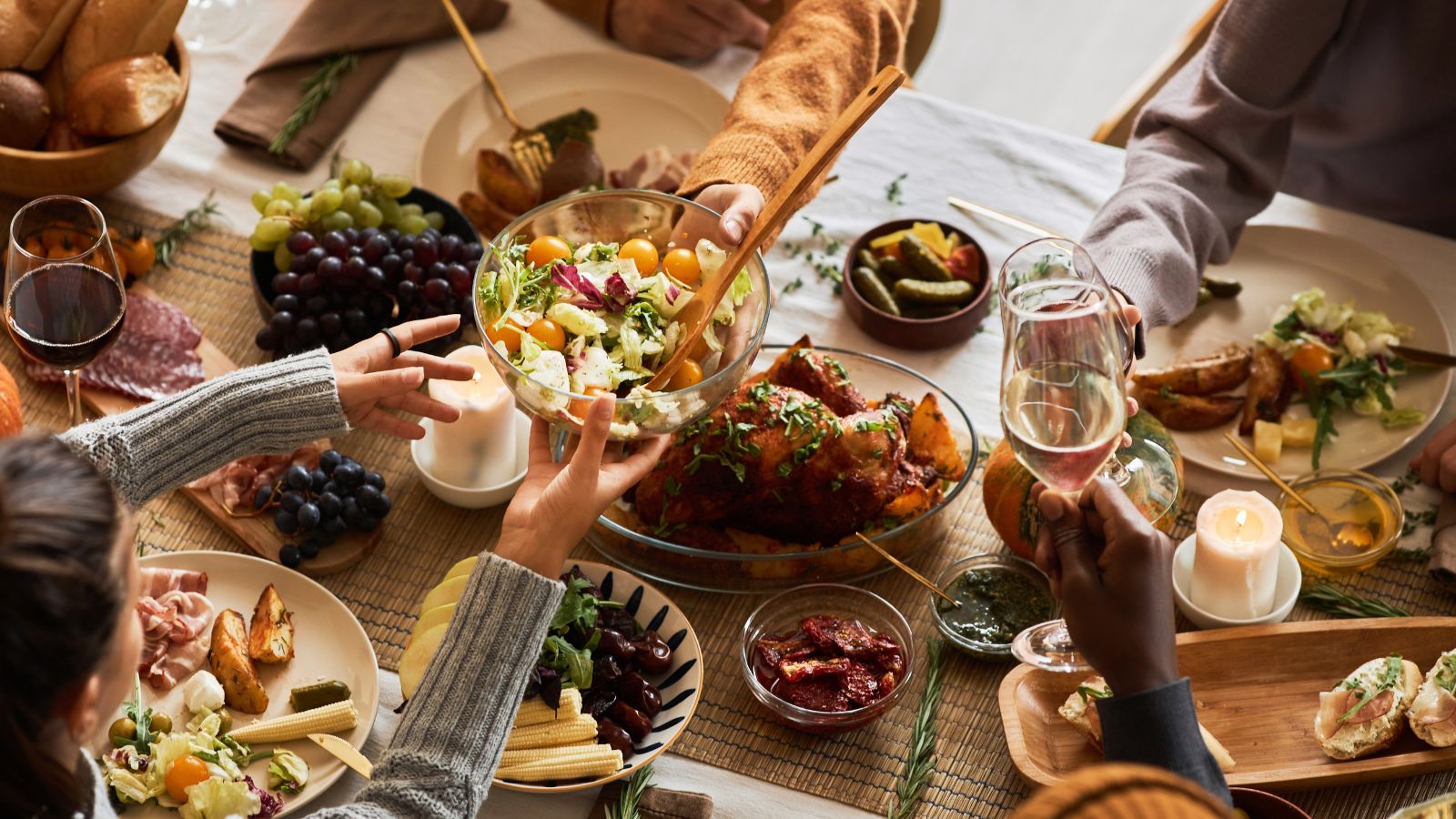
Canada’s Thanksgiving table increasingly reflects the population that sits around it. Immigrants represented 23% of the population counted in the 2021 Census, the highest proportion in more than 150 years. Recent immigrants also arrived from a remarkably broad range of countries, with India, the Philippines and China among the largest sources during the 2016-to-2021 period. That diversity naturally creates opportunities for family food traditions to mix rather than disappear when Thanksgiving arrives.
A household can therefore serve roast turkey without treating mashed potatoes, gravy and cranberry sauce as the only acceptable companions. South Asian spice blends, Filipino noodles, Chinese vegetable dishes, Caribbean sides, Middle Eastern salads or African recipes can sit comfortably beside conventional Canadian favourites. In some homes, the older Thanksgiving staples become just one layer of the meal. The result is less a replacement of Canadian tradition than an expansion of it—a holiday table capable of telling several family stories at once.
Turkey Still Matters, but It No Longer Owns the Table
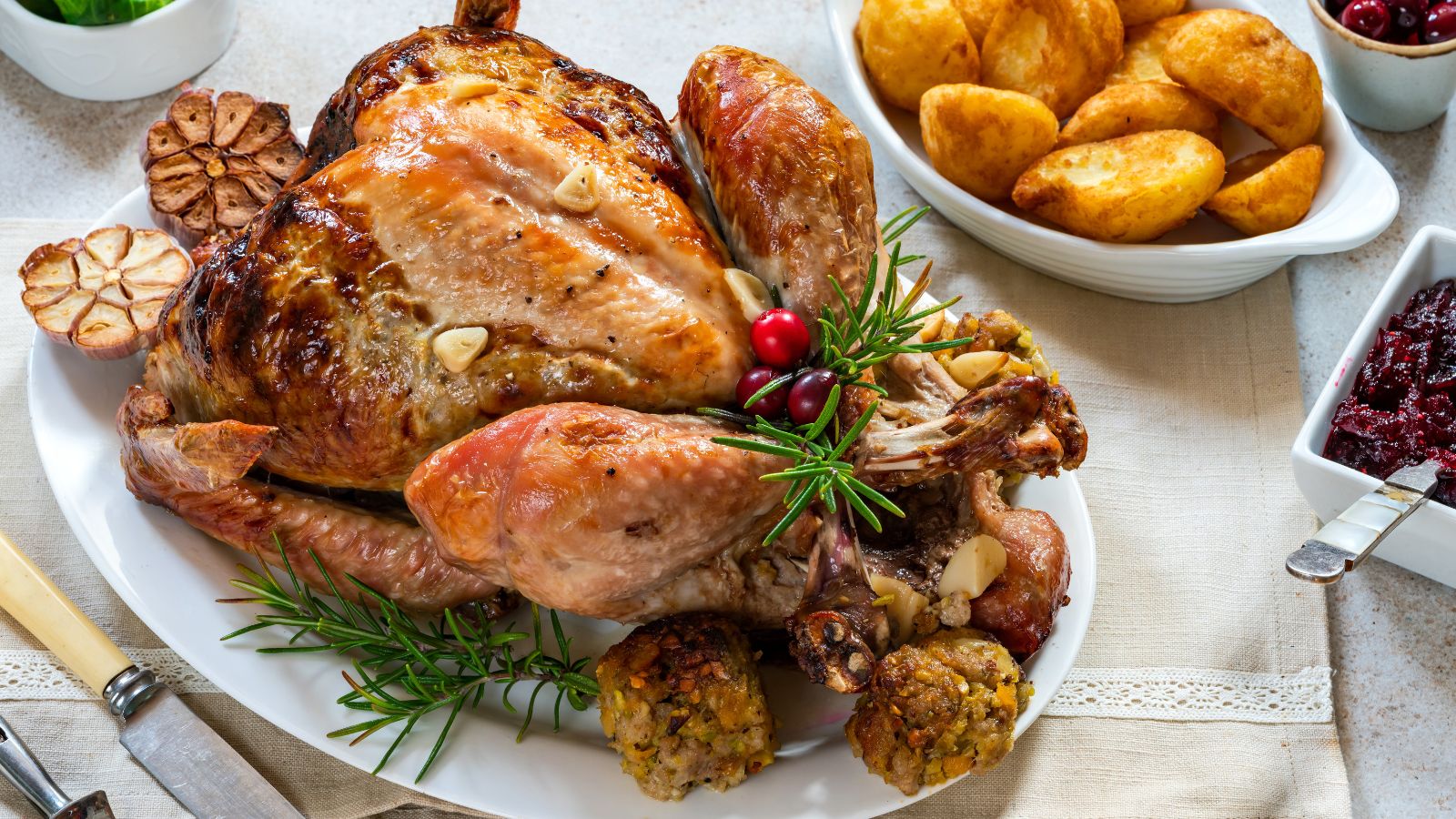
Reports of turkey’s disappearance would be greatly exaggerated. Canadians purchased about 2.1 million whole turkeys for Thanksgiving in 2025, accounting for roughly 37% of all whole turkeys bought during the year. It remains one of the strongest symbols of the holiday. At the same time, the broader consumption numbers show that turkey does not occupy quite the same place in Canadian diets that it once did. Per-capita turkey consumption stood at about 3.1 kilograms in 2025, compared with roughly 4.2 kilograms a decade earlier.
That creates room for Thanksgiving meals in which turkey is smaller, supplemented or absent altogether. A host dealing with six guests instead of 16 may choose turkey breasts rather than an enormous whole bird. Another family might prepare ham, chicken, salmon or a vegetarian centrepiece alongside a small turkey. The bird remains culturally powerful, but serving one is increasingly a choice rather than an unquestioned requirement for every Canadian table.
Dietary Needs Are Reshaping the Entire Menu
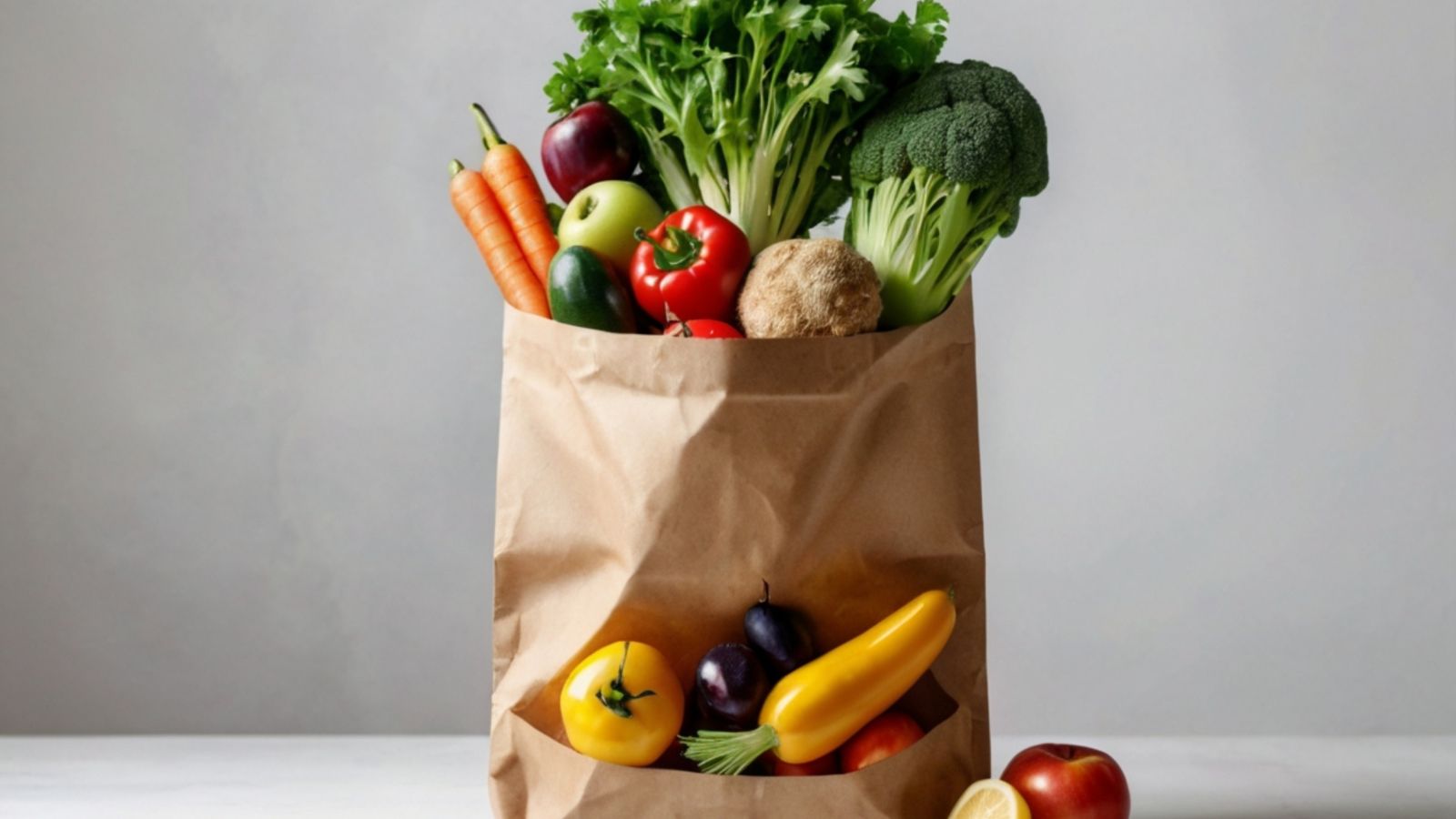
Hosting Thanksgiving increasingly involves a question that previous generations may not have asked quite as routinely: what can everyone actually eat? Health Canada estimates that approximately 7% of Canadians self-report having a food allergy, while Canadian research has also documented consumers who identify as flexitarian, vegetarian or vegan. Gluten avoidance, dairy restrictions, religious dietary practices and other individual preferences add still more considerations when several households gather for one meal.
That can transform the traditional approach of making one large menu and expecting everyone to eat it. Stuffing might be prepared outside the turkey, gravy may need a gluten-free version, vegetable dishes can be made without butter and a substantial plant-based main may appear beside the bird rather than as an afterthought. Hosts increasingly need to think about ingredients and cross-contamination as carefully as cooking times. Thanksgiving becomes a collection of overlapping meals, with the successful table being the one where nobody has to quietly survive on rolls and cranberry sauce.
Price Is Deciding More of the Feast

Food inflation has added another guest to Thanksgiving dinner: the budget. Grocery prices in Canada rose an average of 3.5% in 2025 after increasing 2.2% in 2024, and by December 2025 food purchased from stores was 5% more expensive than a year earlier. Those increases arrived after several years in which households had already experienced substantial cumulative increases in the overall cost of living.
The behavioural effects are measurable. Agriculture and Agri-Food Canada research found that 70% of surveyed consumers had changed food-purchasing habits because of rising prices. Among those making changes, 70% bought more sale items, 66% switched toward less expensive brands and half reported reducing the amount of food they purchased. Applied to Thanksgiving, that can mean a smaller turkey, fewer appetizers, a potluck instead of one host paying for everything, or quietly dropping a side dish that only two relatives eat. Generosity remains important, but abundance is being reconsidered when abundance carries a noticeably larger receipt.
Food Insecurity Is Changing the Meaning of Generosity
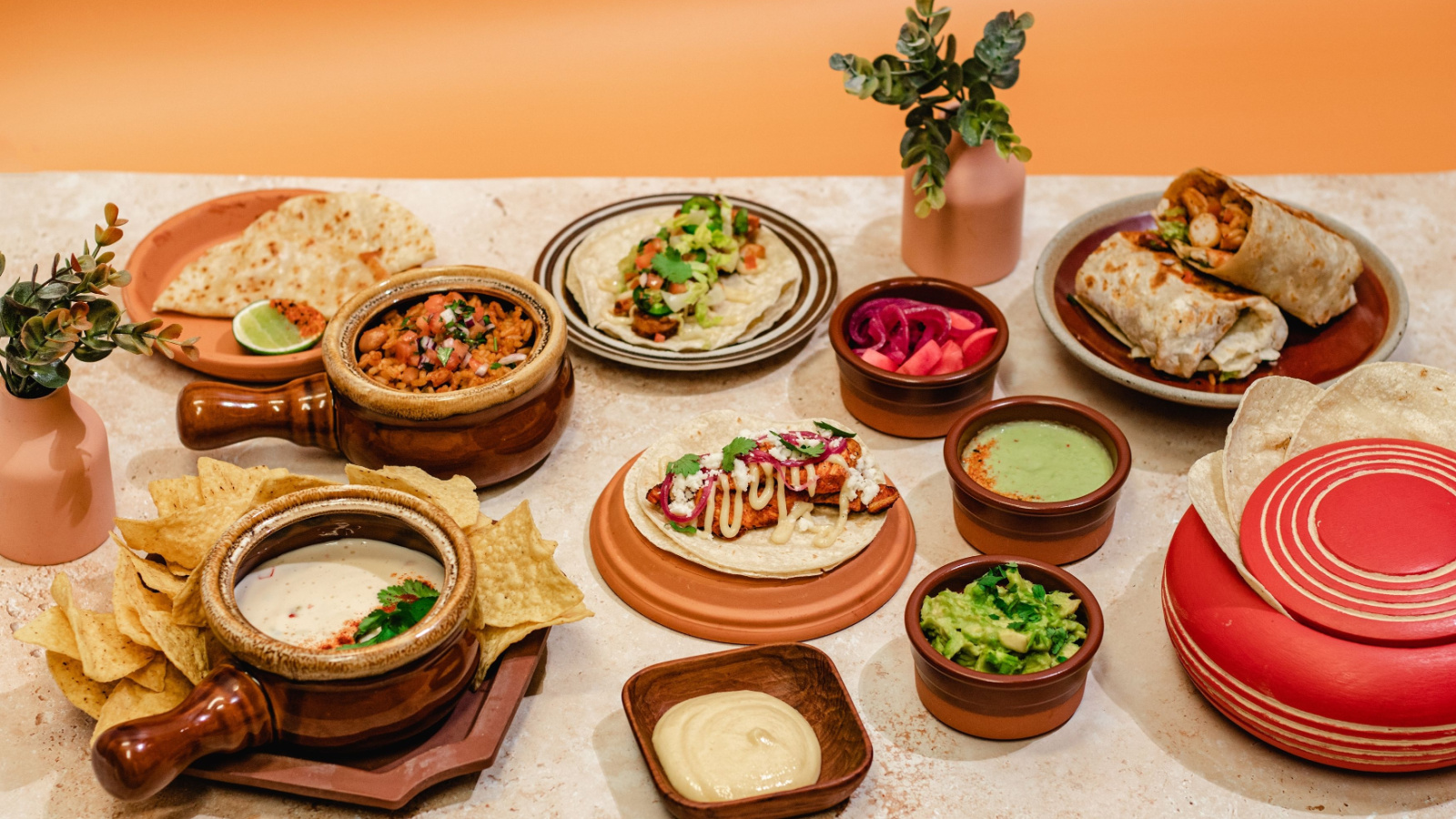
Thanksgiving imagery tends to focus on overflowing tables, which makes Canada’s food-insecurity numbers particularly difficult to ignore. Statistics Canada reported that approximately 9.8 million people, or 24% of Canadians, lived in households experiencing some form of food insecurity in 2024. Although that was slightly below the previous year’s level, the figure still represented almost one-quarter of the population. People in one-parent families faced an especially high rate, at 44.4%.
Those realities give Thanksgiving food drives, community dinners and donations a different weight. They are not simply seasonal demonstrations of generosity taking place outside ordinary Canadian life. They respond to a substantial economic problem affecting neighbours, coworkers and classmates. For some households, Thanksgiving is therefore becoming as much about making sure someone else has dinner as displaying abundance at home. A bag donated at a grocery store, a turkey delivered to a community organization or a shift serving meals can become part of the holiday ritual itself.
The Drinks Table Is Becoming Less Alcohol-Centred

Wine with turkey and beer during a Thanksgiving football game remain familiar traditions, but Canadian drinking habits are moving in another direction. Statistics Canada found that the proportion of people aged 12 and older who reported no alcohol consumption during the previous year increased from 23% in 2015 to 29% in 2024. Among adults who did drink, the proportion consuming alcohol at least monthly also declined over that period.
Retail figures reinforce the change. Alcohol sales by volume fell 3% in the 2024-25 fiscal year, marking a fourth consecutive annual decline. Those trends make a Thanksgiving drinks table built around sparkling water, alcohol-free beer, mocktails, cider and specialty soft drinks far less unusual. Hosts may still open several bottles of wine, but alcohol no longer has to be treated as the default adult beverage. A gathering where half the table skips it completely can now fit comfortably within wider Canadian consumption patterns rather than seeming like an exception.
Convenience Is Replacing Some All-Day Cooking
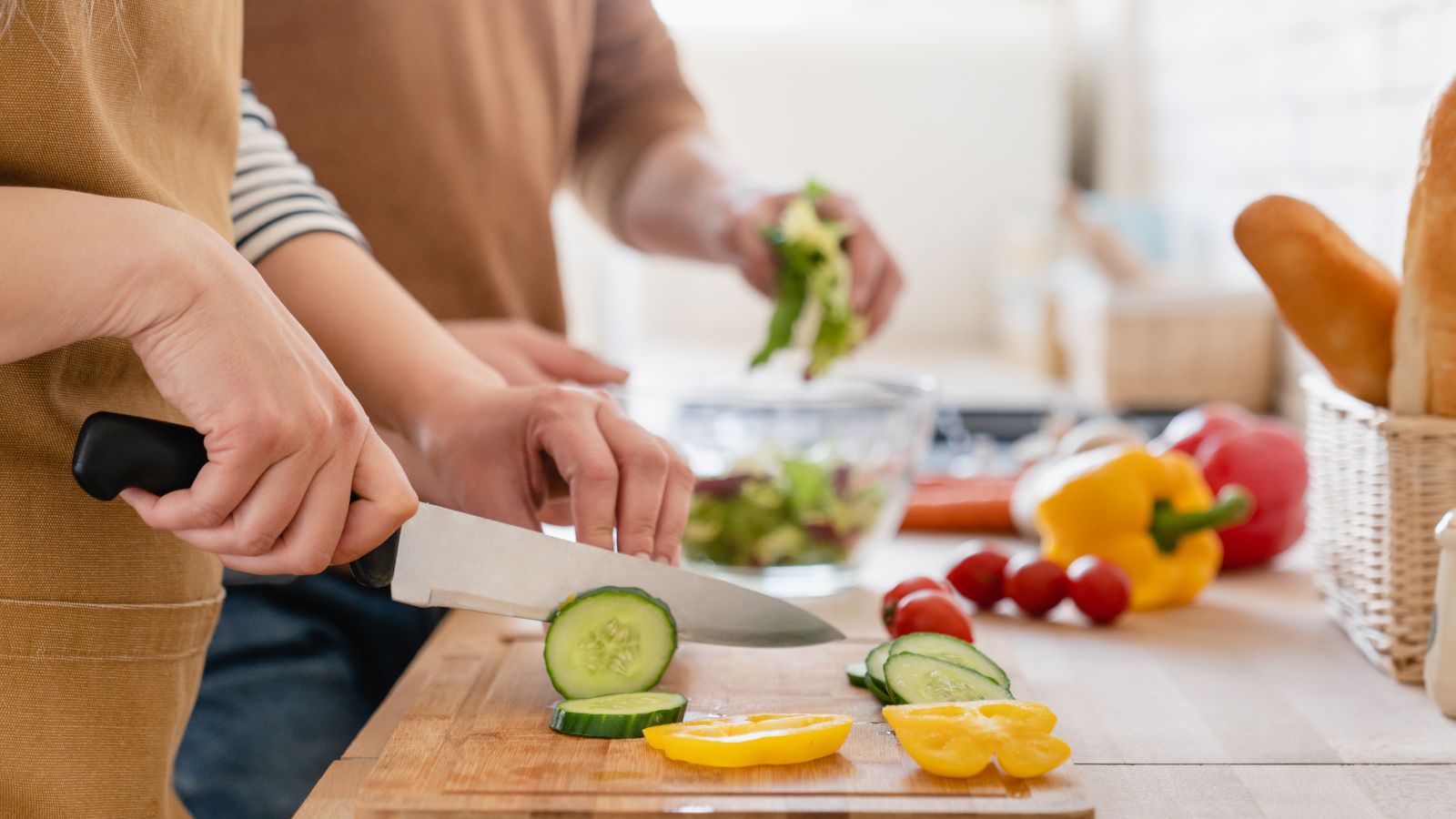
The nostalgic version of Thanksgiving begins early in the morning, when someone starts chopping vegetables and preparing a turkey that will occupy the oven for most of the day. Modern Canadian food spending suggests plenty of households are comfortable paying someone else to handle at least part of that workload. Sales at food-service and drinking establishments reached about $101.4 billion in 2025, up 5.6% from the previous year.
That broader convenience culture makes the partially outsourced Thanksgiving easier to understand. The turkey may still be roasted at home while the pie comes from a bakery, appetizers arrive from the supermarket deli and one difficult side dish is ordered from a restaurant. Other households may purchase an entire prepared dinner. None of this necessarily eliminates home cooking. Instead, it changes the definition of hosting. Success is less dependent on one person spending eight hours in the kitchen, leaving more time for conversation and considerably fewer dishes waiting after everyone leaves.
Thanksgiving Shopping Has Gone Digital

The Thanksgiving grocery run is increasingly surrounded by screens. Canadian retail e-commerce sales reached about $4.3 billion in December 2025 and represented 6.1% of total retail trade that month. Food shopping has developed its own digital layer as well, encompassing retailer apps, online flyers, electronic loyalty offers, pickup services and product information available through phones.
Agriculture and Agri-Food Canada found another indication of that shift in its consumer research. Thirty-eight per cent of respondents said they had encountered food-related QR codes while grocery shopping during the previous month, and 23% reported scanning one. For Thanksgiving planners, the practical effect is significant even when the final purchase happens inside a physical supermarket. Prices can be compared before leaving home, points offers loaded into an app and ingredients checked online. The classic handwritten Thanksgiving grocery list has not vanished, but it increasingly competes with a phone containing the list, recipes, coupons and three supermarket apps at once.
“Buy Canadian” Has Become Part of the Food Conversation
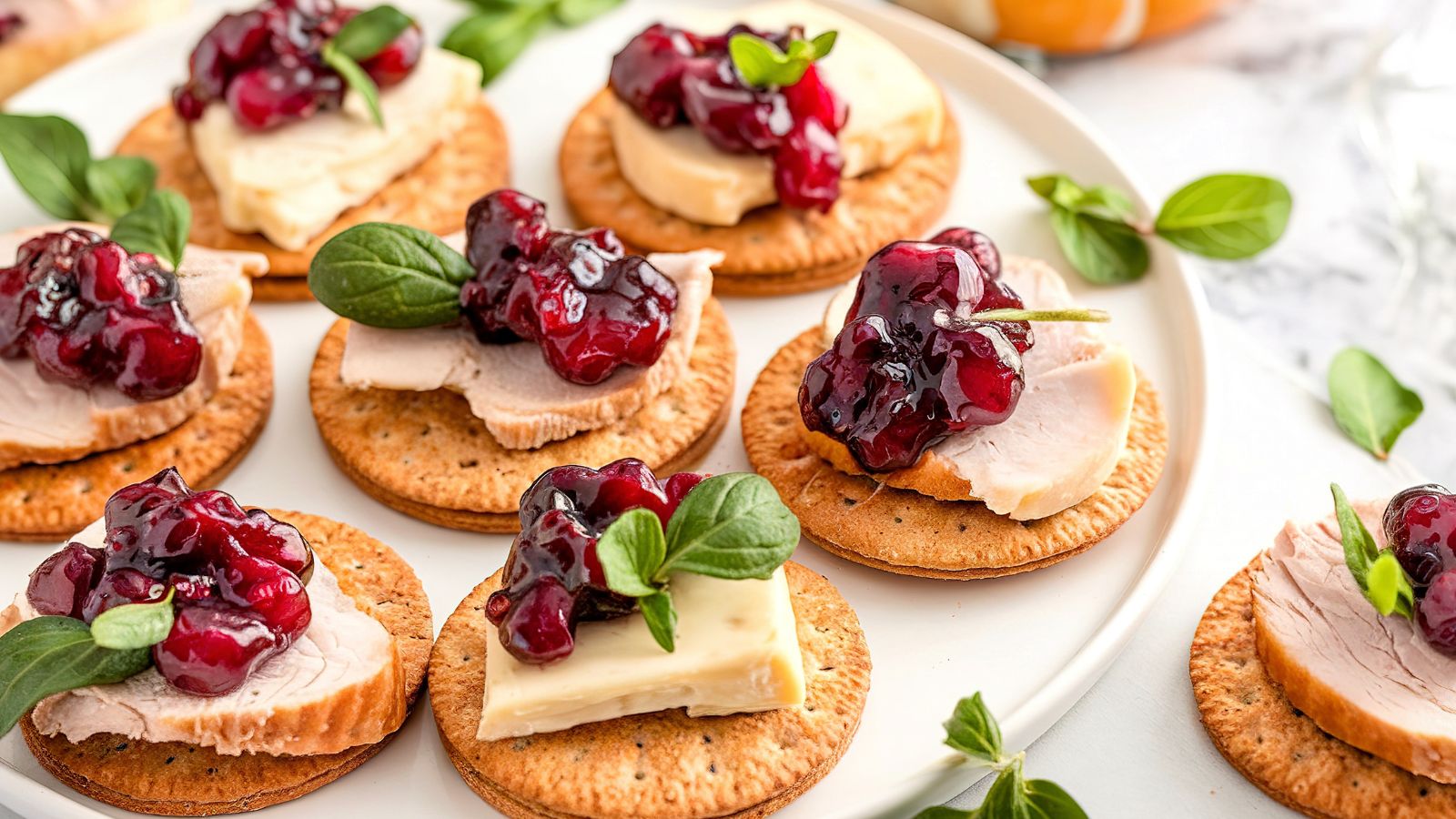
Where Thanksgiving food comes from can now matter almost as much as what is being served. Agriculture and Agri-Food Canada research found that 54% of surveyed consumers sought Canadian-made food at least sometimes, while 86% reported seeking locally produced food at least sometimes. Supporting the local economy was the most commonly cited perceived benefit of buying local.
More recent consumer research has highlighted the tension between that preference and household budgets. PwC Canada’s 2025 consumer research found strong interest in domestic sourcing, yet also found that 62% of respondents would choose a cheaper imported product over a more expensive domestic equivalent. Thanksgiving captures that conflict particularly well. Autumn is a natural showcase for Canadian potatoes, squash, apples, cranberries and other seasonal foods, but price still matters. The modern Thanksgiving basket can therefore involve unusually careful label reading: shoppers may want the Canadian option while simultaneously deciding how much extra that preference is worth.
Leftovers Are Being Planned, Not Just Endured
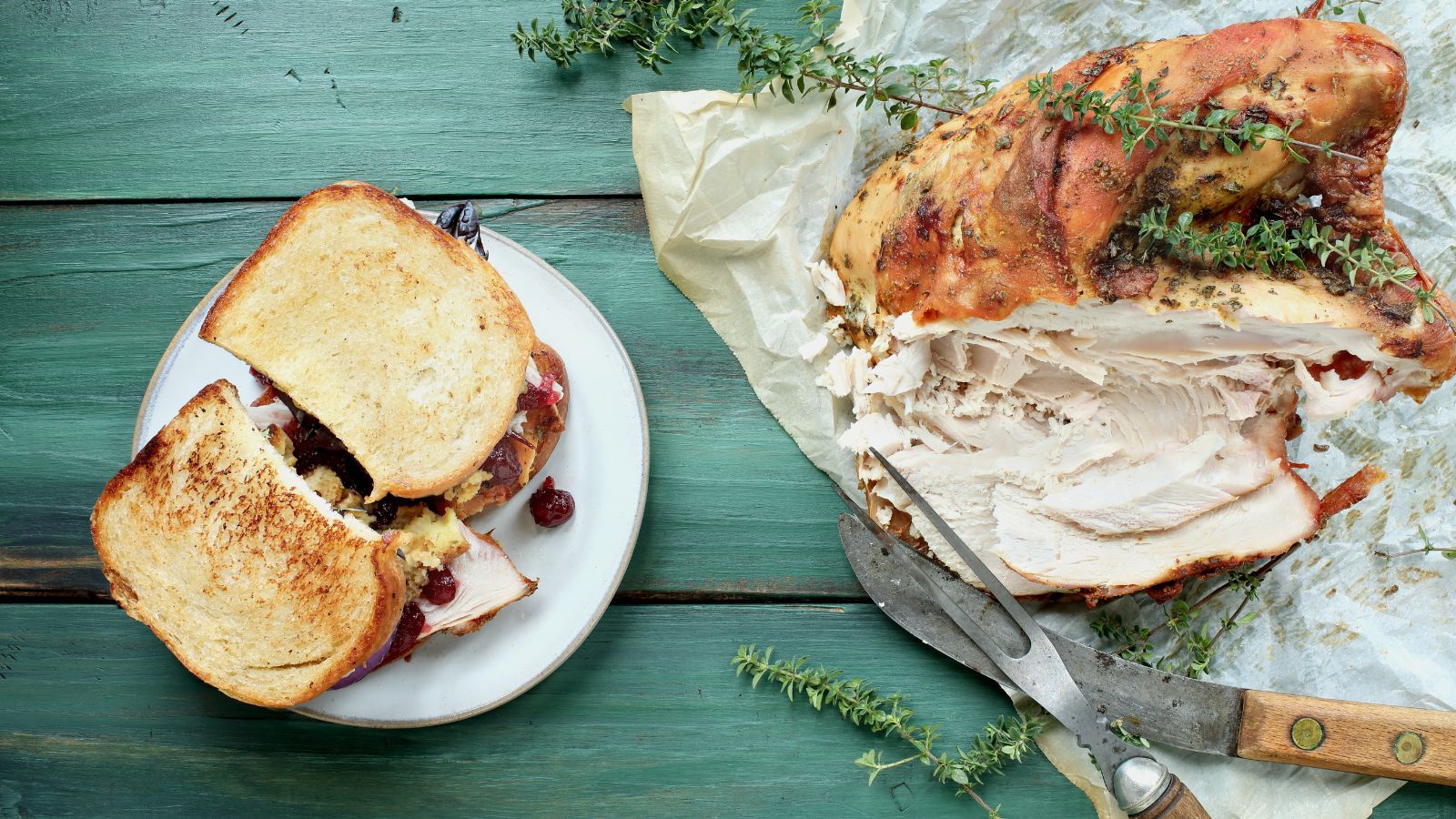
For generations, Thanksgiving leftovers have inspired the same joke: turkey sandwiches until nobody wants to see another turkey. Increasing concern about household food waste is turning leftovers into something that can be planned before dinner even begins. Love Food Hate Waste Canada estimates that 63% of the food discarded by Canadian households could have been eaten. Its benchmark figures put avoidable waste at about 140 kilograms per average household annually, worth more than $1,300.
Consumer attitudes point in the same direction. Agriculture and Agri-Food Canada found that 80% of surveyed consumers said they were careful about how they bought and prepared food in order to minimize waste. Thanksgiving provides an obvious test because hosts intentionally cook large quantities. Increasingly, containers may be ready for guests before dessert, bones reserved for stock and excess turkey assigned to next-day recipes. The goal is no longer simply to create an impressively full table; it is to avoid throwing part of that table away on Tuesday.
Sustainability Is Entering Holiday Decisions
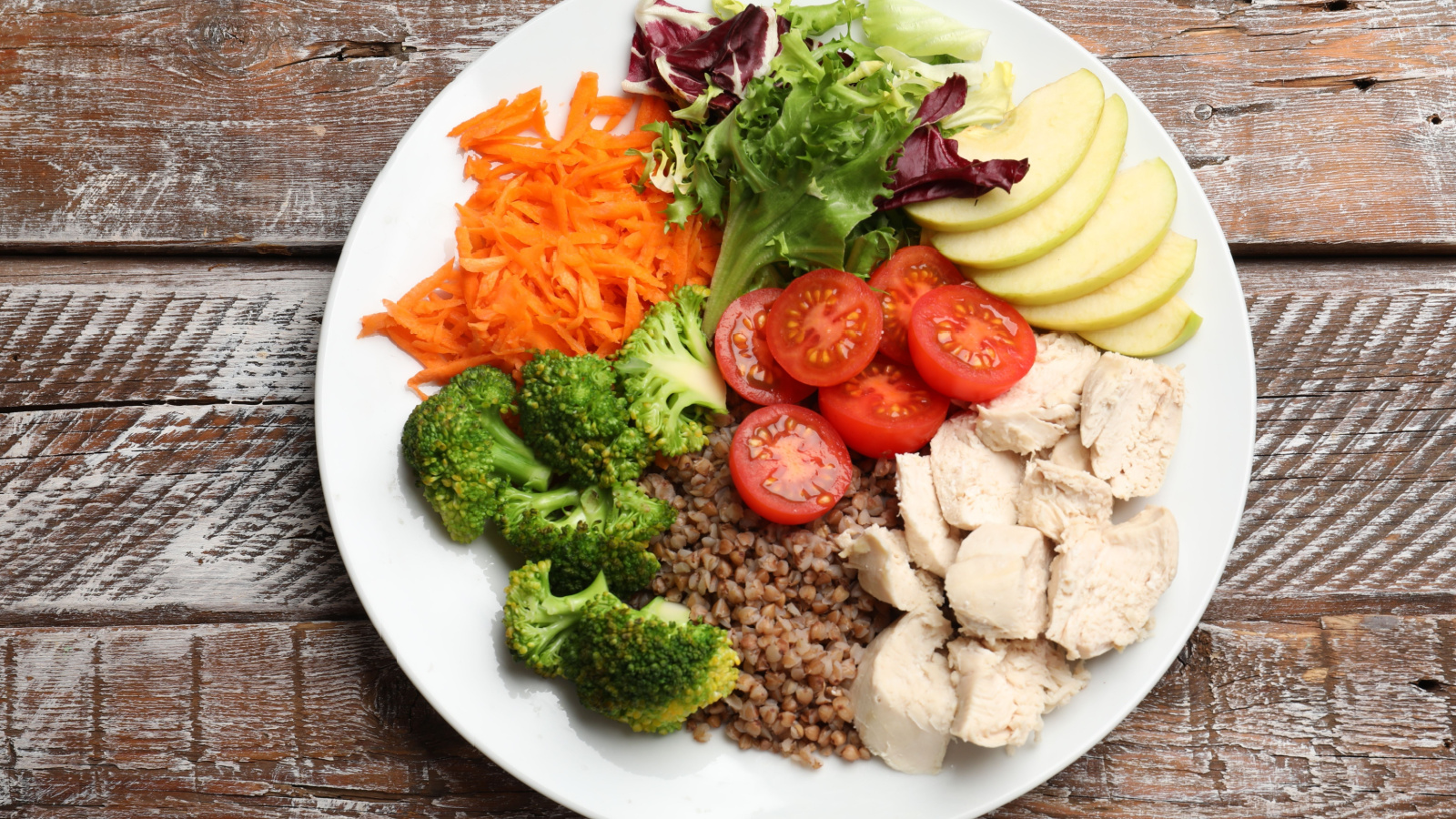
Environmental concerns do not disappear because a meal is traditional. Agriculture and Agri-Food Canada research found that 60% of surveyed consumers considered environmental impacts such as packaging when making food purchases. Sixty-eight per cent said they sought food produced using environmentally sustainable methods at least sometimes, while 11% reported changing food-purchasing habits during the previous year because of climate-change impacts.
Thanksgiving can concentrate many of those choices in one weekend. A household may favour seasonal vegetables requiring less long-distance transportation, choose products with less packaging or make a conscious effort to prevent food waste. Others may reduce the amount of meat served or buy directly from a local producer. Cost frequently limits how far those preferences go, and environmental claims on food can be difficult for consumers to evaluate. Even so, sustainability has become another factor sitting beside taste, price and tradition when Canadians decide what belongs on a holiday table.
Friends and Roommates Are Becoming Part of the Family Table

The idea commonly described as “Friendsgiving” fits neatly into the changing structure of Canadian households. Statistics Canada found that roommate households were the country’s fastest-growing household type between 2001 and 2021, increasing by 54%. Among people in their 20s and early 30s, living arrangements outside the conventional spouse-and-children household have also become increasingly common.
That demographic change does not prove that every roommate apartment now hosts a Thanksgiving dinner. It does, however, help explain why a celebration built around friends, coworkers or housemates feels increasingly natural. Someone living hundreds of kilometres from parents may share Thanksgiving with the people encountered every day. International students or newcomers whose relatives live abroad may create an entirely new tradition together. In that setting, the holiday’s basic idea—sharing food and expressing gratitude—survives easily even when almost nobody at the table is related. The guest list itself becomes one of the clearest ways Thanksgiving can evolve without losing its purpose.
The Definition of “Family Dinner” Is Broader

Canadian families themselves look different from the narrow household model traditionally portrayed in holiday advertising. In 2021, 22.7% of Canadian couples were living common law, up dramatically from 6.4% in 1981. One-parent families represented 16.4% of census families. The census also counted more than 127,000 same-gender, transgender or non-binary couples, reflecting family structures that older statistical systems did not even fully capture.
That diversity matters to holidays because traditions are passed through actual households, not idealized versions of them. Thanksgiving can involve children moving between two parents’ dinners, stepfamilies combining traditions, common-law partners alternating families, grandparents acting as primary caregivers or LGBTQ+ couples establishing customs of their own. Some families may celebrate twice over the weekend simply because that arrangement works best. The dinner table has not stopped being about family. Instead, Canadian demographic data suggest that the word “family” now describes a wider range of relationships and household arrangements than it did a generation ago.
The Holiday Is Becoming More Secular
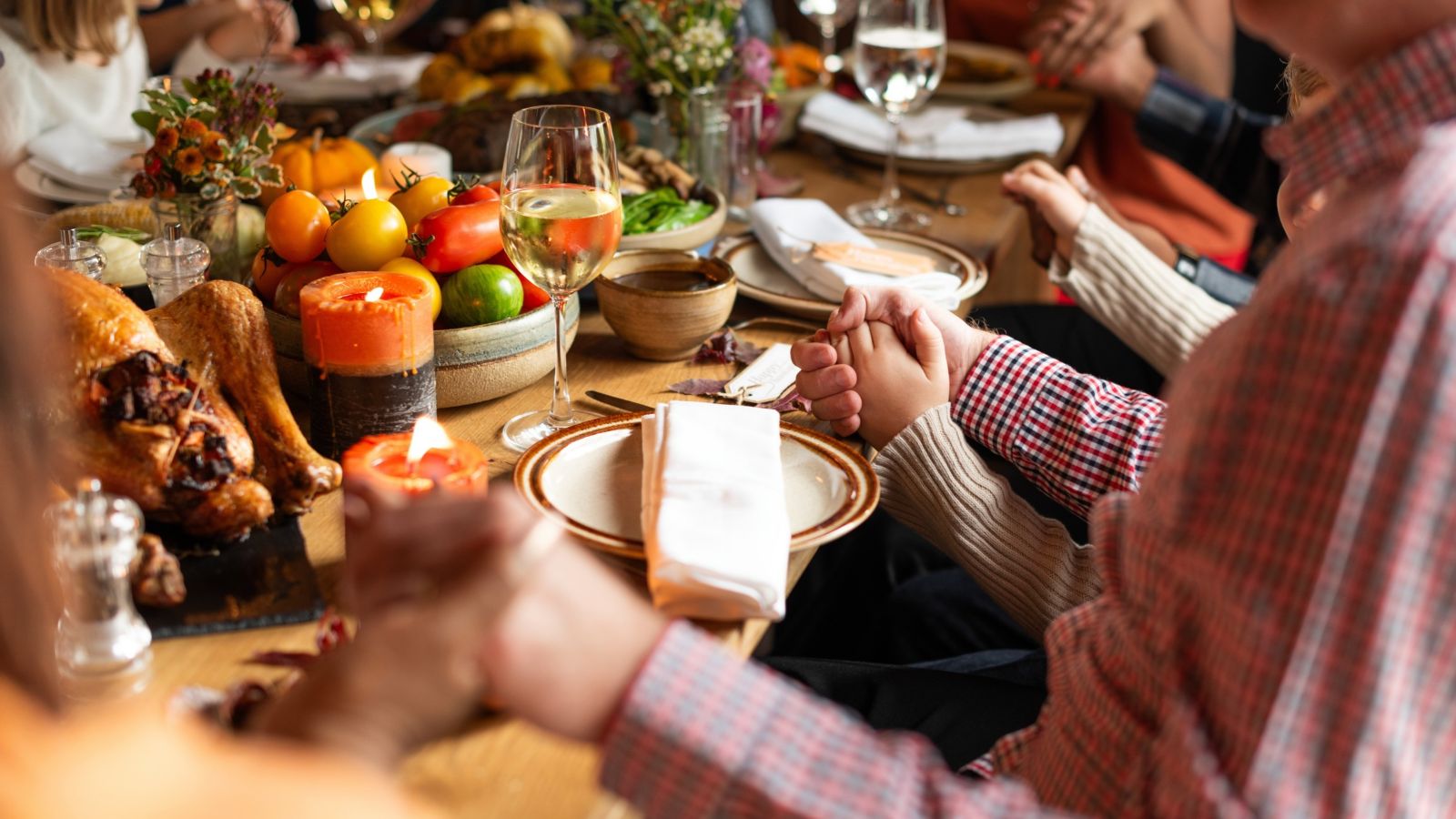
Thanksgiving contains language that can sound religious—gratitude, blessings and giving thanks—but Canada’s religious landscape has changed substantially. In the 2021 Census, 34.6% of Canadians reported no religious affiliation or a secular perspective. That was more than double the 16.5% recorded in 2001. Over the same 20-year period, the proportion identifying with Christianity declined from 77.1% to 53.3%, while several non-Christian religions grew.
Those shifts make it increasingly difficult to assume a single spiritual meaning for Thanksgiving. One household may begin dinner with a Christian prayer, another may observe practices rooted in a different faith, and another may simply ask everyone to name something they appreciated during the year. Some families may treat the weekend primarily as a cultural gathering with no religious element whatsoever. Thanksgiving remains compatible with faith, but its broader Canadian identity increasingly rests on gratitude, food and togetherness—ideas that can travel across religious and secular households without requiring everyone to explain the holiday in exactly the same way.
The Harvest Story Is Being Reconsidered

Greater attention to Indigenous history adds complexity to simple versions of Thanksgiving as a straightforward Canadian “harvest tradition.” Indigenous peoples maintained ceremonies, festivals and systems of giving thanks connected with food and the land long before the modern Canadian holiday existed. Federal historical material notes, for example, multiple Haudenosaunee festivals associated with planting and harvesting corn as well as Pacific Coast ceremonies connected with the annual salmon run.
These traditions should not be collapsed into one generic Indigenous version of Thanksgiving; First Nations, Inuit and Métis cultures are diverse, and their histories are distinct. Instead, Canada’s ongoing reconciliation process encourages deeper public understanding of Indigenous histories, rights, cultural practices and relationships with the land. That creates space for more Canadians to question simplified holiday narratives and learn what harvest, gratitude and stewardship meant before Confederation. The meal can remain celebratory while the historical conversation surrounding it becomes more accurate, nuanced and respectful.
The Celebration Is Becoming More Flexible About Timing
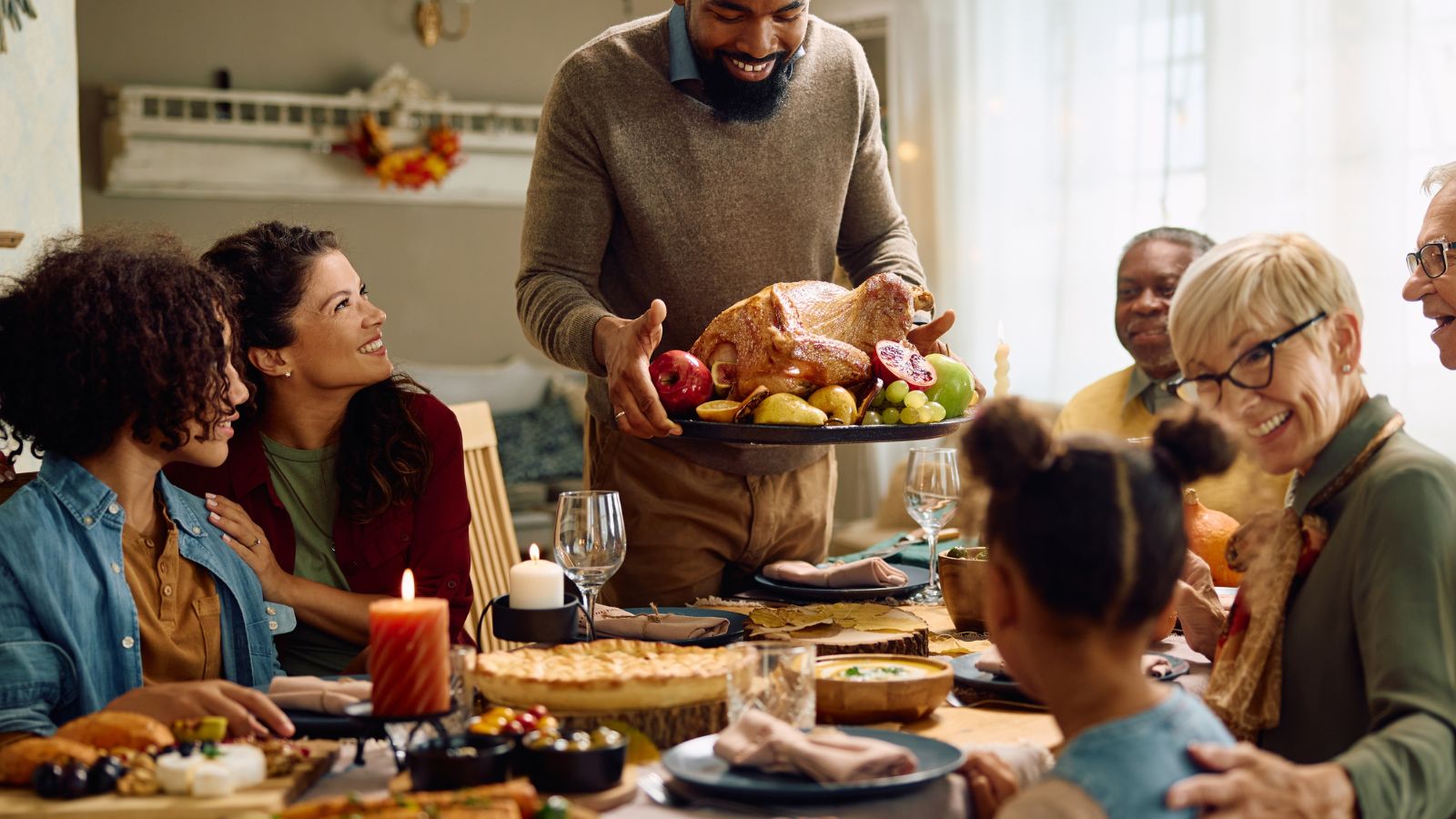
Canadian Thanksgiving officially falls on Monday, but modern work patterns help explain why the main dinner may happen Saturday, Sunday or whenever everyone can actually attend. Statistics Canada’s 2024-25 working-conditions data found that 58.9% of employees had schedules set by their employer. Only 32.5% could adapt their hours or determine their schedules themselves, with flexibility particularly limited in sectors including retail, health care and accommodation and food services.
Those industries do not simply stop functioning for a family dinner. Earlier Statistics Canada research found especially high levels of evening work in accommodation and food services, illustrating how holiday-related industries can require employees precisely when others are celebrating. A nurse, restaurant worker, retail employee and office worker in the same family may therefore have very different availability. Moving Thanksgiving dinner to Sunday afternoon or Saturday night is not necessarily abandoning tradition. It reflects a holiday becoming flexible enough to survive the complicated schedules of the people expected to gather for it.
16 Costco Canada Habits That Could Be Costing Shoppers More Than They Save

The Executive Membership can feel like an obvious upgrade because the 2% annual reward sounds straightforward. For households that spend heavily at Costco Canada, the extra fee may be easy to justify. But the habit becomes costly when shoppers upgrade first and calculate later. A Gold Star Membership costs less, while Executive costs more and only pays off if eligible annual spending is high enough to offset the difference.
16 Costco Canada Habits That Could Be Costing Shoppers More Than They Save
