
Thanksgiving dinner has a remarkable ability to bring generations together—and an equally remarkable ability to produce questions nobody planned on answering between the turkey and pumpkin pie. Canadian families increasingly arrive at the table with very different experiences of housing, work, relationships, money, religion, politics and even what belongs on the menu.
Those differences are not merely generational stereotypes. Canadian data show major shifts in how people live, work, form families and manage household finances. Add several relatives, a long meal and a quiet moment that somebody feels compelled to fill, and sensitive subjects have plenty of room to surface. These 19 awkward Thanksgiving conversations capture the questions, debates and well-meaning interrogations that can turn an ordinary family gathering into a memorable one.
“So, When Are You Moving Out?”

Few Thanksgiving questions can make an adult child examine the mashed potatoes quite as closely as this one. For older relatives who left home in their late teens or early twenties, remaining with parents can look like delayed independence. Housing conditions have changed enough, however, that the comparison is rarely simple. Statistics Canada found that 57% of Canadians aged 20 to 24 were living with their parents in an intergenerational household in 2021. Among students aged 20 to 34, the share living with parents was 47.5%.
There are practical reasons that arrangement can persist. Statistics Canada reported that the average asking rent for a one-bedroom apartment across Canadian census metropolitan areas reached about $1,740 per month in the first quarter of 2026, with averages above $2,100 in Toronto and Vancouver. Living at home can therefore represent a financial strategy rather than an unwillingness to grow up. None of that prevents the question from landing awkwardly when it arrives before dessert.
“Have You Thought About Just Buying a House?”
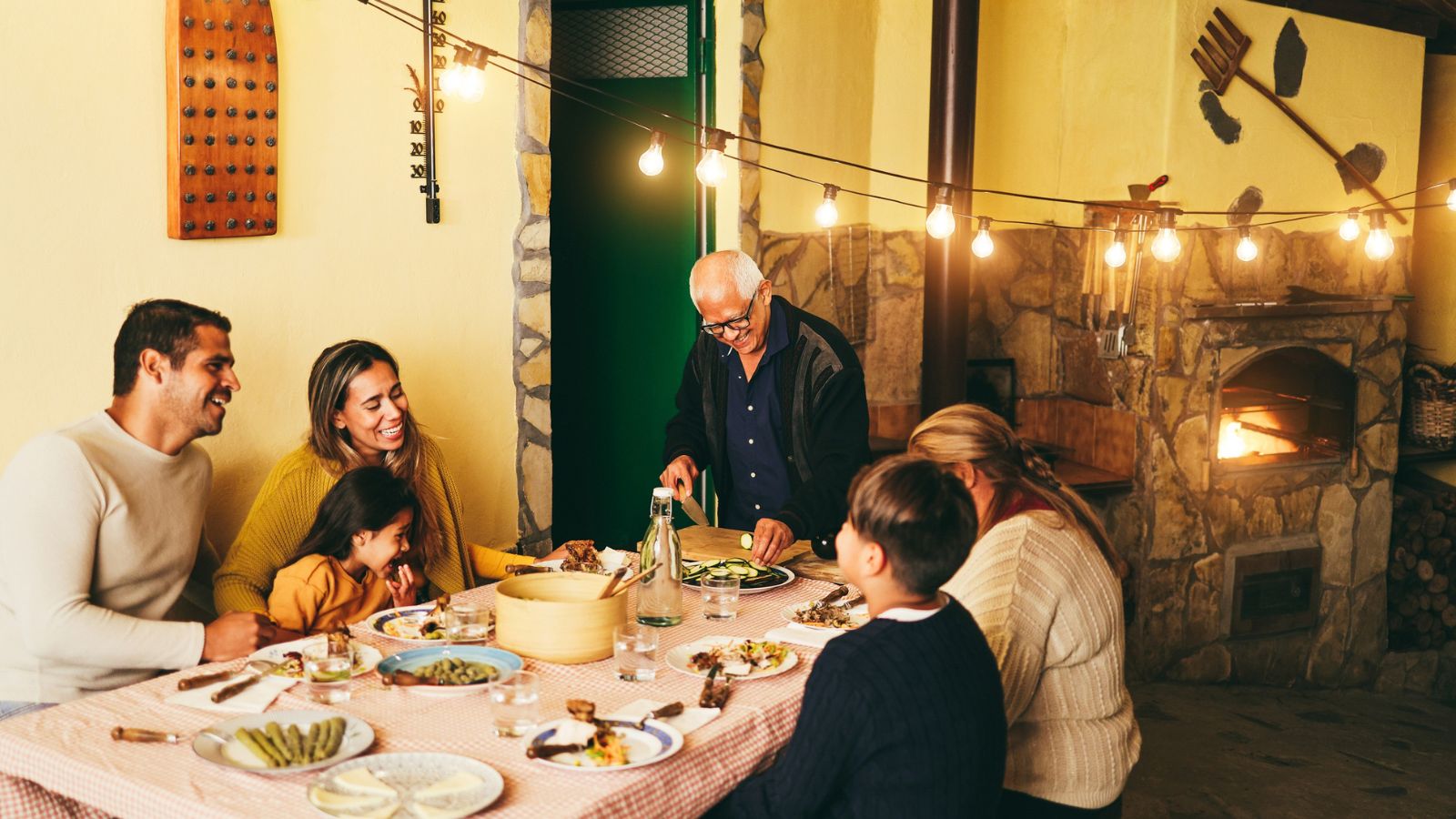
This question often comes with advice inherited from another housing era: stop renting, save a down payment and buy something modest. The problem is that the path taken by one generation may no longer resemble the one confronting the next. Statistics Canada found that 16.3% of millennials aged 25 to 39 lived in a census family with at least one parent in 2021, nearly twice the 8.2% recorded for baby boomers of the same age in 1991.
The gap was especially visible in expensive markets. In 2021, 26.1% of millennials aged 25 to 39 in Toronto and 19.3% in Vancouver were living with parents. Homeownership among younger Canadians has also been declining since 2011. That makes “Why not buy?” a much bigger financial question than it may sound across a Thanksgiving table. A relative may remember buying a starter home on one salary; a younger family member may be comparing down-payment targets with rents already consuming a substantial portion of monthly income.
“Did Dinner Really Cost That Much?”

The person who bought the Thanksgiving groceries may be especially qualified to answer this question. Statistics Canada’s Food Price Data Hub showed that in July 2026, the national average retail price was $16.49 per kilogram for ground beef, $14.68 per kilogram for chicken breasts, $5.92 for 454 grams of butter and $4.95 for a dozen eggs. Even ordinary ingredients can turn a large family meal into a noticeable expense.
That creates a familiar generational exchange. Someone remembers when a particular grocery item cost considerably less, another person starts comparing supermarkets, and somebody inevitably insists that shopping differently would solve the problem. Food affordability has become important enough that Canadian researchers are tracking not just prices but changes in consumer behaviour and anxiety. Dalhousie University’s Agri-Food Analytics Lab found widespread concern about food costs in its national food sentiment research. Thanksgiving may celebrate abundance, but modern Canadian tables can easily produce an uncomfortable discussion about what that abundance costs.
“So, Is Your Job Actually Safe?”

Career questions often begin innocently and then become unexpectedly specific. A relative asks whether work is going well. Someone mentions restructuring. Before long, the conversation has moved from turkey to layoffs, contracts and whether anyone should really trust their employer. That anxiety is not entirely imagined. Statistics Canada reported that 7.7% of Canadian employees in April 2025 agreed or strongly agreed that they might lose their job during the next six months.
The uncertainty was considerably greater for people in less-secure forms of employment. Among temporary employees, 22.8% believed they might lose their jobs within six months, compared with 10.9% of part-time workers. Those numbers help explain why traditional Thanksgiving questions about promotions and five-year plans can feel different today. A family member may look established from the outside while privately navigating contract renewals, corporate cost-cutting or an unstable industry. The uncomfortable part is often not the question itself, but having to explain uncertainty to someone expecting a straightforward career ladder.
“You’re Still Working From Home?”
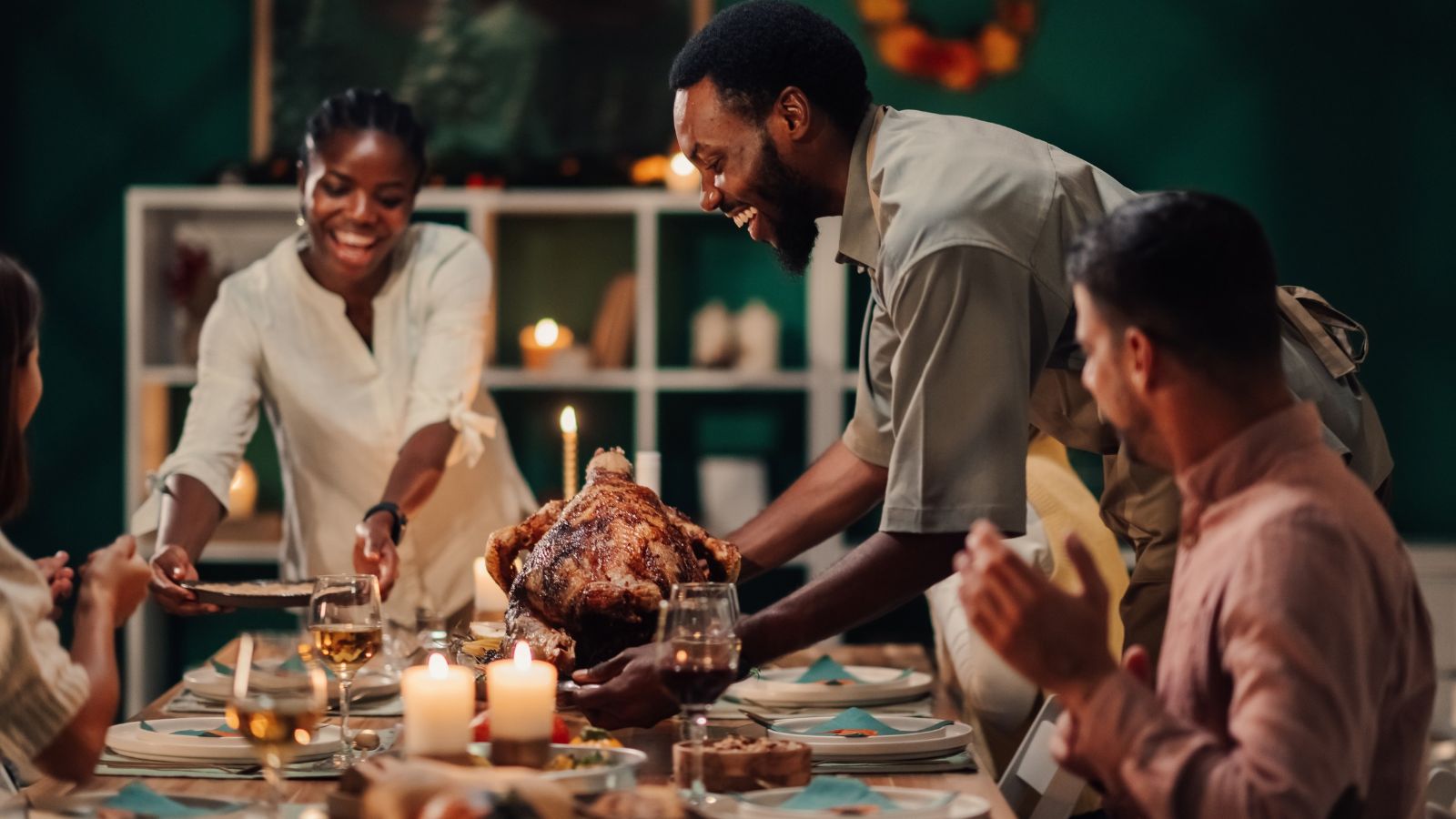
Remote work can trigger surprisingly strong Thanksgiving opinions. One relative considers avoiding a commute an obvious improvement. Another wonders whether anything gets accomplished outside an office. Someone else wants to know whether “working from home” means answering emails from the couch. The reality in Canada is increasingly mixed rather than entirely remote or entirely office-based.
Statistics Canada reported that in May 2026, 78.8% of employed Canadians worked only outside the home. Another 11.4% worked exclusively from home, while 9.8% had hybrid arrangements. The proportion working exclusively from home has declined from the extraordinary pandemic-era levels, but remote and hybrid work remain substantially more prominent than they were before COVID-19. Earlier Statistics Canada research found that about 7% of Canadians worked most of their hours from home in May 2016. For families whose generations developed their careers under very different workplace norms, questions about remote work can quickly turn into arguments about productivity, commuting, flexibility and what a “real workday” is supposed to look like.
“When Are You Two Getting Married?”

A couple can survive hours of Thanksgiving preparation only to be defeated by one well-timed question from an aunt. Marriage remains the most common form of partnership in Canada, but common-law relationships have become far more prominent than they were when many older relatives formed their families. In 2021, approximately 23% of Canadian couples were living common law, compared with just 6.4% in 1981.
The generational divide is even more striking among younger couples. Statistics Canada found that 79% of people aged 20 to 24 who were part of a couple in 2021 were living with a common-law partner. Canada also had the highest proportion of common-law couples among G7 countries, driven partly by the particularly high prevalence in Quebec. None of those demographic shifts necessarily satisfy a relative who has already mentally booked the wedding venue. But they do explain why younger couples may not view marriage as the inevitable next stage of every relationship—and why “So when’s the wedding?” can produce a noticeably long pause.
“When Are You Having Kids?”

Few family questions combine affection, expectation and deeply personal circumstances quite like this one. A parent may be hoping for grandchildren. An aunt may think she is making conversation. The person answering could be undecided, financially stretched, dealing with circumstances nobody at the table knows about or simply uninterested in becoming a parent. Demographic patterns show just how much family formation has changed.
Canada’s total fertility rate fell to a record-low 1.25 children per woman in 2024. Statistics Canada also reported that the average age of mothers when giving birth reached 31.8 years, up substantially from 26.7 years in 1976. Meanwhile, the 2024 Survey on Family Transitions found that 51.5% of Canadian women aged 20 to 49 had no children, although that figure naturally includes many younger adults who may have children later. The statistics cannot explain any individual person’s plans. They can demonstrate why assumptions about when—or whether—someone “should” have children increasingly collide with modern Canadian reality.
“How Much Is School Costing Now?”
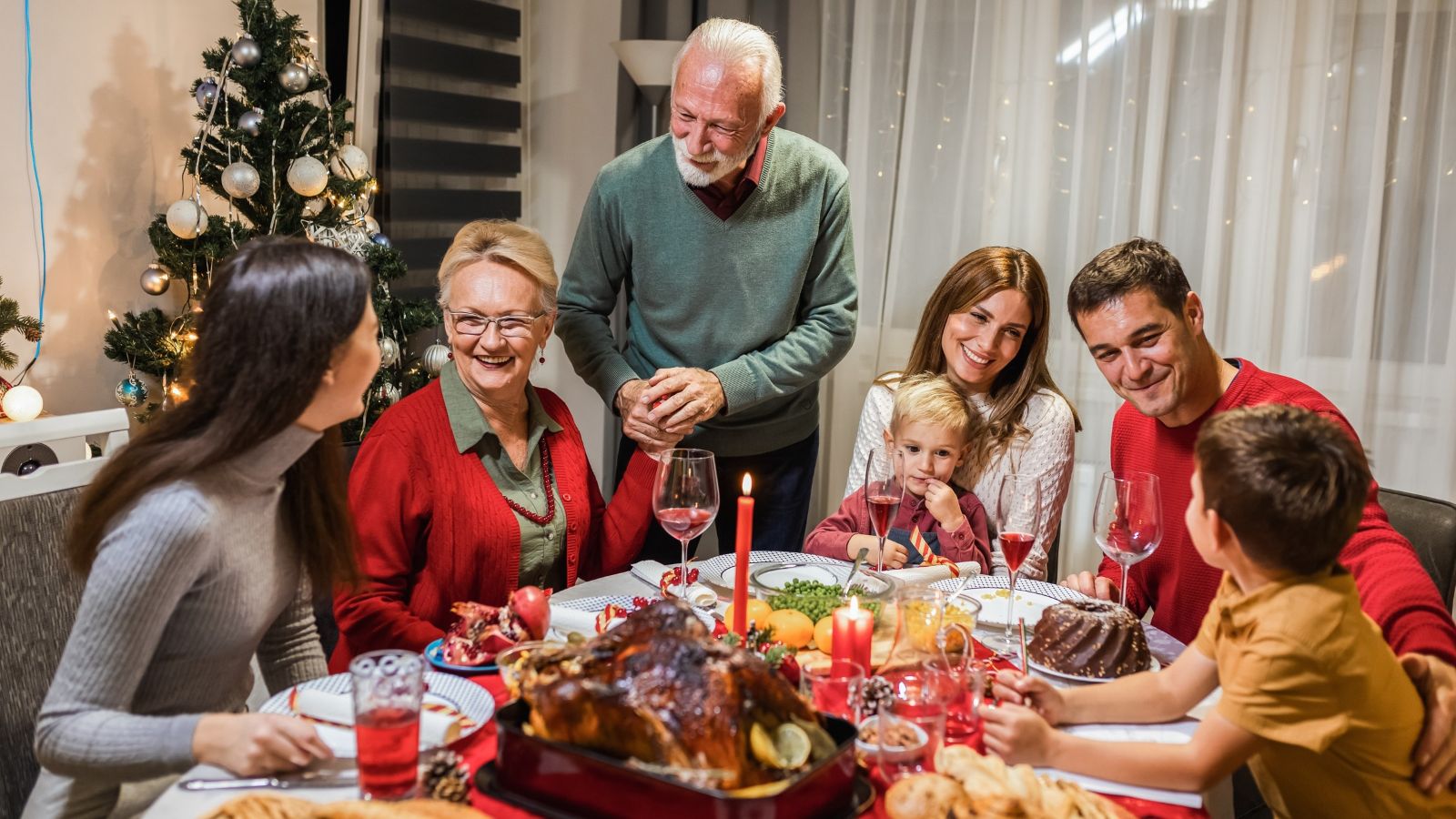
Older relatives occasionally remember tuition figures that sound almost fictional to current students. That makes post-secondary education an easy Thanksgiving topic until somebody compares actual bills. For the 2025-26 academic year, Statistics Canada reported average undergraduate tuition of $7,734 for Canadian students. Provincial averages varied enormously, from $3,746 in Newfoundland and Labrador to $9,988 in Nova Scotia.
Those figures cover tuition rather than the full price of student life. Rent, transportation, textbooks, food and other expenses can dramatically increase what a year of education actually requires. The housing component is particularly important when average asking rents for one-bedroom apartments in major urban areas can exceed annual tuition costs several times over. That changes the tone of familiar advice about paying for school with a summer job or simply working more hours. A Thanksgiving question about grades can therefore turn into an uncomfortable discussion about loans, parental support, commuting from home or whether another credential is financially worthwhile.
“How Much Debt Do You Actually Have?”

Money conversations can become uncomfortable quickly, especially when the discussion moves from interest rates in general to one family member’s mortgage, credit line or credit-card balance. Household borrowing remains a major part of Canadian finances. Statistics Canada calculated that household credit-market debt equalled 177.2% of household disposable income in the fourth quarter of 2025—roughly $1.77 of debt for every dollar of disposable income.
That figure includes mortgages and other credit, so it does not mean every household personally owes 177% of its income. It does show how deeply debt is embedded in the household economy. The household debt-service ratio, measuring required principal and interest payments relative to disposable income, stood at 14.57% during the same quarter. Around a Thanksgiving table, however, national ratios quickly become personal. One homeowner may be discussing a mortgage renewal while another person is carrying student debt or financing a vehicle. “How much do you owe?” may be financially relevant, but that rarely makes it comfortable dinner conversation.
“Are You Ever Going to Retire?”
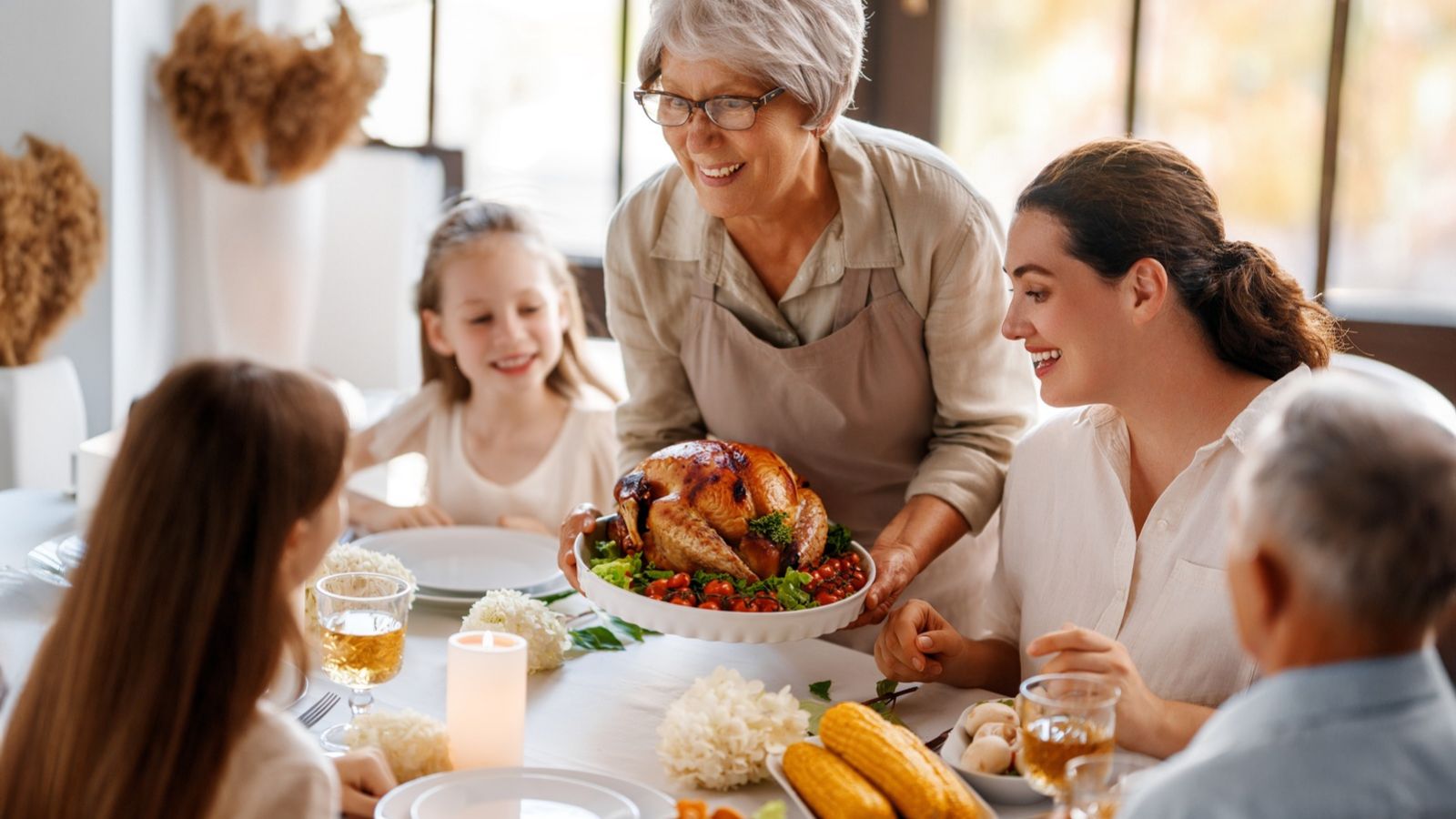
Retirement used to be imagined as a reasonably clear destination: finish a career, collect a pension and stop working. For many Canadian families, the conversation is becoming more complicated. Statistics Canada reported that 37.6% of paid workers were covered by a registered pension plan in 2024. Coverage was higher among women, at 41.4%, than among men, at 34.3%.
That does not mean everyone without a registered pension has inadequate retirement savings; Canadians can also rely on personal savings, RRSPs, TFSAs, workplace arrangements and public programs. Still, the pension numbers help explain why retirement plans can vary dramatically even among relatives of similar ages. One person may have a defined-benefit pension and a firm retirement date. Another may be self-employed, saving independently or planning to work longer. What sounds like a casual Thanksgiving question can therefore expose major differences in financial security. It becomes particularly awkward when “When are you retiring?” quietly carries a second question: “Can you actually afford to?”
“Who’s Going to Look After Mom and Dad?”
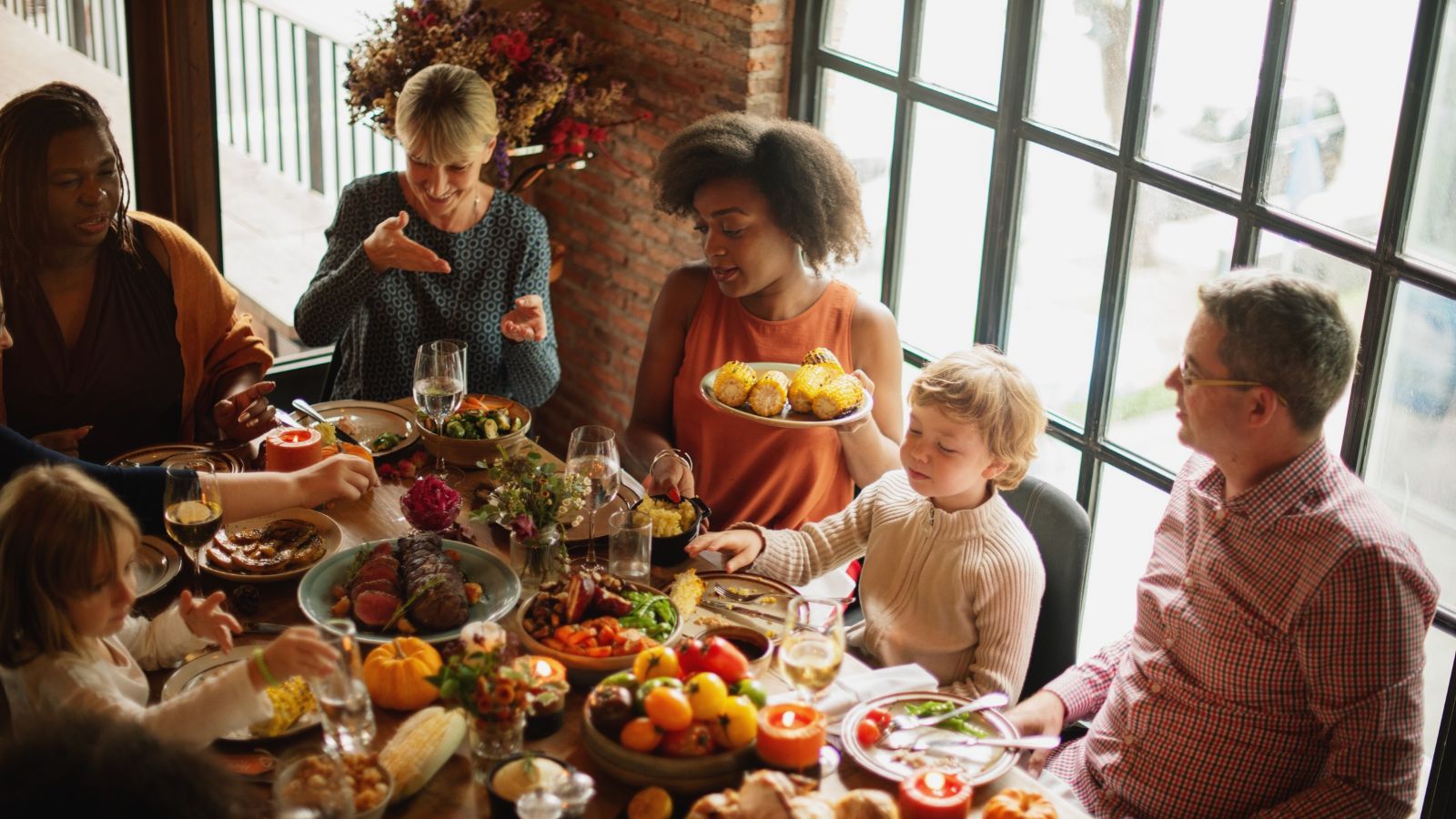
Thanksgiving can be one of the few occasions when siblings and aging parents occupy the same room for several uninterrupted hours. That makes it a natural—but often uncomfortable—moment for questions about driving, medical appointments, home maintenance or whether an older relative can continue living independently.
Caregiving is already widespread in Canada. Statistics Canada found that 23% of Canadians aged 15 and older provided care to care-dependent adults in 2022, most of it unpaid. Among people aged 55 to 64, 33.6% provided unpaid care to adults. Caregiving included transportation, housework, meal preparation, personal care, medical assistance, managing finances and emotional support. More than half of caregivers reported feeling tired, while substantial shares reported worry, anxiety or feeling overwhelmed. Those realities can make “Who will help?” one of the most consequential conversations at a family gathering. The tension usually appears when everyone agrees that help is needed but has a different idea of who should provide it.
“Who’s Actually Doing All the Cooking and Cleaning?”

A Thanksgiving meal can take hours—or days—to prepare, yet the division of labour may not become obvious until plates need washing. One person carved the turkey and receives applause. Someone else planned the menu, bought the groceries, prepared side dishes, remembered dietary restrictions, cleaned the kitchen and organized leftovers. That imbalance can turn the post-dinner cleanup into its own family discussion.
Canadian time-use data show that unpaid work remains unevenly distributed. Statistics Canada’s 2022 Time Use Survey found that women averaged about 3.7 hours per day on unpaid work activities, compared with 2.6 hours for men. Among people providing unpaid adult care, women were also more likely than men to handle meal preparation, house cleaning and laundry. Individual households can divide responsibilities very differently, but the national pattern helps explain why holiday labour sometimes becomes a sensitive topic. Thanksgiving can reveal not only who showed up for dinner, but who spent the previous two days making sure dinner happened.
“Why Aren’t You Drinking?”

For decades, declining a glass of wine at a family event could invite immediate investigation. Is someone driving? Taking medication? Pregnant? On a diet? The assumption that an adult needs a reason not to drink is becoming less reliable as Canadian drinking habits change.
Statistics Canada found that the share of Canadians aged 12 and older who had consumed no alcohol during the previous 12 months increased from 23% in 2015 to 29% in 2024. Among adults who did drink, consumption was also becoming less frequent: the proportion of adult drinkers consuming alcohol less than once a month rose from 20% to 27% over the same period. Health guidance has also increasingly emphasized that alcohol consumption carries risk. That makes the Thanksgiving interrogation of the person holding sparkling water seem increasingly outdated. The awkwardness often comes from the assumption that abstaining requires an explanation when, for a growing share of Canadians, not drinking may simply be an ordinary choice.
“Are We Saying Grace or Not?”
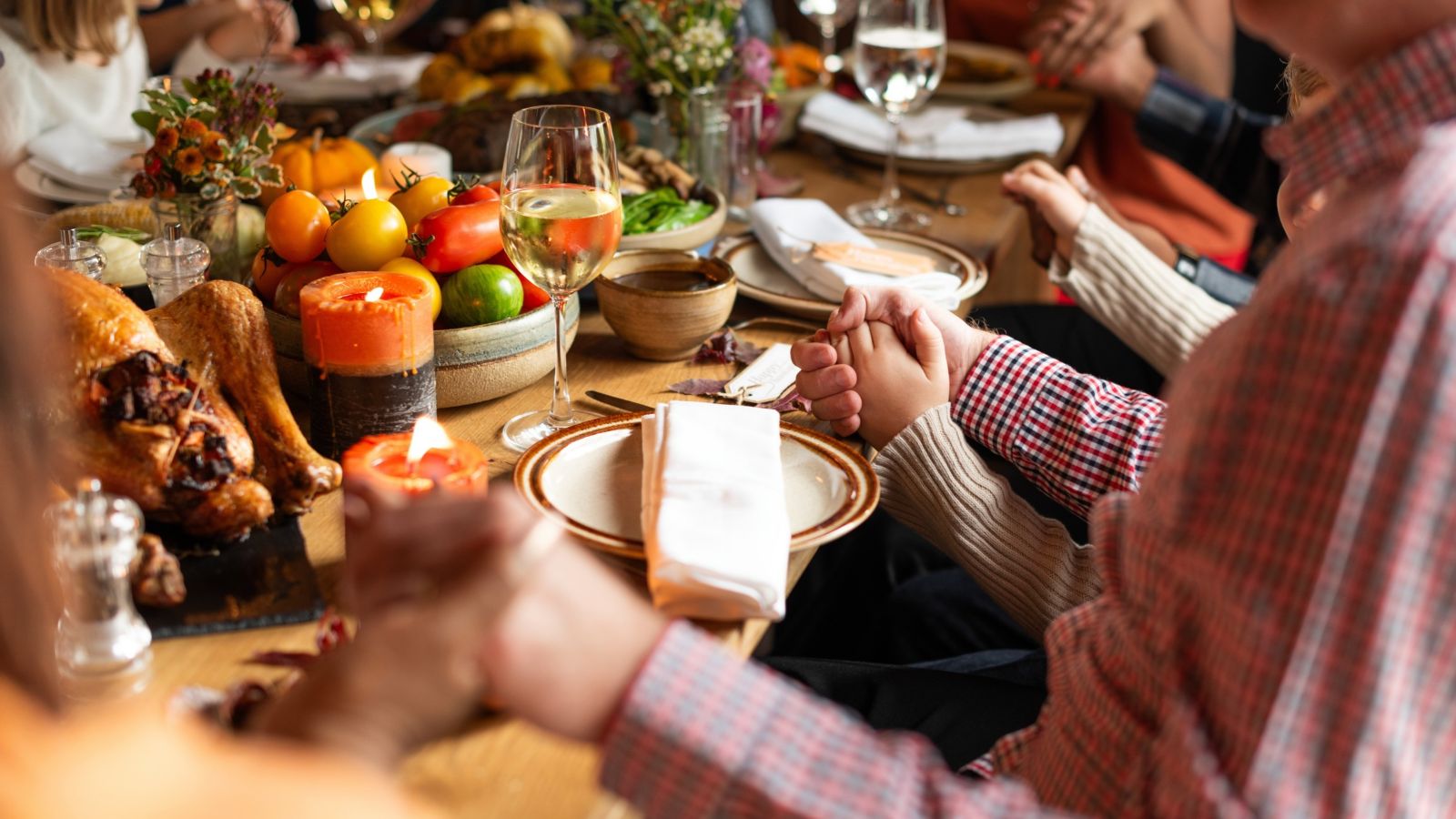
Thanksgiving has deep religious elements in its formal Canadian history, so the moment before dinner can reveal just how much the country has changed. One generation may consider saying grace an inseparable part of the holiday. Another may prefer a secular expression of gratitude. Multifaith families may incorporate several traditions—or avoid choosing one altogether.
The 2021 Census recorded a substantial shift in Canadian religious affiliation. Christians represented 53.3% of the population, down from 67.3% in 2011 and 77.1% in 2001. Meanwhile, 34.6% of Canadians reported no religious affiliation or a secular perspective, more than double the 16.5% recorded in 2001. At the same time, Muslim, Hindu and Sikh populations increased substantially, reflecting Canada’s growing religious diversity. The result is not that gratitude has disappeared from Thanksgiving. Rather, families increasingly have different ideas about how it should be expressed. A simple “Who wants to say grace?” can therefore become an unexpected negotiation over faith, tradition and inclusion.
“Can We Please Not Talk About Politics?”

Someone mentions taxes, housing or the economy. Another person names a political leader. A third relative sighs because everyone knows what comes next. Political disagreement at family gatherings is old, but Elections Canada data show that political identity can affect how Canadians relate to one another.
In its study surrounding the 2025 federal election, Elections Canada found that 18% of respondents were classified as feeling strongly polarized in how they related to other Canadians politically, while 39% were somewhat polarized. Fifty-seven per cent agreed to a moderate or large extent that they found it easier to relate to people with whom they agreed politically. At the same time, 42% were classified as not politically polarized, an important reminder that sharp partisan division is not universal. Thanksgiving nevertheless creates the ideal conditions for disagreement: several generations, different priorities and enough time for one comment to develop into a debate. Sometimes the safest transition really is asking whether anyone wants more stuffing.
“Wait, You Don’t Eat Turkey Anymore?”
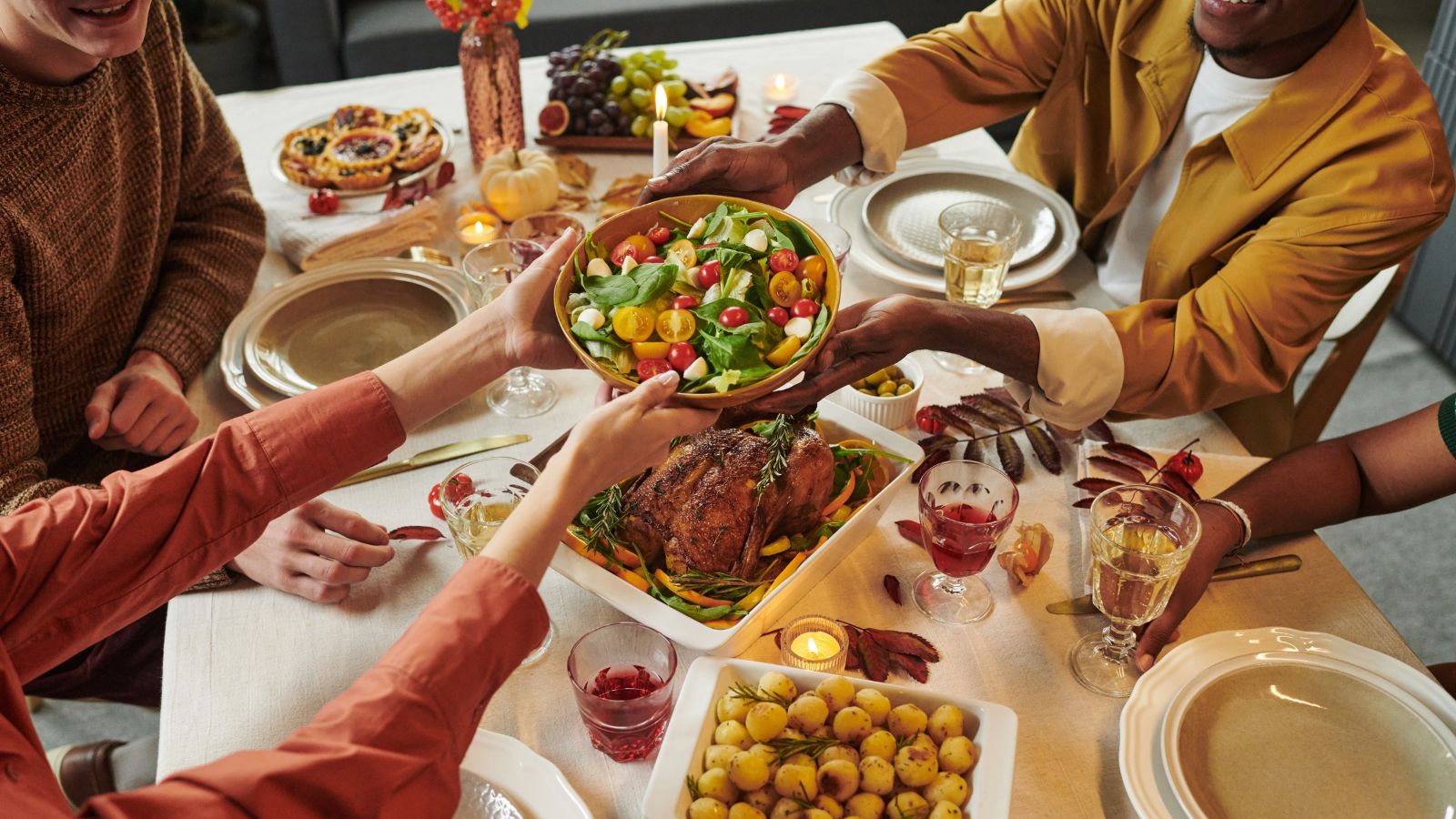
Nothing reveals changing food preferences faster than building a Thanksgiving menu for ten relatives. One person is vegetarian, another is trying to eat less meat, somebody avoids dairy and a traditionalist is wondering why a roast turkey suddenly requires so much negotiation.
A Spring 2026 food sentiment study from Dalhousie University’s Agri-Food Analytics Lab found increasingly varied dietary patterns among respondents. In that study, 55% identified as omnivores without specific restrictions, while 9.4% described themselves as flexitarian, 5.2% vegetarian and 2.6% vegan. The study used an online non-probability sample, so its percentages should be treated as indicators of consumer sentiment rather than precise population estimates. Even so, its results illustrate how varied food preferences have become. The practical consequence is visible around holiday tables: hosts increasingly need to think beyond a single main dish. The awkward conversation starts when a dietary choice is treated less like a menu preference and more like an invitation to debate nutrition, ethics or tradition.
“Is This Even Traditional Canadian Thanksgiving Food?”
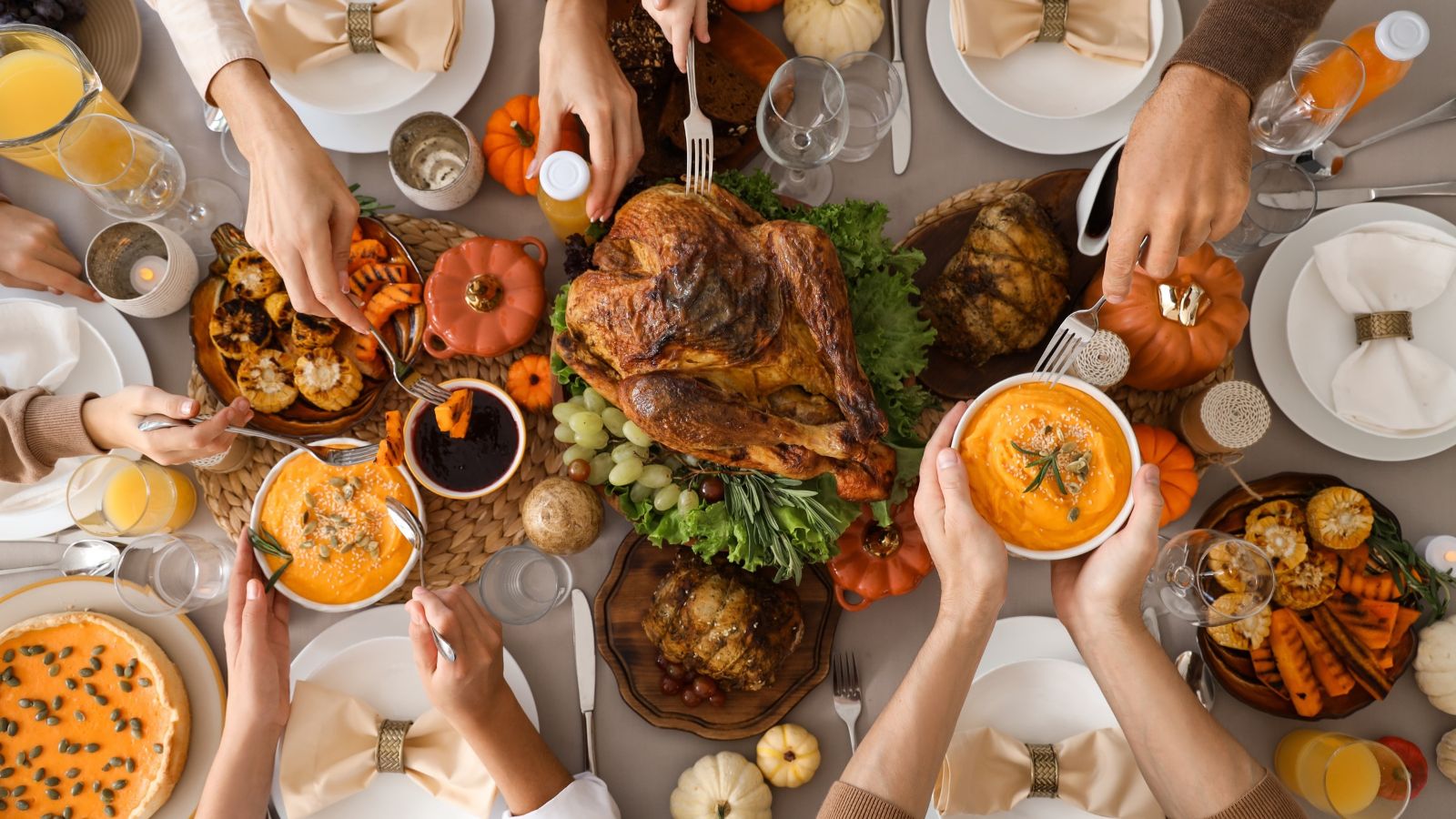
A Thanksgiving plate in one household might contain turkey, stuffing and mashed potatoes. Another may include dumplings, curry, pancit, biryani, pierogi, tourtière or dishes brought into the family by parents and grandparents from somewhere else. Arguments over what counts as “traditional” become increasingly difficult in a country whose population has been shaped by generations of immigration.
Almost one-quarter of Canada’s population—23%—was, or had previously been, a landed immigrant or permanent resident in the 2021 Census. Statistics Canada also found particularly strong connections between immigration and multigenerational living, where family customs can be shared across generations under the same roof. Contemporary reporting on Canadian Thanksgiving has similarly highlighted how immigrant and Indigenous food traditions influence modern celebrations. The result is that Thanksgiving dinner does not have one universally Canadian menu. The relative asking why a family stopped serving one traditional dish may discover that a newer recipe has already become the tradition for the next generation.
“What Are We Actually Celebrating?”

This question can change the atmosphere at the table because Canadian Thanksgiving has a more complicated history than the simplified version many people learn as children. Indigenous peoples across the lands now called Canada held ceremonies and festivals giving thanks for harvests, animals and seasonal abundance long before European settlement. Different nations maintained distinct practices rather than one universal “Indigenous Thanksgiving.”
European traditions developed separately. Historical accounts describe Martin Frobisher’s expedition holding a ceremony of thanksgiving in the eastern Arctic in 1578, while French settlers later held feasts associated with the Order of Good Cheer. Loyalist migration subsequently helped spread foods and customs associated with New England Thanksgiving. Canada eventually fixed Thanksgiving on the second Monday of October in 1957. Knowing those histories can produce difficult but valuable family conversations about colonization, Indigenous experiences and how national stories are told. The awkwardness comes from discovering that a comforting childhood explanation may have omitted much of the historical context surrounding gratitude, land and harvest in Canada.
“Whose Family Gets the Next Holiday?”

Once Thanksgiving dinner is almost finished, another logistical challenge often appears: Christmas, Hanukkah, New Year’s or the next major family gathering. Couples with two extended families may need to negotiate competing invitations. Adult children living in another province may have limited vacation time. Parents may quietly keep score of where everyone spent the previous holiday.
Visiting relatives is a major reason Canadians travel. Statistics Canada reported that Canadian residents made 71 million domestic trips during the fourth quarter of 2024, covering October through December. Visiting friends or relatives accounted for 45.7% of those domestic trips, making it the most commonly cited primary purpose. Most travel during that quarter—88.4% of all Canadian residents’ trips—remained within Canada. Behind those large numbers are countless household negotiations involving highways, flights, guest rooms, weather and multiple sets of grandparents. That makes “Where are you spending Christmas?” sound deceptively simple. By the time every branch of the family tree is considered, it may be the most complicated question asked all Thanksgiving weekend.
16 Costco Canada Habits That Could Be Costing Shoppers More Than They Save

The Executive Membership can feel like an obvious upgrade because the 2% annual reward sounds straightforward. For households that spend heavily at Costco Canada, the extra fee may be easy to justify. But the habit becomes costly when shoppers upgrade first and calculate later. A Gold Star Membership costs less, while Executive costs more and only pays off if eligible annual spending is high enough to offset the difference.
16 Costco Canada Habits That Could Be Costing Shoppers More Than They Save
