
Canadian Thanksgiving has a way of making generosity look deceptively simple. A pie, bottle, casserole, bouquet, or extra guest can seem like a thoughtful addition—until it collides with an already full oven, a food allergy, a household rule, or a host who has spent days planning every detail.
The safest approach is not to arrive empty-handed; it is to avoid arriving with surprises that create more work than help. Some households run relaxed potlucks, while others have carefully assigned dishes, dietary restrictions, pets, small kitchens, or alcohol-free tables. These 20 things are worth clearing with the host before they cross the front door, because a quick message beforehand can prevent everything from a crowded refrigerator to a genuine health risk.
An Uninvited Plus-One

A Thanksgiving invitation generally reflects a head count the host has already considered. Bringing an extra friend, date, relative, or houseguest without checking can affect everything from seating to portions. At a casual gathering with food spread across a kitchen island, one more person may seem insignificant. At a dinner where 10 chairs, 10 place settings, and a turkey sized for 10 have been planned, that surprise can create immediate pressure. Established etiquette guidance treats invitations as applying to the people actually invited rather than automatically extending to additional guests.
That does not mean a host will necessarily object. Many families would happily squeeze in another chair, especially when circumstances change at the last minute. The point is that the decision belongs to the person hosting. A text asking whether a visiting cousin can come gives the host a chance to say yes, adjust the food, or explain that space is genuinely limited. Showing up first and explaining later forces the host to accommodate the change in real time, which is exactly the kind of Thanksgiving surprise that can turn hospitality into stress.
A Second Turkey or Other Centrepiece Main
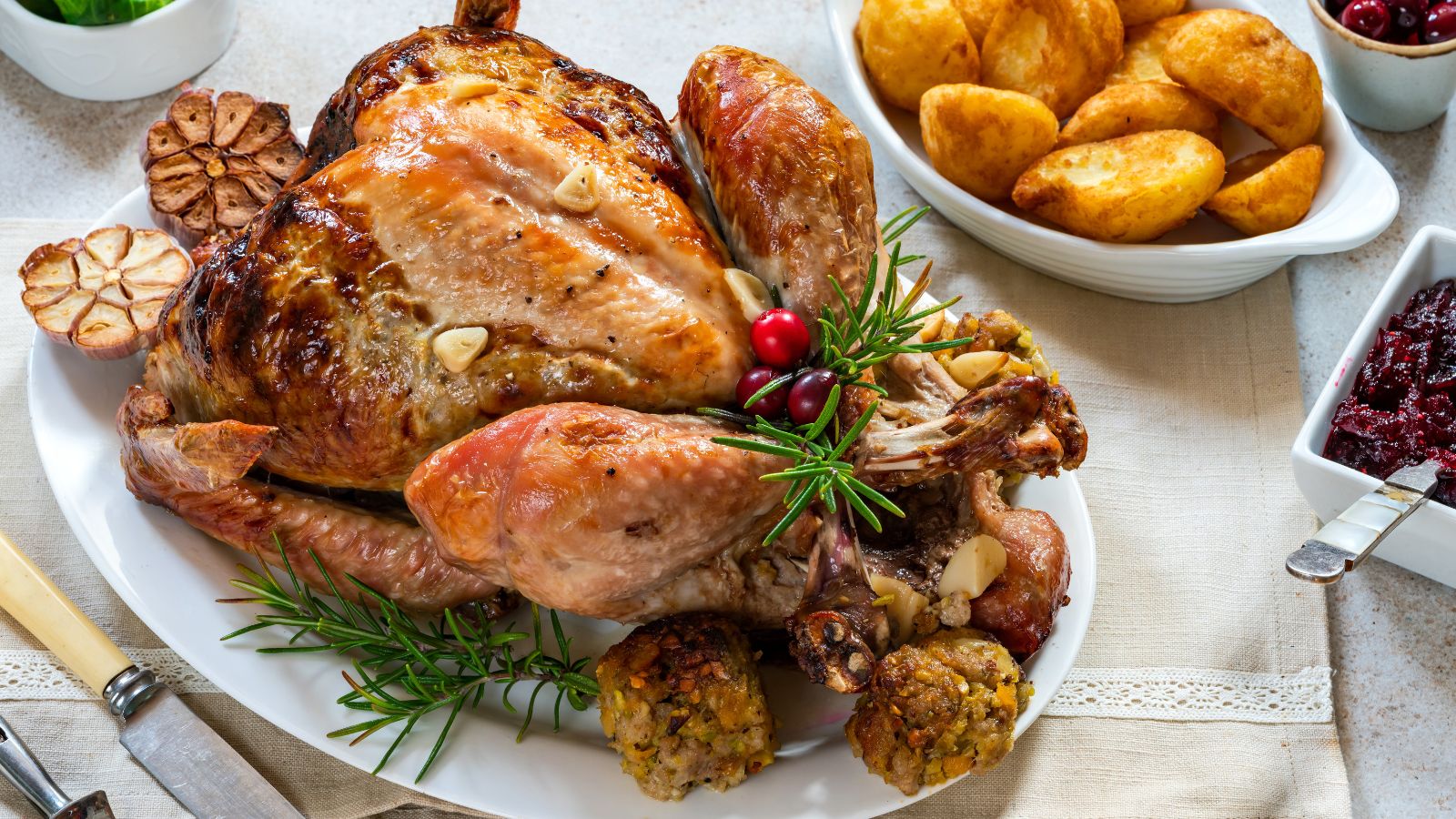
Bringing a second turkey, ham, roast, or elaborate vegetarian centrepiece can look enormously generous. It can also unintentionally compete with the meal the host has spent hours preparing. Dinner-party etiquette experts commonly recommend against arriving with an unrequested dish, while Canadian entertaining guidance for potlucks encourages hosts to assign specific contributions so the table does not end up with unnecessary duplicates. Thanksgiving magnifies the issue because the main dish is often the anchor around which oven timing, serving platters, carving space, and side dishes have been organized.
Imagine a host who has dry-brined a turkey overnight, calculated its roasting time, and planned gravy from the drippings. A guest arriving with another fully cooked bird may suddenly require carving knives, a platter, refrigerator space, and an explanation for why one turkey is barely touched. None of that makes the gesture unkind; it simply shows why coordination matters. Anyone hoping to contribute something substantial should ask what category still needs help. Bread, salad, beverages, or a dessert may be far more valuable than an unexpected second centrepiece.
A Casserole That Needs Precious Oven Space
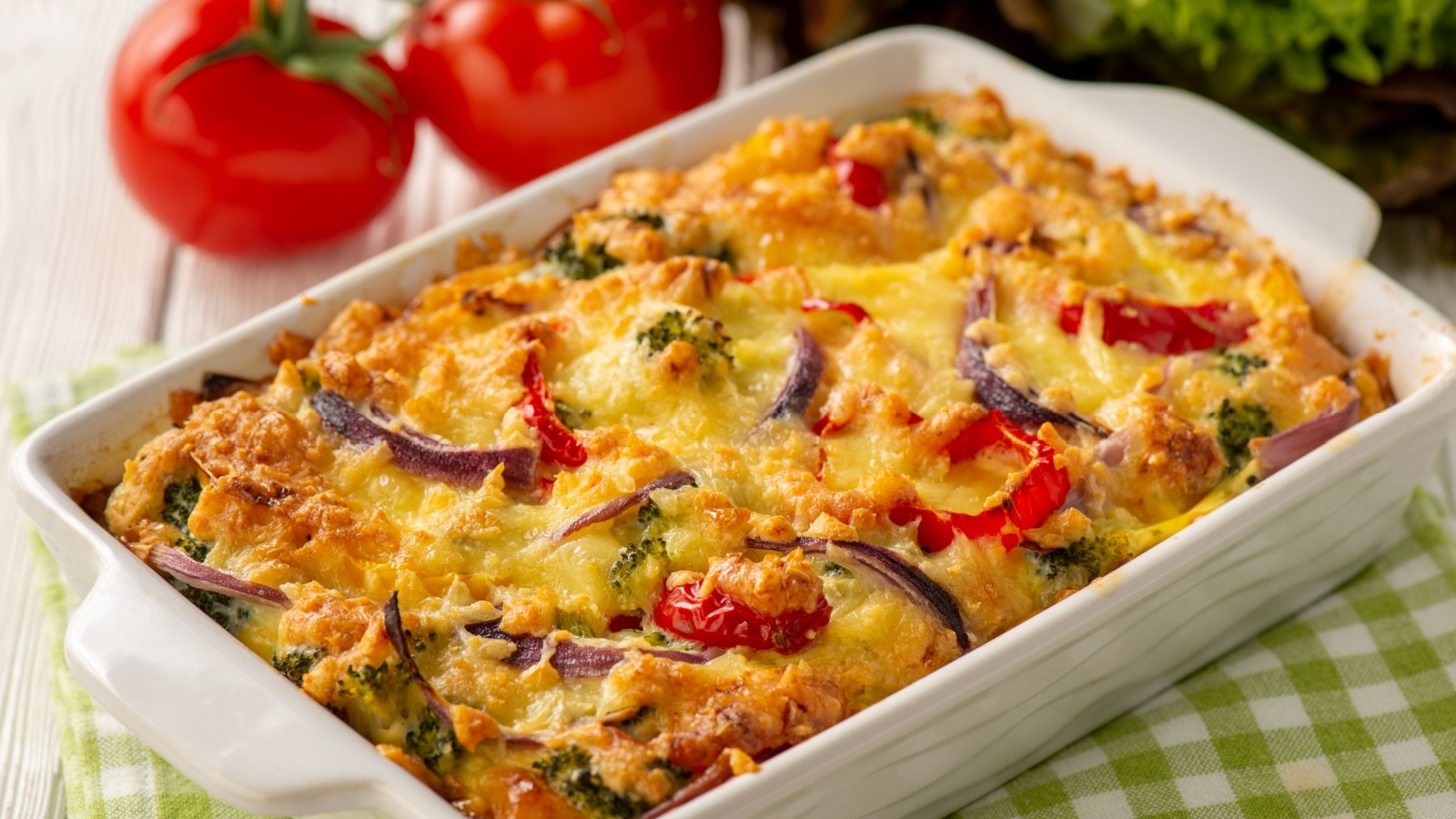
Few pieces of Thanksgiving real estate are more valuable than the oven. The turkey may occupy it for hours, followed by stuffing, roasted vegetables, rolls, or dishes that need reheating just before everyone sits down. Potluck guidance consistently warns guests not to assume they can arrive with a casserole that still needs 30 or 40 minutes at a particular temperature. Even a dish advertised as needing “just 15 minutes” can become a problem when three other guests have made the same assumption.
This is especially relevant in Canadian homes and condos where there may be only one standard oven and limited counter space. A casserole that arrives completely cooked and can be served at room temperature is very different from one that requires baking, broiling, or lengthy reheating. If oven access has been confirmed in advance, there is no problem. If it has not, the more considerate choice is a dish that arrives ready to serve. The distinction seems small, but at 4:45 p.m., with a turkey resting and several sides competing for heat, it can determine whether dinner is served on time.
A Slow Cooker or Hot Appliance Without Warning
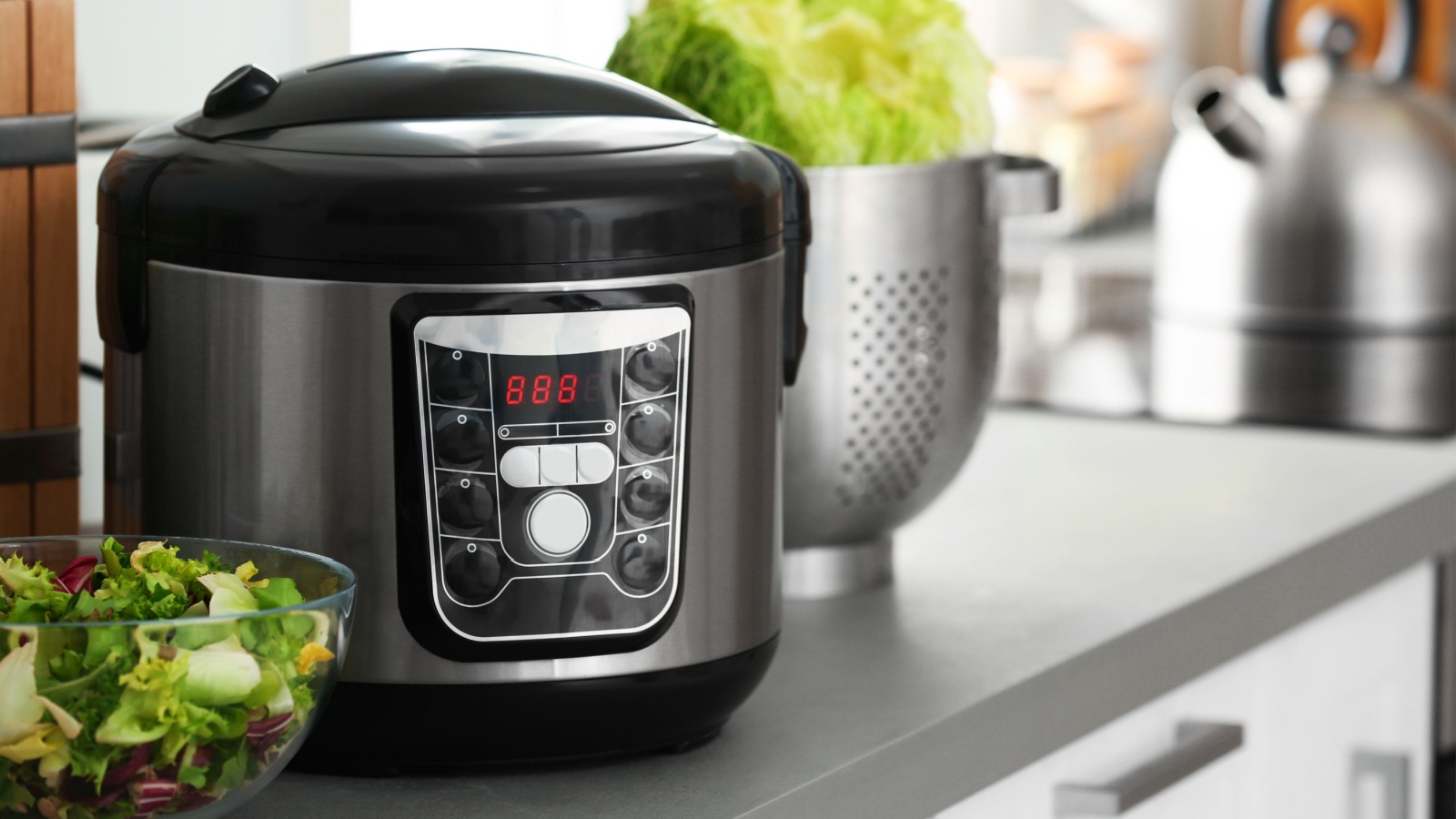
A slow cooker can be one of the most useful Thanksgiving tools because it keeps mashed potatoes, stuffing, meatballs, or another side warm without occupying the oven. The problem comes when several people arrive with appliances and each assumes there will be an empty outlet, a safe countertop, and enough room around the buffet. Entertaining guidance advises guests not to presume that kitchen workspace or heating capacity will be available unless it has been discussed beforehand.
The appliance itself may also change the host’s layout. A large slow cooker can occupy the space intended for drinks or serving dishes, while a cord stretched across a busy kitchen can become inconvenient when people are moving with hot pans. None of this means slow cookers should stay home. In many cases, a host will enthusiastically approve one precisely because it frees the oven. The useful step is asking first: “Would it help if this came in the slow cooker, and is there somewhere to plug it in?” That small question turns an unexpected appliance into an actual solution.
Raw or Partly Cooked Poultry
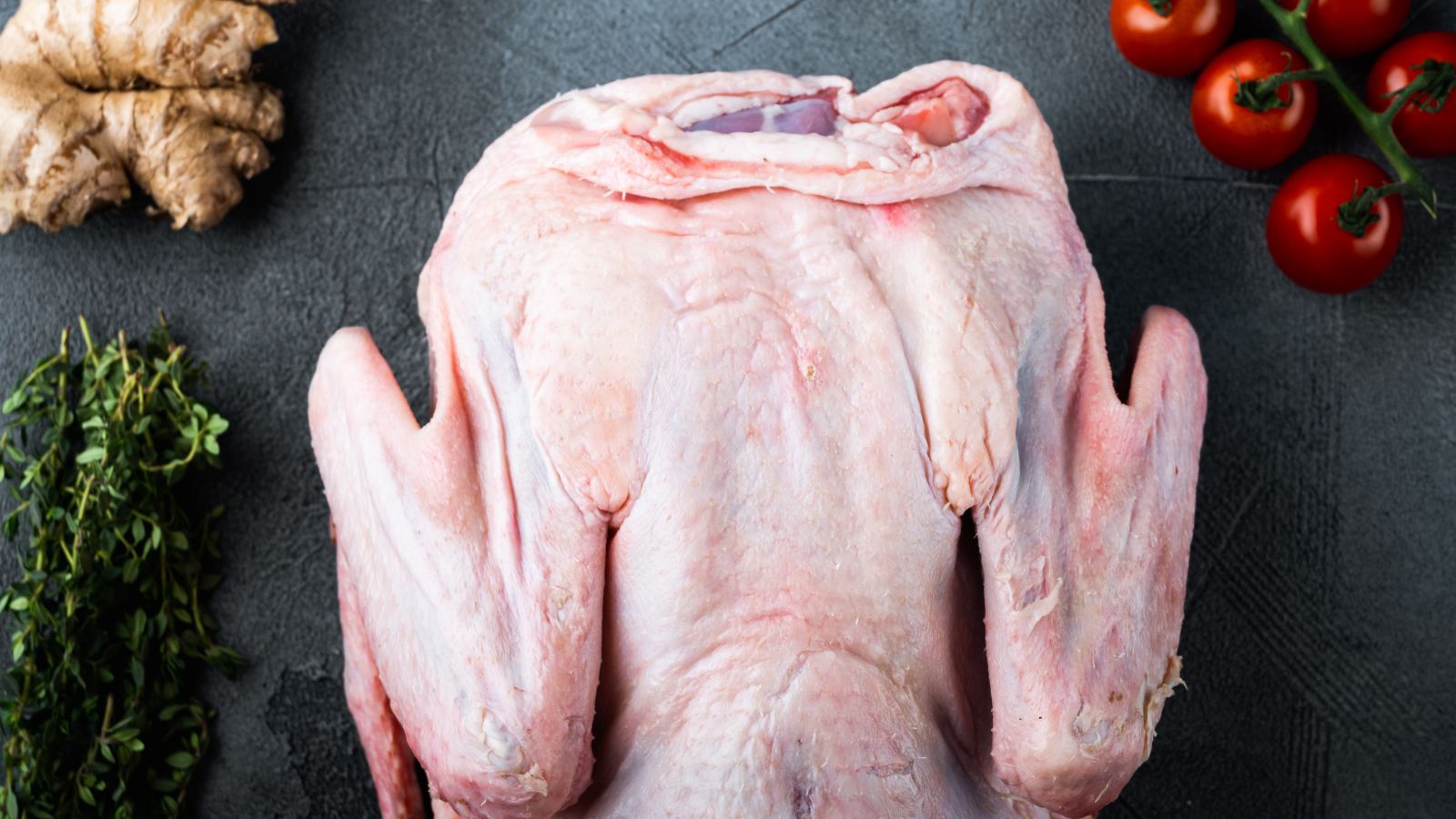
Arriving with raw turkey parts, an undercooked bird, or stuffing that still needs to finish cooking transfers far more responsibility to the host than an ordinary potluck dish. Health Canada recommends using a digital food thermometer because poultry safety cannot reliably be judged by appearance alone. Federal food-safety guidance lists 85°C for whole poultry, while poultry pieces and stuffing should reach at least 74°C. That means a dish that arrives only partly cooked cannot simply be warmed until it “looks ready.”
Raw poultry also raises cross-contamination concerns because juices can come into contact with countertops, utensils, cutting boards, or foods that will not be cooked again. A host already juggling several dishes may not have a clean preparation area available when guests arrive. Unless raw ingredients or cooking responsibilities were specifically arranged beforehand, Thanksgiving contributions are better brought fully cooked and ready to serve or reheat safely. The goal is not culinary perfection; it is preventing an unexpected food-safety job from appearing in the kitchen just as the busiest part of the meal begins.
A Hot Dish That Has Been Travelling Too Long
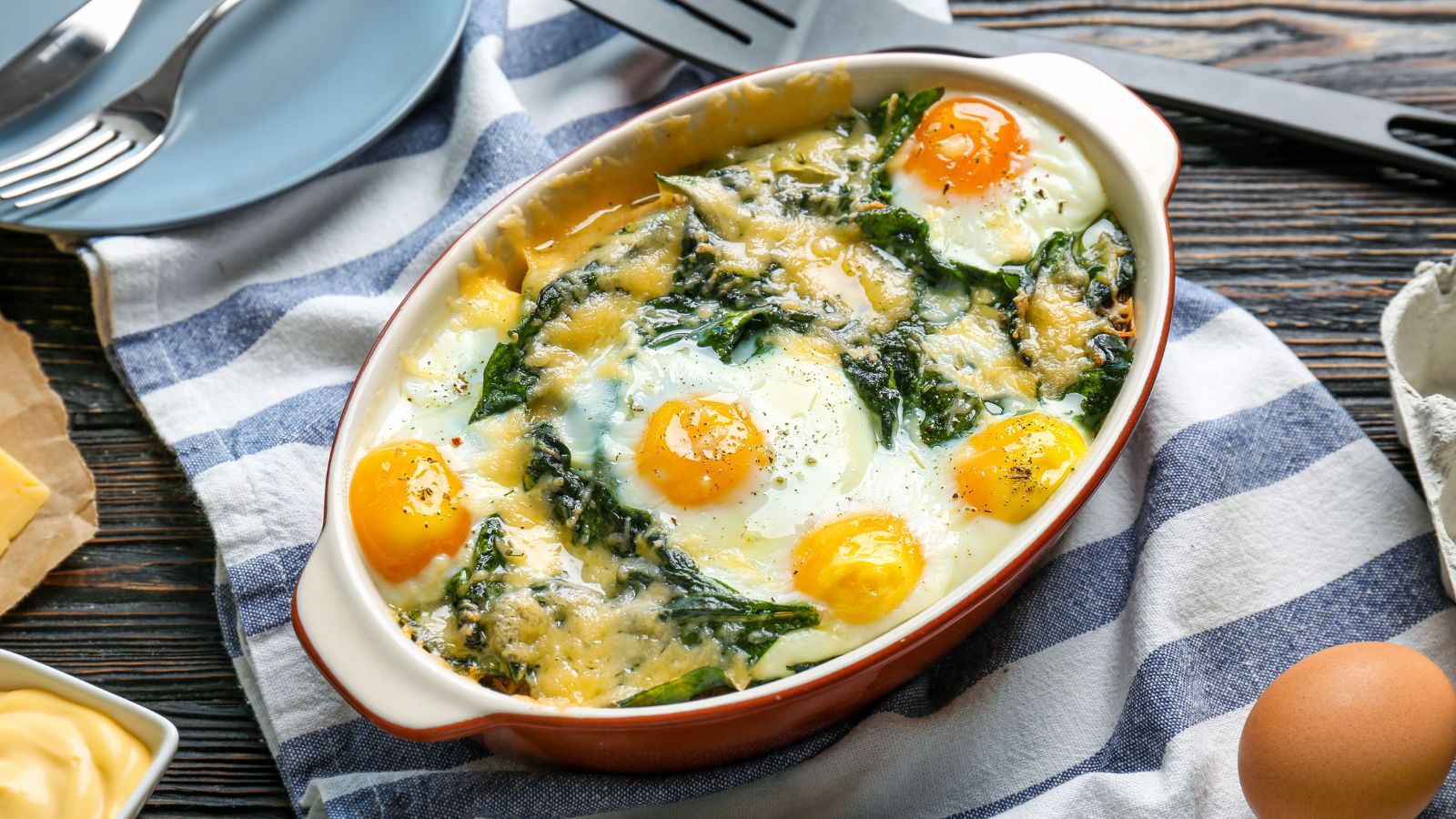
A casserole can leave home piping hot and still arrive in questionable condition after a long drive. Health Canada advises keeping hot food at or above 60°C during transport and recommends insulated containers, hot packs, foil, or heavy towels when appropriate. The federal guidance reflects a basic food-safety principle: prepared food should not spend unnecessary time in the temperature range where bacteria can multiply quickly.
That matters during Thanksgiving because Canadian gatherings often involve travel between cities, suburbs, or rural communities. A guest may cook something at noon, load it into the car, visit another relative, and reach dinner several hours later. Reheating the dish after arrival does not make poor handling a good idea. Asking the host first can reveal a better plan: perhaps the dish should be chilled and reheated, transported in an insulated carrier, or replaced with something safer for a long journey. The thoughtful contribution is not simply the food itself; it is food that arrives in a condition the host can confidently place on the table.
A Cold Dish Without a Cooler Plan
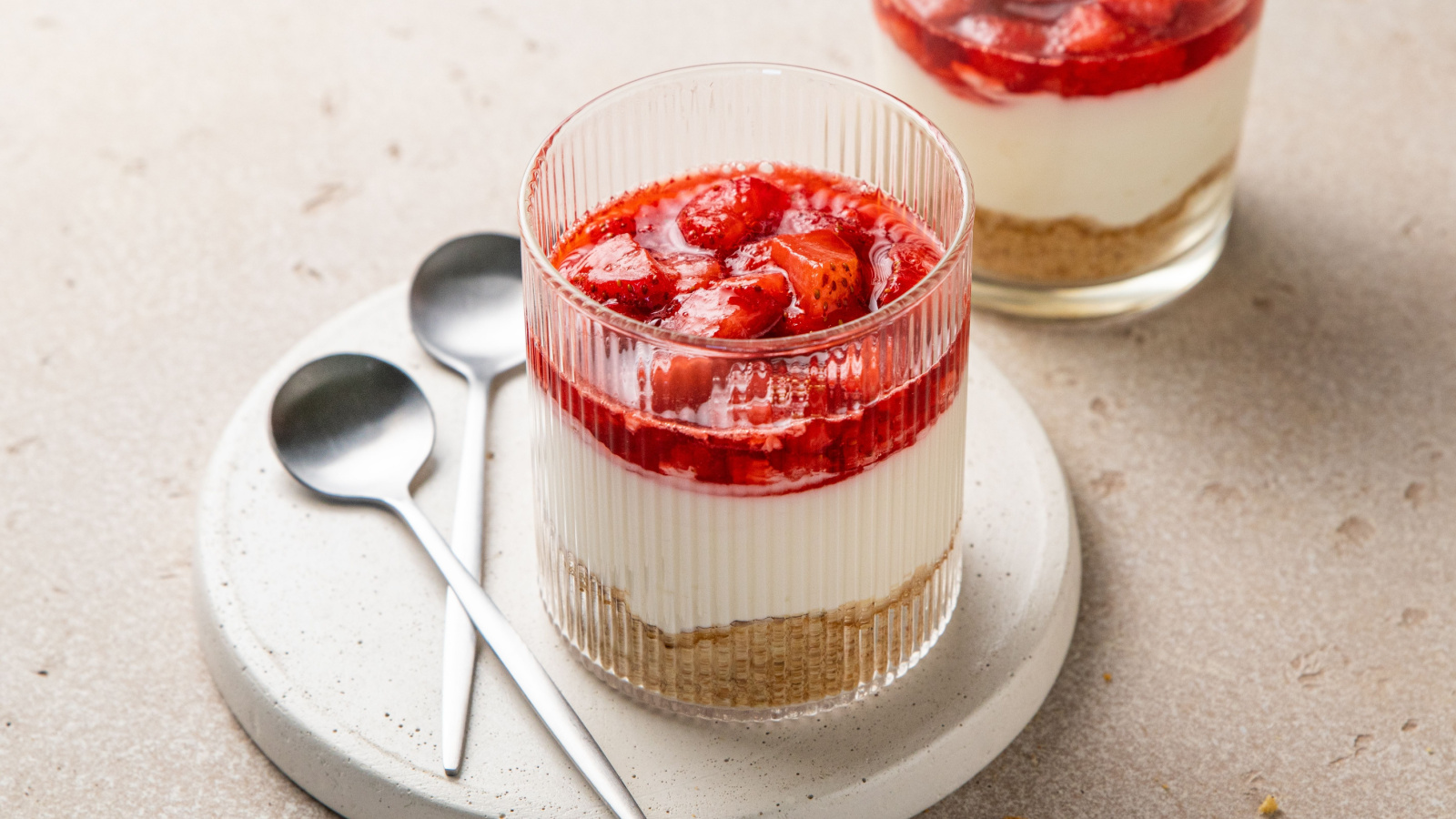
Cheesecake, creamy dips, dairy-based desserts, salads containing meat or eggs, and other perishable dishes create the opposite transportation problem. Health Canada advises that cold foods be kept at or below 4°C and says perishable food should not be left at room temperature for extended periods. Holiday guidance also warns against overcrowding a refrigerator because cold air needs space to circulate. That makes an unexpected tray requiring immediate refrigeration more complicated than it may appear.
Consider a host whose refrigerator already contains a turkey, vegetables, desserts, beverages, and containers prepared the night before. A guest arriving with a large bowl of potato salad may discover there is simply nowhere to put it. A cooler with ice packs can solve much of that problem, but only if the guest knows in advance that refrigeration is limited. Asking whether fridge space is available takes seconds. If the answer is no, bringing something shelf-stable or room-temperature can be much more useful. Thanksgiving hospitality works better when food-storage logistics are considered before the front door opens.
An Unlabelled Homemade Dish
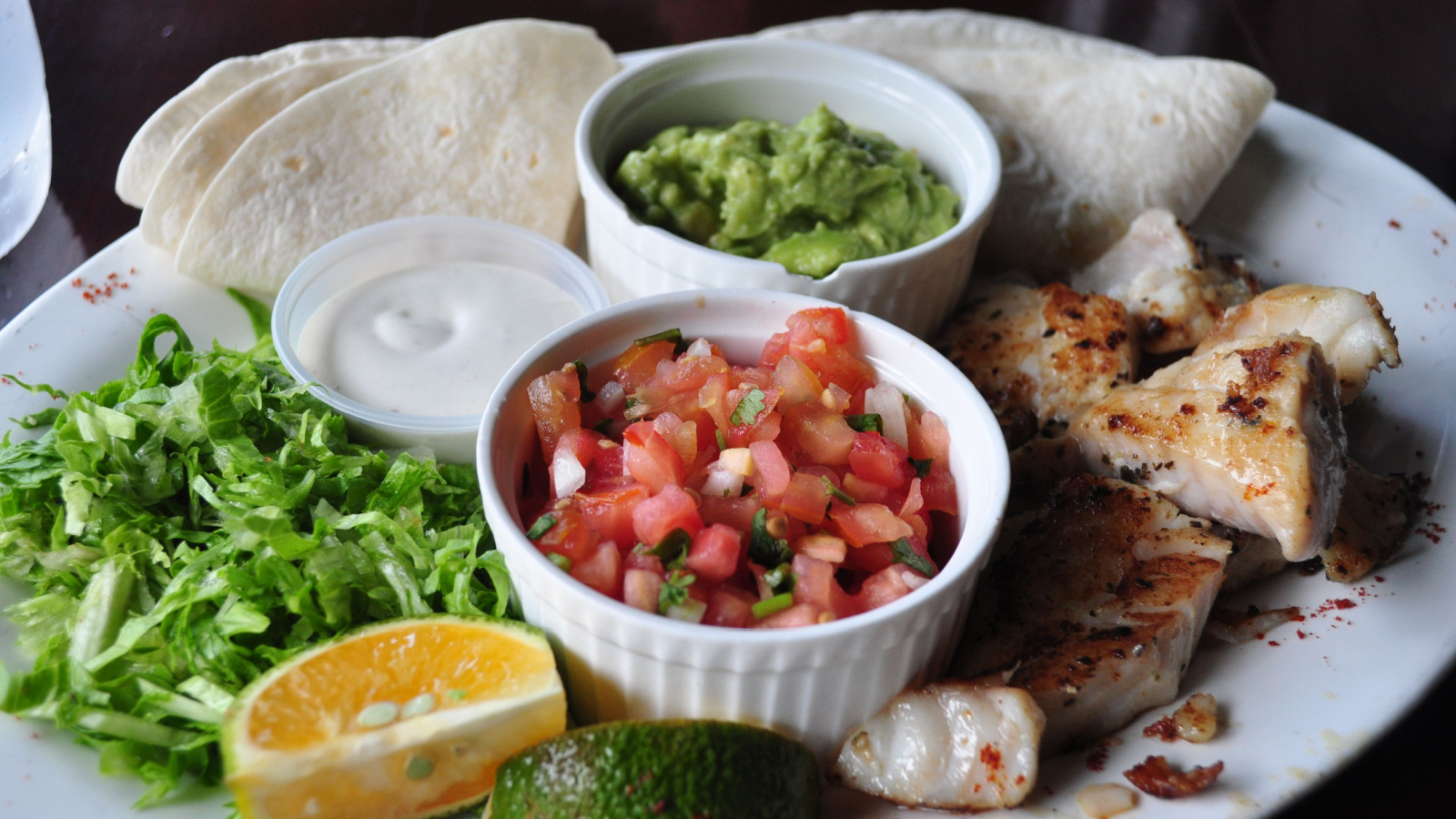
A handwritten description such as “Aunt Linda’s famous squares” may sound charming, but guests with food allergies need considerably more information. Health Canada says approximately 7% of Canadians self-report a food allergy, and federal rules require priority allergens and gluten sources to be identified on applicable prepackaged foods. Homemade foods do not arrive with those standardized ingredient declarations, so communication becomes especially important when they are placed on a shared Thanksgiving table.
Butter can be hidden in mashed vegetables, mustard may appear in dressing, sesame can turn up in bread, and nuts can be blended into crusts or toppings. Cross-contact can also occur even when an allergen was not deliberately added. A host who has already collected dietary information may have designed the menu around those concerns. An unannounced dish complicates that system. Before bringing homemade food, it is worth asking whether there are allergies or restrictions and keeping an ingredient list available. For many guests, knowing exactly what is in a dish can be the difference between enjoying it and having to avoid it entirely.
A Nut-Heavy Dessert or Snack Tray
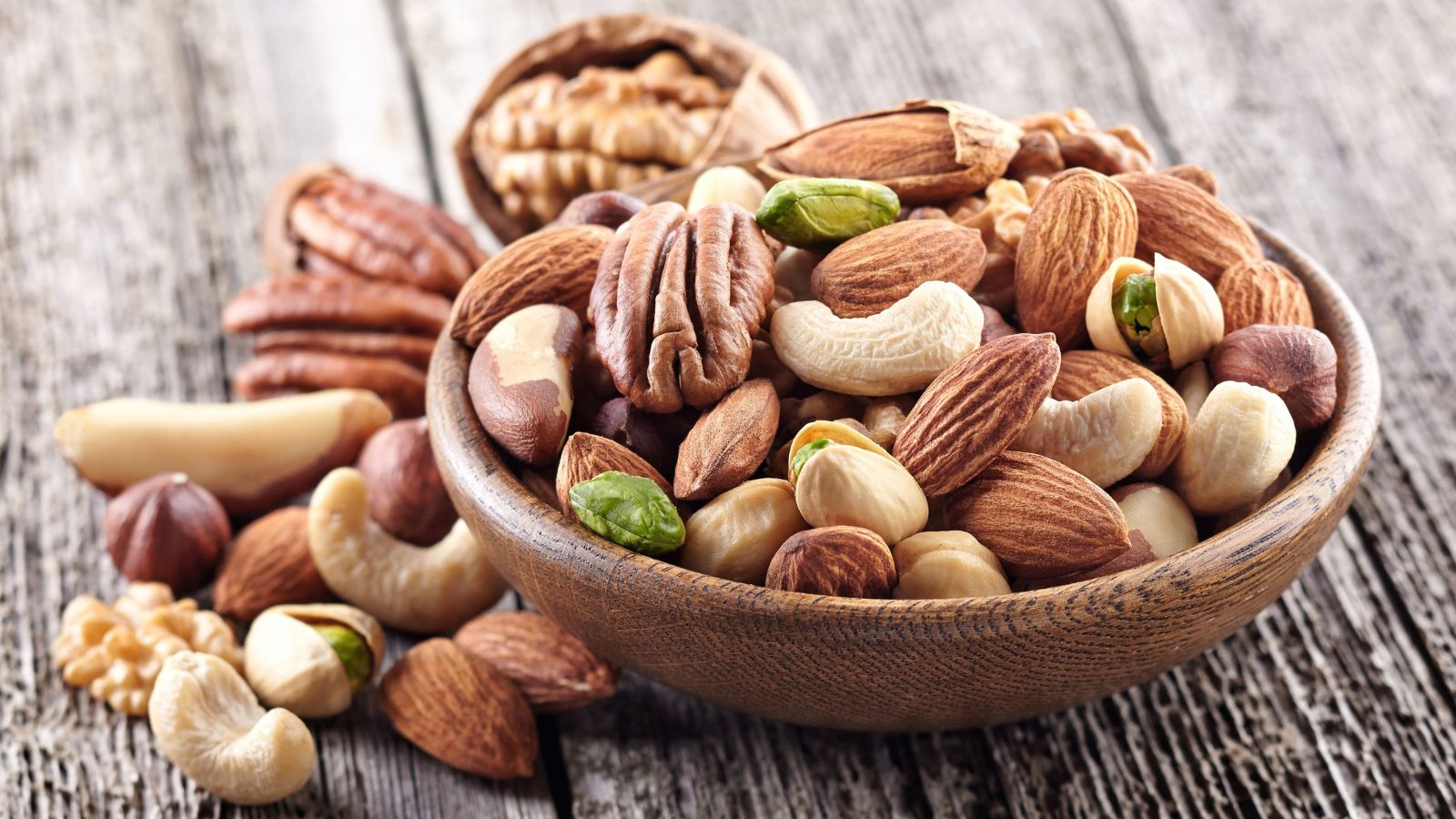
Pecan pie, walnut stuffing, almond cookies, mixed nuts, and nut-based chocolates all fit easily into an autumn celebration, but peanuts and tree nuts are among Canada’s priority food allergens. Food Allergy Canada says more than three million Canadians are affected by food allergy, while federal guidance notes that allergic reactions can potentially become severe. That makes a surprise nut-heavy dish more than an issue of preference when the host has not had an opportunity to check the guest list.
Cross-contact is another reason to coordinate. A dessert made with pecans may share utensils, serving surfaces, or storage space with foods intended for someone with an allergy. Simply placing it at the opposite end of the table may not address the household’s established precautions. If the host says nuts are fine, there is no reason a classic pecan dessert cannot be welcomed enthusiastically. If someone attending has a serious allergy, the host may prefer that nuts not enter the kitchen at all. Asking first allows the household to set the level of precaution instead of discovering the problem after dessert arrives.
A “Free-From” Dish With Unclear Cross-Contact
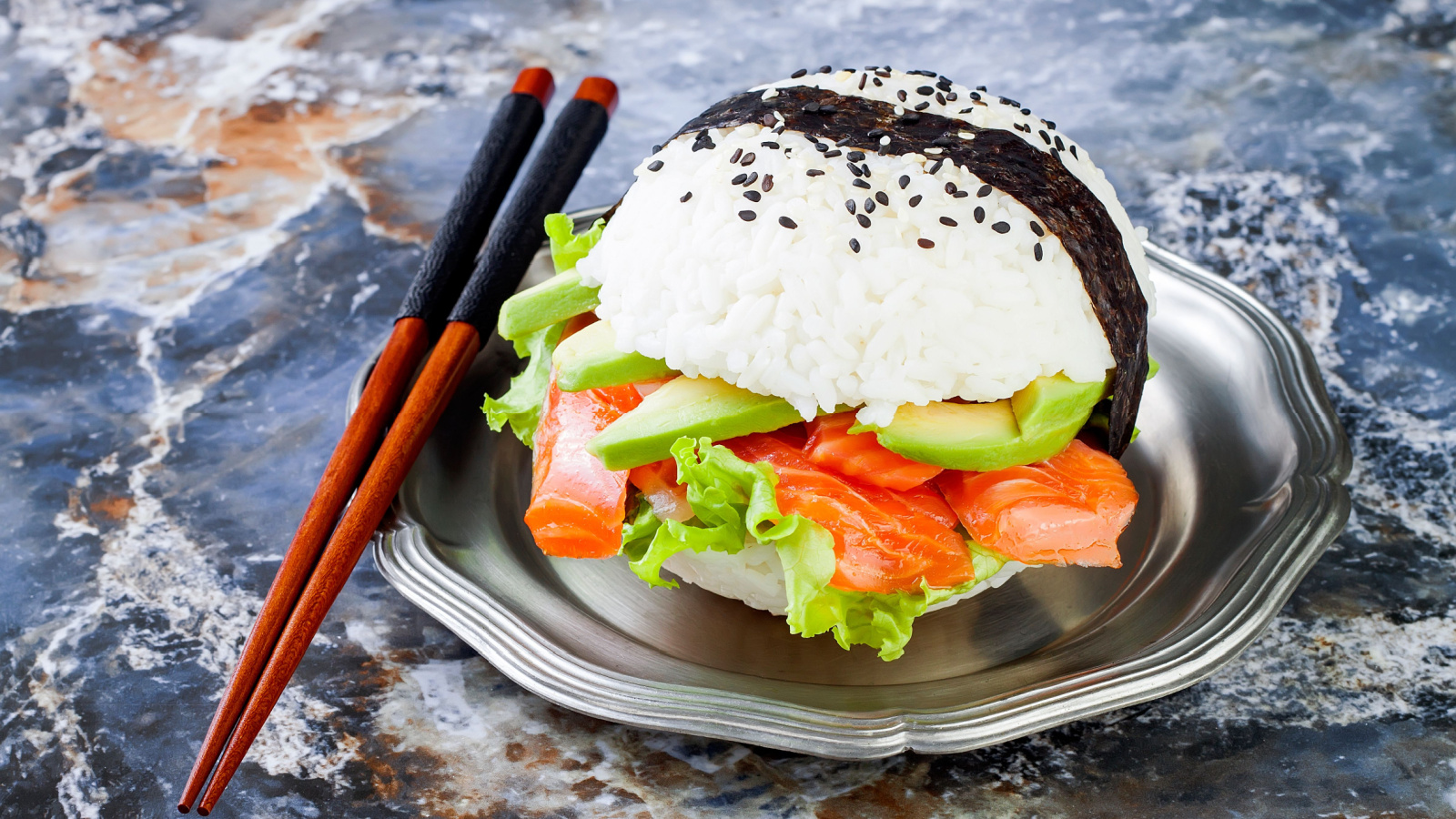
Labels such as vegan, dairy-free, nut-free, or gluten-free can create a false sense that a dish automatically works for anyone with dietary restrictions. The categories are not interchangeable. A vegan dessert might contain tree nuts, soy, sesame, or wheat. A recipe containing no obvious gluten ingredients may still have been prepared with equipment or surfaces exposed to wheat. CFIA guidance specifically recognizes cross-contact as the unintended transfer of allergenic residue into another food, and it notes that gluten can cause serious problems for people with celiac disease.
The more useful approach is specificity. If someone wants to bring a gluten-free pie for a guest with celiac disease, the host should know whether it was produced in a dedicated environment or simply made from gluten-free ingredients in a regular kitchen. The same applies to allergy-conscious dishes. Thanksgiving should not require guests to conduct an interrogation at the buffet, but accurate information matters. Checking with the host first can determine what level of separation is necessary and whether the proposed dish actually meets the needs it was meant to address.
Alcohol the Host Is Expected to Serve
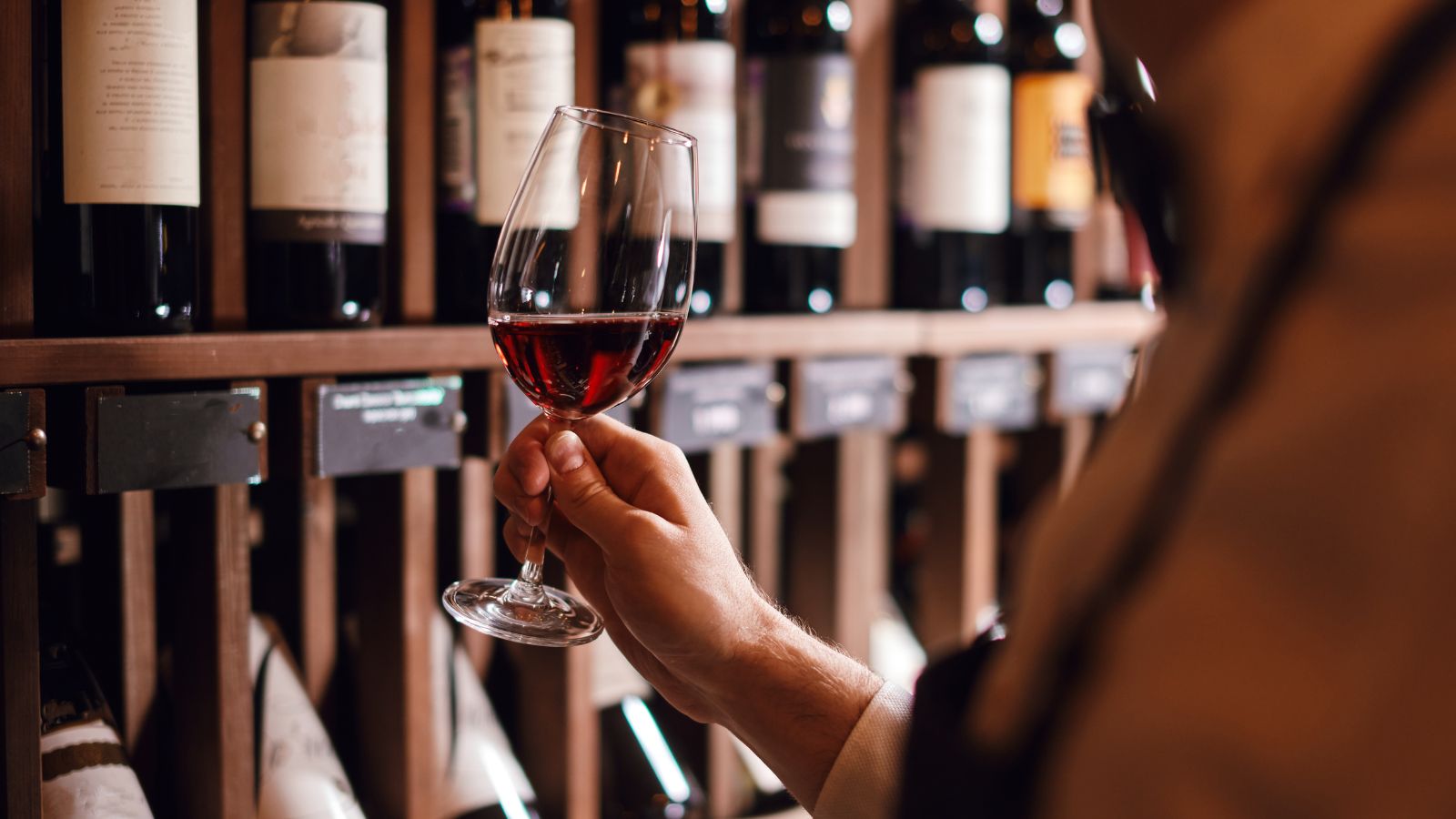
Wine remains a traditional host gift, but a bottle brought as a gift is not the same thing as a bottle the host is expected to open during dinner. Etiquette guidance from Lizzie Post notes that hosts may have already planned beverage pairings and are not obligated to open a guest’s bottle immediately. There are also many households where alcohol is absent because of health, recovery, religion, pregnancy, personal preference, medication, or simply the host’s chosen atmosphere.
Canada’s current alcohol guidance also emphasizes that drinking carries health risks and that less alcohol means lower risk. None of that makes a bottle of wine an inappropriate gift in a household known to welcome it. The key is avoiding assumptions. A guest who arrives saying, “I brought this for another evening” places no obligation on the host. Someone arriving with several bottles and immediately putting them on the dining table creates a different expectation. When the household’s approach to alcohol is unknown, asking first—or choosing coffee, tea, chocolates, or another host gift—can prevent an awkward situation.
Cannabis Edibles
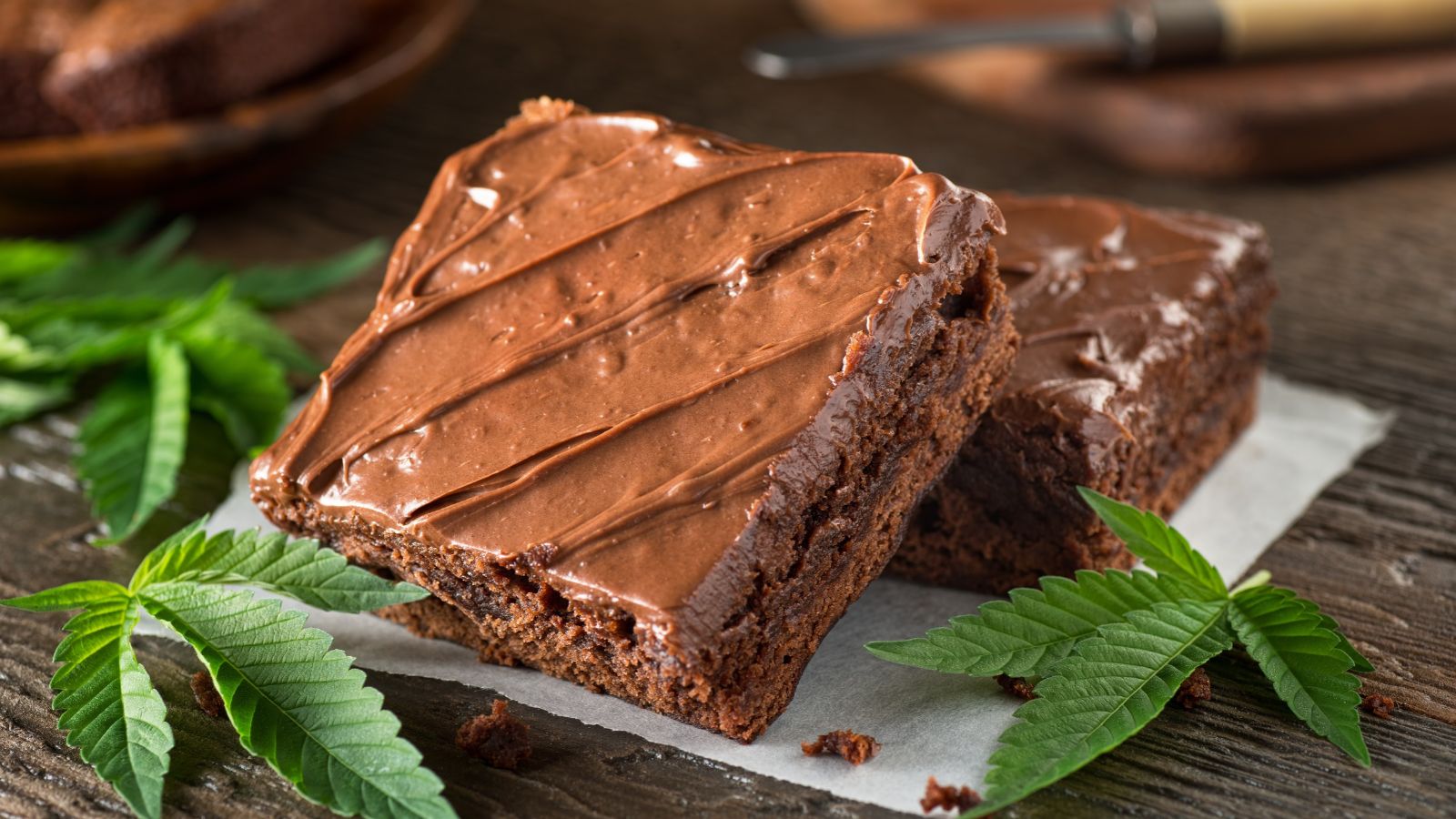
Legal cannabis may be common in Canada, but cannabis brownies, gummies, chocolates, or other edibles should never be treated like an ordinary surprise contribution to a family food table. Health Canada says legal edible cannabis products contain no more than 10 milligrams of THC per package and must use child-resistant packaging. The department also warns that accidental cannabis poisoning among children is a serious risk and recommends storing edibles separately from ordinary food and out of sight and reach of children and pets.
Thanksgiving creates conditions in which confusion is particularly easy: desserts may be spread across a counter, children may help themselves, and homemade treats may have no commercial label at all. Even adults may not expect a brownie on a communal tray to contain THC. Anyone who wants to bring cannabis products should first know whether the host permits them and how they will be stored, labelled, and kept separate. A holiday dessert table should never require guests to guess whether a sweet is intoxicating. Clear advance communication is essential.
Unpasteurized Apple Cider
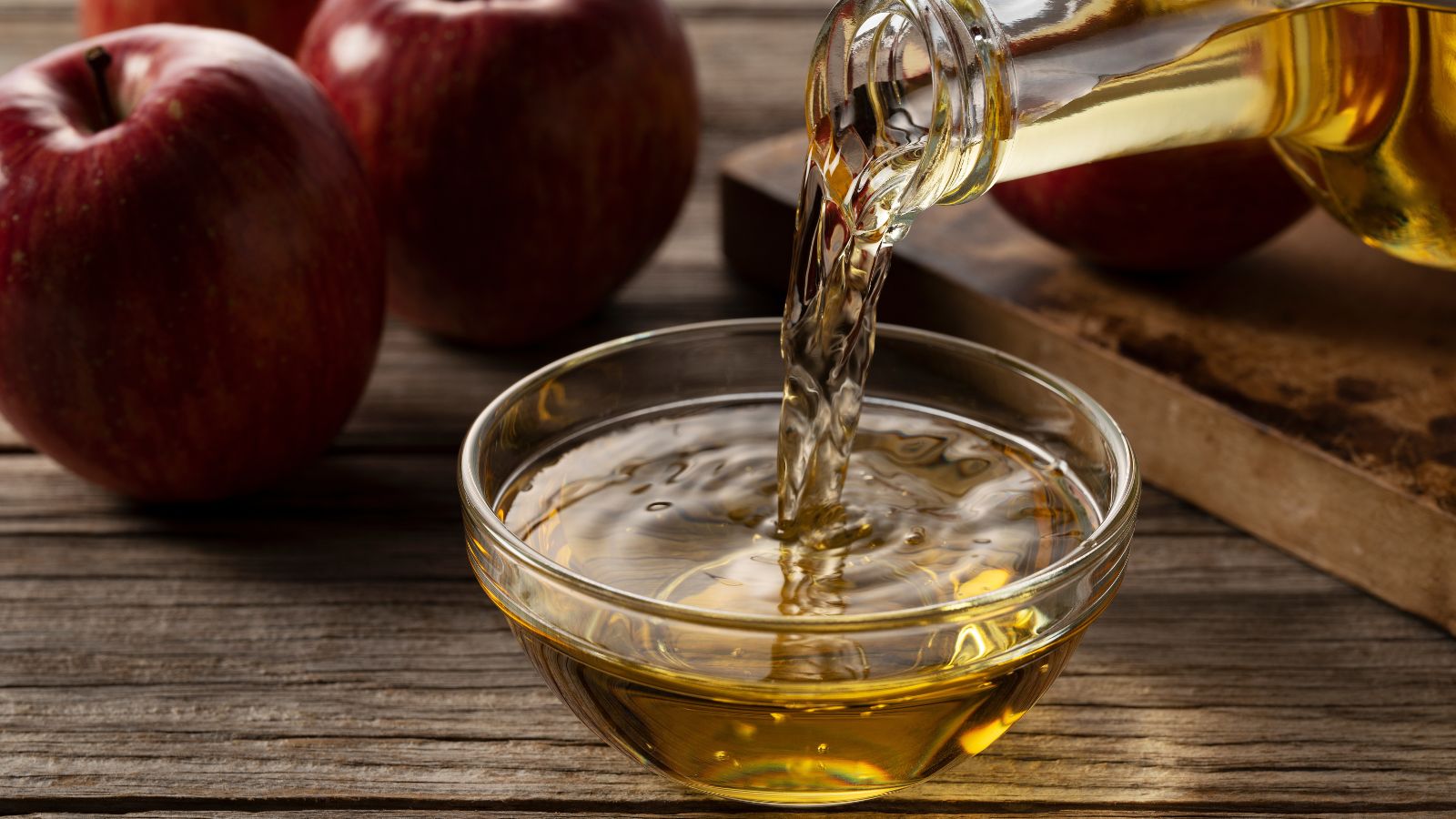
Fresh apple cider feels almost tailor-made for Canadian Thanksgiving, particularly after an autumn trip to an orchard or farmers’ market. The catch is that “fresh” can sometimes mean unpasteurized. Health Canada says unpasteurized juice and cider can contain organisms including Salmonella, E. coli and Cryptosporidium. The federal government advises children, older adults, pregnant people, and people with weakened immune systems to consume pasteurized products rather than unpasteurized versions.
Refrigeration does not provide the same protection as pasteurization. Health Canada specifically notes that simply chilling or freezing unpasteurized juice does not ensure it is safe. For a healthy adult who knowingly chooses it, locally pressed cider may still be appealing, but bringing it to a mixed-age family gathering without checking creates an unnecessary uncertainty. The host may have toddlers, elderly relatives, or someone immunocompromised at the table. A labelled pasteurized cider is the simpler universal option. If the special orchard bottle is unpasteurized, asking before bringing it allows the host to decide whether it suits the gathering.
Home-Canned Preserves
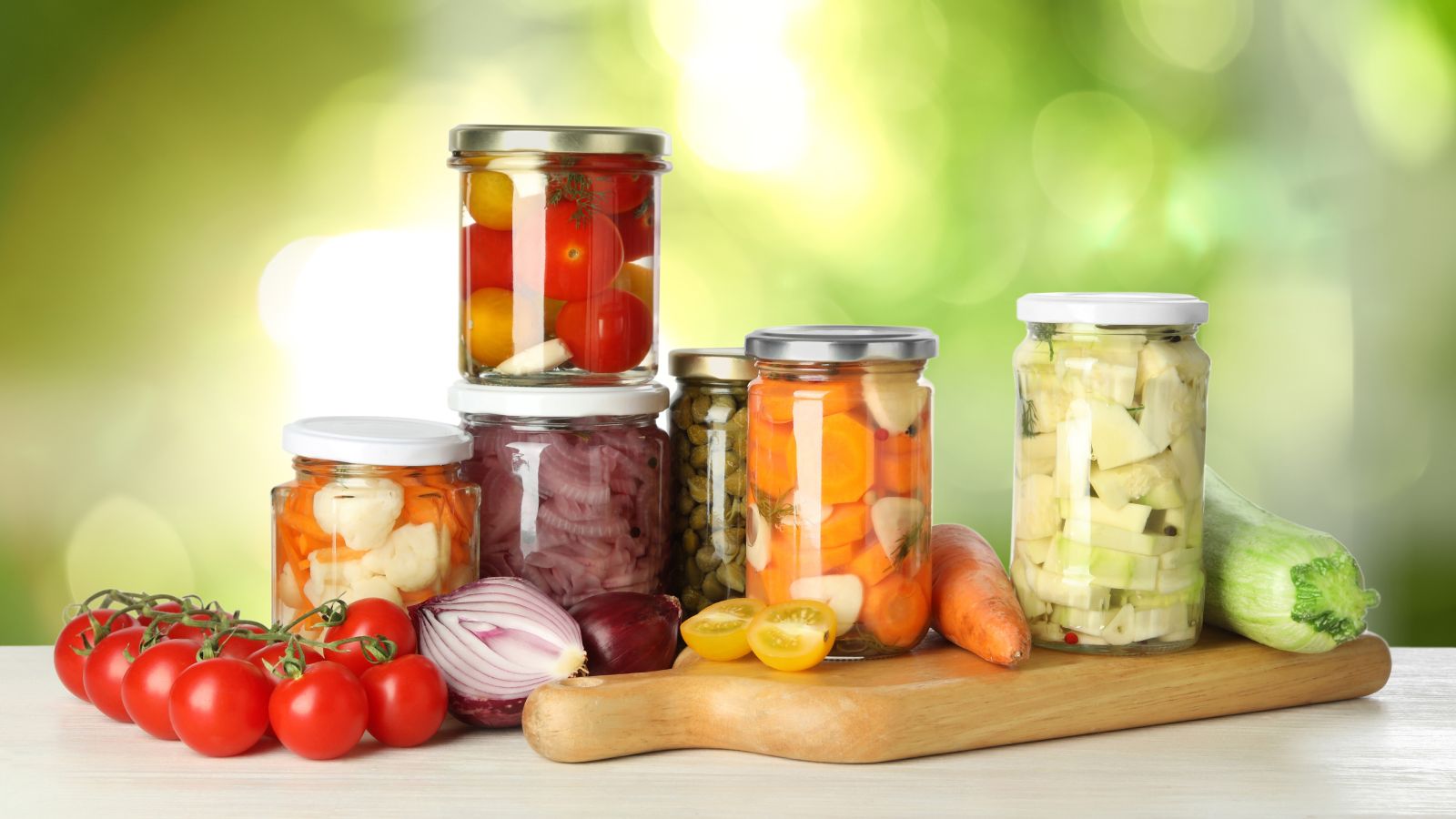
Homemade cranberry sauce, pickles, relish, salsa, or preserves can be a deeply personal Thanksgiving gift, particularly when they come from a family garden. Home canning, however, depends heavily on correct preparation. Health Canada warns that improperly canned or bottled food can cause botulism, a serious and potentially fatal illness. The toxin does not necessarily change a food’s smell, taste, or appearance, which means the familiar “smell it and see” test cannot establish safety.
Federal guidance distinguishes between high-acid and low-acid foods and says low-acid foods generally require pressure canning to reach the temperatures necessary for safe processing. It also recommends using current tested recipes rather than improvising processing times or ingredient proportions. None of this means home-canned gifts should be viewed suspiciously by default. Experienced home canners routinely follow validated methods. But an unlabeled jar from an unknown process is different from a properly dated, carefully prepared preserve. Asking the host first—and being able to explain how the food was processed—makes a homemade gift considerably easier to serve with confidence.
A Pet

A friendly dog may attend nearly every gathering in one family and be completely unsuitable in another household. Bringing a pet without permission is effectively bringing another uninvited guest—one that may shed, investigate food, interact unpredictably with resident animals, or trigger allergies. Asthma Canada identifies animals and pet allergens such as dander among common allergic asthma triggers, so the issue can extend beyond whether the host personally likes dogs or cats.
There are practical considerations too. A resident pet that is calm around familiar people may become anxious when an unfamiliar animal enters its territory. Children may be frightened or overly excited, and a crowded dining room can make supervision more difficult. Service animals are a distinct situation and should not be confused with casually bringing a companion pet to dinner. For an ordinary pet, the considerate approach is explicit permission beforehand. “Can the dog come?” gives the host a genuine choice. Arriving with the animal already in the car can make a polite refusal much harder and may pressure the host into accepting a situation they did not plan.
A Bouquet That Could Be Toxic to Pets

Flowers are among the most traditional host gifts, yet a beautiful bouquet can create a serious problem in a home with animals. The Ontario SPCA lists a number of plants and flowers that can be harmful to pets and specifically warns that many lilies are highly poisonous to cats. The ASPCA similarly states that true lilies can cause severe kidney injury in cats, with even relatively small exposures presenting a concern.
That means a surprise mixed bouquet containing lilies may force a cat-owning host to remove the arrangement immediately rather than enjoy it. Other plants can also cause gastrointestinal or more serious effects depending on the species and animal. There is no need to abandon flowers as a Thanksgiving gesture; it simply helps to know whether pets live in the house and to select a pet-safer arrangement when necessary. Orchids, violets, and gerbera daisies are among alternatives identified by the Ontario SPCA as potentially friendlier choices. When the contents of a mixed bouquet are uncertain, checking first is considerably kinder than handing the host a botanical hazard.
A Strongly Scented Candle or Diffuser
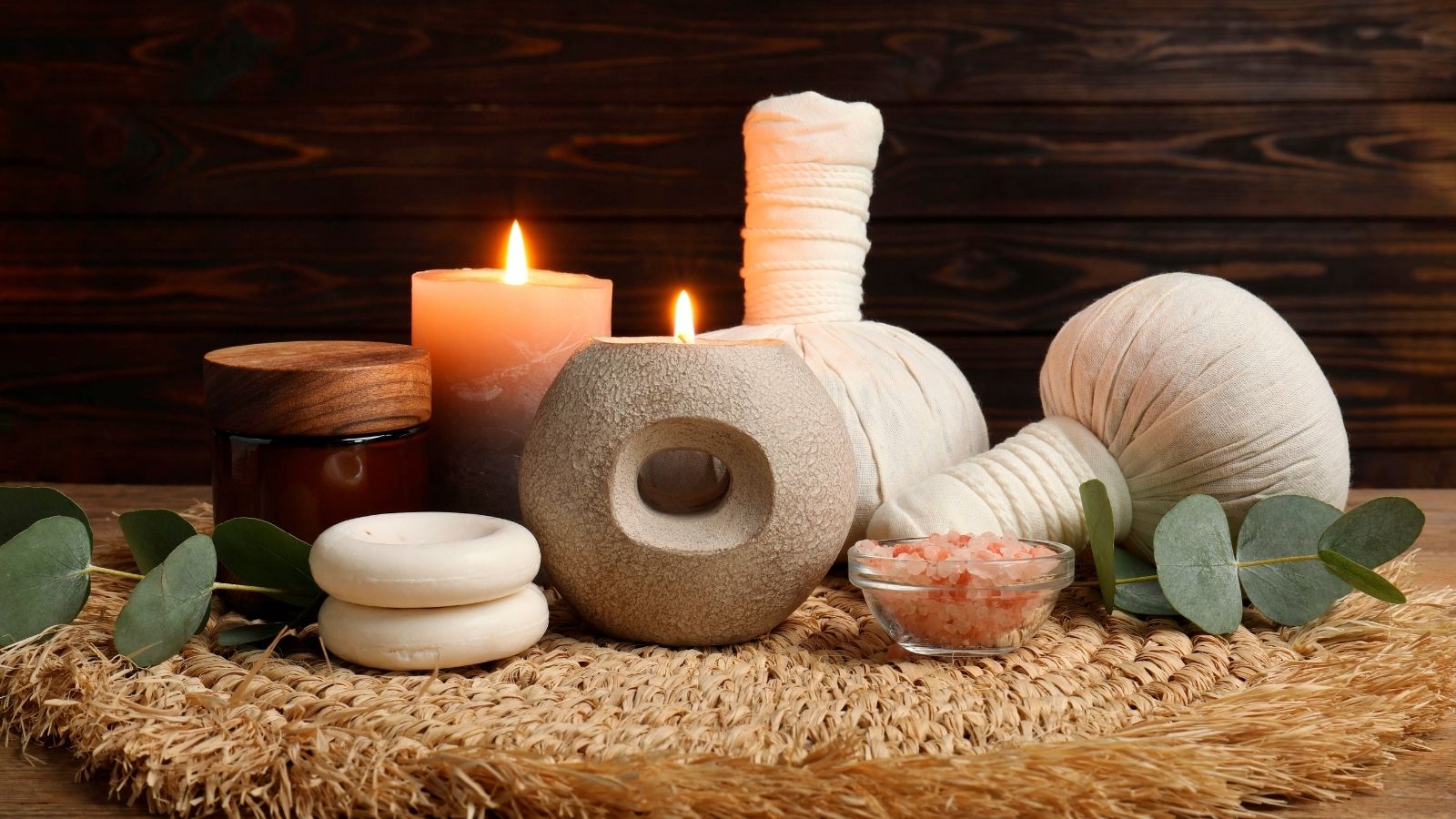
A pumpkin-spice candle, cinnamon diffuser, or strongly fragranced room spray may seem like an ideal autumn host gift, but fragrance is highly personal and can also affect respiratory health. Asthma Canada identifies chemical fumes and strongly scented products—including perfumes and scented household products—as possible asthma triggers. Its home guidance specifically suggests avoiding scented products such as candles when they worsen symptoms.
There is also a simpler etiquette problem: fragrance changes the atmosphere of someone else’s home. The host may already have candles burning, may deliberately keep the home scent-free, or may want the smell of dinner rather than artificial pumpkin, vanilla, cedar, or cinnamon filling the room. If a guest knows the host loves a particular candle brand, the gift may be perfect. Without that knowledge, unscented options are safer. A small box of chocolates, tea, coffee, napkins, or another item that does not alter the air can still communicate appreciation. The general rule is straightforward: anything designed to make an entire room smell different is worth clearing with the person who lives there.
An Oversized Bouquet Without a Vase
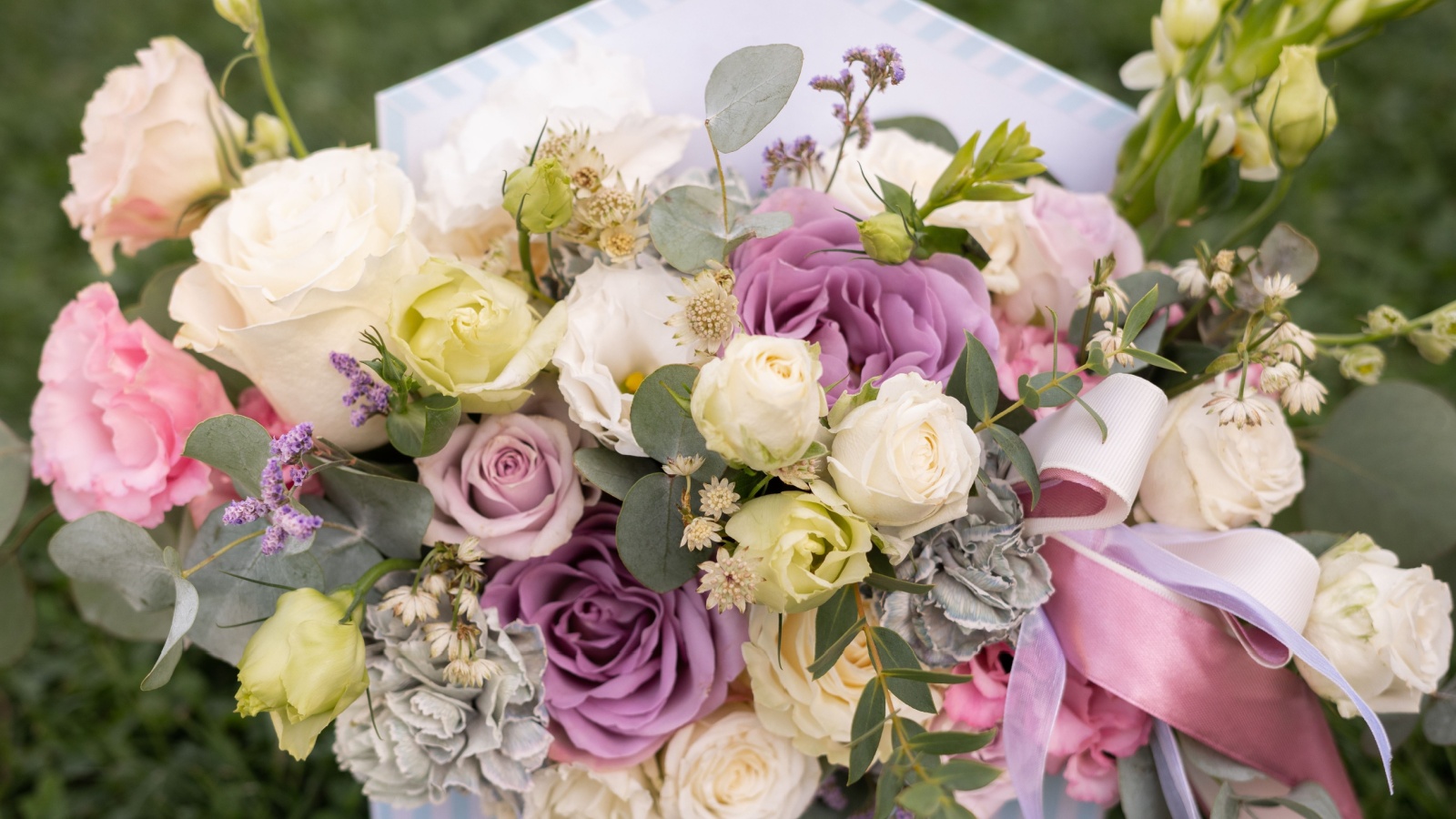
Even a completely pet-safe bouquet can turn into work if it arrives loose, oversized, and dripping from florist paper just as the host is trying to finish dinner. Established host-gift etiquette recommends flowers that are already arranged in a vase when possible. Recent dinner-party guidance similarly emphasizes gifts that do not force the host to stop what they are doing and immediately find equipment, trim stems, clean a counter, and arrange flowers.
Thanksgiving is a particularly awkward time for that interruption because sinks and counters may already be occupied with cooking. The host might also have carefully planned a dining-table centrepiece, leaving nowhere for a large floral arrangement to go. A modest bouquet in its own vase avoids most of those problems, as does sending flowers earlier in the day or after the gathering. None of this is meant to make generosity complicated. It is the opposite: a good host gift should reduce pressure rather than create a new task. When considering an enormous arrangement, asking beforehand can establish whether there is actually space for it.
A Surprise Game, Speaker, or Entertainment Plan

Not every Thanksgiving needs structured entertainment. Some families play cards immediately after dinner; others watch football, take a walk, put children to bed early, or spend three hours talking around the table. Bringing a large speaker, karaoke equipment, trivia game, or elaborate group activity without asking can unintentionally attempt to redesign an event that someone else is hosting. Traditional etiquette guidance places responsibility for the flow of a gathering with the host, including deciding when dinner, dessert, or activities begin.
A small deck of cards in a bag is hardly a crisis. The issue is expectation. If a guest arrives with a game and announces that everyone will play after dessert, people may feel pressured to participate and the host may feel unable to say no. The same is true of taking control of the music with an unexpected speaker or playlist. A quick message beforehand—“Would it be fun if I brought the trivia game?”—preserves the idea without imposing it. Thanksgiving works best when contributions support the gathering already being planned instead of quietly creating a second agenda.
Containers Brought With the Expectation of Leftovers
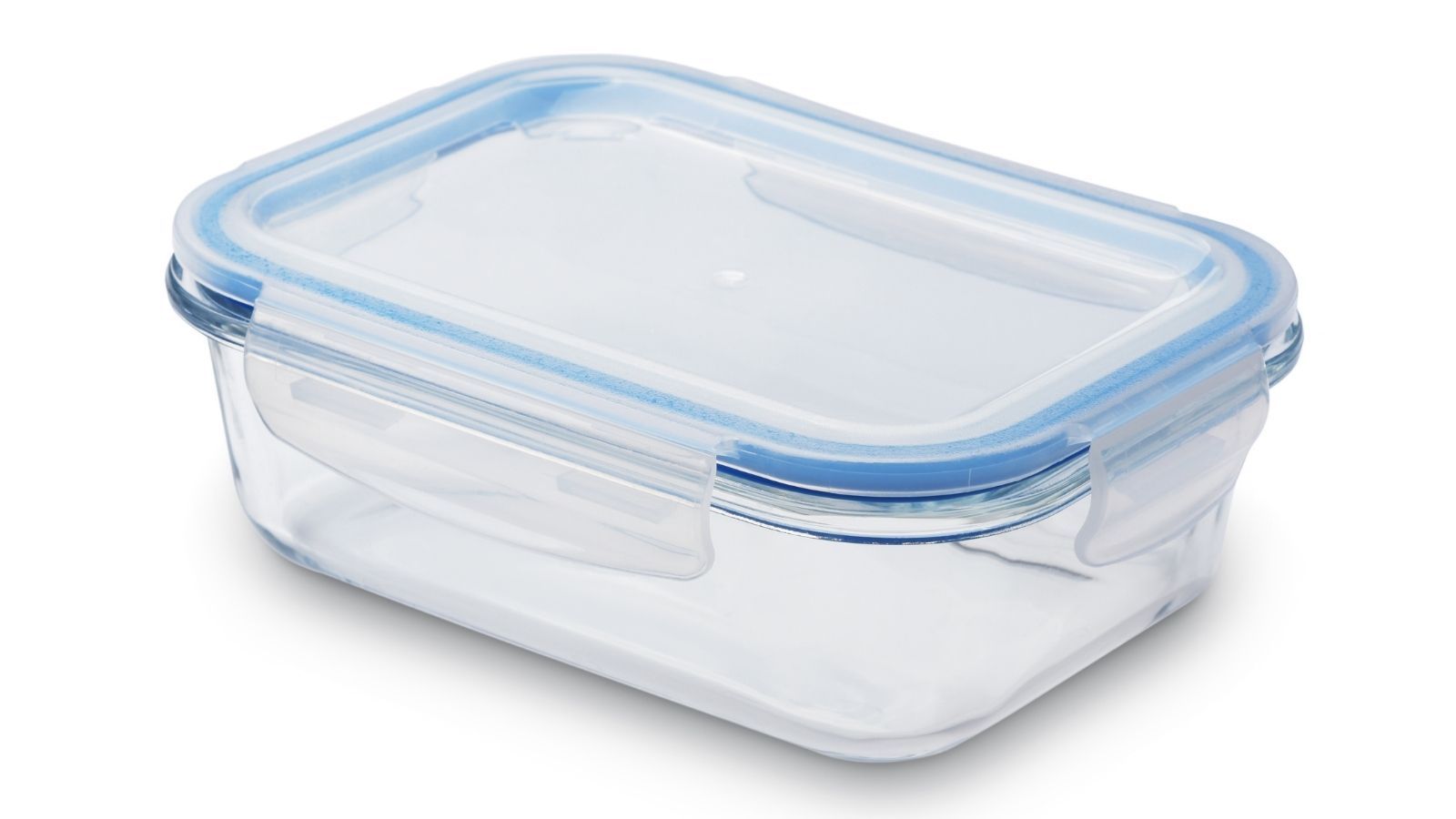
Reusable containers can be wonderfully practical when a host specifically plans to send food home. They become less charming when a guest arrives with a stack of empty tubs that clearly assumes turkey, stuffing, pie, and potatoes will be distributed afterward. Etiquette guidance from Lizzie Post says the handling of leftovers is ultimately the host’s decision. A host may divide them among guests, send contributors home with their own dishes, save the food for household meals, or offer none at all.
There are legitimate reasons someone might want to keep leftovers. The host may have cooked extra precisely to cover lunches for several days, be feeding family members who could not attend, or simply want to enjoy Thanksgiving dinner again tomorrow. Bringing containers is therefore best reserved for gatherings where leftover sharing has already been discussed. Epicurious makes a similar point in its Thanksgiving hosting guidance: disposable containers can be useful when it is already known that leftovers will be distributed. The container is not the problem. The unspoken claim on somebody else’s food is.
16 Costco Canada Habits That Could Be Costing Shoppers More Than They Save

The Executive Membership can feel like an obvious upgrade because the 2% annual reward sounds straightforward. For households that spend heavily at Costco Canada, the extra fee may be easy to justify. But the habit becomes costly when shoppers upgrade first and calculate later. A Gold Star Membership costs less, while Executive costs more and only pays off if eligible annual spending is high enough to offset the difference.
16 Costco Canada Habits That Could Be Costing Shoppers More Than They Save
