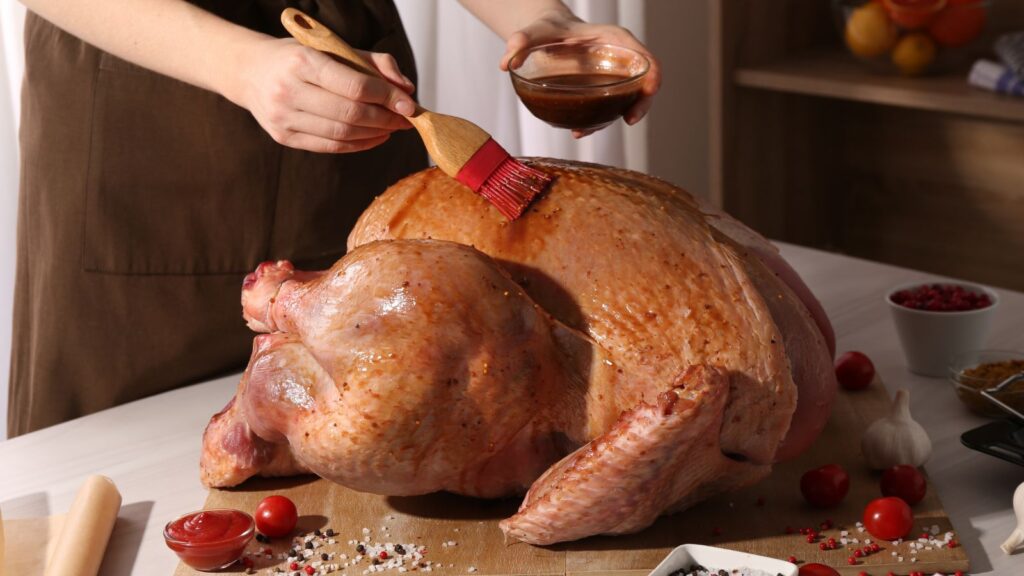
Thanksgiving may have a familiar national outline—an October long weekend, a crowded table and some form of autumn comfort food—but the details can change dramatically from one part of Canada to another. A stuffing herb in Newfoundland and Labrador, a potato obsession on Prince Edward Island or a tray of perogies on the Prairies can say almost as much about a family’s roots as an accent does. Geography, immigration, agriculture and local food traditions have all shaped what Canadians consider normal at Thanksgiving. None of these habits is universal, and families regularly cross regional lines, but certain customs remain remarkably recognizable. These 16 Thanksgiving habits offer some of the clearest clues to where a Canadian table gets its character.
Putting Savoury in the Turkey Dressing — Newfoundland and Labrador
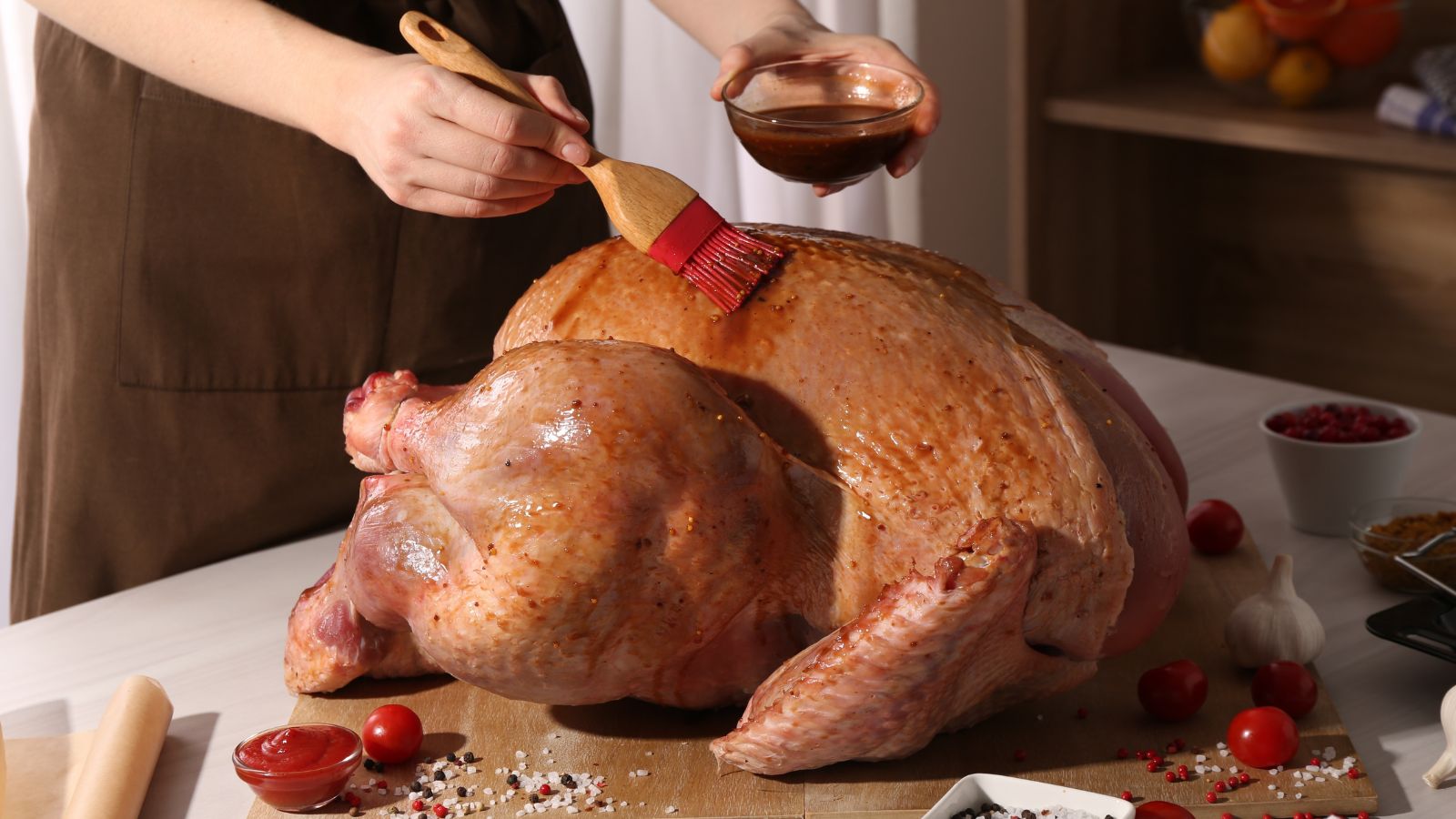
A bowl of turkey dressing seasoned heavily with summer savoury is one of those details that can make a Newfoundland and Labrador connection obvious before anyone mentions where the family grew up. Bread crumbs, onion, butter and savoury form a familiar style of dressing in the province, and the herb has a much stronger culinary presence there than it does on many Thanksgiving tables elsewhere in Canada. For some families, sage tastes like Thanksgiving; for others, savoury is the flavour that makes the meal feel right.
The preference extends well beyond one annual dinner. Newfoundland and Labrador tourism materials describe savoury as part of traditional turkey stuffing, while turkey-and-dressing sandwiches remain sufficiently familiar to appear as local specialties in St. John’s food culture. That everyday presence helps explain why the herb can become a deeply emotional holiday ingredient. A cook may experiment with brines, gravies and desserts, but changing the dressing can provoke immediate objections from relatives who believe the Thanksgiving turkey should taste the way Nan made it.
Turning the Turkey Dinner Into Something Close to Jiggs’ Dinner — Newfoundland and Labrador
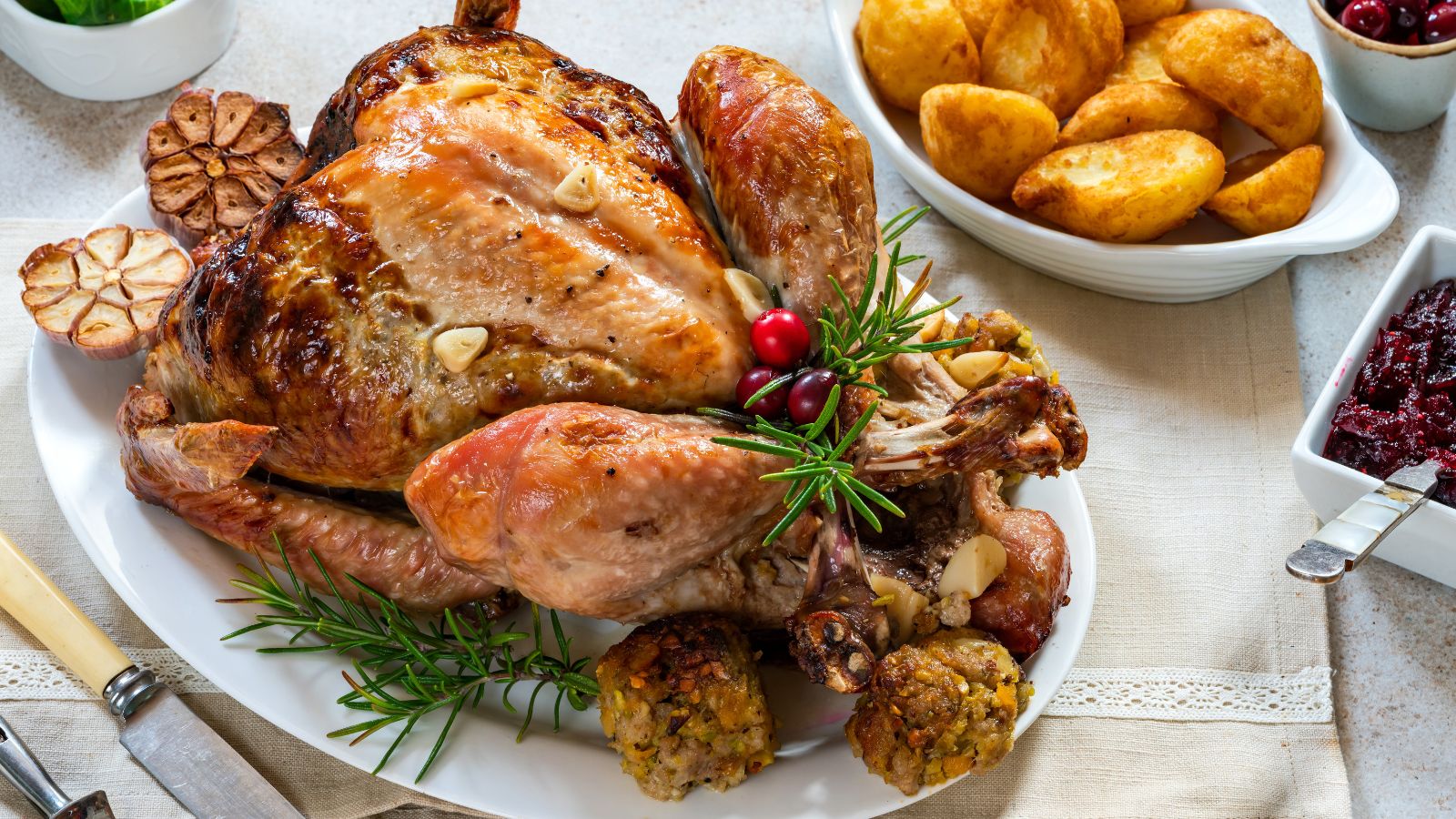
Elsewhere in Canada, Thanksgiving vegetables may appear as separate roasted sides. On a Newfoundland table, the meal can start looking suspiciously like a Jiggs’ dinner. Potatoes, carrots, cabbage, turnip and peas or pease pudding can crowd around the turkey, producing a plate that combines a national holiday meal with one of the province’s best-known traditional dinners. Some families may also retain the salt-beef influence that is central to older versions of the dish.
Jiggs’ dinner is traditionally associated with Sunday meals and is described by Newfoundland and Labrador tourism authorities as a combination that can include salt beef or turkey with cabbage, turnip, potatoes, carrots and pease pudding. That makes Thanksgiving an easy occasion for the two traditions to overlap. The result can look excessive to an outsider—turkey, gravy, dressing and enough boiled vegetables to feed another household—but within many Newfoundland families, abundance is part of the comfort. If Thanksgiving resembles a Sunday cooked dinner enlarged for company, the plate is offering a fairly strong geographic clue.
Treating the Potatoes Like the Most Important Side Dish — Prince Edward Island
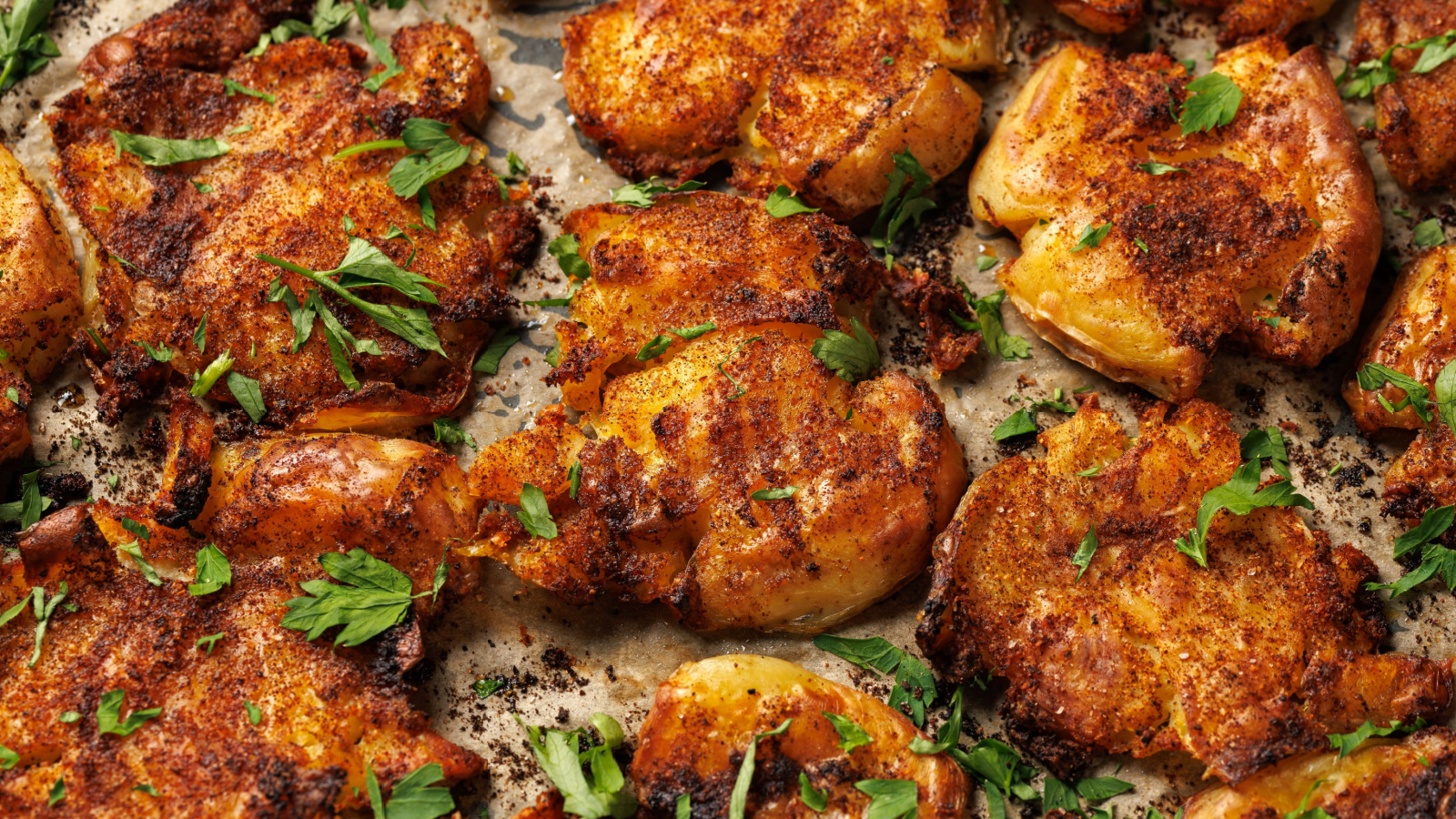
Every province eats potatoes, but a Prince Edward Island Thanksgiving can make them feel less like a supporting player and more like a matter of provincial pride. Mashed potatoes may need to be exceptionally smooth, scalloped potatoes may appear beside them, and there can be surprisingly firm opinions about which variety produces the right texture. On an Island table, the turkey may receive the ceremonial carving moment, but the potatoes are often the food everyone expects to be plentiful.
There is a practical reason for the attachment. Potatoes have been grown on Prince Edward Island since the eighteenth century, and provincial figures show just how large the modern industry remains. In 2024, about 85,300 acres were devoted to potatoes, producing roughly 25.93 million hundredweight. The province also notes that russets are widely grown and particularly well suited to mashed and scalloped preparations. That agricultural connection gives an ordinary Thanksgiving side unusual local weight. When someone discusses potatoes with the seriousness usually reserved for the turkey, an Island upbringing would not be a surprising explanation.
Making the Apple Dessert as Important as Pumpkin Pie — Nova Scotia
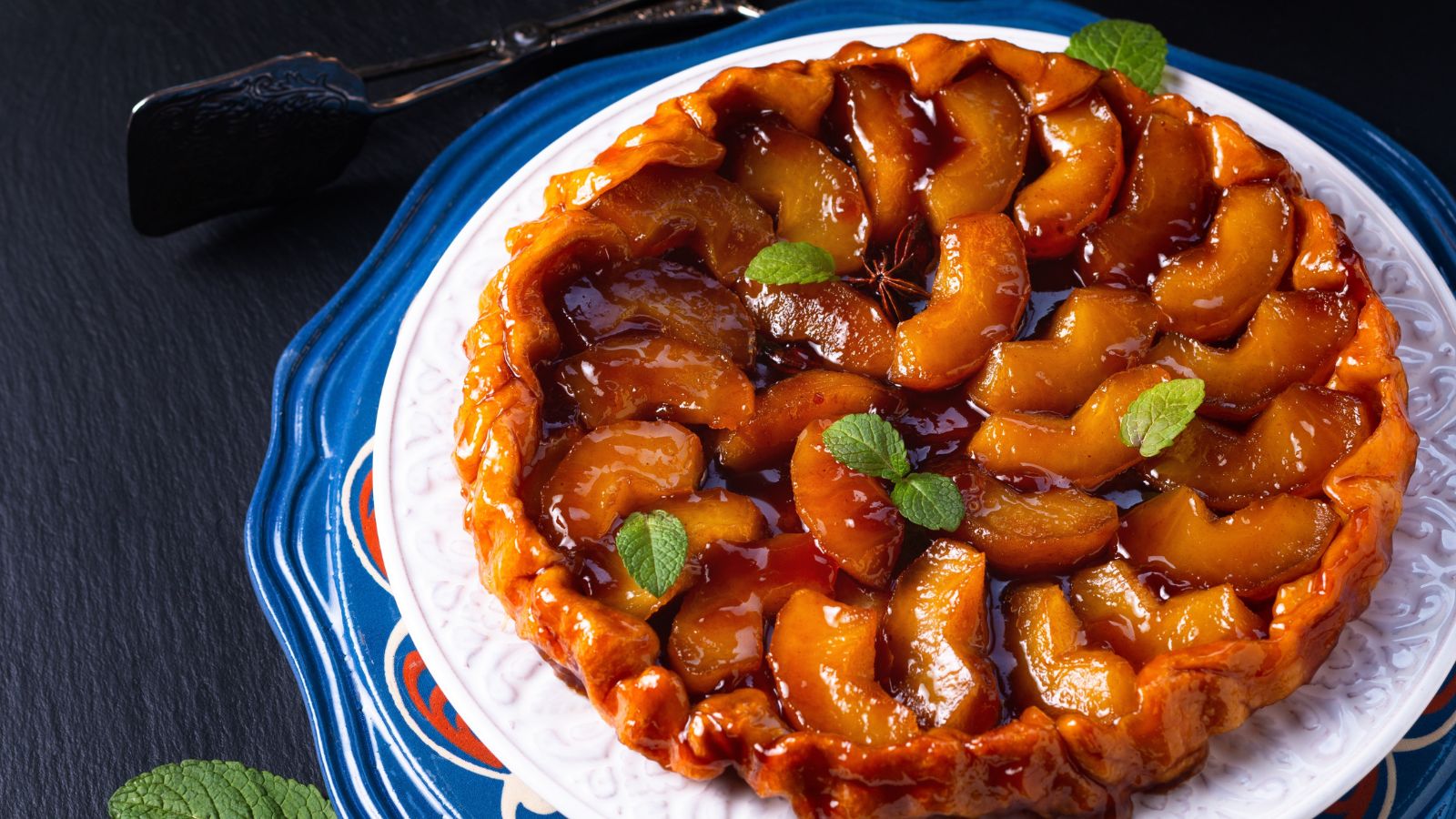
Pumpkin pie may have the stronger Thanksgiving stereotype, but an apple pie, apple crisp or another orchard-heavy dessert can feel especially appropriate in Nova Scotia. Thanksgiving arrives during the province’s apple harvest, particularly in the Annapolis Valley, so families can be serving fruit that was still on a tree only days or weeks earlier. In homes with Valley connections, skipping the apple dessert may feel stranger than skipping pumpkin pie.
Nova Scotia’s tourism agency describes the Annapolis Valley as the province’s major apple-growing region and notes that the harvest generally runs from mid-September through the end of October—almost perfectly surrounding Canadian Thanksgiving. The Valley is so closely associated with apples and agriculture that Thanksgiving weekend hosts its long-running Valley Harvest Marathon. That seasonal alignment helps explain why apple desserts feel less like a generic autumn choice and more like local food culture. A table holding both pumpkin pie and homemade apple crisp may simply belong to dessert enthusiasts. A family that insists the apple dish is non-negotiable may be showing its Nova Scotia roots.
Adding an Acadian Dish That Outsiders Did Not Expect — New Brunswick
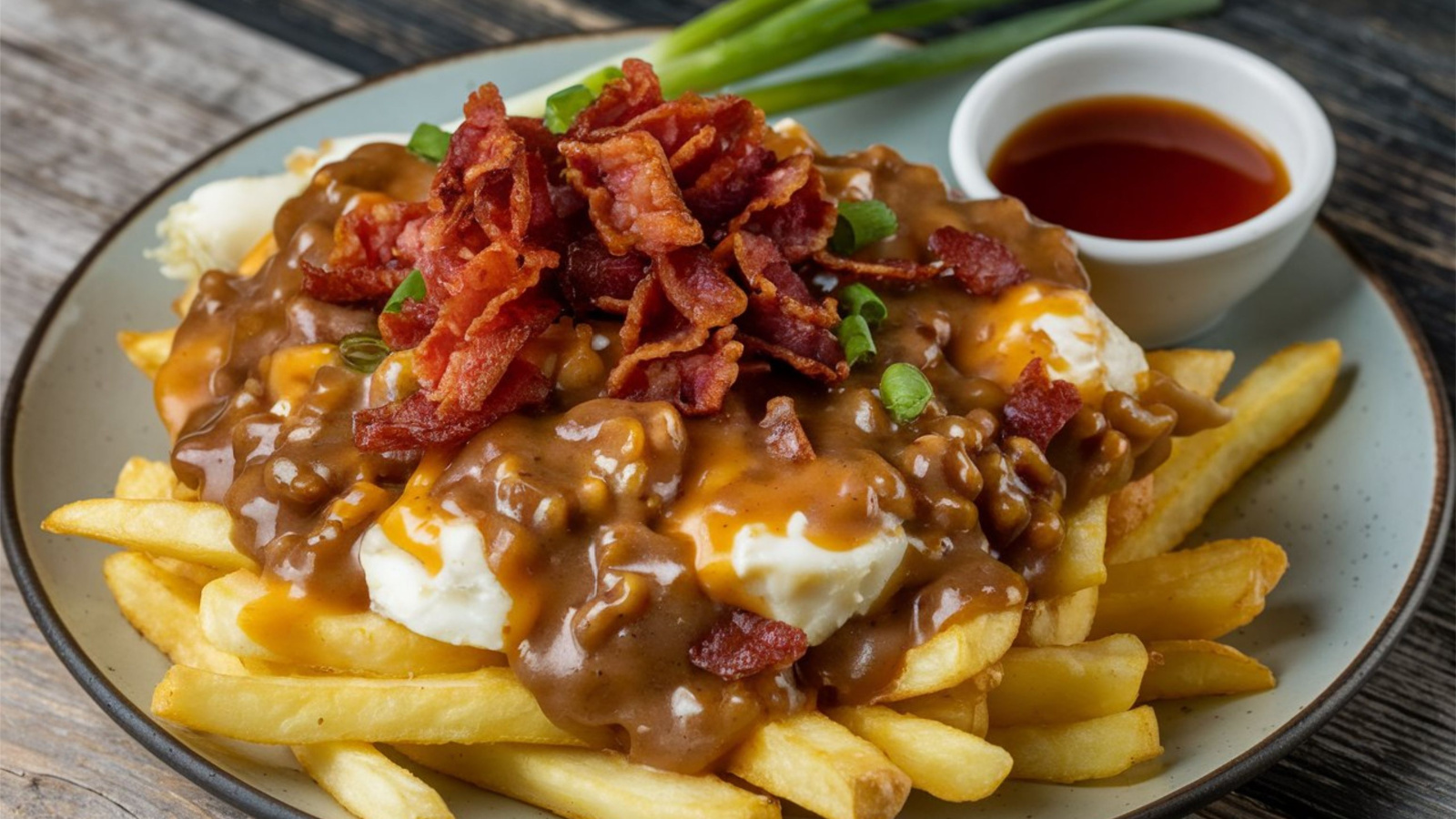
In parts of New Brunswick, especially communities with strong Acadian roots, Thanksgiving does not have to erase older regional foods. A familiar turkey dinner can share space with poutine râpée, chicken fricot, râpure, cipâte or a dessert such as poutine à trou. For relatives who grew up with these foods, their appearance does not necessarily require an explanation. For a visitor expecting only stuffing, cranberry sauce and pumpkin pie, the meal can suddenly look much more distinctly New Brunswick.
Tourism New Brunswick describes Acadian cooking as a cuisine built around ingredients such as potatoes, stewed meats and seafood. Poutine râpée combines grated and mashed potato around seasoned pork, while poutine à trou uses pastry filled with apples, raisins and cranberries before being finished with brown-sugar syrup. Cipâte, associated with areas including Madawaska and Campbellton, layers meats, potatoes, onions and dough. These dishes are not mandatory Thanksgiving fare, but family celebrations are natural places for inherited recipes to survive. A holiday table that effortlessly mixes turkey with Acadian comfort food carries a strong regional signature.
Treating Action de grâce More Like a Long Weekend Than a Major Feast — Quebec
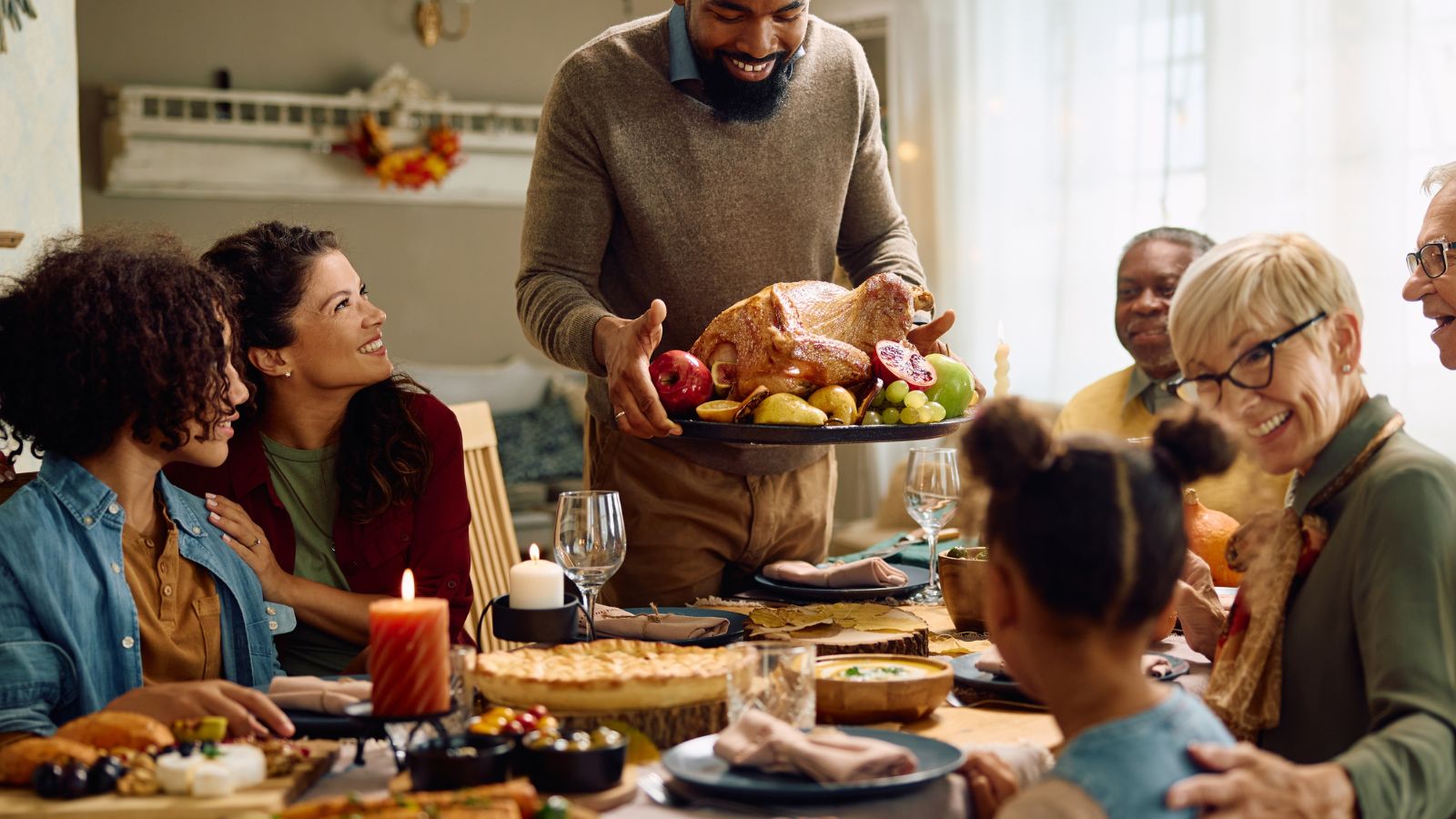
One of the clearest Thanksgiving clues in Quebec may be the absence of a rigid Thanksgiving routine. Some families organize a turkey dinner, while others use the holiday mainly for visiting relatives, spending time outdoors or enjoying an extra day off. The meal can be important without becoming the highly scripted annual production seen in households where every side dish, seating arrangement and dessert has been established for decades.
Quebec’s Office québécois de la langue française identifies Action de grâce as the French term for Thanksgiving and, like elsewhere in Canada, places it on the second Monday in October. Researchers at Université Laval have noted, however, that the celebration has lost some of its former strength in Quebec and that its religious importance has diminished substantially. Contemporary observance therefore varies widely. Some Quebecers absolutely do roast turkey and gather the extended family, while others barely mark the occasion. That flexibility itself can be revealing. When someone regards Thanksgiving as a pleasant autumn weekend rather than a compulsory culinary marathon, a Quebec background is one plausible explanation.
Reaching for Sugar Pie or Maple Desserts Instead of Automatically Choosing Pumpkin — Quebec
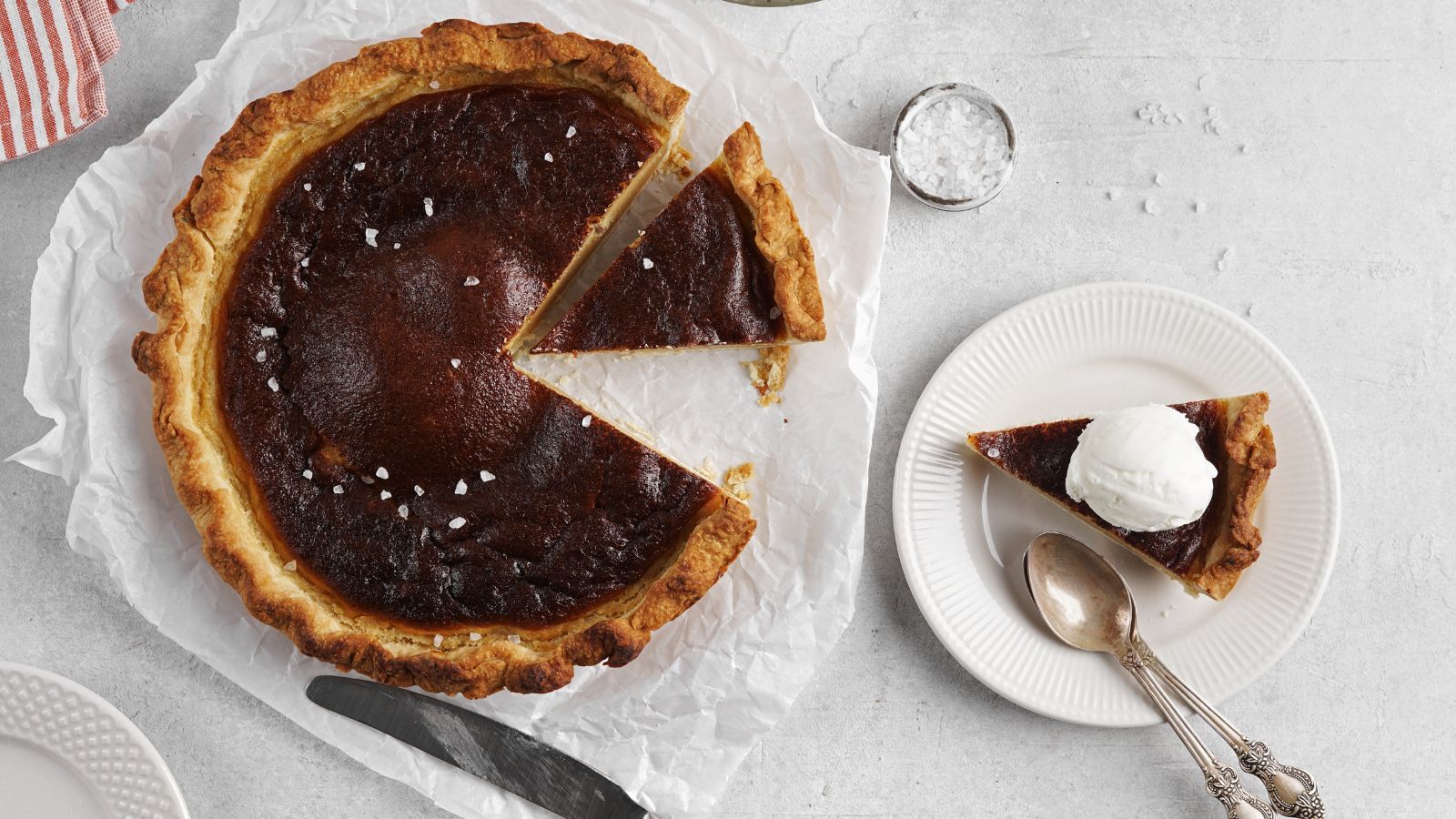
A Thanksgiving dessert table does not need to contain pumpkin pie to feel seasonal in Quebec. Sugar pie, maple-rich pastries or other desserts rooted in the province’s long maple tradition can easily take the spotlight. A family might still serve pumpkin pie, especially after generations of cross-Canadian influence, but the presence of tarte au sucre gives the dessert course a distinctly Quebec character that is difficult to mistake.
Quebec’s maple culture is far larger than a decorative provincial symbol. Bonjour Québec describes sugar pie as a traditional sugar-shack dessert alongside crêpes and maple-syrup dumplings, while maple syrup itself appears across savoury and sweet dishes. The province remains the dominant global maple-producing region, which helps explain why maple flavours have migrated far beyond spring cabane-à-sucre meals. Thanksgiving, with its focus on harvest flavours and family recipes, gives those desserts another occasion to appear. If relatives debate whether the sugar pie needs whipped cream while the pumpkin pie sits nearly untouched, the meal is offering a useful clue about where the family’s culinary traditions developed.
Putting Butter Tarts on the Thanksgiving Dessert Tray — Ontario
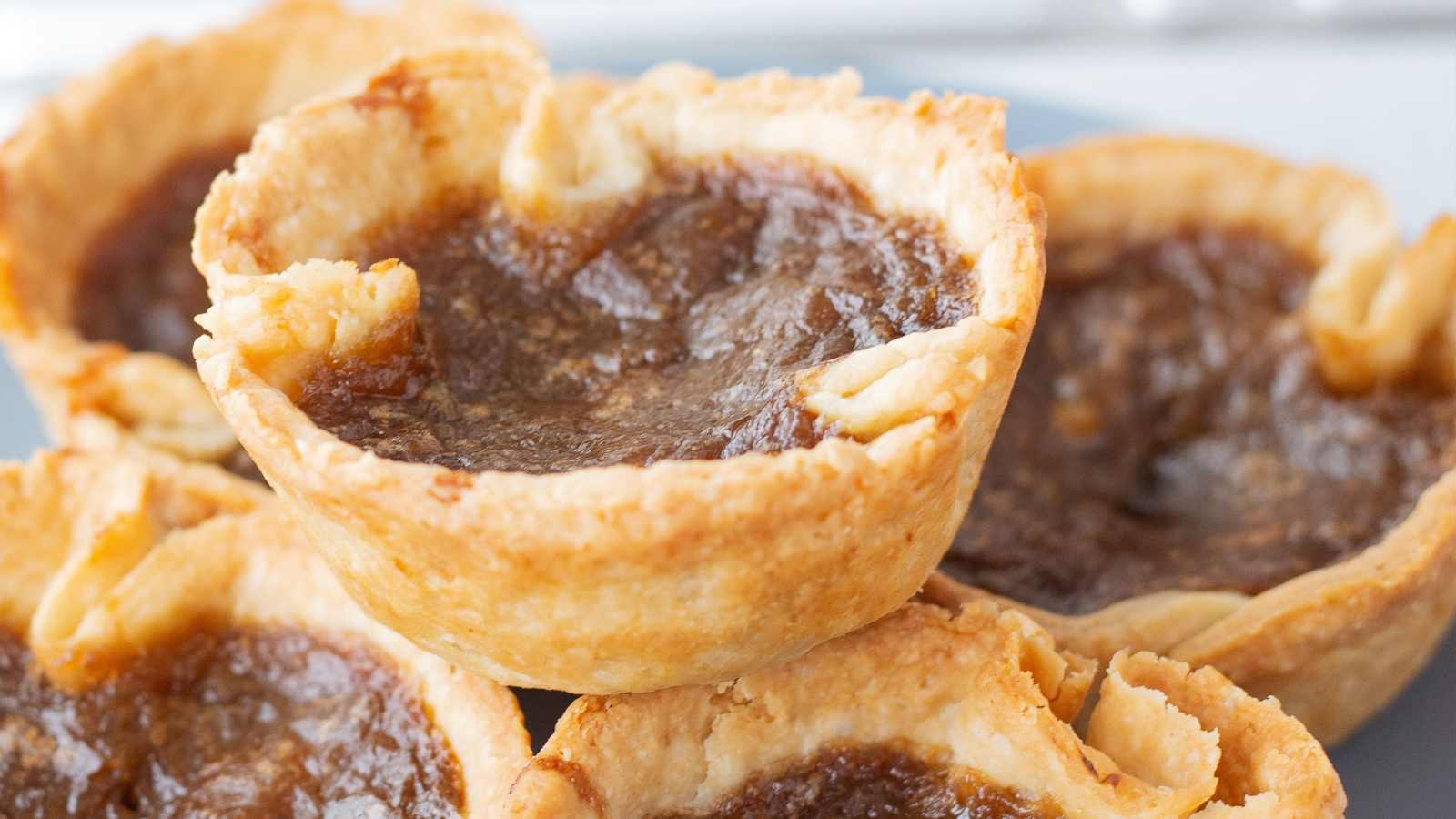
Pumpkin pie can have serious competition at an Ontario Thanksgiving once butter tarts arrive. The tiny pastries are convenient for a large gathering, require no slicing and produce one of Canada’s most persistent dessert arguments: raisins or no raisins. A tray containing both versions can disappear before the larger pies are even cut, particularly in families where the recipe has been passed down through generations.
Ontario has an unusually strong historical claim to the butter tart. Destination Ontario notes that the first known published butter-tart recipe is believed to have appeared in a 1900 cookbook produced by the Women’s Auxiliary of the Royal Victoria Hospital in Barrie. The province’s enthusiasm has since expanded into dedicated butter-tart trails and festivals. That history makes the tart more than a generic Canadian sweet in an Ontario setting. It is a dessert with deep local associations that fits naturally into a family holiday built around familiar foods. When someone shows up to Thanksgiving carrying two dozen butter tarts instead of a pie, Ontario becomes a reasonable geographic guess.
Serving Samosas, Pancit or Other Family Foods Beside the Turkey — Greater Toronto Area
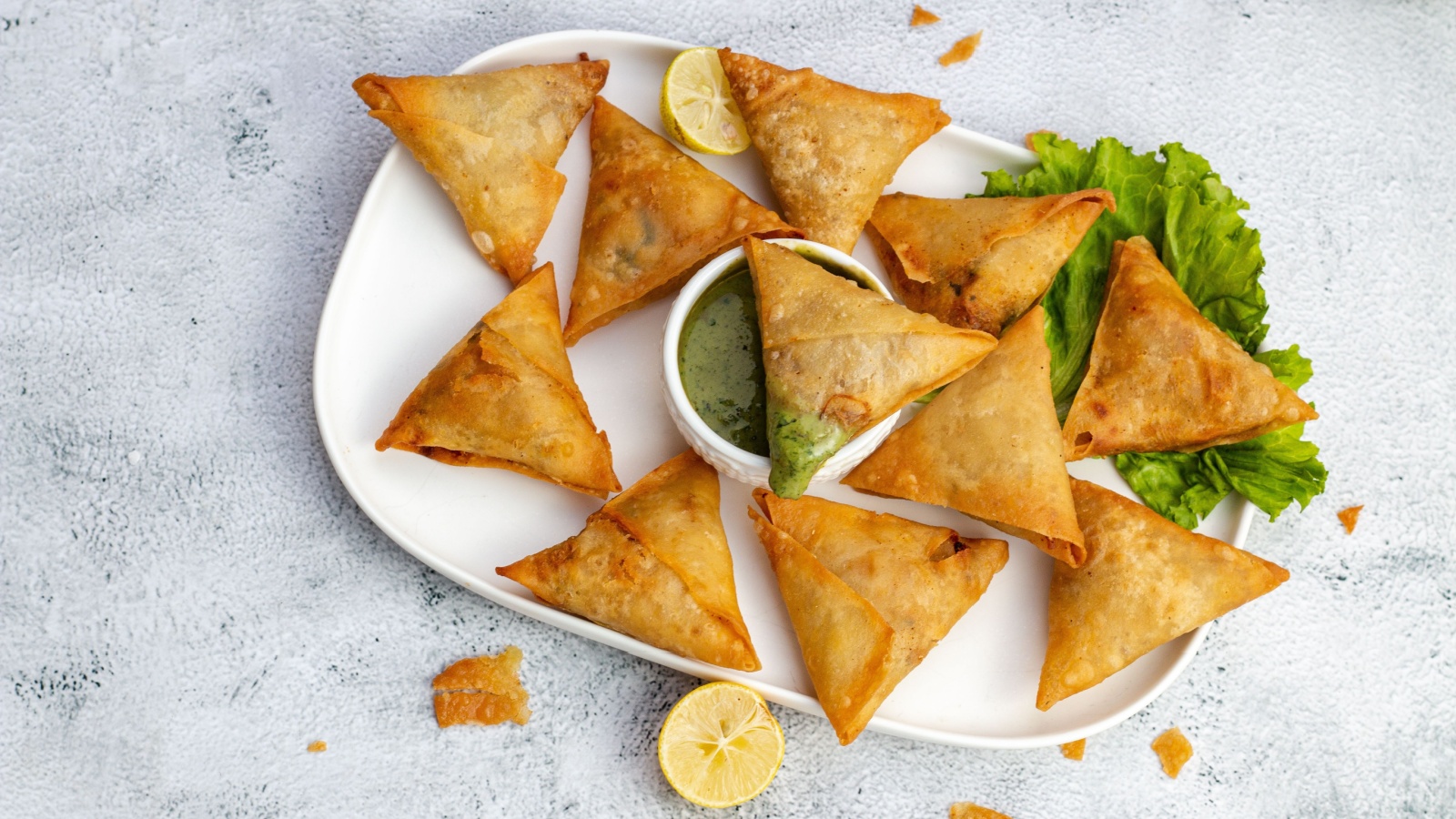
A Thanksgiving table in the Greater Toronto Area can move between culinary traditions without anyone finding the combination unusual. Turkey and mashed potatoes may sit beside samosas, fried rice, Portuguese soup, Filipino pancit or dishes brought from a family’s country of origin. The important habit is not one particular recipe; it is the expectation that Thanksgiving can absorb older traditions rather than requiring them to be replaced.
That pattern reflects both immigration and the region’s extraordinary food diversity. A national Club House study of new Canadians found that 81 per cent celebrated Thanksgiving and 41 per cent combined typical Canadian holiday foods with dishes from their cultural heritage. Local examples make the pattern more concrete. Food Banks Mississauga has documented families seasoning turkey with Indian spices and serving samosas or pairing a conventional Thanksgiving dinner with Portuguese caldo verde. Toronto’s food scene is similarly defined by cultural crossover. In the GTA, a table containing turkey, gravy and three completely different culinary traditions may not represent confusion at all. It may represent Thanksgiving exactly as the family understands it.
Giving Wild Rice a Place Beside the Turkey — Manitoba
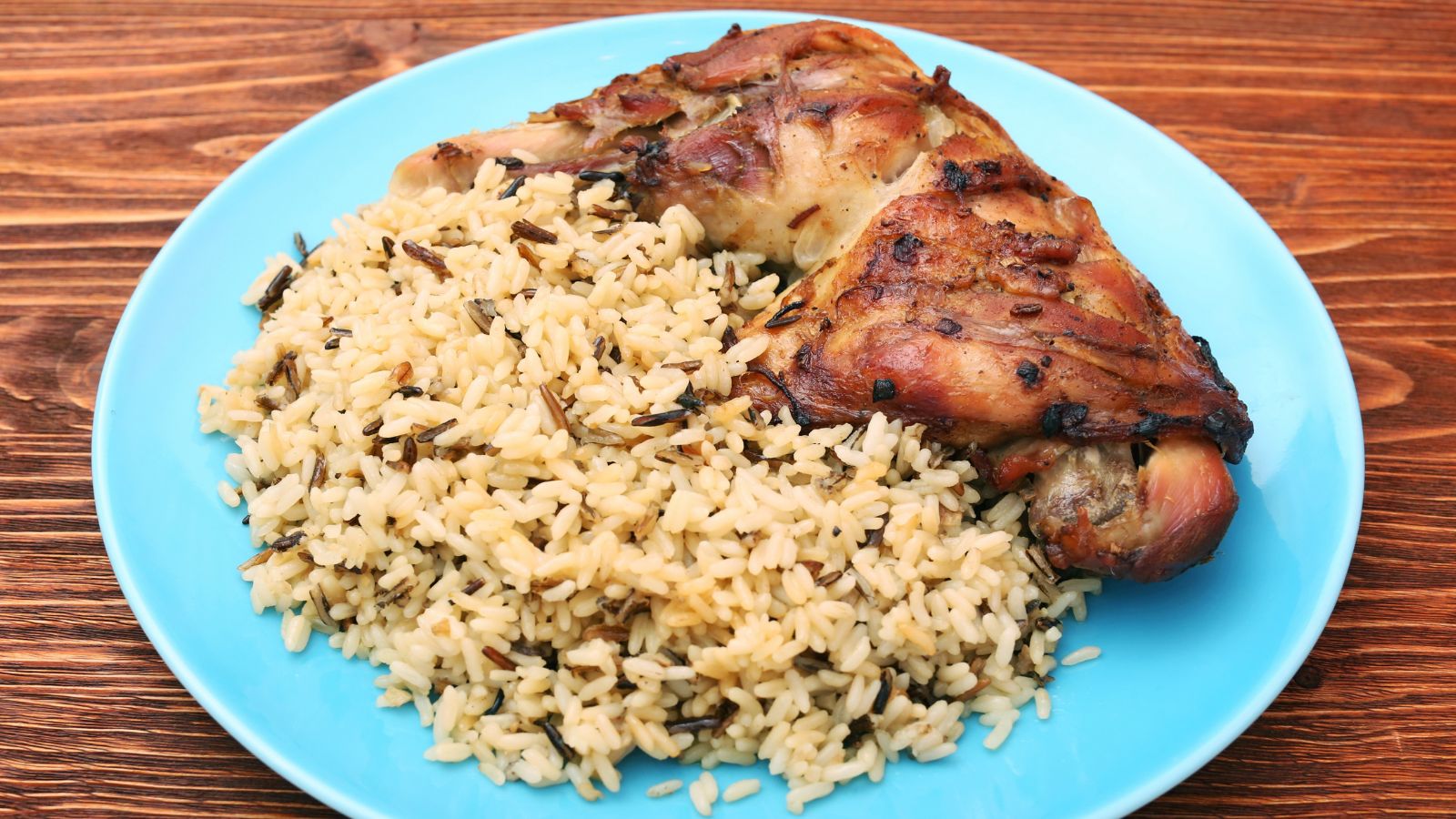
Wild rice can provide another Manitoba signal, especially when it appears as a stuffing, casserole or substantial side rather than an occasional specialty ingredient. Its nutty flavour works naturally with mushrooms, onions, roasted vegetables and poultry, making it an easy fit on an autumn table. For families accustomed to eating it, wild rice can feel every bit as appropriate at Thanksgiving as bread stuffing or mashed potatoes.
The regional connection reaches far deeper than modern holiday menus. Manitoba’s Historic Resources Branch notes that wild rice, known as manomin in Anishinaabe communities, has been a staple food for Indigenous peoples in the region for more than a thousand years. It grows in shallow waters in areas including the Whiteshell and east of Lake Winnipeg, with its harvest traditionally occurring in September. National Geographic has also identified wild-rice casserole as one of the foods that can appear on Canadian Thanksgiving tables. The holiday itself should not be confused with Indigenous harvesting traditions, but a Manitoba family using a locally important grain in its October feast reflects the foods available around it.
Believing Perogies Belong Beside Turkey and Gravy — The Prairies
Few Thanksgiving additions announce Prairie influence as efficiently as a platter of perogies. In parts of Manitoba, Saskatchewan and Alberta, dumplings filled with potato, cheese or other ingredients are not treated as an exotic detour from the holiday menu. They can sit comfortably beside turkey, cabbage rolls, sausage, gravy and vegetables, creating a meal shaped as much by Eastern European immigration as by broader Canadian Thanksgiving customs.
The regional association is well documented. Travel Manitoba calls perogies a beloved culinary tradition tied to the province’s Ukrainian heritage and has even promoted a Manitoba Perogy Trail. Tourism Saskatchewan describes the province as a “pierogi lovers paradise” because of its deep Eastern European roots, while Alberta’s Ukrainian Cultural Heritage Village serves pyrohy as part of its interpretation of the settlement that helped shape east-central Alberta. Those traditions naturally migrate into family celebrations. A Prairie Thanksgiving may still contain every expected turkey-day component, but the perogies can be the dish that disappears first. When guests act surprised that another family does not serve them at Thanksgiving, the regional clue becomes even stronger.
Expecting Thanksgiving to Feel Like a Rural Fall Supper — Manitoba and the Prairies
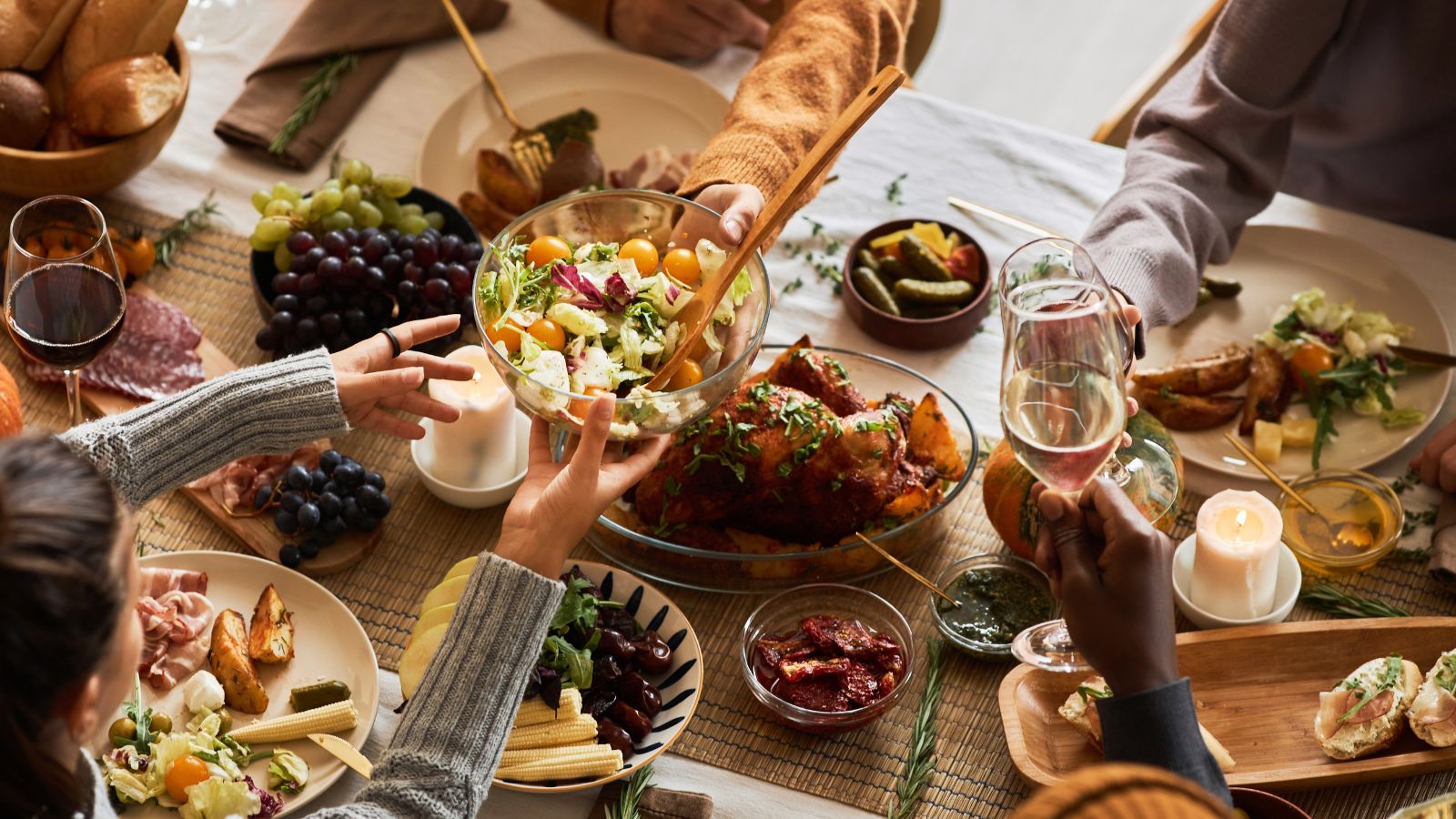
Some Prairie families approach Thanksgiving with the instincts of a community-hall fall supper: make too much food, put it out in generous quantities and assume extra people can be accommodated. Turkey, potatoes, vegetables, gravy and pie arrive in large serving dishes rather than carefully plated portions. The atmosphere can feel closer to a fundraiser in a rural hall than to a formal dinner, especially when several relatives contribute food and everyone helps clear tables afterward.
That resemblance is not accidental in Manitoba. Travel Manitoba describes fall suppers as one of the province’s oldest culinary traditions, with rural churches and community halls hosting buffet-style meals from roughly mid-September through mid-November. A 2024 guide counted more than 75 such suppers in towns and hamlets across the southern part of the province, with additional events in larger centres. Thanksgiving falls directly inside that season. Family dinners and community suppers are different events, but they draw from the same harvest-time culture of abundance, volunteering and communal eating. A household that automatically cooks for twice the expected crowd may be carrying that Prairie habit home.
Making Fresh Cranberry Sauce a Local-Food Statement — British Columbia
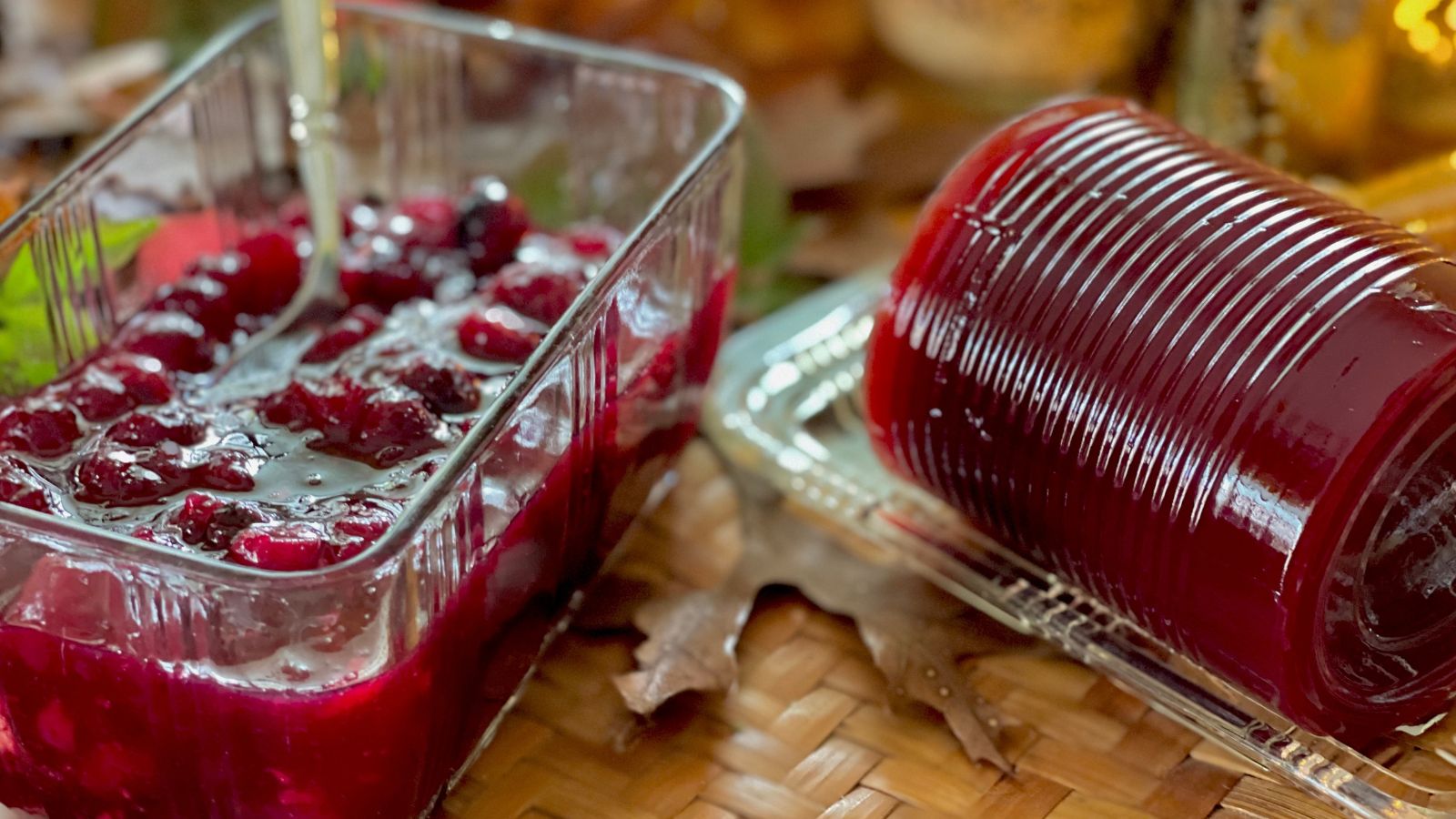
Cranberry sauce is common across Canada, but in British Columbia it can have a genuinely local agricultural connection. Families in the Lower Mainland can buy fresh berries harvested in the province during the same season as Thanksgiving, turning what elsewhere is simply a traditional condiment into a distinctly regional ingredient. Homemade sauces, chutneys and relishes become particularly satisfying when the fruit comes from farms only a short drive away.
British Columbia is one of Canada’s cranberry powerhouses. The provincial Buy BC program says fresh B.C. cranberries are available in fall and identifies the province as Canada’s second-largest cranberry producer. A record crop of about 60 million kilograms was harvested in 2023. Commercial production is concentrated largely in the Lower Fraser Valley, with additional production on Vancouver Island. Buy BC even publishes a Thanksgiving turkey recipe featuring B.C. cranberry sauce. None of that means British Columbians refuse canned jelly, but proximity changes expectations. When someone has strong opinions about where the berries came from—or arrives with homemade sauce produced from locally purchased cranberries—the Thanksgiving table is displaying a West Coast agricultural clue.
Choosing Pacific Salmon Instead of, or Alongside, Turkey — Coastal British Columbia
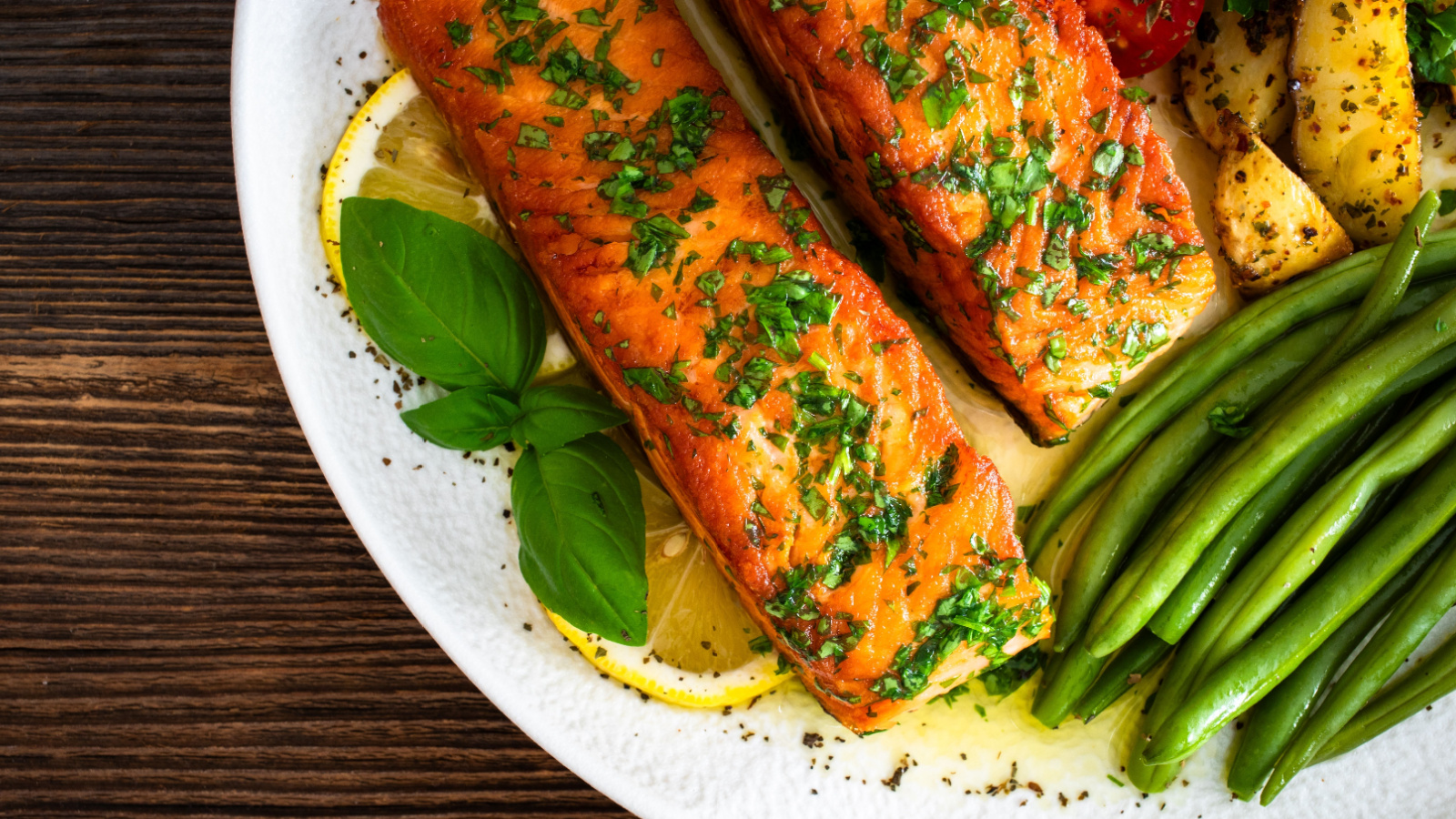
A Thanksgiving meal centred on salmon can look unconventional in much of Canada, yet it makes considerably more sense on the British Columbia coast. Some families serve salmon as a second main course, while others use it as the principal protein when turkey feels unnecessarily heavy or simply less connected to local tastes. The fish can be roasted, smoked, glazed or wrapped in pastry, and it pairs naturally with many of the same autumn vegetables served with poultry.
The regional logic is hard to miss. The B.C. government describes wild Pacific salmon as culturally significant to Indigenous communities, important to food security and economically important to coastal communities. Buy BC identifies five wild Pacific salmon species consumed in the province, including sockeye, chinook and coho. The connection reaches actual Thanksgiving menus as well: Vancouver’s Sylvia Hotel, for example, has offered Salmon Wellington as a Thanksgiving main alongside traditional roast turkey. One restaurant menu cannot define an entire province, but it illustrates how naturally salmon fits into a West Coast version of the holiday. A Thanksgiving without turkey may therefore feel surprisingly normal in coastal B.C.
Opening an Okanagan Bottle Specifically for Thanksgiving Dinner — British Columbia Interior
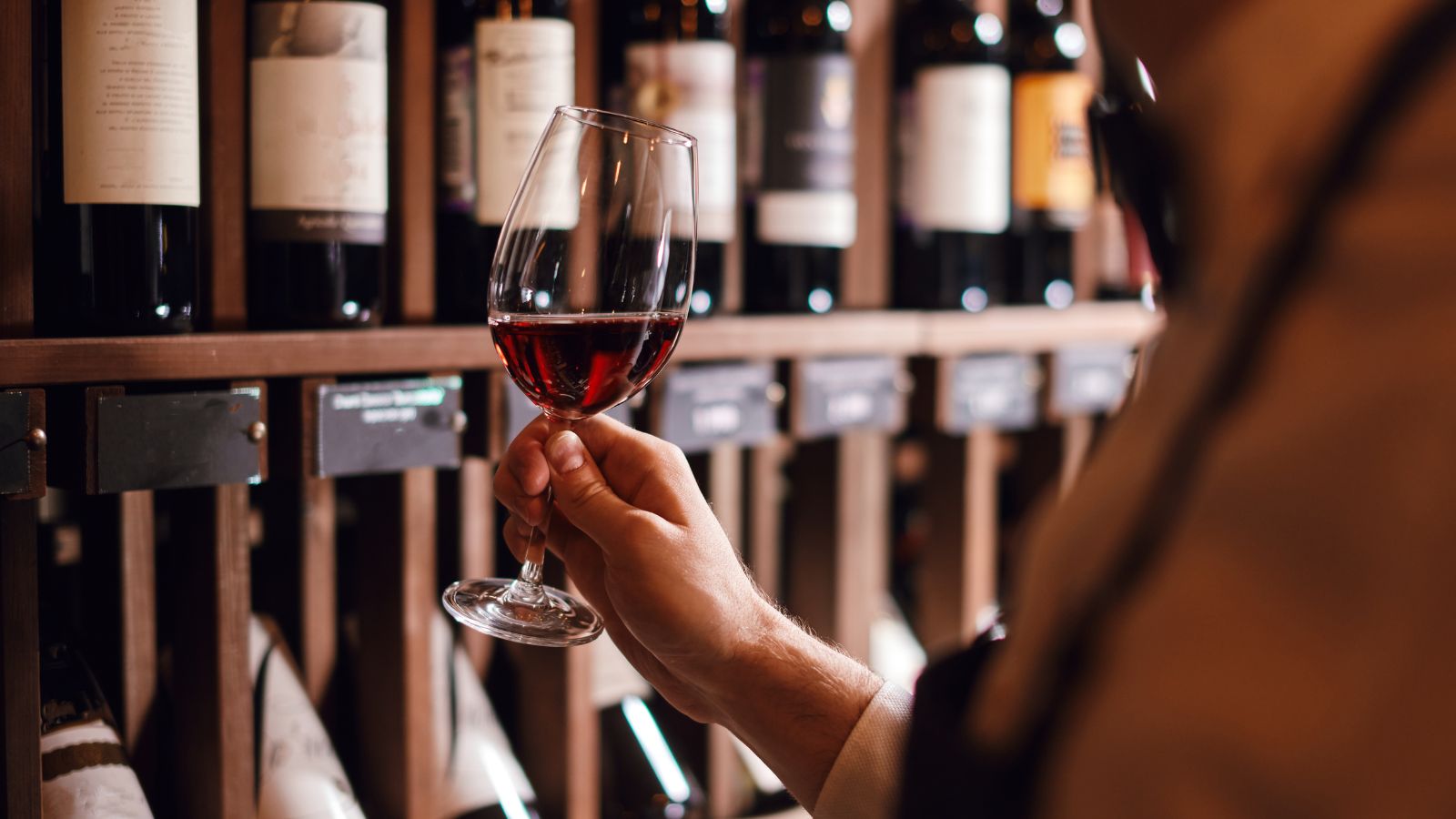
Wine appears on Thanksgiving tables across Canada, but in British Columbia there can be another layer to the choice: selecting the bottle because it comes from the same province as much of the food. An Okanagan Riesling, Gewürztraminer, Pinot Noir or other local wine can become part of the annual ritual, with relatives discussing vineyards and vintages while someone finishes the gravy. For families accustomed to visiting Interior wineries, choosing a B.C. bottle can feel as natural as buying local vegetables.
The province’s wine industry actively connects itself to Thanksgiving. Wines of British Columbia has published holiday pairing recommendations matching Okanagan wines with dishes such as harvest salad, squash mash, apple-and-herb turkey stuffing and cranberry-glazed turkey. The suggested bottles have come from communities including Kelowna, Summerland, Peachland and Okanagan Falls. That does not make wine a uniquely British Columbian Thanksgiving habit, but the emphasis on local producers can be telling. When choosing the wine becomes a miniature discussion about the Okanagan rather than simply red versus white, the holiday table is revealing where its hosts spend their summers.
Making Room for Country Food at a Northern Gathering — Nunavut

A Thanksgiving meal in Nunavut does not need to resemble one in southern Canada. Turkey and supermarket sides may appear, but country foods such as Arctic char or caribou can carry far deeper connections to place, family and community. When locally harvested foods are available, sharing them at a gathering can matter more than recreating a standardized southern Thanksgiving menu. The result may combine imported holiday customs with food traditions that long predate the Canadian holiday itself.
Nunavut’s government defines country foods as foods supplied by the land, including caribou, muskox, Arctic char, berries and other locally harvested foods. In Cambridge Bay, Arctic char and caribou remain important local staples, while territorial food-security programs explicitly support harvesting infrastructure, community freezers and the sharing of country food. Community feasts are also part of food-sharing practices in the territory. It is important not to portray Thanksgiving as an Inuit tradition or suggest every Nunavut household observes it identically. The regional clue is broader: northern gatherings often reflect the land and local harvesting traditions rather than assuming turkey must define the occasion.
16 Costco Canada Habits That Could Be Costing Shoppers More Than They Save

The Executive Membership can feel like an obvious upgrade because the 2% annual reward sounds straightforward. For households that spend heavily at Costco Canada, the extra fee may be easy to justify. But the habit becomes costly when shoppers upgrade first and calculate later. A Gold Star Membership costs less, while Executive costs more and only pays off if eligible annual spending is high enough to offset the difference.
16 Costco Canada Habits That Could Be Costing Shoppers More Than They Save
