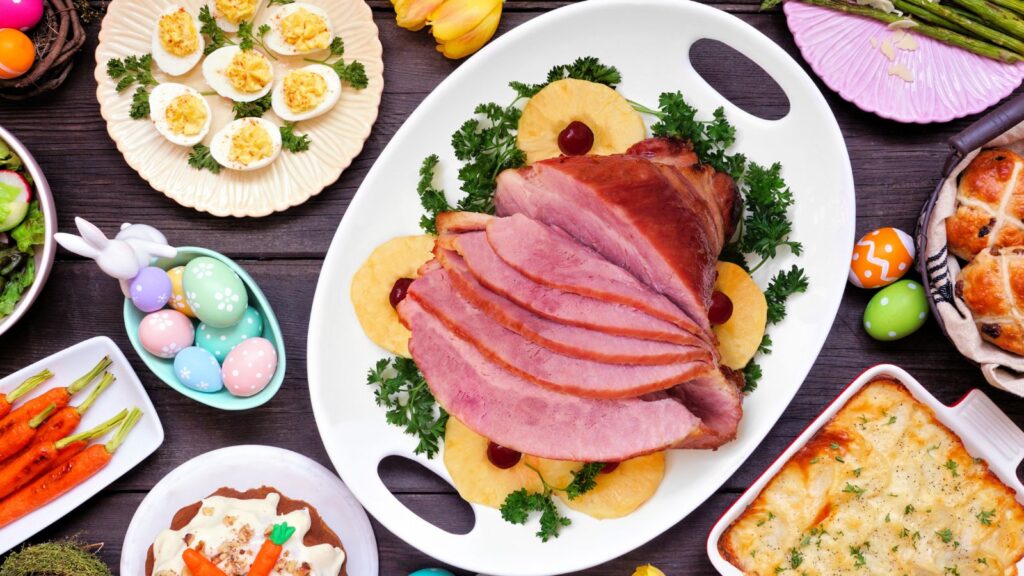
Canadian Thanksgiving has never been as fixed as nostalgia makes it seem. Family recipes remain powerful, but younger hosts are building holiday meals around smaller gatherings, special diets, convenience, cost, and a more culturally diverse idea of what belongs on the table. Gen Z Canadians are more likely than older generations to report plant-based, reduced-meat, dairy-free, gluten-free, and other special diets, while many newer Canadian families blend familiar Thanksgiving staples with foods from their own cultural traditions.
There is no national age-by-dish tracker proving that every food here is declining among younger Canadians. Instead, these 18 Thanksgiving foods are classics whose once-automatic place is increasingly vulnerable as younger households simplify, customize, and reinvent the traditional feast.
Whole Roast Turkey
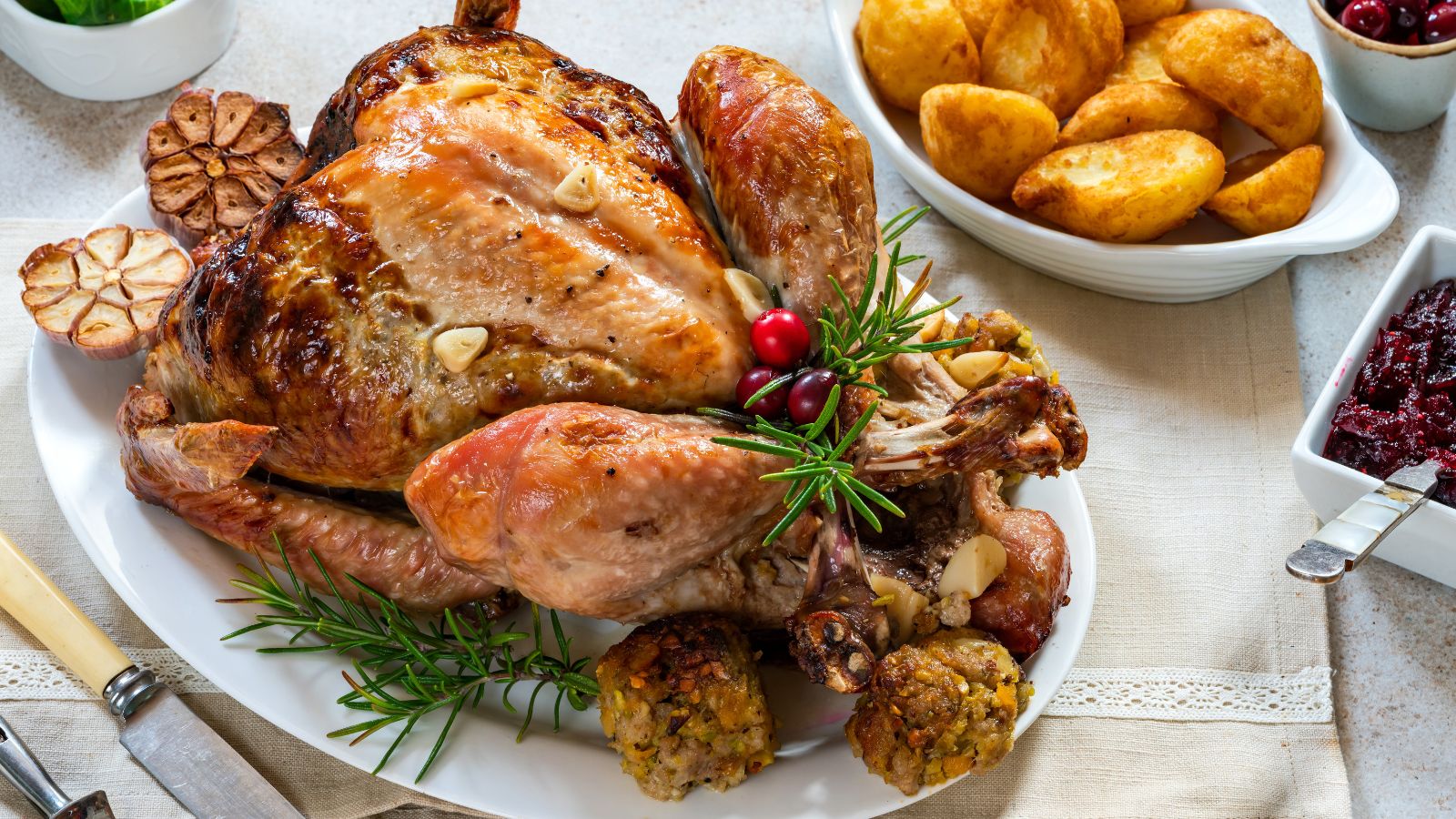
Few foods symbolize Canadian Thanksgiving as clearly as a whole golden turkey arriving at the table. The tradition remains formidable: Canadians bought about 2.1 million whole turkeys for Thanksgiving in 2025, and earlier national research found turkey was considered the most important Thanksgiving food by a clear majority of respondents. For large extended-family dinners, the bird still makes practical and ceremonial sense.
What is changing is the assumption that every Thanksgiving requires one. Younger Canadians are more likely to report reduced-meat and plant-based diets than older generations, while many contemporary households are comfortable celebrating with chicken, vegetarian mains, culturally familiar dishes, or smaller turkey cuts. A whole bird also requires thawing space, hours of cooking and a plan for leftovers. For a young couple hosting six friends in a condo, turkey breast, roast chicken or a vegetarian centrepiece can simply fit the occasion better. Turkey is nowhere near disappearing, but the enormous whole bird is becoming less compulsory.
A Second Holiday Ham
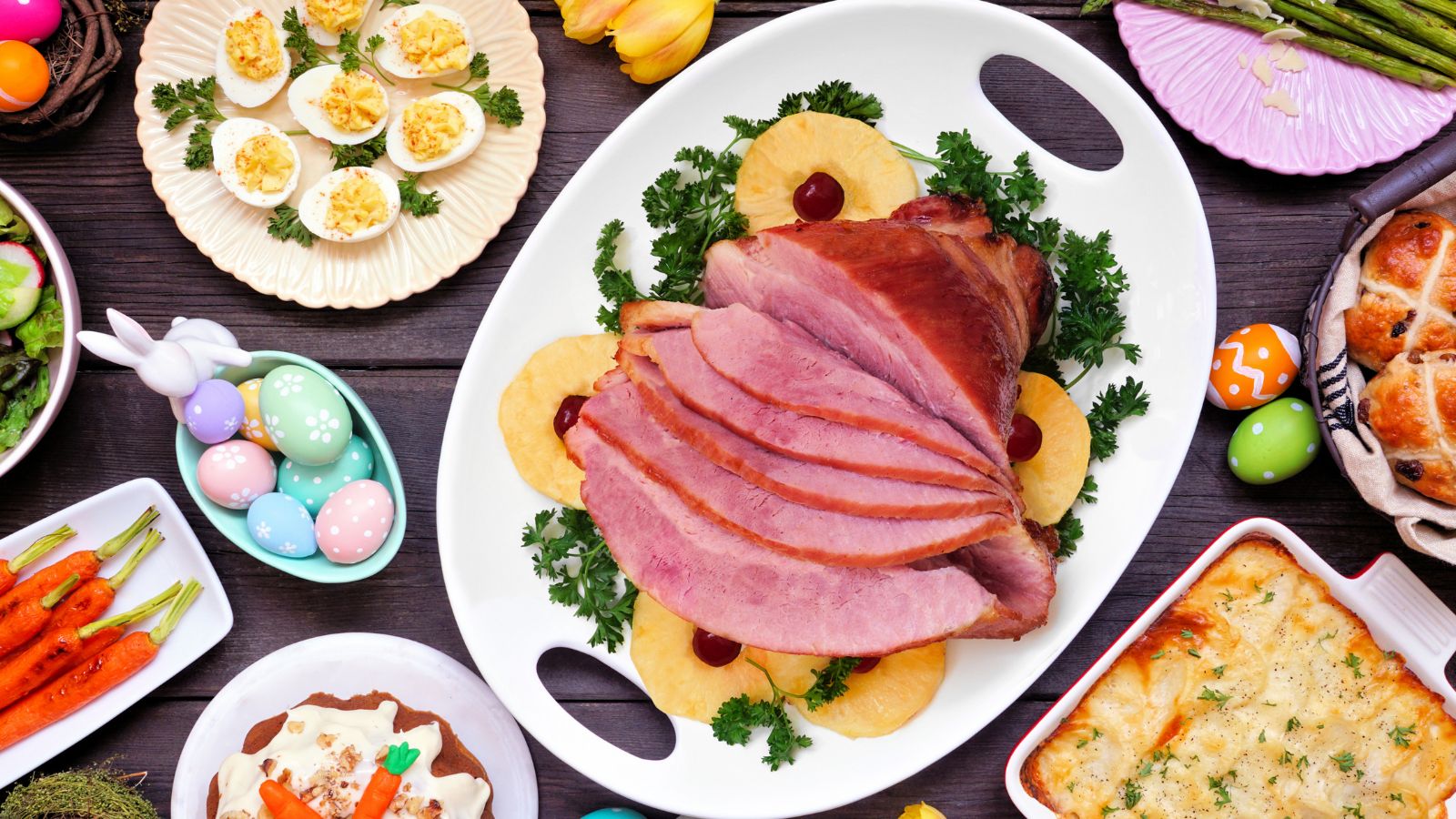
Older family gatherings sometimes solved the problem of differing tastes by putting two substantial meats on the table: turkey as the centrepiece and a glazed ham as backup. Ham remains part of the broader Canadian Thanksgiving tradition, but it is far less essential than turkey. In a Canadian Thanksgiving preference poll, only 3% selected ham as the quintessential main dish, compared with 58% choosing turkey.
That makes the second roast an obvious casualty when younger hosts streamline dinner. Buying, cooking and storing two large proteins can be difficult to justify when the table also needs to accommodate vegetarian, halal or reduced-meat guests. Agriculture and Agri-Food Canada found 41% of Gen Z respondents reported following some type of special diet in its 2023 consumer research, compared with 25% of Baby Boomers. Instead of adding another large piece of meat, a younger host may use that oven space and grocery money for a plant-based entrée, salad or culturally familiar dish that broadens the menu.
Traditional Bread Stuffing
Stuffing still ranks among Canada’s Thanksgiving heavyweights. Dalhousie University research placed it behind turkey among the foods Canadians considered important to the holiday, and bread-and-herb versions remain prominent in Canadian Thanksgiving recipe collections. The familiar combination of dried bread, onion, celery, sage and poultry seasoning can instantly smell like a childhood holiday kitchen.
Yet traditional stuffing asks for ingredients, preparation and precious oven space at a meal already crowded with cooking jobs. Research involving Canadians aged 16 to 30 found more than one-quarter of home-prepared meals were ready-to-eat or boxed foods, illustrating the broader role convenience plays in younger people’s eating patterns. Even stuffing itself is changing: boxed versions, wild-rice dressings and culturally inspired alternatives can accomplish the same comforting purpose with less work. Health Canada also advises that stuffing is safest when cooked separately and reaches 74°C. For younger cooks without a handed-down family recipe, classic scratch-made bread stuffing can become an optional project rather than an unquestioned tradition.
Sausage-Heavy Stuffing
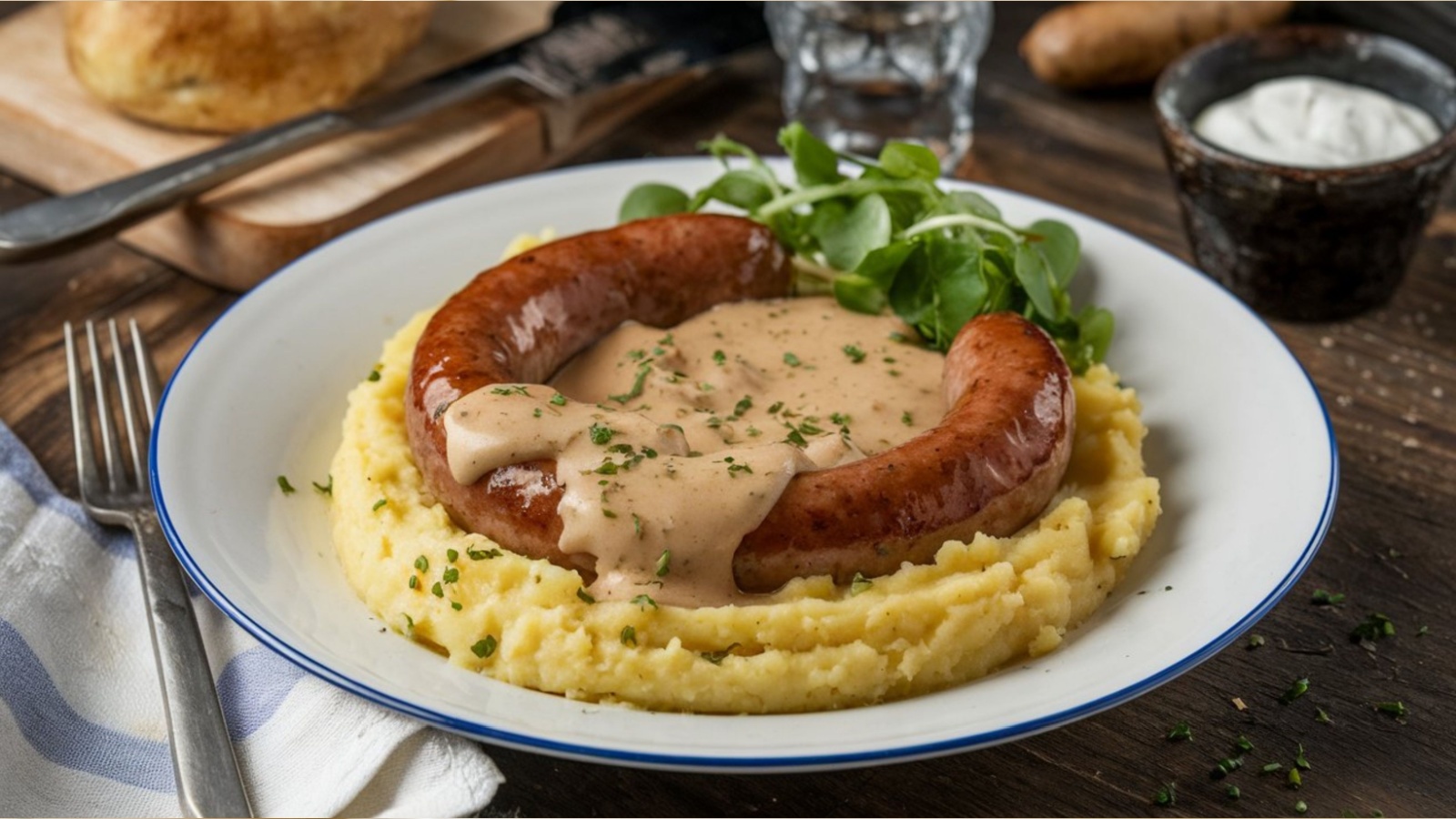
Adding sausage turns bread stuffing into one of the richest foods on an already substantial Thanksgiving plate. Canadians have historically liked the combination. A 2022 national preference poll found sausage stuffing decisively more popular than stuffing containing nuts. For families accustomed to pork sausage, sage and turkey drippings all mingling together, a meat-free dressing can seem like a significant departure.
Younger holiday tables, however, increasingly have to work around a wider range of eating patterns. Agriculture and Agri-Food Canada’s consumer research found 11% of Gen Z respondents reported a reduced-meat diet and another 11% a plant-based diet. That does not mean 22% were vegetarian—those categories can reflect different eating approaches—but it shows why putting additional meat into a side dish can complicate a menu. Mushroom stuffing, wild rice, lentils, nuts or vegetable-heavy dressings make it possible for more guests to share the same dish. Sausage stuffing remains popular; it is simply becoming easier for a younger host to classify it as unnecessary extra meat.
Traditional Turkey Gravy
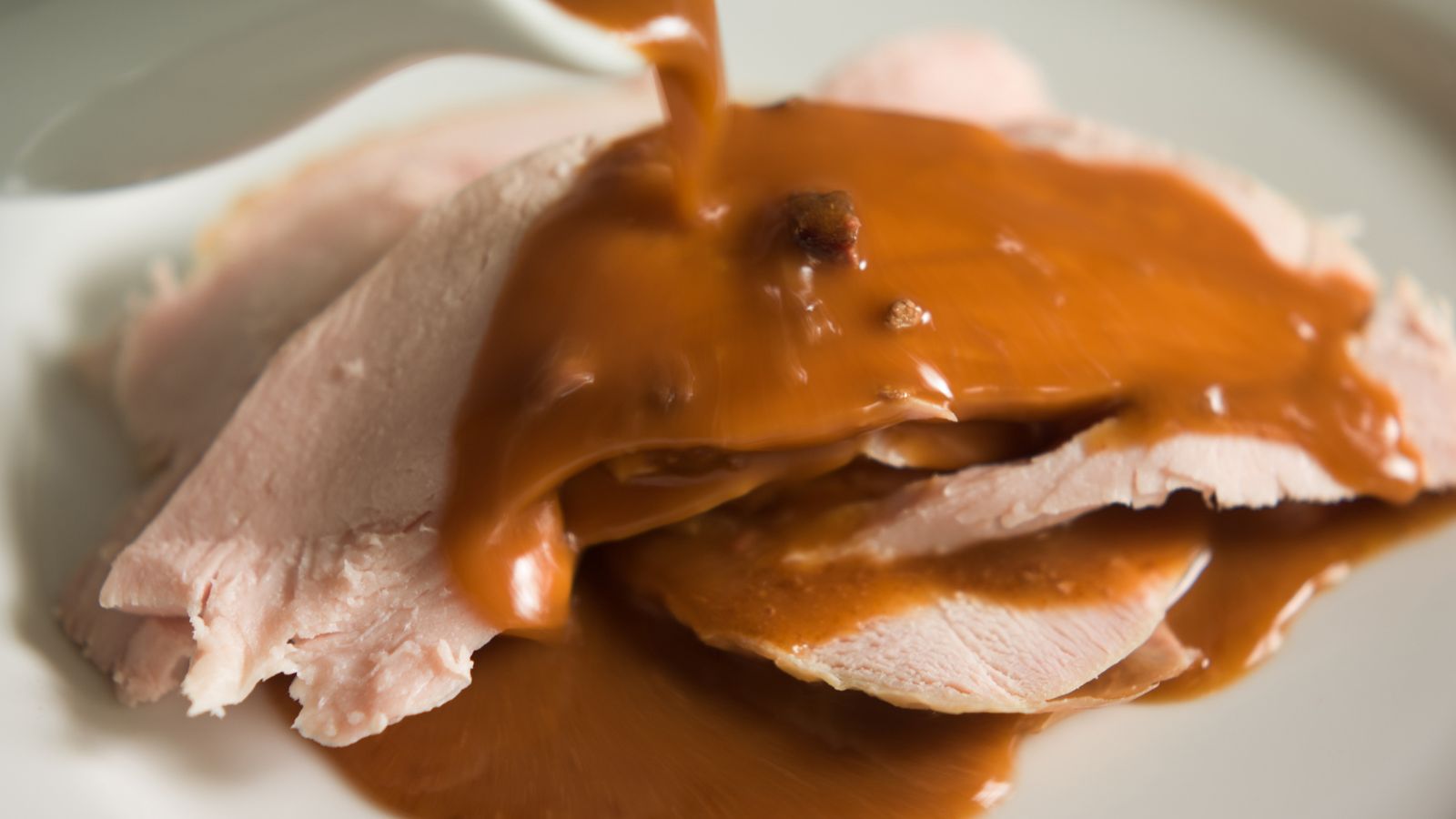
For generations, making gravy has been the kitchen ritual that begins after the turkey comes out. Pan drippings, browned bits, stock and thickener turn into the sauce that ties together meat, potatoes and stuffing. Canadian Thanksgiving menus continue to feature turkey gravy prominently, and modern catered dinners still package it alongside turkey, mashed potatoes and cranberry sauce.
Its traditional version nevertheless depends on something that is becoming less guaranteed: roasting a whole turkey. A dinner built around turkey breast, vegetarian mains, takeout dishes or several foods representing different cultural traditions may not produce a roasting pan full of drippings at all. Younger Canadians also report higher rates of plant-based and dairy-free eating than Baby Boomers, encouraging hosts to serve mushroom gravy, packaged alternatives or no gravy where another sauce performs the same job. The classic gravy boat is unlikely to vanish from large family celebrations. On a more casual Thanksgiving table built around roasted vegetables, salads and multiple cuisines, however, gravy can shift from essential glue to something nobody notices is missing.
Lumpy Mashed Potatoes
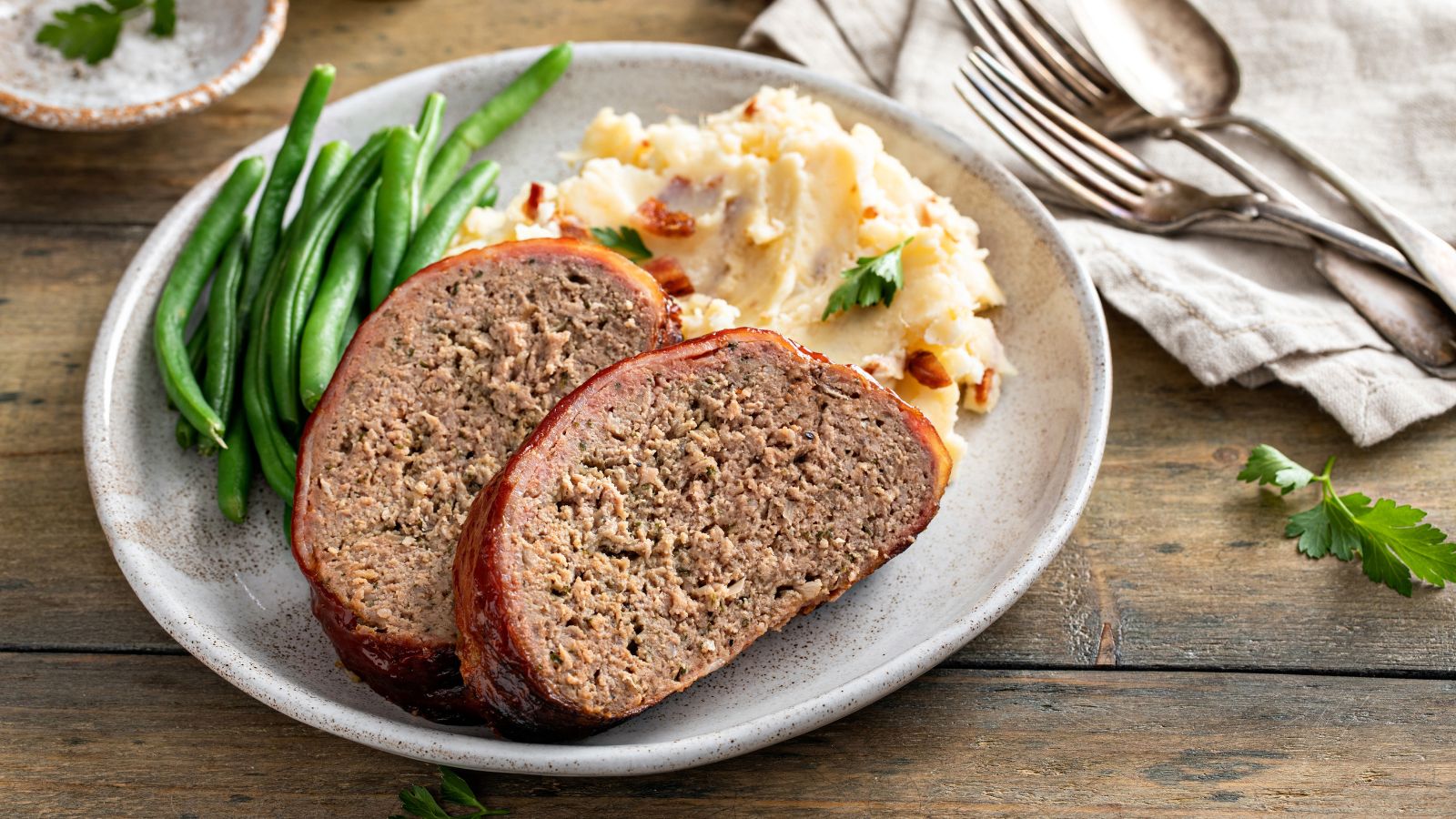
Mashed potatoes remain firmly embedded in Canadian Thanksgiving, but one version has already lost much of the national argument: lumpy mash. A Canadian preference poll found 84% chose smooth mashed potatoes, leaving only 16% in the lumpy camp. That is a remarkably decisive result for a food that can provoke surprisingly emotional family debates.
Younger hosts have even more ways to move beyond the old bowl of roughly crushed potatoes. Canadian Thanksgiving collections now feature make-ahead mashed potatoes, gratins, roasted potatoes and combinations with parsnip or other root vegetables. Convenience matters, too. A huge pot of potatoes has to be peeled, boiled, drained and mashed at roughly the same time everything else needs attention. Smooth prepared mash or a completely different potato dish can be simpler for first-time hosts. Potatoes themselves are hardly disappearing—Dalhousie research still placed them among Canada’s most important Thanksgiving foods. It is the rustic, slightly gluey or visibly lumpy version passed around some older family tables that has increasingly little reason to survive on tradition alone.
Canned Cranberry Jelly
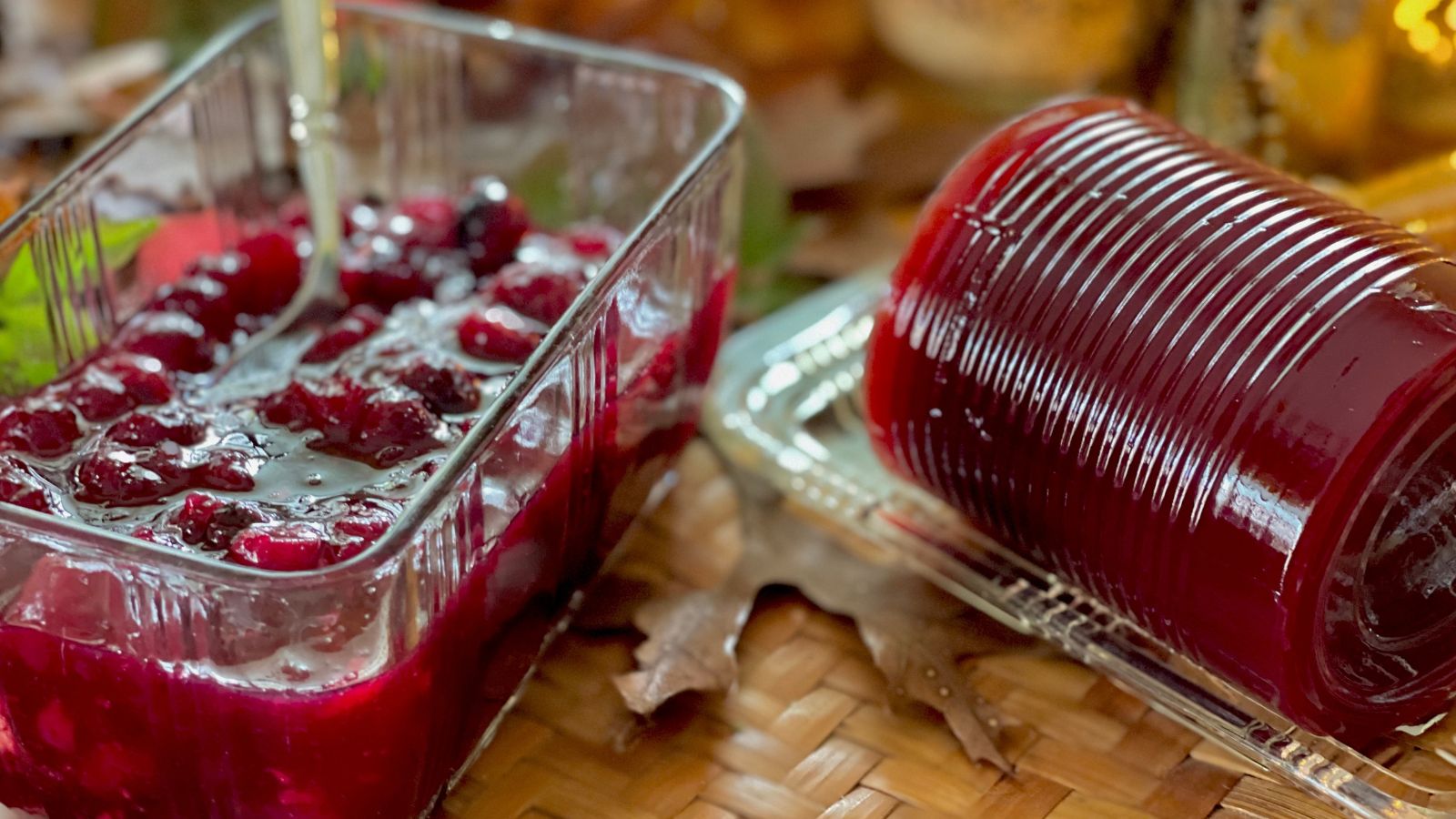
The cylindrical cranberry jelly that slides from a can has become almost comedic Thanksgiving iconography. For some families, the ridges left by the can are part of the nostalgia. Yet even among Canadians generally, jelly does not win the cranberry contest. National polling found 55% preferred stewed whole cranberry sauce, compared with 45% favouring jelly.
Freshness and customization make the old canned version easier to replace. Contemporary Canadian Thanksgiving recipe collections routinely feature homemade cranberry sauce, sometimes adding orange, maple, spices or other fruit. Fresh cranberries also arrive in Canadian stores during the fall harvest period, aligning neatly with the holiday’s seasonal character. Younger hosts already accustomed to experimenting with flavour—or blending traditional Canadian foods with dishes from another culinary heritage—have little reason to treat one particular canned product as mandatory. None of this makes cranberry jelly obsolete. In Alberta and Atlantic Canada it has retained particularly strong support. But on a table with limited space, a fresh relish, chutney or spicy sauce can now claim the role jelly once occupied automatically.
Marshmallow-Topped Sweet Potatoes
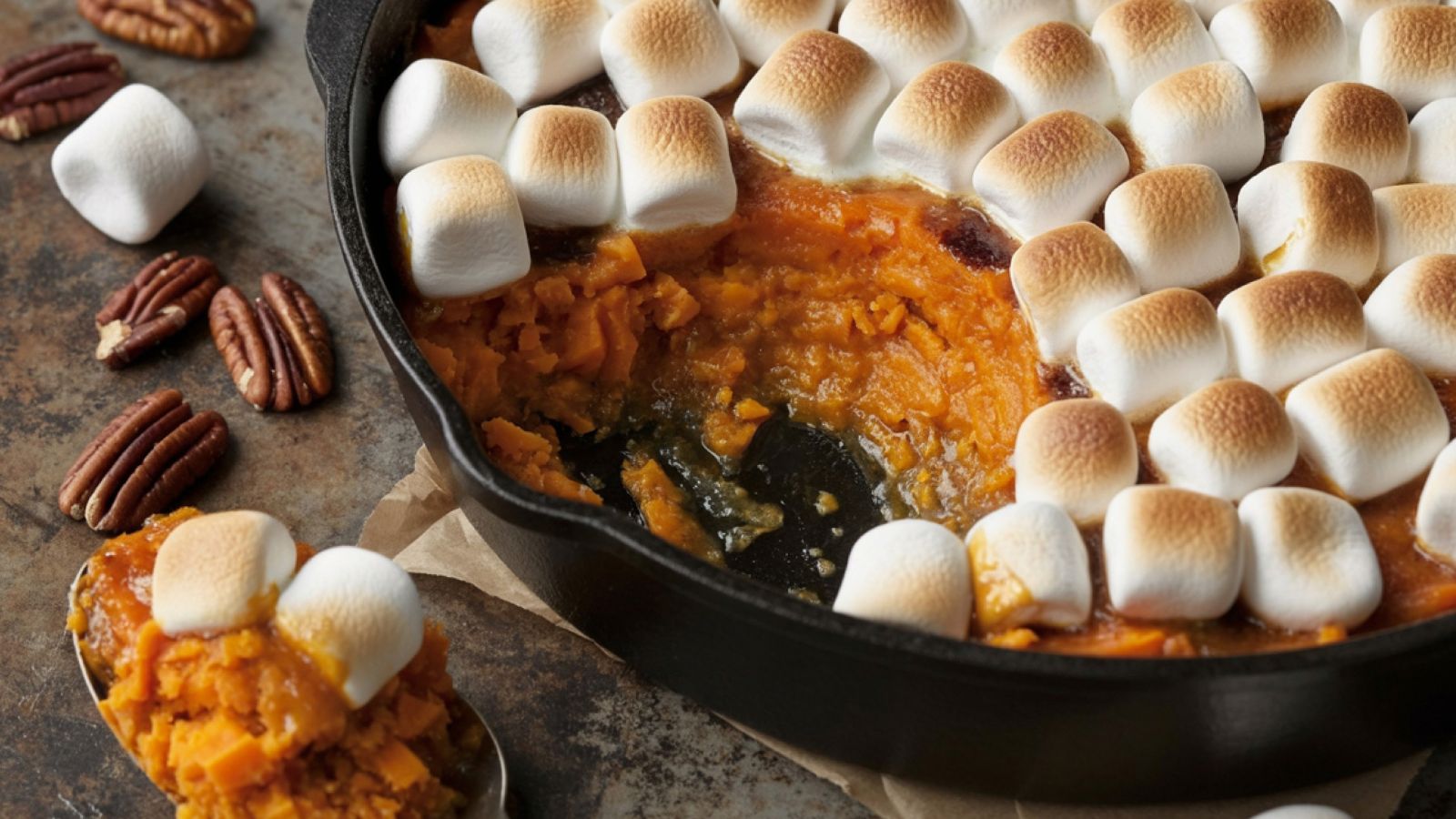
Few Thanksgiving foods reveal the Canada-U.S. culinary overlap better than sweet potatoes covered with marshmallows. The dish is far more strongly associated with American Thanksgiving, but it is familiar enough in Canada that a national Canadian preference poll explicitly tested it against sweet potatoes prepared with brown sugar. The result was lopsided: 79% preferred brown sugar, while only 21% picked the marshmallow version.
That gives younger hosts little incentive to preserve an already divisive preparation. Sweet potatoes themselves fit comfortably into a Canadian harvest meal, but modern recipes tend to mash, roast or season them rather than bury them under a candy-like topping. A younger cook trying to balance rich stuffing, potatoes, gravy and dessert may also question whether a vegetable side needs to taste almost like dessert. Maple, herbs, chilli, citrus and savoury spices offer easier ways to make sweet potatoes feel distinctive. The marshmallow casserole may still appear at households where nostalgia is the point, but among all the old Thanksgiving dishes competing for oven space, it is one of the easiest to leave behind.
Mashed Rutabaga or Turnip
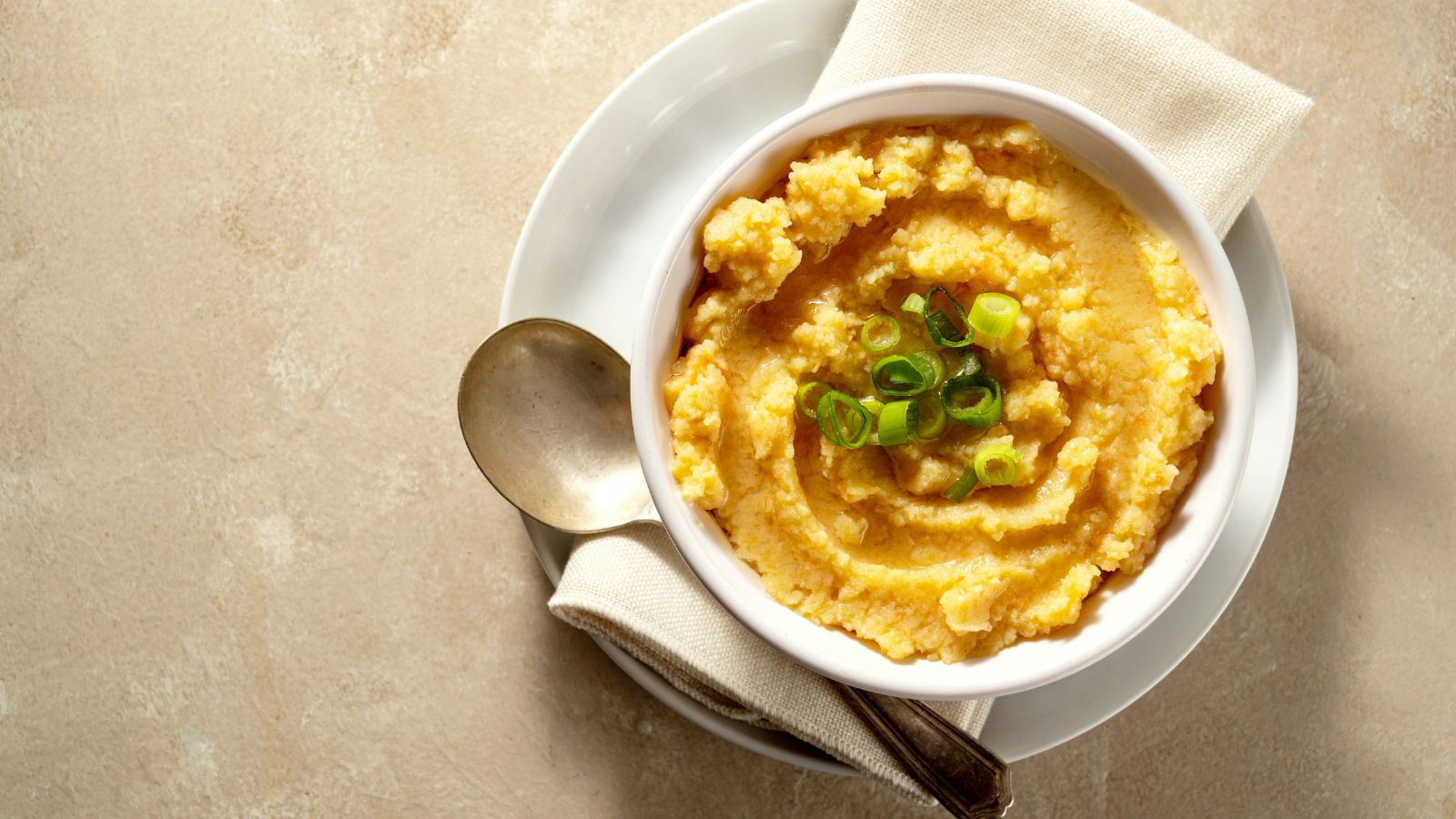
Turnip and rutabaga connect Thanksgiving to Canada’s harvest roots in a way few modern side dishes can. Traditional descriptions of the Canadian feast include rutabagas and other root vegetables, while Newfoundland meals have particularly strong associations with turnip alongside potatoes and carrots. For many older households, mashed turnip—with butter, pepper and perhaps a little brown sugar—requires no explanation.
Younger guests may encounter it much less often outside a grandparent’s kitchen. Canada’s population and food culture have also become substantially more diverse: the 2021 Census found immigrants represented 23% of the population, the highest proportion since Confederation. Research on Thanksgiving among newer Canadians found many families combine familiar Canadian dishes with foods from their own cultural backgrounds. That creates intense competition for every side-dish position. A bowl of plain mashed rutabaga may lose its spot to roasted vegetables, rice, noodles, paneer, pancit or another dish carrying stronger meaning for the people actually sitting at the table. The root vegetable survives; its automatic Thanksgiving invitation does not.
Plain Mashed Squash
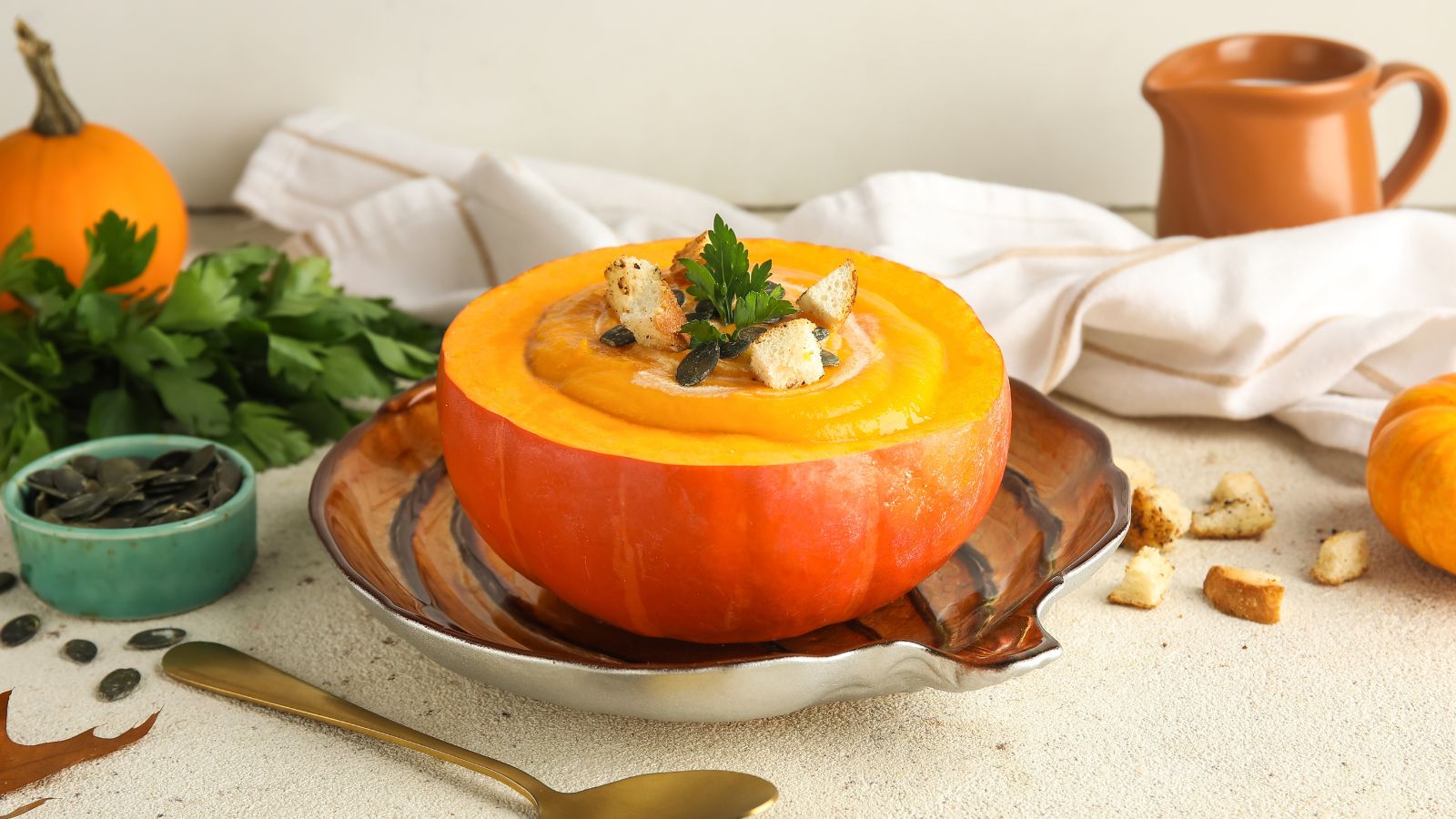
Squash is one of the ingredients most closely connected to Thanksgiving’s harvest-season identity in Canada. Historical accounts describe squash and pumpkin among the foods that helped shape the country’s modern Thanksgiving tradition, and butternut squash continues to appear throughout Canadian holiday recipe collections. The older preparation is often remarkably simple: cook it until tender, mash it, then add butter and seasoning.
That simplicity can now work against it. Modern Thanksgiving menus treat squash as a canvas rather than a finished dish. It can be roasted with maple, nuts or spices, turned into soup, incorporated into a grain dish or served in a vegetable casserole. Younger Canadians’ exposure to a wider range of cuisines makes seasonings and textures that were once unusual at a family Thanksgiving feel entirely normal. The squash itself is not being abandoned. The soft bowl of plain mash, however, can feel redundant beside mashed potatoes and other similarly textured sides. Younger hosts trying to create contrast may keep the autumn vegetable while changing almost everything about how an older generation remembers eating it.
Soft Boiled Brussels Sprouts
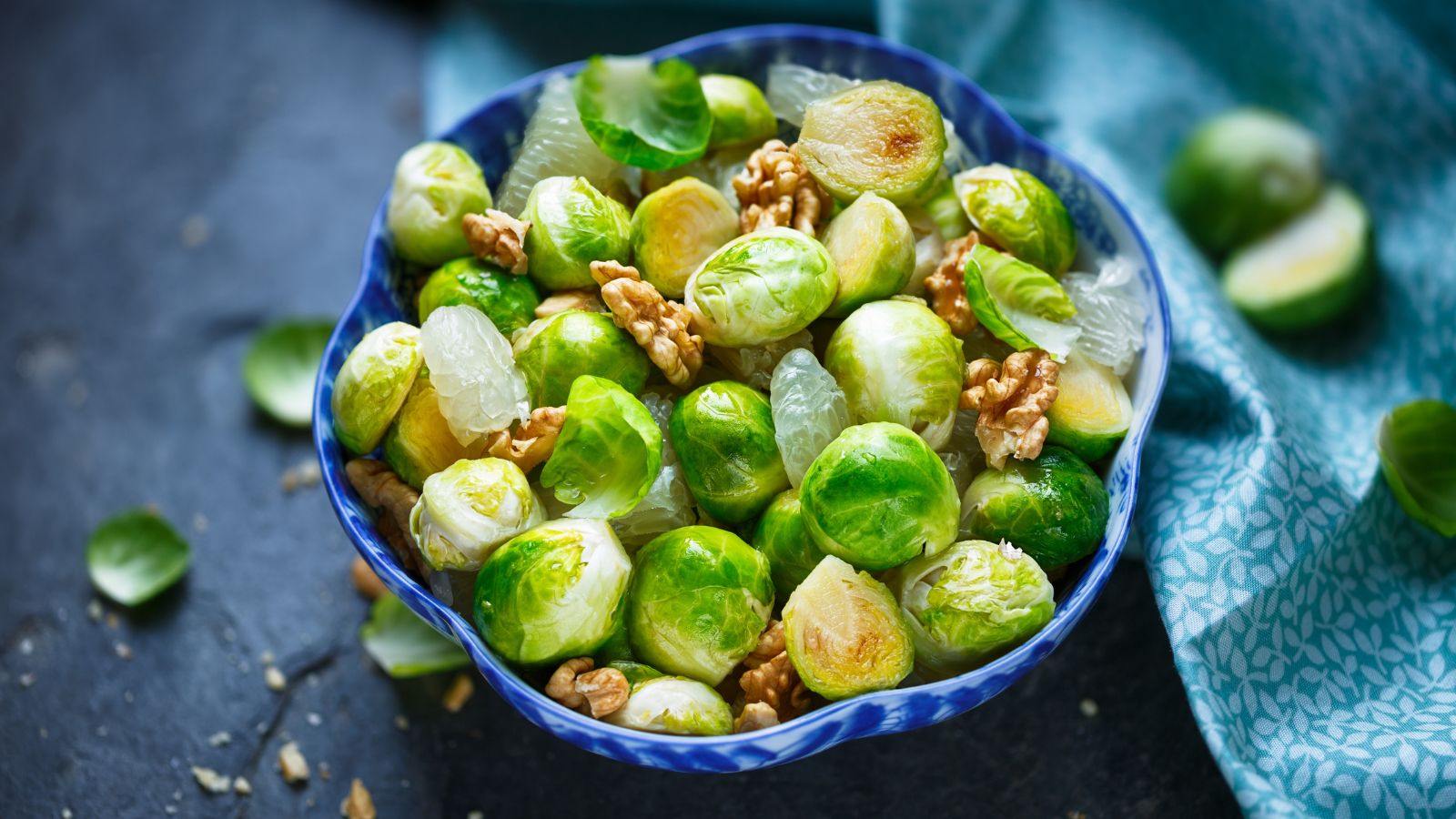
Brussels sprouts have undergone one of the clearest reputation makeovers on the holiday table. The vegetable belongs comfortably among traditional Canadian autumn sides, but the old method—boiling sprouts until soft—helped create generations of diners who associated them with bitterness, sulphurous aromas and obligation. Modern Canadian Thanksgiving recipes look very different.
Current recipe collections favour roasting and caramelization, sometimes adding maple, bacon, nuts or fruit. The appeal is largely about texture: browned edges and a firm centre bear little resemblance to a pot of waterlogged sprouts. As a result, younger generations may not actually be rejecting Brussels sprouts at all. They are rejecting the preparation that made the vegetable infamous. That distinction captures much of what is happening to Thanksgiving food traditions. Keeping a particular ingredient no longer means preserving the exact method used decades earlier. A younger host may happily put Brussels sprouts on the table while skipping the boiled version completely—and older relatives may discover they prefer the replacement too.
Plain Buttered Corn
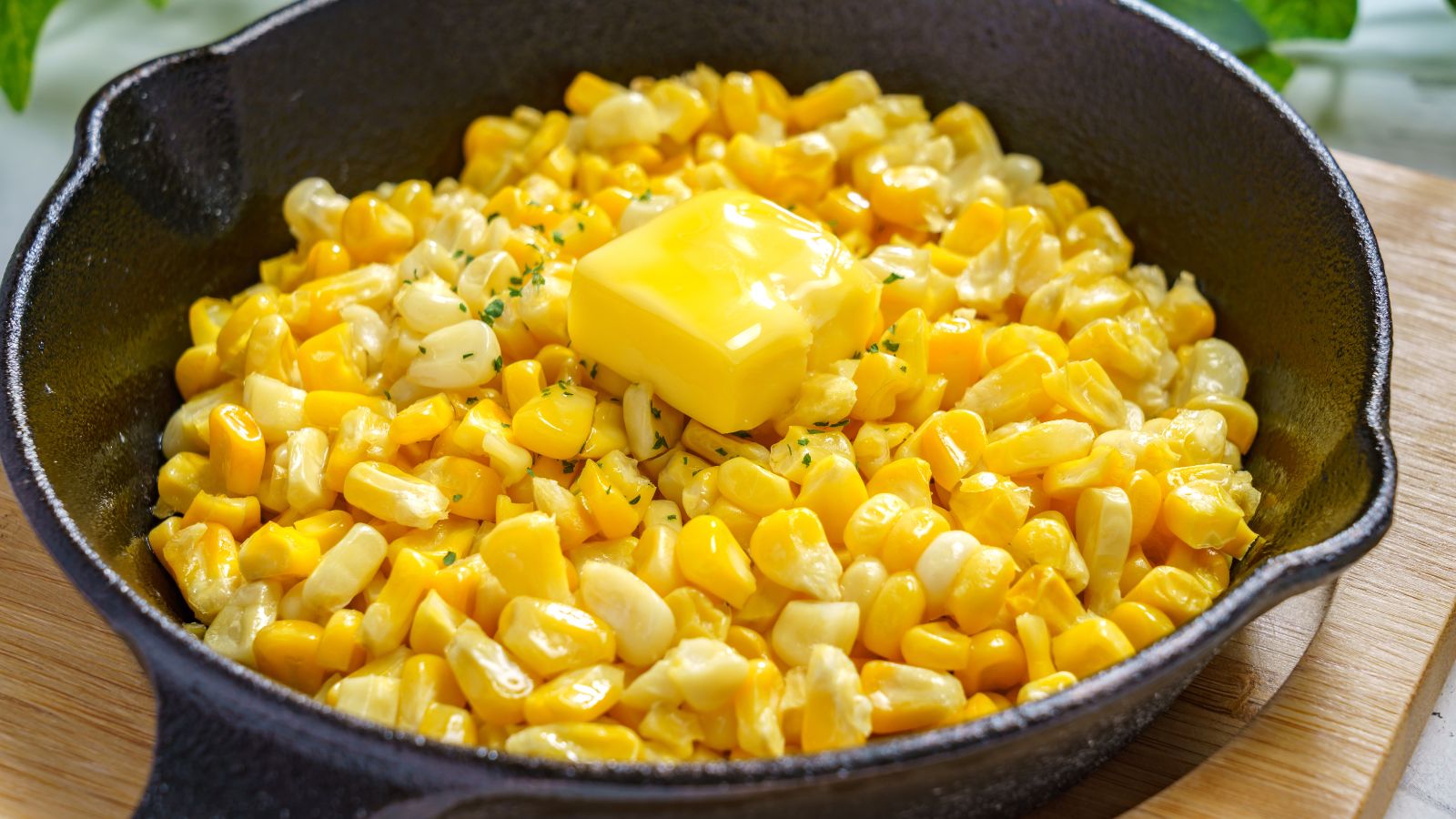
Sweet corn belongs to the broad collection of harvest foods associated with Canadian Thanksgiving, and older family meals often served vegetables simply because the rest of the plate was already complicated. A bowl of corn with butter and salt required almost no planning, which helped make it a reliable accompaniment beside turkey, potatoes, gravy and stuffing.
Its simplicity can also make it expendable. Contemporary Thanksgiving menus have far more competition from salads, roasted vegetables, vegetable gratins and culturally specific sides. Canadian packaged-food research has documented growing interest in culturally inspired meals, while research on newer Canadians shows that Thanksgiving dinners frequently blend familiar staples with dishes from family heritage. When a host only wants three sides instead of seven, plain corn may struggle to justify its space. Younger cooks do still use corn, but increasingly in dishes with stronger flavour or texture—skillet corn, salads, casseroles or spiced preparations. The old buttered bowl has not become objectionable. It simply risks being forgotten when every serving dish now has to offer something distinctive.
Basic Glazed Carrots
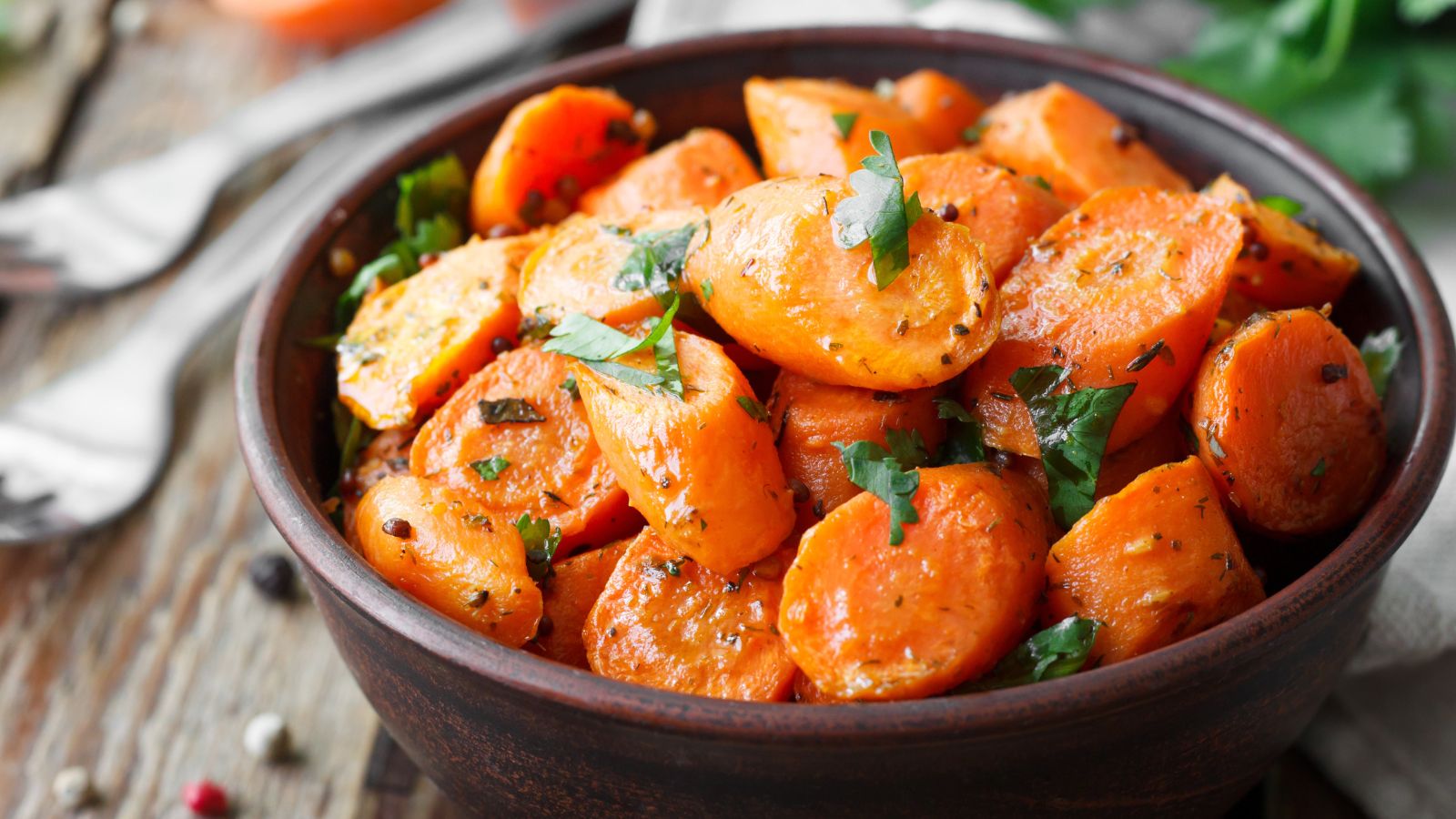
Carrots remain a dependable Canadian fall vegetable, and glazed versions continue to appear on catered Thanksgiving menus and contemporary recipe lists. Honey, maple or brown sugar can turn an inexpensive root vegetable into a colourful side that appeals to almost every age group. It is difficult to call glazed carrots unpopular.
The reason they can disappear from younger Thanksgiving menus is repetition rather than dislike. Traditional dinners may already contain sweet potatoes, squash, cranberry sauce and a sweet glaze on the ham, leaving carrots to compete in the same sweet-and-soft corner of the plate. Younger hosts building smaller menus can instead roast carrots with spices, combine them with other roots or eliminate a separate carrot dish entirely. Canada’s increasingly blended Thanksgiving food culture also means that vegetable space may go to something with a stronger family or cultural connection. The carrot survives easily in stews, curries, salads and sheet-pan vegetables. What becomes less certain is the dedicated serving bowl of glazed carrots that once appeared simply because Thanksgiving dinner was expected to have many different sides.
Plain White Dinner Rolls
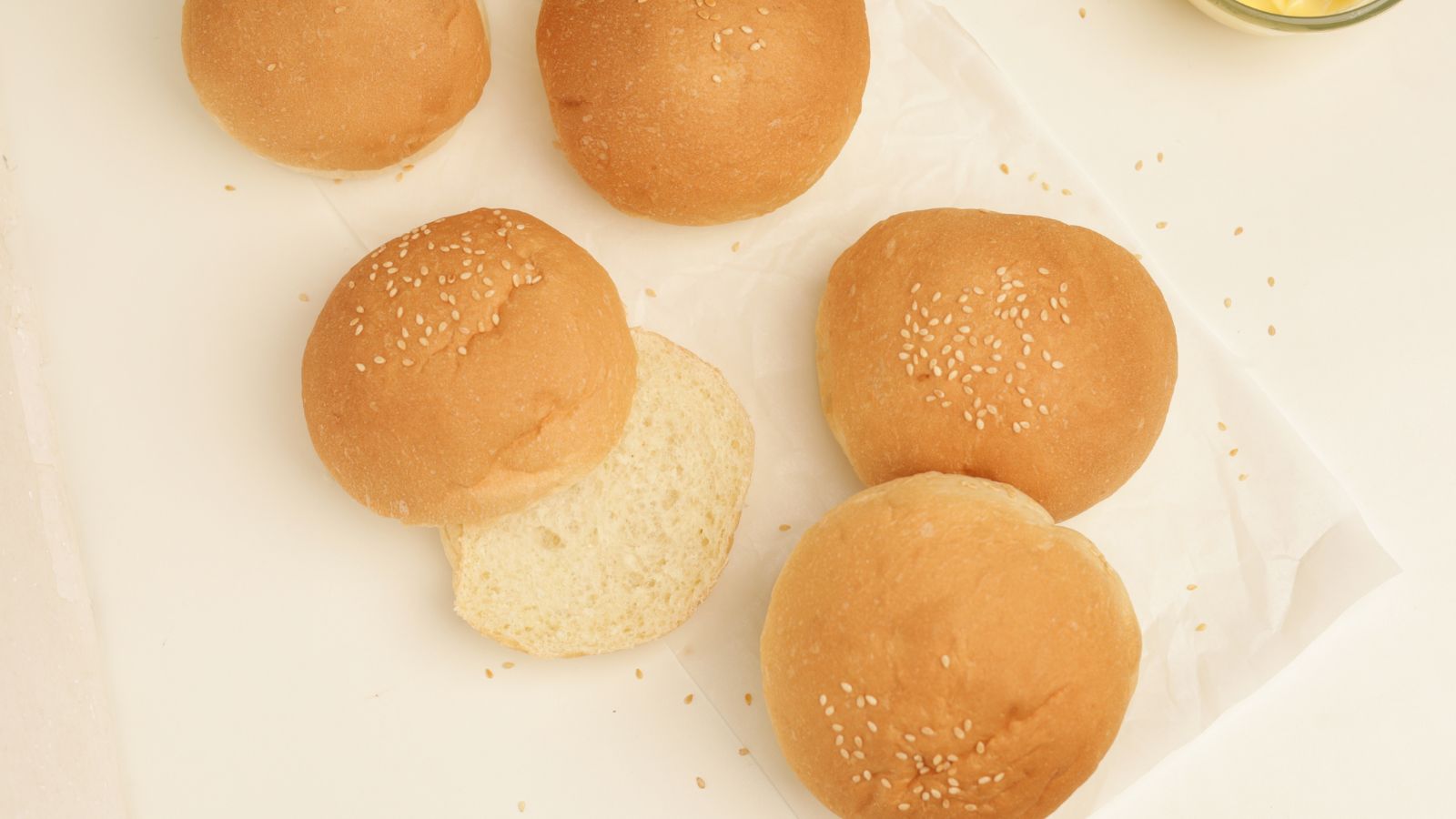
A basket of soft white rolls was once almost guaranteed at a large turkey dinner. Canadian Thanksgiving recipe collections still include dinner rolls alongside stuffing, potatoes and cranberry sauce, and their purpose is obvious: they mop up gravy and turn the last pieces of turkey into miniature sandwiches. Few foods are more comforting or less controversial.
Yet rolls can also be the easiest carbohydrate to eliminate from an already starch-heavy meal. Gen Z Canadians report higher rates of gluten-free diets than Baby Boomers in federal consumer research, while younger consumers also show strong interest in convenience. Homemade yeast rolls require mixing, rising and baking at precisely the moment oven space becomes scarce. Store-bought rolls solve the labour problem, but they can feel redundant beside potatoes and bread-based stuffing. Hosts who want bread may choose sourdough, naan, focaccia or another style that connects better with the rest of the meal. The plain white dinner roll is not disliked; increasingly, it has to earn a place that tradition used to guarantee.
Butter Tarts After a Big Dinner
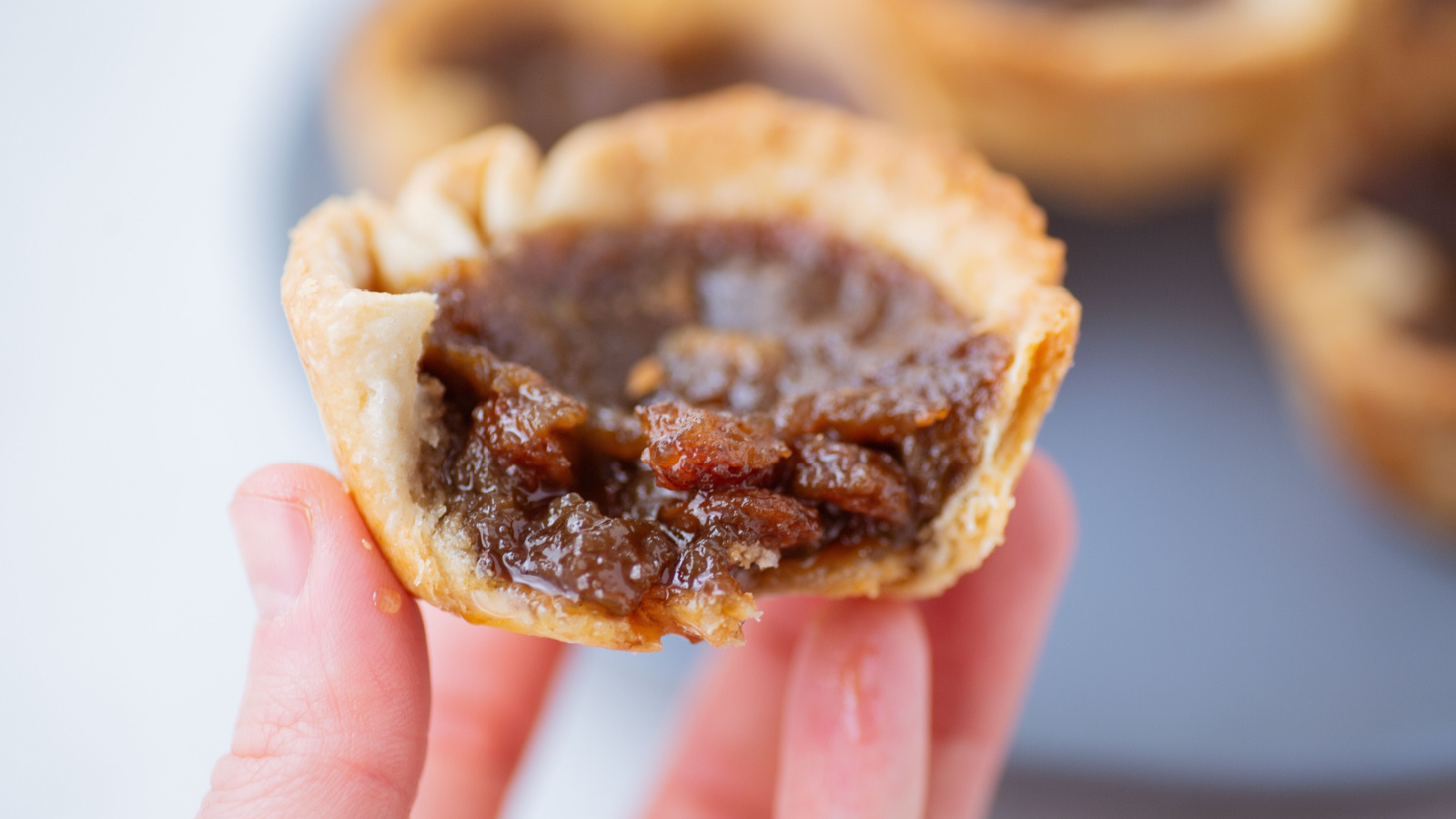
Butter tarts are among Canada’s most recognizable desserts and have a legitimate place in fall celebrations. They also generate their own national argument. In 2022 polling, 59% of Canadians preferred butter tarts with raisins and 41% chose them without. The dessert’s Canadian credentials, in other words, are not in question.
The problem is competition. Dalhousie University found Canadians aged 18 to 34 were nearly twice as likely as those 35 and older to place pumpkin pie among their top three Thanksgiving foods—38% compared with 22%. When a younger host wants one memorable dessert instead of a table crowded with sweets, pumpkin may therefore have an advantage. Butter tarts can also feel intensely rich after turkey, gravy, stuffing and potatoes, especially when several desserts are already available. They remain ideal for coffee later in the weekend or as a portable treat. Their decline, where it occurs, is less about rejecting Canadian tradition and more about Thanksgiving dinners becoming smaller and more selective about which traditions make the final cut.
Apple Pie
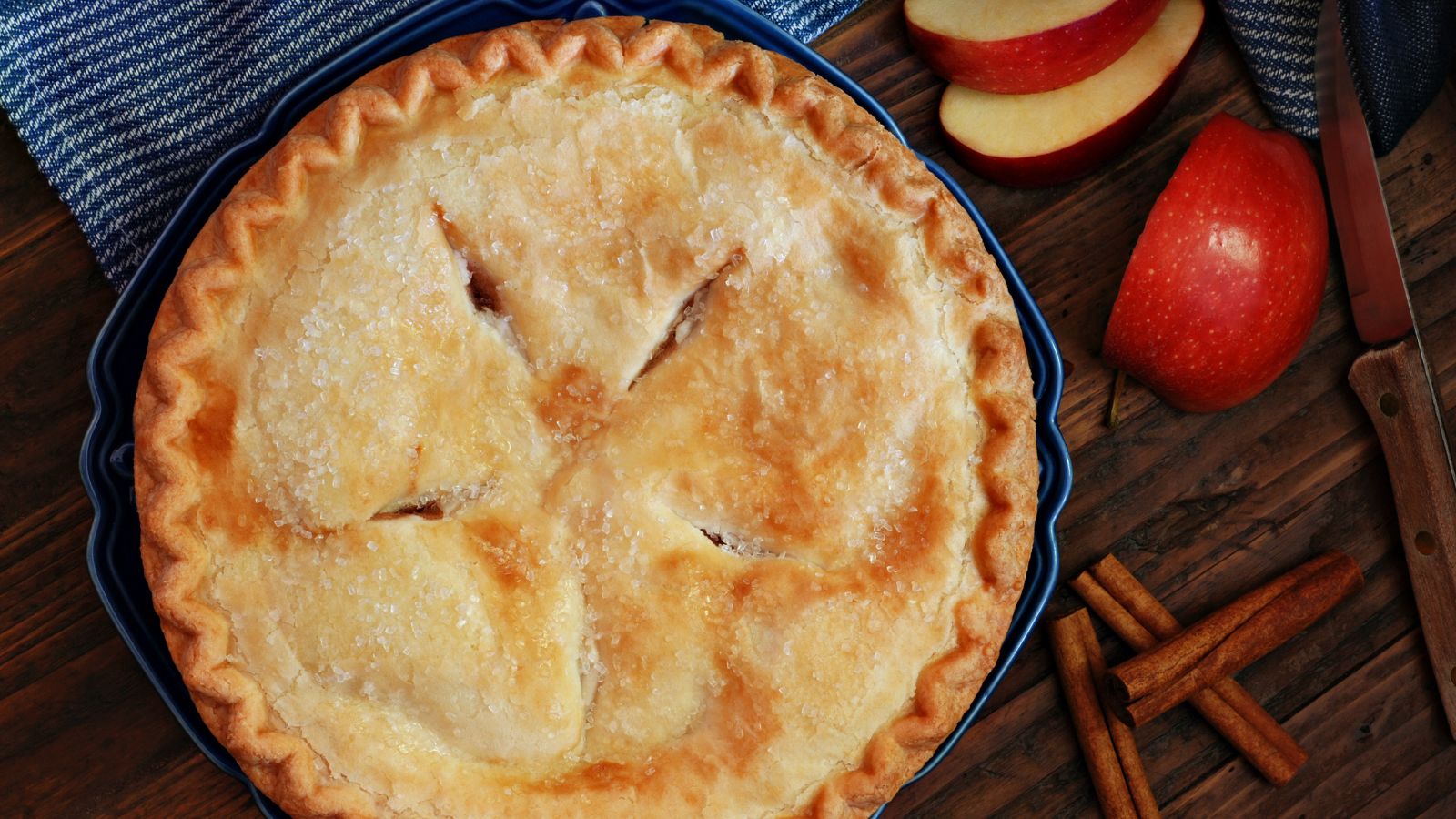
Apple pie has a strong claim to a Canadian Thanksgiving table. Apples are in season across major Canadian growing regions in early autumn, and Thanksgiving menu collections have long included apple pies, crisps and tarts alongside pumpkin desserts. In a household that once baked two or three pies, apple was an easy addition.
Younger Canadians’ unusually strong enthusiasm for pumpkin pie makes the second pie less automatic. Dalhousie’s Thanksgiving research found people aged 18 to 34 were considerably more likely than older adults to rank pumpkin pie among their three most important Thanksgiving foods. That does not prove younger Canadians dislike apple pie; it suggests pumpkin has unusual holiday power with that age group. When a smaller household buys or bakes only one dessert, the more distinctly Thanksgiving-flavoured option can win. Apple remains an everyday fall favourite and may reappear as crisp, galette or caramel-apple cake. What younger hosts can increasingly skip is the expectation that Thanksgiving requires several large pies simply because previous generations routinely baked them all.
Turkey Sandwiches With Cranberry Sauce
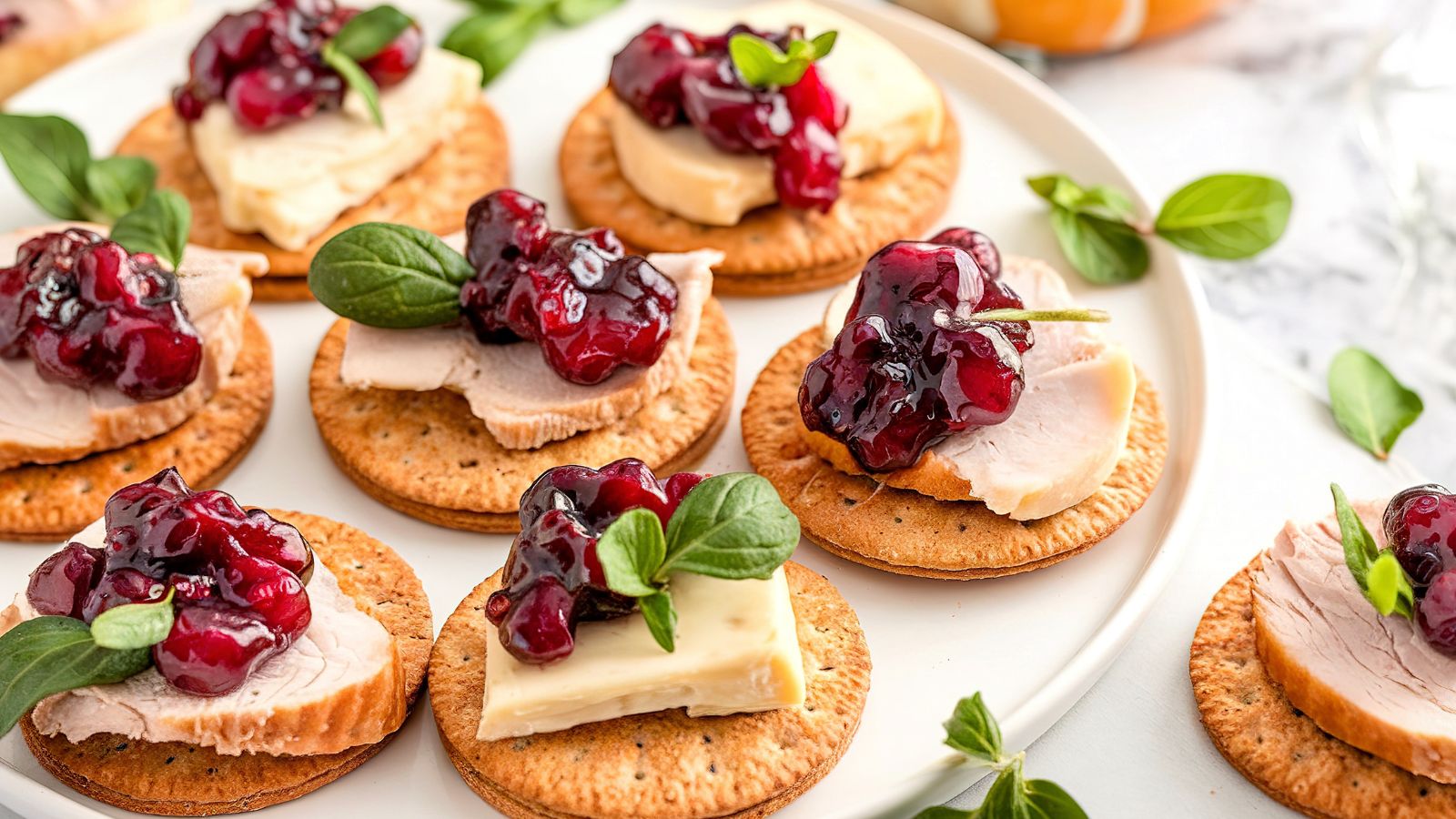
The next-day turkey sandwich may be almost as traditional as the dinner itself. Canadian turkey organizations actively publish leftover sandwich recipes combining turkey with stuffing, potatoes, gravy and cranberry sauce. For families that cook a very large bird, sandwiches have long been an efficient answer to the refrigerator full of leftovers.
Cranberry sauce on that sandwich is far from universally loved, however. Canadian polling found 53% preferred a turkey sandwich without cranberry sauce, versus 47% with it. The broader leftover ritual also has more competition today. Canadian Turkey’s own modern recipe collection turns Thanksgiving meat into tacos, meat pies and other transformed meals rather than simply rebuilding Sunday’s plate between slices of bread. That approach fits younger consumers who are accustomed to greater variety in everyday meals. A turkey sandwich still has the advantages of speed and nostalgia. But eating the identical turkey-cranberry combination for several days is no longer the only obvious destination for leftovers, particularly when hot sauce, noodles, wraps and globally inspired dishes are already part of the household pantry.
Several Days of Traditional Turkey Leftovers
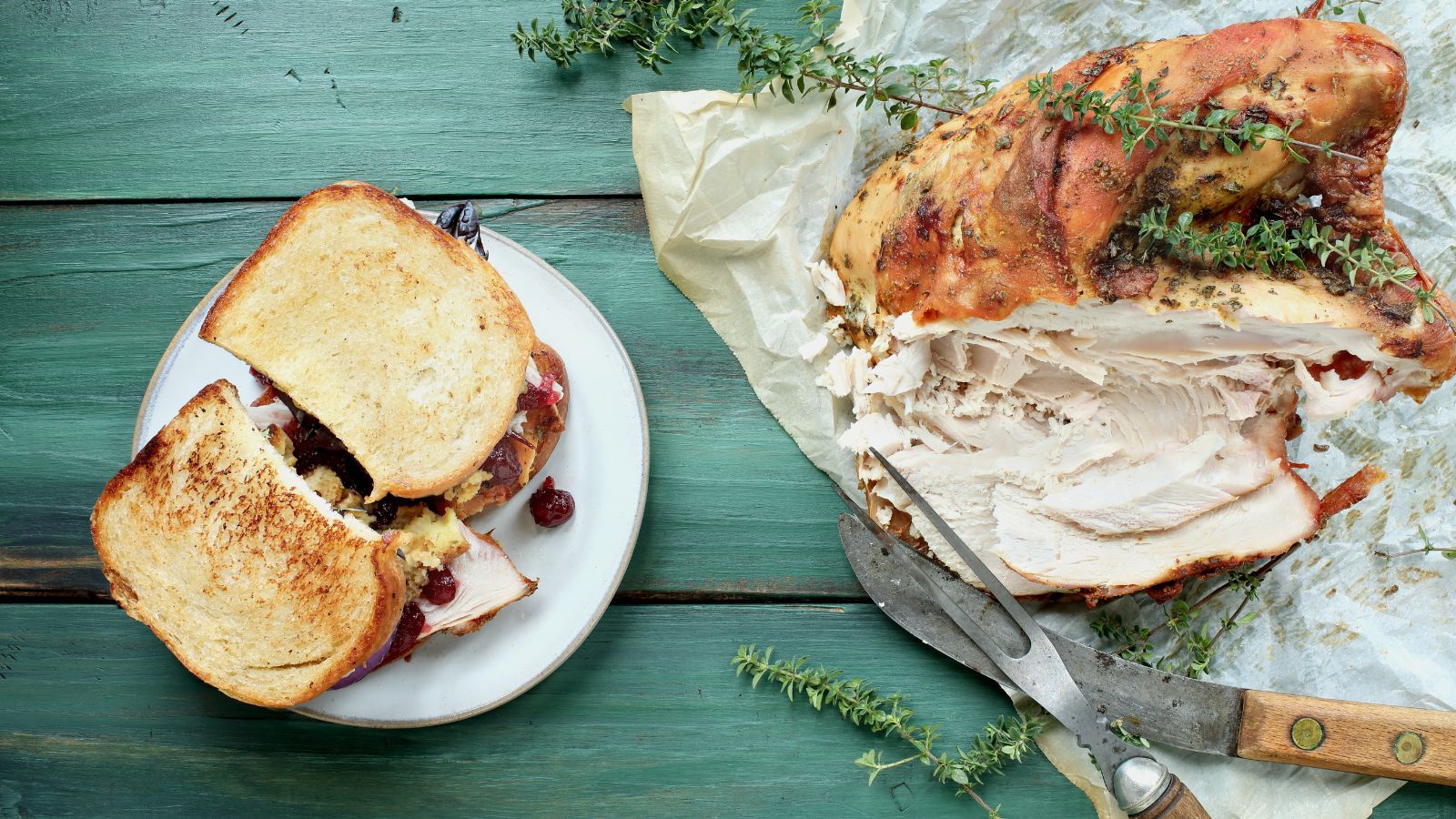
The enormous quantity of food left after Thanksgiving once felt almost intentional. Turkey became sandwiches, soup and casseroles; stuffing and potatoes were reheated beside it; and families could eat versions of the same meal well into the week. Canadian Living and Canadian Turkey still publish extensive ideas for transforming holiday leftovers, showing how deeply this habit is embedded in the celebration.
Younger hosts are increasingly able to avoid the mountain in the first place. A turkey breast, smaller gathering or non-traditional main can produce much less excess food. Where leftovers remain, food safety sets a practical limit: Health Canada advises using refrigerated holiday leftovers within two to three days or freezing them promptly, and reheating leftovers to at least 74°C. Younger Canadians also eat in a food environment with abundant takeout, ready-to-eat meals and rapidly changing meal preferences. Thanksgiving leftovers are unlikely to disappear, but the assumption that everyone should happily eat essentially the same plate through Wednesday is weakening. The emerging tradition is smaller quantities—or turning what remains into something that barely resembles Thanksgiving dinner.
16 Costco Canada Habits That Could Be Costing Shoppers More Than They Save

The Executive Membership can feel like an obvious upgrade because the 2% annual reward sounds straightforward. For households that spend heavily at Costco Canada, the extra fee may be easy to justify. But the habit becomes costly when shoppers upgrade first and calculate later. A Gold Star Membership costs less, while Executive costs more and only pays off if eligible annual spending is high enough to offset the difference.
16 Costco Canada Habits That Could Be Costing Shoppers More Than They Save
