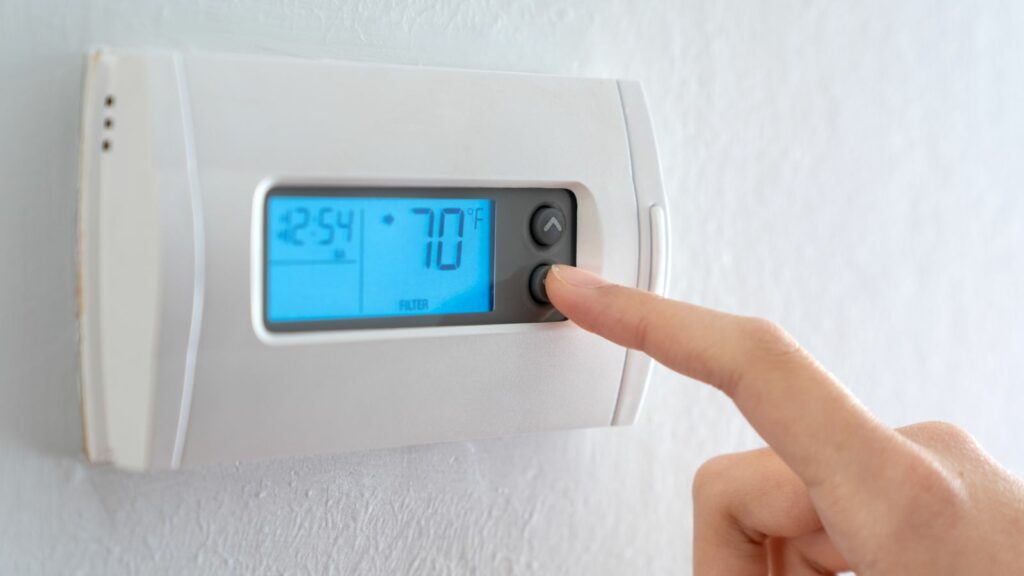
The first chilly morning of autumn has a way of making a heating system suddenly important again. After sitting mostly idle through warmer months, furnaces, boilers, heat pumps, fireplaces and electric heaters can return to heavy daily use with little warning. A few minutes of preparation can reveal airflow problems, blocked vents, aging alarms or maintenance issues before the first serious cold snap arrives. Canadian homes also rely on widely different heating systems, so the appropriate checks vary from one property to another. These 17 things Canadian homeowners should check before turning the heat back on cover the most important safety, maintenance and efficiency considerations, from furnace filters and carbon monoxide alarms to heat pumps, radiators, chimneys and equipment affected by summer flooding.
Start With the Furnace or Heat-Pump Filter
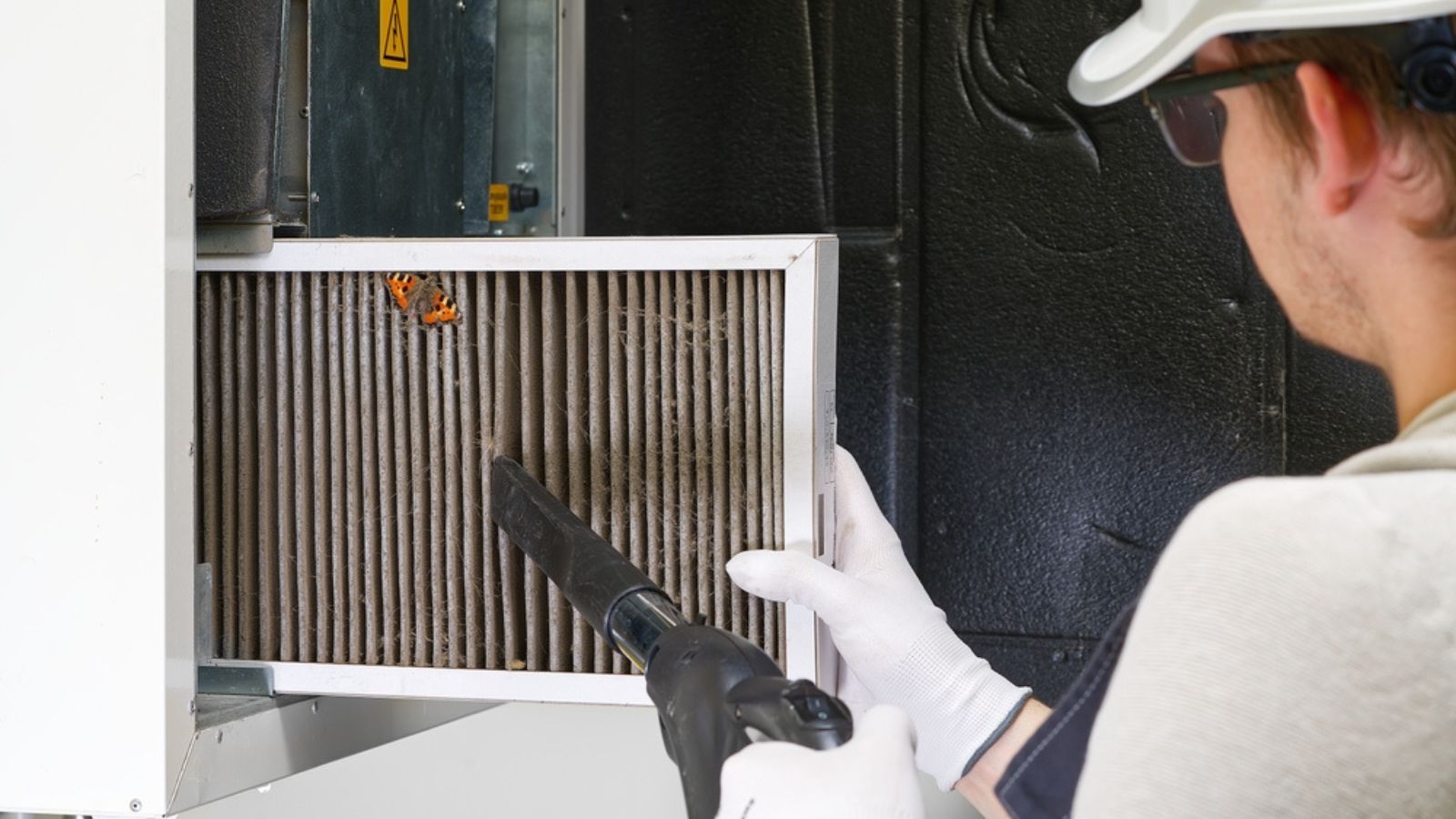
A neglected filter is one of the simplest problems to find before heating season and one of the easiest to correct. In forced-air furnaces and many heat-pump systems, the filter captures dust and debris before air passes through the equipment. As that material accumulates, airflow can fall. Natural Resources Canada recommends inspecting, cleaning or replacing heating-system filters regularly and following the equipment manufacturer’s instructions for the correct maintenance interval.
Autumn is therefore a useful time to pull the existing filter and inspect it rather than assuming it survived another season. Homeowners should also confirm that a replacement is the correct size and installed in the proper airflow direction. Some systems use washable or specialized filters rather than disposable ones, making the owner’s manual important. A fresh filter cannot fix mechanical trouble, but it gives the heating system a much better starting point before months of continuous operation.
Make Sure Supply Vents and Return Grilles Are Open
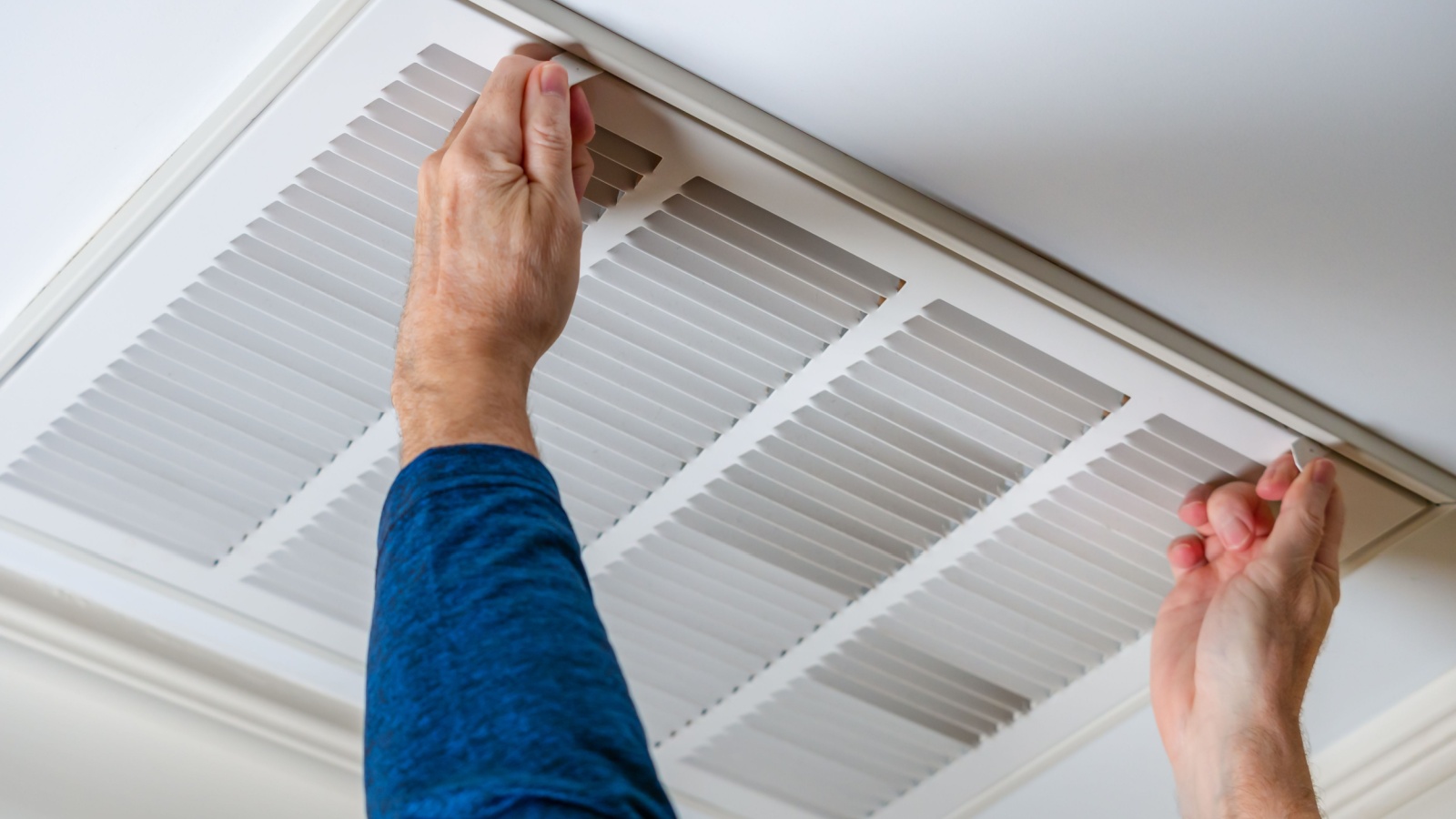
A heating system can be operating perfectly while a room still feels cold because the air has nowhere useful to go. Furniture rearranged during the summer, rugs, boxes and curtains can wind up covering supply registers or return-air grilles. Natural Resources Canada specifically recommends keeping these openings clean and unobstructed so air can circulate properly through a forced-air heating or heat-pump system.
Return grilles deserve particular attention because they are easy to overlook. A blocked return can restrict the amount of air moving back toward the equipment, while covered supply vents can prevent heated air from reaching occupied rooms. A quick walk through the home before the heating season can uncover a sofa pushed over a register or a storage box placed against a return grille months earlier. Vacuuming dusty grilles and restoring clear space around them costs almost nothing and can improve comfort without touching the heating equipment itself.
Give the Thermostat a Proper Test
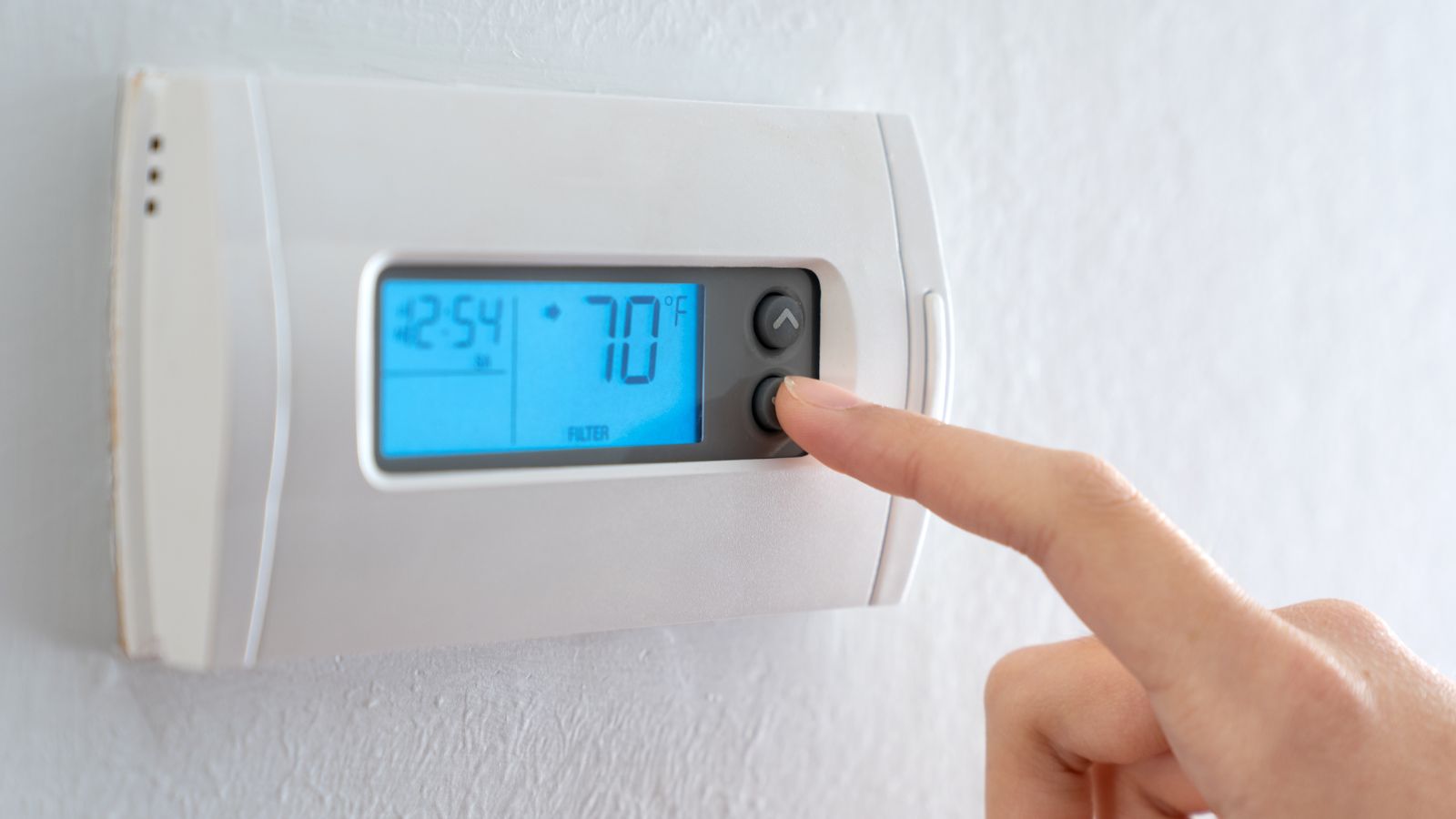
The thermostat may have spent much of the summer controlling cooling equipment or sitting at a different schedule altogether. Before cold weather arrives, homeowners should confirm that it is switched to the appropriate heating mode, displays sensible temperatures and communicates properly with the heating system. Programmable and smart thermostats may also need schedules reviewed because routines that worked during summer may make little sense in November.
A practical test involves raising the setting enough to call for heat and confirming that the heating equipment responds normally. The system should start, distribute heat and shut down once the demand is satisfied. Battery-powered thermostats should also be checked for low-battery warnings. Natural Resources Canada recommends verifying thermostat settings as part of HVAC maintenance and notes that programmable temperature setbacks can reduce heating consumption in many systems. Heat pumps and certain hydronic systems can behave differently, however, so settings should follow equipment-specific guidance.
Watch the First Complete Heating Cycle
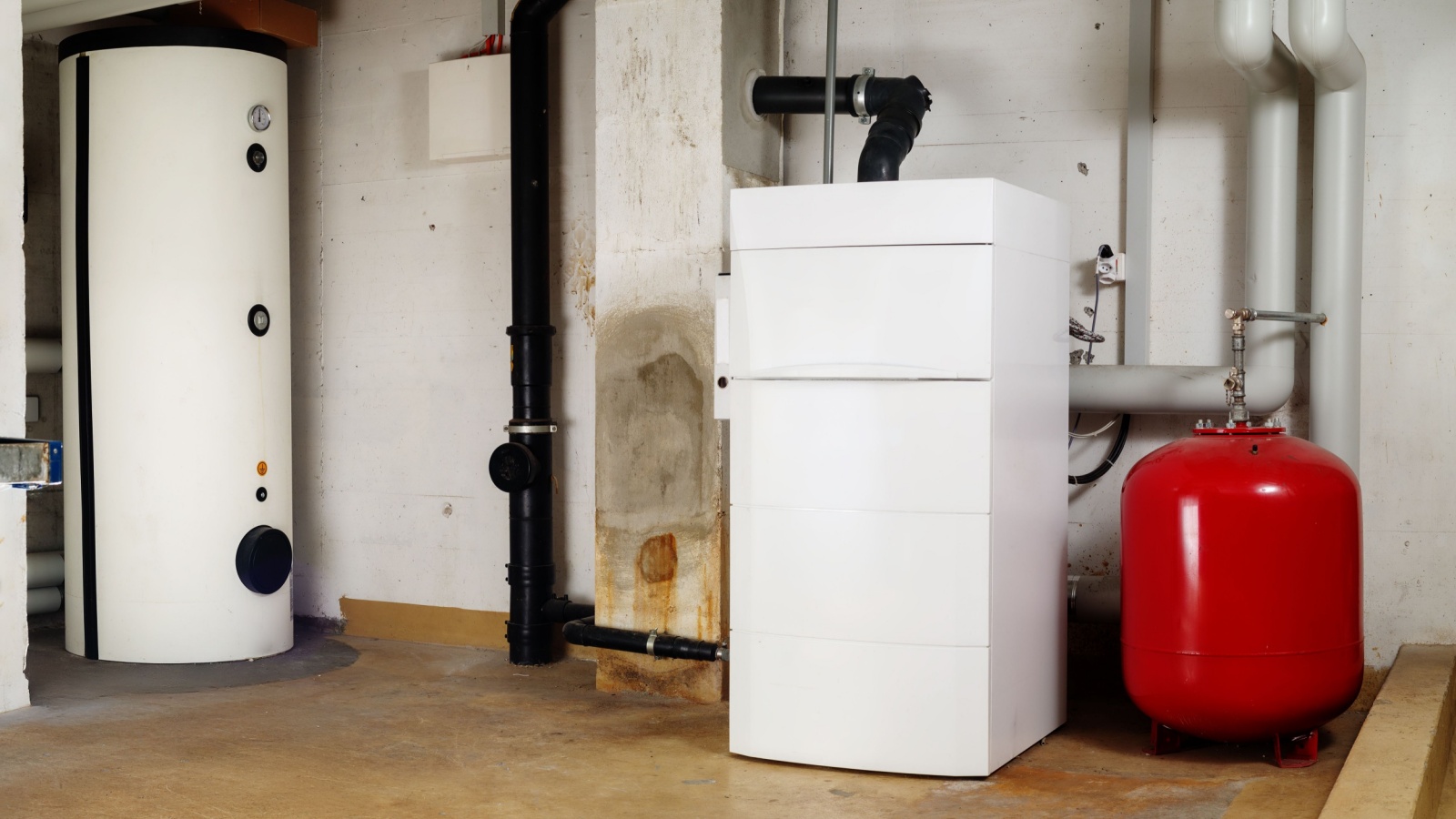
Turning the heat on briefly before it is genuinely needed can reveal problems while there is still time to arrange service. Instead of simply hearing the furnace start and walking away, homeowners can observe one complete operating cycle. The equipment should respond to the thermostat, produce heat, distribute it normally and eventually shut down without repeatedly stopping and restarting or showing obvious warning indicators.
There is an important boundary between observation and repair. Natural Resources Canada recommends that a qualified professional check safety controls, electrical connections, combustion components and other technical parts during servicing. Homeowners should not open combustion systems or attempt gas, oil or electrical repairs themselves. The first test is mainly about noticing abnormalities: a system that will not start, fails to shut off, produces no heat or behaves very differently from the previous season deserves attention before temperatures plunge and service companies become considerably busier.
Check Whether Professional Maintenance Is Due
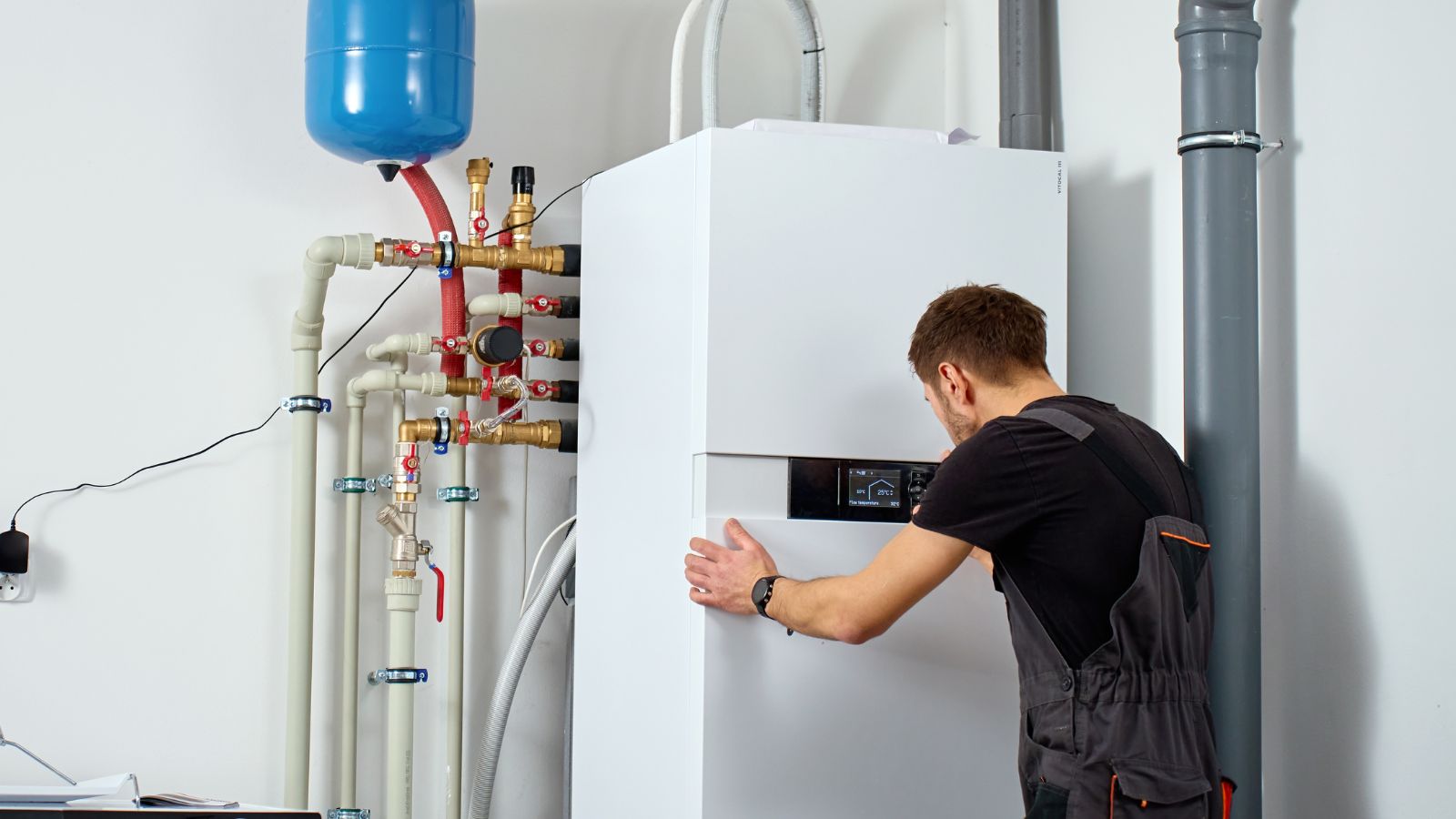
Heating equipment should not be treated as maintenance-free simply because it ran without trouble last winter. Natural Resources Canada recommends pre-season HVAC checkups by qualified contractors and advises homeowners to follow manufacturer-specific service procedures. Professional servicing can include inspecting controls, airflow, burners, fuel connections, combustion performance and heat exchangers—areas that are not appropriate for casual do-it-yourself experimentation.
Maintenance requirements can differ substantially by equipment type. Oil-fired systems, for example, typically require particularly regular cleaning and tuning, while gas, propane and heat-pump equipment should be maintained according to manufacturer and professional recommendations. An autumn appointment can also uncover gradual deterioration that was not obvious at the thermostat. For many homeowners, the most useful question is not whether the furnace “still works,” but whether anyone qualified has examined it within the recommended interval. Preventive servicing is easier to schedule before the first widespread cold snap sends thousands of systems back into full-time operation.
Inspect Outdoor Intake and Exhaust Openings
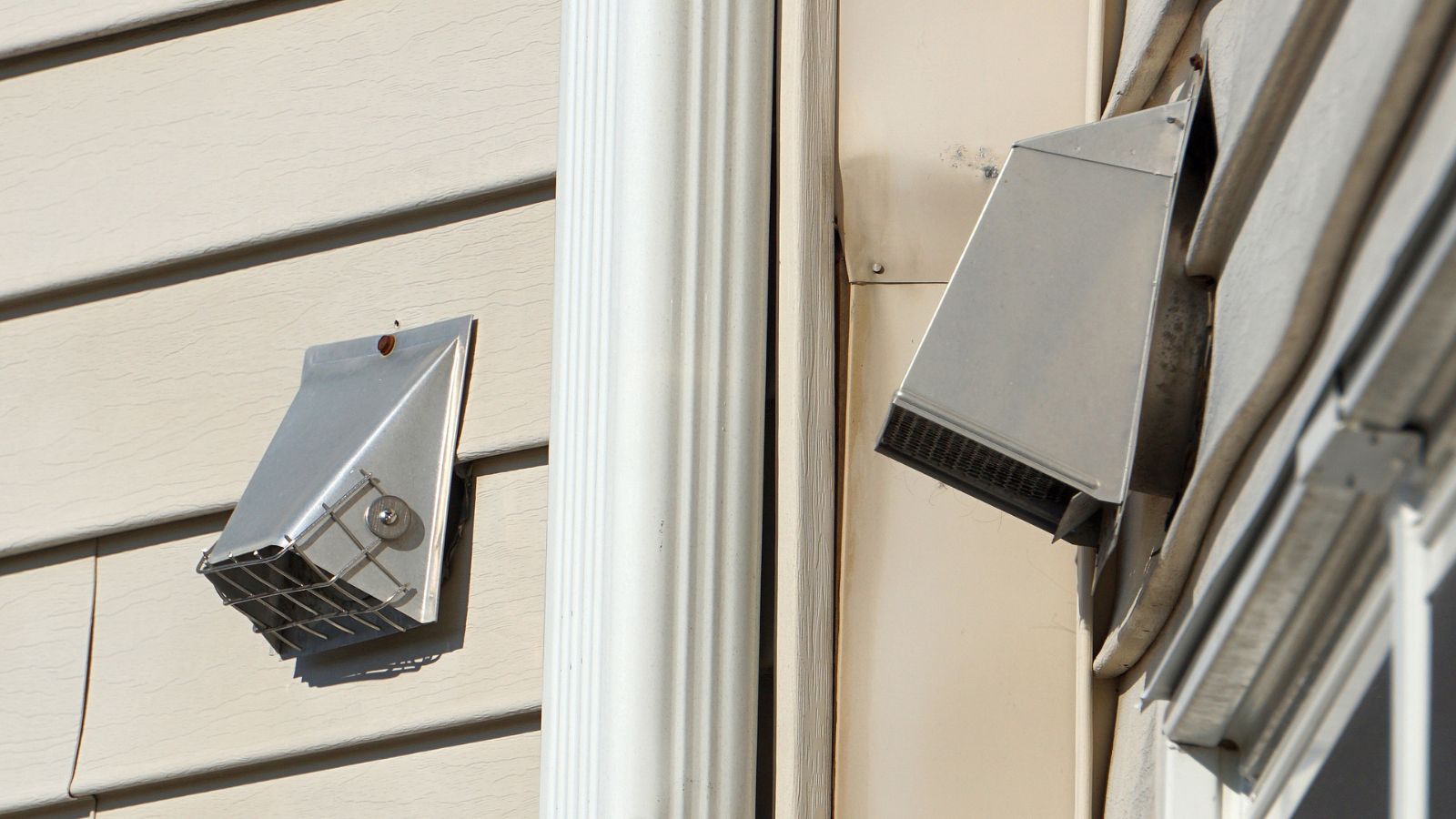
Modern high-efficiency furnaces and other fuel-burning appliances frequently vent through pipes exiting an exterior wall rather than through a traditional masonry chimney. Those openings need to remain clear. Leaves, vegetation, nests and other debris can collect around them during warmer months, while snow and ice become additional hazards once winter arrives. Health Canada advises checking fuel-burning equipment for blocked vents, damaged connections and other venting problems.
The inspection should be visual rather than an invitation to disassemble anything. Pipes that appear cracked, disconnected, shifted or otherwise damaged are reasons to contact a qualified technician. Once snow begins, exterior terminals deserve continued attention because drifting or shoveled snow can cover low-mounted vents. Canadian safety authorities have repeatedly warned that obstructed exhaust systems can contribute to carbon monoxide problems. Checking the openings in autumn establishes where they are located before a January snowbank makes them much harder to find.
Test Every Carbon Monoxide Alarm
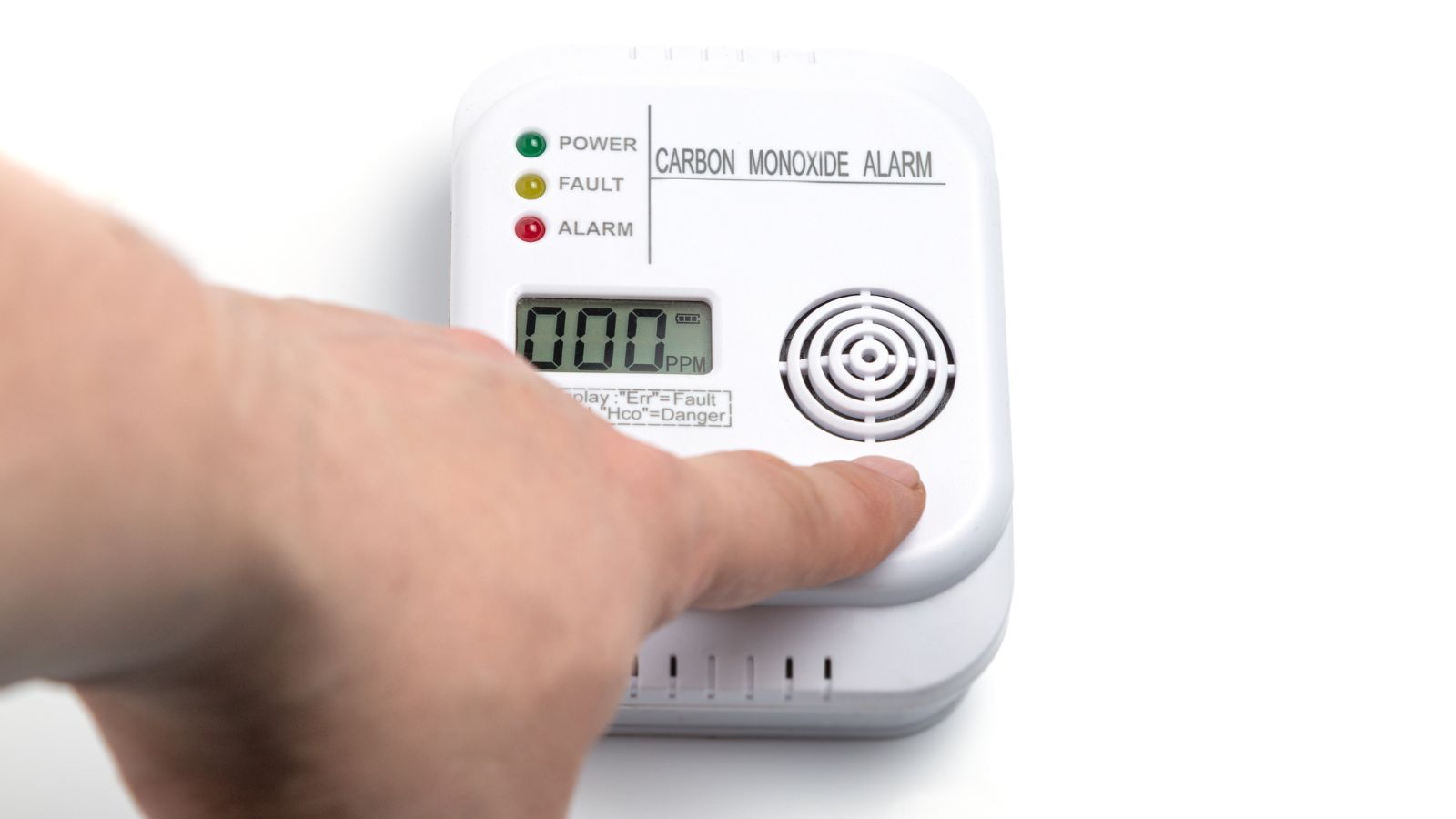
For homes with fuel-burning appliances, fireplaces or other potential carbon monoxide sources, a working CO alarm is an essential layer of protection. Carbon monoxide has no colour, smell or taste, and Health Canada notes that furnaces, fireplaces, wood stoves and other fuel-burning equipment can produce it. The risk becomes particularly relevant during colder months as Canadians use heating equipment more frequently and homes remain closed against the weather.
Before heating season, homeowners should test alarms according to the manufacturer’s instructions, check their power source and examine the replacement or expiry information printed on the device. Placement requirements differ by province and building type, so local fire-code rules should also be checked. Health Canada emphasizes alarms near sleeping areas, while jurisdictions can impose additional requirements. An alarm is not a substitute for appliance maintenance, but it can provide critical warning when combustion or venting problems allow carbon monoxide to accumulate inside a home.
Give the Smoke Alarms Attention Too
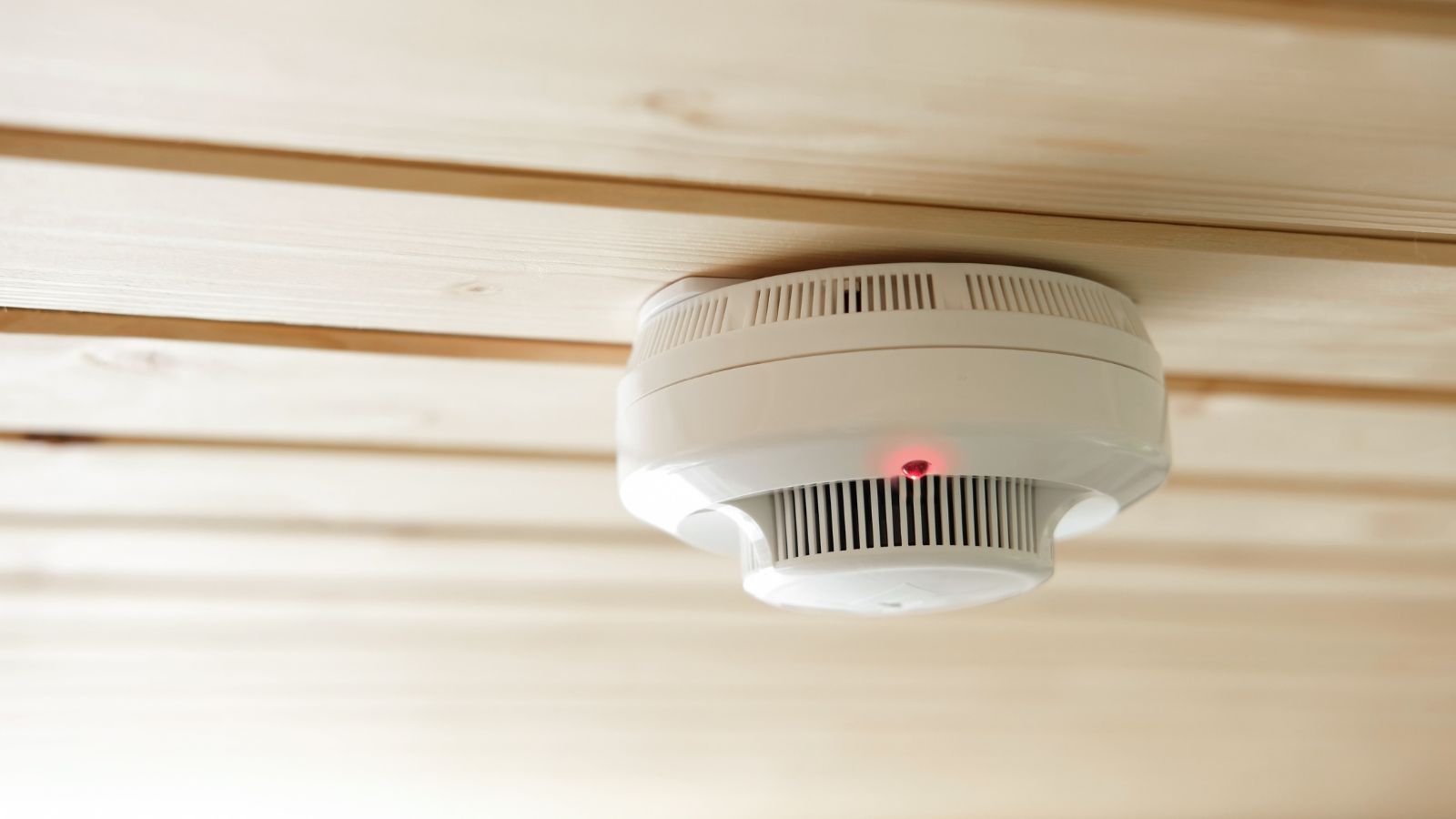
Carbon monoxide alarms receive plenty of attention during heating season, but smoke alarms belong in the same autumn safety check. The increased use of furnaces, fireplaces, portable heaters and other heating equipment makes fire prevention particularly relevant. Health Canada recommends testing smoke alarms every month, changing batteries according to the manufacturer’s directions and replacing smoke alarms once they are more than 10 years old.
That means pressing the test button is only part of the inspection. Homeowners can also look for painted-over alarms, missing devices, expired units or models with damaged housings. Hardwired alarms may contain backup batteries that still require attention. An autumn test has another practical advantage: it establishes that the warning system is functioning before fireplaces, supplemental heaters and holiday-season electrical loads begin adding new risks around the home. A smoke alarm that has quietly exceeded its service life should not be assumed reliable simply because its indicator light still appears normal.
Treat Any Gas Odour as an Emergency

A homeowner testing a natural-gas heating system should never interpret a persistent gas-like or rotten-egg odour as a normal part of starting the furnace for autumn. Canadian safety guidance is unequivocal about suspected gas leaks: occupants should leave the building rather than searching for the source or attempting repairs. Emergency services or the appropriate gas provider can then deal with the situation safely.
This matters because troubleshooting instincts can create additional danger. Flipping electrical switches, operating equipment or remaining inside while trying to identify a leak is not the appropriate response. Gas-fired equipment should also be serviced by appropriately qualified technicians under the rules applicable in each province. A heating-season startup should be uneventful. If a suspicious fuel odour appears, the priority shifts immediately from comfort to evacuation and professional assistance. The house can remain cold until trained personnel determine that the equipment and fuel system are safe to operate.
Clear the Outdoor Heat-Pump Unit
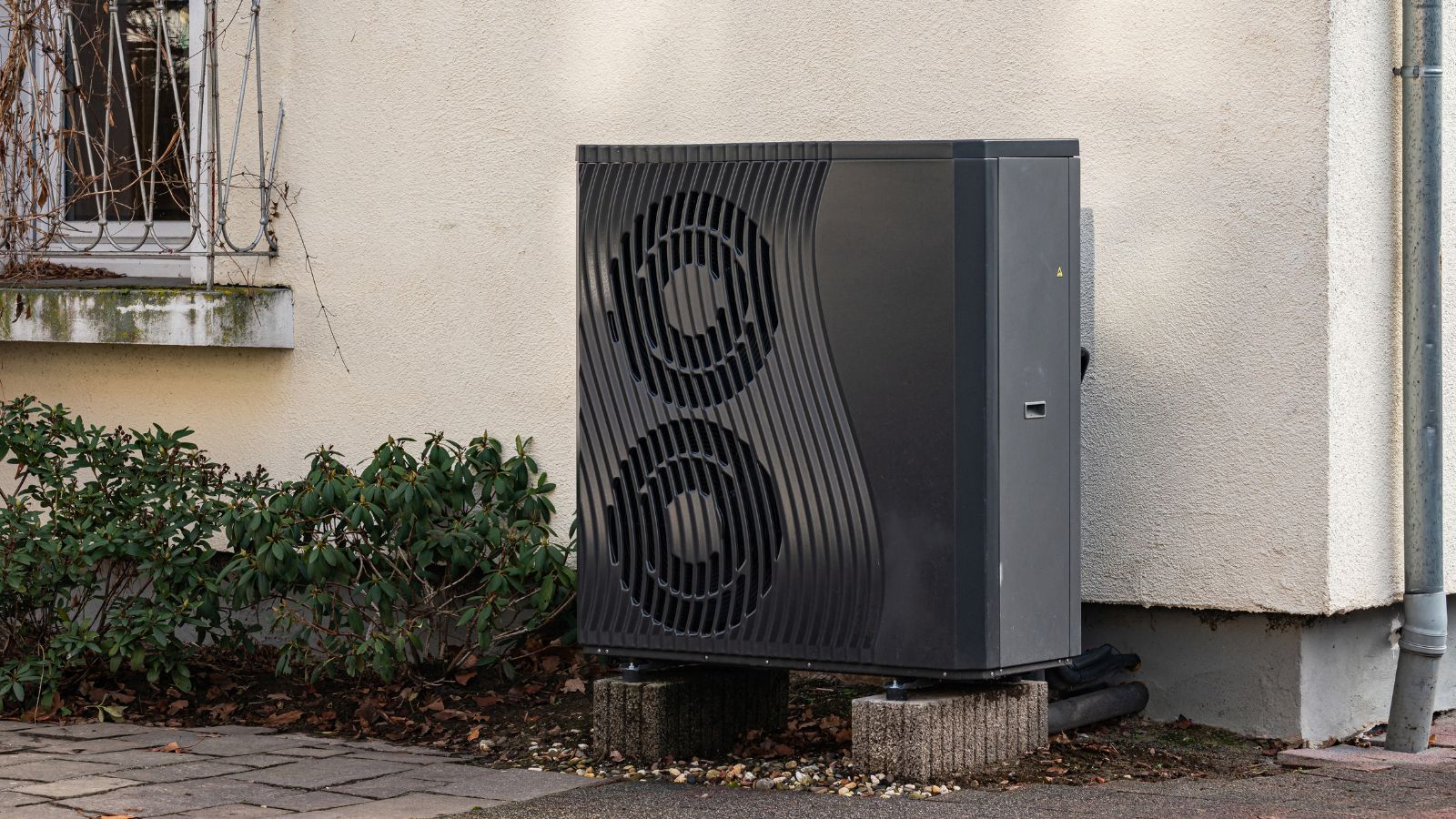
More Canadian homes now rely on air-source heat pumps for some or all of their heating, and their outdoor units need room to move air. Natural Resources Canada advises keeping heat-pump filters and coils clean and checking the outdoor equipment for excessive snow or ice. Leaves, weeds and other summer debris around the cabinet are therefore worth clearing before cold-weather operation begins.
The job continues after autumn. Once snowfall arrives, homeowners should periodically make sure the outdoor unit has not become buried or surrounded by heavy accumulation. Some frost during winter operation can be normal because heat pumps are designed with defrost cycles, but a unit encased in excessive ice or showing persistent abnormal buildup may require professional attention. The important distinction is between gently maintaining clear surroundings and attempting mechanical repairs. With winter performance dependent on outdoor airflow, a heat pump should begin the season unobstructed rather than fighting through months of accumulated landscaping debris.
Check Hydronic Radiators for Trapped Air
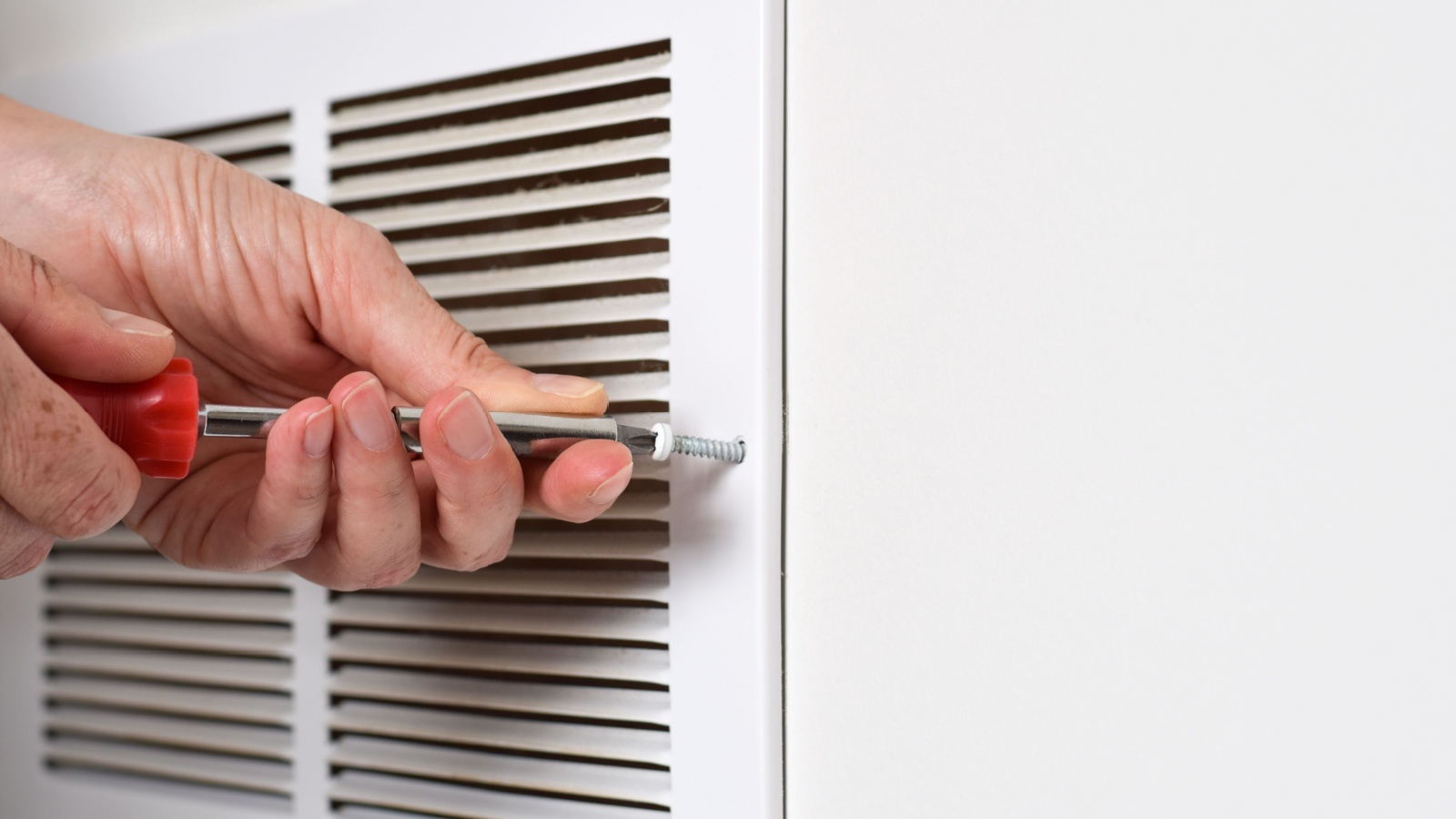
Homes heated by boilers and hot-water radiators have a different autumn checklist from forced-air homes. Air trapped inside a hydronic radiator can prevent hot water from filling it properly, sometimes leaving part of the unit cool while other sections become hot. Natural Resources Canada recommends bleeding radiators regularly when the system does not have automatic air-removal capability and also advises keeping radiator surfaces free from excessive dust.
Before attempting any bleeding procedure, homeowners should follow the boiler and radiator manufacturer’s instructions and understand the system they have. Older systems can differ considerably, and pressure or temperature problems belong in professional hands. A radiator that stays cold after basic maintenance may signal a valve, circulation or boiler issue rather than trapped air. The seasonal check can be as simple as examining each radiator after the heat has been running and looking for obvious unevenness. It is much easier to resolve a circulation problem in mild weather than during a January cold spell.
Clear Dust and Combustibles From Electric Heaters
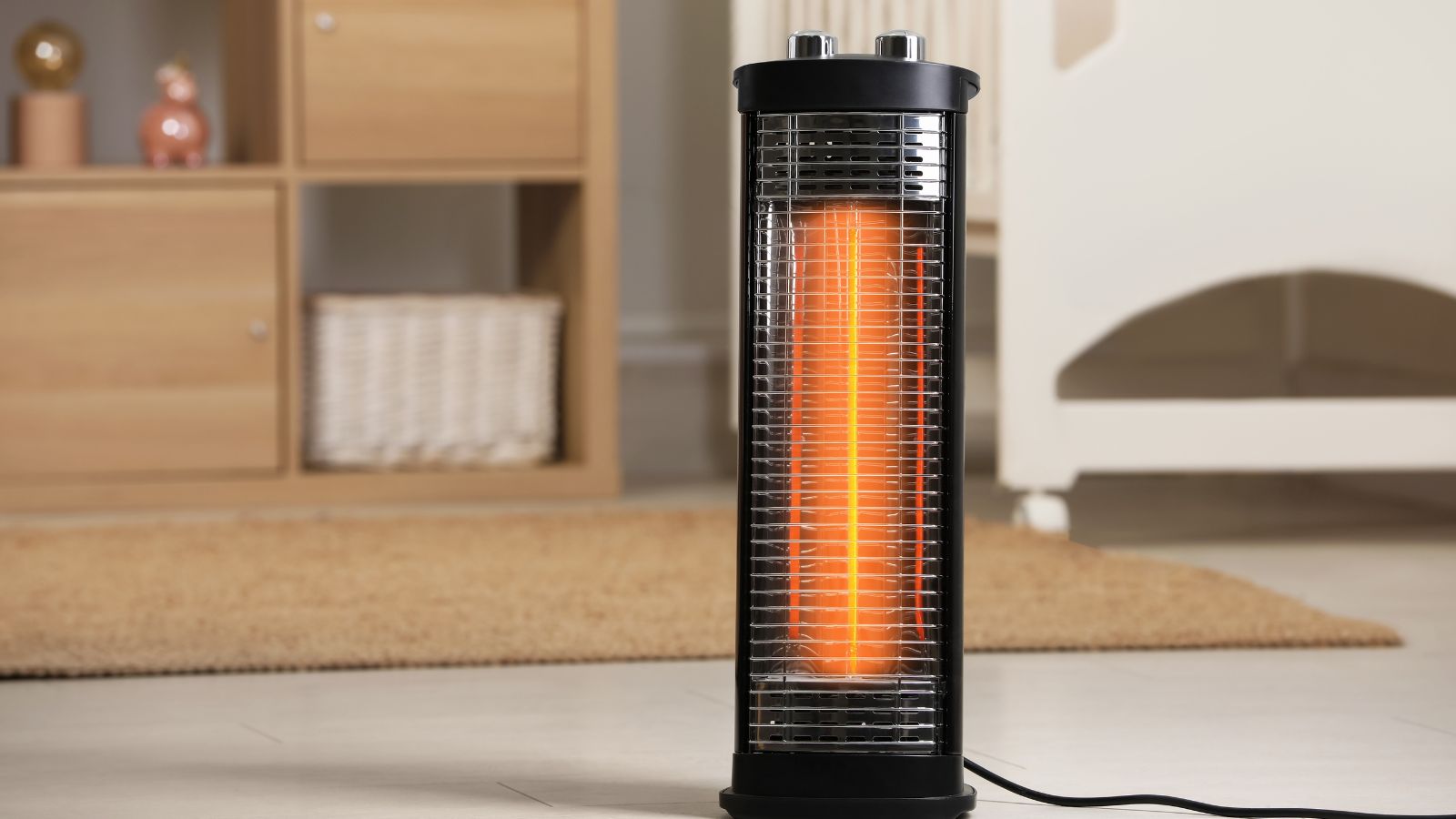
Electric baseboard heaters often spend summer months hidden behind furniture, curtains or stored belongings. Before switching them on, the area around each heater deserves inspection. Dust can collect on and around heating surfaces, while objects placed nearby may become a fire risk once the unit becomes hot. Natural Resources Canada recommends vacuuming electric and hydronic baseboard radiators in autumn to remove accumulated dust.
Portable heaters require even greater attention. Health Canada advises keeping portable electric heaters at least one metre from combustible materials such as bedding, clothing, curtains and furniture. It also warns against using extension cords or power bars for portable heaters. Permanent baseboard-heater clearances should follow the manufacturer’s instructions and applicable electrical requirements rather than a one-size-fits-all distance. The bigger autumn lesson is straightforward: summer storage habits should be reversed before heat is restored. Curtains, cords, furniture and boxes should not be allowed to drift into heating zones.
Have the Fireplace and Chimney Looked At
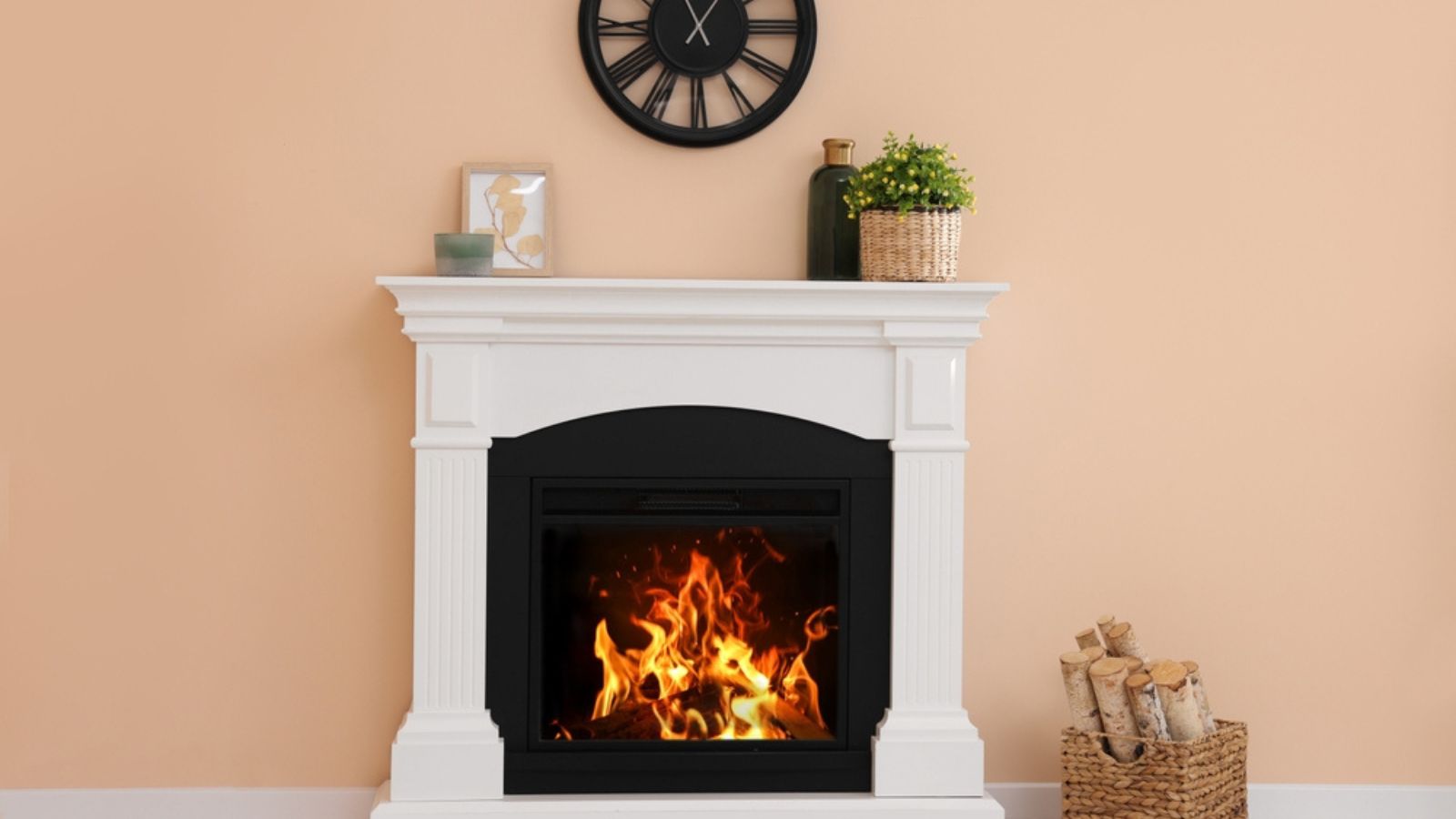
A fireplace that has been decorative all summer becomes combustion equipment the moment the first autumn fire is lit. Health Canada recommends regular maintenance of wood-burning appliances and having qualified professionals inspect them. Chimneys and flues must remain capable of carrying combustion gases outdoors, and deposits, deterioration or obstructions can create risks that are not visible from the living room.
The first fire of the season should therefore come after the chimney’s condition has been considered, not before. Natural Resources Canada recommends annual inspection of solid-fuel equipment and chimneys, with cleaning as necessary. Homeowners should also make sure dampers operate properly and that no unexplained deterioration has appeared around the fireplace or stove. Birds, debris and weather can affect chimney systems during months of disuse. For households that depend heavily on wood heat, this is not merely a cosmetic fall chore—it is maintenance on one of the home’s major combustion and exhaust systems.
Clean and Check the HRV or ERV
Canadian houses, particularly newer and more airtight ones, often use heat-recovery or energy-recovery ventilators to exchange indoor and outdoor air while limiting heat loss. These systems can quietly accumulate dust because their filters and cores continue handling air even when the furnace receives most of the homeowner’s attention. Natural Resources Canada recommends cleaning HRV or ERV filters regularly and arranging periodic professional servicing.
Exterior intake and exhaust hoods need attention as well. Leaves can obstruct them in autumn, while frost and snow may cause problems later in winter. Depending on the model, maintenance may also include checking the heat-exchange core and condensate drain in accordance with the owner’s manual. An HRV or ERV is part of the home’s overall heating-and-ventilation system, not an unrelated accessory. Beginning the heating season with dirty filters or blocked outside openings can reduce airflow just when closed windows make controlled ventilation particularly important.
Review the Humidifier and Indoor Humidity
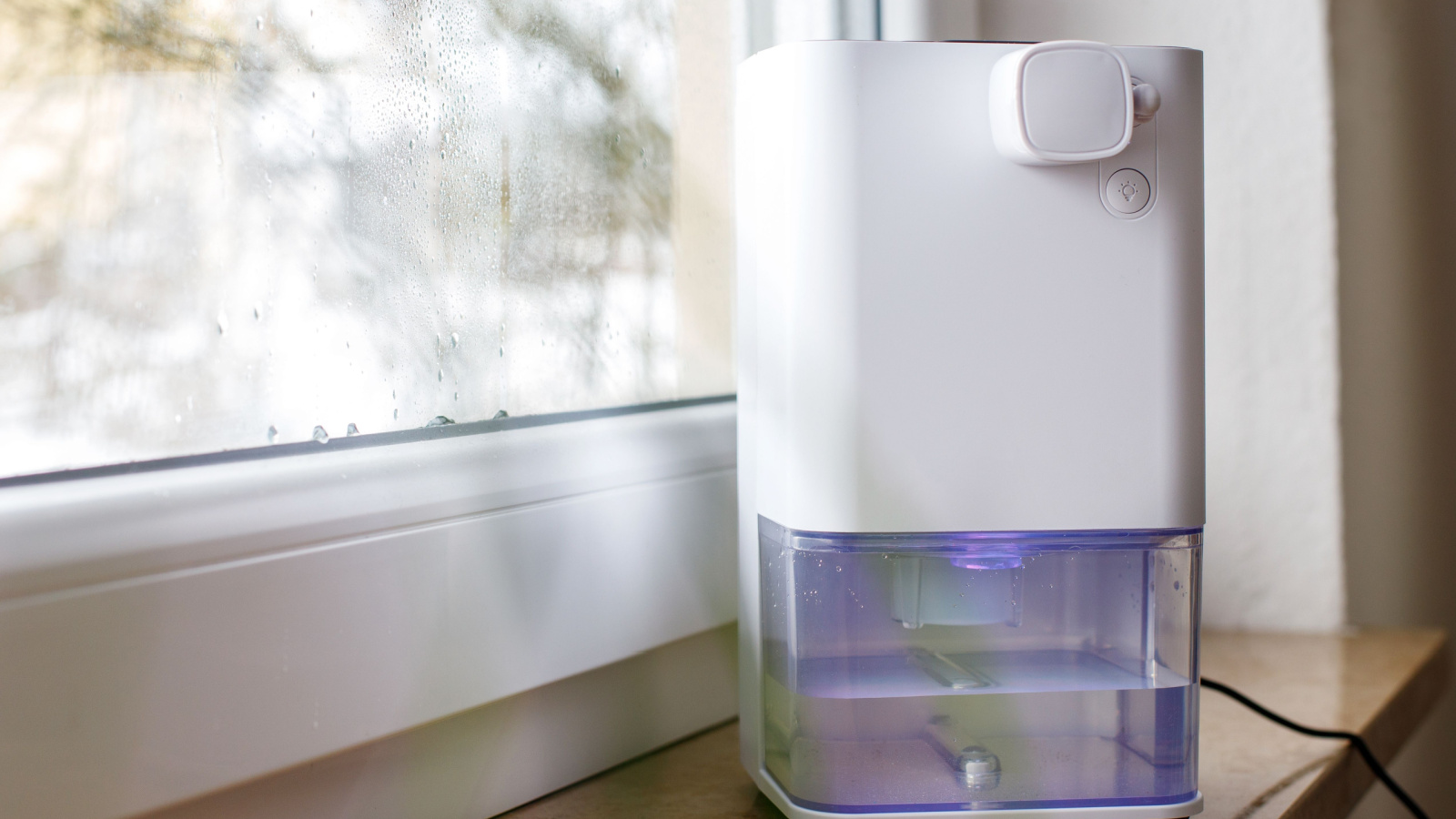
A furnace-mounted humidifier may have been turned down or shut off during warmer months, so autumn is an appropriate time to inspect its settings and condition before asking it to run every day. Old pads, scale buildup, standing water or neglected components should be handled according to the manufacturer’s maintenance instructions. If the unit has not been serviced for a long period, professional attention may be preferable to guessing about unfamiliar plumbing or controls.
More humidity is not automatically better in winter. Natural Resources Canada notes that heavy window condensation, dampness and mould can indicate excess indoor moisture and recommends adjusting furnace humidifiers when humidity is too high. Health Canada has also published winter humidity guidance aimed at limiting mould. Conditions vary by climate, house construction and outdoor temperature, so a hygrometer is more useful than judging purely by comfort. The goal is balanced moisture—not turning the humidifier to maximum as soon as the furnace starts running.
Make Sure Condensate Can Drain
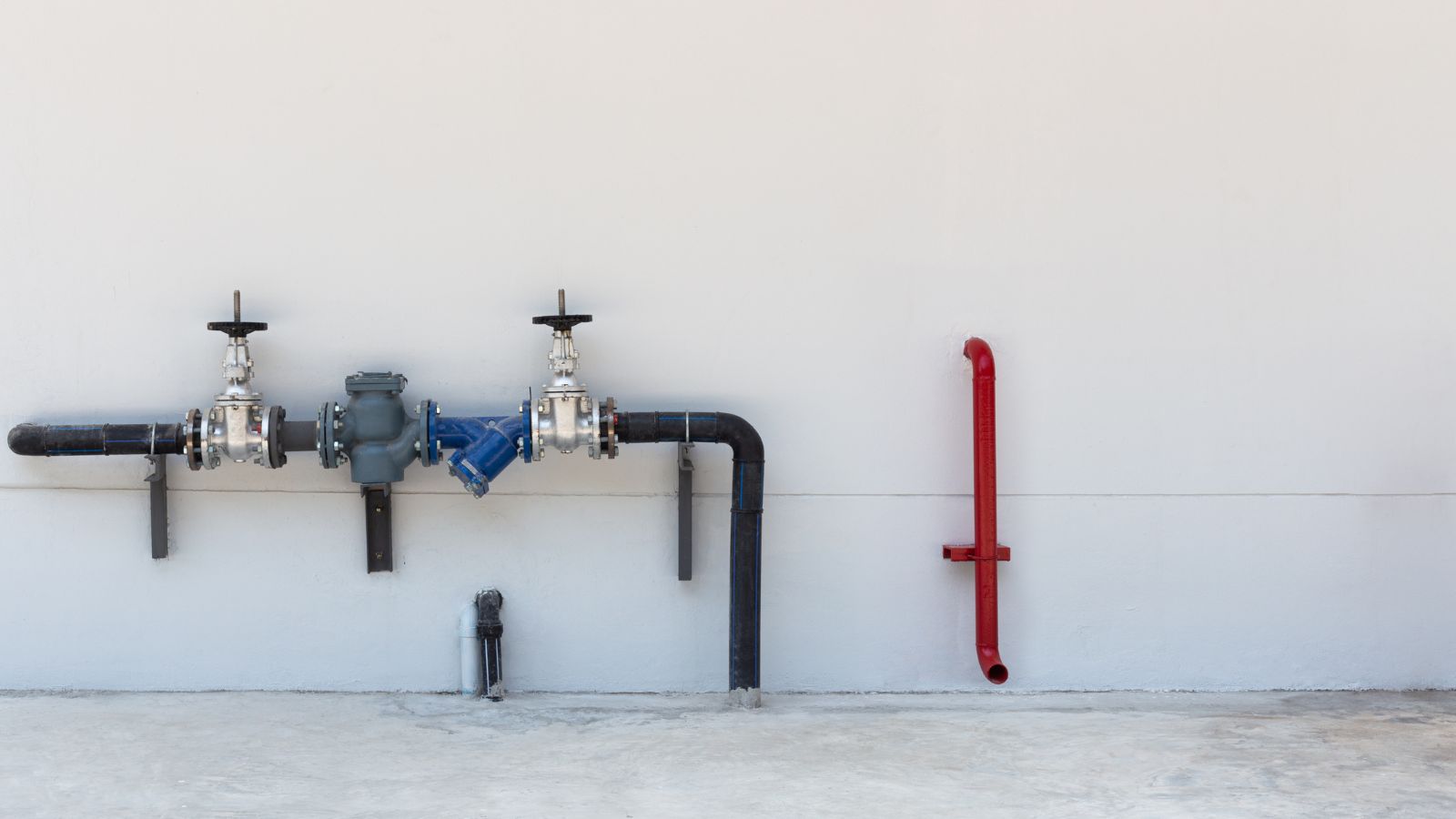
Condensing furnaces, heat pumps, air-conditioning components, HRVs and other HVAC equipment may produce water that has to drain safely. Natural Resources Canada recommends inspection of HVAC condensate drains because blocked drainage can contribute to water problems and interfere with proper equipment operation. An autumn inspection can reveal tubing that has been knocked loose, clogged drains or water staining around equipment before heating demand increases.
Homeowners should avoid dismantling unfamiliar condensate systems, particularly where pumps, wiring or combustion appliances are involved. Instead, the useful homeowner-level check is to look for obvious leaks, standing water, disconnected tubing or evidence that a drain has backed up previously. Systems with condensate pumps should be maintained according to their manufacturer’s instructions. Water near a furnace is sometimes dismissed as harmless basement dampness, but persistent moisture deserves investigation. Catching a drainage problem before months of heating operation can prevent a minor maintenance issue from becoming damage to flooring, walls or nearby equipment.
Do Not Restart Heating Equipment That Was Flooded
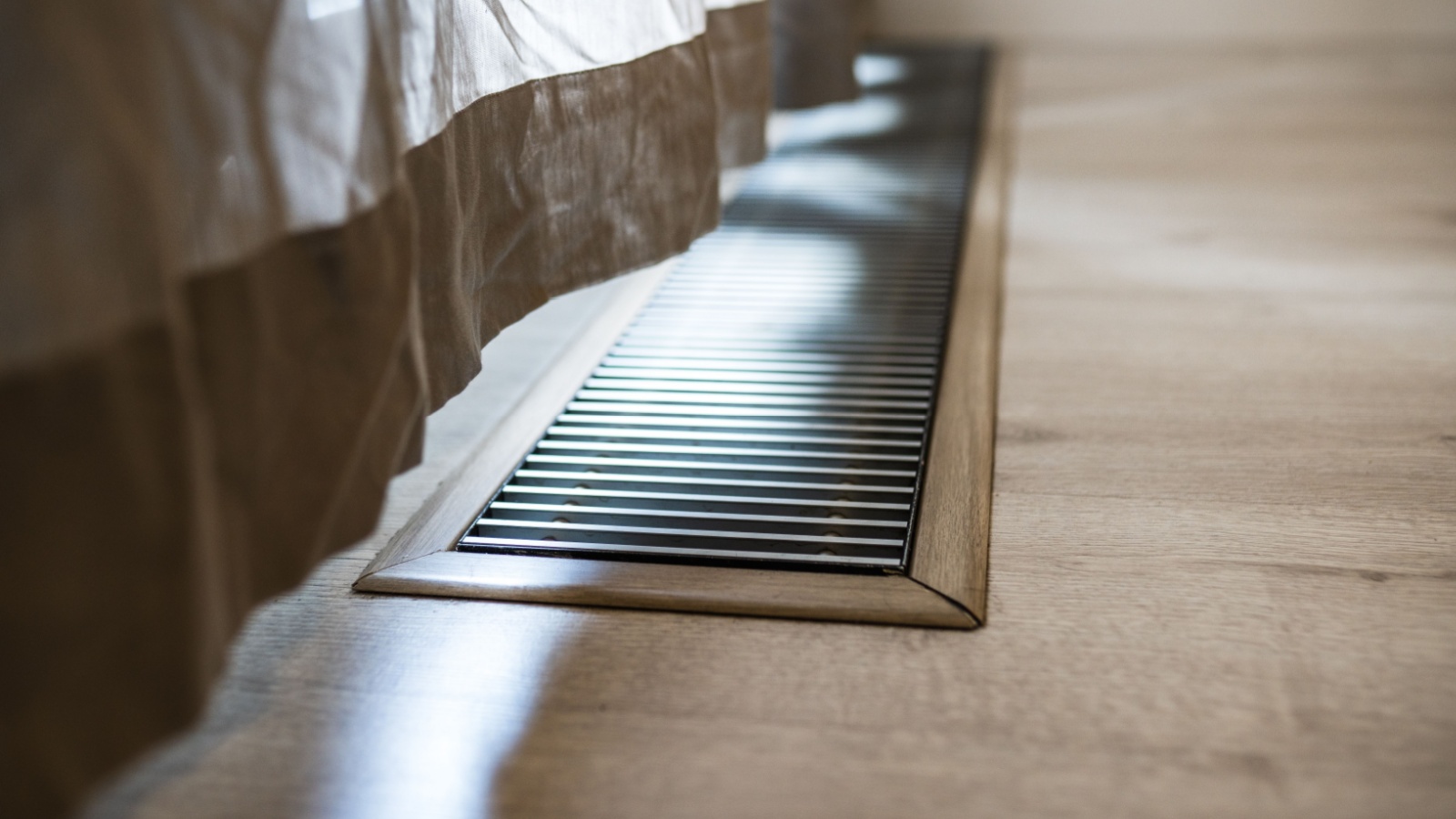
Summer storms can leave one particularly important problem behind: heating equipment that has been exposed to floodwater. A furnace, boiler, electric baseboard system or related electrical equipment should not simply be dried on the outside and switched back on. The Government of Canada warns that flood-damaged appliances can create shock or fire hazards when energized and recommends professional assessment where electrical, gas, oil or propane equipment may have been affected.
That warning matters even if the flood occurred months before the first heating day. Water can damage electrical controls, insulation, motors, burners and other components hidden inside equipment. British Columbia’s emergency guidance similarly advises against turning flood-affected electrical or gas equipment back on before inspection by an appropriate licensed contractor. A heating system that spent part of July standing in basement water needs a different autumn startup than one that stayed dry. Professional clearance should come before power, fuel or the thermostat is restored.
16 Costco Canada Habits That Could Be Costing Shoppers More Than They Save

The Executive Membership can feel like an obvious upgrade because the 2% annual reward sounds straightforward. For households that spend heavily at Costco Canada, the extra fee may be easy to justify. But the habit becomes costly when shoppers upgrade first and calculate later. A Gold Star Membership costs less, while Executive costs more and only pays off if eligible annual spending is high enough to offset the difference.
16 Costco Canada Habits That Could Be Costing Shoppers More Than They Save
