The first snowstorm often gets blamed when a vehicle suddenly refuses to start, loses traction, or struggles to keep the windshield clear. In reality, many winter breakdowns begin weeks or even months earlier. Summer heat can weaken a battery, autumn temperature swings can lower tire pressure, and small maintenance issues can quietly worsen until cold weather exposes them.
That makes fall one of the most important times to pay attention to subtle changes in how a vehicle starts, steers, stops, heats, and handles. These 20 cold-weather problems show how seemingly minor issues can develop well before snow reaches the pavement—and why addressing them early can prevent an inconvenient morning from becoming an expensive repair.
A Battery That Is Already Losing Strength
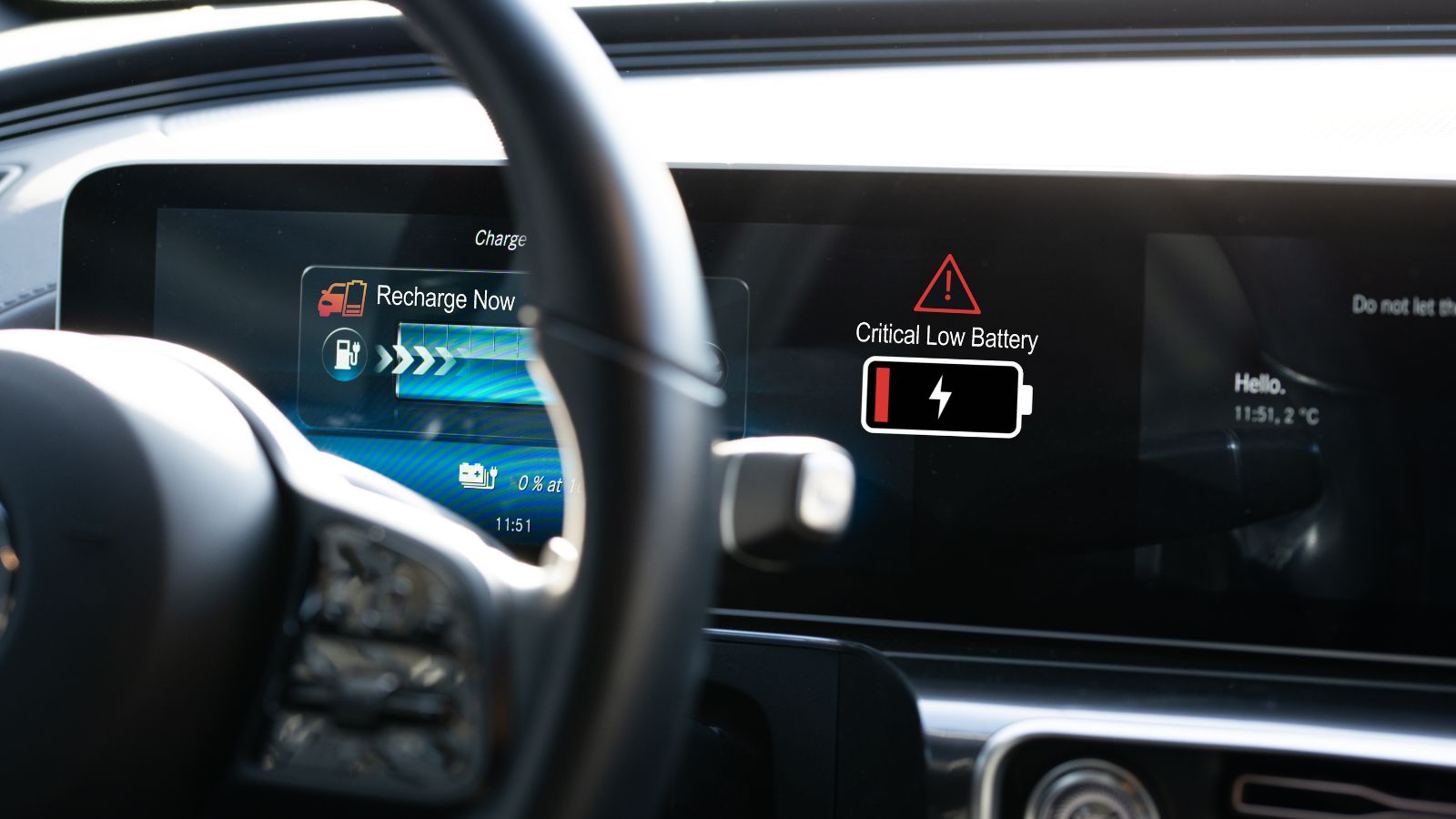
A battery rarely goes from perfectly healthy to completely dead simply because one cold morning arrives. Aging and previous heat exposure may have been reducing its capacity for months. AAA notes that summer heat can contribute significantly to battery deterioration, while cold weather exposes that damage because the chemical reactions inside a conventional lead-acid battery slow as temperatures fall. At the same time, a cold engine requires more electrical power to crank.
Slow starting during mild autumn weather is therefore worth noticing. Dim interior lights, sluggish cranking, or a battery that needs an occasional boost can be early clues rather than harmless quirks. AAA generally advises paying closer attention once a battery reaches roughly three to five years of age, although climate and usage can change its lifespan. Testing it before sustained freezing temperatures arrive can reveal declining starting capacity while replacing it is still a planned maintenance job rather than a roadside emergency.
Corrosion Building Up Around the Battery Connections
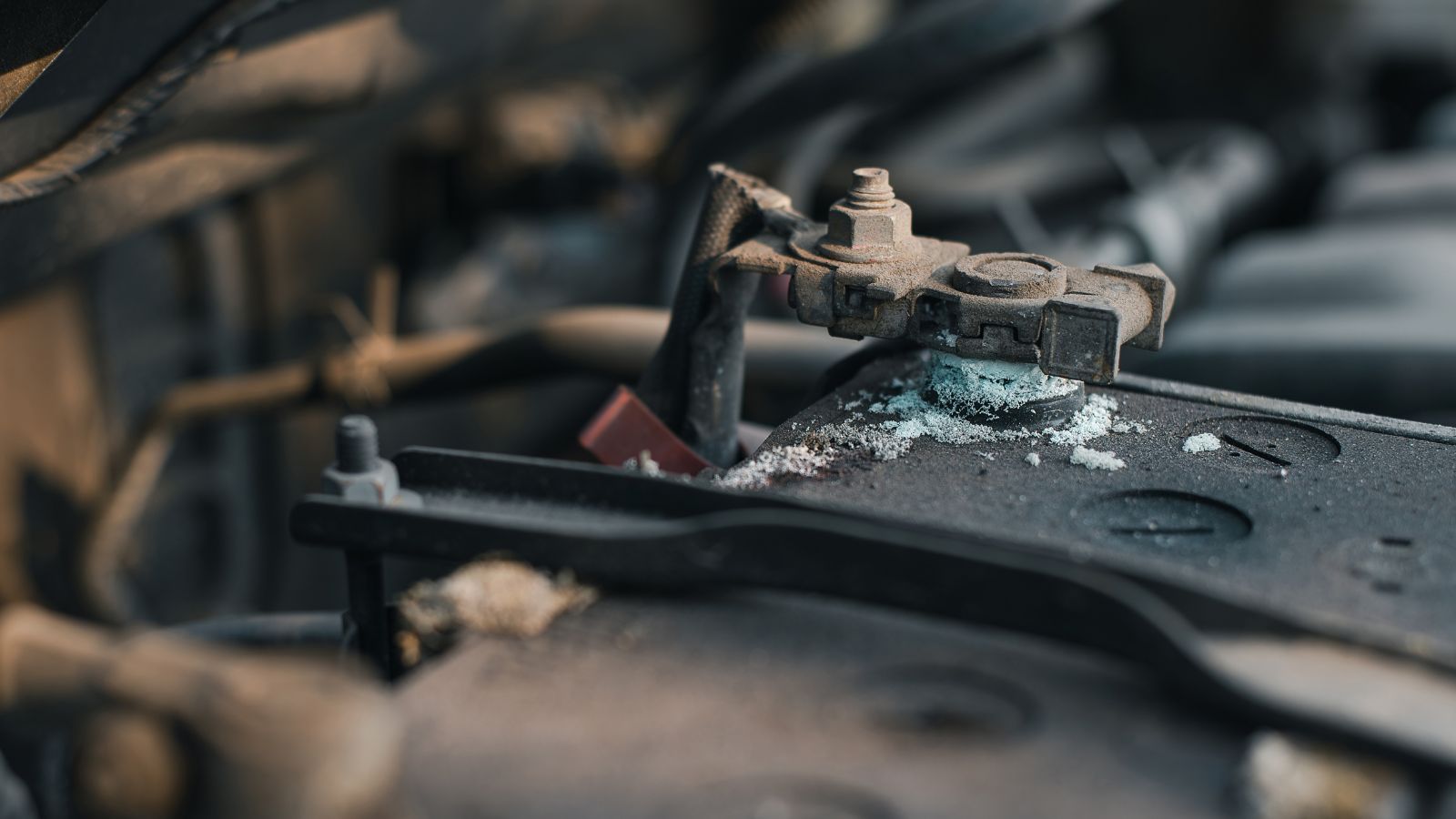
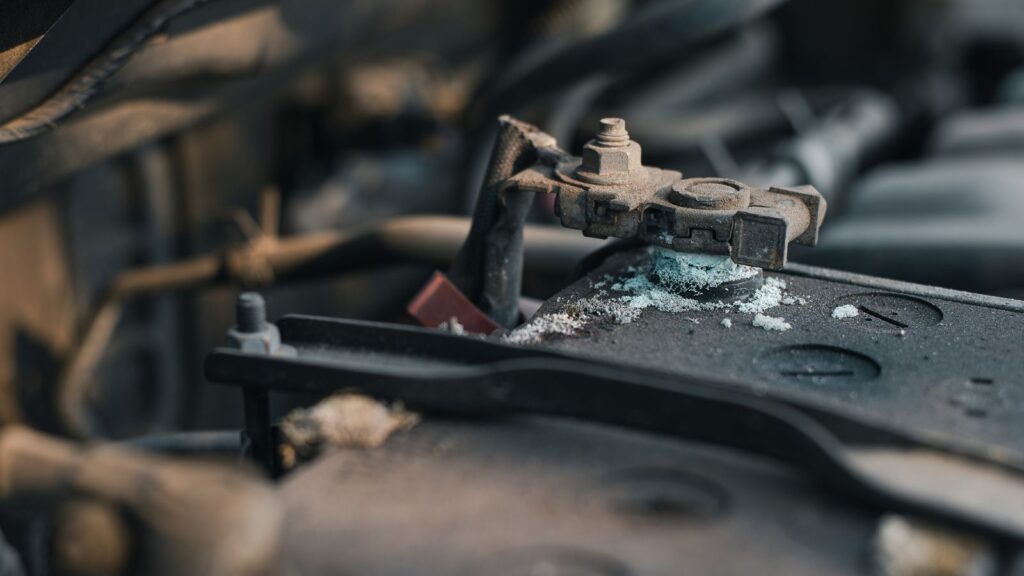
A healthy battery can still struggle if electricity cannot move efficiently through its connections. White, blue, or greenish deposits around battery terminals may look like a cosmetic problem, but corrosion can interfere with electrical conductivity. AAA specifically recommends checking that battery terminals and cable ends are clean, tight, and free of corrosion as part of cold-weather preparation.
This problem develops gradually, which makes autumn a good time to catch it. A slightly poor connection might still pass enough current during warmer weather, only to become noticeable when colder temperatures reduce available battery output and the starter needs more power. Drivers may hear slow cranking or experience intermittent starting even though the battery itself still has usable life. Terminal cleaning, cable inspection, and battery testing can distinguish a connection problem from an aging battery. Leaving corrosion untouched can also complicate charging, allowing a battery that might otherwise survive winter to spend more time in a partially charged state.
Short Trips That Never Fully Replace the Battery’s Charge

A five-minute school run or grocery trip may seem harmless, but a pattern of short drives can leave a conventional vehicle’s 12-volt battery progressively undercharged. Starting the engine consumes significant electrical energy, while the alternator needs running time to replace that energy. AAA notes that vehicles driven mainly over short distances may not give the charging system enough opportunity to restore the battery.
Cold weather makes that imbalance more obvious. Heated seats, blowers, lights, rear-window defrosters, and other electrical accessories add demand precisely when the battery is performing less efficiently. A commuter who spent summer making mostly short trips may therefore enter winter with a battery that has rarely reached a strong state of charge. Occasional longer drives can help, but a battery that repeatedly runs low should be tested rather than simply driven farther. Infrequently used vehicles may also benefit from an appropriate battery maintainer, particularly when they sit for days or weeks at a time.
Tire Pressure That Has Been Falling With the Temperature
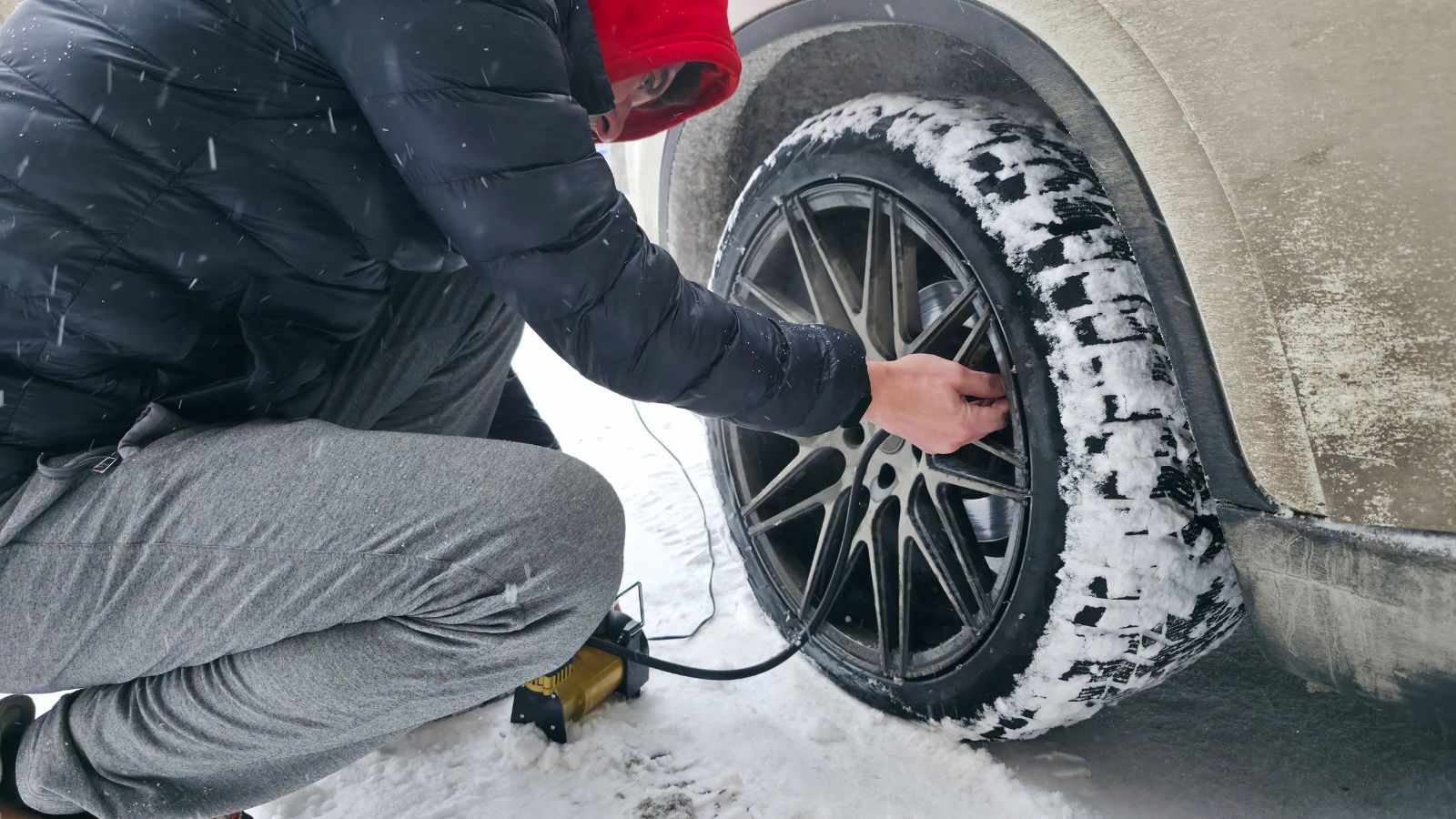
The first low-pressure warning of autumn can appear before a single snowflake falls. Transport Canada says tire pressure falls by roughly 1 psi for every 5°C decrease in temperature. A tire that was correctly inflated during a warm September afternoon can therefore become noticeably underinflated after several weeks of colder mornings without having developed a puncture.
Underinflation matters beyond the warning light. Correct pressure helps tires maintain predictable handling, tread wear, fuel efficiency, and load-carrying performance. Pressure should be checked when the tires are cold and adjusted to the vehicle manufacturer’s specification found on the door placard or in the owner’s manual—not automatically to the maximum figure molded onto the tire. The spare deserves attention as well. Gradual seasonal pressure loss is easy to overlook because all four tires may lose air together, leaving the vehicle looking normal. Waiting until temperatures plunge can turn a simple pressure adjustment into poor handling or excessive tire wear during the season when traction matters most.
Tread That Was Already Too Worn for Winter
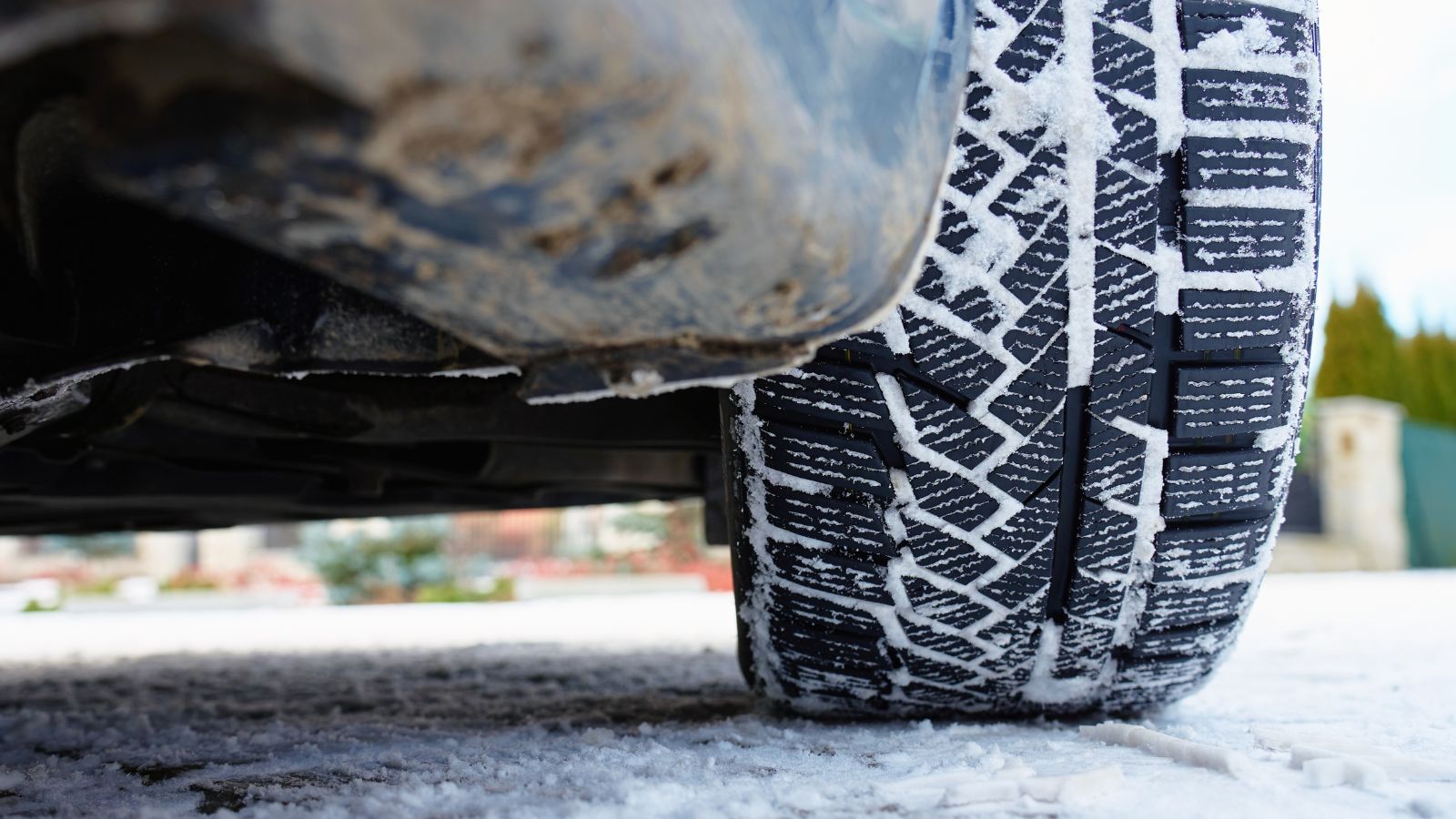
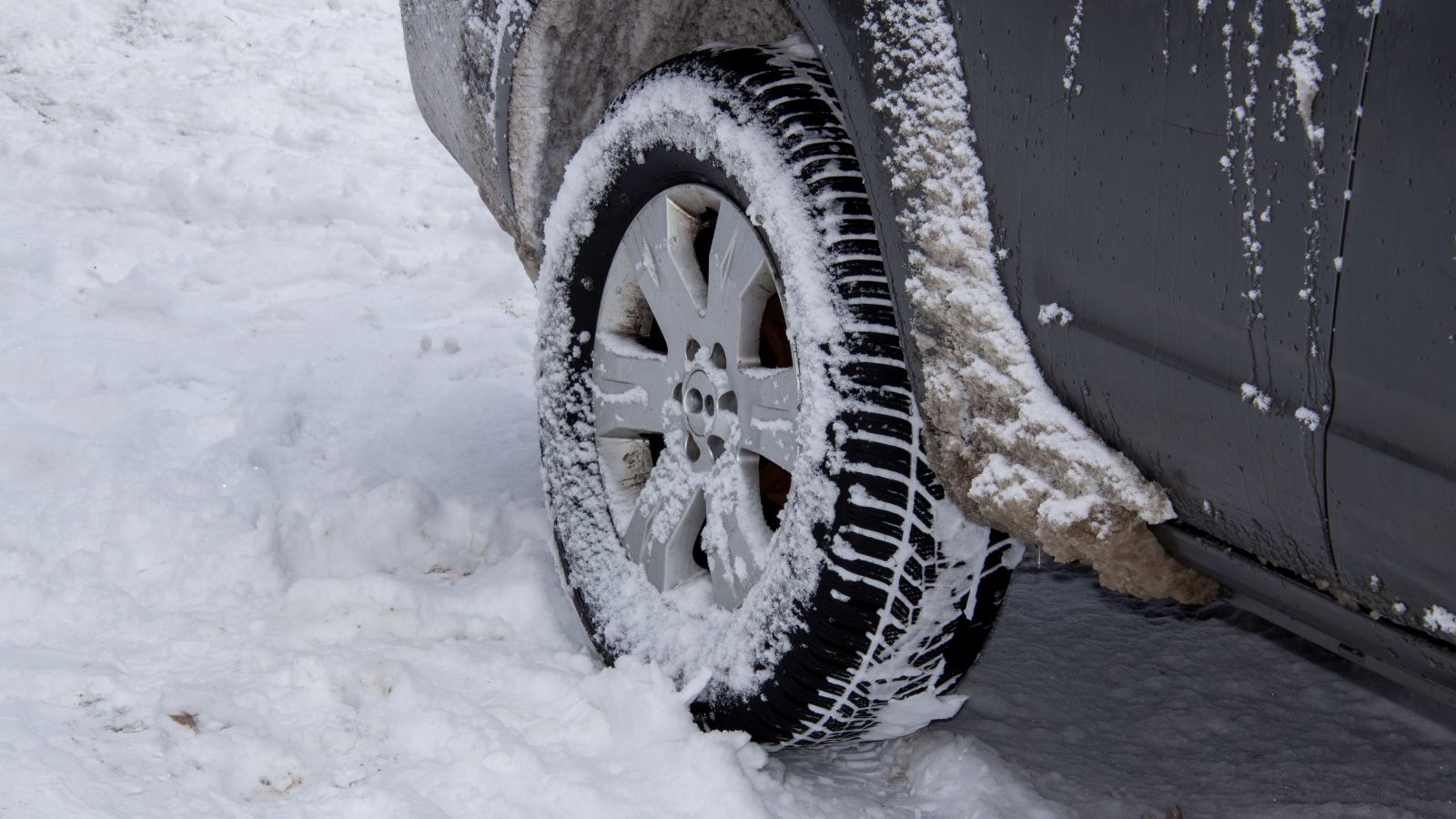
Snow does not remove tread from a tire overnight. By the time a vehicle begins sliding noticeably in winter conditions, months of wear may already have reduced its ability to channel water, slush, and snow. Transport Canada warns that traction declines as tires wear and recommends avoiding tires near 4 mm of tread depth on snow-covered roads.
Uneven wear can be just as important as overall depth. One shoulder may be significantly more worn because of alignment, inflation, or suspension problems even when the rest of the tread still looks respectable. That can leave one portion of the tire with reduced grip during braking or cornering. Inspecting tires before winter also gives owners time to find replacement sizes before seasonal demand peaks. The first major storm is a poor moment to discover that a set of tires technically has tread remaining but no longer provides the winter performance expected of it. Tread condition is a fall maintenance issue that simply becomes much more visible once roads turn slippery.
All-Season Tires That Harden Before Snow Arrives
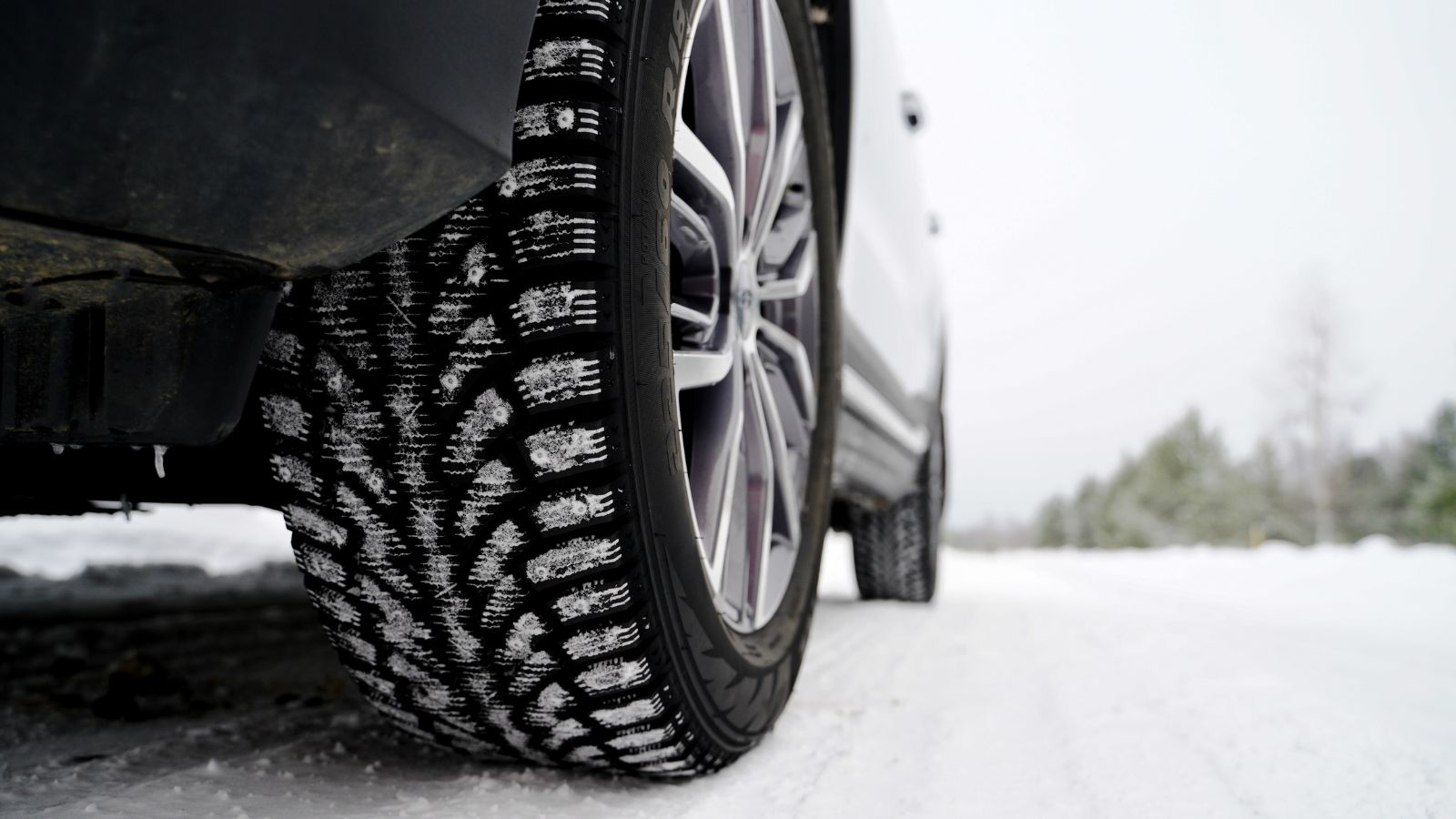
Winter traction problems can begin on cold, dry pavement. Transport Canada states that below approximately 7°C, summer and all-season tires begin losing elasticity, reducing their ability to grip. Dedicated winter tires are designed with compounds that remain flexible at lower temperatures, which is why the appropriate time to change tires is based more on temperature than on the first snowfall.
This distinction matters during late autumn, when roads may look perfectly clear. Drivers can encounter cold rain, morning frost, or a sudden temperature drop while still using tires optimized for milder weather. Waiting until snow appears can therefore leave several weeks in which traction is already compromised. Transport Canada recommends winter tires on all four wheels in cold, snowy, or icy conditions, and tires carrying the three-peak mountain snowflake symbol meet defined severe-snow traction requirements. Booking installation around sustained temperatures near the 7°C threshold can also avoid the rush that often follows the first forecast of accumulating snow.
Coolant That No Longer Offers Enough Freeze Protection
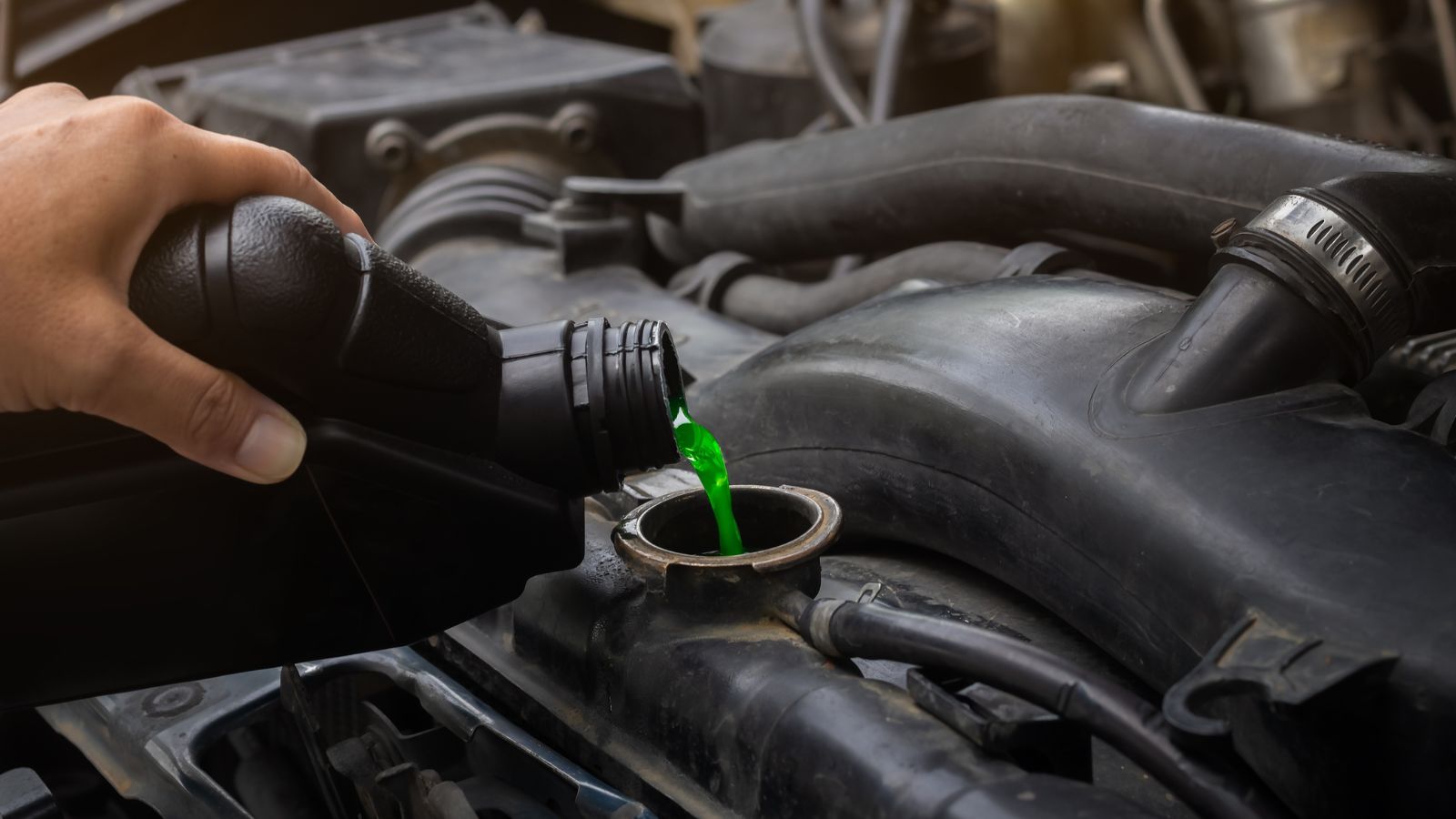
Engine coolant has a winter job long before anyone starts scraping ice from a windshield. It must circulate through the engine, manage temperature, and resist freezing at the temperatures the vehicle may experience. NHTSA recommends checking coolant level, confirming that the fluid meets the manufacturer’s specifications, inspecting for leaks, and testing or replacing old coolant before winter conditions arrive.
A small leak that loses only a little fluid during summer can become more consequential when freezing weather arrives. Coolant condition also matters because simply seeing fluid in the reservoir does not confirm that its concentration or service life is appropriate. Manufacturers specify particular coolant types and maintenance intervals, so random topping-up with an incompatible product is not a substitute for checking the system properly. The warning signs can appear early: a sweet smell, unexplained drops in the reservoir, residue around hoses, or fluctuating temperature readings deserve attention. Winter may reveal the failure, but neglected coolant maintenance usually started the problem much earlier.
Cooling-System Hoses That Have Quietly Aged
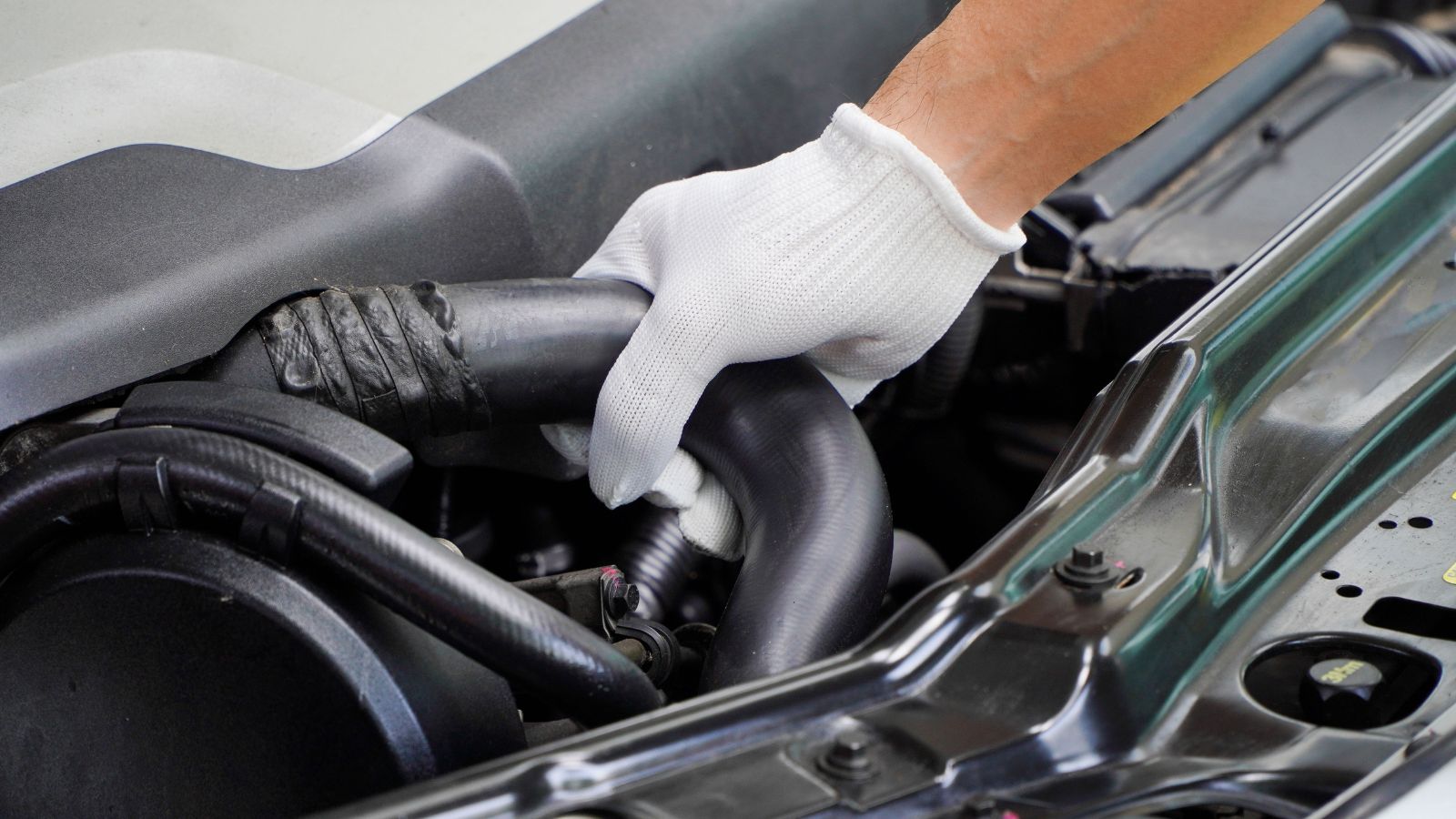
Rubber and reinforced cooling-system hoses spend their lives dealing with heat, pressure, vibration, and chemicals. Those stresses do not disappear when summer ends. AAA recommends inspecting cooling-system hoses for leaks, cracks, loose clamps, brittleness, or an excessively soft and spongy feel as part of cold-weather vehicle preparation.
That inspection can prevent more than a loss of cabin heat. A deteriorated radiator or coolant hose can allow coolant to escape and potentially cause an engine to overheat—even when outside temperatures are well below freezing. Heater hoses are also important because they carry hot coolant to the heater core, supporting cabin heating and windshield defrosting. Early evidence may be subtle: a damp fitting, dried coolant residue, a faint odour, or a hose that no longer feels normal. Cold weather can stress already weakened materials, but the aging process often began years earlier. Replacing a questionable hose during routine fall maintenance is considerably simpler than dealing with a coolant leak on a freezing roadside.
A Serpentine Belt That Is Near the End of Its Life
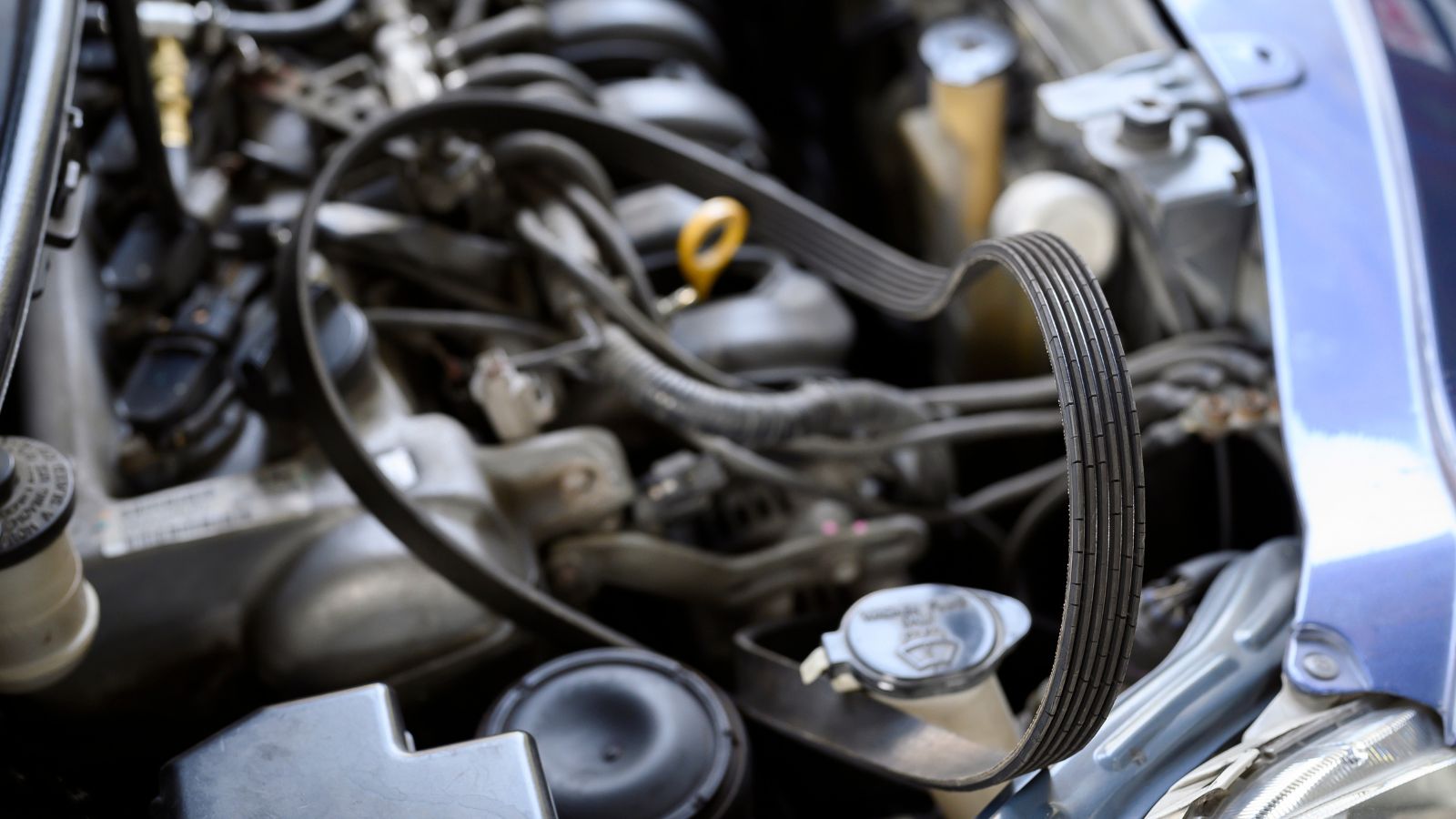
The serpentine belt may spend most of its life hidden under the hood, but it can operate several systems a vehicle relies on heavily in winter. Depending on the design, the belt may drive components including the alternator, water pump, power-steering pump, and air-conditioning compressor. AAA recommends inspecting drive belts for cracking, fraying, unusual wear, and other deterioration.
Cold starts can make an aging belt easier to notice. Squealing or chirping immediately after startup may indicate belt wear, contamination, tension problems, or pulley issues that deserve diagnosis. A failure can become much more serious than an annoying sound if it prevents the alternator from charging the battery or interferes with coolant circulation. Some modern belt materials do not develop the dramatic cracks motorists may remember from older designs, making inspection and manufacturer service guidance especially important. A belt that survives summer is not necessarily ready for another winter. The underlying deterioration occurs gradually; freezing mornings simply add another difficult operating condition.
Engine Oil That Is Wrong for Cold Starts
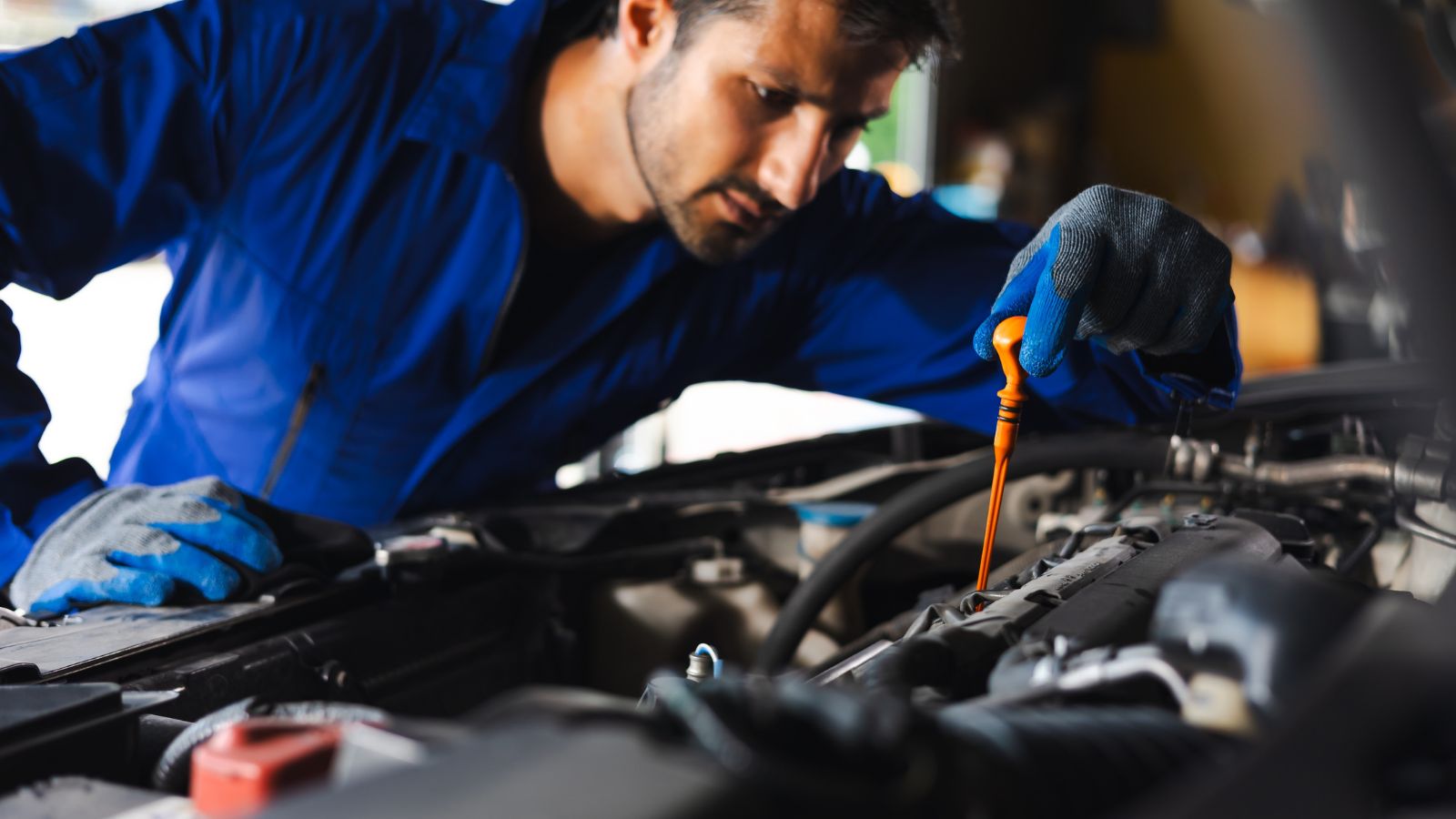
Motor oil naturally becomes more resistant to flow as temperatures fall. That is why multigrade oils carry ratings such as 0W-20 or 5W-30. The number before the “W” describes low-temperature viscosity characteristics; generally, a lower winter rating indicates better flow at lower starting temperatures. The correct grade, however, is the one specified by the vehicle manufacturer.
Using an unsuitable viscosity can make cold starting harder and delay efficient lubrication when an engine first turns over. Old oil may also be carrying contaminants after months of service, which is another reason to follow the vehicle’s normal oil-change schedule rather than waiting for the first cold snap. Modern engines can have very specific viscosity and performance requirements, particularly turbocharged, hybrid, or high-efficiency designs, so switching grades based on guesswork is unwise. Autumn is a sensible time to confirm that the correct oil is in the engine. Winter does not create an incorrect oil choice; it merely makes low-temperature flow characteristics much harder to ignore.
Summer Washer Fluid Still Sitting in the Reservoir
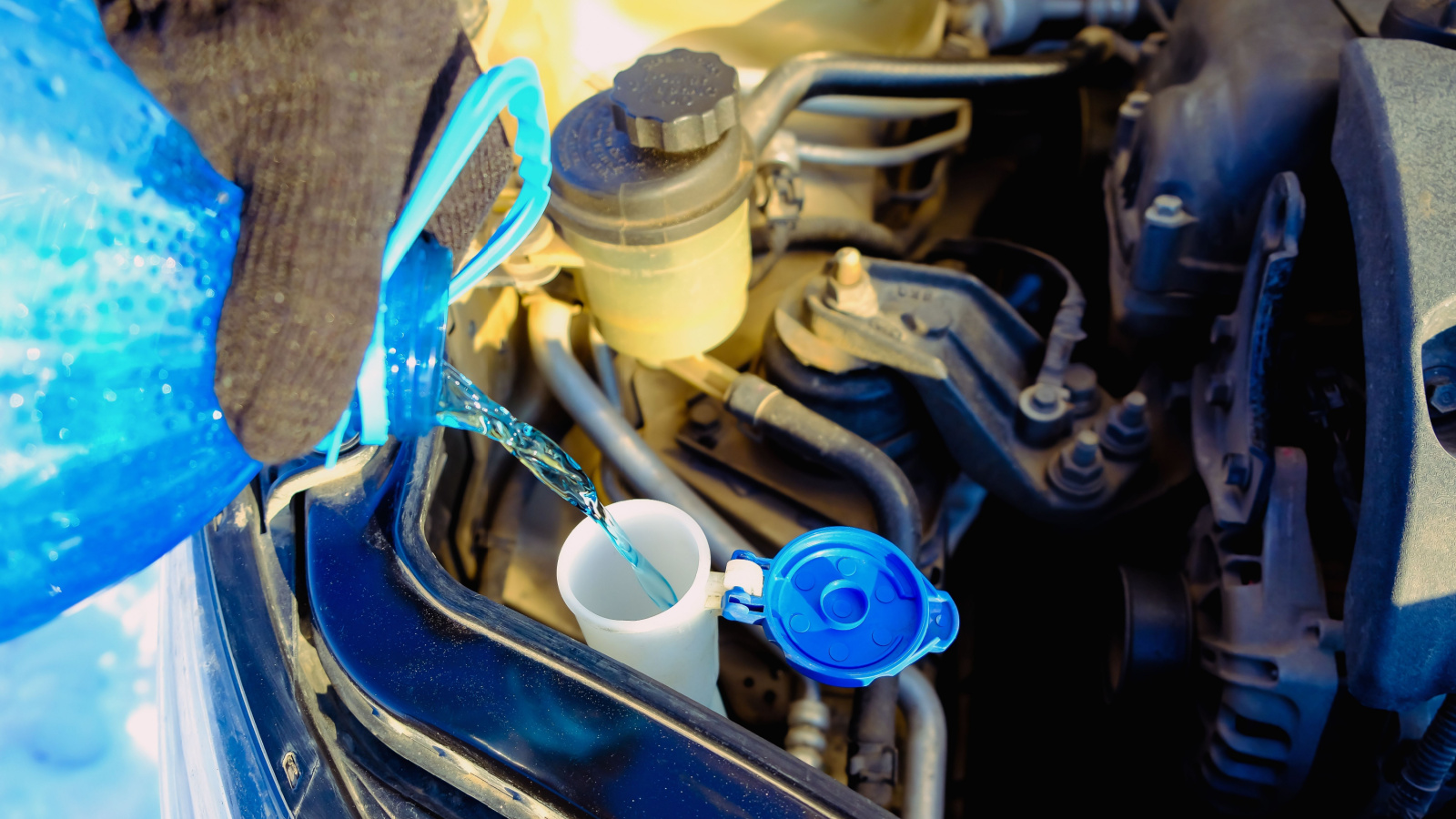
Washer fluid purchased during warm weather may not be suitable for freezing temperatures. NHTSA specifically recommends filling the reservoir with high-quality winter washer fluid containing de-icer before winter weather arrives. AAA similarly warns that some warm-weather formulations can freeze when temperatures fall far enough, potentially leaving the windshield-cleaning system unusable when it is needed most.
Simply pouring winter fluid on top of a nearly full reservoir of summer mixture may not immediately solve the problem. Some of the warmer-weather fluid can remain in the reservoir, pump, hoses, and nozzles. Using the washers enough to circulate the new mixture through the system before severe cold arrives helps prepare the entire system. This is particularly important where road spray quickly coats glass with grime and salt. A driver can easily use substantial washer fluid during one messy winter trip. The mistake therefore begins at the end of summer, when an unsuitable fluid is left in place, even though the consequences may not show up until the first deep freeze.
Wiper Blades That Were Already Streaking in the Rain
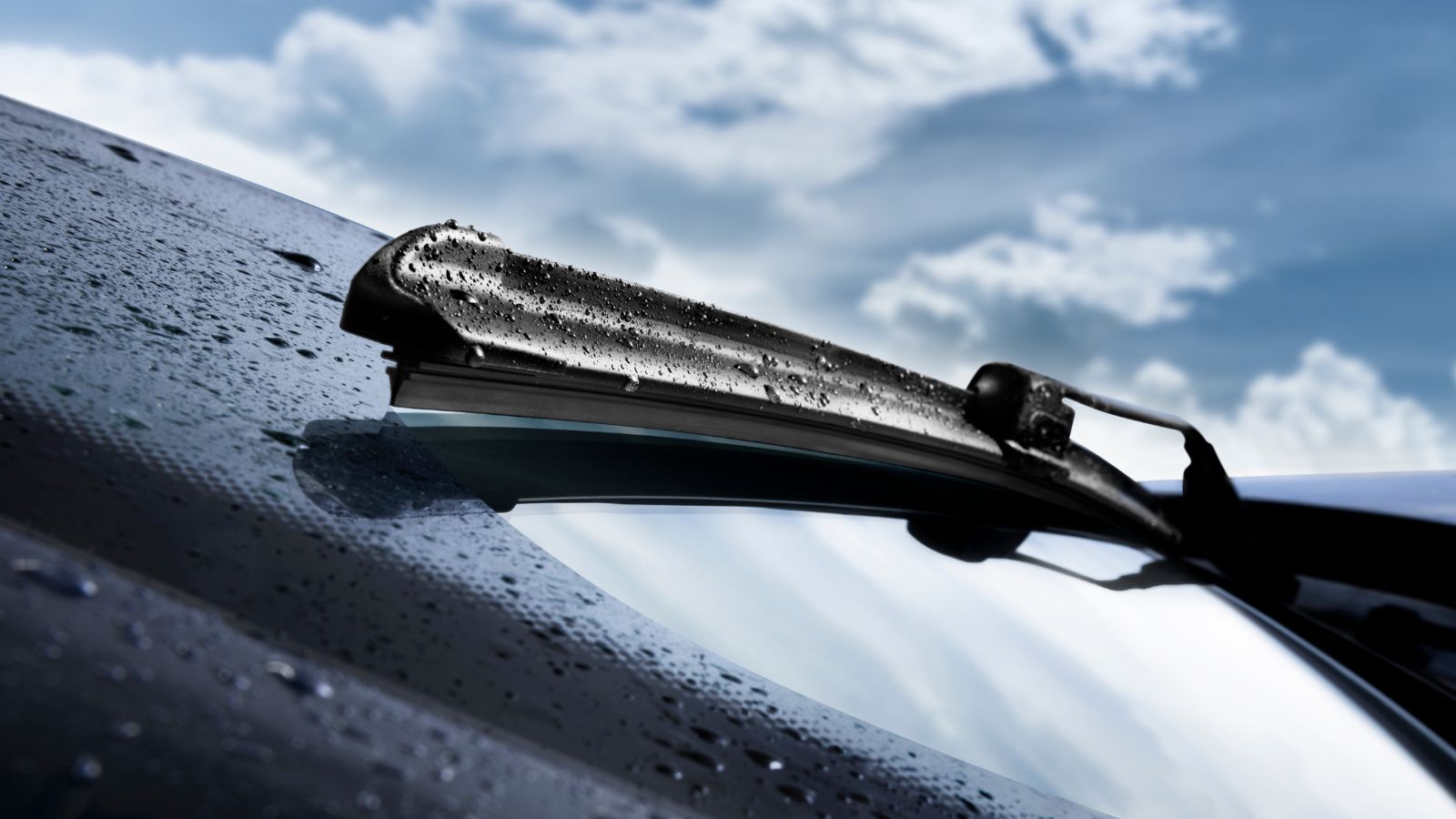
Wipers usually announce their decline during autumn rain long before snow and freezing spray arrive. Streaking, skipping, chattering, or sections of glass that remain untouched indicate that the rubber edge is no longer making consistent contact with the windshield. NHTSA recommends checking all windshield wipers and replacing worn blades before winter.
Ignoring those symptoms can turn a small visibility annoyance into a serious cold-weather problem. Ice and snow place additional demands on blades, and damaged rubber may struggle to clear salty spray from traffic. Wipers should not be treated as ice scrapers either; forcing frozen blades across an icy windshield can damage them further. Winter-style or beam-type blades can help reduce accumulation around the frame in areas with frequent snow and ice, although they still need to be in good condition. The easiest warning comes weeks earlier during ordinary rain. If a blade cannot leave a clean windshield in October, it is unlikely to become more effective in January.
Weak Defrosting That Was Easy to Ignore in Mild Weather
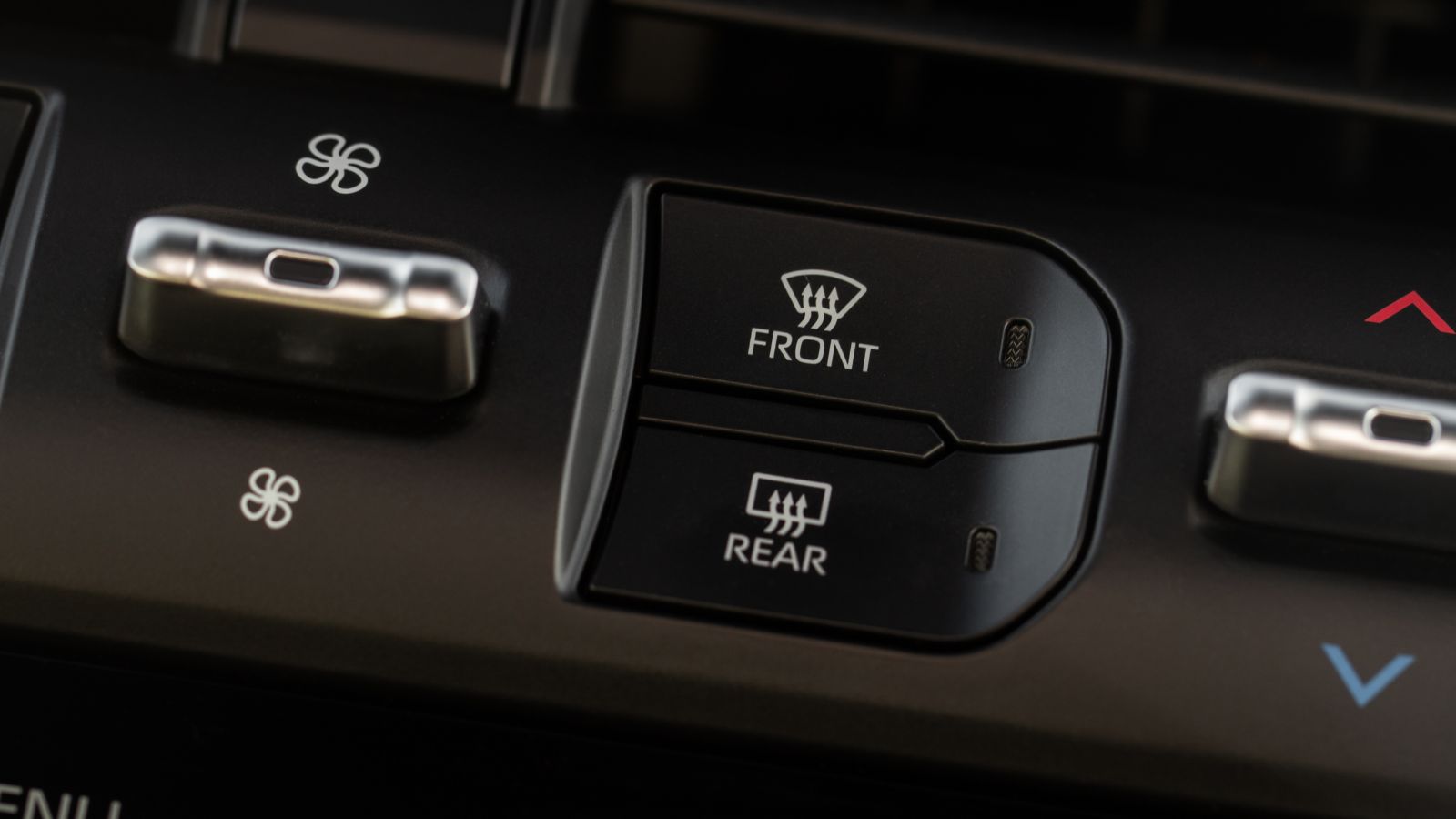
A slow defroster may go unnoticed when autumn mornings are only slightly cool. Once temperatures fall below freezing, however, weak airflow or inadequate heat can make clearing fog, frost, and ice much more difficult. NHTSA recommends confirming that defrosters work before winter, while AAA notes that an engine failing to reach normal operating temperature can also reduce defroster effectiveness.
Airflow deserves attention too. AAA says a restricted cabin air filter can reduce airflow through the heating and ventilation system and contribute to windows that fog easily or are difficult to defrost. Leaves and debris around exterior air intakes can create additional restrictions on some vehicles. The cause therefore might be a clogged filter, thermostat issue, heater-system fault, blower problem, or another HVAC concern rather than simply “cold weather.” Testing full defrost operation on a cool fall morning gives a workshop time to diagnose the system. Discovering weak airflow only after the windshield is coated with frost creates a much more urgent—and potentially unsafe—problem.
Door Seals and Locks That Are Holding Moisture
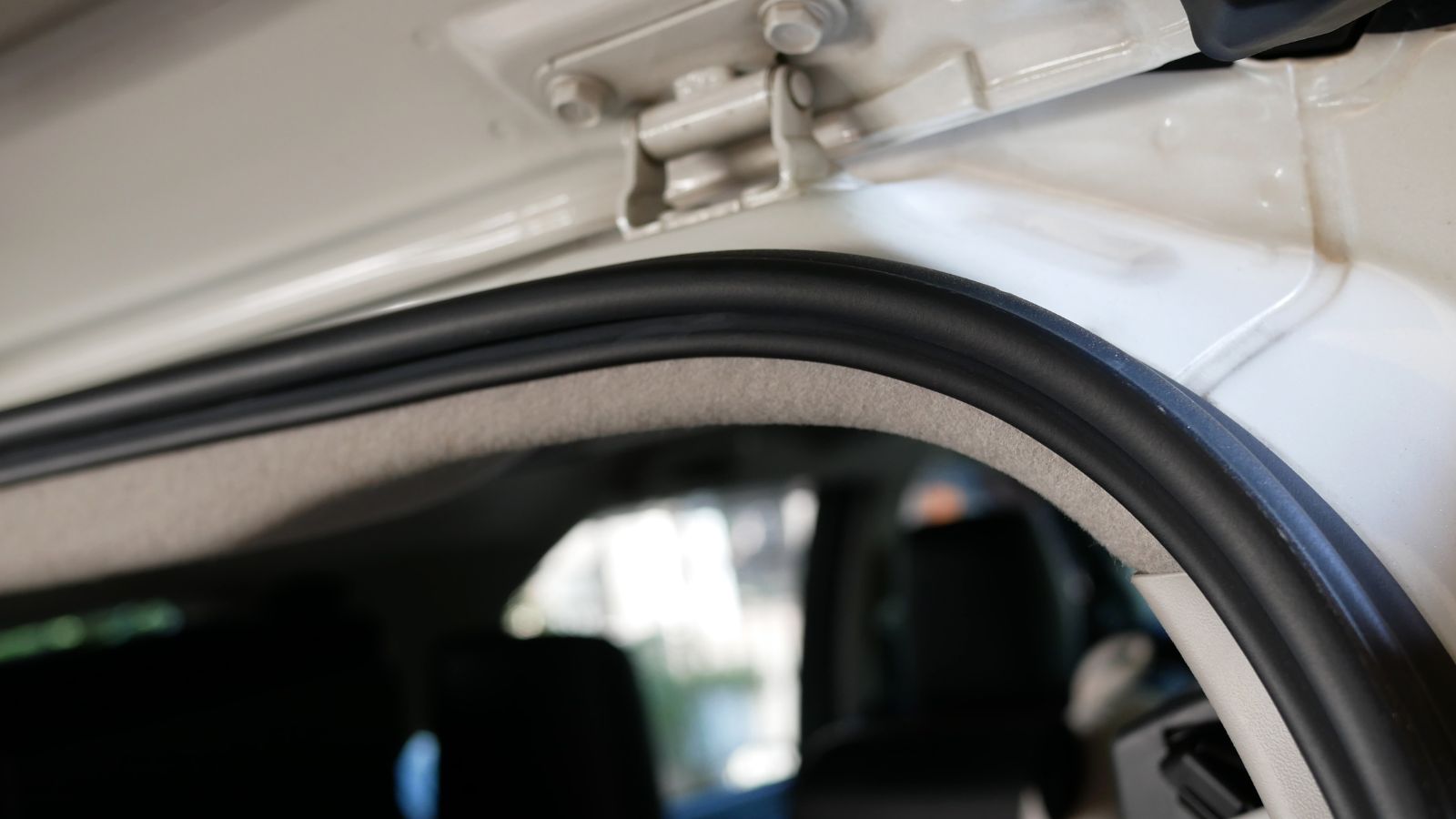
Frozen doors begin with water, not snow. Moisture can collect around rubber weather seals, locks, latches, and other openings during autumn rain, car washing, or repeated freeze-thaw cycles. When temperatures finally stay below freezing, that moisture can turn an otherwise healthy-looking door into one that refuses to open.
AAA recommends preventive attention to door seals and locking mechanisms before severe cold arrives. Appropriate automotive lubricants can help protect locks and latches, while suitable treatment of rubber seals can reduce sticking. The exact product should be compatible with the vehicle’s materials and manufacturer guidance. Pulling aggressively on a frozen handle is a poor alternative because excessive force can damage handles or weather seals. Boiling water is also risky around cold glass and can introduce still more water that may refreeze. A few minutes spent checking seals while the weather is dry can therefore prevent a surprisingly disruptive winter morning. The freeze is sudden; the moisture that caused it may have been present much longer.
Brake Fluid and Brake Wear That Have Been Neglected
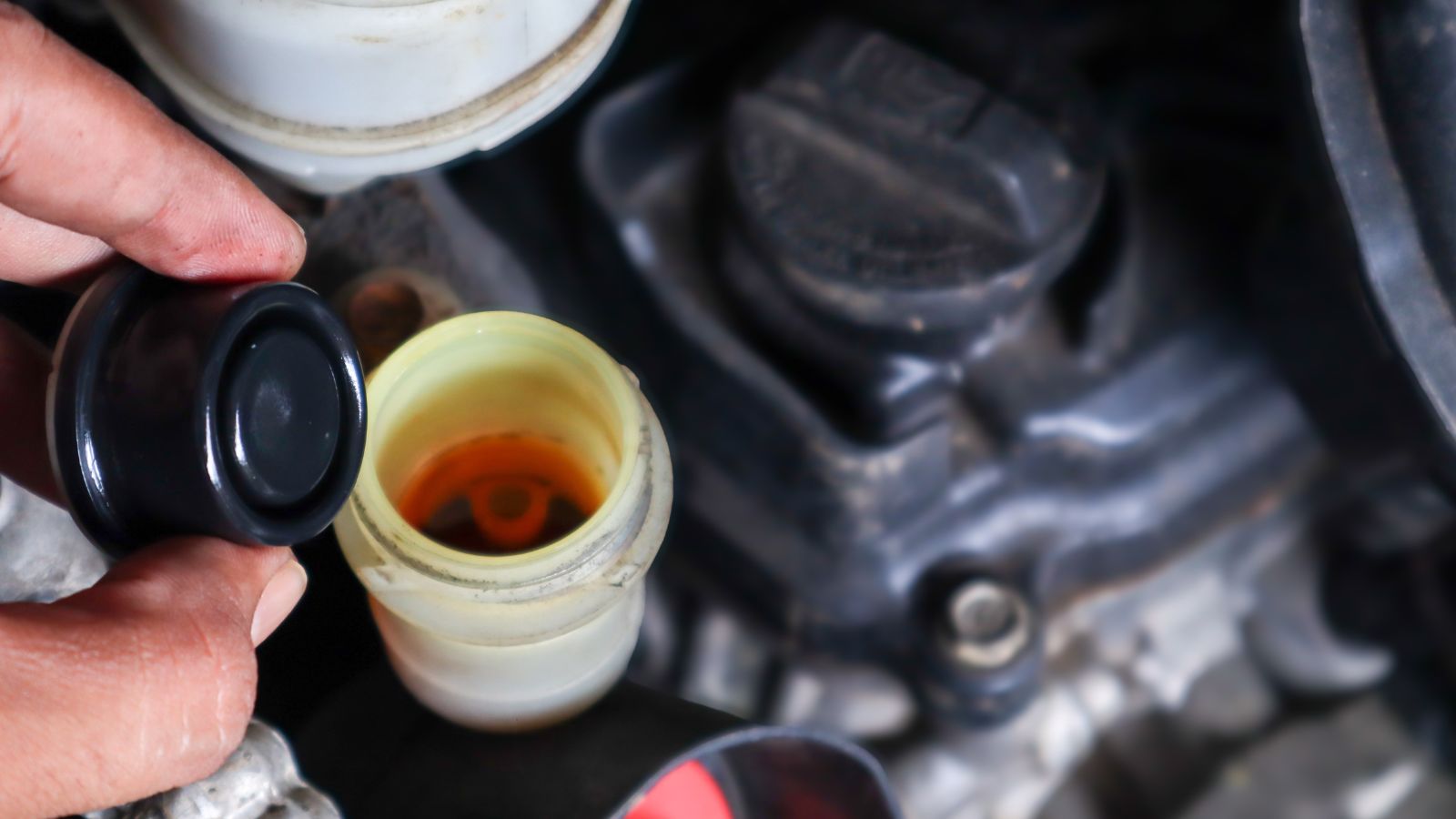
Cold weather does not magically wear out brake pads, rotors, or hydraulic fluid. Winter simply raises the importance of having the braking system in good condition. AAA explains that brake fluid is hygroscopic, meaning it absorbs moisture over time. As fluid ages, moisture contamination can contribute to corrosion and degraded performance, which is why manufacturers specify inspection or replacement procedures.
Mechanical wear matters as well. A brake system already producing grinding noises, pulling to one side, vibration, or an unusually soft pedal should be inspected before slippery conditions arrive. Reduced road traction means predictable braking becomes especially valuable in winter, even though the underlying mechanical issue may have been developing during summer. Brake fluid should not be casually topped up without understanding why its level is low; AAA notes that low fluid can indicate a leak or another problem requiring professional attention. Fall service offers an opportunity to identify worn pads, damaged hardware, deteriorated fluid, or leaks before cold weather makes every stopping problem more consequential.
Alignment Problems That Have Been Eating Away at the Tires
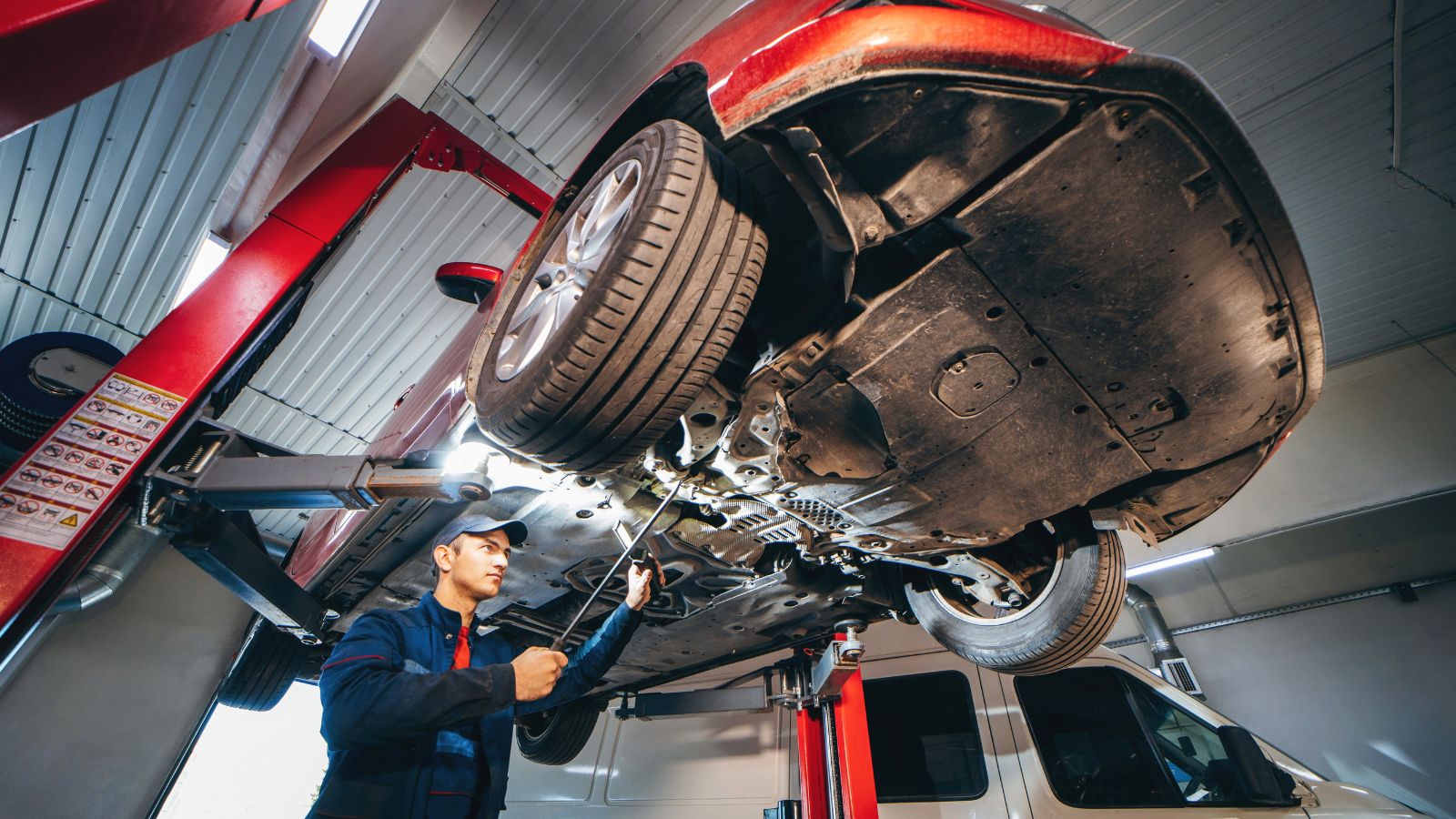
A pothole hit in spring can become a winter traction problem months later. Misalignment and worn suspension components can produce uneven tread wear, reducing the amount of useful rubber available when roads finally become slippery. AAA identifies pulling, an off-centre steering wheel, vibration, and uneven tire wear as possible signs that alignment or suspension needs attention.
The problem can hide because total tread depth is not necessarily uniform across a tire. One edge may be significantly more worn than the centre or opposite shoulder. By the time winter tires or all-season tires are inspected in late fall, thousands of kilometres of uneven wear may already have occurred. Rotation can promote more consistent wear when performed appropriately, but it cannot repair an alignment or suspension fault that remains present. Checking the entire width of each tire before winter therefore matters more than glancing at the most visible tread blocks. Snow merely reveals the lack of grip; the mechanical cause may have begun with a pothole, curb strike, or worn component many months earlier.
A Nearly Empty Fuel Tank During Big Temperature Swings
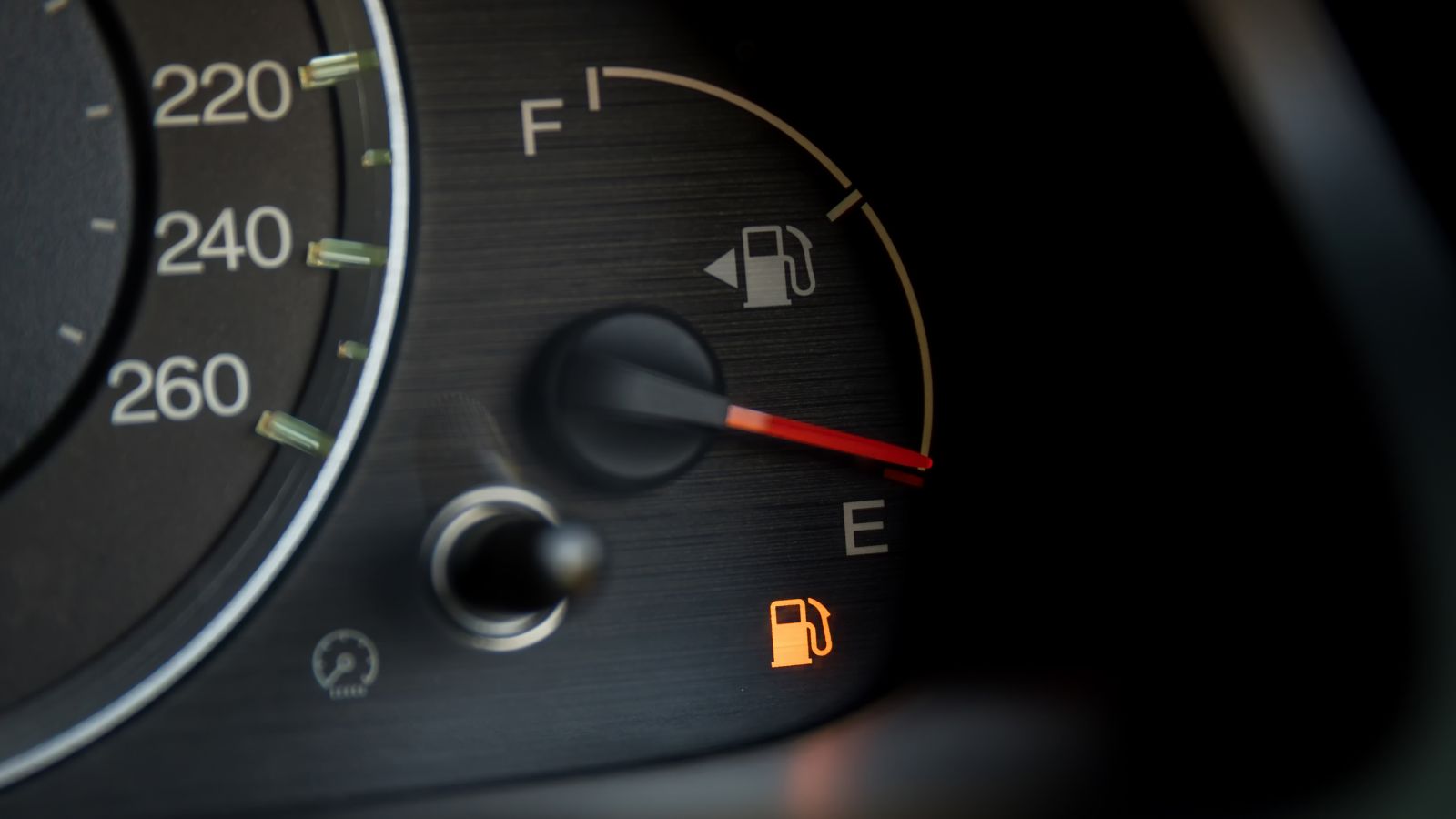
Keeping more fuel in the tank has winter advantages beyond avoiding a trip to the filling station. AAA recommends maintaining a substantial fuel reserve during freezing conditions and notes that temperature swings can encourage condensation in the fuel system. A fuller tank leaves less air space in which moisture can accumulate and also provides useful fuel if traffic, weather, or a breakdown leaves a vehicle delayed.
Modern fuel systems are much better sealed than those in older vehicles, so motorists should not assume every half-empty tank will suddenly develop frozen fuel lines. The more immediate benefit is practical resilience. A vehicle caught for hours behind a collision or road closure needs fuel to provide heat, and a nearly empty tank offers little margin. NHTSA similarly advises keeping the tank close to full whenever possible before winter travel. Developing the habit during autumn prevents the first storm from arriving with the low-fuel warning already illuminated. The problem is not caused by snow; it starts with routinely operating on very little reserve.
Diesel Fuel Problems Developing Before the Deep Freeze
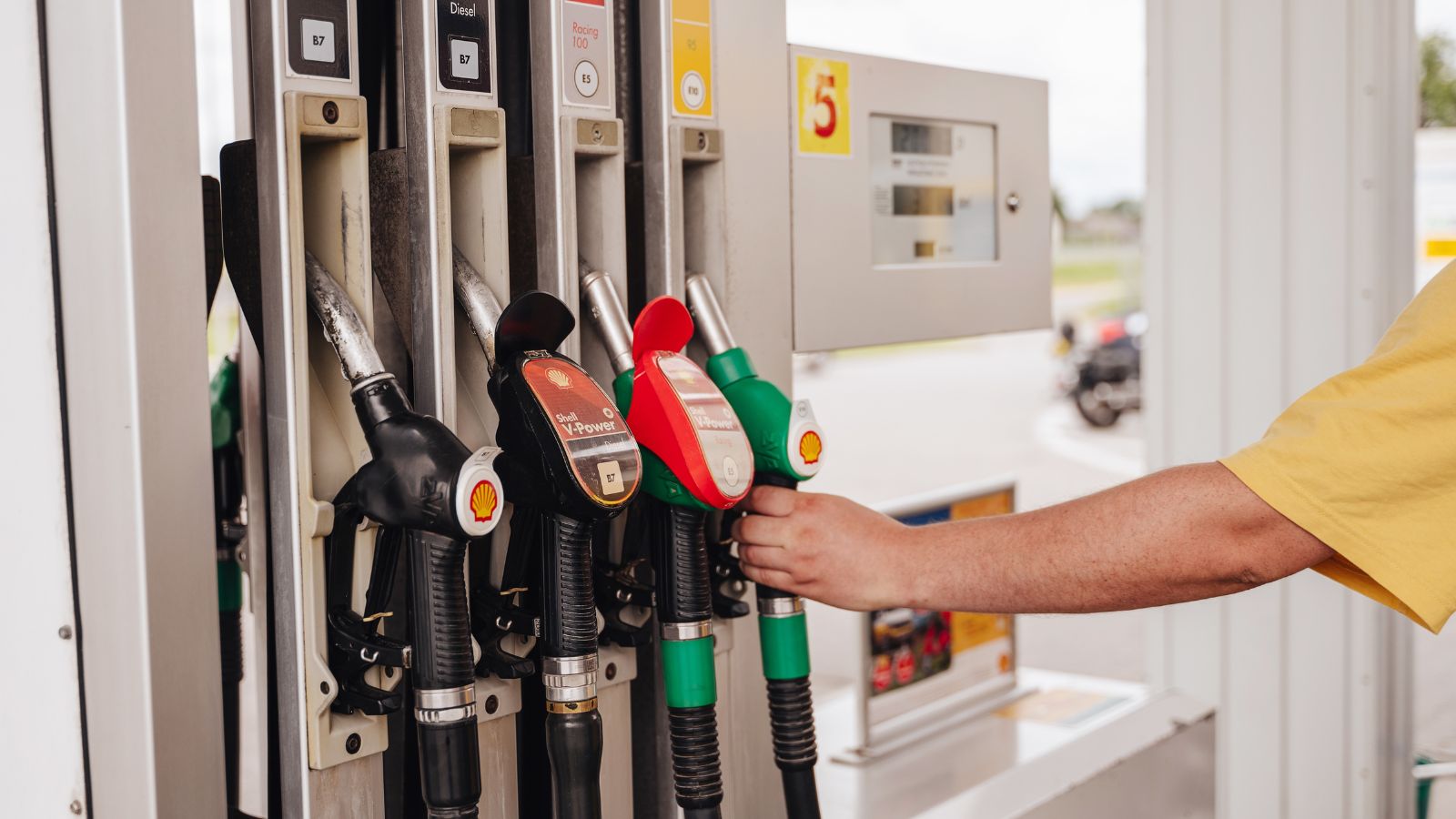
Diesel vehicles face a cold-weather issue gasoline engines generally do not: paraffin components in diesel can form wax crystals as temperatures fall. AAA explains that this process can eventually restrict filters or fuel lines and prevent fuel from flowing properly. Water trapped in a fuel system or water separator can also freeze and create a blockage.
Prevention needs to happen before the fuel has already gelled. Fuel suppliers commonly adjust seasonal diesel formulations for local conditions, while vehicle manufacturers may provide instructions concerning winter fuel, water-separator maintenance, block heaters, or approved additives. AAA cautions that anti-gelling products, when appropriate, need to be introduced and circulated before temperatures reach the point at which gelling occurs; an additive cannot simply reverse a completely gelled system afterward. Owners should follow manufacturer recommendations rather than adding unfamiliar chemicals indiscriminately. A neglected fuel filter or water separator in October can therefore become the reason a diesel will not start during January’s coldest morning.
An EV Battery Entering Winter Without a Cold-Weather Routine
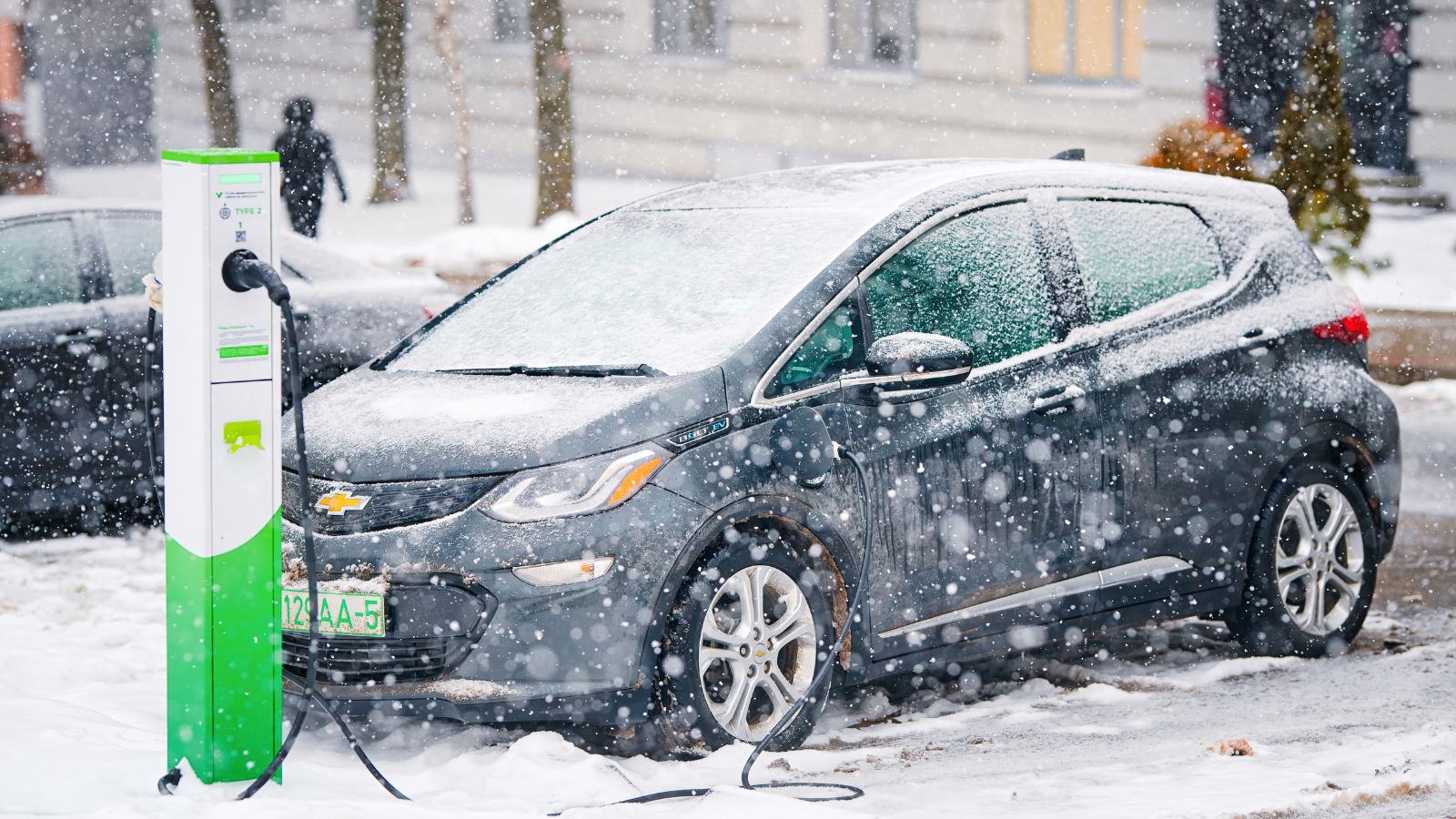
Electric vehicles work in winter, but low temperatures affect battery efficiency, cabin-heating demand, regenerative braking behaviour, range, and sometimes charging speed. The U.S. Department of Energy recommends using preconditioning when available—ideally while the EV remains plugged in—so energy from the grid can help warm the cabin and battery before departure.
The problem often begins with expectations established during warm weather. A commute that consumes a modest portion of the battery in September may require noticeably more energy once heating loads and cold battery conditions arrive. AAA has reported substantial cold-weather range reductions depending on temperature, vehicle, and operating conditions, although the exact loss varies widely. Drivers preparing for winter can learn how their vehicle schedules preconditioning, whether it uses a heat pump, and how its battery-conditioning system works before the first severe cold spell. Charging an EV is not inherently unreliable in winter, but entering the season without understanding those features can make predictable cold-weather changes feel like a sudden mechanical problem.
Existing Rust and Paint Damage Waiting for Road Salt
Road salt cannot attack bare metal that does not exist, but tiny paint chips, scratches, damaged coatings, and existing corrosion provide vulnerable places for moisture and de-icing chemicals to work. AAA warns that winter road treatments can accelerate corrosion on underbody components, including brake lines, suspension parts, electrical connections, and other exposed hardware.
That makes fall inspection important. Small stone chips or early rust bubbles that seem cosmetic in dry weather can become more troublesome after months of salty slush. Cleaning the vehicle, touching up appropriate paint damage, inspecting the underside, and applying manufacturer-compatible protective treatments where appropriate can reduce exposure. Once winter begins, regular washing—particularly underbody rinsing after driving on heavily treated roads—can help remove accumulated salt and brine. Vehicles are engineered with substantial corrosion protection, so rust is not inevitable after one winter. Still, the conditions that allow serious corrosion to develop often existed long before snow arrived; winter chemicals simply accelerate a process that was already underway.
Headlights That Have Slowly Become Cloudy or Weak
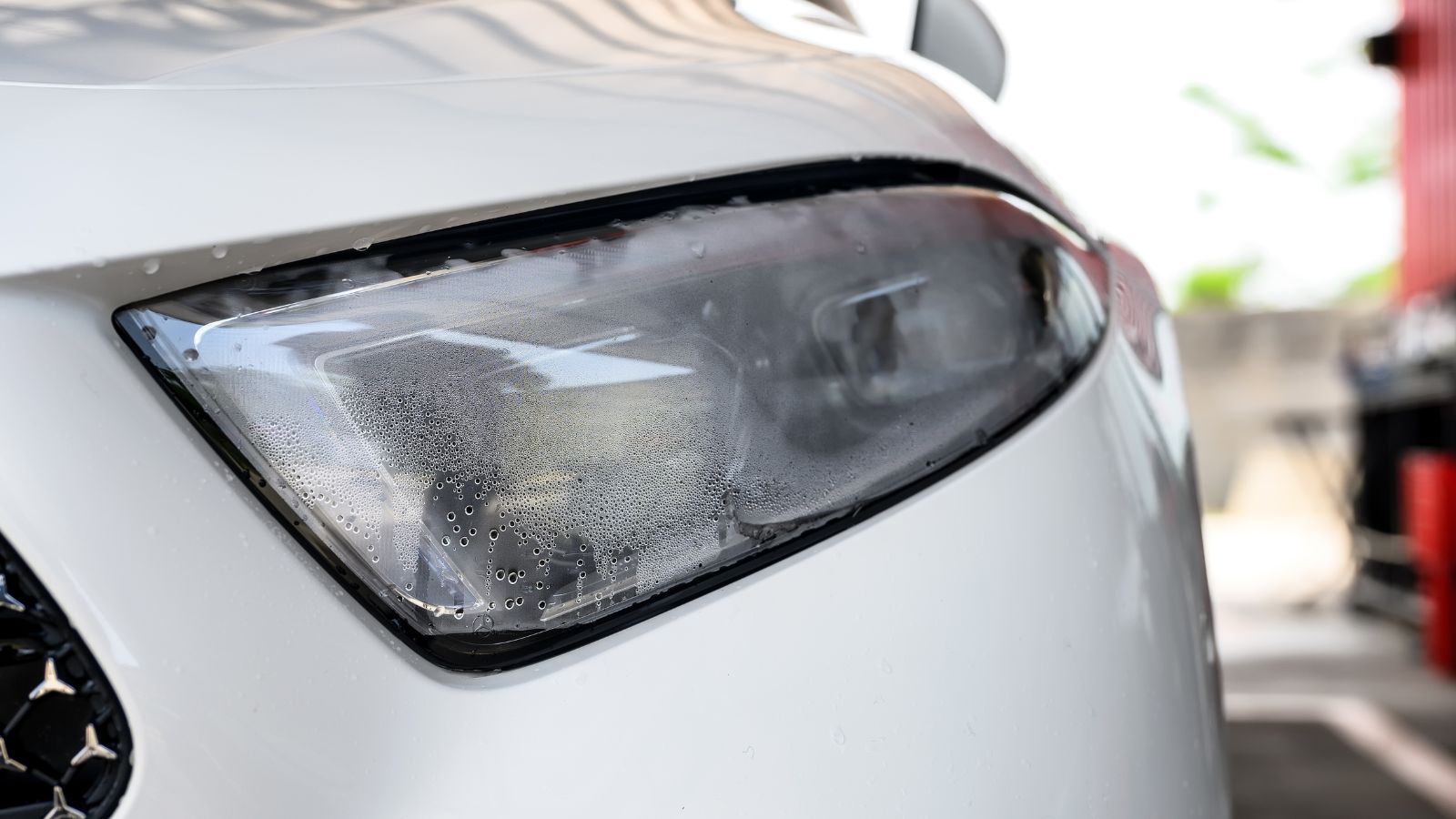
Winter creates more hours of darkness, but headlight problems often begin during sunny months. Plastic headlamp lenses can gradually become hazy or yellowed, bulbs can weaken or fail, and dirt can reduce effective illumination. AAA recommends checking headlights, taillights, turn signals, and other exterior lighting before winter and cleaning or restoring cloudy lenses when necessary.
The difference becomes more noticeable in autumn as daylight shrinks and drivers spend more commuting time after sunset. Rain, fog, snow, and salty road spray can further reduce visibility, making marginal lighting harder to tolerate. Cloudy housings are especially easy to dismiss because the decline happens slowly; drivers adapt to slightly poorer illumination night after night. A simple walk-around can identify failed bulbs, while badly hazed lenses may require restoration or replacement depending on their condition. Winter darkness does not cause cloudy headlights. It merely exposes a visibility problem that may have been developing for years, which makes early fall a sensible time to restore as much usable lighting as the vehicle was designed to provide.
16 Costco Canada Habits That Could Be Costing Shoppers More Than They Save
The Executive Membership can feel like an obvious upgrade because the 2% annual reward sounds straightforward. For households that spend heavily at Costco Canada, the extra fee may be easy to justify. But the habit becomes costly when shoppers upgrade first and calculate later. A Gold Star Membership costs less, while Executive costs more and only pays off if eligible annual spending is high enough to offset the difference.
16 Costco Canada Habits That Could Be Costing Shoppers More Than They Save
