
Canadian Thanksgiving has never been frozen in time. What began as a mixture of harvest observances, religious thanksgiving and regional customs gradually became associated with turkey dinners, family gatherings and an October long weekend. Yet the country around those traditions is changing. Canadians are more urban, households are smaller, religious affiliation has declined, communication has moved online and the population has become increasingly culturally diverse.
That does not mean Thanksgiving is disappearing. In many homes, it is simply becoming less standardized. These 19 Canadian Thanksgiving traditions illustrate customs that are fading, changing form or no longer carrying the automatic place they once held in the holiday.
The Thanksgiving Church Service

Canadian Thanksgiving once had an explicitly religious character. Historical proclamations described the occasion as a day of thanks to God for an abundant harvest, and churches commonly marked the season with special services. Rural congregations decorated sanctuaries with pumpkins, corn, sheaves of grain and other symbols of the harvest. For families accustomed to attending church every Sunday, Thanksgiving worship could feel as essential to the weekend as the turkey waiting at home.
That connection has weakened considerably as Canadian religious life has changed. In the 2021 Census, 53.3% of Canadians identified as Christian, compared with 77.1% in 2001. Meanwhile, the share reporting no religion or a secular perspective more than doubled, reaching 34.6%. Special Thanksgiving services continue in many congregations, particularly in rural areas and smaller communities, but attending one is no longer an assumed part of the holiday for much of the population. The feast has increasingly become a cultural and family occasion rather than an explicitly religious observance.
Saying Grace Before the Turkey Is Carved
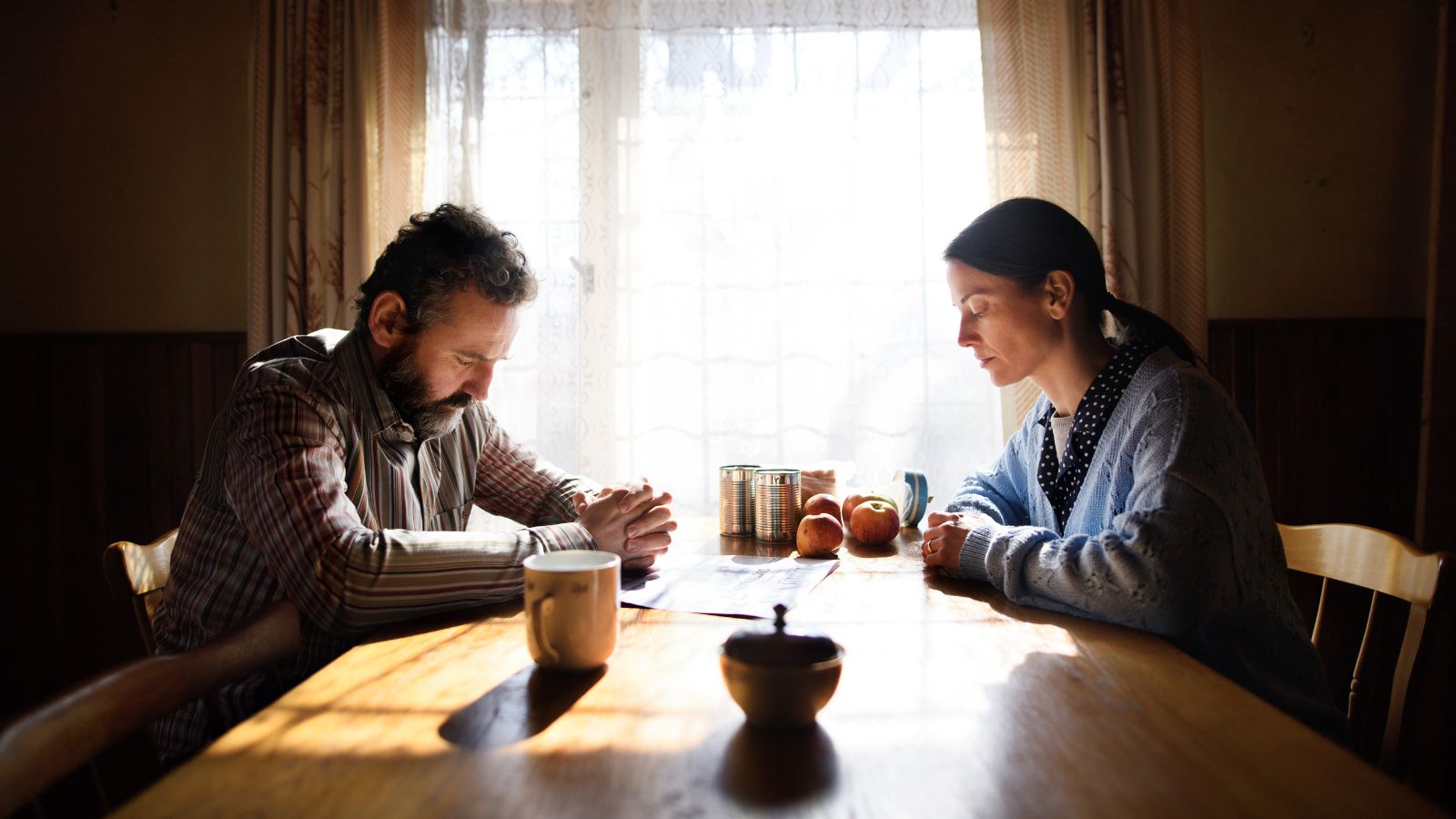
There was a time when the Thanksgiving meal in many Canadian homes did not officially begin until someone bowed their head and gave thanks. It might have been a formal prayer spoken by a grandparent or simply a few sentences acknowledging the harvest, family and good fortune. The custom fit naturally with a holiday whose official historical language explicitly referred to giving thanks to Almighty God for the country’s bounty.
Grace has not vanished, but it has become much less universal. Canada’s religious landscape has undergone a profound transformation, with more than one-third of the population reporting no religious affiliation in the 2021 Census. Even among families that retain a spiritual dimension to Thanksgiving, the ritual may now take different forms. Some go around the table naming something they appreciate; others offer a secular toast or simply begin eating. The underlying idea of gratitude survives surprisingly well. What is gradually fading is the assumption that gratitude will be expressed through a specifically Christian prayer before dinner.
Thanksgiving as a True Harvest Celebration
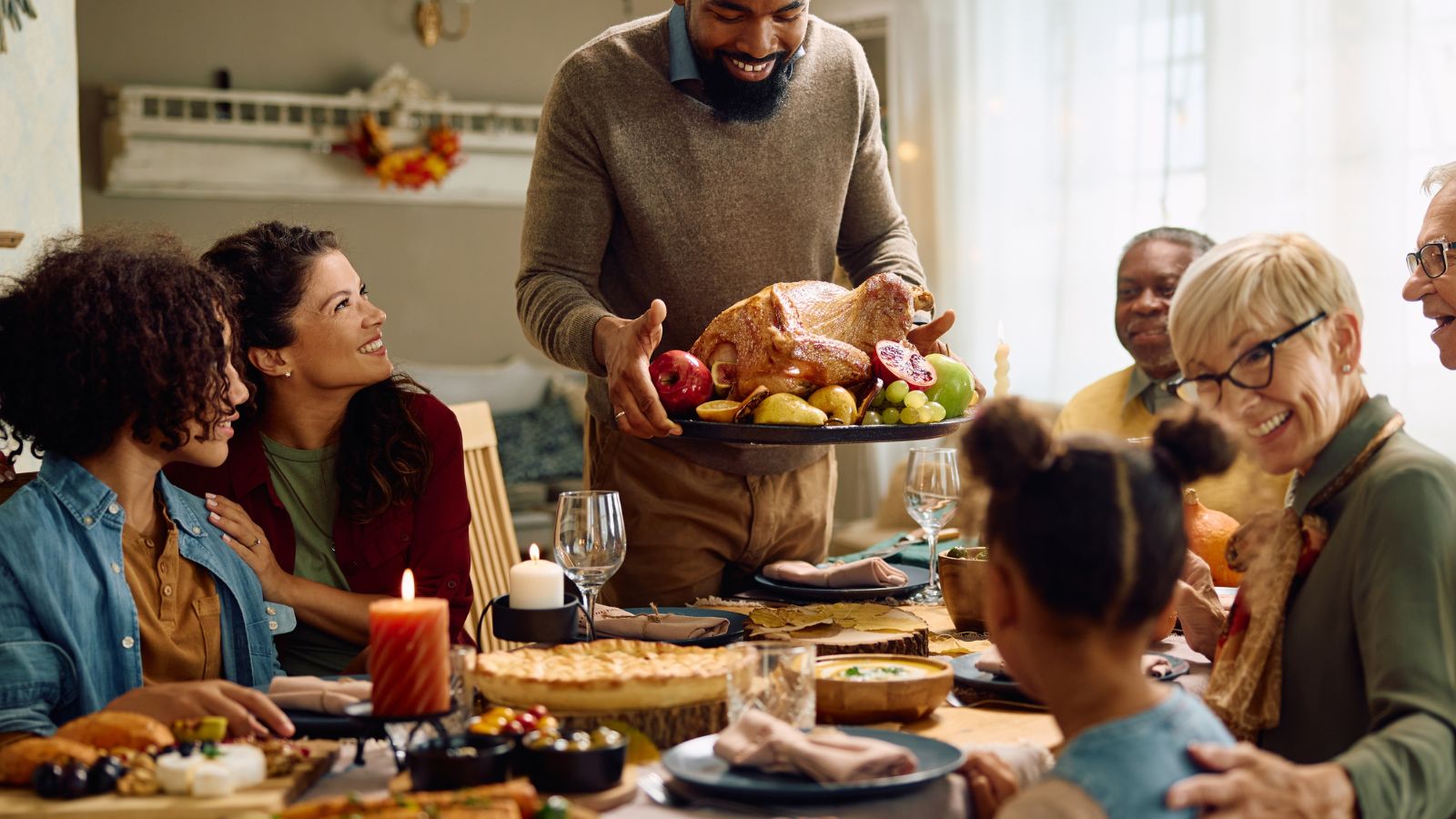
For generations of Canadians living on farms, Thanksgiving arrived at a meaningful point in the agricultural calendar. Much of the year’s work had culminated in crops being brought in, vegetables stored, preserves made and preparations beginning for winter. The holiday’s October timing suited much of the country precisely because it corresponded more closely with the completion of the harvest than Canada’s earlier November observances had.
Today, far fewer Canadians experience that agricultural connection firsthand. Statistics Canada counted about 590,700 people in Canada’s farm population in 2021, representing only 1.6% of the national population. Rural residents more broadly accounted for less than one-fifth of Canadians, while urban areas continued growing much faster. Pumpkins, squash and autumn colours still give Thanksgiving a harvest aesthetic, but for many households the vegetables arrive from a supermarket rather than a field behind the house. Thanksgiving remains a harvest holiday symbolically, even as the number of Canadians whose daily lives actually revolve around harvesting food has become comparatively small.
The Giant Extended-Family Dinner
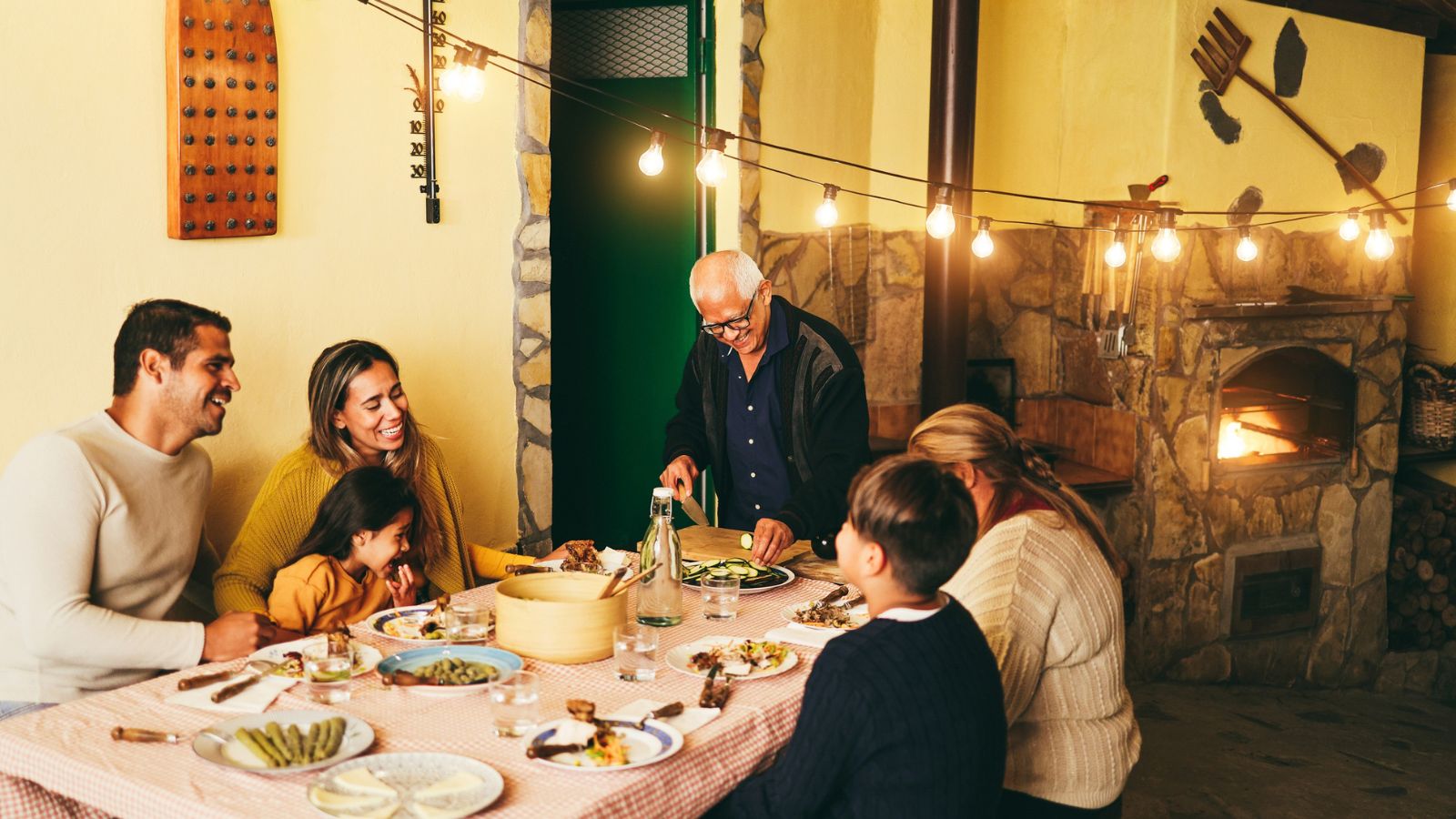
A packed dining room once represented the idealized Thanksgiving scene: grandparents at one end, children squeezed together at the other, folding chairs borrowed from elsewhere in the house and cousins appearing only a few times each year. Large gatherings still happen, but Canada’s household structure makes that version of the holiday less automatic than it once seemed.
One-person households became the most common household type in Canada in 2021, accounting for 29.3% of all households. Some 4.4 million Canadians were living alone, up dramatically from 1.7 million in 1981. Couple households without children also account for a substantial share of homes. None of that prevents extended families from gathering, of course, but it changes the logistics and expectations surrounding Thanksgiving. Smaller dinners, celebrations with friends, restaurant meals and gatherings split across several households increasingly sit alongside the enormous family feast. The long table with every branch of the family tree represented at once is becoming one Thanksgiving model among many rather than the unquestioned ideal.
The Separate Children’s Table
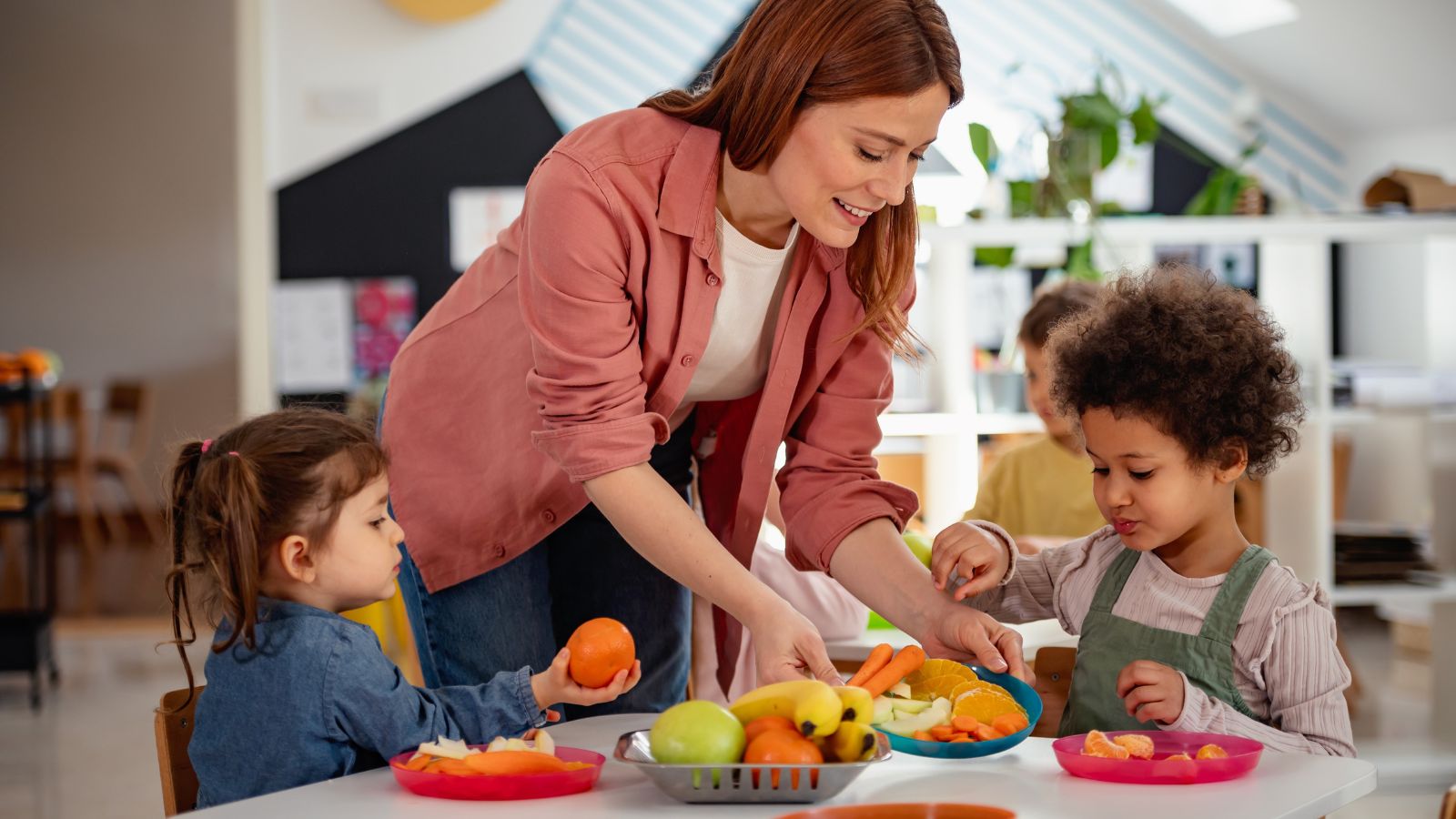
For many Canadians who grew up in large families, graduating from the children’s table was practically a Thanksgiving rite of passage. Younger cousins would eat together at a folding card table in the kitchen or basement while the adults occupied the main dining room. The arrangement reflected a simple reality: there were often too many relatives, and particularly too many children, to fit around one table.
Demographic change is making that scene less common. Canada’s total fertility rate fell to a record-low 1.25 children per woman in 2024, continuing a broad decline observed since 2009. Statistics Canada also found that just over half of Canadian women aged 20 to 49 had no children when surveyed in 2024, although the proportion naturally varied sharply by age. Many families therefore have fewer young cousins gathering simultaneously than earlier generations did. Children’s tables certainly survive at large celebrations, but increasingly there may be enough room for everyone together. A custom once created by necessity can disappear quietly when nobody needs the extra folding table anymore.
Turkey as the Unquestioned Centrepiece

A whole roasted turkey remains one of the most recognizable symbols of Canadian Thanksgiving. Turkey, pumpkin and squash entered Canadian holiday traditions through a complicated mixture of North American foods, European harvest customs and influences brought by Loyalist migration. Even today, frozen turkey inventories typically build before Thanksgiving as retailers prepare for seasonal demand.
Yet turkey’s position is becoming less absolute. Statistics Canada reported that boneless turkey availability per person was 2.71 kilograms in 2023, well below the 3.62-kilogram high recorded in 2008. Agriculture and Agri-Food Canada data likewise show lower per-capita turkey availability in recent years than during the late 2010s. At the same time, Canada’s increasingly diverse population is broadening the Thanksgiving menu. A 2020 survey of Chinese, Indian and Filipino newcomers found that 41% mixed conventional Canadian Thanksgiving dishes with foods from their own cultural traditions. Turkey is hardly disappearing, but the assumption that every Canadian Thanksgiving must revolve around one enormous roasted bird is steadily weakening.
Stuffing Cooked Inside the Bird
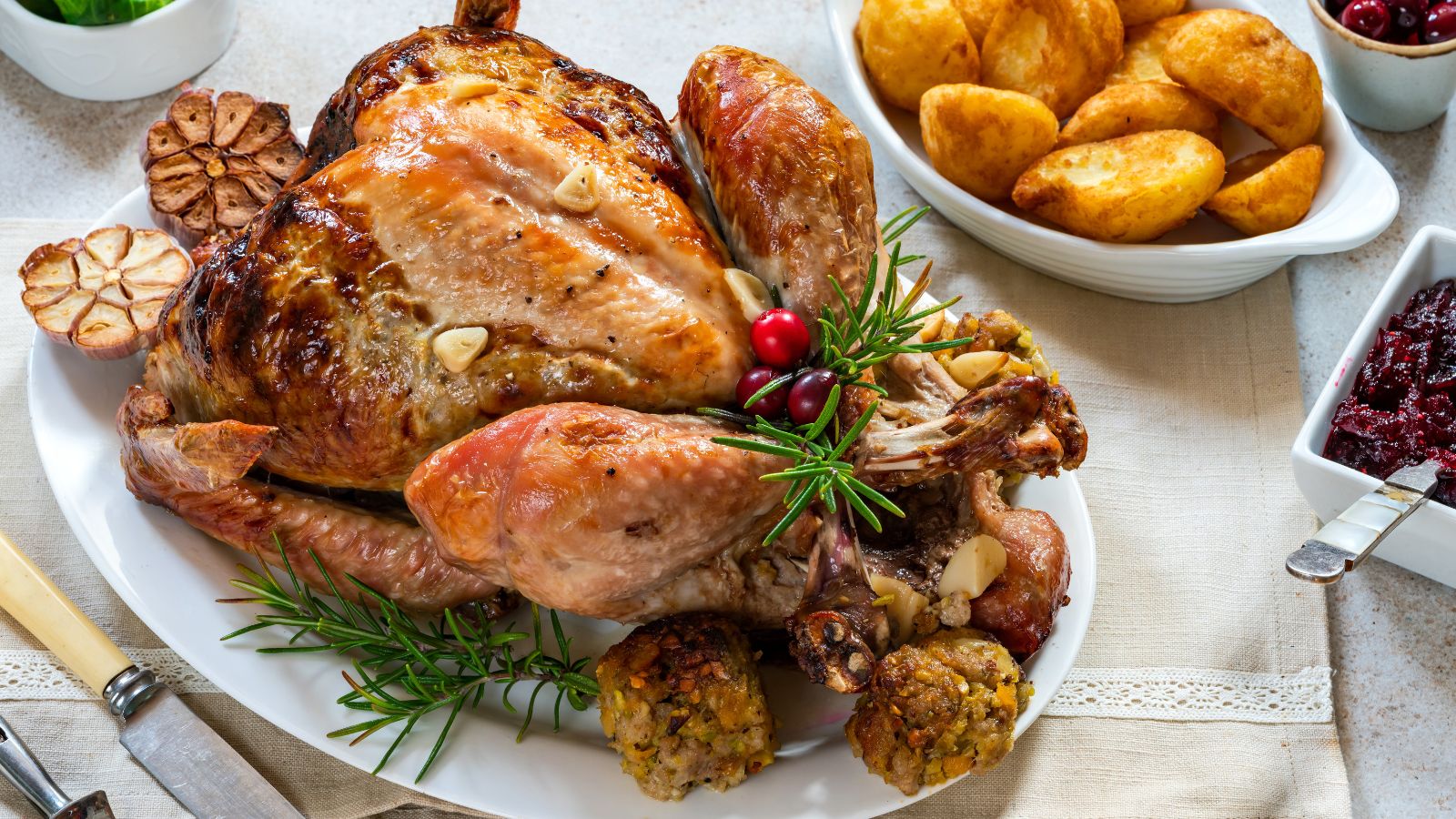
For generations, stuffing was exactly what its name suggested. Bread, herbs, onions and family-specific ingredients were packed directly into the turkey before roasting, where they absorbed juices as the bird cooked. Recipes were often inherited rather than measured, and cooks judged doneness by experience. The aroma of opening the oven could instantly bring back memories of a grandparent’s kitchen.
Modern food-safety advice has steadily pushed that technique toward the margins. Health Canada recommends cooking stuffing separately in its own dish or on the stovetop because moist stuffing heats and cools slowly, creating conditions in which bacteria can grow. If a turkey is stuffed, federal guidance says it should be filled loosely immediately before roasting and the stuffing should reach at least 74°C. As food thermometers and safety recommendations have become standard kitchen advice, many households have shifted to dressing baked separately. The flavour may remain familiar, but the old ritual of packing the cavity of the Thanksgiving bird is no longer treated as the unquestioned way to prepare it.
A Thanksgiving Meal Built Around Garden Produce
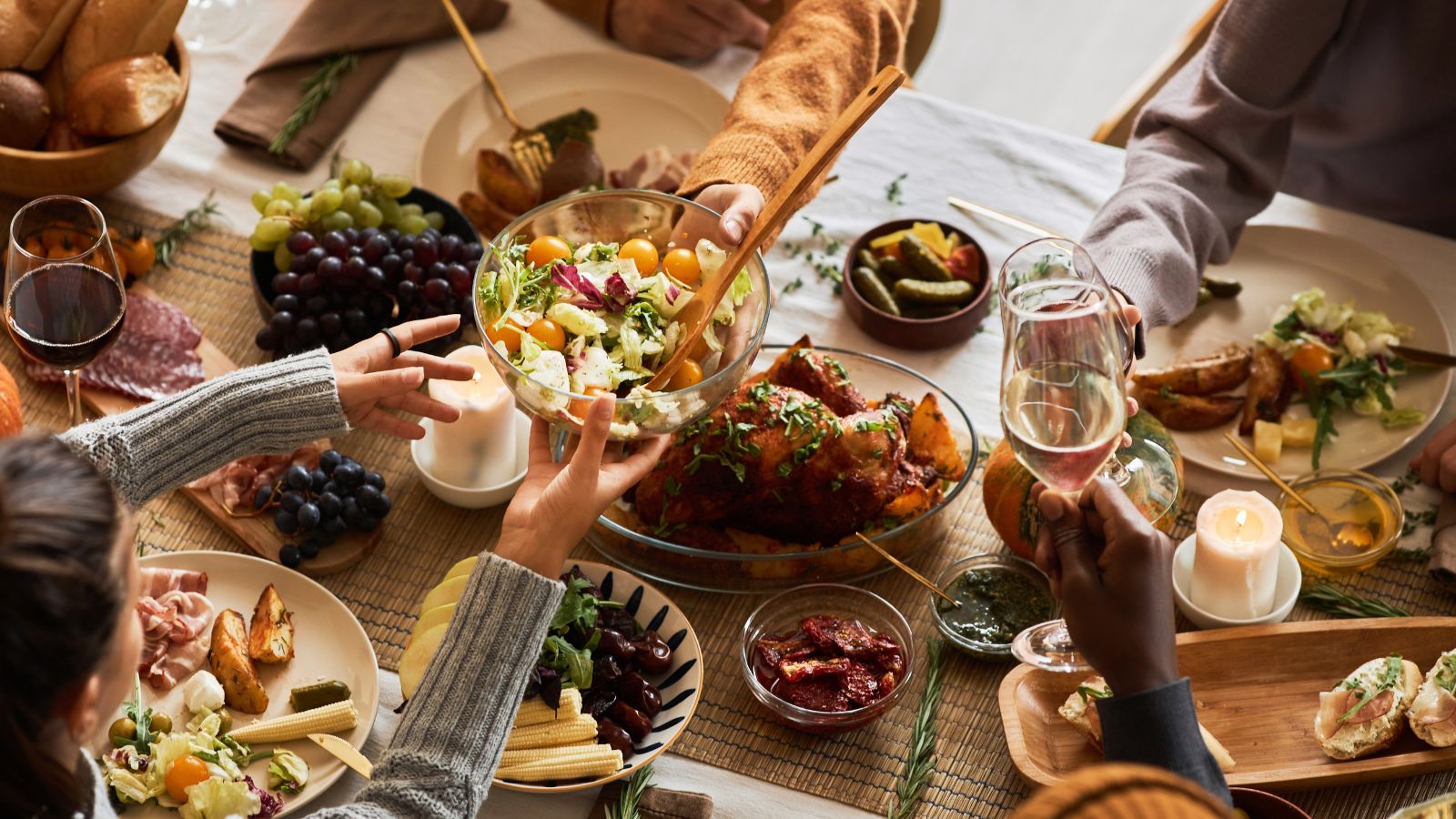
Older Canadian Thanksgiving tables could function almost like an inventory of the family garden. Potatoes had been dug, carrots pulled, squash cured and onions stored. In agricultural communities, serving food grown by the household or a nearby neighbour reinforced the holiday’s original relationship with the harvest. Even suburban families once commonly had substantial vegetable plots that supplied at least part of an autumn dinner.
Home gardening itself is far from disappearing. Statistics Canada found that 59% of households grew fruit, herbs, vegetables or flowers for personal use in 2023. However, access varies dramatically by housing type and tenure: owner households were much more likely to grow something than renter households, while apartments naturally offered less yard space. Canada’s increasingly urban population also creates more distance between households and large productive gardens. Thanksgiving vegetables now commonly come from supermarkets, farmers’ markets or prepared-food counters. The gardening tradition remains healthy, but the older expectation that the holiday meal would showcase produce harvested directly from the family’s own land is increasingly dependent on where and how Canadians live.
Homemade Preserves Coming Up From the Cellar
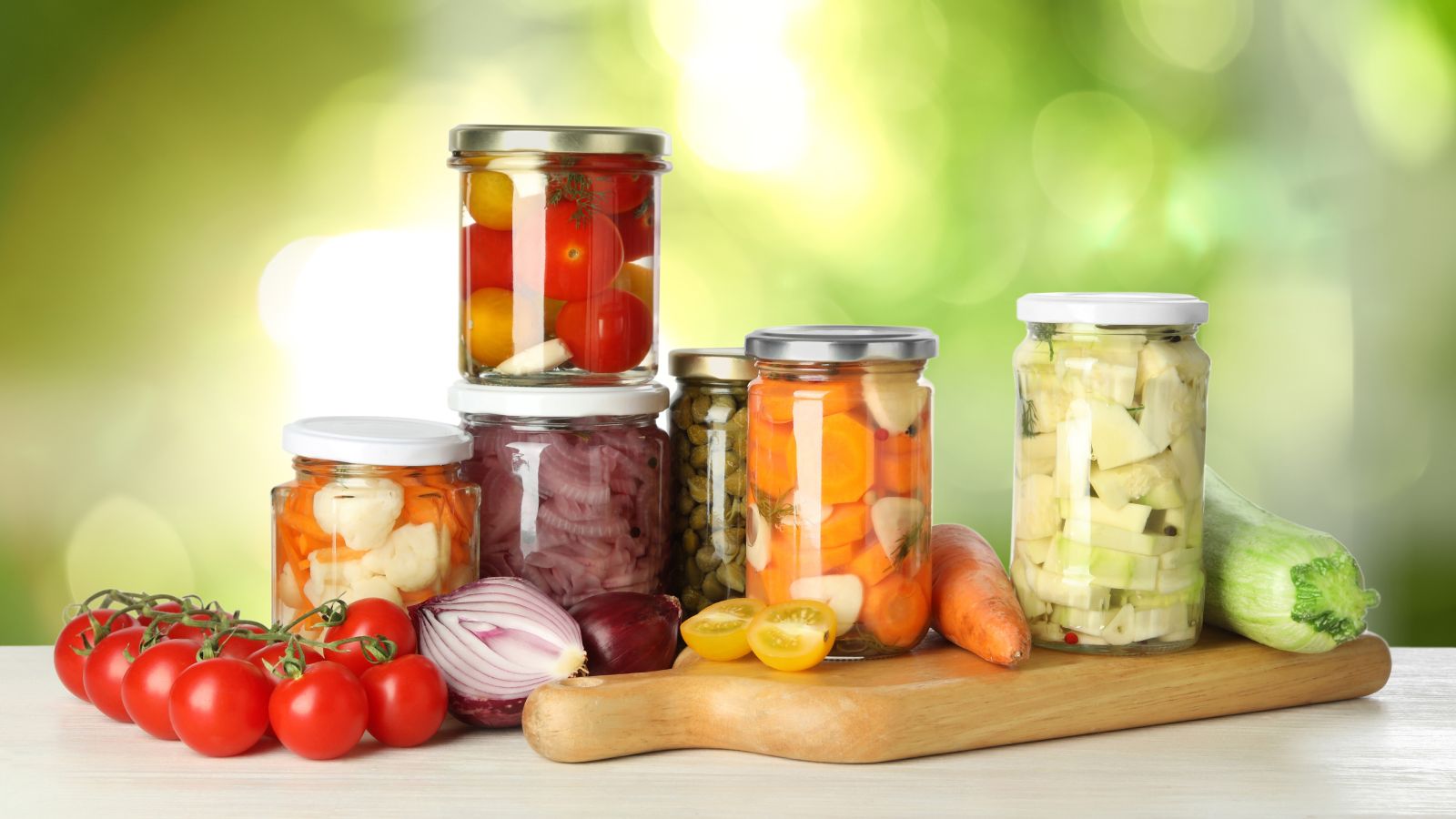
A Thanksgiving table once offered an opportunity to open jars that represented months of household work. Pickled beets, relishes, jams, canned fruit and preserved vegetables could emerge from basement shelves alongside the main meal. Preservation was not merely a culinary hobby in households without today’s year-round grocery selection and refrigeration. It helped extend the autumn harvest deep into a Canadian winter.
The culture surrounding those foods has changed. Modern supermarkets provide enormous year-round variety, freezers offer easier preservation and urban housing frequently lacks the cold rooms and storage spaces once associated with preserving large quantities of food. Home canning certainly continues among gardeners and food enthusiasts, and agricultural fairs still feature preserves in traditional homecraft competitions. Yet it has shifted from household necessity toward a specialized skill or hobby for many Canadians. The Thanksgiving jar of relish made months earlier from the family garden still carries strong nostalgic appeal, but fewer dinner tables depend on a basement stocked with rows of home-canned produce to supply the winter pantry.
Recipes Written on Stained Index Cards
Many treasured Thanksgiving dishes did not begin in cookbooks. They lived on index cards covered with handwriting, corrections, butter marks and instructions such as “cook until done.” A card might contain a grandmother’s stuffing recipe or an aunt’s pie crust, copied and recopied as it passed between relatives. The physical object became part of the family history because the handwriting mattered almost as much as the ingredients.
Recipe sharing is now increasingly digital. Canada’s publishing industry has been undergoing a broad transition away from print-only products, while phones and tablets make thousands of recipes available instantly at the kitchen counter. Family recipes are frequently preserved in shared documents, photographs, messaging apps or online collections instead of recipe boxes. That makes them easier to distribute but changes what is inherited. A digital file never develops gravy stains, folded corners or pencilled substitutions. Some families deliberately preserve handwritten cards for precisely that reason, but a new generation is less likely to create them in the first place. The recipe survives; the fragile little piece of cardboard carrying it may not.
Clipping Thanksgiving Recipes From Newspapers and Magazines

Before online recipe searches, October newspapers and magazines became temporary Thanksgiving cookbooks. Home cooks clipped turkey-roasting charts, pie recipes and elaborate menu ideas, then tucked them into binders or kitchen drawers. A particularly successful recipe might reappear every Thanksgiving for decades, its original publication date eventually forgotten beneath stains and handwritten adjustments.
That information habit has been transformed by digital publishing. Statistics Canada reported that in 2023 only 27.5% of Canadian periodical titles were print-only, and that share continued to decline. Most titles were being published in both print and digital formats. Recipe publishers have followed readers online, where videos, searchable databases and step-by-step instructions can be opened while cooking. Canadian Living, for example, now maintains extensive digital Thanksgiving collections covering turkey, stuffing, gravy and pumpkin desserts. Print recipes have certainly not disappeared, especially among dedicated magazine readers, but the ritual of waiting for the Thanksgiving issue and attacking it with scissors is steadily becoming a memory of an earlier media era.
Mailing Thanksgiving Cards to Family

Christmas still dominates Canada’s seasonal greeting-card tradition, but Thanksgiving once provided another reason to send a handwritten note to relatives, particularly those living far away. Cards decorated with autumn leaves, turkeys and harvest baskets could arrive before the long weekend carrying family updates that otherwise might have waited until December.
The larger decline of personal letter mail makes that custom increasingly unusual. Canada Post says domestic letter-mail volume has fallen dramatically since its 2006 peak. Canadian households received an average of about seven letters per week in 2006; by 2025, the figure had fallen to roughly two. Total annual letter volume dropped from approximately 5.5 billion pieces to about 2 billion over the same period. Thanksgiving greetings have moved easily into text messages, family group chats, emails and social media, where they arrive instantly and cost nothing to send. A paper card still has a tactile quality digital messages cannot duplicate, but finding one in the mailbox around Thanksgiving is becoming a much rarer little surprise.
The Thanksgiving Call on the Family Landline

Long before a video call could connect an entire extended family, distant relatives were often included in Thanksgiving through the telephone in the hallway or kitchen. Family members might take turns speaking into the same receiver while someone reminded everyone not to run up the long-distance bill. The call itself could become part of the day’s rhythm, especially when children had moved to another province.
That experience is disappearing along with the landline. Statistics Canada reports that 60.9% of Canadian households had a cellphone but no landline in 2023, up from only 20.2% a decade earlier. Among households with respondents younger than 30, the cellphone-only figure exceeded 90%. Families still call one another at Thanksgiving, perhaps more easily than ever, but the ritual has changed into FaceTime, WhatsApp, Zoom or a mobile call made while travelling. There is no single household telephone for everyone to gather around, and no anxious relative standing nearby waiting for a turn. The conversation continues; the familiar object that once organized it is fading away.
The Church-Basement Turkey Supper

In many small Canadian communities, Thanksgiving season once meant more than a private family meal. Churches and community organizations held large turkey suppers where volunteers roasted birds, peeled mountains of potatoes and served neighbours at long tables. These events raised money, strengthened local relationships and turned seasonal food into a form of community infrastructure. Some Ontario church turkey suppers date back almost a century.
Many still operate, but the institutions supporting them face demographic pressure. Statistics Canada found that formal volunteering fell from 41% of Canadians aged 15 and older in 2018 to 32% in 2023. Total formal volunteer hours dropped by 28%, while hours devoted specifically to religious organizations declined by 23%. Religious affiliation has also fallen substantially over recent decades. A successful community supper requires dozens of people willing to cook, serve, clean and organize year after year. Where that volunteer base remains strong, the tradition can thrive. Where congregations are smaller and volunteers older or stretched thin, the once-annual turkey supper becomes much harder to sustain.
Spending Thanksgiving Weekend at the Local Fall Fair
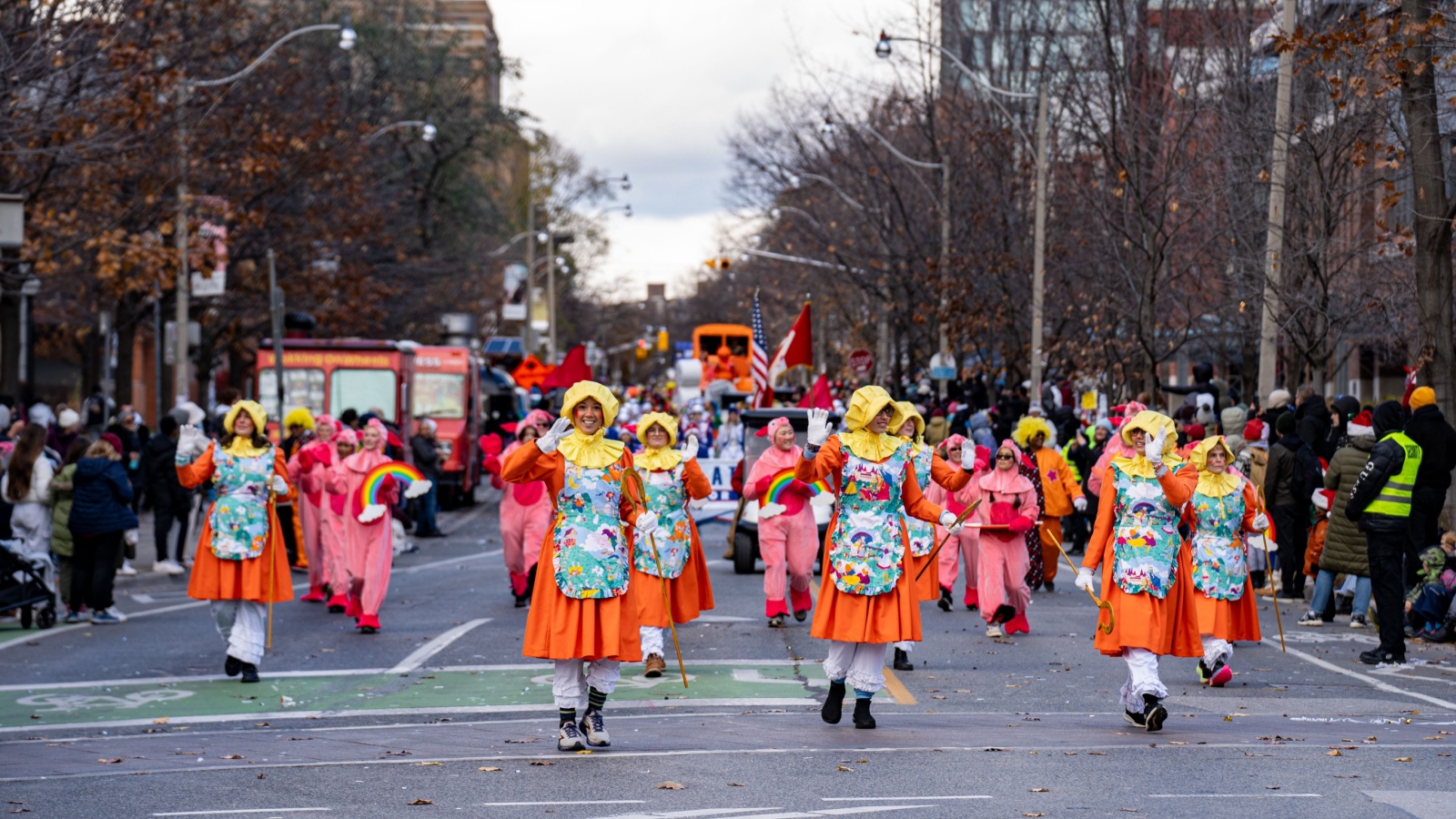
Across parts of rural Canada, particularly Ontario, Thanksgiving and fall fairs have long fit naturally together. Families could spend the weekend watching livestock judging, entering pies and preserves, admiring prize vegetables or riding the midway before heading home for dinner. Some Ontario fairs held over Thanksgiving weekend have histories stretching back well into the 1800s.
The fairs themselves are not gone. Ontario tourism officials still promote major Thanksgiving-weekend events such as those in Woodbridge, Brigden, Erin and other communities. Yet the social world that originally made agricultural fairs central to autumn life has become smaller. Canada’s farm population represented only 1.6% of the population in 2021, while less than one-fifth of Canadians lived in rural areas. Historical records from Lambton County offer a particularly clear local example: the county once had as many as eight active fall fairs but now has five. Modern fairs increasingly mix agricultural education with entertainment because many visitors arrive as spectators rather than participants in farming life. The tradition survives, but its connection to everyday Canadian experience is less universal.
Entering Preserves, Pies and Vegetables in Fair Competitions
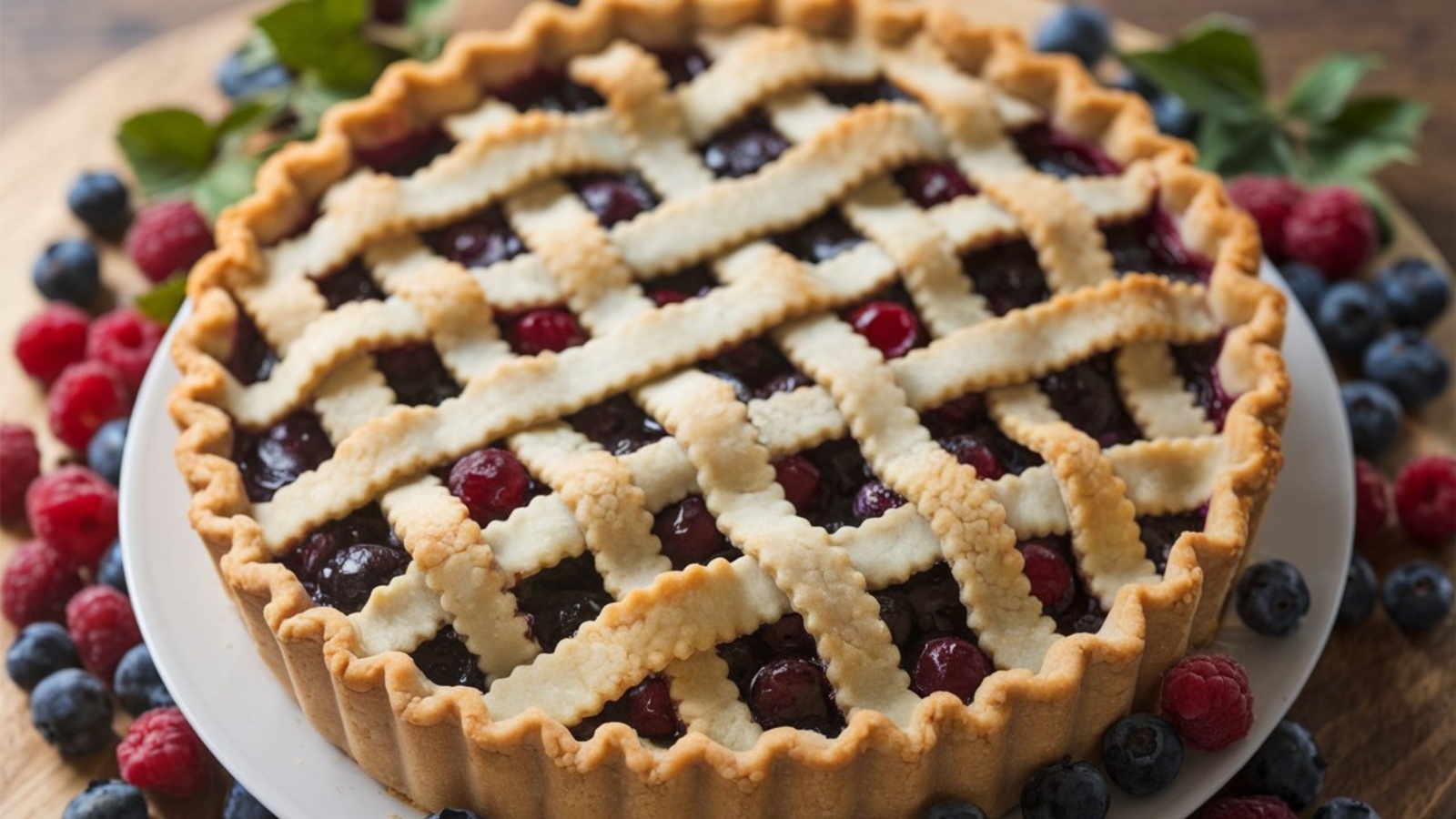
Thanksgiving-era agricultural fairs were once showcases of household skill as much as farming. Jars of preserves lined tables beside quilts and baked goods, while enormous pumpkins, carefully arranged vegetables and prize grains competed for ribbons. These contests reflected skills that were common enough to compare publicly: growing, preserving, sewing and baking were everyday parts of household and farm life.
Such competitions continue at numerous Canadian fairs, but their cultural position has changed. Historical records from Ontario fairs document categories that included preserves, grain, vegetables, livestock and homecrafts. Modern fairs still offer many of those competitions, yet organizers increasingly combine them with midway rides, live entertainment, demolition derbies and other attractions designed for a population much less directly connected to agriculture. With only 1.6% of Canadians belonging to the farm population in 2021, entering the family harvest in a local competition is no longer an ordinary Thanksgiving-season experience for most households. What was once a broad community practice increasingly survives through dedicated growers, bakers, 4-H families and heritage-minded volunteers.
Watching the Thanksgiving Football Game on One Television

For football households, Thanksgiving Monday has long meant the CFL. The league’s Thanksgiving Day Classic has provided generations of Canadians with an easy post-dinner ritual: leftovers on a plate, relatives on the sofa and a football game filling the room. When television choices were limited, the effect could be remarkably communal. Families watching in different provinces could still be seeing the same broadcast at the same time.
The games remain, but the media environment around them has fractured. CRTC data show that Canadians have been watching steadily less traditional television, with total viewing hours declining by about 5% per year on average since 2015. In 2024 alone, hours spent watching traditional television services fell 8.6%. Younger Canadians now spend more viewing time with online audiovisual services than conventional television. Thanksgiving football therefore competes not simply with another channel but with streaming services, phones, gaming and personalized entertainment. The CFL tradition survives, yet the image of nearly everyone settling around one household television is increasingly tied to an earlier broadcasting era.
One Person Doing Nearly All the Holiday Cooking
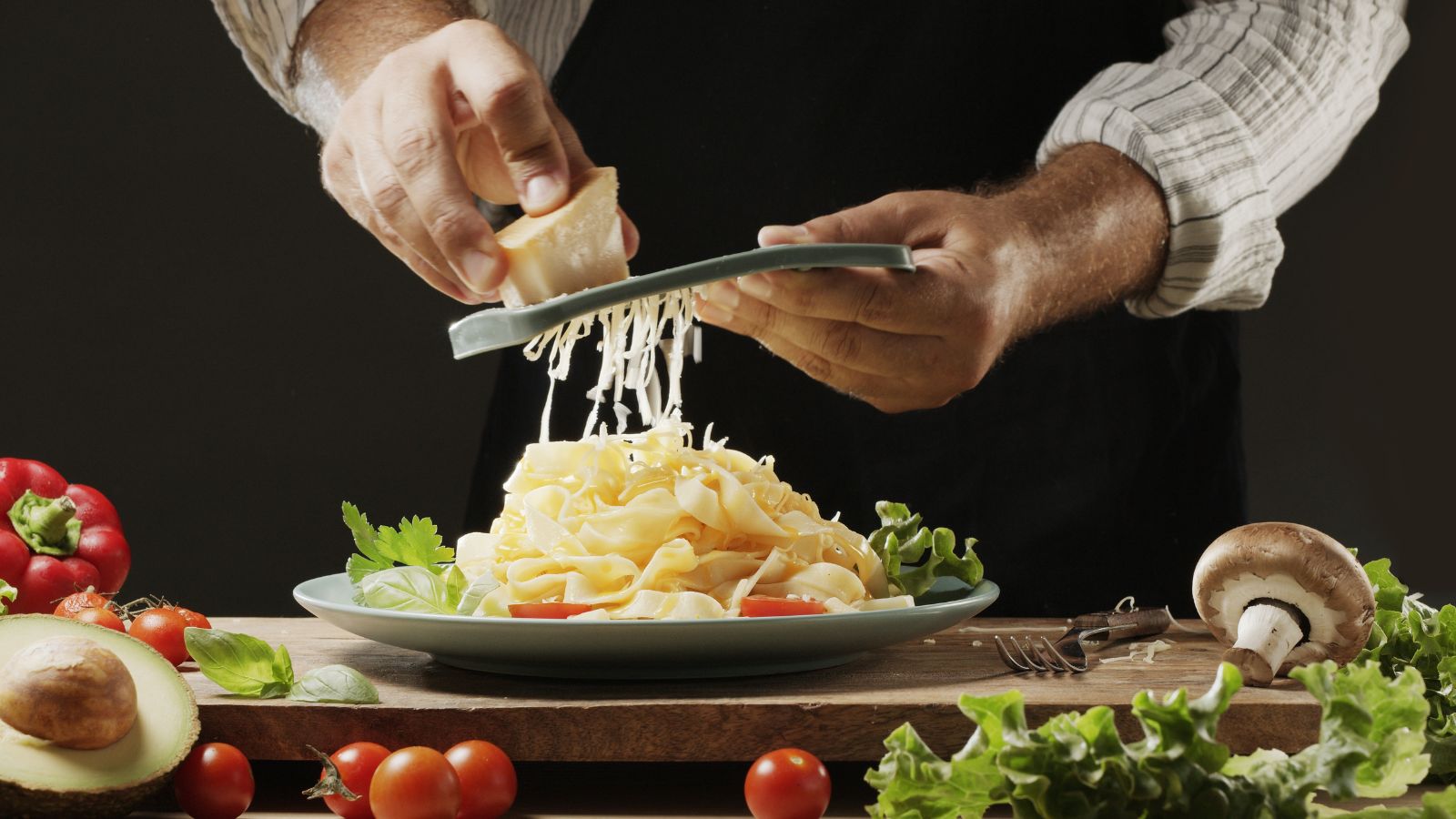
Older family photographs can hide an uncomfortable Thanksgiving tradition: while everyone enjoyed the feast, one or two people—often women—might have spent most of the day preparing it. Turkey, stuffing, potatoes, vegetables, gravy and several desserts could require hours of planning and kitchen labour before guests even sat down. The cook sometimes missed much of the social gathering that the meal was supposed to create.
Domestic work remains unequal, so this tradition cannot be described as having disappeared. Statistics Canada’s 2022 time-use research found that women continued to spend more time on unpaid housework than men across different work arrangements. Among non-teleworkers, adjusted estimates were about 87 minutes per day for women and 49 minutes for men; the gap persisted among people working from home. Nevertheless, social expectations around household labour have changed substantially, and Thanksgiving preparation is increasingly shared, catered or divided through potluck-style contributions. The fading tradition is not home cooking itself but the expectation that a single designated family cook should quietly produce the entire feast.
Stretching One Turkey Into Meals for Days
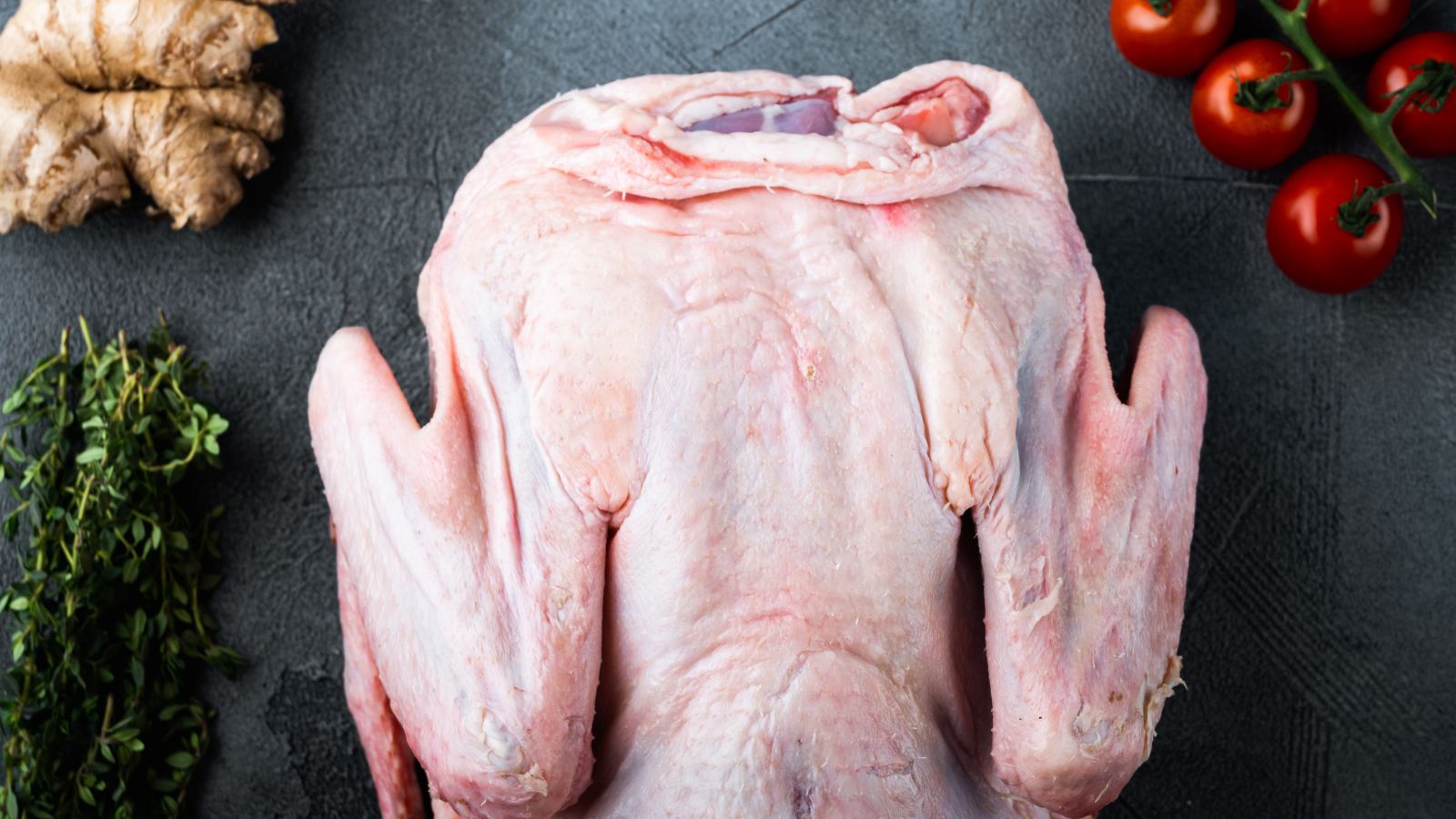
Thanksgiving once had an unofficial second act. The turkey appeared again in sandwiches on Tuesday, soup later in the week and perhaps a casserole when the family had finally grown tired of tasting it. Saving the carcass for stock and making several meals from leftovers reflected both thrift and the sheer size of birds purchased for big family gatherings.
Smaller households make that ritual harder to justify, especially when almost three in ten Canadian households consist of one person. Food-safety guidance also places clear limits on how long the feast should linger in the refrigerator. Health Canada recommends eating refrigerated leftovers within roughly two to three days or freezing them, and reheating leftovers to at least 74°C. Turkey stock and soup remain excellent ways to prevent waste, but households can also purchase smaller birds, turkey pieces or entirely different main courses. The week-long parade of turkey sandwiches is therefore less inevitable than it once was. For some families, the modern Thanksgiving goal is deliberately to produce fewer leftovers in the first place.
The Same Thanksgiving Menu From Generation to Generation
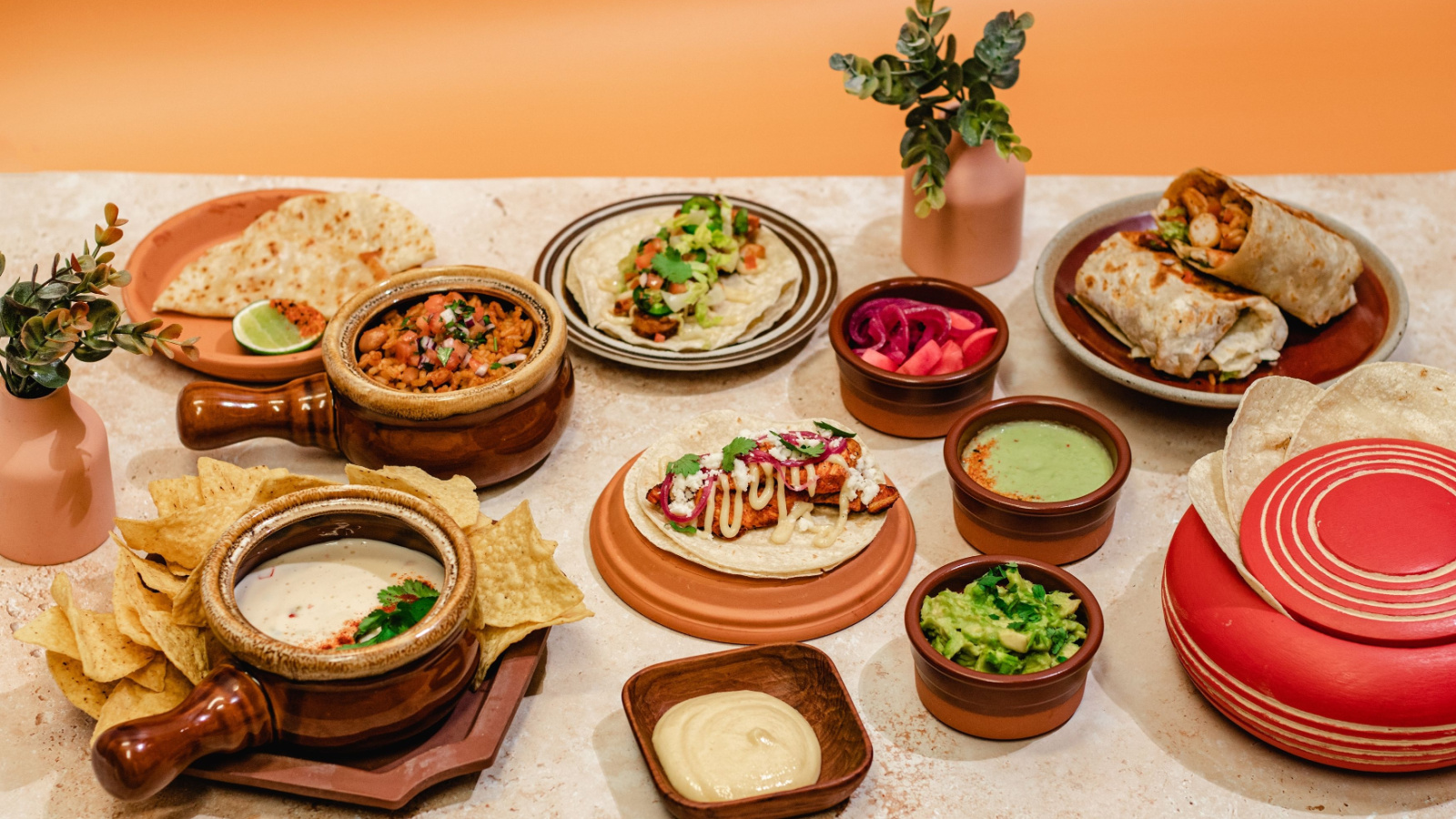
Perhaps the biggest disappearing tradition is the idea that there is only one proper Canadian Thanksgiving meal. Roast turkey, stuffing, mashed potatoes, gravy, squash, cranberry sauce and pumpkin pie remain familiar classics, but Canada’s cultural landscape no longer supports the assumption that every family will celebrate with exactly the same combination.
The 2021 Census counted more than 450 ethnic or cultural origins in Canada, and immigrants represented 23% of the population—the largest share in more than 150 years. That diversity is visible at the Thanksgiving table. In the Club House survey of Chinese, Indian and Filipino newcomers, 41% said they celebrated with a combination of typical Canadian Thanksgiving dishes and foods from their heritage. Modern tables can therefore place turkey beside biryani, pancit, dumplings, jerk-seasoned dishes, tourtière, salmon or countless family specialties. This is less the disappearance of Thanksgiving than its evolution. The older expectation of a fixed national menu is giving way to a holiday that increasingly reflects the families actually gathering around the table.
16 Costco Canada Habits That Could Be Costing Shoppers More Than They Save

The Executive Membership can feel like an obvious upgrade because the 2% annual reward sounds straightforward. For households that spend heavily at Costco Canada, the extra fee may be easy to justify. But the habit becomes costly when shoppers upgrade first and calculate later. A Gold Star Membership costs less, while Executive costs more and only pays off if eligible annual spending is high enough to offset the difference.
16 Costco Canada Habits That Could Be Costing Shoppers More Than They Save
