
Canadian homeowners who remember the pre-pandemic market often describe it less as “cheap” and more as predictable. Prices were already challenging in many cities, but the math felt easier to understand, mortgage renewals drew less dread, and buying or selling a home did not always feel like a race against rates, inflation, construction costs, and policy changes all at once.
These 19 things capture what many Canadian homeowners miss about that earlier period: not nostalgia for a perfect market, but for a time when household budgets, renovation plans, listing strategies, and long-term ownership decisions seemed to come with fewer moving parts.
More Predictable Mortgage Renewals

Before the pandemic, a mortgage renewal often felt like routine paperwork rather than a household stress test. Many Canadian homeowners renewing in the late 2010s were moving through an interest-rate environment that, while not always ultra-low, was far more stable than the sharp rate shock that followed 2022. A family in Mississauga or Halifax could usually compare lender offers, negotiate modestly, and leave the appointment with a payment that did not radically reshape the rest of the monthly budget.
That changed after the Bank of Canada’s rapid tightening cycle, when borrowers who had grown used to low fixed or variable rates faced much higher renewal costs. By 2025 and 2026, the central bank estimated that a large share of renewing mortgage holders would still see payment increases despite rate cuts from the peak. What homeowners miss is not just a lower number on the statement. It is the old feeling that renewal season was a financial checkpoint, not a potential lifestyle reset.
Listings That Did Not Feel Quite So Frenzied
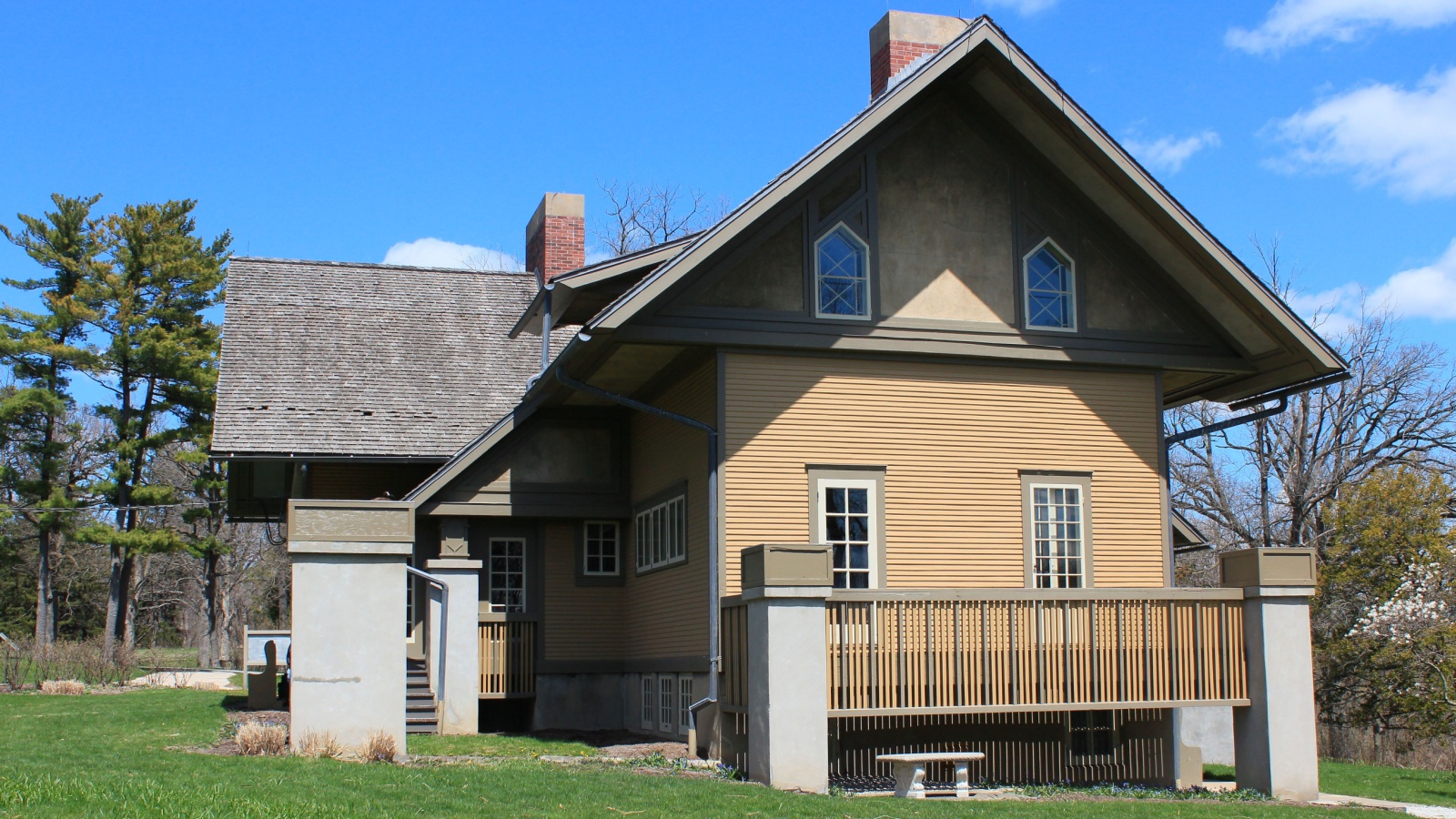
In the pre-pandemic market, hot neighbourhoods were still competitive, especially in Toronto, Vancouver, Ottawa, and parts of southern Ontario. But many homeowners remember a more recognizable rhythm: spring listings, open houses, conditional offers, and enough time to compare properties without feeling that every delay could cost tens of thousands of dollars. Even when bidding wars happened, they were not yet the defining story in as many communities.
The pandemic years pushed that tension into places that had rarely seen it before. Smaller Ontario cities, Atlantic communities, cottage markets, and suburban areas experienced sudden demand from remote workers and buyers priced out of bigger centres. Homeowners who upgraded before 2020 often recall being able to visit a property twice, ask about the roof, and think overnight. That breathing room became harder to find when low rates, limited listings, and migration shifts compressed decisions into hours.
Lower Renovation Anxiety

Homeowners have always underestimated renovation costs, but the pre-pandemic version of that mistake was usually less punishing. A kitchen refresh, basement finish, or deck replacement might run over budget, yet materials and contractor availability were generally easier to manage. Lumber, windows, appliances, electrical components, and skilled trades did not feel as unpredictable as they became during the supply-chain disruptions and inflationary period that followed.
By the mid-2020s, construction-cost data showed that residential building costs had climbed significantly compared with 2019 levels. That affected not only new builds, but also everyday homeowners trying to repair aging homes. A couple in Calgary planning a modest bathroom remodel could discover that labour, fixtures, permits, and contingency funds now swallowed money once reserved for vacations or savings. Many homeowners miss the era when a renovation estimate felt imperfect, but not like a moving target.
Homes That Felt Easier to Insure
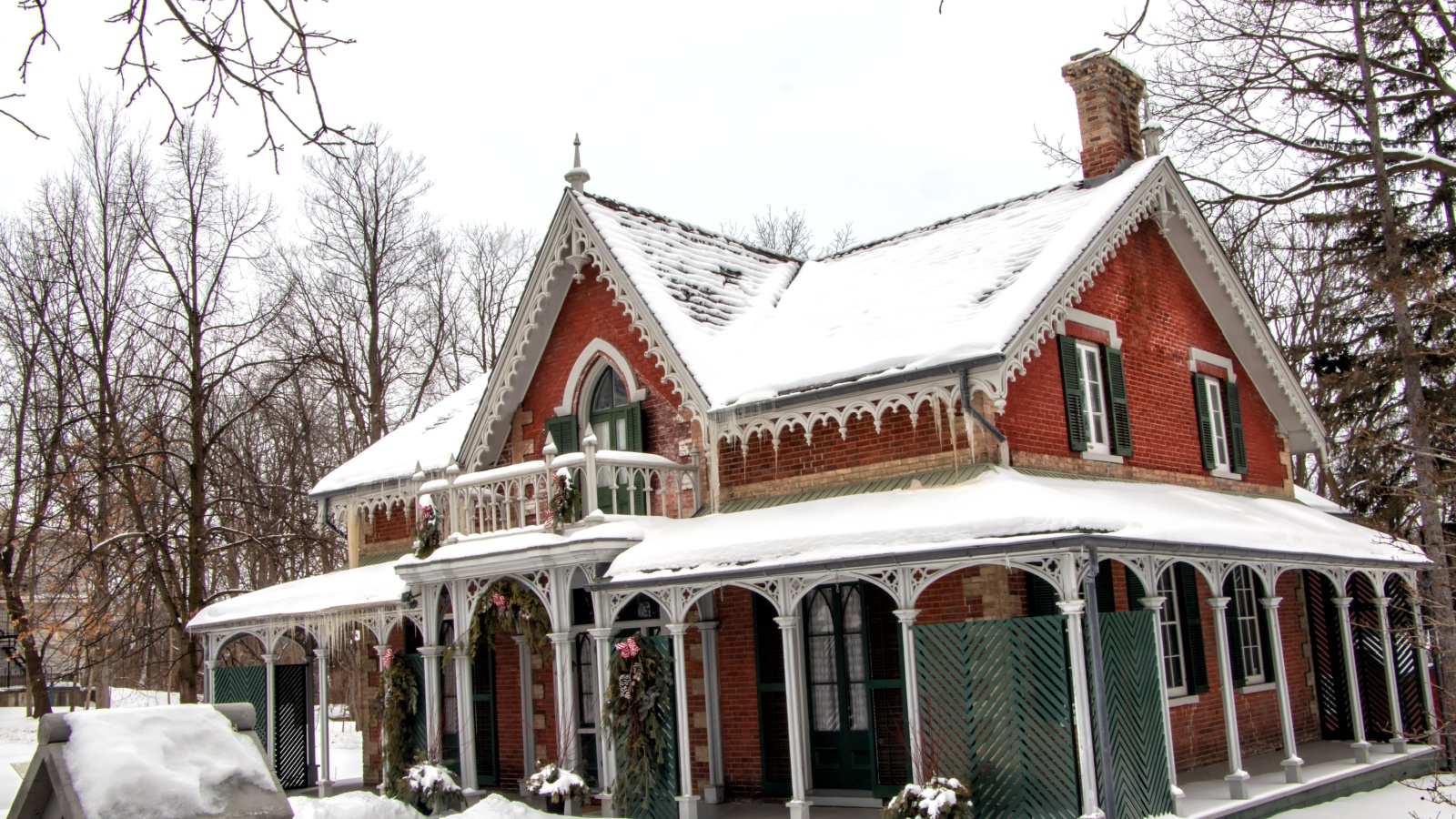
Pre-pandemic home insurance was rarely exciting, but it was often more forgettable. Homeowners renewed policies, adjusted coverage, and moved on. Climate risk was already present, yet it had not become as central to household budgeting in as many regions. Flooding, wildfires, hailstorms, and wind events now shape insurance conversations in a way many owners did not anticipate when they bought their homes years earlier.
Canada’s severe weather losses have climbed dramatically, with 2024 setting a record for insured damage. That pressure can filter into premiums, deductibles, exclusions, and underwriting scrutiny. A homeowner in Alberta may think about hail risk differently; a homeowner near a flood-prone river may worry about overland water coverage; a homeowner in British Columbia may watch wildfire seasons with financial as well as personal concern. The old insurance renewal, while never loved, felt far less like a climate-risk report.
Property Taxes That Felt Less Politicized

Property taxes were never painless, especially for owners in fast-growing cities. Still, many homeowners remember a time when annual increases felt easier to absorb or at least easier to explain. Municipal budgets have since come under heavier strain from infrastructure needs, transit costs, housing pressures, inflation, climate adaptation, and aging public assets. That has made property-tax debates more intense in many Canadian communities.
For homeowners, the frustration is practical. A household may have bought based on one monthly carrying cost, only to watch taxes rise alongside utilities, insurance, repairs, and mortgage payments. In the pre-pandemic market, property taxes were part of ownership, but they did not always feel like one more piece of a broader affordability squeeze. Today, even owners with no plans to move may feel exposed when municipal budgets change faster than incomes.
Easier Trade-Up Decisions

Moving from a starter home to a larger property once felt more achievable for many middle-income Canadian families. The first home built equity, wages rose gradually, and the next purchase could be planned around school districts, commute times, and family size. In expensive markets, this was never simple, but the gap between property types had not widened as dramatically in as many places.
The pandemic-era price surge changed that calculation. Some owners saw their homes appreciate, but the next home appreciated too, often by an even larger dollar amount. A townhouse owner in the GTA might have gained equity on paper while watching detached homes move further out of reach. What homeowners miss is the old ladder effect: the belief that buying small, paying down debt, and waiting a few years would naturally create a path to the next place.
Less Fear Around Timing the Market
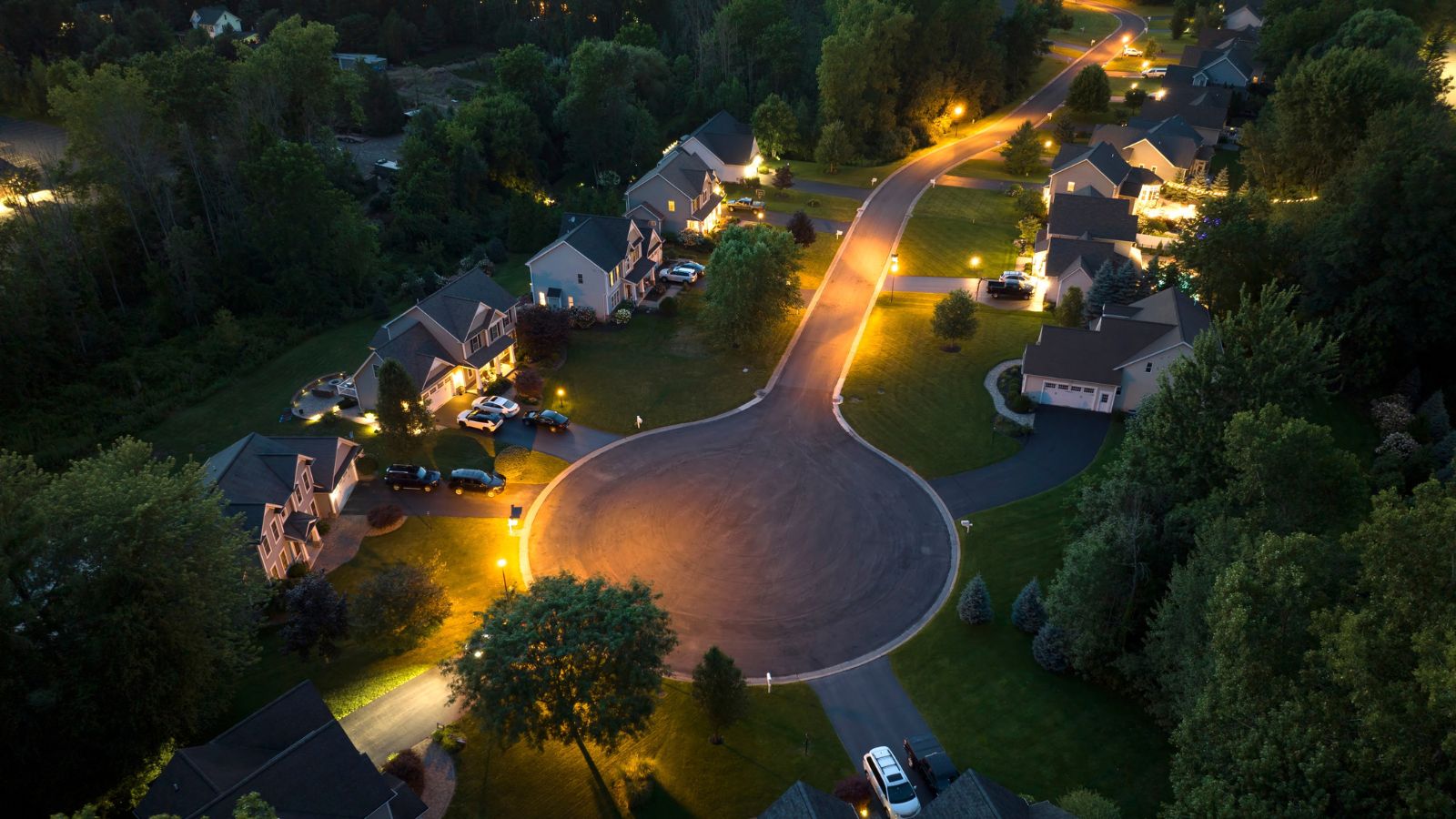
Before 2020, Canadian homeowners worried about timing, but the stakes often felt less extreme. Selling first or buying first was still a major decision, yet price swings and rate changes were usually not moving at the pace seen during the pandemic and post-pandemic periods. Homeowners could consult recent comparable sales and feel they were working with information that would remain useful for more than a few days.
The later market introduced a more uncomfortable kind of uncertainty. Prices surged, then corrected in some regions, while borrowing costs rose sharply and buyer demand shifted. Sellers who waited for peak prices sometimes missed them; buyers who paused for lower prices sometimes faced higher financing costs. Many homeowners miss a market where timing mattered, but did not feel like gambling against central-bank announcements, inventory shifts, and sudden changes in buyer psychology.
Simpler Affordability Conversations
Pre-pandemic affordability problems were already serious in Canada, particularly in Vancouver and Toronto. Still, the conversation often centred on home prices, down payments, and income. After 2020, affordability became a more complicated bundle: mortgage rates, stress tests, insurance, property taxes, construction costs, rent pressures, investor activity, population growth, and housing supply all entered the same kitchen-table discussion.
That complexity wears people down. A homeowner explaining the market to an adult child may no longer be able to say, “Save steadily and buy what you can afford,” without adding warnings about renewal shocks, condo fees, bidding conditions, and regional supply shortages. Many miss the earlier clarity, even if it was imperfect. The pre-pandemic market had barriers, but the rules of the game felt easier to describe.
More Confidence in Fixed Monthly Costs

One comfort of homeownership has long been the idea that the largest monthly cost can become more predictable than rent. Before the pandemic, many homeowners with fixed-rate mortgages felt that stability in a very real way. Their payment schedule allowed planning for childcare, retirement savings, car replacement, emergency funds, and vacations. Even when other expenses rose, the mortgage often anchored the household budget.
That sense of control weakened as renewals began arriving at much higher rates. Owners who once viewed a five-year fixed mortgage as a long stretch of certainty discovered that renewal risk had simply been waiting at the end of the term. Variable-rate borrowers faced even sharper changes. Many homeowners now miss the pre-pandemic assumption that a mortgage payment, once set, gave the household a dependable financial floor for several years.
Less Pressure From Investors and Speculation Talk

Investor activity was part of Canadian real estate before the pandemic, but it became a far more visible and emotional topic afterward. Rapid price growth, short-term rental debates, vacant-home measures, condo-investor stress, and policy responses made many ordinary homeowners feel that housing was being discussed more like a financial asset class than a place to live.
That shift changed neighbourhood conversations. A homeowner might wonder whether the house down the street was bought by a family, an investor, a flipper, or someone planning to rent it out. In some condo markets, investor-owned units became tied to concerns about supply, rental affordability, and resale risk. What homeowners miss is a quieter emotional climate, when local real estate still involved money and ambition, but did not always feel caught in a national argument about speculation.
Open Houses That Felt More Normal

The traditional open house was once a familiar weekend ritual. Sellers tidied counters, buyers wandered through rooms, agents collected names, and neighbours quietly satisfied their curiosity. Even in competitive markets, there was a social rhythm to it. People could assess light, noise, layout, street feel, and small defects in person before deciding whether to move forward.
Pandemic restrictions accelerated virtual tours, appointment-only showings, digital paperwork, and more controlled access. Many of those tools remain useful, but homeowners often miss the less clinical feel of the old process. A seller could sense buyer interest from foot traffic. A buyer could compare homes in a single afternoon without booking every visit like a medical appointment. The market now feels more efficient in some ways, but less human in others.
Fewer Conversations About Leaving the City
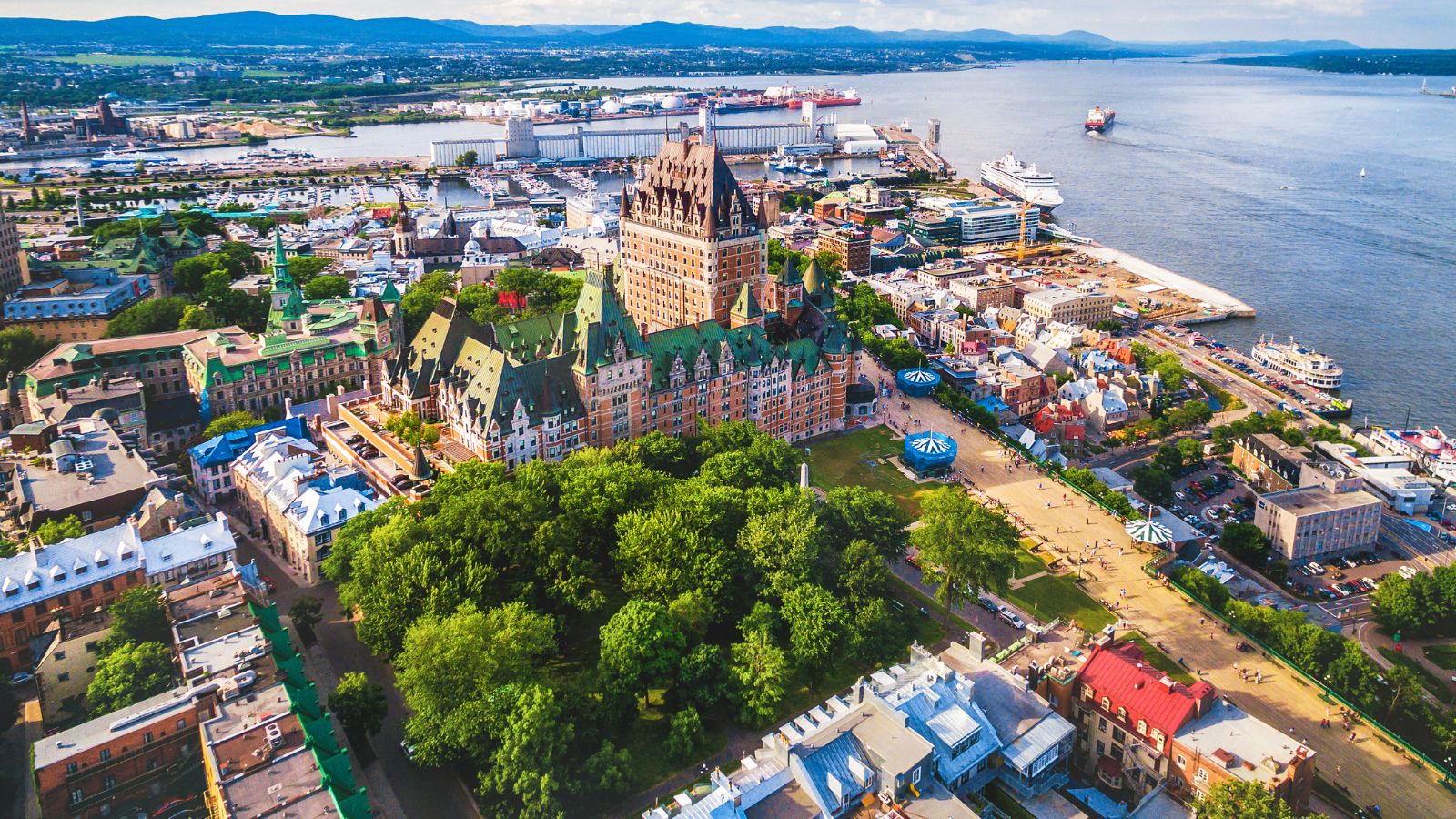
Before the pandemic, some Canadians moved for affordability, space, or lifestyle, but remote work dramatically widened the map for many households. Smaller cities, rural communities, and recreational regions saw new demand from buyers who could suddenly separate employment from location. That created opportunities for some sellers, but it also disrupted local markets and changed expectations about where families could realistically live.
Homeowners who stayed in major cities sometimes miss the old trade-offs. Living near work used to have a clearer value. Suburban or smaller-city moves came with commute consequences that limited demand. Once remote and hybrid work became normalized, buyers could bid up homes in communities that had previously been more insulated from big-city pressure. The result was a market where even “moving farther out” no longer guaranteed relief.
More Manageable Condo-Fee Expectations
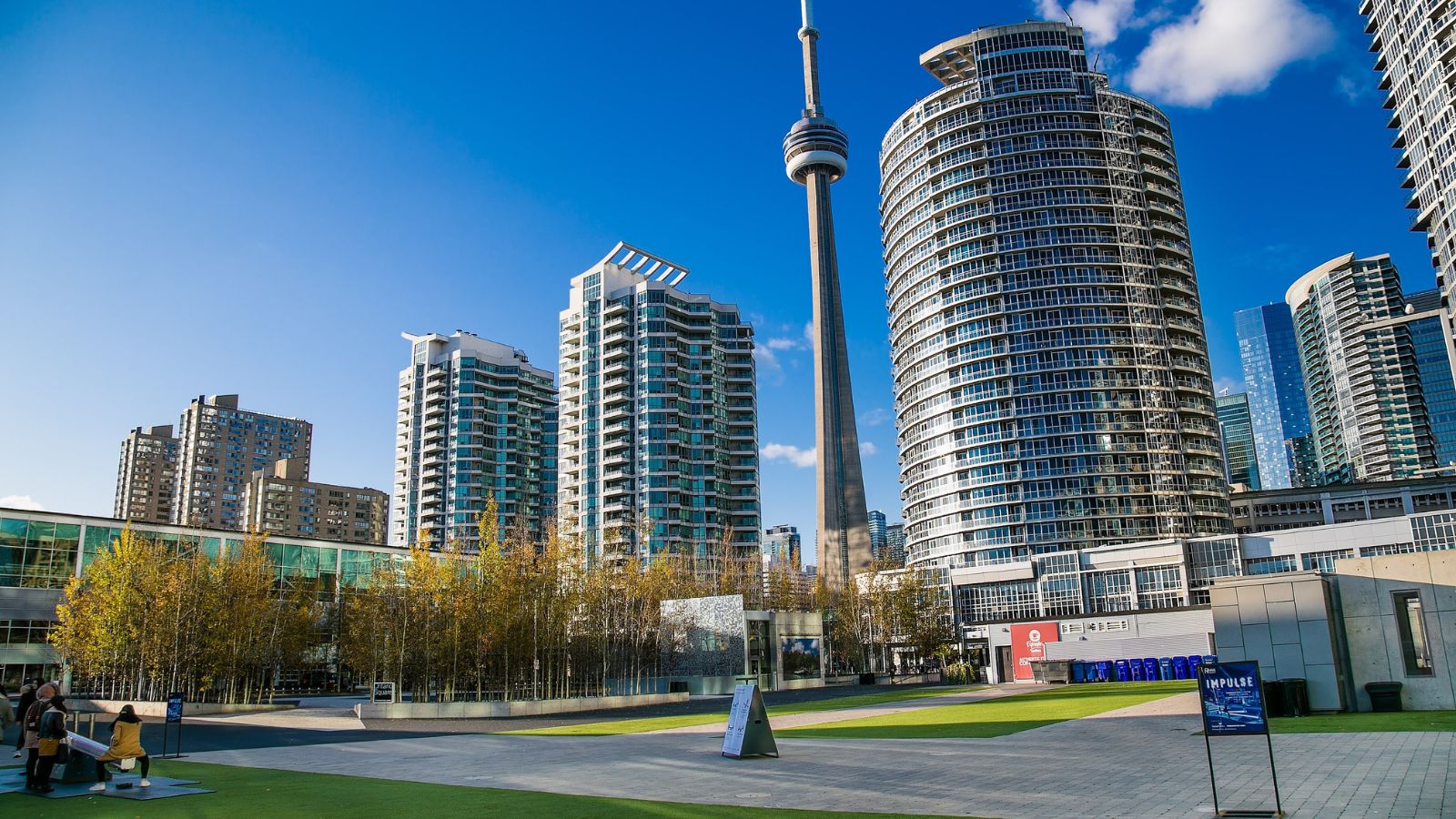
Condo fees existed long before the pandemic, and owners have always complained about them. But many condo owners now face a sharper awareness of reserve-fund pressure, insurance costs, labour expenses, aging-building repairs, and inflation in shared services. Elevators, roofs, windows, security, cleaning, utilities, and management contracts all cost more when the broader economy becomes more expensive.
In the pre-pandemic market, condo ownership was often marketed as a relatively predictable path into homeownership, especially for first-time buyers and downsizers. That message is harder to accept when monthly fees rise faster than expected or special assessments become a concern. A Toronto or Vancouver condo owner may still value location and convenience, but miss the time when fees felt like a manageable trade-off rather than a second affordability test.
Less Worry About Adult Children Being Priced Out
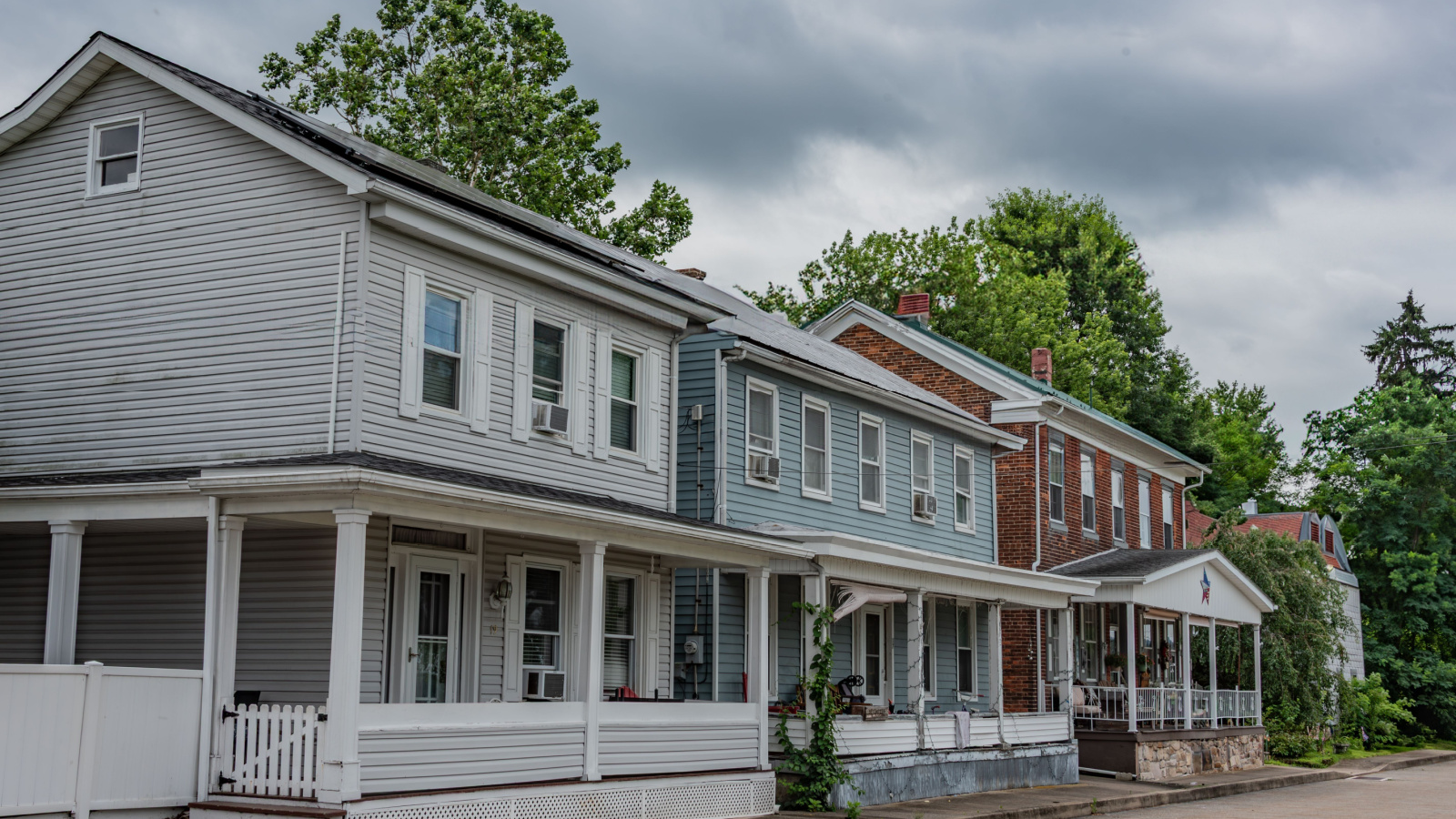
Many Canadian homeowners built their own financial security through homeownership, which makes the current affordability gap emotionally complicated. Before the pandemic, parents in expensive cities already worried about whether their children could buy. After the price surge and rate shock, that worry became more urgent and widespread, reaching families outside the biggest markets as well.
Some parents now face requests for help with down payments, co-signing, shared ownership, or basement-suite arrangements. Research has shown that parental support can affect access to homeownership when affordability constraints are tight. That changes family dynamics. A homeowner who bought a modest place in the 1990s or early 2000s may feel grateful and uneasy at the same time. Many miss a period when the next generation’s path looked difficult, but not quite so mathematically distant.
Easier Downsizing Plans

Downsizing once sounded straightforward: sell the larger family home, buy a smaller place, reduce maintenance, and free up retirement cash. In practice, it was always more emotional and costly than advertised, but many older homeowners still saw it as a reasonable long-term option. The post-pandemic market has made the calculation more complicated.
Smaller homes, bungalows, townhouses, and condos have not always been cheap alternatives, especially in communities where many aging owners want the same thing. Condo fees, land-transfer taxes, moving costs, renovation needs, and higher borrowing costs can reduce the appeal. A retiree in Ottawa or Victoria may discover that selling a detached home does not create as much financial freedom as expected. What many miss is the old assumption that downsizing automatically meant simplifying.
More Trust in Comparable Sales
Comparable sales once gave homeowners a fairly grounded sense of value. An owner could look at similar houses sold nearby over the past few months and feel reasonably confident about pricing. Local differences still mattered, but the market did not always move so quickly that last month’s sale felt outdated. Agents, appraisers, and owners were often working from a steadier baseline.
The pandemic and post-pandemic periods made valuation feel less settled. Some homes sold far above expectations during frenzied conditions; later, some listings sat longer or required price reductions as rates rose. In certain regions, condo and detached markets moved differently. Homeowners miss the confidence that came from reliable comparables. Pricing a home now can feel less like reading the market and more like interpreting a weather system.
Fewer Surprise Carrying Costs
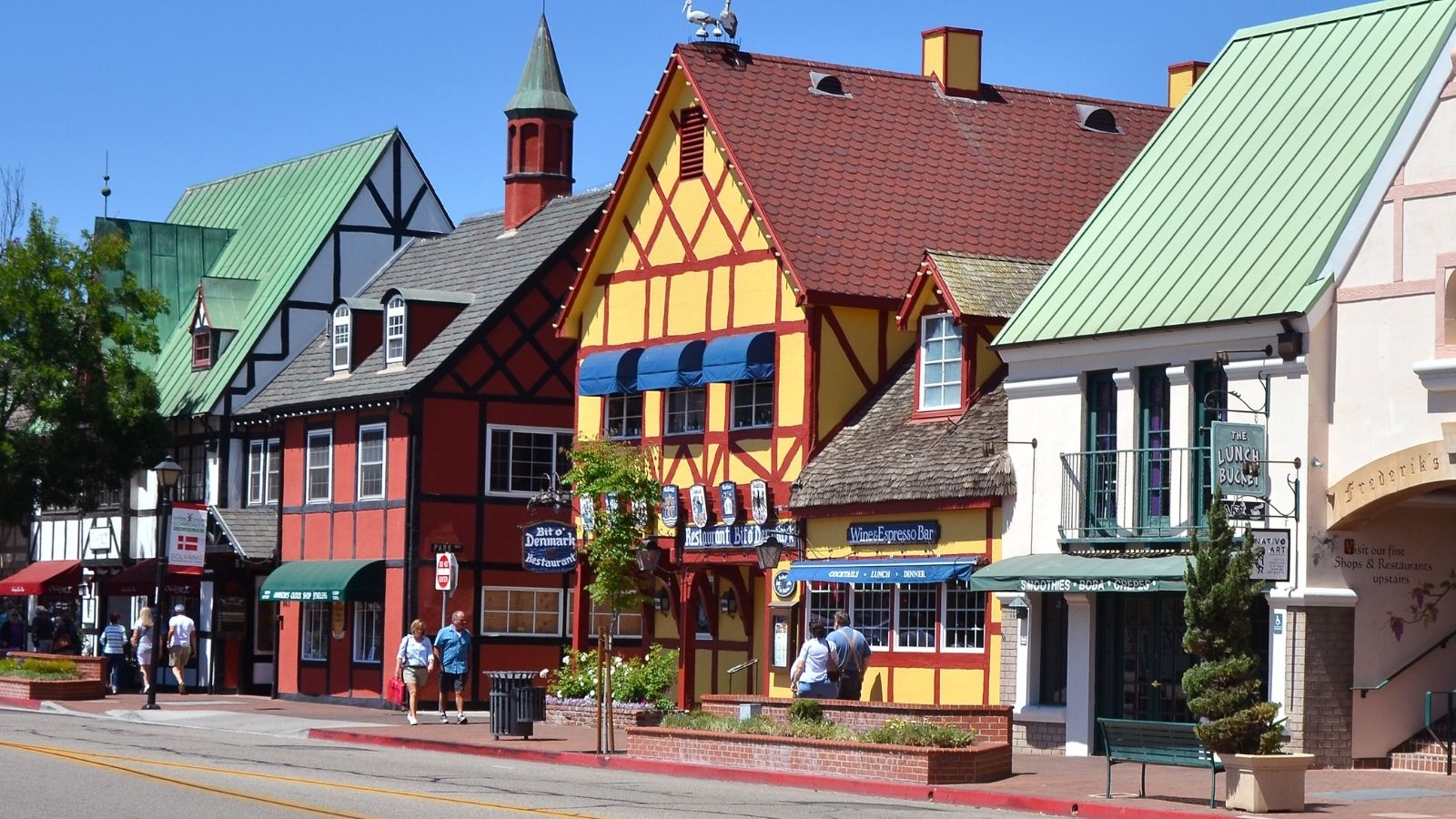
A home has always come with unglamorous expenses: furnace servicing, roof repairs, snow removal, utilities, appliances, pest control, and landscaping. Before the pandemic, those costs were still real, but many homeowners found them easier to budget around. Inflation, labour shortages, higher material costs, and energy-price volatility have made routine ownership feel more expensive.
The surprise is often cumulative rather than dramatic. A water heater rental rises, a plumber charges more, property insurance renews higher, a fence quote doubles expectations, and the municipal tax bill arrives. None of these alone may break a budget, but together they change how ownership feels. Many homeowners miss the time when the mortgage was the main number to watch, and the rest of the house did not seem to demand a constant contingency fund.
Less Stress Around Selling a Condo
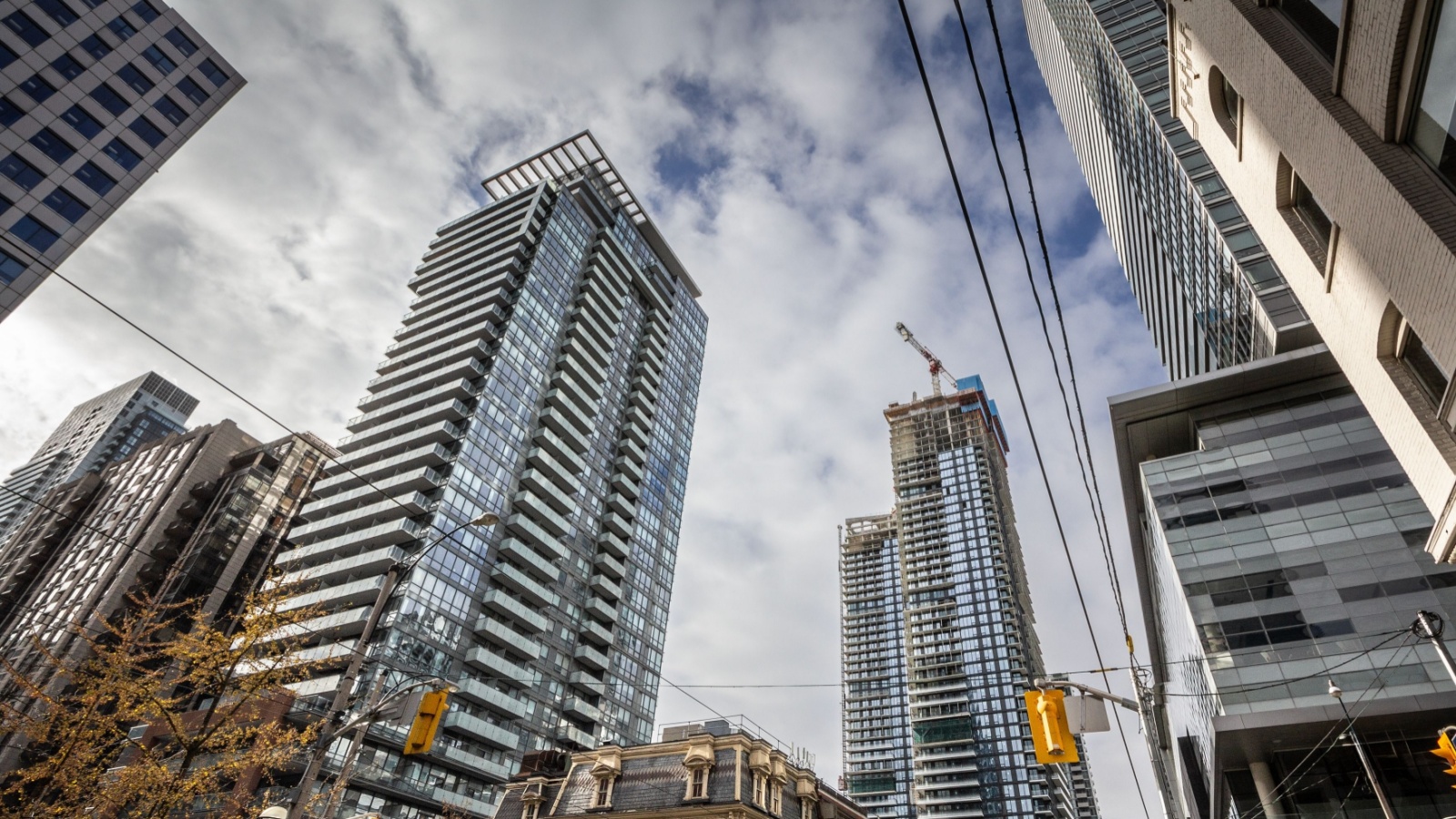
Condo markets have become more uneven since the pandemic, especially in investor-heavy urban centres. In some periods, listings rose while buyers became more cautious, partly because high rates made monthly payments and carrying costs harder to justify. Sellers who expected the fast-moving condo conditions of earlier years sometimes found themselves adjusting prices, waiting longer, or competing with similar units in the same building.
Before the pandemic, condos were often seen as highly liquid in major Canadian cities: an entry point for first-time buyers, a rental asset for investors, or a downsizing option for older owners. That confidence has not disappeared everywhere, but it is less automatic. Owners miss the period when a well-located condo felt easier to sell without explaining maintenance fees, investor exposure, short-term rental rules, or nervous buyer sentiment.
A Housing Market That Felt Less Politically Exhausting

Housing has always been political, but the post-pandemic affordability crisis pushed it into nearly every level of public debate. Federal housing plans, municipal zoning reform, foreign-buyer rules, short-term rental restrictions, density targets, development charges, rent pressures, and supply forecasts now appear regularly in public discussion. For homeowners, that can feel both important and exhausting.
Many miss the pre-pandemic period when owning a home did not automatically place a person inside so many heated policy arguments. A homeowner could support more housing, worry about neighbourhood change, care about affordability, and still feel conflicted about rapid redevelopment nearby. Today, the market is tied to generational fairness, immigration capacity, climate adaptation, municipal finance, and economic productivity. The house is still a home, but the conversation around it has grown much heavier.
22 Things Canadians Do to Their Cars in Spring That Mechanics Hate

Spring brings relief to many Canadian drivers after months of snow, freezing temperatures, and icy roads that put serious strain on vehicles. As temperatures rise across the country, drivers begin washing cars, switching tires, and preparing vehicles for warmer weather and upcoming road trips. However, mechanics across Canada notice the same mistakes every spring when drivers attempt to recover from winter damage. Road salt, potholes, and harsh winter driving conditions often leave vehicles with hidden problems that drivers ignore. Some spring habits even create new mechanical issues that could have been avoided with proper maintenance. Here are 22 things Canadians do to their cars in spring that mechanics hate.
