
Canada’s public health system can make a hospital stay or physician visit feel financially predictable, but the edges of the system are much less uniform. Provincial and territorial plans concentrate on medically necessary hospital and physician services, while many other health needs depend on age, income, location, diagnosis, workplace benefits or separate public programs. That distinction often becomes obvious only after an illness, injury or major life change creates an immediate need.
These 20 health expenses Canadians do not always expect range from prescriptions and rehabilitation to transportation, home modifications and paperwork. None affects every household in the same way, but together they show why having a provincial health card does not necessarily mean every cost connected with getting better will be covered.
Prescription Drugs Taken Outside the Hospital

A prescription can be medically necessary without automatically being free at the pharmacy counter. Public health insurance in Canada generally provides strong coverage for insured hospital and physician services, but outpatient prescription drugs have historically operated through a mixture of provincial programs, federal programs, workplace benefits and private insurance. Eligibility can depend on age, income, medical condition or the particular medication being prescribed. Federal pharmacare initiatives have expanded coverage for specified contraception and diabetes medications, but that does not make every prescription universally free across every drug category.
The surprise often comes after discharge. Medication administered during an insured hospital stay may be covered as part of hospital care, while prescriptions handed to the patient for use at home can move into a different funding system. Someone recovering from surgery, managing a newly diagnosed chronic condition or suddenly needing several medications may therefore encounter deductibles, co-payments or uncovered products. Even comparatively modest pharmacy costs can become significant when treatment continues month after month.
Ambulance Bills

An emergency ambulance can feel like an inseparable part of the public health system, yet ambulance financing is not identical to physician and hospital coverage. Provinces and territories establish their own rules, and patients may face fees depending on where they live, their eligibility for supplementary programs and the circumstances surrounding the trip. British Columbia, for example, has regulations specifically establishing ambulance-service fees rather than treating every ambulance trip as automatically free to the patient.
The risk becomes even more noticeable when someone needs an ambulance outside their home province. B.C. advises residents that ambulance services received elsewhere can leave them responsible for the full cost, with charges potentially reaching hundreds or thousands of dollars depending on the service involved. For a family dealing with an accident, stroke symptoms or another urgent event, billing rules are understandably not the first consideration. The invoice arriving later can therefore become one of the most unexpected costs associated with an otherwise publicly insured emergency.
Dental Treatment

Routine dental care sits outside the traditional core of provincial medicare for many Canadians. That can make a cracked tooth, severe infection or suddenly necessary crown financially different from visiting an emergency department. The federal Canadian Dental Care Plan has substantially broadened support for eligible people without access to private dental insurance, including Canadians across all age groups who meet the program’s income and other eligibility requirements. Even under the program, however, reimbursement rules, established fee schedules and possible co-payments can affect what a patient ultimately owes.
Cost has historically had a measurable effect on whether Canadians seek oral health services at all. Statistics Canada reported that uninsured adults were considerably more likely to avoid dental care because of cost than adults with private coverage. The expense is especially easy to underestimate when several procedures are connected: an examination may lead to imaging, restorative treatment and follow-up work. What begins as tooth pain can consequently turn into a household expense extending over several appointments rather than one simple bill.
Eye Exams, Glasses and Contact Lenses

Vision care illustrates how Canadian coverage can depend heavily on age, medical circumstances and province. Health Canada’s 2026 National Strategy for Eye Care notes that routine examinations, prescription lenses and glasses are not consistently covered across the country. Provinces may insure examinations for certain populations or medically necessary circumstances while leaving routine services or corrective eyewear partly or entirely to patients, employers or private insurers.
That creates a cost that may not feel medical until vision suddenly changes. A new prescription can require an examination, frames and lenses at the same time, while stronger prescriptions, specialized coatings or other options can increase the amount charged. Families can also face repeated costs as children grow or prescriptions change. Programs exist for some eligible groups, including federal vision benefits for eligible First Nations and Inuit clients and various provincial supports, but they do not create a single nationwide entitlement. Checking both examination and eyewear coverage matters because having one covered does not necessarily mean the other is.
Physiotherapy and Rehabilitation

Leaving the hospital is often only the beginning of recovery. A knee operation, fracture, stroke or serious back injury can lead to weeks or months of physiotherapy, and community-based rehabilitation is not financed uniformly across Canada. Some patients qualify for publicly funded services through hospitals, provincial programs or specific eligibility categories. Others rely on workplace insurance or pay private clinic fees once their available benefits have been exhausted.
British Columbia provides a useful example of how partial support can work. Eligible residents receiving MSP supplementary benefits can receive a provincial contribution of $23 per visit, with physiotherapy sharing a combined annual limit of 10 visits with several other supplementary therapies. Providers may charge more than the insured amount, leaving the patient responsible for the difference. The lesson is broader than one province: “covered” rehabilitation can still involve eligibility rules, visit limits and reimbursement ceilings. For someone needing frequent therapy to return to work or regain mobility, those gaps can accumulate surprisingly quickly.
Private Mental Health Therapy

Mental health care can expose one of the sharpest boundaries in Canadian medicare. Psychiatric services delivered by physicians and medically necessary hospital care can fall within the public system, but community psychologists, psychotherapists and counsellors are not universally insured. The Canadian Mental Health Association notes that people commonly rely on workplace benefits, private insurance, community programs or personal funds when seeking therapy outside publicly funded services.
The access consequences are substantial. CIHI reported that in 2024, 41% of Canadian adults with a diagnosed mental health disorder said their mental health needs had been only partially met or completely unmet. CIHI also cited cost as an important barrier, noting that about one-third of Canadians with a diagnosed mental health condition reported in 2023 that they had not received mental health care because of cost. Even a workplace plan may have an annual reimbursement ceiling. A person attending regular sessions can therefore reach that maximum while treatment is still clinically useful, leaving the remaining appointments as an out-of-pocket expense.
Medical Equipment and Everyday Supplies

Some health conditions bring costs that arrive in boxes rather than medical bills. Respiratory equipment, diabetic supplies, monitors, suction devices and other medical products may be essential to living safely at home, but public coverage differs by device, province and eligibility category. Ontario’s Assistive Devices Program, for example, commonly funds 75% of an approved price for eligible equipment, meaning the remaining share can still be the patient’s responsibility.
Diabetes demonstrates how complicated the landscape can become. The federal government has noted that every province and territory offers some form of financial assistance for diabetes-related devices and supplies, but eligibility and the amount of support differ. Private benefit plans can introduce another set of maximums, exclusions and replacement schedules. Families may also encounter expenses that are less obvious at the time equipment is obtained, such as replacement components, consumable supplies, servicing or repairs. A device that makes home care possible can therefore reduce medical risk while simultaneously creating a new recurring household budget category.
Hearing Aids and Related Costs

Hearing loss can develop gradually, which makes the eventual price of treatment especially easy to overlook. Hearing aids are not simply another insured physician service. Assistance depends on provincial programs, age or disability programs, federal eligibility and private insurance. Ontario’s Assistive Devices Program, for instance, contributes toward eligible hearing devices under its funding rules rather than guaranteeing that the entire retail cost of every device will be paid.
There can also be expenses after the initial fitting. Replacement batteries, repairs, accessories and eventually replacement devices may all matter over the life of the equipment. Even generous workplace benefits can contain multi-year maximums: the federal Public Service Health Care Plan, for example, specifies reimbursement limits for hearing aids and separate limits for replacement batteries. That plan does not represent every Canadian worker, but it illustrates why patients should look beyond the question of whether hearing aids are “covered.” The more useful question is how much is reimbursed, how frequently replacement is allowed and which continuing expenses remain outside the plan.
Private or Semi-Private Hospital Rooms

Being admitted to a hospital does not necessarily mean every accommodation choice is included. Public plans insure medically necessary hospital care, but Health Canada identifies preferred hospital accommodation as an uninsured service unless a more private room is medically required. In Ontario, standard ward-level accommodation is part of insured hospital care, while patients choosing private or semi-private accommodation may have to pay the additional charge themselves or rely on private insurance.
That distinction can emerge at an emotionally intense moment. A new parent may prefer additional privacy after delivery, or a family may want a quieter room for someone facing a lengthy admission. The clinical treatment may remain fully insured while the room upgrade generates a separate daily charge. Some workplace plans reimburse a specified amount per day rather than whatever a hospital charges, so even insured patients can face a balance. Hospital accommodation is therefore a useful reminder that receiving care in a publicly funded institution does not automatically make every optional service inside that institution publicly funded.
Extra Home-Care Help After Discharge
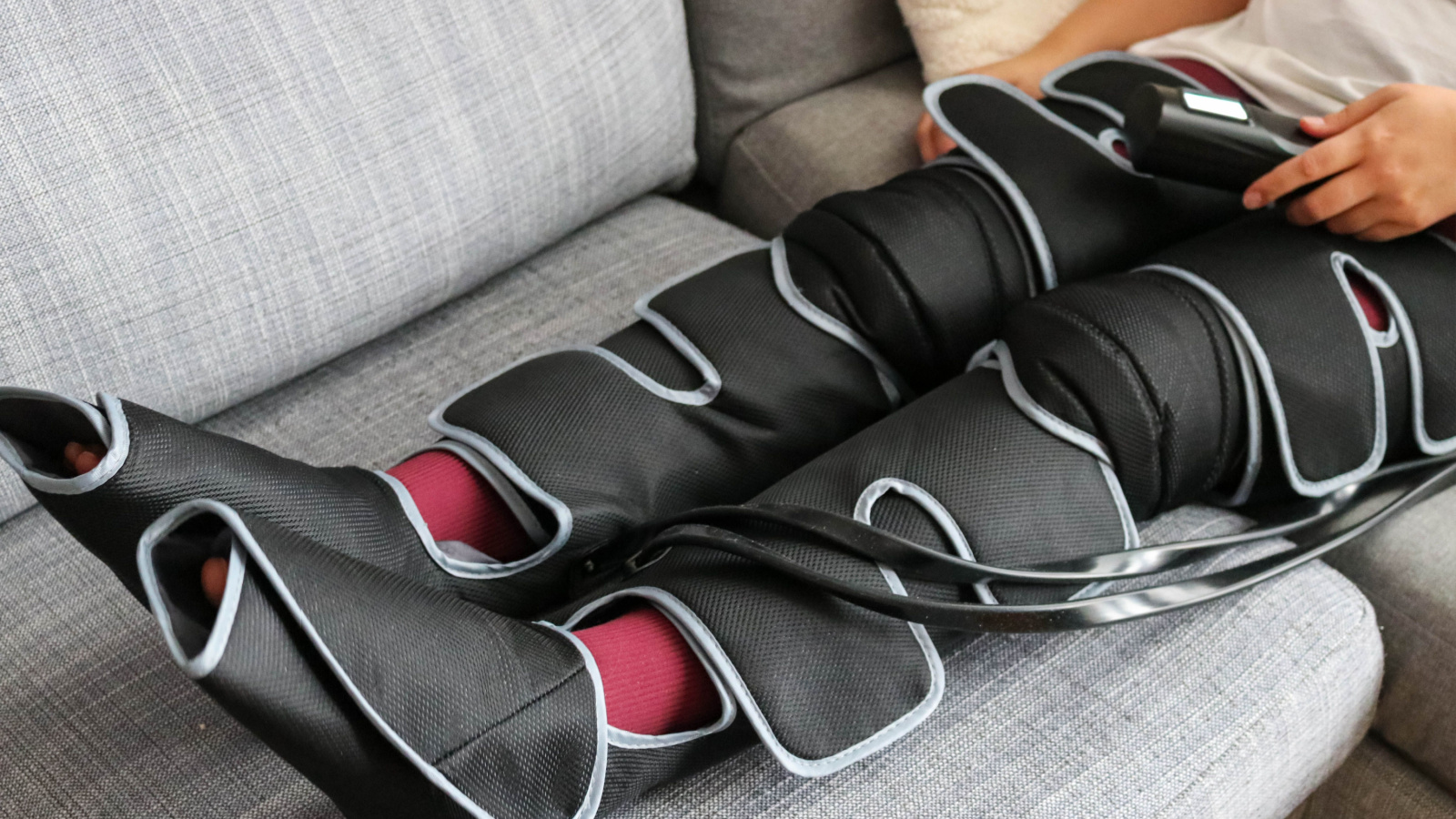
Recovery at home can require more assistance than families expect. Publicly funded home-care programs may provide nursing, personal support or other services based on clinical assessments and provincial rules, but home care is among the supplementary services that are not uniformly covered across Canada. When the publicly funded number of visits or hours does not match what a household believes is necessary, families may hire additional help privately.
National research has documented this public-private mix for years. A Statistics Canada analysis of formal home-care use found that just over half of households receiving formal home care in its study had costs covered solely by government sources, while 27% paid solely out of pocket. Coverage and service delivery have continued evolving since those data were collected, but the underlying issue remains relevant: eligibility for some public home care does not guarantee unlimited assistance. Someone needing help bathing, dressing, preparing meals or being safely supervised for long periods can create a substantial care requirement that extends far beyond the hospital discharge date.
Long-Term Care Accommodation
Long-term care is another area where “publicly funded” does not necessarily mean “no monthly bill.” Provinces subsidize nursing and personal care in different ways, while residents can still be charged accommodation co-payments. In Ontario, for example, the maximum co-payment for long-stay basic accommodation increased to $70 a day, or $2,129.17 a month, effective July 1, 2026. Private accommodation can cost more.
For families accustomed to doctor and hospital services being accessed with a health card, the distinction can be jarring. The care component and the room-and-board component are treated differently. A senior may therefore qualify medically for long-term care while still needing enough income or financial assistance to manage the accommodation charge. Provincial rules can include programs for people who cannot afford the standard amount, so the maximum rate should not be assumed to apply identically to every resident. Even so, long-term care planning often requires a household to think simultaneously about health needs, housing costs, pensions and savings.
Fertility Drugs and Unfunded IVF Expenses

Public fertility programs can cover major pieces of treatment while leaving related expenses behind. Ontario’s fertility program offers a particularly clear example. Eligible patients can receive publicly funded IVF services through participating clinics, but the program explicitly excludes associated fertility drugs and several ancillary services. Genetic testing, purchasing genetic material and storing or transferring genetic material can also fall outside the funded basket.
Those distinctions matter because IVF is not one single procedure performed on one day. Treatment can involve medication, monitoring, retrieval, laboratory work, embryo transfer and possible storage. Ontario’s program limits patients to one funded IVF cycle per lifetime, subject to program rules and exceptions, and funded patients generally must be under 43. Someone hearing that IVF is “funded” may therefore reasonably assume the financial exposure is smaller than it actually is. The clinic procedure and laboratory services may qualify while medications or optional services remain payable separately, creating a significant difference between the headline availability of public funding and the complete household cost of pursuing treatment.
Travelling to Another City for Treatment

For Canadians outside major urban centres, accessing insured treatment may require an uninsured journey. Specialist appointments, cancer care, surgery and diagnostic services can involve driving hundreds of kilometres, taking a ferry or flying to another community. Some provincial programs reduce these burdens, but they do not necessarily pay every associated expense. B.C.’s Travel Assistance Program, for example, can provide transportation discounts for eligible medical travel while leaving meals, accommodation, mileage, fuel and local transportation to the patient.
The federal tax system recognizes that medical travel itself can become costly. Under CRA rules, eligible patients travelling at least 40 kilometres one way may be able to claim qualifying transportation expenses, while travel of at least 80 kilometres can potentially bring meals, accommodation and parking into the medical-expense calculation when the requirements are satisfied. A tax claim, however, occurs after money has already been spent. Families still need the cash for gas, hotel rooms and food when treatment is actually happening.
Hospital Parking
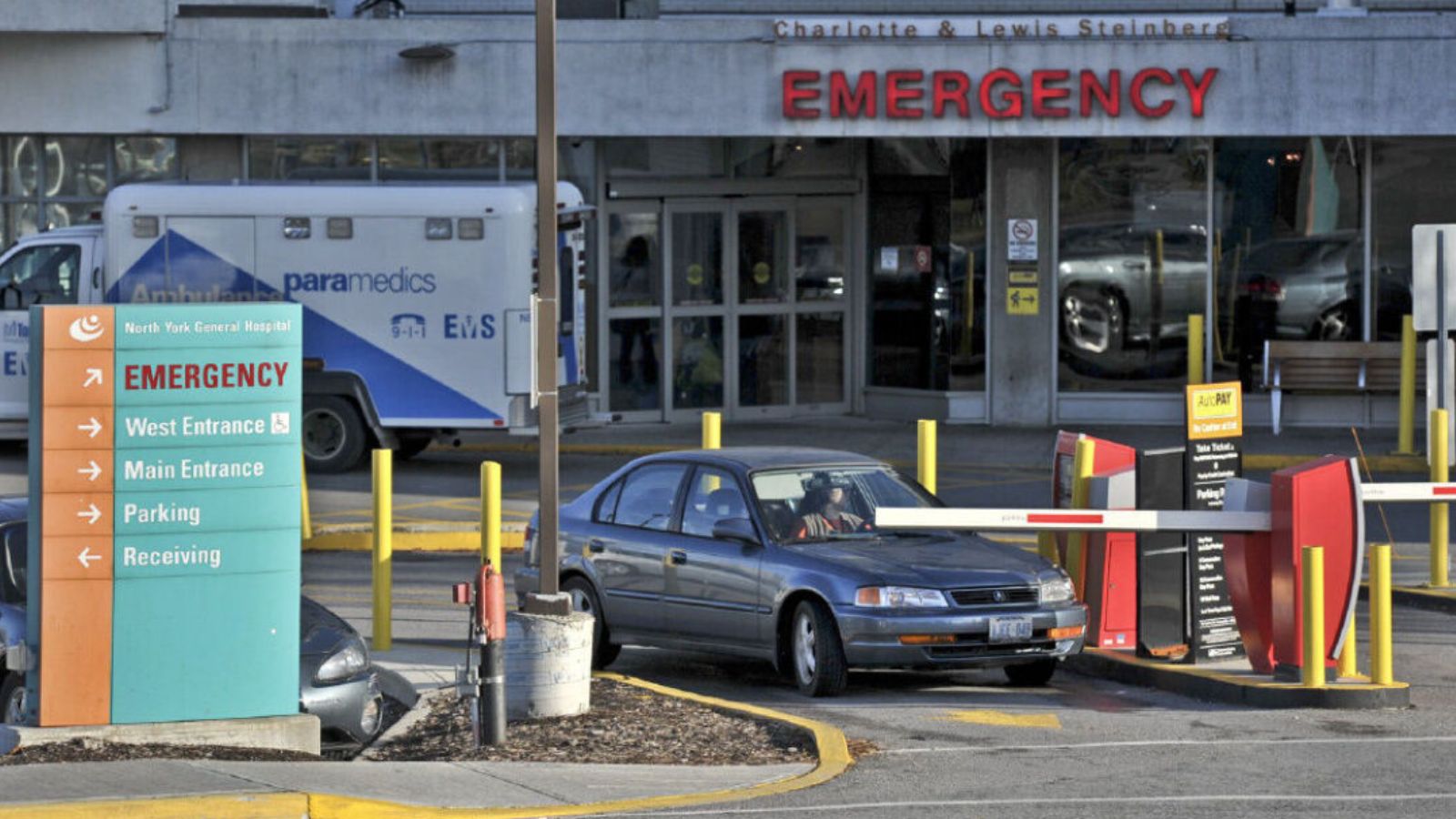
A $10 or $15 parking charge seems minor beside the cost of major medical treatment, but repeated visits change the arithmetic. Radiation therapy, dialysis, rehabilitation, neonatal care or a long hospitalization can turn parking into an expense paid day after day or week after week. Hospitals and provincial policies differ, and some facilities offer discounted passes or lower-cost arrangements for frequent visitors, but parking is separate from the insured medical service taking place inside the building.
The tax treatment also shows why parking should not automatically be treated as an insured medical expense. CRA guidance says parking can potentially be included with eligible medical travel expenses when a patient must travel at least 80 kilometres one way for qualifying medical services and meets the other requirements. Ordinary local hospital parking does not simply become reimbursable because the appointment itself was medically necessary. For families supporting someone through a long course of treatment, the practical lesson is to ask early about weekly or monthly passes rather than repeatedly paying the maximum daily rate.
The Family Caregiver’s Own Expenses

A serious illness rarely affects only the person whose name appears on the chart. Family caregivers may start paying for fuel, meals, transportation, household supplies or other costs while helping someone attend appointments and remain at home. The amounts can arrive gradually, which makes them easy to miss in household planning. An adult child might begin with one weekly drive to a parent’s appointment and eventually find that caregiving has become a substantial recurring responsibility.
Statistics Canada has repeatedly documented the financial consequences of unpaid care. Its 2024 research on “sandwich caregivers” — people caring for children and care-dependent adults at the same time — found that more than one-third experienced financial hardship connected with their caregiving responsibilities. Earlier national research likewise found that greater caregiving intensity and longer travel distances were associated with additional expenses. Tax credits and targeted programs may provide some relief in qualifying situations, but they do not necessarily reimburse each receipt. Caregiving can therefore create a second layer of health-related costs outside the patient’s formal medical bills.
Income Lost While Someone Cannot Work

The biggest financial consequence of getting sick may not be a medical invoice at all. It can be the paycheque that stops arriving. Paid sick leave, short-term disability plans and workplace benefits differ enormously, and self-employed people face another set of circumstances. Someone recovering from surgery or undergoing prolonged treatment can therefore discover that insured medical care does not protect the household from a sudden reduction in employment income.
Employment Insurance sickness benefits provide an important federal safety net for eligible workers, but they replace only part of previous earnings. In 2026, EI sickness benefits can provide up to 26 weeks of assistance at 55% of average insurable weekly earnings, up to a maximum of $729 per week. That can leave a considerable gap for someone accustomed to a higher income, especially while transportation, prescriptions or other health-related expenses are simultaneously rising. Service Canada also notes that a medical practitioner may charge for the certificate needed to support an EI sickness claim, creating a small but telling example of how income protection can itself involve an uninsured expense.
Wheelchairs, Ramps and Changes at Home

A medical event can change the home almost overnight. Stairs that were once unremarkable may become barriers after a stroke, amputation or serious mobility loss. Wheelchairs, scooters, bathroom modifications, ramps, widened doors and other accessibility improvements can therefore become part of health recovery even though they are not ordinary hospital services. Provincial equipment programs may pay part of eligible device costs, but families can still face their share plus optional features or renovations.
The tax system provides some recognition of these expenses. The federal Home Accessibility Tax Credit is designed to help eligible seniors and people with disabilities with qualifying renovations that improve access or reduce injury risk. Some accessibility renovations can also qualify as medical expenses when specific CRA conditions are met. Those mechanisms can reduce the eventual financial burden, but a tax credit is different from having the work performed for free. Contractors and equipment suppliers usually need payment when the modification is completed, meaning households may still need substantial cash or financing before tax relief becomes useful.
Prosthetics and Orthotics
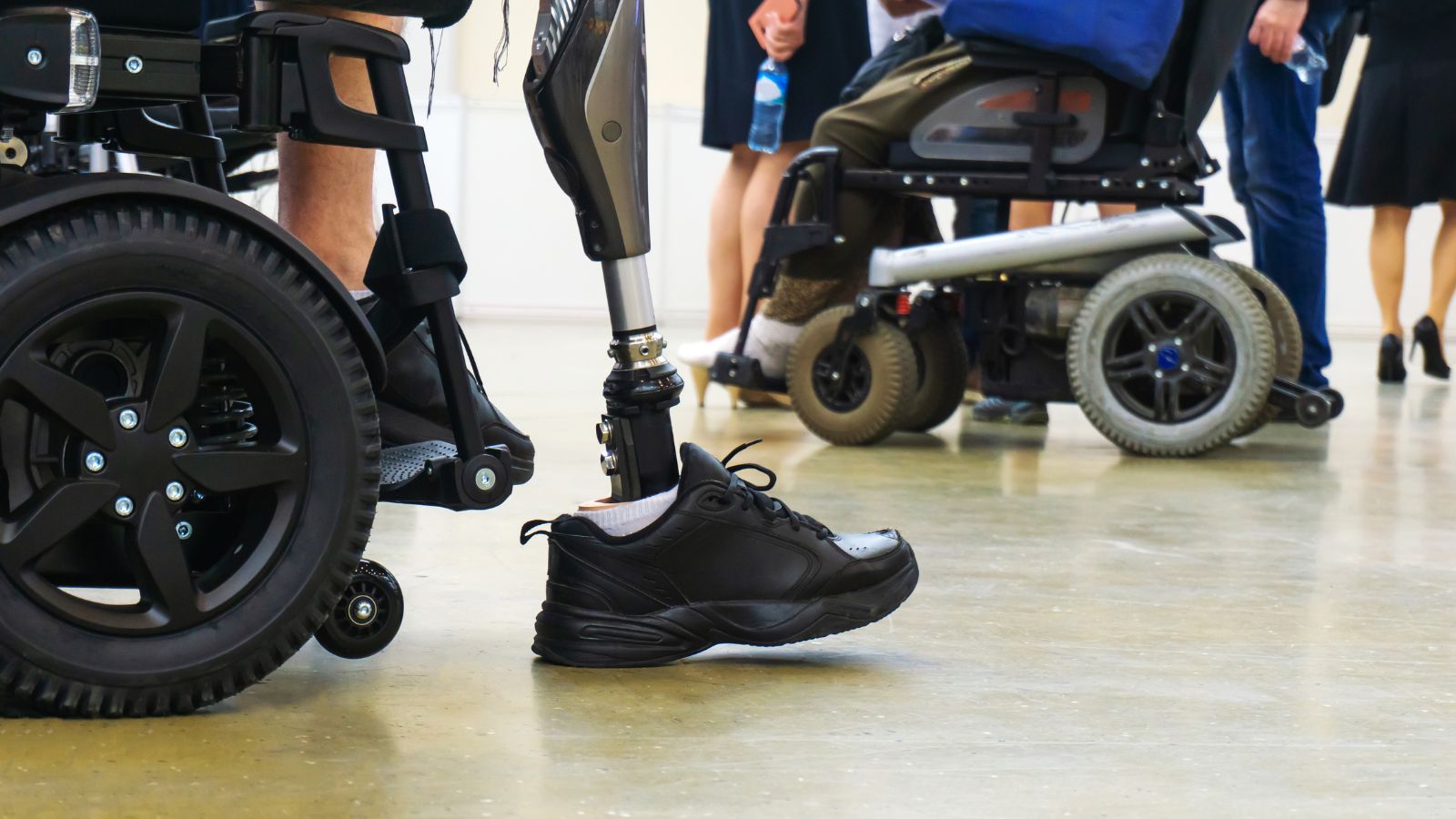
A prosthetic limb or custom orthotic can be central to mobility and independence, but coverage is commonly structured around approved amounts rather than an unlimited promise to pay whatever a device costs. Ontario’s Assistive Devices Program provides an example: for many eligible devices, including limb prostheses and orthotic devices, the program contributes up to 75% of the approved price. The patient can remain responsible for the balance and for options that fall outside the funded amount.
That difference becomes important because medical equipment can be highly individualized. A person may need adjustments, replacement components or a new device as physical needs change. Custom footwear, braces and other orthotic products can also have prescription requirements that affect program eligibility or tax treatment. Separate federal programs provide eligible First Nations and Inuit clients with coverage for specified prosthetic and orthotic equipment under the Non-Insured Health Benefits program. Taken together, these programs show why patients should ask about approved models, replacement intervals and maximum reimbursement before assuming that a medically recommended device will have no personal cost.
Emergency Medical Care While Travelling Abroad

A provincial health card can create a false sense that Canadian coverage follows a traveller everywhere. The federal government warns otherwise. Provincial or territorial health plans may pay nothing or only a small portion of medical costs incurred outside Canada, and foreign hospitals can require payment immediately. Ottawa also makes clear that the federal government does not pay a traveller’s medical bills.
That makes travel medical insurance a health expense many Canadians do not appreciate until an emergency actually occurs. Hospital treatment, surgery or medical evacuation in another country can cost far more than the premiums travellers hoped to avoid. Coverage also needs to be examined rather than merely purchased: pre-existing-condition clauses, trip duration, age restrictions and exclusions can affect whether a claim succeeds. Planned treatment abroad brings an additional complication, since government guidance warns that provincial plans may not cover complications and ordinary travel insurance commonly excludes medical procedures intentionally obtained overseas. The relatively small cost of appropriate insurance can therefore protect against a potentially enormous uninsured liability.
Doctor’s Notes, Certificates and Medical Forms

Not every interaction with a physician is an insured medical service. Health Canada specifically identifies medical certificates required for work, school, insurance purposes and fitness clubs as examples of services that public plans may not insure. That means someone can see the same doctor who normally bills the provincial plan and still receive an invoice when asking for paperwork that serves an administrative rather than insured clinical purpose.
These charges can appear during exactly the period when finances are already under pressure. A person who cannot work may need documentation for an employer, disability insurer or government benefit application. Service Canada explicitly advises EI sickness applicants that the treating medical practitioner may charge for the required medical certificate and that Service Canada does not reimburse that fee. Fees and billing practices vary, and provincial medical regulators establish rules around uninsured services. The broader lesson is simple: a signature, form or detailed report can involve professional time without qualifying as an insured physician service, making paperwork another small health expense that often appears only once someone becomes ill.
16 Costco Canada Habits That Could Be Costing Shoppers More Than They Save

The Executive Membership can feel like an obvious upgrade because the 2% annual reward sounds straightforward. For households that spend heavily at Costco Canada, the extra fee may be easy to justify. But the habit becomes costly when shoppers upgrade first and calculate later. A Gold Star Membership costs less, while Executive costs more and only pays off if eligible annual spending is high enough to offset the difference.
16 Costco Canada Habits That Could Be Costing Shoppers More Than They Save
