
Big sale events can make a full-price purchase feel almost irresponsible. Red banners, countdown clocks, bonus points, doorcrashers, and “today only” language all work together to create urgency, even when the savings are less dramatic than they appear. In Canada, where Black Friday, Boxing Day, back-to-school events, warehouse clearances, and loyalty-member promos now compete for attention year-round, the smartest purchase is often the one that survives a closer look.
These 21 retail tricks are worth watching because the real cost of a deal is rarely limited to the number printed in large type. Reference prices, return rules, shipping thresholds, financing offers, and package sizes can all change the value of a purchase once the excitement fades.
Inflated “Regular” Prices That Make Discounts Look Bigger
A bold “50% off” sign can feel convincing, especially when the original price appears right beside the sale price. The catch is that the “regular” price may not reflect what shoppers typically paid before the event. In Canada, sellers making ordinary-price claims are expected to support those claims, because an inflated reference price can create the illusion of a deeper bargain than actually exists.
This trick works because people often evaluate savings relative to the supposed starting point, not just the final price. A jacket marked down from $220 to $110 feels more exciting than one simply priced at $110, even if similar jackets regularly sell near that amount. Before treating the discount as meaningful, it helps to compare prices across retailers, check past flyer prices, and ask whether the final price is good on its own.
“Limited Time” Pressure That Turns Browsing Into Panic

Sale events often lean heavily on countdown clocks, “ends tonight” banners, and messages suggesting shoppers have only minutes to act. Scarcity can be legitimate when stock is genuinely low, but urgency language is also one of retail’s most reliable tools for shortening decision time. When a person feels rushed, comparison shopping and careful reading tend to disappear.
This is especially common during Black Friday, Cyber Monday, Boxing Day, and flash-sale weekends. A shopper may buy an appliance, winter coat, or gaming console because the timer suggests hesitation will cost money. In reality, many promotional cycles return with similar pricing later. The useful question is not whether the sale ends soon, but whether the item was already needed, whether the model is current, and whether the price is competitive after fees and delivery.
Doorcrashers With Too Little Stock to Matter

Doorcrasher pricing creates excitement by advertising a dramatic discount on a small number of items. The offer may be real, but availability can be narrow enough that many shoppers never had a realistic chance of getting it. Once people are already in-store or on a retailer’s website, they may settle for a more expensive alternative because they have mentally committed to buying.
This is a classic traffic-building tactic. A television, laptop, toy, or small appliance appears in the flyer at a striking price, but the most attractive option sells out quickly or is available only in select locations. The danger is the second-choice purchase: a similar-looking product with weaker specifications, fewer features, or a less generous return policy. The advertised bargain should be treated as a starting point, not proof that the whole event is good value.
Drip Pricing That Adds Costs Late in Checkout

An advertised price can look appealing until checkout adds mandatory fees, handling charges, processing costs, environmental fees, delivery surcharges, or other extras. In Canada, the Competition Bureau describes drip pricing as promoting a price that is not actually attainable because unavoidable charges appear later. Taxes are different, but mandatory non-government fees can materially change the deal.
This matters during big online events because shoppers often compare only the first price they see. A $79 item can become much less attractive when shipping, oversized delivery, installation, or pickup charges appear at the final step. The practical move is to compare total landed cost, not sticker price. For large items such as furniture, mattresses, electronics, or appliances, the cheapest headline price may lose to a competitor once delivery, removal, setup, and return shipping are included.
“Buy More, Save More” Promotions That Raise the Basket
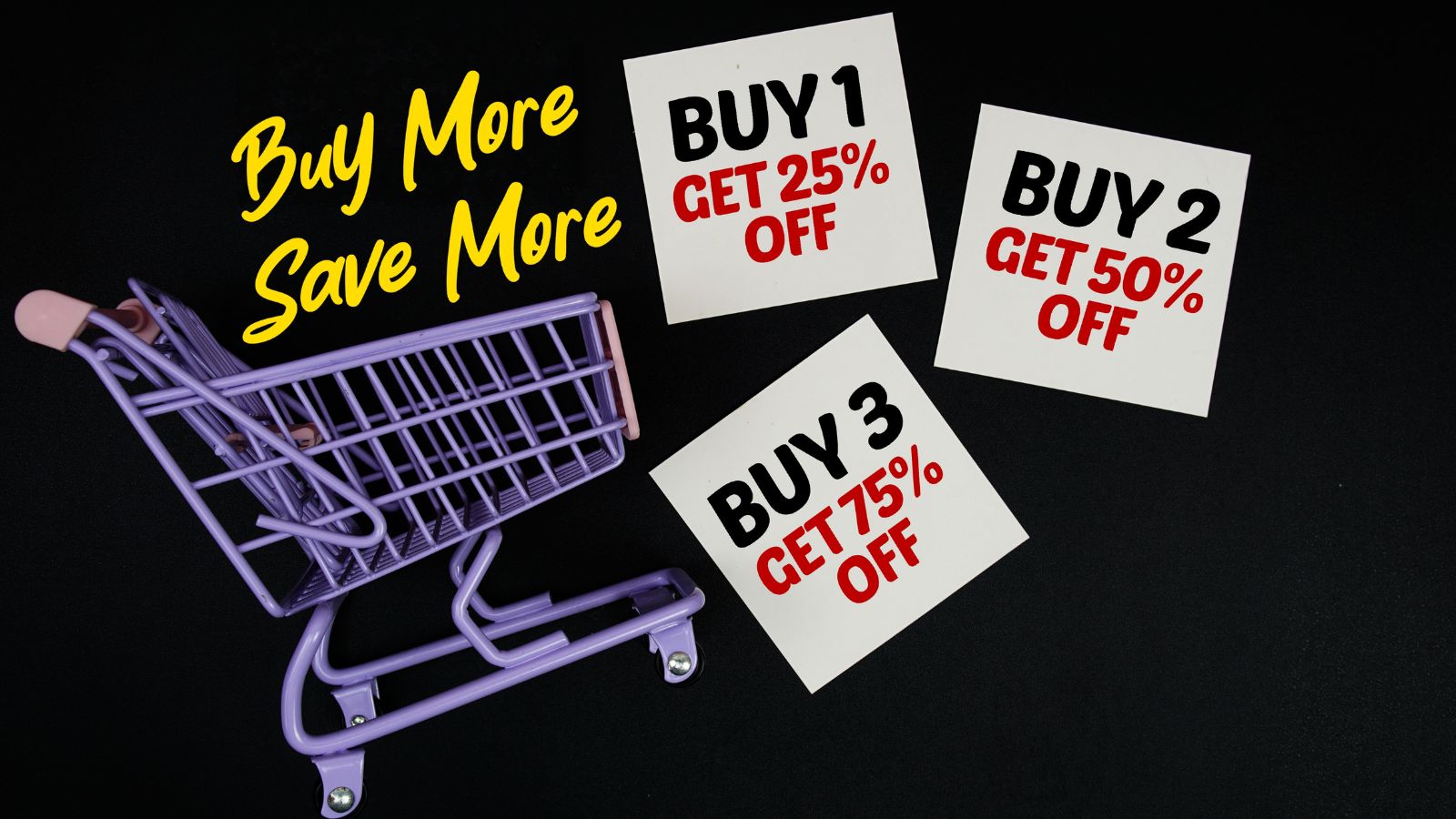
Retailers love thresholds: spend $100 to save $20, buy three to get one free, or unlock a higher discount after adding more to the cart. These offers can be worthwhile when the extra items are truly needed, but they are designed to increase total spending. A customer who planned to spend $60 may leave with $125 in goods because the discount made the larger basket feel sensible.
The trick is that savings are often framed as a reward rather than a cost. In practice, the shopper has still spent more cash than planned. This is common in clothing, cosmetics, home goods, and children’s items, where extra purchases are easy to justify. The cleanest test is to calculate what would have been spent without the promotion. If the sale requires adding low-priority products, the deal may benefit the retailer more than the household budget.
Bundles That Hide the Price of Each Item

Bundles can simplify shopping, especially for electronics, small appliances, beauty products, and gaming accessories. The problem is that a bundle often makes it harder to see whether each item is fairly priced. A laptop paired with a case, software trial, mouse, and warranty may appear discounted, while the useful part of the package may not be much cheaper than buying the laptop alone.
This tactic works because bundles create a sense of abundance. The box or online listing looks fuller, and the discount appears larger when several items are grouped together. But some included accessories may be low-value, outdated, duplicated, or unnecessary. A family buying a student laptop, for example, may not need the bundled antivirus plan or branded sleeve. Breaking the bundle into separate prices often reveals whether the core item is actually a good deal.
Older Models Presented Like Current Bargains

Big sale events are useful moments for retailers to clear older inventory. That is not automatically bad: last year’s television, phone, vacuum, or laptop can still be a strong purchase. The trick appears when older models are displayed beside newer ones without enough explanation, making the discount look like a rare opportunity rather than normal clearance pricing.
Canadians shopping electronics and appliances should pay close attention to model numbers, release years, energy ratings, software support, and included features. A discounted smart TV may lack newer ports, a laptop may have older memory or storage standards, and a discounted appliance may be a discontinued colour or configuration. The item can still be worth buying, but only if the price reflects its age. A sale tag should not replace a model-by-model comparison.
Loyalty Points That Distract From the Cash Price
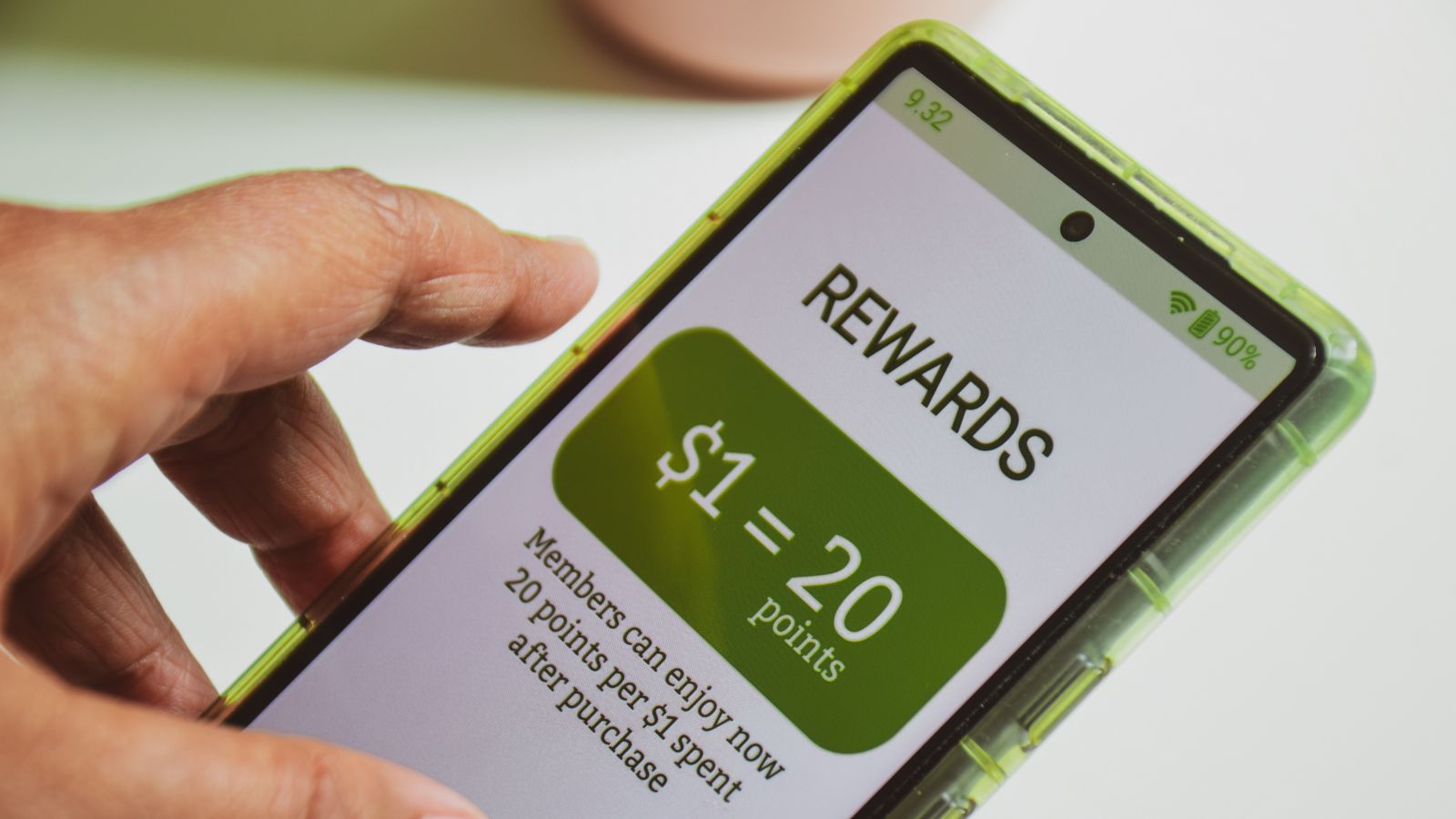
Bonus points can make a sale feel richer than it is. A retailer may advertise thousands of points, extra redemption value, or “members-only” rewards while keeping the cash price higher than competitors. The shopper feels like value is being returned, but the reward may be locked into that retailer’s ecosystem and subject to redemption rules.
This is especially relevant in Canada, where grocery, pharmacy, gas, airline, and retail loyalty programs are deeply woven into household spending. Points are useful when they are easy to redeem on things already purchased, but they should not erase price comparison. A $20 higher price with $10 worth of points is still not a win. The best approach is to translate points into approximate dollars, then compare the final effective price against competitors that may offer a lower cash price upfront.
“Members Only” Prices That Trade Savings for Data
A sale price may appear available to everyone until the fine print reveals that it requires joining a loyalty program, downloading an app, creating an account, or agreeing to marketing messages. The discount may be real, but it often comes with a data exchange. Retailers can use purchase history, browsing behaviour, location signals, and preferences to personalize future offers.
For many shoppers, joining is harmless and convenient. The trick is treating membership as free when the long-term value flows both ways. A person might save $8 on detergent or a jacket, then receive targeted prompts that encourage more frequent purchases. Before signing up at checkout, it is worth asking whether the program will be used regularly, whether the privacy settings are clear, and whether the same product is available elsewhere at a similar non-member price.
Free Shipping Thresholds That Encourage Extra Spending

“Free shipping over $75” is one of the most persuasive prompts in online retail. It changes the shopper’s goal from buying the needed item to avoiding a shipping charge. Someone with a $54 cart may add candles, socks, snacks, or accessories just to cross the line, even if paying $8 for shipping would have been cheaper.
The math is simple but easy to ignore during a sale. Spending $24 to avoid a $9 fee is not savings unless the added items were already on the list. This trick becomes more powerful during big events because stock moves quickly and shoppers fear missing out. A better test is to compare the delivered total with and without add-ons. If the extra item would not have been purchased at full attention, the shipping threshold has done exactly what it was designed to do.
Return Windows That Shrink During Promotional Events
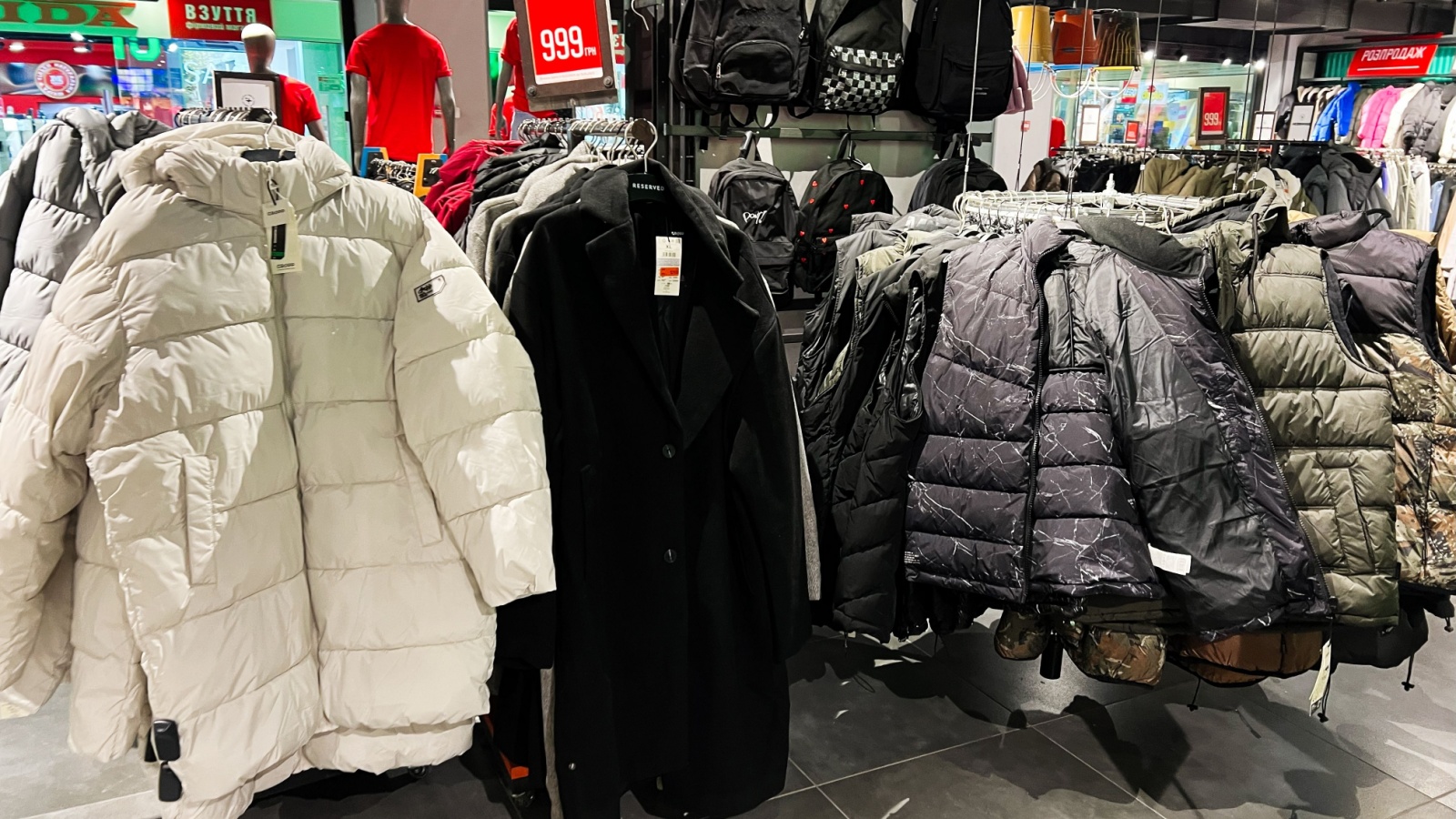
A discounted item can become expensive if returning it is difficult. Some big sale events attach shorter return windows, final-sale labels, restocking fees, exchange-only terms, or separate rules for online and in-store purchases. The price looks simple on the tag, but the risk shifts to the buyer once the item leaves the store.
This matters most for clothing, shoes, electronics, furniture, mattresses, and gifts bought well before they are opened. A holiday gift purchased in November may fall outside the return window by late December unless the retailer offers seasonal extensions. Shoppers should check whether clearance items are final sale, whether opened products can be returned, and whether online orders can be returned locally. A slightly higher price with a better return policy can be more valuable than a risky bargain.
Final-Sale Language Hidden Near the Checkout Button

Final-sale terms often appear in small type, on product pages, or at the last stage of checkout. During a big sale, shoppers may be moving quickly and miss that the discounted item cannot be returned or exchanged. That can be costly when sizing, colour, compatibility, or condition is uncertain.
This tactic is common in fashion, seasonal goods, beauty products, outlet sections, and clearance pages. A coat may be marked down sharply because only unusual sizes remain; a light fixture may be final sale because the finish is discontinued. The discount compensates for risk, but only if the buyer understands the risk upfront. Before clicking purchase, it helps to look for phrases such as “final sale,” “as is,” “clearance,” “no returns,” “exchange only,” and “online exclusive.”
Extended Warranties Sold at the Emotional Peak

The checkout counter is a powerful moment to sell protection plans. After choosing a television, phone, appliance, or laptop, the buyer is already imagining damage, breakdowns, and regret. An extended warranty may sound small compared with the purchase price, but it can duplicate existing manufacturer coverage or include exclusions that limit its usefulness.
Government consumer guidance encourages shoppers to understand warranty terms before buying, including what is covered, how claims work, and what responsibilities the owner has. The key is not assuming the plan is useless, but refusing to buy it under pressure. A refrigerator, gaming console, or tablet should be evaluated by repair cost, reliability, manufacturer warranty, credit-card benefits, and the exact service-plan terms. Protection is only valuable when it adds coverage that matters.
Gift Cards Framed as “Free Money”

A common promotion offers a gift card with purchase: spend $200 and get a $25 card, or buy a device and receive store credit for a future visit. It feels like an instant rebate, but the value usually requires another transaction. If the shopper would not otherwise return to that retailer, the “free” card can become a reason to spend again.
Gift cards also come with rules that vary by province and by card type. Most retail gift cards in Canada generally do not expire, but promotional or charitable cards may have expiry dates depending on local rules. The distinction matters during sale events. A bonus card may need to be used during a narrow window, may exclude certain categories, or may not work with other promotions. The real discount is only as good as the card’s usability.
“Compare At” Prices That Suggest Savings Without Proof

Outlet stores, online marketplaces, and discount retailers often use “compare at,” “list price,” or “market value” language. These prices can imply that the item is being sold far below what shoppers would pay elsewhere. The risk is that the comparison price may not reflect a recent, common, or realistic selling price for the same product.
This tactic is especially persuasive with housewares, luggage, apparel, small appliances, and furniture. A cookware set “compared at $399” and sold for $149 sounds like a major find, but similar sets may sell near $149 most of the year. The practical response is to compare identical model numbers, materials, dimensions, and warranties. A vague comparison price should carry less weight than real current prices from multiple sellers. The final price must stand on its own.
Shrinkflation Disguised by Familiar Packaging
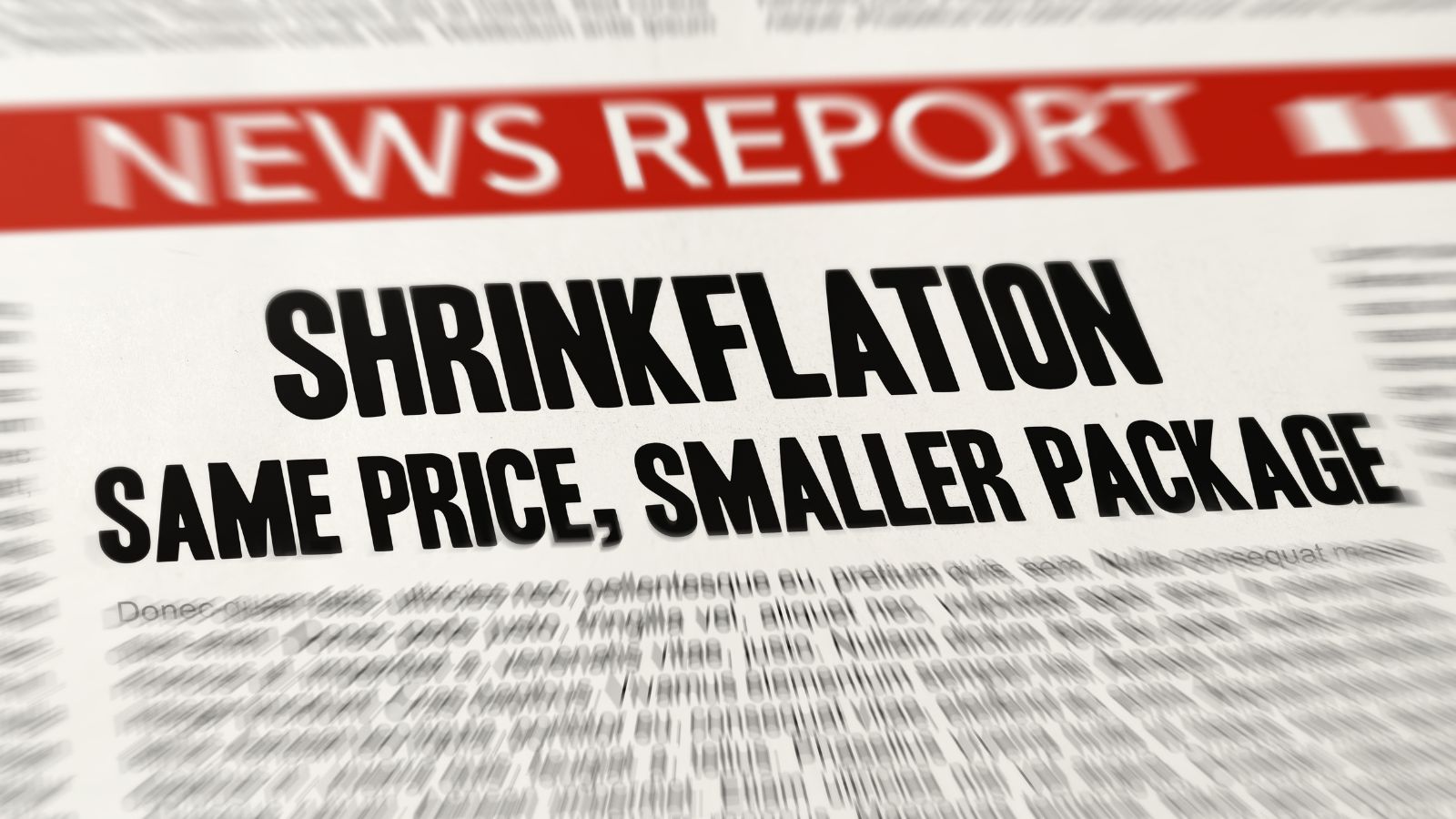
A sale on a familiar product may not be as strong as it looks if the package has quietly changed. Smaller quantities, thinner materials, fewer sheets, lower fill weights, or changed ingredient quality can make a discount misleading in practical terms. The tag may say the item is cheaper, but the unit value may be worse.
This shows up often in groceries, household goods, personal care, cleaning products, and paper products. A detergent bottle may look similar while offering fewer loads; a snack box may have fewer grams; a package of paper towels may have fewer sheets per roll. Unit pricing helps reveal the difference, and Canadian consumer organizations have pointed to standardized unit pricing as a useful comparison tool. During sale events, checking price per 100 grams, per litre, per load, or per unit is often more revealing than the headline discount.
“Eco” or “Sustainable” Claims Used to Justify Premium Prices

Some sale events combine discounts with environmental language: “eco-friendly,” “green,” “carbon conscious,” “responsibly made,” or “sustainable choice.” These claims can be meaningful when supported by clear evidence, but vague green language can also make a product feel more valuable than it is. A modest discount on a premium-priced product may still leave shoppers paying more for claims they cannot verify.
In Canada, environmental claims can raise misleading-advertising concerns when they create a false general impression or lack proper support. Shoppers do not need to become scientists at the checkout, but they can look for specifics: what is recycled, what standard is used, who verifies it, and whether the claim applies to the product, packaging, shipping, or company. The more general the claim, the more cautious the purchase should be.
Marketplace Sellers Mixed With Trusted Retail Brands
Large retail websites often include third-party marketplace sellers alongside the retailer’s own inventory. During big sale events, the layout can make everything feel equally backed by the familiar brand. The product may still be legitimate, but shipping times, return rules, warranty support, and seller accountability can differ significantly.
This trick becomes risky when shoppers assume the store itself is selling and servicing the item. A discounted phone accessory, toy, small appliance, or beauty product might come from an outside seller with separate policies. Before buying, it helps to check “sold by,” “fulfilled by,” shipping origin, return address, warranty details, and customer reviews. A familiar website is not always the same thing as a familiar seller. The safest deal is one where responsibility is clear before payment.
Dynamic Pricing That Changes While Shoppers Compare
Online prices can move quickly during major retail events. Some retailers adjust prices based on inventory, demand, competitor activity, timing, or promotional windows. A shopper may see one price in the morning, another after lunch, and a different one through an app, email link, or marketplace listing. The shifting price can make people feel they must buy immediately.
Dynamic pricing is not automatically unfair, but it complicates comparison. Screenshots, price-tracking tools, browser history, and checking the same item across devices can help establish whether the deal is truly unusual. This matters for travel gear, electronics, toys, appliances, and home goods that can change price frequently during peak events. A price that moves every few hours should be judged against a target budget, not the emotional fear that it may vanish.
Buy Now, Pay Later Offers That Make Prices Feel Smaller
Installment prompts can make a $400 purchase feel like four manageable payments. During a sale, that framing can soften the reality of the full cost, especially when several purchases are split across different providers. The offer may be interest-free when paid on time, but missed payments, fees, account management, and stacked obligations can create stress later.
This is not only a budgeting issue; it is a perception issue. A shopper may compare a $25 installment with a $100 upfront purchase rather than comparing total prices. Big sale events are built around momentum, and deferred payment keeps that momentum going. Before using an installment option, the full amount should be written into the monthly budget. If the item would feel unaffordable as a single purchase, splitting it into smaller pieces does not automatically make it affordable.
“Almost Sold Out” Messages That May Not Mean Much

Online stores frequently display messages such as “only two left,” “selling fast,” or “12 people have this in their cart.” Some of these alerts reflect real inventory or browsing activity, while others are designed to heighten urgency. Either way, the shopper is nudged to act before fully comparing options.
This is powerful because people dislike losing a perceived opportunity. A parent buying a popular toy or a homeowner shopping for a discounted appliance may rush because the page suggests competition from other shoppers. The safer response is to separate product scarcity from deal quality. If the item is genuinely scarce but overpriced, scarcity does not improve the value. If it is not urgently needed, stepping away for even ten minutes can restore a more practical decision-making rhythm.
19 Things Canadians Don’t Realize the CRA Can See About Their Online Income

Earning money online feels simple and informal for many Canadians. Freelancing, selling products, and digital services often start as side projects. The problem appears at tax time. Many people underestimate how much information the CRA can access. Online platforms, banks, and payment processors create detailed records automatically. These records do not disappear once money hits an account. Small gaps in reporting add up quickly.
Here are 19 things Canadians don’t realize the CRA can see about their online income.
