The first hard freeze has a way of exposing every unfinished autumn chore at once. A hose that was supposed to be drained, cushions left for one more sunny weekend, or a pressure washer forgotten beside the garage can suddenly become a much more expensive problem. Canadian winters add repeated freezing, snow, ice and moisture to belongings that may have spent months outdoors without trouble.
Some outdoor products are built to tolerate rough weather, but that does not mean they benefit from being abandoned until the snow arrives. Others contain water, batteries, fabrics or materials that are particularly vulnerable to freezing conditions. These 21 things Canadians commonly leave outside too long before winter are worth dealing with while temperatures are still comfortably above freezing.
Garden Hoses
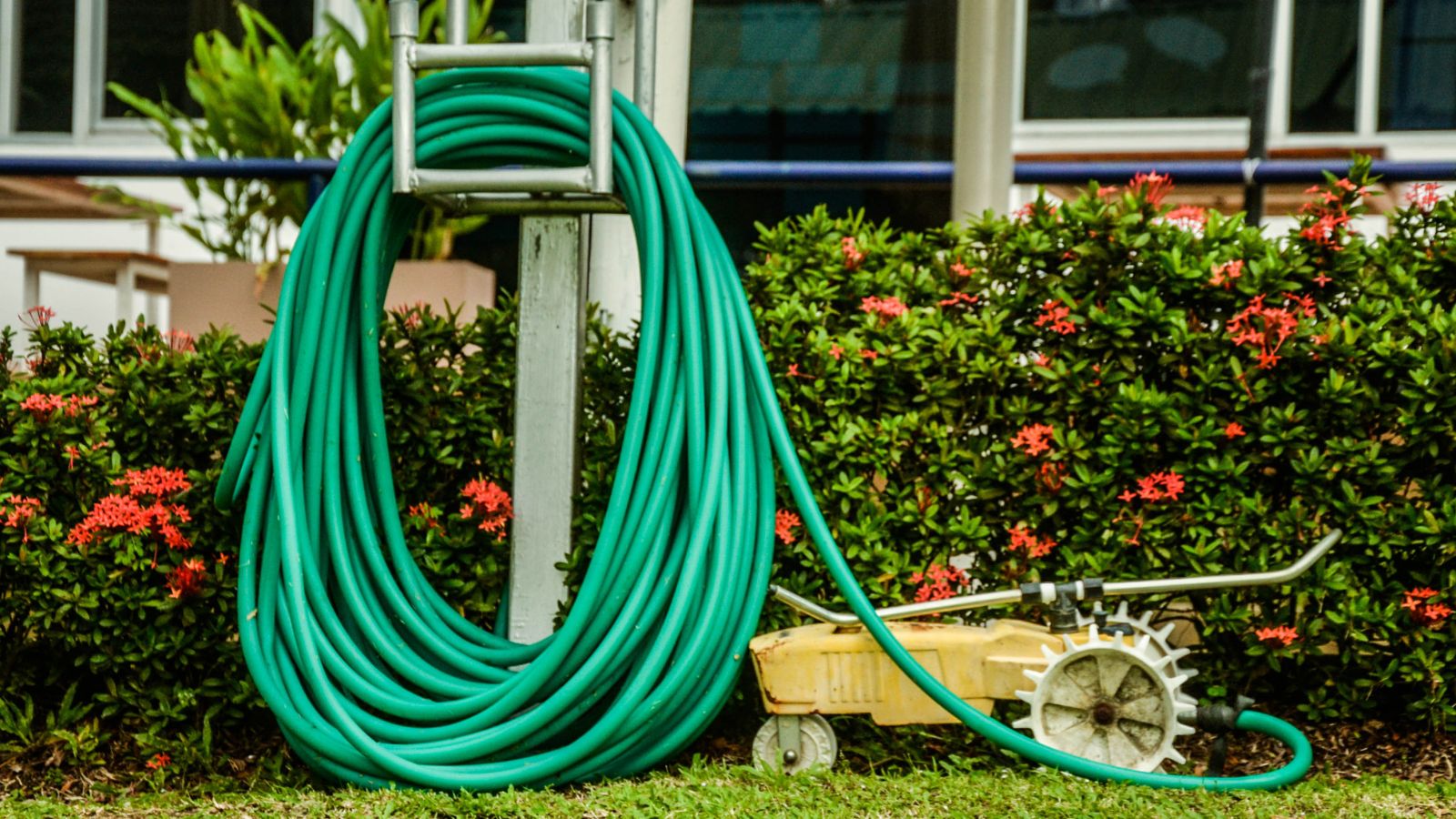
Garden hoses are among the easiest autumn chores to postpone because they still seem useful during warm afternoons in September and October. The problem is not simply that a hose may become stiff in cold weather. Water left inside can freeze, and an attached hose can also interfere with an outdoor faucet draining properly. Municipal guidance in Calgary, Winnipeg and Toronto specifically recommends disconnecting hoses before freezing weather and draining the outdoor water supply.
A better routine is to disconnect the hose while temperatures are still mild, stretch it downhill or otherwise drain as much water as possible, and coil it without sharp bends. Calgary’s seasonal maintenance guidance goes a step further and recommends storing drained hoses indoors. That may mean a basement, heated garage or another dry location. The important part is removing trapped water before the cold arrives. A ten-minute autumn job can avoid discovering a split hose—or a plumbing problem behind the outdoor tap—when spring watering season begins.
Hose Timers, Nozzles and Watering Attachments
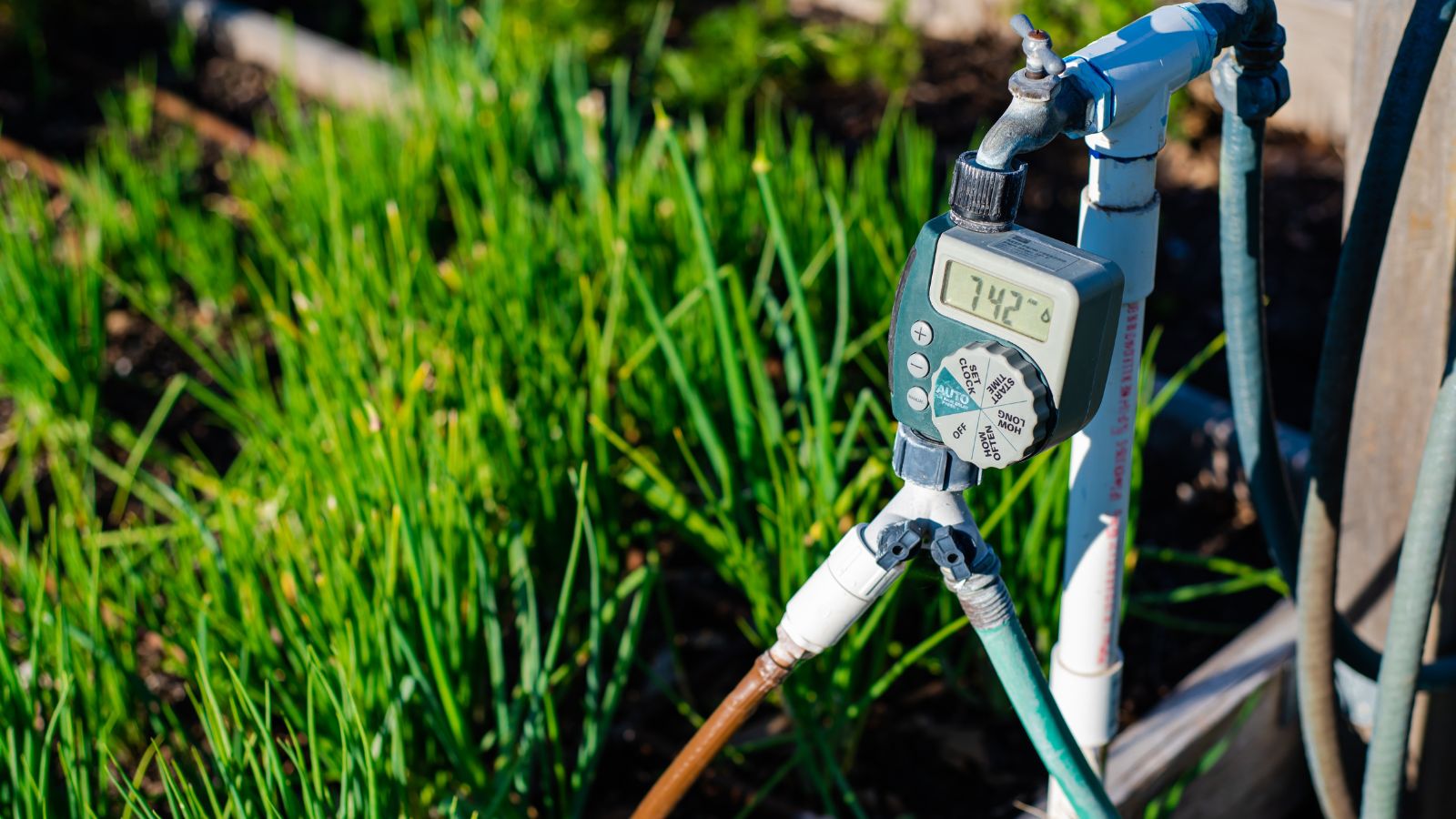
The small devices screwed onto the end of a garden hose are often forgotten after the hose itself gets put away. Digital watering timers are especially vulnerable because their cases contain valves, seals, electronics and passages where water can remain trapped. Rain Bird specifies operating temperatures beginning at 0°C for some hose-end timers and tells owners to remove the timer before freezing conditions. Orbit similarly recommends draining hose timers and attachments and keeping them in a warm, dry location over winter.
Nozzles, splitters and quick-connect fittings deserve the same attention even if they contain no electronics. A homeowner may disconnect the long hose but leave a brass-and-plastic splitter attached to the tap until December. The pieces look harmless, yet they can hold residual water in small cavities. Removing everything from the faucet also makes it easier to properly shut down the home’s exterior water supply. Putting the attachments together in one labelled bucket or bin prevents the familiar spring search for missing washers, adapters and connectors.
Pressure Washers

A pressure washer can look rugged enough to survive almost anything, which makes it easy to leave one in an unheated shed after the final driveway cleaning. Internally, however, the machine still contains a pump, seals, hoses and passages that may hold small amounts of water. Kärcher warns that residual water can freeze and expand, potentially damaging seals and even the pump itself. The company recommends draining the machine and storing it where it will be protected from frost.
That distinction matters in Canada because a garage or shed is not automatically frost-free. A detached garage in Winnipeg, Edmonton or Ottawa can become nearly as cold as the air outdoors during a prolonged cold spell. Owners should follow the specific winterizing procedure for their model rather than merely rolling the washer under a workbench. Accessories and hoses should be drained as well. A pressure washer that worked perfectly during fall cleanup can otherwise become one of those frustrating spring discoveries where the motor runs but the pump no longer behaves as expected.
Sprinklers and Irrigation Equipment

Portable sprinklers disappear into lawns surprisingly well once fall leaves begin covering them. Built-in irrigation systems are easier to remember but more complicated to protect. The basic issue is trapped water. Rain Bird notes that freezing water can damage irrigation pipes, sprinklers and fittings, and its winterizing guidance recommends shutting off the water supply and removing water from the system before freezing temperatures arrive.
The exact procedure depends on the irrigation design. Some systems drain manually or automatically, while others are winterized with compressed air. Rain Bird recommends professional help where a blowout is required because compressed-air winterization has safety risks. Above-ground components, exposed valves and backflow devices may need separate protection. The homeowner who waits until the lawn is already covered in frost can face a much less pleasant job than someone who schedules winterization early. Even inexpensive portable sprinklers should be drained and stored rather than left half-hidden beside a garden bed until the first deep freeze.
Rain Barrels
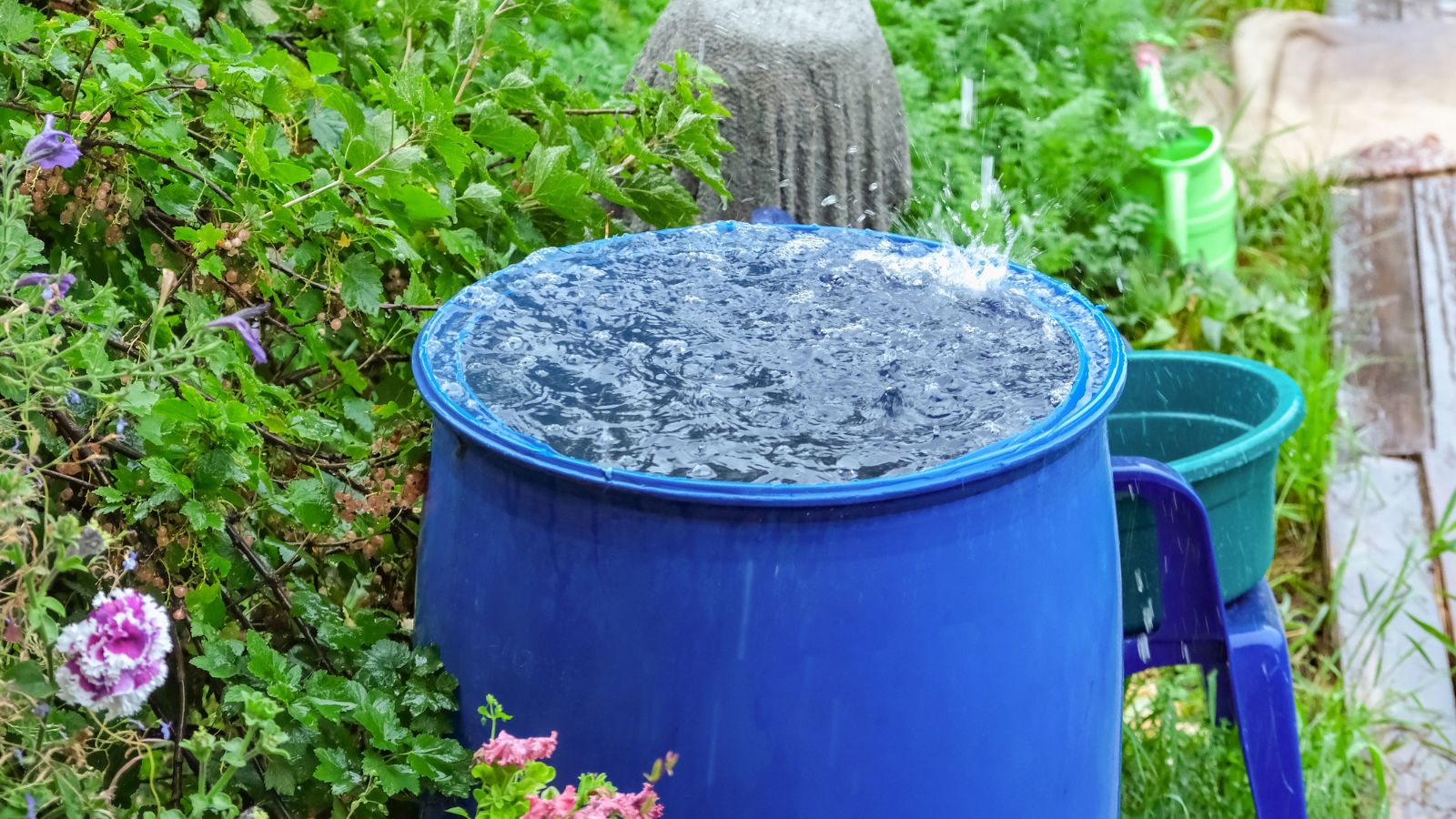
Rain barrels spend months doing exactly what their name suggests: holding water outdoors. That makes them one of the worst items to simply forget once nighttime temperatures start falling. Toronto specifically advises removing rain barrels during winter to avoid freezing and breakage, while Calgary recommends draining them completely, disconnecting the diverter and storing the barrel upside down or indoors.
Preparation also protects the house. A barrel connected to a downspout cannot simply disappear without giving rain and melting snow somewhere else to go. Toronto advises adding a downspout extension after removing a rain barrel so water continues to drain safely away from the home. That turns winterizing into more than a container-storage job. The barrel, diverter and drainage route all deserve attention. An empty barrel sitting upright may still collect rain or melting snow before temperatures crash again, so positioning it upside down or under cover can prevent it from quietly refilling after the homeowner thought the job was finished.
Fountains and Decorative Water Features

A small patio fountain can become an unexpectedly complicated block of ice if it is left running too late into autumn. Calgary’s frozen-pipe guidance specifically includes decorative water features among the outdoor water systems that should be shut off, disconnected and drained before freezing weather. Pumps, hoses and narrow internal passages are particularly vulnerable because water can remain in spaces that are difficult to see from the outside.
The safest winter routine depends on the design. Removable pumps can often be cleaned and stored in a frost-protected location according to their manufacturer’s instructions, while bowls and basins should be emptied so they do not repeatedly fill, freeze and thaw. Kärcher similarly advises frost-protected storage for pond-pump technology that is not designed to remain operating through winter. A fountain that survived one early frost is not proof that it is ready for January. The expensive damage often comes later, after water works its way into a pump housing, fitting or small crack and then freezes during a much colder night.
Terracotta and Ceramic Planters

Heavy planters often stay exactly where they were placed in spring because moving them is awkward. Unfortunately, terracotta can be particularly unforgiving of winter moisture. The Royal Horticultural Society notes that ordinary terracotta is prone to cracking in winter and recommends frost-proof containers when pots will remain exposed. Raising suitable winter containers off the ground can also improve drainage and reduce freezing conditions around them.
The danger is easy to understand after looking at an old planter closely. Porous material can absorb moisture, while wet soil and blocked drainage can keep water around the pot through repeated freeze-thaw cycles. Not every ceramic container needs to come indoors; genuinely frost-proof products may be designed for year-round exposure. But decorative pots with uncertain frost ratings are safer emptied, cleaned, dried and stored before sustained freezing begins. Even Lee Valley advises indoor winter storage for its terracotta pot feet because freezing temperatures may cause breakage. A prized planter is much harder to replace after a crack runs through its side in February.
Patio Cushions

Outdoor cushions are designed to survive occasional rain, but “outdoor” does not mean “best left under snow for five months.” Moisture that reaches the filling can take a long time to escape once cool autumn weather arrives. IKEA’s care guidance recommends cleaning outdoor cushions regularly, making sure they are completely dry and keeping them in a cool, dry place indoors or in appropriate storage when they are not being used.
The common mistake is waiting for a final perfect patio weekend that never quite arrives. By then, cushions may already be damp from dew, leaves and repeated fall rain. Stuffing wet cushions into an airtight box creates another problem because moisture has nowhere to go. They should be thoroughly dry before enclosed storage. This is also a good time to check seams, removable covers and ties for damage. Bringing cushions in early may feel overly cautious during a warm October afternoon, but it beats pulling out stained, musty or misshapen cushions when patio season returns.
Outdoor Rugs
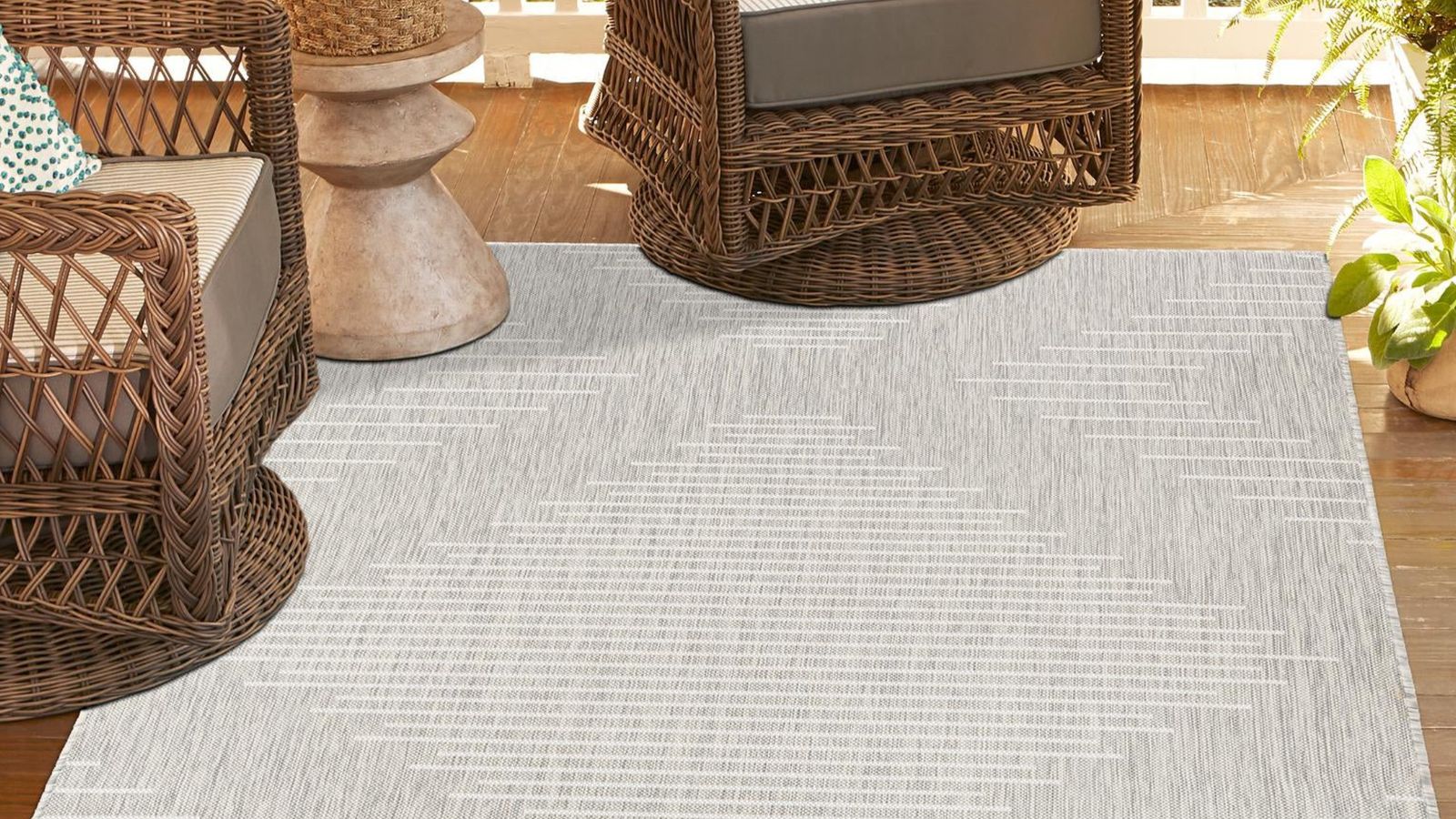
An outdoor rug can handle conditions that would quickly ruin a conventional indoor carpet, but it still benefits from an off-season indoors. IKEA’s care instructions for several outdoor rug lines specifically recommend storing the rug inside when it is not being used to extend its life. The company also instructs owners to let washed outdoor rugs dry completely before use or storage.
Autumn makes that drying step harder. A rug lying flat on a deck may look dry from above while moisture remains underneath, especially after several cool nights. Leaves and organic debris can also accumulate along the edges. The practical approach is to vacuum or shake off loose material, wash the rug if its care instructions permit it, let both surfaces become completely dry, and roll it for storage rather than folding it into hard creases. Canadians often remember patio chairs and forget the rug beneath them. By spring, months of moisture, grime and freeze-thaw exposure can make that forgotten layer of patio décor look considerably older than the furniture sitting on top.
Patio Umbrellas and Shade Canopies

A patio umbrella still standing in November is not merely exposed to cold. Fall winds, wet snow and ice can put forces on the fabric and frame that it was never meant to carry for an entire winter. IKEA recommends regularly cleaning patio umbrellas, protecting them with a cover when appropriate and storing them in a cool, dry place indoors when the season ends.
The key word is dry. Folding a wet umbrella tightly and carrying it directly into a dark corner of the garage can trap moisture in the fabric. Give it time to dry first, brush away leaves and dirt, and inspect the ribs and opening mechanism while everything is accessible. Large fabric canopies and temporary gazebos deserve similar attention according to their manufacturers’ instructions; many are seasonal structures rather than permanent snow-load shelters. It is much easier to dismantle one on a calm autumn afternoon than during the first forecast of heavy wet snow and strong wind.
Wooden Patio Furniture

Wooden patio furniture often looks sturdy enough to ignore until spring, but long exposure to moisture and winter weather accelerates the maintenance cycle. IKEA’s outdoor furniture guidance says solid woods such as acacia and eucalyptus need periodic care to help prevent cracking and extend their lifespan. It recommends cleaning wooden furniture, maintaining the finish and covering or storing outdoor furniture at the end of the season.
That does not mean every cedar bench in Canada needs to occupy the basement. Storage recommendations vary by material and finish. The bigger mistake is leaving a dirty, weathered set untouched through the wettest part of fall and then burying it under snow. Food residue, soil and leaves should be removed, hardware can be checked while it is visible, and any required treatment should be applied according to the furniture maker’s directions. If indoor storage is impossible, a suitable breathable cover and protected location can reduce exposure. Autumn maintenance is usually easier than sanding and refinishing neglected furniture the next spring.
Plastic and Resin Patio Furniture

Plastic chairs seem almost indestructible during summer. They can be hosed off, left in the rain and dragged across a deck without much concern. Winter is different. IKEA specifically recommends covering or storing plastic and plastic-rattan outdoor furniture in a cool, dry location at the end of the season, noting that such materials can crack in freezing temperatures.
Stackable chairs are particularly easy to deal with before snow begins. Cleaning and drying them first keeps dirt from being trapped between nested seats, and moving them under cover also stops wind from scattering lightweight pieces across a yard. Resin storage benches, side tables and loungers should be handled according to their individual manufacturer instructions because formulations and cold-weather ratings vary. A chair surviving several winters outside does not mean all plastics behave identically. Bringing inexpensive furniture under cover may seem unnecessary, but it can be the difference between another summer of use and discovering a brittle leg or cracked seat during the first warm weekend of spring.
Barbecue Grills—and Their Propane Cylinders

A barbecue does not necessarily have to come indoors for winter. Many grills are designed to remain outside, and Canadian grill manufacturers sell breathable, weather-resistant covers specifically intended to protect equipment from rain and snow. The more common mistake is abandoning the barbecue immediately after the final cookout. Grease, food residue and exposed metal remain there through months of moisture, while a poorly secured cover may disappear in the first major windstorm.
Propane requires a separate safety discussion. A cylinder should not be brought into a basement or living space merely because winter has arrived. Measurement Canada says cylinders should be stored upright, secured, in a well-ventilated area and away from ignition sources. Health Canada also stresses using barbecues outdoors because combustion can produce carbon monoxide. Before covering a grill, it should be cooled and cleaned according to the manufacturer’s instructions. Winter preparation is therefore about protecting the appliance while continuing to handle its fuel safely—not moving every barbecue component indoors.
Gas Lawn Mowers
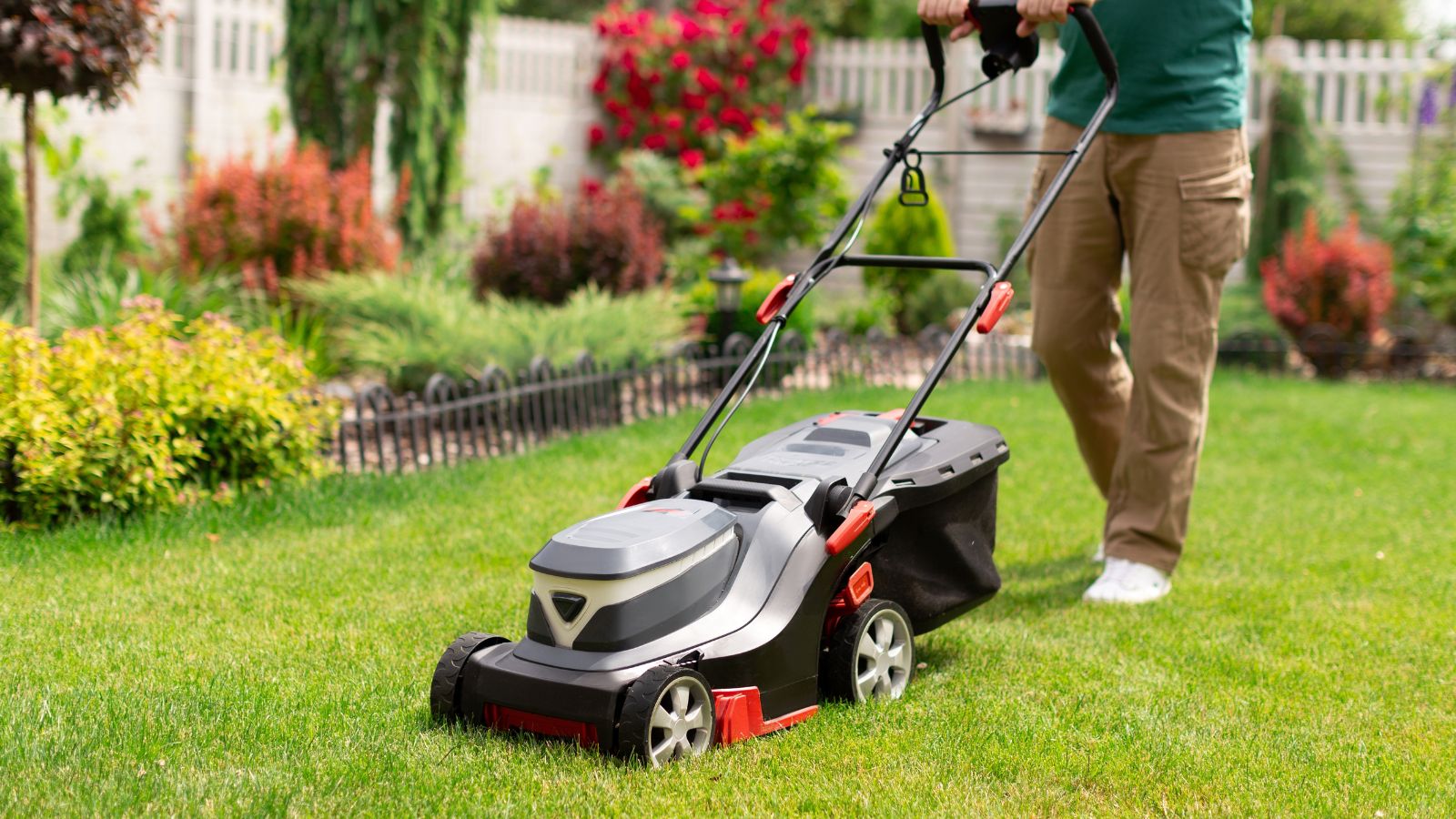
The lawn’s final cut can feel like the end of mower season, but simply parking a gasoline mower outdoors until April skips the part that matters. Honda warns that equipment stored with gasoline must be kept in a well-ventilated location away from flames and sparks, and notes that high humidity promotes rust and corrosion. Toro storage instructions similarly call for cleaning equipment and preparing fuel systems when machines will sit unused for extended periods.
Fuel recommendations can vary substantially by engine and manufacturer, so generic advice such as “always drain the tank” should not replace the owner’s manual. Some procedures use an approved stabilizer in fresh fuel; others specify draining under particular conditions. What is consistent is the value of cleaning grass and debris from the machine, dealing with maintenance before storage and putting the mower in a dry, protected location. Leaving it behind the shed until snow covers the deck is a shortcut that can turn a routine spring start-up into a repair-shop visit.
Battery-Powered Yard Tools and Batteries
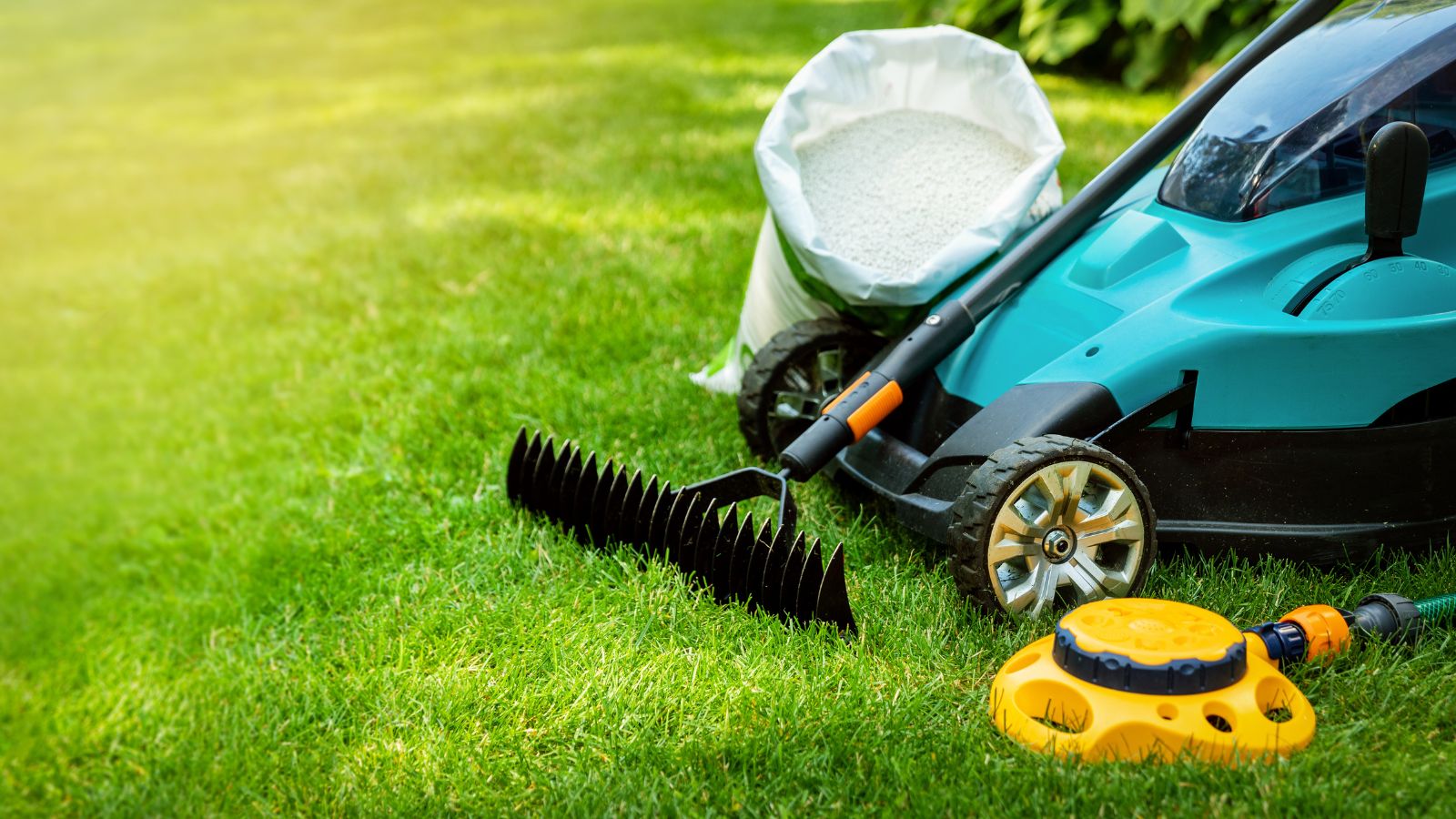
Cordless mowers, trimmers and blowers eliminate gasoline storage but introduce another component that should not spend the winter forgotten outdoors: the battery. Toro’s off-season guidance for battery equipment calls for storage in a cool, dry location and warns that prolonged exposure to extreme storage temperatures can reduce battery life. It also advises keeping equipment away from extended exposure to snow and ice.
Individual battery systems have their own storage-temperature and charge recommendations, making the manufacturer’s manual especially important. The convenient mistake is leaving a removable battery clipped into a mower in an unheated shed because everything worked normally during the last use. A better habit is to clean the tool, inspect the battery for damage and store the battery and charger exactly as the manufacturer specifies. Owners with several cordless yard tools can use the seasonal changeover to gather batteries into one appropriate storage area rather than rediscovering them one at a time in frozen equipment around the garage.
E-Bike and E-Scooter Batteries
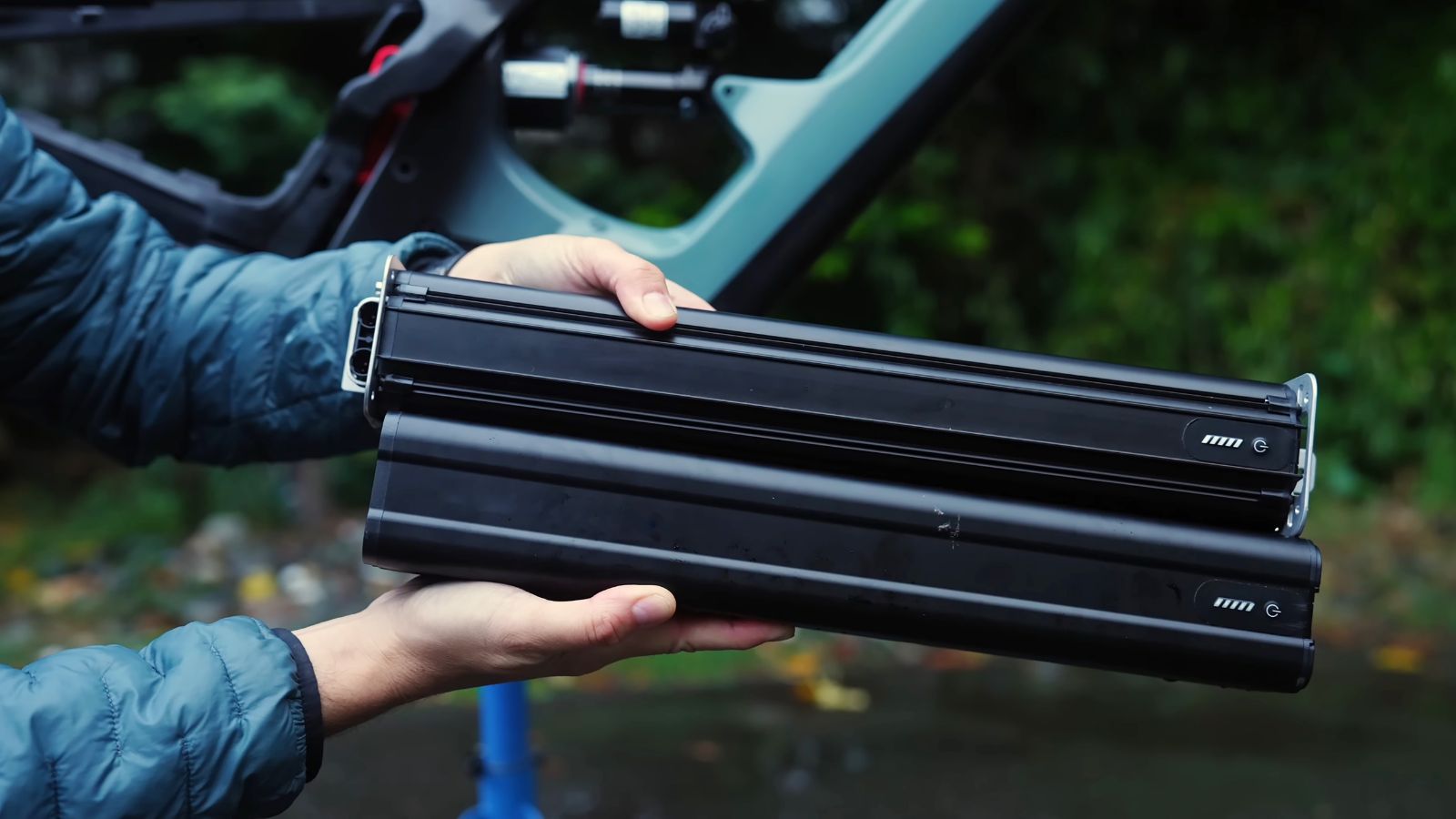
An e-bike may spend winter in a garage, but its removable lithium-ion battery often deserves a different environment. Bosch eBike Systems recommends storing its batteries at room temperature in a dry room during long winter storage. For its batteries, Bosch also recommends a charge level of roughly 30% to 60% rather than leaving the pack completely full or completely depleted for months.
Those numbers are Bosch-specific rather than universal instructions for every battery on the market, so owners should check the documentation for their particular e-bike or scooter. The broader lesson is that a powered two-wheeler should not be treated exactly like a conventional bicycle. Battery storage conditions matter. A Canadian garage that remains near room temperature is one thing; a detached shed that reaches deep sub-zero temperatures is another. Removing the battery also provides an opportunity to inspect contacts, look for physical damage and check the manufacturer’s charging guidance before the vehicle goes unused for an extended period.
Bicycles

Traditional bicycles do not have electronics to protect, yet leaving one exposed through a wet Canadian autumn still creates unnecessary work. Repeated moisture promotes corrosion on chains and other metal components, while grit and road salt can accelerate deterioration if the bicycle continues to be ridden into winter. Cycling-storage guidance generally favours a covered location, and Park Tool makes dedicated hooks intended to store bicycles and wheels off the floor in garages, sheds and workshops.
Storage should begin with a reasonably clean, dry bike rather than one parked straight after a rainy ride. Wiping down the frame, cleaning and lubricating the drivetrain as appropriate, inflating tires and checking for obvious damage makes spring easier. Hanging storage can reclaim floor space, provided the mounting hardware and supporting structure are suitable for the bicycle’s weight. A family with several bikes can otherwise spend the first snowfall rearranging frozen handlebars and pedals simply to reach the snow shovel. Early organization prevents both weather exposure and a very cluttered garage.
Garden Hand Tools
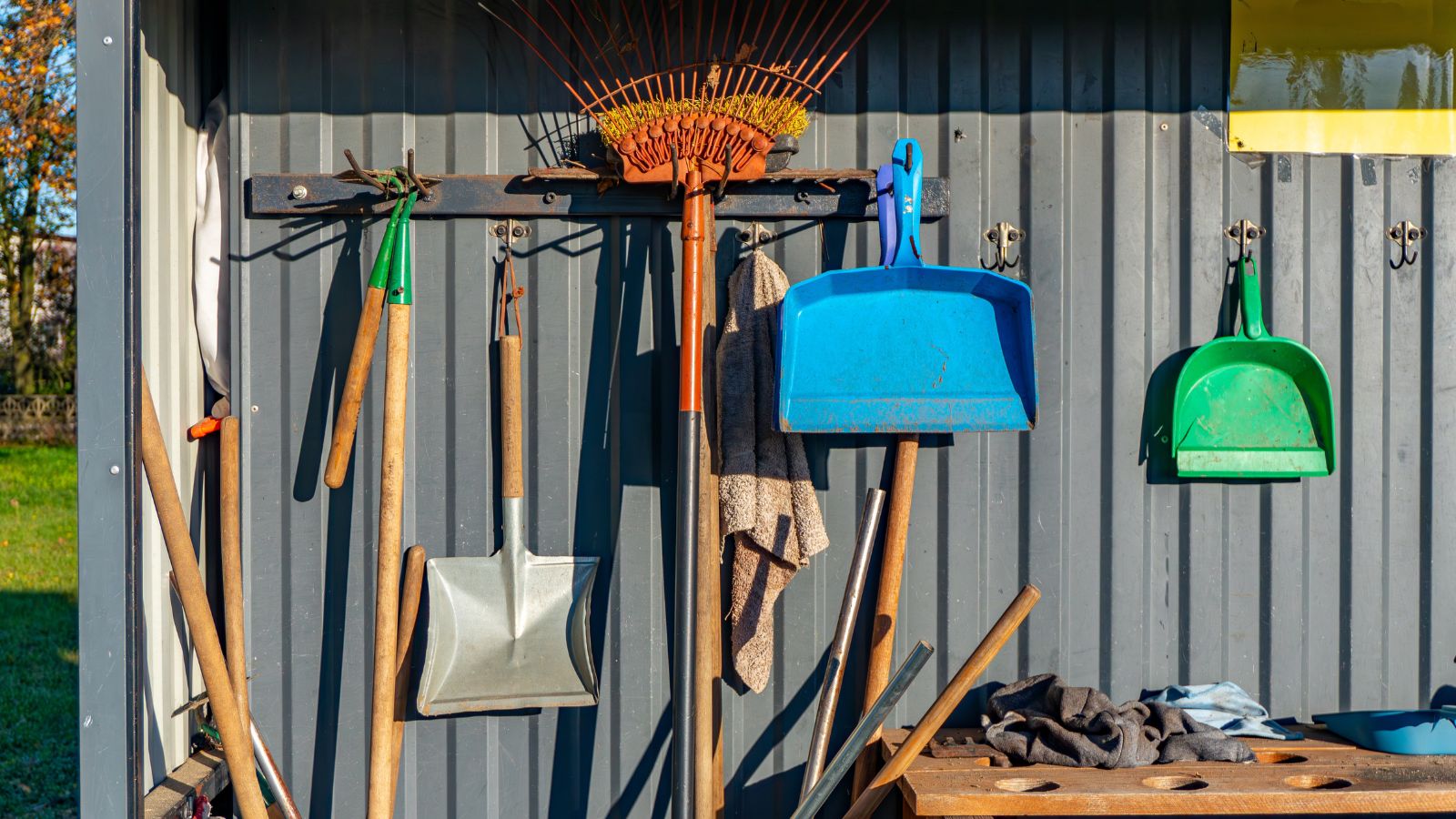
Shovels, pruning shears, hoes and rakes often remain leaning against a fence because they appear almost impossible to hurt. Moisture says otherwise. University of Florida extension guidance notes that rain, dew and wet grass can cause rust and specifically advises against leaving garden tools outside. Iowa State University similarly recommends cleaning, drying and storing tools in a dry location for winter.
Autumn is a convenient time to remove caked soil because dried mud can conceal corrosion or damaged edges. Iowa State also recommends sharpening appropriate tools and treating metal surfaces before storage, while wooden handles can be inspected for roughness and cracking. None of this requires turning the garage into a professional workshop. Even brushing off dirt, drying everything and hanging long-handled tools instead of leaving them on damp ground is an improvement. The reward arrives in spring, when the first gardening day begins with usable tools rather than an hour spent freeing a rusty shovel from the corner of the yard.
Outdoor Extension Cords and Power Bars
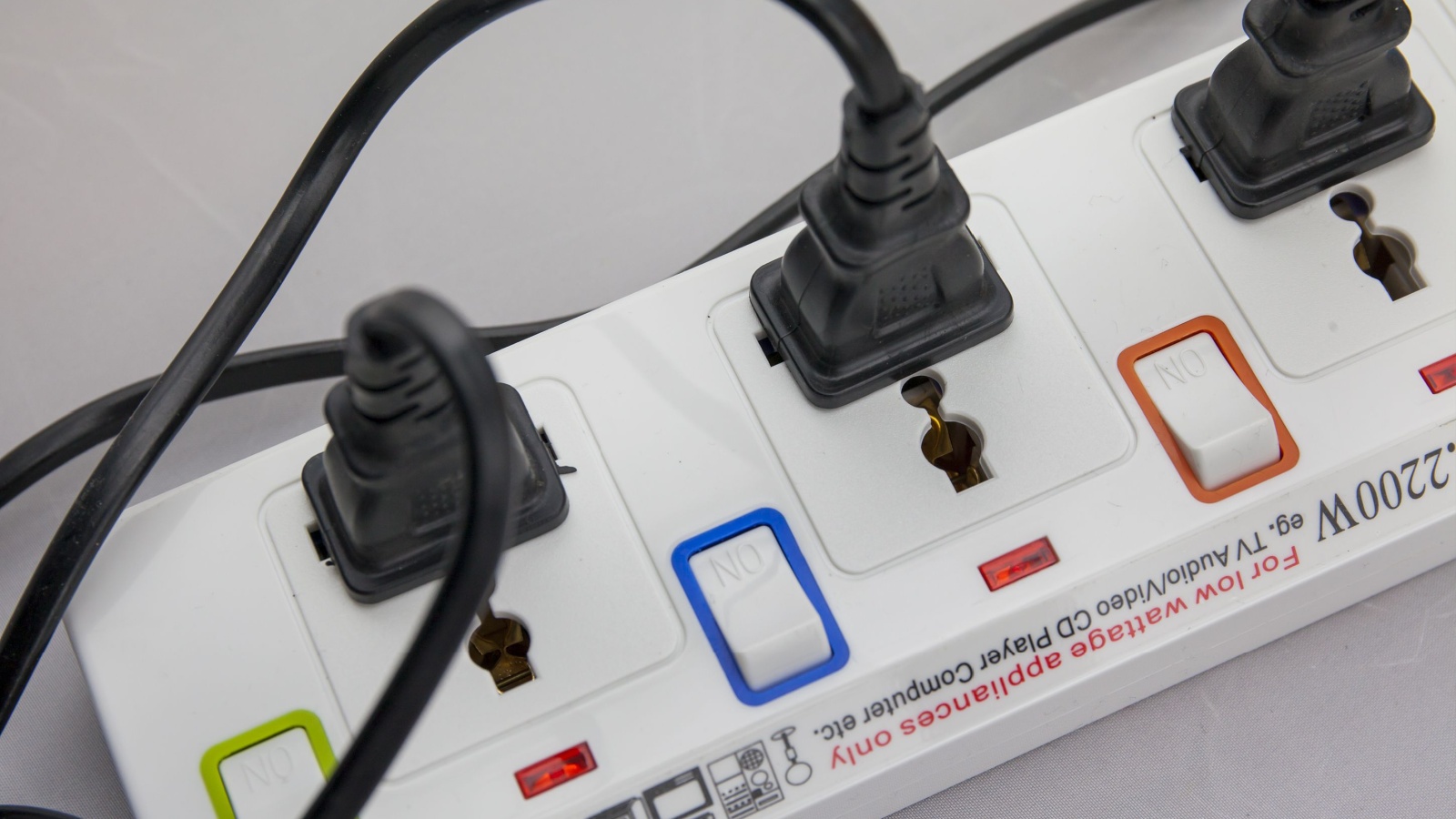
Outdoor-rated extension cords are tougher than indoor versions, but they are still temporary electrical equipment—not permanent landscape wiring. Ontario’s Electrical Safety Authority says extension cords used outside should be specifically rated for outdoor service, connected appropriately to GFCI-protected outlets, inspected for damage and not used as long-term power sources.
That makes fall a sensible time to collect cords used for lawn equipment, patio lighting or temporary outdoor projects. Leaving a cord buried under snow for months makes inspection difficult and exposes plugs and connections to a harsher environment than necessary. Indoor power bars should never be substituted for outdoor-rated equipment. Before storage, cords can be checked for nicks, cracked jackets, damaged grounding pins or other defects and loosely coiled to avoid sharp bends. Decorative winter lighting has its own outdoor-rated equipment requirements, but last summer’s general-purpose extension cord should not automatically become a permanent snow-covered power line running across the yard.
Above-Ground Pool Pumps and Filter Equipment
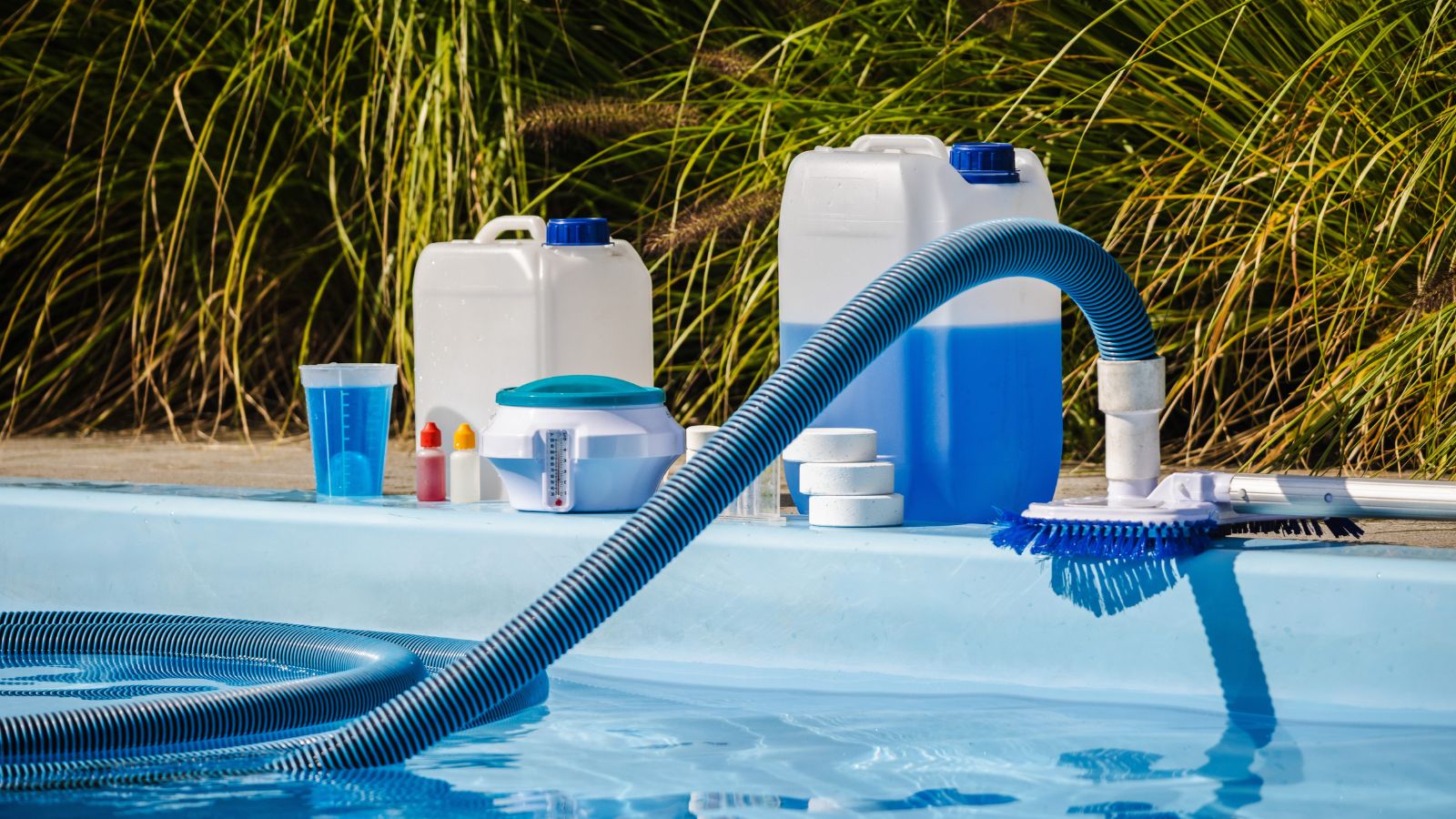
The swimming season may end weeks before the weather turns genuinely cold, creating plenty of time for pool equipment to sit forgotten. Pentair’s winterizing instructions warn that allowing water to freeze inside a pool pump can damage the pump. Its guidance calls for draining water from pumps and piping when freezing temperatures are expected and, where practical for certain installations, moving equipment to a dry indoor location.
Filters, valves, heaters and plumbing have model-specific procedures, so a pool’s complete winterization should follow the equipment manuals or qualified professional guidance rather than a single generic checklist. Pentair’s instructions for above-ground systems also emphasize draining water from pump housings and piping before freezing. This is an area where postponement becomes expensive quickly: a small amount of trapped water can create enormous inconvenience once solidly frozen. The ideal time to deal with detachable components is while hoses, drain plugs and fittings can still be handled comfortably with bare hands.
Portable Basketball Hoops With Water-Filled Bases
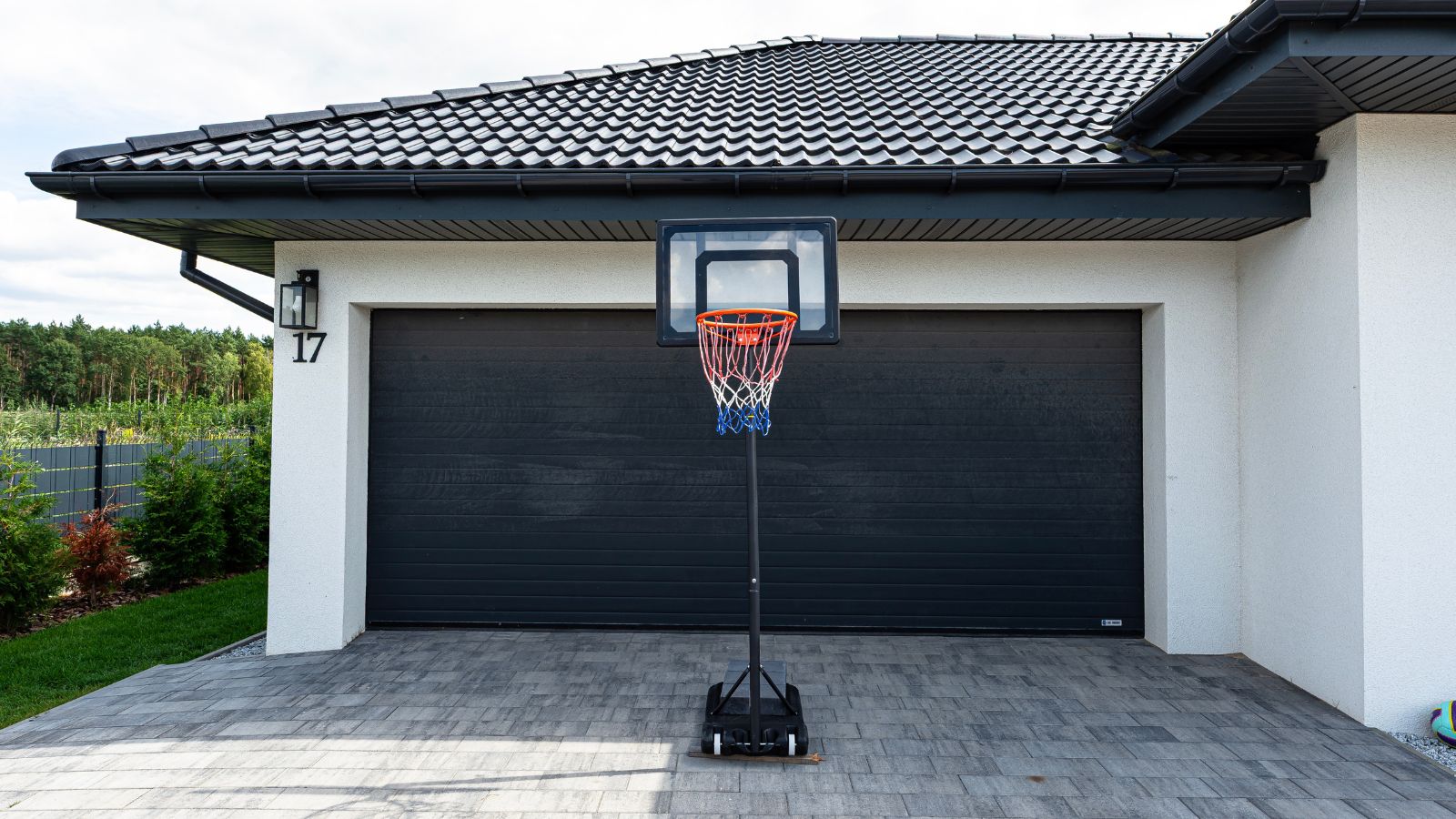
A driveway basketball hoop is easy to overlook because it looks like permanent outdoor equipment. The vulnerable part may be hidden at ground level. Many portable systems use a hollow plastic base filled with water or sand for ballast. Spalding specifically warns owners not to allow water in certain bases to freeze and provides winterizing instructions for sub-freezing climates.
The correct procedure depends on the model. Spalding’s general guidance says that, unless sand is being used, owners should use the specified amount of non-toxic antifreeze or drain the water completely; model manuals should determine the exact requirement. The company also advises putting portable systems into a storage position or protected area during severe weather because wind can create a tipping hazard. That makes the hoop more than a summer toy that can simply be forgotten in the driveway. Checking the ballast and winter instructions before temperatures plunge can prevent a cracked base and reduce the chance of an unstable system becoming a problem during a winter storm.
16 Costco Canada Habits That Could Be Costing Shoppers More Than They Save

The Executive Membership can feel like an obvious upgrade because the 2% annual reward sounds straightforward. For households that spend heavily at Costco Canada, the extra fee may be easy to justify. But the habit becomes costly when shoppers upgrade first and calculate later. A Gold Star Membership costs less, while Executive costs more and only pays off if eligible annual spending is high enough to offset the difference.
16 Costco Canada Habits That Could Be Costing Shoppers More Than They Save
