Shelf space can change quietly. A familiar sign disappears from a mall corridor, a once-reliable brand becomes online-first, or a name that shaped Canadian shopping survives only as a smaller label inside another retailer. Across fashion, books, home goods, footwear, tea, electronics, and department stores, the retail map has been redrawn by rent pressure, e-commerce, restructuring, bankruptcies, and changing shopper habits. These 22 Canadian brands still carry recognition for many households, but their physical presence no longer feels as easy to find as it once did.
Hudson’s Bay
Hudson’s Bay was once the kind of Canadian retail anchor that made a mall feel complete. Its striped blankets, broad beauty counters, housewares departments, and downtown flagships gave it a presence few retailers could match. For generations, it was less a specialty stop than a department-store habit: wedding gifts, winter coats, towels, luggage, and holiday shopping often passed through the same familiar doors.
That familiarity changed dramatically when the company sought creditor protection in 2025 and moved through liquidation proceedings. For shoppers, the shift was not subtle. A brand founded in 1670 went from being a national department-store fixture to a name tied to asset sales, layoffs, and questions about what the brand would become next. The result is a rare Canadian retail disappearance that feels both corporate and deeply personal.
Zellers
Zellers carried a particular kind of Canadian nostalgia: red signage, diner counters, discount bins, housewares, toys, and back-to-school basics under one roof. Its original footprint made it a practical stop for families seeking affordable everyday goods, especially before discount retail became dominated by larger international chains. For many Canadians, the name still recalls a slower, more local version of value shopping.
After most Zellers stores disappeared in the early 2010s, the brand later returned in a much smaller form through Hudson’s Bay spaces and online shopping. That revival gave the name visibility, but it did not recreate the old full-store experience. A shopper looking for the Zellers of childhood was more likely to find a compact section, a curated product range, or a nostalgia-driven display than a true replacement for the former chain.
Frank And Oak
Frank And Oak built its reputation as a Montreal fashion success story with clean basics, direct-to-consumer energy, sustainability language, and stores that felt more like modern studios than traditional clothing shops. At its peak cultural moment, it represented a Canadian answer to the digital-first fashion brands reshaping menswear and womenswear. Its stores gave the brand credibility beyond a browser tab.
That visibility became less dependable as the company entered restructuring and moved to close most Canadian stores while seeking a buyer or investor. For shoppers, the brand did not simply vanish; it became harder to encounter casually. The difference matters. A brand that once appeared in busy urban retail corridors increasingly requires a more deliberate search, especially for customers who liked touching fabrics, checking fit, or discovering seasonal collections in person.
Le Château
Le Château once had a distinct place in Canadian malls: party dresses, suiting, going-out clothes, prom looks, office pieces, and trend-driven fashion that felt dressier than many neighbouring stores. It was especially visible to shoppers who needed something for a wedding, job interview, holiday party, or evening out without moving into luxury pricing. Its mall presence made occasion dressing feel accessible.
The brand’s bankruptcy and store closures changed that relationship. Le Château later returned under new ownership, but the comeback was smaller and more focused than the old chain. The name remains familiar, yet the experience is different. Instead of a broad mall storefront with racks of eveningwear and fitting-room traffic, shoppers are more likely to encounter it through online channels or selected retail partnerships.
Jean Machine
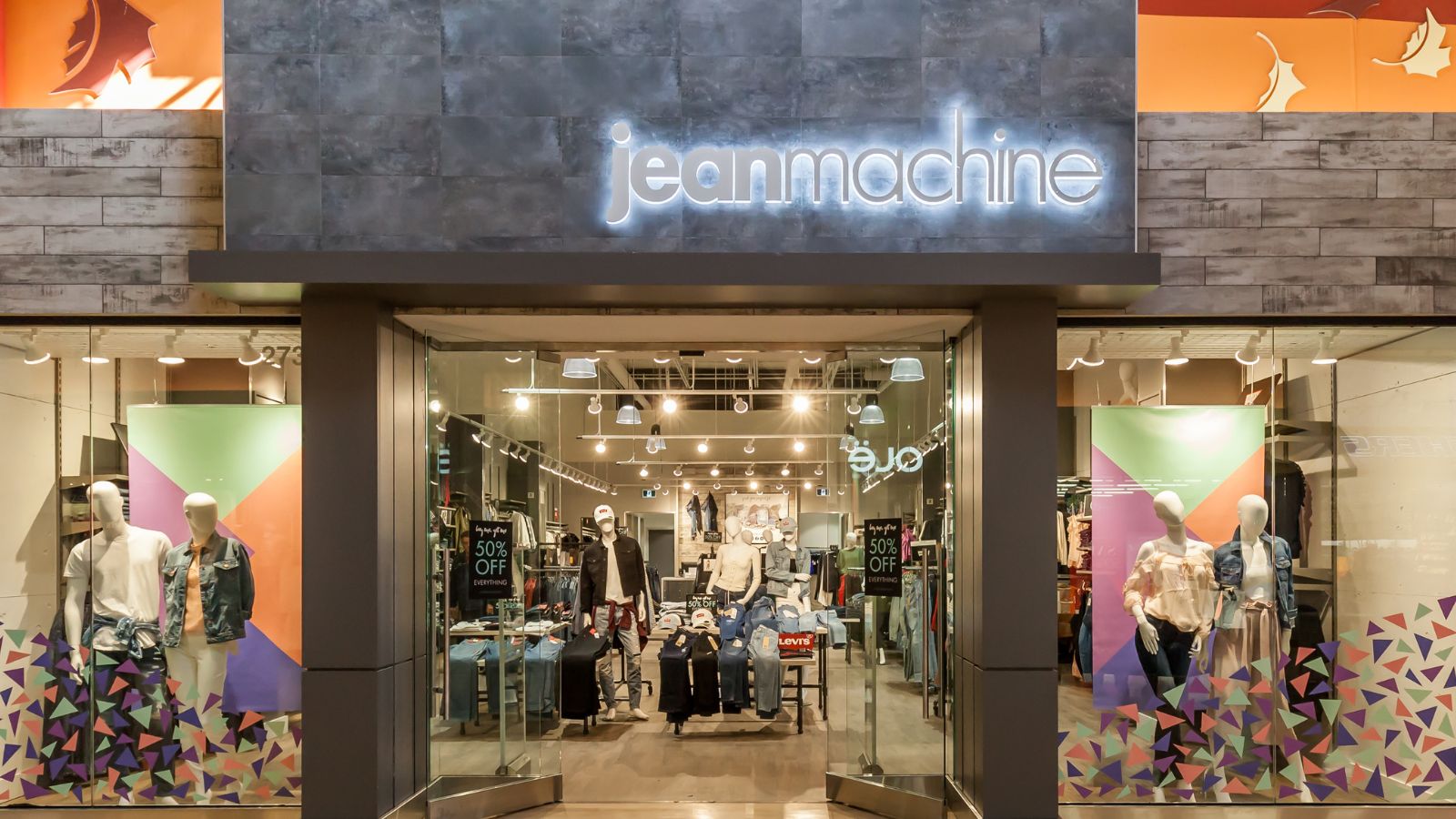
Jean Machine was built around one of the most durable categories in Canadian wardrobes: denim. For decades, its stores gave shoppers a dedicated place to compare washes, cuts, brands, and fits in a setting that felt more specialized than a department store. The name itself became shorthand for mall-based denim shopping, especially for people who wanted help finding jeans that actually fit.
When the chain wound down, it left a gap that was bigger than one logo. Denim is still everywhere, but the dedicated Canadian mall specialist became much harder to replace. Shoppers now bounce between fast-fashion chains, department stores, online marketplaces, and brand boutiques. That can mean more choice, but it also means less of the straightforward, fit-focused experience Jean Machine once provided.
Addition Elle
Addition Elle mattered because it offered plus-size fashion in a dedicated retail environment rather than treating extended sizes as an afterthought. Its stores gave many shoppers access to workwear, lingerie, denim, swimwear, and trend pieces in a space designed specifically for them. In a retail landscape where size inclusivity has often been inconsistent, that visibility carried real importance.
Reitmans announced the closure of the Addition Elle banner during its restructuring, and the loss was felt beyond ordinary store-count math. Some products and size ranges may still be available through other channels, but a dedicated national banner has a different impact. When a shopper no longer sees the sign in the mall, the message can feel like reduced choice, even if alternatives exist elsewhere.
Thyme Maternity
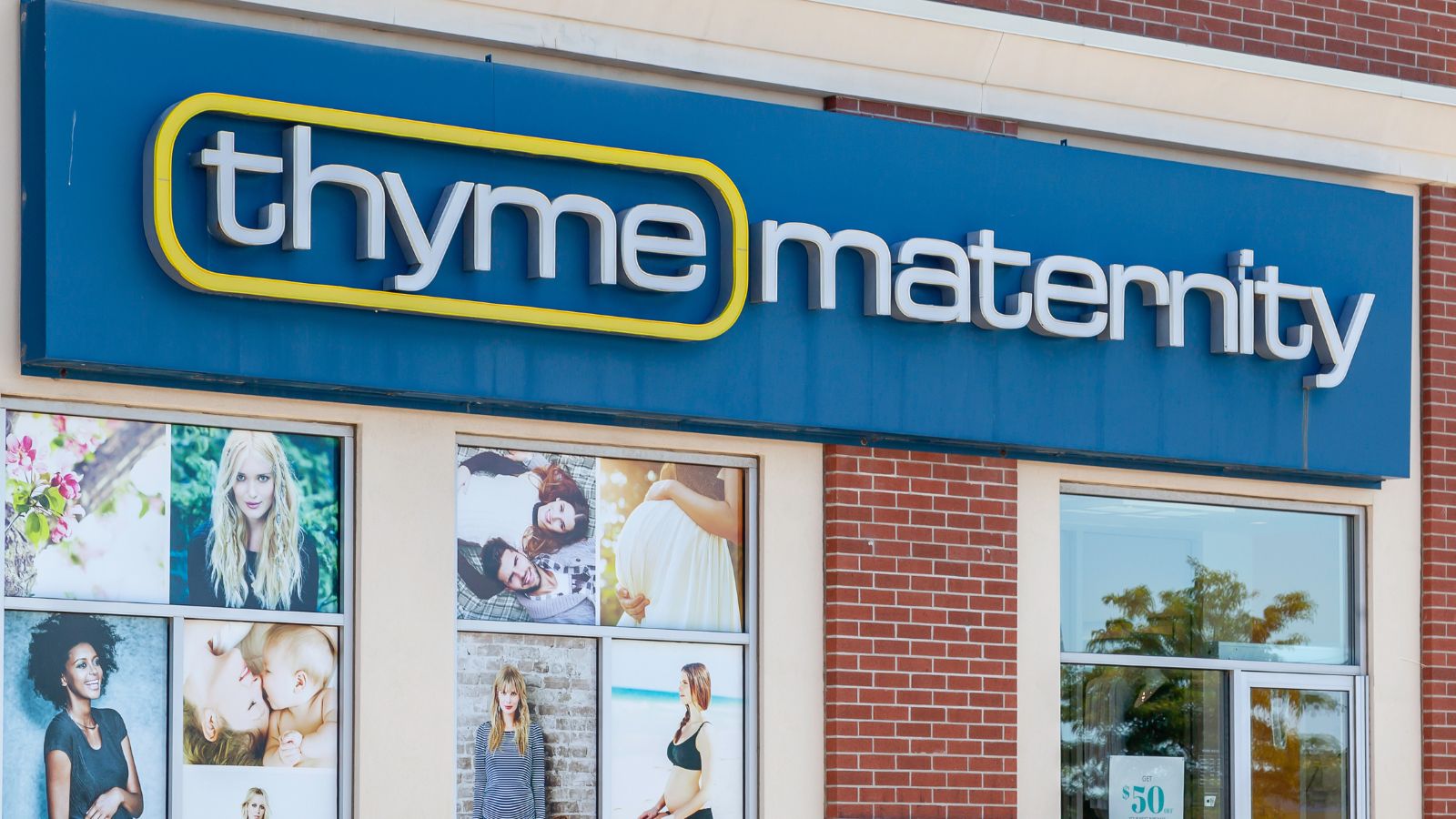
Thyme Maternity occupied a practical niche at a very specific life stage. Maternity shopping is often urgent, emotional, and size-sensitive, and the brand gave expectant parents a place to find nursing tops, maternity jeans, workwear, dresses, and basics without guessing through standard apparel racks. Its mall and shopping-centre presence made an otherwise awkward retail need feel more normal.
The closure of Thyme Maternity stores during Reitmans’ restructuring changed that visibility. The label has since appeared in a different form through RW&CO., but the standalone store experience is not the same. For shoppers who remember walking into a dedicated maternity store and finding multiple categories in one place, the current landscape can feel more fragmented, with more dependence on online orders and selective in-store availability.
Ricki’s
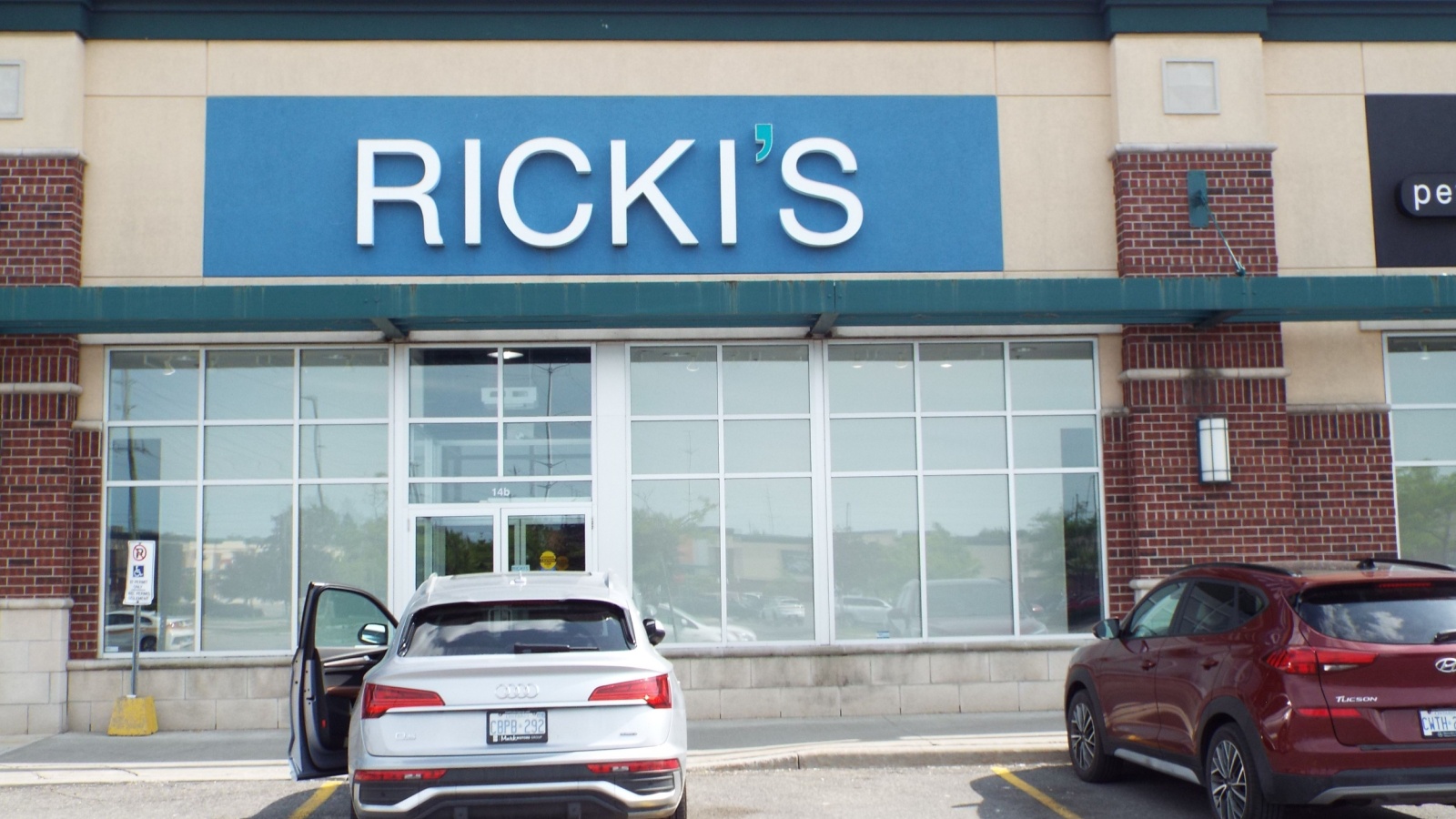
Ricki’s was a familiar Canadian option for affordable women’s workwear, separates, casual tops, and everyday office pieces. It was not positioned as luxury or high fashion, which was exactly the point for many shoppers. The brand served people who needed reliable clothing for work, school meetings, customer-facing jobs, and weekend errands without turning every purchase into a major investment.
Comark’s creditor-protection proceedings in 2025 put Ricki’s into a wind-down process, reducing its presence sharply. That kind of closure affects more than fashion variety. It removes a practical middle-market option from communities where mall choices were already narrowing. For shoppers outside major downtowns, losing a banner like Ricki’s can make clothing errands feel more complicated, especially when online sizing remains a gamble.
Cleo
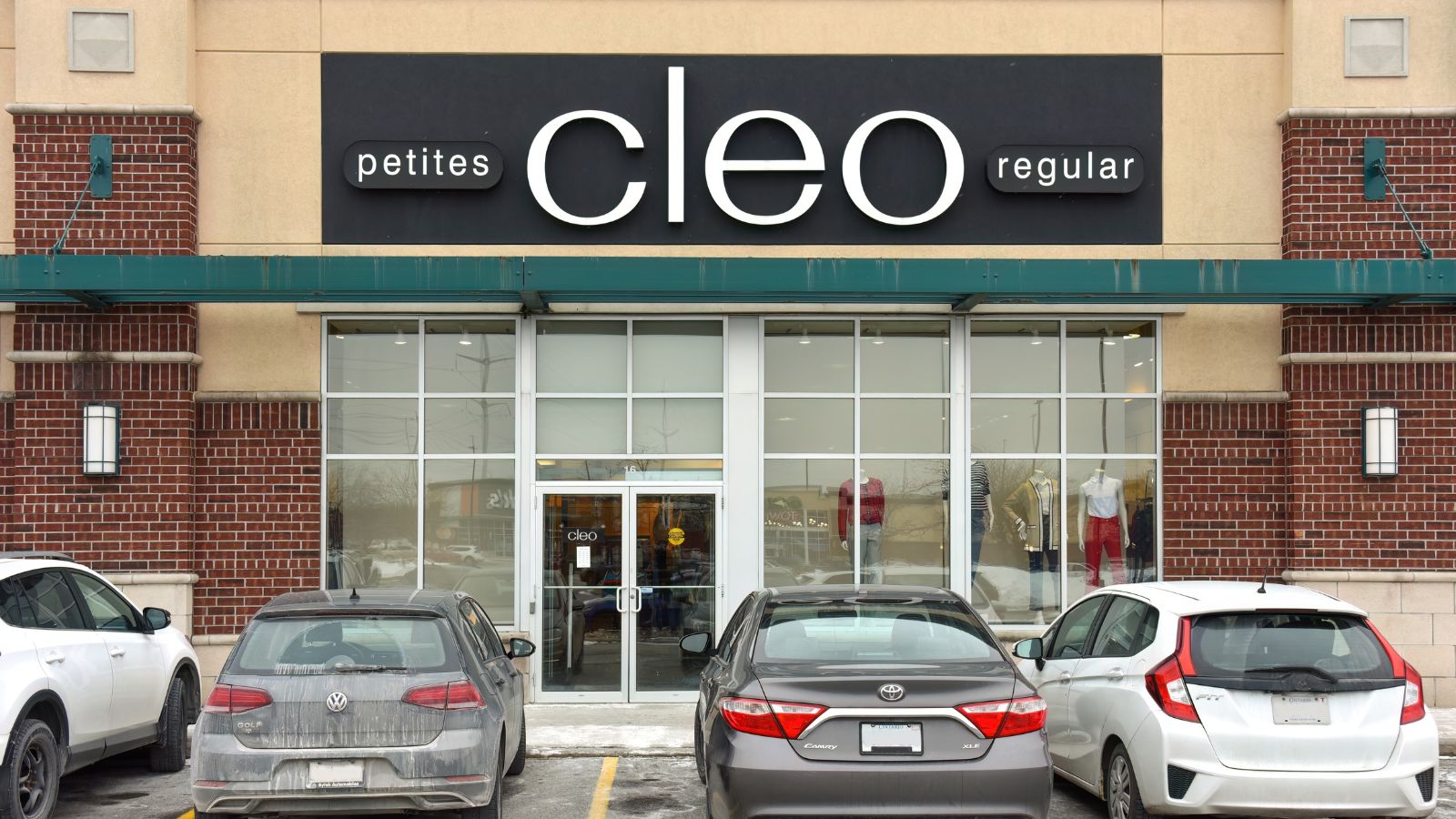
Cleo had a similar everyday usefulness but with its own customer base: women looking for office-friendly outfits, polished casual clothing, and accessible wardrobe staples. It was the kind of store that rarely made dramatic fashion headlines but quietly filled closets across Canada. In smaller malls, its presence could make the difference between having a convenient local apparel option and needing to order online.
The brand became harder to find after Comark moved to wind down Cleo alongside Ricki’s. That matters because mid-priced, mall-based women’s fashion has been squeezed from multiple directions: discount chains below, premium labels above, and e-commerce everywhere. Cleo’s decline reflects how vulnerable practical apparel banners can be when foot traffic weakens and shoppers split their spending across many channels.
Bootlegger

Bootlegger has long been associated with casual Canadian mall fashion: jeans, hoodies, graphic tees, plaid shirts, and relaxed weekend basics. Its appeal was not built on exclusivity but on familiarity. For shoppers in smaller cities and regional malls, it offered a dependable place for denim and casual outfits without needing a specialty boutique or a long trip to a larger retail centre.
As Comark restructured, Bootlegger was not treated the same way as Ricki’s and Cleo, but the proceedings still pointed to downsizing and uncertainty. That makes the brand feel less automatic than it once did. Even where it continues, shoppers may notice fewer nearby locations, a narrower retail footprint, or a stronger need to check availability before assuming a store is still operating in the same mall.
MEC
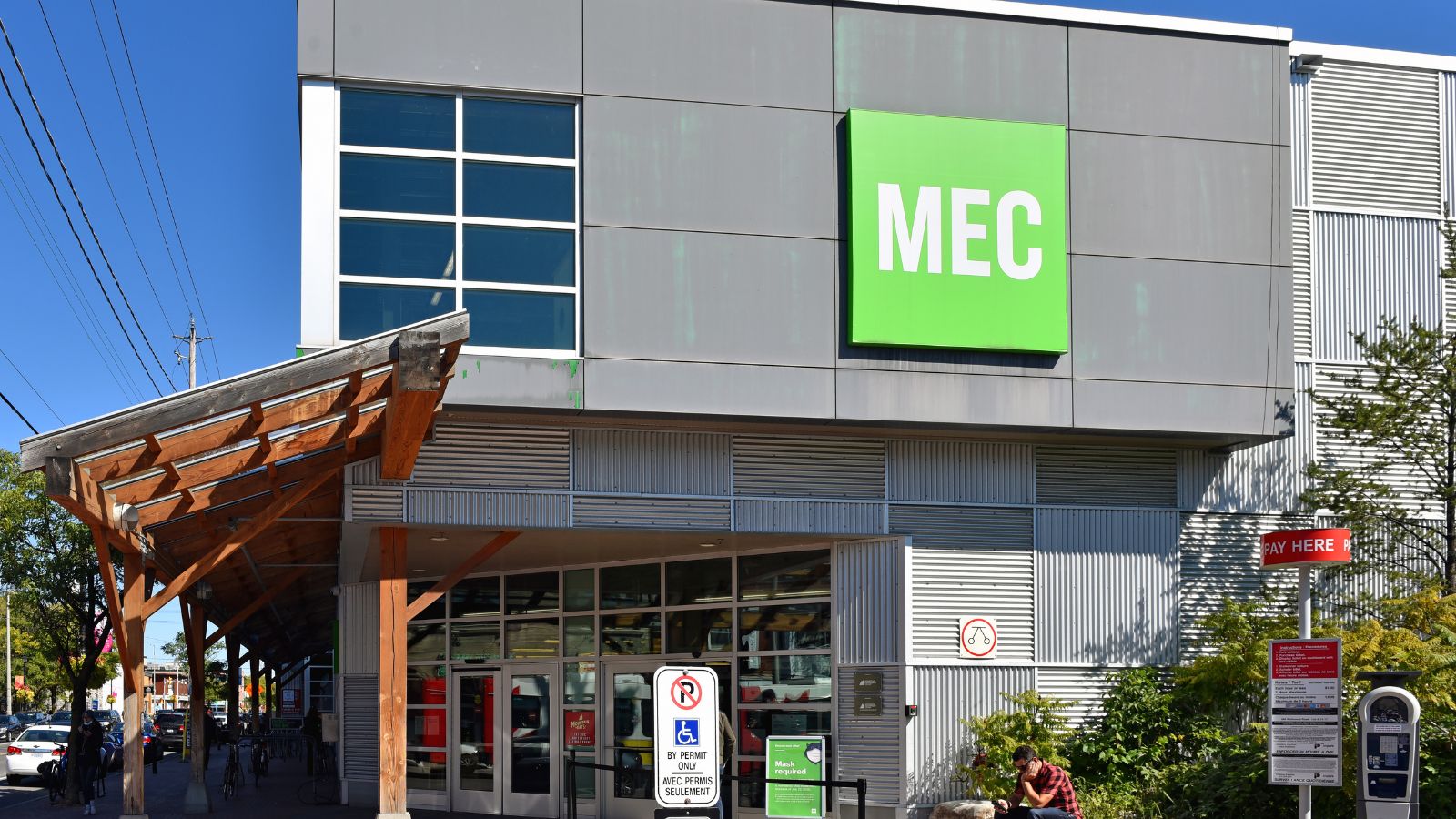
MEC once carried a unique meaning because it was not just a retailer; it was a member-owned co-operative. For outdoor shoppers, the membership card, private-label gear, repair-minded culture, and knowledgeable staff made the brand feel distinctly Canadian. It was a place where urban commuters, climbers, campers, cyclists, and backcountry hikers could all find something useful.
The sale of MEC’s retail assets to a private investor under creditor-protection proceedings changed how many longtime customers perceived the brand. Stores continued, but the co-op identity that made MEC feel different was no longer the same. For some shoppers, that makes the old MEC harder to find even when the sign remains. The products may still be there, but the emotional and ownership connection has shifted.
DAVIDsTEA
DAVIDsTEA was once a bright, fragrant fixture in malls and shopping streets, with walls of colourful tins and staff encouraging customers to smell seasonal blends. It turned loose-leaf tea into an accessible gift and lifestyle purchase, especially for shoppers who wanted something more playful than supermarket tea bags. Its stores were sensory spaces, not just points of sale.
The company’s restructuring reduced its store network dramatically and pushed more emphasis toward online and wholesale channels. That means the brand can still be purchased, but the old discovery experience is far less common. For tea drinkers, the change is noticeable: fewer spontaneous mall visits, fewer in-person smell tests, and more reliance on product descriptions, grocery shelves, or repeat purchases of blends already known.
Aldo
Aldo remains one of Canada’s best-known global fashion retail names, but its presence has not felt as effortless as it once did. The Montreal-founded footwear company grew into an international shoe and accessories business, with mall stores that made seasonal footwear trends easy to browse. For many shoppers, Aldo was a standard stop before weddings, vacations, interviews, or a new season.
The company sought creditor protection in 2020 as pandemic shutdowns hit store-based retail hard, and restructuring pushed the business to rethink its physical footprint. Aldo did not disappear, but the experience changed in a retail environment where mall traffic became less predictable and footwear shopping shifted online. A brand can remain famous while still feeling less visible in everyday shopping routines.
Town Shoes
Town Shoes had a long Canadian history and occupied a slightly more polished footwear niche than many mall chains. Founded in Toronto, it became known for women’s and men’s shoes that sat between casual basics and higher-end specialty footwear. Its stores often served shoppers looking for work shoes, boots, dress shoes, or something more refined than discount options.
The brand disappeared after its owner decided to close all Town Shoes locations in Canada. That eliminated a banner with decades of recognition and left shoppers to navigate other shoe chains, department-store sections, and online marketplaces. Footwear is a category where fit still matters, so the loss of a familiar physical retailer made the change more noticeable than a simple brand substitution might suggest.
Danier
Danier was once closely tied to leather jackets, coats, handbags, and accessories in Canadian malls. Its stores had a recognizable look and a clear specialty, giving shoppers a place to compare leather quality, silhouettes, and seasonal outerwear. At a time when many retailers tried to be everything to everyone, Danier’s focus made it memorable.
The company entered insolvency proceedings and moved through store-closing sales before later returning under new ownership. That comeback kept the name alive, but the old national network was no longer the same. For shoppers who remember Danier as a mall regular with rows of jackets and leather bags, the brand’s modern presence can feel more selective, more online-dependent, and less woven into routine shopping trips.
Jacob
Jacob was a Montreal-based women’s fashion retailer that once operated a sizable national store network. It served shoppers looking for workwear, dresses, knitwear, and polished everyday pieces at accessible prices. In the 1990s and 2000s, its stores were part of the Canadian mall fashion mix alongside other domestic banners and fast-growing international chains.
The company struggled under competitive pressure and eventually moved to liquidate its stores. The brand later survived in limited forms, including fragrances and selected products, but that is very different from a full fashion chain. Jacob’s story captures a broader shift: recognizable Canadian apparel names did not always disappear entirely, but many lost the broad physical presence that once made them feel easy to find.
Smart Set
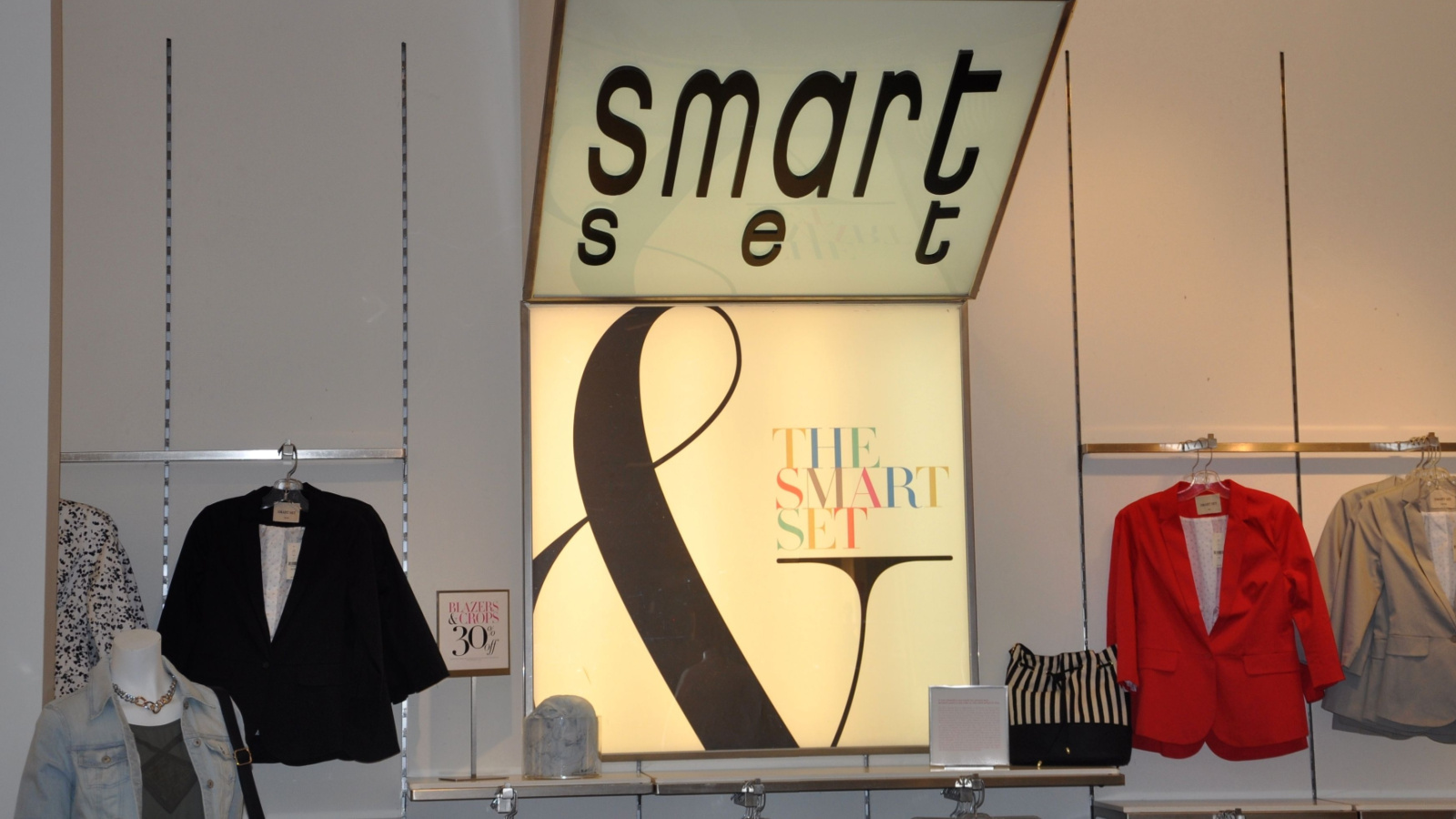
Smart Set was another familiar Reitmans-owned banner, aimed at younger women seeking affordable fashion, casual pieces, and trend-conscious basics. It was a regular part of many malls, especially for shoppers who wanted lower-priced apparel without relying solely on fast-fashion giants. Its stores added variety to the Canadian middle-market fashion landscape.
Reitmans announced a plan to close the Smart Set banner, converting some stores to other company banners and closing others. The decision reflected a profitability strategy, but for shoppers it meant one less recognizable name in the mall. Smart Set’s disappearance also showed how parent companies sometimes preserve scale by consolidating banners, leaving consumers with fewer distinct retail identities even when some locations remain active under different names.
Stokes
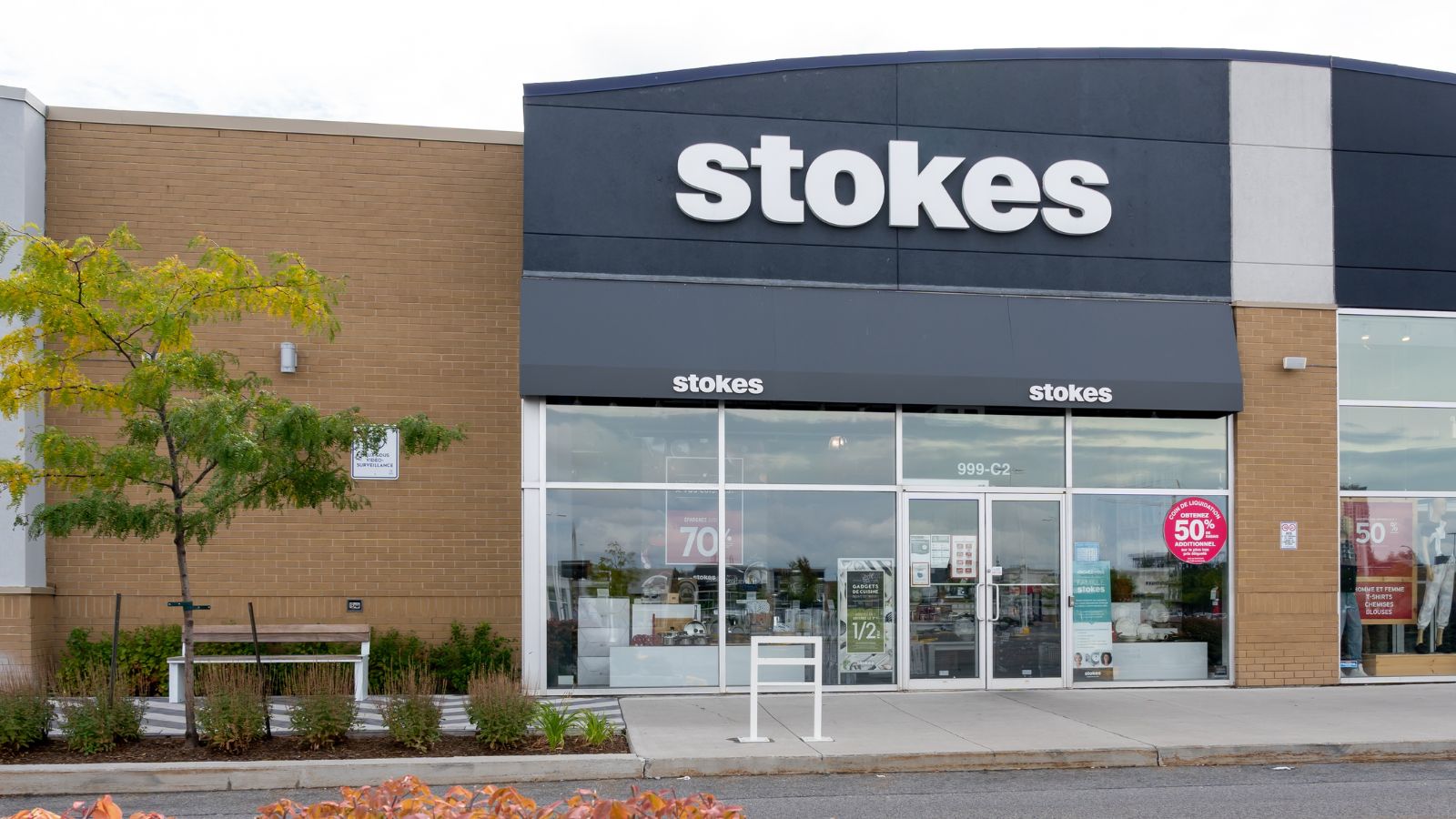
Stokes has long been associated with kitchenware, tableware, small appliances, and home décor at accessible prices. For shoppers setting up apartments, buying gifts, or replacing everyday kitchen items, its stores were practical and familiar. The brand had a strong presence in malls and shopping centres, often competing through promotions and broad product assortments.
Stokes entered restructuring and moved to close less profitable locations while keeping a significant part of the business operating. That distinction matters: the brand did not simply disappear, but its footprint became more selective. For customers in communities that lost a location, the difference is concrete. A quick stop for glassware, cookware, or a last-minute housewarming gift may now require online ordering or a longer trip.
Bowring
Bowring was known for home décor, gifts, frames, tableware, and seasonal items, often presented in a more traditional decorative style than many modern home retailers. It was the kind of store where shoppers could wander for wedding gifts, holiday ornaments, serving pieces, or small accents for the living room. Its identity leaned into occasion and gifting.
The Canadian Bowring business became harder to find after its parent company sought creditor protection and moved into liquidation alongside Bombay. For shoppers, the loss was another example of the shrinking middle of home-goods retail. Big-box stores, online marketplaces, and discount chains still sell décor, but they do not necessarily replace the browsing experience that made Bowring feel like a destination for gifts and household finishing touches.
Bombay Company
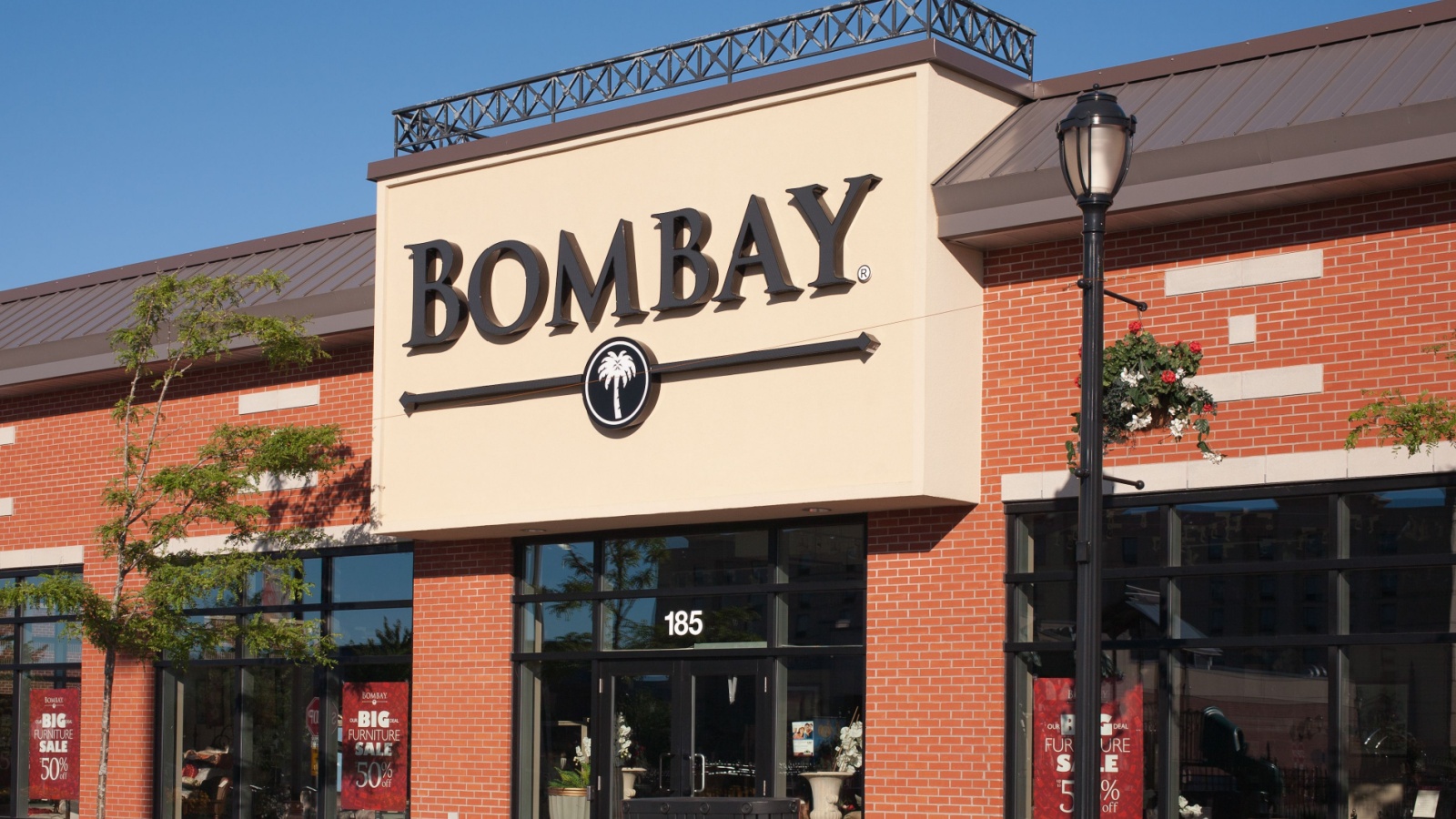
Bombay Company had a distinctive place in Canadian home retail through furniture, accent tables, mirrors, lamps, and traditional décor. Its stores appealed to shoppers looking for pieces with a more formal or classic look than the flat-pack and minimalist styles that became dominant elsewhere. In many malls, Bombay added a different tone to the home-goods mix.
The Canadian operations faced creditor-protection issues and were later tied to liquidation of remaining locations. Even though the broader Bombay name has had various ownership and licensing chapters, the old Canadian store experience is no longer easy to find. That is especially noticeable because furniture and décor are tactile categories. Seeing wood finishes, proportions, and fabric details in person mattered to many shoppers.
Teaopia
Teaopia arrived before loose-leaf tea became a crowded lifestyle category. The Canadian mall-based brand offered tins, blends, teaware, and staff-led discovery in a format that made tea feel giftable and modern. For customers who wanted to move beyond grocery-store tea, it provided an approachable starting point.
The brand was acquired by Teavana, and its Canadian stores were converted to the Teavana banner. Later, Starbucks closed Teavana’s physical retail stores, leaving Teaopia as a memory rather than a place shoppers can visit. Its disappearance is a useful reminder that acquisitions can erase local retail identities even when the product category survives. Loose-leaf tea remains available, but the specific Canadian name and store format are much harder to find.
Future Shop
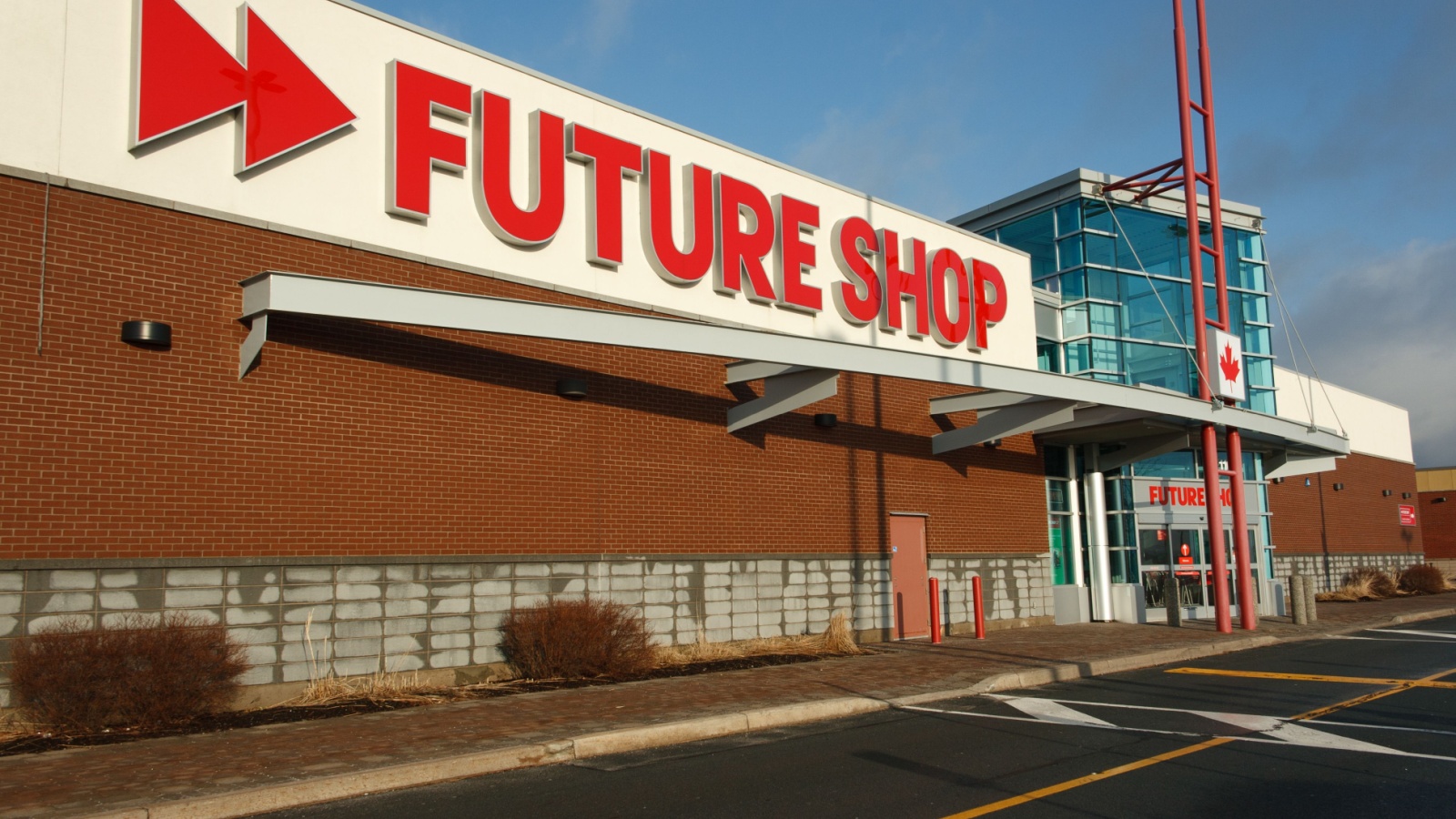
Future Shop was one of Canada’s most recognizable electronics retailers, with a sales-floor culture built around televisions, computers, appliances, video games, cables, and weekend browsing. Before online comparison shopping became the norm, many consumers visited Future Shop to see devices in person, ask questions, and chase flyer deals. Its stores were large, loud, and unmistakably tied to electronics retail’s boom years.
Best Buy Canada eventually closed some Future Shop locations and converted others to the Best Buy banner, ending the brand’s separate identity. The electronics are still sold, and many former locations continued under a different name, but the Future Shop brand itself became hard to find overnight. For shoppers who remember Boxing Day lineups and commission-style sales floors, the change marked the end of a distinct Canadian retail chapter.
19 Things Canadians Don’t Realize the CRA Can See About Their Online Income

Earning money online feels simple and informal for many Canadians. Freelancing, selling products, and digital services often start as side projects. The problem appears at tax time. Many people underestimate how much information the CRA can access. Online platforms, banks, and payment processors create detailed records automatically. These records do not disappear once money hits an account. Small gaps in reporting add up quickly.
Here are 19 things Canadians don’t realize the CRA can see about their online income.
