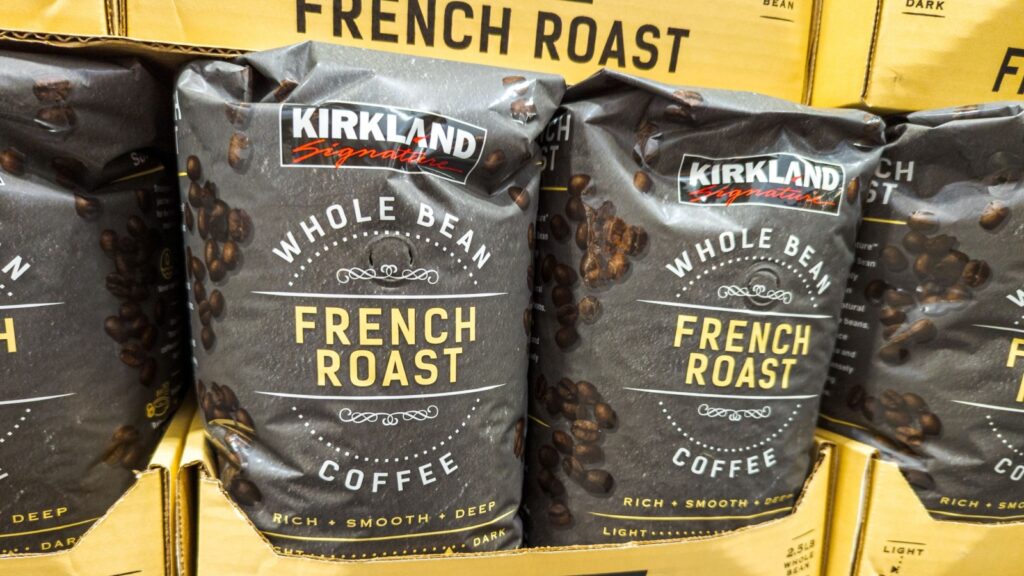
Canadian store shelves can feel strangely familiar and unfamiliar at the same time. A favourite box still has the same colours, a household staple still sits in the same aisle, and a trusted brand still uses the same comforting name — yet the product may feel lighter, pricier, more digital, less generous, or simply different from what many shoppers remember.
These 22 Canadian products reflect the quiet ways everyday goods have shifted while people were busy comparing receipts, clipping digital offers, and trying to stretch household budgets. Some changes are tied to packaging sizes, ingredients, labelling rules, supply costs, environmental regulations, or loyalty-program redesigns. Others are more subtle: a product that once felt basic now feels premium, or a familiar purchase now requires closer reading than it used to.
Coffee Tins and Bags
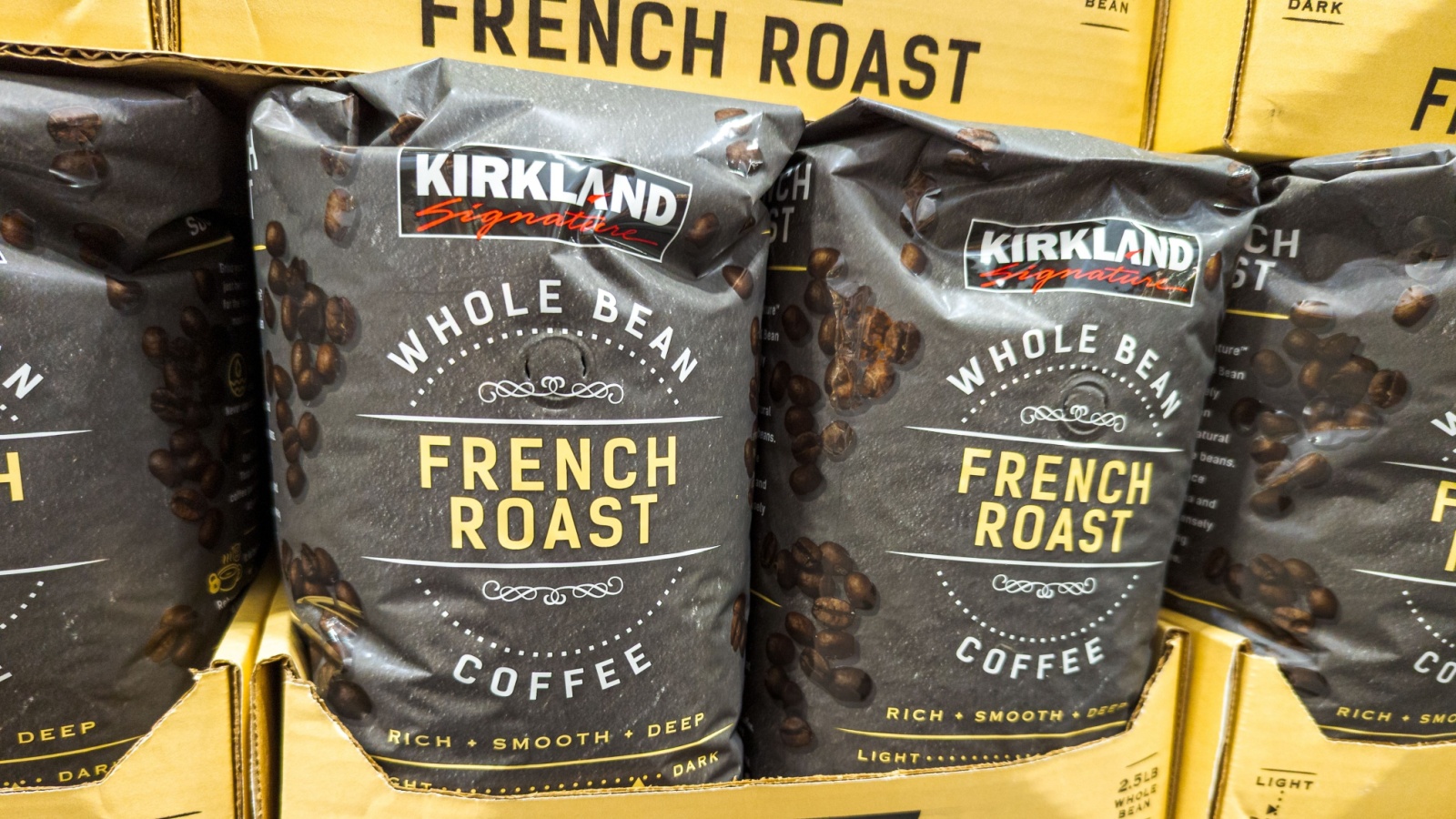
Coffee is one of those products that makes change feel personal. A household may not notice every grocery increase, but it notices when the morning tin empties faster or a familiar bag costs more than expected. In Canada, coffee has been especially exposed to global pressures because most beans are imported, meaning weather, crop yields, shipping costs, currency shifts, and commodity markets can show up on local shelves. Even when the label looks unchanged, the price per gram can tell a different story.
The change is not only about price. Some brands have leaned into smaller bags, resealable pouches, premium roasts, pod formats, or “craft” positioning that makes the coffee aisle feel more specialized than it once did. A parent grabbing coffee before school drop-off may still reach for the usual brand, only to pause at the shelf tag. What used to feel like a plain pantry staple now behaves more like a volatile global commodity wrapped in familiar Canadian routine.
Packaged Bread
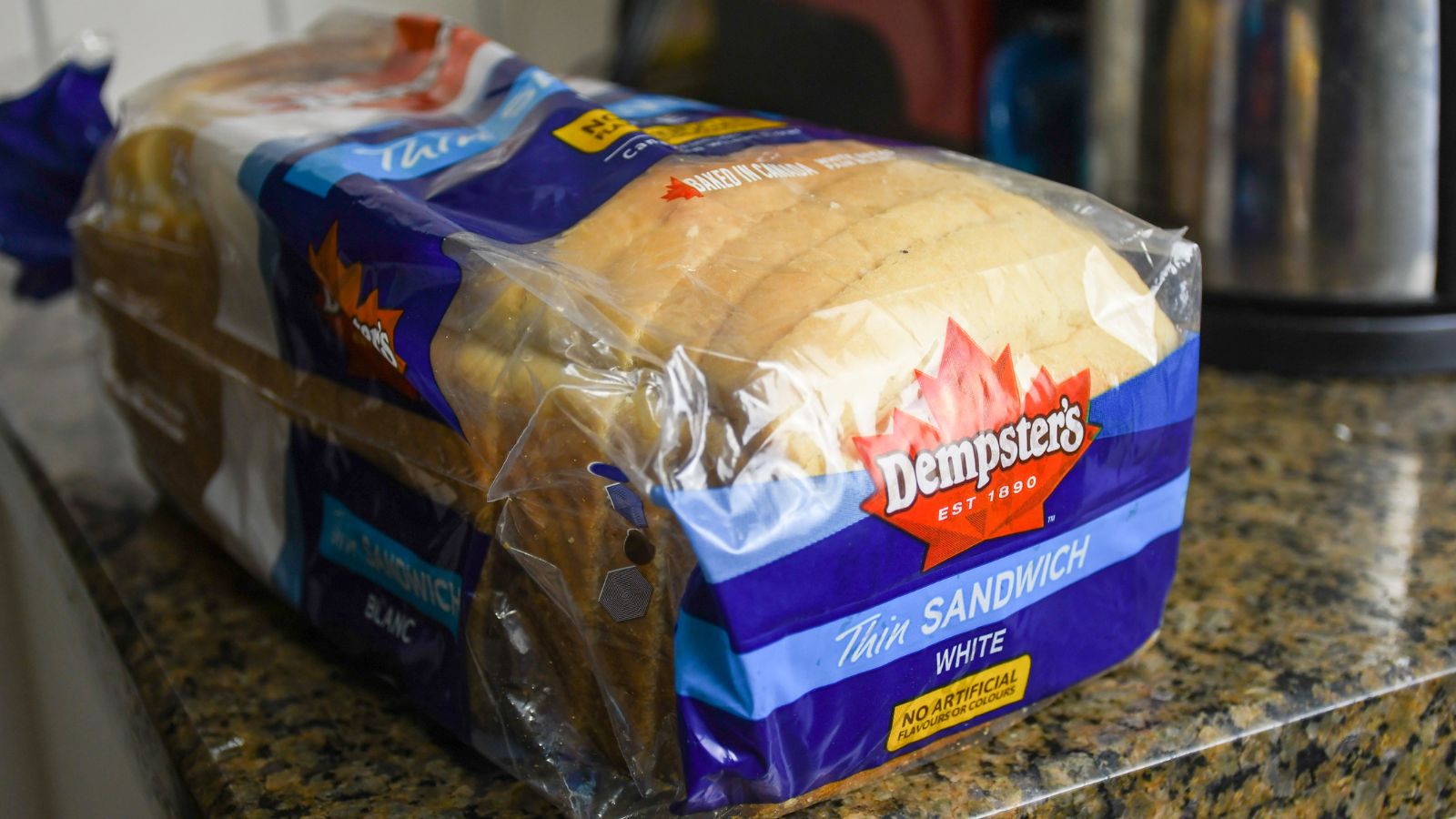
Bread still looks like the most ordinary purchase in the cart, but many shoppers have noticed that it no longer feels as automatic. Loaves can vary by slice count, weight, fibre claims, grain blend, and price tier, while discount tags and multi-buy offers make direct comparisons harder. Bakery and grain products have been affected by ingredient costs, energy costs, transportation, and packaging decisions, which can make a basic loaf feel less basic than it once did.
The bigger shift is how bread is marketed. Shelves now separate classic white and whole wheat from thin-sliced, protein-added, keto-style, ancient grain, brioche, and premium bakery-style options. That variety gives shoppers more choice, but it also makes the old “grab a loaf” habit slower. A family that once bought the same bread every week may now check whether the package is smaller, whether the slices are thinner, or whether the sale price only applies when buying two.
Breakfast Cereal
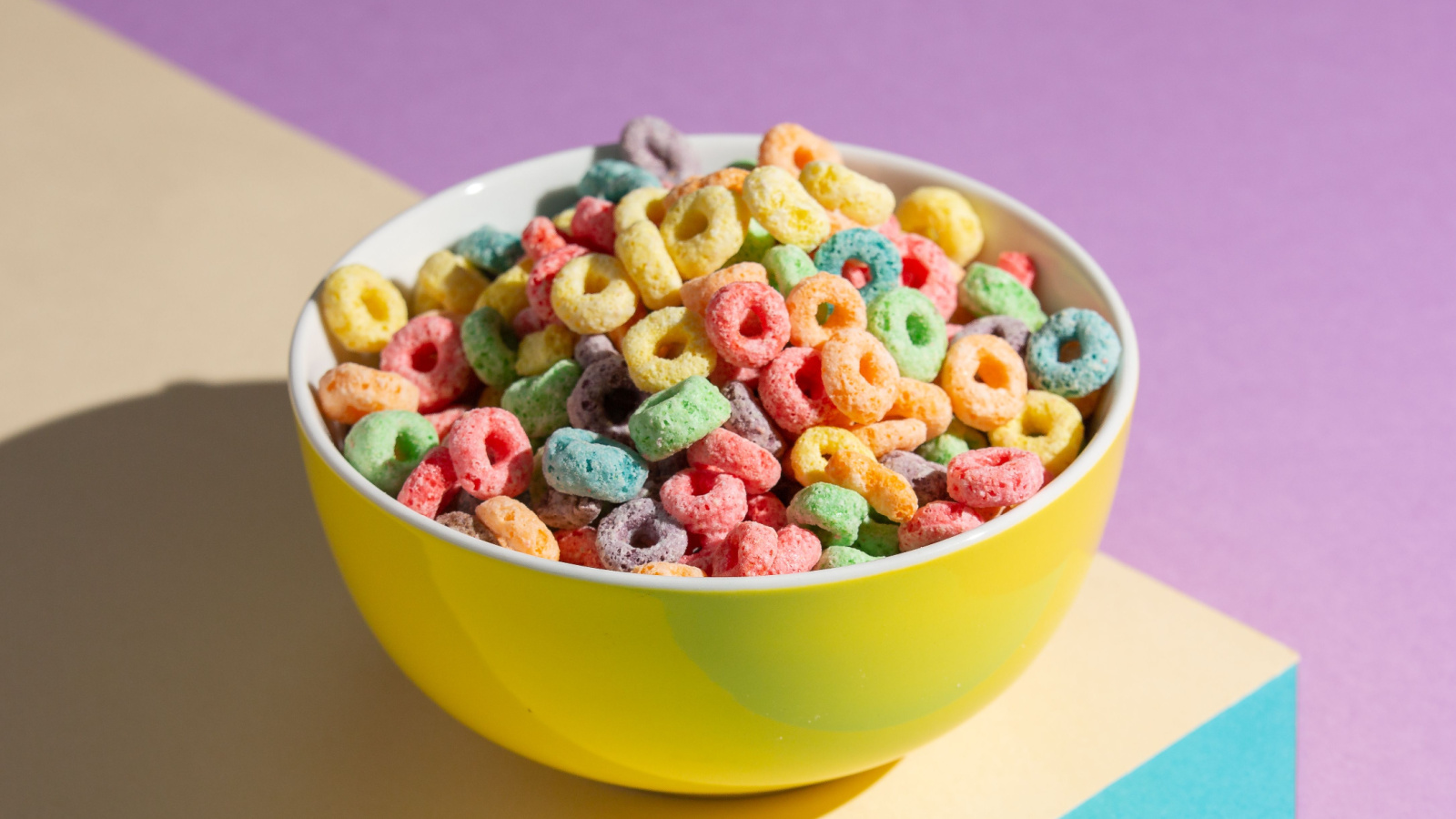
Breakfast cereal has quietly become one of the clearest examples of how packaging, nutrition, and value can shift at once. Boxes remain tall and colourful, but the actual weight inside matters more than the shelf presence. Many households have become more alert to the difference between a large-looking box and a good price per 100 grams, especially when cereal is frequently bought for children and disappears quickly.
The cereal aisle has also changed because nutrition rules and shopper expectations have changed. Products now compete on fibre, sugar levels, whole grains, protein, and “natural” ingredients, while some sweeter cereals may draw closer attention under Canada’s front-of-package nutrition labelling rules. A cereal that once sold mainly on cartoon appeal may now sit beside options promising less sugar or more fibre. The result is an aisle where nostalgia still sells, but the fine print has become harder to ignore.
Yogurt Tubs

Yogurt once felt like a simple dairy staple: plain, vanilla, strawberry, maybe a multipack for lunches. Today the section looks more like a wall of formats — Greek, skyr, probiotic, drinkable, lactose-free, high-protein, sugar-reduced, and dessert-style. The product has not disappeared, but the centre of gravity has moved toward specialization. That can make a familiar tub seem changed even when the brand name has not.
The value question has shifted too. A tub may look similar in shape but differ in grams, protein content, sweetener choice, or number of servings. Families buying yogurt for breakfasts and school lunches may find that the “healthier” or higher-protein option costs more, while multipacks can create more packaging and smaller portions. In Canada’s supply-managed dairy environment, dairy products also sit inside a regulated system that affects farmgate pricing and market structure, making yogurt feel less like a static staple and more like a carefully segmented product.
Cheese Blocks
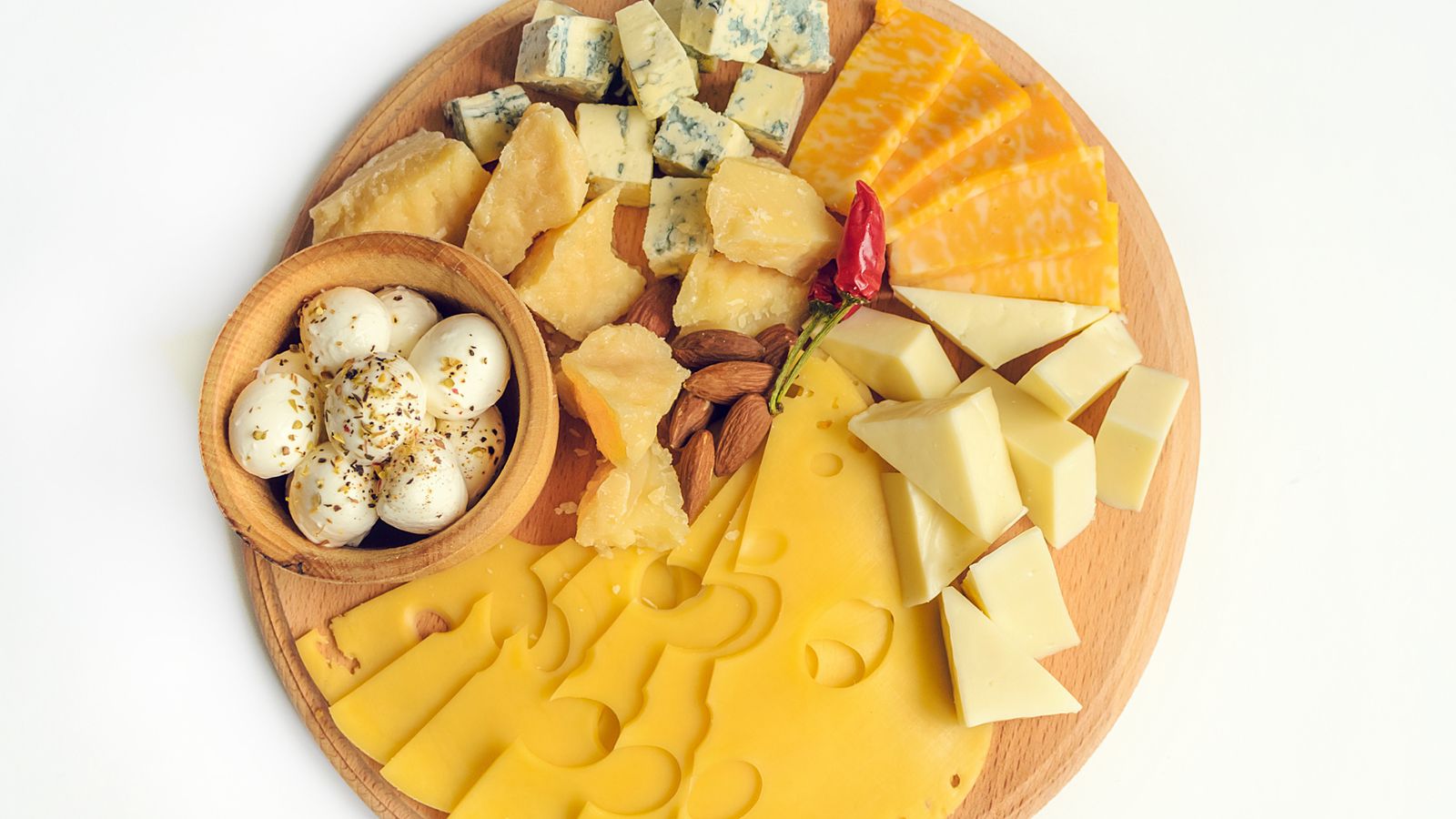
Cheese blocks are another product where shoppers often feel change before they can explain it. The classic rectangular block remains familiar, but the price can make it feel closer to a treat than a routine sandwich ingredient. Many households now wait for promotions, buy larger blocks when they can, or compare store brands against national brands more carefully. Cheese is also exposed to dairy-sector pricing, processing costs, and retailer strategy.
Packaging and variety have changed the experience as well. Blocks now compete with shredded cheese, snack portions, cheese strings, lactose-free options, aged varieties, and premium “artisan-style” products. A block of cheddar may still be a basic fridge item, but it sits in an aisle designed to encourage trading up. For someone who remembers cheese as an easy add-on to lunches, the modern shelf can feel more complicated, especially when sale cycles determine whether it lands in the cart.
Butter
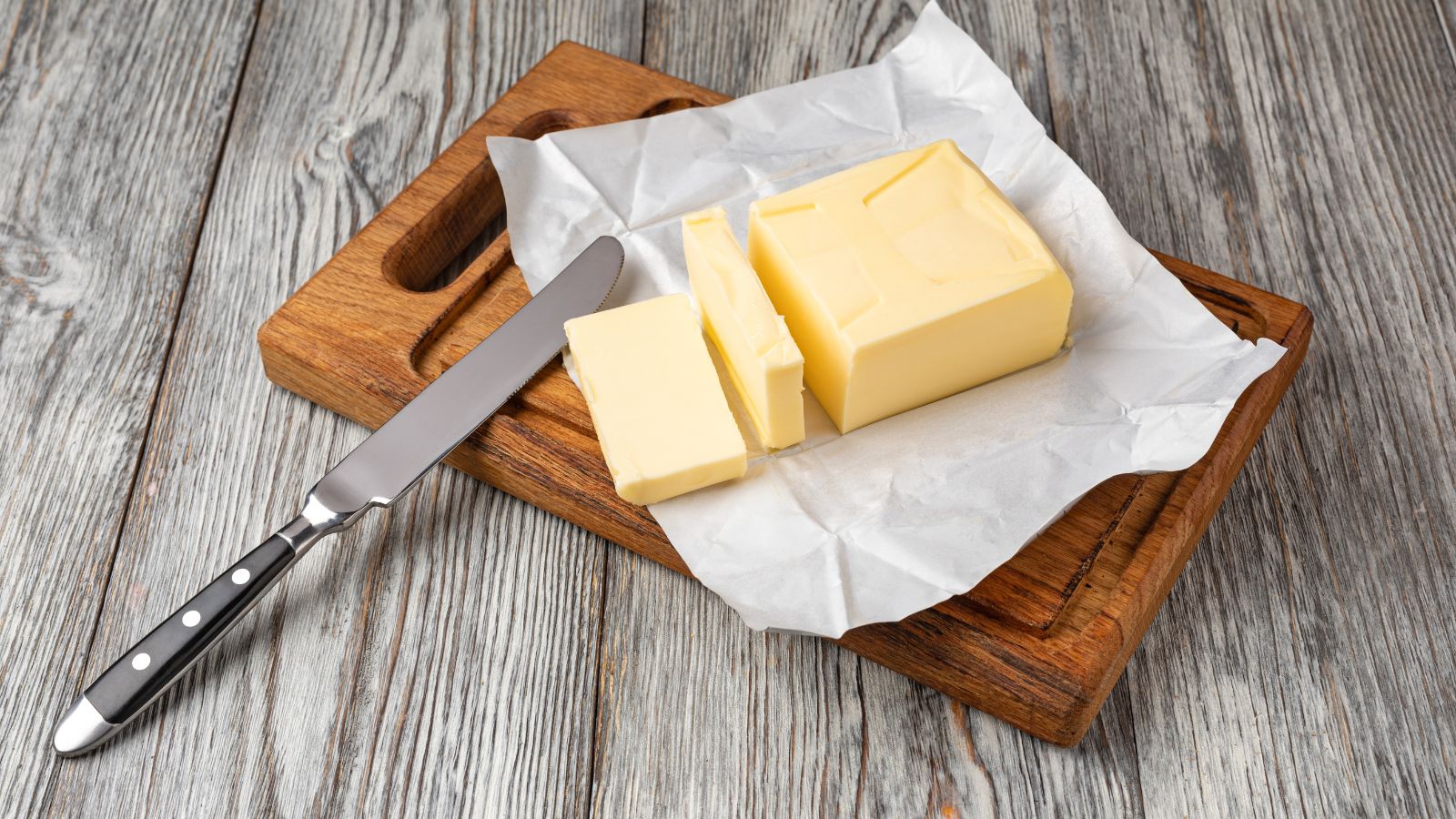
Butter has become a product many Canadians watch more closely than they used to. It is still used for toast, baking, sauces, and holiday cooking, but it has become noticeably more strategic for households that bake often. Instead of buying butter casually, shoppers may wait for flyer specials, freeze extra bricks, or switch between butter and margarine depending on the week’s price. That behavioural change makes the product feel different even before the package changes.
The butter shelf has also expanded. Salted and unsalted bricks now sit beside spreadable butter, cultured butter, lactose-free products, plant-based alternatives, and premium formats. At the same time, dairy pricing and demand for milk fat influence how consumers experience the butter category. A grandparent making shortbread may still reach for the same ingredient, but the cost and range of options make the purchase feel less old-fashioned and more calculated.
Orange Juice Cartons

Orange juice has changed in a way many shoppers notice only after comparing labels. Cartons and bottles still promise freshness, pulp levels, and vitamin C, but the category is heavily affected by global orange crops, disease pressures, weather, and transportation. Canada imports much of what becomes orange juice, so international supply problems can quickly turn into higher prices or altered formats on Canadian shelves.
The product’s identity has also shifted. Traditional juice now competes with lower-sugar beverages, flavoured waters, smoothies, plant-based drinks, and “not from concentrate” premium options. Meanwhile, health-conscious shoppers may treat juice less like an everyday breakfast default and more like an occasional purchase because of sugar content. A carton that once lived permanently in the fridge may now be bought only on sale, used for brunch, or replaced by whole fruit.
Frozen Fries
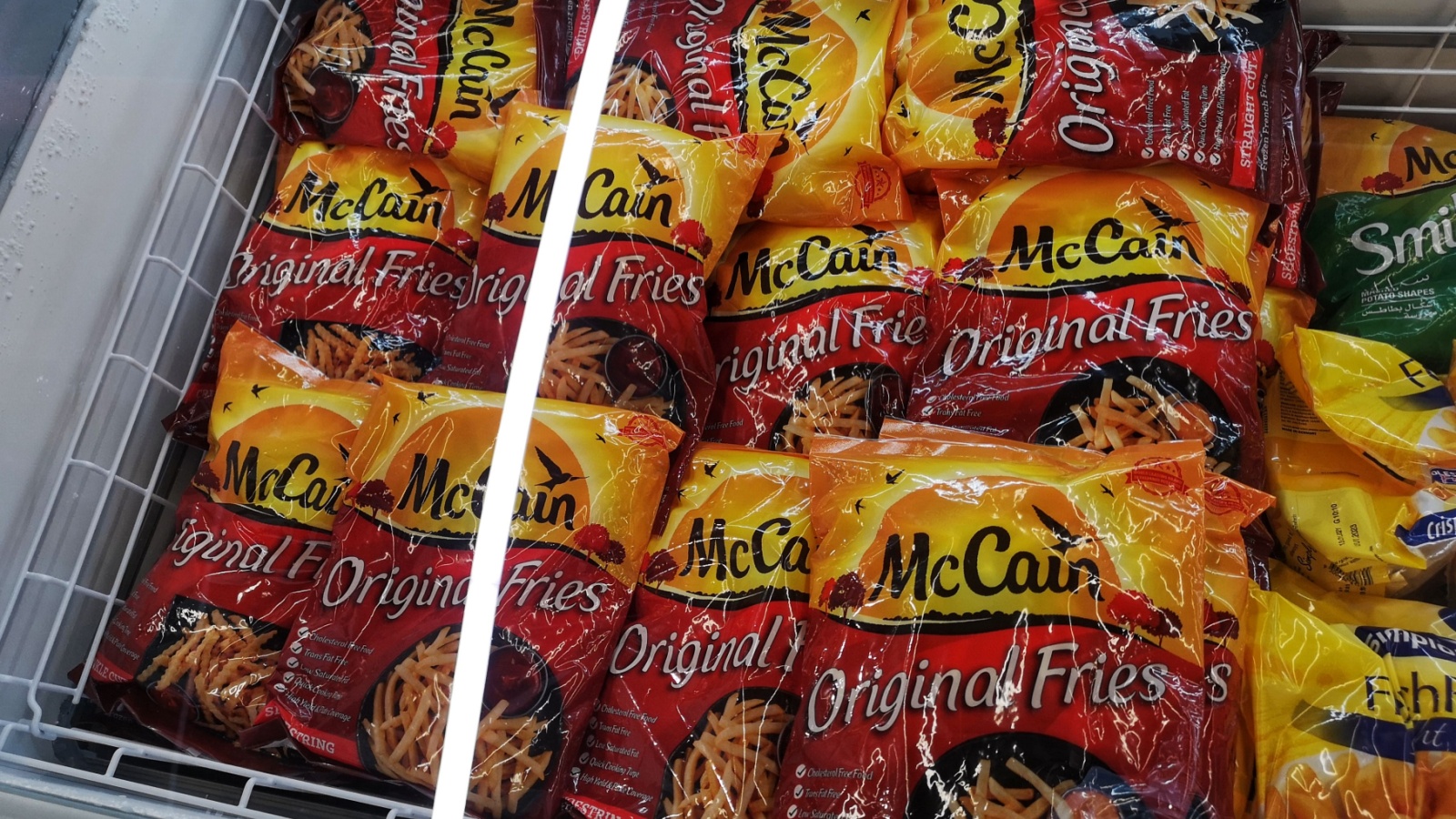
Frozen fries feel proudly Canadian in many homes because of the country’s strong potato and frozen-food industry. They remain a convenient side dish, especially for busy weeknights, but the category has become more varied and more carefully packaged. Straight-cut fries now compete with wedges, waffle fries, air-fryer formats, low-oil claims, restaurant-style seasoning, and premium potato products. Convenience is still the promise, but the aisle feels more engineered.
Cost and quantity are part of the shift. Frozen potato products depend on crop conditions, processing costs, energy, packaging, and transportation. A bag may look familiar, but households increasingly compare weight, servings, and whether a sale price truly beats a private-label alternative. The rise of air fryers has also changed expectations: shoppers now want crispness at home without deep frying. The humble frozen fry has become a product shaped by appliance trends as much as by potatoes.
Potato Chips
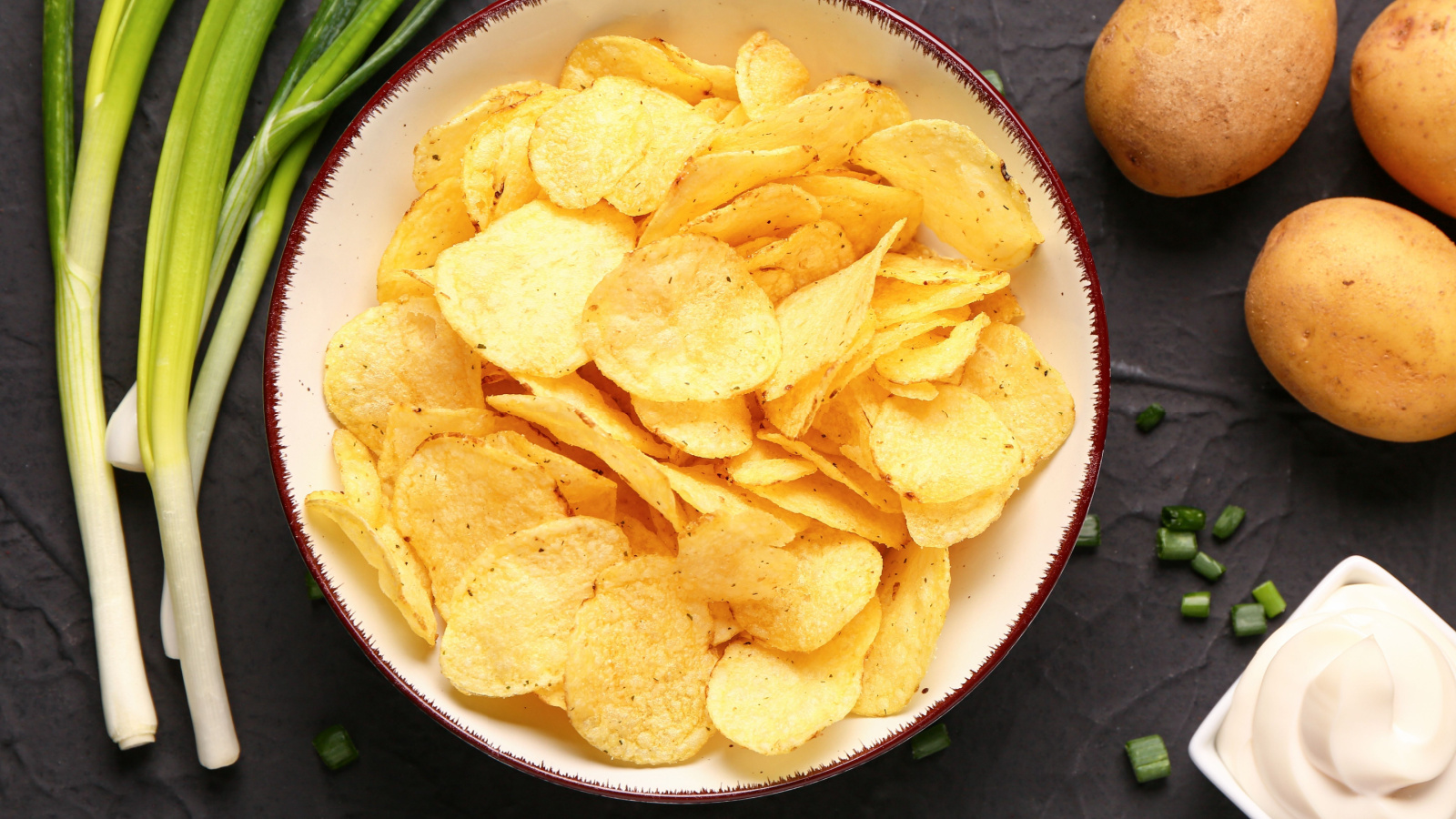
Potato chips may be one of the most emotionally charged examples of “something changed.” Bags can look large because air protects the chips, but consumers often focus on the weight printed near the bottom. Snack foods have long used packaging design to protect fragile contents and stand out on shelves, yet higher prices and shrinkflation awareness have made people more suspicious of big bags that feel light.
The flavour landscape has changed too. Classic salted, ketchup, dill pickle, and all-dressed still matter in Canada, but limited-time flavours, ridged formats, kettle-cooked versions, and premium positioning have turned chips into a rotating novelty category. A bag bought for a hockey night or cottage weekend may cost more, contain fewer grams than remembered, or be promoted as a more crafted snack. The product still feels fun, but the value math has become harder to miss.
Chocolate Bars
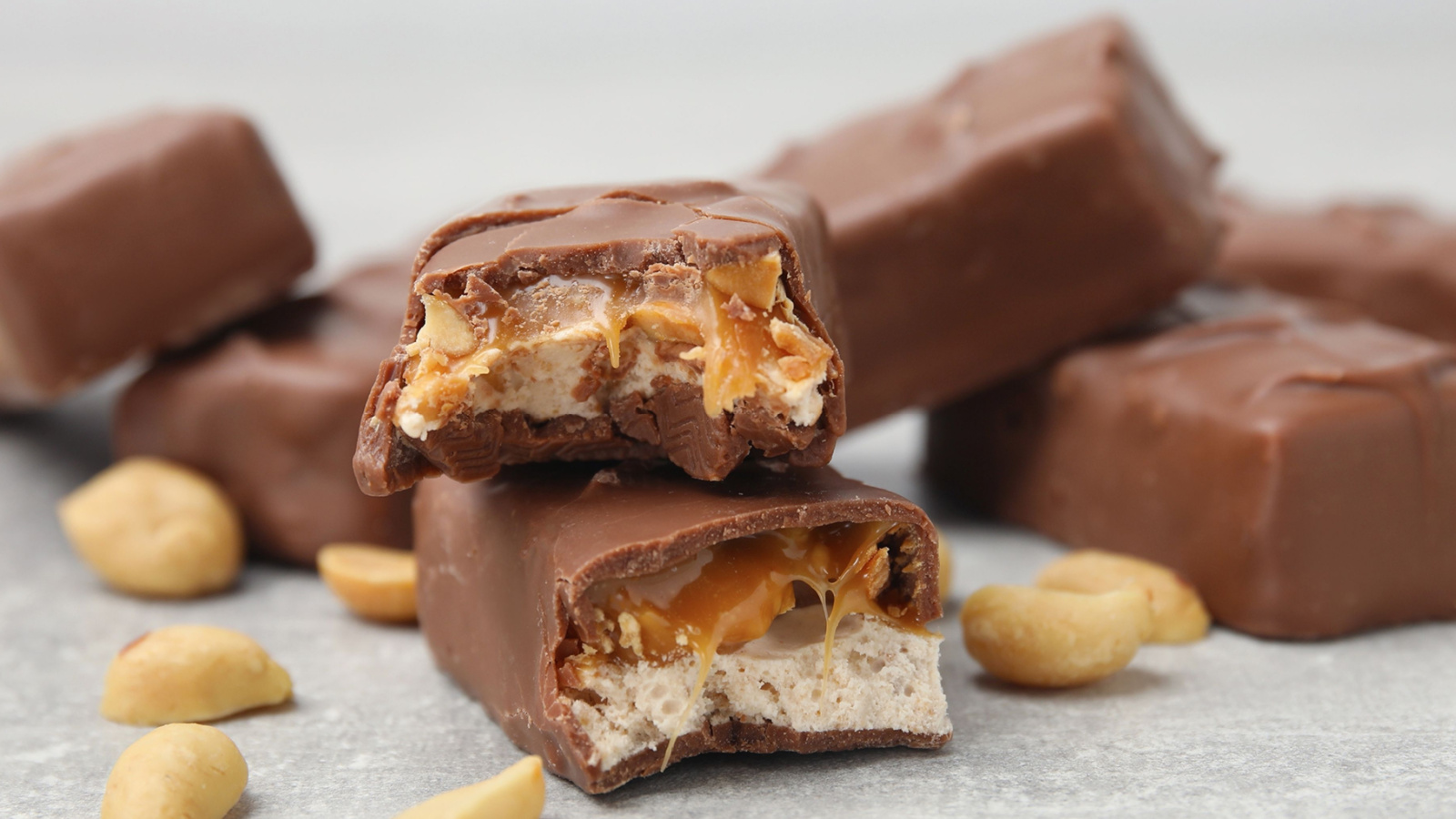
Chocolate bars still occupy the impulse zone near checkouts, but they no longer feel quite as simple. Cocoa prices, sugar costs, packaging, and retailer pricing all influence what lands in that small wrapper. Some bars may change size, shape, ingredients, or promotional strategy while keeping a familiar name. Because chocolate is often bought from memory rather than careful inspection, subtle changes can feel especially surprising later.
There is also more segmentation. A basic chocolate bar now competes with sharing bars, minis, pouches, seasonal formats, dark chocolate, plant-based versions, and premium Canadian-made options. A shopper may remember when a bar was a small everyday treat; now it can feel like either a smaller indulgence or a pricier one. The emotional connection remains strong, but the modern chocolate shelf asks consumers to notice grams, cocoa claims, and multi-pack pricing more than they once did.
Ice Cream Tubs
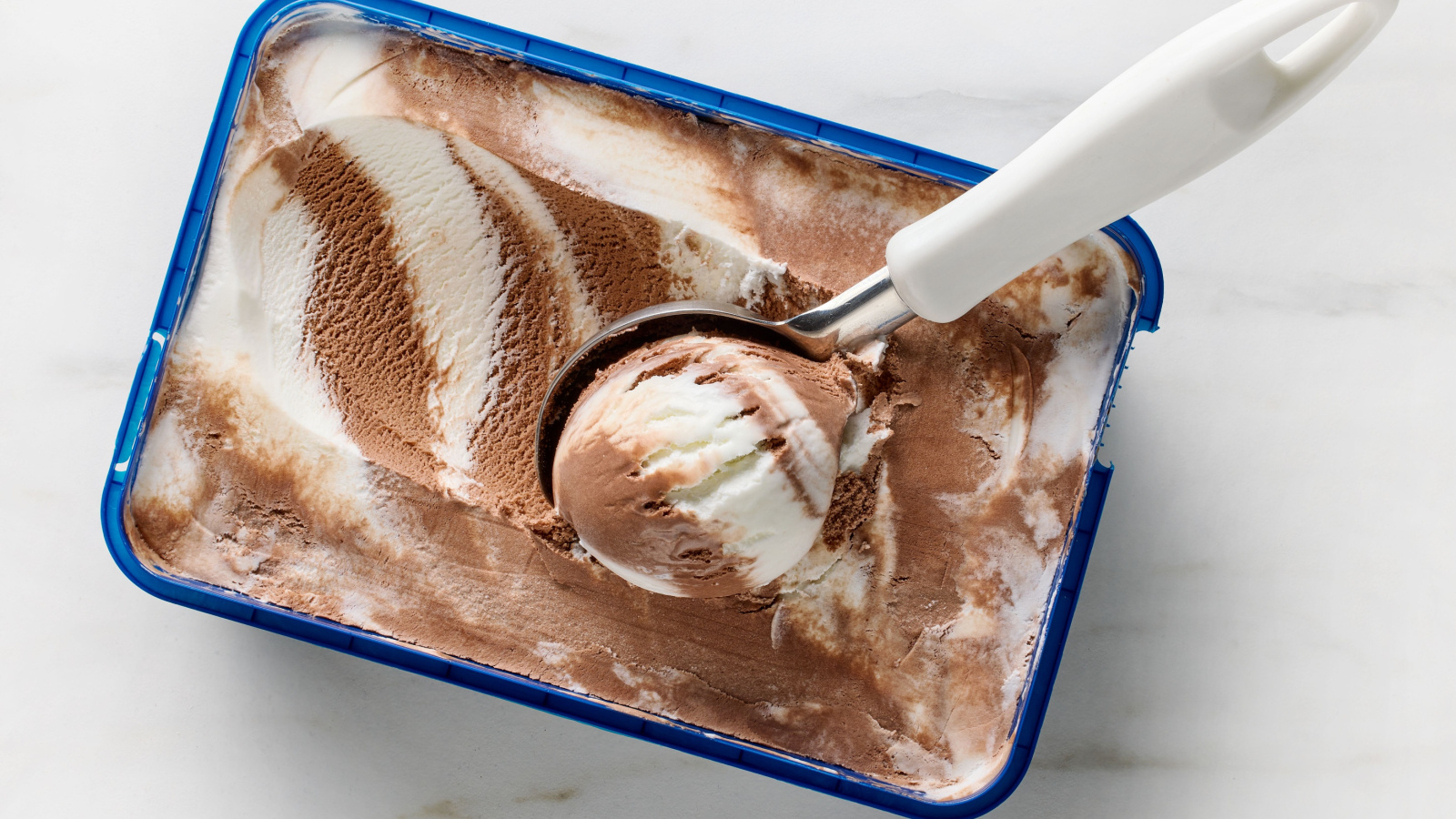
Ice cream tubs are a classic case where the container can feel familiar while the category changes around it. Many Canadians grew up with large tubs in the freezer for birthdays, summer nights, or last-minute dessert. Today the freezer door often shows more variation in size, dairy content, airiness, mix-ins, plant-based bases, premium pints, and frozen desserts that may not be legally identical to traditional ice cream.
The shift can affect expectations. A tub that looks like a deal may differ in volume, density, ingredient list, or serving count. Premium pints have trained shoppers to accept higher prices for smaller containers, while family-size tubs still compete on value. For households trying to manage grocery bills, ice cream has become a product to compare more carefully: not just by flavour, but by litres, ingredients, and whether the label says ice cream or frozen dessert.
Frozen Pizza
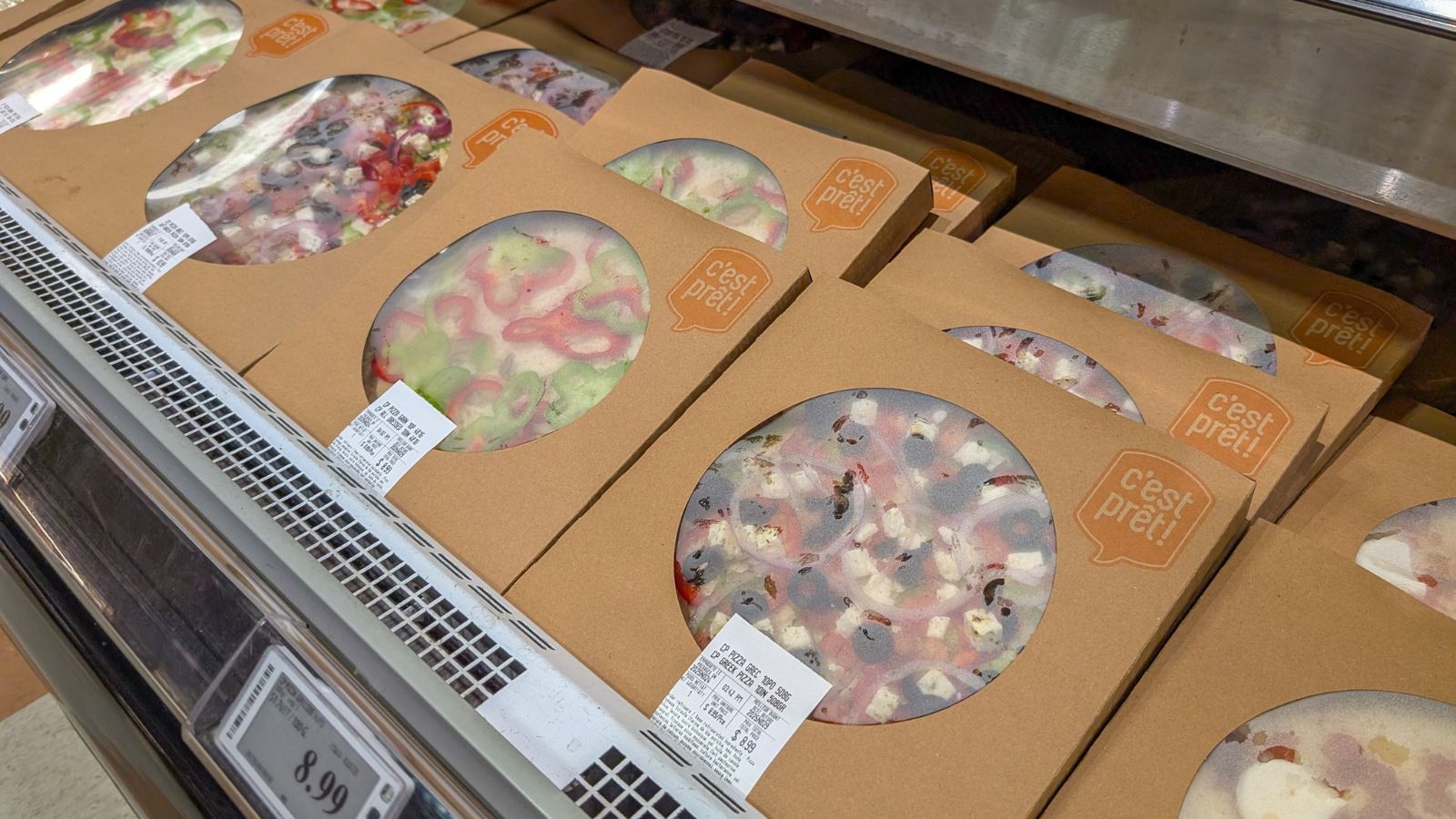
Frozen pizza has moved far beyond the old emergency dinner. It now spans thin crust, rising crust, cauliflower crust, gluten-free, restaurant-inspired, stuffed crust, plant-based toppings, and premium stone-baked styles. The product still sells convenience, but it increasingly borrows language from takeout and casual dining. That shift can make a freezer staple feel more upscale — and sometimes more expensive — than it used to.
Portion size and expectations have changed too. Some pizzas look similar in box size but vary in weight, topping quantity, or number of servings. Families may find that one pizza no longer stretches as far as expected, especially with teenagers at the table. At the same time, restaurant prices and delivery fees can make frozen pizza feel like a compromise that is still cheaper than takeout. It has changed from a basic backup into a carefully positioned meal solution.
Paper Towels
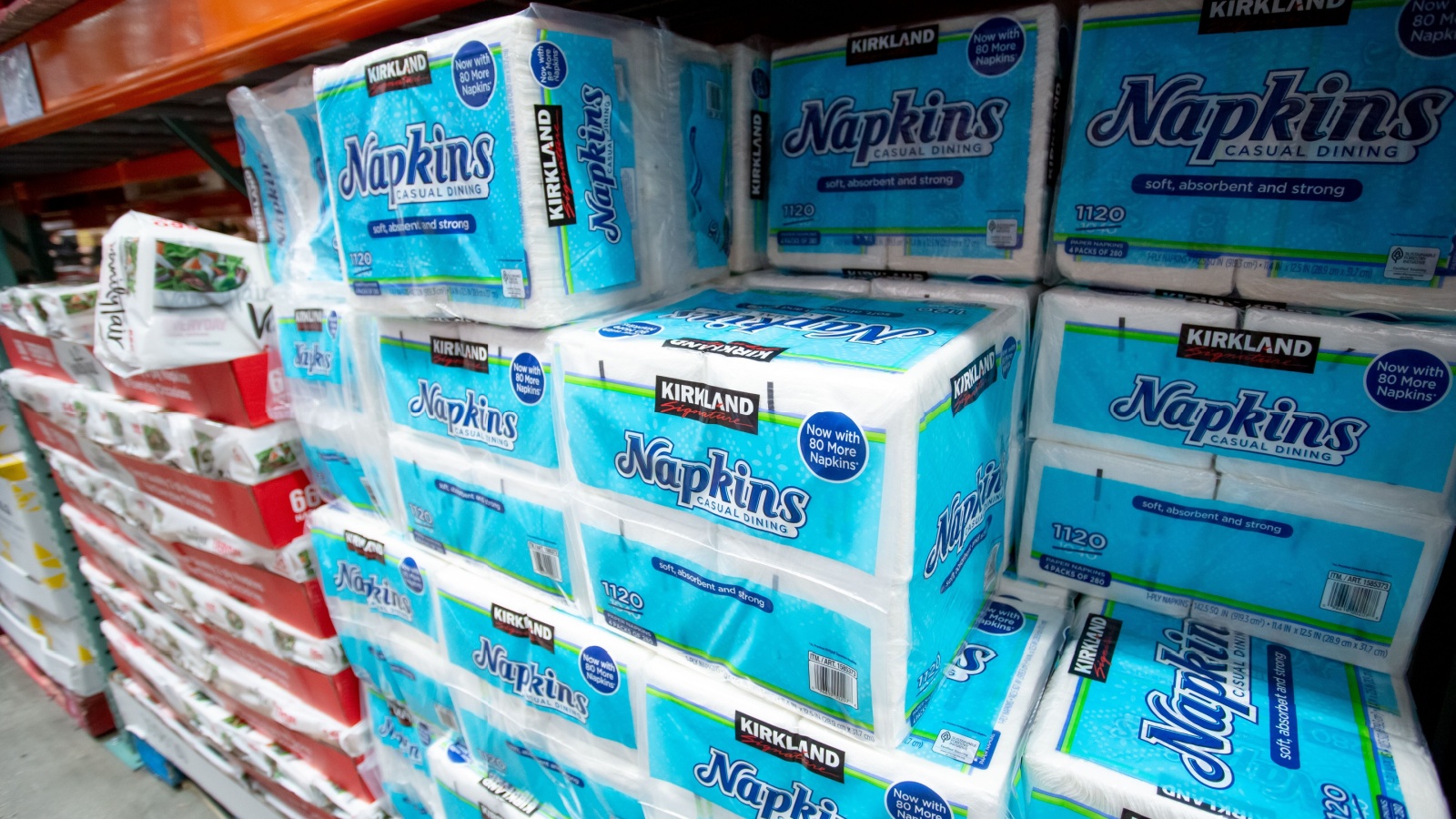
Paper towels are a household product where the change often shows up in language rather than obvious appearance. Rolls may be described as double, triple, mega, select-a-size, or longer-lasting, which makes comparison difficult unless shoppers check sheet count, roll count, and total square metres. A package may look bigger, but that does not always mean it delivers better value.
The product has also been affected by changing household habits. More people now keep reusable cloths, microfiber towels, or washable wipes in rotation, partly because of cost and partly because of waste concerns. Yet paper towels remain hard to replace for spills, pet messes, and kitchen cleanup. That tension makes the product feel less invisible than it once did. A pack that used to be tossed into the cart now invites a small calculation about convenience, price, and waste.
Toilet Paper
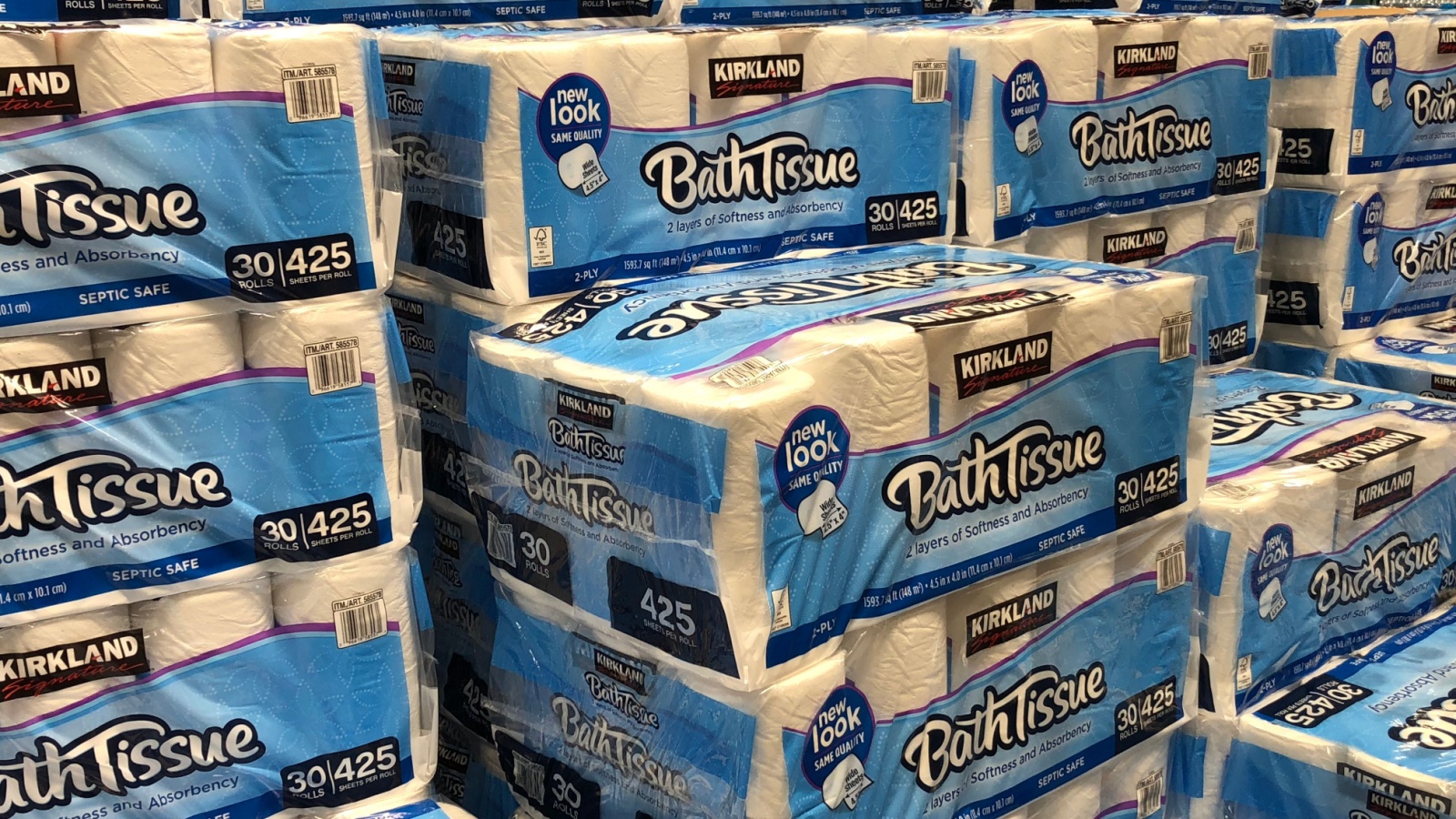
Toilet paper has become a surprisingly technical purchase. Packages advertise roll count, ply, softness, strength, mega rolls, family packs, and septic-safe claims. For consumers, the challenge is that “number of rolls” is no longer a simple comparison because roll size can vary widely. The most useful details are often sheet count and total area, but those require more attention than many shoppers expected to spend in the paper aisle.
The pandemic also changed the psychology of toilet paper in Canada. Stockpiling memories made the product feel essential in a new way, and price increases made bulk packs seem like a hedge against future costs. At the same time, private-label versions gained attention as households looked for savings. What once felt like the most boring product in the house now carries a surprising amount of value anxiety.
Laundry Detergent

Laundry detergent has changed from a simple jug of liquid into a crowded category of pods, sheets, concentrates, cold-water formulas, scent boosters, sensitive-skin versions, and eco-positioned packaging. The shift reflects convenience, environmental claims, and washing-machine technology. High-efficiency machines and cold-water washing have changed what many households expect detergent to do, especially as energy savings become part of the conversation.
The value comparison is trickier than it looks. A smaller bottle may be concentrated, a pod may cost more per load, and a sale price may not mean much unless the shopper checks the number of loads listed on the label. Families with children, work uniforms, sports gear, or shared laundry machines feel these changes quickly. Detergent still promises clean clothes, but the modern version asks consumers to understand dosage, format, fragrance, and cost per wash.
Dish Soap
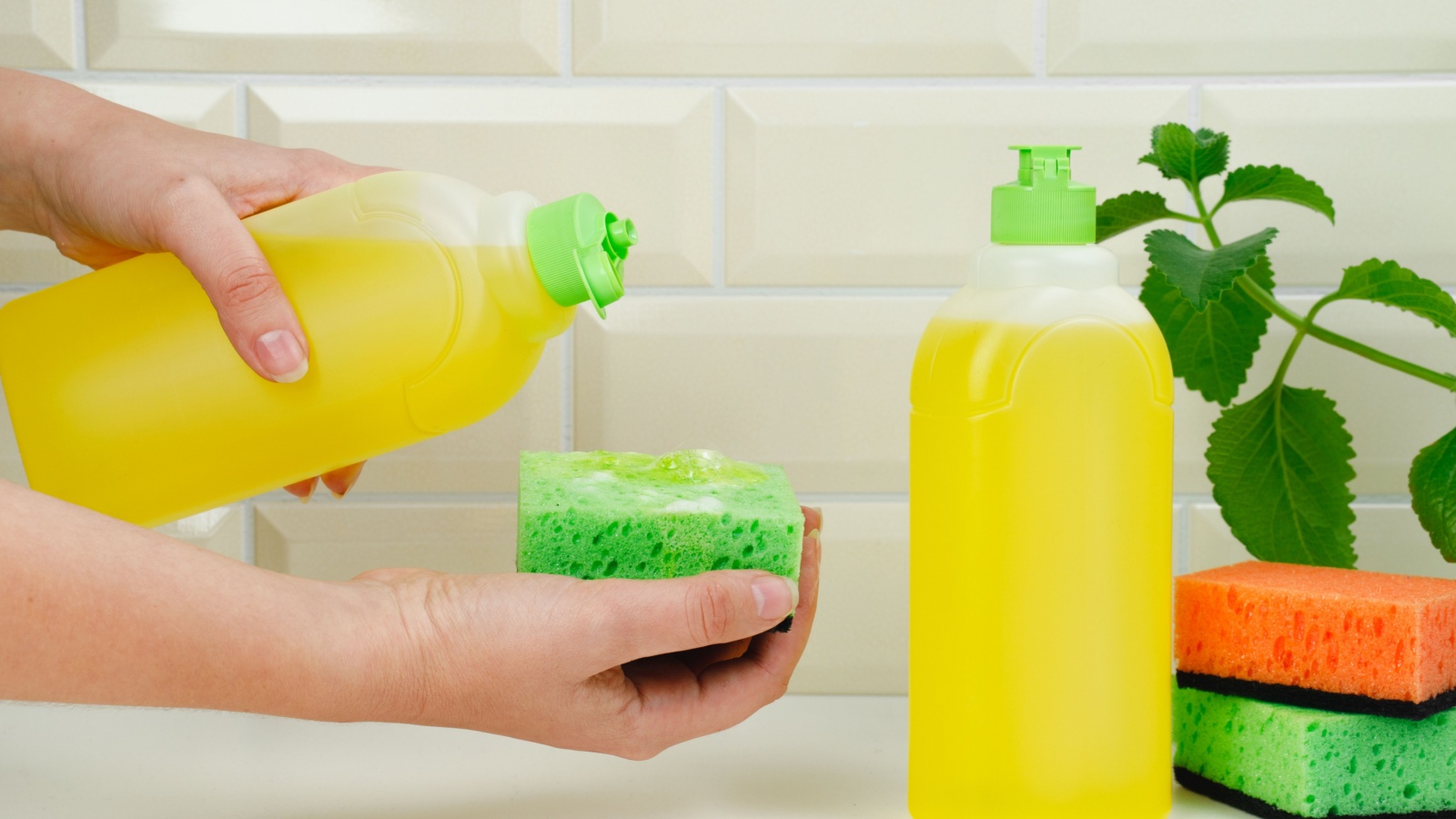
Dish soap remains inexpensive compared with many household goods, but it has still changed in noticeable ways. Bottles now emphasize grease-cutting power, antibacterial claims, concentrated formulas, refill formats, plant-based ingredients, or skin-friendly scents. A product that once seemed interchangeable can now feel like part cleaner, part lifestyle item. The shelf has become more segmented, with basic bottles sitting beside premium-looking options.
The packaging matters too. Concentrated formulas may use less liquid per wash, but shoppers need to trust the instructions and resist over-squeezing. Refill bags and larger bottles appeal to households trying to reduce plastic or save money, while smaller bottles may feel more expensive per millilitre. For someone washing dishes after dinner, the change is subtle: the soap still bubbles, but the purchase decision now includes environmental cues, scent preferences, and unit pricing.
Shampoo and Conditioner

Shampoo and conditioner have become more specialized than many Canadians remember. Instead of choosing between dry, oily, or normal hair, shoppers now see formulas for curls, colour protection, scalp care, bond repair, moisture, volume, silicone-free, sulfate-free, and salon-inspired results. The products may still sit in familiar bottles, but the claims have become far more technical.
That specialization can make the category feel more expensive and more confusing. A standard bottle may be replaced by a smaller premium one, while a matching conditioner or treatment adds another step to the routine. Personal-care products are also commonly noticed in shrinkflation discussions because consumers use them regularly but may not track millilitres closely. A household may not realize the bottle changed until it runs out sooner. The shower shelf has become a place where beauty marketing, ingredient trends, and budget pressure meet.
Toothpaste

Toothpaste is another product that has quietly grown more complicated. Fluoride protection is still central, but shelves now include whitening, enamel repair, sensitivity relief, gum care, charcoal, natural-positioned formulas, and children’s versions. Tubes vary by size and claims, and premium versions can cost several times more than basic options. The old habit of grabbing any familiar mint tube no longer captures the whole category.
Health claims also make toothpaste feel more consequential than many other household products. Consumers may choose based on dentist advice, sensitivity, cosmetic concerns, or brand trust. At the same time, smaller tubes can be easy to overlook because the box size may still feel substantial. A product used twice a day becomes a recurring expense, and small changes add up. Toothpaste has moved from a basic hygiene staple into a claims-heavy personal-care purchase.
Canned Soup
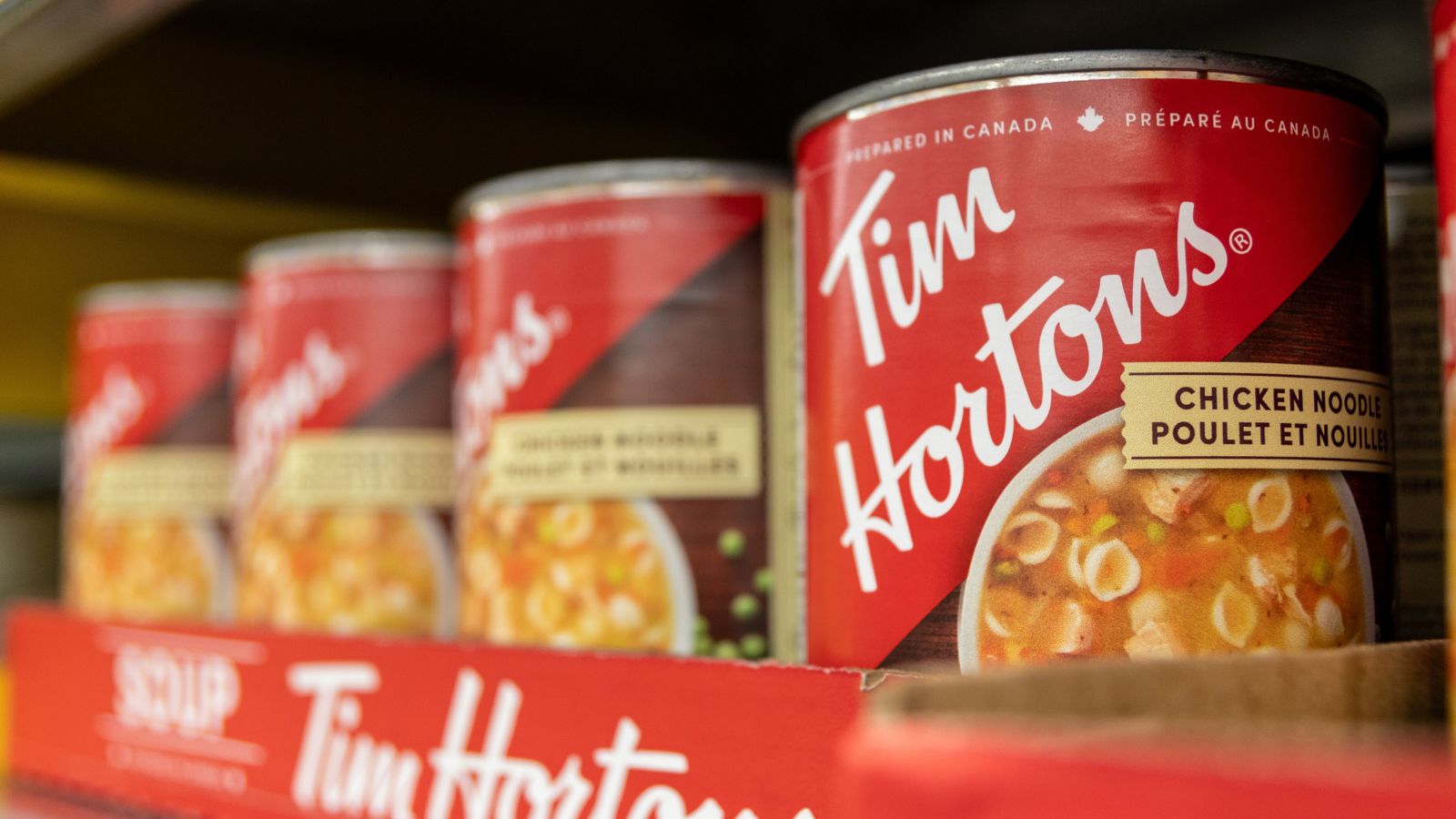
Canned soup still carries the comfort of sick days, quick lunches, and cold-weather dinners, but the category has shifted. Classic condensed soups now sit beside ready-to-serve bowls, lower-sodium versions, chunky meal soups, plant-based recipes, premium broths, and international flavours. The can may look familiar, but the shelf tells a broader story about convenience and health expectations.
Sodium has become a bigger part of the conversation. Canada’s front-of-package nutrition symbol applies to prepackaged foods that meet or exceed thresholds for sodium, saturated fat, or sugars, which can affect how some packaged foods are presented. Soup is a category where shoppers may increasingly look at sodium per serving rather than just flavour. A can that once felt like a cheap pantry backup now invites closer label reading, especially for families managing health concerns or trying to cook more from scratch.
Pasta Sauce
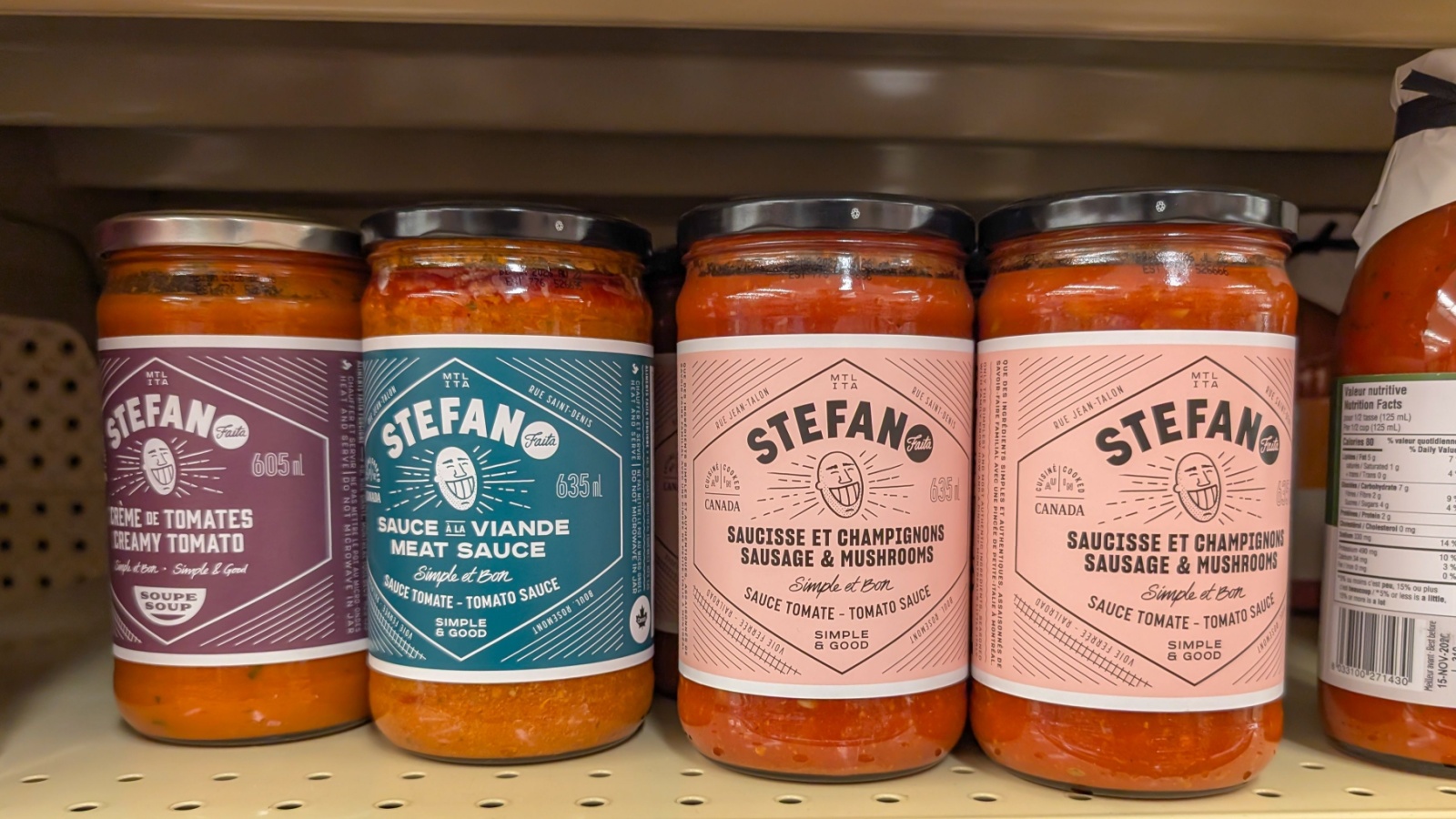
Pasta sauce has changed from a simple red jar into a much broader product category. Traditional tomato sauces now compete with organic, low-sodium, no-sugar-added, vodka sauce, pesto, rosé, plant-based meat sauce, and premium imported-style jars. The packaging may still be glass and the meal may still be spaghetti night, but the price range has widened.
The subtle change is that pasta sauce now often sells convenience plus identity. A jar may promise nonna-style cooking, restaurant flavour, clean ingredients, or hidden vegetables for children. At the same time, shoppers watching costs may compare private-label sauces, multi-buy deals, and larger jars more closely. A busy household may still rely on pasta sauce for an affordable dinner, but the product no longer feels as uniformly cheap or simple as it once did.
Meat Packages
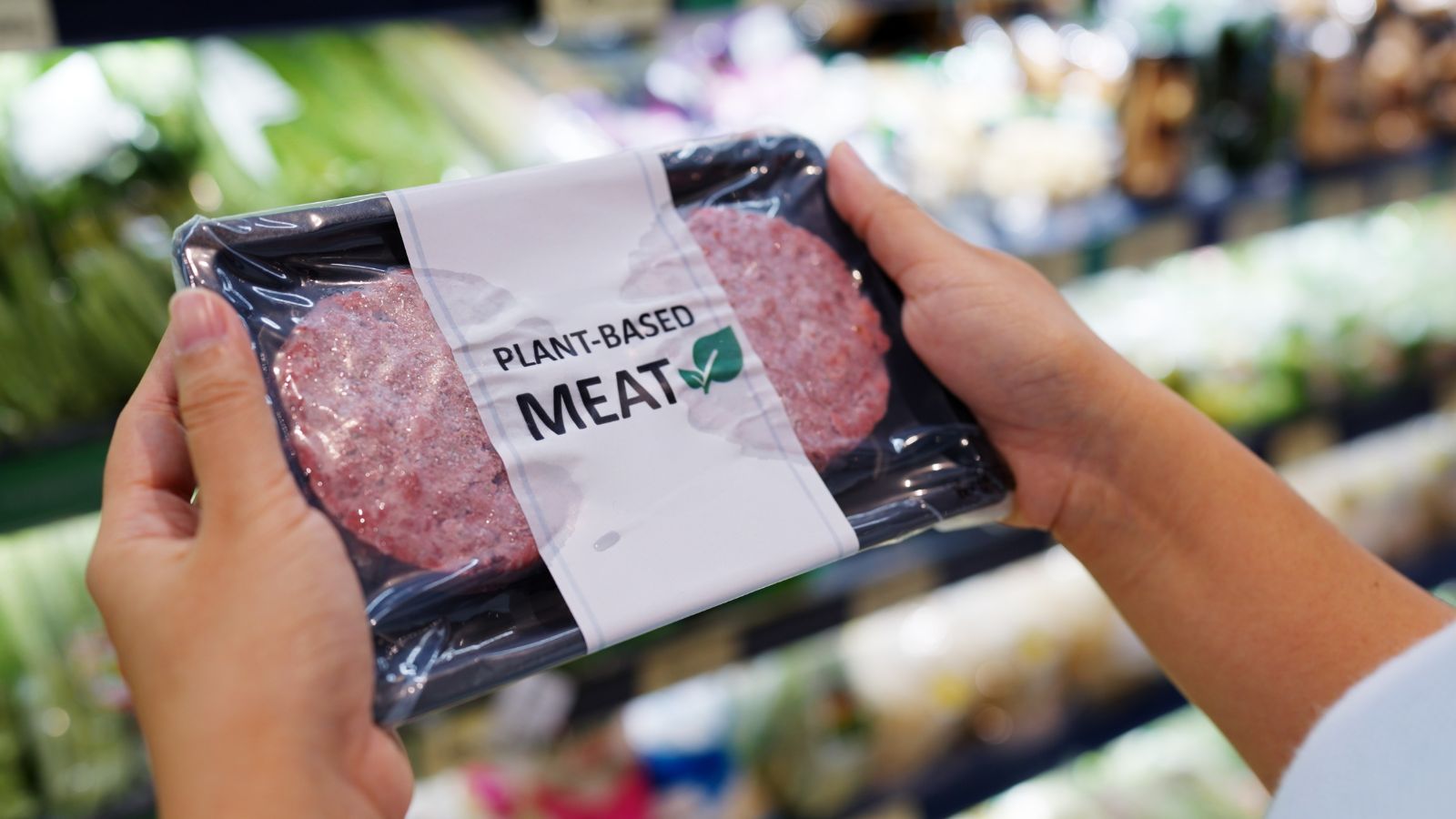
Meat packages have changed because consumers are paying closer attention to price, portions, and waste. Beef, chicken, pork, and processed meats are among the most closely watched grocery categories, and price swings can reshape meal planning quickly. Instead of choosing a favourite cut automatically, households may shift toward ground meat, family packs, markdown stickers, frozen options, or meatless meals.
Packaging also affects perception. Vacuum-sealed packs, club packs, smaller portions, and value-added marinated products can make comparison harder. A tray may look similar but contain less weight, more preparation, or a different price per kilogram. For a family planning weekday dinners, the product has changed from “what looks good?” to “what stretches?” Meat still anchors many meals, but it has become one of the clearest signals of how grocery inflation changes behaviour.
Store-Brand Products
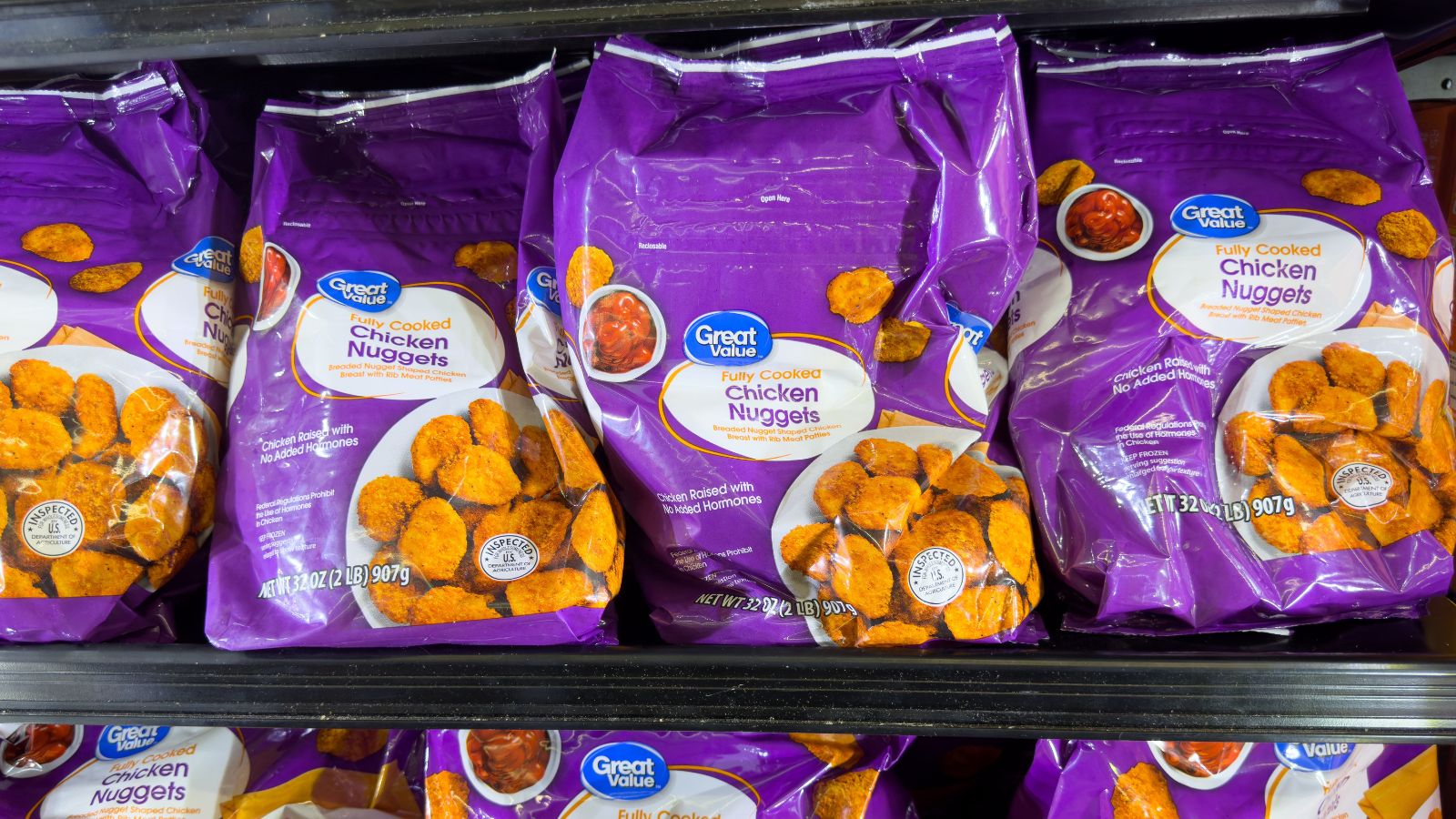
Store-brand products in Canada no longer feel like plain substitutes. No Name, President’s Choice, Compliments, Selection, Irresistibles, Great Value, and Kirkland have helped make private label a major part of grocery shopping. Many products now look polished, compete on flavour or quality, and sometimes occupy premium space rather than just the cheapest shelf. The old idea of generic packaging has become more complicated.
Inflation accelerated this shift. When household budgets tighten, private label can feel like a practical compromise, but it can also become a preferred brand in its own right. Some shoppers now compare store-brand pasta, chips, cheese, cleaners, and frozen foods before checking national brands. The change is cultural as much as commercial: store brands are no longer just backup options. They have become part of how Canadian retailers build loyalty and control the shopping experience.
19 Things Canadians Don’t Realize the CRA Can See About Their Online Income

Earning money online feels simple and informal for many Canadians. Freelancing, selling products, and digital services often start as side projects. The problem appears at tax time. Many people underestimate how much information the CRA can access. Online platforms, banks, and payment processors create detailed records automatically. These records do not disappear once money hits an account. Small gaps in reporting add up quickly.
Here are 19 things Canadians don’t realize the CRA can see about their online income.
