Canadian snowbird trips often start with familiar routines: the same suitcase, the same airport parking lot, the same winter escape plan. But airport and border rules can shift quietly, and small assumptions can turn into delays at check-in, security, preclearance, or customs.
These 13 airport rules deserve a fresh look before the next trip, especially for travellers heading to the United States for several weeks or months. A smoother departure often comes down to details: passport validity, medication packing, pet paperwork, food declarations, battery placement, and what must be reported before crossing the border.
Passport and NEXUS Documents Still Need a Fresh Check
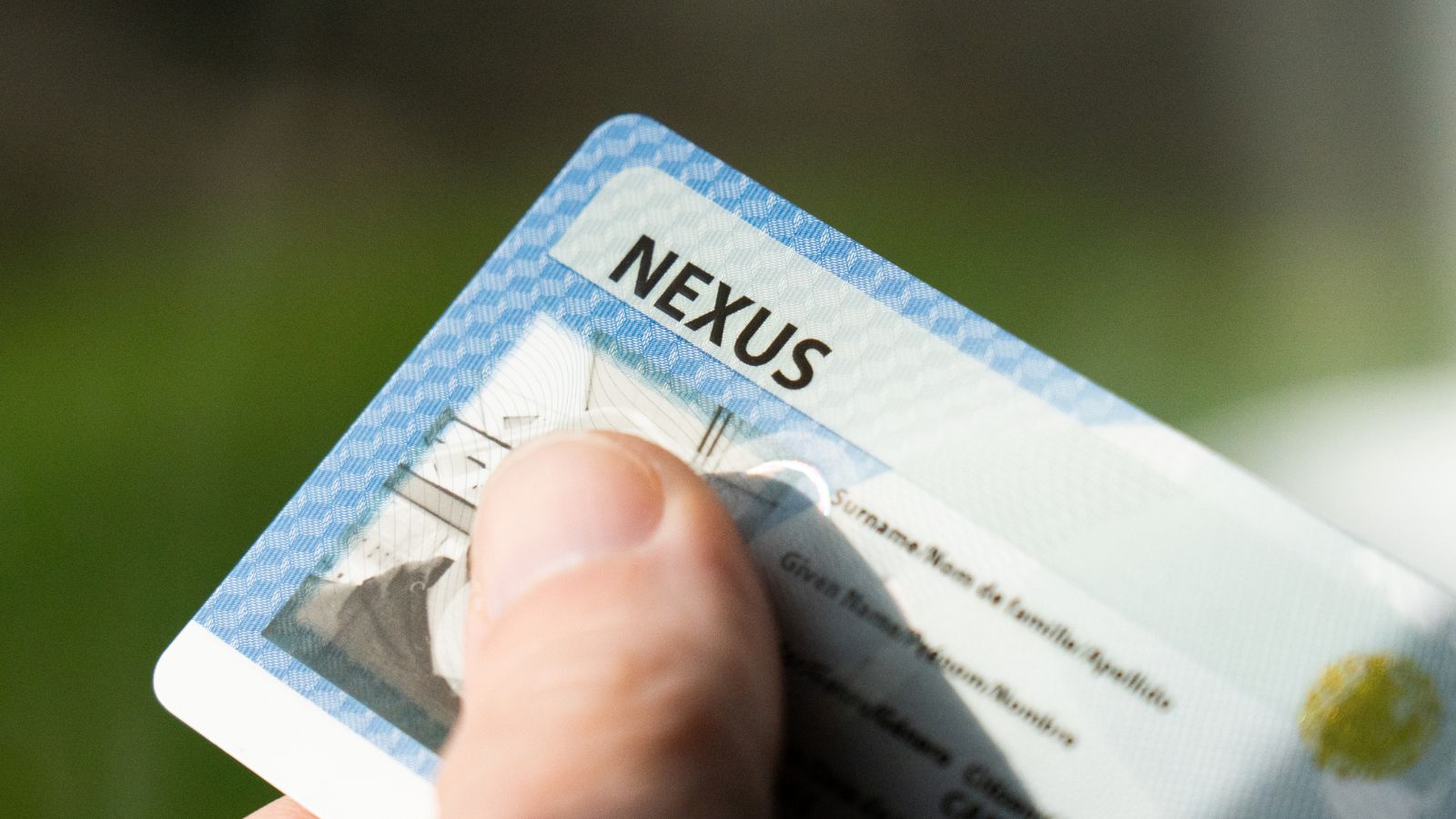
Canadian snowbirds flying to the United States should not assume an old travel routine still works exactly the same way. Canadian citizens travelling by air to the U.S. generally need a passport valid for the duration of their stay, or a valid NEXUS card when using designated procedures. The important detail is that “valid” does not simply mean “not expired today.” Airlines, border officers, cruise add-ons, and onward travel plans can all make document checks feel stricter than expected.
A common snowbird example is the traveller whose passport expires shortly after the planned return date. U.S. rules for Canadian citizens do not generally require six months of extra validity, but many international destinations do. A Florida trip with a side cruise, Caribbean stop, or emergency reroute can suddenly make passport validity more complicated. Rechecking documents before booking prevents the worst airport surprise: being packed, checked in online, and still unable to board.
U.S. Preclearance Happens Before the Flight, Not After Landing
Many Canadian snowbirds clear U.S. Customs and Border Protection before boarding, because several Canadian airports have U.S. preclearance facilities. That means the U.S. border interview, baggage questions, and admissibility review happen in Canada before the traveller reaches the gate. For people used to thinking of customs as something that happens after landing, this timing can cause rushed connections and missed boarding calls.
Preclearance is especially important during peak winter travel, when morning flights to Florida, Arizona, Nevada, Texas, and California can stack up quickly. A traveller may need to complete airline check-in, baggage drop, CATSA screening, and U.S. inspection before reaching the transborder gate. If a suitcase contains food, medication, pet documents, or high-value items, officers may ask more questions. Treating preclearance as a full border crossing, not just another airport line, helps avoid last-minute stress.
Carry-On Liquids Are Still Limited to Small Containers
The familiar liquids rule remains easy to underestimate, especially for snowbirds packing sunscreen, moisturizer, shampoo, eye drops, hand cream, and specialty toiletries for a long stay. At Canadian airport screening, most liquids, aerosols, gels, creams, and non-solid foods in carry-on bags must be in containers of 100 millilitres or 100 grams or less. Those containers must fit inside one clear, resealable plastic bag of no more than one litre.
The trouble often comes from “almost empty” full-size bottles. A 200 millilitre bottle with only a little product left can still be rejected because the container size matters. Snowbirds staying away for months may prefer to pack larger toiletries in checked luggage or buy them after arrival. The carry-on bag should be reserved for travel-size essentials, medically necessary items, and anything needed during delays, especially on winter departure days when cancellations can stretch airport time unexpectedly.
Medication Can Be Exempt, But It Must Be Easy to Inspect

Prescription and essential non-prescription medications are treated differently from ordinary liquids at Canadian airport screening. Liquid medication can be exempt from the usual 100 millilitre limit, but it should be declared to the screening officer and presented separately for inspection. This matters for snowbirds carrying insulin, inhalers, eye medication, liquid supplements recommended by a clinician, or medical gels used daily.
The safest habit is to keep medication in original labelled packaging, carry a copy of the prescription when possible, and avoid scattering pills into unmarked containers. Border officials in other countries may inspect medication closely, and rules can vary by destination. A traveller with several months of prescriptions in a carry-on may not be doing anything wrong, but clear labels and documentation make the conversation easier. For snowbirds, medication packing is not just a security issue; it is a continuity-of-care issue.
Power Banks and Spare Lithium Batteries Belong in Carry-On
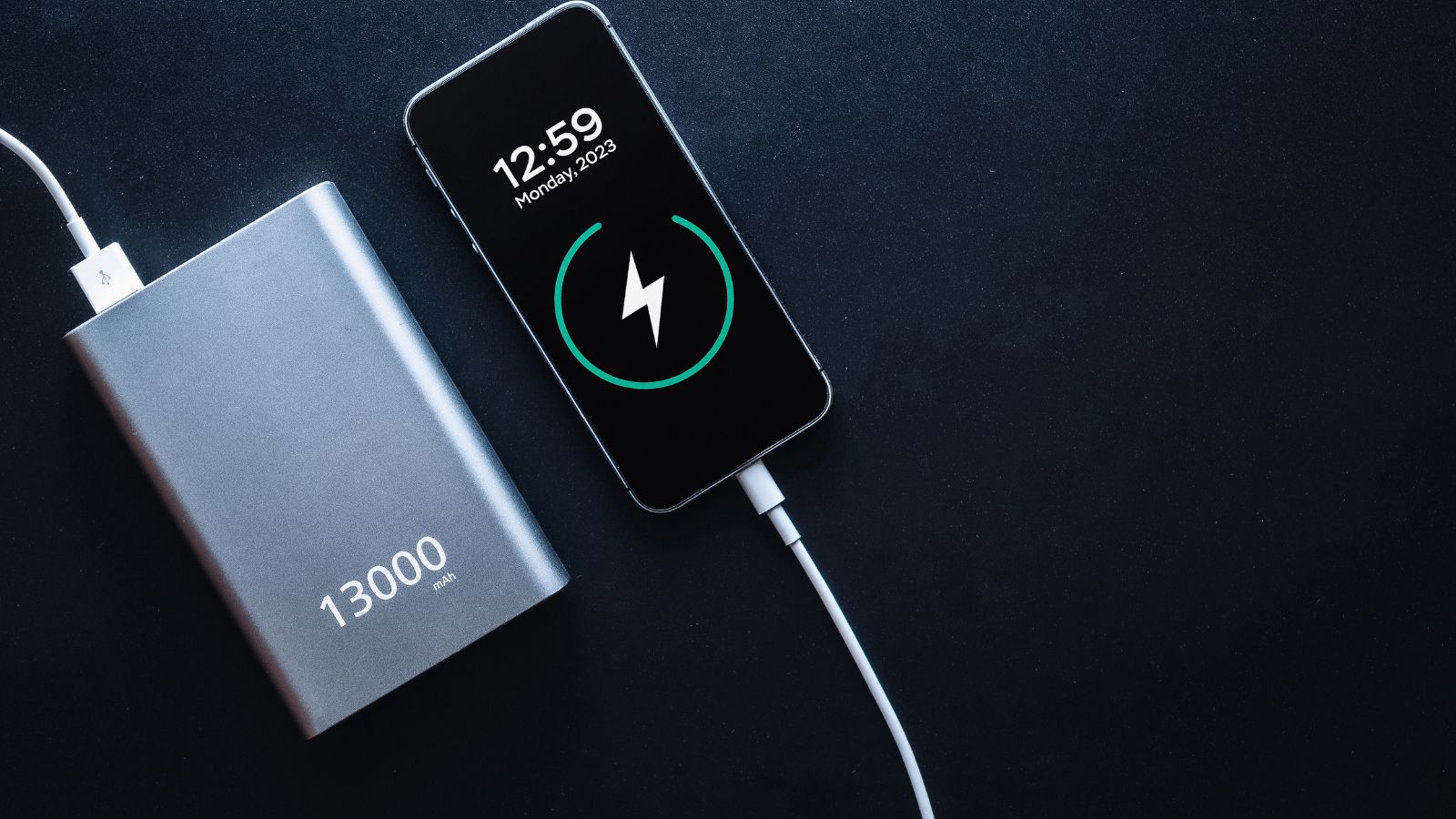
Portable chargers have become standard snowbird gear, especially for long airport days, rideshare pickups, boarding passes, and travel insurance documents stored on phones. The rule worth rechecking is where those batteries go. Power banks and spare lithium batteries should be carried in hand baggage, not packed in checked luggage. Damaged or recalled batteries should not travel, and airline-specific limits can apply.
The reason is practical safety. A battery problem in the cabin can be noticed and handled more quickly than one inside the cargo hold. Some airlines have also tightened rules around charging from power banks during flight or storing active devices out of sight. A snowbird who checks a carry-on at the gate should remove power banks before handing the bag over. That small step can prevent delays, bag searches, or a forced repack in the boarding area.
Food, Fruit, Meat, and Plants Need Honest Declarations

Snowbirds often travel with snacks, homemade food, citrus fruit, sandwiches, spices, seeds, or specialty ingredients for the first few days away. The problem is that agricultural rules are not based on whether the item feels harmless. U.S. border rules require travellers to declare agricultural products, and restricted or prohibited items can include meats, fresh fruits, vegetables, plants, seeds, soil, and products made from animal or plant materials.
The same caution applies when returning to Canada, where food, plant, and animal products can be restricted because they may carry pests or diseases. A half-eaten apple, a package of meat, or a plant cutting from a winter rental can create more trouble than expected. Declaring does not automatically mean losing the item, but failing to declare can lead to penalties and delays. For snowbirds, the simplest rule is to pack commercially sealed snacks and declare anything uncertain.
Cannabis Cannot Cross the Border

Cannabis legality in Canada can create a false sense of security for travellers heading south. Even when a Canadian province permits legal cannabis and a U.S. state has its own legalization rules, crossing an international border with cannabis remains illegal. This includes dried cannabis, oils, edibles, vape products containing cannabis, and medical cannabis unless very specific legal authorization exists, which ordinary travel usually does not provide.
The airport version of this mistake can be surprisingly ordinary: a forgotten edible in a purse, a vape cartridge in a jacket pocket, or a topical product packed with toiletries. U.S. Customs and Border Protection has repeatedly reminded travellers from Canada that cannabis remains illegal under U.S. federal law. Canadian border guidance also warns that smuggling cannabis or other drugs across the border is a criminal offence. Snowbirds should check every pocket and travel bag before leaving home.
Large Amounts of Cash Must Be Reported Before Security

Some snowbirds still travel with bank drafts, cash, traveller’s cheques, or other monetary instruments for rent deposits, vehicle purchases, medical costs, or emergency funds. The key threshold is CAN$10,000 or more. When leaving Canada by air with currency or monetary instruments at or above that value, travellers must report it to the Canada Border Services Agency office at the airport before clearing security.
This rule does not make it illegal to travel with larger funds. The issue is reporting. A couple splitting money between wallets and envelopes may still be carrying a combined reportable amount, depending on ownership and circumstances. NEXUS members should pay particular attention because travellers crossing with CAN$10,000 or more cannot use NEXUS for that crossing. A snowbird carrying funds for a long stay should plan extra airport time and keep documentation organized.
Duty-Free Purchases Still Count When Returning to Canada
Airport duty-free shops can make alcohol, tobacco, cosmetics, gifts, and luxury items feel separate from ordinary shopping, but they still count when returning to Canada. Personal exemptions depend on time away. After 24 hours, eligible travellers may claim up to CAN$200 in goods, but alcohol and tobacco are not included in that shorter exemption. After 48 hours or more, the exemption rises to CAN$800 and may include specified alcohol and tobacco amounts.
Snowbirds are often away far longer than 48 hours, so the CAN$800 exemption sounds generous. The catch is that receipts, gifts, online orders picked up abroad, and duty-free purchases can all add up. Alcohol and tobacco have quantity limits, and goods must be reported. A retiree returning after three months with gifts for grandchildren, outlet-store clothing, wine, and electronics should keep receipts together rather than trying to reconstruct totals at the kiosk.
Advance Declaration Can Save Time, But It Is Not a Free Pass
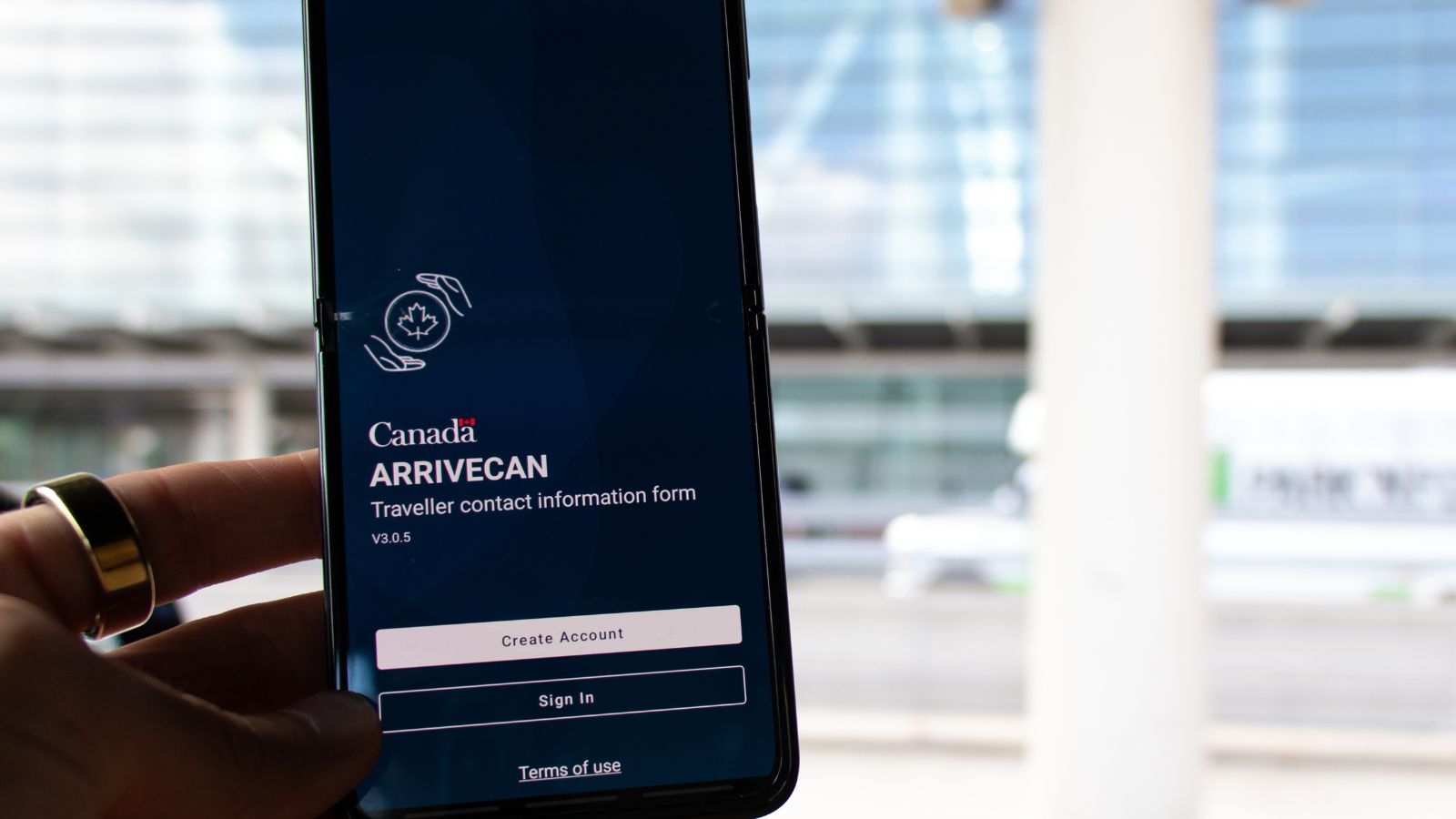
Travellers flying back into participating Canadian airports can use Advance Declaration through ArriveCAN to submit customs and immigration information before arrival. The feature can usually be completed up to 72 hours before flying into Canada. For snowbirds returning after a long winter stay, this can reduce time at primary inspection kiosks or eGates, especially when several sun-destination flights arrive close together.
The important point is that Advance Declaration does not remove the duty to answer truthfully or report goods accurately. It is a convenience tool, not a shortcut around customs rules. Travellers still need to declare purchases, repairs, gifts, food, alcohol, tobacco, currency, and other reportable items. A snowbird who bought vehicle parts, medical devices, jewellery, or home goods during a months-long stay should treat the declaration like a financial checklist, not a quick screen to tap through.
Travelling With Dogs Now Requires Extra U.S. Paperwork
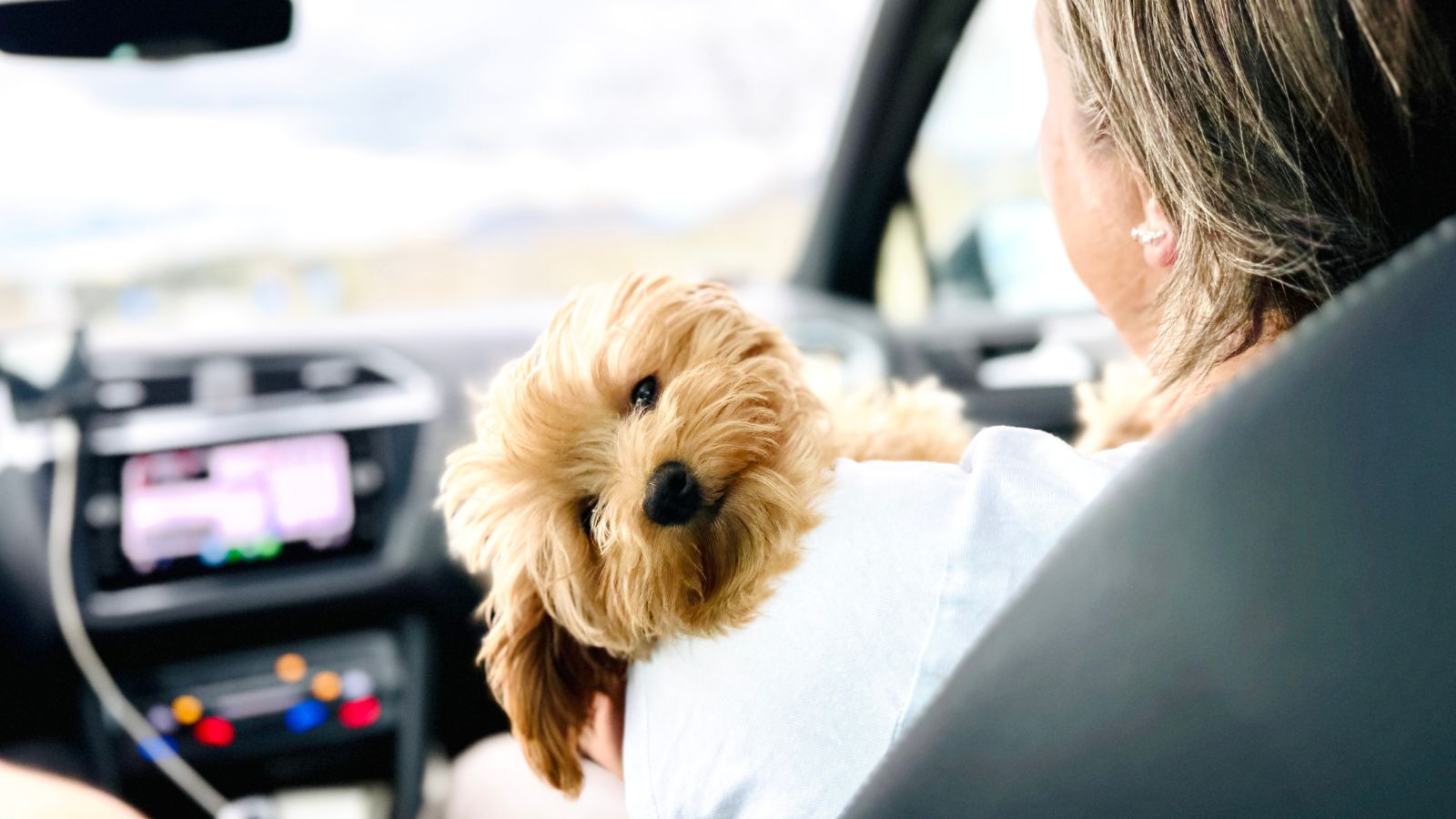
Many snowbirds travel with dogs, and U.S. dog import requirements changed significantly in recent years. For dogs entering or returning to the United States from dog rabies-free or low-risk countries, the CDC Dog Import Form is required. The form is completed for each dog, and the receipt can generally be used for multiple entries during its validity period if the dog has not travelled to a high-risk country and other conditions remain accurate.
This is one of the easiest rules to miss because it applies even to routine Canada-U.S. travel. A small dog that has flown to Arizona every winter for years may now need paperwork that was not part of the old checklist. Airlines may also have their own pet-in-cabin rules, carrier size limits, fees, and check-in procedures. Pet travel should be confirmed with both the airline and government requirements well before departure, not at the airport counter.
Screening Wait Times Are Helpful, But They Are Not a Guarantee
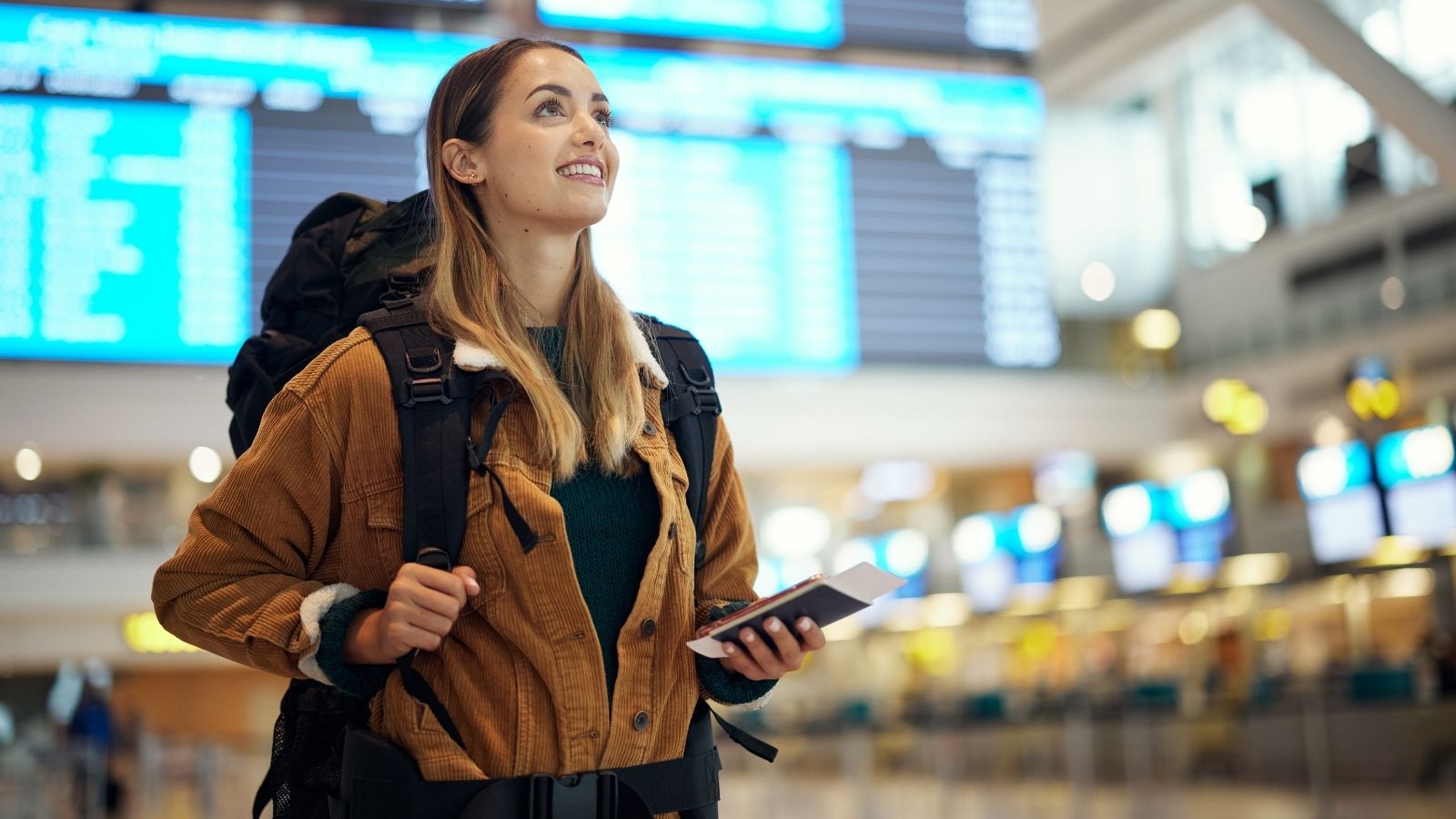
Canadian airport screening wait-time tools can help travellers plan, but they are not a substitute for proper preparation. CATSA cautions that posted wait times can change throughout the day depending on passenger volume and flight departures. Winter snowbird season adds another layer: weather delays, de-icing schedules, full transborder flights, and groups of travellers unfamiliar with current screening rules can slow the process.
For snowbirds, the most practical approach is to build a buffer and pack for screening efficiency. Coats, belts, laptops, liquids bags, medical items, and mobility aids may all require attention at the checkpoint. Travellers using wheelchairs, walkers, CPAP machines, or other medical equipment should expect screening staff to inspect items while accommodating accessibility needs. A calm, organized checkpoint routine can make the difference between a manageable wait and a rushed walk to the gate.
Airline Baggage and Check-In Rules Can Override Old Habits
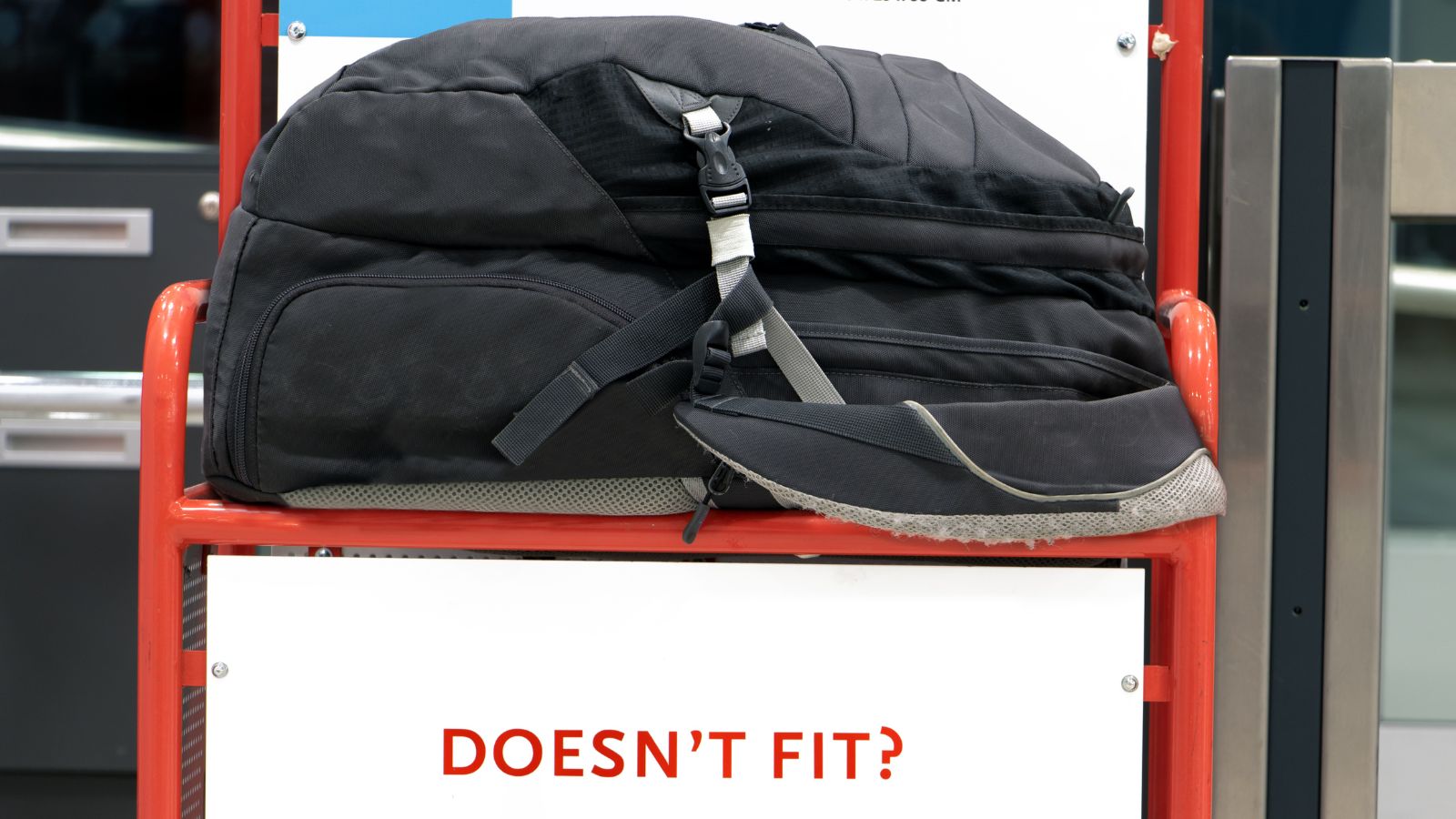
Airport rules do not come only from governments. Airlines set check-in deadlines, baggage size limits, pet procedures, mobility-device handling, and rules for items they will or will not accept. A snowbird who flies the same route every year may still face a changed aircraft, different carry-on sizer, new basic fare restrictions, or updated pet policy. These details matter most when the suitcase is packed for months rather than days.
Examples are common: a soft pet carrier that fit under one aircraft seat may not fit another, a carry-on may be gate-checked on a full flight, or a mobility device may require advance notice. Airline rules also interact with security rules, especially for batteries, medical devices, and checked bags. Before the next trip, snowbirds should review the airline’s current baggage and special-assistance pages rather than relying on last winter’s experience.
19 Things Canadians Don’t Realize the CRA Can See About Their Online Income

Earning money online feels simple and informal for many Canadians. Freelancing, selling products, and digital services often start as side projects. The problem appears at tax time. Many people underestimate how much information the CRA can access. Online platforms, banks, and payment processors create detailed records automatically. These records do not disappear once money hits an account. Small gaps in reporting add up quickly.
Here are 19 things Canadians don’t realize the CRA can see about their online income.
