Canadians used to count on basic household staples to soften the pressure of rising living costs. A stocked pantry, a few cleaning supplies, and familiar weekly grocery items once felt like the dependable side of the budget. Lately, though, even the ordinary stuff has started to feel heavier at checkout.
Across Canada, grocery inflation, shrinkflation, global supply pressures, and higher input costs have changed the way many households think about “cheap” essentials. These 20 household staples still land in carts every week, but their bargain status has become harder to defend.
Flour and Baking Basics
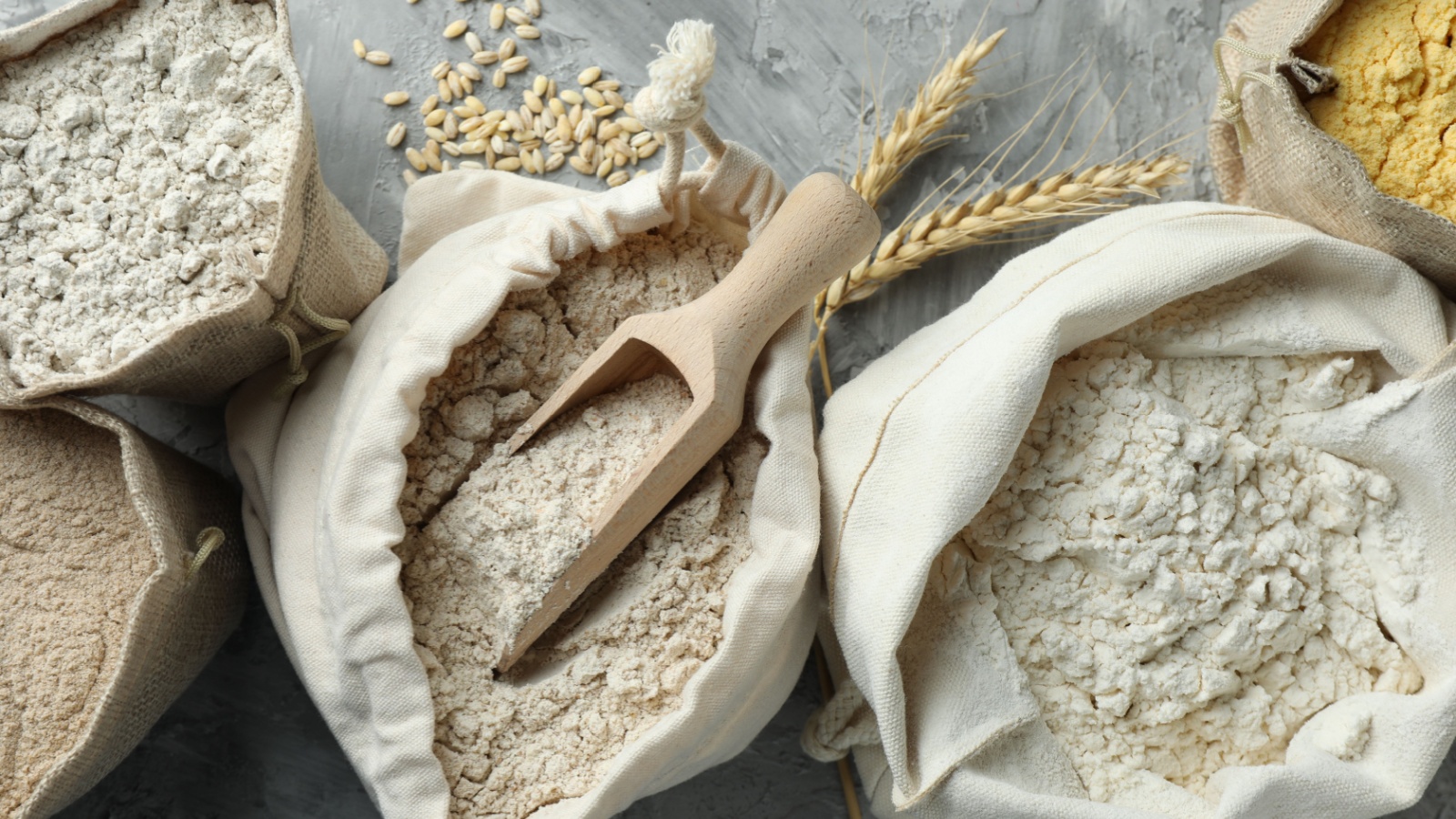
Flour once felt like one of the easiest ways to stretch a grocery budget. A bag could turn into pancakes, pizza dough, muffins, dumplings, cookies, or a simple loaf of bread. For households that cook from scratch, flour still delivers value, but it no longer feels like the quiet bargain it once was when paired with pricier butter, eggs, sugar, oil, and electricity.
The change is especially noticeable around holidays and school baking seasons, when families reach for the same familiar pantry items and realize the total is higher than expected. Even when flour itself is on sale, the full baking basket can feel less forgiving. A parent making banana bread to avoid wasting overripe fruit may still find that “saving money” requires a surprisingly expensive supporting cast.
Cooking Oil
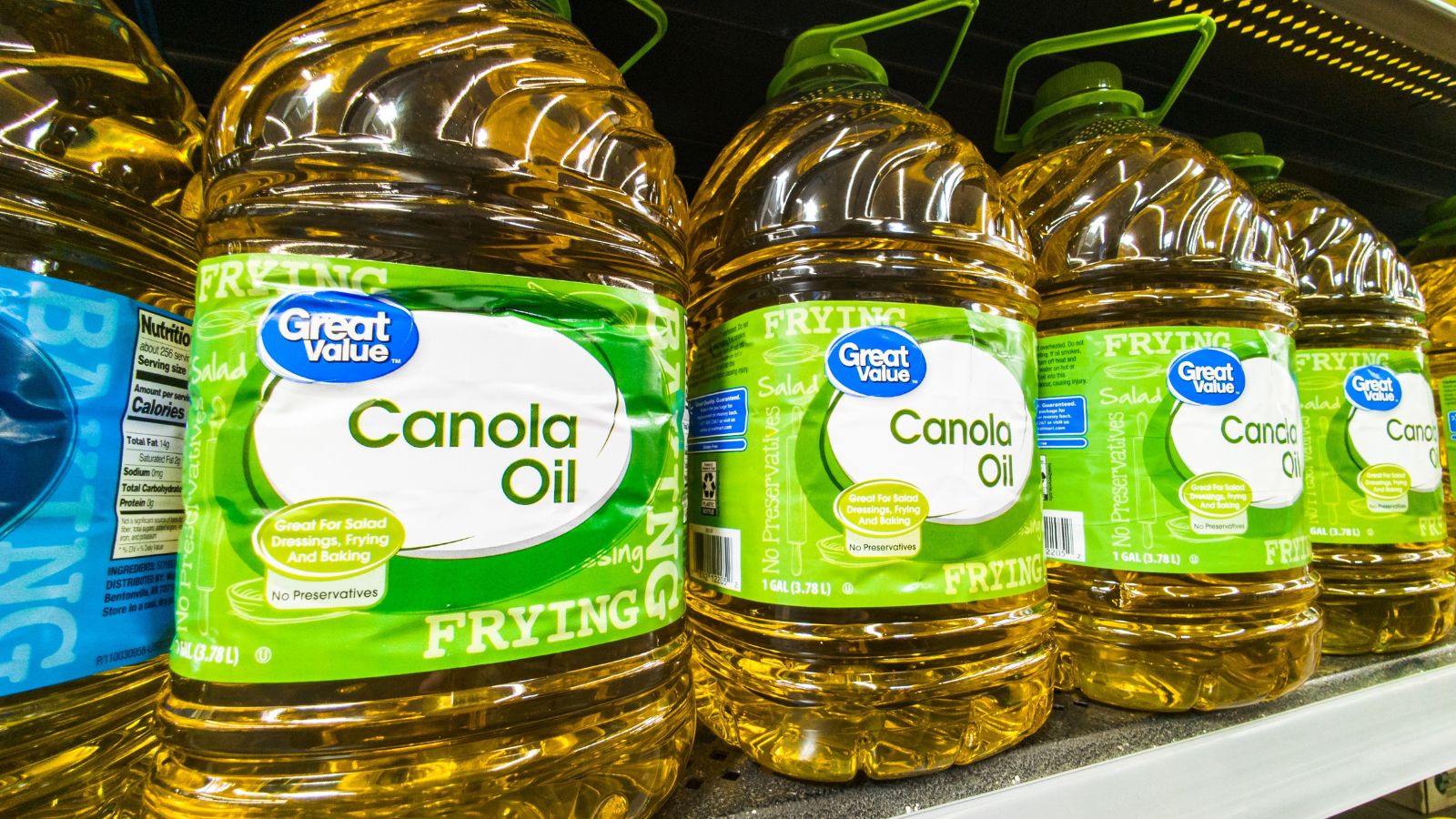
Cooking oil used to be the kind of item people grabbed without much thought. It sat in the cupboard, lasted for weeks, and helped with everything from stir-fries to salad dressings. Now, a standard bottle of canola, vegetable, or olive oil can make the receipt jump, especially when shoppers compare today’s shelf prices with what they remember paying a few years ago.
Olive oil has become particularly painful for many households because global weather problems have tightened supply in major producing regions. Even cheaper oils have felt pressure from agricultural costs, packaging, transportation, and demand. For Canadians who cook at home to avoid restaurant prices, the irony is hard to miss: one of the ingredients meant to make home cooking affordable has become a budget item to watch.
Eggs
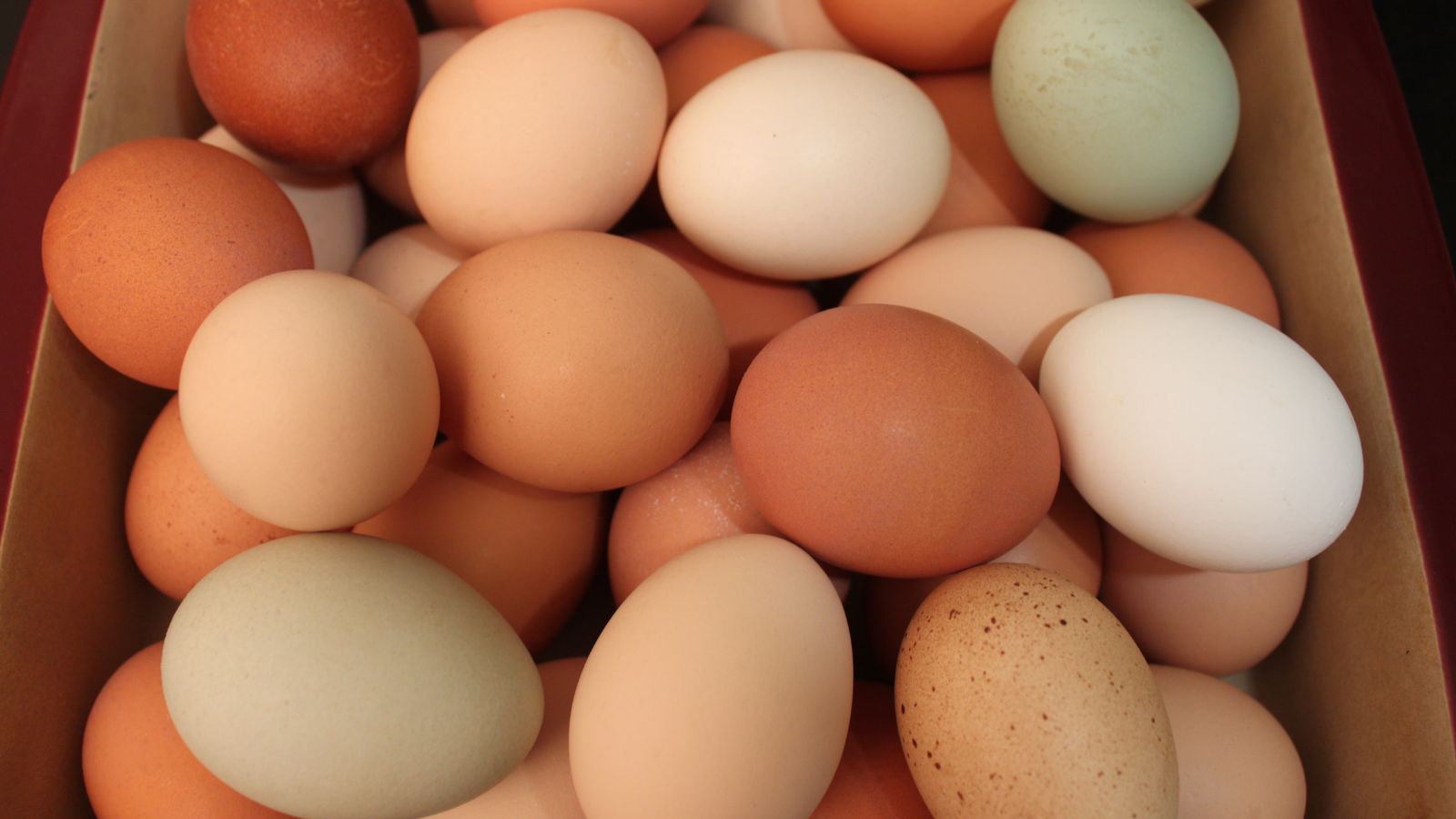
Eggs have long been treated as the practical protein: quick, flexible, and usually cheaper than meat. They work for breakfast, lunch, baking, fried rice, sandwiches, and emergency dinners. That reputation has weakened as price swings have made a carton feel less predictable. A household that once bought eggs automatically may now check the shelf tag first.
The frustration comes from how central eggs are to so many routines. When cartons rise in price, the impact is not limited to omelettes. It reaches school lunches, homemade muffins, weekend pancakes, and quick dinners after work. Even when prices ease, shoppers remember the spikes. Eggs still offer nutrition and convenience, but the old feeling of being a reliably low-cost staple has taken a hit.
Milk
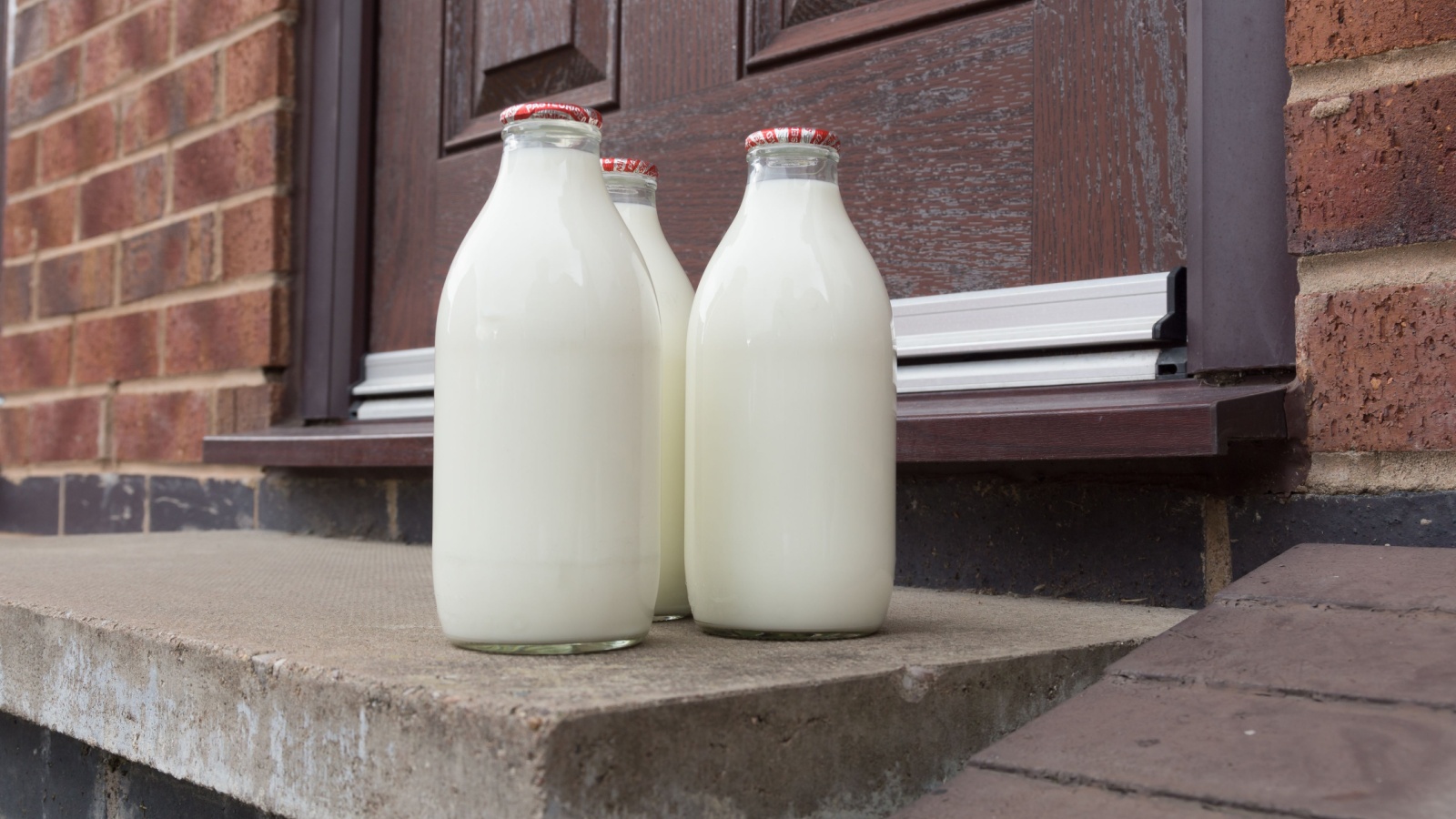
Milk remains a fridge essential in many Canadian homes, especially for families with children. It goes into cereal, coffee, tea, baking, sauces, and smoothies, and it often disappears faster than expected. Because it is bought repeatedly, even modest increases can feel more noticeable over the course of a month than a one-time splurge.
The challenge is that milk is rarely purchased alone. It sits inside a larger dairy basket that may include cheese, yogurt, butter, and cream. When several of those items feel expensive at the same time, the household fridge starts to look less like a place of simple staples and more like a running cost centre. For many Canadians, milk is still necessary, but it no longer feels as harmless to the weekly bill.
Butter

Butter used to be a small comfort item that made everyday food taste better. It turned toast, potatoes, vegetables, and baking into something richer without seeming like a luxury. Now, a block of butter can feel like a deliberate purchase, especially when it is not on sale. Many households have learned to wait for discounts, buy extra during promotions, or switch between butter and margarine depending on the recipe.
The emotional part matters. Butter is tied to holiday baking, Sunday pancakes, grilled cheese, and family recipes passed down for years. When it starts feeling expensive, the change lands differently than a price increase on a specialty product. It makes ordinary meals feel more calculated. A staple that once lived quietly in the fridge has become one of the clearest symbols of how basic comfort now costs more.
Bread
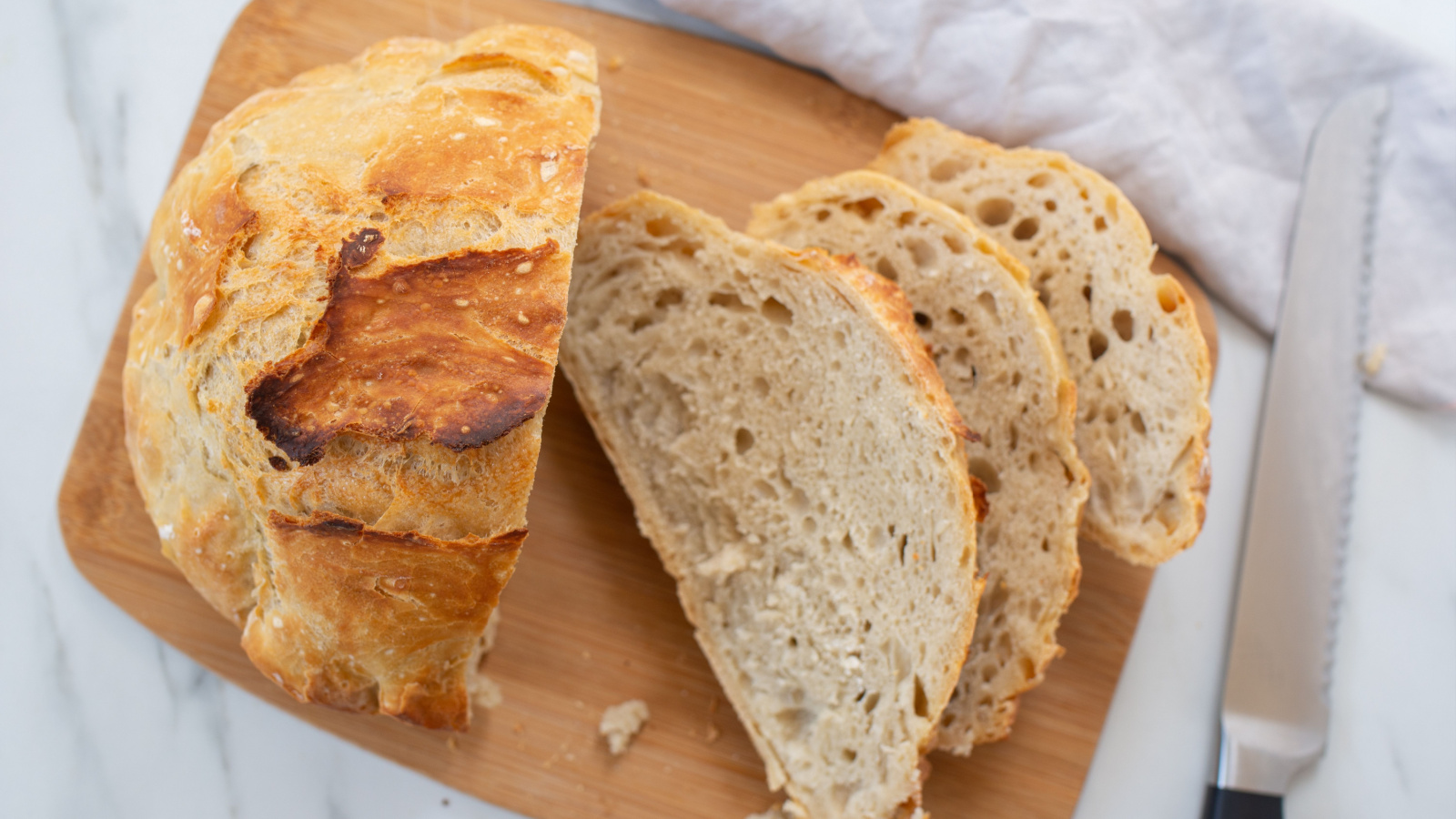
Bread still looks inexpensive compared with many prepared foods, but its bargain image has faded. A basic loaf can disappear quickly in a busy household, especially when used for toast, sandwiches, snacks, and packed lunches. Families that buy multiple loaves a week notice changes fast, particularly when preferred brands inch upward or smaller loaves replace larger ones.
The shift has also made shoppers more alert to quality. Some cheaper loaves may feel less filling, while premium or bakery-style bread can push the price closer to something that feels like a treat. Bread remains one of the most practical foods in the Canadian kitchen, but it no longer feels like an automatic win. The shelf still offers choices, yet the gap between “cheap” and “good value” feels wider.
Breakfast Cereal
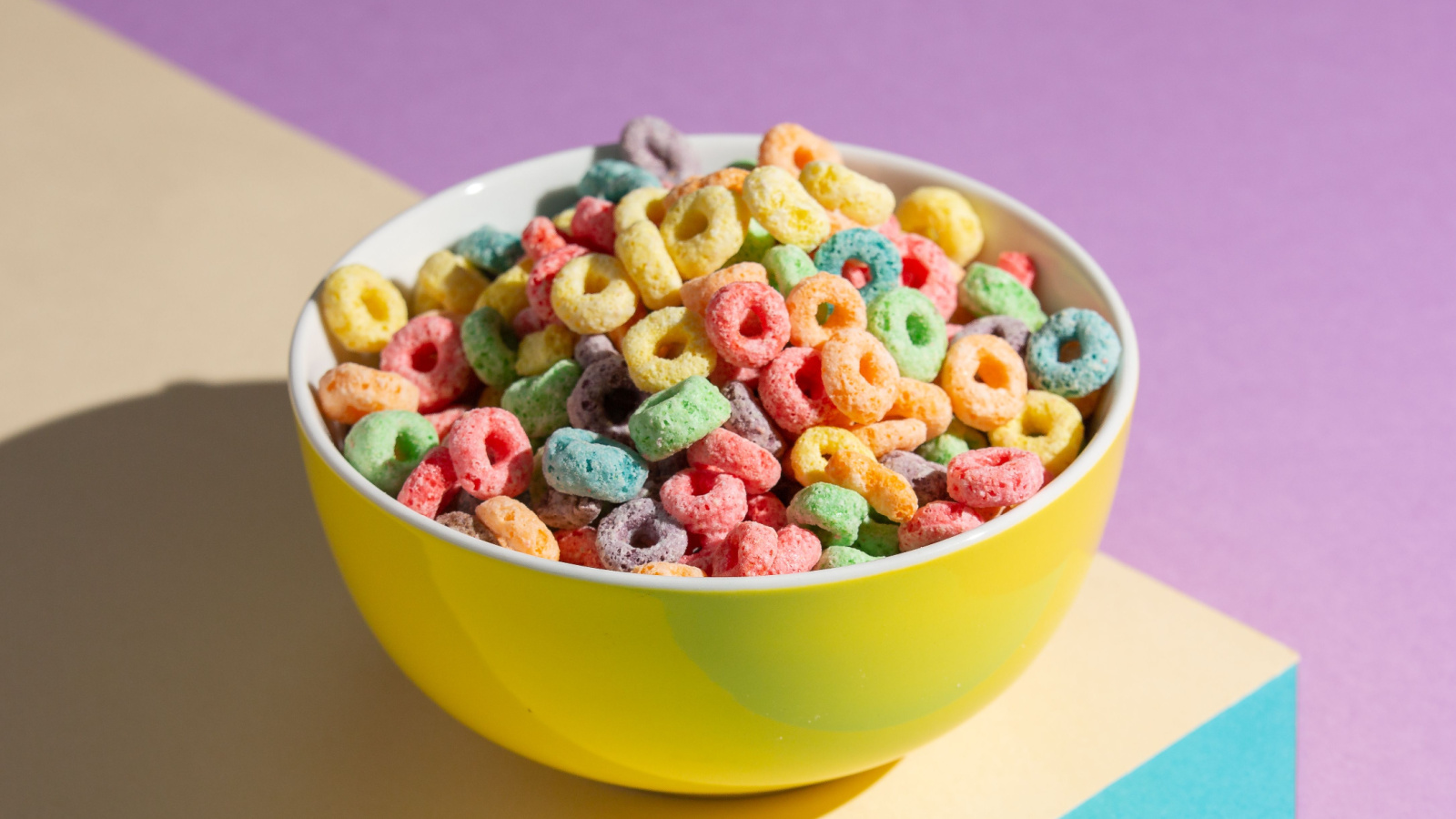
Breakfast cereal once carried the promise of convenience and affordability. One box could handle several mornings, and kids could serve themselves before school. That promise has weakened as boxes have become easier to empty and prices have become harder to ignore. A family-size box may not feel very family-sized when it barely survives the week.
Cereal also shows how marketing can blur value. Bright packaging, health claims, limited flavours, and club-pack sizes can make comparison difficult. Shoppers may need to check unit prices instead of trusting box size or brand familiarity. For households trying to keep mornings simple, cereal still solves a time problem. It just may not solve the budget problem as neatly as it once did.
Pasta
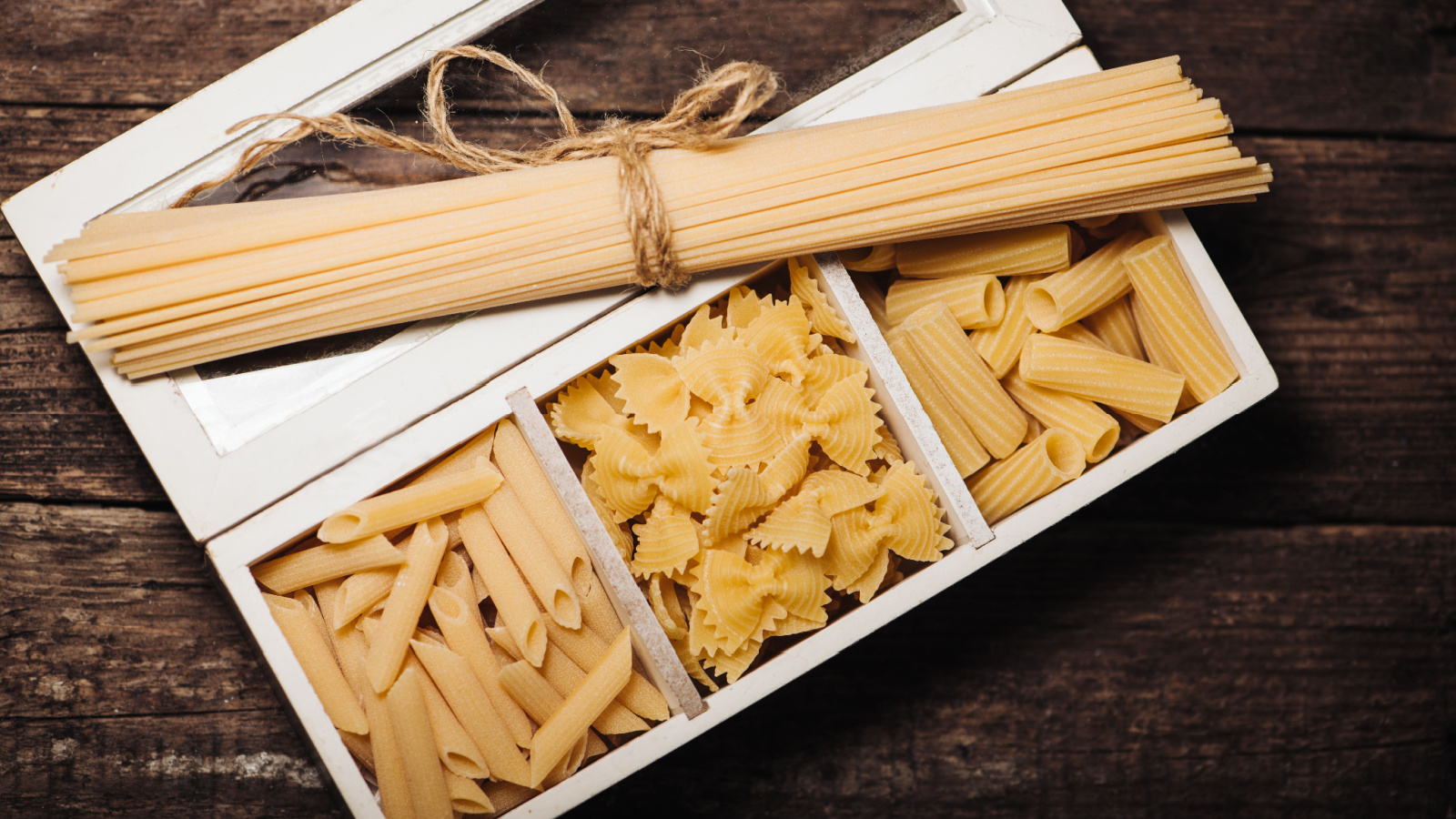
Pasta has long been a budget hero. It is shelf-stable, filling, easy to cook, and adaptable to whatever sauce, vegetables, or protein is available. Even now, it often remains cheaper than many dinner options. The problem is that pasta rarely stands alone. Sauce, cheese, ground meat, olive oil, vegetables, and seasonings can turn a once-inexpensive meal into something less modest.
The bargain feeling also depends on package size and sale cycles. A small price increase on a bag or box may not seem dramatic, but families that rely on pasta weekly feel the pattern. Some shoppers have shifted to store brands, bulk packs, or simpler sauces. Pasta remains one of the best stretch meals, yet the full dinner built around it no longer feels as immune to inflation as it used to.
Rice

Rice remains one of the most important household staples because it works across cuisines, stores well, and can anchor inexpensive meals. For many Canadian households, especially larger families, a bag of rice is not optional. It supports leftovers, curries, stir-fries, soups, bowls, and packed lunches. That is why price changes are so noticeable when they arrive.
Global rice markets can be affected by weather, export restrictions, fuel costs, and currency movements. Canadian shoppers may not follow those details closely, but they see the outcome in the aisle. A larger bag can still offer good unit value, yet the upfront cost may feel steep. Rice has not lost its usefulness, but it has lost some of its old invisibility in the budget.
Potatoes
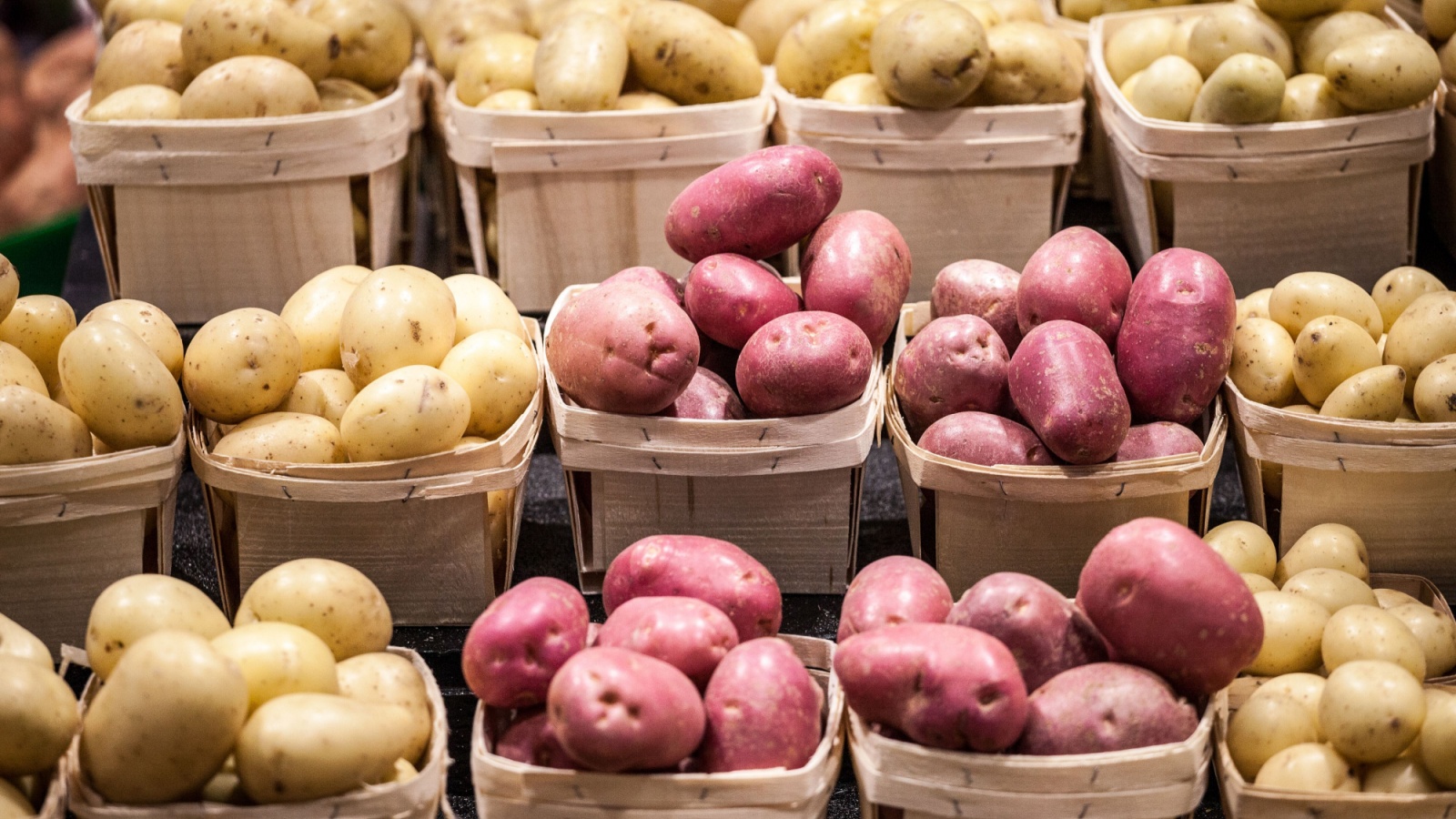
Potatoes once had a near-perfect reputation as a low-cost staple. They are filling, familiar, and versatile enough for soup, mash, fries, hash browns, baked dinners, and casseroles. But when fresh produce prices rise, even potatoes can start to feel less dependable. A bag that sprouts too quickly or costs more than expected can make shoppers question the savings.
The issue is not only price. Waste matters too. If a household buys a large bag for value and throws out several soft or green potatoes, the real cost per meal rises. Smaller households may find that bulk buying no longer works as well as it once did. Potatoes are still practical, but the bargain depends more than ever on storage, meal planning, and actually using the full bag.
Apples
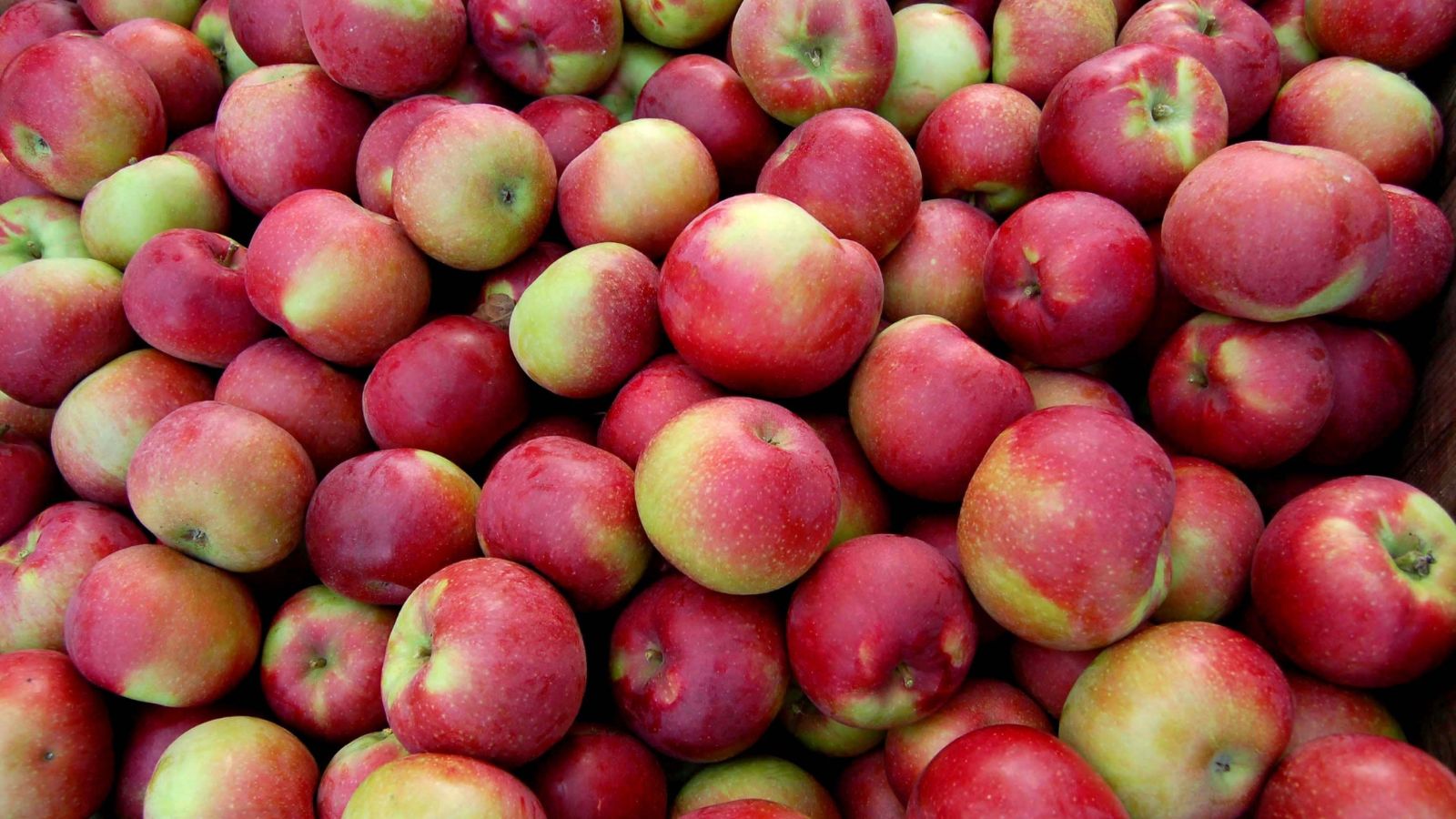
Apples are often treated as the default healthy snack: portable, familiar, and easy to pack in lunches. Canadian-grown varieties also make them feel like a sensible local choice in many seasons. Yet the price of a bag can still surprise shoppers, especially when favourite varieties cost more or when out-of-season options dominate the display.
The challenge is that apples compete with processed snacks that may appear cheaper upfront, even if they offer less nutrition. A household trying to make healthier choices can feel punished when fresh fruit becomes expensive. Apples still hold value because they keep better than many fruits and require no preparation. But the days when a bag felt like an obviously cheap lunchbox solution are less certain.
Fresh Vegetables
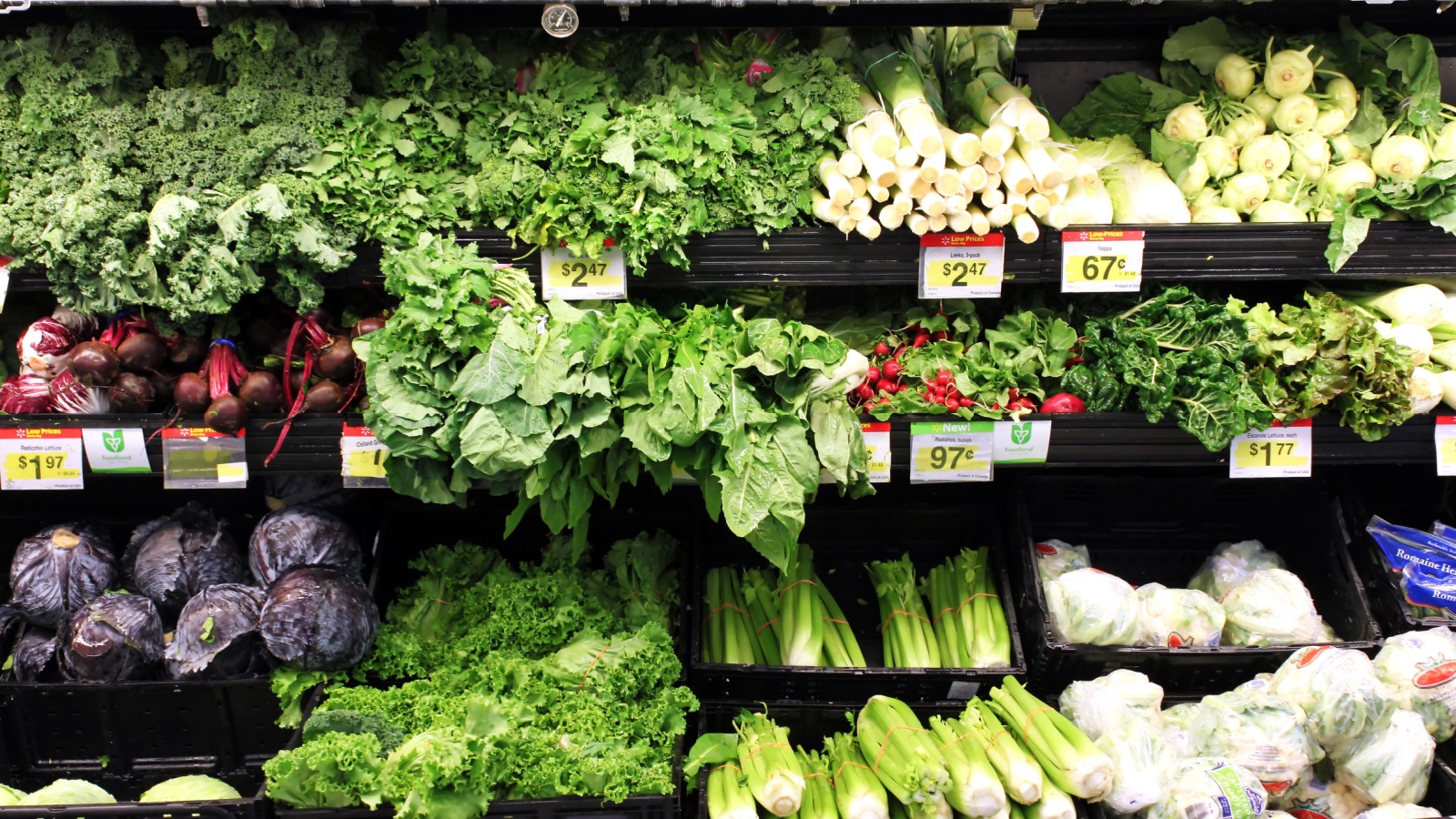
Fresh vegetables carry a double burden: they are essential for health, but they can be unpredictable for price and quality. Cucumbers, peppers, lettuce, celery, tomatoes, and leafy greens can move sharply depending on weather, imports, greenhouse costs, and transportation. A shopper may plan a simple salad and discover that the ingredients cost more than the main dish.
That volatility changes habits. Some households buy frozen vegetables more often, choose hardier produce like carrots and cabbage, or build meals around whatever is on sale. Others reduce variety, which can make healthy eating feel repetitive. Fresh vegetables still belong in the cart, but they no longer feel like a simple add-on. They have become a category where flexibility matters as much as intention.
Chicken
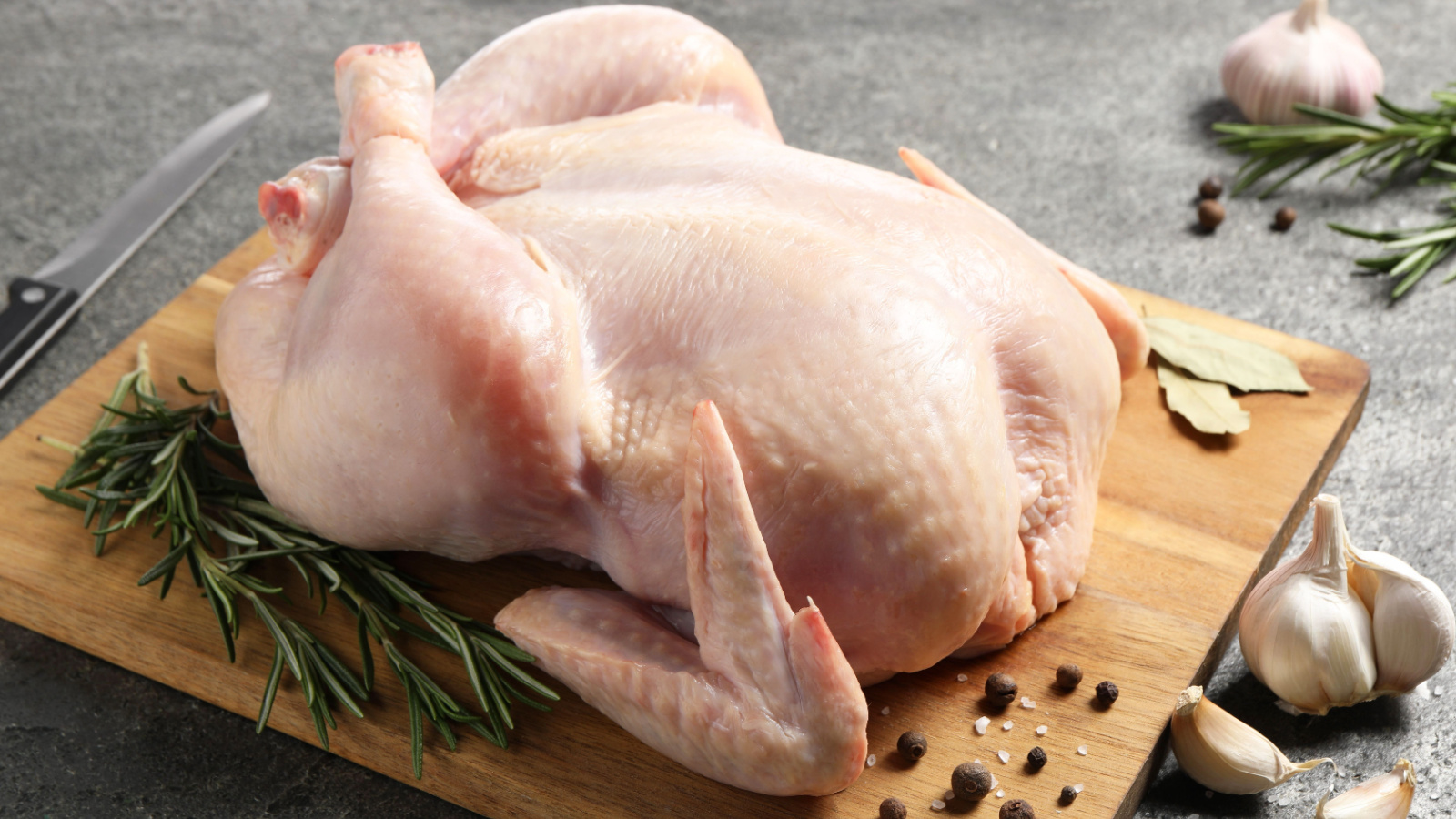
Chicken used to be the reliable middle ground between cheaper pantry meals and more expensive beef. It was lean, familiar, and easy to stretch into soups, stir-fries, tacos, sandwiches, and casseroles. Today, the price of chicken breasts, thighs, and whole birds can make meal planning more strategic. Many households now buy family packs only during sales or shift toward cheaper cuts.
The disappointment comes from how often chicken appears in ordinary cooking. When a staple protein rises, the entire dinner rotation changes. A family may still consider chicken more affordable than steak, but that does not make it feel cheap. The best value often comes from using the whole purchase carefully: bones for stock, leftovers for lunches, and smaller portions balanced with beans, grains, or vegetables.
Ground Beef
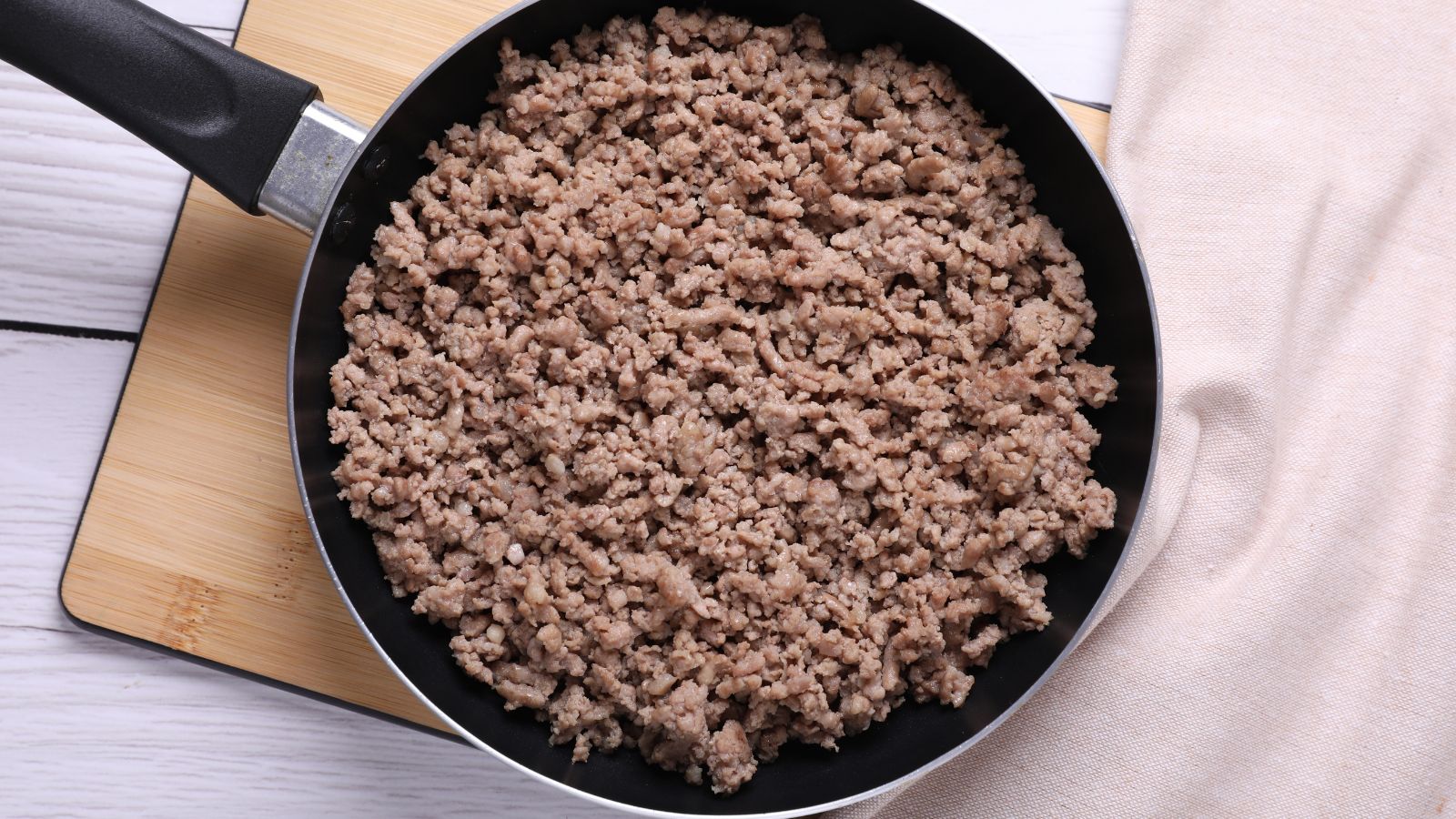
Ground beef has traditionally been the practical version of beef: less expensive than steaks, easy to freeze, and useful in chili, burgers, pasta sauce, tacos, shepherd’s pie, and casseroles. That image has weakened as beef prices have become more sensitive to herd sizes, feed costs, processing costs, and demand. A package that once solved dinner cheaply may now require a second thought.
The result is visible in everyday substitutions. Some households stretch ground beef with lentils, mushrooms, oats, or beans. Others switch to ground pork, turkey, or plant-based alternatives when the price gap makes sense. Ground beef still offers convenience and flavour, but its place as an automatic budget protein is no longer secure. For many Canadians, it now feels like a sale item rather than a staple.
Canned Soup
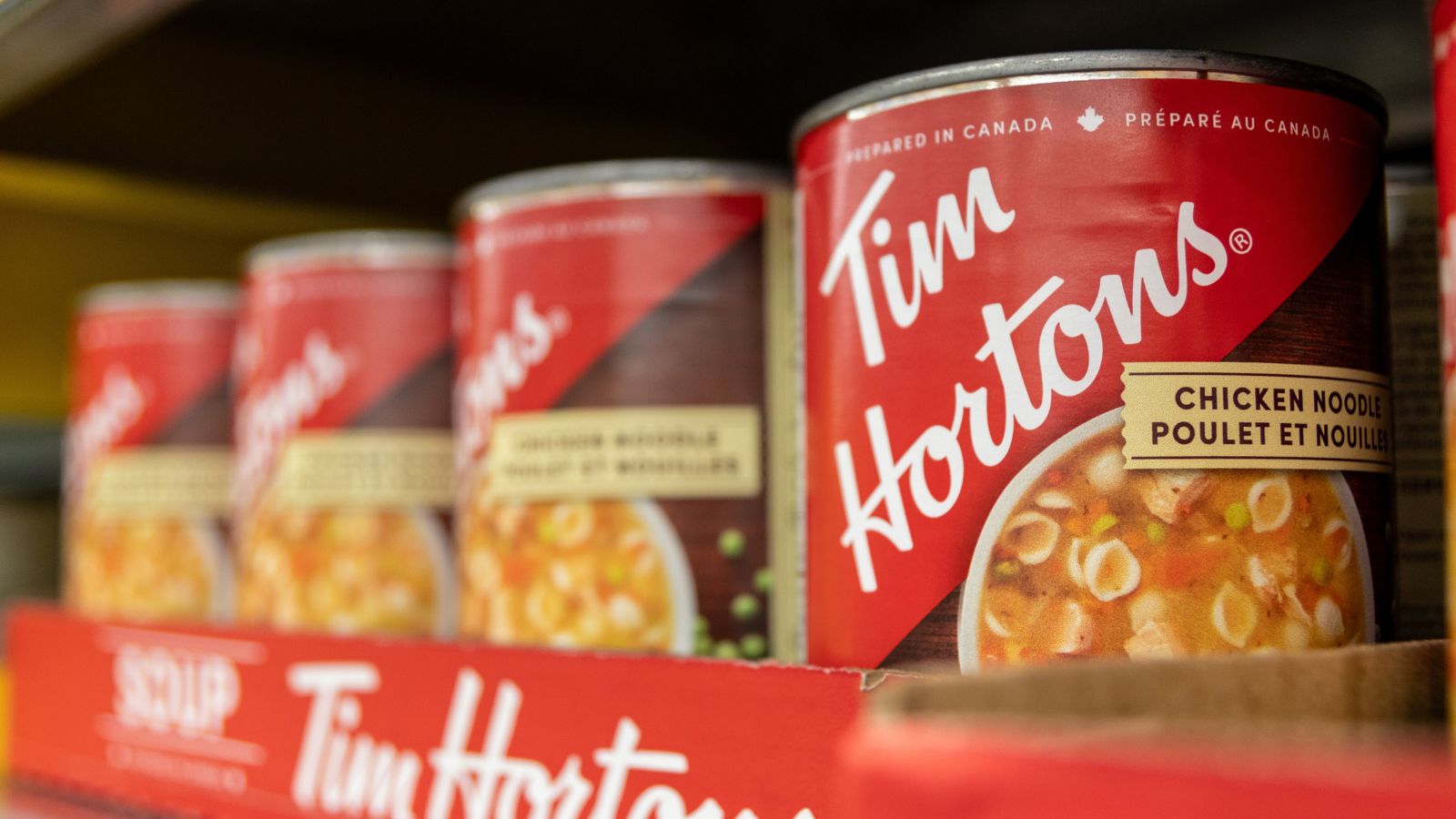
Canned soup once represented the ultimate emergency meal: cheap, shelf-stable, quick, and comforting. It could become lunch on its own or serve as the base for casseroles and sauces. The problem is that regular prices on familiar brands can now feel high for what is often a small portion, especially when a can needs crackers, bread, or extra protein to become filling.
Shoppers also notice the trade-off between price and nutrition. Lower-cost cans may be high in sodium or less substantial, while premium soups can approach the cost of making a pot at home. Canned soup still has a place in winter cupboards and sick-day routines, but it no longer feels like the effortless bargain it once was. The best value often appears only during multi-buy promotions.
Coffee
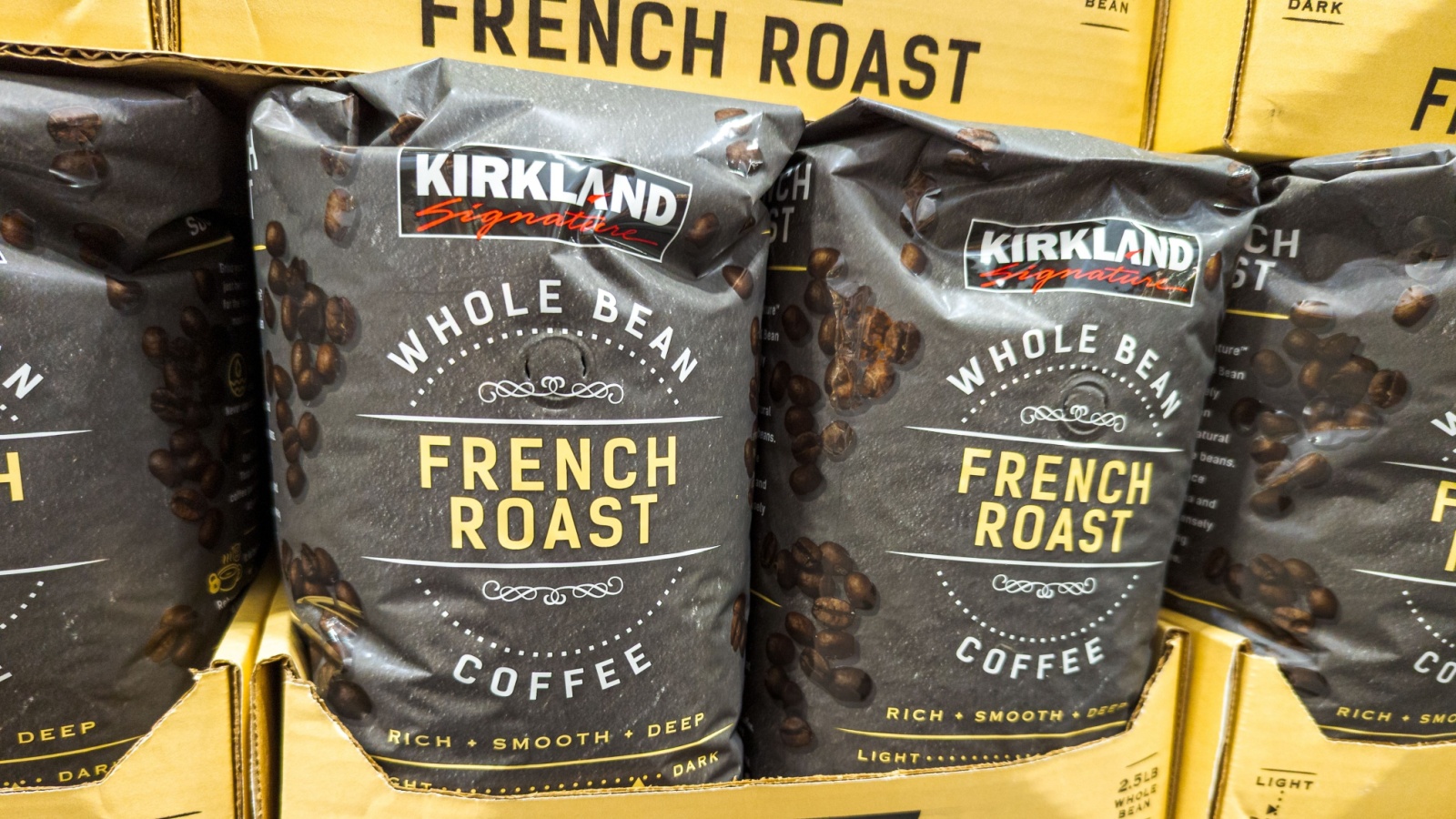
Coffee has moved from small daily pleasure to serious household line item. For people who brew at home to avoid café prices, rising coffee costs can feel especially unfair. A bag, tin, or box of pods may still be cheaper than daily takeout, but the gap has narrowed enough to make shoppers notice. Even sale prices can feel higher than old regular prices.
Global coffee prices are vulnerable to weather problems, crop disease, shipping costs, currency shifts, and demand from many countries. Canadian households experience all of that through a morning habit that feels non-negotiable. Some switch brands, buy larger formats, or cut back on single-serve pods. Coffee remains a cheaper home ritual than café runs, but it has clearly lost its old status as a minor grocery expense.
Toilet Paper

Toilet paper is the definition of a household staple because nobody wants to run out. It used to be purchased mostly by habit: favourite brand, preferred softness, biggest pack available. Now, shoppers often calculate roll count, sheet count, ply, and price per 100 sheets because the package size alone can be misleading. A “mega” pack does not always mean a better deal.
This is one of the clearest places where shrinkflation changes perception. Rolls can become narrower, sheets can decrease, or package counts can shift while the shelf price remains familiar enough to hide the difference. For households with children, roommates, or guests, toilet paper disappears quickly. It is still essential, but it no longer feels like a boring background purchase. It feels like something that needs strategy.
Paper Towels
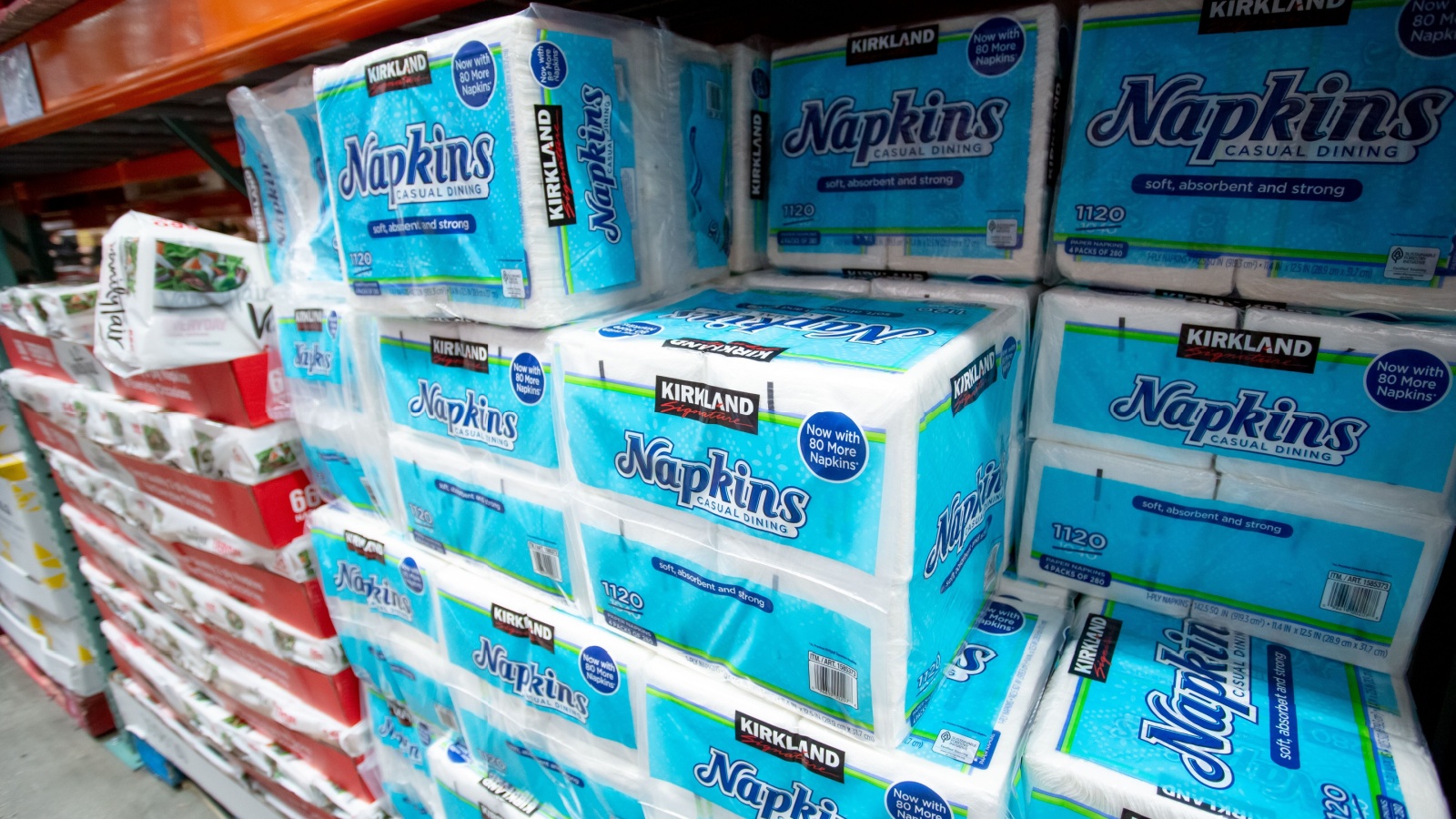
Paper towels once felt like a practical convenience: quick cleanup, lunchbox napkin, grease absorber, window wipe, and spill rescue in one roll. As prices rose and rolls seemed to vanish faster, many households started treating them less casually. A spill that once meant grabbing three sheets may now mean reaching for a cloth first.
The shift is partly about price and partly about habit. Reusable cloths, dish towels, and washable mop pads can reduce the need for disposable paper, but they also require laundry and organization. Paper towels still win for certain messes, especially greasy or unsanitary ones. Yet the old sense of abundance has faded. When a multi-pack feels expensive, every unnecessary sheet looks like money leaving the kitchen.
Laundry Detergent
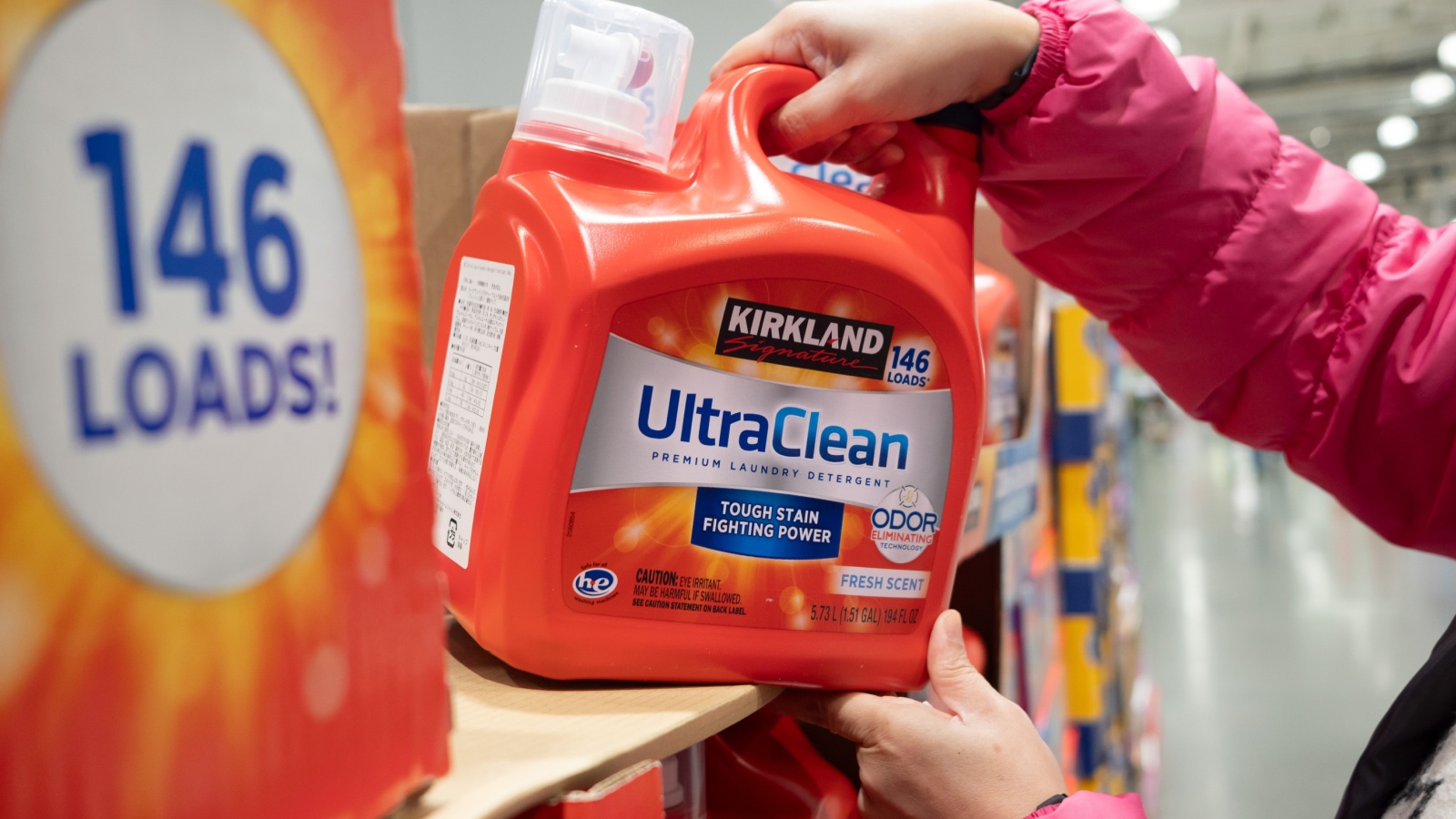
Laundry detergent is another staple that becomes more expensive because it is tied to household size and routine. Families with children, uniforms, sports clothes, workwear, bedding, and towels can go through detergent quickly. Concentrated formulas may promise more loads, but shoppers often wonder whether the cap measurements and real-world usage match the label.
The value question becomes complicated. Cheaper detergent may require more product, while premium brands can feel costly unless bought on sale. Pods add convenience but often cost more per load than liquid or powder. A household trying to save may need to compare load counts, not bottle size. Clean clothes remain non-negotiable, but the product that keeps them clean no longer feels like a low-stress purchase.
Dish Soap and Dishwasher Detergent

Dish soap and dishwasher detergent used to feel like small-ticket necessities. One bottle or box could last long enough that the price barely registered. Now, households that cook more at home may notice they are using more of both. Saving money by avoiding takeout can mean more dishes, more hot water, more sponges, and more detergent.
Dishwasher tabs can be especially surprising because convenience is built into the price. A tub of pods may look reasonable until the cost per load is compared with powder or gel. Meanwhile, hand dish soap varies widely by concentration, scent, and brand. These products still do important work every day, but they have become part of the hidden cost of home cooking. A cheaper dinner is not quite as cheap after cleanup is counted.
19 Things Canadians Don’t Realize the CRA Can See About Their Online Income

Earning money online feels simple and informal for many Canadians. Freelancing, selling products, and digital services often start as side projects. The problem appears at tax time. Many people underestimate how much information the CRA can access. Online platforms, banks, and payment processors create detailed records automatically. These records do not disappear once money hits an account. Small gaps in reporting add up quickly.
Here are 19 things Canadians don’t realize the CRA can see about their online income.
