Grocery shopping in Canada has become a weekly exercise in decoding shelf tags, loyalty offers, package sizes, and “limited-time” deals. With food prices still weighing heavily on household budgets, shoppers are paying closer attention not only to how much groceries cost, but also to how those prices are presented. The frustration is not always about one item going up by a few cents. It is often about the feeling that simple comparisons have become harder than they need to be.
Here are 21 supermarket pricing tactics Canadians are getting tired of, from shrinkflation and member-only deals to confusing unit prices, app coupons, and sale tags that do not always feel like real savings.
Loyalty-Card Prices That Make the Shelf Price Feel Like a Penalty
Member-only pricing has become one of the most visible irritants in Canadian grocery aisles. A shelf tag may show one price for loyalty members and a noticeably higher price for everyone else, turning what used to feel like a discount into something closer to an entry requirement. The tactic is especially frustrating when the lower price applies to everyday staples such as eggs, bread, coffee, or frozen vegetables.
The annoyance grows because grocery loyalty programs are no longer simple punch-card rewards. They often connect purchases, apps, personalized offers, and digital receipts into a larger customer profile. For many shoppers, the tradeoff feels uneven: share more data, manage another account, and remember another card just to avoid paying the more painful price. In a country where grocery costs have risen sharply since 2022, even small member-price gaps can feel like pressure rather than generosity.
Shrinkflation That Keeps the Package Familiar but Reduces the Food
Shrinkflation is especially maddening because it can hide in plain sight. A box of crackers, tub of yogurt, chocolate bar, or bag of frozen fruit may look nearly identical to the old version, but the weight quietly drops. The shelf price may stay the same, or even rise slightly, while the cost per gram gets worse. Shoppers often notice only when a recipe no longer stretches as far or a family snack disappears faster than expected.
This tactic has become part of everyday grocery frustration because consumers already feel squeezed by higher food prices. When a familiar product shrinks, it can feel like a second price increase wrapped in the same packaging. Canadian food labels must declare net quantity, but that does not mean the change is easy to spot during a rushed trip after work. The real comparison happens in tiny print, usually beside dozens of competing tags.
Multi-Buy Deals That Punish Smaller Households

“Two for $7” or “Buy three and save” can look harmless until the math is checked carefully. Sometimes the deal is real; other times, the best price only appears when a shopper buys more than needed. That leaves singles, seniors, students, and smaller households paying more per item unless they accept extra food they may not use. The tactic can feel especially unfair when applied to fresh foods with short shelf lives.
Canadians are increasingly sensitive to waste because food prices are already high and household budgets are tight. A deal on three bags of salad is not much of a deal if one ends up wilted in the crisper. Multi-buy pricing also creates decision fatigue: shoppers must calculate whether the per-unit savings justify the extra spending, storage space, and spoilage risk. What looks like a bargain at the shelf can become a quiet budget leak at home.
Unit Prices That Are Missing, Tiny, or Hard to Compare

Unit pricing is supposed to make grocery shopping easier. It lets shoppers compare the cost per 100 grams, per litre, per kilogram, or per roll instead of relying on package size and shelf price alone. The problem is that unit pricing is not consistently mandatory across Canada, and even where it appears, it can be hard to read or compare quickly. One cereal may be priced per 100 grams while another nearby product appears per kilogram.
This inconsistency frustrates shoppers because unit price is often the clearest way to spot whether a “family size” or “value pack” is actually cheaper. Government consumer guidance has pointed to per-unit pricing as a useful comparison tool, and competition advocates have called for clearer and more harmonized unit pricing. In practice, many Canadians still find themselves squinting at shelf tags, opening calculator apps, or guessing under pressure in crowded aisles.
“Was/Now” Sale Tags That Depend on a Questionable Regular Price
A big red tag showing “Was $8.99, Now $5.99” can make a product feel like an obvious win. The problem is that shoppers increasingly wonder how real the original price was. If the “regular” price was rarely charged, only briefly used, or not representative of what customers usually paid, the discount may feel inflated. This is why ordinary selling price claims are a major issue in Canadian advertising law.
The frustration is less about sales themselves and more about trust. Canadians understand that promotions are part of retail, but they resent feeling nudged by a reference price that may not reflect normal reality. A jar of pasta sauce that rotates between “regular,” “club price,” “feature price,” and “multi-buy” can become impossible to judge from memory. Over time, constant sale framing trains shoppers to distrust shelf tags altogether.
Flyer Specials That Look Better Than the In-Store Reality
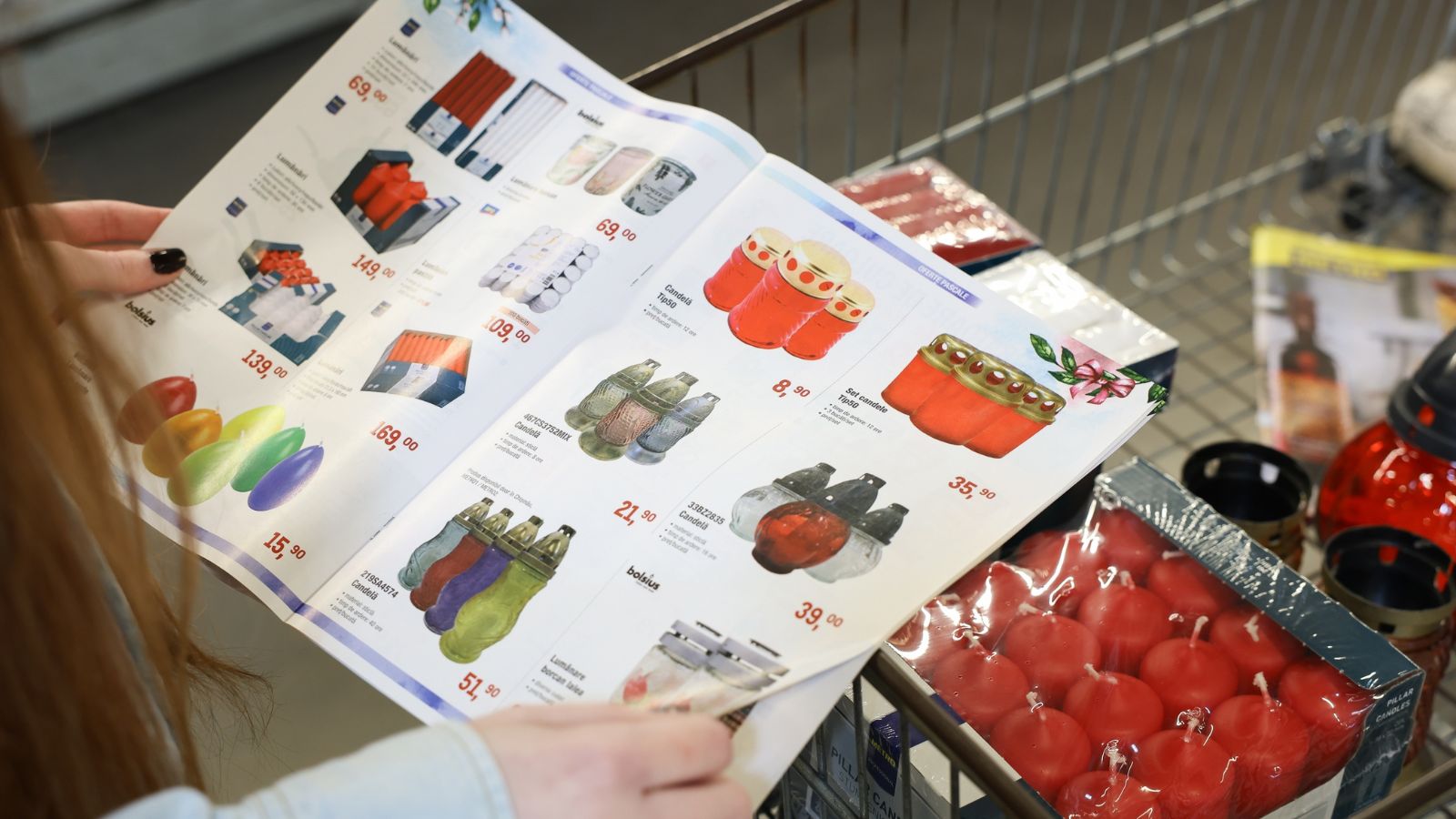
Weekly flyers remain a major part of grocery shopping in Canada, especially for households trying to plan meals around discounts. But shoppers are getting tired of flyer specials that come with fine print, limited quantities, short windows, app-only requirements, or stock that disappears quickly. A deal that motivates a trip across town can become frustrating when the product is gone or the exact size does not match what is on the shelf.
The tactic works because flyers create urgency before shoppers enter the store. Once inside, many people still buy other items even if the advertised deal is unavailable. This is where the frustration builds: the promotion may have done its job for the retailer, but the customer feels misled or at least inconvenienced. In a high-price environment, a missed chicken, coffee, or produce deal can throw off a family’s weekly grocery plan.
Digital Coupons That Require Extra Steps at the Worst Moment

Digital coupons can offer real savings, but the process often feels unnecessarily complicated. Shoppers may need to load offers in an app, sign in, select the right store, scan a card, buy a specific size, and meet a deadline. The discount may not apply automatically, even when the customer is clearly a loyalty member. That turns savings into a small administrative task repeated every week.
This tactic frustrates busy shoppers because the burden shifts onto them. A parent juggling a cart, a child, and a tight budget may not have time to search an app in the aisle. Seniors or shoppers with limited data plans may feel excluded from deals that used to be available with a paper flyer or shelf tag. The result is a two-tier experience: those who manage the digital system save more, while others pay the higher price.
Points Offers That Make the Real Price Hard to Understand

Reward points can be useful, but they also complicate the meaning of a grocery price. A shelf tag may advertise “earn 3,000 points” instead of simply lowering the price. That forces shoppers to translate points into dollars, remember redemption thresholds, and decide whether the reward is worth paying more upfront. For families watching cash flow, a future discount does not always help with today’s bill.
The tactic is effective because it keeps customers inside one retail ecosystem. A shopper may buy a more expensive product because the points look generous, even if the immediate out-of-pocket price is higher than a competitor’s. Over time, the mental math becomes exhausting. Canadians are not necessarily against loyalty rewards; many use them carefully. What they dislike is when points make a simple comparison between two prices feel like decoding a phone plan.
Personalized Offers That Make Prices Feel Unequal
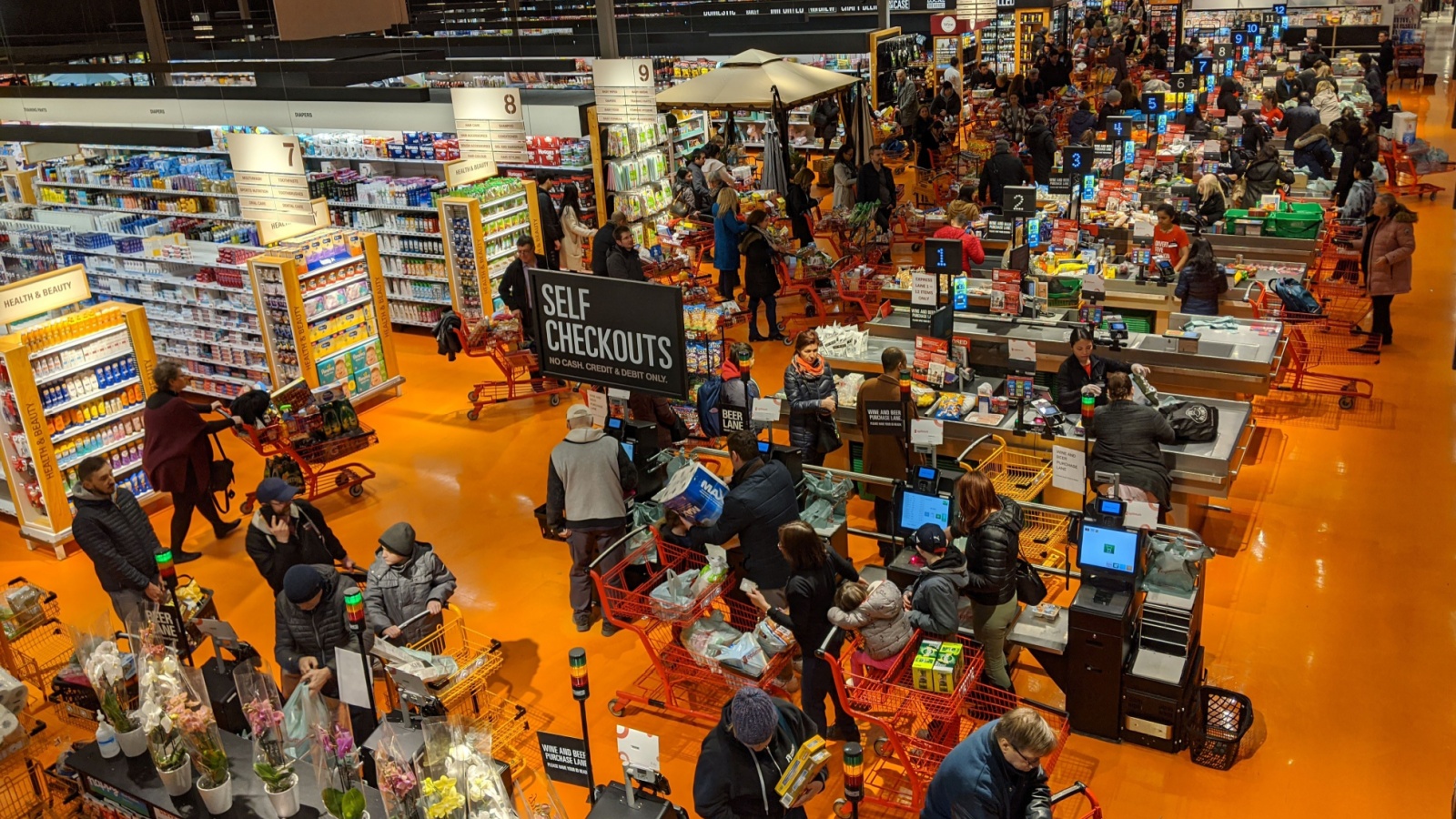
Personalized grocery offers can be convenient when they match items a household already buys. But they also create a growing sense of unease. Two shoppers may walk into the same store, buy similar products, and see different digital offers based on purchase history. One person gets a discount on coffee; another gets a discount on diapers; a third gets nothing useful that week.
The irritation comes from uncertainty. Shoppers cannot always tell whether personalization is rewarding loyalty, nudging habits, clearing inventory, or encouraging higher spending. As algorithmic and personalized pricing becomes a bigger topic for regulators and consumer advocates, grocery customers are becoming more alert to the possibility that their data may influence what deals they see. Even when the outcome is only personalized discounts rather than individualized base prices, the experience can feel less transparent than a simple public sale.
Endcap Displays That Look Like Deals but May Just Be Paid Placement
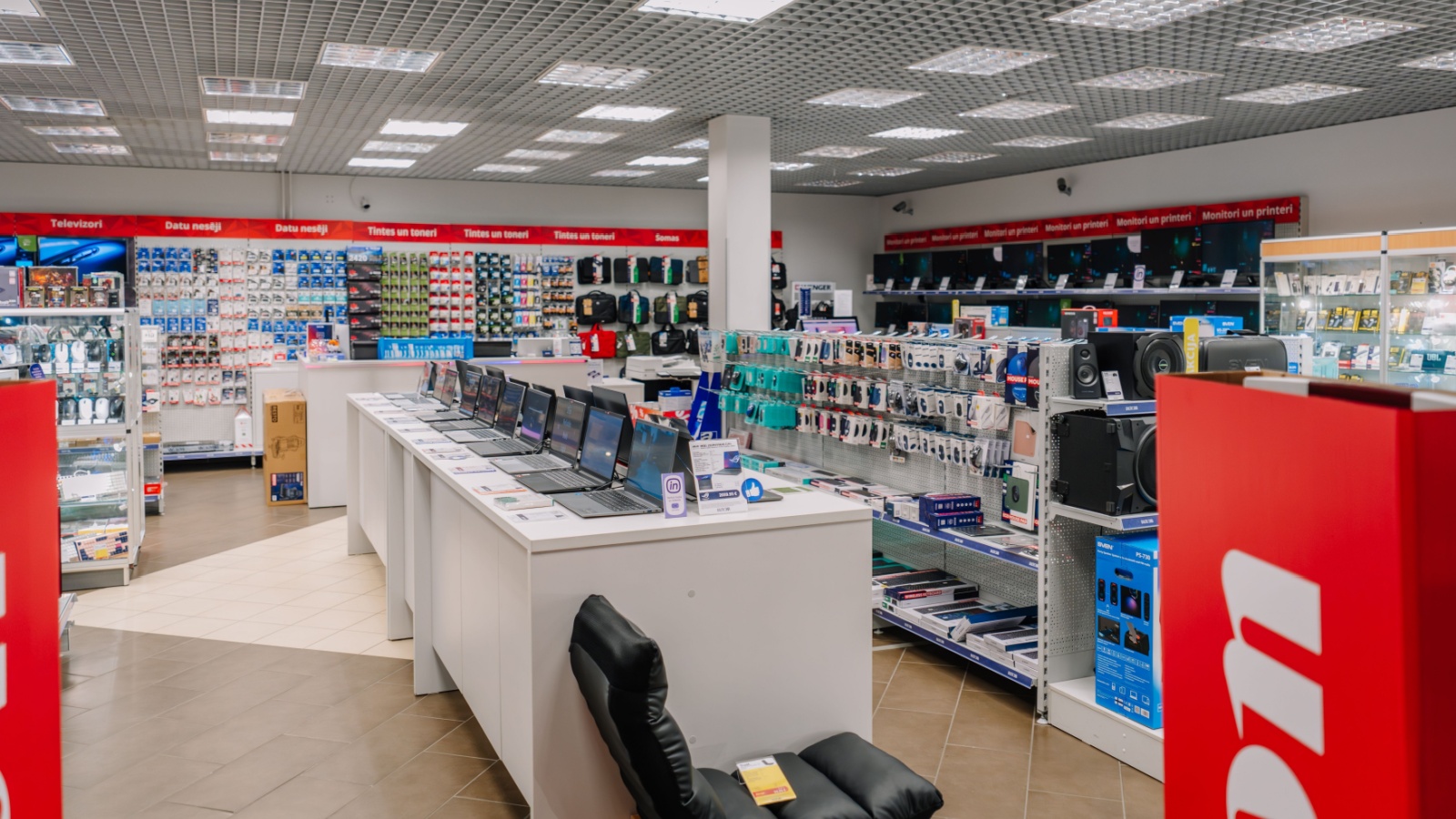
Endcaps carry a powerful message: this item must be on special. In many stores, products displayed at the end of aisles look promotional even when the price is ordinary. Shoppers moving quickly may assume the cereal, chips, pasta sauce, or sparkling water stacked there is a strong value, especially if the display includes bright signs or large quantities.
The tactic works because placement influences perception. A product does not need to be the cheapest option to look like the featured choice. For shoppers trying to stretch a budget, this can become irritating when a better unit price sits quietly on a lower shelf halfway down the aisle. The frustration is not that stores promote products; it is that promotional placement can blur the line between “good deal” and “good visibility.” In a crowded supermarket, attention itself has become part of the pricing game.
Private-Label Price Creep After Shoppers Switch Down

Store brands used to feel like the dependable escape hatch from rising grocery bills. When national brands became too expensive, shoppers could move to private-label pasta, canned tomatoes, cereal, frozen vegetables, or paper products. But many Canadians have noticed that private-label prices can climb too, especially after shoppers have already built habits around them.
This price creep feels personal because private-label products are often marketed as the practical choice. A family that switched from a national-brand granola bar to the store version may feel cornered when the cheaper option inches upward. The supermarket still controls the shelf space, the brand, and the promotion cycle. Private labels can offer genuine savings, but when their prices rise close to branded products, shoppers start wondering whether the “value” lane is narrowing.
“Value Size” Packages That Are Not Always the Best Value

Bigger packages often look cheaper because they promise more food for the money. A large detergent, family-size cereal, club pack of meat, or oversized snack box can make the smaller version seem wasteful. Yet the unit price does not always support the assumption. Sometimes the mid-size package is cheaper per gram, especially when it is on sale and the larger format is not.
This tactic annoys shoppers because it plays on a reasonable habit. Buying larger quantities can save money, but only when the math works and the product gets used. In Canada, where storage space varies widely from suburban basements to small urban apartments, bulk buying is not equally practical. A “value” package that strains the budget, crowds the pantry, or goes stale before it is finished may not be a value at all.
Checkout Prices That Do Not Match the Shelf Tag

Few grocery moments create instant frustration like watching an item scan higher than the shelf price. It may be a missed promotion, an expired tag, a wrong product size, or a barcode issue. Whatever the cause, the customer is suddenly responsible for catching the error, speaking up, and holding up the line. Many shoppers only discover the problem later, when checking the receipt at home.
Canada has a voluntary Scanner Price Accuracy Code for participating retailers, and Quebec has its own rules. Still, many consumers do not know which stores participate or what remedy applies. The emotional issue is straightforward: if stores can use sophisticated pricing systems, shoppers expect them to be accurate. A few dollars may not sound like much, but repeated errors reinforce the feeling that the burden of verification sits with the customer.
Similar Products With Slightly Different Package Sizes
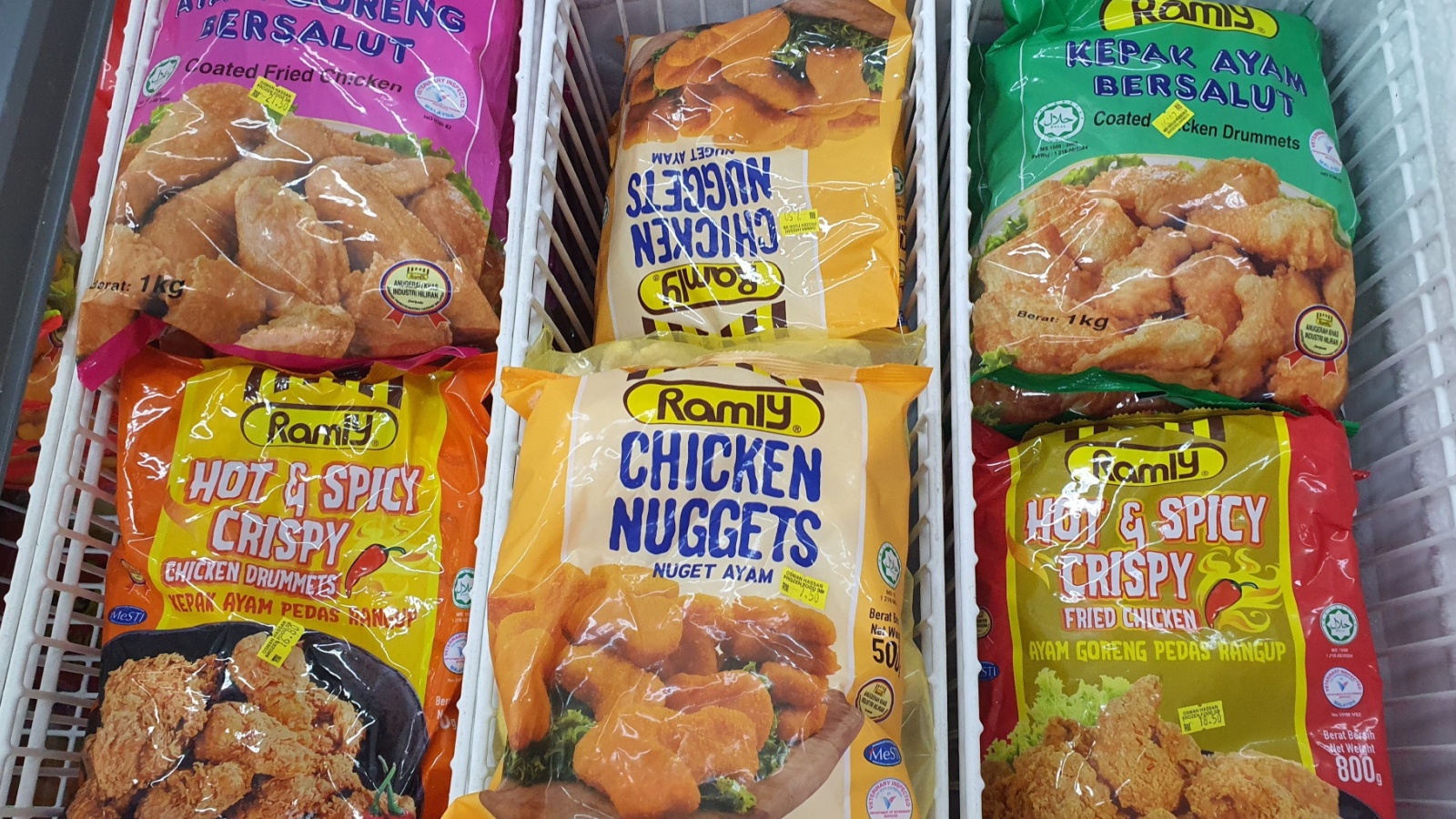
A shelf full of similar products can look easy to compare until the package sizes start shifting. One brand of shredded cheese is 320 grams, another is 400 grams, and a sale item is 280 grams. Yogurt tubs, coffee bags, crackers, cereal, frozen fruit, and cleaning products often vary just enough to make quick comparison difficult. The shelf price becomes less meaningful without close attention to quantity.
This tactic is frustrating because shoppers are already making dozens of decisions in one trip. A parent comparing lunch snacks may not have time to convert grams, servings, and prices while standing in a busy aisle. Package-size variation is legal when properly labelled, but it can still feel designed to slow down comparison. In a high-inflation period, Canadians increasingly recognize that the cheapest sticker price may hide a smaller amount of food.
Online Grocery Prices That Differ From the Store Experience
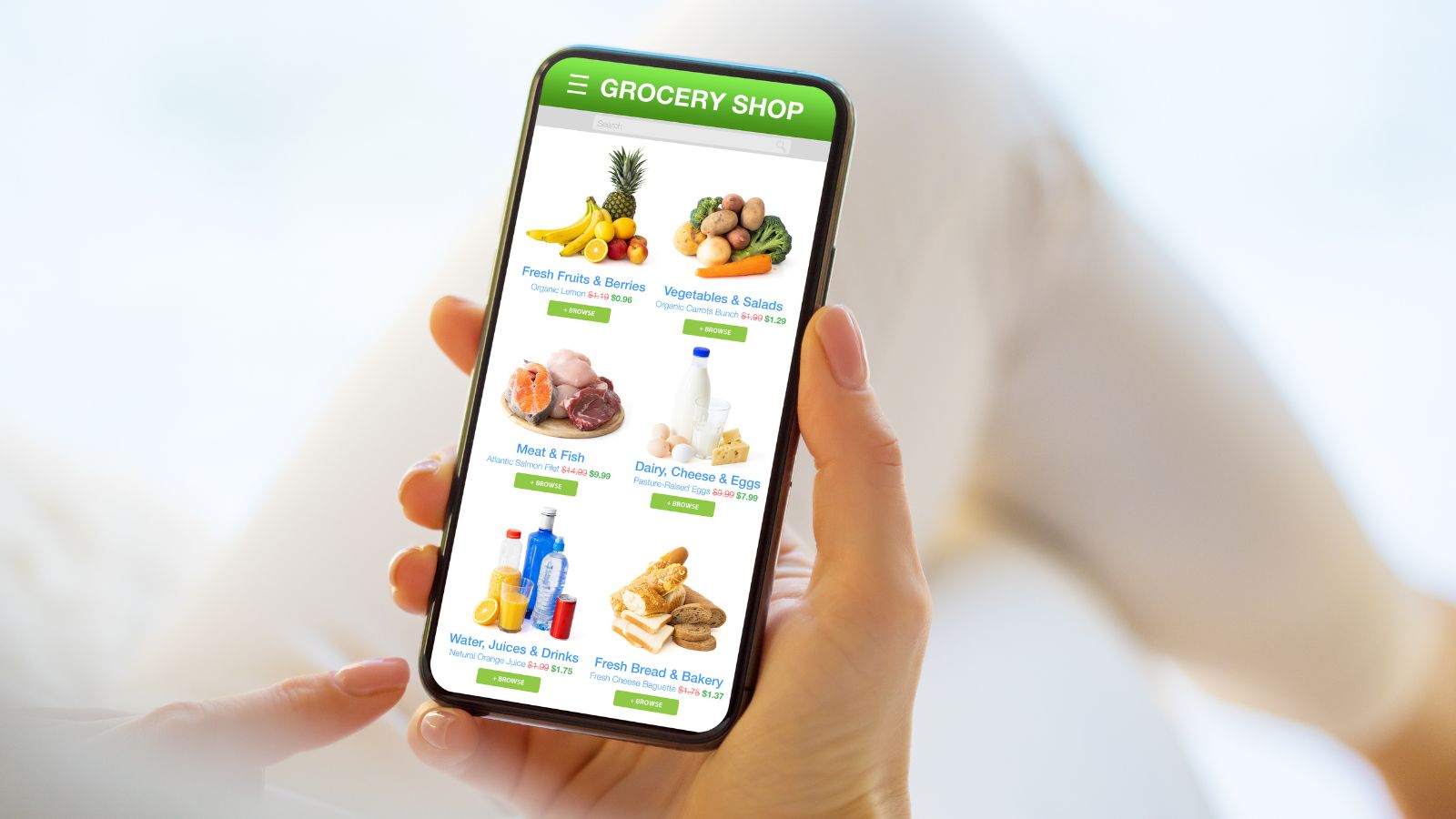
Online grocery ordering has made shopping easier for many households, but it has also introduced new pricing confusion. Prices may differ between pickup, delivery, and in-store shopping. Fees, substitutions, service charges, and unavailable promotions can change the final cost. A product that looked affordable online may become less attractive once the full basket is assembled.
This frustrates shoppers because online grocery shopping is often used to control spending. Seeing the cart total before checkout should make budgeting easier. But when prices, fees, and substitutions shift, the certainty weakens. The Competition Bureau has warned generally about pricing practices where the true total is not clear upfront, and grocery customers are applying that same expectation to digital baskets. The final price should not feel like a surprise after the order is already in motion.
“Buy More, Save More” Offers on Perishable Food
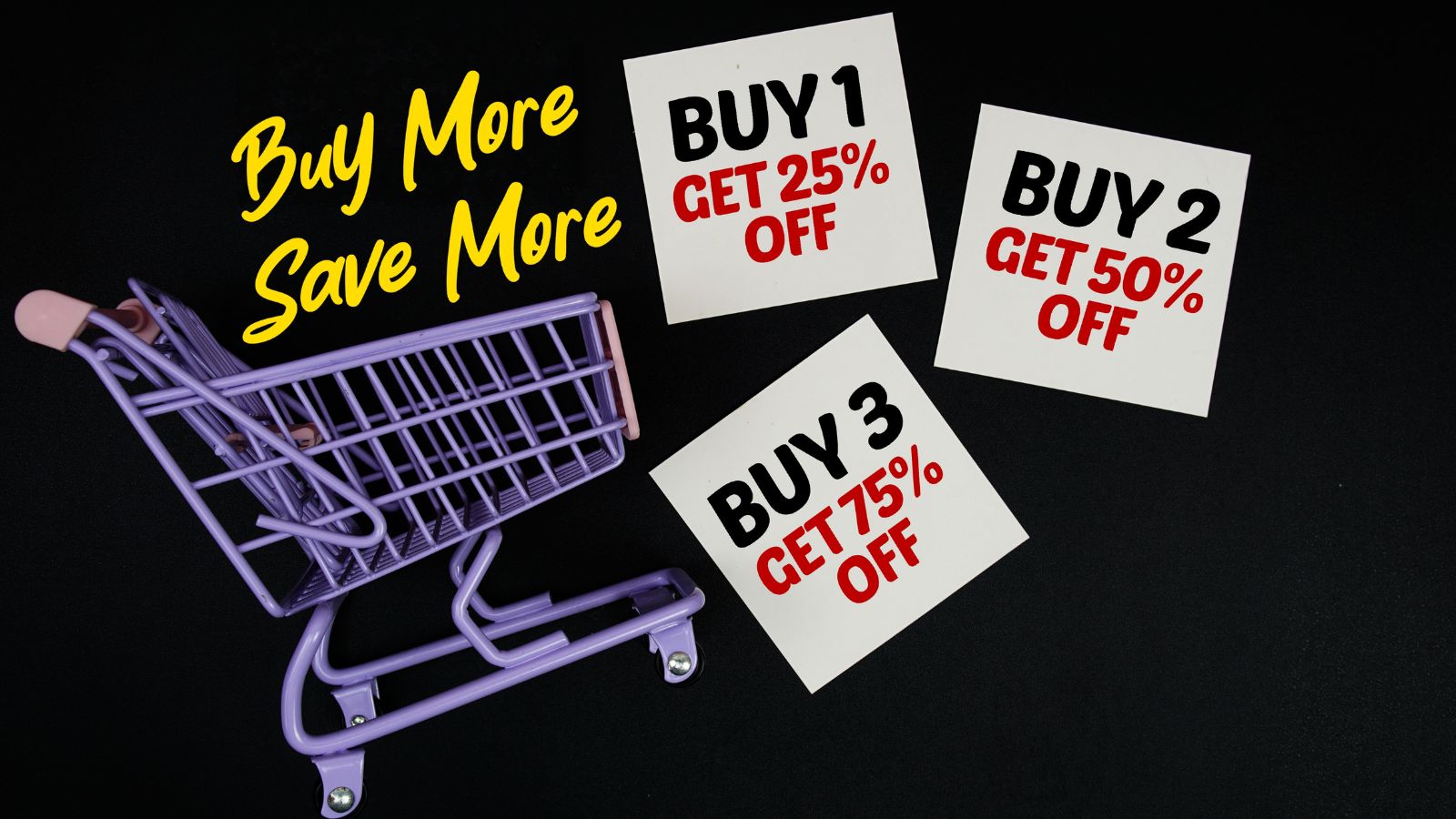
A discount on bulk pantry items can make sense. A “buy more, save more” offer on berries, salad kits, yogurt, deli meat, or bakery items is riskier. The deal may lower the unit cost only if the household can use everything before it spoils. For smaller families, renters with limited fridge space, and anyone shopping for one, the promotion can feel like a trap disguised as savings.
The waste risk matters because grocery inflation has made every spoiled item feel more expensive. A second clamshell of strawberries is not a bargain if half ends up moldy by Thursday. Supermarkets benefit when a larger basket leaves the store, but the household absorbs the storage and spoilage risk. Canadians are increasingly questioning whether perishable multi-buys reflect real value or simply move more product before its best-before date.
Prices Ending in 99 Cents That Still Influence Perception
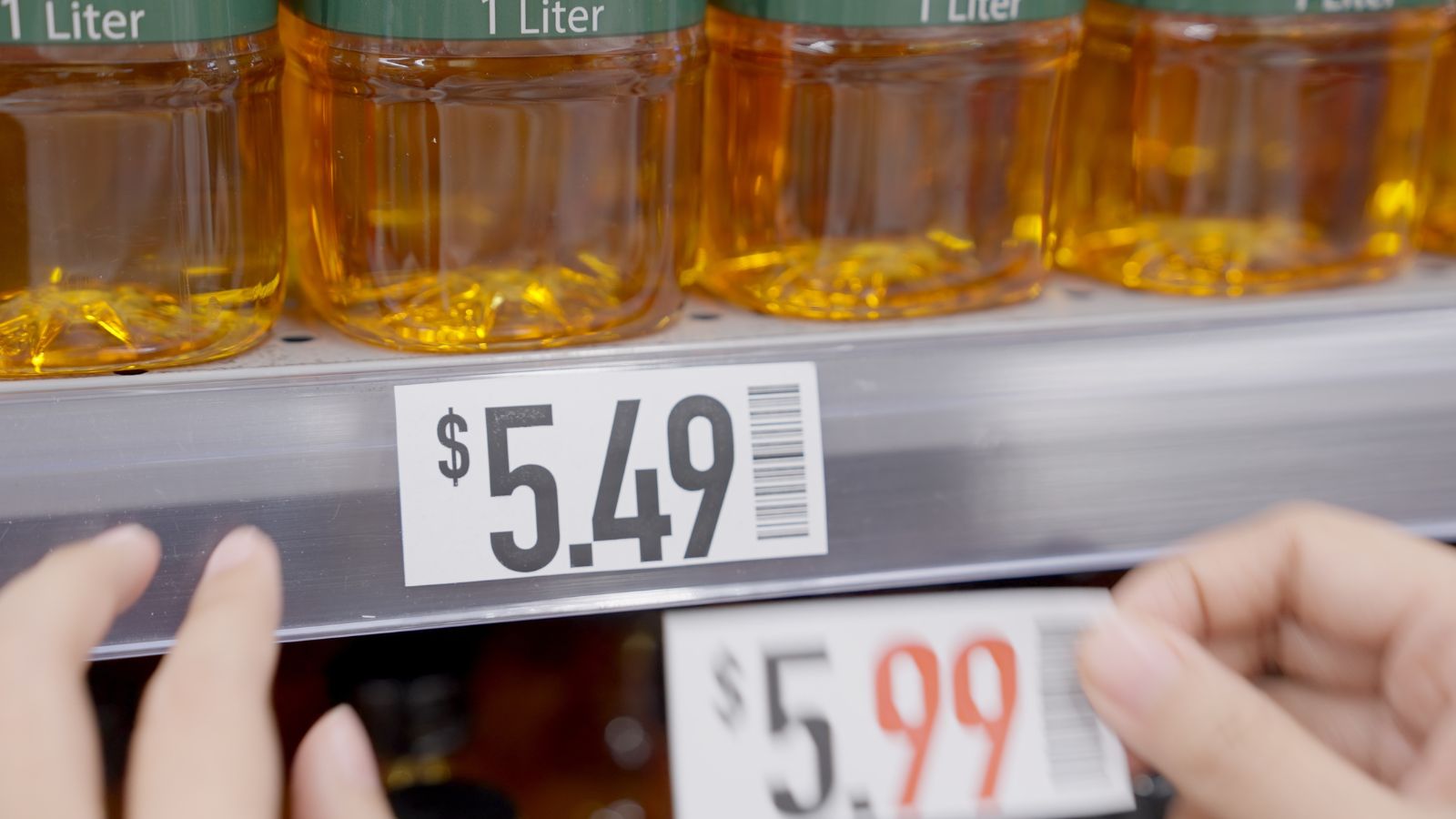
The 99-cent ending is old, but it still works enough to remain everywhere. A product priced at $4.99 can feel meaningfully cheaper than $5.00, even though the difference is one cent. Behavioural research describes this as part of left-digit perception, where people focus heavily on the first number they see. In a grocery aisle, that tiny cue can shape quick decisions.
Canadians may be tired of the tactic because food shopping now requires more discipline than it used to. When prices are rising, psychological pricing feels less playful and more manipulative. A cart filled with $3.99, $5.99, and $9.99 items can produce a bigger total than expected because the mind rounds down while the register does not. Shoppers know the trick, but knowing it does not always erase its effect during a rushed trip.
Holiday and Seasonal Price Swings on Predictable Staples

Before long weekends, Canada Day gatherings, Thanksgiving dinners, or summer barbecue season, certain grocery items suddenly receive more attention. Meat, buns, condiments, soft drinks, chips, berries, and prepared salads can move through a cycle of promotions, temporary increases, and selective discounts. Shoppers may see some items advertised aggressively while nearby essentials cost more than expected.
The frustration comes from predictability. Families know they will need certain foods for holidays, and stores know it too. Even when price changes reflect supply, weather, transport, or wholesale costs, the timing can feel opportunistic. Canadian food prices are also vulnerable to global factors such as adverse weather and commodity pressures, which means seasonal shopping already comes with uncertainty. When the shelf tag jumps just as demand peaks, shoppers are quick to notice.
Price Matching Rules That Sound Simpler Than They Are
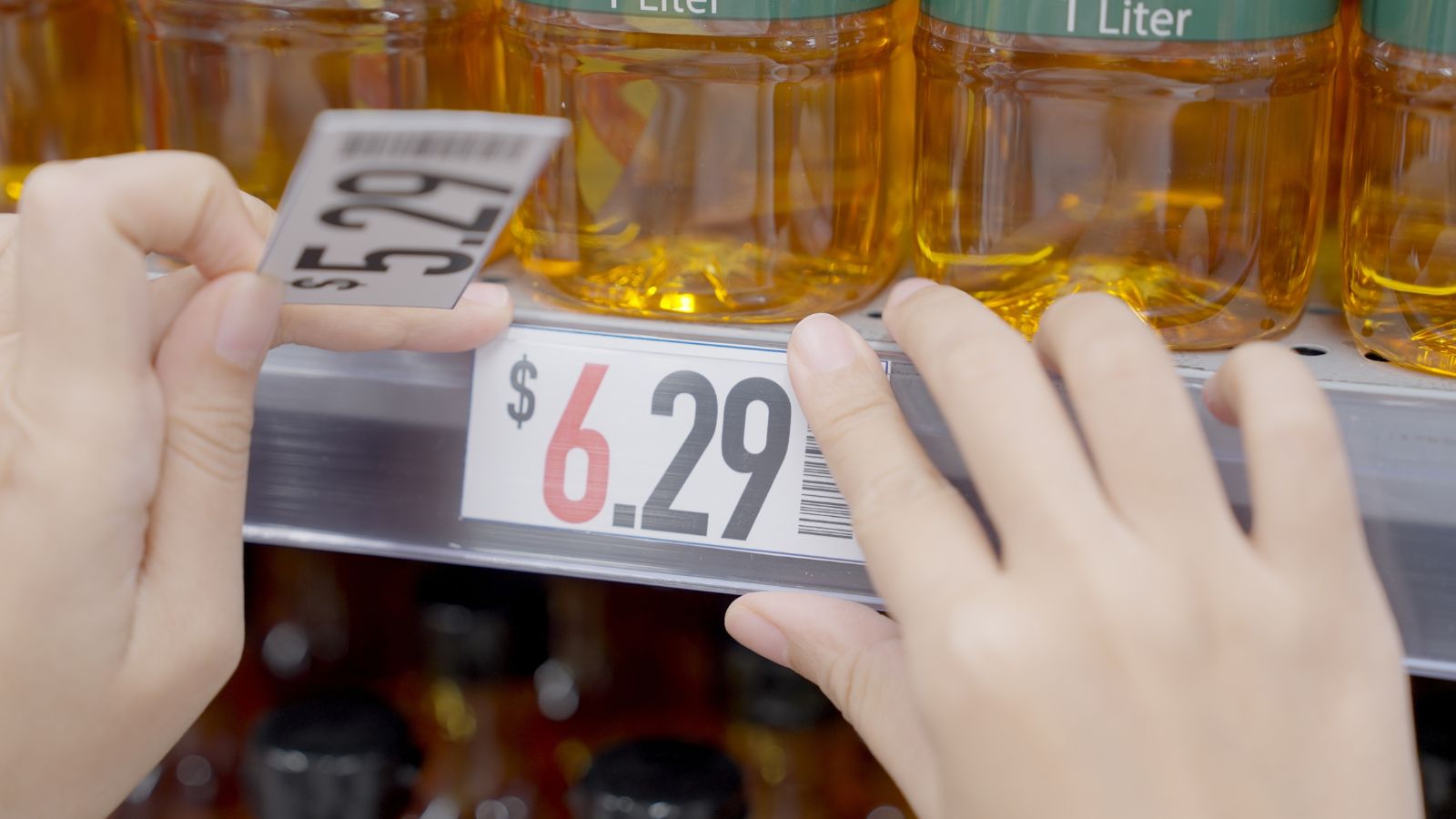
Price matching can be useful, but the rules often make it less straightforward than shoppers expect. The competitor must usually be local, the product must match exactly, the flyer date must be valid, and some categories or online offers may be excluded. A shopper may arrive ready to save on chicken, detergent, or cereal, only to discover that the size, flavour, or store location does not qualify.
This tactic can irritate consumers because price matching is often advertised as a confidence-building promise. In reality, it can require time, screenshots, patience, and a cashier willing to process the request. For households already comparing flyers, clipping digital offers, and watching unit prices, another layer of conditions can feel exhausting. Price matching may still help careful shoppers, but it is no longer viewed as effortless protection against overpaying.
“Limit” Signs That Create a Sense of Scarcity

A sign reading “Limit 4” can be perfectly reasonable when supply is tight or a sale is unusually strong. But it can also make a product feel more desirable simply because it appears restricted. Shoppers may buy the maximum allowed even when they originally planned to buy one. The sign quietly shifts the question from “Do I need this?” to “Should I stock up before it runs out?”
The tactic works especially well during periods when Canadians are already anxious about prices. After years of grocery inflation, many households remember products jumping in cost from one trip to the next. A limit sign on coffee, butter, pasta, or toilet paper can trigger defensive buying. Stores may have practical reasons for limits, but shoppers are increasingly skeptical when scarcity messaging appears beside ordinary promotions.
Loss Leaders That Pull Shoppers Into a More Expensive Basket
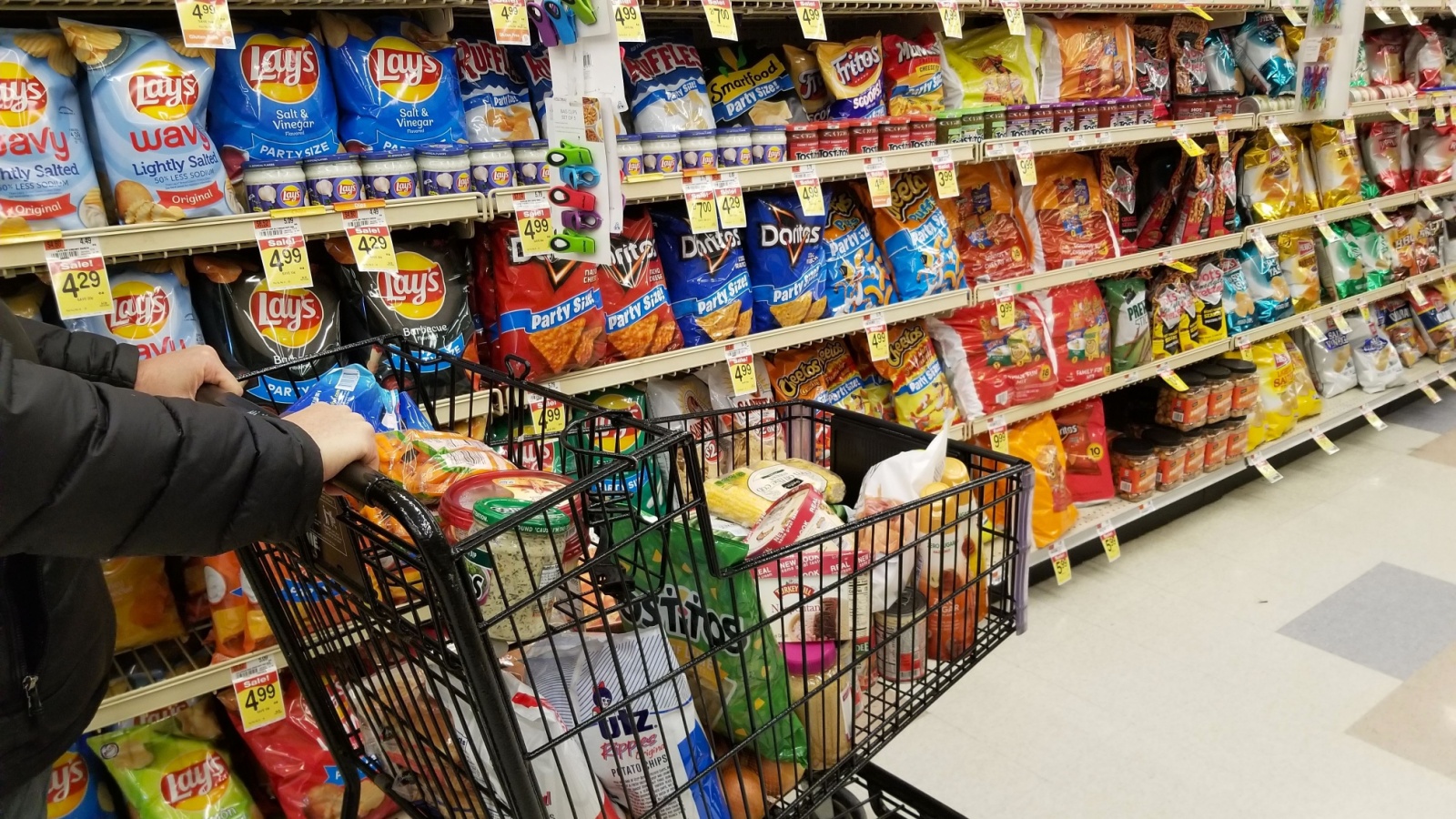
A deeply discounted staple can be a smart way to draw customers into a store. Milk, eggs, butter, chicken, coffee, or bananas may be priced sharply for a short period, encouraging shoppers to choose one supermarket over another. The trouble begins when the rest of the basket is not equally competitive. A customer who came for the bargain may still buy full-price snacks, household goods, and prepared foods.
This tactic frustrates Canadians because grocery trips are rarely single-item missions. Once inside, convenience takes over. A strong price on one headline item can distract from weaker prices elsewhere, especially when children, time pressure, or meal planning are involved. The deal may be real, but the total receipt tells the fuller story. Shoppers are increasingly judging supermarkets not by one flashy special, but by what the entire cart costs at checkout.
19 Things Canadians Don’t Realize the CRA Can See About Their Online Income

Earning money online feels simple and informal for many Canadians. Freelancing, selling products, and digital services often start as side projects. The problem appears at tax time. Many people underestimate how much information the CRA can access. Online platforms, banks, and payment processors create detailed records automatically. These records do not disappear once money hits an account. Small gaps in reporting add up quickly.
Here are 19 things Canadians don’t realize the CRA can see about their online income.
