
Young Canadians have been told to study hard, work steadily, save carefully, and wait their turn. Yet for many, the traditional milestones keep drifting farther away just as they get close. Home ownership, stable employment, debt-free education, starting a family, and even basic financial breathing room can feel less like predictable steps and more like moving targets.
These 22 reasons help explain why the path to adulthood feels so different from the one described by older generations. The pressure is not coming from one source alone. It is the combined weight of housing costs, job-market uncertainty, education expenses, debt, technology, inflation, and changing expectations about what a “good life” should look like in Canada.
Housing Prices Rewrote the Starting Line

For many young Canadians, the first major goalpost is housing. Owning a home once felt like a natural next step after a few years of steady work, but in many cities it now feels like a separate financial category altogether. Saving for a down payment while paying rent, student loans, transit, groceries, and phone bills can turn into a race where the finish line keeps moving ahead.
The emotional toll is easy to miss. A young worker in Toronto or Vancouver may receive a raise and still feel no closer to buying because prices, mortgage rules, and borrowing costs shift at the same time. Statistics Canada has reported that younger adults are especially worried about housing affordability, with concern far higher among those aged 15 to 34 than among seniors. That makes housing feel less like a personal budgeting challenge and more like a structural barrier.
Rent Has Become a Long-Term Life Stage

Renting used to be treated as a temporary phase for many young adults: a place to land after school, start a job, and build toward something more permanent. Now, renting can last well into the years when earlier generations were buying starter homes. CMHC’s 2025 mortgage consumer findings showed that many first-time buyers rented for years before purchasing, highlighting how long the runway has become.
That delay affects more than housing. A person paying high rent may postpone retirement contributions, graduate studies, travel, marriage, or having children. Even when rent growth cools, the starting level can remain painful. Young Canadians often learn that “stability” does not mean owning a place; it may simply mean keeping the same apartment without a sudden increase, eviction risk, or the need to move farther from work.
Entry-Level Jobs No Longer Feel Entry-Level

The phrase “entry-level” can feel misleading when postings ask for two years of experience, multiple software tools, a polished portfolio, and a degree. Young applicants may spend months customizing resumes for roles that once served as training grounds. At the same time, employers facing uncertainty often prefer candidates who can produce immediately with minimal onboarding.
The result is a frustrating loop: experience is required to get work, but work is required to gain experience. Youth unemployment data has shown periods of elevated joblessness among Canadians aged 15 to 24, especially in 2025. Even when the broader labour market improves, younger workers often feel the weakness first because internships, summer jobs, and junior roles are easier for companies to delay, automate, or cut.
Degrees Still Matter, But They No Longer Guarantee Security

Education remains valuable, but the bargain has changed. A degree can still open doors, yet it does not always deliver the predictable security that families once associated with post-secondary credentials. In some fields, a bachelor’s degree now functions as the minimum ticket to apply, not a guarantee of stable work or strong wages.
That can feel deeply unfair to students who followed every instruction. Tuition, textbooks, rent, food, and transportation all come due before the career payoff is visible. Statistics Canada tracks tuition costs across Canadian institutions, while research on student debt shows that borrowing remains a major financial pressure for many graduates. Young Canadians may still believe in education, but they increasingly see it as one part of a bigger strategy rather than a simple bridge to the middle class.
Student Debt Delays the Next Decision

Student debt changes the timeline after graduation. Instead of starting at zero, many young adults begin working life with monthly obligations already attached. A first full-time job may feel exciting until loan payments, rent, groceries, transportation, and taxes absorb most of the cheque. That makes saving feel slow even when income is finally coming in.
The frustration is not only about the size of the debt. It is about the way debt narrows choices. A graduate may avoid moving cities, switching careers, taking an internship, or starting a business because the repayment schedule is unforgiving. Canadian research has linked student debt to financial insecurity, and debt levels have remained a persistent concern. For young Canadians, the goalpost moves because education is still expected, but the cost of carrying it has become harder to ignore.
Wages Have Not Erased the Cost-of-Living Shock

Many young workers have seen wages rise, but that does not always translate into relief. When rent, groceries, transportation, insurance, and borrowing costs have already jumped, a raise may only help a household fall behind more slowly. The difference between “earning more” and “feeling better off” has become one of the defining frustrations of young adulthood.
Statistics Canada has noted that rising prices have continued to affect day-to-day affordability even after headline inflation cooled from its peak. That matters because young adults often have fewer assets to cushion the shock. They are less likely to own homes that rose in value and more likely to spend a larger share of income on essentials. A bigger paycheque can feel oddly hollow when every basic bill has already reset higher.
Groceries Turned Budgeting Into a Weekly Stress Test

Food costs have become a visible symbol of the moving goalposts. Grocery budgeting used to mean choosing between brands, planning meals, and watching flyers. Now it can mean putting items back, shrinking portions, switching stores, or tracking unit prices with the seriousness once reserved for rent. Young Canadians living alone or with roommates often feel this pressure immediately.
The strain is especially sharp because food is not optional. A young worker can delay a vacation or a new phone, but not dinner. Statistics Canada has repeatedly documented affordability pressures tied to rising prices, and food insecurity has become part of the broader conversation about household stress. Even small increases become meaningful when repeated every week. For many young adults, grocery aisles now feel like a real-time reminder that financial plans can be undone by basics.
Living With Parents Became a Strategy, Not a Failure

Living with parents in adulthood is often framed unfairly as a lack of ambition. In reality, it has become a practical response to housing costs, debt, and uncertain work. Statistics Canada data shows that co-residence among young adults has grown significantly over time, with especially high rates among those in their twenties in expensive urban markets.
This arrangement can help some people save money, care for relatives, or recover from job loss. Still, it can also delay independence in ways that are emotionally complicated. A young adult may be grateful for family support while feeling embarrassed about dating, commuting, privacy, or explaining the situation to peers. The goalpost moves because leaving home is no longer just about maturity; it increasingly depends on local rent, job stability, and family wealth.
Remote Work Changed Expectations, Then Changed Again

During the pandemic era, many young workers built expectations around remote or hybrid work. Some moved farther from downtowns, built routines around home offices, or took jobs that seemed to offer flexibility. As employers later tightened office requirements, the rules shifted again. A job that once looked manageable could suddenly require commuting costs, wardrobe expenses, parking, transit delays, or relocation.
This uncertainty affects career planning. Young workers may hesitate to sign a lease, buy a car, or move cities when workplace expectations keep changing. Remote work also created new competition, because some roles became accessible across regions while others became tied again to expensive urban centres. The goalpost moved from “find a job” to “find a job with a work arrangement that remains stable after the policy changes.”
AI Has Made Career Planning Feel Less Predictable

Artificial intelligence has added a new layer of uncertainty for young Canadians entering white-collar fields. Students and junior workers are told to learn AI tools, but they are also warned that AI may automate parts of the very jobs they are training for. That creates a confusing message: use the technology to become more employable, while preparing for it to reshape the ladder.
The concern is strongest around entry-level work. If software can draft reports, summarize documents, generate code, screen resumes, or handle customer support, companies may rethink how many junior positions they need. Young workers are not necessarily afraid of technology itself; many use it daily. The moving target is knowing which skills will still matter in five years and whether today’s “safe” career path will still have room at the bottom.
Side Hustles Became a Safety Net With Holes

Side hustles are often presented as empowerment, but for many young Canadians they are a response to instability. Gig work, freelancing, delivery apps, tutoring, resale, content creation, and contract projects can help cover bills. Yet these income streams may lack benefits, predictable hours, paid leave, or long-term security.
Statistics Canada has examined gig work and platform work as part of the changing labour market, noting that many Canadians participate in short-term or task-based work. The appeal is obvious: flexibility, fast access, and a way to earn when traditional jobs are scarce. The problem is that side income can become necessary instead of optional. When rent depends on extra work after a full day, the goalpost moves from building a career to simply keeping the budget balanced.
Benefits and Pensions Are Less Automatic

A full-time job once often came with a clearer package: health benefits, paid time off, predictable hours, and a pension or retirement plan. Many young workers now face contracts, part-time schedules, probation periods, self-employment, or jobs where benefits are limited. Even when pay looks acceptable, the missing extras can change the real value of the position.
This becomes especially clear during illness, dental work, therapy, prescriptions, or time off for family responsibilities. A worker without benefits may earn enough to survive month to month but not enough to absorb health costs. Retirement planning also becomes harder when employer pensions are not part of the deal. The goalpost moves because “getting a job” is no longer the same as “getting security.” Young Canadians must evaluate the hidden structure behind the paycheque.
Car Ownership Became Harder to Justify

For young Canadians outside dense transit corridors, a car can still feel necessary. It expands job options, shortens commutes, and makes everyday life easier. But ownership costs have become heavier: insurance, financing, repairs, fuel, parking, winter tires, registration, and depreciation. A used car that looks affordable online may become a monthly burden once all costs are counted.
This creates a difficult tradeoff. Without a car, certain jobs, schools, apartments, and family obligations become harder to reach. With a car, savings may disappear. Younger drivers also often face higher insurance costs, and repair bills can arrive without warning. The moving goalpost is mobility itself. Independence may require transportation, but transportation can consume the money needed to become independent.
Public Transit Does Not Always Match Real Life
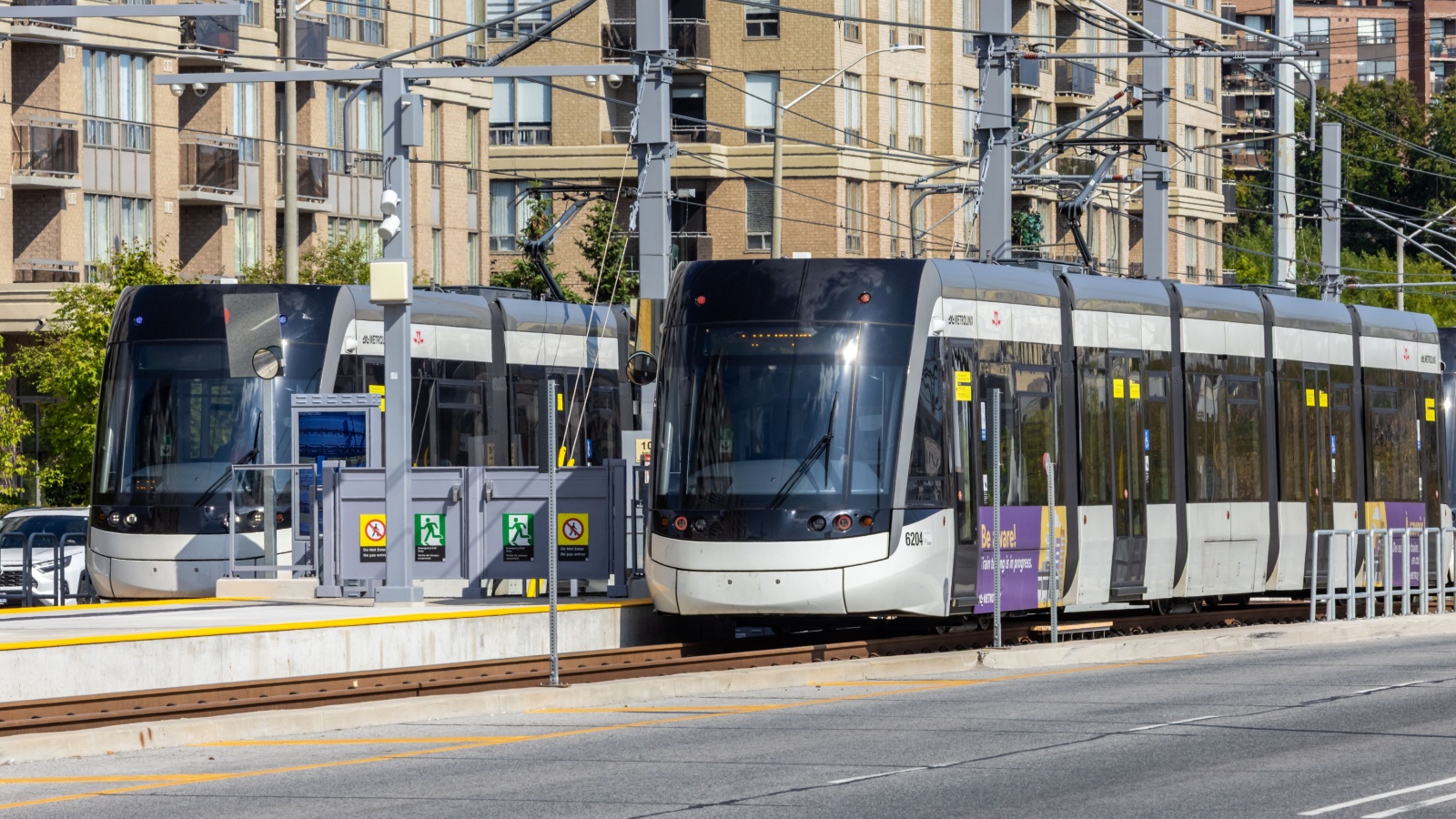
Public transit can be a lifeline, especially for students and younger workers trying to avoid car costs. But transit works best when jobs, housing, school, and services are clustered along reliable routes. In many Canadian communities, affordable housing is farther from job centres, while transit may be slower, less frequent, or harder to use outside peak hours.
That creates a hidden tax on time. A person may technically be able to get to work, but only with long transfers, early departures, or limited flexibility for overtime. Missed connections can affect child care pickups, classes, second jobs, and sleep. For young Canadians, the goalpost moves because cheaper housing may come with longer commutes, while better access may come with higher rent. Either way, the cost appears somewhere.
Starting a Family Feels Like a Financial Calculation

Many young adults still want children, but the decision is increasingly shaped by housing, income, child care, debt, and job security. Earlier generations also faced hard choices, but today’s costs can make family planning feel like a spreadsheet before it feels like a dream. A second bedroom, parental leave, daycare fees, and reliable transportation all become part of the equation.
Statistics Canada has reported affordability concerns among younger adults around shelter and family formation. This does not mean young Canadians are less committed to family life. It means the conditions for starting one feel less predictable. A couple may wait for a better lease, a permanent job, lower debt, or a move closer to relatives. The goalpost keeps moving because the “right time” depends on several unstable costs at once.
Mental Health Has Become Part of the Affordability Conversation

Financial pressure is not only financial. It affects sleep, relationships, confidence, and the ability to plan. Young Canadians often carry the stress of comparing their lives to older benchmarks: home by 30, stable job after graduation, savings in the bank, family plans underway. When those milestones slip, it can feel personal even when the causes are broad.
Statistics Canada has linked affordability pressures with lower life satisfaction for some groups, and public health research continues to examine mental well-being among young people. The pressure is compounded by constant visibility. Friends post vacations, engagements, homes, and promotions, while the harder parts stay private. The result is a generation that may be working hard but still feeling behind. The goalpost moves because success is measured against both economic reality and social comparison.
Social Media Makes Everyone Else’s Timeline Look Faster

Social media can turn private uncertainty into public comparison. A young Canadian scrolling after work may see one friend buying a condo, another launching a business, another travelling, and another announcing a promotion. What is missing is the context: family help, debt, stress, luck, location, or timing. The feed compresses everyone’s highlights into one impossible standard.
Statistics Canada has reported that social media users have experienced effects such as lost sleep, lower concentration, and negative emotions linked to online use. For young adults already worried about money and work, that comparison can sharpen the feeling of falling behind. The goalpost moves because the standard is no longer just parents, neighbours, or coworkers. It is a constantly refreshed national and global scoreboard.
Regional Inequality Makes Advice Feel Outdated

Advice that works in one Canadian region can fail completely in another. A salary that feels comfortable in one city may barely cover rent in another. A young person in Calgary, Halifax, Montreal, Toronto, Vancouver, Saskatoon, or a northern community may face different housing markets, job options, transit access, taxes, and family support systems.
This makes generic financial advice less useful. “Move somewhere cheaper” may ignore industry concentration, language requirements, social networks, health care access, or the cost of leaving. “Just buy a starter home” may not match local prices. “Take transit” may not work outside certain routes. The goalpost moves because Canada is not one affordability story. Young Canadians are often navigating national expectations inside very different local realities.
Immigration and Population Growth Changed Competition in Some Markets

Canada’s population growth has affected demand for housing, services, schools, transit, and jobs in many communities. Immigration remains central to Canada’s economy and society, but rapid growth can intensify pressure when housing supply, infrastructure, and services do not expand at the same pace. Young Canadians may feel this most sharply in rental searches and entry-level labour markets.
The issue is not about blaming newcomers. It is about systems adapting slowly. When more people compete for limited apartments, family doctors, classrooms, and starter jobs, the effects are felt by newcomers and Canadian-born young adults alike. The goalpost moves because planning becomes harder when demand changes faster than supply. A city that felt manageable a few years ago can quickly become expensive, crowded, or harder to enter.
Climate Costs Are No Longer Abstract
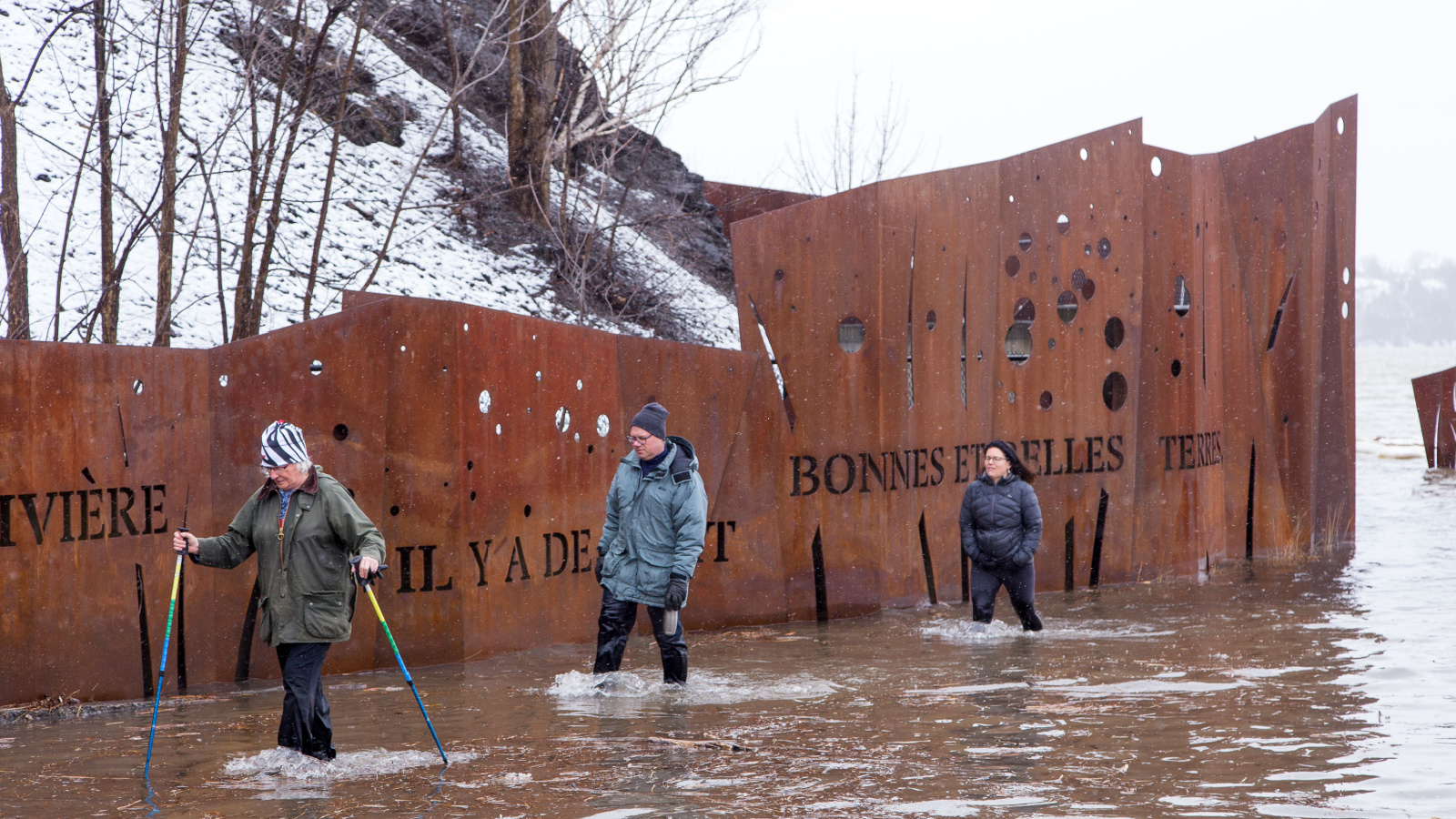
Climate-related costs increasingly show up in everyday life. Wildfires, floods, heat waves, smoke days, storm damage, and insurance pressures affect where people live and how much they pay. Young Canadians may not own property yet, but they still experience the costs through rent, utility bills, disrupted work, relocation risk, and higher prices for goods and services.
The emotional impact is also significant. Planning for the future is harder when the physical environment feels less stable. A person may wonder whether a region will become more expensive to insure, whether smoke will affect summer work, or whether extreme weather will disrupt transportation. The goalpost moves because long-term decisions now include risks that once seemed distant. Climate change has become part of housing, health, career, and financial planning.
Financial Rules Keep Getting More Complicated

Young Canadians face a dense financial landscape: credit scores, tax credits, TFSAs, RRSPs, FHSAs, student loans, variable rates, fixed rates, subscriptions, buy-now-pay-later offers, insurance deductibles, and digital banking tools. The information exists, but understanding it at the exact moment it matters can be difficult. A small mistake can have long-lasting consequences.
The complexity creates an advantage for those with financially experienced families. Someone whose parents understand mortgages, investing, taxes, or workplace benefits may receive informal coaching. Others must learn through trial, error, online searches, or expensive mistakes. The goalpost moves because adulthood now requires financial literacy earlier, faster, and across more products. Hard work still matters, but knowing the rules can matter almost as much.
Family Wealth Has Become a Bigger Divider

Two young Canadians with similar salaries can live completely different lives depending on family support. One may receive help with tuition, a place to live, a car, child care, or a down payment. Another may send money home, carry debt, or have no safety net at all. On paper, their incomes may look equal. In practice, their starting lines are far apart.
This can make progress feel mysterious and unfair. A coworker may buy a condo or take a lower-paid internship because family help made it possible, while another cannot afford the risk. Statistics Canada has documented differences in wealth, housing, and financial hardship across households. The goalpost moves because income alone no longer explains opportunity. Assets, inheritance, parental housing, and informal support shape the path.
19 Things Canadians Don’t Realize the CRA Can See About Their Online Income

Earning money online feels simple and informal for many Canadians. Freelancing, selling products, and digital services often start as side projects. The problem appears at tax time. Many people underestimate how much information the CRA can access. Online platforms, banks, and payment processors create detailed records automatically. These records do not disappear once money hits an account. Small gaps in reporting add up quickly.
Here are 19 things Canadians don’t realize the CRA can see about their online income.
