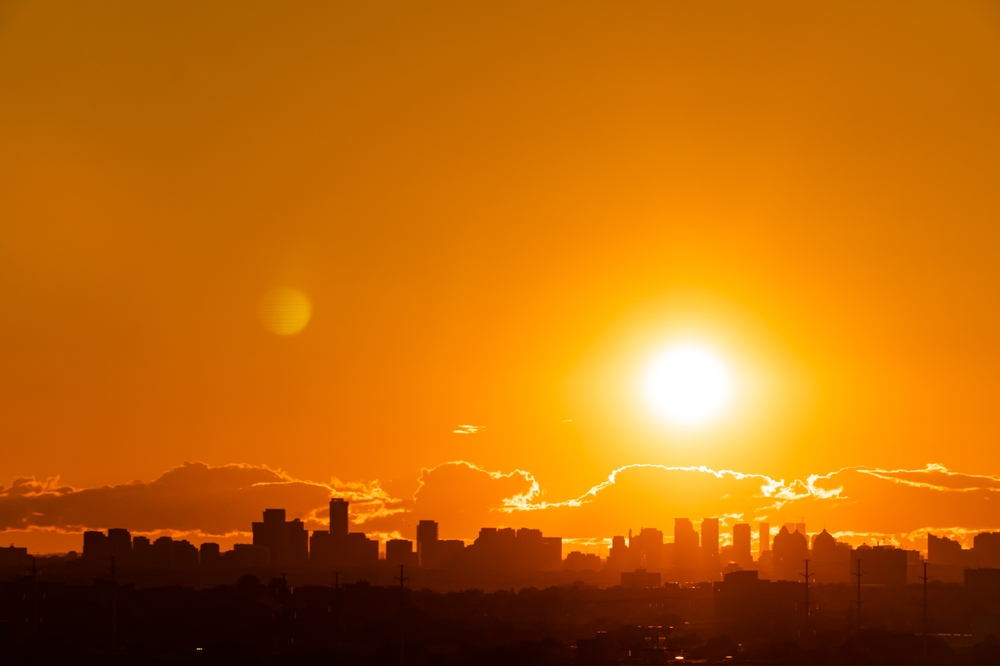
Toronto’s World Cup celebration collided with a more powerful opponent on Thursday: extreme heat. The city cancelled all July 2 match broadcasts at Nathan Phillips Square as southern Ontario remained under a high-impact heat warning, with temperatures in parts of the region potentially approaching 37 C.
The decision did not cancel the evening’s Portugal–Croatia knockout match at Toronto Stadium. Instead, officials concentrated emergency personnel and heat-management resources around the stadium, fan marches and the official fan festival. For supporters who had planned to gather beneath the Toronto sign, the empty screen offered a visible reminder of how quickly dangerous weather can reshape even the world’s largest sporting event.
Nathan Phillips Square Goes Quiet
The City of Toronto confirmed that every World Cup broadcast planned for Nathan Phillips Square on July 2 had been cancelled. The schedule originally included three Round of 32 matches: Spain against Austria in the afternoon, Portugal against Croatia at 7 p.m. and Switzerland against Algeria later that night. Portugal–Croatia carried additional local significance because the match was being played only a few kilometres away at Toronto Stadium. Instead of hosting another large crowd in front of city hall, organizers removed the square from Thursday’s public viewing plans.
Officials attributed the cancellation to both the extreme heat forecast and the personnel required elsewhere. Toronto was already managing fan marches, a capacity crowd at the stadium and the FIFA Fan Festival at Fort York and The Bentway. That meant police officers, paramedics, firefighters, volunteers and event workers were needed across several concentrated downtown locations. Cancelling one outdoor gathering reduced the number of places requiring medical coverage, crowd control, drinking water and emergency response teams.
The Portugal–Croatia Match Remains on Schedule
Although the public broadcast was cancelled, the Portugal–Croatia match itself remained scheduled for 7 p.m. at Toronto Stadium. The Round of 32 contest was Toronto’s sixth and final match of the tournament, concluding a hosting schedule that began when Canada played the first men’s World Cup game on Canadian soil on June 12. The winner was set to advance to the Round of 16, while the loser would see its tournament end in Toronto.
The occasion also carried an emotional dimension for soccer supporters. Portugal arrived with Cristiano Ronaldo, while Croatia was led by Luka Modrić, two of the most accomplished players of their generation. With both men in their 40s, the knockout format meant the match could become the final World Cup appearance for one of them. Thousands of supporters had travelled or planned downtown gatherings around that storyline. The heat did not remove the anticipation, but it changed how fans were expected to experience it—placing hydration, shade and travel planning alongside jerseys, flags and match predictions.
The Numbers Explain the Concern
Environment and Climate Change Canada placed Toronto under an orange heat warning with a high impact level and very high forecast confidence. The broader warning called for daytime maximums in the low-to-mid 30s, with some areas potentially reaching 37 C. Overnight lows between approximately 21 C and 25 C offered limited recovery, particularly inside apartments without effective cooling. By late Thursday morning, Toronto Pearson International Airport was already reporting a humidex of 42.
Humidity matters because the body depends heavily on sweat evaporation to release heat. When the air contains substantial moisture, sweat evaporates less efficiently, making physical activity feel more demanding than the temperature alone suggests. A supporter walking from Union Station, standing in a security line and remaining outdoors through a two-hour match can accumulate significant heat exposure before noticing serious symptoms. Hot pavement, direct sunlight and closely packed crowds can make conditions even more uncomfortable. For organizers, the concern was therefore not one alarming number, but several hours of exposure across multiple outdoor venues.
Managing Several Large Crowds at Once
Toronto’s World Cup mobility plans anticipated more than 45,000 spectators at Toronto Stadium on match days. The FIFA Fan Festival, meanwhile, was designed to accommodate crowds of up to approximately 20,000 people at Fort York and The Bentway. Add organized supporter marches, transit passengers, hospitality workers and people gathering at restaurants, and the operational footprint extends well beyond the stadium gates. Each site needs security, medical response, water access, transportation management and staff capable of identifying heat illness.
Nathan Phillips Square would have added another outdoor crowd in an area surrounded by dense buildings and paved surfaces. A viewing party might appear easier to manage than a stadium match, but it still requires barriers, technicians, volunteers, security teams and emergency planning. Visitors may also arrive without tickets, assigned seats or a clear sense of how long they will remain outside. By cancelling the square’s broadcasts, officials could direct limited personnel toward the stadium and official fan festival, where thousands of attendees were already committed to spending much of the day.
The Fan Festival Adds Cooling Measures
The official FIFA Fan Festival at Fort York and The Bentway was expected to remain open despite the Nathan Phillips Square cancellation. Organizers planned additional measures that included misting stations, shaded cooling areas, free drinking water and on-site medical and first-aid personnel. Such measures do not eliminate the danger, but they provide visitors with opportunities to interrupt their heat exposure before discomfort develops into a medical emergency.
Toronto also operates a citywide Heat Relief Network containing more than 500 cooling locations. Libraries, community centres, civic buildings, pools, splash pads, malls and participating organizations can provide temporary relief throughout the summer, not only during formal heat warnings. A 24-hour cooling location was also available during the warning period. These spaces are especially important for residents whose homes retain heat overnight. For a soccer supporter, stepping inside for even part of the afternoon can be more protective than attempting to endure the entire day outdoors before a 7 p.m. kickoff.
Some Residents Face Greater Danger
Extreme heat can affect anyone, but the risk is not evenly distributed. Older adults living alone, young children, people with chronic health conditions and residents without air conditioning are among those requiring additional attention. Outdoor workers, event volunteers and people experiencing homelessness may also face prolonged exposure with fewer opportunities to cool down. Health authorities advised residents to check on vulnerable relatives, neighbours and friends several times during the day.
Early symptoms of heat exhaustion can include headache, dizziness, nausea, intense thirst, unusual fatigue and heavy sweating. Continuing to walk, work or celebrate without cooling down can make the situation more serious. Confusion, loss of coordination or changes in consciousness can signal heat stroke, which is a medical emergency. The practical lesson is that waiting until someone feels severely ill is dangerous. Drinking water before becoming thirsty, limiting alcohol, finding shade and taking regular indoor breaks are not signs of weakness; during an extended heat event, they are basic precautions that allow people to participate more safely.
World Cup Heat Is Bigger Than One Toronto Event
Toronto’s cancellation fits into a wider debate about staging major soccer tournaments during increasingly hot summers. A peer-reviewed analysis of 57 matches from the 2025 FIFA Club World Cup found that the mean Wet Bulb Globe Temperature exceeded 28 C during 31 games. Wet Bulb Globe Temperature, or WBGT, accounts for air temperature, humidity, sunlight and wind, making it more useful than temperature alone when evaluating heat stress during outdoor activity.
Researchers also found that players covered shorter distances and performed less high-speed running as heat stress increased. Evening games generally produced better running performance because conditions were cooler. Those findings matter beyond the athletes. Spectators, security guards, broadcasters, food-service employees and volunteers may remain exposed much longer than players, who have medical teams and controlled dressing rooms. Cancelling a public screen will not solve the tournament’s broader heat challenge, but it demonstrates that organizers are beginning to treat fan zones and surrounding public spaces as part of the same safety system as the field.
FIFA Has Introduced Mandatory Hydration Breaks
FIFA introduced three-minute hydration breaks during every match at the 2026 World Cup. The breaks occur around the 22nd and 67th minutes and are added to stoppage time at the end of each half. Unlike previous policies that depended more heavily on specific temperature thresholds, the standardized breaks provide players with a scheduled opportunity to drink, cool down and receive instructions regardless of the venue’s conditions.
The policy recognizes that heat is only one component of player welfare during an expanded tournament. The 2026 competition includes 48 teams and a new Round of 32, creating longer schedules and potentially more matches for teams reaching the final stages. Hydration breaks can reduce uninterrupted exertion, but researchers and player representatives have continued to argue that kickoff times, stadium design and WBGT measurements must also influence decision-making. A brief pause cannot fully offset direct afternoon sun or hours of accumulated exposure. Toronto’s experience reinforces the importance of planning beyond the pitch, particularly when outdoor viewing sites attract crowds comparable to major concerts.
Toronto’s Public Celebrations Are Expected to Resume
The cancellation applied to the Nathan Phillips Square schedule for Thursday, July 2, rather than the remainder of the tournament. The city’s updated schedule listed future broadcasts, including Canada’s Round of 16 match against Morocco at 1 p.m. on July 4, along with later knockout matches, semifinals and the July 19 championship final. All schedules remained subject to change as officials monitored weather and operational conditions.
Forecasts indicated that the most intense portion of the heat event would begin easing over the weekend, although warm and humid weather could continue. That should improve conditions for future public gatherings, but Thursday’s decision may influence how Toronto manages outdoor events throughout the rest of the tournament. Large screens and public squares help create the communal atmosphere that makes international soccer memorable. They also create responsibilities that extend far beyond broadcasting the game. When tens of thousands of people are moving through a hot city, the safest celebration may sometimes be the one organizers are willing to cancel.
