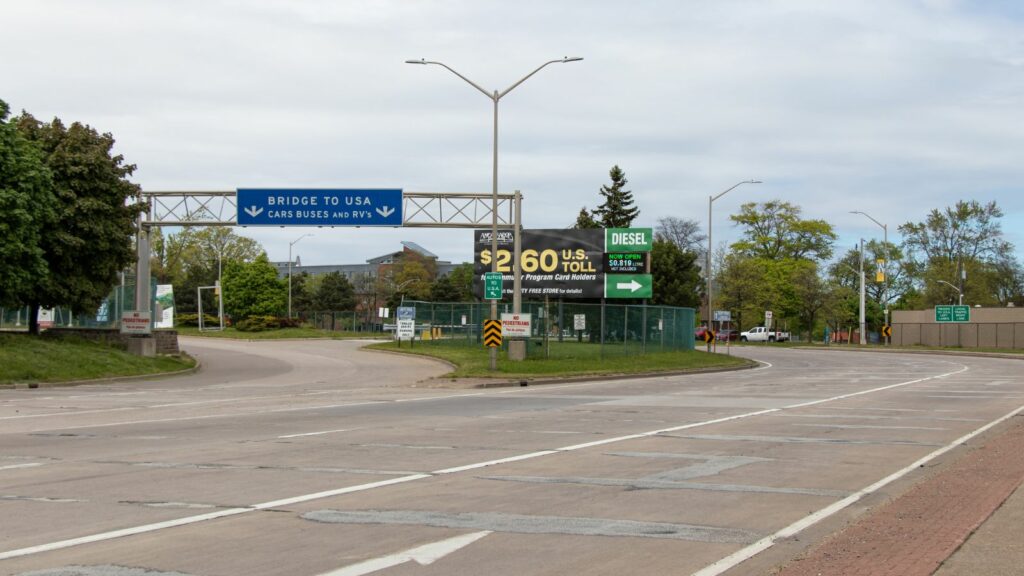
Border declarations can seem routine until one vague answer, forgotten receipt, or undeclared snack turns a quick crossing into a long stop at secondary inspection. For many travellers, the problem is not deliberate smuggling but misunderstanding how broad “declare everything” really is. Gifts, repairs, alcohol, food, cannabis products, cash, and items packed in a vehicle can all raise questions when the paperwork does not match what officers find.
These 9 border declaration mistakes show how small oversights can create bigger delays, extra questioning, penalties, or even seizures. The safest pattern is simple: be complete, be specific, and ask when uncertain.
Undervaluing Purchases to Stay Under an Exemption
A common mistake is treating the declaration as a rough estimate instead of a full accounting of goods acquired abroad. Border officers may ask for receipts, online order confirmations, credit card records, or details about where an item was bought. A traveller who says a designer coat was “around $200” when the receipt shows much more can quickly move from a tax calculation to a credibility problem.
The delay usually grows because officers must determine whether the mistake was accidental, careless, or intentional. Even duty-free purchases still count as purchases and must be declared. A family returning from a weekend trip with gifts, clothing, cosmetics, and electronics can spend far longer at the border if the total is guessed instead of documented. Receipts, screenshots, and a simple itemized list can keep the conversation factual.
Misunderstanding the 24-Hour and 48-Hour Rules
Personal exemptions are often misunderstood because they depend on how long the traveller was outside Canada. A same-day shopper does not receive the same exemption as someone away for 24 or 48 hours. That difference matters when a quick cross-border run turns into bags of groceries, clothing, or household goods that still need to be declared.
The mistake becomes costly when travellers assume that “personal use” automatically means “duty-free.” Goods may be for personal use and still be subject to taxes, duties, or surtaxes. Officers may also look at whether exempted goods are physically with the traveller at the time of arrival, because some exemptions have specific conditions. A long receipt from a short trip can trigger extra review if the declared amount does not match the time away.
Forgetting Food, Plants, or Animal Products
Food is one of the easiest categories to overlook because it can feel harmless: an apple in a backpack, homemade sausage from relatives, seeds, flowers, or a specialty cheese tucked into luggage. Border rules treat these items seriously because food, plant, and animal products can carry pests, diseases, or invasive species that threaten agriculture and ecosystems.
The delay can become much bigger when an officer finds undeclared food after a traveller has already answered “no.” Even if the item is ultimately allowed, the failure to declare it can still create problems. Canada requires travellers to declare food, plants, animals, and related products, and inspection decisions can depend on origin, packaging, quantity, and current restrictions. A declared item may simply be inspected; an undeclared one can lead to penalties or seizure.
Assuming Cannabis or CBD Is Fine Because It Is Legal Somewhere
Cannabis creates confusion because Canadian law allows legal possession in many domestic situations, while the border remains different. It is illegal to take cannabis across Canada’s international border without a valid permit or exemption, whether entering or leaving. That includes edibles, extracts, oils, topicals, and products containing CBD.
A small edible in a toiletry bag can create a much larger delay than travellers expect. Officers may need to determine what the product contains, whether it was declared, and whether any offence occurred. The issue is not only the amount but the cross-border movement itself. A traveller who casually says “it’s legal at home” may still face confiscation, penalties, or more serious consequences. The simplest rule is not to travel internationally with cannabis products.
Failing to Declare CAN$10,000 or More
Cash rules are another frequent source of trouble because travellers sometimes think they are being accused of doing something illegal. Carrying CAN$10,000 or more, or the equivalent in foreign currency and monetary instruments, is not illegal in itself. The requirement is to declare it when entering or leaving Canada.
The mistake often happens when money is split among envelopes, currencies, family members, bank drafts, cheques, or traveller’s cheques. A traveller may think only physical Canadian cash counts, but the rule covers currency and monetary instruments combined. If undeclared funds are discovered, officers can seize them and penalties may apply. Declaring large funds does not automatically mean they will be taken; failing to declare them is what can turn the crossing into a long and stressful examination.
Rounding Down Alcohol or Tobacco Quantities
Alcohol and tobacco can create delays because travellers often remember the purchase but not the exact quantity. A bottle count, volume, carton count, or tobacco weight that is “close enough” may not be close enough at the booth. Exemption limits are specific, and officers can compare the declaration with what is packed in the vehicle or luggage.
This mistake is especially common after holidays, weddings, sports trips, or visits to duty-free shops. A traveller may declare “a couple of bottles” while the trunk contains wine, spirits, and beer purchased by several people in the vehicle. Alcohol and tobacco must generally be with the traveller to qualify for certain exemptions, and provincial or territorial rules may also matter. Clear quantities prevent a simple duty calculation from becoming a search-and-verification process.
Leaving Out Goods Bought for Someone Else
Travellers sometimes assume they only need to declare things they personally intend to keep. That is not how declarations work. Gifts, goods carried for a friend, items bought for a relative, and products intended for resale or business use can all require a different conversation at the border. Personal exemptions generally apply to eligible goods for personal or household use, not commercial imports or goods carried for another person.
This can become a serious delay when the items are new, boxed, duplicated, or high-value. Several identical electronics, cosmetics, sneakers, or tools may cause officers to ask whether the goods are actually personal. A traveller doing a favour for someone else may be left trying to explain purchases without receipts, ownership details, or proof of intended use. Declaring the goods upfront gives officers the chance to classify them properly.
Forgetting Weapons, Firearms, or Restricted Items in a Vehicle
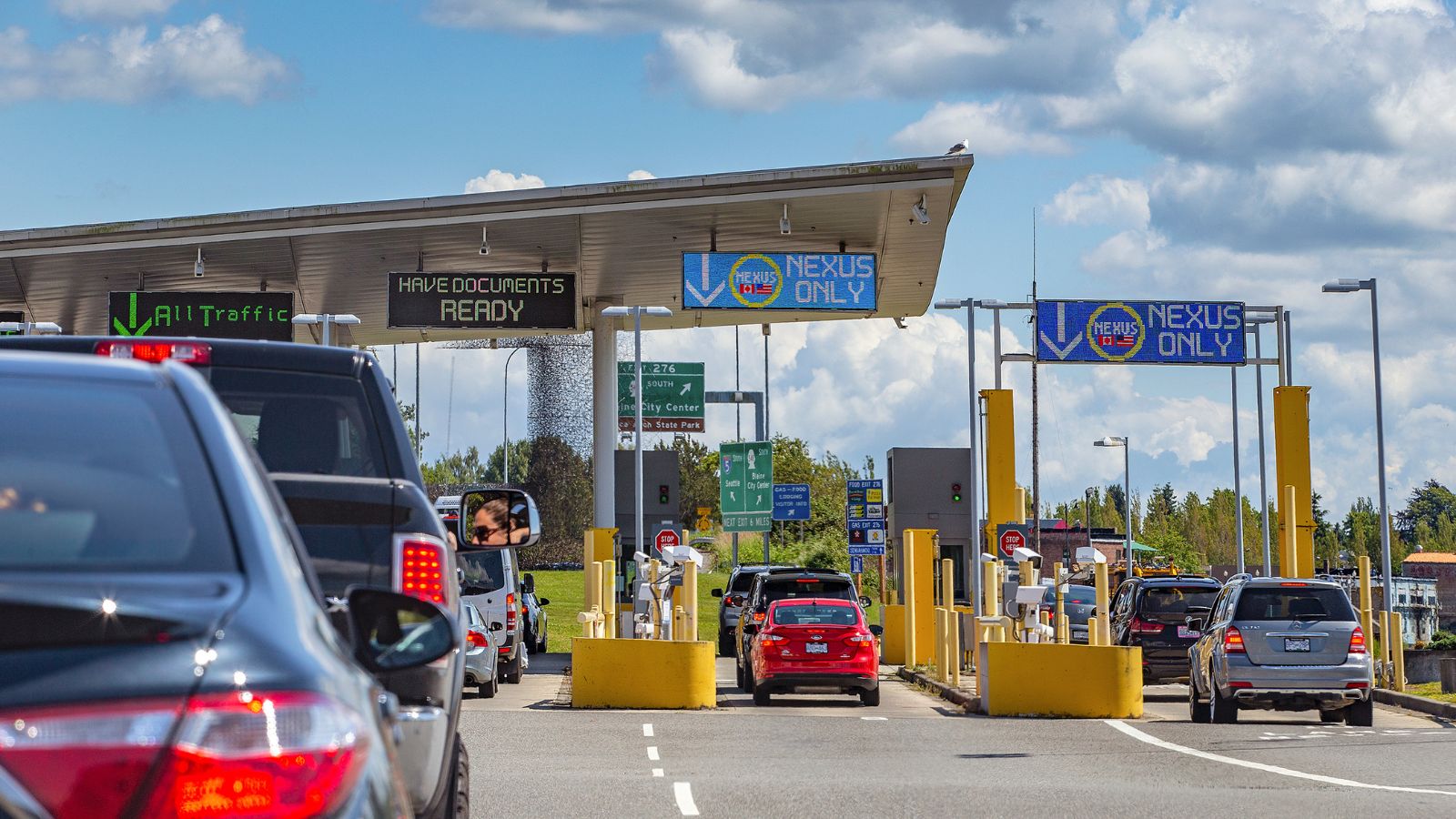
The biggest declaration mistake is sometimes not in a suitcase but in a glove compartment, tackle box, camping kit, or truck console. Firearms, ammunition, pepper spray, certain knives, tasers, and other weapons can be prohibited or tightly controlled at the Canadian border. Travellers entering Canada must declare firearms and weapons, and failure to do so can result in seizure, monetary penalties, or criminal charges.
This issue often involves people who cross by road and forget what is stored in the vehicle. A hunting trip, outdoor vacation, or long drive can leave gear packed in compartments that are rarely checked. Officers do not treat “I forgot it was there” as a reliable solution. Before reaching the border, travellers should inspect the vehicle as carefully as their luggage, especially if it is shared, borrowed, or used for outdoor activities.
Relying on Advance Declaration Without Updating Changes
Advance Declaration can save time at participating Canadian airports because travellers can submit customs and immigration information before arrival. The mistake is treating an early submission as final even after plans change. A duty-free purchase, a last-minute gift, extra cash, or a packed food item can make the original declaration incomplete by the time the traveller reaches the kiosk or officer.
The delay happens when the electronic declaration no longer matches the traveller’s actual goods. Officers may need to clarify whether the traveller forgot, misunderstood, or intentionally omitted information. Advance tools are useful, but accuracy still matters at arrival. If something changes after submission, the traveller should correct the declaration when given the opportunity and answer questions plainly. A time-saving feature works best when it is treated as a living declaration, not a shortcut.
19 Things Canadians Don’t Realize the CRA Can See About Their Online Income

Earning money online feels simple and informal for many Canadians. Freelancing, selling products, and digital services often start as side projects. The problem appears at tax time. Many people underestimate how much information the CRA can access. Online platforms, banks, and payment processors create detailed records automatically. These records do not disappear once money hits an account. Small gaps in reporting add up quickly.
Here are 19 things Canadians don’t realize the CRA can see about their online income.
